
#grm
grm
閲覧回数 786
8人が討論中
注目
最新
$GRM DUMPS 8% AS APPLE YANKS TELEGRAM FROM THE APP STORE 🔴
📉 アプリストアのブラックアウトはほんの数時間で済んだものの、$GRM のホルダーたちはパニックの重みを丸ごと受けた。Apple は CSAM 違反を理由に Telegram を撤去し、トークンはアプリが静かに復旧する前に約 8% 失速した。典型的な流動性ショック——ただし市場のほうが先に動いた。
🔍 2018年以来2度目となるが、Apple は Telegram に対してハンマーを振り下ろした。前例は? プロトコルが大掃除を行い、モデレーションを強化し、生き残った。トークンは回復するが、センチメントに残る“汚れ”は消えにくい。
💡 本当の問いは、Telegram が戻るかどうかではない——この規制の影が、$GRM の上値をずっと押さえつけ続けるのかどうかだ。 💬 この下落を“割引”として見ているのか、それとも“赤信号”として捉えているのか?
⚠️ これは金融助言ではない。常にリスクを管理しよう。 🛡️
🏷️ #GRM #Telegram #Crypto #Bearish #AppStore
🩸 📉
$GRM DUMPS 8% AS APPLE YANKS TELEGRAM FROM THE APP STORE 🔴
📉 アプリストアのブラックアウトはほんの数時間で済んだものの、$GRM のホルダーたちはパニックの重みを丸ごと受けた。Apple は CSAM 違反を理由に Telegram を撤去し、トークンはアプリが静かに復旧する前に約 8% 失速した。典型的な流動性ショック——ただし市場のほうが先に動いた。
🔍 2018年以来2度目となるが、Apple は Telegram に対してハンマーを振り下ろした。前例は? プロトコルが大掃除を行い、モデレーションを強化し、生き残った。トークンは回復するが、センチメントに残る“汚れ”は消えにくい。
💡 本当の問いは、Telegram が戻るかどうかではない——この規制の影が、$GRM の上値をずっと押さえつけ続けるのかどうかだ。 💬 この下落を“割引”として見ているのか、それとも“赤信号”として捉えているのか?
⚠️ これは金融助言ではない。常にリスクを管理しよう。 🛡️
🏷️ #GRM #Telegram #Crypto #Bearish #AppStore
🩸 📉
📉 アプリストアのブラックアウトはほんの数時間で済んだものの、$GRM のホルダーたちはパニックの重みを丸ごと受けた。Apple は CSAM 違反を理由に Telegram を撤去し、トークンはアプリが静かに復旧する前に約 8% 失速した。典型的な流動性ショック——ただし市場のほうが先に動いた。
🔍 2018年以来2度目となるが、Apple は Telegram に対してハンマーを振り下ろした。前例は? プロトコルが大掃除を行い、モデレーションを強化し、生き残った。トークンは回復するが、センチメントに残る“汚れ”は消えにくい。
💡 本当の問いは、Telegram が戻るかどうかではない——この規制の影が、$GRM の上値をずっと押さえつけ続けるのかどうかだ。 💬 この下落を“割引”として見ているのか、それとも“赤信号”として捉えているのか?
⚠️ これは金融助言ではない。常にリスクを管理しよう。 🛡️
🏷️ #GRM #Telegram #Crypto #Bearish #AppStore
🩸 📉
6
·
--
みんながApp Storeと#Telegram の間で起きている状況に注目しているところですが、代わりにTelegramの@thegrmボットについて話したいと思います。見つけた面白いことが3つあります。😵😵😵
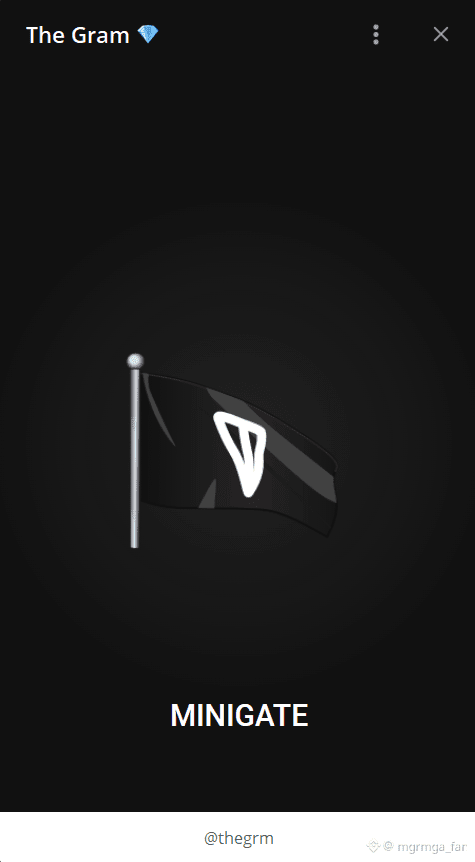
1. このボットは裏でこっそり更新されているような気がします。以前は動いていて、オークションもあり、さらにGram(GRM)ウォレットも含まれていました。ですが今は起動すると、画面の下の方にMINIGATEが表示され、その後に「Loading failed.」が出ます。
(残念ながら、MINIGATEというラベルが以前からあったかどうかは覚えていませんが、私の記憶では前はありませんでした。)
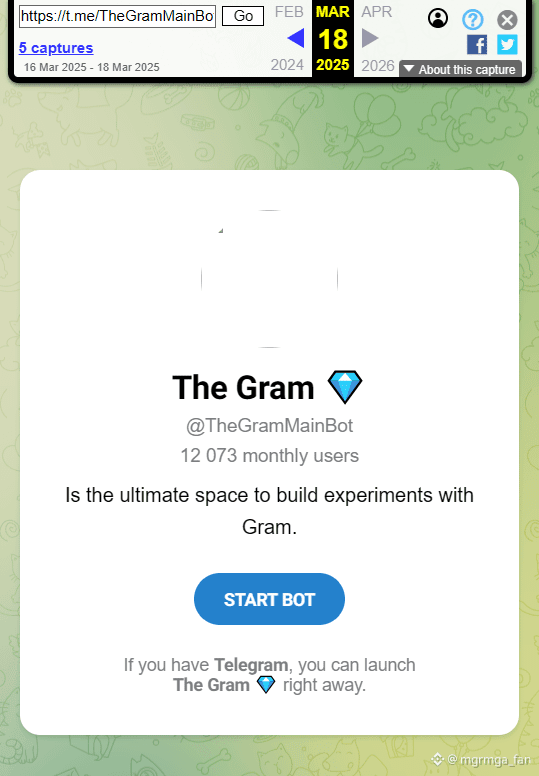
2. ボットのユーザー名が変更されています。(Wayback Machineのスクリーンショットを添付しています。)
旧:t.me/TheGramMainBot
新:t.me/thegrm
3. このボットはOleg Oskolsky(Gorilla🙊としても知られています)によって作成されました。
皆さん自身でもこのボットを監視できますが、何かが変わったら、まず最初に私からお知らせできるよう最善を尽くします。
MINIGATE……それって何を意味しているんだと思います?私の記憶では、この言葉はこれまでアプリ内に一度も出てきたことがありませんでした。
#GRM #Bot $GRAM
みんながApp Storeと#Telegram の間で起きている状況に注目しているところですが、代わりにTelegramの@thegrmボットについて話したいと思います。見つけた面白いことが3つあります。😵😵😵
1. このボットは裏でこっそり更新されているような気がします。以前は動いていて、オークションもあり、さらにGram(GRM)ウォレットも含まれていました。ですが今は起動すると、画面の下の方にMINIGATEが表示され、その後に「Loading failed.」が出ます。
(残念ながら、MINIGATEというラベルが以前からあったかどうかは覚えていませんが、私の記憶では前はありませんでした。)
2. ボットのユーザー名が変更されています。(Wayback Machineのスクリーンショットを添付しています。)
旧:t.me/TheGramMainBot
新:t.me/thegrm
3. このボットはOleg Oskolsky(Gorilla🙊としても知られています)によって作成されました。
皆さん自身でもこのボットを監視できますが、何かが変わったら、まず最初に私からお知らせできるよう最善を尽くします。
MINIGATE……それって何を意味しているんだと思います?私の記憶では、この言葉はこれまでアプリ内に一度も出てきたことがありませんでした。
#GRM #Bot $GRAM
1. このボットは裏でこっそり更新されているような気がします。以前は動いていて、オークションもあり、さらにGram(GRM)ウォレットも含まれていました。ですが今は起動すると、画面の下の方にMINIGATEが表示され、その後に「Loading failed.」が出ます。
(残念ながら、MINIGATEというラベルが以前からあったかどうかは覚えていませんが、私の記憶では前はありませんでした。)
2. ボットのユーザー名が変更されています。(Wayback Machineのスクリーンショットを添付しています。)
旧:t.me/TheGramMainBot
新:t.me/thegrm
3. このボットはOleg Oskolsky(Gorilla🙊としても知られています)によって作成されました。
皆さん自身でもこのボットを監視できますが、何かが変わったら、まず最初に私からお知らせできるよう最善を尽くします。
MINIGATE……それって何を意味しているんだと思います?私の記憶では、この言葉はこれまでアプリ内に一度も出てきたことがありませんでした。
#GRM #Bot $GRAM
2
222
·
--
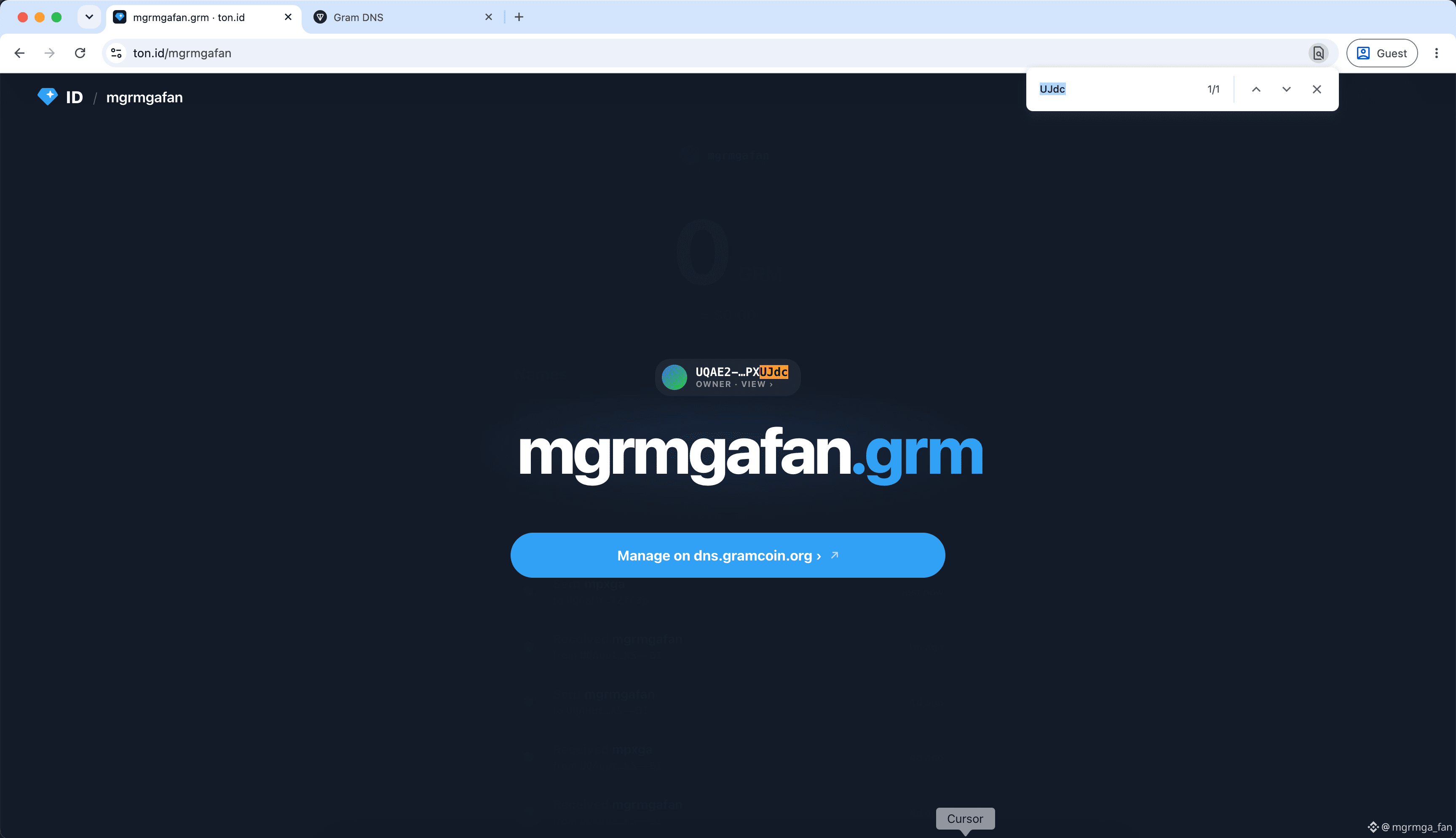
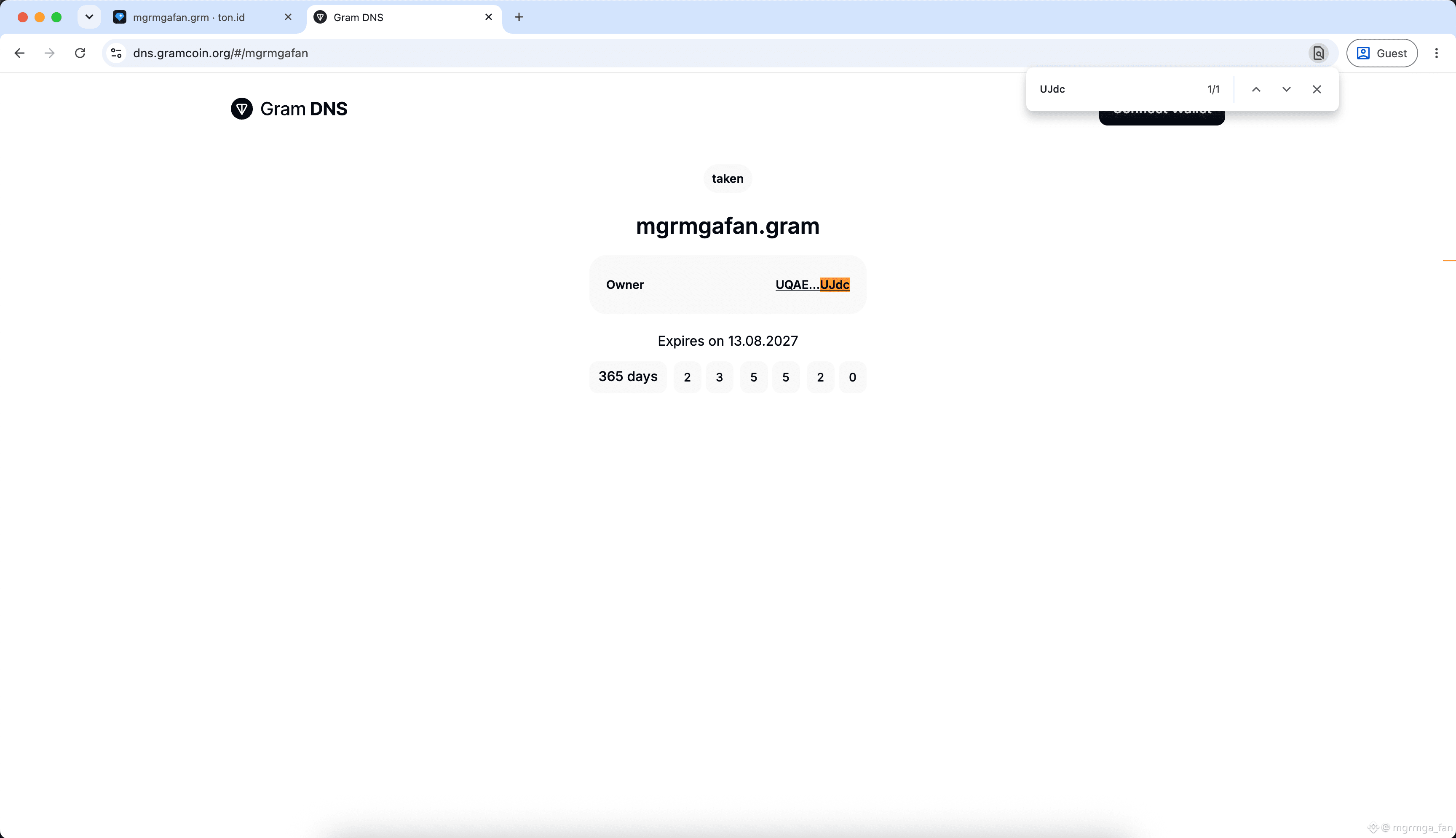
ちなみに、私自身でいくつかのドメインを取得しました。そのうちの1つが mgrmgafan.gram / mgrmgafan.grm です。
なぜ .gram と .grm の両方を書いたのですか?その答えは以下の Fact #2 にあります。
Fact #2
Fact #1 を見逃した場合は、こちらで確認できます: [Fact 1 — Gram DNS](https://www.binance.com/en/square/post/354898494113249)
私は .gram の TLD を使って dns.gramcoin.org でドメインを購入しました。その後、ton.id で自分のドメインを見つけられるようになったのですが、そこで表示されるのは .grm でした。
さらに、私は ton.id のことを、その最初の変更が入る前から追っていました。以前は .gram で終わるドメインを所有している人が見えていましたが、アップデートの後で .gram は .grm に変更されました。
今でも、dns.gramcoin.org で自分のドメインを調べると mgrmgafan.gram が表示される一方、ton.id では mgrmgafan.grm として表示されています。
#GRAM #GRM #MGRMGA #Telegram
ちなみに、私自身でいくつかのドメインを取得しました。そのうちの1つが mgrmgafan.gram / mgrmgafan.grm です。
なぜ .gram と .grm の両方を書いたのですか?その答えは以下の Fact #2 にあります。
Fact #2
Fact #1 を見逃した場合は、こちらで確認できます: Fact 1 — Gram DNS
私は .gram の TLD を使って dns.gramcoin.org でドメインを購入しました。その後、ton.id で自分のドメインを見つけられるようになったのですが、そこで表示されるのは .grm でした。
さらに、私は ton.id のことを、その最初の変更が入る前から追っていました。以前は .gram で終わるドメインを所有している人が見えていましたが、アップデートの後で .gram は .grm に変更されました。
今でも、dns.gramcoin.org で自分のドメインを調べると mgrmgafan.gram が表示される一方、ton.id では mgrmgafan.grm として表示されています。
#GRAM #GRM #MGRMGA #Telegram
なぜ .gram と .grm の両方を書いたのですか?その答えは以下の Fact #2 にあります。
Fact #2
Fact #1 を見逃した場合は、こちらで確認できます: Fact 1 — Gram DNS
私は .gram の TLD を使って dns.gramcoin.org でドメインを購入しました。その後、ton.id で自分のドメインを見つけられるようになったのですが、そこで表示されるのは .grm でした。
さらに、私は ton.id のことを、その最初の変更が入る前から追っていました。以前は .gram で終わるドメインを所有している人が見えていましたが、アップデートの後で .gram は .grm に変更されました。
今でも、dns.gramcoin.org で自分のドメインを調べると mgrmgafan.gram が表示される一方、ton.id では mgrmgafan.grm として表示されています。
#GRAM #GRM #MGRMGA #Telegram
1
111

·
--
記事
翻訳参照
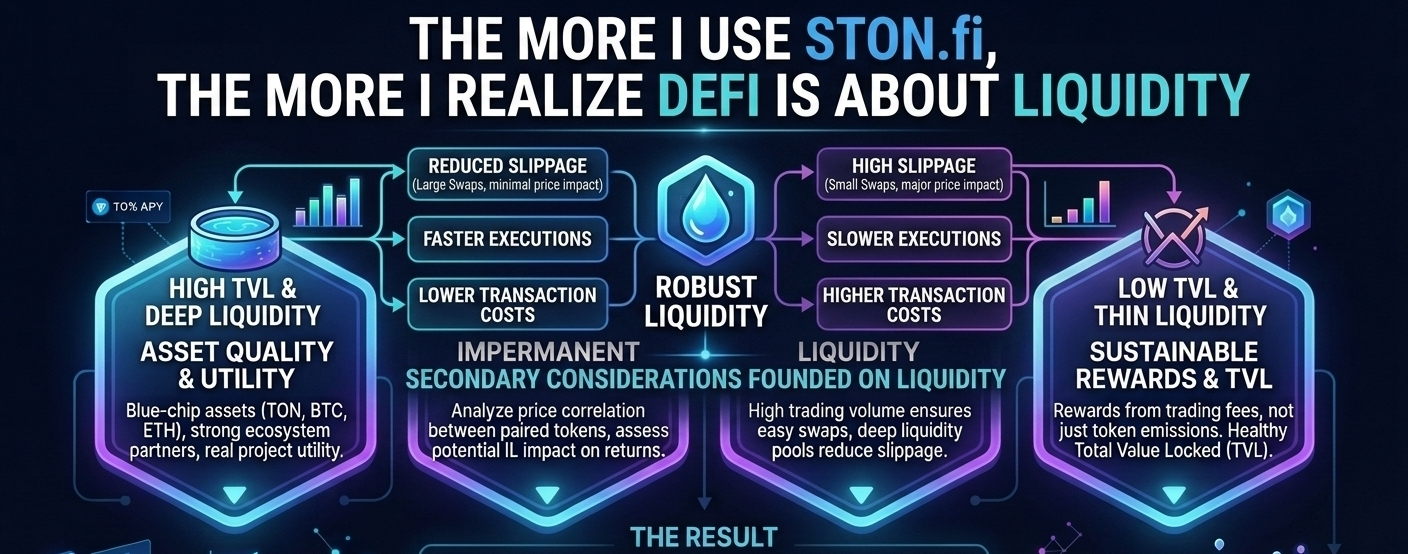
The More I Use STON.fi, the More I Realize DeFi Is About LiquidityThe More I Use STON.fi, the More I Realize DeFi Is About Liquidity
When I first started exploring STON.fi, I was mostly interested in one thing: earning from my crypto.
I would look at the farming page, check the APRs, compare the pools, and naturally gravitate toward whichever number looked the most attractive.
But the longer I spend around STON.fi, the more my perspective has changed.
I now understand that liquidity farming isn't simply about finding a high APR and depositing funds. There is a bigger story happening behind every swap, every liquidity pool, and every reward earned by an LP.
And honestly, that's what has made DeFi more interesting to me.
I Used to See Pools as Just a Place to Earn
At the beginning, I looked at a liquidity pool from a very simple perspective:
"I put my tokens here, and I receive rewards."
That's true, but it's only part of the picture.
When I provide liquidity, those assets are helping other users trade. The pool needs liquidity so people can swap one token for another without relying on a traditional order book.
STON.fi describes liquidity provision and farming as separate steps: providing liquidity gives you LP tokens representing your position, while farming involves staking those LP tokens to earn additional rewards. �
STON.fi Blog +1
Once I understood that, I started looking at my role differently.
I'm not simply depositing money into a farm.
I'm contributing liquidity to a market.
That's When APR Became Less Important to Me
I still check APR. I probably always will.
It's useful for comparing current opportunities.
But I don't let APR make the entire decision anymore.
I've seen how quickly farming numbers can change. A pool that looks extremely attractive today may have a completely different APR later.
So now, when I see a pool with a big number, I become curious rather than excited.
I ask myself:
What is driving this APR?
Is there strong trading activity?
Are there additional farming incentives?
How volatile are the tokens?
Would I still be comfortable holding these assets if the market moved against me?
Those questions are much more useful than simply chasing the biggest percentage.
Liquidity Is the Part of DeFi I Appreciate More Now
One thing I've come to appreciate is how important liquidity actually is.
As a user, it's easy to think about swaps from the perspective of the person clicking "Swap."
You choose a token, enter an amount, confirm the transaction, and you're done.
But behind that simple experience is liquidity.
Someone has supplied those assets.
Someone is taking on the risks associated with providing liquidity.
And that liquidity helps make trading possible.
That's why STON.fi's farming model interests me. Farming isn't completely disconnected from the activity happening on the DEX. Liquidity providers are contributing to the infrastructure that other users depend on.
STON.fi itself describes liquidity as one of the core ways users can contribute to TON DeFi, alongside governance through staking. �
STON.fi Blog
I Also Had to Learn About Impermanent Loss
This was one of the concepts I struggled with when I started.
At first, I thought:
"If I provide liquidity and earn rewards, why wouldn't I simply make more than holding the tokens?"
Then I learned about impermanent loss.
When the relative prices of the two assets in a liquidity pool change, the value of the position can differ from simply holding the two assets separately. That's one of the fundamental risks liquidity providers need to understand. �
STON.fi Blog
Learning this didn't make me stop using liquidity pools.
Instead, it made me more careful.
I stopped looking at farming as "free money" and started treating it as what it really is: a strategy with potential rewards and real risks.
That change in mindset was important for me.
Now I Look at the Whole Picture
These days, when I'm checking STON.fi, I don't look at just one number.
I look at the APR.
I look at the tokens.
I think about volatility.
I consider impermanent loss.
I pay attention to liquidity and trading activity.
And I ask myself whether the opportunity actually makes sense for me.
That doesn't mean I always get it right. DeFi moves too quickly for anyone to predict everything.
But I feel much better making a decision after understanding what I'm getting into rather than simply following the crowd.
Why This Journey Has Been Valuable for Me
The biggest thing STON.fi has given me isn't a particular farm or a particular APR.
It's experience.
Every week, when I check the pools and see how the numbers have changed, I'm learning something about markets, liquidity, incentives and risk.
One week, a particular pool might dominate the farming numbers.
Another week, a different opportunity might attract attention.
And that's actually the interesting part.
DeFi isn't static.
The ecosystem keeps moving, and as a liquidity provider, you have to keep learning with it.
My Biggest Lesson So Far
If there's one thing I'd tell someone just starting out, it's this:
Don't enter DeFi just because you saw a high APR.
Take some time to understand what you're actually doing.
Learn what a liquidity pool is.
Understand where your rewards come from.
Learn about impermanent loss.
Look at the tokens you're providing.
And most importantly, never assume that a high return comes without additional risk.
STON.fi's own educational material makes the same broader point: liquidity provision and farming can create opportunities, but rates fluctuate and risks such as impermanent loss and smart-contract vulnerabilities need to be considered. �
STON.fi Blog +1
Final Thoughts
My view of STON.fi has changed quite a lot since I first started exploring it.
At the beginning, I saw farming as a way to potentially earn more from my crypto.
Now, I see something bigger.
I see liquidity providers helping markets function. I see farmers participating in the TON DeFi economy. I see an ecosystem where the numbers change constantly and where learning is just as important as earning.
And that's probably the biggest lesson I've taken from my experience so far:
In DeFi, the goal shouldn't only be to find the highest yield. The goal should be to understand what you're participating in.
The more I learn about STON.fi, the more I realise that liquidity isn't just a number on a dashboard.
It's the foundation that keeps the whole trading experience moving. 🗿
This is a personal perspective on using and following STON.fi and is not financial advice. Liquidity provision and DeFi involve risk, and APRs can change over time.
#GRM $GRAM
{spot}(GRAMUSDT)
The More I Use STON.fi, the More I Realize DeFi Is About Liquidity
The More I Use STON.fi, the More I Realize DeFi Is About Liquidity
When I first started exploring STON.fi, I was mostly interested in one thing: earning from my crypto.
I would look at the farming page, check the APRs, compare the pools, and naturally gravitate toward whichever number looked the most attractive.
But the longer I spend around STON.fi, the more my perspective has changed.
I now understand that liquidity farming isn't simply about finding a high APR and depositing funds. There is a bigger story happening behind every swap, every liquidity pool, and every reward earned by an LP.
And honestly, that's what has made DeFi more interesting to me.
I Used to See Pools as Just a Place to Earn
At the beginning, I looked at a liquidity pool from a very simple perspective:
"I put my tokens here, and I receive rewards."
That's true, but it's only part of the picture.
When I provide liquidity, those assets are helping other users trade. The pool needs liquidity so people can swap one token for another without relying on a traditional order book.
STON.fi describes liquidity provision and farming as separate steps: providing liquidity gives you LP tokens representing your position, while farming involves staking those LP tokens to earn additional rewards. �
STON.fi Blog +1
Once I understood that, I started looking at my role differently.
I'm not simply depositing money into a farm.
I'm contributing liquidity to a market.
That's When APR Became Less Important to Me
I still check APR. I probably always will.
It's useful for comparing current opportunities.
But I don't let APR make the entire decision anymore.
I've seen how quickly farming numbers can change. A pool that looks extremely attractive today may have a completely different APR later.
So now, when I see a pool with a big number, I become curious rather than excited.
I ask myself:
What is driving this APR?
Is there strong trading activity?
Are there additional farming incentives?
How volatile are the tokens?
Would I still be comfortable holding these assets if the market moved against me?
Those questions are much more useful than simply chasing the biggest percentage.
Liquidity Is the Part of DeFi I Appreciate More Now
One thing I've come to appreciate is how important liquidity actually is.
As a user, it's easy to think about swaps from the perspective of the person clicking "Swap."
You choose a token, enter an amount, confirm the transaction, and you're done.
But behind that simple experience is liquidity.
Someone has supplied those assets.
Someone is taking on the risks associated with providing liquidity.
And that liquidity helps make trading possible.
That's why STON.fi's farming model interests me. Farming isn't completely disconnected from the activity happening on the DEX. Liquidity providers are contributing to the infrastructure that other users depend on.
STON.fi itself describes liquidity as one of the core ways users can contribute to TON DeFi, alongside governance through staking. �
STON.fi Blog
I Also Had to Learn About Impermanent Loss
This was one of the concepts I struggled with when I started.
At first, I thought:
"If I provide liquidity and earn rewards, why wouldn't I simply make more than holding the tokens?"
Then I learned about impermanent loss.
When the relative prices of the two assets in a liquidity pool change, the value of the position can differ from simply holding the two assets separately. That's one of the fundamental risks liquidity providers need to understand. �
STON.fi Blog
Learning this didn't make me stop using liquidity pools.
Instead, it made me more careful.
I stopped looking at farming as "free money" and started treating it as what it really is: a strategy with potential rewards and real risks.
That change in mindset was important for me.
Now I Look at the Whole Picture
These days, when I'm checking STON.fi, I don't look at just one number.
I look at the APR.
I look at the tokens.
I think about volatility.
I consider impermanent loss.
I pay attention to liquidity and trading activity.
And I ask myself whether the opportunity actually makes sense for me.
That doesn't mean I always get it right. DeFi moves too quickly for anyone to predict everything.
But I feel much better making a decision after understanding what I'm getting into rather than simply following the crowd.
Why This Journey Has Been Valuable for Me
The biggest thing STON.fi has given me isn't a particular farm or a particular APR.
It's experience.
Every week, when I check the pools and see how the numbers have changed, I'm learning something about markets, liquidity, incentives and risk.
One week, a particular pool might dominate the farming numbers.
Another week, a different opportunity might attract attention.
And that's actually the interesting part.
DeFi isn't static.
The ecosystem keeps moving, and as a liquidity provider, you have to keep learning with it.
My Biggest Lesson So Far
If there's one thing I'd tell someone just starting out, it's this:
Don't enter DeFi just because you saw a high APR.
Take some time to understand what you're actually doing.
Learn what a liquidity pool is.
Understand where your rewards come from.
Learn about impermanent loss.
Look at the tokens you're providing.
And most importantly, never assume that a high return comes without additional risk.
STON.fi's own educational material makes the same broader point: liquidity provision and farming can create opportunities, but rates fluctuate and risks such as impermanent loss and smart-contract vulnerabilities need to be considered. �
STON.fi Blog +1
Final Thoughts
My view of STON.fi has changed quite a lot since I first started exploring it.
At the beginning, I saw farming as a way to potentially earn more from my crypto.
Now, I see something bigger.
I see liquidity providers helping markets function. I see farmers participating in the TON DeFi economy. I see an ecosystem where the numbers change constantly and where learning is just as important as earning.
And that's probably the biggest lesson I've taken from my experience so far:
In DeFi, the goal shouldn't only be to find the highest yield. The goal should be to understand what you're participating in.
The more I learn about STON.fi, the more I realise that liquidity isn't just a number on a dashboard.
It's the foundation that keeps the whole trading experience moving. 🗿
This is a personal perspective on using and following STON.fi and is not financial advice. Liquidity provision and DeFi involve risk, and APRs can change over time.
#GRM $GRAM
When I first started exploring STON.fi, I was mostly interested in one thing: earning from my crypto.
I would look at the farming page, check the APRs, compare the pools, and naturally gravitate toward whichever number looked the most attractive.
But the longer I spend around STON.fi, the more my perspective has changed.
I now understand that liquidity farming isn't simply about finding a high APR and depositing funds. There is a bigger story happening behind every swap, every liquidity pool, and every reward earned by an LP.
And honestly, that's what has made DeFi more interesting to me.
I Used to See Pools as Just a Place to Earn
At the beginning, I looked at a liquidity pool from a very simple perspective:
"I put my tokens here, and I receive rewards."
That's true, but it's only part of the picture.
When I provide liquidity, those assets are helping other users trade. The pool needs liquidity so people can swap one token for another without relying on a traditional order book.
STON.fi describes liquidity provision and farming as separate steps: providing liquidity gives you LP tokens representing your position, while farming involves staking those LP tokens to earn additional rewards. �
STON.fi Blog +1
Once I understood that, I started looking at my role differently.
I'm not simply depositing money into a farm.
I'm contributing liquidity to a market.
That's When APR Became Less Important to Me
I still check APR. I probably always will.
It's useful for comparing current opportunities.
But I don't let APR make the entire decision anymore.
I've seen how quickly farming numbers can change. A pool that looks extremely attractive today may have a completely different APR later.
So now, when I see a pool with a big number, I become curious rather than excited.
I ask myself:
What is driving this APR?
Is there strong trading activity?
Are there additional farming incentives?
How volatile are the tokens?
Would I still be comfortable holding these assets if the market moved against me?
Those questions are much more useful than simply chasing the biggest percentage.
Liquidity Is the Part of DeFi I Appreciate More Now
One thing I've come to appreciate is how important liquidity actually is.
As a user, it's easy to think about swaps from the perspective of the person clicking "Swap."
You choose a token, enter an amount, confirm the transaction, and you're done.
But behind that simple experience is liquidity.
Someone has supplied those assets.
Someone is taking on the risks associated with providing liquidity.
And that liquidity helps make trading possible.
That's why STON.fi's farming model interests me. Farming isn't completely disconnected from the activity happening on the DEX. Liquidity providers are contributing to the infrastructure that other users depend on.
STON.fi itself describes liquidity as one of the core ways users can contribute to TON DeFi, alongside governance through staking. �
STON.fi Blog
I Also Had to Learn About Impermanent Loss
This was one of the concepts I struggled with when I started.
At first, I thought:
"If I provide liquidity and earn rewards, why wouldn't I simply make more than holding the tokens?"
Then I learned about impermanent loss.
When the relative prices of the two assets in a liquidity pool change, the value of the position can differ from simply holding the two assets separately. That's one of the fundamental risks liquidity providers need to understand. �
STON.fi Blog
Learning this didn't make me stop using liquidity pools.
Instead, it made me more careful.
I stopped looking at farming as "free money" and started treating it as what it really is: a strategy with potential rewards and real risks.
That change in mindset was important for me.
Now I Look at the Whole Picture
These days, when I'm checking STON.fi, I don't look at just one number.
I look at the APR.
I look at the tokens.
I think about volatility.
I consider impermanent loss.
I pay attention to liquidity and trading activity.
And I ask myself whether the opportunity actually makes sense for me.
That doesn't mean I always get it right. DeFi moves too quickly for anyone to predict everything.
But I feel much better making a decision after understanding what I'm getting into rather than simply following the crowd.
Why This Journey Has Been Valuable for Me
The biggest thing STON.fi has given me isn't a particular farm or a particular APR.
It's experience.
Every week, when I check the pools and see how the numbers have changed, I'm learning something about markets, liquidity, incentives and risk.
One week, a particular pool might dominate the farming numbers.
Another week, a different opportunity might attract attention.
And that's actually the interesting part.
DeFi isn't static.
The ecosystem keeps moving, and as a liquidity provider, you have to keep learning with it.
My Biggest Lesson So Far
If there's one thing I'd tell someone just starting out, it's this:
Don't enter DeFi just because you saw a high APR.
Take some time to understand what you're actually doing.
Learn what a liquidity pool is.
Understand where your rewards come from.
Learn about impermanent loss.
Look at the tokens you're providing.
And most importantly, never assume that a high return comes without additional risk.
STON.fi's own educational material makes the same broader point: liquidity provision and farming can create opportunities, but rates fluctuate and risks such as impermanent loss and smart-contract vulnerabilities need to be considered. �
STON.fi Blog +1
Final Thoughts
My view of STON.fi has changed quite a lot since I first started exploring it.
At the beginning, I saw farming as a way to potentially earn more from my crypto.
Now, I see something bigger.
I see liquidity providers helping markets function. I see farmers participating in the TON DeFi economy. I see an ecosystem where the numbers change constantly and where learning is just as important as earning.
And that's probably the biggest lesson I've taken from my experience so far:
In DeFi, the goal shouldn't only be to find the highest yield. The goal should be to understand what you're participating in.
The more I learn about STON.fi, the more I realise that liquidity isn't just a number on a dashboard.
It's the foundation that keeps the whole trading experience moving. 🗿
This is a personal perspective on using and following STON.fi and is not financial advice. Liquidity provision and DeFi involve risk, and APRs can change over time.
#GRM $GRAM
1
164
·
--
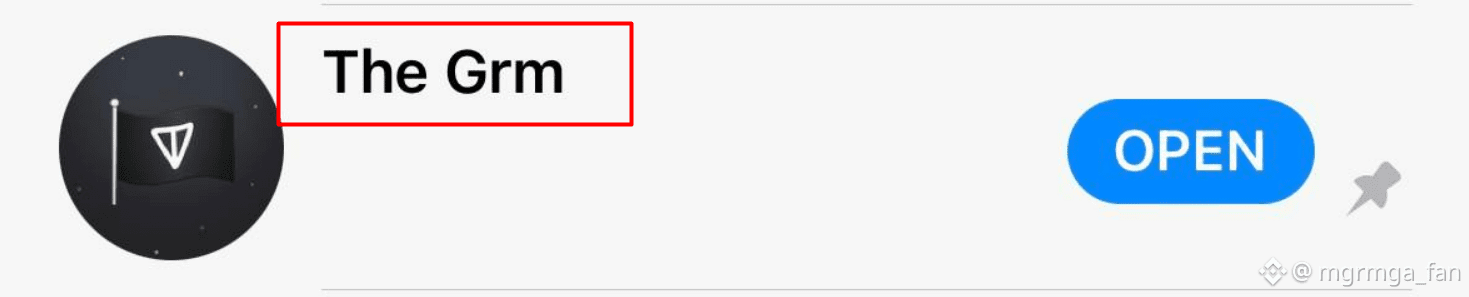
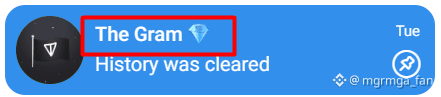
@thegrm ボットの #Telegram について、さらに議論を続けたいです。変なバグ――もしくは機能なのかもしれませんが――を見つけました。なぜか Windows アプリ(2枚目のスクリーンショット)で、名前が時々「The Grm」に変わって、その後すぐに元のもの「The Gram 🐳」に切り替わります。
まったく同じことが Web 版でも起きています(1枚目と最後のスクリーンショット)。
あなたにも起きていますか?
これはかなり奇妙です。
🐳: クジラの絵文字は本当はクリスタルの絵文字のつもりなんですが、Binance にはまだその絵文字がありません。たぶん知らせておいたほうがいいでしょう――将来追加してくれるかもしれません。
#MGRMGA #GRM #GRAM #HODL
@thegrm ボットの #Telegram について、さらに議論を続けたいです。変なバグ――もしくは機能なのかもしれませんが――を見つけました。なぜか Windows アプリ(2枚目のスクリーンショット)で、名前が時々「The Grm」に変わって、その後すぐに元のもの「The Gram 🐳」に切り替わります。
まったく同じことが Web 版でも起きています(1枚目と最後のスクリーンショット)。
あなたにも起きていますか?
これはかなり奇妙です。
🐳: クジラの絵文字は本当はクリスタルの絵文字のつもりなんですが、Binance にはまだその絵文字がありません。たぶん知らせておいたほうがいいでしょう――将来追加してくれるかもしれません。
#MGRMGA #GRM #GRAM #HODL
まったく同じことが Web 版でも起きています(1枚目と最後のスクリーンショット)。
あなたにも起きていますか?
これはかなり奇妙です。
🐳: クジラの絵文字は本当はクリスタルの絵文字のつもりなんですが、Binance にはまだその絵文字がありません。たぶん知らせておいたほうがいいでしょう――将来追加してくれるかもしれません。
#MGRMGA #GRM #GRAM #HODL


1
2
1.3k
·
--
なぞなぞの答え:#MGRMGA ギャングの一員。さらに狂ったゴリラ。さらにコミュニティ!
🙉🙈🙊🙉🙈🙊🙉🙈🙊
#OLEH GREAT AGAIN!
#GRAM GREAT AGAIN!
#COMMUNITY GREAT AGAIN!
#GRM GREAT AGAIN!
なぞなぞの答え:#MGRMGA ギャングの一員。さらに狂ったゴリラ。さらにコミュニティ!
🙉🙈🙊🙉🙈🙊🙉🙈🙊
#OLEH GREAT AGAIN!
#GRAM GREAT AGAIN!
#COMMUNITY GREAT AGAIN!
#GRM GREAT AGAIN!
🙉🙈🙊🙉🙈🙊🙉🙈🙊
#OLEH GREAT AGAIN!
#GRAM GREAT AGAIN!
#COMMUNITY GREAT AGAIN!
#GRM GREAT AGAIN!
MGRMGAFAN
·
--
🙊(ゴリラ)+🐳(ダイヤ)=?
#REBUS #GRM #GRAM #TON #MGRMGA
#REBUS #GRM #GRAM #TON #MGRMGA
2
306
ログインして、さらにコンテンツを読む
厳選トピックで世界の暗号資産トレーダーの仲間入り
⚡️ 暗号資産に関する最新かつ有益な情報が見つかります。
💬 世界最大の暗号資産取引所から信頼されています。
👍 認証を受けたクリエイターから、有益なインサイトを得られます。
メール / 電話番号
トレンドトピック
1
#BTCBreaks80K
閲覧回数 108,805
1,770人が討論中
2
#比特币突破8万
閲覧回数 87,326
267人が討論中
3
#SECReceivesAmendedInjectiveETFFiling
閲覧回数 186
20人が討論中
4
#SanDiskToJoinSP100OnSep21
閲覧回数 203
23人が討論中
5
#PolygonToDeployContractBurning100MPOL
閲覧回数 171
10人が討論中
6
#BuffettBecomesBerkshireChairmanEmeritus
閲覧回数 28,404
613人が討論中
7
#ZcashSpotETFTops$230MMonthlyInflow
閲覧回数 6,833
85人が討論中
8
#HYPEJumpsOver11%
閲覧回数 89,262
1,181人が討論中
9
#ZcashDevelopersTargetNU7MainnetActivationNov5
閲覧回数 43,481
598人が討論中
10
#BitcoinSpotETFsNetInflow$159M
閲覧回数 34,623
109人が討論中