
#donaldtrump
donaldtrump
閲覧回数 16.2M
8,017人が討論中
注目
最新

今日の暗号資産ニュース速報!🚀🔥
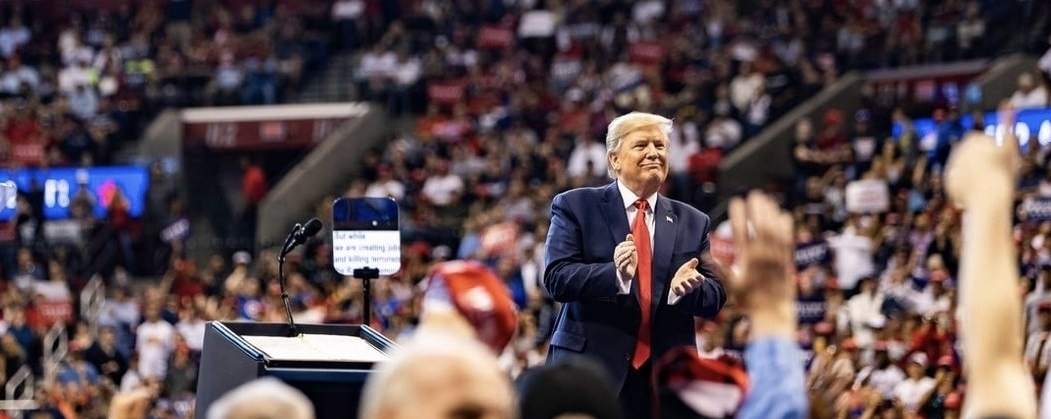
ご覧のとおり、写真の中のドナルド・トランプはその笑顔でほとんど輝いています!そしてすぐ横には、彼の「強力」な友人も!二人そろって言っているのはひとつのことに見えます。「今日はマーケットがグリーンだ、心配いらない—全力でいこう!」😎💸
トランプ氏がこんなにご機嫌なら、暗号資産市場も当然グングン上がってきます!なので、投資をためらっていた方にとっては、今日が検討する価値のある日かもしれません。ドナルド・ブラザーの今日の機嫌からすると、ビットコインとイーサリアムはまっすぐ月まで向かっているようです!🌕📈
免責事項:トランプの笑顔に感情的になりすぎて、家を売って暗号資産を買うようなことはしないでください!自分で調べてください。そうしないと、あとでトランプ氏に連絡する羽目になるかもしれません!😂
$LAB & $BTC & $MET
{future}(METUSDT)
{future}(BTCUSDT)
{alpha}(560x7ec43cf65f1663f820427c62a5780b8f2e25593a)
#CryptoHumor #bitcoin.” #DonaldTrump #CryptoMarkets
今日の暗号資産ニュース速報!🚀🔥
ご覧のとおり、写真の中のドナルド・トランプはその笑顔でほとんど輝いています!そしてすぐ横には、彼の「強力」な友人も!二人そろって言っているのはひとつのことに見えます。「今日はマーケットがグリーンだ、心配いらない—全力でいこう!」😎💸
トランプ氏がこんなにご機嫌なら、暗号資産市場も当然グングン上がってきます!なので、投資をためらっていた方にとっては、今日が検討する価値のある日かもしれません。ドナルド・ブラザーの今日の機嫌からすると、ビットコインとイーサリアムはまっすぐ月まで向かっているようです!🌕📈
免責事項:トランプの笑顔に感情的になりすぎて、家を売って暗号資産を買うようなことはしないでください!自分で調べてください。そうしないと、あとでトランプ氏に連絡する羽目になるかもしれません!😂
$LAB & $BTC & $MET
#CryptoHumor #bitcoin.” #DonaldTrump #CryptoMarkets
ご覧のとおり、写真の中のドナルド・トランプはその笑顔でほとんど輝いています!そしてすぐ横には、彼の「強力」な友人も!二人そろって言っているのはひとつのことに見えます。「今日はマーケットがグリーンだ、心配いらない—全力でいこう!」😎💸
トランプ氏がこんなにご機嫌なら、暗号資産市場も当然グングン上がってきます!なので、投資をためらっていた方にとっては、今日が検討する価値のある日かもしれません。ドナルド・ブラザーの今日の機嫌からすると、ビットコインとイーサリアムはまっすぐ月まで向かっているようです!🌕📈
免責事項:トランプの笑顔に感情的になりすぎて、家を売って暗号資産を買うようなことはしないでください!自分で調べてください。そうしないと、あとでトランプ氏に連絡する羽目になるかもしれません!😂
$LAB & $BTC & $MET
#CryptoHumor #bitcoin.” #DonaldTrump #CryptoMarkets

Crypto_Queen 100x:
lol
1
2
572


記事
ドナルド・トランプと暗号資産:お金はどこへ向かっているのか?ドナルド・トランプは、自身の政治・ビジネスネットワークに関連する事業や取り組みを通じて、暗号資産業界との結びつきをますます強めてきました。
🔹 ビットコイン($BTC )— ビットコインは、米国の戦略的ビットコイン準備(Strategic Bitcoin Reserve)を支えるなど、トランプの暗号資産政策における主要な焦点となってきました。
🔹 ワールド・リバティ・ファイナンシャル($WLFI )— トランプ一家に関連する暗号資産プロジェクトで、デジタル・アセットへの投資やトークンの活動に関与してきました。
🔹 トランプ・メディア&テクノロジー・グループ — トランプ・メディアも暗号資産やデジタル・アセットへの投資に向けて動いています。
ドナルド・トランプと暗号資産:お金はどこへ向かっているのか?
ドナルド・トランプは、自身の政治・ビジネスネットワークに関連する事業や取り組みを通じて、暗号資産業界との結びつきをますます強めてきました。
🔹 ビットコイン($BTC )— ビットコインは、米国の戦略的ビットコイン準備(Strategic Bitcoin Reserve)を支えるなど、トランプの暗号資産政策における主要な焦点となってきました。
🔹 ワールド・リバティ・ファイナンシャル($WLFI )— トランプ一家に関連する暗号資産プロジェクトで、デジタル・アセットへの投資やトークンの活動に関与してきました。
🔹 トランプ・メディア&テクノロジー・グループ — トランプ・メディアも暗号資産やデジタル・アセットへの投資に向けて動いています。
🔹 ビットコイン($BTC )— ビットコインは、米国の戦略的ビットコイン準備(Strategic Bitcoin Reserve)を支えるなど、トランプの暗号資産政策における主要な焦点となってきました。
🔹 ワールド・リバティ・ファイナンシャル($WLFI )— トランプ一家に関連する暗号資産プロジェクトで、デジタル・アセットへの投資やトークンの活動に関与してきました。
🔹 トランプ・メディア&テクノロジー・グループ — トランプ・メディアも暗号資産やデジタル・アセットへの投資に向けて動いています。
1
239


·
--
記事
🚨トランプ政権は2030年の米国国勢調査のルールを変更することを提案はい——これは今日、2026年9月10日に展開している大きな動きです。
🇺🇸 何が起きたの?
トランプ政権は、2030年の米国国勢調査のルールを変更し、下院議席の配分に用いる人口計数に米国市民および適法に永住している住民を含める一方、無許可の移民を除外し、さらに一部の一時的な合法居住者も除外する可能性があると提案しています。
この提案では、市民権/移民のステータスに関する質問も追加される可能性があり、国勢調査の回答を連邦の記録と照合することが含まれる場合もあります。
🚨トランプ政権は2030年の米国国勢調査のルールを変更することを提案
はい——これは今日、2026年9月10日に展開している大きな動きです。
🇺🇸 何が起きたの?
トランプ政権は、2030年の米国国勢調査のルールを変更し、下院議席の配分に用いる人口計数に米国市民および適法に永住している住民を含める一方、無許可の移民を除外し、さらに一部の一時的な合法居住者も除外する可能性があると提案しています。
この提案では、市民権/移民のステータスに関する質問も追加される可能性があり、国勢調査の回答を連邦の記録と照合することが含まれる場合もあります。
🇺🇸 何が起きたの?
トランプ政権は、2030年の米国国勢調査のルールを変更し、下院議席の配分に用いる人口計数に米国市民および適法に永住している住民を含める一方、無許可の移民を除外し、さらに一部の一時的な合法居住者も除外する可能性があると提案しています。
この提案では、市民権/移民のステータスに関する質問も追加される可能性があり、国勢調査の回答を連邦の記録と照合することが含まれる場合もあります。
2
258

·
--
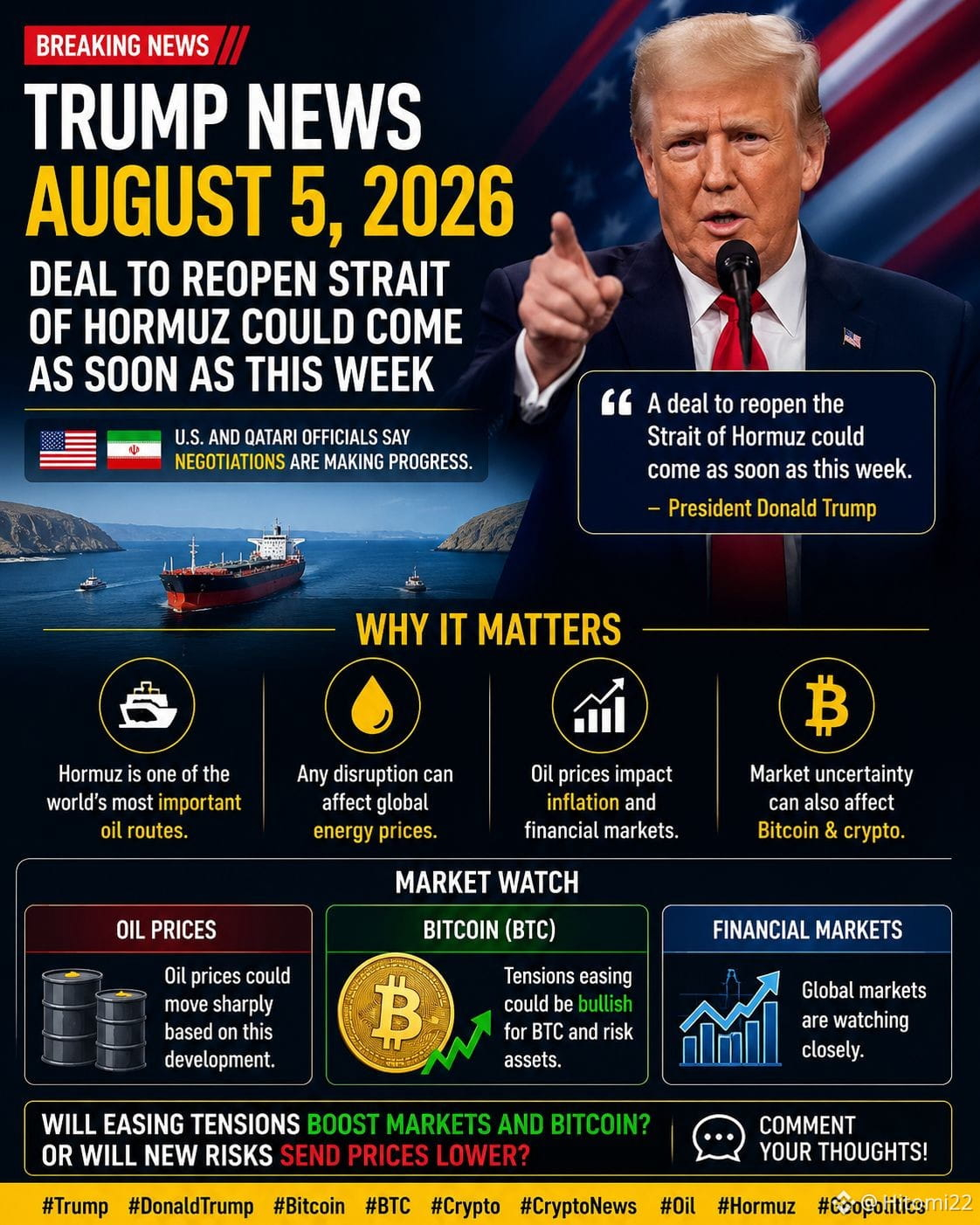
🚨 トランプニュース — 2026年8月5日 🇺🇸
🌎 大きな動きが来るかもしれない
ドナルド・トランプ大統領は、ホルムズ海峡を再開する合意が早ければ今週にも成立する可能性があると述べた。 🇺🇸🤝🇮🇷
なぜこれが重要なのか?
🚢 ホルムズ海峡は世界で最も重要な石油輸送ルートのひとつ
⛽ 混乱があれば世界のエネルギー価格に影響する可能性がある
📈 原油価格はインフレや金融市場に影響しうる
₿ 市場の不透明感はビットコインと暗号資産にも影響する可能性がある
一方で、米国とカタールの当局者は、交渉が進展していると述べた。
👀 暗号資産トレーダーにとっての大きな疑問:
緊張が和らげば、リスク資産とBTCは上昇するのか?
それとも、新たな地政学的リスクが市場を押し下げるのか?
🔥 トランプを見ろ。原油を見ろ。BTCを見ろ。
次に何が起こると思いますか? 👇
#Trump #DonaldTrump #bitcoin #BTC☀
{future}(BTCUSDT)
#Crypto #CryptoNews #Oil #Hormuz #Geopolitics #BinanceSquare
🚨 トランプニュース — 2026年8月5日 🇺🇸
🌎 大きな動きが来るかもしれない
ドナルド・トランプ大統領は、ホルムズ海峡を再開する合意が早ければ今週にも成立する可能性があると述べた。 🇺🇸🤝🇮🇷
なぜこれが重要なのか?
🚢 ホルムズ海峡は世界で最も重要な石油輸送ルートのひとつ
⛽ 混乱があれば世界のエネルギー価格に影響する可能性がある
📈 原油価格はインフレや金融市場に影響しうる
₿ 市場の不透明感はビットコインと暗号資産にも影響する可能性がある
一方で、米国とカタールの当局者は、交渉が進展していると述べた。
👀 暗号資産トレーダーにとっての大きな疑問:
緊張が和らげば、リスク資産とBTCは上昇するのか?
それとも、新たな地政学的リスクが市場を押し下げるのか?
🔥 トランプを見ろ。原油を見ろ。BTCを見ろ。
次に何が起こると思いますか? 👇
#Trump #DonaldTrump #bitcoin #BTC☀
#Crypto #CryptoNews #Oil #Hormuz #Geopolitics #BinanceSquare
🌎 大きな動きが来るかもしれない
ドナルド・トランプ大統領は、ホルムズ海峡を再開する合意が早ければ今週にも成立する可能性があると述べた。 🇺🇸🤝🇮🇷
なぜこれが重要なのか?
🚢 ホルムズ海峡は世界で最も重要な石油輸送ルートのひとつ
⛽ 混乱があれば世界のエネルギー価格に影響する可能性がある
📈 原油価格はインフレや金融市場に影響しうる
₿ 市場の不透明感はビットコインと暗号資産にも影響する可能性がある
一方で、米国とカタールの当局者は、交渉が進展していると述べた。
👀 暗号資産トレーダーにとっての大きな疑問:
緊張が和らげば、リスク資産とBTCは上昇するのか?
それとも、新たな地政学的リスクが市場を押し下げるのか?
🔥 トランプを見ろ。原油を見ろ。BTCを見ろ。
次に何が起こると思いますか? 👇
#Trump #DonaldTrump #bitcoin #BTC☀
#Crypto #CryptoNews #Oil #Hormuz #Geopolitics #BinanceSquare
1
58

·
--
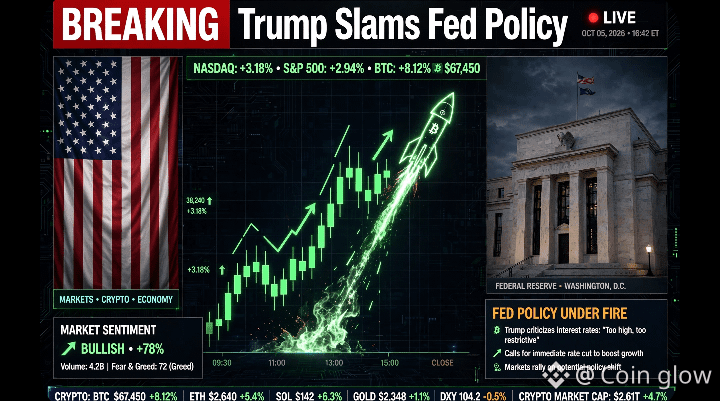
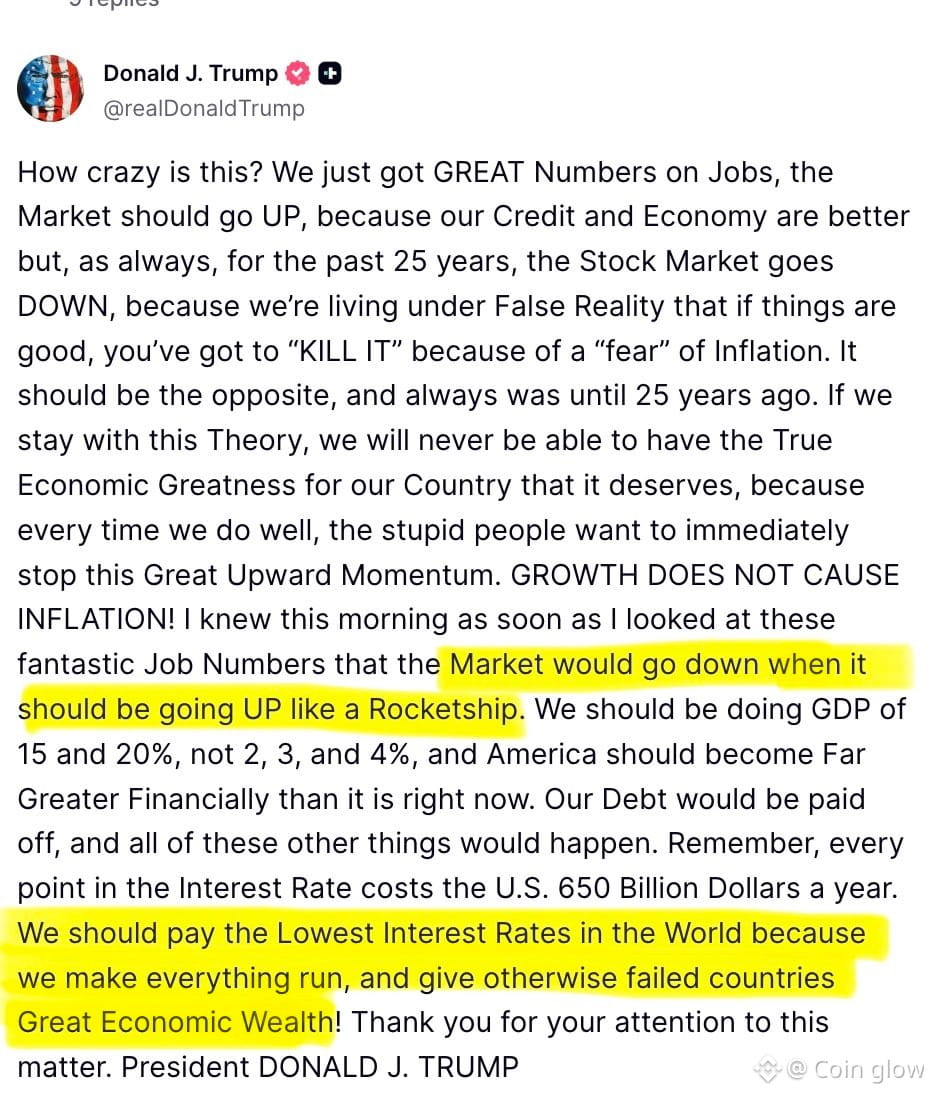
🇺🇸 【速報】トランプ大統領がFRBの政策を痛烈批判
トランプ氏は、信用と経済指標が堅調である以上、市場はロケットのように急騰すべきだと述べた。
同氏は大幅な利下げを求めており、米国が世界で最も低い金利を支払うべきだと要求している。金利が下がれば、株式と暗号資産には強気材料となる。
#BreakingNews #DonaldTrump #FederalReserve #InterestRates #StockMarket #CryptoMarket #Bitcoin #BTC #CryptoNews #USAEconomy #Bullish #Binance
🇺🇸 【速報】トランプ大統領がFRBの政策を痛烈批判
トランプ氏は、信用と経済指標が堅調である以上、市場はロケットのように急騰すべきだと述べた。
同氏は大幅な利下げを求めており、米国が世界で最も低い金利を支払うべきだと要求している。金利が下がれば、株式と暗号資産には強気材料となる。
#BreakingNews #DonaldTrump #FederalReserve #InterestRates #StockMarket #CryptoMarket #Bitcoin #BTC #CryptoNews #USAEconomy #Bullish #Binance
トランプ氏は、信用と経済指標が堅調である以上、市場はロケットのように急騰すべきだと述べた。
同氏は大幅な利下げを求めており、米国が世界で最も低い金利を支払うべきだと要求している。金利が下がれば、株式と暗号資産には強気材料となる。
#BreakingNews #DonaldTrump #FederalReserve #InterestRates #StockMarket #CryptoMarket #Bitcoin #BTC #CryptoNews #USAEconomy #Bullish #Binance
13

·
--
ブリッシュ
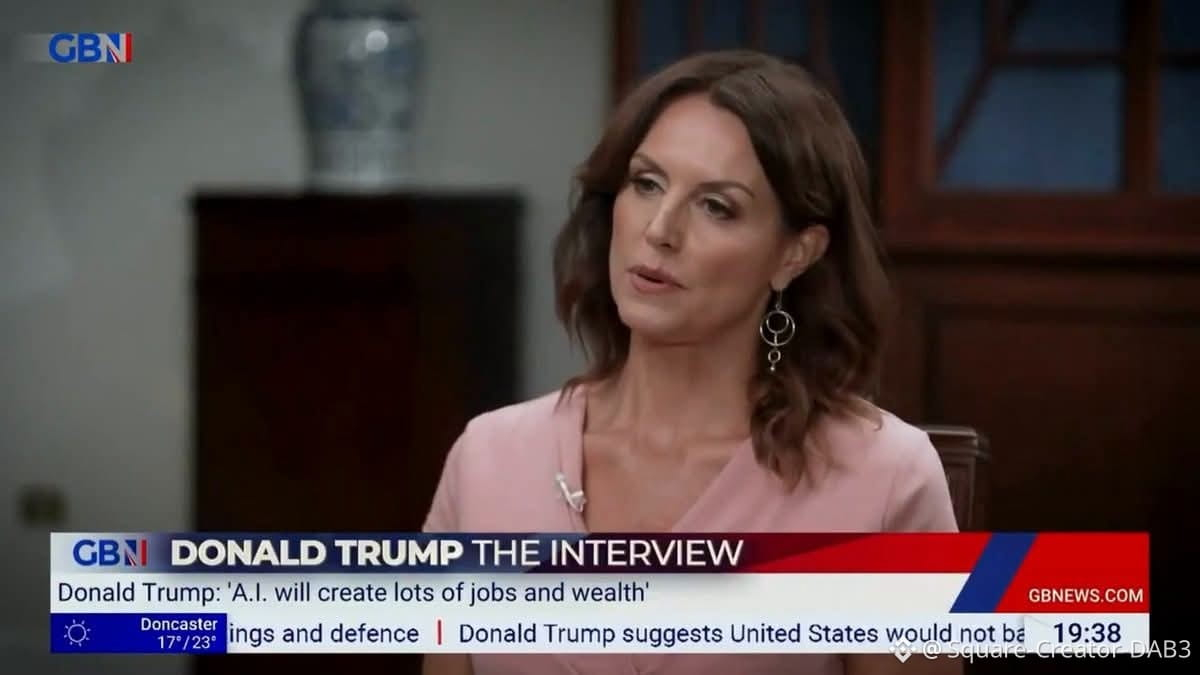
🚨 緊急:トランプ氏は、AIが「何百万、何百万もの雇用」を生み出すと言っています。「ある種の形で、コンピューターのようなものを発明しなければならない。私たちがそれを発明するのです。物事はいつも私たちから始まります」。「これまでのところ、私は正しい。AIはプラスの影響をもたらすはずです」。
#TRUMP #DonaldTrump #AI #usa
{spot}(AIUSDT)
{spot}(TRUMPUSDT)
🚨 緊急:トランプ氏は、AIが「何百万、何百万もの雇用」を生み出すと言っています。「ある種の形で、コンピューターのようなものを発明しなければならない。私たちがそれを発明するのです。物事はいつも私たちから始まります」。「これまでのところ、私は正しい。AIはプラスの影響をもたらすはずです」。
#TRUMP #DonaldTrump #AI #usa
#TRUMP #DonaldTrump #AI #usa
1
130
·
--
弱気相場
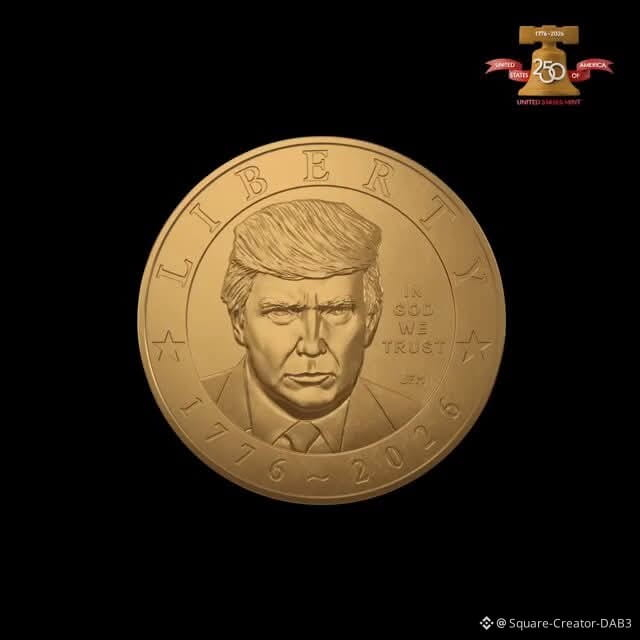
🚨 今日:米国の大統領トランプの肖像が米ドル紙幣に描かれ、その後、米国造幣局がトランプの肖像を持つ額面1ドルの新しい硬貨の販売を開始します。開始時刻は東部時間の正午12時ちょうどです。コレクターは、25枚入りのロールを61ドルで購入することも、100枚入りの袋を154.50ドルで購入することもできます。これらの硬貨のうち、7月4日に鋳造された特別な硬貨が25万枚あります。これらの硬貨は法定通貨であり、トランプ大統領の肖像と大統領印章が刻まれています。色は金色ですが、米国造幣局が述べたところによれば金でできているわけではありません。
#TRUMP #DonaldTrump #DonaldJTrump #usa
{spot}(TRUMPUSDT)
🚨 今日:米国の大統領トランプの肖像が米ドル紙幣に描かれ、その後、米国造幣局がトランプの肖像を持つ額面1ドルの新しい硬貨の販売を開始します。開始時刻は東部時間の正午12時ちょうどです。コレクターは、25枚入りのロールを61ドルで購入することも、100枚入りの袋を154.50ドルで購入することもできます。これらの硬貨のうち、7月4日に鋳造された特別な硬貨が25万枚あります。これらの硬貨は法定通貨であり、トランプ大統領の肖像と大統領印章が刻まれています。色は金色ですが、米国造幣局が述べたところによれば金でできているわけではありません。
#TRUMP #DonaldTrump #DonaldJTrump #usa
#TRUMP #DonaldTrump #DonaldJTrump #usa
1
902

·
--
確認済み
トランプ史上最大のベネズエラ・オイル取引:暗号資産へのマクロ影響?🛢️
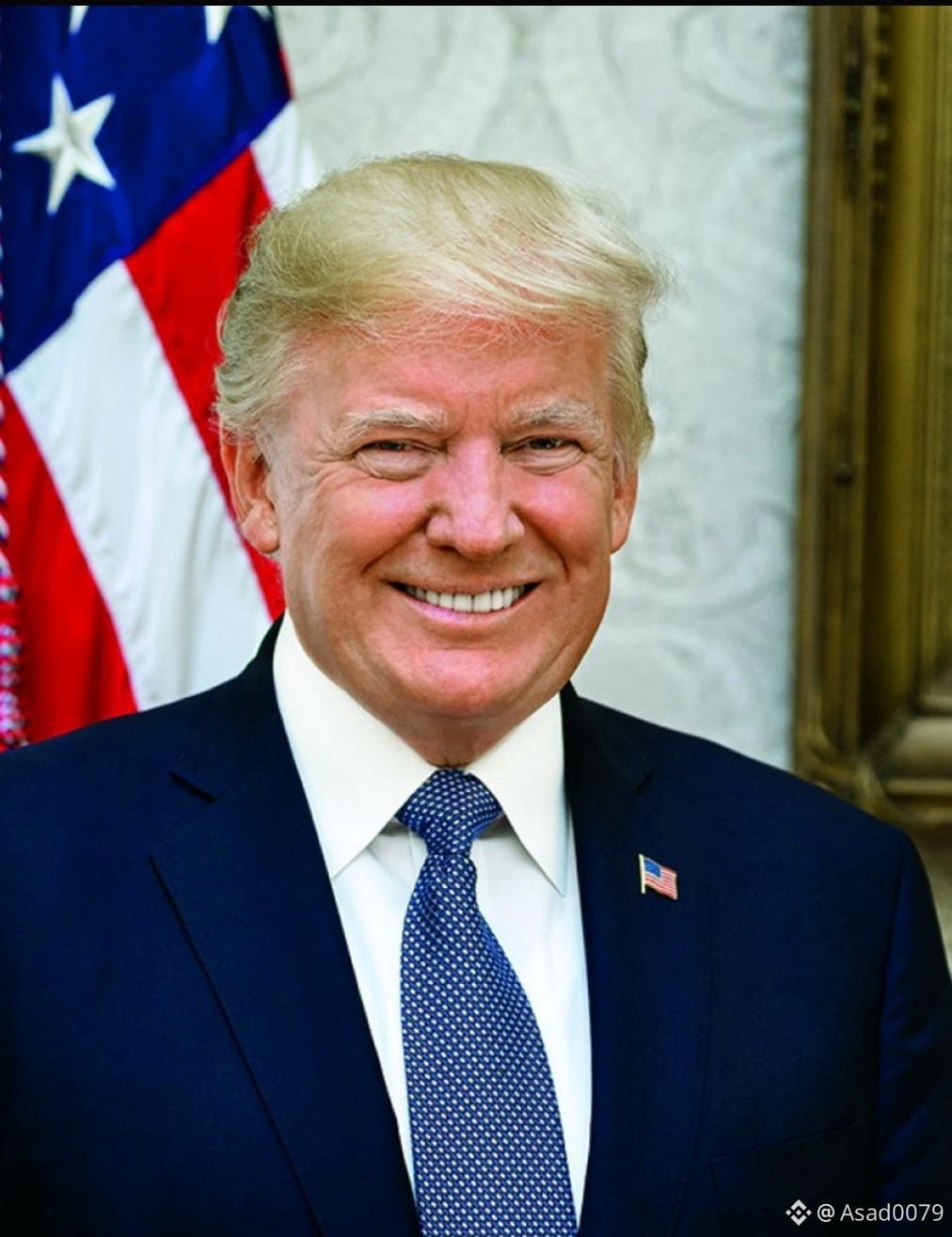
ドナルド・トランプ大統領が、ベネズエラと巨大なディールを発表しました。米国のエネルギー価格を引き下げるため、原油埋蔵量の650億バレルを掌握するという内容です。この歴史的なマクロイベントは、米ドル(DXY)を強化する可能性が高く、DXYはしばしば短期的なボラティリティとビットコイン($BTC)およびアルトコインへの横ばい圧力を生みます。こうした大きな世界的な地政学的変化を踏まえ、私は厳格にスキャルピング戦略を維持して素早い利益を確保し、不必要なリスクは避けます。鋭く動向を見てチャートを注意深く監視してください📊#BTC #Bitcoin #CryptoNews #macroeconomy #DonaldTrump
トランプ史上最大のベネズエラ・オイル取引:暗号資産へのマクロ影響?🛢️
ドナルド・トランプ大統領が、ベネズエラと巨大なディールを発表しました。米国のエネルギー価格を引き下げるため、原油埋蔵量の650億バレルを掌握するという内容です。この歴史的なマクロイベントは、米ドル(DXY)を強化する可能性が高く、DXYはしばしば短期的なボラティリティとビットコイン($BTC)およびアルトコインへの横ばい圧力を生みます。こうした大きな世界的な地政学的変化を踏まえ、私は厳格にスキャルピング戦略を維持して素早い利益を確保し、不必要なリスクは避けます。鋭く動向を見てチャートを注意深く監視してください📊#BTC #Bitcoin #CryptoNews #macroeconomy #DonaldTrump
ドナルド・トランプ大統領が、ベネズエラと巨大なディールを発表しました。米国のエネルギー価格を引き下げるため、原油埋蔵量の650億バレルを掌握するという内容です。この歴史的なマクロイベントは、米ドル(DXY)を強化する可能性が高く、DXYはしばしば短期的なボラティリティとビットコイン($BTC)およびアルトコインへの横ばい圧力を生みます。こうした大きな世界的な地政学的変化を踏まえ、私は厳格にスキャルピング戦略を維持して素早い利益を確保し、不必要なリスクは避けます。鋭く動向を見てチャートを注意深く監視してください📊#BTC #Bitcoin #CryptoNews #macroeconomy #DonaldTrump
19

·
--
確認済み
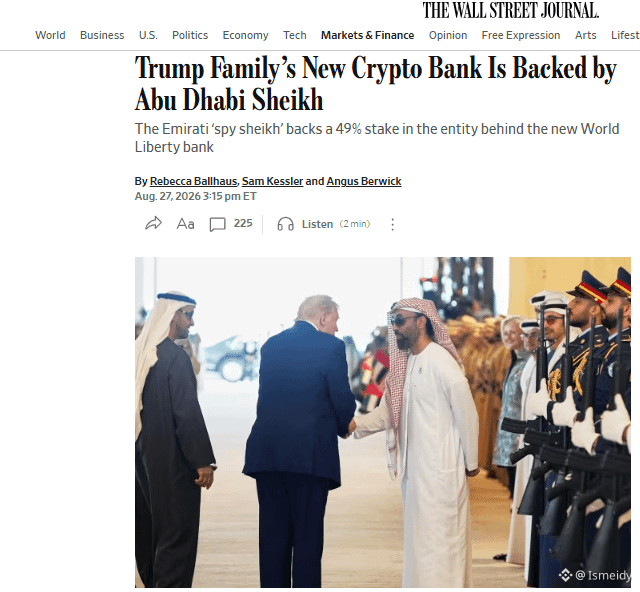
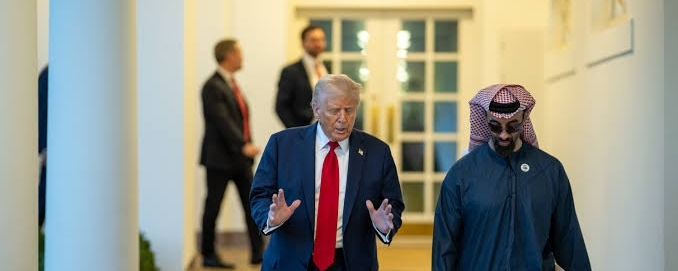
アブダビの「スパイ王子」ことシェイクが、#TRUMP 日前夜に暗号銀行の49%を購入
ウォール・ストリート・ジャーナルの報道によると、アラブ首長国連邦の国家安全保障担当顧問であり、同国大統領の兄弟でもあるタホノーン・ビン・ザイード・アル・ナヒヤンは、シェイクが家族の銀行プロジェクトに49%の持分を秘密裏に取得していた。取得は、StringZ Holding RSCという事業体を通じて行われ、#DonaldTrump aへの関与があるとされる。投資額は5億ドルで、大統領就任の数日前に実行されたという。
銀行プロジェクトの構造:湾岸国からの投資は、(World Liberty Financialが設立した)持ち株会社WLTC Holdingsに振り向けられ、銀行免許の取得手続きを進めることを目的としている。通貨監督庁(OCC)は最近、World Liberty Trust Companyが国内信託銀行として運営することについて予備的な承認を与えた。
運用とステーブルコインでの比重:同金融ビークルは、ステーブルコインの発行・償還を行い、カストディ(保管)を管理し、オン/オフランプのサービスを提供することを狙っている。#WLFI はステーブルコイン#USD1 を発行しており、市場時価総額は40億ドル。業界ではUSDTとUSDCに次いで4番目に大きいポジションにある。
ホワイトハウスの反論:主要な報道官の次官アナ・ケリーは、利益相反の存在を全面的に否定し、大統領は米国の公衆の利益のために行動していると述べた。メディアによる非難は根拠がないものだとした。
議会での圧力と反応:この件は民主党の議員らから厳しい批判を招いている。上院議員や下院議員(例えば、WLFIにおけるアラブ首長国の資金をめぐる正式な調査を開始したルー・カンナ代表など)が、大統領一家と外国資本との金融的つながりについて公開の公聴会を求めている。
$WLFI
{future}(WLFIUSDT)
$TRUMP
{future}(TRUMPUSDT)
アブダビの「スパイ王子」ことシェイクが、#TRUMP 日前夜に暗号銀行の49%を購入
ウォール・ストリート・ジャーナルの報道によると、アラブ首長国連邦の国家安全保障担当顧問であり、同国大統領の兄弟でもあるタホノーン・ビン・ザイード・アル・ナヒヤンは、シェイクが家族の銀行プロジェクトに49%の持分を秘密裏に取得していた。取得は、StringZ Holding RSCという事業体を通じて行われ、#DonaldTrump aへの関与があるとされる。投資額は5億ドルで、大統領就任の数日前に実行されたという。
銀行プロジェクトの構造:湾岸国からの投資は、(World Liberty Financialが設立した)持ち株会社WLTC Holdingsに振り向けられ、銀行免許の取得手続きを進めることを目的としている。通貨監督庁(OCC)は最近、World Liberty Trust Companyが国内信託銀行として運営することについて予備的な承認を与えた。
運用とステーブルコインでの比重:同金融ビークルは、ステーブルコインの発行・償還を行い、カストディ(保管)を管理し、オン/オフランプのサービスを提供することを狙っている。#WLFI はステーブルコイン#USD1 を発行しており、市場時価総額は40億ドル。業界ではUSDTとUSDCに次いで4番目に大きいポジションにある。
ホワイトハウスの反論:主要な報道官の次官アナ・ケリーは、利益相反の存在を全面的に否定し、大統領は米国の公衆の利益のために行動していると述べた。メディアによる非難は根拠がないものだとした。
議会での圧力と反応:この件は民主党の議員らから厳しい批判を招いている。上院議員や下院議員(例えば、WLFIにおけるアラブ首長国の資金をめぐる正式な調査を開始したルー・カンナ代表など)が、大統領一家と外国資本との金融的つながりについて公開の公聴会を求めている。
$WLFI
$TRUMP
ウォール・ストリート・ジャーナルの報道によると、アラブ首長国連邦の国家安全保障担当顧問であり、同国大統領の兄弟でもあるタホノーン・ビン・ザイード・アル・ナヒヤンは、シェイクが家族の銀行プロジェクトに49%の持分を秘密裏に取得していた。取得は、StringZ Holding RSCという事業体を通じて行われ、#DonaldTrump aへの関与があるとされる。投資額は5億ドルで、大統領就任の数日前に実行されたという。
銀行プロジェクトの構造:湾岸国からの投資は、(World Liberty Financialが設立した)持ち株会社WLTC Holdingsに振り向けられ、銀行免許の取得手続きを進めることを目的としている。通貨監督庁(OCC)は最近、World Liberty Trust Companyが国内信託銀行として運営することについて予備的な承認を与えた。
運用とステーブルコインでの比重:同金融ビークルは、ステーブルコインの発行・償還を行い、カストディ(保管)を管理し、オン/オフランプのサービスを提供することを狙っている。#WLFI はステーブルコイン#USD1 を発行しており、市場時価総額は40億ドル。業界ではUSDTとUSDCに次いで4番目に大きいポジションにある。
ホワイトハウスの反論:主要な報道官の次官アナ・ケリーは、利益相反の存在を全面的に否定し、大統領は米国の公衆の利益のために行動していると述べた。メディアによる非難は根拠がないものだとした。
議会での圧力と反応:この件は民主党の議員らから厳しい批判を招いている。上院議員や下院議員(例えば、WLFIにおけるアラブ首長国の資金をめぐる正式な調査を開始したルー・カンナ代表など)が、大統領一家と外国資本との金融的つながりについて公開の公聴会を求めている。
$WLFI
$TRUMP
17
17.1k

記事
アブダビの王族はドナルド・トランプの暗号プロジェクトを支援しているのか?49%の持分が明らかに暗号と世界政治の交点で、大規模な地政学的な変化が起きています。アブダビのシェイク・ターノーン・ビン・ザイード・アル・ナヒヤン氏とその共同投資家は、ドナルド・トランプのWorld Liberty Financialという暗号銀行構想の背後にある持株会社の49%の持分を保有しています。
財務報告によると、この重要なWLTC Holdingsの持分を握っているのはUAEの国家安全保障担当顧問であり、アブダビ登録のStringZ Holding RSCという名称の事業体を通じて保有しています。
ここでは、この数十億ドル規模の提携について知っておくべきすべてをまとめます。
アブダビの王族はドナルド・トランプの暗号プロジェクトを支援しているのか?49%の持分が明らかに
暗号と世界政治の交点で、大規模な地政学的な変化が起きています。アブダビのシェイク・ターノーン・ビン・ザイード・アル・ナヒヤン氏とその共同投資家は、ドナルド・トランプのWorld Liberty Financialという暗号銀行構想の背後にある持株会社の49%の持分を保有しています。
財務報告によると、この重要なWLTC Holdingsの持分を握っているのはUAEの国家安全保障担当顧問であり、アブダビ登録のStringZ Holding RSCという名称の事業体を通じて保有しています。
ここでは、この数十億ドル規模の提携について知っておくべきすべてをまとめます。
財務報告によると、この重要なWLTC Holdingsの持分を握っているのはUAEの国家安全保障担当顧問であり、アブダビ登録のStringZ Holding RSCという名称の事業体を通じて保有しています。
ここでは、この数十億ドル規模の提携について知っておくべきすべてをまとめます。
1
186

·
--
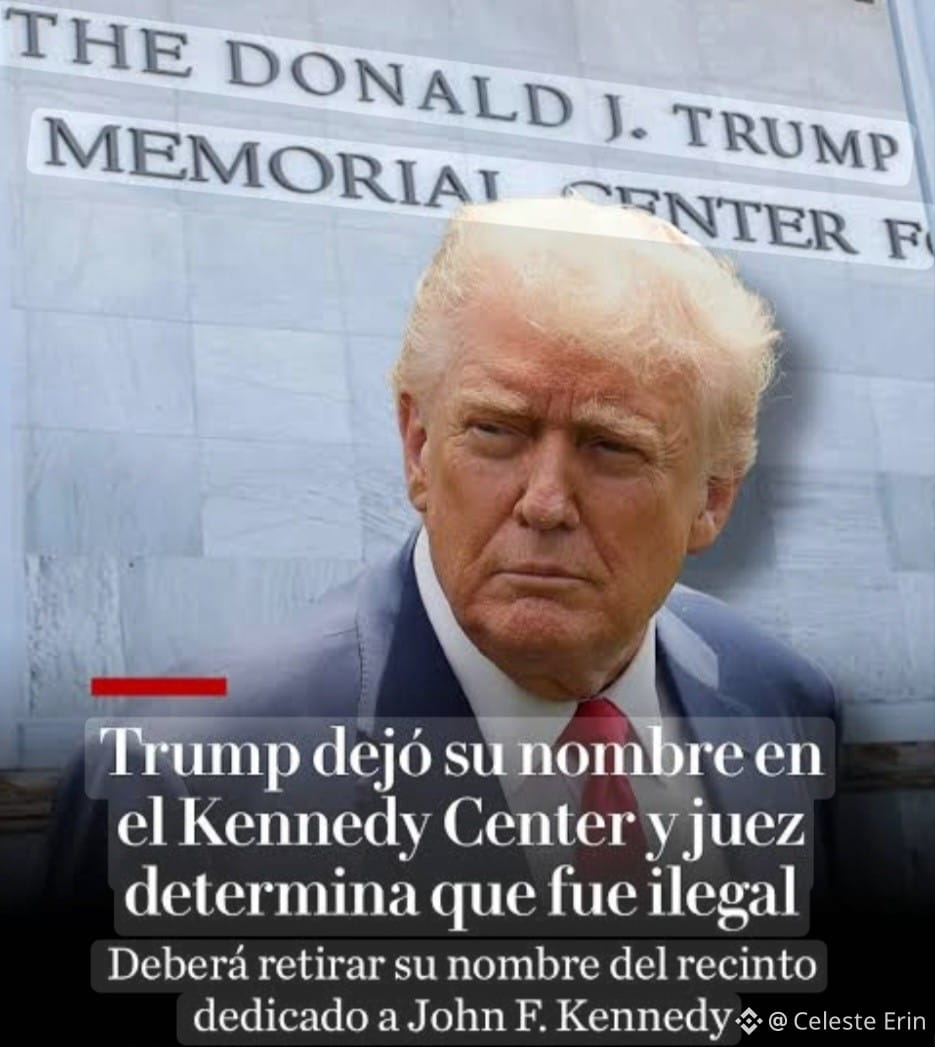
🏛️ 連邦判事、ケネディ・センターにトランプ氏名の掲載を問う 📜
連邦の判事が、象徴的な芸術センターの外観にドナルド・トランプ氏の名前を追加するというケネディ・センター側の提案に異議を唱えた。Sina Financeが報じた 🏛️。
クリストファー・クーパー判事は、9月8日に予定されている導入計画が延期されない場合、仮の差し止め命令を出すと警告した。
この変更では、歴史的建物の元の銘板の下に「Renovado y Reparado por el presidente Donald J. Trump(ドナルド・J・トランプ大統領により改修・修復)」と「Donado por el Trump-(トランプにより寄贈—)」のプレートを掲示することを含む 🎨。
#KennedyCenter #DonaldTrump #EEUU #Politica
$BTC
{spot}(BTCUSDT)
$ETH
{spot}(ETHUSDT)
$BNB
{spot}(BNBUSDT)
🏛️ 連邦判事、ケネディ・センターにトランプ氏名の掲載を問う 📜
連邦の判事が、象徴的な芸術センターの外観にドナルド・トランプ氏の名前を追加するというケネディ・センター側の提案に異議を唱えた。Sina Financeが報じた 🏛️。
クリストファー・クーパー判事は、9月8日に予定されている導入計画が延期されない場合、仮の差し止め命令を出すと警告した。
この変更では、歴史的建物の元の銘板の下に「Renovado y Reparado por el presidente Donald J. Trump(ドナルド・J・トランプ大統領により改修・修復)」と「Donado por el Trump-(トランプにより寄贈—)」のプレートを掲示することを含む 🎨。
#KennedyCenter #DonaldTrump #EEUU #Politica
$BTC
$ETH
$BNB
連邦の判事が、象徴的な芸術センターの外観にドナルド・トランプ氏の名前を追加するというケネディ・センター側の提案に異議を唱えた。Sina Financeが報じた 🏛️。
クリストファー・クーパー判事は、9月8日に予定されている導入計画が延期されない場合、仮の差し止め命令を出すと警告した。
この変更では、歴史的建物の元の銘板の下に「Renovado y Reparado por el presidente Donald J. Trump(ドナルド・J・トランプ大統領により改修・修復)」と「Donado por el Trump-(トランプにより寄贈—)」のプレートを掲示することを含む 🎨。
#KennedyCenter #DonaldTrump #EEUU #Politica
$BTC
$ETH
$BNB
1
860

·
--
ブリッシュ
$TRUMP — ロング 🟢
高いポテンシャルのロング・セットアップ
💰 エントリー: $2.374
🛑 ストップロス: $2.245
🎯 TP1: $2.520
🎯 TP2: $2.680
🎯 TP3: $2.850
テクニカル見通し
• 高い時間軸の構造は引き続き強気
• 強いモメンタムが継続を後押し
• 最近の回復により、TRUMPはより好調なミームコインの一角に留まっている(MarketScreener Australia)
• 仮想通貨全体のモメンタムも改善し、市場環境は追い風(Reuters)
📌 取引の管理:
TP1で一部利確し、確認後にSLをブレイクイーブンへ移動。過度なレバレッジは避ける—TRUMPは非常にボラティリティが高い。
⚠️ リスク管理: 必ずストップロスを使用し、アカウントのごく一部のみをリスクにさらすこと。
TradeWithYota
#TRUMP #DonaldTrump #TradeWithYota
{future}(TRUMPUSDT)
$TRUMP — ロング 🟢
高いポテンシャルのロング・セットアップ
💰 エントリー: $2.374
🛑 ストップロス: $2.245
🎯 TP1: $2.520
🎯 TP2: $2.680
🎯 TP3: $2.850
テクニカル見通し
• 高い時間軸の構造は引き続き強気
• 強いモメンタムが継続を後押し
• 最近の回復により、TRUMPはより好調なミームコインの一角に留まっている(MarketScreener Australia)
• 仮想通貨全体のモメンタムも改善し、市場環境は追い風(Reuters)
📌 取引の管理:
TP1で一部利確し、確認後にSLをブレイクイーブンへ移動。過度なレバレッジは避ける—TRUMPは非常にボラティリティが高い。
⚠️ リスク管理: 必ずストップロスを使用し、アカウントのごく一部のみをリスクにさらすこと。
TradeWithYota
#TRUMP #DonaldTrump #TradeWithYota
高いポテンシャルのロング・セットアップ
💰 エントリー: $2.374
🛑 ストップロス: $2.245
🎯 TP1: $2.520
🎯 TP2: $2.680
🎯 TP3: $2.850
テクニカル見通し
• 高い時間軸の構造は引き続き強気
• 強いモメンタムが継続を後押し
• 最近の回復により、TRUMPはより好調なミームコインの一角に留まっている(MarketScreener Australia)
• 仮想通貨全体のモメンタムも改善し、市場環境は追い風(Reuters)
📌 取引の管理:
TP1で一部利確し、確認後にSLをブレイクイーブンへ移動。過度なレバレッジは避ける—TRUMPは非常にボラティリティが高い。
⚠️ リスク管理: 必ずストップロスを使用し、アカウントのごく一部のみをリスクにさらすこと。
TradeWithYota
#TRUMP #DonaldTrump #TradeWithYota
2
149

·
--
ブリッシュ
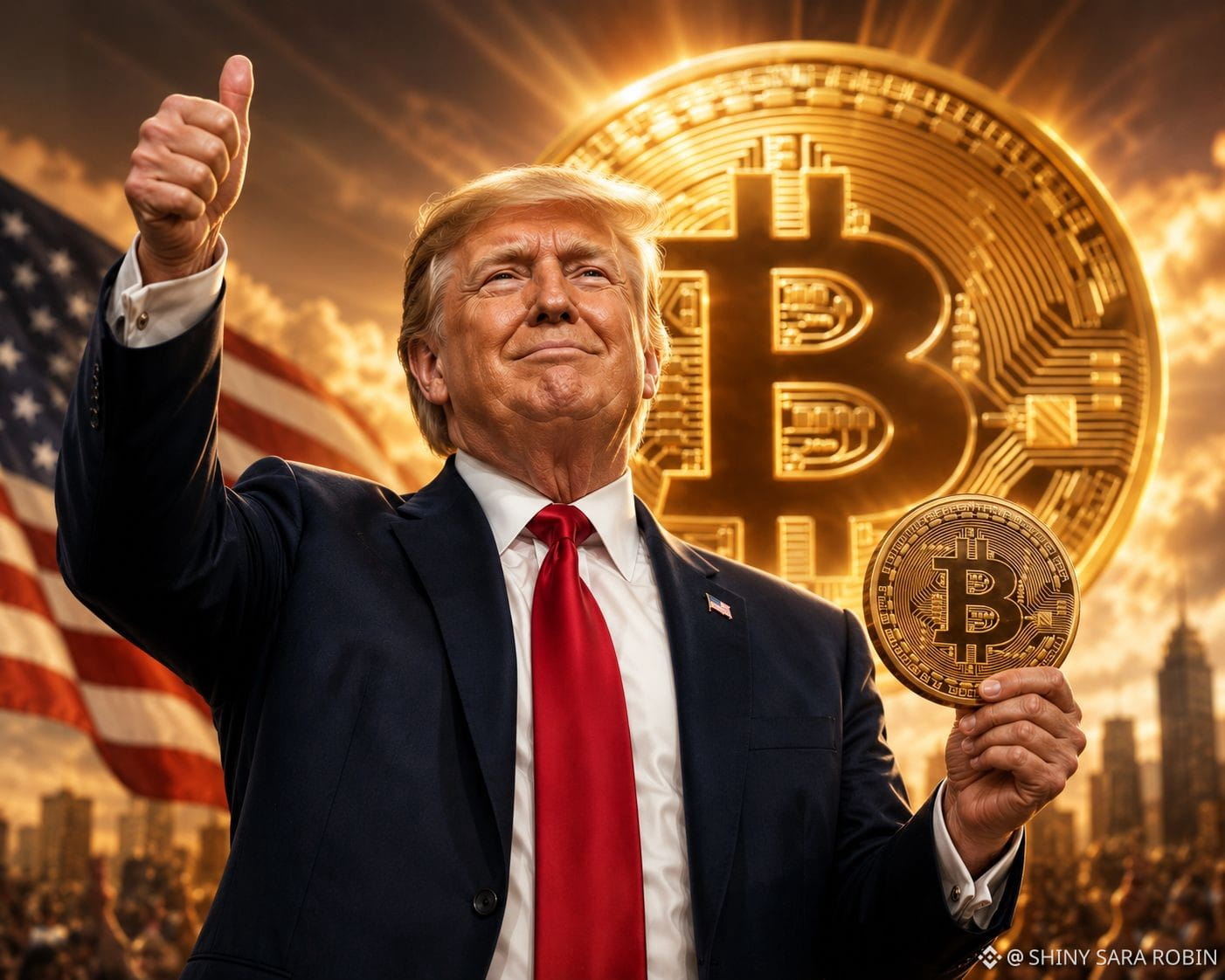
ドナルド・トランプの最新のビットコインおよび暗号資産に関するメッセージは、強い強気です。彼は、米国がビットコインおよびデジタル資産における世界的リーダーであり続けるべきだと強調しています。
トランプは米国の戦略的ビットコイン準備(ストラテジック・ビットコイン・リザーブ)を称賛し、それが非常にうまく機能していると述べました。また、CLARITY法を通じて、より明確で公正な暗号資産規制を求めています。
トランプは、米国がブロックチェーンおよび暗号資産技術において中国に先んじることを望んでいます。政府のビットコイン保有を増やす可能性についても言及しましたが、具体的な新たな購入は発表されていません。
さらに、ビットコインが米ドルと並ぶ役割を果たすことについても前向きな見方を示しました。全体として、トランプはアメリカにおける親暗号資産の環境を支持し続けています。彼の最新の発言は、多くのトレーダーにとってビットコインおよびより広範な暗号資産市場に対する前向きな長期シグナルとして受け止められる可能性が高いです。
#Trump2026 #DonaldTrump $BTC
{future}(BTCUSDT)
ドナルド・トランプの最新のビットコインおよび暗号資産に関するメッセージは、強い強気です。彼は、米国がビットコインおよびデジタル資産における世界的リーダーであり続けるべきだと強調しています。
トランプは米国の戦略的ビットコイン準備(ストラテジック・ビットコイン・リザーブ)を称賛し、それが非常にうまく機能していると述べました。また、CLARITY法を通じて、より明確で公正な暗号資産規制を求めています。
トランプは、米国がブロックチェーンおよび暗号資産技術において中国に先んじることを望んでいます。政府のビットコイン保有を増やす可能性についても言及しましたが、具体的な新たな購入は発表されていません。
さらに、ビットコインが米ドルと並ぶ役割を果たすことについても前向きな見方を示しました。全体として、トランプはアメリカにおける親暗号資産の環境を支持し続けています。彼の最新の発言は、多くのトレーダーにとってビットコインおよびより広範な暗号資産市場に対する前向きな長期シグナルとして受け止められる可能性が高いです。
#Trump2026 #DonaldTrump $BTC
トランプは米国の戦略的ビットコイン準備(ストラテジック・ビットコイン・リザーブ)を称賛し、それが非常にうまく機能していると述べました。また、CLARITY法を通じて、より明確で公正な暗号資産規制を求めています。
トランプは、米国がブロックチェーンおよび暗号資産技術において中国に先んじることを望んでいます。政府のビットコイン保有を増やす可能性についても言及しましたが、具体的な新たな購入は発表されていません。
さらに、ビットコインが米ドルと並ぶ役割を果たすことについても前向きな見方を示しました。全体として、トランプはアメリカにおける親暗号資産の環境を支持し続けています。彼の最新の発言は、多くのトレーダーにとってビットコインおよびより広範な暗号資産市場に対する前向きな長期シグナルとして受け止められる可能性が高いです。
#Trump2026 #DonaldTrump $BTC
36
·
--
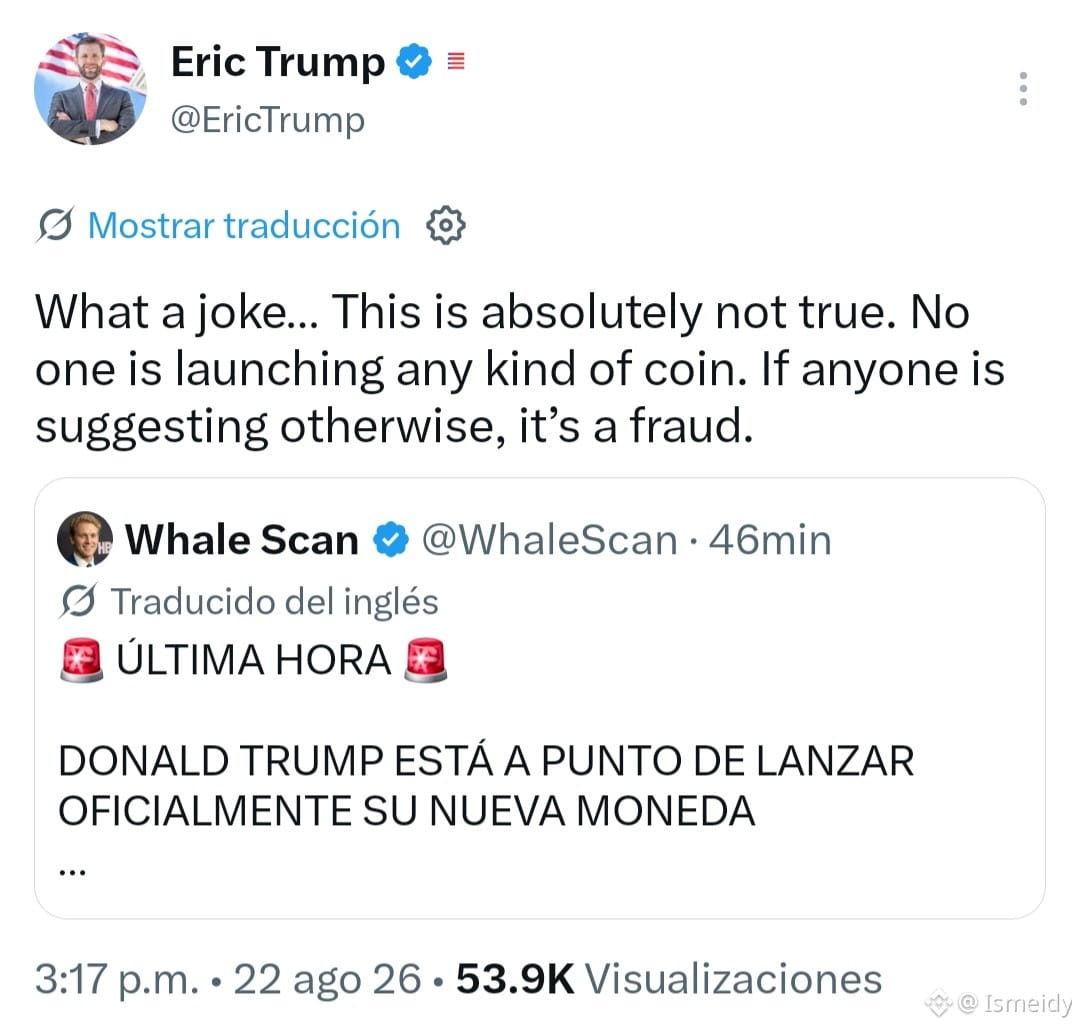
🚨 「冗談であり詐欺だ!」
#EricTrump は、新たな暗号通貨の発表があるという噂を全面的に否定
SNS上で、家族#TRUMP が近々暗号の発表を行うという切迫した噂が何時間も流れる中、エリック・トランプは公の場で憶測を断固として否定した。
Xプラットフォームでのダイレクトメッセージを通じて、エリックは新しいトークンを発行するとするいかなる報道も「冗談」や「詐欺」だと非難し、コミュニティに対して起こり得るだましに注意するよう警告した。
「Whale Scan」への返信:否定の返答は、Whale Scanアカウントのバイラル投稿に直接言及する形で行われた。その投稿は「#DonaldTrump 」が新たな公式コインを間もなく提示する直前だと主張していた。
#CryptoNews
$TRUMP
{future}(TRUMPUSDT)
$WLFI
{future}(WLFIUSDT)
$MELANIA
{future}(MELANIAUSDT)
🚨 「冗談であり詐欺だ!」
#EricTrump は、新たな暗号通貨の発表があるという噂を全面的に否定
SNS上で、家族#TRUMP が近々暗号の発表を行うという切迫した噂が何時間も流れる中、エリック・トランプは公の場で憶測を断固として否定した。
Xプラットフォームでのダイレクトメッセージを通じて、エリックは新しいトークンを発行するとするいかなる報道も「冗談」や「詐欺」だと非難し、コミュニティに対して起こり得るだましに注意するよう警告した。
「Whale Scan」への返信:否定の返答は、Whale Scanアカウントのバイラル投稿に直接言及する形で行われた。その投稿は「#DonaldTrump 」が新たな公式コインを間もなく提示する直前だと主張していた。
#CryptoNews
$TRUMP
$WLFI
$MELANIA
#EricTrump は、新たな暗号通貨の発表があるという噂を全面的に否定
SNS上で、家族#TRUMP が近々暗号の発表を行うという切迫した噂が何時間も流れる中、エリック・トランプは公の場で憶測を断固として否定した。
Xプラットフォームでのダイレクトメッセージを通じて、エリックは新しいトークンを発行するとするいかなる報道も「冗談」や「詐欺」だと非難し、コミュニティに対して起こり得るだましに注意するよう警告した。
「Whale Scan」への返信:否定の返答は、Whale Scanアカウントのバイラル投稿に直接言及する形で行われた。その投稿は「#DonaldTrump 」が新たな公式コインを間もなく提示する直前だと主張していた。
#CryptoNews
$TRUMP
$WLFI
$MELANIA
5
2
15
24.7k
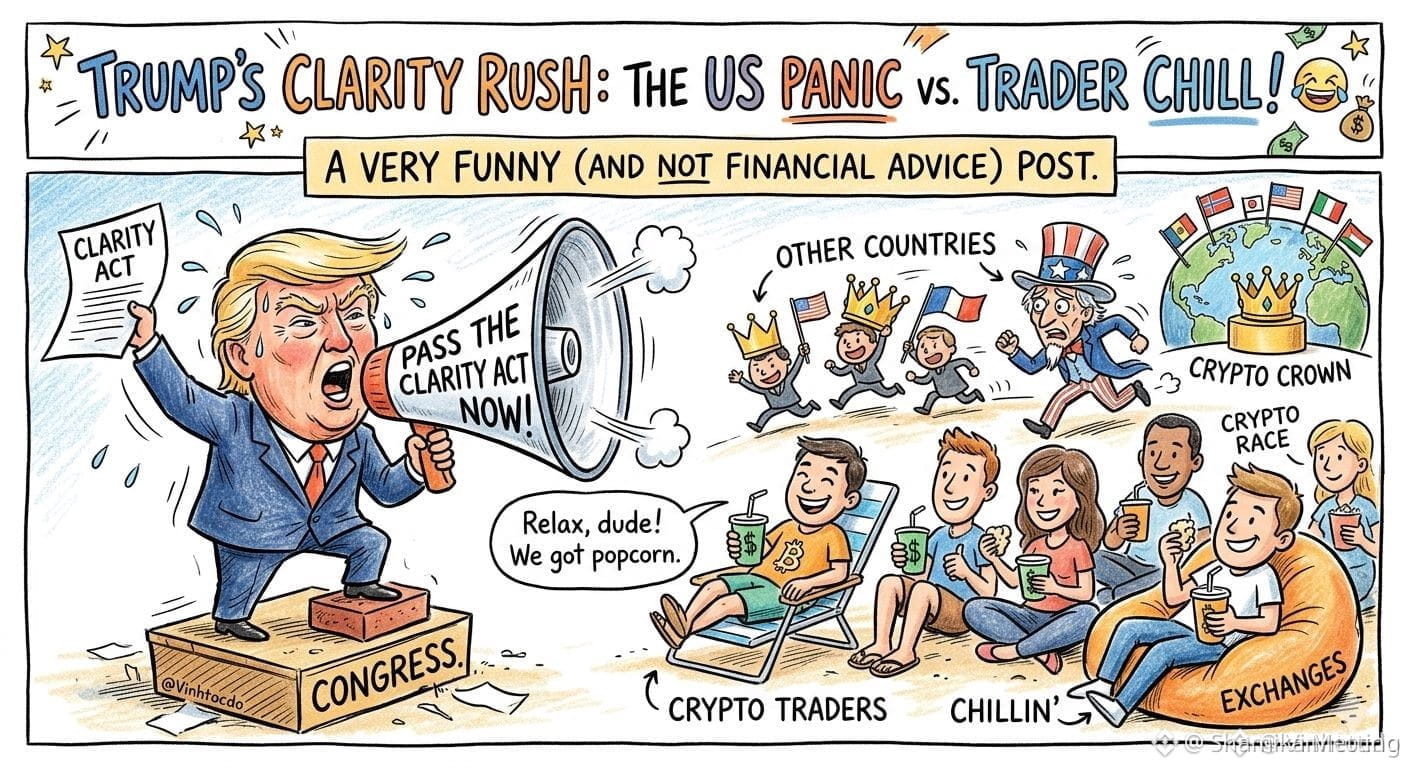
#trumpurgescongresstopassclarityact
🔥 トランプが「明確化法(Clarity Act)」を2回目のために連邦議会へ推し進める!なぜドナルドは急いでいるのか?暗号資産ディーラーや証券市場が落ち着いているのに、トランプは汗だく!怪しいことが起きている?🕵️♂️
おそらく、彼が暗号資産で14億ドル以上を稼いだからか。それとも、米国が世界の他地域に暗号資産競争で負けるのを恐れているからか!もしアンクル・サムが介入しなければ、他国が王冠を奪う。👑
ではトレーダーは何をすべき?ポップコーンを持って、Binanceでバッグを用意しよう。規制が来たら、市場はFASTに動く!🚀
⚠️ DYOR:これは金融アドバイスではありません!
フォローお願いします
#TRUMPCrypto #ClarityAct #DonaldTrump
$BTC
{future}(BTCUSDT)
#trumpurgescongresstopassclarityact
🔥 トランプが「明確化法(Clarity Act)」を2回目のために連邦議会へ推し進める!なぜドナルドは急いでいるのか?暗号資産ディーラーや証券市場が落ち着いているのに、トランプは汗だく!怪しいことが起きている?🕵️♂️
おそらく、彼が暗号資産で14億ドル以上を稼いだからか。それとも、米国が世界の他地域に暗号資産競争で負けるのを恐れているからか!もしアンクル・サムが介入しなければ、他国が王冠を奪う。👑
ではトレーダーは何をすべき?ポップコーンを持って、Binanceでバッグを用意しよう。規制が来たら、市場はFASTに動く!🚀
⚠️ DYOR:これは金融アドバイスではありません!
フォローお願いします
#TRUMPCrypto #ClarityAct #DonaldTrump
$BTC
🔥 トランプが「明確化法(Clarity Act)」を2回目のために連邦議会へ推し進める!なぜドナルドは急いでいるのか?暗号資産ディーラーや証券市場が落ち着いているのに、トランプは汗だく!怪しいことが起きている?🕵️♂️
おそらく、彼が暗号資産で14億ドル以上を稼いだからか。それとも、米国が世界の他地域に暗号資産競争で負けるのを恐れているからか!もしアンクル・サムが介入しなければ、他国が王冠を奪う。👑
ではトレーダーは何をすべき?ポップコーンを持って、Binanceでバッグを用意しよう。規制が来たら、市場はFASTに動く!🚀
⚠️ DYOR:これは金融アドバイスではありません!
フォローお願いします
#TRUMPCrypto #ClarityAct #DonaldTrump
$BTC
1
73

#trumpurgescongresstopassclarityact
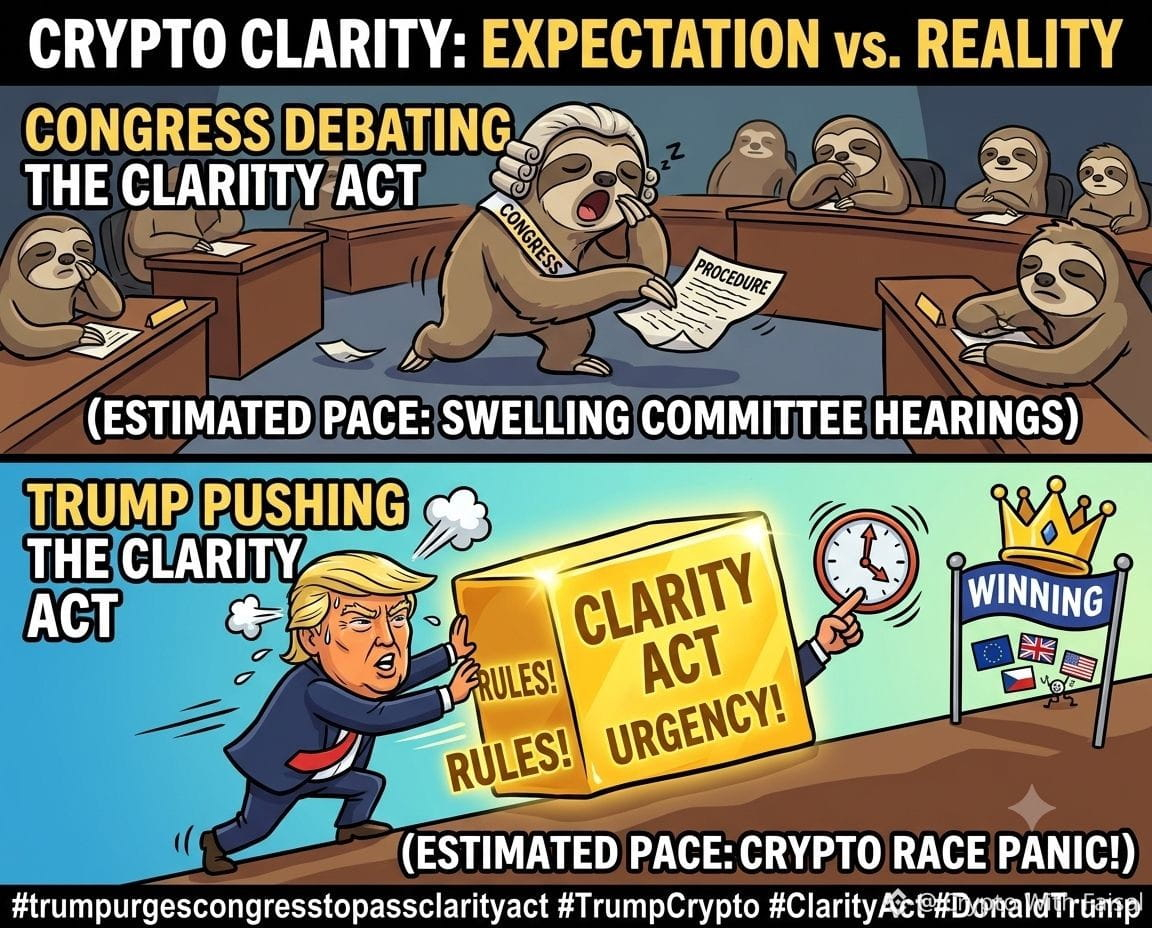
トランプは連邦議会(キャピトル・ヒル)で熱を上げている。🔥
2度目となる今回、彼は議会に対して「Clarity Act(明確化法)」を可決するよう強く圧力をかけている。市場全体はまだ様子見の姿勢だが、トランプは明らかに急いでいる。
この切迫感を生んでいる要因は?おそらく、本人の巨大な14億ドル規模の暗号資産ポートフォリオと、米国が世界的な暗号資産アームレース(覇権競争)を失いかけているという、はっきりした現実が入り混じっているからだ。もしアメリカがすぐに明確なルールを整備しなければ、ライバル国が喜んで王冠を奪い取るだろう。👑🇺🇸
トレーダーの実践ガイド:
規制の明確さこそが究極の市場のカタリスト(引き金)だ。目を離さず、ポートフォリオを適切な位置に保っておこう。機関投資家向けのルールがようやく出てくれば、市場は激しく動く可能性が高い。🚀
⚠️ DYOR(自分で調べて判断して)。これは投資助言ではない。
#TrumpCrypto #ClarityAct #DonaldTrump
$BTC
{future}(BTCUSDT)
$ETH
{future}(ETHUSDT)
$TRUMP
{future}(TRUMPUSDT)
#trumpurgescongresstopassclarityact
トランプは連邦議会(キャピトル・ヒル)で熱を上げている。🔥
2度目となる今回、彼は議会に対して「Clarity Act(明確化法)」を可決するよう強く圧力をかけている。市場全体はまだ様子見の姿勢だが、トランプは明らかに急いでいる。
この切迫感を生んでいる要因は?おそらく、本人の巨大な14億ドル規模の暗号資産ポートフォリオと、米国が世界的な暗号資産アームレース(覇権競争)を失いかけているという、はっきりした現実が入り混じっているからだ。もしアメリカがすぐに明確なルールを整備しなければ、ライバル国が喜んで王冠を奪い取るだろう。👑🇺🇸
トレーダーの実践ガイド:
規制の明確さこそが究極の市場のカタリスト(引き金)だ。目を離さず、ポートフォリオを適切な位置に保っておこう。機関投資家向けのルールがようやく出てくれば、市場は激しく動く可能性が高い。🚀
⚠️ DYOR(自分で調べて判断して)。これは投資助言ではない。
#TrumpCrypto #ClarityAct #DonaldTrump
$BTC
$ETH
$TRUMP
トランプは連邦議会(キャピトル・ヒル)で熱を上げている。🔥
2度目となる今回、彼は議会に対して「Clarity Act(明確化法)」を可決するよう強く圧力をかけている。市場全体はまだ様子見の姿勢だが、トランプは明らかに急いでいる。
この切迫感を生んでいる要因は?おそらく、本人の巨大な14億ドル規模の暗号資産ポートフォリオと、米国が世界的な暗号資産アームレース(覇権競争)を失いかけているという、はっきりした現実が入り混じっているからだ。もしアメリカがすぐに明確なルールを整備しなければ、ライバル国が喜んで王冠を奪い取るだろう。👑🇺🇸
トレーダーの実践ガイド:
規制の明確さこそが究極の市場のカタリスト(引き金)だ。目を離さず、ポートフォリオを適切な位置に保っておこう。機関投資家向けのルールがようやく出てくれば、市場は激しく動く可能性が高い。🚀
⚠️ DYOR(自分で調べて判断して)。これは投資助言ではない。
#TrumpCrypto #ClarityAct #DonaldTrump
$BTC
$ETH
$TRUMP
1
789
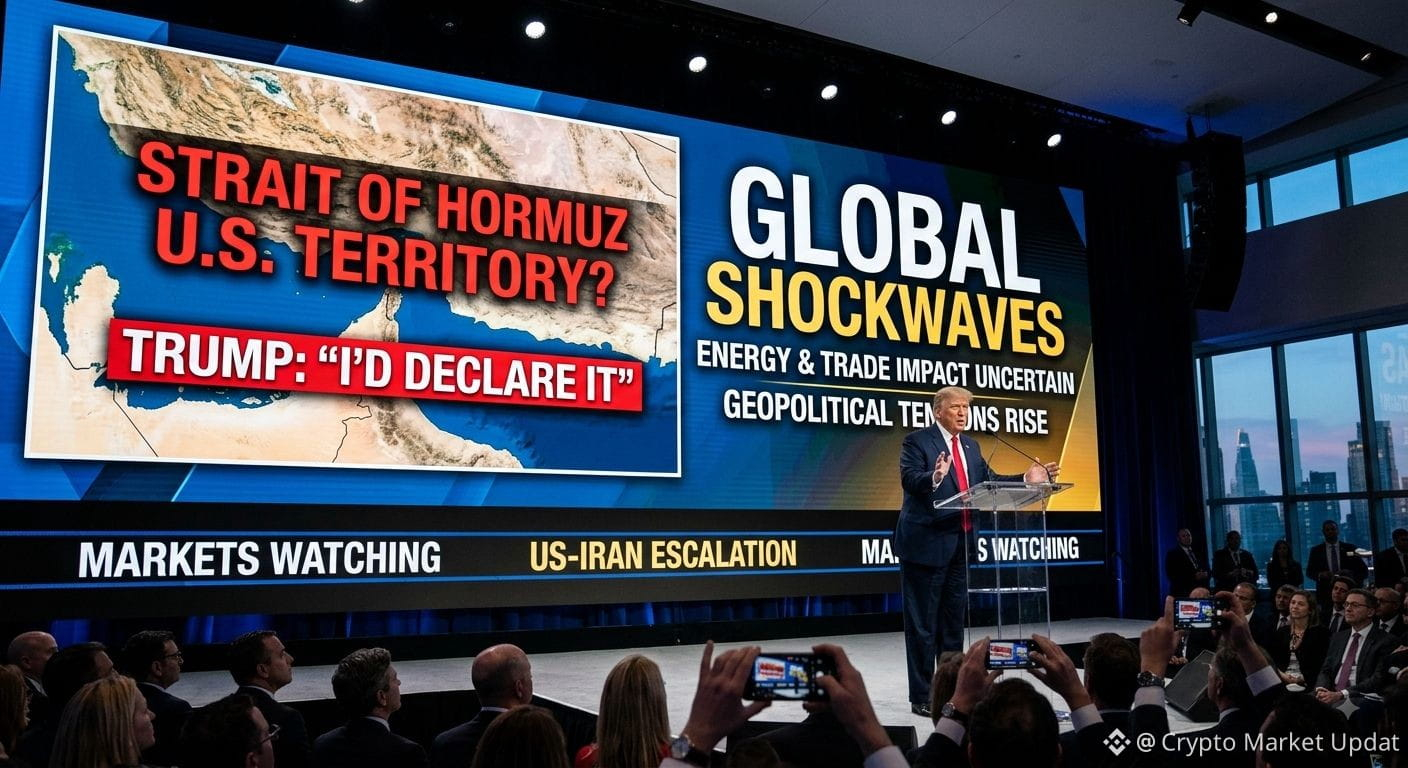
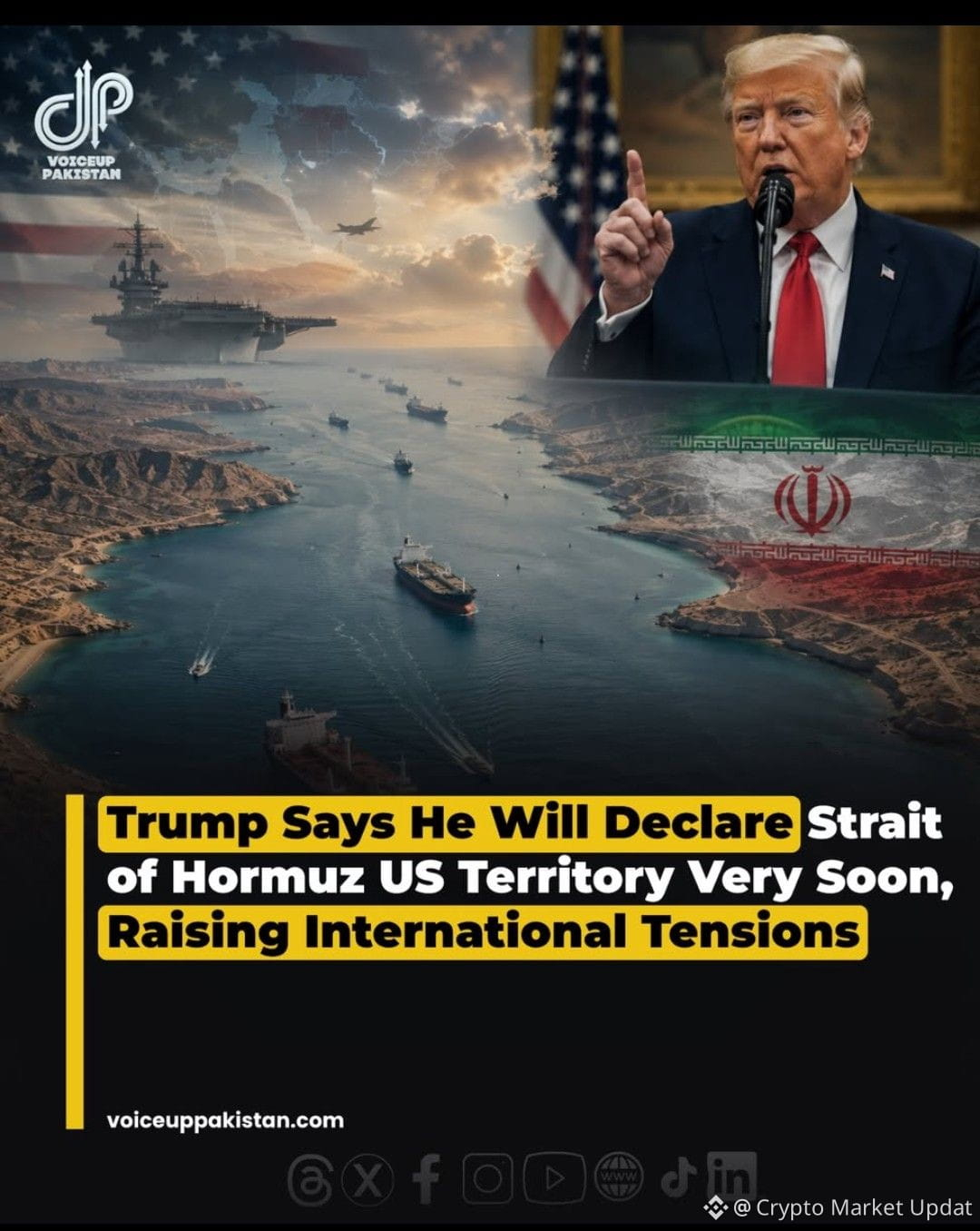
🚨🇺🇸 トランプのホルムズ海峡に関する発言が衝撃を与える
🇺🇸 ドナルド・トランプは、イランに勝利したと彼が述べた後、ホルムズ海峡を米国の領土として宣言するとしている。
🌊 ホルムズ海峡は世界でも最も戦略的に重要なエネルギー航路の一つであり、その地位に大きな変化が起これば、世界貿易や原油市場にとって非常に重大な影響を及ぼす。
⚠️ ニューヨークでの演説中に行われたトランプの発言は、イランおよび同地域をめぐる地政学的緊張をさらに高める可能性がある。
📈🌍 市場は注視している。緊張が高まれば、エネルギー、海運、そして世界のリスク感応度にも影響が出うる。
$COW | $HEMI | $WAL
#DonaldTrump #StraitOfHormuz #Iran #USA #Geopolitics #Oil #WorldNews #Crypto #BinanceSquare
🚨🇺🇸 トランプのホルムズ海峡に関する発言が衝撃を与える
🇺🇸 ドナルド・トランプは、イランに勝利したと彼が述べた後、ホルムズ海峡を米国の領土として宣言するとしている。
🌊 ホルムズ海峡は世界でも最も戦略的に重要なエネルギー航路の一つであり、その地位に大きな変化が起これば、世界貿易や原油市場にとって非常に重大な影響を及ぼす。
⚠️ ニューヨークでの演説中に行われたトランプの発言は、イランおよび同地域をめぐる地政学的緊張をさらに高める可能性がある。
📈🌍 市場は注視している。緊張が高まれば、エネルギー、海運、そして世界のリスク感応度にも影響が出うる。
$COW | $HEMI | $WAL
#DonaldTrump #StraitOfHormuz #Iran #USA #Geopolitics #Oil #WorldNews #Crypto #BinanceSquare
🇺🇸 ドナルド・トランプは、イランに勝利したと彼が述べた後、ホルムズ海峡を米国の領土として宣言するとしている。
🌊 ホルムズ海峡は世界でも最も戦略的に重要なエネルギー航路の一つであり、その地位に大きな変化が起これば、世界貿易や原油市場にとって非常に重大な影響を及ぼす。
⚠️ ニューヨークでの演説中に行われたトランプの発言は、イランおよび同地域をめぐる地政学的緊張をさらに高める可能性がある。
📈🌍 市場は注視している。緊張が高まれば、エネルギー、海運、そして世界のリスク感応度にも影響が出うる。
$COW | $HEMI | $WAL
#DonaldTrump #StraitOfHormuz #Iran #USA #Geopolitics #Oil #WorldNews #Crypto #BinanceSquare
10
トランプの最新の米国政策の動きは、国家安全保障、貿易、公共の安全に焦点を当てる。ドナルド・トランプ大統領は、アメリカ国内における主要な動きの中心に再びいる。政権は国家安全保障、経済政策、そして公共の安全に強い関心を寄せている。最新の注目分野の一つは、トランプによるドローン輸入に対するより強い対応を求める動きであり、米国が外国のドローン技術に依存する度合いを減らし、国内製造を促すことを目的とした新たな関税が含まれている。同時に、トランプはイランをめぐる紛争への政権の対応と、そのより広範な経済的な影響に関して、依然として大きな注目を集めている。さらに政権は、2026年の中間選挙を前にした公共安全のメッセージの一環として、暴力犯罪の件数の減少を強調している。こうした一連の動きによって、トランプの政策と判断は、アメリカ政治および国際ニュースの中で引き続き大きく注目され続けている。<t-8/>$BNB #DonaldTrump
トランプの最新の米国政策の動きは、国家安全保障、貿易、公共の安全に焦点を当てる。
ドナルド・トランプ大統領は、アメリカ国内における主要な動きの中心に再びいる。政権は国家安全保障、経済政策、そして公共の安全に強い関心を寄せている。最新の注目分野の一つは、トランプによるドローン輸入に対するより強い対応を求める動きであり、米国が外国のドローン技術に依存する度合いを減らし、国内製造を促すことを目的とした新たな関税が含まれている。同時に、トランプはイランをめぐる紛争への政権の対応と、そのより広範な経済的な影響に関して、依然として大きな注目を集めている。さらに政権は、2026年の中間選挙を前にした公共安全のメッセージの一環として、暴力犯罪の件数の減少を強調している。こうした一連の動きによって、トランプの政策と判断は、アメリカ政治および国際ニュースの中で引き続き大きく注目され続けている。<t-8/>$BNB #DonaldTrump
1
15
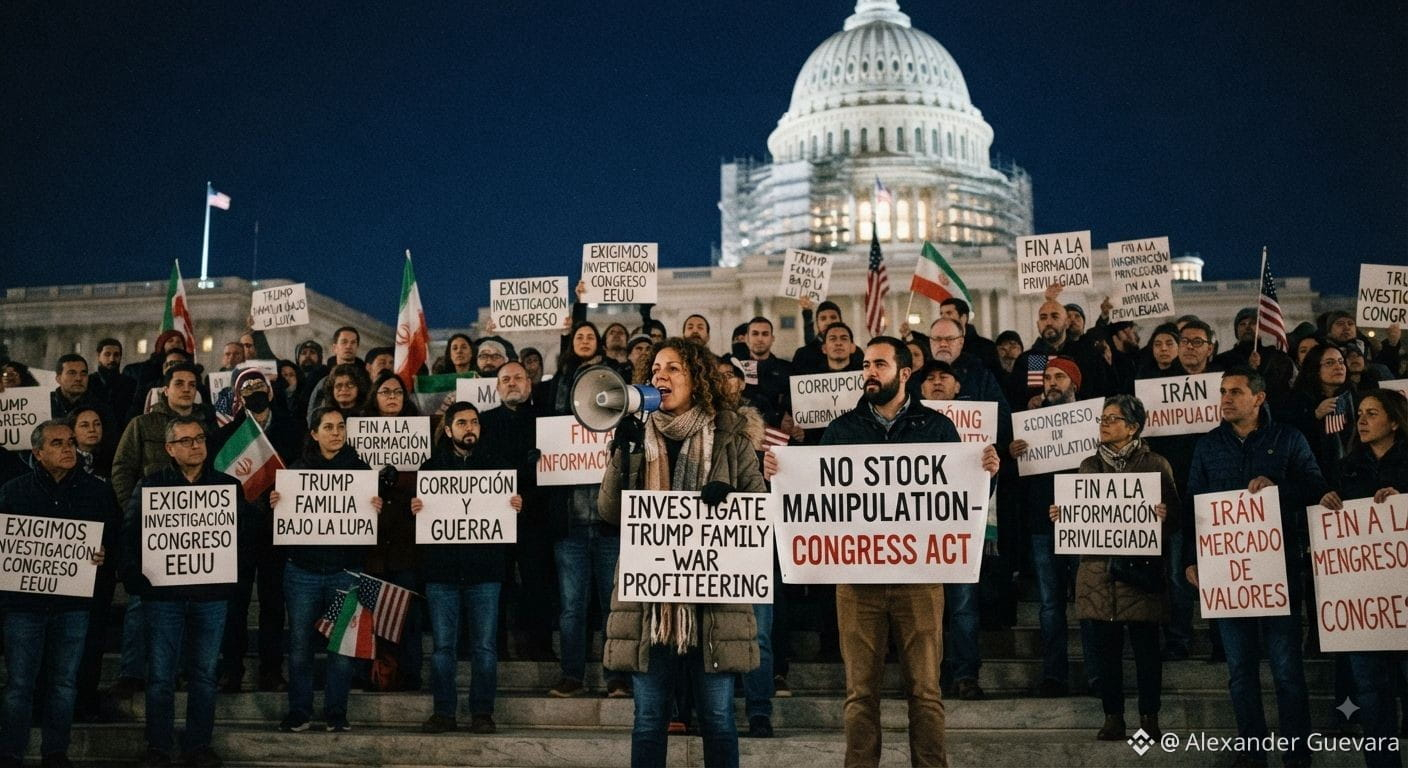
💥イランは、米国議会に対し、ドナルド・トランプ大統領とその家族が戦争に関連する情報の特権的利用や株式市場の操作を行った疑いで調査するよう要求している。…誰がこの提案を支持しているのか?..,✋✋✋✋
イラン政府が、ドナルド・トランプ大統領およびその家族について、市場操作や戦争と結びついたインサイダー情報の利用を理由に、米国議会に対して正式に調査を求めたという公式記録、または国際機関の声明は存在しません。
しかし、米国内の政治的な局面では、こうした同様の非難が、民主党の議員たちによって強く推し進められてきました。議会での調査を求め、推進している(紛争に関する発表に関連する機密情報の不正使用や金融賭博に関する疑いを含む)人物としては、次のような人々が挙げられます:
* エリザベス・ウォーレン上院議員:上院の委員会において国防分野の高官に圧力をかけ、証券取引委員会(SEC)への調査を求めてきた。
* ラジャ・クリシュナモーティ下院議員:下院の監督委員会に対し、公的に開示されていない情報での可能性ある取引について、包括的な調査を正式に求めた。
* サム・リカード下院議員:軍事行動の発表や停戦に関する発表の前に行われた金融取引に、不審なパターンを見つけたことを受けて、連邦の規制当局および議会に圧力をかけてきた。
* クリス・マーフィー上院議員:和平合意に関する虚偽または計算された発表によって、市場を操作する仕組みだとして公に告発している。
#iran #SEC #DonaldTrump #TRUMP #estafas $NVDAB $INTC $WMT
💥イランは、米国議会に対し、ドナルド・トランプ大統領とその家族が戦争に関連する情報の特権的利用や株式市場の操作を行った疑いで調査するよう要求している。…誰がこの提案を支持しているのか?..,✋✋✋✋
イラン政府が、ドナルド・トランプ大統領およびその家族について、市場操作や戦争と結びついたインサイダー情報の利用を理由に、米国議会に対して正式に調査を求めたという公式記録、または国際機関の声明は存在しません。
しかし、米国内の政治的な局面では、こうした同様の非難が、民主党の議員たちによって強く推し進められてきました。議会での調査を求め、推進している(紛争に関する発表に関連する機密情報の不正使用や金融賭博に関する疑いを含む)人物としては、次のような人々が挙げられます:
* エリザベス・ウォーレン上院議員:上院の委員会において国防分野の高官に圧力をかけ、証券取引委員会(SEC)への調査を求めてきた。
* ラジャ・クリシュナモーティ下院議員:下院の監督委員会に対し、公的に開示されていない情報での可能性ある取引について、包括的な調査を正式に求めた。
* サム・リカード下院議員:軍事行動の発表や停戦に関する発表の前に行われた金融取引に、不審なパターンを見つけたことを受けて、連邦の規制当局および議会に圧力をかけてきた。
* クリス・マーフィー上院議員:和平合意に関する虚偽または計算された発表によって、市場を操作する仕組みだとして公に告発している。
#iran #SEC #DonaldTrump #TRUMP #estafas $NVDAB $INTC $WMT
イラン政府が、ドナルド・トランプ大統領およびその家族について、市場操作や戦争と結びついたインサイダー情報の利用を理由に、米国議会に対して正式に調査を求めたという公式記録、または国際機関の声明は存在しません。
しかし、米国内の政治的な局面では、こうした同様の非難が、民主党の議員たちによって強く推し進められてきました。議会での調査を求め、推進している(紛争に関する発表に関連する機密情報の不正使用や金融賭博に関する疑いを含む)人物としては、次のような人々が挙げられます:
* エリザベス・ウォーレン上院議員:上院の委員会において国防分野の高官に圧力をかけ、証券取引委員会(SEC)への調査を求めてきた。
* ラジャ・クリシュナモーティ下院議員:下院の監督委員会に対し、公的に開示されていない情報での可能性ある取引について、包括的な調査を正式に求めた。
* サム・リカード下院議員:軍事行動の発表や停戦に関する発表の前に行われた金融取引に、不審なパターンを見つけたことを受けて、連邦の規制当局および議会に圧力をかけてきた。
* クリス・マーフィー上院議員:和平合意に関する虚偽または計算された発表によって、市場を操作する仕組みだとして公に告発している。
#iran #SEC #DonaldTrump #TRUMP #estafas $NVDAB $INTC $WMT
1
98
·
--
記事
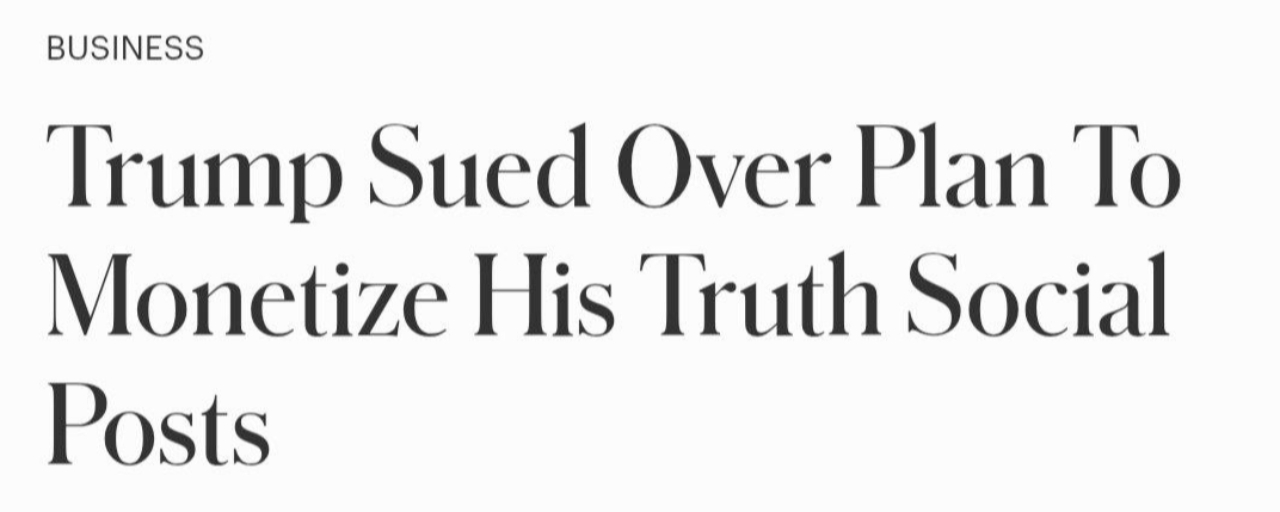
「汚職のAPI」「に対して求めている
ミリ秒単位でホワイトハウスの広告を収益化するために、Truth Socialで、Monetizar en
報道の自由と透明性を掲げる複数の組織による連合が、ドナルド・トランプ大統領を相手取り連邦訴訟を提起することで、金融市場と政治情勢を揺るがした。この訴訟は、前例のない利益相反として位置づけられる企業スキームを止めることを目的としている。
原告側:訴訟は、2026年8月12日(水)に、The Intercept Mediaと非営利団体Freedom of the Press Foundationが、CREW(Citizens for Responsibility and Ethics in Washington)などの法的支援団体の後援を受けて、米国ニューヨーク州南部地区連邦地裁に提起された。
「汚職のAPI」
「に対して求めている
ミリ秒単位でホワイトハウスの広告を収益化するために、Truth Socialで、Monetizar en
報道の自由と透明性を掲げる複数の組織による連合が、ドナルド・トランプ大統領を相手取り連邦訴訟を提起することで、金融市場と政治情勢を揺るがした。この訴訟は、前例のない利益相反として位置づけられる企業スキームを止めることを目的としている。
原告側:訴訟は、2026年8月12日(水)に、The Intercept Mediaと非営利団体Freedom of the Press Foundationが、CREW(Citizens for Responsibility and Ethics in Washington)などの法的支援団体の後援を受けて、米国ニューヨーク州南部地区連邦地裁に提起された。
ミリ秒単位でホワイトハウスの広告を収益化するために、Truth Socialで、Monetizar en
報道の自由と透明性を掲げる複数の組織による連合が、ドナルド・トランプ大統領を相手取り連邦訴訟を提起することで、金融市場と政治情勢を揺るがした。この訴訟は、前例のない利益相反として位置づけられる企業スキームを止めることを目的としている。
原告側:訴訟は、2026年8月12日(水)に、The Intercept Mediaと非営利団体Freedom of the Press Foundationが、CREW(Citizens for Responsibility and Ethics in Washington)などの法的支援団体の後援を受けて、米国ニューヨーク州南部地区連邦地裁に提起された。
5
1.6k
ログインして、さらにコンテンツを読む
厳選トピックで世界の暗号資産トレーダーの仲間入り
⚡️ 暗号資産に関する最新かつ有益な情報が見つかります。
💬 世界最大の暗号資産取引所から信頼されています。
👍 認証を受けたクリエイターから、有益なインサイトを得られます。
メール / 電話番号
トレンドトピック
1
#SECReceivesGrayscaleLitecoinTrustETFFiling
閲覧回数 5,633
167人が討論中
2
#ClarityActFacesProceduralVoteSept15
閲覧回数 92,911
1,136人が討論中
3
#US10YearTreasuryYieldNears5%
閲覧回数 33,435
600人が討論中
4
#CryptoLiquidations$674MIn24H
閲覧回数 8,896
104人が討論中
5
#TokenizedStockHoldersUp619.1%
閲覧回数 35,312
550人が討論中
6
#RevolutConfirmsFakeGovEmailDataBreach
閲覧回数 59,937
832人が討論中
7
#CanadaOSFISaysTokenizedDepositsEqualTraditionalDeposits
閲覧回数 3,367
78人が討論中
8
#USBankCompletesCrossBorderPaymentPilotOnStellar
閲覧回数 55,497
952人が討論中
9
#NvidiaInTalksToInvestUpTo$10BInAnthropicIPO
閲覧回数 4,251
76人が討論中
10
#EtherRalliesAsBearishBetsLiquidate
閲覧回数 79,872
1,179人が討論中