

#decentralizedstorage
decentralizedstorage
閲覧回数 233,540
2,327人が討論中
注目
最新

·
--
$WAL 急騰中!市場速報分析 🌐
分散型ストレージプロトコルのWalrus($WAL)が26%上昇し、取引量も264%超増加しています!急騰の主な要因はこちらです。
• 機関投資家から3,000万ドルの支援:DATA NetworkがWalrusをAIデータストレージのデフォルトレイヤーとして採用。Sui Foundationから3,000万ドルの投資を受けています。
• AIナラティブへの期待:MemWalのローンチにより、AIエージェント向けに長期的かつ検証可能なメモリ基盤が実現し、$WAL は分散型AIトレンドの中心に位置づけられています。
• テクニカルな踏み上げ:売られ過ぎの水準から反発し、大幅な出来高ブレイクアウトによって価格は0.043ドルのレジスタンスを突破しました。
⚠️ 注意:RSIはかなり買われ過ぎの水準です。局所的な反落に警戒してください!
#wallet🔥 #DecentralizedStorage #DeAI赛道 #cryptotrading #BinanceSquareBTC
$WAL 急騰中!市場速報分析 🌐
分散型ストレージプロトコルのWalrus($WAL )が26%上昇し、取引量も264%超増加しています!急騰の主な要因はこちらです。
• 機関投資家から3,000万ドルの支援:DATA NetworkがWalrusをAIデータストレージのデフォルトレイヤーとして採用。Sui Foundationから3,000万ドルの投資を受けています。
• AIナラティブへの期待:MemWalのローンチにより、AIエージェント向けに長期的かつ検証可能なメモリ基盤が実現し、$WAL は分散型AIトレンドの中心に位置づけられています。
• テクニカルな踏み上げ:売られ過ぎの水準から反発し、大幅な出来高ブレイクアウトによって価格は0.043ドルのレジスタンスを突破しました。
⚠️ 注意:RSIはかなり買われ過ぎの水準です。局所的な反落に警戒してください!
#wallet🔥 #DecentralizedStorage #DeAI赛道 #cryptotrading #BinanceSquareBTC
分散型ストレージプロトコルのWalrus($WAL )が26%上昇し、取引量も264%超増加しています!急騰の主な要因はこちらです。
• 機関投資家から3,000万ドルの支援:DATA NetworkがWalrusをAIデータストレージのデフォルトレイヤーとして採用。Sui Foundationから3,000万ドルの投資を受けています。
• AIナラティブへの期待:MemWalのローンチにより、AIエージェント向けに長期的かつ検証可能なメモリ基盤が実現し、$WAL は分散型AIトレンドの中心に位置づけられています。
• テクニカルな踏み上げ:売られ過ぎの水準から反発し、大幅な出来高ブレイクアウトによって価格は0.043ドルのレジスタンスを突破しました。
⚠️ 注意:RSIはかなり買われ過ぎの水準です。局所的な反落に警戒してください!
#wallet🔥 #DecentralizedStorage #DeAI赛道 #cryptotrading #BinanceSquareBTC
145

·
--
$FIL 🚀 データストレージの未来は、Filecoinによって分散型へ!🌐
Filecoinは、安全で検証可能な分散型データストレージを実現し、よりオープンで強靭なインターネットを構築しています。暗号学的証明と世界中に広がるストレージプロバイダーのネットワークを通じて、中央集権型プラットフォームだけに頼ることなく、大切なデータをいつでも利用できるよう支えます。🔐
💡 分散型ストレージ
🔒 検証可能なデータの完全性
🌍 オープンなインフラ
⚡ Web3とAIのイノベーションを推進
Filecoinは単なるストレージではありません。分散型デジタル社会の未来を支える基盤を築いています。💪
🔗 ドキュメントを見る:「Filecoin Documentation」(https://reference-url-citation.invalid/0)
#Filecoin #FIL #Web3 #DePIN #DecentralizedStorage
$FIL 🚀 データストレージの未来は、Filecoinによって分散型へ!🌐
Filecoinは、安全で検証可能な分散型データストレージを実現し、よりオープンで強靭なインターネットを構築しています。暗号学的証明と世界中に広がるストレージプロバイダーのネットワークを通じて、中央集権型プラットフォームだけに頼ることなく、大切なデータをいつでも利用できるよう支えます。🔐
💡 分散型ストレージ
🔒 検証可能なデータの完全性
🌍 オープンなインフラ
⚡ Web3とAIのイノベーションを推進
Filecoinは単なるストレージではありません。分散型デジタル社会の未来を支える基盤を築いています。💪
🔗 ドキュメントを見る:「Filecoin Documentation」(https://reference-url-citation.invalid/0)
#Filecoin #FIL #Web3 #DePIN #DecentralizedStorage
Filecoinは、安全で検証可能な分散型データストレージを実現し、よりオープンで強靭なインターネットを構築しています。暗号学的証明と世界中に広がるストレージプロバイダーのネットワークを通じて、中央集権型プラットフォームだけに頼ることなく、大切なデータをいつでも利用できるよう支えます。🔐
💡 分散型ストレージ
🔒 検証可能なデータの完全性
🌍 オープンなインフラ
⚡ Web3とAIのイノベーションを推進
Filecoinは単なるストレージではありません。分散型デジタル社会の未来を支える基盤を築いています。💪
🔗 ドキュメントを見る:「Filecoin Documentation」(https://reference-url-citation.invalid/0)
#Filecoin #FIL #Web3 #DePIN #DecentralizedStorage
56
·
--
$FIL 🌐 データストレージの未来は分散型です!
Filecoinを使えば、誰でもグローバルなピアツーピアネットワークを通じてデータを保存・取得できます。🔗
🔹 分散型ストレージインフラ
🔹 検証可能なデータストレージ
🔹 開発者向けの強力なツール
🔹 よりオープンでレジリエントなインターネットの構築
インターネットの未来は、データにアクセスするだけではありません。データを確実かつ安全に保存することも大切です。🚀
エコシステムを探索する:「Filecoin Docs」(https://reference-url-citation.invalid/0)
#Filecoin #FIL #Web3 #DePIN #DecentralizedStorage
$FIL 🌐 データストレージの未来は分散型です!
Filecoinを使えば、誰でもグローバルなピアツーピアネットワークを通じてデータを保存・取得できます。🔗
🔹 分散型ストレージインフラ
🔹 検証可能なデータストレージ
🔹 開発者向けの強力なツール
🔹 よりオープンでレジリエントなインターネットの構築
インターネットの未来は、データにアクセスするだけではありません。データを確実かつ安全に保存することも大切です。🚀
エコシステムを探索する:「Filecoin Docs」(https://reference-url-citation.invalid/0)
#Filecoin #FIL #Web3 #DePIN #DecentralizedStorage
Filecoinを使えば、誰でもグローバルなピアツーピアネットワークを通じてデータを保存・取得できます。🔗
🔹 分散型ストレージインフラ
🔹 検証可能なデータストレージ
🔹 開発者向けの強力なツール
🔹 よりオープンでレジリエントなインターネットの構築
インターネットの未来は、データにアクセスするだけではありません。データを確実かつ安全に保存することも大切です。🚀
エコシステムを探索する:「Filecoin Docs」(https://reference-url-citation.invalid/0)
#Filecoin #FIL #Web3 #DePIN #DecentralizedStorage
72

📦 $FIL
{spot}(FILUSDT)
: 分散型ストレージが投資テーマ — 普及がその真価を試す。
Filecoinは分散型データストレージに注力しており、デジタルインフラへの需要が変化するなか、注目に値する分野です。
重要なのは、ストレージの利用状況とエコシステムの発展が、持続可能な経済活動につながるかどうかです。
ネットワーク需要、ストレージ利用率、トークンの経済設計、競争圧力を注視しましょう。
📊 テクニカル面では、出来高に裏付けられたブレイクアウトのほうが、単発の価格急騰よりも重要です。
⚠️ 強いナラティブがあっても、市場環境が弱ければトークンの下落を防ぐことはできません。
FILについては、ファンダメンタルズとチャート上の確認をあわせて評価する必要があります。
#Filecoin #FIL #EtherETFsExtendOutflowsToNineDays #DecentralizedStorage
📦 $FIL
: 分散型ストレージが投資テーマ — 普及がその真価を試す。
Filecoinは分散型データストレージに注力しており、デジタルインフラへの需要が変化するなか、注目に値する分野です。
重要なのは、ストレージの利用状況とエコシステムの発展が、持続可能な経済活動につながるかどうかです。
ネットワーク需要、ストレージ利用率、トークンの経済設計、競争圧力を注視しましょう。
📊 テクニカル面では、出来高に裏付けられたブレイクアウトのほうが、単発の価格急騰よりも重要です。
⚠️ 強いナラティブがあっても、市場環境が弱ければトークンの下落を防ぐことはできません。
FILについては、ファンダメンタルズとチャート上の確認をあわせて評価する必要があります。
#Filecoin #FIL #EtherETFsExtendOutflowsToNineDays #DecentralizedStorage
: 分散型ストレージが投資テーマ — 普及がその真価を試す。
Filecoinは分散型データストレージに注力しており、デジタルインフラへの需要が変化するなか、注目に値する分野です。
重要なのは、ストレージの利用状況とエコシステムの発展が、持続可能な経済活動につながるかどうかです。
ネットワーク需要、ストレージ利用率、トークンの経済設計、競争圧力を注視しましょう。
📊 テクニカル面では、出来高に裏付けられたブレイクアウトのほうが、単発の価格急騰よりも重要です。
⚠️ 強いナラティブがあっても、市場環境が弱ければトークンの下落を防ぐことはできません。
FILについては、ファンダメンタルズとチャート上の確認をあわせて評価する必要があります。
#Filecoin #FIL #EtherETFsExtendOutflowsToNineDays #DecentralizedStorage
1
286

本人確認中
デジタルアートには、確かなケアと透明性が必要だと私たちは考えています。4,000 × 4,000ピクセルの解像度で合計50.6 GBにおよぶオリジナル作品10,000点すべてを、監査済みのEthereumコントラクトを基盤として、FilecoinとIPFS上に保存しています。ミントはブラインドボックス形式ですが、すべてご確認いただけます。
GitHubで作品の来歴をまとめたマニフェストをご覧ください:
https://github.com/futurevanityfairclub/futurevanityfairclub/blob/main/PROVENANCE.md
$FIL $ETH #Filecoin #IPFS #DecentralizedStorage #NFTArchive
デジタルアートには、確かなケアと透明性が必要だと私たちは考えています。4,000 × 4,000ピクセルの解像度で合計50.6 GBにおよぶオリジナル作品10,000点すべてを、監査済みのEthereumコントラクトを基盤として、FilecoinとIPFS上に保存しています。ミントはブラインドボックス形式ですが、すべてご確認いただけます。
GitHubで作品の来歴をまとめたマニフェストをご覧ください:
https://github.com/futurevanityfairclub/futurevanityfairclub/blob/main/PROVENANCE.md
$FIL $ETH #Filecoin #IPFS #DecentralizedStorage #NFTArchive
GitHubで作品の来歴をまとめたマニフェストをご覧ください:
https://github.com/futurevanityfairclub/futurevanityfairclub/blob/main/PROVENANCE.md
$FIL $ETH #Filecoin #IPFS #DecentralizedStorage #NFTArchive
1
442
·
--
$FIL 🌐 Filecoin は、インターネット上でデータを保存・取得するための分散型のピアツーピアネットワークを構築しています。
暗号学的な証明により、ストレージ提供者は約束どおりデータが保存されていることを示すことができ、また開発者はネットワークの上にアプリケーションやサービスを構築できます。
📦 分散型ストレージ
🔐 検証可能なデータ保存
⚙️ 開発者にやさしいインフラ
🌍 開かれた分散型データ経済
データ保存の未来は、検証可能で分散され、プログラム可能です。
#Filecoin #FIL #Web3 #DePIN #DecentralizedStorage
$FIL 🌐 Filecoin は、インターネット上でデータを保存・取得するための分散型のピアツーピアネットワークを構築しています。
暗号学的な証明により、ストレージ提供者は約束どおりデータが保存されていることを示すことができ、また開発者はネットワークの上にアプリケーションやサービスを構築できます。
📦 分散型ストレージ
🔐 検証可能なデータ保存
⚙️ 開発者にやさしいインフラ
🌍 開かれた分散型データ経済
データ保存の未来は、検証可能で分散され、プログラム可能です。
#Filecoin #FIL #Web3 #DePIN #DecentralizedStorage
暗号学的な証明により、ストレージ提供者は約束どおりデータが保存されていることを示すことができ、また開発者はネットワークの上にアプリケーションやサービスを構築できます。
📦 分散型ストレージ
🔐 検証可能なデータ保存
⚙️ 開発者にやさしいインフラ
🌍 開かれた分散型データ経済
データ保存の未来は、検証可能で分散され、プログラム可能です。
#Filecoin #FIL #Web3 #DePIN #DecentralizedStorage
106

·
--
ブリッシュ
クラウドストレージが1社に依存していなかったら? ☁️
$SOL
{spot}(SOLUSDT)
.
$STORJ は分散ストレージ・エコシステムの一部で、未使用のストレージ容量が分散ネットワークに貢献できます。
代わりに:
1社 → あなたのデータ
考え方としては、よりこうです:
多くのコンピューター → 分散ストレージ。
AIデータが爆発的に増えるにつれて、分散型クラウドストレージはより重要になるのでしょうか?
#STORJ #DecentralizedStorage #Web3 #crypto #DePIN
クラウドストレージが1社に依存していなかったら? ☁️
$SOL
.
$STORJ は分散ストレージ・エコシステムの一部で、未使用のストレージ容量が分散ネットワークに貢献できます。
代わりに:
1社 → あなたのデータ
考え方としては、よりこうです:
多くのコンピューター → 分散ストレージ。
AIデータが爆発的に増えるにつれて、分散型クラウドストレージはより重要になるのでしょうか?
#STORJ #DecentralizedStorage #Web3 #crypto #DePIN
$SOL
.
$STORJ は分散ストレージ・エコシステムの一部で、未使用のストレージ容量が分散ネットワークに貢献できます。
代わりに:
1社 → あなたのデータ
考え方としては、よりこうです:
多くのコンピューター → 分散ストレージ。
AIデータが爆発的に増えるにつれて、分散型クラウドストレージはより重要になるのでしょうか?
#STORJ #DecentralizedStorage #Web3 #crypto #DePIN
1
97
·
--
$FIL 🗄️🌐 Filecoin:オープンなインターネットのための分散ストレージ
Filecoinは、インターネット上でデータを確実に保存・取得するために設計された、分散型のピアツーピア・ネットワークです。
🔹 Proof-of-Replication(複製証明)& Proof-of-Spacetime(時空証明)による検証可能なストレージ
🔹 分散型ストレージ提供者
🔹 強力な開発者向けツール&API
🔹 スマートコントラクトのためのFilecoin Virtual Machine(FVM)
🔹 大規模で価値あるデータを保存するために設計
データの未来は分散型。🚀
#Filecoin #FIL #Web3 #DePIN #DecentralizedStorage
$FIL 🗄️🌐 Filecoin:オープンなインターネットのための分散ストレージ
Filecoinは、インターネット上でデータを確実に保存・取得するために設計された、分散型のピアツーピア・ネットワークです。
🔹 Proof-of-Replication(複製証明)& Proof-of-Spacetime(時空証明)による検証可能なストレージ
🔹 分散型ストレージ提供者
🔹 強力な開発者向けツール&API
🔹 スマートコントラクトのためのFilecoin Virtual Machine(FVM)
🔹 大規模で価値あるデータを保存するために設計
データの未来は分散型。🚀
#Filecoin #FIL #Web3 #DePIN #DecentralizedStorage
Filecoinは、インターネット上でデータを確実に保存・取得するために設計された、分散型のピアツーピア・ネットワークです。
🔹 Proof-of-Replication(複製証明)& Proof-of-Spacetime(時空証明)による検証可能なストレージ
🔹 分散型ストレージ提供者
🔹 強力な開発者向けツール&API
🔹 スマートコントラクトのためのFilecoin Virtual Machine(FVM)
🔹 大規模で価値あるデータを保存するために設計
データの未来は分散型。🚀
#Filecoin #FIL #Web3 #DePIN #DecentralizedStorage
75

·
--
AR:永続ストレージの物語と現実ニーズの間にある温度差
AR は 3.84% 上昇して $4.25、日間出来高 $1695万、出来高回転率 6.1%——5つのトークンの中で流動性は最良ですが、高値 $4.95 と安値 $3.82 の間の 29% の値幅が示す通り、ポジションの見解が割れています。
Arweave の「永続ストレージ」物語は、AIデータの永続化、分散型フロントエンドのホスティングなど新しいシナリオでセカンダリー市場のプレミアムを獲得していますが、実際の導入側(エンド)の有料ユーザー成長は鈍く、プロトコル収益は主にストレージ基金の放出に依存しており、真の需要によるものではありません。$2.78億の時価総額で Web2 のクラウドストレージ大手と比べる評価はなお強気で、プロダクト・マーケット・フィット(PMF)は検証段階です。
スマートマネーのシグナルも同様に、純売り、保有ゼロ、ロングゼロのトレーダーが示されています。専門資金の不在は、物語としての強さはあるものの、ファンダメンタルが現金化される道筋が不明確で、トークン経済モデルに強制的なバーン/買い戻しの仕組みが欠け、初期投資家のアンロック圧力も残っていることを示唆します。リスクとリターンのバランスが、機関の建て玉に踏み切るには不十分です。
ソーシャル感情の次元は全て N/A です。市場の注目度は前4銘柄よりは良いものの、依然として低い水準です。ストレージ・セクターの競争が激化(Filecoin、Storj、Jackal など)する中で、差別化の堀(モート)はホワイトペーパーの物語ではなく、技術面での実装による検証が必要です。
**核心判断:物語のプレミアムが基本面の実装に先行しており、調整で $3.5〜3.8 のレンジまで下がってからこそ、ポジション形成のコストパフォーマンスが出ます。**
#AR #DecentralizedStorage
AR:永続ストレージの物語と現実ニーズの間にある温度差
AR は 3.84% 上昇して $4.25、日間出来高 $1695万、出来高回転率 6.1%——5つのトークンの中で流動性は最良ですが、高値 $4.95 と安値 $3.82 の間の 29% の値幅が示す通り、ポジションの見解が割れています。
Arweave の「永続ストレージ」物語は、AIデータの永続化、分散型フロントエンドのホスティングなど新しいシナリオでセカンダリー市場のプレミアムを獲得していますが、実際の導入側(エンド)の有料ユーザー成長は鈍く、プロトコル収益は主にストレージ基金の放出に依存しており、真の需要によるものではありません。$2.78億の時価総額で Web2 のクラウドストレージ大手と比べる評価はなお強気で、プロダクト・マーケット・フィット(PMF)は検証段階です。
スマートマネーのシグナルも同様に、純売り、保有ゼロ、ロングゼロのトレーダーが示されています。専門資金の不在は、物語としての強さはあるものの、ファンダメンタルが現金化される道筋が不明確で、トークン経済モデルに強制的なバーン/買い戻しの仕組みが欠け、初期投資家のアンロック圧力も残っていることを示唆します。リスクとリターンのバランスが、機関の建て玉に踏み切るには不十分です。
ソーシャル感情の次元は全て N/A です。市場の注目度は前4銘柄よりは良いものの、依然として低い水準です。ストレージ・セクターの競争が激化(Filecoin、Storj、Jackal など)する中で、差別化の堀(モート)はホワイトペーパーの物語ではなく、技術面での実装による検証が必要です。
**核心判断:物語のプレミアムが基本面の実装に先行しており、調整で $3.5〜3.8 のレンジまで下がってからこそ、ポジション形成のコストパフォーマンスが出ます。**
#AR #DecentralizedStorage
AR は 3.84% 上昇して $4.25、日間出来高 $1695万、出来高回転率 6.1%——5つのトークンの中で流動性は最良ですが、高値 $4.95 と安値 $3.82 の間の 29% の値幅が示す通り、ポジションの見解が割れています。
Arweave の「永続ストレージ」物語は、AIデータの永続化、分散型フロントエンドのホスティングなど新しいシナリオでセカンダリー市場のプレミアムを獲得していますが、実際の導入側(エンド)の有料ユーザー成長は鈍く、プロトコル収益は主にストレージ基金の放出に依存しており、真の需要によるものではありません。$2.78億の時価総額で Web2 のクラウドストレージ大手と比べる評価はなお強気で、プロダクト・マーケット・フィット(PMF)は検証段階です。
スマートマネーのシグナルも同様に、純売り、保有ゼロ、ロングゼロのトレーダーが示されています。専門資金の不在は、物語としての強さはあるものの、ファンダメンタルが現金化される道筋が不明確で、トークン経済モデルに強制的なバーン/買い戻しの仕組みが欠け、初期投資家のアンロック圧力も残っていることを示唆します。リスクとリターンのバランスが、機関の建て玉に踏み切るには不十分です。
ソーシャル感情の次元は全て N/A です。市場の注目度は前4銘柄よりは良いものの、依然として低い水準です。ストレージ・セクターの競争が激化(Filecoin、Storj、Jackal など)する中で、差別化の堀(モート)はホワイトペーパーの物語ではなく、技術面での実装による検証が必要です。
**核心判断:物語のプレミアムが基本面の実装に先行しており、調整で $3.5〜3.8 のレンジまで下がってからこそ、ポジション形成のコストパフォーマンスが出ます。**
#AR #DecentralizedStorage
282

·
--
🚀 $FIL — Filecoin:分散型ストレージの未来を築く
デジタルの世界では、毎日大量のデータが生成されており、分散型ストレージの重要性はますます高まっています。🌐
$FIL は、データ保管をより検証可能に、オープンに、そしてレジリエントにするために設計された分散型ストレージ・ネットワークであるFilecoinを支えています。
🔹 Filecoinが重要な理由
• 分散型データ保存インフラ
• 検証可能なストレージのためのProof of Replication(複製の証明)&Proof of Spacetime(時空間の証明)
• ネットワークのストレージ経済の中で利用される
• スケーラブルなデータ基盤と、AI関連のストレージ利用ケースへの関心が高まっている
• Proof of Data Possession(データ保有の証明)により、素早くアクセス可能な検証可能なホットストレージが可能
🔥 鍵となるトークン供給の進展
Filecoinの予定されているベスティング(権利確定)の変更が注目を集めています。Protocol LabsとFilecoin Foundationのベスティング・プログラムは2026年10月15日に終了する見込みで、新規の総発行FILが約75%減少すると予測されています。
📊 注目ポイント
• ネットワークの採用状況&ストレージ需要
• AIおよびデータ基盤アプリケーション
• FILの供給と発行のダイナミクス
• オンチェーンの活動
• 市場の流動性と、暗号資産全体のセンチメント
分散型ストレージがAIと成長するデータ基盤への世界的な需要に歩調を合わせながら進化していく中で、注目すべき興味深いプロジェクトだと言えます。
💡 自分自身で調査し、リスクを慎重に管理してください。
あなたの見解は——分散型ストレージ・ネットワークは、次世代のWeb3インフラの主要な一部になっていくのでしょうか?👇
#FIL #Filecoin #Crypto #Web3 #DePIN. #DecentralizedStorage #blockchain #Aİ #BinanceSquare $FIL
🚀 $FIL — Filecoin:分散型ストレージの未来を築く
デジタルの世界では、毎日大量のデータが生成されており、分散型ストレージの重要性はますます高まっています。🌐
$FIL は、データ保管をより検証可能に、オープンに、そしてレジリエントにするために設計された分散型ストレージ・ネットワークであるFilecoinを支えています。
🔹 Filecoinが重要な理由
• 分散型データ保存インフラ
• 検証可能なストレージのためのProof of Replication(複製の証明)&Proof of Spacetime(時空間の証明)
• ネットワークのストレージ経済の中で利用される
• スケーラブルなデータ基盤と、AI関連のストレージ利用ケースへの関心が高まっている
• Proof of Data Possession(データ保有の証明)により、素早くアクセス可能な検証可能なホットストレージが可能
🔥 鍵となるトークン供給の進展
Filecoinの予定されているベスティング(権利確定)の変更が注目を集めています。Protocol LabsとFilecoin Foundationのベスティング・プログラムは2026年10月15日に終了する見込みで、新規の総発行FILが約75%減少すると予測されています。
📊 注目ポイント
• ネットワークの採用状況&ストレージ需要
• AIおよびデータ基盤アプリケーション
• FILの供給と発行のダイナミクス
• オンチェーンの活動
• 市場の流動性と、暗号資産全体のセンチメント
分散型ストレージがAIと成長するデータ基盤への世界的な需要に歩調を合わせながら進化していく中で、注目すべき興味深いプロジェクトだと言えます。
💡 自分自身で調査し、リスクを慎重に管理してください。
あなたの見解は——分散型ストレージ・ネットワークは、次世代のWeb3インフラの主要な一部になっていくのでしょうか?👇
#FIL #Filecoin #Crypto #Web3 #DePIN. #DecentralizedStorage #blockchain #Aİ #BinanceSquare $FIL
デジタルの世界では、毎日大量のデータが生成されており、分散型ストレージの重要性はますます高まっています。🌐
$FIL は、データ保管をより検証可能に、オープンに、そしてレジリエントにするために設計された分散型ストレージ・ネットワークであるFilecoinを支えています。
🔹 Filecoinが重要な理由
• 分散型データ保存インフラ
• 検証可能なストレージのためのProof of Replication(複製の証明)&Proof of Spacetime(時空間の証明)
• ネットワークのストレージ経済の中で利用される
• スケーラブルなデータ基盤と、AI関連のストレージ利用ケースへの関心が高まっている
• Proof of Data Possession(データ保有の証明)により、素早くアクセス可能な検証可能なホットストレージが可能
🔥 鍵となるトークン供給の進展
Filecoinの予定されているベスティング(権利確定)の変更が注目を集めています。Protocol LabsとFilecoin Foundationのベスティング・プログラムは2026年10月15日に終了する見込みで、新規の総発行FILが約75%減少すると予測されています。
📊 注目ポイント
• ネットワークの採用状況&ストレージ需要
• AIおよびデータ基盤アプリケーション
• FILの供給と発行のダイナミクス
• オンチェーンの活動
• 市場の流動性と、暗号資産全体のセンチメント
分散型ストレージがAIと成長するデータ基盤への世界的な需要に歩調を合わせながら進化していく中で、注目すべき興味深いプロジェクトだと言えます。
💡 自分自身で調査し、リスクを慎重に管理してください。
あなたの見解は——分散型ストレージ・ネットワークは、次世代のWeb3インフラの主要な一部になっていくのでしょうか?👇
#FIL #Filecoin #Crypto #Web3 #DePIN. #DecentralizedStorage #blockchain #Aİ #BinanceSquare $FIL
127
·
--
$FIL Filecoinは、単一の中央集権的な提供者に頼ることなく、データを保存・取得できる分散型ストレージネットワークを構築しています。
🔹 Proof-of-Replication(複製の証明)& Proof-of-Spacetime(時空の証明)による検証可能なストレージ
🔹 ストレージ提供者のためのオープンなマーケットプレイス
🔹 IPFSによるコンテンツアドレス指定データ
🔹 コスト、速度、冗長性の柔軟なトレードオフ
🔹 Filecoin Virtual Machine(FVM)によるスマートコントラクト
Filecoinは、分散型インターネットのための、オープンで検証可能かつプログラマブルなストレージの層にします。 🚀
#Filecoin #FIL #Web3 #DePIN #DecentralizedStorage
$FIL Filecoinは、単一の中央集権的な提供者に頼ることなく、データを保存・取得できる分散型ストレージネットワークを構築しています。
🔹 Proof-of-Replication(複製の証明)& Proof-of-Spacetime(時空の証明)による検証可能なストレージ
🔹 ストレージ提供者のためのオープンなマーケットプレイス
🔹 IPFSによるコンテンツアドレス指定データ
🔹 コスト、速度、冗長性の柔軟なトレードオフ
🔹 Filecoin Virtual Machine(FVM)によるスマートコントラクト
Filecoinは、分散型インターネットのための、オープンで検証可能かつプログラマブルなストレージの層にします。 🚀
#Filecoin #FIL #Web3 #DePIN #DecentralizedStorage
🔹 Proof-of-Replication(複製の証明)& Proof-of-Spacetime(時空の証明)による検証可能なストレージ
🔹 ストレージ提供者のためのオープンなマーケットプレイス
🔹 IPFSによるコンテンツアドレス指定データ
🔹 コスト、速度、冗長性の柔軟なトレードオフ
🔹 Filecoin Virtual Machine(FVM)によるスマートコントラクト
Filecoinは、分散型インターネットのための、オープンで検証可能かつプログラマブルなストレージの層にします。 🚀
#Filecoin #FIL #Web3 #DePIN #DecentralizedStorage
80
·
--
$FIL Filecoinは、データの保存をよりオープンで、検証可能で、かつ回復力の高いものにするための分散型ストレージネットワークを構築しています。
🔹 分散型データ保存
🔹 暗号学的プローフによる検証可能なストレージ
🔹 保存提供者と利用者をつなぐグローバルなマーケットプレイス
🔹 よりオープンなデータ経済のために構築
Filecoinは単なるストレージではありません。分散型Webのためのインフラです。
#Filecoin #FIL #Web3 #DePIN #DecentralizedStorage
$FIL Filecoinは、データの保存をよりオープンで、検証可能で、かつ回復力の高いものにするための分散型ストレージネットワークを構築しています。
🔹 分散型データ保存
🔹 暗号学的プローフによる検証可能なストレージ
🔹 保存提供者と利用者をつなぐグローバルなマーケットプレイス
🔹 よりオープンなデータ経済のために構築
Filecoinは単なるストレージではありません。分散型Webのためのインフラです。
#Filecoin #FIL #Web3 #DePIN #DecentralizedStorage
🔹 分散型データ保存
🔹 暗号学的プローフによる検証可能なストレージ
🔹 保存提供者と利用者をつなぐグローバルなマーケットプレイス
🔹 よりオープンなデータ経済のために構築
Filecoinは単なるストレージではありません。分散型Webのためのインフラです。
#Filecoin #FIL #Web3 #DePIN #DecentralizedStorage
46
·
--
$FIL Filecoinは、単一の中央集権的な提供者に依存することなく、データを保存し取得できる分散型ストレージネットワークを構築しています。
🔹 複製の証明(Proof-of-Replication)により一意なデータコピーを検証
🔹 スペースタイムの証明(Proof-of-Spacetime)によりデータが時間をかけて保存され続けることを検証
🔹 ストレージプロバイダーがオープンなストレージ市場で競争
🔹 暗号学的な証明によりストレージが公開的に検証可能に
Filecoinは、未使用のストレージを分散型ウェブのためのグローバルで検証可能なリソースに変えます。
#Filecoin #FIL #DePIN #Web3 #DecentralizedStorage
$FIL Filecoinは、単一の中央集権的な提供者に依存することなく、データを保存し取得できる分散型ストレージネットワークを構築しています。
🔹 複製の証明(Proof-of-Replication)により一意なデータコピーを検証
🔹 スペースタイムの証明(Proof-of-Spacetime)によりデータが時間をかけて保存され続けることを検証
🔹 ストレージプロバイダーがオープンなストレージ市場で競争
🔹 暗号学的な証明によりストレージが公開的に検証可能に
Filecoinは、未使用のストレージを分散型ウェブのためのグローバルで検証可能なリソースに変えます。
#Filecoin #FIL #DePIN #Web3 #DecentralizedStorage
🔹 複製の証明(Proof-of-Replication)により一意なデータコピーを検証
🔹 スペースタイムの証明(Proof-of-Spacetime)によりデータが時間をかけて保存され続けることを検証
🔹 ストレージプロバイダーがオープンなストレージ市場で競争
🔹 暗号学的な証明によりストレージが公開的に検証可能に
Filecoinは、未使用のストレージを分散型ウェブのためのグローバルで検証可能なリソースに変えます。
#Filecoin #FIL #DePIN #Web3 #DecentralizedStorage
262


·
--
ちょうど $FIL を約 $0.812 で追加しました。データ基盤への需要が拡大し続ける中で、Filecoin の分散型ストレージという物語はまだ強い関連性を持っているので、この水準を注視しています。
私が最も興味を持っているのは、分散型マーケットプレイス上でデータを保存・取得するネットワークの役割であり、ストレージ、Web3、そして AI インフラの重なりが増えている点です。
もし買い手がより大きな取引量で入ってくるようなら、FIL にはしっかりしたリカバリーの動きの余地があるかもしれません。
TP: $0.92–$1.05
#fil #Filecoin #DecentralizedStorage #DePIN
$FIL
{future}(FILUSDT)
ちょうど $FIL を約 $0.812 で追加しました。データ基盤への需要が拡大し続ける中で、Filecoin の分散型ストレージという物語はまだ強い関連性を持っているので、この水準を注視しています。
私が最も興味を持っているのは、分散型マーケットプレイス上でデータを保存・取得するネットワークの役割であり、ストレージ、Web3、そして AI インフラの重なりが増えている点です。
もし買い手がより大きな取引量で入ってくるようなら、FIL にはしっかりしたリカバリーの動きの余地があるかもしれません。
TP: $0.92–$1.05
#fil #Filecoin #DecentralizedStorage #DePIN
$FIL
私が最も興味を持っているのは、分散型マーケットプレイス上でデータを保存・取得するネットワークの役割であり、ストレージ、Web3、そして AI インフラの重なりが増えている点です。
もし買い手がより大きな取引量で入ってくるようなら、FIL にはしっかりしたリカバリーの動きの余地があるかもしれません。
TP: $0.92–$1.05
#fil #Filecoin #DecentralizedStorage #DePIN
$FIL
3
228

·
--
毎日のデバイスによって動かされるネットワークにファイルを保存することを想像してみてください。それがAutonomiです。
Autonomi(ANT)は、データが無数のノード(ノートパソコンやスマートフォンなど)に安全に保存される分散型エコシステムで、プライバシーがデフォルトで組み込まれています。単一の企業がこれを管理することはなく、ノードは中間者なしで自律的にお互いを検証します。これは、あなたがデータの所有権を保持するコミュニティ運営のクラウドのようなものです。このネットワークを支えるトークンANTは、現在約$0.076で取引されており、日々6.6パーセントの上昇を記録し、時価総額は$25.4百万です。まだ早期の段階で711位にランクインしていますが、ビジョンは大胆です:企業ではなく人々によって動かされる、真にプライベートで検閲耐性のあるインターネットインフラストラクチャです。
#DecentralizedStorage #データプライバシー
GoogleやAmazonではなく、見知らぬ人のデバイスによって運営されるネットワークにあなたの個人ファイルを信頼しますか?
毎日のデバイスによって動かされるネットワークにファイルを保存することを想像してみてください。それがAutonomiです。
Autonomi(ANT)は、データが無数のノード(ノートパソコンやスマートフォンなど)に安全に保存される分散型エコシステムで、プライバシーがデフォルトで組み込まれています。単一の企業がこれを管理することはなく、ノードは中間者なしで自律的にお互いを検証します。これは、あなたがデータの所有権を保持するコミュニティ運営のクラウドのようなものです。このネットワークを支えるトークンANTは、現在約$0.076で取引されており、日々6.6パーセントの上昇を記録し、時価総額は$25.4百万です。まだ早期の段階で711位にランクインしていますが、ビジョンは大胆です:企業ではなく人々によって動かされる、真にプライベートで検閲耐性のあるインターネットインフラストラクチャです。
#DecentralizedStorage #データプライバシー
GoogleやAmazonではなく、見知らぬ人のデバイスによって運営されるネットワークにあなたの個人ファイルを信頼しますか?
Autonomi(ANT)は、データが無数のノード(ノートパソコンやスマートフォンなど)に安全に保存される分散型エコシステムで、プライバシーがデフォルトで組み込まれています。単一の企業がこれを管理することはなく、ノードは中間者なしで自律的にお互いを検証します。これは、あなたがデータの所有権を保持するコミュニティ運営のクラウドのようなものです。このネットワークを支えるトークンANTは、現在約$0.076で取引されており、日々6.6パーセントの上昇を記録し、時価総額は$25.4百万です。まだ早期の段階で711位にランクインしていますが、ビジョンは大胆です:企業ではなく人々によって動かされる、真にプライベートで検閲耐性のあるインターネットインフラストラクチャです。
#DecentralizedStorage #データプライバシー
GoogleやAmazonではなく、見知らぬ人のデバイスによって運営されるネットワークにあなたの個人ファイルを信頼しますか?
67
·
--
$AR Arweaveは、インターネット上のデータのための恒久的な住まいを構築しています。🌐
その分散型ストレージネットワークは、長期にわたって情報がアクセス可能であり続けるよう設計されており、ARがエコシステムを支えています。
ビジョン:サーバー、企業、中央集権的な管理を越えても残り続けるデータ。🔗
#Arweave #AR #Web3 #DecentralizedStorage
$AR Arweaveは、インターネット上のデータのための恒久的な住まいを構築しています。🌐
その分散型ストレージネットワークは、長期にわたって情報がアクセス可能であり続けるよう設計されており、ARがエコシステムを支えています。
ビジョン:サーバー、企業、中央集権的な管理を越えても残り続けるデータ。🔗
#Arweave #AR #Web3 #DecentralizedStorage
その分散型ストレージネットワークは、長期にわたって情報がアクセス可能であり続けるよう設計されており、ARがエコシステムを支えています。
ビジョン:サーバー、企業、中央集権的な管理を越えても残り続けるデータ。🔗
#Arweave #AR #Web3 #DecentralizedStorage
157
·
--
数百万の一般的なデバイスが運営するネットワークにデータを保存することを想像してみてください。Autonomi (ANT) はまさにそれを構築しています — あなたのファイルが暗号化され、分割され、世界中の一般的なコンピュータやスマートフォンに分散される分散型ストレージレイヤーです。中央の企業はあなたの鍵を保持せず、誰が何にアクセスするかを決定することはありません。ノードは自律的に互いに検証し合い、つまりネットワークはボスや仲介者なしで自分自身を運営します。プライバシーが追加機能ではなくデフォルトである、コミュニティが支えるグローバルなハードドライブのようなものだと考えてください。市場キャップは約$24.5Mで、トークンは今日8%以上上昇しており、プロジェクトは静かにトラクションを得ています。初心者にとっては、Web3の本来の約束を垣間見るチャンスです:あなたがデータを所有し、プラットフォームが所有するのではありません。
#Autonomi #分散型ストレージ
GoogleやAWSではなく、見知らぬ人のデバイスによって駆動されるネットワークにあなたの個人ファイルを信頼しますか?
数百万の一般的なデバイスが運営するネットワークにデータを保存することを想像してみてください。Autonomi (ANT) はまさにそれを構築しています — あなたのファイルが暗号化され、分割され、世界中の一般的なコンピュータやスマートフォンに分散される分散型ストレージレイヤーです。中央の企業はあなたの鍵を保持せず、誰が何にアクセスするかを決定することはありません。ノードは自律的に互いに検証し合い、つまりネットワークはボスや仲介者なしで自分自身を運営します。プライバシーが追加機能ではなくデフォルトである、コミュニティが支えるグローバルなハードドライブのようなものだと考えてください。市場キャップは約$24.5Mで、トークンは今日8%以上上昇しており、プロジェクトは静かにトラクションを得ています。初心者にとっては、Web3の本来の約束を垣間見るチャンスです:あなたがデータを所有し、プラットフォームが所有するのではありません。
#Autonomi #分散型ストレージ
GoogleやAWSではなく、見知らぬ人のデバイスによって駆動されるネットワークにあなたの個人ファイルを信頼しますか?
#Autonomi #分散型ストレージ
GoogleやAWSではなく、見知らぬ人のデバイスによって駆動されるネットワークにあなたの個人ファイルを信頼しますか?
63
·
--
$AR Arweaveは長期的な視点で構築しています。🧵
構想:データを永続的に保存でき、単一の企業やサーバーに依存せずにアクセスできる分散型ネットワーク。
$AR poweringがエコシステムを支えることで、Arweaveは永続的なデータ保存を分散型Webのためのインフラへと変えています。
インターネットの未来には記憶が必要です。Arweaveがそれを作っています。🐘🔗
#Arweave #AR #Web3 #DePIN #DecentralizedStorage
$AR Arweaveは長期的な視点で構築しています。🧵
構想:データを永続的に保存でき、単一の企業やサーバーに依存せずにアクセスできる分散型ネットワーク。
$AR poweringがエコシステムを支えることで、Arweaveは永続的なデータ保存を分散型Webのためのインフラへと変えています。
インターネットの未来には記憶が必要です。Arweaveがそれを作っています。🐘🔗
#Arweave #AR #Web3 #DePIN #DecentralizedStorage
構想:データを永続的に保存でき、単一の企業やサーバーに依存せずにアクセスできる分散型ネットワーク。
$AR poweringがエコシステムを支えることで、Arweaveは永続的なデータ保存を分散型Webのためのインフラへと変えています。
インターネットの未来には記憶が必要です。Arweaveがそれを作っています。🐘🔗
#Arweave #AR #Web3 #DePIN #DecentralizedStorage
1
195

·
--
記事
Siacoinが40%爆発—これは分散型ストレージの復活なのか?方向性を見出せずに苦戦しているコインが多い市場で、あるベテラン・プロジェクトが存在感を示すことを決めました。 $SC 、Siacoinのネイティブトークンが、たった1日で39.61%の大幅な上昇を達成したのです。安値の$0.000593から高値の$0.000843まで急騰しました。現在は約$0.000829で取引されており、この分散型ストレージ・プロジェクトが突然注目の的になっています。👀
しかしこれは本物の復活なのか、それともただの一時的な高騰に過ぎないのか?さっそく見ていきましょう。👇
燃料は何?🔥
買い手の圧倒的優勢:過去24時間の取引活動では、買い手が57.8%、売り手が42.2%です。つまり、下げ局面が積極的に買い戻されているということで、強気のサインです。
Siacoinが40%爆発—これは分散型ストレージの復活なのか?
方向性を見出せずに苦戦しているコインが多い市場で、あるベテラン・プロジェクトが存在感を示すことを決めました。 $SC 、Siacoinのネイティブトークンが、たった1日で39.61%の大幅な上昇を達成したのです。安値の$0.000593から高値の$0.000843まで急騰しました。現在は約$0.000829で取引されており、この分散型ストレージ・プロジェクトが突然注目の的になっています。👀
しかしこれは本物の復活なのか、それともただの一時的な高騰に過ぎないのか?さっそく見ていきましょう。👇
燃料は何?🔥
買い手の圧倒的優勢:過去24時間の取引活動では、買い手が57.8%、売り手が42.2%です。つまり、下げ局面が積極的に買い戻されているということで、強気のサインです。
しかしこれは本物の復活なのか、それともただの一時的な高騰に過ぎないのか?さっそく見ていきましょう。👇
燃料は何?🔥
買い手の圧倒的優勢:過去24時間の取引活動では、買い手が57.8%、売り手が42.2%です。つまり、下げ局面が積極的に買い戻されているということで、強気のサインです。
134
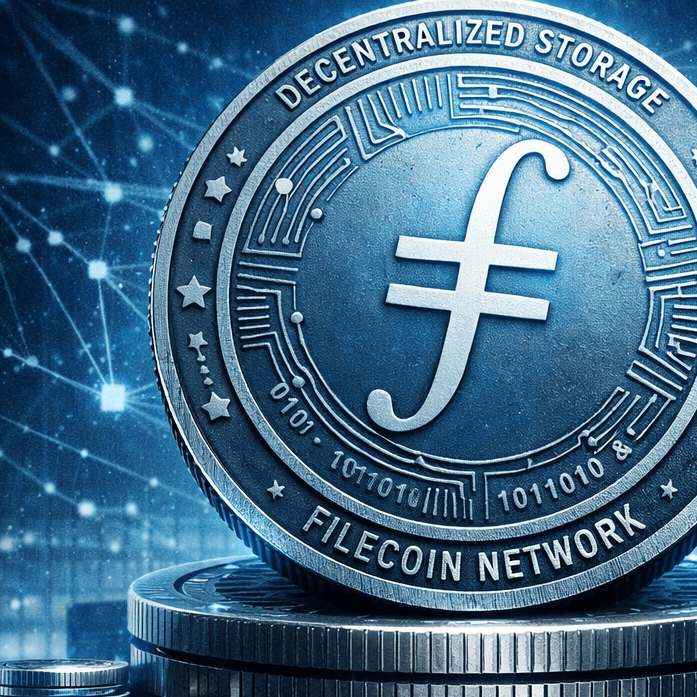
BINANCE SQUARE👁️ アイキャッシュ – 分散型ストレージの未来
データは世界で最も価値のある資産になりつつあります。アイキャッシュは、AIとWeb3の時代に合わせて設計された、安全で迅速、かつ分散型のストレージエコシステムを提供することを目指しています。
🔹 プライバシーを最優先したアーキテクチャ
🔹 分散型で安全
🔹 高速データアクセス
🔹 AI、dApps、Web3向けに構築
データストレージの需要が高まる中、スケーラビリティ、安全性、分散化を兼ね備えたプロジェクトが、未来のデジタル経済で重要な役割を果たす可能性があります。
BINANCE SQUARE
👁️ アイキャッシュ – 分散型ストレージの未来
データは世界で最も価値のある資産になりつつあります。アイキャッシュは、AIとWeb3の時代に合わせて設計された、安全で迅速、かつ分散型のストレージエコシステムを提供することを目指しています。
🔹 プライバシーを最優先したアーキテクチャ
🔹 分散型で安全
🔹 高速データアクセス
🔹 AI、dApps、Web3向けに構築
データストレージの需要が高まる中、スケーラビリティ、安全性、分散化を兼ね備えたプロジェクトが、未来のデジタル経済で重要な役割を果たす可能性があります。
データは世界で最も価値のある資産になりつつあります。アイキャッシュは、AIとWeb3の時代に合わせて設計された、安全で迅速、かつ分散型のストレージエコシステムを提供することを目指しています。
🔹 プライバシーを最優先したアーキテクチャ
🔹 分散型で安全
🔹 高速データアクセス
🔹 AI、dApps、Web3向けに構築
データストレージの需要が高まる中、スケーラビリティ、安全性、分散化を兼ね備えたプロジェクトが、未来のデジタル経済で重要な役割を果たす可能性があります。
144
ログインして、さらにコンテンツを読む
厳選トピックで世界の暗号資産トレーダーの仲間入り
⚡️ 暗号資産に関する最新かつ有益な情報が見つかります。
💬 世界最大の暗号資産取引所から信頼されています。
👍 認証を受けたクリエイターから、有益なインサイトを得られます。
メール / 電話番号
トレンドトピック
1
#CPIWatch
閲覧回数 89M
509,916人が討論中
2
#EthereumDropsBelow$2500
閲覧回数 14,689
154人が討論中
3
#StriveBuys3311BTCFor$280M
閲覧回数 10,654
102人が討論中
4
#FranceAdvancesCryptoSelfCustodyReportingProposal
閲覧回数 2,736
839人が討論中
5
#OptimismOPRises19.98%
閲覧回数 78,882
1,178人が討論中
6
#OpenAIEngineerArrestedOverAllegedOfficeRecording
閲覧回数 29,999
812人が討論中
7
#GoogleReleasesGemini4ArgonAIModel
閲覧回数 36,596
701人が討論中
8
#PRLBreaksAbove$1.90ToHitAllTimeHigh
閲覧回数 555
24人が討論中
9
#LedgerAsksSoutheastAsiaHKResellersToHaltSales
閲覧回数 35,406
837人が討論中
10
#USEthereumETFsSee10StraightDaysOfOutflows
閲覧回数 58,016
837人が討論中