

#dife
dife
閲覧回数 2,622
70人が討論中
注目
最新

·
--
gn Fam
STON.fiをもっと深く見ていくほど、それがTON上でトークンをただ交換するだけのものではないと実感します。
面白いのは、どれだけ多くの要素が組み合わさっているかです。
Omnistonによるクロスチェーン・スワップなら、TON、EVMネットワーク、そして他の対応エコシステム間をユーザーが複雑さのあらゆるレイヤーを自分で扱うことなく移動しやすくなります。
さらに、流動性アグリゲーションもあります。異なる流動性ソースをつなぐことで、取引で利用できるルートを改善できます。
開発者側の要素もあります。
ウォレット、アプリ、その他のDeFiプロダクトは、このインフラの上に構築できるため、最初から独自のクロスチェーン実行システムを作る必要がありません。
そして、STON.fiがシンプルなユーザー体験へ向けて進め続けている点が気に入っています。
資産をスワップするだけで、ブリッジ、ルート、流動性ソース、決済メカニズムを理解する必要はないはずです。
私にとって、これがより大きなSTON.fiの物語です:
TONの流動性 + クロスチェーンアクセス + より良いルーティング + 開発者向けインフラ + シンプルなDeFiのUX。
DeFiがよりつながっていくほど、このインフラの重要性は増していきます。
#STON.fi #Ton #Dife
gn Fam
STON.fiをもっと深く見ていくほど、それがTON上でトークンをただ交換するだけのものではないと実感します。
面白いのは、どれだけ多くの要素が組み合わさっているかです。
Omnistonによるクロスチェーン・スワップなら、TON、EVMネットワーク、そして他の対応エコシステム間をユーザーが複雑さのあらゆるレイヤーを自分で扱うことなく移動しやすくなります。
さらに、流動性アグリゲーションもあります。異なる流動性ソースをつなぐことで、取引で利用できるルートを改善できます。
開発者側の要素もあります。
ウォレット、アプリ、その他のDeFiプロダクトは、このインフラの上に構築できるため、最初から独自のクロスチェーン実行システムを作る必要がありません。
そして、STON.fiがシンプルなユーザー体験へ向けて進め続けている点が気に入っています。
資産をスワップするだけで、ブリッジ、ルート、流動性ソース、決済メカニズムを理解する必要はないはずです。
私にとって、これがより大きなSTON.fiの物語です:
TONの流動性 + クロスチェーンアクセス + より良いルーティング + 開発者向けインフラ + シンプルなDeFiのUX。
DeFiがよりつながっていくほど、このインフラの重要性は増していきます。
#STON.fi #Ton #Dife
STON.fiをもっと深く見ていくほど、それがTON上でトークンをただ交換するだけのものではないと実感します。
面白いのは、どれだけ多くの要素が組み合わさっているかです。
Omnistonによるクロスチェーン・スワップなら、TON、EVMネットワーク、そして他の対応エコシステム間をユーザーが複雑さのあらゆるレイヤーを自分で扱うことなく移動しやすくなります。
さらに、流動性アグリゲーションもあります。異なる流動性ソースをつなぐことで、取引で利用できるルートを改善できます。
開発者側の要素もあります。
ウォレット、アプリ、その他のDeFiプロダクトは、このインフラの上に構築できるため、最初から独自のクロスチェーン実行システムを作る必要がありません。
そして、STON.fiがシンプルなユーザー体験へ向けて進め続けている点が気に入っています。
資産をスワップするだけで、ブリッジ、ルート、流動性ソース、決済メカニズムを理解する必要はないはずです。
私にとって、これがより大きなSTON.fiの物語です:
TONの流動性 + クロスチェーンアクセス + より良いルーティング + 開発者向けインフラ + シンプルなDeFiのUX。
DeFiがよりつながっていくほど、このインフラの重要性は増していきます。
#STON.fi #Ton #Dife

82
·
--
記事
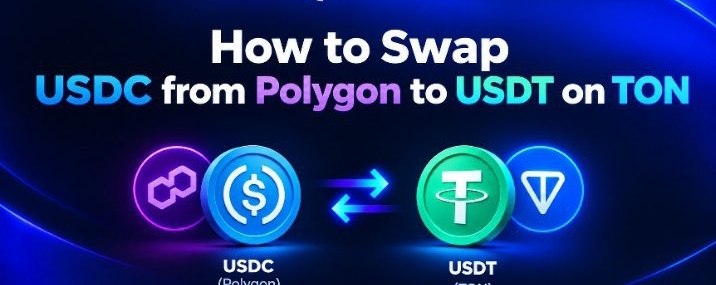
PolygonのUSDCをTONのUSDTにスワップする方法PolygonのUSDCをTONのUSDTにスワップする方法
PolygonにUSDCはあるけれど、TONで必要になったことはありませんか?
異なるブロックチェーン間で資産を移動するのは、必要以上に手間に感じることがあります。ネットワーク、ウォレット、ブリッジ、そして取引手数料について考えなければなりません。
でも、そのプロセスをもっとずっと簡単にできたらどうでしょう?
そこでSTON.fiとOmnistonが役に立ちます。
PolygonのUSDCをTONのUSDTにするまでの流れはこうなっています。
1. @STON.fiを開きます
STON.fi(ston.fi)にアクセスして、スワップ画面を開いてください。
PolygonのUSDCをTONのUSDTにスワップする方法
PolygonのUSDCをTONのUSDTにスワップする方法
PolygonにUSDCはあるけれど、TONで必要になったことはありませんか?
異なるブロックチェーン間で資産を移動するのは、必要以上に手間に感じることがあります。ネットワーク、ウォレット、ブリッジ、そして取引手数料について考えなければなりません。
でも、そのプロセスをもっとずっと簡単にできたらどうでしょう?
そこでSTON.fiとOmnistonが役に立ちます。
PolygonのUSDCをTONのUSDTにするまでの流れはこうなっています。
1. @STON.fiを開きます
STON.fi(ston.fi)にアクセスして、スワップ画面を開いてください。
PolygonにUSDCはあるけれど、TONで必要になったことはありませんか?
異なるブロックチェーン間で資産を移動するのは、必要以上に手間に感じることがあります。ネットワーク、ウォレット、ブリッジ、そして取引手数料について考えなければなりません。
でも、そのプロセスをもっとずっと簡単にできたらどうでしょう?
そこでSTON.fiとOmnistonが役に立ちます。
PolygonのUSDCをTONのUSDTにするまでの流れはこうなっています。
1. @STON.fiを開きます
STON.fi(ston.fi)にアクセスして、スワップ画面を開いてください。
81
·
--
STON.fi: TON上のDeFiの未来を築くSTON.fi: TON上のDeFiの未来を築く
STON.fiは、TONファンデーションエコシステム内で最も重要な分散型金融プラットフォームの1つに急成長しました。分散型取引所として始まったものが、今やTON全体で数百万のオンチェーン活動を支える主要な流動性と取引インフラに進化しています。
ブロックチェーンの採用が世界的に拡大する中、ユーザーはスピード、シンプルさ、低料金、セキュリティを兼ね備えたプラットフォームを求めています。STON.fiは、経験豊富なクリプトトレーダーとWeb3に初めて入る新参者の両方のために設計されたDeFi体験を創出することで、そのナラティブに完璧に位置づけています。
STON.fi: TON上のDeFiの未来を築く
STON.fi: TON上のDeFiの未来を築く
STON.fiは、TONファンデーションエコシステム内で最も重要な分散型金融プラットフォームの1つに急成長しました。分散型取引所として始まったものが、今やTON全体で数百万のオンチェーン活動を支える主要な流動性と取引インフラに進化しています。
ブロックチェーンの採用が世界的に拡大する中、ユーザーはスピード、シンプルさ、低料金、セキュリティを兼ね備えたプラットフォームを求めています。STON.fiは、経験豊富なクリプトトレーダーとWeb3に初めて入る新参者の両方のために設計されたDeFi体験を創出することで、そのナラティブに完璧に位置づけています。
STON.fiは、TONファンデーションエコシステム内で最も重要な分散型金融プラットフォームの1つに急成長しました。分散型取引所として始まったものが、今やTON全体で数百万のオンチェーン活動を支える主要な流動性と取引インフラに進化しています。
ブロックチェーンの採用が世界的に拡大する中、ユーザーはスピード、シンプルさ、低料金、セキュリティを兼ね備えたプラットフォームを求めています。STON.fiは、経験豊富なクリプトトレーダーとWeb3に初めて入る新参者の両方のために設計されたDeFi体験を創出することで、そのナラティブに完璧に位置づけています。
132
·
--
記事
Gram StoreローンチパッドでOmnistonがクロスチェーン・スワップを強化Gram StoreローンチパッドでOmnistonがクロスチェーン・スワップを強化
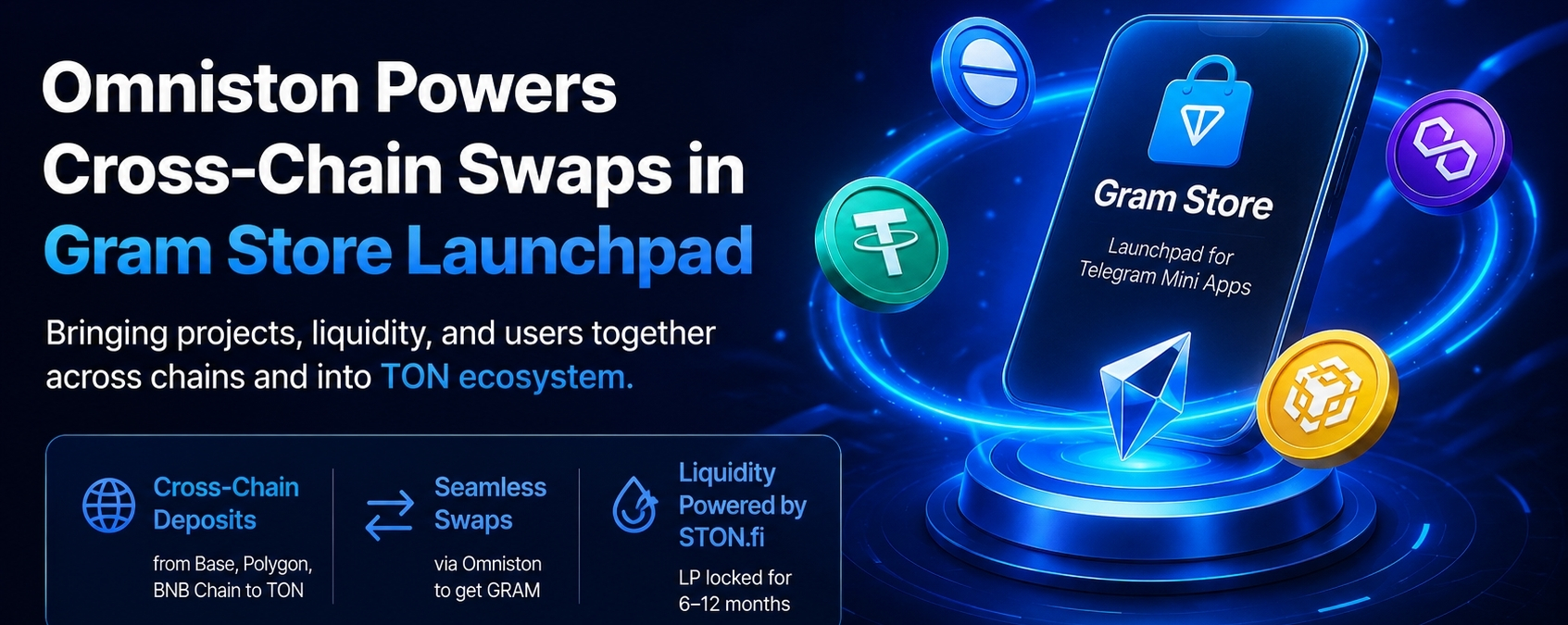
Telegram Mini Appsの新たな波が到来しています。そして、その中心にはSTON.fiのインフラがあります。
Telegram Mini Apps専用に作られたローンチパッド、Gram Storeを紹介します。
Gram Storeとは
Gram Storeは、新しいTelegram Mini Appsの発見と資金調達のための専用ローンチパッドです。公平なトークン配分と初期段階の資金調達を支えるために、簡易化された周期的な均一価格オークション(Simplified Periodic Uniform-Price Auctions)を採用しています。
さらに、Base、Polygon、BNB ChainからTONへのクロスチェーン入金も可能にし、ユーザーがシームレスに資産をTONエコシステムへ移動できるようにします。
Gram StoreローンチパッドでOmnistonがクロスチェーン・スワップを強化
Gram StoreローンチパッドでOmnistonがクロスチェーン・スワップを強化
Telegram Mini Appsの新たな波が到来しています。そして、その中心にはSTON.fiのインフラがあります。
Telegram Mini Apps専用に作られたローンチパッド、Gram Storeを紹介します。
Gram Storeとは
Gram Storeは、新しいTelegram Mini Appsの発見と資金調達のための専用ローンチパッドです。公平なトークン配分と初期段階の資金調達を支えるために、簡易化された周期的な均一価格オークション(Simplified Periodic Uniform-Price Auctions)を採用しています。
さらに、Base、Polygon、BNB ChainからTONへのクロスチェーン入金も可能にし、ユーザーがシームレスに資産をTONエコシステムへ移動できるようにします。
Telegram Mini Appsの新たな波が到来しています。そして、その中心にはSTON.fiのインフラがあります。
Telegram Mini Apps専用に作られたローンチパッド、Gram Storeを紹介します。
Gram Storeとは
Gram Storeは、新しいTelegram Mini Appsの発見と資金調達のための専用ローンチパッドです。公平なトークン配分と初期段階の資金調達を支えるために、簡易化された周期的な均一価格オークション(Simplified Periodic Uniform-Price Auctions)を採用しています。
さらに、Base、Polygon、BNB ChainからTONへのクロスチェーン入金も可能にし、ユーザーがシームレスに資産をTONエコシステムへ移動できるようにします。
93
·
--
STON.fi: TON上の次世代DeFiソリューションを推進中STON.fi: TON上の次世代DeFiソリューションを推進中
分散型金融の風景は進化し続けており、STON.fiはTONエコシステム内でその変革を推進する重要なインフラ層の一つとして位置付けられています。
ブロックチェーンの採用が進む中、ユーザーはスピード、効率、安全性、シンプルさを兼ね備えたプラットフォームを求めています。STON.fiは、不要な複雑さを排除しつつ、資産に対する完全なユーザーコントロールを維持する分散型取引所の体験を提供することで、これらのニーズに応えています。
STON.fi: TON上の次世代DeFiソリューションを推進中
STON.fi: TON上の次世代DeFiソリューションを推進中
分散型金融の風景は進化し続けており、STON.fiはTONエコシステム内でその変革を推進する重要なインフラ層の一つとして位置付けられています。
ブロックチェーンの採用が進む中、ユーザーはスピード、効率、安全性、シンプルさを兼ね備えたプラットフォームを求めています。STON.fiは、不要な複雑さを排除しつつ、資産に対する完全なユーザーコントロールを維持する分散型取引所の体験を提供することで、これらのニーズに応えています。
分散型金融の風景は進化し続けており、STON.fiはTONエコシステム内でその変革を推進する重要なインフラ層の一つとして位置付けられています。
ブロックチェーンの採用が進む中、ユーザーはスピード、効率、安全性、シンプルさを兼ね備えたプラットフォームを求めています。STON.fiは、不要な複雑さを排除しつつ、資産に対する完全なユーザーコントロールを維持する分散型取引所の体験を提供することで、これらのニーズに応えています。
82
·
--

記事
CEOがアムステルダムのダッチブロックチェーンデイズでプレゼンテーションSTON.fiのCEOがアムステルダムのダッチブロックチェーンデイズでプレゼンテーションを行う
グローバルなブロックチェーンエコシステムは急速に進化しており、業界イベントはイノベーション、コラボレーション、可視性の重要な推進力であり続けています。アムステルダムで開催されたダッチブロックチェーンデイズは、ビルダー、創業者、投資家を集めた最新の集まりの一つです。
注目の参加者の一人は、STON.fiのCEOスラビク・バラノフで、彼はステージに上がり、プロジェクトを紹介し、TONエコシステム内での分散型トレーディングの未来についての洞察を共有しました。
CEOがアムステルダムのダッチブロックチェーンデイズでプレゼンテーション
STON.fiのCEOがアムステルダムのダッチブロックチェーンデイズでプレゼンテーションを行う
グローバルなブロックチェーンエコシステムは急速に進化しており、業界イベントはイノベーション、コラボレーション、可視性の重要な推進力であり続けています。アムステルダムで開催されたダッチブロックチェーンデイズは、ビルダー、創業者、投資家を集めた最新の集まりの一つです。
注目の参加者の一人は、STON.fiのCEOスラビク・バラノフで、彼はステージに上がり、プロジェクトを紹介し、TONエコシステム内での分散型トレーディングの未来についての洞察を共有しました。
グローバルなブロックチェーンエコシステムは急速に進化しており、業界イベントはイノベーション、コラボレーション、可視性の重要な推進力であり続けています。アムステルダムで開催されたダッチブロックチェーンデイズは、ビルダー、創業者、投資家を集めた最新の集まりの一つです。
注目の参加者の一人は、STON.fiのCEOスラビク・バラノフで、彼はステージに上がり、プロジェクトを紹介し、TONエコシステム内での分散型トレーディングの未来についての洞察を共有しました。
106
·
--
記事
人生の変化:未来を形作る小さな決断の力人生の変化:未来を形作る小さな決断の力
人生は劇的な瞬間に変わることはめったにない。ほとんどの変革は静かに起こる—小さな選択、繰り返される習慣、そして挫折後に前進し続ける勇気を通じて。人生を変えることは運や突然のチャンスではなく、方向性に関することだ。方向性が変われば、未来もそれに従い始める。
1. 変化は意識から始まる
何も改善しないのは、何を変える必要があるかを認識しないからだ。多くの人が停滞しているのは、能力がないからではなく、もはや自分に利益をもたらさないルーチンに慣れてしまったからだ。
人生の変化:未来を形作る小さな決断の力
人生の変化:未来を形作る小さな決断の力
人生は劇的な瞬間に変わることはめったにない。ほとんどの変革は静かに起こる—小さな選択、繰り返される習慣、そして挫折後に前進し続ける勇気を通じて。人生を変えることは運や突然のチャンスではなく、方向性に関することだ。方向性が変われば、未来もそれに従い始める。
1. 変化は意識から始まる
何も改善しないのは、何を変える必要があるかを認識しないからだ。多くの人が停滞しているのは、能力がないからではなく、もはや自分に利益をもたらさないルーチンに慣れてしまったからだ。
人生は劇的な瞬間に変わることはめったにない。ほとんどの変革は静かに起こる—小さな選択、繰り返される習慣、そして挫折後に前進し続ける勇気を通じて。人生を変えることは運や突然のチャンスではなく、方向性に関することだ。方向性が変われば、未来もそれに従い始める。
1. 変化は意識から始まる
何も改善しないのは、何を変える必要があるかを認識しないからだ。多くの人が停滞しているのは、能力がないからではなく、もはや自分に利益をもたらさないルーチンに慣れてしまったからだ。
70
·
--
記事
新しい月、新しいチャンス - STON.fiで新しい月、新しいチャンス - STON.fiで
新しい月が始まるにあたり、私たちがどれだけ進んできたかを振り返り、新しい目標を設定する絶好の機会です。分散型金融の急速に動く世界では、毎月新たなチャンス、革新、そしてエキサイティングな可能性がもたらされます。STON.fiやTON DeFiエコシステムのユーザーにとって、今月は探求し成長し、活気あるブロックチェーンコミュニティの一員となる別のチャンスです。
STON.fiは単なる分散型取引所以上のものになりました。ユーザーが資産をスワップし、流動性を提供し、TONに基づいた成長するデジタル経済に参加できるハブです。このプラットフォームは進化を続け、分散型金融を誰にでもよりアクセスしやすく、効率的で、使いやすくしています。
新しい月、新しいチャンス - STON.fiで
新しい月、新しいチャンス - STON.fiで
新しい月が始まるにあたり、私たちがどれだけ進んできたかを振り返り、新しい目標を設定する絶好の機会です。分散型金融の急速に動く世界では、毎月新たなチャンス、革新、そしてエキサイティングな可能性がもたらされます。STON.fiやTON DeFiエコシステムのユーザーにとって、今月は探求し成長し、活気あるブロックチェーンコミュニティの一員となる別のチャンスです。
STON.fiは単なる分散型取引所以上のものになりました。ユーザーが資産をスワップし、流動性を提供し、TONに基づいた成長するデジタル経済に参加できるハブです。このプラットフォームは進化を続け、分散型金融を誰にでもよりアクセスしやすく、効率的で、使いやすくしています。
新しい月が始まるにあたり、私たちがどれだけ進んできたかを振り返り、新しい目標を設定する絶好の機会です。分散型金融の急速に動く世界では、毎月新たなチャンス、革新、そしてエキサイティングな可能性がもたらされます。STON.fiやTON DeFiエコシステムのユーザーにとって、今月は探求し成長し、活気あるブロックチェーンコミュニティの一員となる別のチャンスです。
STON.fiは単なる分散型取引所以上のものになりました。ユーザーが資産をスワップし、流動性を提供し、TONに基づいた成長するデジタル経済に参加できるハブです。このプラットフォームは進化を続け、分散型金融を誰にでもよりアクセスしやすく、効率的で、使いやすくしています。
102
·
--
なぜクロスチェーンのアクセスがTONにとって重要なのか
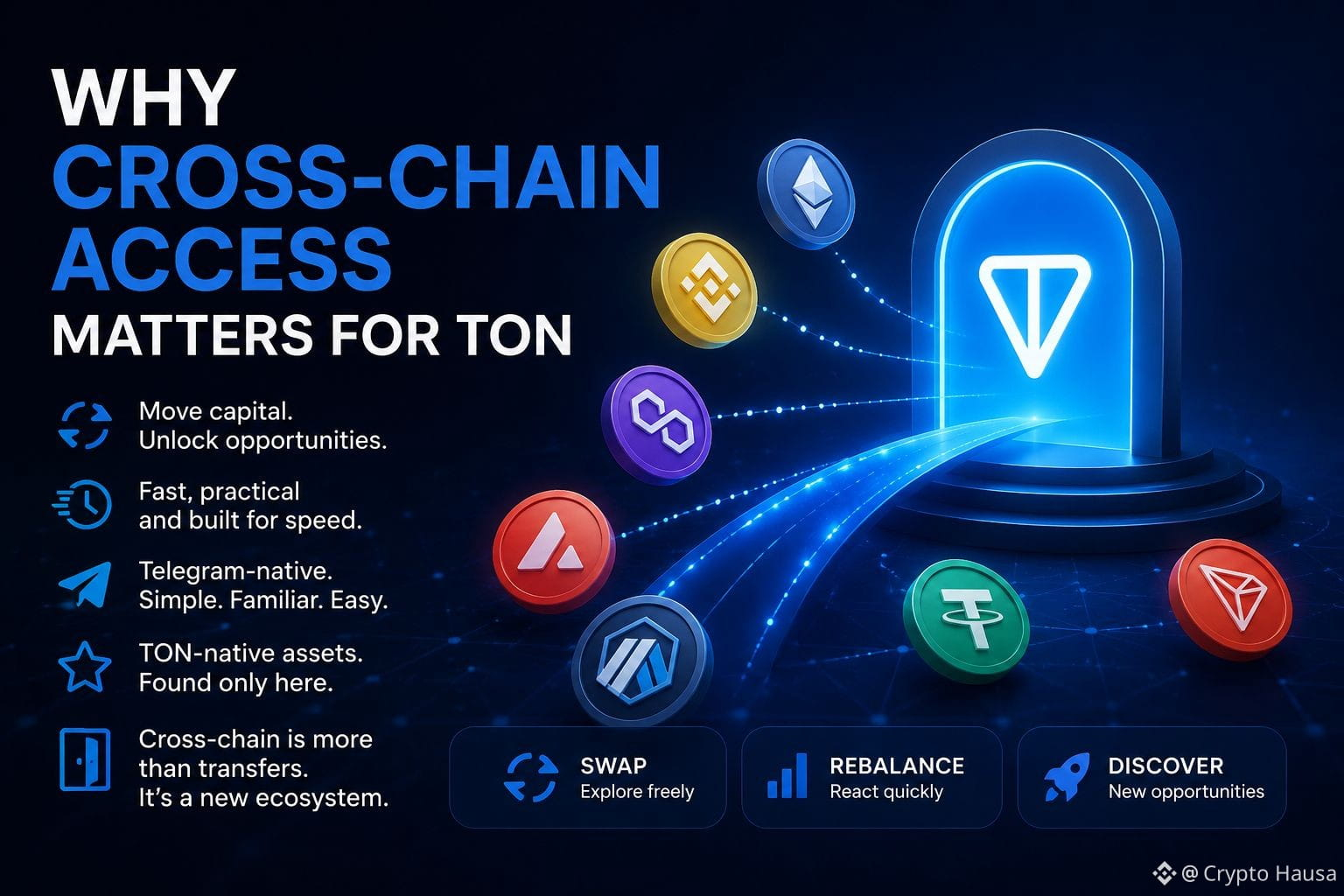
クロスチェーン転送とは、あるネットワークから別のネットワークへ資金を移すことだけではありません。本当の価値は、ユーザーが資本をTONに移し、次にその資本をエコシステム全体で活用できるようになったときに生まれます。
スワップ、リバランス、あるいはさまざまな機会を複数回探す予定がある場合、ブリッジの初期コストは、資金をTON上に持つことによるメリットに比べて重要度が下がり得ます。資産が到着すれば、ユーザーはチェーン間で資本を何度も移すことなく、TONネイティブの市場とやり取りできます。
もう一つの利点はスピードです。高速なTONトランザクションにより、資本の再配置が長い承認待ち期間を前提に慎重なタイミングを要するものではなく、実用的なものに感じられます。
Telegramとの接続も摩擦を減らすのに役立ちます。多くのユーザーにとって、TONウォレットにアクセスしてそのエコシステムを探索することは、別々のウォレット拡張機能から始めたり、見慣れないインターフェースに戸惑ったりするよりも、より馴染みのある体験に感じられるからです。
そして最も重要なのは、TONネイティブの資産や機会の中には、エコシステム内でしか得られないものがあるという点です。そうした市場へのエクスポージャーを得たいのであれば、資産をTONに移すことが多くの場合最初のステップになります。
クロスチェーンとは、資金の移動だけの話ではありません。それは、別のエコシステムへの扉を開き、その中で構築されている機会にアクセスすることです。
#GRAM #STONfi #Dife
なぜクロスチェーンのアクセスがTONにとって重要なのか
クロスチェーン転送とは、あるネットワークから別のネットワークへ資金を移すことだけではありません。本当の価値は、ユーザーが資本をTONに移し、次にその資本をエコシステム全体で活用できるようになったときに生まれます。
スワップ、リバランス、あるいはさまざまな機会を複数回探す予定がある場合、ブリッジの初期コストは、資金をTON上に持つことによるメリットに比べて重要度が下がり得ます。資産が到着すれば、ユーザーはチェーン間で資本を何度も移すことなく、TONネイティブの市場とやり取りできます。
もう一つの利点はスピードです。高速なTONトランザクションにより、資本の再配置が長い承認待ち期間を前提に慎重なタイミングを要するものではなく、実用的なものに感じられます。
Telegramとの接続も摩擦を減らすのに役立ちます。多くのユーザーにとって、TONウォレットにアクセスしてそのエコシステムを探索することは、別々のウォレット拡張機能から始めたり、見慣れないインターフェースに戸惑ったりするよりも、より馴染みのある体験に感じられるからです。
そして最も重要なのは、TONネイティブの資産や機会の中には、エコシステム内でしか得られないものがあるという点です。そうした市場へのエクスポージャーを得たいのであれば、資産をTONに移すことが多くの場合最初のステップになります。
クロスチェーンとは、資金の移動だけの話ではありません。それは、別のエコシステムへの扉を開き、その中で構築されている機会にアクセスすることです。
#GRAM #STONfi #Dife
クロスチェーン転送とは、あるネットワークから別のネットワークへ資金を移すことだけではありません。本当の価値は、ユーザーが資本をTONに移し、次にその資本をエコシステム全体で活用できるようになったときに生まれます。
スワップ、リバランス、あるいはさまざまな機会を複数回探す予定がある場合、ブリッジの初期コストは、資金をTON上に持つことによるメリットに比べて重要度が下がり得ます。資産が到着すれば、ユーザーはチェーン間で資本を何度も移すことなく、TONネイティブの市場とやり取りできます。
もう一つの利点はスピードです。高速なTONトランザクションにより、資本の再配置が長い承認待ち期間を前提に慎重なタイミングを要するものではなく、実用的なものに感じられます。
Telegramとの接続も摩擦を減らすのに役立ちます。多くのユーザーにとって、TONウォレットにアクセスしてそのエコシステムを探索することは、別々のウォレット拡張機能から始めたり、見慣れないインターフェースに戸惑ったりするよりも、より馴染みのある体験に感じられるからです。
そして最も重要なのは、TONネイティブの資産や機会の中には、エコシステム内でしか得られないものがあるという点です。そうした市場へのエクスポージャーを得たいのであれば、資産をTONに移すことが多くの場合最初のステップになります。
クロスチェーンとは、資金の移動だけの話ではありません。それは、別のエコシステムへの扉を開き、その中で構築されている機会にアクセスすることです。
#GRAM #STONfi #Dife
149
·
--
STONFI .... TON ......DIFE
なぜ取引手数料がDeFiで重要なのか
DEXでスワップするとき、受け取る金額だけが重要な数字ではありません。
取引に関わる手数料についても理解しておくべきです。
ブロックチェーンの取引にはネットワーク手数料が発生し得る一方で、プロトコル側には独自の手数料体系がある場合があります。これらのコストは、特に小さめの取引を行うときに、最終的な取引価値に影響を与えることがあります。
だからこそ、手数料を理解することは、より賢いDeFiユーザーになるための重要な要素です。
TONのようなネットワークでは、効率的なインフラがオンチェーン活動をより利用しやすくする可能性がありますが、それでもスワップを確定する前に取引の詳細を確認してください。
今日のレッスン:
次だけを聞かないでください:
「いくら受け取るの?」
そして次も聞いてください:
「それを得るためにいくら支払うの?」
取引の総コストを理解することで、機会をより現実的に比較でき、不快なサプライズを避けられます。
DeFiでは、小さな違いが大きな結果につながります。
#Stonfi #ton #Dife
STONFI .... TON ......DIFE
なぜ取引手数料がDeFiで重要なのか
DEXでスワップするとき、受け取る金額だけが重要な数字ではありません。
取引に関わる手数料についても理解しておくべきです。
ブロックチェーンの取引にはネットワーク手数料が発生し得る一方で、プロトコル側には独自の手数料体系がある場合があります。これらのコストは、特に小さめの取引を行うときに、最終的な取引価値に影響を与えることがあります。
だからこそ、手数料を理解することは、より賢いDeFiユーザーになるための重要な要素です。
TONのようなネットワークでは、効率的なインフラがオンチェーン活動をより利用しやすくする可能性がありますが、それでもスワップを確定する前に取引の詳細を確認してください。
今日のレッスン:
次だけを聞かないでください:
「いくら受け取るの?」
そして次も聞いてください:
「それを得るためにいくら支払うの?」
取引の総コストを理解することで、機会をより現実的に比較でき、不快なサプライズを避けられます。
DeFiでは、小さな違いが大きな結果につながります。
#Stonfi #ton #Dife
なぜ取引手数料がDeFiで重要なのか
DEXでスワップするとき、受け取る金額だけが重要な数字ではありません。
取引に関わる手数料についても理解しておくべきです。
ブロックチェーンの取引にはネットワーク手数料が発生し得る一方で、プロトコル側には独自の手数料体系がある場合があります。これらのコストは、特に小さめの取引を行うときに、最終的な取引価値に影響を与えることがあります。
だからこそ、手数料を理解することは、より賢いDeFiユーザーになるための重要な要素です。
TONのようなネットワークでは、効率的なインフラがオンチェーン活動をより利用しやすくする可能性がありますが、それでもスワップを確定する前に取引の詳細を確認してください。
今日のレッスン:
次だけを聞かないでください:
「いくら受け取るの?」
そして次も聞いてください:
「それを得るためにいくら支払うの?」
取引の総コストを理解することで、機会をより現実的に比較でき、不快なサプライズを避けられます。
DeFiでは、小さな違いが大きな結果につながります。
#Stonfi #ton #Dife
1
26
·
--
なぜすべてのWeb3クリエイターがSTON.fiを理解すべきなのか
Web3コンテンツを制作しているなら、「DEXだと知っている」だけよりも、@ston_fiを理解するほうがはるかに価値があります。
STON.fiはTONエコシステムの重要な位置にあります。流動性、スワップ、そしてオンチェーンのユーザー体験です。
クリエイターが注目すべき理由は以下です👇
🔹 流動性レイヤーを理解する
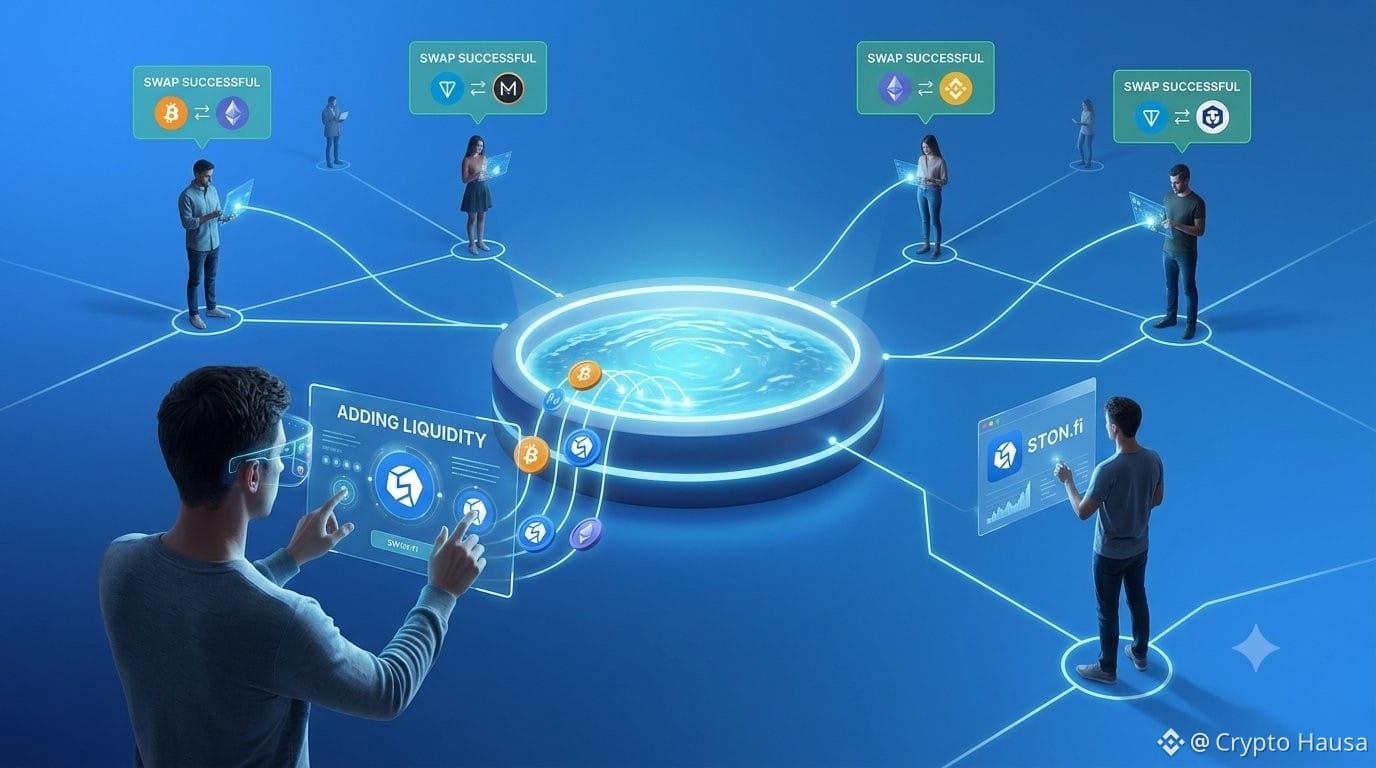
流動性がどのように動くのかを理解しているクリエイターは、DeFiを表面的な物語以上のものとして説明できます。
🔹 AMMが実際にどう機能するか学ぶ
STON.fiは、流動性プール、スワップ、LP、手数料、価格への影響(プライス・インパクト)といった概念を学ぶための、実践的なエコシステムを提供します。
🔹 TONのDeFiがどう進化しているかを見る
TONは単なる決済やTelegramユーザーのためのものではありません。そのDeFiエコシステムはますます重要になっており、STON.fiは理解する価値のあるプロジェクトのひとつです。
🔹 クロスチェーンの流動性が重要
ネットワークごとに流動性が分断されている状況では、より良い流動性へユーザーを導き、ルーティングを助けるインフラの重要性が増しています。
🔹 より良い教育=より良いコンテンツ
「STON.fiはDEXです」と投稿する代わりに、流動性がなぜ重要なのか、スワップがどう動くのか、どこでスリッページが生まれるのか、そしてアグリゲーターが資本効率をどう高めるのかを説明できます。
それが「プロジェクトを宣伝すること」と、「自分が語っている技術を実際に理解していること」の違いです。
Web3のクリエイターにとって、STON.fiは投稿するための単なる別プロジェクトではありません。
DeFi、流動性、TON、そしてオンチェーン取引の未来を理解するための、実務的なケーススタディです。
より良いWeb3教育者になりたいなら、まずは物語の背後にあるインフラから学び始めましょう。
#STONFI #Ton #Dife
なぜすべてのWeb3クリエイターがSTON.fiを理解すべきなのか
Web3コンテンツを制作しているなら、「DEXだと知っている」だけよりも、@ston_fiを理解するほうがはるかに価値があります。
STON.fiはTONエコシステムの重要な位置にあります。流動性、スワップ、そしてオンチェーンのユーザー体験です。
クリエイターが注目すべき理由は以下です👇
🔹 流動性レイヤーを理解する
流動性がどのように動くのかを理解しているクリエイターは、DeFiを表面的な物語以上のものとして説明できます。
🔹 AMMが実際にどう機能するか学ぶ
STON.fiは、流動性プール、スワップ、LP、手数料、価格への影響(プライス・インパクト)といった概念を学ぶための、実践的なエコシステムを提供します。
🔹 TONのDeFiがどう進化しているかを見る
TONは単なる決済やTelegramユーザーのためのものではありません。そのDeFiエコシステムはますます重要になっており、STON.fiは理解する価値のあるプロジェクトのひとつです。
🔹 クロスチェーンの流動性が重要
ネットワークごとに流動性が分断されている状況では、より良い流動性へユーザーを導き、ルーティングを助けるインフラの重要性が増しています。
🔹 より良い教育=より良いコンテンツ
「STON.fiはDEXです」と投稿する代わりに、流動性がなぜ重要なのか、スワップがどう動くのか、どこでスリッページが生まれるのか、そしてアグリゲーターが資本効率をどう高めるのかを説明できます。
それが「プロジェクトを宣伝すること」と、「自分が語っている技術を実際に理解していること」の違いです。
Web3のクリエイターにとって、STON.fiは投稿するための単なる別プロジェクトではありません。
DeFi、流動性、TON、そしてオンチェーン取引の未来を理解するための、実務的なケーススタディです。
より良いWeb3教育者になりたいなら、まずは物語の背後にあるインフラから学び始めましょう。
#STONFI #Ton #Dife
Web3コンテンツを制作しているなら、「DEXだと知っている」だけよりも、@ston_fiを理解するほうがはるかに価値があります。
STON.fiはTONエコシステムの重要な位置にあります。流動性、スワップ、そしてオンチェーンのユーザー体験です。
クリエイターが注目すべき理由は以下です👇
🔹 流動性レイヤーを理解する
流動性がどのように動くのかを理解しているクリエイターは、DeFiを表面的な物語以上のものとして説明できます。
🔹 AMMが実際にどう機能するか学ぶ
STON.fiは、流動性プール、スワップ、LP、手数料、価格への影響(プライス・インパクト)といった概念を学ぶための、実践的なエコシステムを提供します。
🔹 TONのDeFiがどう進化しているかを見る
TONは単なる決済やTelegramユーザーのためのものではありません。そのDeFiエコシステムはますます重要になっており、STON.fiは理解する価値のあるプロジェクトのひとつです。
🔹 クロスチェーンの流動性が重要
ネットワークごとに流動性が分断されている状況では、より良い流動性へユーザーを導き、ルーティングを助けるインフラの重要性が増しています。
🔹 より良い教育=より良いコンテンツ
「STON.fiはDEXです」と投稿する代わりに、流動性がなぜ重要なのか、スワップがどう動くのか、どこでスリッページが生まれるのか、そしてアグリゲーターが資本効率をどう高めるのかを説明できます。
それが「プロジェクトを宣伝すること」と、「自分が語っている技術を実際に理解していること」の違いです。
Web3のクリエイターにとって、STON.fiは投稿するための単なる別プロジェクトではありません。
DeFi、流動性、TON、そしてオンチェーン取引の未来を理解するための、実務的なケーススタディです。
より良いWeb3教育者になりたいなら、まずは物語の背後にあるインフラから学び始めましょう。
#STONFI #Ton #Dife
97

·
--
記事
Omnistonはどのようにクロスチェーンの流動性を書き換えているのかOmnistonはどのようにしてクロスチェーンの流動性を書き換えているのか
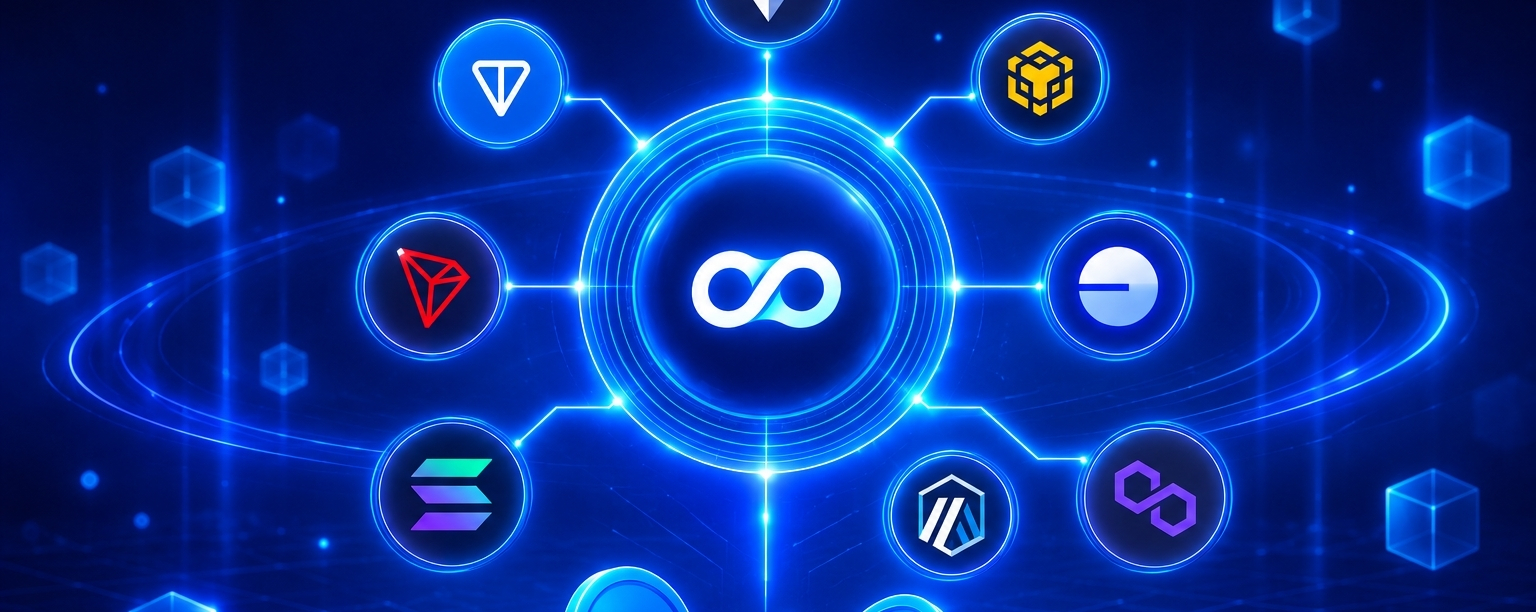
何年もの間、クロスチェーンの相互運用性は「ブリッジ」というひとつの単語で説明されてきました。
あるネットワーク上で資産をロックし、別のネットワーク上で同等の表現を受け取り、流動性を保持するインフラストラクチャを信頼します。このモデルは異なるエコシステムをつなぐのに役立ちましたが、同時に複雑さを生み、流動性を分断し、追加のセキュリティ前提も導入しました。
Omnistonは別のアプローチを取ります。
従来のブリッジのように振る舞うのではなく、Omnistonはクロスチェーンの実行と流動性ルーティングに注力します。ユーザーに共有の流動性バルツを経由させるのではなく、resolversと呼ばれる独立した流動性プロバイダーとユーザーをつなぎます。
Omnistonはどのようにクロスチェーンの流動性を書き換えているのか
Omnistonはどのようにしてクロスチェーンの流動性を書き換えているのか
何年もの間、クロスチェーンの相互運用性は「ブリッジ」というひとつの単語で説明されてきました。
あるネットワーク上で資産をロックし、別のネットワーク上で同等の表現を受け取り、流動性を保持するインフラストラクチャを信頼します。このモデルは異なるエコシステムをつなぐのに役立ちましたが、同時に複雑さを生み、流動性を分断し、追加のセキュリティ前提も導入しました。
Omnistonは別のアプローチを取ります。
従来のブリッジのように振る舞うのではなく、Omnistonはクロスチェーンの実行と流動性ルーティングに注力します。ユーザーに共有の流動性バルツを経由させるのではなく、resolversと呼ばれる独立した流動性プロバイダーとユーザーをつなぎます。
何年もの間、クロスチェーンの相互運用性は「ブリッジ」というひとつの単語で説明されてきました。
あるネットワーク上で資産をロックし、別のネットワーク上で同等の表現を受け取り、流動性を保持するインフラストラクチャを信頼します。このモデルは異なるエコシステムをつなぐのに役立ちましたが、同時に複雑さを生み、流動性を分断し、追加のセキュリティ前提も導入しました。
Omnistonは別のアプローチを取ります。
従来のブリッジのように振る舞うのではなく、Omnistonはクロスチェーンの実行と流動性ルーティングに注力します。ユーザーに共有の流動性バルツを経由させるのではなく、resolversと呼ばれる独立した流動性プロバイダーとユーザーをつなぎます。
22
·
--
STON.fiエコシステムアップデート
STON.fiの周りでのイノベーションのスピードは加速し続けており、より多くのビルダーがそのインフラを活用して、GRAMエコシステム内で実用的なDeFiソリューションを作り出しています。
最近のコミュニティプロジェクトでは、クロスチェーンの流動性ソリューションや決済ゲートウェイから、ウォレット分析プラットフォーム、AIを活用したアプリケーションまで、STON.fiの技術スタックの多様性が示されました。これらの進展は、信頼性が高く、スケーラブルなDeFiインフラへの需要が高まっていることを裏付けています。
この成長がワクワクするのは、実際の利用者のための実際の課題を解決するビルダーによって推進されているからです。新たな連携が増えるたびにネットワーク効果が強まり、エコシステム全体で利用可能な可能性が広がります。
導入が進むにつれ、STON.fiは次世代のWeb3アプリケーションを支えるために必要なツール、流動性、インフラの提供に引き続き取り組んでいます。
基盤はさらに強固になり、エコシステムは成長し続けています。
#STONfi #GRAM #Dife
STON.fiエコシステムアップデート
STON.fiの周りでのイノベーションのスピードは加速し続けており、より多くのビルダーがそのインフラを活用して、GRAMエコシステム内で実用的なDeFiソリューションを作り出しています。
最近のコミュニティプロジェクトでは、クロスチェーンの流動性ソリューションや決済ゲートウェイから、ウォレット分析プラットフォーム、AIを活用したアプリケーションまで、STON.fiの技術スタックの多様性が示されました。これらの進展は、信頼性が高く、スケーラブルなDeFiインフラへの需要が高まっていることを裏付けています。
この成長がワクワクするのは、実際の利用者のための実際の課題を解決するビルダーによって推進されているからです。新たな連携が増えるたびにネットワーク効果が強まり、エコシステム全体で利用可能な可能性が広がります。
導入が進むにつれ、STON.fiは次世代のWeb3アプリケーションを支えるために必要なツール、流動性、インフラの提供に引き続き取り組んでいます。
基盤はさらに強固になり、エコシステムは成長し続けています。
#STONfi #GRAM #Dife
STON.fiの周りでのイノベーションのスピードは加速し続けており、より多くのビルダーがそのインフラを活用して、GRAMエコシステム内で実用的なDeFiソリューションを作り出しています。
最近のコミュニティプロジェクトでは、クロスチェーンの流動性ソリューションや決済ゲートウェイから、ウォレット分析プラットフォーム、AIを活用したアプリケーションまで、STON.fiの技術スタックの多様性が示されました。これらの進展は、信頼性が高く、スケーラブルなDeFiインフラへの需要が高まっていることを裏付けています。
この成長がワクワクするのは、実際の利用者のための実際の課題を解決するビルダーによって推進されているからです。新たな連携が増えるたびにネットワーク効果が強まり、エコシステム全体で利用可能な可能性が広がります。
導入が進むにつれ、STON.fiは次世代のWeb3アプリケーションを支えるために必要なツール、流動性、インフラの提供に引き続き取り組んでいます。
基盤はさらに強固になり、エコシステムは成長し続けています。
#STONfi #GRAM #Dife
193
·
--
記事
なぜ私はSTON.fiを信じているのかなぜ私はSTON.fiを信じているのか
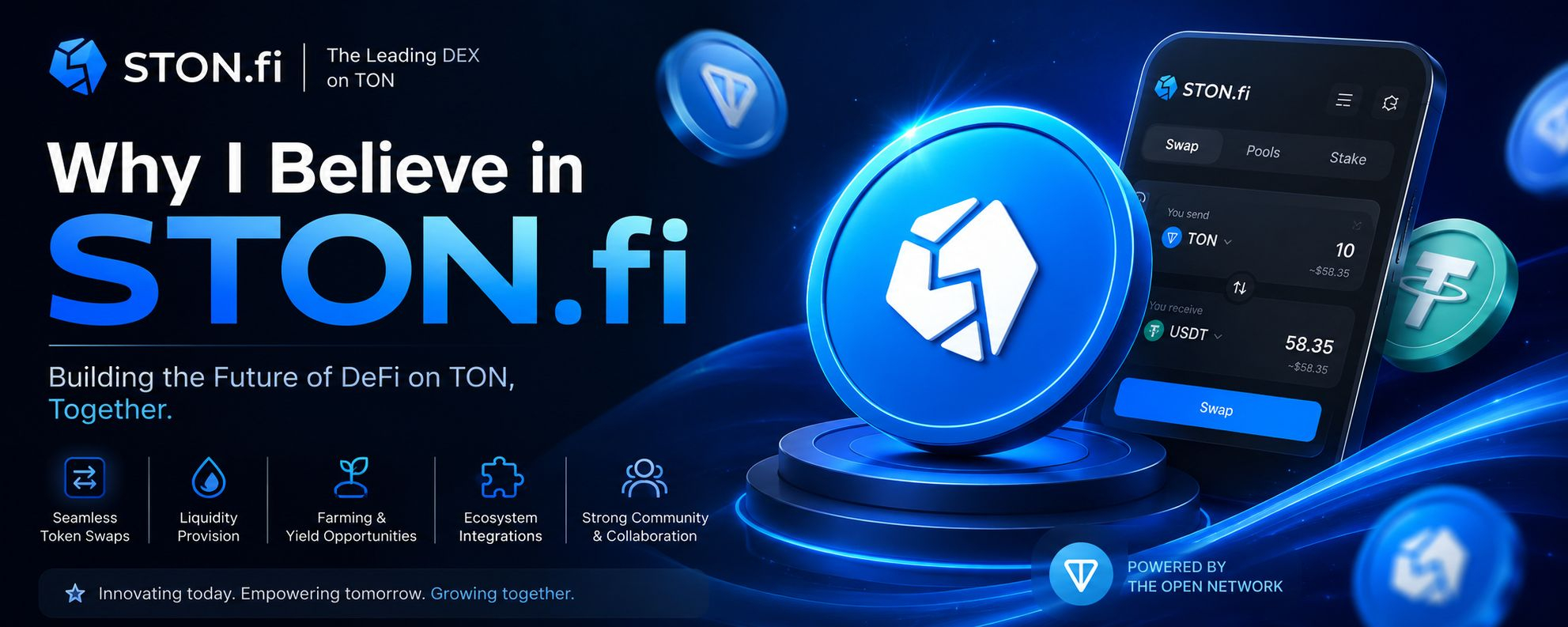
TON上の分散型金融(DeFi)エコシステムは急速に成長しており、STON.fiがその未来において大きな役割を果たせると私は考えています。TONにおける主要な分散型取引所として、STON.fiは新機能、パートナーシップ、そしてユーザーにとっての新たな機会を通じてエコシステムを拡大し続けています。
私が特に注目しているのは、アクセシビリティとイノベーションへの強い取り組みです。トークンスワップ、流動性の提供、ファーミング、エコシステム統合のいずれであっても、STON.fiはDeFiを初心者から経験者まで、より実用的にするためのツールを生み出しています。
なぜ私はSTON.fiを信じているのか
なぜ私はSTON.fiを信じているのか
TON上の分散型金融(DeFi)エコシステムは急速に成長しており、STON.fiがその未来において大きな役割を果たせると私は考えています。TONにおける主要な分散型取引所として、STON.fiは新機能、パートナーシップ、そしてユーザーにとっての新たな機会を通じてエコシステムを拡大し続けています。
私が特に注目しているのは、アクセシビリティとイノベーションへの強い取り組みです。トークンスワップ、流動性の提供、ファーミング、エコシステム統合のいずれであっても、STON.fiはDeFiを初心者から経験者まで、より実用的にするためのツールを生み出しています。
TON上の分散型金融(DeFi)エコシステムは急速に成長しており、STON.fiがその未来において大きな役割を果たせると私は考えています。TONにおける主要な分散型取引所として、STON.fiは新機能、パートナーシップ、そしてユーザーにとっての新たな機会を通じてエコシステムを拡大し続けています。
私が特に注目しているのは、アクセシビリティとイノベーションへの強い取り組みです。トークンスワップ、流動性の提供、ファーミング、エコシステム統合のいずれであっても、STON.fiはDeFiを初心者から経験者まで、より実用的にするためのツールを生み出しています。
81
·
--
STON.fiは、よりつながりのあるDeFiエコシステムの構築を継続していますSTON.fiは、よりつながりのあるDeFiエコシステムの構築を継続しています
分散型金融は急速に進化しており、相互運用性は業界における最大の優先事項の1つとなっています。STON.fiは、分散型取引をより効率的に、利用しやすく、ユーザーフレンドリーにすることを目的とした機能により、自身のエコシステムを拡張することで、この進化に貢献しています。
シームレスな資産スワップ、改善された流動性、そしてよりスムーズなユーザー体験に注力することで、STON.fiは複数のブロックチェーンネットワークとやり取りする際の複雑さを減らすことを目指しています。これらの改善は、DeFiが知られる透明性とセキュリティを維持しながら、ユーザーが資産をより効率的に移動するのに役立ちます。
STON.fiは、よりつながりのあるDeFiエコシステムの構築を継続しています
STON.fiは、よりつながりのあるDeFiエコシステムの構築を継続しています
分散型金融は急速に進化しており、相互運用性は業界における最大の優先事項の1つとなっています。STON.fiは、分散型取引をより効率的に、利用しやすく、ユーザーフレンドリーにすることを目的とした機能により、自身のエコシステムを拡張することで、この進化に貢献しています。
シームレスな資産スワップ、改善された流動性、そしてよりスムーズなユーザー体験に注力することで、STON.fiは複数のブロックチェーンネットワークとやり取りする際の複雑さを減らすことを目指しています。これらの改善は、DeFiが知られる透明性とセキュリティを維持しながら、ユーザーが資産をより効率的に移動するのに役立ちます。
分散型金融は急速に進化しており、相互運用性は業界における最大の優先事項の1つとなっています。STON.fiは、分散型取引をより効率的に、利用しやすく、ユーザーフレンドリーにすることを目的とした機能により、自身のエコシステムを拡張することで、この進化に貢献しています。
シームレスな資産スワップ、改善された流動性、そしてよりスムーズなユーザー体験に注力することで、STON.fiは複数のブロックチェーンネットワークとやり取りする際の複雑さを減らすことを目指しています。これらの改善は、DeFiが知られる透明性とセキュリティを維持しながら、ユーザーが資産をより効率的に移動するのに役立ちます。
1
81
·
--
記事
STON.fi と TON エコシステムにおけるオンチェイン信用への新たなシフトSTON.fi と TON エコシステムにおけるオンチェイン信用への新たなシフト
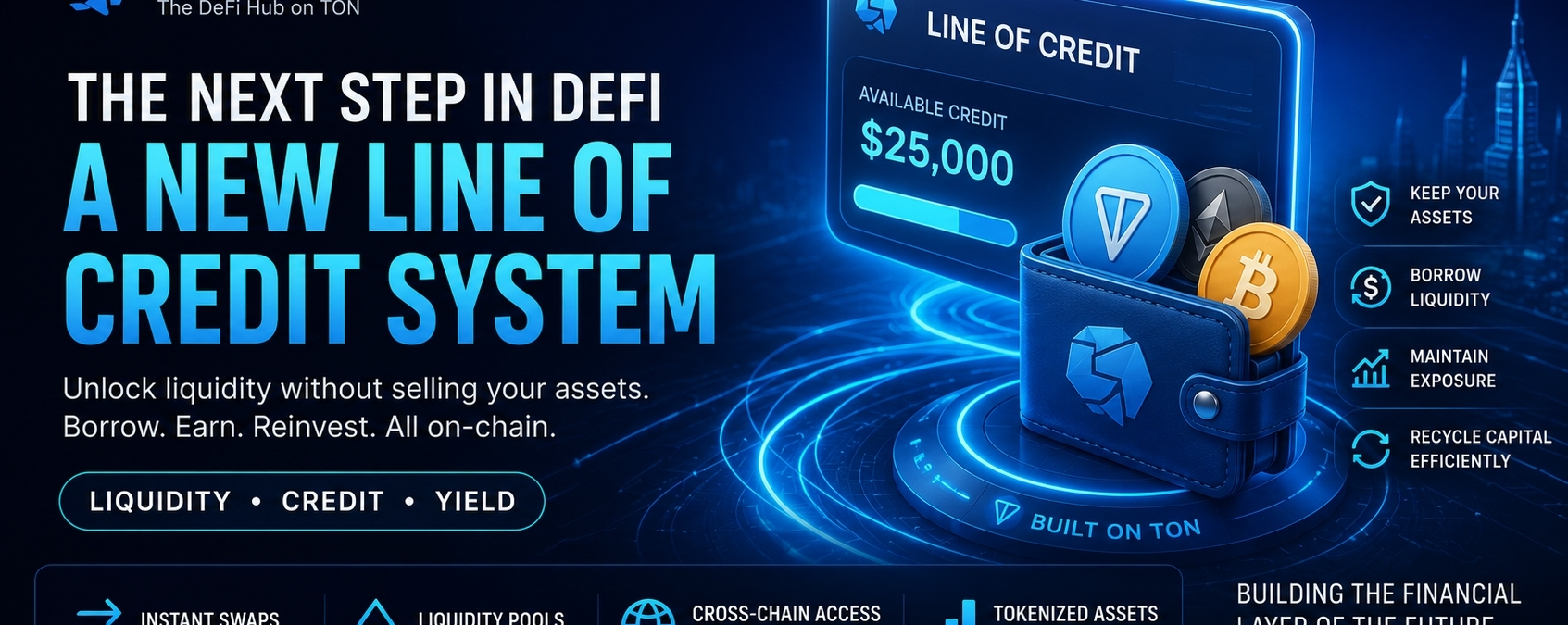
分散型金融は、単純なトレーディングや利回りの生成を超えて、より洗練された金融インフラに進化し続けています。TONエコシステム内で、STON.fi は単なる分散型取引所以上のものとして位置づけられつつあり、拡大する金融ユーティリティを持つ基盤的な流動性レイヤーとなっています。
現在議論されている最も魅力的なコンセプトの一つは、ユーザーがクリプト資産とインタラクトする方法を大幅に拡張する可能性のある分散型信用システムの導入です。
STON.fi と TON エコシステムにおけるオンチェイン信用への新たなシフト
STON.fi と TON エコシステムにおけるオンチェイン信用への新たなシフト
分散型金融は、単純なトレーディングや利回りの生成を超えて、より洗練された金融インフラに進化し続けています。TONエコシステム内で、STON.fi は単なる分散型取引所以上のものとして位置づけられつつあり、拡大する金融ユーティリティを持つ基盤的な流動性レイヤーとなっています。
現在議論されている最も魅力的なコンセプトの一つは、ユーザーがクリプト資産とインタラクトする方法を大幅に拡張する可能性のある分散型信用システムの導入です。
分散型金融は、単純なトレーディングや利回りの生成を超えて、より洗練された金融インフラに進化し続けています。TONエコシステム内で、STON.fi は単なる分散型取引所以上のものとして位置づけられつつあり、拡大する金融ユーティリティを持つ基盤的な流動性レイヤーとなっています。
現在議論されている最も魅力的なコンセプトの一つは、ユーザーがクリプト資産とインタラクトする方法を大幅に拡張する可能性のある分散型信用システムの導入です。
118
·
--
記事
STON.fiクロスチェーンテストコンテストが成功裏に終了STON.fiクロスチェーンテストコンテストが成功裏に終了
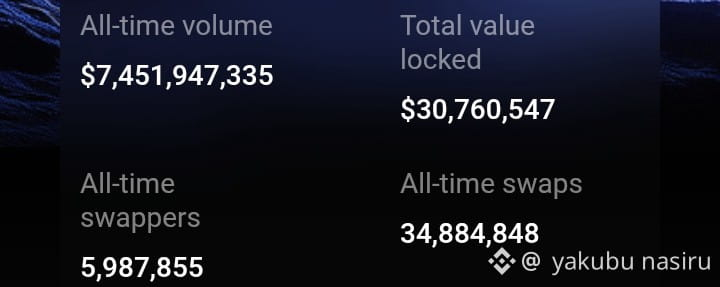
STON.fiのクロスチェーンテストコンテストが正式に終了し、TONエコシステムにおける分散型金融の向上に向けたプラットフォームの取り組みの重要な一歩となりました。
コンテストを通じて、参加者はクロスチェーン機能を積極的にテストし、スワップを行い、機能を探求し、貴重なフィードバックを提供しました。このリアルなエンゲージメントは、STON.fiチームが改善点を特定し、パフォーマンスを最適化し、ユーザーにとってよりスムーズな体験を確保するのに役立ちます。
STON.fiクロスチェーンテストコンテストが成功裏に終了
STON.fiクロスチェーンテストコンテストが成功裏に終了
STON.fiのクロスチェーンテストコンテストが正式に終了し、TONエコシステムにおける分散型金融の向上に向けたプラットフォームの取り組みの重要な一歩となりました。
コンテストを通じて、参加者はクロスチェーン機能を積極的にテストし、スワップを行い、機能を探求し、貴重なフィードバックを提供しました。このリアルなエンゲージメントは、STON.fiチームが改善点を特定し、パフォーマンスを最適化し、ユーザーにとってよりスムーズな体験を確保するのに役立ちます。
STON.fiのクロスチェーンテストコンテストが正式に終了し、TONエコシステムにおける分散型金融の向上に向けたプラットフォームの取り組みの重要な一歩となりました。
コンテストを通じて、参加者はクロスチェーン機能を積極的にテストし、スワップを行い、機能を探求し、貴重なフィードバックを提供しました。このリアルなエンゲージメントは、STON.fiチームが改善点を特定し、パフォーマンスを最適化し、ユーザーにとってよりスムーズな体験を確保するのに役立ちます。
146
·
--
記事
STON.fi: 最近の課題から、より強いDeFiの未来へSTON.fi: 最近の課題から、より強いDeFiの未来へ
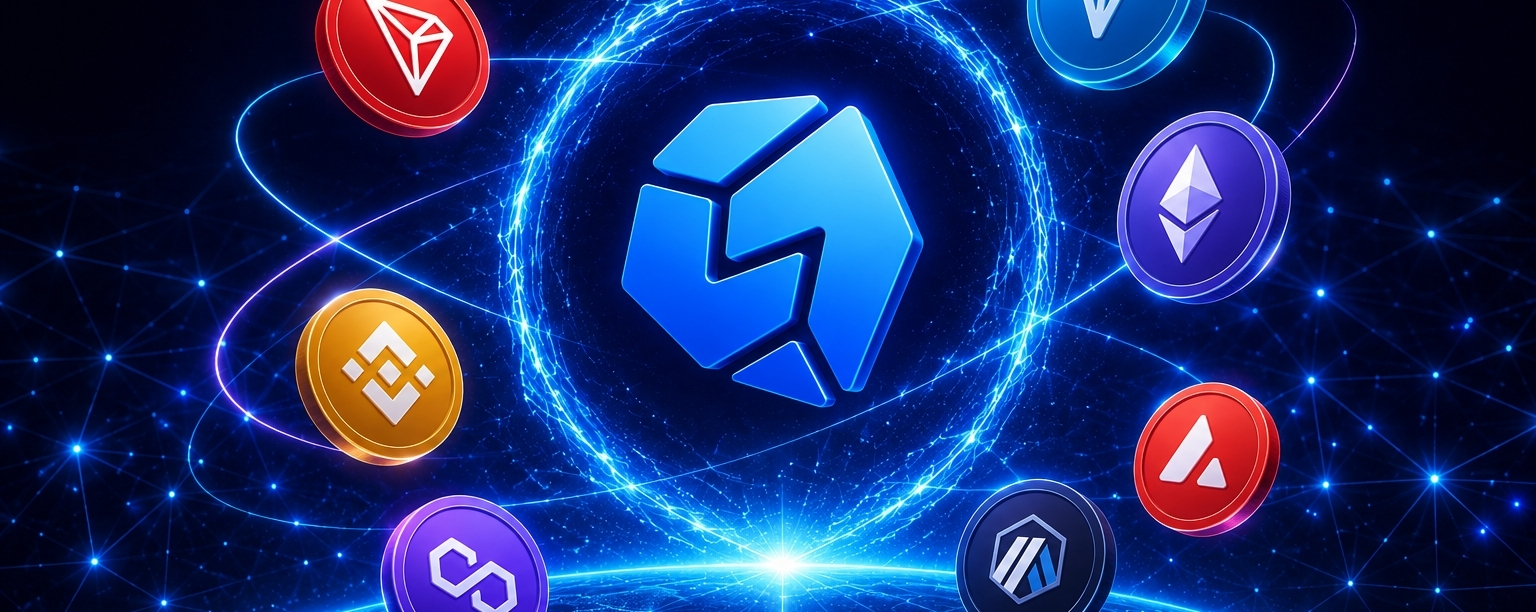
STON.fiはTONエコシステムで大きな動きを続けており、最近の最も重要な開発の一つがクロスチェーン・スワップのローンチです。2026年7月、STON.fiはTON、TRON、Ethereum、Base、BNB Chain、Polygon、Avalanche、Arbitrum、Robinhood Chain間でステーブルコインを移動するための自己管理型の方法を導入しました。
しかし、成長には新たな課題も伴います。STON.fiがTONの外へと拡大するにつれ、クロスチェーンの流動性は、スマートコントラクト、バリデータ、手数料、取引の失敗に関わる追加のリスクをもたらします。STON.fiは最近、こうしたリスクと、ユーザーがそれらをよりよく理解する方法に焦点を当てた教育資料を公開しました。
STON.fi: 最近の課題から、より強いDeFiの未来へ
STON.fi: 最近の課題から、より強いDeFiの未来へ
STON.fiはTONエコシステムで大きな動きを続けており、最近の最も重要な開発の一つがクロスチェーン・スワップのローンチです。2026年7月、STON.fiはTON、TRON、Ethereum、Base、BNB Chain、Polygon、Avalanche、Arbitrum、Robinhood Chain間でステーブルコインを移動するための自己管理型の方法を導入しました。
しかし、成長には新たな課題も伴います。STON.fiがTONの外へと拡大するにつれ、クロスチェーンの流動性は、スマートコントラクト、バリデータ、手数料、取引の失敗に関わる追加のリスクをもたらします。STON.fiは最近、こうしたリスクと、ユーザーがそれらをよりよく理解する方法に焦点を当てた教育資料を公開しました。
STON.fiはTONエコシステムで大きな動きを続けており、最近の最も重要な開発の一つがクロスチェーン・スワップのローンチです。2026年7月、STON.fiはTON、TRON、Ethereum、Base、BNB Chain、Polygon、Avalanche、Arbitrum、Robinhood Chain間でステーブルコインを移動するための自己管理型の方法を導入しました。
しかし、成長には新たな課題も伴います。STON.fiがTONの外へと拡大するにつれ、クロスチェーンの流動性は、スマートコントラクト、バリデータ、手数料、取引の失敗に関わる追加のリスクをもたらします。STON.fiは最近、こうしたリスクと、ユーザーがそれらをよりよく理解する方法に焦点を当てた教育資料を公開しました。
99
ログインして、さらにコンテンツを読む
厳選トピックで世界の暗号資産トレーダーの仲間入り
⚡️ 暗号資産に関する最新かつ有益な情報が見つかります。
💬 世界最大の暗号資産取引所から信頼されています。
👍 認証を受けたクリエイターから、有益なインサイトを得られます。
メール / 電話番号
トレンドトピック
1
#BinanceLaunchesBinanceIntelligence
閲覧回数 329,259
2,739人が討論中
2
#BitcoinTargets2026OpenAt$87570
閲覧回数 1,143
51人が討論中
3
#BitcoinRejectedAt$87KThirdTime
閲覧回数 1,356
47人が討論中
4
#StrategyMarketCapSurpassesRumble
閲覧回数 5,468
305人が討論中
5
#StriveBuys2000BTCFor$169M
閲覧回数 12,681
116人が討論中
6
#EvernorthXRPTreasuryCompletesSPACMerger
閲覧回数 155,314
1,541人が討論中
7
#ADAGains10%Above$0.27
閲覧回数 61,461
257人が討論中
8
#ETHUp70%InQ3ButLiquidityFalls
閲覧回数 350,700
2,512人が討論中
9
#EthStakingExitQueueHits2026High
閲覧回数 143,533
1,655人が討論中
10
#FedOctoberHoldOdds82.3%
閲覧回数 153,540
1,573人が討論中