
#blockchaininfrastructure
blockchaininfrastructure
閲覧回数 76,230
1,029人が討論中
注目
最新

·
--
Solanaの次のスピード向上は、単なる見出しの数字ではありません。
Solana Foundationの最新の変更履歴では、メインネットのスロット時間が400msから350msに短縮された一方で、テストネットは250msから200msに移行したと記録されています。これは状態更新の高速化に向けた大きな一歩ですが、「すべてのアプリが今14%速くなる」というのとは同じではありません。
より難しいのは運用面です。スロットが短くなると、投票、リーダーのハンドオフ、ネットワーク伝播に使える時間が少なくなります。Solana自身のバリデータ分析では、最終的な200msの目標がその遅延マージンを実際に重要なものにし得る一方で、MEV、バリデータのコスト、マーケットメイキングへの影響は、実際のメインネットの挙動次第です。
ビルダーにとっての要点は実務的です。新しいタイミング前提に対して、確認(コンファーム)のベンチマーク、RPCのレイテンシ、オラクルの鮮度、そしてトランザクションのリトライロジックを検証してください。より速いブロックは応答性を高められますが、周辺のインフラが追随できる場合に限ります。
メインネットの350msへのステップは確認済みです。200msに到達したときの全体的な影響は、保証された性能向上ではなく、実測による検証が必要な問いです。
#Solana #BlockchainInfrastructure
Solanaの次のスピード向上は、単なる見出しの数字ではありません。
Solana Foundationの最新の変更履歴では、メインネットのスロット時間が400msから350msに短縮された一方で、テストネットは250msから200msに移行したと記録されています。これは状態更新の高速化に向けた大きな一歩ですが、「すべてのアプリが今14%速くなる」というのとは同じではありません。
より難しいのは運用面です。スロットが短くなると、投票、リーダーのハンドオフ、ネットワーク伝播に使える時間が少なくなります。Solana自身のバリデータ分析では、最終的な200msの目標がその遅延マージンを実際に重要なものにし得る一方で、MEV、バリデータのコスト、マーケットメイキングへの影響は、実際のメインネットの挙動次第です。
ビルダーにとっての要点は実務的です。新しいタイミング前提に対して、確認(コンファーム)のベンチマーク、RPCのレイテンシ、オラクルの鮮度、そしてトランザクションのリトライロジックを検証してください。より速いブロックは応答性を高められますが、周辺のインフラが追随できる場合に限ります。
メインネットの350msへのステップは確認済みです。200msに到達したときの全体的な影響は、保証された性能向上ではなく、実測による検証が必要な問いです。
#Solana #BlockchainInfrastructure
Solana Foundationの最新の変更履歴では、メインネットのスロット時間が400msから350msに短縮された一方で、テストネットは250msから200msに移行したと記録されています。これは状態更新の高速化に向けた大きな一歩ですが、「すべてのアプリが今14%速くなる」というのとは同じではありません。
より難しいのは運用面です。スロットが短くなると、投票、リーダーのハンドオフ、ネットワーク伝播に使える時間が少なくなります。Solana自身のバリデータ分析では、最終的な200msの目標がその遅延マージンを実際に重要なものにし得る一方で、MEV、バリデータのコスト、マーケットメイキングへの影響は、実際のメインネットの挙動次第です。
ビルダーにとっての要点は実務的です。新しいタイミング前提に対して、確認(コンファーム)のベンチマーク、RPCのレイテンシ、オラクルの鮮度、そしてトランザクションのリトライロジックを検証してください。より速いブロックは応答性を高められますが、周辺のインフラが追随できる場合に限ります。
メインネットの350msへのステップは確認済みです。200msに到達したときの全体的な影響は、保証された性能向上ではなく、実測による検証が必要な問いです。
#Solana #BlockchainInfrastructure
65

·
--
資本ローテーション:レイヤー1&スケーリング・エコシステムのオンチェーン出来高が急増!🔄
ビットコインは直近高値近辺で推移している一方、スマートマネーはWeb3のあらゆる領域で基盤となるレイヤー1およびレイヤー2のスケーリング・プロトコルへ、積極的に資金を回してきています。
なぜ週の中盤での流動性ローテーションが、より広範な市場構造を強化しているのかを解説します:
1️⃣ DeFi TVLの拡大:
高速な決済ネットワークにおける総ロック価値(TVL)は、ステーブルコインの流入を受けた分散型取引所(DEX)やマネーマーケットによって、着実に上昇しています。
2️⃣ オンチェーン・ガスの速度:
トークン化された実世界資産(RWA)や分散型の物理インフラ(DePIN)、そして高頻度取引ロールアップとの相互作用が増えることで、ネットワークのガスが継続的に消費され、ネットワーク・バリデーターへの報酬が強化されています。
3️⃣ アルトコイン市場の健全性:
BTCが統合局面にあるときに、資金がビットコインから高ユーティリティなアルトコインへスムーズに流れると、市場の消耗を防ぎ、持続可能な複数セクターの需要があることを裏付けます。
結論:強い市場サイクルは、安定した流動性ローテーションによって育まれます。ポートフォリオは、コアとなるデジタル・コモディティと高スループットのユーティリティ・ネットワークにバランスよく配分しておきましょう。💡
今週、最も活発にオンチェーンで取引しているエコシステムはどれですか?下にコメントしてください!👇
#CryptoNews #Layer1 #Layer2 #DeFi #Altcoins #Web3 #BlockchainInfrastructure
資本ローテーション:レイヤー1&スケーリング・エコシステムのオンチェーン出来高が急増!🔄
ビットコインは直近高値近辺で推移している一方、スマートマネーはWeb3のあらゆる領域で基盤となるレイヤー1およびレイヤー2のスケーリング・プロトコルへ、積極的に資金を回してきています。
なぜ週の中盤での流動性ローテーションが、より広範な市場構造を強化しているのかを解説します:
1️⃣ DeFi TVLの拡大:
高速な決済ネットワークにおける総ロック価値(TVL)は、ステーブルコインの流入を受けた分散型取引所(DEX)やマネーマーケットによって、着実に上昇しています。
2️⃣ オンチェーン・ガスの速度:
トークン化された実世界資産(RWA)や分散型の物理インフラ(DePIN)、そして高頻度取引ロールアップとの相互作用が増えることで、ネットワークのガスが継続的に消費され、ネットワーク・バリデーターへの報酬が強化されています。
3️⃣ アルトコイン市場の健全性:
BTCが統合局面にあるときに、資金がビットコインから高ユーティリティなアルトコインへスムーズに流れると、市場の消耗を防ぎ、持続可能な複数セクターの需要があることを裏付けます。
結論:強い市場サイクルは、安定した流動性ローテーションによって育まれます。ポートフォリオは、コアとなるデジタル・コモディティと高スループットのユーティリティ・ネットワークにバランスよく配分しておきましょう。💡
今週、最も活発にオンチェーンで取引しているエコシステムはどれですか?下にコメントしてください!👇
#CryptoNews #Layer1 #Layer2 #DeFi #Altcoins #Web3 #BlockchainInfrastructure
ビットコインは直近高値近辺で推移している一方、スマートマネーはWeb3のあらゆる領域で基盤となるレイヤー1およびレイヤー2のスケーリング・プロトコルへ、積極的に資金を回してきています。
なぜ週の中盤での流動性ローテーションが、より広範な市場構造を強化しているのかを解説します:
1️⃣ DeFi TVLの拡大:
高速な決済ネットワークにおける総ロック価値(TVL)は、ステーブルコインの流入を受けた分散型取引所(DEX)やマネーマーケットによって、着実に上昇しています。
2️⃣ オンチェーン・ガスの速度:
トークン化された実世界資産(RWA)や分散型の物理インフラ(DePIN)、そして高頻度取引ロールアップとの相互作用が増えることで、ネットワークのガスが継続的に消費され、ネットワーク・バリデーターへの報酬が強化されています。
3️⃣ アルトコイン市場の健全性:
BTCが統合局面にあるときに、資金がビットコインから高ユーティリティなアルトコインへスムーズに流れると、市場の消耗を防ぎ、持続可能な複数セクターの需要があることを裏付けます。
結論:強い市場サイクルは、安定した流動性ローテーションによって育まれます。ポートフォリオは、コアとなるデジタル・コモディティと高スループットのユーティリティ・ネットワークにバランスよく配分しておきましょう。💡
今週、最も活発にオンチェーンで取引しているエコシステムはどれですか?下にコメントしてください!👇
#CryptoNews #Layer1 #Layer2 #DeFi #Altcoins #Web3 #BlockchainInfrastructure
128

·
--
ブリッシュ
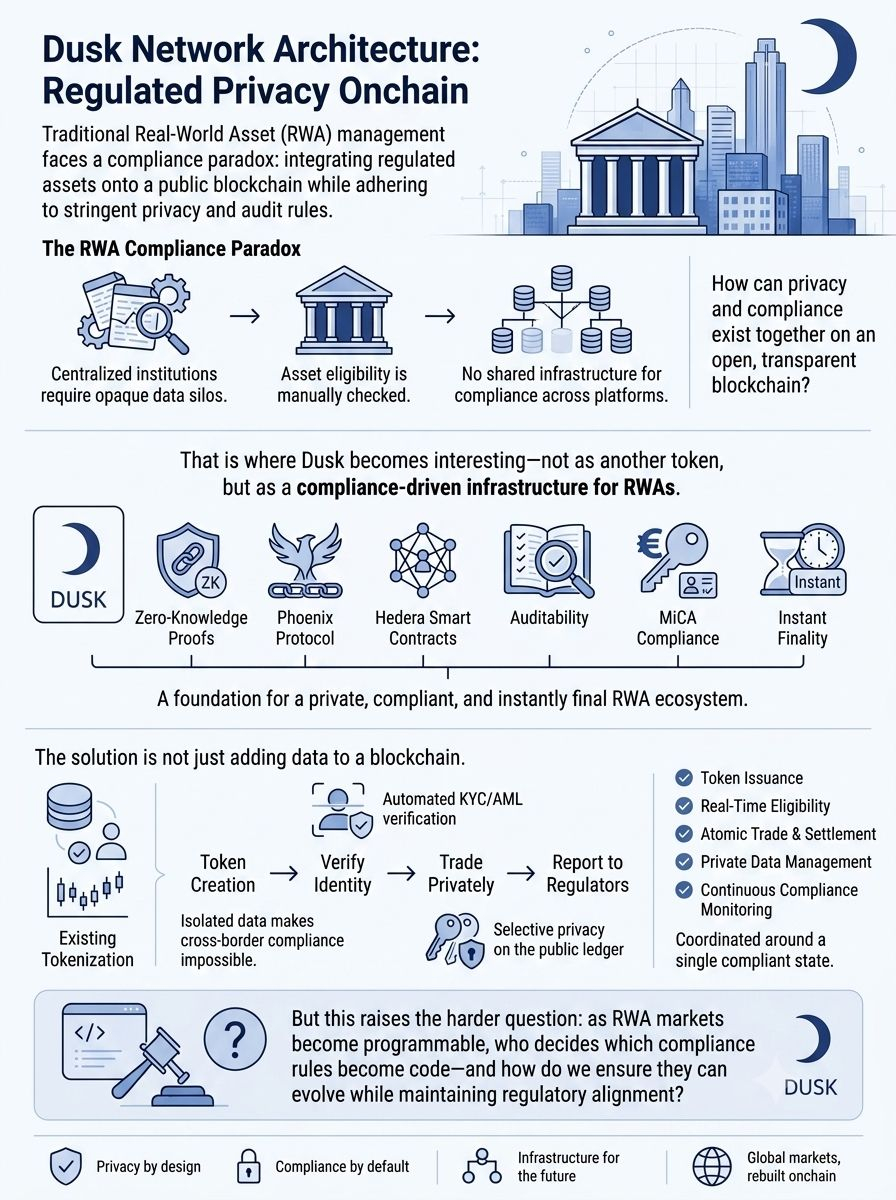
黄昏ネットワーク・アーキテクチャ:オンチェーンにおける規制対応プライバシー
従来の現実資産(RWA)管理には重大なパラドックスがあります。機関は効率化のため規制対象資産をパブリック・ブロックチェーンへ移す必要がありますが、透明な台帳は厳格な顧客プライバシーおよびコンプライアンス要件と衝突します。
RWAコンプライアンス・パラドックス
現代の金融市場は、切り離されたサイロ(分断された領域)で運営されています。中央集権型の銀行や取引所は、プライベートなデータベース、手作業による本人確認、別個の決済システムに依存しています。この構造により、決済の遅延が大きくなり、業務上の摩擦が増え、プラットフォーム間で流動性が分断されます。
Duskのプロトコル解決策
Duskは、レイヤー1プロトコルにコンプライアンスを直接組み込むことで、この問題に対処します。主な技術的特徴は以下のとおりです:
* ゼロ知識証明:取引金額およびトレーダーの身元を公開の場から保護します。
* フェニックス・プロトコル:規制上のチェックを維持しつつ、プライベートな状態遷移を保証します。
* 選択的開示:機関が検証済みの監査人と暗号化された取引詳細を共有できるようにしつつ、企業秘密を公開しません。
* MiCAコンプライアンス:トークン化された証券およびデジタル資産サービス提供者向けに、欧州の法的枠組みに合わせて調整されています。
* 決定論的決済:Segregated Byzantine Agreement(SBA)コンセンサスにより、数秒で高速かつ取り消し不能なファイナリティに到達します。
分断されたシステムの置き換え
単純なスマートコントラクトで資産を包むのではなく、Duskは発行、本人確認、取引、決済といったライフサイクル全段階を、単一の共有状態の周りで統合的に調整します。NPEXや21Xのような機関は、この枠組みを用いて、パブリック台帳上でコンプライアンスに準拠したアトミック決済を実行します。
核心となる問い
資本市場がオンチェーンへ移行するにつれ、成功は、分散型プロトコルが、プログラム可能なロジックを変化する規制要件と継続的に整合させられるかどうかにかかっています。
#AnthropicIPOCouldTopSpaceXRecordReportsSay DUSK #TokenizedAssets #BlockchainInfrastructure
{future}(UAIUSDT)
{future}(TUTUSDT)
#TUTUSDT $TUT
#UAIUSDT $UAI
{future}(DUSKUSDT)
$DUSK
黄昏ネットワーク・アーキテクチャ:オンチェーンにおける規制対応プライバシー
従来の現実資産(RWA)管理には重大なパラドックスがあります。機関は効率化のため規制対象資産をパブリック・ブロックチェーンへ移す必要がありますが、透明な台帳は厳格な顧客プライバシーおよびコンプライアンス要件と衝突します。
RWAコンプライアンス・パラドックス
現代の金融市場は、切り離されたサイロ(分断された領域)で運営されています。中央集権型の銀行や取引所は、プライベートなデータベース、手作業による本人確認、別個の決済システムに依存しています。この構造により、決済の遅延が大きくなり、業務上の摩擦が増え、プラットフォーム間で流動性が分断されます。
Duskのプロトコル解決策
Duskは、レイヤー1プロトコルにコンプライアンスを直接組み込むことで、この問題に対処します。主な技術的特徴は以下のとおりです:
* ゼロ知識証明:取引金額およびトレーダーの身元を公開の場から保護します。
* フェニックス・プロトコル:規制上のチェックを維持しつつ、プライベートな状態遷移を保証します。
* 選択的開示:機関が検証済みの監査人と暗号化された取引詳細を共有できるようにしつつ、企業秘密を公開しません。
* MiCAコンプライアンス:トークン化された証券およびデジタル資産サービス提供者向けに、欧州の法的枠組みに合わせて調整されています。
* 決定論的決済:Segregated Byzantine Agreement(SBA)コンセンサスにより、数秒で高速かつ取り消し不能なファイナリティに到達します。
分断されたシステムの置き換え
単純なスマートコントラクトで資産を包むのではなく、Duskは発行、本人確認、取引、決済といったライフサイクル全段階を、単一の共有状態の周りで統合的に調整します。NPEXや21Xのような機関は、この枠組みを用いて、パブリック台帳上でコンプライアンスに準拠したアトミック決済を実行します。
核心となる問い
資本市場がオンチェーンへ移行するにつれ、成功は、分散型プロトコルが、プログラム可能なロジックを変化する規制要件と継続的に整合させられるかどうかにかかっています。
#AnthropicIPOCouldTopSpaceXRecordReportsSay DUSK #TokenizedAssets #BlockchainInfrastructure
#TUTUSDT $TUT
#UAIUSDT $UAI
$DUSK
従来の現実資産(RWA)管理には重大なパラドックスがあります。機関は効率化のため規制対象資産をパブリック・ブロックチェーンへ移す必要がありますが、透明な台帳は厳格な顧客プライバシーおよびコンプライアンス要件と衝突します。
RWAコンプライアンス・パラドックス
現代の金融市場は、切り離されたサイロ(分断された領域)で運営されています。中央集権型の銀行や取引所は、プライベートなデータベース、手作業による本人確認、別個の決済システムに依存しています。この構造により、決済の遅延が大きくなり、業務上の摩擦が増え、プラットフォーム間で流動性が分断されます。
Duskのプロトコル解決策
Duskは、レイヤー1プロトコルにコンプライアンスを直接組み込むことで、この問題に対処します。主な技術的特徴は以下のとおりです:
* ゼロ知識証明:取引金額およびトレーダーの身元を公開の場から保護します。
* フェニックス・プロトコル:規制上のチェックを維持しつつ、プライベートな状態遷移を保証します。
* 選択的開示:機関が検証済みの監査人と暗号化された取引詳細を共有できるようにしつつ、企業秘密を公開しません。
* MiCAコンプライアンス:トークン化された証券およびデジタル資産サービス提供者向けに、欧州の法的枠組みに合わせて調整されています。
* 決定論的決済:Segregated Byzantine Agreement(SBA)コンセンサスにより、数秒で高速かつ取り消し不能なファイナリティに到達します。
分断されたシステムの置き換え
単純なスマートコントラクトで資産を包むのではなく、Duskは発行、本人確認、取引、決済といったライフサイクル全段階を、単一の共有状態の周りで統合的に調整します。NPEXや21Xのような機関は、この枠組みを用いて、パブリック台帳上でコンプライアンスに準拠したアトミック決済を実行します。
核心となる問い
資本市場がオンチェーンへ移行するにつれ、成功は、分散型プロトコルが、プログラム可能なロジックを変化する規制要件と継続的に整合させられるかどうかにかかっています。
#AnthropicIPOCouldTopSpaceXRecordReportsSay DUSK #TokenizedAssets #BlockchainInfrastructure
#TUTUSDT $TUT
#UAIUSDT $UAI
$DUSK
1
1
156

⚡ 真夜中の合理的プライバシー革命
企業向けブロックチェーン導入にとって最大のハードルは「速度」ではなく「プライバシー」です。ほとんどのネットワークでは、致命的な二択を迫られます。すべてを公開するか、すべてを完全に隠すか。
Midnight($NIGHT)は「合理的プライバシー」で型を破ります。ゼロ知識スマートコントラクトにより、重要な中間地点=選択的開示を実現。データが真実であることを証明しながら、その裏にあるプライベートデータを明かさずに済みます。
これにより、\(NIGHTが\)ZEC、\(XRP、\)およびTAOと並ぶ巨大なインフラ移行の中心に位置づけられます。絶対的で孤立した「隔離」から離れ、準拠した安全なユーティリティ・インフラの時代へと進んでいます。
#MidnightNetwork #Web3Privacy #BlockchainInfrastructure #ZeroKnowledge
⚡ 真夜中の合理的プライバシー革命
企業向けブロックチェーン導入にとって最大のハードルは「速度」ではなく「プライバシー」です。ほとんどのネットワークでは、致命的な二択を迫られます。すべてを公開するか、すべてを完全に隠すか。
Midnight($NIGHT)は「合理的プライバシー」で型を破ります。ゼロ知識スマートコントラクトにより、重要な中間地点=選択的開示を実現。データが真実であることを証明しながら、その裏にあるプライベートデータを明かさずに済みます。
これにより、\(NIGHTが\)ZEC、\(XRP、\)およびTAOと並ぶ巨大なインフラ移行の中心に位置づけられます。絶対的で孤立した「隔離」から離れ、準拠した安全なユーティリティ・インフラの時代へと進んでいます。
#MidnightNetwork #Web3Privacy #BlockchainInfrastructure #ZeroKnowledge
企業向けブロックチェーン導入にとって最大のハードルは「速度」ではなく「プライバシー」です。ほとんどのネットワークでは、致命的な二択を迫られます。すべてを公開するか、すべてを完全に隠すか。
Midnight($NIGHT)は「合理的プライバシー」で型を破ります。ゼロ知識スマートコントラクトにより、重要な中間地点=選択的開示を実現。データが真実であることを証明しながら、その裏にあるプライベートデータを明かさずに済みます。
これにより、\(NIGHTが\)ZEC、\(XRP、\)およびTAOと並ぶ巨大なインフラ移行の中心に位置づけられます。絶対的で孤立した「隔離」から離れ、準拠した安全なユーティリティ・インフラの時代へと進んでいます。
#MidnightNetwork #Web3Privacy #BlockchainInfrastructure #ZeroKnowledge
1
198
·
--
モジュラー・ブーム:レイヤー2ネットワークが、実行スケーリングが加速する中で取引の記録(プロセス)を進める! 🌐
小売市場の議論が価格チャートに張り付いている一方で、オンチェーンのスケーリング基盤は途方もないスループット記録を更新しています。高速レイヤー2ロールアップとモジュラー型データ可用性レイヤーにおける1日の総取引回数が、今月新たな史上最高値に到達しました!
なぜ実行スケーリングとモジュール性が、長期的なエコシステムの価値を押し上げているのか:
1️⃣ サブセント級の取引手数料:
データ圧縮の高度化とロールアップにより、ガス費用が1セントの“1/数分の1”以下へと恒久的に引き下げられました。これにより、コンシューマー向けWeb3アプリ、ゲームプラットフォーム、マイクロペイメント・チャネルがシームレスにスケール可能になっています。
2️⃣ 機関投資家向けの決済スループット:
高頻度のDeFiやトークン化資産プラットフォームが、レイヤー2のレールを活用して、ベース層のセキュリティ決済を混雑させることなく、エンタープライズ規模の取引ボリュームを実行しています。
3️⃣ 持続可能なプロトコル収益:
大量のL2取引の速度が、下位のレイヤー1ネットワーク上での決済手数料のバーン(消却)を継続的に生み出し、ネイティブなネットワーク資産に対して投機的でない経済的価値をもたらしています。
要点:ブロックチェーンのスケーリング・トリレンマは、リアルタイムで解決されつつあります。基盤となるレイヤー2エコシステムやモジュラー型データネットワークへのエクスポージャーを構築することで、スケーラブルなWeb3の普及に向けたポートフォリオ配置が可能になります。 💡
あなたが最もよくオンチェーンでやり取りしているレイヤー2、またはスケーリング・エコシステムはどれですか?下にあなたの最推しをコメントしてください! 👇
#CryptoNews #Layer2 #Ethereum #Scaling #DeFi #Web3 #BlockchainInfrastructure
モジュラー・ブーム:レイヤー2ネットワークが、実行スケーリングが加速する中で取引の記録(プロセス)を進める! 🌐
小売市場の議論が価格チャートに張り付いている一方で、オンチェーンのスケーリング基盤は途方もないスループット記録を更新しています。高速レイヤー2ロールアップとモジュラー型データ可用性レイヤーにおける1日の総取引回数が、今月新たな史上最高値に到達しました!
なぜ実行スケーリングとモジュール性が、長期的なエコシステムの価値を押し上げているのか:
1️⃣ サブセント級の取引手数料:
データ圧縮の高度化とロールアップにより、ガス費用が1セントの“1/数分の1”以下へと恒久的に引き下げられました。これにより、コンシューマー向けWeb3アプリ、ゲームプラットフォーム、マイクロペイメント・チャネルがシームレスにスケール可能になっています。
2️⃣ 機関投資家向けの決済スループット:
高頻度のDeFiやトークン化資産プラットフォームが、レイヤー2のレールを活用して、ベース層のセキュリティ決済を混雑させることなく、エンタープライズ規模の取引ボリュームを実行しています。
3️⃣ 持続可能なプロトコル収益:
大量のL2取引の速度が、下位のレイヤー1ネットワーク上での決済手数料のバーン(消却)を継続的に生み出し、ネイティブなネットワーク資産に対して投機的でない経済的価値をもたらしています。
要点:ブロックチェーンのスケーリング・トリレンマは、リアルタイムで解決されつつあります。基盤となるレイヤー2エコシステムやモジュラー型データネットワークへのエクスポージャーを構築することで、スケーラブルなWeb3の普及に向けたポートフォリオ配置が可能になります。 💡
あなたが最もよくオンチェーンでやり取りしているレイヤー2、またはスケーリング・エコシステムはどれですか?下にあなたの最推しをコメントしてください! 👇
#CryptoNews #Layer2 #Ethereum #Scaling #DeFi #Web3 #BlockchainInfrastructure
小売市場の議論が価格チャートに張り付いている一方で、オンチェーンのスケーリング基盤は途方もないスループット記録を更新しています。高速レイヤー2ロールアップとモジュラー型データ可用性レイヤーにおける1日の総取引回数が、今月新たな史上最高値に到達しました!
なぜ実行スケーリングとモジュール性が、長期的なエコシステムの価値を押し上げているのか:
1️⃣ サブセント級の取引手数料:
データ圧縮の高度化とロールアップにより、ガス費用が1セントの“1/数分の1”以下へと恒久的に引き下げられました。これにより、コンシューマー向けWeb3アプリ、ゲームプラットフォーム、マイクロペイメント・チャネルがシームレスにスケール可能になっています。
2️⃣ 機関投資家向けの決済スループット:
高頻度のDeFiやトークン化資産プラットフォームが、レイヤー2のレールを活用して、ベース層のセキュリティ決済を混雑させることなく、エンタープライズ規模の取引ボリュームを実行しています。
3️⃣ 持続可能なプロトコル収益:
大量のL2取引の速度が、下位のレイヤー1ネットワーク上での決済手数料のバーン(消却)を継続的に生み出し、ネイティブなネットワーク資産に対して投機的でない経済的価値をもたらしています。
要点:ブロックチェーンのスケーリング・トリレンマは、リアルタイムで解決されつつあります。基盤となるレイヤー2エコシステムやモジュラー型データネットワークへのエクスポージャーを構築することで、スケーラブルなWeb3の普及に向けたポートフォリオ配置が可能になります。 💡
あなたが最もよくオンチェーンでやり取りしているレイヤー2、またはスケーリング・エコシステムはどれですか?下にあなたの最推しをコメントしてください! 👇
#CryptoNews #Layer2 #Ethereum #Scaling #DeFi #Web3 #BlockchainInfrastructure
282
·
--
💳 摩擦のないレール:ステーブルコインの決済取扱高が従来ネットワークを上回る!💳
短期トレーダーが日々の価格目標を追う一方で、グローバルな決済インフラはオンチェーンで静かに、とてつもない変化を遂げています。
なぜ分散型の決済ネットワークとコンプライアンス対応のステーブルコインが、世界の取引フローを席巻しているのか——その理由はこちら:
1️⃣ 機関投資家による国境を越えた決済:
多国籍企業やフィンテックの決済プロセッサは、従来のコルレス(取次)バンキングのレールから、高速なレイヤー1およびレイヤー2のステーブルコイン決済へと移行し、取引コストと決済時間を数秒まで圧縮しています。
2️⃣ 規制枠組みの統合:
主要な法域(EUのMiCAなど)や更新された国際ガイドラインにまたがる明確なコンプライアンスの道筋が示され、機関投資家のカストディアンに、規制されたデジタルドル商品へ深い流動性を投入するための法的な確信をもたらしました。
3️⃣ 通貨の流通速度の拡大:
高いステーブルコインの流通速度は、基盤となるレイヤー1のガストークンやネットワークのブロックスペースに対する本質的な需要を直接強化し、主要エコシステム全体にわたって持続的な経済価値を生み出します。
まとめ:現実世界の決済ユーティリティが、投機ではない“恒久的なボリューム”を生みます。実際のグローバル金融の基盤を支えるプロトコルにポートフォリオを配置しましょう。💡
日常的なステーブルコイン送金で、最も頻繁に使っているネットワークはどれですか?下にシェアしてください!👇
#CryptoNews #Stablecoins #Web3Payments #Layer1 #Fintech #BlockchainInfrastructure
💳 摩擦のないレール:ステーブルコインの決済取扱高が従来ネットワークを上回る!💳
短期トレーダーが日々の価格目標を追う一方で、グローバルな決済インフラはオンチェーンで静かに、とてつもない変化を遂げています。
なぜ分散型の決済ネットワークとコンプライアンス対応のステーブルコインが、世界の取引フローを席巻しているのか——その理由はこちら:
1️⃣ 機関投資家による国境を越えた決済:
多国籍企業やフィンテックの決済プロセッサは、従来のコルレス(取次)バンキングのレールから、高速なレイヤー1およびレイヤー2のステーブルコイン決済へと移行し、取引コストと決済時間を数秒まで圧縮しています。
2️⃣ 規制枠組みの統合:
主要な法域(EUのMiCAなど)や更新された国際ガイドラインにまたがる明確なコンプライアンスの道筋が示され、機関投資家のカストディアンに、規制されたデジタルドル商品へ深い流動性を投入するための法的な確信をもたらしました。
3️⃣ 通貨の流通速度の拡大:
高いステーブルコインの流通速度は、基盤となるレイヤー1のガストークンやネットワークのブロックスペースに対する本質的な需要を直接強化し、主要エコシステム全体にわたって持続的な経済価値を生み出します。
まとめ:現実世界の決済ユーティリティが、投機ではない“恒久的なボリューム”を生みます。実際のグローバル金融の基盤を支えるプロトコルにポートフォリオを配置しましょう。💡
日常的なステーブルコイン送金で、最も頻繁に使っているネットワークはどれですか?下にシェアしてください!👇
#CryptoNews #Stablecoins #Web3Payments #Layer1 #Fintech #BlockchainInfrastructure
短期トレーダーが日々の価格目標を追う一方で、グローバルな決済インフラはオンチェーンで静かに、とてつもない変化を遂げています。
なぜ分散型の決済ネットワークとコンプライアンス対応のステーブルコインが、世界の取引フローを席巻しているのか——その理由はこちら:
1️⃣ 機関投資家による国境を越えた決済:
多国籍企業やフィンテックの決済プロセッサは、従来のコルレス(取次)バンキングのレールから、高速なレイヤー1およびレイヤー2のステーブルコイン決済へと移行し、取引コストと決済時間を数秒まで圧縮しています。
2️⃣ 規制枠組みの統合:
主要な法域(EUのMiCAなど)や更新された国際ガイドラインにまたがる明確なコンプライアンスの道筋が示され、機関投資家のカストディアンに、規制されたデジタルドル商品へ深い流動性を投入するための法的な確信をもたらしました。
3️⃣ 通貨の流通速度の拡大:
高いステーブルコインの流通速度は、基盤となるレイヤー1のガストークンやネットワークのブロックスペースに対する本質的な需要を直接強化し、主要エコシステム全体にわたって持続的な経済価値を生み出します。
まとめ:現実世界の決済ユーティリティが、投機ではない“恒久的なボリューム”を生みます。実際のグローバル金融の基盤を支えるプロトコルにポートフォリオを配置しましょう。💡
日常的なステーブルコイン送金で、最も頻繁に使っているネットワークはどれですか?下にシェアしてください!👇
#CryptoNews #Stablecoins #Web3Payments #Layer1 #Fintech #BlockchainInfrastructure
196
·
--
相互運用性の急上昇:クロスチェーン・リクイディティのレールがDeFi成長を加速!🌐
時価総額上位の資産が週末にかけて狭いレンジで統合を進める一方で、分散型インフラはオンチェーン・エコシステム全体で大きな運用マイルストーンを達成しています。
今月、クロスチェーン相互運用性とレイヤー1の決済レールが“賢い資本”を惹きつけている理由は以下の通りです:
1️⃣ 資本フローの摩擦ゼロ化:
次世代のブリッジング・プロトコルとクロスチェーン・メッセージング層により、スリッページと決済レイテンシが大幅に低減され、高速なレイヤー1とレイヤー2ロールアップ間で流動性をシームレスに回転させられるようになりました。
2️⃣ オンチェーンの利回りスピード向上:
分散型レンディング・プロトコルや自動マーケットメイカー(AMM)は、アイドル状態のステーブルコイン準備金を、透明で監査可能なスマートコントラクトに直接投入することで、Total Value Locked(TVL)の着実な成長を見せています。
3️⃣ 構造的なレジリエンス:
これまでの市場サイクルが純粋に投機的なトークン発行に依存していたのとは異なり、現在のオンチェーン取引量は、実需の取引要求、ステーブルコインの決済、トークン化された実世界資産(RWA)に強く支えられています。
要点:インフラ開発は週末を休みません。ポートフォリオの一部を、基盤となるレイヤー1および相互運用性プロトコルに触れさせておくことで、Web3拡大全体にわたって価値を取り込めます。💡
このサイクルで、あなたが最も活発に取り組んでいるレイヤー1またはDeFiエコシステムはどこですか?トップピックを共有してください!👇
#CryptoNews #DeFi #Layer1 #Interoperability #Web3 #BlockchainInfrastructure
相互運用性の急上昇:クロスチェーン・リクイディティのレールがDeFi成長を加速!🌐
時価総額上位の資産が週末にかけて狭いレンジで統合を進める一方で、分散型インフラはオンチェーン・エコシステム全体で大きな運用マイルストーンを達成しています。
今月、クロスチェーン相互運用性とレイヤー1の決済レールが“賢い資本”を惹きつけている理由は以下の通りです:
1️⃣ 資本フローの摩擦ゼロ化:
次世代のブリッジング・プロトコルとクロスチェーン・メッセージング層により、スリッページと決済レイテンシが大幅に低減され、高速なレイヤー1とレイヤー2ロールアップ間で流動性をシームレスに回転させられるようになりました。
2️⃣ オンチェーンの利回りスピード向上:
分散型レンディング・プロトコルや自動マーケットメイカー(AMM)は、アイドル状態のステーブルコイン準備金を、透明で監査可能なスマートコントラクトに直接投入することで、Total Value Locked(TVL)の着実な成長を見せています。
3️⃣ 構造的なレジリエンス:
これまでの市場サイクルが純粋に投機的なトークン発行に依存していたのとは異なり、現在のオンチェーン取引量は、実需の取引要求、ステーブルコインの決済、トークン化された実世界資産(RWA)に強く支えられています。
要点:インフラ開発は週末を休みません。ポートフォリオの一部を、基盤となるレイヤー1および相互運用性プロトコルに触れさせておくことで、Web3拡大全体にわたって価値を取り込めます。💡
このサイクルで、あなたが最も活発に取り組んでいるレイヤー1またはDeFiエコシステムはどこですか?トップピックを共有してください!👇
#CryptoNews #DeFi #Layer1 #Interoperability #Web3 #BlockchainInfrastructure
時価総額上位の資産が週末にかけて狭いレンジで統合を進める一方で、分散型インフラはオンチェーン・エコシステム全体で大きな運用マイルストーンを達成しています。
今月、クロスチェーン相互運用性とレイヤー1の決済レールが“賢い資本”を惹きつけている理由は以下の通りです:
1️⃣ 資本フローの摩擦ゼロ化:
次世代のブリッジング・プロトコルとクロスチェーン・メッセージング層により、スリッページと決済レイテンシが大幅に低減され、高速なレイヤー1とレイヤー2ロールアップ間で流動性をシームレスに回転させられるようになりました。
2️⃣ オンチェーンの利回りスピード向上:
分散型レンディング・プロトコルや自動マーケットメイカー(AMM)は、アイドル状態のステーブルコイン準備金を、透明で監査可能なスマートコントラクトに直接投入することで、Total Value Locked(TVL)の着実な成長を見せています。
3️⃣ 構造的なレジリエンス:
これまでの市場サイクルが純粋に投機的なトークン発行に依存していたのとは異なり、現在のオンチェーン取引量は、実需の取引要求、ステーブルコインの決済、トークン化された実世界資産(RWA)に強く支えられています。
要点:インフラ開発は週末を休みません。ポートフォリオの一部を、基盤となるレイヤー1および相互運用性プロトコルに触れさせておくことで、Web3拡大全体にわたって価値を取り込めます。💡
このサイクルで、あなたが最も活発に取り組んでいるレイヤー1またはDeFiエコシステムはどこですか?トップピックを共有してください!👇
#CryptoNews #DeFi #Layer1 #Interoperability #Web3 #BlockchainInfrastructure
133

·
--
イランの空爆でBTCが$73Kに落ちるとみんながパニックになっている間に、誰も話さなかった別のことが起こった。
ビットコインのハッシュレートは一瞬も揺るがなかった。全体のフラッシュを通して、史上最高値付近を維持した。
オンチェーンでは、ETHのブロブ手数料が急騰した。L2が処理を続けたからだ。ソラナのアルペングロウバリデーターは400ms未満でブロックを確定させ続けた。インフラは地政学的な雑音を気にしなかった。
これが多くのトレーダーがパニック中に見逃すことだ: ネットワーク自体が最も明確なシグナルだ。価格が1日で10%ダンプしても、基盤となるインフラが問題なく動き続けるなら、それは弱さではない — それは必要なときにシステムがうまく機能していることを証明している。
$73Kのフラッシュはレバレッジを清算した。技術を清算したわけではない。
今、6Bのオプションの満期がクリアされ、PCEは帳簿に記載され、イランの平和合意がマクロの重荷を取り除いた。6月はClarity Actの7月4日の締切が迫る中で始まる。
5月はストレステストだった。インフラは合格した。それが本当のスコアカードだ。
$BTC $ETH $SOL
#Bitcoin #Ethereum #Crypto #CryptoAnalysis #BlockchainInfrastructure
イランの空爆でBTCが$73Kに落ちるとみんながパニックになっている間に、誰も話さなかった別のことが起こった。
ビットコインのハッシュレートは一瞬も揺るがなかった。全体のフラッシュを通して、史上最高値付近を維持した。
オンチェーンでは、ETHのブロブ手数料が急騰した。L2が処理を続けたからだ。ソラナのアルペングロウバリデーターは400ms未満でブロックを確定させ続けた。インフラは地政学的な雑音を気にしなかった。
これが多くのトレーダーがパニック中に見逃すことだ: ネットワーク自体が最も明確なシグナルだ。価格が1日で10%ダンプしても、基盤となるインフラが問題なく動き続けるなら、それは弱さではない — それは必要なときにシステムがうまく機能していることを証明している。
$73Kのフラッシュはレバレッジを清算した。技術を清算したわけではない。
今、6Bのオプションの満期がクリアされ、PCEは帳簿に記載され、イランの平和合意がマクロの重荷を取り除いた。6月はClarity Actの7月4日の締切が迫る中で始まる。
5月はストレステストだった。インフラは合格した。それが本当のスコアカードだ。
$BTC $ETH $SOL
#Bitcoin #Ethereum #Crypto #CryptoAnalysis #BlockchainInfrastructure
ビットコインのハッシュレートは一瞬も揺るがなかった。全体のフラッシュを通して、史上最高値付近を維持した。
オンチェーンでは、ETHのブロブ手数料が急騰した。L2が処理を続けたからだ。ソラナのアルペングロウバリデーターは400ms未満でブロックを確定させ続けた。インフラは地政学的な雑音を気にしなかった。
これが多くのトレーダーがパニック中に見逃すことだ: ネットワーク自体が最も明確なシグナルだ。価格が1日で10%ダンプしても、基盤となるインフラが問題なく動き続けるなら、それは弱さではない — それは必要なときにシステムがうまく機能していることを証明している。
$73Kのフラッシュはレバレッジを清算した。技術を清算したわけではない。
今、6Bのオプションの満期がクリアされ、PCEは帳簿に記載され、イランの平和合意がマクロの重荷を取り除いた。6月はClarity Actの7月4日の締切が迫る中で始まる。
5月はストレステストだった。インフラは合格した。それが本当のスコアカードだ。
$BTC $ETH $SOL
#Bitcoin #Ethereum #Crypto #CryptoAnalysis #BlockchainInfrastructure
66

·
--
#newt $NEWT @NewtonProtocol
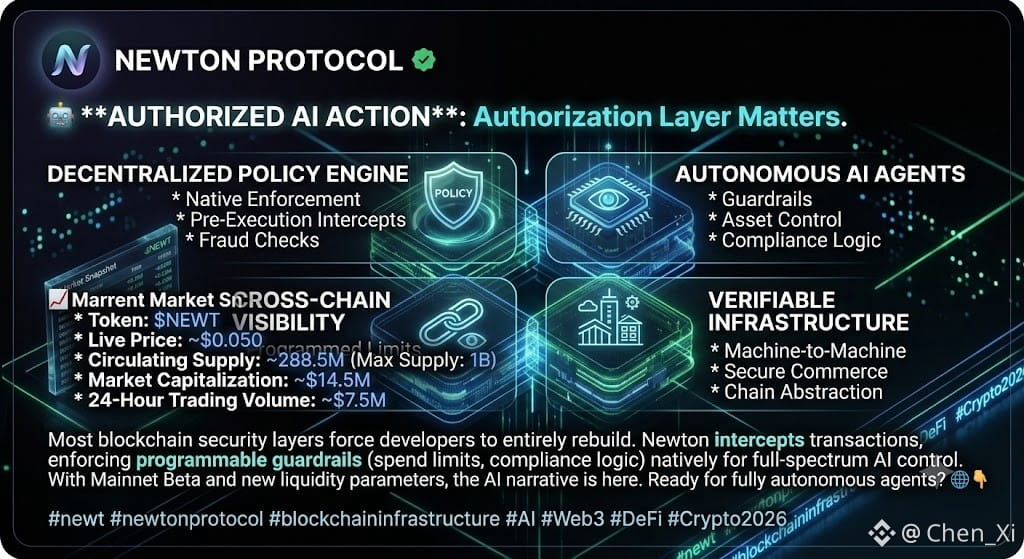
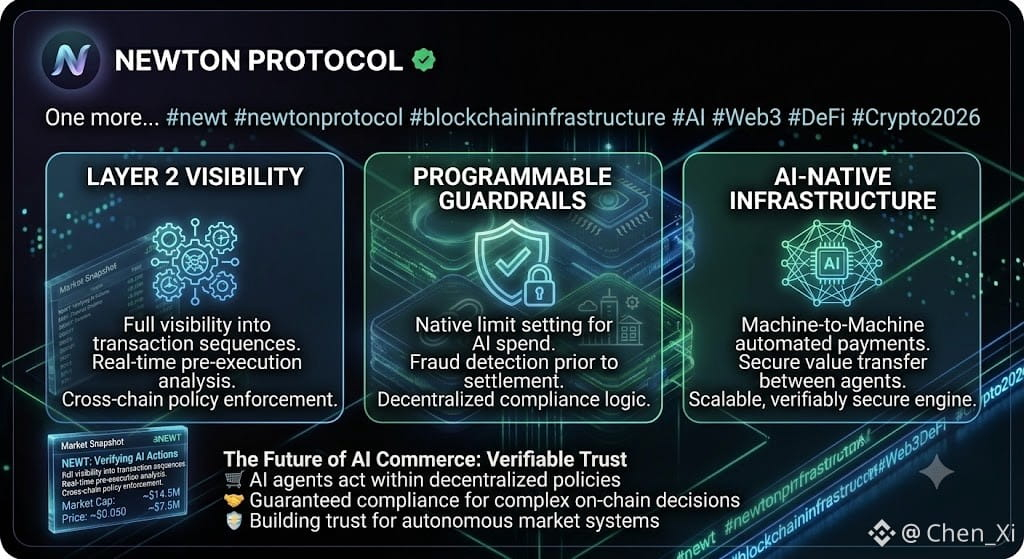
多くのブロックチェーン・セキュリティ層では、開発者がスタックを完全に作り直すことを強いられます。Newton Protocolは、このインフラ課題に対し別のアプローチで取り組んでいます。つまり、実行前にトランザクションをインターセプトする、分散型のポリシー・エンジンとして機能するのです。
Binance
自律型AIエージェントが、単純なポートフォリオの管理から、複雑でクロスチェーンな金融判断の実行へと移行するにつれ、盲目的な信頼は選択肢になりません。Newtonは、支出上限の強制、不正チェック、そしてコンプライアンス・ロジックをネイティブに実装する、プログラマブルなガードレールを提供します。単にスピードの話ではなく、M2M(マシン同士)の商取引のための検証可能なインフラを構築することが本質です。
Binance
+ 1
📈 現在の市場スナップショット:
トークン: $NEWT
ライブ価格: 約$0.050 USD
Binance
流通量: 約2.885億 (最大供給量: 10億)
Binance
時価総額: 約$14.5M
Binance
24時間の取引高: 約$7.5M
Binance
Mainnet Betaが正式に稼働し、プロトコルの流動性を高めるための担保パラメータ調整が7月7日に予定されていることから、インフラ面での物語が一段と加熱しています。
Binance
AI駆動型DeFiの未来をどう見ていますか? 完全自律のオンチェーン・エージェントは、準備できていますか? 🌐👇
#newt #newtonprotocol #BlockchainInfrastructure #AI
{future}(NEWTUSDT)
#newt $NEWT @NewtonProtocol
多くのブロックチェーン・セキュリティ層では、開発者がスタックを完全に作り直すことを強いられます。Newton Protocolは、このインフラ課題に対し別のアプローチで取り組んでいます。つまり、実行前にトランザクションをインターセプトする、分散型のポリシー・エンジンとして機能するのです。
Binance
自律型AIエージェントが、単純なポートフォリオの管理から、複雑でクロスチェーンな金融判断の実行へと移行するにつれ、盲目的な信頼は選択肢になりません。Newtonは、支出上限の強制、不正チェック、そしてコンプライアンス・ロジックをネイティブに実装する、プログラマブルなガードレールを提供します。単にスピードの話ではなく、M2M(マシン同士)の商取引のための検証可能なインフラを構築することが本質です。
Binance
+ 1
📈 現在の市場スナップショット:
トークン: $NEWT
ライブ価格: 約$0.050 USD
Binance
流通量: 約2.885億 (最大供給量: 10億)
Binance
時価総額: 約$14.5M
Binance
24時間の取引高: 約$7.5M
Binance
Mainnet Betaが正式に稼働し、プロトコルの流動性を高めるための担保パラメータ調整が7月7日に予定されていることから、インフラ面での物語が一段と加熱しています。
Binance
AI駆動型DeFiの未来をどう見ていますか? 完全自律のオンチェーン・エージェントは、準備できていますか? 🌐👇
#newt #newtonprotocol #BlockchainInfrastructure #AI
多くのブロックチェーン・セキュリティ層では、開発者がスタックを完全に作り直すことを強いられます。Newton Protocolは、このインフラ課題に対し別のアプローチで取り組んでいます。つまり、実行前にトランザクションをインターセプトする、分散型のポリシー・エンジンとして機能するのです。
Binance
自律型AIエージェントが、単純なポートフォリオの管理から、複雑でクロスチェーンな金融判断の実行へと移行するにつれ、盲目的な信頼は選択肢になりません。Newtonは、支出上限の強制、不正チェック、そしてコンプライアンス・ロジックをネイティブに実装する、プログラマブルなガードレールを提供します。単にスピードの話ではなく、M2M(マシン同士)の商取引のための検証可能なインフラを構築することが本質です。
Binance
+ 1
📈 現在の市場スナップショット:
トークン: $NEWT
ライブ価格: 約$0.050 USD
Binance
流通量: 約2.885億 (最大供給量: 10億)
Binance
時価総額: 約$14.5M
Binance
24時間の取引高: 約$7.5M
Binance
Mainnet Betaが正式に稼働し、プロトコルの流動性を高めるための担保パラメータ調整が7月7日に予定されていることから、インフラ面での物語が一段と加熱しています。
Binance
AI駆動型DeFiの未来をどう見ていますか? 完全自律のオンチェーン・エージェントは、準備できていますか? 🌐👇
#newt #newtonprotocol #BlockchainInfrastructure #AI
38
8
243

$NEWT IS BUILDING THE POLICY LAYER BLOCKCHAIN HAS BEEN MISSING 🔥
スマートコントラクトは完璧に実行されても、それでも企業の社内ルールや規制要件に違反する可能性があります。Newton Protocolは、トランザクションが確定される前に実行すべきかどうかを評価するプログラマブルなポリシーレイヤーを導入し、初めて認可と実行を分離します。
機関がトークン化された資産や自動化された資金運用(トレジャリー)オペレーションをさらに深く進めるにつれ、柔軟で監査可能なポリシーフレームワークの必要性は避けられなくなります。$NEWT は、その変化の背後にあるインフラとして位置付けられています。
ポリシーインフラが、実行スピードと同じくらい重要になると思いますか?
※投資助言ではありません。常にリスクを管理してください。
#NEWT #PolicyLayer #BlockchainInfrastructure #CryptoInnovation
🔥
$NEWT IS BUILDING THE POLICY LAYER BLOCKCHAIN HAS BEEN MISSING 🔥
スマートコントラクトは完璧に実行されても、それでも企業の社内ルールや規制要件に違反する可能性があります。Newton Protocolは、トランザクションが確定される前に実行すべきかどうかを評価するプログラマブルなポリシーレイヤーを導入し、初めて認可と実行を分離します。
機関がトークン化された資産や自動化された資金運用(トレジャリー)オペレーションをさらに深く進めるにつれ、柔軟で監査可能なポリシーフレームワークの必要性は避けられなくなります。$NEWT は、その変化の背後にあるインフラとして位置付けられています。
ポリシーインフラが、実行スピードと同じくらい重要になると思いますか?
※投資助言ではありません。常にリスクを管理してください。
#NEWT #PolicyLayer #BlockchainInfrastructure #CryptoInnovation
🔥
スマートコントラクトは完璧に実行されても、それでも企業の社内ルールや規制要件に違反する可能性があります。Newton Protocolは、トランザクションが確定される前に実行すべきかどうかを評価するプログラマブルなポリシーレイヤーを導入し、初めて認可と実行を分離します。
機関がトークン化された資産や自動化された資金運用(トレジャリー)オペレーションをさらに深く進めるにつれ、柔軟で監査可能なポリシーフレームワークの必要性は避けられなくなります。$NEWT は、その変化の背後にあるインフラとして位置付けられています。
ポリシーインフラが、実行スピードと同じくらい重要になると思いますか?
※投資助言ではありません。常にリスクを管理してください。
#NEWT #PolicyLayer #BlockchainInfrastructure #CryptoInnovation
🔥
21

·
--
クロスチェーン・インフラは、Web3における価値の移動のあり方を再定義しています。
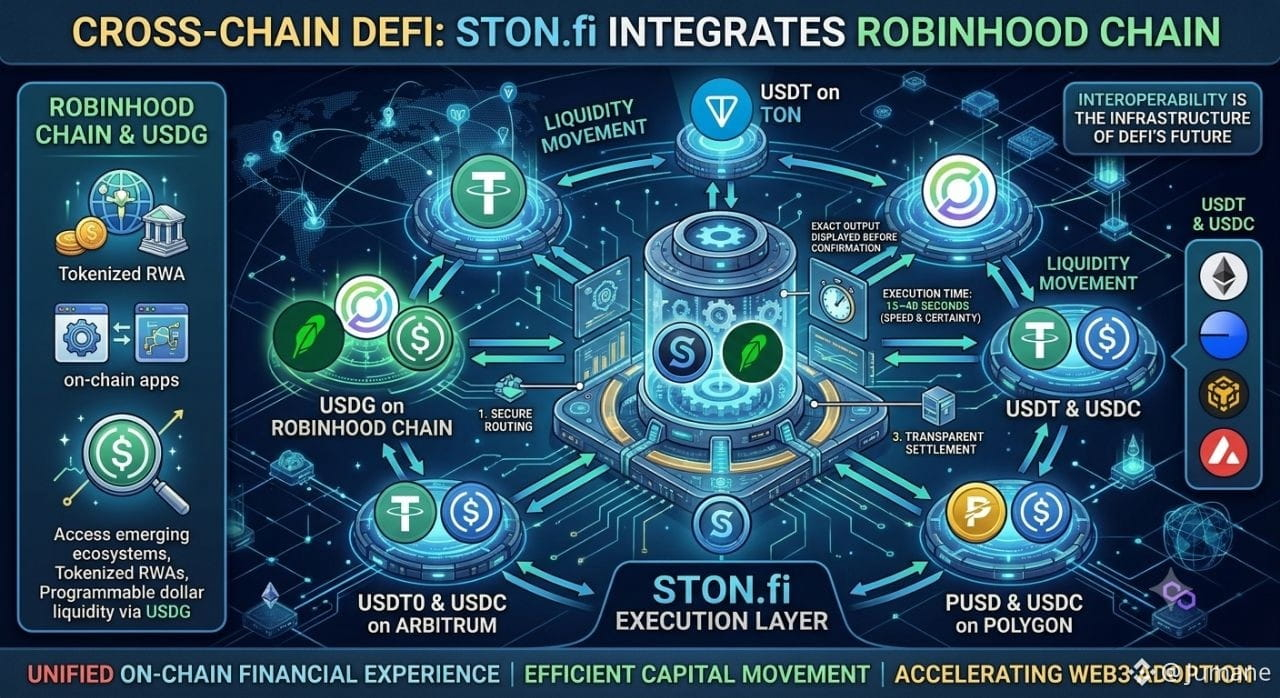
Robinhood ChainをSTON.fiに統合することで、よりつながったチェーン非依存型のDeFiエコシステムに向けた次の一歩となり、シームレスなクロスチェーン体験を通じて複数のブロックチェーンネットワークにまたがる流動性へアクセスできるようになります。@ston_fi
Omnistonによって提供されるSTON.fiの実行レイヤーは、ルーティングや価格発見から決済まで、取引ライフサイクル全体を管理し、確認前に正確な出力が表示されることで透明性のある実行を保証します。ほとんどのスワップは15〜40秒以内に完了し、高速性と確実性の両方を実現します。
この統合は、流動性の移動を以下の間でサポートします:
- TON上のUSDT
- Robinhood Chain上のUSDG
- Ethereum、Base、BNB Chain、Avalanche上のUSDTおよびUSDC
- Arbitrum上のUSDT0およびUSDC
- Polygon上のPUSDおよびUSDC
Robinhood Chainは、トークン化された実世界資産(RWA)、ステーブルコイン、オンチェーンの金融アプリケーションから成る、成長中のエコシステムへのアクセスを拡大します。一方でUSDG(Global Dollar)は、接続されたネットワーク全体にわたるプログラマブルなドルの流動性を強化します。
業界が進化し続ける中で、個々のブロックチェーンではなく、エコシステム間で資本を効率よく移動させる相互運用可能なインフラへと焦点が移っています。クロスチェーンのやり取りを簡素化するソリューションは、Web3の普及を加速し、より統一されたオンチェーンの金融体験を提供するうえで重要な役割を果たします。
相互運用性はもはや選択肢ではありません。分散型金融の未来を支えるインフラなのです。
#Web3 #DeFi #CrossChain #STONfi #TON #robinhoodchain #OmnistonContest #BlockchainInfrastructure #Stablecoins #RWA
クロスチェーン・インフラは、Web3における価値の移動のあり方を再定義しています。
Robinhood ChainをSTON.fiに統合することで、よりつながったチェーン非依存型のDeFiエコシステムに向けた次の一歩となり、シームレスなクロスチェーン体験を通じて複数のブロックチェーンネットワークにまたがる流動性へアクセスできるようになります。@ston_fi
Omnistonによって提供されるSTON.fiの実行レイヤーは、ルーティングや価格発見から決済まで、取引ライフサイクル全体を管理し、確認前に正確な出力が表示されることで透明性のある実行を保証します。ほとんどのスワップは15〜40秒以内に完了し、高速性と確実性の両方を実現します。
この統合は、流動性の移動を以下の間でサポートします:
- TON上のUSDT
- Robinhood Chain上のUSDG
- Ethereum、Base、BNB Chain、Avalanche上のUSDTおよびUSDC
- Arbitrum上のUSDT0およびUSDC
- Polygon上のPUSDおよびUSDC
Robinhood Chainは、トークン化された実世界資産(RWA)、ステーブルコイン、オンチェーンの金融アプリケーションから成る、成長中のエコシステムへのアクセスを拡大します。一方でUSDG(Global Dollar)は、接続されたネットワーク全体にわたるプログラマブルなドルの流動性を強化します。
業界が進化し続ける中で、個々のブロックチェーンではなく、エコシステム間で資本を効率よく移動させる相互運用可能なインフラへと焦点が移っています。クロスチェーンのやり取りを簡素化するソリューションは、Web3の普及を加速し、より統一されたオンチェーンの金融体験を提供するうえで重要な役割を果たします。
相互運用性はもはや選択肢ではありません。分散型金融の未来を支えるインフラなのです。
#Web3 #DeFi #CrossChain #STONfi #TON #robinhoodchain #OmnistonContest #BlockchainInfrastructure #Stablecoins #RWA
Robinhood ChainをSTON.fiに統合することで、よりつながったチェーン非依存型のDeFiエコシステムに向けた次の一歩となり、シームレスなクロスチェーン体験を通じて複数のブロックチェーンネットワークにまたがる流動性へアクセスできるようになります。@ston_fi
Omnistonによって提供されるSTON.fiの実行レイヤーは、ルーティングや価格発見から決済まで、取引ライフサイクル全体を管理し、確認前に正確な出力が表示されることで透明性のある実行を保証します。ほとんどのスワップは15〜40秒以内に完了し、高速性と確実性の両方を実現します。
この統合は、流動性の移動を以下の間でサポートします:
- TON上のUSDT
- Robinhood Chain上のUSDG
- Ethereum、Base、BNB Chain、Avalanche上のUSDTおよびUSDC
- Arbitrum上のUSDT0およびUSDC
- Polygon上のPUSDおよびUSDC
Robinhood Chainは、トークン化された実世界資産(RWA)、ステーブルコイン、オンチェーンの金融アプリケーションから成る、成長中のエコシステムへのアクセスを拡大します。一方でUSDG(Global Dollar)は、接続されたネットワーク全体にわたるプログラマブルなドルの流動性を強化します。
業界が進化し続ける中で、個々のブロックチェーンではなく、エコシステム間で資本を効率よく移動させる相互運用可能なインフラへと焦点が移っています。クロスチェーンのやり取りを簡素化するソリューションは、Web3の普及を加速し、より統一されたオンチェーンの金融体験を提供するうえで重要な役割を果たします。
相互運用性はもはや選択肢ではありません。分散型金融の未来を支えるインフラなのです。
#Web3 #DeFi #CrossChain #STONfi #TON #robinhoodchain #OmnistonContest #BlockchainInfrastructure #Stablecoins #RWA
1
87

🔍 GeniusX on Cardano — これは実際に機能するDEXインフラストラクチャなのか?
暗号の世界は、革命的なインフラを約束するプロジェクトで溢れています。CardanoのGeniusX($GENIUS)は、もっと注意深く、正直に見てみる価値があります。
⚙️ GeniusXの違いは何か?
CardanoのEUTxOモデルに基づいて構築されたGeniusXは、以下のものを組み合わせています:
集中流動性 — より高い資本効率
スマートスワップ — 最適化された取引実行
スマートオーダールーター(現在はオープンソース) — 誰でも流動性にアクセスし、自由にルーティングできる。これは大きなニュースです。ルーティングロジックのオープンソース化は、プロトコルを閉じた製品から共有の調整インフラへと変革します。
🏦 RWA統合 — 注意深く興味深い
ほとんどのプロジェクトは、実世界の資産について話しますが、実際に扱うものは少ない:
決済ロジック
コンプライアンスレイヤー
流動性の調整を同時に
GeniusXは、この3つを同時に試みています。ここがほとんどのプロトコルが失敗するところであり、GeniusXが本当に試されている場所です。
📈 V2ステーキング — 静かだが重要なシフト
固定APYから手数料ベースの報酬共有への移行は、成熟のシグナルです。これは、ステイカーのインセンティブを、膨れ上がった受動的利回りではなく、実際のプロトコル使用に合わせます。これは長期的に見て健康的です。
⚠️ 本当の質問
Cardanoエコシステムは、このレベルの複雑さに対して持続的なオンチェーン需要を生み出すことができるのか?
アーキテクチャは、保持する活動と同じくらい強いです。
スポットトレーダー — $GENIUS のボリュームと流動性の深さを見てから動くことをお勧めします。インフラは、実際の使用が続かない限り意味がありません。
$GENIUS $ADA #GeniusX #Cardano #DeFi #BlockchainInfrastructure #DEX #DEX
🔍 GeniusX on Cardano — これは実際に機能するDEXインフラストラクチャなのか?
暗号の世界は、革命的なインフラを約束するプロジェクトで溢れています。CardanoのGeniusX($GENIUS )は、もっと注意深く、正直に見てみる価値があります。
⚙️ GeniusXの違いは何か?
CardanoのEUTxOモデルに基づいて構築されたGeniusXは、以下のものを組み合わせています:
集中流動性 — より高い資本効率
スマートスワップ — 最適化された取引実行
スマートオーダールーター(現在はオープンソース) — 誰でも流動性にアクセスし、自由にルーティングできる。これは大きなニュースです。ルーティングロジックのオープンソース化は、プロトコルを閉じた製品から共有の調整インフラへと変革します。
🏦 RWA統合 — 注意深く興味深い
ほとんどのプロジェクトは、実世界の資産について話しますが、実際に扱うものは少ない:
決済ロジック
コンプライアンスレイヤー
流動性の調整を同時に
GeniusXは、この3つを同時に試みています。ここがほとんどのプロトコルが失敗するところであり、GeniusXが本当に試されている場所です。
📈 V2ステーキング — 静かだが重要なシフト
固定APYから手数料ベースの報酬共有への移行は、成熟のシグナルです。これは、ステイカーのインセンティブを、膨れ上がった受動的利回りではなく、実際のプロトコル使用に合わせます。これは長期的に見て健康的です。
⚠️ 本当の質問
Cardanoエコシステムは、このレベルの複雑さに対して持続的なオンチェーン需要を生み出すことができるのか?
アーキテクチャは、保持する活動と同じくらい強いです。
スポットトレーダー — $GENIUS のボリュームと流動性の深さを見てから動くことをお勧めします。インフラは、実際の使用が続かない限り意味がありません。
$GENIUS $ADA #GeniusX #Cardano #DeFi #BlockchainInfrastructure #DEX #DEX
暗号の世界は、革命的なインフラを約束するプロジェクトで溢れています。CardanoのGeniusX($GENIUS )は、もっと注意深く、正直に見てみる価値があります。
⚙️ GeniusXの違いは何か?
CardanoのEUTxOモデルに基づいて構築されたGeniusXは、以下のものを組み合わせています:
集中流動性 — より高い資本効率
スマートスワップ — 最適化された取引実行
スマートオーダールーター(現在はオープンソース) — 誰でも流動性にアクセスし、自由にルーティングできる。これは大きなニュースです。ルーティングロジックのオープンソース化は、プロトコルを閉じた製品から共有の調整インフラへと変革します。
🏦 RWA統合 — 注意深く興味深い
ほとんどのプロジェクトは、実世界の資産について話しますが、実際に扱うものは少ない:
決済ロジック
コンプライアンスレイヤー
流動性の調整を同時に
GeniusXは、この3つを同時に試みています。ここがほとんどのプロトコルが失敗するところであり、GeniusXが本当に試されている場所です。
📈 V2ステーキング — 静かだが重要なシフト
固定APYから手数料ベースの報酬共有への移行は、成熟のシグナルです。これは、ステイカーのインセンティブを、膨れ上がった受動的利回りではなく、実際のプロトコル使用に合わせます。これは長期的に見て健康的です。
⚠️ 本当の質問
Cardanoエコシステムは、このレベルの複雑さに対して持続的なオンチェーン需要を生み出すことができるのか?
アーキテクチャは、保持する活動と同じくらい強いです。
スポットトレーダー — $GENIUS のボリュームと流動性の深さを見てから動くことをお勧めします。インフラは、実際の使用が続かない限り意味がありません。
$GENIUS $ADA #GeniusX #Cardano #DeFi #BlockchainInfrastructure #DEX #DEX
53

·
--
$ETH は、DMG Blockchain Solutionsが初のプレハブデータセンターのコロケーション契約を獲得したことで、注目を集め続けています。📊
新しいコロケーションモデルは、ブロックチェーンノードの展開時間を短縮し、運用コストを削減することを約束します。⚡
モジュラーデータセンターを活用することで、プロバイダーは、オンチェーンコンピュートリソースの需要増加に効率的にスケールできるようになります。🌐
この開発は、より環境に優しく、柔軟なマイニングやステーキングの運用に向けた業界全体のトレンドに沿ったものです。🧠
アナリストたちは、このようなインフラのアップグレードがネットワークのレジリエンスを向上させ、スマートコントラクトの実行におけるレイテンシーを低下させる可能性があると指摘しています。📈
いつものように、エコシステムへの影響について結論を出す前に、DYOR(自分で調査しよう)を忘れないでください。💡
#CryptoNews #BlockchainInfrastructure #Ethereum #GAMERXERO #CommunityInsights
$ETH は、DMG Blockchain Solutionsが初のプレハブデータセンターのコロケーション契約を獲得したことで、注目を集め続けています。📊
新しいコロケーションモデルは、ブロックチェーンノードの展開時間を短縮し、運用コストを削減することを約束します。⚡
モジュラーデータセンターを活用することで、プロバイダーは、オンチェーンコンピュートリソースの需要増加に効率的にスケールできるようになります。🌐
この開発は、より環境に優しく、柔軟なマイニングやステーキングの運用に向けた業界全体のトレンドに沿ったものです。🧠
アナリストたちは、このようなインフラのアップグレードがネットワークのレジリエンスを向上させ、スマートコントラクトの実行におけるレイテンシーを低下させる可能性があると指摘しています。📈
いつものように、エコシステムへの影響について結論を出す前に、DYOR(自分で調査しよう)を忘れないでください。💡
#CryptoNews #BlockchainInfrastructure #Ethereum #GAMERXERO #CommunityInsights
新しいコロケーションモデルは、ブロックチェーンノードの展開時間を短縮し、運用コストを削減することを約束します。⚡
モジュラーデータセンターを活用することで、プロバイダーは、オンチェーンコンピュートリソースの需要増加に効率的にスケールできるようになります。🌐
この開発は、より環境に優しく、柔軟なマイニングやステーキングの運用に向けた業界全体のトレンドに沿ったものです。🧠
アナリストたちは、このようなインフラのアップグレードがネットワークのレジリエンスを向上させ、スマートコントラクトの実行におけるレイテンシーを低下させる可能性があると指摘しています。📈
いつものように、エコシステムへの影響について結論を出す前に、DYOR(自分で調査しよう)を忘れないでください。💡
#CryptoNews #BlockchainInfrastructure #Ethereum #GAMERXERO #CommunityInsights
36

·
--
AIファイナンスが暗号資産のレールへ
Framework Venturesのマイケル・アンダーソンによると、ブロックチェーン基盤はAIおよびロボティクス企業にとっての金融の背骨になりつつあります。この変化は、従来の資本集約型産業が、調達と運営の透明性のために分散型ファイナンスの仕組みを取り入れるという、重要な転換点を示しています。
主要なAIスタートアップは、トークン化された投資ビークルやオンチェーンの資金管理へますます注目しています。この動きは、ブロックチェーンのプログラマブル・マネーや改ざん不可能な監査証跡が、人工知能ベンチャーへ資本を投じる機関投資家の透明性ニーズに応えるという、より広範な収束を反映しています。
ロボティクス分野も同様で、ハードウェアメーカーは意思決定のために、トークン化されたサプライチェーンや分散型の自律組織を検討しています。これらのユースケースは、投機的な取引を超えて、実用的なインフラ構築へと進みます。
暗号資産のレールを通じて流れる資本は、主流の採用を示しているのでしょうか。それとも単なる別の資金調達チャネルにすぎないのでしょうか。あなたの考えを下にシェアしてください。👇
#AIFinancing #BlockchainInfrastructure #RoboticsInvestment
AIファイナンスが暗号資産のレールへ
Framework Venturesのマイケル・アンダーソンによると、ブロックチェーン基盤はAIおよびロボティクス企業にとっての金融の背骨になりつつあります。この変化は、従来の資本集約型産業が、調達と運営の透明性のために分散型ファイナンスの仕組みを取り入れるという、重要な転換点を示しています。
主要なAIスタートアップは、トークン化された投資ビークルやオンチェーンの資金管理へますます注目しています。この動きは、ブロックチェーンのプログラマブル・マネーや改ざん不可能な監査証跡が、人工知能ベンチャーへ資本を投じる機関投資家の透明性ニーズに応えるという、より広範な収束を反映しています。
ロボティクス分野も同様で、ハードウェアメーカーは意思決定のために、トークン化されたサプライチェーンや分散型の自律組織を検討しています。これらのユースケースは、投機的な取引を超えて、実用的なインフラ構築へと進みます。
暗号資産のレールを通じて流れる資本は、主流の採用を示しているのでしょうか。それとも単なる別の資金調達チャネルにすぎないのでしょうか。あなたの考えを下にシェアしてください。👇
#AIFinancing #BlockchainInfrastructure #RoboticsInvestment
Framework Venturesのマイケル・アンダーソンによると、ブロックチェーン基盤はAIおよびロボティクス企業にとっての金融の背骨になりつつあります。この変化は、従来の資本集約型産業が、調達と運営の透明性のために分散型ファイナンスの仕組みを取り入れるという、重要な転換点を示しています。
主要なAIスタートアップは、トークン化された投資ビークルやオンチェーンの資金管理へますます注目しています。この動きは、ブロックチェーンのプログラマブル・マネーや改ざん不可能な監査証跡が、人工知能ベンチャーへ資本を投じる機関投資家の透明性ニーズに応えるという、より広範な収束を反映しています。
ロボティクス分野も同様で、ハードウェアメーカーは意思決定のために、トークン化されたサプライチェーンや分散型の自律組織を検討しています。これらのユースケースは、投機的な取引を超えて、実用的なインフラ構築へと進みます。
暗号資産のレールを通じて流れる資本は、主流の採用を示しているのでしょうか。それとも単なる別の資金調達チャネルにすぎないのでしょうか。あなたの考えを下にシェアしてください。👇
#AIFinancing #BlockchainInfrastructure #RoboticsInvestment
1
11
·
--
OpenAIが米政府に420億ドルの取り分を提示
サム・アルトマンは、米政府に対しOpenAIの5%の持分(エクイティ)取得を提案している――そして、報道によれば、主要なAI企業すべてにも同様の対応を求めたい意向だという。この動きは、デジタル資産の統合やブロックチェーン基盤の導入に対する、機関側の取り組み方がより幅広く変化していることを示している。金融サービス分野での採用が進む中での転換がうかがえる。
市場関係者は、こうした動きが同分野の競争力学をどのように再構築しうるかを注視している。アナリストは、規制枠組みが成熟するにつれ、従来の金融業務とクリプトネイティブ(暗号ネイティブ)なプロトコルの間で重なりが増えていると指摘する。
業界の観測者は、トークン化とオンチェーン決済がレガシー(旧来)システムの有力な代替になり得るという、検証(評価)の高まりを示している。この潮流は、効率向上と新たな収益源を求めて、既存の金融プレイヤーがブロックチェーン基盤への投資を継続していることを反映している。
これにより主流の普及が加速するのか、それともニッチにとどまるのか?あなたの見解を下に共有してください。👇
#DigitalAssets #InstitutionalAdoption #BlockchainInfrastructure
OpenAIが米政府に420億ドルの取り分を提示
サム・アルトマンは、米政府に対しOpenAIの5%の持分(エクイティ)取得を提案している――そして、報道によれば、主要なAI企業すべてにも同様の対応を求めたい意向だという。この動きは、デジタル資産の統合やブロックチェーン基盤の導入に対する、機関側の取り組み方がより幅広く変化していることを示している。金融サービス分野での採用が進む中での転換がうかがえる。
市場関係者は、こうした動きが同分野の競争力学をどのように再構築しうるかを注視している。アナリストは、規制枠組みが成熟するにつれ、従来の金融業務とクリプトネイティブ(暗号ネイティブ)なプロトコルの間で重なりが増えていると指摘する。
業界の観測者は、トークン化とオンチェーン決済がレガシー(旧来)システムの有力な代替になり得るという、検証(評価)の高まりを示している。この潮流は、効率向上と新たな収益源を求めて、既存の金融プレイヤーがブロックチェーン基盤への投資を継続していることを反映している。
これにより主流の普及が加速するのか、それともニッチにとどまるのか?あなたの見解を下に共有してください。👇
#DigitalAssets #InstitutionalAdoption #BlockchainInfrastructure
サム・アルトマンは、米政府に対しOpenAIの5%の持分(エクイティ)取得を提案している――そして、報道によれば、主要なAI企業すべてにも同様の対応を求めたい意向だという。この動きは、デジタル資産の統合やブロックチェーン基盤の導入に対する、機関側の取り組み方がより幅広く変化していることを示している。金融サービス分野での採用が進む中での転換がうかがえる。
市場関係者は、こうした動きが同分野の競争力学をどのように再構築しうるかを注視している。アナリストは、規制枠組みが成熟するにつれ、従来の金融業務とクリプトネイティブ(暗号ネイティブ)なプロトコルの間で重なりが増えていると指摘する。
業界の観測者は、トークン化とオンチェーン決済がレガシー(旧来)システムの有力な代替になり得るという、検証(評価)の高まりを示している。この潮流は、効率向上と新たな収益源を求めて、既存の金融プレイヤーがブロックチェーン基盤への投資を継続していることを反映している。
これにより主流の普及が加速するのか、それともニッチにとどまるのか?あなたの見解を下に共有してください。👇
#DigitalAssets #InstitutionalAdoption #BlockchainInfrastructure
11

·
--
記事
間違ったブロックチェーンが Web3 プロジェクトを殺す理由なぜ誰も、間違ったブロックチェーン基盤に最初から固執することが、静かに有望な Web3 プロジェクトを殺してしまうのかについて話さないのでしょうか?
ほとんどの創業者や投資家は、ユーザー活動が急増した瞬間に混雑してしまうプラットフォームに賭けているため、ポートフォリオが出血するのを見ています。移行が必要だと気づいた時には、ガス代がすでに流動性を食い尽くし、ユーザーは船を見捨てて去っています。
主流の物語では、セキュリティのために $ETH for に投入しなければならないと言われますが、テックスタックを最適化するために dApp が毎日アクティブユーザー 10,000 に到達するまで待つのは致命的なミスです。テストネット段階で、取引スループットとコストのボトルネックを評価する必要があります。 $SOL のような高性能ネットワークへの、賢い初期段階での移行を行えば、スケーリング問題が取り返しのつかない事態になる前に、運用コストの最大 90% を削減できます。
間違ったブロックチェーンが Web3 プロジェクトを殺す理由
なぜ誰も、間違ったブロックチェーン基盤に最初から固執することが、静かに有望な Web3 プロジェクトを殺してしまうのかについて話さないのでしょうか?
ほとんどの創業者や投資家は、ユーザー活動が急増した瞬間に混雑してしまうプラットフォームに賭けているため、ポートフォリオが出血するのを見ています。移行が必要だと気づいた時には、ガス代がすでに流動性を食い尽くし、ユーザーは船を見捨てて去っています。
主流の物語では、セキュリティのために $ETH for に投入しなければならないと言われますが、テックスタックを最適化するために dApp が毎日アクティブユーザー 10,000 に到達するまで待つのは致命的なミスです。テストネット段階で、取引スループットとコストのボトルネックを評価する必要があります。 $SOL のような高性能ネットワークへの、賢い初期段階での移行を行えば、スケーリング問題が取り返しのつかない事態になる前に、運用コストの最大 90% を削減できます。
ほとんどの創業者や投資家は、ユーザー活動が急増した瞬間に混雑してしまうプラットフォームに賭けているため、ポートフォリオが出血するのを見ています。移行が必要だと気づいた時には、ガス代がすでに流動性を食い尽くし、ユーザーは船を見捨てて去っています。
主流の物語では、セキュリティのために $ETH for に投入しなければならないと言われますが、テックスタックを最適化するために dApp が毎日アクティブユーザー 10,000 に到達するまで待つのは致命的なミスです。テストネット段階で、取引スループットとコストのボトルネックを評価する必要があります。 $SOL のような高性能ネットワークへの、賢い初期段階での移行を行えば、スケーリング問題が取り返しのつかない事態になる前に、運用コストの最大 90% を削減できます。
26

·
--

記事
IOTA、Pyth Proと連携してブロックチェーンのデータ基盤を強化IOTAはPyth Proと統合し、開発者が、より高速で信頼性の高いブロックチェーンアプリケーションのために設計された、数千にのぼる機関投資家向けの価格フィードにアクセスできるようになりました。
このアップグレードは、従来のPythnetインフラからPyth Proへの、Pythのより広範な移行の一部です。Pyth Proは、対応するネットワーク全体で速度、スケーラビリティ、そして市場データの提供を改善するために構築された次世代のデータシステムです。
なぜ重要なのか
信頼性の高いデータは、ブロックチェーンアプリケーションにとって重要な基盤です。特にDeFi、取引プラットフォーム、そして金融サービスのような分野において重要です。
IOTA、Pyth Proと連携してブロックチェーンのデータ基盤を強化
IOTAはPyth Proと統合し、開発者が、より高速で信頼性の高いブロックチェーンアプリケーションのために設計された、数千にのぼる機関投資家向けの価格フィードにアクセスできるようになりました。
このアップグレードは、従来のPythnetインフラからPyth Proへの、Pythのより広範な移行の一部です。Pyth Proは、対応するネットワーク全体で速度、スケーラビリティ、そして市場データの提供を改善するために構築された次世代のデータシステムです。
なぜ重要なのか
信頼性の高いデータは、ブロックチェーンアプリケーションにとって重要な基盤です。特にDeFi、取引プラットフォーム、そして金融サービスのような分野において重要です。
このアップグレードは、従来のPythnetインフラからPyth Proへの、Pythのより広範な移行の一部です。Pyth Proは、対応するネットワーク全体で速度、スケーラビリティ、そして市場データの提供を改善するために構築された次世代のデータシステムです。
なぜ重要なのか
信頼性の高いデータは、ブロックチェーンアプリケーションにとって重要な基盤です。特にDeFi、取引プラットフォーム、そして金融サービスのような分野において重要です。
149

·
--
記事
ハイプを超えて:ユーティリティがWeb3を再定義する@Openledger Web3の物語は、投機的な成長から真のユーティリティへと急速にシフトしている。 @Openledger OpenLedgerのようなプロジェクトが主導するイニシアティブに参加することで、私たちは実質的に分散型金融と教育の未来をストレステストしている。
このフェーズがワクワクするのは、インフラに焦点を当てているからだ。流動的なリステーキングや分散型AIデータ検証など、これは単なるバズワードではなく、実際にユーザーに属するインターネットの基礎だ。多くの人がこれらのタスクを報酬を得るためのレースと見なすかもしれないが、真の価値は、これらのエコシステムをスケールさせるためのデータ駆動型の貢献にある。参加しているなら、今日のエンゲージメントはより大きな長期的なブループリントの一部であることを忘れないで。鋭く保ち、自分の提出物を検証し、ネットワークへの貢献を続けよう!🚀📈
ハイプを超えて:ユーティリティがWeb3を再定義する
@OpenLedger Web3の物語は、投機的な成長から真のユーティリティへと急速にシフトしている。 @OpenLedger OpenLedgerのようなプロジェクトが主導するイニシアティブに参加することで、私たちは実質的に分散型金融と教育の未来をストレステストしている。
このフェーズがワクワクするのは、インフラに焦点を当てているからだ。流動的なリステーキングや分散型AIデータ検証など、これは単なるバズワードではなく、実際にユーザーに属するインターネットの基礎だ。多くの人がこれらのタスクを報酬を得るためのレースと見なすかもしれないが、真の価値は、これらのエコシステムをスケールさせるためのデータ駆動型の貢献にある。参加しているなら、今日のエンゲージメントはより大きな長期的なブループリントの一部であることを忘れないで。鋭く保ち、自分の提出物を検証し、ネットワークへの貢献を続けよう!🚀📈
このフェーズがワクワクするのは、インフラに焦点を当てているからだ。流動的なリステーキングや分散型AIデータ検証など、これは単なるバズワードではなく、実際にユーザーに属するインターネットの基礎だ。多くの人がこれらのタスクを報酬を得るためのレースと見なすかもしれないが、真の価値は、これらのエコシステムをスケールさせるためのデータ駆動型の貢献にある。参加しているなら、今日のエンゲージメントはより大きな長期的なブループリントの一部であることを忘れないで。鋭く保ち、自分の提出物を検証し、ネットワークへの貢献を続けよう!🚀📈
45


記事
🌐 Newton Mainnet Beta: Web3における真のデータ経済の基盤を築くブロックチェーン技術の開発には、単なる金融投機を超えた解決策が必要です。現在の市場は、実際のインフラ、スケーラビリティ、そして実用性を求めています。ここでまさに @NewtonProtocol con が登場し、Newton Mainnet Beta のローンチと定着により、データ、分散型アプリケーション(dApps)、そしてデジタル経済の関わり方を再定義するために設計された技術的マイルストーンを実現します。
ガス代の高騰や混雑に悩まされる従来のネットワークとは異なり、このアーキテクチャは超低コストで大量のトランザクションフローを支えるよう最適化されており、処理速度も非常に競争力があります。これにより、世界中の開発者が、他のエコシステムを制限する参入障壁なしに、実際のソリューションを展開できる道が開かれます。
🌐 Newton Mainnet Beta: Web3における真のデータ経済の基盤を築く
ブロックチェーン技術の開発には、単なる金融投機を超えた解決策が必要です。現在の市場は、実際のインフラ、スケーラビリティ、そして実用性を求めています。ここでまさに @NewtonProtocol con が登場し、Newton Mainnet Beta のローンチと定着により、データ、分散型アプリケーション(dApps)、そしてデジタル経済の関わり方を再定義するために設計された技術的マイルストーンを実現します。
ガス代の高騰や混雑に悩まされる従来のネットワークとは異なり、このアーキテクチャは超低コストで大量のトランザクションフローを支えるよう最適化されており、処理速度も非常に競争力があります。これにより、世界中の開発者が、他のエコシステムを制限する参入障壁なしに、実際のソリューションを展開できる道が開かれます。
ガス代の高騰や混雑に悩まされる従来のネットワークとは異なり、このアーキテクチャは超低コストで大量のトランザクションフローを支えるよう最適化されており、処理速度も非常に競争力があります。これにより、世界中の開発者が、他のエコシステムを制限する参入障壁なしに、実際のソリューションを展開できる道が開かれます。
51

·
--
記事
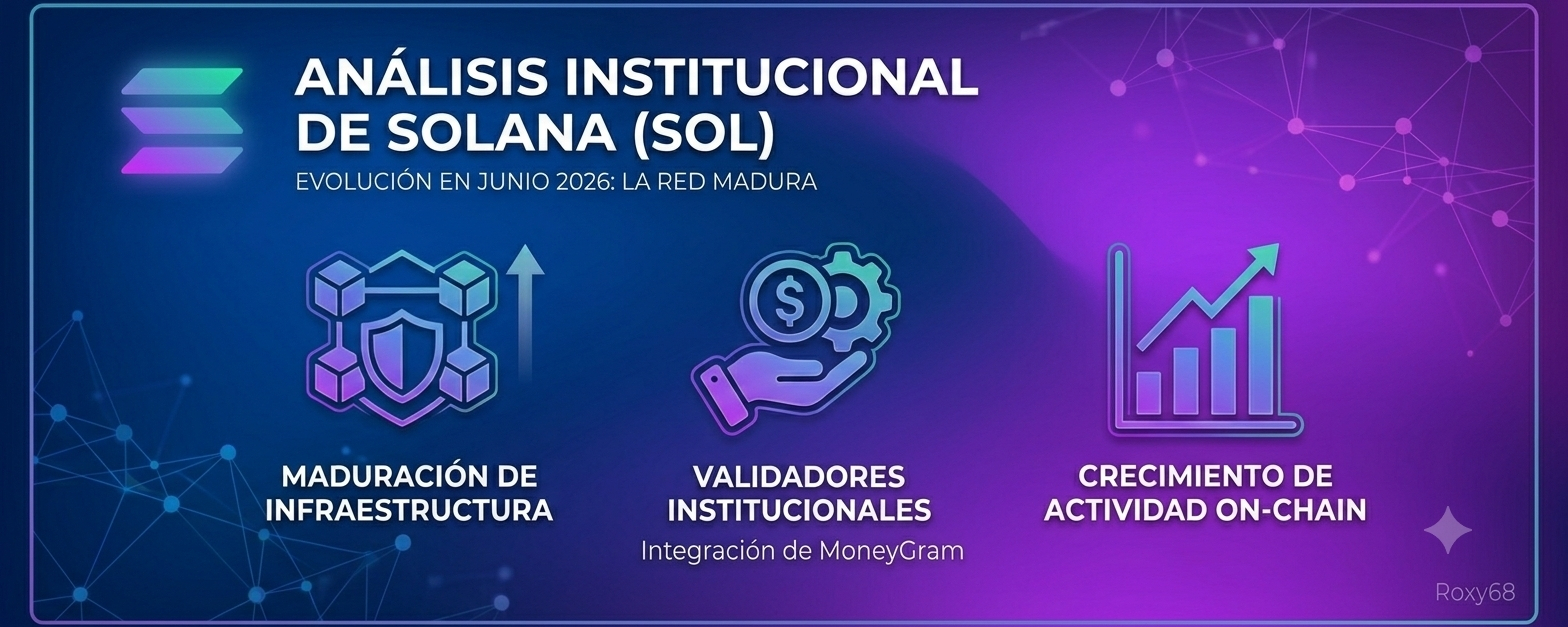
$Solana 2026年6月:ネットワークが機関化される 🏗️この6月、Solanaの周りのストーリーが大きく変わりました。通常の市場の変動を超えて、エコシステムは「インフラの成熟段階」に入っています。
最近数週間で何を観察しましたか?
バリデーションの制度化:MoneyGramのようなグローバルなプレーヤーがアクティブなバリデーターとして組み込まれることは、重要な技術的マイルストーンです。これは単なるマーケティングではなく、大手決済会社が自らの金融インフラを保証するためにネットワークのガバナンスとセキュリティに直接統合されていることを示すサインです。
$Solana 2026年6月:ネットワークが機関化される 🏗️
この6月、Solanaの周りのストーリーが大きく変わりました。通常の市場の変動を超えて、エコシステムは「インフラの成熟段階」に入っています。
最近数週間で何を観察しましたか?
バリデーションの制度化:MoneyGramのようなグローバルなプレーヤーがアクティブなバリデーターとして組み込まれることは、重要な技術的マイルストーンです。これは単なるマーケティングではなく、大手決済会社が自らの金融インフラを保証するためにネットワークのガバナンスとセキュリティに直接統合されていることを示すサインです。
最近数週間で何を観察しましたか?
バリデーションの制度化:MoneyGramのようなグローバルなプレーヤーがアクティブなバリデーターとして組み込まれることは、重要な技術的マイルストーンです。これは単なるマーケティングではなく、大手決済会社が自らの金融インフラを保証するためにネットワークのガバナンスとセキュリティに直接統合されていることを示すサインです。
53
ログインして、さらにコンテンツを読む
厳選トピックで世界の暗号資産トレーダーの仲間入り
⚡️ 暗号資産に関する最新かつ有益な情報が見つかります。
💬 世界最大の暗号資産取引所から信頼されています。
👍 認証を受けたクリエイターから、有益なインサイトを得られます。
メール / 電話番号
トレンドトピック
1
#CPIWatch
閲覧回数 87.1M
503,095人が討論中
2
#EtherRalliesAsBearishBetsLiquidate
閲覧回数 0
0人が討論中
3
#EthereumHits$2600FirstTimeInSevenMonths
閲覧回数 34
3人が討論中
4
#USInflationHoldsAt3.4%InAugust
閲覧回数 0
0人が討論中
5
#CircleProposes$400MTazapayAcquisition
閲覧回数 34
3人が討論中
6
#BitcoinReboundsAbove$79KAfterCPI
閲覧回数 4,282
140人が討論中
7
#BNBTops730USDT
閲覧回数 33,180
814人が討論中
8
#BitcoinOpenInterestShareRisesTo42.1%
閲覧回数 18,729
456人が討論中
9
#OpenAILaunchesAgentsAPIPublicBeta
閲覧回数 15,184
285人が討論中
10
#SpotGoldRises0.87%SilverGains1.13%
閲覧回数 13,720
252人が討論中