
CryptoWithAhmar
97 Posts

CryptoWithAhmar
Report
Block User
Professional crypto trader focused on smart risk, market structure, and high-probability setups.
Occasional Trader
2.7 Years
4 Following
18 Followers
149 Liked
Posts
All
Quotes
$XRP
In the update about XRP a week ago, we discussed how it is important that the chart breaks below the double bottom liquidity, and if it doesnt, the chart would have enough juice to go up ill the RED BOX.
Now we are seeing that the chat is showing us that retracement till the red box.
The chart is up almost 10% from the liquidity area, and now is heading towards the rejection RED BOX.
The rejection is likely, but flipping $1.20 on daily, would change a lot for this chart. Slim chances, but there are chances.
$XRP $ETH $SOL
#BitcoinReboundsAbove #DowHitsRecordHigh #CelestiaDeploysV9MainnetUpgrade #KOSPIOpensUp1.41% #SanDiskSeagateMicronSlide
$XRP
In the update about XRP a week ago, we discussed how it is important that the chart breaks below the double bottom liquidity, and if it doesnt, the chart would have enough juice to go up ill the RED BOX.
Now we are seeing that the chat is showing us that retracement till the red box.
The chart is up almost 10% from the liquidity area, and now is heading towards the rejection RED BOX.
The rejection is likely, but flipping $1.20 on daily, would change a lot for this chart. Slim chances, but there are chances.
$XRP $ETH $SOL
#BitcoinReboundsAbove #DowHitsRecordHigh #CelestiaDeploysV9MainnetUpgrade #KOSPIOpensUp1.41% #SanDiskSeagateMicronSlide
In the update about XRP a week ago, we discussed how it is important that the chart breaks below the double bottom liquidity, and if it doesnt, the chart would have enough juice to go up ill the RED BOX.
Now we are seeing that the chat is showing us that retracement till the red box.
The chart is up almost 10% from the liquidity area, and now is heading towards the rejection RED BOX.
The rejection is likely, but flipping $1.20 on daily, would change a lot for this chart. Slim chances, but there are chances.
$XRP $ETH $SOL
#BitcoinReboundsAbove #DowHitsRecordHigh #CelestiaDeploysV9MainnetUpgrade #KOSPIOpensUp1.41% #SanDiskSeagateMicronSlide
1
66
*BREAKING* 🚨
Around *50 million people* are expected to attend *Iranian Supreme Leader Ayatollah Khamenei's funeral,* which could make it the largest funeral gathering in history.
$BTC $ETH $SOL
#SouthKoreanStocksRise5% #DowHitsRecordHigh #SanDiskSeagateMicronSlide #CelestiaDeploysV9MainnetUpgrade #PhiladelphiaSemiconductorIndexFalls4%
*BREAKING* 🚨
Around *50 million people* are expected to attend *Iranian Supreme Leader Ayatollah Khamenei's funeral,* which could make it the largest funeral gathering in history.
$BTC $ETH $SOL
#SouthKoreanStocksRise5% #DowHitsRecordHigh #SanDiskSeagateMicronSlide #CelestiaDeploysV9MainnetUpgrade #PhiladelphiaSemiconductorIndexFalls4%
Around *50 million people* are expected to attend *Iranian Supreme Leader Ayatollah Khamenei's funeral,* which could make it the largest funeral gathering in history.
$BTC $ETH $SOL
#SouthKoreanStocksRise5% #DowHitsRecordHigh #SanDiskSeagateMicronSlide #CelestiaDeploysV9MainnetUpgrade #PhiladelphiaSemiconductorIndexFalls4%
1
3
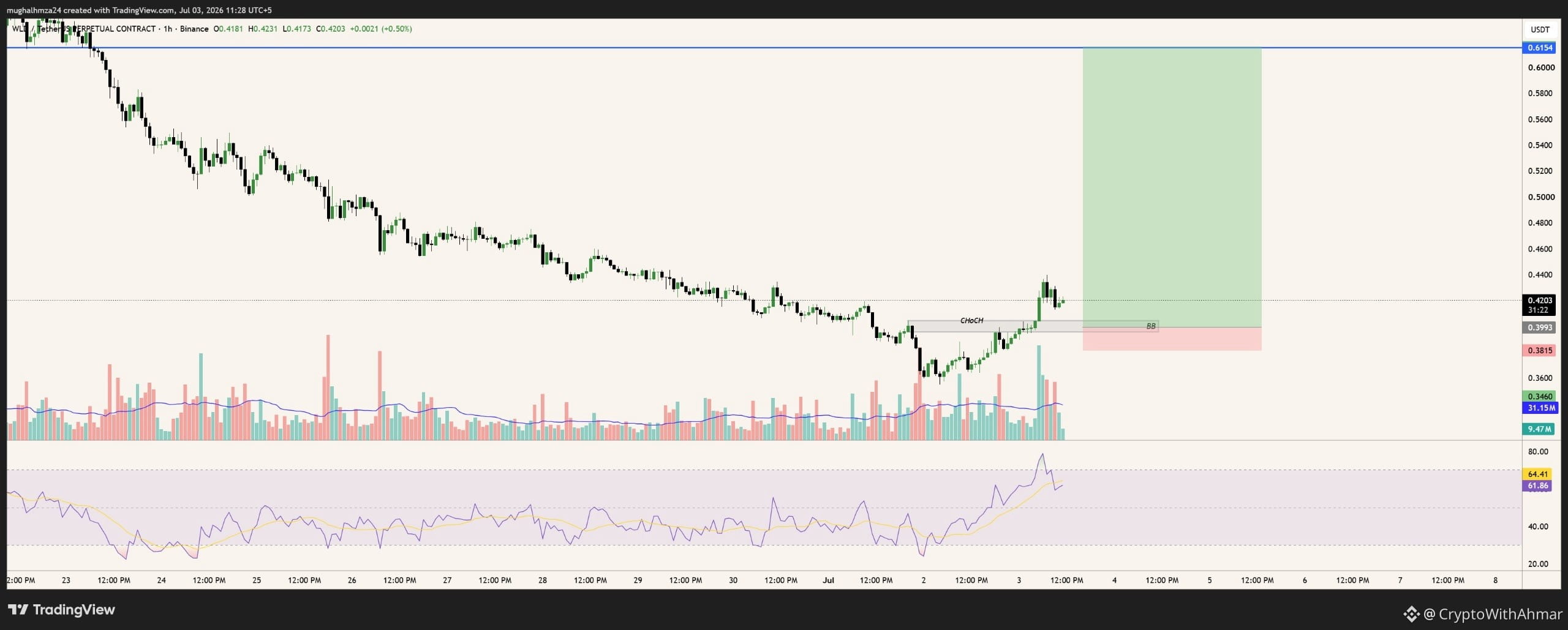
WLD/USDT
LONG LIMIT
Leverage 35-45X
1% Margin
Entry
0.3993-0.3974
TARGETS
0.4015
0.4211
0.4900
0.5500
0.5800
0.6154
SL
0.3815
$WLD $SOL $ETH
#SouthKoreanStocksRise5% #DowHitsRecordHigh #ChrisLarsenInvestsInGillibrandSonExchange EthereumBreaks$1700Up7.98%#SanDiskSeagateMicronSlide #CelestiaDeploysV9MainnetUpgrade
WLD/USDT
LONG LIMIT
Leverage 35-45X
1% Margin
Entry
0.3993-0.3974
TARGETS
0.4015
0.4211
0.4900
0.5500
0.5800
0.6154
SL
0.3815
$WLD $SOL $ETH
#SouthKoreanStocksRise5% #DowHitsRecordHigh #ChrisLarsenInvestsInGillibrandSonExchange EthereumBreaks$1700Up7.98%#SanDiskSeagateMicronSlide #CelestiaDeploysV9MainnetUpgrade
LONG LIMIT
Leverage 35-45X
1% Margin
Entry
0.3993-0.3974
TARGETS
0.4015
0.4211
0.4900
0.5500
0.5800
0.6154
SL
0.3815
$WLD $SOL $ETH
#SouthKoreanStocksRise5% #DowHitsRecordHigh #ChrisLarsenInvestsInGillibrandSonExchange EthereumBreaks$1700Up7.98%#SanDiskSeagateMicronSlide #CelestiaDeploysV9MainnetUpgrade
1
238
$BTC
Bitcoin, following the bullish divergence on the daily chart is attempting a lower high and the range of the lower high is mentioned by the RED BOX.
The box has confluences, and should HOLD.
A little flick towards 66k due to some positive news catalyst can be considered but as far as the current data on charts is concerned, BTC should drop from the mentioned RED BOX.
What are your thoughts?
BitcoinFell20.5%InJuneTo$58526#SKHynix2xLongETFFallsOver30% #BitcoinWorstFirstHalfSince2022 #AvalancheTreasuryFlagsGoingConcernRisk #BlackRockIBITHoldingsFallNearly100000BTC #MicronFalls10.5%
$BTC
Bitcoin, following the bullish divergence on the daily chart is attempting a lower high and the range of the lower high is mentioned by the RED BOX.
The box has confluences, and should HOLD.
A little flick towards 66k due to some positive news catalyst can be considered but as far as the current data on charts is concerned, BTC should drop from the mentioned RED BOX.
What are your thoughts?
BitcoinFell20.5%InJuneTo$58526#SKHynix2xLongETFFallsOver30% #BitcoinWorstFirstHalfSince2022 #AvalancheTreasuryFlagsGoingConcernRisk #BlackRockIBITHoldingsFallNearly100000BTC #MicronFalls10.5%
Bitcoin, following the bullish divergence on the daily chart is attempting a lower high and the range of the lower high is mentioned by the RED BOX.
The box has confluences, and should HOLD.
A little flick towards 66k due to some positive news catalyst can be considered but as far as the current data on charts is concerned, BTC should drop from the mentioned RED BOX.
What are your thoughts?
BitcoinFell20.5%InJuneTo$58526#SKHynix2xLongETFFallsOver30% #BitcoinWorstFirstHalfSince2022 #AvalancheTreasuryFlagsGoingConcernRisk #BlackRockIBITHoldingsFallNearly100000BTC #MicronFalls10.5%
1
105
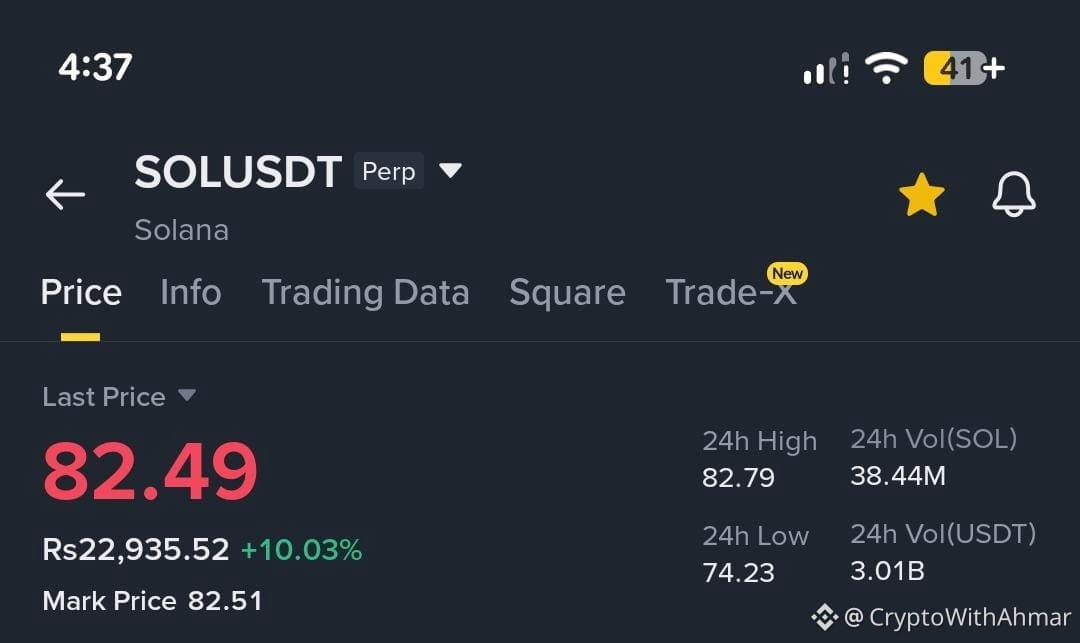
SOL/USDT
SHORT
*LEVERAGE 5-10X ONLY*
1% MARGIN on both entries
ENTRY
CMP ($82.50)
DCA POINT 👉🏻 89
TARGETS 🎯
81.50
80.00
75.00
70.13
65.50
60.00
SL 🚫
1D closing above 90
$SOL $LINK $ETH
#SKHynix2xLongETFFallsOver30% BitcoinFell20.5%InJuneTo$58526#KospiPlunges7.89% #BitcoinWorstFirstHalfSince2022 #BlackRockIBITHoldingsFallNearly100000BTC #AsianStocksDeclineOnChipSelloff
SOL/USDT
SHORT
*LEVERAGE 5-10X ONLY*
1% MARGIN on both entries
ENTRY
CMP ($82.50)
DCA POINT 👉🏻 89
TARGETS 🎯
81.50
80.00
75.00
70.13
65.50
60.00
SL 🚫
1D closing above 90
$SOL $LINK $ETH
#SKHynix2xLongETFFallsOver30% BitcoinFell20.5%InJuneTo$58526#KospiPlunges7.89% #BitcoinWorstFirstHalfSince2022 #BlackRockIBITHoldingsFallNearly100000BTC #AsianStocksDeclineOnChipSelloff
SHORT
*LEVERAGE 5-10X ONLY*
1% MARGIN on both entries
ENTRY
CMP ($82.50)
DCA POINT 👉🏻 89
TARGETS 🎯
81.50
80.00
75.00
70.13
65.50
60.00
SL 🚫
1D closing above 90
$SOL $LINK $ETH
#SKHynix2xLongETFFallsOver30% BitcoinFell20.5%InJuneTo$58526#KospiPlunges7.89% #BitcoinWorstFirstHalfSince2022 #BlackRockIBITHoldingsFallNearly100000BTC #AsianStocksDeclineOnChipSelloff
1
104
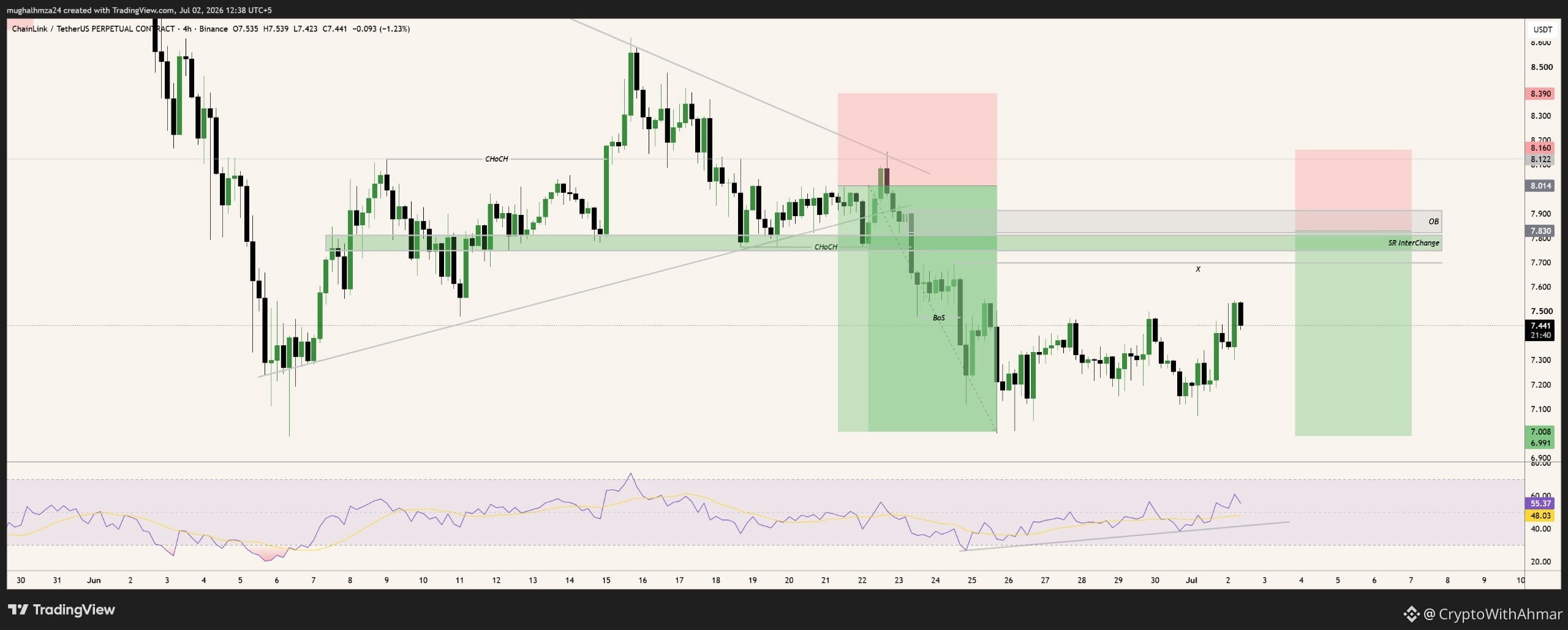
LINK/USDDT
SHORT LIMIT
LEVERAGE 50-75X
1% Margin
Entry
7.830
TARGETS
7.65
7.45
7.10
6.99
SL
8.160
$BTC $LINK $ETH
Binance1B$inStocks#USADP98KMiss BitcoinFell20.5%InJuneTo$58526#SKHynix2xLongETFFallsOver30% #BitcoinWorstFirstHalfSince2022 #KospiPlunges7.89% #AvalancheTreasuryFlagsGoingConcernRisk
LINK/USDDT
SHORT LIMIT
LEVERAGE 50-75X
1% Margin
Entry
7.830
TARGETS
7.65
7.45
7.10
6.99
SL
8.160
$BTC $LINK $ETH
Binance1B$inStocks#USADP98KMiss BitcoinFell20.5%InJuneTo$58526#SKHynix2xLongETFFallsOver30% #BitcoinWorstFirstHalfSince2022 #KospiPlunges7.89% #AvalancheTreasuryFlagsGoingConcernRisk
SHORT LIMIT
LEVERAGE 50-75X
1% Margin
Entry
7.830
TARGETS
7.65
7.45
7.10
6.99
SL
8.160
$BTC $LINK $ETH
Binance1B$inStocks#USADP98KMiss BitcoinFell20.5%InJuneTo$58526#SKHynix2xLongETFFallsOver30% #BitcoinWorstFirstHalfSince2022 #KospiPlunges7.89% #AvalancheTreasuryFlagsGoingConcernRisk
1
119
GTA 6 EXPECTED PRE ORDER PRICE IN PAKISTAN 👇
Standard Edition: $79.99 (Approximately PKR 22,500 - 23,500 depending on exchange rates & taxes)
Ultimate Edition: $99.99 (Approximately PKR 28,000 - 30,000)
#SpaceXSharesFall #EthereumFoundationToCutBudget40% #BTCBreaksBelowRainbowChartFloor #GTAVI #NasdaqDrops2.2%
$BTC $ETH $SOL
GTA 6 EXPECTED PRE ORDER PRICE IN PAKISTAN 👇
Standard Edition: $79.99 (Approximately PKR 22,500 - 23,500 depending on exchange rates & taxes)
Ultimate Edition: $99.99 (Approximately PKR 28,000 - 30,000)
#SpaceXSharesFall #EthereumFoundationToCutBudget40% #BTCBreaksBelowRainbowChartFloor #GTAVI #NasdaqDrops2.2%
$BTC $ETH $SOL
Standard Edition: $79.99 (Approximately PKR 22,500 - 23,500 depending on exchange rates & taxes)
Ultimate Edition: $99.99 (Approximately PKR 28,000 - 30,000)
#SpaceXSharesFall #EthereumFoundationToCutBudget40% #BTCBreaksBelowRainbowChartFloor #GTAVI #NasdaqDrops2.2%
$BTC $ETH $SOL

1
149
ROSE/USDT
SPOT BUYING ONLY
ENTRY ⛔
CMP $0.01140-0.01150
TARGETS 🎯
0.011628
0.011856
0.012312
0.013110
0.015050
SL 🚫
0.09987
$BTC $ETH $ROSE
#SamAltmanSpeaksOutAfterAllegedAttack #HighestCPISince2022 #CZonTBPNInterview #FedNomineeHearingDelay #BinanceWalletLaunchesPredictionMarkets
ROSE/USDT
SPOT BUYING ONLY
ENTRY ⛔
CMP $0.01140-0.01150
TARGETS 🎯
0.011628
0.011856
0.012312
0.013110
0.015050
SL 🚫
0.09987
$BTC $ETH $ROSE
#SamAltmanSpeaksOutAfterAllegedAttack #HighestCPISince2022 #CZonTBPNInterview #FedNomineeHearingDelay #BinanceWalletLaunchesPredictionMarkets
SPOT BUYING ONLY
ENTRY ⛔
CMP $0.01140-0.01150
TARGETS 🎯
0.011628
0.011856
0.012312
0.013110
0.015050
SL 🚫
0.09987
$BTC $ETH $ROSE
#SamAltmanSpeaksOutAfterAllegedAttack #HighestCPISince2022 #CZonTBPNInterview #FedNomineeHearingDelay #BinanceWalletLaunchesPredictionMarkets
1
98
BTC/USDT
LONG
SWING TRADE
LEVERAGE 5-10X ONLY
ENTRY ⛔
70,800 (1% MARGIN)
DCA POINT 👉🏻 67,957 1.5% MARGIN
TARGETS 🎯
71300
71800
72500
73300
74000
76000
79000
84000
SL 🚫
66630
Ye trade guys MID-RISK hay. We should wait and let the setup play out. The market is manipulative so we should be patient.
One more thing: safe traders can avoid and enter from DCA POINT.
#BinanceWalletLaunchesPredictionMarkets #freedomofmoney #IranClosesHormuzAgain #CZLiveAMA #EthereumFoundationETHSaleForOperations
$BTC $ETH $XRP
BTC/USDT
LONG
SWING TRADE
LEVERAGE 5-10X ONLY
ENTRY ⛔
70,800 (1% MARGIN)
DCA POINT 👉🏻 67,957 1.5% MARGIN
TARGETS 🎯
71300
71800
72500
73300
74000
76000
79000
84000
SL 🚫
66630
Ye trade guys MID-RISK hay. We should wait and let the setup play out. The market is manipulative so we should be patient.
One more thing: safe traders can avoid and enter from DCA POINT.
#BinanceWalletLaunchesPredictionMarkets #freedomofmoney #IranClosesHormuzAgain #CZLiveAMA #EthereumFoundationETHSaleForOperations
$BTC $ETH $XRP
LONG
SWING TRADE
LEVERAGE 5-10X ONLY
ENTRY ⛔
70,800 (1% MARGIN)
DCA POINT 👉🏻 67,957 1.5% MARGIN
TARGETS 🎯
71300
71800
72500
73300
74000
76000
79000
84000
SL 🚫
66630
Ye trade guys MID-RISK hay. We should wait and let the setup play out. The market is manipulative so we should be patient.
One more thing: safe traders can avoid and enter from DCA POINT.
#BinanceWalletLaunchesPredictionMarkets #freedomofmoney #IranClosesHormuzAgain #CZLiveAMA #EthereumFoundationETHSaleForOperations
$BTC $ETH $XRP
2
46
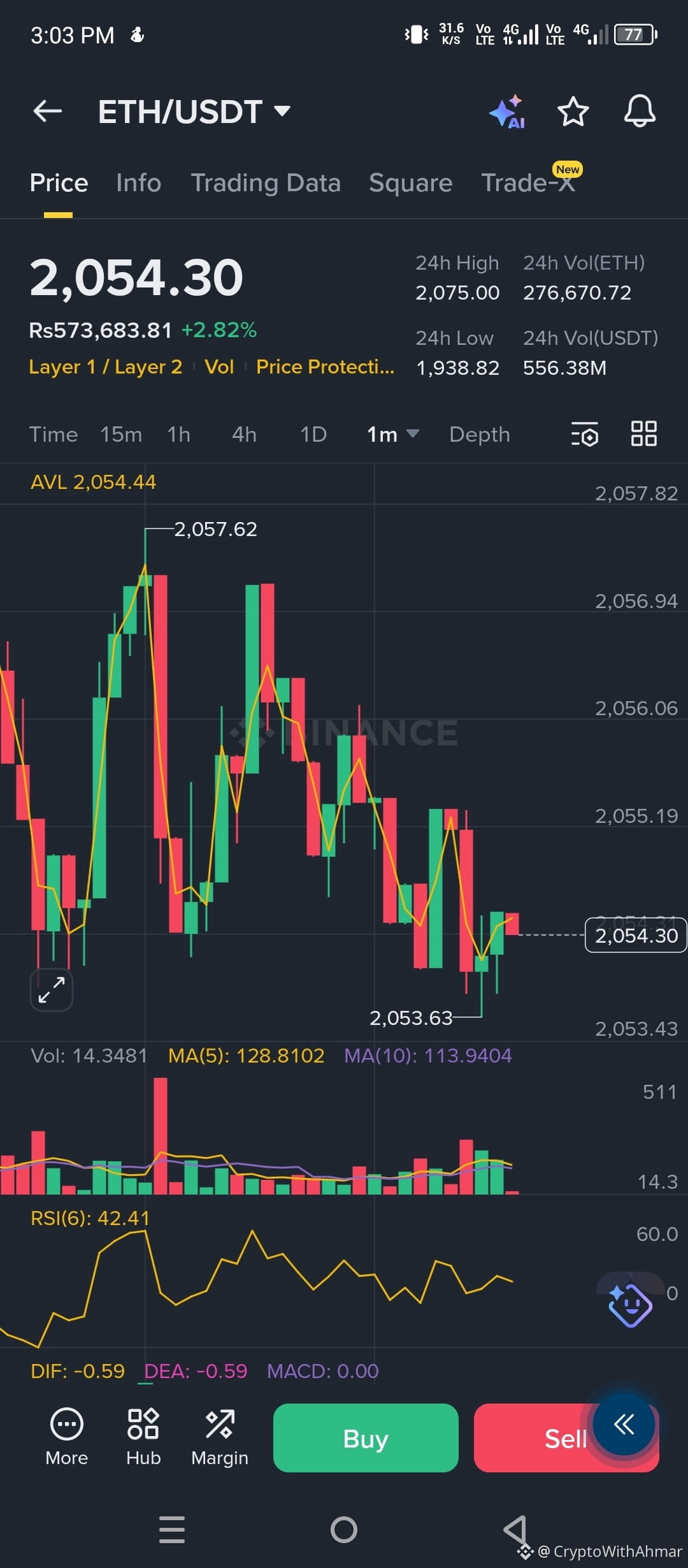
ETH/USDT
LONG
ENTRY
CMP 2054-2045
TARGETS:
2070
2097
2140
2200
2300
2389
SL:
1979
$ETH $SOL $XRP
#AsiaStocksPlunge #USNoKingsProtests #BTCETFFeeRace #BitcoinPrices #TrumpSeeksQuickEndToIranWar
ETH/USDT
LONG
ENTRY
CMP 2054-2045
TARGETS:
2070
2097
2140
2200
2300
2389
SL:
1979
$ETH $SOL $XRP
#AsiaStocksPlunge #USNoKingsProtests #BTCETFFeeRace #BitcoinPrices #TrumpSeeksQuickEndToIranWar
LONG
ENTRY
CMP 2054-2045
TARGETS:
2070
2097
2140
2200
2300
2389
SL:
1979
$ETH $SOL $XRP
#AsiaStocksPlunge #USNoKingsProtests #BTCETFFeeRace #BitcoinPrices #TrumpSeeksQuickEndToIranWar
1
43
Sign: Powering Digital Sovereignty in the Middle East 🚀As the Middle East rapidly evolves into a global hub for technology and finance, the need for secure, scalable, and sovereign digital infrastructure has never been greater. This is where @SignOfficial steps in with a powerful vision building the backbone of digital sovereignty through blockchain innovation.
The $SIGN token is more than just a digital asset; it represents a shift toward self-owned identity, decentralized trust, and infrastructure that empowers governments, businesses, and individuals. In a region investing heavily in smart cities, fintech, and digital transformation, Sign is perfectly positioned to support this growth.
By focusing on real utility, transparency, and long-term development, Sign is aligning itself with the future of decentralized economies. The ability to verify, secure, and scale digital interactions will be critical—and Sign is already laying that foundation.
With increasing adoption and strong fundamentals, $SIGN has the potential to become a key pillar in the Middle East’s digital economy. This is not just innovation—it’s infrastructure for the next era.
#SignDigital
SovereignInfra
#signdigitalalsovereigninfra
#SignDigitalSovereignlnfra
Sign: Powering Digital Sovereignty in the Middle East 🚀
As the Middle East rapidly evolves into a global hub for technology and finance, the need for secure, scalable, and sovereign digital infrastructure has never been greater. This is where @SignOfficial steps in with a powerful vision building the backbone of digital sovereignty through blockchain innovation.
The $SIGN token is more than just a digital asset; it represents a shift toward self-owned identity, decentralized trust, and infrastructure that empowers governments, businesses, and individuals. In a region investing heavily in smart cities, fintech, and digital transformation, Sign is perfectly positioned to support this growth.
By focusing on real utility, transparency, and long-term development, Sign is aligning itself with the future of decentralized economies. The ability to verify, secure, and scale digital interactions will be critical—and Sign is already laying that foundation.
With increasing adoption and strong fundamentals, $SIGN has the potential to become a key pillar in the Middle East’s digital economy. This is not just innovation—it’s infrastructure for the next era.
#SignDigital
SovereignInfra
#signdigitalalsovereigninfra
#SignDigitalSovereignlnfra
The $SIGN token is more than just a digital asset; it represents a shift toward self-owned identity, decentralized trust, and infrastructure that empowers governments, businesses, and individuals. In a region investing heavily in smart cities, fintech, and digital transformation, Sign is perfectly positioned to support this growth.
By focusing on real utility, transparency, and long-term development, Sign is aligning itself with the future of decentralized economies. The ability to verify, secure, and scale digital interactions will be critical—and Sign is already laying that foundation.
With increasing adoption and strong fundamentals, $SIGN has the potential to become a key pillar in the Middle East’s digital economy. This is not just innovation—it’s infrastructure for the next era.
#SignDigital
SovereignInfra
#signdigitalalsovereigninfra
#SignDigitalSovereignlnfra
3
Sign Token: Building Value Beyond the Hype 🚀In a space often driven by short-term hype and fleeting trends, Sign Token is quietly carving out a reputation built on substance, consistency, and vision. What makes this project stand out is not just its technology, but the intention behind it. While many tokens chase attention, Sign Token focuses on delivering real value—something that becomes clearer with every update and milestone achieved.
The strength of Sign Token lies in its commitment to utility. Instead of relying purely on speculation, it is building an ecosystem where the token has a meaningful role. This approach not only strengthens its foundation but also attracts a more serious and long-term community. People aren’t just holding Sign Token—they are believing in what it represents and where it’s headed.
Another aspect worth appreciating is the team’s consistency. In crypto, silence or broken promises can quickly erode trust. However, Sign Token has shown a steady pace of development, keeping its community informed and engaged. This transparency creates confidence, and confidence is one of the most valuable currencies in any market. It’s clear that the team understands this and treats it as a priority.
The community itself is also becoming one of Sign Token’s biggest strengths. A project is only as strong as the people supporting it, and here we see a growing network of individuals who genuinely believe in its future. This organic growth is far more powerful than artificial hype, as it creates a solid base that can withstand market volatility.
What truly sets Sign Token apart is its long-term vision. It’s not trying to be a quick success story—it’s positioning itself as a sustainable and evolving platform. This mindset is crucial in a market where many projects fade away after initial excitement. Sign Token, on the other hand, is laying down the groundwork for lasting impact.
As the ecosystem continues to expand, the potential for Sign Token becomes even more exciting. With increased adoption, stronger partnerships, and continued innovation, it has all the ingredients needed to grow into something significant. It’s still early in its journey, which makes it even more interesting for those who are paying attention now.
In the end, Sign Token represents what many in the crypto space are searching for: a project that balances innovation with reliability, ambition with execution, and vision with action. It’s refreshing to see something that prioritizes real progress over noise. If it continues on this path, there’s little doubt that Sign Token will earn its place among the more respected and impactful projects in the industry.
For anyone looking beyond the surface and into the future of blockchain, Sign Token is definitely a name worth remembering—and appreciating. 🚀
#signdiditalsovereigninfra $SIGN @SignOfficial
Sign Token: Building Value Beyond the Hype 🚀
In a space often driven by short-term hype and fleeting trends, Sign Token is quietly carving out a reputation built on substance, consistency, and vision. What makes this project stand out is not just its technology, but the intention behind it. While many tokens chase attention, Sign Token focuses on delivering real value—something that becomes clearer with every update and milestone achieved.
The strength of Sign Token lies in its commitment to utility. Instead of relying purely on speculation, it is building an ecosystem where the token has a meaningful role. This approach not only strengthens its foundation but also attracts a more serious and long-term community. People aren’t just holding Sign Token—they are believing in what it represents and where it’s headed.
Another aspect worth appreciating is the team’s consistency. In crypto, silence or broken promises can quickly erode trust. However, Sign Token has shown a steady pace of development, keeping its community informed and engaged. This transparency creates confidence, and confidence is one of the most valuable currencies in any market. It’s clear that the team understands this and treats it as a priority.
The community itself is also becoming one of Sign Token’s biggest strengths. A project is only as strong as the people supporting it, and here we see a growing network of individuals who genuinely believe in its future. This organic growth is far more powerful than artificial hype, as it creates a solid base that can withstand market volatility.
What truly sets Sign Token apart is its long-term vision. It’s not trying to be a quick success story—it’s positioning itself as a sustainable and evolving platform. This mindset is crucial in a market where many projects fade away after initial excitement. Sign Token, on the other hand, is laying down the groundwork for lasting impact.
As the ecosystem continues to expand, the potential for Sign Token becomes even more exciting. With increased adoption, stronger partnerships, and continued innovation, it has all the ingredients needed to grow into something significant. It’s still early in its journey, which makes it even more interesting for those who are paying attention now.
In the end, Sign Token represents what many in the crypto space are searching for: a project that balances innovation with reliability, ambition with execution, and vision with action. It’s refreshing to see something that prioritizes real progress over noise. If it continues on this path, there’s little doubt that Sign Token will earn its place among the more respected and impactful projects in the industry.
For anyone looking beyond the surface and into the future of blockchain, Sign Token is definitely a name worth remembering—and appreciating. 🚀
#signdiditalsovereigninfra $SIGN @SignOfficial
The strength of Sign Token lies in its commitment to utility. Instead of relying purely on speculation, it is building an ecosystem where the token has a meaningful role. This approach not only strengthens its foundation but also attracts a more serious and long-term community. People aren’t just holding Sign Token—they are believing in what it represents and where it’s headed.
Another aspect worth appreciating is the team’s consistency. In crypto, silence or broken promises can quickly erode trust. However, Sign Token has shown a steady pace of development, keeping its community informed and engaged. This transparency creates confidence, and confidence is one of the most valuable currencies in any market. It’s clear that the team understands this and treats it as a priority.
The community itself is also becoming one of Sign Token’s biggest strengths. A project is only as strong as the people supporting it, and here we see a growing network of individuals who genuinely believe in its future. This organic growth is far more powerful than artificial hype, as it creates a solid base that can withstand market volatility.
What truly sets Sign Token apart is its long-term vision. It’s not trying to be a quick success story—it’s positioning itself as a sustainable and evolving platform. This mindset is crucial in a market where many projects fade away after initial excitement. Sign Token, on the other hand, is laying down the groundwork for lasting impact.
As the ecosystem continues to expand, the potential for Sign Token becomes even more exciting. With increased adoption, stronger partnerships, and continued innovation, it has all the ingredients needed to grow into something significant. It’s still early in its journey, which makes it even more interesting for those who are paying attention now.
In the end, Sign Token represents what many in the crypto space are searching for: a project that balances innovation with reliability, ambition with execution, and vision with action. It’s refreshing to see something that prioritizes real progress over noise. If it continues on this path, there’s little doubt that Sign Token will earn its place among the more respected and impactful projects in the industry.
For anyone looking beyond the surface and into the future of blockchain, Sign Token is definitely a name worth remembering—and appreciating. 🚀
#signdiditalsovereigninfra $SIGN @SignOfficial
23
Sign Token: Building Value Beyond the Hype 🚀In a space often driven by short-term hype and fleeting trends, Sign Token is quietly carving out a reputation built on substance, consistency, and vision. What makes this project stand out is not just its technology, but the intention behind it. While many tokens chase attention, Sign Token focuses on delivering real value something that becomes clearer with every update and milestone achieved.
The strength of Sign Token lies in its commitment to utility. Instead of relying purely on speculation, it is building an ecosystem where the token has a meaningful role. This approach not only strengthens its foundation but also attracts a more serious and long term community. People aren’t just holding Sign Token they are believing in what it represents and where it’s headed.
Another aspect worth appreciating is the team’s consistency. In crypto, silence or broken promises can quickly erode trust. However, Sign Token has shown a steady pace of development, keeping its community informed and engaged. This transparency creates confidence, and confidence is one of the most valuable currencies in any market. It’s clear that the team understands this and treats it as a priority.
The community itself is also becoming one of Sign Token’s biggest strengths. A project is only as strong as the people supporting it, and here we see a growing network of individuals who genuinely believe in its future. This organic growth is far more powerful than artificial hype, as it creates a solid base that can withstand market volatility.
What truly sets Sign Token apart is its long-term vision. It’s not trying to be a quick success story it’s positioning itself as a sustainable and evolving platform. This mindset is crucial in a market where many projects fade away after initial excitement. Sign Token, on the other hand, is laying down the groundwork for lasting impact.
As the ecosystem continues to expand, the potential for Sign Token becomes even more exciting. With increased adoption, stronger partnerships, and continued innovation, it has all the ingredients needed to grow into something significant. It’s still early in its journey, which makes it even more interesting for those who are paying attention now.
In the end, Sign Token represents what many in the crypto space are searching for: a project that balances innovation with reliability, ambition with execution, and vision with action. It’s refreshing to see something that prioritizes real progress over noise. If it continues on this path, there’s little doubt that Sign Token will earn its place among the more respected and impactful projects in the industry.
For anyone looking beyond the surface and into the future of blockchain, Sign Token is definitely a name worth remembering—and appreciating. 🚀
#signdigitalalsovereigninfra $SIGN @SignOfficial
Sign Token: Building Value Beyond the Hype 🚀
In a space often driven by short-term hype and fleeting trends, Sign Token is quietly carving out a reputation built on substance, consistency, and vision. What makes this project stand out is not just its technology, but the intention behind it. While many tokens chase attention, Sign Token focuses on delivering real value something that becomes clearer with every update and milestone achieved.
The strength of Sign Token lies in its commitment to utility. Instead of relying purely on speculation, it is building an ecosystem where the token has a meaningful role. This approach not only strengthens its foundation but also attracts a more serious and long term community. People aren’t just holding Sign Token they are believing in what it represents and where it’s headed.
Another aspect worth appreciating is the team’s consistency. In crypto, silence or broken promises can quickly erode trust. However, Sign Token has shown a steady pace of development, keeping its community informed and engaged. This transparency creates confidence, and confidence is one of the most valuable currencies in any market. It’s clear that the team understands this and treats it as a priority.
The community itself is also becoming one of Sign Token’s biggest strengths. A project is only as strong as the people supporting it, and here we see a growing network of individuals who genuinely believe in its future. This organic growth is far more powerful than artificial hype, as it creates a solid base that can withstand market volatility.
What truly sets Sign Token apart is its long-term vision. It’s not trying to be a quick success story it’s positioning itself as a sustainable and evolving platform. This mindset is crucial in a market where many projects fade away after initial excitement. Sign Token, on the other hand, is laying down the groundwork for lasting impact.
As the ecosystem continues to expand, the potential for Sign Token becomes even more exciting. With increased adoption, stronger partnerships, and continued innovation, it has all the ingredients needed to grow into something significant. It’s still early in its journey, which makes it even more interesting for those who are paying attention now.
In the end, Sign Token represents what many in the crypto space are searching for: a project that balances innovation with reliability, ambition with execution, and vision with action. It’s refreshing to see something that prioritizes real progress over noise. If it continues on this path, there’s little doubt that Sign Token will earn its place among the more respected and impactful projects in the industry.
For anyone looking beyond the surface and into the future of blockchain, Sign Token is definitely a name worth remembering—and appreciating. 🚀
#signdigitalalsovereigninfra $SIGN @SignOfficial
The strength of Sign Token lies in its commitment to utility. Instead of relying purely on speculation, it is building an ecosystem where the token has a meaningful role. This approach not only strengthens its foundation but also attracts a more serious and long term community. People aren’t just holding Sign Token they are believing in what it represents and where it’s headed.
Another aspect worth appreciating is the team’s consistency. In crypto, silence or broken promises can quickly erode trust. However, Sign Token has shown a steady pace of development, keeping its community informed and engaged. This transparency creates confidence, and confidence is one of the most valuable currencies in any market. It’s clear that the team understands this and treats it as a priority.
The community itself is also becoming one of Sign Token’s biggest strengths. A project is only as strong as the people supporting it, and here we see a growing network of individuals who genuinely believe in its future. This organic growth is far more powerful than artificial hype, as it creates a solid base that can withstand market volatility.
What truly sets Sign Token apart is its long-term vision. It’s not trying to be a quick success story it’s positioning itself as a sustainable and evolving platform. This mindset is crucial in a market where many projects fade away after initial excitement. Sign Token, on the other hand, is laying down the groundwork for lasting impact.
As the ecosystem continues to expand, the potential for Sign Token becomes even more exciting. With increased adoption, stronger partnerships, and continued innovation, it has all the ingredients needed to grow into something significant. It’s still early in its journey, which makes it even more interesting for those who are paying attention now.
In the end, Sign Token represents what many in the crypto space are searching for: a project that balances innovation with reliability, ambition with execution, and vision with action. It’s refreshing to see something that prioritizes real progress over noise. If it continues on this path, there’s little doubt that Sign Token will earn its place among the more respected and impactful projects in the industry.
For anyone looking beyond the surface and into the future of blockchain, Sign Token is definitely a name worth remembering—and appreciating. 🚀
#signdigitalalsovereigninfra $SIGN @SignOfficial
7
Sign Token is showing impressive growth with a clear focus on real utility and innovation. The team continues to deliver meaningful updates, building trust within the community and strengthening its long-term vision. Its ecosystem is evolving steadily, offering users more value and real use cases beyond hype. The transparency and consistent development make it stand out in a crowded market. As adoption increases, Sign Token has strong potential to become a key player in the space. Excited to see how it scales further and rewards its supporters. Definitely a project worth watching and appreciating for its dedication and progress 🚀
#signdigitalsovereigninfra $SIGN
Sign Token is showing impressive growth with a clear focus on real utility and innovation. The team continues to deliver meaningful updates, building trust within the community and strengthening its long-term vision. Its ecosystem is evolving steadily, offering users more value and real use cases beyond hype. The transparency and consistent development make it stand out in a crowded market. As adoption increases, Sign Token has strong potential to become a key player in the space. Excited to see how it scales further and rewards its supporters. Definitely a project worth watching and appreciating for its dedication and progress 🚀
#signdigitalsovereigninfra $SIGN
#signdigitalsovereigninfra $SIGN
5
#ETH/USDT LONG SETUP 📈
*Entry 1:* 1970
*Entry 2:* 1940
*Take Profit Targets:*
📈TP1: 2000
📈TP2: 2025
📈TP3: 2050
⚠️ *Stop Loss:* 1895
💰 *Leverage* : Cross 50X -100X
Trade safely & manage your risk!
$ETH $BNB $XRP
#BitcoinPrices #TrumpSeeksQuickEndToIranWar #CLARITYActHitAnotherRoadblock #TrumpSaysIranWarHasBeenWon #US-IranTalks
#ETH/USDT LONG SETUP 📈
*Entry 1:* 1970
*Entry 2:* 1940
*Take Profit Targets:*
📈TP1: 2000
📈TP2: 2025
📈TP3: 2050
⚠️ *Stop Loss:* 1895
💰 *Leverage* : Cross 50X -100X
Trade safely & manage your risk!
$ETH $BNB $XRP
#BitcoinPrices #TrumpSeeksQuickEndToIranWar #CLARITYActHitAnotherRoadblock #TrumpSaysIranWarHasBeenWon #US-IranTalks
*Entry 1:* 1970
*Entry 2:* 1940
*Take Profit Targets:*
📈TP1: 2000
📈TP2: 2025
📈TP3: 2050
⚠️ *Stop Loss:* 1895
💰 *Leverage* : Cross 50X -100X
Trade safely & manage your risk!
$ETH $BNB $XRP
#BitcoinPrices #TrumpSeeksQuickEndToIranWar #CLARITYActHitAnotherRoadblock #TrumpSaysIranWarHasBeenWon #US-IranTalks
1
5
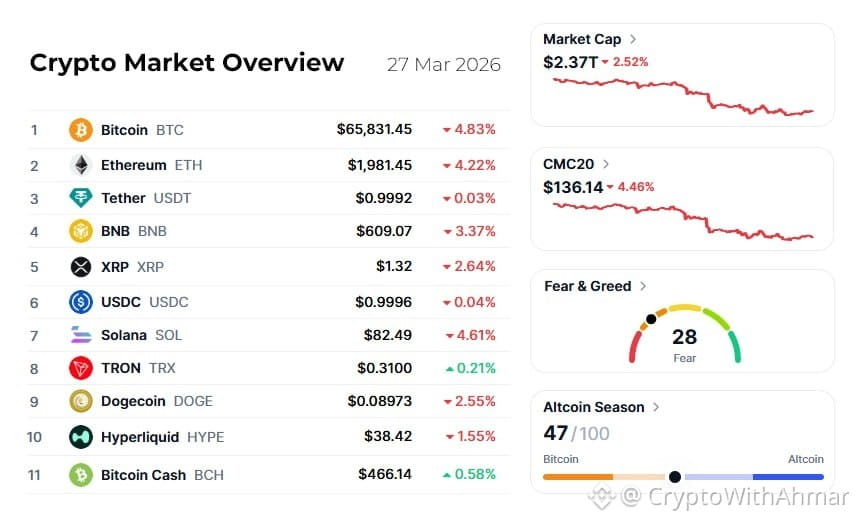
Today’s crypto market overview
$ETH $BNB $XRP
#BitcoinPrices #TrumpSeeksQuickEndToIranWar #CLARITYActHitAnotherRoadblock #OilPricesDrop #TrumpSaysIranWarHasBeenWon
Today’s crypto market overview
$ETH $BNB $XRP
#BitcoinPrices #TrumpSeeksQuickEndToIranWar #CLARITYActHitAnotherRoadblock #OilPricesDrop #TrumpSaysIranWarHasBeenWon
$ETH $BNB $XRP
#BitcoinPrices #TrumpSeeksQuickEndToIranWar #CLARITYActHitAnotherRoadblock #OilPricesDrop #TrumpSaysIranWarHasBeenWon
2
63
ZRO/USDT
LONG
SPOT+FUTURES
LEVERAGE 30-50X
1% MARGIN
ENTRY ⛔
2.1215-2.1200
TARGETS 🎯
2.1300
2.1500
2.1800
2.2000
2.2300
2.2390
SL 🚫
2.018
$ZRO $XRP $SOL
#OilPricesDrop #TrumpSaysIranWarHasBeenWon #CLARITYActHitAnotherRoadblock #TrumpSeeksQuickEndToIranWar #US5DayHalt
ZRO/USDT
LONG
SPOT+FUTURES
LEVERAGE 30-50X
1% MARGIN
ENTRY ⛔
2.1215-2.1200
TARGETS 🎯
2.1300
2.1500
2.1800
2.2000
2.2300
2.2390
SL 🚫
2.018
$ZRO $XRP $SOL
#OilPricesDrop #TrumpSaysIranWarHasBeenWon #CLARITYActHitAnotherRoadblock #TrumpSeeksQuickEndToIranWar #US5DayHalt
LONG
SPOT+FUTURES
LEVERAGE 30-50X
1% MARGIN
ENTRY ⛔
2.1215-2.1200
TARGETS 🎯
2.1300
2.1500
2.1800
2.2000
2.2300
2.2390
SL 🚫
2.018
$ZRO $XRP $SOL
#OilPricesDrop #TrumpSaysIranWarHasBeenWon #CLARITYActHitAnotherRoadblock #TrumpSeeksQuickEndToIranWar #US5DayHalt
1
72
WIF/USDT
LONG
LEVERAGE 20-30X
1% MARGIN
ENTRY ⛔
0.1980-0.1970
DCA POINT 👉🏻 0.1900
TARGETS 🎯
0.2001
0.2060
0.2100
0.2200
0.2300
0.2350
SL 🚫
0.1841
$WIF $SOL $ETH
#US5DayHalt #US-IranTalks #CZCallsBitcoinAHardAsset #iOSSecurityUpdate #Trump's48HourUltimatumNearsEnd
WIF/USDT
LONG
LEVERAGE 20-30X
1% MARGIN
ENTRY ⛔
0.1980-0.1970
DCA POINT 👉🏻 0.1900
TARGETS 🎯
0.2001
0.2060
0.2100
0.2200
0.2300
0.2350
SL 🚫
0.1841
$WIF $SOL $ETH
#US5DayHalt #US-IranTalks #CZCallsBitcoinAHardAsset #iOSSecurityUpdate #Trump's48HourUltimatumNearsEnd
LONG
LEVERAGE 20-30X
1% MARGIN
ENTRY ⛔
0.1980-0.1970
DCA POINT 👉🏻 0.1900
TARGETS 🎯
0.2001
0.2060
0.2100
0.2200
0.2300
0.2350
SL 🚫
0.1841
$WIF $SOL $ETH
#US5DayHalt #US-IranTalks #CZCallsBitcoinAHardAsset #iOSSecurityUpdate #Trump's48HourUltimatumNearsEnd
1
51
ETH/USDT
LONG
LEVERAGE 50X
Margin 1%
ENTRY
2170-2173
TARGETS
2185
2200
2230
2250
2305
SL:
2100
$ETH $BNB $XRP
#freedomofmoney #TrumpSaysIranWarHasBeenWon #OilPricesDrop #AsiaStocksPlunge #TrumpConsidersEndingIranConflict
ETH/USDT
LONG
LEVERAGE 50X
Margin 1%
ENTRY
2170-2173
TARGETS
2185
2200
2230
2250
2305
SL:
2100
$ETH $BNB $XRP
#freedomofmoney #TrumpSaysIranWarHasBeenWon #OilPricesDrop #AsiaStocksPlunge #TrumpConsidersEndingIranConflict
LONG
LEVERAGE 50X
Margin 1%
ENTRY
2170-2173
TARGETS
2185
2200
2230
2250
2305
SL:
2100
$ETH $BNB $XRP
#freedomofmoney #TrumpSaysIranWarHasBeenWon #OilPricesDrop #AsiaStocksPlunge #TrumpConsidersEndingIranConflict
1
40
The Martyrdom of Imam Khamenei, Leader of the Muslims of the World*
From the faithful and righteous, we ask Allah to commemorate the memory of the Iranian people, who love martyrs. Grand Ayatollah Khamenei, the Supreme Leader of the Islamic Revolution, has been martyred.
$ETH $SOL $BNB
#USIsraelStrikeIran #AnthropicUSGovClash #BlockAILayoffs #MarketRebound #BitcoinGoogleSearchesSurge
The Martyrdom of Imam Khamenei, Leader of the Muslims of the World*
From the faithful and righteous, we ask Allah to commemorate the memory of the Iranian people, who love martyrs. Grand Ayatollah Khamenei, the Supreme Leader of the Islamic Revolution, has been martyred.
$ETH $SOL $BNB
#USIsraelStrikeIran #AnthropicUSGovClash #BlockAILayoffs #MarketRebound #BitcoinGoogleSearchesSurge
From the faithful and righteous, we ask Allah to commemorate the memory of the Iranian people, who love martyrs. Grand Ayatollah Khamenei, the Supreme Leader of the Islamic Revolution, has been martyred.
$ETH $SOL $BNB
#USIsraelStrikeIran #AnthropicUSGovClash #BlockAILayoffs #MarketRebound #BitcoinGoogleSearchesSurge
2
41
Log in to explore more content
Join global crypto users on Binance Square
⚡️ Get latest and useful information about crypto.
💬 Trusted by the world’s largest crypto exchange.
👍 Discover real insights from verified creators.
Email / Phone number
Trending Topics
AppleDebutsFoldablePhone
44,897 views
900 Discussing
Apple just dropped the foldable iPhone — and the market is paying attention. This isn't just another product cycle; it's a new product category, a new CEO on stage, and a $1,999 price tag that pushes $AAPL further into ultra-premium territory. Foldables are the narrative, and Apple is now the headline.
#appledebutsfoldablephone #EUExtendsCentralContactPointToCASPs #US10YTreasuryYieldHitsHighestSinceNov2023 #BrentCrudeTops$100 #USTreasuryToBuyBackUpTo$6BLongDatedDebt
KimHotbae
·2 Likes
·2.9k views
TSMCAugustRevenueUp53.3%YoY
9,937 views
286 Discussing
IranSaysReadyToEscalateWarWithUS
12,586 views
285 Discussing