
Bitcoinworld
67.2k Posts

Bitcoinworld
 Square Verified+
Report
Block User
BitcoinWorld is a leading media publication bringing the latest happenings in the Blockchain and Crypto Space.

#BinanceTurns7

Excellence Award (Market Buzz)

Creator of the Year
2 Following
100.5K+ Followers
287.2K+ Liked
4 Badges
Posts
All
Videos
Live
·
--
Article
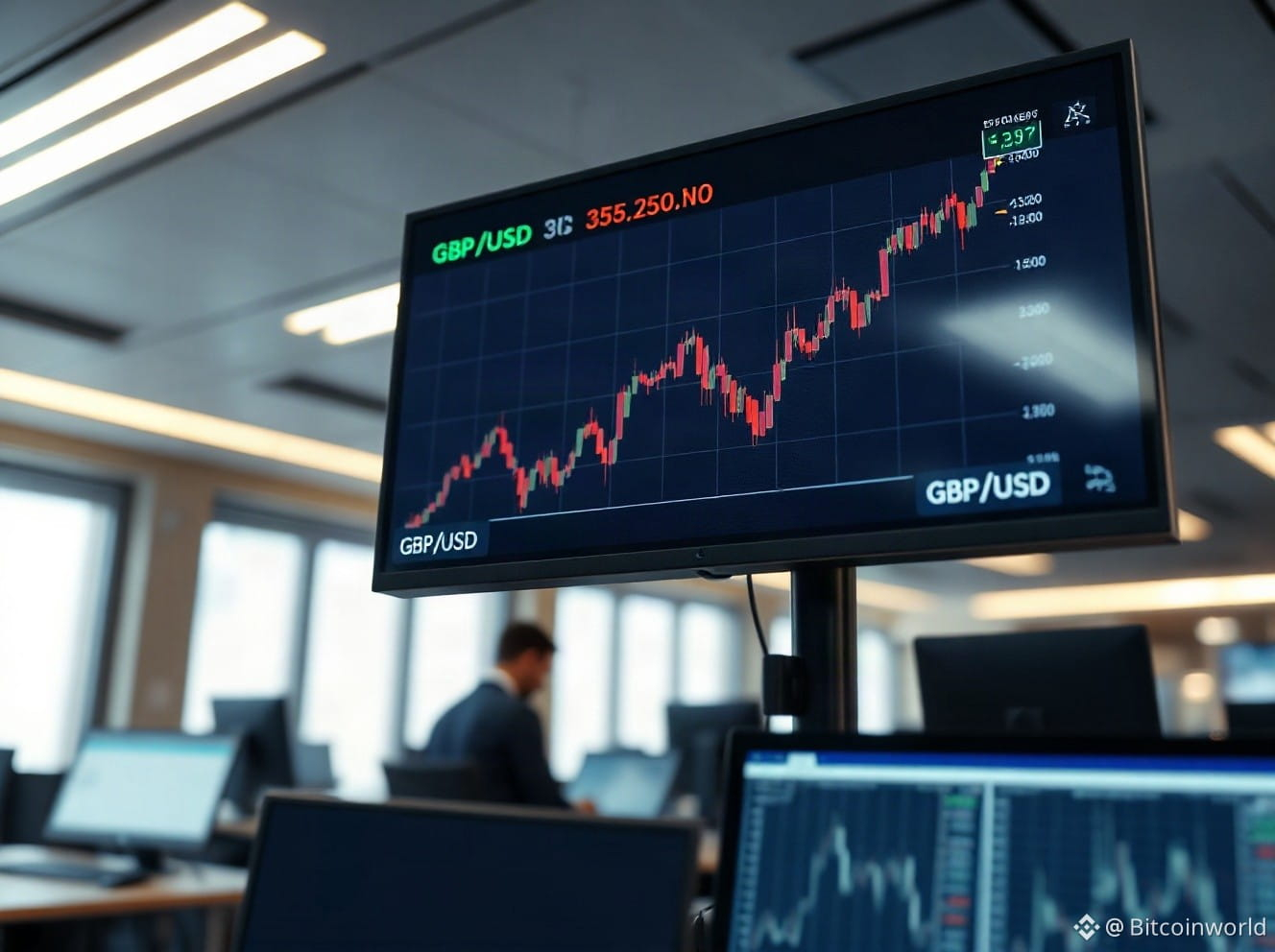
GBP/USD Holds Near Highs As Markets Await Key UK and US DataBitcoinWorldGBP/USD Holds Near Highs as Markets Await Key UK and US Data
The British pound is holding near its recent highs against the US dollar as of early this week, with traders positioning for a busy slate of economic data from both the UK and the US. The currency pair has been supported by a softer dollar and expectations that the Bank of England may keep interest rates higher for longer than previously anticipated.
Market Context: What’s Driving GBP/USD?
The pound’s resilience comes after a period of volatility driven by shifting central bank expectations. On one hand, the Federal Reserve has signaled it may be nearing the end of its tightening cycle, which has weighed on the dollar. On the other, the Bank of England has struck a more cautious tone, with policymakers emphasizing the need to bring inflation down sustainably.
Recent UK economic data, including stronger-than-expected wage growth, has reinforced the view that the BoE may need to maintain a restrictive stance. Meanwhile, US inflation figures have shown signs of cooling, but the Fed has remained data-dependent, leaving room for surprises.
Key Events to Watch This Week
Later this week, the market’s focus will shift to critical data releases that could determine the next directional move for GBP/USD. In the UK, the latest consumer price index (CPI) reading is due, and any upside surprise could solidify expectations for another rate hike by the BoE. In the US, retail sales data will provide insight into consumer spending and the overall health of the economy, potentially influencing the Fed’s next policy decision.
These events are particularly significant because they come at a time when the market is pricing in a possible divergence in monetary policy paths between the two central banks. If UK inflation remains sticky while US data points to a slowdown, the pound could extend its gains. Conversely, a strong US retail sales figure could revive dollar demand and cap the pair’s upside.
Technical Levels and Market Sentiment
From a technical perspective, GBP/USD is trading near a key resistance zone, and a breakout could open the door to further upside. However, traders are likely to remain cautious ahead of the data, with many preferring to wait for clearer signals. Support levels are seen around the recent consolidation area, while resistance is marked by the year-to-date high.
Market sentiment remains broadly constructive for the pound, but the currency is sensitive to shifts in global risk appetite and central bank rhetoric. Any unexpected outcome from the upcoming data could trigger sharp moves, so risk management is crucial for traders.
Why This Matters for Investors
For investors and businesses with exposure to the UK or US, the direction of GBP/USD has direct implications for trade competitiveness, cross-border investment returns, and the cost of hedging. A stronger pound can benefit UK importers but may weigh on exporters’ margins. Conversely, a weaker pound can boost the competitiveness of UK goods abroad but increases the cost of imported goods, potentially fueling inflation.
Beyond the immediate data releases, the broader trend in GBP/USD will depend on how the two central banks navigate the final stretch of their tightening cycles. With inflation still above target in both economies, the path forward is likely to be data-dependent, keeping volatility elevated.
Conclusion
GBP/USD is holding near recent highs as markets await key UK inflation and US retail sales data later this week. The pair’s direction will likely be determined by the relative strength of these economic indicators and their impact on central bank policy expectations. Traders should brace for potential volatility, while investors should keep an eye on the evolving policy divergence between the BoE and the Fed.
FAQs
Q1: What is driving the current strength in GBP/USD? The pound is supported by expectations that the Bank of England may keep interest rates higher for longer, while the US dollar is under pressure from signs that the Federal Reserve is nearing the end of its tightening cycle.
Q2: What key data could affect GBP/USD this week? UK CPI inflation data and US retail sales figures are the main events. These releases will provide clues about the future policy paths of the BoE and the Fed.
Q3: How could the data influence the pair’s direction? If UK inflation surprises to the upside, it could boost the pound by reinforcing rate hike expectations. Conversely, strong US retail sales could support the dollar and pressure GBP/USD.
This post GBP/USD Holds Near Highs as Markets Await Key UK and US Data first appeared on BitcoinWorld.
GBP/USD Holds Near Highs As Markets Await Key UK and US Data
BitcoinWorldGBP/USD Holds Near Highs as Markets Await Key UK and US Data
The British pound is holding near its recent highs against the US dollar as of early this week, with traders positioning for a busy slate of economic data from both the UK and the US. The currency pair has been supported by a softer dollar and expectations that the Bank of England may keep interest rates higher for longer than previously anticipated.
Market Context: What’s Driving GBP/USD?
The pound’s resilience comes after a period of volatility driven by shifting central bank expectations. On one hand, the Federal Reserve has signaled it may be nearing the end of its tightening cycle, which has weighed on the dollar. On the other, the Bank of England has struck a more cautious tone, with policymakers emphasizing the need to bring inflation down sustainably.
Recent UK economic data, including stronger-than-expected wage growth, has reinforced the view that the BoE may need to maintain a restrictive stance. Meanwhile, US inflation figures have shown signs of cooling, but the Fed has remained data-dependent, leaving room for surprises.
Key Events to Watch This Week
Later this week, the market’s focus will shift to critical data releases that could determine the next directional move for GBP/USD. In the UK, the latest consumer price index (CPI) reading is due, and any upside surprise could solidify expectations for another rate hike by the BoE. In the US, retail sales data will provide insight into consumer spending and the overall health of the economy, potentially influencing the Fed’s next policy decision.
These events are particularly significant because they come at a time when the market is pricing in a possible divergence in monetary policy paths between the two central banks. If UK inflation remains sticky while US data points to a slowdown, the pound could extend its gains. Conversely, a strong US retail sales figure could revive dollar demand and cap the pair’s upside.
Technical Levels and Market Sentiment
From a technical perspective, GBP/USD is trading near a key resistance zone, and a breakout could open the door to further upside. However, traders are likely to remain cautious ahead of the data, with many preferring to wait for clearer signals. Support levels are seen around the recent consolidation area, while resistance is marked by the year-to-date high.
Market sentiment remains broadly constructive for the pound, but the currency is sensitive to shifts in global risk appetite and central bank rhetoric. Any unexpected outcome from the upcoming data could trigger sharp moves, so risk management is crucial for traders.
Why This Matters for Investors
For investors and businesses with exposure to the UK or US, the direction of GBP/USD has direct implications for trade competitiveness, cross-border investment returns, and the cost of hedging. A stronger pound can benefit UK importers but may weigh on exporters’ margins. Conversely, a weaker pound can boost the competitiveness of UK goods abroad but increases the cost of imported goods, potentially fueling inflation.
Beyond the immediate data releases, the broader trend in GBP/USD will depend on how the two central banks navigate the final stretch of their tightening cycles. With inflation still above target in both economies, the path forward is likely to be data-dependent, keeping volatility elevated.
Conclusion
GBP/USD is holding near recent highs as markets await key UK inflation and US retail sales data later this week. The pair’s direction will likely be determined by the relative strength of these economic indicators and their impact on central bank policy expectations. Traders should brace for potential volatility, while investors should keep an eye on the evolving policy divergence between the BoE and the Fed.
FAQs
Q1: What is driving the current strength in GBP/USD? The pound is supported by expectations that the Bank of England may keep interest rates higher for longer, while the US dollar is under pressure from signs that the Federal Reserve is nearing the end of its tightening cycle.
Q2: What key data could affect GBP/USD this week? UK CPI inflation data and US retail sales figures are the main events. These releases will provide clues about the future policy paths of the BoE and the Fed.
Q3: How could the data influence the pair’s direction? If UK inflation surprises to the upside, it could boost the pound by reinforcing rate hike expectations. Conversely, strong US retail sales could support the dollar and pressure GBP/USD.
This post GBP/USD Holds Near Highs as Markets Await Key UK and US Data first appeared on BitcoinWorld.
The British pound is holding near its recent highs against the US dollar as of early this week, with traders positioning for a busy slate of economic data from both the UK and the US. The currency pair has been supported by a softer dollar and expectations that the Bank of England may keep interest rates higher for longer than previously anticipated.
Market Context: What’s Driving GBP/USD?
The pound’s resilience comes after a period of volatility driven by shifting central bank expectations. On one hand, the Federal Reserve has signaled it may be nearing the end of its tightening cycle, which has weighed on the dollar. On the other, the Bank of England has struck a more cautious tone, with policymakers emphasizing the need to bring inflation down sustainably.
Recent UK economic data, including stronger-than-expected wage growth, has reinforced the view that the BoE may need to maintain a restrictive stance. Meanwhile, US inflation figures have shown signs of cooling, but the Fed has remained data-dependent, leaving room for surprises.
Key Events to Watch This Week
Later this week, the market’s focus will shift to critical data releases that could determine the next directional move for GBP/USD. In the UK, the latest consumer price index (CPI) reading is due, and any upside surprise could solidify expectations for another rate hike by the BoE. In the US, retail sales data will provide insight into consumer spending and the overall health of the economy, potentially influencing the Fed’s next policy decision.
These events are particularly significant because they come at a time when the market is pricing in a possible divergence in monetary policy paths between the two central banks. If UK inflation remains sticky while US data points to a slowdown, the pound could extend its gains. Conversely, a strong US retail sales figure could revive dollar demand and cap the pair’s upside.
Technical Levels and Market Sentiment
From a technical perspective, GBP/USD is trading near a key resistance zone, and a breakout could open the door to further upside. However, traders are likely to remain cautious ahead of the data, with many preferring to wait for clearer signals. Support levels are seen around the recent consolidation area, while resistance is marked by the year-to-date high.
Market sentiment remains broadly constructive for the pound, but the currency is sensitive to shifts in global risk appetite and central bank rhetoric. Any unexpected outcome from the upcoming data could trigger sharp moves, so risk management is crucial for traders.
Why This Matters for Investors
For investors and businesses with exposure to the UK or US, the direction of GBP/USD has direct implications for trade competitiveness, cross-border investment returns, and the cost of hedging. A stronger pound can benefit UK importers but may weigh on exporters’ margins. Conversely, a weaker pound can boost the competitiveness of UK goods abroad but increases the cost of imported goods, potentially fueling inflation.
Beyond the immediate data releases, the broader trend in GBP/USD will depend on how the two central banks navigate the final stretch of their tightening cycles. With inflation still above target in both economies, the path forward is likely to be data-dependent, keeping volatility elevated.
Conclusion
GBP/USD is holding near recent highs as markets await key UK inflation and US retail sales data later this week. The pair’s direction will likely be determined by the relative strength of these economic indicators and their impact on central bank policy expectations. Traders should brace for potential volatility, while investors should keep an eye on the evolving policy divergence between the BoE and the Fed.
FAQs
Q1: What is driving the current strength in GBP/USD? The pound is supported by expectations that the Bank of England may keep interest rates higher for longer, while the US dollar is under pressure from signs that the Federal Reserve is nearing the end of its tightening cycle.
Q2: What key data could affect GBP/USD this week? UK CPI inflation data and US retail sales figures are the main events. These releases will provide clues about the future policy paths of the BoE and the Fed.
Q3: How could the data influence the pair’s direction? If UK inflation surprises to the upside, it could boost the pound by reinforcing rate hike expectations. Conversely, strong US retail sales could support the dollar and pressure GBP/USD.
This post GBP/USD Holds Near Highs as Markets Await Key UK and US Data first appeared on BitcoinWorld.
9
·
--
Article
Pendle Clarifies ReUSD Liquidations: 3% PT Price Drop, Not Oracle Error, Triggered Morpho Market ...BitcoinWorldPendle Clarifies reUSD Liquidations: 3% PT Price Drop, Not Oracle Error, Triggered Morpho Market Move
Pendle, a decentralized finance (DeFi) protocol specializing in yield tokenization, has clarified that the recent large-scale liquidations in Morpho’s PT-reUSD/USDC market were not caused by an oracle configuration error. The protocol explained that the liquidations were triggered by a brief 3% drop in the price of PT-reUSD, a token representing the right to redeem the underlying principal at maturity.
What Happened in the PT-reUSD Market?
According to Pendle, the price drop was reflected in the oracle benchmark, which uses the lower of the PT’s 15-minute average market price and a benchmark price that assumes a 6% annual discount rate through maturity. This mechanism is designed to protect the protocol from rapid price manipulation. However, when the market price fell by 3%, the collateral value of positions that had repeatedly borrowed USDC on Morpho to increase their PT exposure was reduced.
Positions with health factors below 1.03—meaning they had less than 3% room to withstand a price decline—were liquidated. Pendle emphasized that the oracle functioned as designed, no bad debt emerged during the liquidation process, and Morpho’s Pendle ecosystem vaults were unaffected.
Why the Distinction Matters
The clarification is significant because initial speculation in the DeFi community suggested that an oracle misconfiguration might have been the root cause. Oracle errors have historically led to severe exploits and unfair liquidations in DeFi. By confirming that the oracle worked correctly, Pendle aims to reassure users and maintain trust in its protocol’s risk management systems.
This event also highlights the inherent risks of leveraged positions in DeFi. Borrowing assets to amplify exposure can lead to rapid liquidation during even minor price fluctuations, especially when health factors are tight. For users, understanding the mechanics of oracle pricing and health factors is crucial for managing risk.
Market Impact and Implications
The liquidations occurred in a market that is part of the broader Morpho ecosystem, which integrates with Pendle to offer leveraged yield strategies. While the immediate impact was contained, the event serves as a reminder of the volatility and risks associated with DeFi lending and borrowing. Pendle’s proactive communication is a step toward transparency, but it also underscores the need for users to maintain adequate collateral buffers.
Looking forward, this incident may prompt discussions about improving oracle design or adjusting risk parameters to prevent similar occurrences. However, Pendle’s statement suggests that the current system is robust, and no changes are planned.
Conclusion
Pendle’s clarification that the reUSD liquidations were due to a 3% PT price drop—not an oracle error—provides a clear understanding of the event. The protocol’s oracle functioned as intended, and no bad debt was incurred. This transparency is essential for maintaining confidence in DeFi protocols, especially as market participants increasingly scrutinize risk management practices. For users, the key takeaway is the importance of maintaining healthy collateral levels to withstand market volatility.
FAQs
Q1: What is PT-reUSD? PT-reUSD is a principal token that represents the right to redeem the underlying asset (reUSD) at maturity. It is used in Pendle’s yield tokenization system, allowing users to separate principal and yield components.
Q2: How does Pendle’s oracle work? Pendle’s oracle uses the lower of the PT’s 15-minute average market price and a benchmark price reflecting a 6% annual discount rate through maturity. This design aims to prevent price manipulation and ensure fair valuation.
Q3: Were any users affected by the liquidations? Yes, positions with health factors below 1.03 were liquidated. However, Pendle confirmed that no bad debt emerged, meaning the protocol and other users were not negatively impacted beyond the liquidated positions.
This post Pendle Clarifies reUSD Liquidations: 3% PT Price Drop, Not Oracle Error, Triggered Morpho Market Move first appeared on BitcoinWorld.
Pendle Clarifies ReUSD Liquidations: 3% PT Price Drop, Not Oracle Error, Triggered Morpho Market ...
BitcoinWorldPendle Clarifies reUSD Liquidations: 3% PT Price Drop, Not Oracle Error, Triggered Morpho Market Move
Pendle, a decentralized finance (DeFi) protocol specializing in yield tokenization, has clarified that the recent large-scale liquidations in Morpho’s PT-reUSD/USDC market were not caused by an oracle configuration error. The protocol explained that the liquidations were triggered by a brief 3% drop in the price of PT-reUSD, a token representing the right to redeem the underlying principal at maturity.
What Happened in the PT-reUSD Market?
According to Pendle, the price drop was reflected in the oracle benchmark, which uses the lower of the PT’s 15-minute average market price and a benchmark price that assumes a 6% annual discount rate through maturity. This mechanism is designed to protect the protocol from rapid price manipulation. However, when the market price fell by 3%, the collateral value of positions that had repeatedly borrowed USDC on Morpho to increase their PT exposure was reduced.
Positions with health factors below 1.03—meaning they had less than 3% room to withstand a price decline—were liquidated. Pendle emphasized that the oracle functioned as designed, no bad debt emerged during the liquidation process, and Morpho’s Pendle ecosystem vaults were unaffected.
Why the Distinction Matters
The clarification is significant because initial speculation in the DeFi community suggested that an oracle misconfiguration might have been the root cause. Oracle errors have historically led to severe exploits and unfair liquidations in DeFi. By confirming that the oracle worked correctly, Pendle aims to reassure users and maintain trust in its protocol’s risk management systems.
This event also highlights the inherent risks of leveraged positions in DeFi. Borrowing assets to amplify exposure can lead to rapid liquidation during even minor price fluctuations, especially when health factors are tight. For users, understanding the mechanics of oracle pricing and health factors is crucial for managing risk.
Market Impact and Implications
The liquidations occurred in a market that is part of the broader Morpho ecosystem, which integrates with Pendle to offer leveraged yield strategies. While the immediate impact was contained, the event serves as a reminder of the volatility and risks associated with DeFi lending and borrowing. Pendle’s proactive communication is a step toward transparency, but it also underscores the need for users to maintain adequate collateral buffers.
Looking forward, this incident may prompt discussions about improving oracle design or adjusting risk parameters to prevent similar occurrences. However, Pendle’s statement suggests that the current system is robust, and no changes are planned.
Conclusion
Pendle’s clarification that the reUSD liquidations were due to a 3% PT price drop—not an oracle error—provides a clear understanding of the event. The protocol’s oracle functioned as intended, and no bad debt was incurred. This transparency is essential for maintaining confidence in DeFi protocols, especially as market participants increasingly scrutinize risk management practices. For users, the key takeaway is the importance of maintaining healthy collateral levels to withstand market volatility.
FAQs
Q1: What is PT-reUSD? PT-reUSD is a principal token that represents the right to redeem the underlying asset (reUSD) at maturity. It is used in Pendle’s yield tokenization system, allowing users to separate principal and yield components.
Q2: How does Pendle’s oracle work? Pendle’s oracle uses the lower of the PT’s 15-minute average market price and a benchmark price reflecting a 6% annual discount rate through maturity. This design aims to prevent price manipulation and ensure fair valuation.
Q3: Were any users affected by the liquidations? Yes, positions with health factors below 1.03 were liquidated. However, Pendle confirmed that no bad debt emerged, meaning the protocol and other users were not negatively impacted beyond the liquidated positions.
This post Pendle Clarifies reUSD Liquidations: 3% PT Price Drop, Not Oracle Error, Triggered Morpho Market Move first appeared on BitcoinWorld.
Pendle, a decentralized finance (DeFi) protocol specializing in yield tokenization, has clarified that the recent large-scale liquidations in Morpho’s PT-reUSD/USDC market were not caused by an oracle configuration error. The protocol explained that the liquidations were triggered by a brief 3% drop in the price of PT-reUSD, a token representing the right to redeem the underlying principal at maturity.
What Happened in the PT-reUSD Market?
According to Pendle, the price drop was reflected in the oracle benchmark, which uses the lower of the PT’s 15-minute average market price and a benchmark price that assumes a 6% annual discount rate through maturity. This mechanism is designed to protect the protocol from rapid price manipulation. However, when the market price fell by 3%, the collateral value of positions that had repeatedly borrowed USDC on Morpho to increase their PT exposure was reduced.
Positions with health factors below 1.03—meaning they had less than 3% room to withstand a price decline—were liquidated. Pendle emphasized that the oracle functioned as designed, no bad debt emerged during the liquidation process, and Morpho’s Pendle ecosystem vaults were unaffected.
Why the Distinction Matters
The clarification is significant because initial speculation in the DeFi community suggested that an oracle misconfiguration might have been the root cause. Oracle errors have historically led to severe exploits and unfair liquidations in DeFi. By confirming that the oracle worked correctly, Pendle aims to reassure users and maintain trust in its protocol’s risk management systems.
This event also highlights the inherent risks of leveraged positions in DeFi. Borrowing assets to amplify exposure can lead to rapid liquidation during even minor price fluctuations, especially when health factors are tight. For users, understanding the mechanics of oracle pricing and health factors is crucial for managing risk.
Market Impact and Implications
The liquidations occurred in a market that is part of the broader Morpho ecosystem, which integrates with Pendle to offer leveraged yield strategies. While the immediate impact was contained, the event serves as a reminder of the volatility and risks associated with DeFi lending and borrowing. Pendle’s proactive communication is a step toward transparency, but it also underscores the need for users to maintain adequate collateral buffers.
Looking forward, this incident may prompt discussions about improving oracle design or adjusting risk parameters to prevent similar occurrences. However, Pendle’s statement suggests that the current system is robust, and no changes are planned.
Conclusion
Pendle’s clarification that the reUSD liquidations were due to a 3% PT price drop—not an oracle error—provides a clear understanding of the event. The protocol’s oracle functioned as intended, and no bad debt was incurred. This transparency is essential for maintaining confidence in DeFi protocols, especially as market participants increasingly scrutinize risk management practices. For users, the key takeaway is the importance of maintaining healthy collateral levels to withstand market volatility.
FAQs
Q1: What is PT-reUSD? PT-reUSD is a principal token that represents the right to redeem the underlying asset (reUSD) at maturity. It is used in Pendle’s yield tokenization system, allowing users to separate principal and yield components.
Q2: How does Pendle’s oracle work? Pendle’s oracle uses the lower of the PT’s 15-minute average market price and a benchmark price reflecting a 6% annual discount rate through maturity. This design aims to prevent price manipulation and ensure fair valuation.
Q3: Were any users affected by the liquidations? Yes, positions with health factors below 1.03 were liquidated. However, Pendle confirmed that no bad debt emerged, meaning the protocol and other users were not negatively impacted beyond the liquidated positions.
This post Pendle Clarifies reUSD Liquidations: 3% PT Price Drop, Not Oracle Error, Triggered Morpho Market Move first appeared on BitcoinWorld.
86
·
--
Article
Pound Steady As U.S. Treasury Yield Rise Supports DollarBitcoinWorldPound Steady as U.S. Treasury Yield Rise Supports Dollar
The British pound traded flat against the U.S. dollar on [Date], as a rise in U.S. Treasury yields underpinned the greenback, keeping GBP/USD in a narrow range.
What’s Driving the Dollar’s Strength?
The dollar index edged higher as yields on U.S. government bonds firmed, reflecting expectations that the Federal Reserve may keep interest rates higher for longer. Higher yields make dollar-denominated assets more attractive to global investors, supporting demand for the currency.
Meanwhile, the pound found some support from domestic economic data, though market focus remained on the diverging monetary policy outlooks between the Bank of England and the Federal Reserve. The BoE has signaled a cautious approach to rate cuts, while the Fed has emphasized its data-dependent stance.
How Did the Pound Perform Against Other Currencies?
Against the euro, sterling was slightly firmer, as the single currency struggled amid concerns over the eurozone’s economic growth outlook. However, the pound’s gains were limited by ongoing uncertainty over the UK’s fiscal position and inflation trajectory.
Market participants are closely watching upcoming UK inflation data and the BoE’s policy meeting for clues on the timing of future rate moves. Any surprises could trigger volatility in GBP pairs.
Why This Matters for Traders and Businesses
For UK businesses engaged in international trade, the pound’s stability against the dollar is a welcome reprieve after periods of sharp swings. A steady exchange rate reduces uncertainty in cross-border transactions and profit margins. For investors, the interplay between central bank policies and bond yields remains a key driver of currency movements, making it essential to stay informed on global macro trends.
Conclusion
Sterling’s flat performance against the dollar reflects a market balancing act between firm U.S. yields and domestic UK fundamentals. As the week progresses, economic data releases and central bank commentary will likely dictate the next directional move. Traders should remain alert to shifts in yield dynamics and policy expectations.
FAQs
Q1: Why does the dollar strengthen when Treasury yields rise? Higher U.S. Treasury yields offer better returns on U.S. assets, attracting foreign capital and increasing demand for the dollar.
Q2: What is the Bank of England’s current policy stance? The BoE has maintained a cautious approach, holding rates steady while monitoring inflation and economic growth, with future cuts dependent on data.
Q3: How can businesses hedge against currency fluctuations? Businesses can use forward contracts, options, or natural hedging strategies to mitigate the impact of exchange rate movements on their operations.
This post Pound Steady as U.S. Treasury Yield Rise Supports Dollar first appeared on BitcoinWorld.
Pound Steady As U.S. Treasury Yield Rise Supports Dollar
BitcoinWorldPound Steady as U.S. Treasury Yield Rise Supports Dollar
The British pound traded flat against the U.S. dollar on [Date], as a rise in U.S. Treasury yields underpinned the greenback, keeping GBP/USD in a narrow range.
What’s Driving the Dollar’s Strength?
The dollar index edged higher as yields on U.S. government bonds firmed, reflecting expectations that the Federal Reserve may keep interest rates higher for longer. Higher yields make dollar-denominated assets more attractive to global investors, supporting demand for the currency.
Meanwhile, the pound found some support from domestic economic data, though market focus remained on the diverging monetary policy outlooks between the Bank of England and the Federal Reserve. The BoE has signaled a cautious approach to rate cuts, while the Fed has emphasized its data-dependent stance.
How Did the Pound Perform Against Other Currencies?
Against the euro, sterling was slightly firmer, as the single currency struggled amid concerns over the eurozone’s economic growth outlook. However, the pound’s gains were limited by ongoing uncertainty over the UK’s fiscal position and inflation trajectory.
Market participants are closely watching upcoming UK inflation data and the BoE’s policy meeting for clues on the timing of future rate moves. Any surprises could trigger volatility in GBP pairs.
Why This Matters for Traders and Businesses
For UK businesses engaged in international trade, the pound’s stability against the dollar is a welcome reprieve after periods of sharp swings. A steady exchange rate reduces uncertainty in cross-border transactions and profit margins. For investors, the interplay between central bank policies and bond yields remains a key driver of currency movements, making it essential to stay informed on global macro trends.
Conclusion
Sterling’s flat performance against the dollar reflects a market balancing act between firm U.S. yields and domestic UK fundamentals. As the week progresses, economic data releases and central bank commentary will likely dictate the next directional move. Traders should remain alert to shifts in yield dynamics and policy expectations.
FAQs
Q1: Why does the dollar strengthen when Treasury yields rise? Higher U.S. Treasury yields offer better returns on U.S. assets, attracting foreign capital and increasing demand for the dollar.
Q2: What is the Bank of England’s current policy stance? The BoE has maintained a cautious approach, holding rates steady while monitoring inflation and economic growth, with future cuts dependent on data.
Q3: How can businesses hedge against currency fluctuations? Businesses can use forward contracts, options, or natural hedging strategies to mitigate the impact of exchange rate movements on their operations.
This post Pound Steady as U.S. Treasury Yield Rise Supports Dollar first appeared on BitcoinWorld.
The British pound traded flat against the U.S. dollar on [Date], as a rise in U.S. Treasury yields underpinned the greenback, keeping GBP/USD in a narrow range.
What’s Driving the Dollar’s Strength?
The dollar index edged higher as yields on U.S. government bonds firmed, reflecting expectations that the Federal Reserve may keep interest rates higher for longer. Higher yields make dollar-denominated assets more attractive to global investors, supporting demand for the currency.
Meanwhile, the pound found some support from domestic economic data, though market focus remained on the diverging monetary policy outlooks between the Bank of England and the Federal Reserve. The BoE has signaled a cautious approach to rate cuts, while the Fed has emphasized its data-dependent stance.
How Did the Pound Perform Against Other Currencies?
Against the euro, sterling was slightly firmer, as the single currency struggled amid concerns over the eurozone’s economic growth outlook. However, the pound’s gains were limited by ongoing uncertainty over the UK’s fiscal position and inflation trajectory.
Market participants are closely watching upcoming UK inflation data and the BoE’s policy meeting for clues on the timing of future rate moves. Any surprises could trigger volatility in GBP pairs.
Why This Matters for Traders and Businesses
For UK businesses engaged in international trade, the pound’s stability against the dollar is a welcome reprieve after periods of sharp swings. A steady exchange rate reduces uncertainty in cross-border transactions and profit margins. For investors, the interplay between central bank policies and bond yields remains a key driver of currency movements, making it essential to stay informed on global macro trends.
Conclusion
Sterling’s flat performance against the dollar reflects a market balancing act between firm U.S. yields and domestic UK fundamentals. As the week progresses, economic data releases and central bank commentary will likely dictate the next directional move. Traders should remain alert to shifts in yield dynamics and policy expectations.
FAQs
Q1: Why does the dollar strengthen when Treasury yields rise? Higher U.S. Treasury yields offer better returns on U.S. assets, attracting foreign capital and increasing demand for the dollar.
Q2: What is the Bank of England’s current policy stance? The BoE has maintained a cautious approach, holding rates steady while monitoring inflation and economic growth, with future cuts dependent on data.
Q3: How can businesses hedge against currency fluctuations? Businesses can use forward contracts, options, or natural hedging strategies to mitigate the impact of exchange rate movements on their operations.
This post Pound Steady as U.S. Treasury Yield Rise Supports Dollar first appeared on BitcoinWorld.
7
·
--
Article
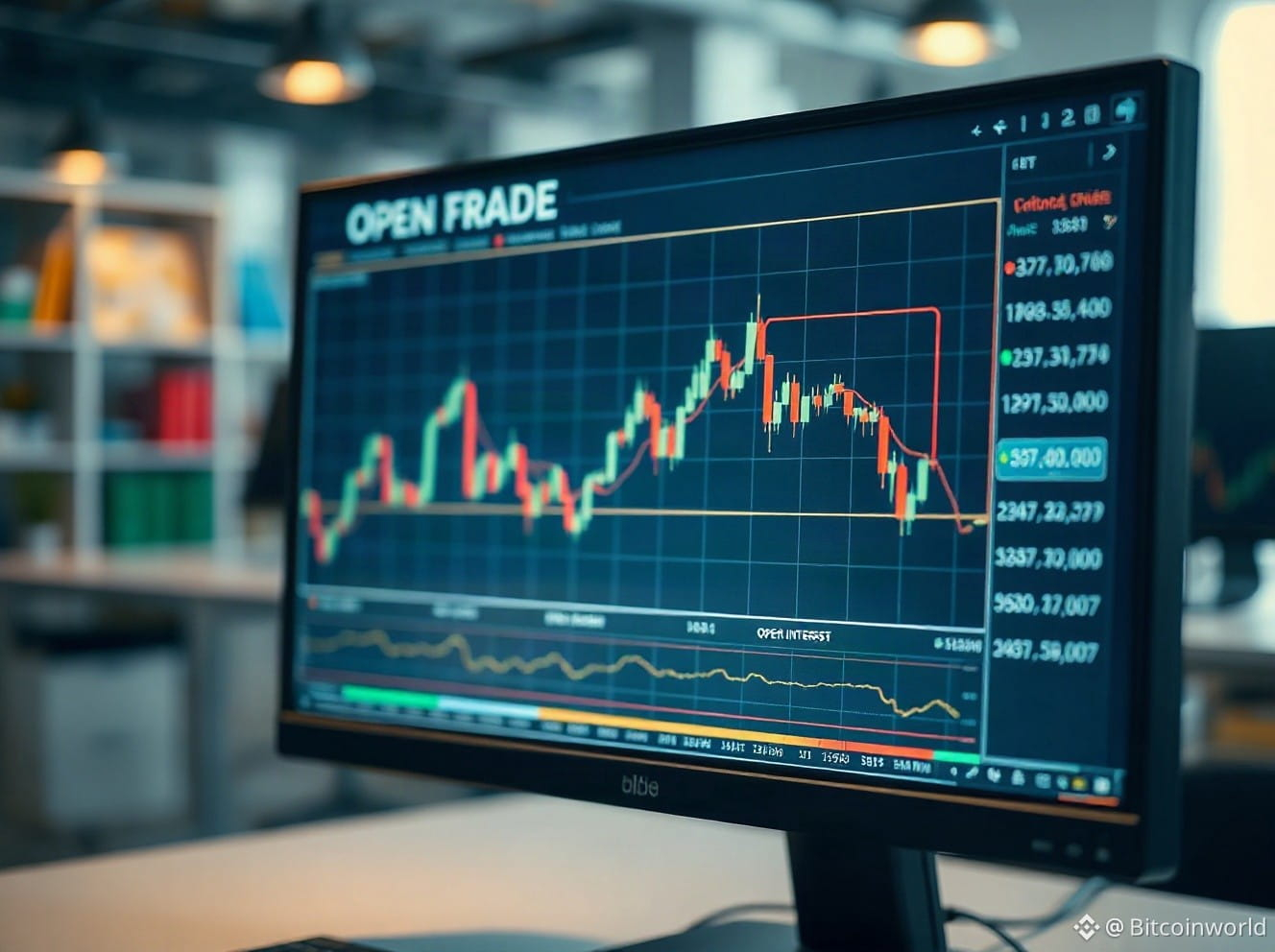
Bitcoin Futures Open Interest Drops to 5-Month Low As Rally Shows Healthier FootingBitcoinWorldBitcoin Futures Open Interest Drops to 5-Month Low as Rally Shows Healthier Footing
Bitcoin’s futures open interest has fallen to its lowest level in five months, a shift that analysts say points to a more sustainable market structure behind the recent price rally. According to data from Glassnode, cited by CoinDesk, open interest now stands at 587,584 BTC, down sharply from 645,760 BTC on Aug. 14.
Leverage Cooling Signals Healthier Rally
The decline in open interest comes as Bitcoin’s price climbed from roughly $62,000 to $80,000 over the past weeks. CoinDesk notes that this upward move was driven more by short liquidations than by an influx of new leveraged long positions. This suggests that the rally is not being fueled by excessive speculation, but rather by a reduction in bearish bets.
Annualized funding rates for perpetual futures have remained stable below 10%, a level that historically indicates a lack of overheating. When funding rates spike, it often signals that long positions are overcrowded, which can lead to sharp corrections. The current stability suggests that traders are not overextending themselves.
Market Structure Shows Improvement
Analysts point to a growing share of cash-margined futures as a positive sign. Cash-margined contracts require traders to post actual capital rather than crypto collateral, which reduces the risk of cascading liquidations. This shift toward more conservative margin practices reflects a maturing market that is less prone to volatility spikes.
Why This Matters for Investors
For investors, the combination of lower open interest and stable funding rates is generally viewed as a healthier foundation for a sustained price uptrend. It indicates that the market is not relying on excessive leverage, which often leads to sharp reversals. The current structure suggests that the rally has room to continue without the immediate risk of a leverage-driven crash.
However, it’s important to note that open interest is just one metric among many. While the current data is encouraging, the cryptocurrency market remains highly volatile, and external factors such as regulatory news or macroeconomic shifts can quickly alter the landscape.
Conclusion
The drop in Bitcoin futures open interest to a five-month low, combined with stable funding rates and a shift toward cash-margined positions, points to a more stable market structure. This development supports the sustainability of the recent price rally, offering a cautiously optimistic outlook for Bitcoin’s near-term trajectory.
FAQs
Q1: What is Bitcoin futures open interest? Open interest represents the total number of outstanding derivative contracts, such as futures, that have not been settled. A decline indicates that traders are closing positions, which can reduce market leverage.
Q2: Why is low leverage considered positive for Bitcoin’s price? Low leverage means that the market is less susceptible to forced liquidations, which can trigger sharp price drops. A market with less leverage is often seen as more stable and capable of sustaining a rally.
Q3: What are cash-margined futures? Cash-margined futures require traders to post fiat currency or stablecoins as collateral, rather than crypto assets. This reduces the risk of cascading liquidations and is viewed as a more conservative approach to trading.
This post Bitcoin Futures Open Interest Drops to 5-Month Low as Rally Shows Healthier Footing first appeared on BitcoinWorld.
Bitcoin Futures Open Interest Drops to 5-Month Low As Rally Shows Healthier Footing
BitcoinWorldBitcoin Futures Open Interest Drops to 5-Month Low as Rally Shows Healthier Footing
Bitcoin’s futures open interest has fallen to its lowest level in five months, a shift that analysts say points to a more sustainable market structure behind the recent price rally. According to data from Glassnode, cited by CoinDesk, open interest now stands at 587,584 BTC, down sharply from 645,760 BTC on Aug. 14.
Leverage Cooling Signals Healthier Rally
The decline in open interest comes as Bitcoin’s price climbed from roughly $62,000 to $80,000 over the past weeks. CoinDesk notes that this upward move was driven more by short liquidations than by an influx of new leveraged long positions. This suggests that the rally is not being fueled by excessive speculation, but rather by a reduction in bearish bets.
Annualized funding rates for perpetual futures have remained stable below 10%, a level that historically indicates a lack of overheating. When funding rates spike, it often signals that long positions are overcrowded, which can lead to sharp corrections. The current stability suggests that traders are not overextending themselves.
Market Structure Shows Improvement
Analysts point to a growing share of cash-margined futures as a positive sign. Cash-margined contracts require traders to post actual capital rather than crypto collateral, which reduces the risk of cascading liquidations. This shift toward more conservative margin practices reflects a maturing market that is less prone to volatility spikes.
Why This Matters for Investors
For investors, the combination of lower open interest and stable funding rates is generally viewed as a healthier foundation for a sustained price uptrend. It indicates that the market is not relying on excessive leverage, which often leads to sharp reversals. The current structure suggests that the rally has room to continue without the immediate risk of a leverage-driven crash.
However, it’s important to note that open interest is just one metric among many. While the current data is encouraging, the cryptocurrency market remains highly volatile, and external factors such as regulatory news or macroeconomic shifts can quickly alter the landscape.
Conclusion
The drop in Bitcoin futures open interest to a five-month low, combined with stable funding rates and a shift toward cash-margined positions, points to a more stable market structure. This development supports the sustainability of the recent price rally, offering a cautiously optimistic outlook for Bitcoin’s near-term trajectory.
FAQs
Q1: What is Bitcoin futures open interest? Open interest represents the total number of outstanding derivative contracts, such as futures, that have not been settled. A decline indicates that traders are closing positions, which can reduce market leverage.
Q2: Why is low leverage considered positive for Bitcoin’s price? Low leverage means that the market is less susceptible to forced liquidations, which can trigger sharp price drops. A market with less leverage is often seen as more stable and capable of sustaining a rally.
Q3: What are cash-margined futures? Cash-margined futures require traders to post fiat currency or stablecoins as collateral, rather than crypto assets. This reduces the risk of cascading liquidations and is viewed as a more conservative approach to trading.
This post Bitcoin Futures Open Interest Drops to 5-Month Low as Rally Shows Healthier Footing first appeared on BitcoinWorld.
Bitcoin’s futures open interest has fallen to its lowest level in five months, a shift that analysts say points to a more sustainable market structure behind the recent price rally. According to data from Glassnode, cited by CoinDesk, open interest now stands at 587,584 BTC, down sharply from 645,760 BTC on Aug. 14.
Leverage Cooling Signals Healthier Rally
The decline in open interest comes as Bitcoin’s price climbed from roughly $62,000 to $80,000 over the past weeks. CoinDesk notes that this upward move was driven more by short liquidations than by an influx of new leveraged long positions. This suggests that the rally is not being fueled by excessive speculation, but rather by a reduction in bearish bets.
Annualized funding rates for perpetual futures have remained stable below 10%, a level that historically indicates a lack of overheating. When funding rates spike, it often signals that long positions are overcrowded, which can lead to sharp corrections. The current stability suggests that traders are not overextending themselves.
Market Structure Shows Improvement
Analysts point to a growing share of cash-margined futures as a positive sign. Cash-margined contracts require traders to post actual capital rather than crypto collateral, which reduces the risk of cascading liquidations. This shift toward more conservative margin practices reflects a maturing market that is less prone to volatility spikes.
Why This Matters for Investors
For investors, the combination of lower open interest and stable funding rates is generally viewed as a healthier foundation for a sustained price uptrend. It indicates that the market is not relying on excessive leverage, which often leads to sharp reversals. The current structure suggests that the rally has room to continue without the immediate risk of a leverage-driven crash.
However, it’s important to note that open interest is just one metric among many. While the current data is encouraging, the cryptocurrency market remains highly volatile, and external factors such as regulatory news or macroeconomic shifts can quickly alter the landscape.
Conclusion
The drop in Bitcoin futures open interest to a five-month low, combined with stable funding rates and a shift toward cash-margined positions, points to a more stable market structure. This development supports the sustainability of the recent price rally, offering a cautiously optimistic outlook for Bitcoin’s near-term trajectory.
FAQs
Q1: What is Bitcoin futures open interest? Open interest represents the total number of outstanding derivative contracts, such as futures, that have not been settled. A decline indicates that traders are closing positions, which can reduce market leverage.
Q2: Why is low leverage considered positive for Bitcoin’s price? Low leverage means that the market is less susceptible to forced liquidations, which can trigger sharp price drops. A market with less leverage is often seen as more stable and capable of sustaining a rally.
Q3: What are cash-margined futures? Cash-margined futures require traders to post fiat currency or stablecoins as collateral, rather than crypto assets. This reduces the risk of cascading liquidations and is viewed as a more conservative approach to trading.
This post Bitcoin Futures Open Interest Drops to 5-Month Low as Rally Shows Healthier Footing first appeared on BitcoinWorld.
56
·
--

Article
U.S. Treasury Launches Quantum-Readiness Task Force to Secure Financial SystemBitcoinWorldU.S. Treasury Launches Quantum-Readiness Task Force to Secure Financial System
The U.S. Department of the Treasury has announced the formation of a Quantum-Readiness Task Force, a public-private initiative aimed at addressing the emerging threats quantum computing poses to the financial system. The task force will bring together government agencies, financial institutions, market infrastructure operators, and technology companies to coordinate the sector’s transition to post-quantum cryptography (PQC).
Why Quantum Computing Matters for Finance
Quantum computers, once fully developed, could potentially break many of the encryption standards currently safeguarding financial data and transactions. This risk, often referred to as the ‘harvest now, decrypt later’ threat, has prompted governments and industries worldwide to begin preparing for a post-quantum era. The Treasury’s task force is a proactive step to ensure the U.S. financial system remains resilient against such future capabilities.
Secretary Scott Bessent emphasized that the initiative is critical to maintaining the stability, security, and competitiveness of the American financial landscape as technological advancements reshape global markets. The task force’s work will include supporting and coordinating the sector’s PQC transition, strengthening vendor response capabilities, and managing risks associated with digital assets and other emerging technologies.
Key Objectives and Industry Collaboration
The task force’s primary objectives are threefold: first, to facilitate a smooth migration to PQC across the financial sector; second, to enhance the ability of external vendors to respond to quantum-related incidents; and third, to address vulnerabilities in digital assets and novel financial technologies. By fostering collaboration between public and private entities, the initiative aims to create a unified strategy that can be implemented across the industry.
This announcement comes as other nations and regulatory bodies, such as the European Union and the Bank for International Settlements, have also begun exploring quantum-resistant standards. The U.S. Treasury’s move signals a growing consensus that quantum readiness is not a distant concern but an immediate priority for financial stability.
What This Means for Financial Institutions and Consumers
For banks, payment processors, and other financial entities, the transition to PQC will require significant updates to existing security infrastructure. While the timeline for quantum computing’s full impact remains uncertain, early preparation can mitigate potential disruptions. Consumers are unlikely to notice immediate changes, but the long-term benefits include continued trust in the security of digital financial services.
The task force also highlights the importance of international coordination, as financial systems are globally interconnected. A unified approach to PQC adoption will help prevent fragmentation and ensure that cross-border transactions remain secure.
Conclusion
The creation of the Quantum-Readiness Task Force marks a significant step in safeguarding the U.S. financial system against future technological threats. By aligning government and industry efforts, the initiative aims to ensure that the financial sector is prepared for the quantum era, preserving stability and trust in the digital economy.
FAQs
Q1: What is post-quantum cryptography (PQC)? Post-quantum cryptography refers to cryptographic algorithms that are believed to be secure against attacks from quantum computers. These algorithms are designed to replace current standards like RSA and ECC, which could be vulnerable to quantum-based decryption.
Q2: Why is the Treasury creating a task force for quantum readiness? The task force aims to coordinate efforts across the financial sector to transition to PQC, strengthen incident response capabilities, and manage risks from emerging technologies like digital assets. It is a proactive measure to protect financial stability against future quantum computing threats.
Q3: When will quantum computers pose a real threat to financial systems? Experts estimate that a cryptographically relevant quantum computer could emerge within the next 10 to 20 years, though the exact timeline is uncertain. The ‘harvest now, decrypt later’ risk means that data encrypted today could be decrypted in the future, making early adoption of PQC essential.
This post U.S. Treasury Launches Quantum-Readiness Task Force to Secure Financial System first appeared on BitcoinWorld.
U.S. Treasury Launches Quantum-Readiness Task Force to Secure Financial System
BitcoinWorldU.S. Treasury Launches Quantum-Readiness Task Force to Secure Financial System
The U.S. Department of the Treasury has announced the formation of a Quantum-Readiness Task Force, a public-private initiative aimed at addressing the emerging threats quantum computing poses to the financial system. The task force will bring together government agencies, financial institutions, market infrastructure operators, and technology companies to coordinate the sector’s transition to post-quantum cryptography (PQC).
Why Quantum Computing Matters for Finance
Quantum computers, once fully developed, could potentially break many of the encryption standards currently safeguarding financial data and transactions. This risk, often referred to as the ‘harvest now, decrypt later’ threat, has prompted governments and industries worldwide to begin preparing for a post-quantum era. The Treasury’s task force is a proactive step to ensure the U.S. financial system remains resilient against such future capabilities.
Secretary Scott Bessent emphasized that the initiative is critical to maintaining the stability, security, and competitiveness of the American financial landscape as technological advancements reshape global markets. The task force’s work will include supporting and coordinating the sector’s PQC transition, strengthening vendor response capabilities, and managing risks associated with digital assets and other emerging technologies.
Key Objectives and Industry Collaboration
The task force’s primary objectives are threefold: first, to facilitate a smooth migration to PQC across the financial sector; second, to enhance the ability of external vendors to respond to quantum-related incidents; and third, to address vulnerabilities in digital assets and novel financial technologies. By fostering collaboration between public and private entities, the initiative aims to create a unified strategy that can be implemented across the industry.
This announcement comes as other nations and regulatory bodies, such as the European Union and the Bank for International Settlements, have also begun exploring quantum-resistant standards. The U.S. Treasury’s move signals a growing consensus that quantum readiness is not a distant concern but an immediate priority for financial stability.
What This Means for Financial Institutions and Consumers
For banks, payment processors, and other financial entities, the transition to PQC will require significant updates to existing security infrastructure. While the timeline for quantum computing’s full impact remains uncertain, early preparation can mitigate potential disruptions. Consumers are unlikely to notice immediate changes, but the long-term benefits include continued trust in the security of digital financial services.
The task force also highlights the importance of international coordination, as financial systems are globally interconnected. A unified approach to PQC adoption will help prevent fragmentation and ensure that cross-border transactions remain secure.
Conclusion
The creation of the Quantum-Readiness Task Force marks a significant step in safeguarding the U.S. financial system against future technological threats. By aligning government and industry efforts, the initiative aims to ensure that the financial sector is prepared for the quantum era, preserving stability and trust in the digital economy.
FAQs
Q1: What is post-quantum cryptography (PQC)? Post-quantum cryptography refers to cryptographic algorithms that are believed to be secure against attacks from quantum computers. These algorithms are designed to replace current standards like RSA and ECC, which could be vulnerable to quantum-based decryption.
Q2: Why is the Treasury creating a task force for quantum readiness? The task force aims to coordinate efforts across the financial sector to transition to PQC, strengthen incident response capabilities, and manage risks from emerging technologies like digital assets. It is a proactive measure to protect financial stability against future quantum computing threats.
Q3: When will quantum computers pose a real threat to financial systems? Experts estimate that a cryptographically relevant quantum computer could emerge within the next 10 to 20 years, though the exact timeline is uncertain. The ‘harvest now, decrypt later’ risk means that data encrypted today could be decrypted in the future, making early adoption of PQC essential.
This post U.S. Treasury Launches Quantum-Readiness Task Force to Secure Financial System first appeared on BitcoinWorld.
The U.S. Department of the Treasury has announced the formation of a Quantum-Readiness Task Force, a public-private initiative aimed at addressing the emerging threats quantum computing poses to the financial system. The task force will bring together government agencies, financial institutions, market infrastructure operators, and technology companies to coordinate the sector’s transition to post-quantum cryptography (PQC).
Why Quantum Computing Matters for Finance
Quantum computers, once fully developed, could potentially break many of the encryption standards currently safeguarding financial data and transactions. This risk, often referred to as the ‘harvest now, decrypt later’ threat, has prompted governments and industries worldwide to begin preparing for a post-quantum era. The Treasury’s task force is a proactive step to ensure the U.S. financial system remains resilient against such future capabilities.
Secretary Scott Bessent emphasized that the initiative is critical to maintaining the stability, security, and competitiveness of the American financial landscape as technological advancements reshape global markets. The task force’s work will include supporting and coordinating the sector’s PQC transition, strengthening vendor response capabilities, and managing risks associated with digital assets and other emerging technologies.
Key Objectives and Industry Collaboration
The task force’s primary objectives are threefold: first, to facilitate a smooth migration to PQC across the financial sector; second, to enhance the ability of external vendors to respond to quantum-related incidents; and third, to address vulnerabilities in digital assets and novel financial technologies. By fostering collaboration between public and private entities, the initiative aims to create a unified strategy that can be implemented across the industry.
This announcement comes as other nations and regulatory bodies, such as the European Union and the Bank for International Settlements, have also begun exploring quantum-resistant standards. The U.S. Treasury’s move signals a growing consensus that quantum readiness is not a distant concern but an immediate priority for financial stability.
What This Means for Financial Institutions and Consumers
For banks, payment processors, and other financial entities, the transition to PQC will require significant updates to existing security infrastructure. While the timeline for quantum computing’s full impact remains uncertain, early preparation can mitigate potential disruptions. Consumers are unlikely to notice immediate changes, but the long-term benefits include continued trust in the security of digital financial services.
The task force also highlights the importance of international coordination, as financial systems are globally interconnected. A unified approach to PQC adoption will help prevent fragmentation and ensure that cross-border transactions remain secure.
Conclusion
The creation of the Quantum-Readiness Task Force marks a significant step in safeguarding the U.S. financial system against future technological threats. By aligning government and industry efforts, the initiative aims to ensure that the financial sector is prepared for the quantum era, preserving stability and trust in the digital economy.
FAQs
Q1: What is post-quantum cryptography (PQC)? Post-quantum cryptography refers to cryptographic algorithms that are believed to be secure against attacks from quantum computers. These algorithms are designed to replace current standards like RSA and ECC, which could be vulnerable to quantum-based decryption.
Q2: Why is the Treasury creating a task force for quantum readiness? The task force aims to coordinate efforts across the financial sector to transition to PQC, strengthen incident response capabilities, and manage risks from emerging technologies like digital assets. It is a proactive measure to protect financial stability against future quantum computing threats.
Q3: When will quantum computers pose a real threat to financial systems? Experts estimate that a cryptographically relevant quantum computer could emerge within the next 10 to 20 years, though the exact timeline is uncertain. The ‘harvest now, decrypt later’ risk means that data encrypted today could be decrypted in the future, making early adoption of PQC essential.
This post U.S. Treasury Launches Quantum-Readiness Task Force to Secure Financial System first appeared on BitcoinWorld.
1
35
·
--
Article
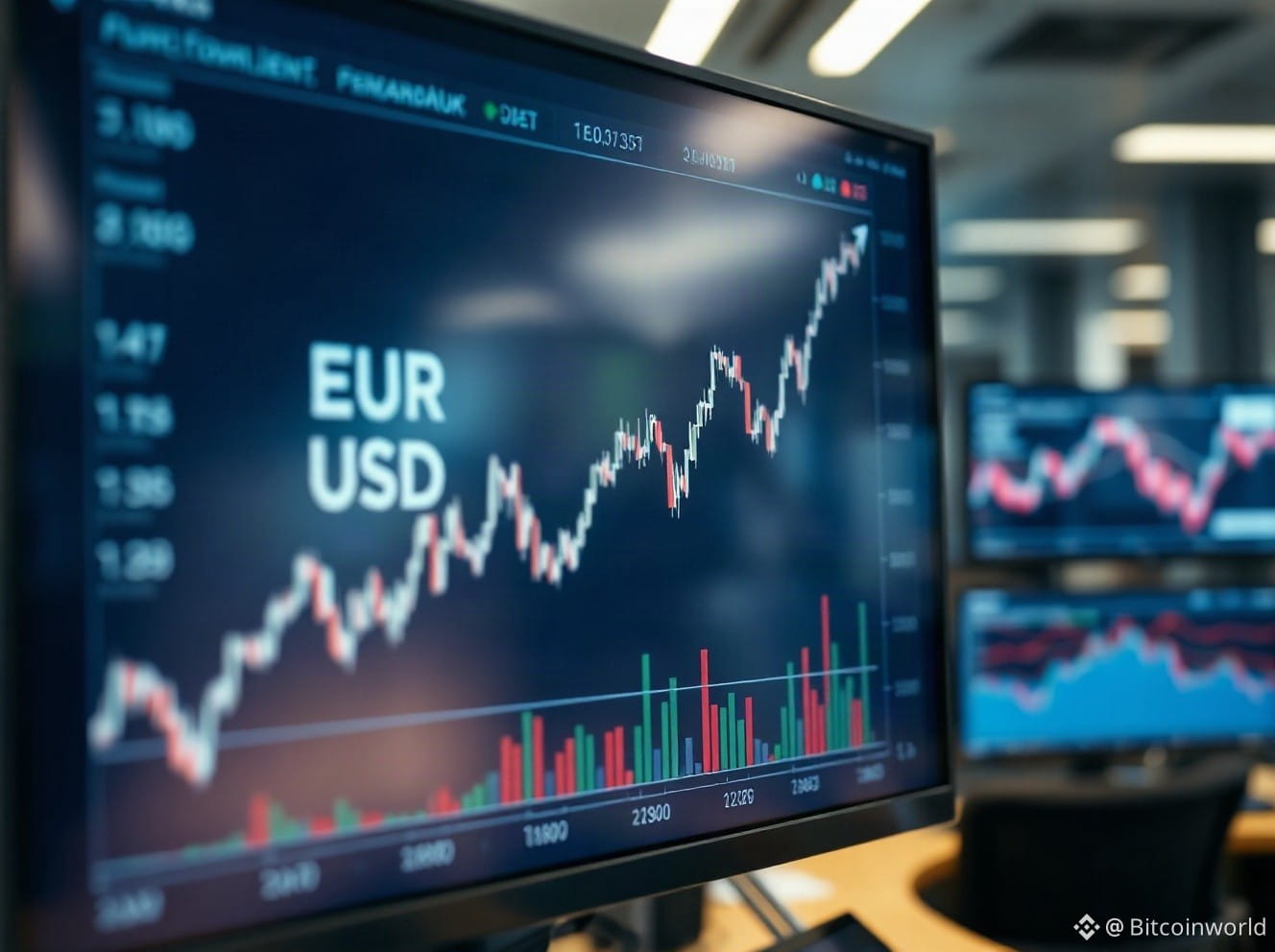
Euro Recovery Against US Dollar Supported By Data: BBHBitcoinWorldEuro Recovery Against US Dollar Supported by Data: BBH
The euro strengthened against the US dollar in recent trading, with analysts at Brown Brothers Harriman (BBH) attributing the recovery to supportive economic data releases. This movement marks a notable shift in the currency pair’s trajectory, reflecting changing market sentiment and macroeconomic fundamentals.
What the Data Shows
Recent economic indicators from the Eurozone have provided a tailwind for the single currency. While specific figures were not detailed in the initial report, BBH’s commentary suggests that data points such as inflation, manufacturing output, or employment numbers have been more robust than expected, prompting investors to reassess the euro’s value against the dollar.
The US dollar, on the other hand, has faced pressure from a mix of domestic economic signals and market expectations regarding Federal Reserve policy. As of this week, the dollar index has shown volatility, with traders weighing the likelihood of future rate cuts or hikes.
Implications for Currency Markets
For forex traders and investors, the euro’s recovery could signal a period of sustained strength if the data continues to support the European Central Bank’s policy stance. However, analysts caution that the currency market remains sensitive to geopolitical events and central bank communications.
BBH’s analysis adds to a growing consensus that the euro may be undervalued relative to economic fundamentals, but the pair’s direction will depend on upcoming data releases and policy signals from both the ECB and the Fed.
Why This Matters
Currency movements directly impact international trade, corporate earnings, and investment portfolios. A stronger euro makes European exports more expensive but reduces import costs, while for US investors holding euro-denominated assets, the exchange rate affects returns. Understanding these dynamics helps businesses and individuals make informed decisions in a globalized economy.
Conclusion
The euro’s recovery against the US dollar, supported by economic data, reflects a complex interplay of regional and global factors. While BBH’s perspective provides a snapshot of current market sentiment, ongoing data releases and policy decisions will determine whether this trend persists. Traders and analysts will be watching closely for further confirmation.
FAQs
Q1: What is the euro-dollar exchange rate? The exchange rate fluctuates constantly; as of the latest data, the euro has strengthened against the dollar, but exact figures vary by moment. Check a live forex platform for the current rate.
Q2: Why does economic data affect currency values? Economic data such as GDP, inflation, and employment influence central bank policy decisions, which in turn affect interest rates and currency demand. Stronger data often leads to a stronger currency.
Q3: How can I trade EUR/USD? You can trade EUR/USD through a forex broker, using platforms that offer currency pairs. It’s important to understand the risks and use proper risk management strategies.
This post Euro Recovery Against US Dollar Supported by Data: BBH first appeared on BitcoinWorld.
Euro Recovery Against US Dollar Supported By Data: BBH
BitcoinWorldEuro Recovery Against US Dollar Supported by Data: BBH
The euro strengthened against the US dollar in recent trading, with analysts at Brown Brothers Harriman (BBH) attributing the recovery to supportive economic data releases. This movement marks a notable shift in the currency pair’s trajectory, reflecting changing market sentiment and macroeconomic fundamentals.
What the Data Shows
Recent economic indicators from the Eurozone have provided a tailwind for the single currency. While specific figures were not detailed in the initial report, BBH’s commentary suggests that data points such as inflation, manufacturing output, or employment numbers have been more robust than expected, prompting investors to reassess the euro’s value against the dollar.
The US dollar, on the other hand, has faced pressure from a mix of domestic economic signals and market expectations regarding Federal Reserve policy. As of this week, the dollar index has shown volatility, with traders weighing the likelihood of future rate cuts or hikes.
Implications for Currency Markets
For forex traders and investors, the euro’s recovery could signal a period of sustained strength if the data continues to support the European Central Bank’s policy stance. However, analysts caution that the currency market remains sensitive to geopolitical events and central bank communications.
BBH’s analysis adds to a growing consensus that the euro may be undervalued relative to economic fundamentals, but the pair’s direction will depend on upcoming data releases and policy signals from both the ECB and the Fed.
Why This Matters
Currency movements directly impact international trade, corporate earnings, and investment portfolios. A stronger euro makes European exports more expensive but reduces import costs, while for US investors holding euro-denominated assets, the exchange rate affects returns. Understanding these dynamics helps businesses and individuals make informed decisions in a globalized economy.
Conclusion
The euro’s recovery against the US dollar, supported by economic data, reflects a complex interplay of regional and global factors. While BBH’s perspective provides a snapshot of current market sentiment, ongoing data releases and policy decisions will determine whether this trend persists. Traders and analysts will be watching closely for further confirmation.
FAQs
Q1: What is the euro-dollar exchange rate? The exchange rate fluctuates constantly; as of the latest data, the euro has strengthened against the dollar, but exact figures vary by moment. Check a live forex platform for the current rate.
Q2: Why does economic data affect currency values? Economic data such as GDP, inflation, and employment influence central bank policy decisions, which in turn affect interest rates and currency demand. Stronger data often leads to a stronger currency.
Q3: How can I trade EUR/USD? You can trade EUR/USD through a forex broker, using platforms that offer currency pairs. It’s important to understand the risks and use proper risk management strategies.
This post Euro Recovery Against US Dollar Supported by Data: BBH first appeared on BitcoinWorld.
The euro strengthened against the US dollar in recent trading, with analysts at Brown Brothers Harriman (BBH) attributing the recovery to supportive economic data releases. This movement marks a notable shift in the currency pair’s trajectory, reflecting changing market sentiment and macroeconomic fundamentals.
What the Data Shows
Recent economic indicators from the Eurozone have provided a tailwind for the single currency. While specific figures were not detailed in the initial report, BBH’s commentary suggests that data points such as inflation, manufacturing output, or employment numbers have been more robust than expected, prompting investors to reassess the euro’s value against the dollar.
The US dollar, on the other hand, has faced pressure from a mix of domestic economic signals and market expectations regarding Federal Reserve policy. As of this week, the dollar index has shown volatility, with traders weighing the likelihood of future rate cuts or hikes.
Implications for Currency Markets
For forex traders and investors, the euro’s recovery could signal a period of sustained strength if the data continues to support the European Central Bank’s policy stance. However, analysts caution that the currency market remains sensitive to geopolitical events and central bank communications.
BBH’s analysis adds to a growing consensus that the euro may be undervalued relative to economic fundamentals, but the pair’s direction will depend on upcoming data releases and policy signals from both the ECB and the Fed.
Why This Matters
Currency movements directly impact international trade, corporate earnings, and investment portfolios. A stronger euro makes European exports more expensive but reduces import costs, while for US investors holding euro-denominated assets, the exchange rate affects returns. Understanding these dynamics helps businesses and individuals make informed decisions in a globalized economy.
Conclusion
The euro’s recovery against the US dollar, supported by economic data, reflects a complex interplay of regional and global factors. While BBH’s perspective provides a snapshot of current market sentiment, ongoing data releases and policy decisions will determine whether this trend persists. Traders and analysts will be watching closely for further confirmation.
FAQs
Q1: What is the euro-dollar exchange rate? The exchange rate fluctuates constantly; as of the latest data, the euro has strengthened against the dollar, but exact figures vary by moment. Check a live forex platform for the current rate.
Q2: Why does economic data affect currency values? Economic data such as GDP, inflation, and employment influence central bank policy decisions, which in turn affect interest rates and currency demand. Stronger data often leads to a stronger currency.
Q3: How can I trade EUR/USD? You can trade EUR/USD through a forex broker, using platforms that offer currency pairs. It’s important to understand the risks and use proper risk management strategies.
This post Euro Recovery Against US Dollar Supported by Data: BBH first appeared on BitcoinWorld.
10
·
--

Article
Markets on Edge As Nvidia Earnings Loom, AI Server Costs Surge, and Iran Sanctions EscalateBitcoinWorldMarkets on Edge as Nvidia Earnings Loom, AI Server Costs Surge, and Iran Sanctions Escalate
Markets are turning cautious as investors brace for Nvidia’s upcoming earnings report, while escalating AI server costs and new Iran-related sanctions add to the uncertainty. The combination of these factors is prompting a wait-and-see approach among traders, with many holding off on major moves until the chipmaker’s results provide clearer direction.
Nvidia Earnings: A Key Test for AI Optimism
Nvidia’s earnings are widely viewed as a barometer for the health of the AI sector, given its dominant position in AI chips and data center hardware. As of this week, analysts are watching for any signs of demand softening or margin pressure, especially as AI server costs have risen sharply due to supply constraints and increased component prices. The company’s guidance will be critical in determining whether the current AI-driven market rally can be sustained.
AI Server Costs: Squeezing Margins and Raising Questions
The surge in AI server costs is not just a Nvidia issue—it affects the entire AI supply chain. Higher prices for memory, networking gear, and power infrastructure are eating into profit margins for cloud providers and enterprises deploying AI models. This trend is prompting some companies to delay or scale back their AI investments, which could have a ripple effect on demand for Nvidia’s products. Investors are keenly aware that sustained cost inflation could temper the AI growth narrative.
Impact on Tech Sector and Broader Markets
If Nvidia’s earnings disappoint or if management flags persistent cost pressures, tech stocks could face a selloff, dragging down major indices. Conversely, a strong report might reassure markets that AI spending remains robust despite higher costs. The outcome is likely to influence investor sentiment not only in the tech sector but across global markets, given Nvidia’s outsized influence on indices like the S&P 500 and Nasdaq.
Iran Sanctions Escalate: Geopolitical Risk Adds to Caution
Meanwhile, the escalation of Iran-related sanctions is adding a geopolitical layer to market jitters. New sanctions targeting Iranian oil exports and financial institutions have raised concerns about supply disruptions and higher energy prices. While the direct impact on tech companies may be limited, the broader implications for inflation and global growth are significant. Energy price spikes could force central banks to keep interest rates higher for longer, a scenario that typically pressures high-valuation tech stocks.
What Investors Should Watch
In the coming days, market participants will be closely monitoring Nvidia’s earnings call for any commentary on pricing power and supply chain resilience. Additionally, updates on the sanctions’ implementation and any retaliatory measures from Iran could move oil prices and, by extension, market sentiment. The interplay between these factors will likely define the near-term direction for equities.
Conclusion
In summary, the combination of Nvidia’s earnings, surging AI server costs, and escalating Iran sanctions is creating a cautious market environment. Investors are advised to stay informed and consider the potential for volatility. The upcoming earnings report will be a crucial data point, but the broader geopolitical and cost dynamics will continue to shape market sentiment in the weeks ahead.
FAQs
Q1: Why are Nvidia’s earnings important for the overall market? Nvidia is a bellwether for the AI sector, and its results can influence investor confidence in technology stocks and the broader market. Strong earnings may boost sentiment, while weak guidance could trigger selloffs.
Q2: How do AI server costs affect Nvidia’s business? Higher server component costs can pressure Nvidia’s margins and potentially dampen demand if customers delay purchases. However, Nvidia’s pricing power and product demand may mitigate some impact.
Q3: What is the connection between Iran sanctions and tech stocks? Iran sanctions can lead to higher oil prices, which may increase inflation and prompt central banks to maintain higher interest rates. Higher rates typically weigh on high-valuation tech stocks, making them less attractive.
This post Markets on Edge as Nvidia Earnings Loom, AI Server Costs Surge, and Iran Sanctions Escalate first appeared on BitcoinWorld.
Markets on Edge As Nvidia Earnings Loom, AI Server Costs Surge, and Iran Sanctions Escalate
BitcoinWorldMarkets on Edge as Nvidia Earnings Loom, AI Server Costs Surge, and Iran Sanctions Escalate
Markets are turning cautious as investors brace for Nvidia’s upcoming earnings report, while escalating AI server costs and new Iran-related sanctions add to the uncertainty. The combination of these factors is prompting a wait-and-see approach among traders, with many holding off on major moves until the chipmaker’s results provide clearer direction.
Nvidia Earnings: A Key Test for AI Optimism
Nvidia’s earnings are widely viewed as a barometer for the health of the AI sector, given its dominant position in AI chips and data center hardware. As of this week, analysts are watching for any signs of demand softening or margin pressure, especially as AI server costs have risen sharply due to supply constraints and increased component prices. The company’s guidance will be critical in determining whether the current AI-driven market rally can be sustained.
AI Server Costs: Squeezing Margins and Raising Questions
The surge in AI server costs is not just a Nvidia issue—it affects the entire AI supply chain. Higher prices for memory, networking gear, and power infrastructure are eating into profit margins for cloud providers and enterprises deploying AI models. This trend is prompting some companies to delay or scale back their AI investments, which could have a ripple effect on demand for Nvidia’s products. Investors are keenly aware that sustained cost inflation could temper the AI growth narrative.
Impact on Tech Sector and Broader Markets
If Nvidia’s earnings disappoint or if management flags persistent cost pressures, tech stocks could face a selloff, dragging down major indices. Conversely, a strong report might reassure markets that AI spending remains robust despite higher costs. The outcome is likely to influence investor sentiment not only in the tech sector but across global markets, given Nvidia’s outsized influence on indices like the S&P 500 and Nasdaq.
Iran Sanctions Escalate: Geopolitical Risk Adds to Caution
Meanwhile, the escalation of Iran-related sanctions is adding a geopolitical layer to market jitters. New sanctions targeting Iranian oil exports and financial institutions have raised concerns about supply disruptions and higher energy prices. While the direct impact on tech companies may be limited, the broader implications for inflation and global growth are significant. Energy price spikes could force central banks to keep interest rates higher for longer, a scenario that typically pressures high-valuation tech stocks.
What Investors Should Watch
In the coming days, market participants will be closely monitoring Nvidia’s earnings call for any commentary on pricing power and supply chain resilience. Additionally, updates on the sanctions’ implementation and any retaliatory measures from Iran could move oil prices and, by extension, market sentiment. The interplay between these factors will likely define the near-term direction for equities.
Conclusion
In summary, the combination of Nvidia’s earnings, surging AI server costs, and escalating Iran sanctions is creating a cautious market environment. Investors are advised to stay informed and consider the potential for volatility. The upcoming earnings report will be a crucial data point, but the broader geopolitical and cost dynamics will continue to shape market sentiment in the weeks ahead.
FAQs
Q1: Why are Nvidia’s earnings important for the overall market? Nvidia is a bellwether for the AI sector, and its results can influence investor confidence in technology stocks and the broader market. Strong earnings may boost sentiment, while weak guidance could trigger selloffs.
Q2: How do AI server costs affect Nvidia’s business? Higher server component costs can pressure Nvidia’s margins and potentially dampen demand if customers delay purchases. However, Nvidia’s pricing power and product demand may mitigate some impact.
Q3: What is the connection between Iran sanctions and tech stocks? Iran sanctions can lead to higher oil prices, which may increase inflation and prompt central banks to maintain higher interest rates. Higher rates typically weigh on high-valuation tech stocks, making them less attractive.
This post Markets on Edge as Nvidia Earnings Loom, AI Server Costs Surge, and Iran Sanctions Escalate first appeared on BitcoinWorld.
Markets are turning cautious as investors brace for Nvidia’s upcoming earnings report, while escalating AI server costs and new Iran-related sanctions add to the uncertainty. The combination of these factors is prompting a wait-and-see approach among traders, with many holding off on major moves until the chipmaker’s results provide clearer direction.
Nvidia Earnings: A Key Test for AI Optimism
Nvidia’s earnings are widely viewed as a barometer for the health of the AI sector, given its dominant position in AI chips and data center hardware. As of this week, analysts are watching for any signs of demand softening or margin pressure, especially as AI server costs have risen sharply due to supply constraints and increased component prices. The company’s guidance will be critical in determining whether the current AI-driven market rally can be sustained.
AI Server Costs: Squeezing Margins and Raising Questions
The surge in AI server costs is not just a Nvidia issue—it affects the entire AI supply chain. Higher prices for memory, networking gear, and power infrastructure are eating into profit margins for cloud providers and enterprises deploying AI models. This trend is prompting some companies to delay or scale back their AI investments, which could have a ripple effect on demand for Nvidia’s products. Investors are keenly aware that sustained cost inflation could temper the AI growth narrative.
Impact on Tech Sector and Broader Markets
If Nvidia’s earnings disappoint or if management flags persistent cost pressures, tech stocks could face a selloff, dragging down major indices. Conversely, a strong report might reassure markets that AI spending remains robust despite higher costs. The outcome is likely to influence investor sentiment not only in the tech sector but across global markets, given Nvidia’s outsized influence on indices like the S&P 500 and Nasdaq.
Iran Sanctions Escalate: Geopolitical Risk Adds to Caution
Meanwhile, the escalation of Iran-related sanctions is adding a geopolitical layer to market jitters. New sanctions targeting Iranian oil exports and financial institutions have raised concerns about supply disruptions and higher energy prices. While the direct impact on tech companies may be limited, the broader implications for inflation and global growth are significant. Energy price spikes could force central banks to keep interest rates higher for longer, a scenario that typically pressures high-valuation tech stocks.
What Investors Should Watch
In the coming days, market participants will be closely monitoring Nvidia’s earnings call for any commentary on pricing power and supply chain resilience. Additionally, updates on the sanctions’ implementation and any retaliatory measures from Iran could move oil prices and, by extension, market sentiment. The interplay between these factors will likely define the near-term direction for equities.
Conclusion
In summary, the combination of Nvidia’s earnings, surging AI server costs, and escalating Iran sanctions is creating a cautious market environment. Investors are advised to stay informed and consider the potential for volatility. The upcoming earnings report will be a crucial data point, but the broader geopolitical and cost dynamics will continue to shape market sentiment in the weeks ahead.
FAQs
Q1: Why are Nvidia’s earnings important for the overall market? Nvidia is a bellwether for the AI sector, and its results can influence investor confidence in technology stocks and the broader market. Strong earnings may boost sentiment, while weak guidance could trigger selloffs.
Q2: How do AI server costs affect Nvidia’s business? Higher server component costs can pressure Nvidia’s margins and potentially dampen demand if customers delay purchases. However, Nvidia’s pricing power and product demand may mitigate some impact.
Q3: What is the connection between Iran sanctions and tech stocks? Iran sanctions can lead to higher oil prices, which may increase inflation and prompt central banks to maintain higher interest rates. Higher rates typically weigh on high-valuation tech stocks, making them less attractive.
This post Markets on Edge as Nvidia Earnings Loom, AI Server Costs Surge, and Iran Sanctions Escalate first appeared on BitcoinWorld.
102
·
--

Article
Thailand Approves Four Financial Market Bills, Including Digital Asset Law UpdateBitcoinWorldThailand Approves Four Financial Market Bills, Including Digital Asset Law Update
Thailand’s government has approved four amendments to its financial market regulations, including updates to the 2018 emergency decree on digital asset businesses, according to a report from Crypto Briefing. The changes are designed to modernize the country’s approach to digital assets and strengthen regulatory oversight.
Key Changes to Digital Asset Regulations
The amendments to the digital asset decree, which governs cryptocurrency exchanges, token issuance, and digital asset custody, aim to align the rules with current market conditions. The updates also expand the authority of the Securities and Exchange Commission (SEC) to investigate major financial crimes, including those involving digital assets. This move is part of a broader effort to enhance investor protection and market integrity in Thailand’s growing crypto sector.
Broader Financial Market Reforms
In addition to the digital asset decree, the approved bills include measures to modernize rules on the legal effect of electronic documents, fundraising, and secondary markets. These changes are intended to streamline processes and improve the efficiency of Thailand’s financial markets, making them more adaptable to technological advancements and international standards.
Implications for Investors and Businesses
For businesses operating in Thailand’s digital asset space, the updated rules could mean clearer compliance requirements and a more defined regulatory environment. Investors may benefit from enhanced oversight, which could reduce the risk of fraud and market manipulation. The expansion of the SEC’s investigative powers signals a more proactive regulatory stance, which could increase confidence in the market.
Context and Background
Thailand has been gradually developing its digital asset regulatory framework since the initial decree in 2018. The country has seen significant growth in cryptocurrency adoption, prompting regulators to refine their approach. These amendments reflect a balance between fostering innovation and ensuring adequate safeguards for market participants.
Conclusion
The approval of these four bills marks a significant step in Thailand’s efforts to modernize its financial market regulations. By updating the digital asset decree and expanding regulatory powers, the government aims to create a more secure and efficient environment for both businesses and investors. As the landscape continues to evolve, these changes will likely play a crucial role in shaping the future of digital assets in Thailand.
FAQs
Q1: What is the 2018 emergency decree on digital asset businesses? The 2018 emergency decree is a key piece of legislation in Thailand that regulates cryptocurrency exchanges, token issuance, and digital asset custody. It provides the legal framework for digital asset businesses operating in the country.
Q2: How will the amendments affect cryptocurrency exchanges in Thailand? The amendments aim to update the rules to reflect current market conditions, potentially leading to clearer compliance requirements and enhanced oversight by the SEC. This could result in more robust investor protection and market stability.
Q3: What additional powers will the SEC have under the new amendments? The amendments expand the SEC’s authority to investigate major financial crimes, including those involving digital assets. This gives the regulator more tools to combat fraud and ensure market integrity.
This post Thailand Approves Four Financial Market Bills, Including Digital Asset Law Update first appeared on BitcoinWorld.
Thailand Approves Four Financial Market Bills, Including Digital Asset Law Update
BitcoinWorldThailand Approves Four Financial Market Bills, Including Digital Asset Law Update
Thailand’s government has approved four amendments to its financial market regulations, including updates to the 2018 emergency decree on digital asset businesses, according to a report from Crypto Briefing. The changes are designed to modernize the country’s approach to digital assets and strengthen regulatory oversight.
Key Changes to Digital Asset Regulations
The amendments to the digital asset decree, which governs cryptocurrency exchanges, token issuance, and digital asset custody, aim to align the rules with current market conditions. The updates also expand the authority of the Securities and Exchange Commission (SEC) to investigate major financial crimes, including those involving digital assets. This move is part of a broader effort to enhance investor protection and market integrity in Thailand’s growing crypto sector.
Broader Financial Market Reforms
In addition to the digital asset decree, the approved bills include measures to modernize rules on the legal effect of electronic documents, fundraising, and secondary markets. These changes are intended to streamline processes and improve the efficiency of Thailand’s financial markets, making them more adaptable to technological advancements and international standards.
Implications for Investors and Businesses
For businesses operating in Thailand’s digital asset space, the updated rules could mean clearer compliance requirements and a more defined regulatory environment. Investors may benefit from enhanced oversight, which could reduce the risk of fraud and market manipulation. The expansion of the SEC’s investigative powers signals a more proactive regulatory stance, which could increase confidence in the market.
Context and Background
Thailand has been gradually developing its digital asset regulatory framework since the initial decree in 2018. The country has seen significant growth in cryptocurrency adoption, prompting regulators to refine their approach. These amendments reflect a balance between fostering innovation and ensuring adequate safeguards for market participants.
Conclusion
The approval of these four bills marks a significant step in Thailand’s efforts to modernize its financial market regulations. By updating the digital asset decree and expanding regulatory powers, the government aims to create a more secure and efficient environment for both businesses and investors. As the landscape continues to evolve, these changes will likely play a crucial role in shaping the future of digital assets in Thailand.
FAQs
Q1: What is the 2018 emergency decree on digital asset businesses? The 2018 emergency decree is a key piece of legislation in Thailand that regulates cryptocurrency exchanges, token issuance, and digital asset custody. It provides the legal framework for digital asset businesses operating in the country.
Q2: How will the amendments affect cryptocurrency exchanges in Thailand? The amendments aim to update the rules to reflect current market conditions, potentially leading to clearer compliance requirements and enhanced oversight by the SEC. This could result in more robust investor protection and market stability.
Q3: What additional powers will the SEC have under the new amendments? The amendments expand the SEC’s authority to investigate major financial crimes, including those involving digital assets. This gives the regulator more tools to combat fraud and ensure market integrity.
This post Thailand Approves Four Financial Market Bills, Including Digital Asset Law Update first appeared on BitcoinWorld.
Thailand’s government has approved four amendments to its financial market regulations, including updates to the 2018 emergency decree on digital asset businesses, according to a report from Crypto Briefing. The changes are designed to modernize the country’s approach to digital assets and strengthen regulatory oversight.
Key Changes to Digital Asset Regulations
The amendments to the digital asset decree, which governs cryptocurrency exchanges, token issuance, and digital asset custody, aim to align the rules with current market conditions. The updates also expand the authority of the Securities and Exchange Commission (SEC) to investigate major financial crimes, including those involving digital assets. This move is part of a broader effort to enhance investor protection and market integrity in Thailand’s growing crypto sector.
Broader Financial Market Reforms
In addition to the digital asset decree, the approved bills include measures to modernize rules on the legal effect of electronic documents, fundraising, and secondary markets. These changes are intended to streamline processes and improve the efficiency of Thailand’s financial markets, making them more adaptable to technological advancements and international standards.
Implications for Investors and Businesses
For businesses operating in Thailand’s digital asset space, the updated rules could mean clearer compliance requirements and a more defined regulatory environment. Investors may benefit from enhanced oversight, which could reduce the risk of fraud and market manipulation. The expansion of the SEC’s investigative powers signals a more proactive regulatory stance, which could increase confidence in the market.
Context and Background
Thailand has been gradually developing its digital asset regulatory framework since the initial decree in 2018. The country has seen significant growth in cryptocurrency adoption, prompting regulators to refine their approach. These amendments reflect a balance between fostering innovation and ensuring adequate safeguards for market participants.
Conclusion
The approval of these four bills marks a significant step in Thailand’s efforts to modernize its financial market regulations. By updating the digital asset decree and expanding regulatory powers, the government aims to create a more secure and efficient environment for both businesses and investors. As the landscape continues to evolve, these changes will likely play a crucial role in shaping the future of digital assets in Thailand.
FAQs
Q1: What is the 2018 emergency decree on digital asset businesses? The 2018 emergency decree is a key piece of legislation in Thailand that regulates cryptocurrency exchanges, token issuance, and digital asset custody. It provides the legal framework for digital asset businesses operating in the country.
Q2: How will the amendments affect cryptocurrency exchanges in Thailand? The amendments aim to update the rules to reflect current market conditions, potentially leading to clearer compliance requirements and enhanced oversight by the SEC. This could result in more robust investor protection and market stability.
Q3: What additional powers will the SEC have under the new amendments? The amendments expand the SEC’s authority to investigate major financial crimes, including those involving digital assets. This gives the regulator more tools to combat fraud and ensure market integrity.
This post Thailand Approves Four Financial Market Bills, Including Digital Asset Law Update first appeared on BitcoinWorld.
1
·
--
Article
Bitcoin’s Path Out of the Bear Market: Why the 50-Week SMA MattersBitcoinWorldBitcoin’s Path Out of the Bear Market: Why the 50-Week SMA Matters
Bitcoin has climbed roughly 25% over the past week, reaching the $80,000 mark, yet analysts at Galaxy Research caution that this rally alone may not be enough to confirm the end of the prolonged bear market. According to a report cited by CoinDesk, the key signal to watch is whether Bitcoin can reclaim its 50-week simple moving average (SMA), currently hovering near $81,087.
Historical Context: The 50-Week SMA as a Bear Market Bellwether
Galaxy Research’s analysis of past market cycles reveals a compelling pattern: in 11 of the last 13 bear markets, Bitcoin had already reached its cycle bottom by the time it managed to close above the 50-week SMA on a weekly basis. This suggests that a sustained move above this level could be a strong indicator that the bear market has concluded, offering a more reliable signal than short-term price spikes.
However, the current situation is nuanced. While the weekly close above the 50-week SMA is seen as a confirmation, the recent surge has already pushed Bitcoin above its daily 50-day, 100-day, and 200-day moving averages. This has led some analysts, like Dan Tapiero of 50T Fund, to argue that the cycle bottom is already in place, pointing to the breadth of the daily moving average reclaims as evidence.
What the Recent Rally Tells Us—and What It Doesn’t
The 25% seven-day rate of change is notable, but historical data suggests that such rapid advances are often followed by a period of consolidation or a pullback. This does not necessarily negate the bullish thesis, but it does imply that the path forward may not be a straight line upward. Investors should be prepared for potential volatility in the short term, even if the longer-term outlook is improving.
Why This Matters for Investors
For those looking to gauge the health of the crypto market, the distinction between a temporary bounce and a true trend reversal is critical. The 50-week SMA provides a time-tested benchmark that filters out some of the noise of daily price movements. A weekly close above this level would offer a higher degree of confidence that the bear market has ended, which could influence institutional adoption and retail sentiment alike.
Conclusion
While Bitcoin’s recent surge is encouraging, the confirmation of a new bull market may hinge on its ability to sustain a weekly close above the 50-week SMA. Investors should monitor this level closely, as it could provide a clearer signal than the current momentum alone. As always, past performance is not indicative of future results, and the crypto market remains highly volatile.
FAQs
Q1: What is the 50-week simple moving average (SMA)? The 50-week SMA is the average of an asset’s closing price over the past 50 weeks. It is a widely followed technical indicator used to assess the long-term trend. A move above it is often seen as a bullish signal, while a drop below can indicate a bearish phase.
Q2: Why is reclaiming the 50-week SMA important for Bitcoin? Historically, Bitcoin has often bottomed out before or around the time it reclaims the 50-week SMA. Galaxy Research notes that in 11 of 13 past bear markets, the cycle bottom had already occurred by the time this level was regained, making it a strong potential signal of a trend reversal.
Q3: Does the recent 25% rally guarantee the bear market is over? No. While the rally is a positive sign, Galaxy Research emphasizes that a weekly close above the 50-week SMA is needed for confirmation. Additionally, such rapid gains have historically been followed by pullbacks or sideways trading, so caution is warranted.
This post Bitcoin’s Path Out of the Bear Market: Why the 50-Week SMA Matters first appeared on BitcoinWorld.
Bitcoin’s Path Out of the Bear Market: Why the 50-Week SMA Matters
BitcoinWorldBitcoin’s Path Out of the Bear Market: Why the 50-Week SMA Matters
Bitcoin has climbed roughly 25% over the past week, reaching the $80,000 mark, yet analysts at Galaxy Research caution that this rally alone may not be enough to confirm the end of the prolonged bear market. According to a report cited by CoinDesk, the key signal to watch is whether Bitcoin can reclaim its 50-week simple moving average (SMA), currently hovering near $81,087.
Historical Context: The 50-Week SMA as a Bear Market Bellwether
Galaxy Research’s analysis of past market cycles reveals a compelling pattern: in 11 of the last 13 bear markets, Bitcoin had already reached its cycle bottom by the time it managed to close above the 50-week SMA on a weekly basis. This suggests that a sustained move above this level could be a strong indicator that the bear market has concluded, offering a more reliable signal than short-term price spikes.
However, the current situation is nuanced. While the weekly close above the 50-week SMA is seen as a confirmation, the recent surge has already pushed Bitcoin above its daily 50-day, 100-day, and 200-day moving averages. This has led some analysts, like Dan Tapiero of 50T Fund, to argue that the cycle bottom is already in place, pointing to the breadth of the daily moving average reclaims as evidence.
What the Recent Rally Tells Us—and What It Doesn’t
The 25% seven-day rate of change is notable, but historical data suggests that such rapid advances are often followed by a period of consolidation or a pullback. This does not necessarily negate the bullish thesis, but it does imply that the path forward may not be a straight line upward. Investors should be prepared for potential volatility in the short term, even if the longer-term outlook is improving.
Why This Matters for Investors
For those looking to gauge the health of the crypto market, the distinction between a temporary bounce and a true trend reversal is critical. The 50-week SMA provides a time-tested benchmark that filters out some of the noise of daily price movements. A weekly close above this level would offer a higher degree of confidence that the bear market has ended, which could influence institutional adoption and retail sentiment alike.
Conclusion
While Bitcoin’s recent surge is encouraging, the confirmation of a new bull market may hinge on its ability to sustain a weekly close above the 50-week SMA. Investors should monitor this level closely, as it could provide a clearer signal than the current momentum alone. As always, past performance is not indicative of future results, and the crypto market remains highly volatile.
FAQs
Q1: What is the 50-week simple moving average (SMA)? The 50-week SMA is the average of an asset’s closing price over the past 50 weeks. It is a widely followed technical indicator used to assess the long-term trend. A move above it is often seen as a bullish signal, while a drop below can indicate a bearish phase.
Q2: Why is reclaiming the 50-week SMA important for Bitcoin? Historically, Bitcoin has often bottomed out before or around the time it reclaims the 50-week SMA. Galaxy Research notes that in 11 of 13 past bear markets, the cycle bottom had already occurred by the time this level was regained, making it a strong potential signal of a trend reversal.
Q3: Does the recent 25% rally guarantee the bear market is over? No. While the rally is a positive sign, Galaxy Research emphasizes that a weekly close above the 50-week SMA is needed for confirmation. Additionally, such rapid gains have historically been followed by pullbacks or sideways trading, so caution is warranted.
This post Bitcoin’s Path Out of the Bear Market: Why the 50-Week SMA Matters first appeared on BitcoinWorld.
Bitcoin has climbed roughly 25% over the past week, reaching the $80,000 mark, yet analysts at Galaxy Research caution that this rally alone may not be enough to confirm the end of the prolonged bear market. According to a report cited by CoinDesk, the key signal to watch is whether Bitcoin can reclaim its 50-week simple moving average (SMA), currently hovering near $81,087.
Historical Context: The 50-Week SMA as a Bear Market Bellwether
Galaxy Research’s analysis of past market cycles reveals a compelling pattern: in 11 of the last 13 bear markets, Bitcoin had already reached its cycle bottom by the time it managed to close above the 50-week SMA on a weekly basis. This suggests that a sustained move above this level could be a strong indicator that the bear market has concluded, offering a more reliable signal than short-term price spikes.
However, the current situation is nuanced. While the weekly close above the 50-week SMA is seen as a confirmation, the recent surge has already pushed Bitcoin above its daily 50-day, 100-day, and 200-day moving averages. This has led some analysts, like Dan Tapiero of 50T Fund, to argue that the cycle bottom is already in place, pointing to the breadth of the daily moving average reclaims as evidence.
What the Recent Rally Tells Us—and What It Doesn’t
The 25% seven-day rate of change is notable, but historical data suggests that such rapid advances are often followed by a period of consolidation or a pullback. This does not necessarily negate the bullish thesis, but it does imply that the path forward may not be a straight line upward. Investors should be prepared for potential volatility in the short term, even if the longer-term outlook is improving.
Why This Matters for Investors
For those looking to gauge the health of the crypto market, the distinction between a temporary bounce and a true trend reversal is critical. The 50-week SMA provides a time-tested benchmark that filters out some of the noise of daily price movements. A weekly close above this level would offer a higher degree of confidence that the bear market has ended, which could influence institutional adoption and retail sentiment alike.
Conclusion
While Bitcoin’s recent surge is encouraging, the confirmation of a new bull market may hinge on its ability to sustain a weekly close above the 50-week SMA. Investors should monitor this level closely, as it could provide a clearer signal than the current momentum alone. As always, past performance is not indicative of future results, and the crypto market remains highly volatile.
FAQs
Q1: What is the 50-week simple moving average (SMA)? The 50-week SMA is the average of an asset’s closing price over the past 50 weeks. It is a widely followed technical indicator used to assess the long-term trend. A move above it is often seen as a bullish signal, while a drop below can indicate a bearish phase.
Q2: Why is reclaiming the 50-week SMA important for Bitcoin? Historically, Bitcoin has often bottomed out before or around the time it reclaims the 50-week SMA. Galaxy Research notes that in 11 of 13 past bear markets, the cycle bottom had already occurred by the time this level was regained, making it a strong potential signal of a trend reversal.
Q3: Does the recent 25% rally guarantee the bear market is over? No. While the rally is a positive sign, Galaxy Research emphasizes that a weekly close above the 50-week SMA is needed for confirmation. Additionally, such rapid gains have historically been followed by pullbacks or sideways trading, so caution is warranted.
This post Bitcoin’s Path Out of the Bear Market: Why the 50-Week SMA Matters first appeared on BitcoinWorld.
21
·
--
Article
AUD/USD Outlook: UOB Sees Australian Dollar Strength Intact, 0.7200 in FocusBitcoinWorldAUD/USD Outlook: UOB Sees Australian Dollar Strength Intact, 0.7200 in Focus
According to UOB Group’s foreign exchange strategists, the Australian Dollar’s strength against the US Dollar remains intact, with the next key level to watch at 0.7200. As of the latest technical analysis, the currency pair is holding firm, supported by positive momentum and a lack of significant downside pressure.
UOB’s Technical Outlook for AUD/USD
UOB’s FX analysts noted that the Australian Dollar has maintained its upward bias, with any pullbacks seen as opportunities for buyers. The pair has been trading in a higher range, and the focus now shifts to the 0.7200 resistance level. A clear break above this level could open the door for further gains, while a failure to do so might lead to a period of consolidation.
The analysts highlighted that the current price action suggests the Australian Dollar is well-supported, with immediate support at 0.7100 and stronger support near 0.7050. The overall trend remains constructive as long as the pair stays above these levels.
Market Context and Implications
The Australian Dollar has benefited from a combination of factors, including firmer commodity prices, a resilient domestic economy, and a relatively hawkish stance from the Reserve Bank of Australia compared to other central banks. In contrast, the US Dollar has faced headwinds from expectations of potential rate cuts by the Federal Reserve later this year.
Investors are closely watching economic data releases and central bank speeches for further direction. A stronger-than-expected US jobs report or inflation data could provide temporary support for the US Dollar, but the underlying trend for AUD/USD appears to be upward.
Why This Matters for Traders and Investors
For traders, the 0.7200 level represents a critical technical barrier. A decisive break could trigger a fresh wave of buying, potentially targeting 0.7250 or higher. On the other hand, if the pair fails to overcome this resistance, it may lead to a short-term pullback, offering a potential entry point for those looking to join the uptrend.
For longer-term investors, the Australian Dollar’s strength reflects broader market sentiment towards risk assets and the global economic outlook. A sustained move above 0.7200 would signal continued confidence in the Australian economy and could have implications for trade and investment flows.
Conclusion
UOB’s analysis suggests that the Australian Dollar’s strength is likely to persist, with 0.7200 as the next major target against the US Dollar. While short-term fluctuations are possible, the overall technical picture remains supportive. Traders should monitor key support and resistance levels, along with upcoming economic data, to gauge the pair’s next move.
FAQs
Q1: What is UOB’s forecast for AUD/USD? UOB expects the Australian Dollar to maintain its strength, with the next target at 0.7200 against the US Dollar. Support is seen at 0.7100 and 0.7050.
Q2: Why is the Australian Dollar performing well? The Australian Dollar is supported by firm commodity prices, a resilient domestic economy, and a relatively hawkish RBA stance compared to other central banks.
Q3: What could change the outlook for AUD/USD? A stronger US economy or a shift in Fed policy towards rate hikes could support the US Dollar. Conversely, weaker US data or a more dovish Fed could accelerate AUD/USD gains.
This post AUD/USD Outlook: UOB Sees Australian Dollar Strength Intact, 0.7200 in Focus first appeared on BitcoinWorld.
AUD/USD Outlook: UOB Sees Australian Dollar Strength Intact, 0.7200 in Focus
BitcoinWorldAUD/USD Outlook: UOB Sees Australian Dollar Strength Intact, 0.7200 in Focus
According to UOB Group’s foreign exchange strategists, the Australian Dollar’s strength against the US Dollar remains intact, with the next key level to watch at 0.7200. As of the latest technical analysis, the currency pair is holding firm, supported by positive momentum and a lack of significant downside pressure.
UOB’s Technical Outlook for AUD/USD
UOB’s FX analysts noted that the Australian Dollar has maintained its upward bias, with any pullbacks seen as opportunities for buyers. The pair has been trading in a higher range, and the focus now shifts to the 0.7200 resistance level. A clear break above this level could open the door for further gains, while a failure to do so might lead to a period of consolidation.
The analysts highlighted that the current price action suggests the Australian Dollar is well-supported, with immediate support at 0.7100 and stronger support near 0.7050. The overall trend remains constructive as long as the pair stays above these levels.
Market Context and Implications
The Australian Dollar has benefited from a combination of factors, including firmer commodity prices, a resilient domestic economy, and a relatively hawkish stance from the Reserve Bank of Australia compared to other central banks. In contrast, the US Dollar has faced headwinds from expectations of potential rate cuts by the Federal Reserve later this year.
Investors are closely watching economic data releases and central bank speeches for further direction. A stronger-than-expected US jobs report or inflation data could provide temporary support for the US Dollar, but the underlying trend for AUD/USD appears to be upward.
Why This Matters for Traders and Investors
For traders, the 0.7200 level represents a critical technical barrier. A decisive break could trigger a fresh wave of buying, potentially targeting 0.7250 or higher. On the other hand, if the pair fails to overcome this resistance, it may lead to a short-term pullback, offering a potential entry point for those looking to join the uptrend.
For longer-term investors, the Australian Dollar’s strength reflects broader market sentiment towards risk assets and the global economic outlook. A sustained move above 0.7200 would signal continued confidence in the Australian economy and could have implications for trade and investment flows.
Conclusion
UOB’s analysis suggests that the Australian Dollar’s strength is likely to persist, with 0.7200 as the next major target against the US Dollar. While short-term fluctuations are possible, the overall technical picture remains supportive. Traders should monitor key support and resistance levels, along with upcoming economic data, to gauge the pair’s next move.
FAQs
Q1: What is UOB’s forecast for AUD/USD? UOB expects the Australian Dollar to maintain its strength, with the next target at 0.7200 against the US Dollar. Support is seen at 0.7100 and 0.7050.
Q2: Why is the Australian Dollar performing well? The Australian Dollar is supported by firm commodity prices, a resilient domestic economy, and a relatively hawkish RBA stance compared to other central banks.
Q3: What could change the outlook for AUD/USD? A stronger US economy or a shift in Fed policy towards rate hikes could support the US Dollar. Conversely, weaker US data or a more dovish Fed could accelerate AUD/USD gains.
This post AUD/USD Outlook: UOB Sees Australian Dollar Strength Intact, 0.7200 in Focus first appeared on BitcoinWorld.
According to UOB Group’s foreign exchange strategists, the Australian Dollar’s strength against the US Dollar remains intact, with the next key level to watch at 0.7200. As of the latest technical analysis, the currency pair is holding firm, supported by positive momentum and a lack of significant downside pressure.
UOB’s Technical Outlook for AUD/USD
UOB’s FX analysts noted that the Australian Dollar has maintained its upward bias, with any pullbacks seen as opportunities for buyers. The pair has been trading in a higher range, and the focus now shifts to the 0.7200 resistance level. A clear break above this level could open the door for further gains, while a failure to do so might lead to a period of consolidation.
The analysts highlighted that the current price action suggests the Australian Dollar is well-supported, with immediate support at 0.7100 and stronger support near 0.7050. The overall trend remains constructive as long as the pair stays above these levels.
Market Context and Implications
The Australian Dollar has benefited from a combination of factors, including firmer commodity prices, a resilient domestic economy, and a relatively hawkish stance from the Reserve Bank of Australia compared to other central banks. In contrast, the US Dollar has faced headwinds from expectations of potential rate cuts by the Federal Reserve later this year.
Investors are closely watching economic data releases and central bank speeches for further direction. A stronger-than-expected US jobs report or inflation data could provide temporary support for the US Dollar, but the underlying trend for AUD/USD appears to be upward.
Why This Matters for Traders and Investors
For traders, the 0.7200 level represents a critical technical barrier. A decisive break could trigger a fresh wave of buying, potentially targeting 0.7250 or higher. On the other hand, if the pair fails to overcome this resistance, it may lead to a short-term pullback, offering a potential entry point for those looking to join the uptrend.
For longer-term investors, the Australian Dollar’s strength reflects broader market sentiment towards risk assets and the global economic outlook. A sustained move above 0.7200 would signal continued confidence in the Australian economy and could have implications for trade and investment flows.
Conclusion
UOB’s analysis suggests that the Australian Dollar’s strength is likely to persist, with 0.7200 as the next major target against the US Dollar. While short-term fluctuations are possible, the overall technical picture remains supportive. Traders should monitor key support and resistance levels, along with upcoming economic data, to gauge the pair’s next move.
FAQs
Q1: What is UOB’s forecast for AUD/USD? UOB expects the Australian Dollar to maintain its strength, with the next target at 0.7200 against the US Dollar. Support is seen at 0.7100 and 0.7050.
Q2: Why is the Australian Dollar performing well? The Australian Dollar is supported by firm commodity prices, a resilient domestic economy, and a relatively hawkish RBA stance compared to other central banks.
Q3: What could change the outlook for AUD/USD? A stronger US economy or a shift in Fed policy towards rate hikes could support the US Dollar. Conversely, weaker US data or a more dovish Fed could accelerate AUD/USD gains.
This post AUD/USD Outlook: UOB Sees Australian Dollar Strength Intact, 0.7200 in Focus first appeared on BitcoinWorld.
4
·
--

Article
Chinese Oil Demand Peak Shifts Global Market Balance, Commerzbank SaysBitcoinWorldChinese oil demand peak shifts global market balance, Commerzbank says
Commerzbank has identified a peak in Chinese oil demand as a key factor altering the global oil market balance, according to a recent analysis. The bank’s commodity research team points to structural changes in China’s economy and energy policy that are curbing the country’s oil consumption growth, with implications for producers and traders worldwide.
What is driving the shift in Chinese oil demand?
China, long the world’s largest importer of crude oil, is showing signs that its demand for oil has reached a plateau. The shift is driven by several factors: a rapid expansion of electric vehicle adoption, increased use of natural gas and renewables in industry, and a broader economic rebalancing away from heavy manufacturing toward services. These trends have reduced the energy intensity of China’s GDP growth, meaning each unit of economic output now requires less oil than in previous decades.
Commerzbank’s analysts note that while Chinese oil demand may still see occasional monthly upticks, the overall trajectory has flattened. This is a departure from the steady growth that characterized the past two decades, when China accounted for a large share of global oil demand growth. The bank’s view aligns with forecasts from other major energy agencies that have revised down their expectations for Chinese oil consumption in the medium term.
How does this affect the global oil market?
The rebalancing of Chinese oil demand has a direct impact on the global supply-demand equation. With demand growth slowing in the world’s second-largest economy, the market becomes more sensitive to supply-side changes, such as OPEC+ production decisions or geopolitical disruptions. This could lead to lower price volatility and a persistent surplus if supply continues to outpace demand.
For oil-exporting countries, particularly those in the Middle East and Russia, the shift is a strategic challenge. They must find new markets or adjust their production strategies to maintain revenue. For importers in Asia and Africa, the reduced competition for crude could ease import costs, though the effect may be tempered by other factors such as shipping costs and refinery margins.
Implications for oil prices and investors
For investors, the structural change in Chinese demand means that long-term oil price forecasts may need to be revised downward. Commerzbank’s analysis suggests that the market will remain well-supplied, with prices likely to trade in a lower range than in previous years, barring major supply disruptions. This environment favors downstream sectors, such as refining and petrochemicals, which benefit from lower feedstock costs, while upstream producers may face margin pressure.
The shift also reinforces the importance of diversification for energy companies and governments that rely heavily on oil revenue. As China’s demand plateaus, the global energy transition is accelerating, and stakeholders must adapt to a future where oil demand growth is no longer a given.
Conclusion
Commerzbank’s assessment that Chinese oil demand has peaked marks a significant moment for the global oil market. The structural changes in China’s economy and energy policy are reshaping the supply-demand balance, with implications for prices, producers, and investors. While the timing and pace of this transition remain uncertain, the trend is clear: the era of relentless Chinese oil demand growth is over.
FAQs
Q1: What does ‘peak oil demand’ mean? Peak oil demand refers to the point at which global or regional oil consumption reaches its highest level and then begins a structural decline. In the context of China, it means that the country’s oil demand is no longer growing as it did in the past, due to factors like electric vehicles and energy efficiency.
Q2: How quickly is China’s oil demand declining? China’s oil demand is not declining sharply but rather plateauing. Growth has slowed significantly compared to previous decades, and some months see slight declines. The overall trend is flat, which is a major shift from the strong growth seen in the 2000s and 2010s.
Q3: What are the main reasons for the shift in China’s oil demand? The main reasons include the rapid adoption of electric vehicles, increased use of natural gas and renewables, a shift toward a service-based economy, and government policies aimed at reducing carbon emissions and improving air quality.
This post Chinese oil demand peak shifts global market balance, Commerzbank says first appeared on BitcoinWorld.
Chinese Oil Demand Peak Shifts Global Market Balance, Commerzbank Says
BitcoinWorldChinese oil demand peak shifts global market balance, Commerzbank says
Commerzbank has identified a peak in Chinese oil demand as a key factor altering the global oil market balance, according to a recent analysis. The bank’s commodity research team points to structural changes in China’s economy and energy policy that are curbing the country’s oil consumption growth, with implications for producers and traders worldwide.
What is driving the shift in Chinese oil demand?
China, long the world’s largest importer of crude oil, is showing signs that its demand for oil has reached a plateau. The shift is driven by several factors: a rapid expansion of electric vehicle adoption, increased use of natural gas and renewables in industry, and a broader economic rebalancing away from heavy manufacturing toward services. These trends have reduced the energy intensity of China’s GDP growth, meaning each unit of economic output now requires less oil than in previous decades.
Commerzbank’s analysts note that while Chinese oil demand may still see occasional monthly upticks, the overall trajectory has flattened. This is a departure from the steady growth that characterized the past two decades, when China accounted for a large share of global oil demand growth. The bank’s view aligns with forecasts from other major energy agencies that have revised down their expectations for Chinese oil consumption in the medium term.
How does this affect the global oil market?
The rebalancing of Chinese oil demand has a direct impact on the global supply-demand equation. With demand growth slowing in the world’s second-largest economy, the market becomes more sensitive to supply-side changes, such as OPEC+ production decisions or geopolitical disruptions. This could lead to lower price volatility and a persistent surplus if supply continues to outpace demand.
For oil-exporting countries, particularly those in the Middle East and Russia, the shift is a strategic challenge. They must find new markets or adjust their production strategies to maintain revenue. For importers in Asia and Africa, the reduced competition for crude could ease import costs, though the effect may be tempered by other factors such as shipping costs and refinery margins.
Implications for oil prices and investors
For investors, the structural change in Chinese demand means that long-term oil price forecasts may need to be revised downward. Commerzbank’s analysis suggests that the market will remain well-supplied, with prices likely to trade in a lower range than in previous years, barring major supply disruptions. This environment favors downstream sectors, such as refining and petrochemicals, which benefit from lower feedstock costs, while upstream producers may face margin pressure.
The shift also reinforces the importance of diversification for energy companies and governments that rely heavily on oil revenue. As China’s demand plateaus, the global energy transition is accelerating, and stakeholders must adapt to a future where oil demand growth is no longer a given.
Conclusion
Commerzbank’s assessment that Chinese oil demand has peaked marks a significant moment for the global oil market. The structural changes in China’s economy and energy policy are reshaping the supply-demand balance, with implications for prices, producers, and investors. While the timing and pace of this transition remain uncertain, the trend is clear: the era of relentless Chinese oil demand growth is over.
FAQs
Q1: What does ‘peak oil demand’ mean? Peak oil demand refers to the point at which global or regional oil consumption reaches its highest level and then begins a structural decline. In the context of China, it means that the country’s oil demand is no longer growing as it did in the past, due to factors like electric vehicles and energy efficiency.
Q2: How quickly is China’s oil demand declining? China’s oil demand is not declining sharply but rather plateauing. Growth has slowed significantly compared to previous decades, and some months see slight declines. The overall trend is flat, which is a major shift from the strong growth seen in the 2000s and 2010s.
Q3: What are the main reasons for the shift in China’s oil demand? The main reasons include the rapid adoption of electric vehicles, increased use of natural gas and renewables, a shift toward a service-based economy, and government policies aimed at reducing carbon emissions and improving air quality.
This post Chinese oil demand peak shifts global market balance, Commerzbank says first appeared on BitcoinWorld.
Commerzbank has identified a peak in Chinese oil demand as a key factor altering the global oil market balance, according to a recent analysis. The bank’s commodity research team points to structural changes in China’s economy and energy policy that are curbing the country’s oil consumption growth, with implications for producers and traders worldwide.
What is driving the shift in Chinese oil demand?
China, long the world’s largest importer of crude oil, is showing signs that its demand for oil has reached a plateau. The shift is driven by several factors: a rapid expansion of electric vehicle adoption, increased use of natural gas and renewables in industry, and a broader economic rebalancing away from heavy manufacturing toward services. These trends have reduced the energy intensity of China’s GDP growth, meaning each unit of economic output now requires less oil than in previous decades.
Commerzbank’s analysts note that while Chinese oil demand may still see occasional monthly upticks, the overall trajectory has flattened. This is a departure from the steady growth that characterized the past two decades, when China accounted for a large share of global oil demand growth. The bank’s view aligns with forecasts from other major energy agencies that have revised down their expectations for Chinese oil consumption in the medium term.
How does this affect the global oil market?
The rebalancing of Chinese oil demand has a direct impact on the global supply-demand equation. With demand growth slowing in the world’s second-largest economy, the market becomes more sensitive to supply-side changes, such as OPEC+ production decisions or geopolitical disruptions. This could lead to lower price volatility and a persistent surplus if supply continues to outpace demand.
For oil-exporting countries, particularly those in the Middle East and Russia, the shift is a strategic challenge. They must find new markets or adjust their production strategies to maintain revenue. For importers in Asia and Africa, the reduced competition for crude could ease import costs, though the effect may be tempered by other factors such as shipping costs and refinery margins.
Implications for oil prices and investors
For investors, the structural change in Chinese demand means that long-term oil price forecasts may need to be revised downward. Commerzbank’s analysis suggests that the market will remain well-supplied, with prices likely to trade in a lower range than in previous years, barring major supply disruptions. This environment favors downstream sectors, such as refining and petrochemicals, which benefit from lower feedstock costs, while upstream producers may face margin pressure.
The shift also reinforces the importance of diversification for energy companies and governments that rely heavily on oil revenue. As China’s demand plateaus, the global energy transition is accelerating, and stakeholders must adapt to a future where oil demand growth is no longer a given.
Conclusion
Commerzbank’s assessment that Chinese oil demand has peaked marks a significant moment for the global oil market. The structural changes in China’s economy and energy policy are reshaping the supply-demand balance, with implications for prices, producers, and investors. While the timing and pace of this transition remain uncertain, the trend is clear: the era of relentless Chinese oil demand growth is over.
FAQs
Q1: What does ‘peak oil demand’ mean? Peak oil demand refers to the point at which global or regional oil consumption reaches its highest level and then begins a structural decline. In the context of China, it means that the country’s oil demand is no longer growing as it did in the past, due to factors like electric vehicles and energy efficiency.
Q2: How quickly is China’s oil demand declining? China’s oil demand is not declining sharply but rather plateauing. Growth has slowed significantly compared to previous decades, and some months see slight declines. The overall trend is flat, which is a major shift from the strong growth seen in the 2000s and 2010s.
Q3: What are the main reasons for the shift in China’s oil demand? The main reasons include the rapid adoption of electric vehicles, increased use of natural gas and renewables, a shift toward a service-based economy, and government policies aimed at reducing carbon emissions and improving air quality.
This post Chinese oil demand peak shifts global market balance, Commerzbank says first appeared on BitcoinWorld.
74
·
--
Article
Solana ETFs Extend Inflow Streak to Five Days As Year’s Largest Daily Intake HitsBitcoinWorldSolana ETFs Extend Inflow Streak to Five Days as Year’s Largest Daily Intake Hits
Solana exchange-traded funds (ETFs) recorded their fifth consecutive day of net inflows on Thursday, capping the week with the largest single-day intake of the year, according to data from multiple asset managers.
What’s Driving the Inflow Streak?
The sustained inflows follow a broader recovery in digital asset markets, with Solana’s native token SOL climbing alongside increased institutional interest. Analysts attribute the trend to growing investor confidence in regulated crypto products, particularly after recent approvals and the expansion of staking features in some ETFs.
Data from Farside Investors and other trackers show that the five-day inflow streak began after a period of outflows in early February, when markets were rattled by macroeconomic uncertainty. The turnaround aligns with a stabilization in risk appetite and a rebound in trading volumes across major crypto exchanges.
Record Inflows and Market Impact
The year’s largest daily inflow occurred on Thursday, with net purchases exceeding $150 million across all Solana ETF issuers. This brings the total assets under management in Solana ETFs to approximately $2.3 billion, a significant milestone for a product class that launched less than a year ago.
The surge has also tightened the discount to net asset value (NAV) for several funds, signaling stronger demand in secondary markets. Market makers report increased institutional participation, with hedge funds and registered investment advisors (RIAs) adding positions.
Why This Matters for Investors
For retail investors, the inflow streak provides a signal of institutional validation for Solana as an asset class. However, analysts caution that crypto ETFs remain volatile, and past performance does not guarantee future results. The inflows also highlight the growing competition among issuers, who are differentiating through fee structures and staking yields.
Conclusion
Solana ETFs have demonstrated resilience and growing appeal, but investors should remain mindful of the inherent volatility in digital assets. The current streak reflects a positive sentiment shift, yet market conditions can change rapidly. As always, diversification and due diligence remain essential.
FAQs
Q1: What are Solana ETFs? Solana ETFs are exchange-traded funds that track the price of Solana (SOL) and trade on traditional stock exchanges. They allow investors to gain exposure to Solana without directly holding the cryptocurrency.
Q2: Why are Solana ETFs seeing inflows now? The inflows are attributed to a broader crypto market recovery, increased institutional interest in regulated products, and the recent addition of staking features in some ETFs, which offer additional yield.
Q3: Are Solana ETFs safe investments? Like all crypto-related products, Solana ETFs carry significant risk due to price volatility and regulatory uncertainty. Investors should consider their risk tolerance and consult a financial advisor before investing.
This post Solana ETFs Extend Inflow Streak to Five Days as Year’s Largest Daily Intake Hits first appeared on BitcoinWorld.
Solana ETFs Extend Inflow Streak to Five Days As Year’s Largest Daily Intake Hits
BitcoinWorldSolana ETFs Extend Inflow Streak to Five Days as Year’s Largest Daily Intake Hits
Solana exchange-traded funds (ETFs) recorded their fifth consecutive day of net inflows on Thursday, capping the week with the largest single-day intake of the year, according to data from multiple asset managers.
What’s Driving the Inflow Streak?
The sustained inflows follow a broader recovery in digital asset markets, with Solana’s native token SOL climbing alongside increased institutional interest. Analysts attribute the trend to growing investor confidence in regulated crypto products, particularly after recent approvals and the expansion of staking features in some ETFs.
Data from Farside Investors and other trackers show that the five-day inflow streak began after a period of outflows in early February, when markets were rattled by macroeconomic uncertainty. The turnaround aligns with a stabilization in risk appetite and a rebound in trading volumes across major crypto exchanges.
Record Inflows and Market Impact
The year’s largest daily inflow occurred on Thursday, with net purchases exceeding $150 million across all Solana ETF issuers. This brings the total assets under management in Solana ETFs to approximately $2.3 billion, a significant milestone for a product class that launched less than a year ago.
The surge has also tightened the discount to net asset value (NAV) for several funds, signaling stronger demand in secondary markets. Market makers report increased institutional participation, with hedge funds and registered investment advisors (RIAs) adding positions.
Why This Matters for Investors
For retail investors, the inflow streak provides a signal of institutional validation for Solana as an asset class. However, analysts caution that crypto ETFs remain volatile, and past performance does not guarantee future results. The inflows also highlight the growing competition among issuers, who are differentiating through fee structures and staking yields.
Conclusion
Solana ETFs have demonstrated resilience and growing appeal, but investors should remain mindful of the inherent volatility in digital assets. The current streak reflects a positive sentiment shift, yet market conditions can change rapidly. As always, diversification and due diligence remain essential.
FAQs
Q1: What are Solana ETFs? Solana ETFs are exchange-traded funds that track the price of Solana (SOL) and trade on traditional stock exchanges. They allow investors to gain exposure to Solana without directly holding the cryptocurrency.
Q2: Why are Solana ETFs seeing inflows now? The inflows are attributed to a broader crypto market recovery, increased institutional interest in regulated products, and the recent addition of staking features in some ETFs, which offer additional yield.
Q3: Are Solana ETFs safe investments? Like all crypto-related products, Solana ETFs carry significant risk due to price volatility and regulatory uncertainty. Investors should consider their risk tolerance and consult a financial advisor before investing.
This post Solana ETFs Extend Inflow Streak to Five Days as Year’s Largest Daily Intake Hits first appeared on BitcoinWorld.
Solana exchange-traded funds (ETFs) recorded their fifth consecutive day of net inflows on Thursday, capping the week with the largest single-day intake of the year, according to data from multiple asset managers.
What’s Driving the Inflow Streak?
The sustained inflows follow a broader recovery in digital asset markets, with Solana’s native token SOL climbing alongside increased institutional interest. Analysts attribute the trend to growing investor confidence in regulated crypto products, particularly after recent approvals and the expansion of staking features in some ETFs.
Data from Farside Investors and other trackers show that the five-day inflow streak began after a period of outflows in early February, when markets were rattled by macroeconomic uncertainty. The turnaround aligns with a stabilization in risk appetite and a rebound in trading volumes across major crypto exchanges.
Record Inflows and Market Impact
The year’s largest daily inflow occurred on Thursday, with net purchases exceeding $150 million across all Solana ETF issuers. This brings the total assets under management in Solana ETFs to approximately $2.3 billion, a significant milestone for a product class that launched less than a year ago.
The surge has also tightened the discount to net asset value (NAV) for several funds, signaling stronger demand in secondary markets. Market makers report increased institutional participation, with hedge funds and registered investment advisors (RIAs) adding positions.
Why This Matters for Investors
For retail investors, the inflow streak provides a signal of institutional validation for Solana as an asset class. However, analysts caution that crypto ETFs remain volatile, and past performance does not guarantee future results. The inflows also highlight the growing competition among issuers, who are differentiating through fee structures and staking yields.
Conclusion
Solana ETFs have demonstrated resilience and growing appeal, but investors should remain mindful of the inherent volatility in digital assets. The current streak reflects a positive sentiment shift, yet market conditions can change rapidly. As always, diversification and due diligence remain essential.
FAQs
Q1: What are Solana ETFs? Solana ETFs are exchange-traded funds that track the price of Solana (SOL) and trade on traditional stock exchanges. They allow investors to gain exposure to Solana without directly holding the cryptocurrency.
Q2: Why are Solana ETFs seeing inflows now? The inflows are attributed to a broader crypto market recovery, increased institutional interest in regulated products, and the recent addition of staking features in some ETFs, which offer additional yield.
Q3: Are Solana ETFs safe investments? Like all crypto-related products, Solana ETFs carry significant risk due to price volatility and regulatory uncertainty. Investors should consider their risk tolerance and consult a financial advisor before investing.
This post Solana ETFs Extend Inflow Streak to Five Days as Year’s Largest Daily Intake Hits first appeared on BitcoinWorld.
100
·
--
Article
Pound Steadies Near Six-Month Highs As Markets Brace for Key US Data and Fed SignalsBitcoinWorldPound Steadies Near Six-Month Highs as Markets Brace for Key US Data and Fed Signals
The British pound hovered near six-month highs against the U.S. dollar on Tuesday, as traders held their breath ahead of a week packed with high-impact U.S. economic data and Federal Reserve commentary that could set the tone for currency markets into the second half of the year.
What’s Driving Sterling’s Strength?
Sterling has been one of the best-performing major currencies in recent weeks, supported by a resilient UK economy and expectations that the Bank of England will keep interest rates higher for longer than previously thought. As of the latest session, GBP/USD was trading around the 1.28 mark, its strongest level since November, according to market data.
The pound’s gains come despite a mixed bag of UK economic indicators. While inflation remains sticky, recent GDP figures have shown modest growth, and the labor market has stayed relatively tight. This has led traders to scale back bets on aggressive BoE rate cuts this year, giving the pound a solid yield advantage over the dollar.
Key US Events on the Horizon
This week, the focus shifts squarely to the United States. The Federal Reserve’s preferred inflation gauge, the core PCE price index, is due for release on Friday, along with the latest reading on consumer confidence and a batch of manufacturing data. In addition, several Fed officials are scheduled to speak, including Chair Jerome Powell, who will testify before Congress.
Investors are looking for clues on whether the Fed will begin cutting rates as soon as September, or if inflation proves too stubborn for a move before the fourth quarter. According to the CME FedWatch tool, markets currently price in a roughly 60% chance of a rate cut by September, down from nearly 70% a month ago.
Why This Matters for GBP/USD
The dollar’s trajectory is the key swing factor for the pound. If US data comes in hot, Treasury yields could rise, boosting the dollar and pressuring GBP/USD lower. Conversely, a weak PCE print or dovish Fed commentary could extend sterling’s rally, potentially pushing the pair toward the 1.30 psychological level.
For UK-based businesses and investors, the exchange rate has direct implications for import costs, overseas earnings, and travel budgets. A stronger pound makes imports cheaper, which could help ease inflation, but it also makes UK exports less competitive globally.
Technical Outlook and Market Positioning
From a technical standpoint, GBP/USD is trading above its 50-day and 200-day moving averages, a bullish signal. The next resistance level is seen around 1.2850, followed by 1.3000. On the downside, support is at 1.2700 and then 1.2600.
Market positioning data from the Commodity Futures Trading Commission shows that speculative net long positions on the pound have increased in recent weeks, indicating that investors are betting on further upside. However, the crowded trade could lead to sharp pullbacks if sentiment shifts quickly.
Conclusion
The pound’s near-term fate hinges on this week’s US economic releases and Fed messaging. While the fundamental backdrop remains supportive for sterling, volatility is likely to remain elevated. Traders should brace for potential swings in GBP/USD as the market digests new data and adjusts expectations for the global rate cycle.
FAQs
Q1: What does “six-month highs” mean for the pound? It means the pound has reached its strongest level against the US dollar in about six months, indicating improved investor confidence in the UK economy and expectations of higher UK interest rates relative to the US.
Q2: Why are US events important for GBP/USD? US economic data and Federal Reserve policy signals influence the dollar’s strength. Since GBP/USD is a pair, any shift in the dollar’s value directly affects the exchange rate. Strong US data tends to boost the dollar, while weak data can weigh on it.
Q3: Could the pound reach 1.30 against the dollar? It’s possible if US data disappoints and the Fed signals rate cuts, while the BoE remains hawkish. However, this is not a forecast, and market conditions can change rapidly. Traders should watch key resistance levels and economic releases.
This post Pound Steadies Near Six-Month Highs as Markets Brace for Key US Data and Fed Signals first appeared on BitcoinWorld.
Pound Steadies Near Six-Month Highs As Markets Brace for Key US Data and Fed Signals
BitcoinWorldPound Steadies Near Six-Month Highs as Markets Brace for Key US Data and Fed Signals
The British pound hovered near six-month highs against the U.S. dollar on Tuesday, as traders held their breath ahead of a week packed with high-impact U.S. economic data and Federal Reserve commentary that could set the tone for currency markets into the second half of the year.
What’s Driving Sterling’s Strength?
Sterling has been one of the best-performing major currencies in recent weeks, supported by a resilient UK economy and expectations that the Bank of England will keep interest rates higher for longer than previously thought. As of the latest session, GBP/USD was trading around the 1.28 mark, its strongest level since November, according to market data.
The pound’s gains come despite a mixed bag of UK economic indicators. While inflation remains sticky, recent GDP figures have shown modest growth, and the labor market has stayed relatively tight. This has led traders to scale back bets on aggressive BoE rate cuts this year, giving the pound a solid yield advantage over the dollar.
Key US Events on the Horizon
This week, the focus shifts squarely to the United States. The Federal Reserve’s preferred inflation gauge, the core PCE price index, is due for release on Friday, along with the latest reading on consumer confidence and a batch of manufacturing data. In addition, several Fed officials are scheduled to speak, including Chair Jerome Powell, who will testify before Congress.
Investors are looking for clues on whether the Fed will begin cutting rates as soon as September, or if inflation proves too stubborn for a move before the fourth quarter. According to the CME FedWatch tool, markets currently price in a roughly 60% chance of a rate cut by September, down from nearly 70% a month ago.
Why This Matters for GBP/USD
The dollar’s trajectory is the key swing factor for the pound. If US data comes in hot, Treasury yields could rise, boosting the dollar and pressuring GBP/USD lower. Conversely, a weak PCE print or dovish Fed commentary could extend sterling’s rally, potentially pushing the pair toward the 1.30 psychological level.
For UK-based businesses and investors, the exchange rate has direct implications for import costs, overseas earnings, and travel budgets. A stronger pound makes imports cheaper, which could help ease inflation, but it also makes UK exports less competitive globally.
Technical Outlook and Market Positioning
From a technical standpoint, GBP/USD is trading above its 50-day and 200-day moving averages, a bullish signal. The next resistance level is seen around 1.2850, followed by 1.3000. On the downside, support is at 1.2700 and then 1.2600.
Market positioning data from the Commodity Futures Trading Commission shows that speculative net long positions on the pound have increased in recent weeks, indicating that investors are betting on further upside. However, the crowded trade could lead to sharp pullbacks if sentiment shifts quickly.
Conclusion
The pound’s near-term fate hinges on this week’s US economic releases and Fed messaging. While the fundamental backdrop remains supportive for sterling, volatility is likely to remain elevated. Traders should brace for potential swings in GBP/USD as the market digests new data and adjusts expectations for the global rate cycle.
FAQs
Q1: What does “six-month highs” mean for the pound? It means the pound has reached its strongest level against the US dollar in about six months, indicating improved investor confidence in the UK economy and expectations of higher UK interest rates relative to the US.
Q2: Why are US events important for GBP/USD? US economic data and Federal Reserve policy signals influence the dollar’s strength. Since GBP/USD is a pair, any shift in the dollar’s value directly affects the exchange rate. Strong US data tends to boost the dollar, while weak data can weigh on it.
Q3: Could the pound reach 1.30 against the dollar? It’s possible if US data disappoints and the Fed signals rate cuts, while the BoE remains hawkish. However, this is not a forecast, and market conditions can change rapidly. Traders should watch key resistance levels and economic releases.
This post Pound Steadies Near Six-Month Highs as Markets Brace for Key US Data and Fed Signals first appeared on BitcoinWorld.
The British pound hovered near six-month highs against the U.S. dollar on Tuesday, as traders held their breath ahead of a week packed with high-impact U.S. economic data and Federal Reserve commentary that could set the tone for currency markets into the second half of the year.
What’s Driving Sterling’s Strength?
Sterling has been one of the best-performing major currencies in recent weeks, supported by a resilient UK economy and expectations that the Bank of England will keep interest rates higher for longer than previously thought. As of the latest session, GBP/USD was trading around the 1.28 mark, its strongest level since November, according to market data.
The pound’s gains come despite a mixed bag of UK economic indicators. While inflation remains sticky, recent GDP figures have shown modest growth, and the labor market has stayed relatively tight. This has led traders to scale back bets on aggressive BoE rate cuts this year, giving the pound a solid yield advantage over the dollar.
Key US Events on the Horizon
This week, the focus shifts squarely to the United States. The Federal Reserve’s preferred inflation gauge, the core PCE price index, is due for release on Friday, along with the latest reading on consumer confidence and a batch of manufacturing data. In addition, several Fed officials are scheduled to speak, including Chair Jerome Powell, who will testify before Congress.
Investors are looking for clues on whether the Fed will begin cutting rates as soon as September, or if inflation proves too stubborn for a move before the fourth quarter. According to the CME FedWatch tool, markets currently price in a roughly 60% chance of a rate cut by September, down from nearly 70% a month ago.
Why This Matters for GBP/USD
The dollar’s trajectory is the key swing factor for the pound. If US data comes in hot, Treasury yields could rise, boosting the dollar and pressuring GBP/USD lower. Conversely, a weak PCE print or dovish Fed commentary could extend sterling’s rally, potentially pushing the pair toward the 1.30 psychological level.
For UK-based businesses and investors, the exchange rate has direct implications for import costs, overseas earnings, and travel budgets. A stronger pound makes imports cheaper, which could help ease inflation, but it also makes UK exports less competitive globally.
Technical Outlook and Market Positioning
From a technical standpoint, GBP/USD is trading above its 50-day and 200-day moving averages, a bullish signal. The next resistance level is seen around 1.2850, followed by 1.3000. On the downside, support is at 1.2700 and then 1.2600.
Market positioning data from the Commodity Futures Trading Commission shows that speculative net long positions on the pound have increased in recent weeks, indicating that investors are betting on further upside. However, the crowded trade could lead to sharp pullbacks if sentiment shifts quickly.
Conclusion
The pound’s near-term fate hinges on this week’s US economic releases and Fed messaging. While the fundamental backdrop remains supportive for sterling, volatility is likely to remain elevated. Traders should brace for potential swings in GBP/USD as the market digests new data and adjusts expectations for the global rate cycle.
FAQs
Q1: What does “six-month highs” mean for the pound? It means the pound has reached its strongest level against the US dollar in about six months, indicating improved investor confidence in the UK economy and expectations of higher UK interest rates relative to the US.
Q2: Why are US events important for GBP/USD? US economic data and Federal Reserve policy signals influence the dollar’s strength. Since GBP/USD is a pair, any shift in the dollar’s value directly affects the exchange rate. Strong US data tends to boost the dollar, while weak data can weigh on it.
Q3: Could the pound reach 1.30 against the dollar? It’s possible if US data disappoints and the Fed signals rate cuts, while the BoE remains hawkish. However, this is not a forecast, and market conditions can change rapidly. Traders should watch key resistance levels and economic releases.
This post Pound Steadies Near Six-Month Highs as Markets Brace for Key US Data and Fed Signals first appeared on BitcoinWorld.
13
·
--

Article
WTI Slips to Near $82 As US-Iran Tensions Ease, Supply Fears FadeBitcoinWorldWTI Slips to Near $82 as US-Iran Tensions Ease, Supply Fears Fade
West Texas Intermediate (WTI) crude oil fell to near $82 per barrel on [Date], as traders reassessed the risk of US economic pressure on Iran, concluding that the likelihood of significant supply disruption has diminished.
Market Reaction to US-Iran Dynamics
The drop in WTI futures reflects a shift in market sentiment. Earlier this week, prices had climbed on fears that tighter US sanctions could remove a substantial volume of Iranian crude from global markets. However, recent statements from US officials suggest a more measured approach, easing those concerns.
As of the latest trading session, WTI for [Month] delivery was down approximately [X]% at $82.03 a barrel. Brent crude, the international benchmark, also slipped, trading near $85. The movement indicates that investors are pricing in a lower geopolitical risk premium.
Supply Outlook and Market Fundamentals
Iran has been a key supplier to countries like China, which has continued to purchase discounted Iranian crude despite US sanctions. The prospect of stricter enforcement had raised worries about tighter global supply. But with the apparent de-escalation, those fears have receded.
At the same time, global supply remains ample. The Organization of the Petroleum Exporting Countries (OPEC) and its allies have been gradually unwinding production cuts, and US output remains near record highs. These factors provide a cushion against potential disruptions.
Why This Matters for Consumers and Investors
For consumers, lower oil prices could translate into cheaper gasoline and heating costs, easing inflationary pressures. For investors, the drop in crude prices may affect energy stocks and the broader commodities market. However, the situation remains fluid, and any new developments in US-Iran relations could quickly reverse the current trend.
Conclusion
WTI crude’s decline to near $82 reflects a market that is becoming more comfortable with the risk of US economic pressure on Iran. While the situation warrants monitoring, the immediate supply fears have eased, offering a measure of stability to global energy markets.
FAQs
Q1: Why did WTI crude prices drop? WTI prices fell because traders perceived that US economic pressure on Iran is less likely to lead to significant supply disruptions, reducing the geopolitical risk premium in oil prices.
Q2: How does US-Iran tension affect oil prices? US-Iran tensions can affect oil prices because Iran is a major oil producer. Any sanctions or conflict that could disrupt Iranian oil exports tends to push prices up, while easing tensions can lead to price declines.
Q3: What is the current price of WTI crude? As of the latest trading session, WTI crude is near $82 per barrel, down from recent highs, as the market adjusts to a lower risk of supply disruption from Iran.
This post WTI Slips to Near $82 as US-Iran Tensions Ease, Supply Fears Fade first appeared on BitcoinWorld.
WTI Slips to Near $82 As US-Iran Tensions Ease, Supply Fears Fade
BitcoinWorldWTI Slips to Near $82 as US-Iran Tensions Ease, Supply Fears Fade
West Texas Intermediate (WTI) crude oil fell to near $82 per barrel on [Date], as traders reassessed the risk of US economic pressure on Iran, concluding that the likelihood of significant supply disruption has diminished.
Market Reaction to US-Iran Dynamics
The drop in WTI futures reflects a shift in market sentiment. Earlier this week, prices had climbed on fears that tighter US sanctions could remove a substantial volume of Iranian crude from global markets. However, recent statements from US officials suggest a more measured approach, easing those concerns.
As of the latest trading session, WTI for [Month] delivery was down approximately [X]% at $82.03 a barrel. Brent crude, the international benchmark, also slipped, trading near $85. The movement indicates that investors are pricing in a lower geopolitical risk premium.
Supply Outlook and Market Fundamentals
Iran has been a key supplier to countries like China, which has continued to purchase discounted Iranian crude despite US sanctions. The prospect of stricter enforcement had raised worries about tighter global supply. But with the apparent de-escalation, those fears have receded.
At the same time, global supply remains ample. The Organization of the Petroleum Exporting Countries (OPEC) and its allies have been gradually unwinding production cuts, and US output remains near record highs. These factors provide a cushion against potential disruptions.
Why This Matters for Consumers and Investors
For consumers, lower oil prices could translate into cheaper gasoline and heating costs, easing inflationary pressures. For investors, the drop in crude prices may affect energy stocks and the broader commodities market. However, the situation remains fluid, and any new developments in US-Iran relations could quickly reverse the current trend.
Conclusion
WTI crude’s decline to near $82 reflects a market that is becoming more comfortable with the risk of US economic pressure on Iran. While the situation warrants monitoring, the immediate supply fears have eased, offering a measure of stability to global energy markets.
FAQs
Q1: Why did WTI crude prices drop? WTI prices fell because traders perceived that US economic pressure on Iran is less likely to lead to significant supply disruptions, reducing the geopolitical risk premium in oil prices.
Q2: How does US-Iran tension affect oil prices? US-Iran tensions can affect oil prices because Iran is a major oil producer. Any sanctions or conflict that could disrupt Iranian oil exports tends to push prices up, while easing tensions can lead to price declines.
Q3: What is the current price of WTI crude? As of the latest trading session, WTI crude is near $82 per barrel, down from recent highs, as the market adjusts to a lower risk of supply disruption from Iran.
This post WTI Slips to Near $82 as US-Iran Tensions Ease, Supply Fears Fade first appeared on BitcoinWorld.
West Texas Intermediate (WTI) crude oil fell to near $82 per barrel on [Date], as traders reassessed the risk of US economic pressure on Iran, concluding that the likelihood of significant supply disruption has diminished.
Market Reaction to US-Iran Dynamics
The drop in WTI futures reflects a shift in market sentiment. Earlier this week, prices had climbed on fears that tighter US sanctions could remove a substantial volume of Iranian crude from global markets. However, recent statements from US officials suggest a more measured approach, easing those concerns.
As of the latest trading session, WTI for [Month] delivery was down approximately [X]% at $82.03 a barrel. Brent crude, the international benchmark, also slipped, trading near $85. The movement indicates that investors are pricing in a lower geopolitical risk premium.
Supply Outlook and Market Fundamentals
Iran has been a key supplier to countries like China, which has continued to purchase discounted Iranian crude despite US sanctions. The prospect of stricter enforcement had raised worries about tighter global supply. But with the apparent de-escalation, those fears have receded.
At the same time, global supply remains ample. The Organization of the Petroleum Exporting Countries (OPEC) and its allies have been gradually unwinding production cuts, and US output remains near record highs. These factors provide a cushion against potential disruptions.
Why This Matters for Consumers and Investors
For consumers, lower oil prices could translate into cheaper gasoline and heating costs, easing inflationary pressures. For investors, the drop in crude prices may affect energy stocks and the broader commodities market. However, the situation remains fluid, and any new developments in US-Iran relations could quickly reverse the current trend.
Conclusion
WTI crude’s decline to near $82 reflects a market that is becoming more comfortable with the risk of US economic pressure on Iran. While the situation warrants monitoring, the immediate supply fears have eased, offering a measure of stability to global energy markets.
FAQs
Q1: Why did WTI crude prices drop? WTI prices fell because traders perceived that US economic pressure on Iran is less likely to lead to significant supply disruptions, reducing the geopolitical risk premium in oil prices.
Q2: How does US-Iran tension affect oil prices? US-Iran tensions can affect oil prices because Iran is a major oil producer. Any sanctions or conflict that could disrupt Iranian oil exports tends to push prices up, while easing tensions can lead to price declines.
Q3: What is the current price of WTI crude? As of the latest trading session, WTI crude is near $82 per barrel, down from recent highs, as the market adjusts to a lower risk of supply disruption from Iran.
This post WTI Slips to Near $82 as US-Iran Tensions Ease, Supply Fears Fade first appeared on BitcoinWorld.
8
·
--
Article
Japanese Yen Slips As Geopolitical Tensions Bolster the US DollarBitcoinWorldJapanese Yen Slips as Geopolitical Tensions Bolster the US Dollar
The Japanese yen remains under pressure against the US dollar as escalating geopolitical risks continue to drive safe-haven flows into the greenback, according to market observations as of mid-2025.
Why the Yen Is Weakening
The yen’s decline is largely attributed to the dollar’s strength, which is being supported by its status as the world’s primary safe-haven currency during times of geopolitical uncertainty. When global tensions rise, investors tend to flock to the dollar, increasing its demand and value relative to other currencies, including the yen.
Additionally, the divergence in monetary policy between the Federal Reserve and the Bank of Japan plays a crucial role. The Fed has maintained higher interest rates to combat inflation, while the Bank of Japan continues its ultra-loose monetary policy, keeping rates near zero. This interest rate differential makes the dollar more attractive to yield-seeking investors, further weighing on the yen.
Market Context and Recent Movements
As of late 2025, the USD/JPY pair has been trading near multi-decade highs, reflecting the sustained strength of the dollar. Geopolitical flashpoints, including ongoing conflicts and trade disputes, have reinforced the dollar’s appeal as a stable store of value.
In contrast, Japan’s economy faces structural challenges, including an aging population and sluggish growth, which limit the yen’s attractiveness. The Bank of Japan’s cautious approach to policy normalization has also kept the yen under pressure, even as other central banks tighten monetary policy.
Implications for Traders and the Global Economy
The yen’s weakness has significant implications for Japan’s import-dependent economy, as it raises the cost of energy and raw materials, contributing to imported inflation. For global markets, a weaker yen can affect trade balances and corporate earnings, particularly for Japanese exporters who benefit from a cheaper currency.
Traders are closely watching for potential intervention by Japanese authorities to support the yen, as they have done in the past. However, such measures often provide only temporary relief without addressing the underlying economic fundamentals.
Conclusion
The Japanese yen’s continued weakness against the US dollar is a direct result of geopolitical risk aversion and monetary policy divergence. While the dollar remains the preferred safe-haven, the yen’s outlook will depend on global stability and any shifts in central bank policies. Investors should monitor these factors closely to navigate the evolving currency landscape.
FAQs
Q1: Why does the yen weaken during geopolitical crises? The yen typically weakens because investors prefer the US dollar as the primary safe-haven currency. The dollar’s liquidity and the US economy’s perceived stability attract capital flows, increasing its value relative to the yen.
Q2: How does the interest rate differential affect USD/JPY? A higher interest rate in the US compared to Japan makes dollar-denominated assets more attractive to investors seeking yield, leading to increased demand for the dollar and consequently a higher USD/JPY exchange rate.
Q3: What could reverse the yen’s decline? A reversal could occur if geopolitical tensions ease, reducing safe-haven demand for the dollar, or if the Bank of Japan shifts toward monetary policy normalization, narrowing the rate gap. Additionally, coordinated intervention by Japanese authorities could provide temporary support.
This post Japanese Yen Slips as Geopolitical Tensions Bolster the US Dollar first appeared on BitcoinWorld.
Japanese Yen Slips As Geopolitical Tensions Bolster the US Dollar
BitcoinWorldJapanese Yen Slips as Geopolitical Tensions Bolster the US Dollar
The Japanese yen remains under pressure against the US dollar as escalating geopolitical risks continue to drive safe-haven flows into the greenback, according to market observations as of mid-2025.
Why the Yen Is Weakening
The yen’s decline is largely attributed to the dollar’s strength, which is being supported by its status as the world’s primary safe-haven currency during times of geopolitical uncertainty. When global tensions rise, investors tend to flock to the dollar, increasing its demand and value relative to other currencies, including the yen.
Additionally, the divergence in monetary policy between the Federal Reserve and the Bank of Japan plays a crucial role. The Fed has maintained higher interest rates to combat inflation, while the Bank of Japan continues its ultra-loose monetary policy, keeping rates near zero. This interest rate differential makes the dollar more attractive to yield-seeking investors, further weighing on the yen.
Market Context and Recent Movements
As of late 2025, the USD/JPY pair has been trading near multi-decade highs, reflecting the sustained strength of the dollar. Geopolitical flashpoints, including ongoing conflicts and trade disputes, have reinforced the dollar’s appeal as a stable store of value.
In contrast, Japan’s economy faces structural challenges, including an aging population and sluggish growth, which limit the yen’s attractiveness. The Bank of Japan’s cautious approach to policy normalization has also kept the yen under pressure, even as other central banks tighten monetary policy.
Implications for Traders and the Global Economy
The yen’s weakness has significant implications for Japan’s import-dependent economy, as it raises the cost of energy and raw materials, contributing to imported inflation. For global markets, a weaker yen can affect trade balances and corporate earnings, particularly for Japanese exporters who benefit from a cheaper currency.
Traders are closely watching for potential intervention by Japanese authorities to support the yen, as they have done in the past. However, such measures often provide only temporary relief without addressing the underlying economic fundamentals.
Conclusion
The Japanese yen’s continued weakness against the US dollar is a direct result of geopolitical risk aversion and monetary policy divergence. While the dollar remains the preferred safe-haven, the yen’s outlook will depend on global stability and any shifts in central bank policies. Investors should monitor these factors closely to navigate the evolving currency landscape.
FAQs
Q1: Why does the yen weaken during geopolitical crises? The yen typically weakens because investors prefer the US dollar as the primary safe-haven currency. The dollar’s liquidity and the US economy’s perceived stability attract capital flows, increasing its value relative to the yen.
Q2: How does the interest rate differential affect USD/JPY? A higher interest rate in the US compared to Japan makes dollar-denominated assets more attractive to investors seeking yield, leading to increased demand for the dollar and consequently a higher USD/JPY exchange rate.
Q3: What could reverse the yen’s decline? A reversal could occur if geopolitical tensions ease, reducing safe-haven demand for the dollar, or if the Bank of Japan shifts toward monetary policy normalization, narrowing the rate gap. Additionally, coordinated intervention by Japanese authorities could provide temporary support.
This post Japanese Yen Slips as Geopolitical Tensions Bolster the US Dollar first appeared on BitcoinWorld.
The Japanese yen remains under pressure against the US dollar as escalating geopolitical risks continue to drive safe-haven flows into the greenback, according to market observations as of mid-2025.
Why the Yen Is Weakening
The yen’s decline is largely attributed to the dollar’s strength, which is being supported by its status as the world’s primary safe-haven currency during times of geopolitical uncertainty. When global tensions rise, investors tend to flock to the dollar, increasing its demand and value relative to other currencies, including the yen.
Additionally, the divergence in monetary policy between the Federal Reserve and the Bank of Japan plays a crucial role. The Fed has maintained higher interest rates to combat inflation, while the Bank of Japan continues its ultra-loose monetary policy, keeping rates near zero. This interest rate differential makes the dollar more attractive to yield-seeking investors, further weighing on the yen.
Market Context and Recent Movements
As of late 2025, the USD/JPY pair has been trading near multi-decade highs, reflecting the sustained strength of the dollar. Geopolitical flashpoints, including ongoing conflicts and trade disputes, have reinforced the dollar’s appeal as a stable store of value.
In contrast, Japan’s economy faces structural challenges, including an aging population and sluggish growth, which limit the yen’s attractiveness. The Bank of Japan’s cautious approach to policy normalization has also kept the yen under pressure, even as other central banks tighten monetary policy.
Implications for Traders and the Global Economy
The yen’s weakness has significant implications for Japan’s import-dependent economy, as it raises the cost of energy and raw materials, contributing to imported inflation. For global markets, a weaker yen can affect trade balances and corporate earnings, particularly for Japanese exporters who benefit from a cheaper currency.
Traders are closely watching for potential intervention by Japanese authorities to support the yen, as they have done in the past. However, such measures often provide only temporary relief without addressing the underlying economic fundamentals.
Conclusion
The Japanese yen’s continued weakness against the US dollar is a direct result of geopolitical risk aversion and monetary policy divergence. While the dollar remains the preferred safe-haven, the yen’s outlook will depend on global stability and any shifts in central bank policies. Investors should monitor these factors closely to navigate the evolving currency landscape.
FAQs
Q1: Why does the yen weaken during geopolitical crises? The yen typically weakens because investors prefer the US dollar as the primary safe-haven currency. The dollar’s liquidity and the US economy’s perceived stability attract capital flows, increasing its value relative to the yen.
Q2: How does the interest rate differential affect USD/JPY? A higher interest rate in the US compared to Japan makes dollar-denominated assets more attractive to investors seeking yield, leading to increased demand for the dollar and consequently a higher USD/JPY exchange rate.
Q3: What could reverse the yen’s decline? A reversal could occur if geopolitical tensions ease, reducing safe-haven demand for the dollar, or if the Bank of Japan shifts toward monetary policy normalization, narrowing the rate gap. Additionally, coordinated intervention by Japanese authorities could provide temporary support.
This post Japanese Yen Slips as Geopolitical Tensions Bolster the US Dollar first appeared on BitcoinWorld.
7
·
--

Article
Strive’s Market Cap Reaches $1.7B, Overtakes Wendy’s As Bitcoin Treasury Strategy Gains TractionBitcoinWorldStrive’s Market Cap Reaches $1.7B, Overtakes Wendy’s as Bitcoin Treasury Strategy Gains Traction
Shares of Strive (ASST), a Bitcoin treasury company, surged past $20 on Thursday, lifting its market capitalization to a record $1.7 billion and overtaking the market value of U.S. fast-food chain Wendy’s, according to data from BitcoinTreasuries.NET. The milestone underscores the growing investor appetite for companies that hold Bitcoin as a core treasury asset.
What Drove the Surge?
Strive’s stock has climbed steadily over the past month, fueled by a combination of rising Bitcoin prices and increased retail interest in companies that adopt Bitcoin treasury strategies. The company currently holds 21,356 BTC, valued at over $1.4 billion at current prices. This positions Strive among the largest publicly traded corporate holders of Bitcoin, trailing only industry leaders like MicroStrategy.
The market cap milestone comes as Bitcoin itself trades near recent highs, boosting the value of Strive’s holdings and investor sentiment. Analysts note that Strive’s valuation now reflects not just its Bitcoin stash but also a premium for its treasury strategy, similar to what has been observed with other Bitcoin-centric firms.
Comparison with Wendy’s
Wendy’s, a staple of the fast-food industry, has a market capitalization of approximately $1.6 billion. Strive’s ascent above this level highlights a broader shift in market dynamics, where digital asset-focused companies are increasingly competing with traditional blue-chip names in terms of investor valuation. While Wendy’s generates substantial revenue from its global restaurant operations, Strive’s valuation is largely tied to the volatile price of Bitcoin, making it a more speculative investment.
BitcoinTreasuries.NET, which tracks corporate Bitcoin holdings, confirmed the data, noting that Strive’s market cap has grown more than 300% year-to-date. The company has not issued any official statement regarding the milestone, but the stock’s performance reflects a growing trend among corporations to diversify into cryptocurrencies as a hedge against inflation.
Implications for Investors
For investors, the comparison between Strive and Wendy’s serves as a reminder of the divergent paths in today’s market. Traditional companies are valued on earnings and cash flow, while Bitcoin treasury companies are valued on the underlying digital asset’s price and future adoption potential. This creates a unique risk-reward profile that may not suit all investors.
Moreover, the milestone could attract further attention from institutional investors who view Bitcoin as a legitimate asset class. However, it also raises questions about sustainability, as a sharp decline in Bitcoin’s price could quickly erode Strive’s market cap, potentially wiping out gains and pushing it below Wendy’s again.
Conclusion
Strive’s market cap surpassing Wendy’s is a symbolic moment for the cryptocurrency industry, illustrating how Bitcoin treasury companies are gaining mainstream financial relevance. While the achievement is notable, it is also a reminder of the inherent volatility in digital assets. As Bitcoin continues to influence corporate strategy, investors should carefully consider the risks and rewards associated with companies like Strive.
FAQs
Q1: What is Strive (ASST)? Strive is a Bitcoin treasury company that holds Bitcoin as its primary reserve asset. It aims to provide investors with exposure to Bitcoin through a publicly traded entity.
Q2: How much Bitcoin does Strive hold? According to BitcoinTreasuries.NET, Strive currently holds 21,356 BTC, which is valued at over $1.4 billion based on current market prices.
Q3: Why did Strive’s market cap surpass Wendy’s? Strive’s stock price surged above $20, driven by rising Bitcoin prices and investor enthusiasm for Bitcoin treasury strategies. This pushed its market cap to $1.7 billion, exceeding Wendy’s market value of approximately $1.6 billion.
This post Strive’s Market Cap Reaches $1.7B, Overtakes Wendy’s as Bitcoin Treasury Strategy Gains Traction first appeared on BitcoinWorld.
Strive’s Market Cap Reaches $1.7B, Overtakes Wendy’s As Bitcoin Treasury Strategy Gains Traction
BitcoinWorldStrive’s Market Cap Reaches $1.7B, Overtakes Wendy’s as Bitcoin Treasury Strategy Gains Traction
Shares of Strive (ASST), a Bitcoin treasury company, surged past $20 on Thursday, lifting its market capitalization to a record $1.7 billion and overtaking the market value of U.S. fast-food chain Wendy’s, according to data from BitcoinTreasuries.NET. The milestone underscores the growing investor appetite for companies that hold Bitcoin as a core treasury asset.
What Drove the Surge?
Strive’s stock has climbed steadily over the past month, fueled by a combination of rising Bitcoin prices and increased retail interest in companies that adopt Bitcoin treasury strategies. The company currently holds 21,356 BTC, valued at over $1.4 billion at current prices. This positions Strive among the largest publicly traded corporate holders of Bitcoin, trailing only industry leaders like MicroStrategy.
The market cap milestone comes as Bitcoin itself trades near recent highs, boosting the value of Strive’s holdings and investor sentiment. Analysts note that Strive’s valuation now reflects not just its Bitcoin stash but also a premium for its treasury strategy, similar to what has been observed with other Bitcoin-centric firms.
Comparison with Wendy’s
Wendy’s, a staple of the fast-food industry, has a market capitalization of approximately $1.6 billion. Strive’s ascent above this level highlights a broader shift in market dynamics, where digital asset-focused companies are increasingly competing with traditional blue-chip names in terms of investor valuation. While Wendy’s generates substantial revenue from its global restaurant operations, Strive’s valuation is largely tied to the volatile price of Bitcoin, making it a more speculative investment.
BitcoinTreasuries.NET, which tracks corporate Bitcoin holdings, confirmed the data, noting that Strive’s market cap has grown more than 300% year-to-date. The company has not issued any official statement regarding the milestone, but the stock’s performance reflects a growing trend among corporations to diversify into cryptocurrencies as a hedge against inflation.
Implications for Investors
For investors, the comparison between Strive and Wendy’s serves as a reminder of the divergent paths in today’s market. Traditional companies are valued on earnings and cash flow, while Bitcoin treasury companies are valued on the underlying digital asset’s price and future adoption potential. This creates a unique risk-reward profile that may not suit all investors.
Moreover, the milestone could attract further attention from institutional investors who view Bitcoin as a legitimate asset class. However, it also raises questions about sustainability, as a sharp decline in Bitcoin’s price could quickly erode Strive’s market cap, potentially wiping out gains and pushing it below Wendy’s again.
Conclusion
Strive’s market cap surpassing Wendy’s is a symbolic moment for the cryptocurrency industry, illustrating how Bitcoin treasury companies are gaining mainstream financial relevance. While the achievement is notable, it is also a reminder of the inherent volatility in digital assets. As Bitcoin continues to influence corporate strategy, investors should carefully consider the risks and rewards associated with companies like Strive.
FAQs
Q1: What is Strive (ASST)? Strive is a Bitcoin treasury company that holds Bitcoin as its primary reserve asset. It aims to provide investors with exposure to Bitcoin through a publicly traded entity.
Q2: How much Bitcoin does Strive hold? According to BitcoinTreasuries.NET, Strive currently holds 21,356 BTC, which is valued at over $1.4 billion based on current market prices.
Q3: Why did Strive’s market cap surpass Wendy’s? Strive’s stock price surged above $20, driven by rising Bitcoin prices and investor enthusiasm for Bitcoin treasury strategies. This pushed its market cap to $1.7 billion, exceeding Wendy’s market value of approximately $1.6 billion.
This post Strive’s Market Cap Reaches $1.7B, Overtakes Wendy’s as Bitcoin Treasury Strategy Gains Traction first appeared on BitcoinWorld.
Shares of Strive (ASST), a Bitcoin treasury company, surged past $20 on Thursday, lifting its market capitalization to a record $1.7 billion and overtaking the market value of U.S. fast-food chain Wendy’s, according to data from BitcoinTreasuries.NET. The milestone underscores the growing investor appetite for companies that hold Bitcoin as a core treasury asset.
What Drove the Surge?
Strive’s stock has climbed steadily over the past month, fueled by a combination of rising Bitcoin prices and increased retail interest in companies that adopt Bitcoin treasury strategies. The company currently holds 21,356 BTC, valued at over $1.4 billion at current prices. This positions Strive among the largest publicly traded corporate holders of Bitcoin, trailing only industry leaders like MicroStrategy.
The market cap milestone comes as Bitcoin itself trades near recent highs, boosting the value of Strive’s holdings and investor sentiment. Analysts note that Strive’s valuation now reflects not just its Bitcoin stash but also a premium for its treasury strategy, similar to what has been observed with other Bitcoin-centric firms.
Comparison with Wendy’s
Wendy’s, a staple of the fast-food industry, has a market capitalization of approximately $1.6 billion. Strive’s ascent above this level highlights a broader shift in market dynamics, where digital asset-focused companies are increasingly competing with traditional blue-chip names in terms of investor valuation. While Wendy’s generates substantial revenue from its global restaurant operations, Strive’s valuation is largely tied to the volatile price of Bitcoin, making it a more speculative investment.
BitcoinTreasuries.NET, which tracks corporate Bitcoin holdings, confirmed the data, noting that Strive’s market cap has grown more than 300% year-to-date. The company has not issued any official statement regarding the milestone, but the stock’s performance reflects a growing trend among corporations to diversify into cryptocurrencies as a hedge against inflation.
Implications for Investors
For investors, the comparison between Strive and Wendy’s serves as a reminder of the divergent paths in today’s market. Traditional companies are valued on earnings and cash flow, while Bitcoin treasury companies are valued on the underlying digital asset’s price and future adoption potential. This creates a unique risk-reward profile that may not suit all investors.
Moreover, the milestone could attract further attention from institutional investors who view Bitcoin as a legitimate asset class. However, it also raises questions about sustainability, as a sharp decline in Bitcoin’s price could quickly erode Strive’s market cap, potentially wiping out gains and pushing it below Wendy’s again.
Conclusion
Strive’s market cap surpassing Wendy’s is a symbolic moment for the cryptocurrency industry, illustrating how Bitcoin treasury companies are gaining mainstream financial relevance. While the achievement is notable, it is also a reminder of the inherent volatility in digital assets. As Bitcoin continues to influence corporate strategy, investors should carefully consider the risks and rewards associated with companies like Strive.
FAQs
Q1: What is Strive (ASST)? Strive is a Bitcoin treasury company that holds Bitcoin as its primary reserve asset. It aims to provide investors with exposure to Bitcoin through a publicly traded entity.
Q2: How much Bitcoin does Strive hold? According to BitcoinTreasuries.NET, Strive currently holds 21,356 BTC, which is valued at over $1.4 billion based on current market prices.
Q3: Why did Strive’s market cap surpass Wendy’s? Strive’s stock price surged above $20, driven by rising Bitcoin prices and investor enthusiasm for Bitcoin treasury strategies. This pushed its market cap to $1.7 billion, exceeding Wendy’s market value of approximately $1.6 billion.
This post Strive’s Market Cap Reaches $1.7B, Overtakes Wendy’s as Bitcoin Treasury Strategy Gains Traction first appeared on BitcoinWorld.
17
·
--

Article
Polygon Price Forecast: POL Extends Rally As Network Growth SteadiesBitcoinWorldPolygon Price Forecast: POL Extends Rally as Network Growth Steadies
Polygon’s native token, POL, extended its upward move on [date], as on-chain data revealed consistent growth in network activity, reinforcing bullish sentiment among traders. The token has climbed [percentage]% over the past week, trading near [price] at press time, according to CoinMarketCap.
Network Growth Supports Price Action
POL’s recent rally is underpinned by a steady increase in daily active addresses and transaction counts on the Polygon network. Data from PolygonScan shows that daily transactions have risen by [percentage]% over the last month, indicating sustained user engagement.
This uptick in network usage is partly attributed to the growing adoption of Polygon’s scaling solutions, particularly in decentralized finance (DeFi) and gaming applications. The network’s total value locked (TVL) has also seen a modest increase, suggesting that capital is flowing back into Polygon-based protocols.
Technical Outlook for POL
From a technical perspective, POL has broken above a key resistance level at [price], which had previously capped upside moves. The token is now testing the next resistance zone around [price], with the Relative Strength Index (RSI) hovering near 65, indicating strong momentum but not yet overbought territory.
Support levels are established at [price] and [price], providing a safety net for bulls. A daily close above [price] could open the door for a retest of the yearly high near [price]. Conversely, failure to hold the support at [price] might trigger a pullback toward the 50-day moving average.
What This Means for Investors
The current rally reflects a broader recovery in the cryptocurrency market, but Polygon’s unique value proposition as a scalable Ethereum layer-2 solution continues to attract developers and users. For investors, the combination of price momentum and network growth suggests a potentially sustainable uptrend, though market volatility remains a risk.
It is important to note that past performance is not indicative of future results, and cryptocurrency investments carry significant risk. Traders should conduct their own research and consider their risk tolerance before making decisions.
Conclusion
POL’s rally is supported by tangible network expansion, making it a standout among layer-2 tokens. While technical indicators point to further upside, investors should remain cautious and monitor key support and resistance levels. As always, staying informed about broader market conditions and Polygon-specific developments is crucial.
FAQs
Q1: What is driving the POL price rally? The rally is driven by a combination of increased network activity, growing adoption of Polygon’s scaling solutions, and overall positive sentiment in the cryptocurrency market. On-chain metrics show rising transaction counts and active addresses.
Q2: What are the key price levels to watch for POL? Immediate resistance is at [price], with a potential target of [price] if momentum continues. Support levels are at [price] and [price]. A break below the latter could signal a trend reversal.
Q3: Is it a good time to buy POL? While the technical outlook is bullish, cryptocurrency markets are highly volatile. Investors should consider their own risk tolerance and do thorough research. Monitoring network growth and market trends can help inform a decision.
This post Polygon Price Forecast: POL Extends Rally as Network Growth Steadies first appeared on BitcoinWorld.
Polygon Price Forecast: POL Extends Rally As Network Growth Steadies
BitcoinWorldPolygon Price Forecast: POL Extends Rally as Network Growth Steadies
Polygon’s native token, POL, extended its upward move on [date], as on-chain data revealed consistent growth in network activity, reinforcing bullish sentiment among traders. The token has climbed [percentage]% over the past week, trading near [price] at press time, according to CoinMarketCap.
Network Growth Supports Price Action
POL’s recent rally is underpinned by a steady increase in daily active addresses and transaction counts on the Polygon network. Data from PolygonScan shows that daily transactions have risen by [percentage]% over the last month, indicating sustained user engagement.
This uptick in network usage is partly attributed to the growing adoption of Polygon’s scaling solutions, particularly in decentralized finance (DeFi) and gaming applications. The network’s total value locked (TVL) has also seen a modest increase, suggesting that capital is flowing back into Polygon-based protocols.
Technical Outlook for POL
From a technical perspective, POL has broken above a key resistance level at [price], which had previously capped upside moves. The token is now testing the next resistance zone around [price], with the Relative Strength Index (RSI) hovering near 65, indicating strong momentum but not yet overbought territory.
Support levels are established at [price] and [price], providing a safety net for bulls. A daily close above [price] could open the door for a retest of the yearly high near [price]. Conversely, failure to hold the support at [price] might trigger a pullback toward the 50-day moving average.
What This Means for Investors
The current rally reflects a broader recovery in the cryptocurrency market, but Polygon’s unique value proposition as a scalable Ethereum layer-2 solution continues to attract developers and users. For investors, the combination of price momentum and network growth suggests a potentially sustainable uptrend, though market volatility remains a risk.
It is important to note that past performance is not indicative of future results, and cryptocurrency investments carry significant risk. Traders should conduct their own research and consider their risk tolerance before making decisions.
Conclusion
POL’s rally is supported by tangible network expansion, making it a standout among layer-2 tokens. While technical indicators point to further upside, investors should remain cautious and monitor key support and resistance levels. As always, staying informed about broader market conditions and Polygon-specific developments is crucial.
FAQs
Q1: What is driving the POL price rally? The rally is driven by a combination of increased network activity, growing adoption of Polygon’s scaling solutions, and overall positive sentiment in the cryptocurrency market. On-chain metrics show rising transaction counts and active addresses.
Q2: What are the key price levels to watch for POL? Immediate resistance is at [price], with a potential target of [price] if momentum continues. Support levels are at [price] and [price]. A break below the latter could signal a trend reversal.
Q3: Is it a good time to buy POL? While the technical outlook is bullish, cryptocurrency markets are highly volatile. Investors should consider their own risk tolerance and do thorough research. Monitoring network growth and market trends can help inform a decision.
This post Polygon Price Forecast: POL Extends Rally as Network Growth Steadies first appeared on BitcoinWorld.
Polygon’s native token, POL, extended its upward move on [date], as on-chain data revealed consistent growth in network activity, reinforcing bullish sentiment among traders. The token has climbed [percentage]% over the past week, trading near [price] at press time, according to CoinMarketCap.
Network Growth Supports Price Action
POL’s recent rally is underpinned by a steady increase in daily active addresses and transaction counts on the Polygon network. Data from PolygonScan shows that daily transactions have risen by [percentage]% over the last month, indicating sustained user engagement.
This uptick in network usage is partly attributed to the growing adoption of Polygon’s scaling solutions, particularly in decentralized finance (DeFi) and gaming applications. The network’s total value locked (TVL) has also seen a modest increase, suggesting that capital is flowing back into Polygon-based protocols.
Technical Outlook for POL
From a technical perspective, POL has broken above a key resistance level at [price], which had previously capped upside moves. The token is now testing the next resistance zone around [price], with the Relative Strength Index (RSI) hovering near 65, indicating strong momentum but not yet overbought territory.
Support levels are established at [price] and [price], providing a safety net for bulls. A daily close above [price] could open the door for a retest of the yearly high near [price]. Conversely, failure to hold the support at [price] might trigger a pullback toward the 50-day moving average.
What This Means for Investors
The current rally reflects a broader recovery in the cryptocurrency market, but Polygon’s unique value proposition as a scalable Ethereum layer-2 solution continues to attract developers and users. For investors, the combination of price momentum and network growth suggests a potentially sustainable uptrend, though market volatility remains a risk.
It is important to note that past performance is not indicative of future results, and cryptocurrency investments carry significant risk. Traders should conduct their own research and consider their risk tolerance before making decisions.
Conclusion
POL’s rally is supported by tangible network expansion, making it a standout among layer-2 tokens. While technical indicators point to further upside, investors should remain cautious and monitor key support and resistance levels. As always, staying informed about broader market conditions and Polygon-specific developments is crucial.
FAQs
Q1: What is driving the POL price rally? The rally is driven by a combination of increased network activity, growing adoption of Polygon’s scaling solutions, and overall positive sentiment in the cryptocurrency market. On-chain metrics show rising transaction counts and active addresses.
Q2: What are the key price levels to watch for POL? Immediate resistance is at [price], with a potential target of [price] if momentum continues. Support levels are at [price] and [price]. A break below the latter could signal a trend reversal.
Q3: Is it a good time to buy POL? While the technical outlook is bullish, cryptocurrency markets are highly volatile. Investors should consider their own risk tolerance and do thorough research. Monitoring network growth and market trends can help inform a decision.
This post Polygon Price Forecast: POL Extends Rally as Network Growth Steadies first appeared on BitcoinWorld.
67
·
--

Article
US ADP Employment 4-Week Average Climbs to 11.75K in Early AugustBitcoinWorldUS ADP Employment 4-Week Average Climbs to 11.75K in Early August
The United States ADP Employment Change 4-week average rose to 11.75K as of August 1, up from a revised 9.5K in the prior period, indicating a modest but steady pace of private-sector job creation in early August.
What the Latest ADP Data Shows
The 4-week average, which smooths weekly volatility, suggests that private payroll growth remains positive but subdued compared to the stronger gains seen earlier in the year. This metric is closely watched by economists as an early signal of the official monthly employment report.
While the increase from 9.5K to 11.75K is relatively small, it points to resilience in the labor market despite headwinds such as elevated interest rates and cooling consumer demand. The data reflects hiring trends across small, medium, and large businesses, though the breakdown by firm size is not included in this preliminary figure.
Why This Matters for the Broader Economy
ADP’s employment figures often serve as a leading indicator for the Bureau of Labor Statistics’ nonfarm payrolls report, which is released later in the month. A sustained 4-week average above 10K suggests that businesses are still adding workers, albeit at a slower clip than the 12-month average of around 15K.
For policymakers at the Federal Reserve, this moderate job growth supports the case for a cautious approach to future interest rate decisions. A labor market that is cooling gradually—rather than contracting sharply—gives the Fed room to balance its dual mandate of price stability and maximum employment.
Market and Consumer Implications
For financial markets, the data reinforces expectations of a soft landing, where inflation eases without triggering a severe recession. However, the relatively low absolute number also signals that wage growth may remain moderate, which could affect consumer spending power in the coming months.
For job seekers, the steady but unspectacular pace of hiring means competition for roles remains moderate, with some sectors like healthcare and leisure continuing to show stronger demand, while manufacturing and professional services are more subdued.
Conclusion
The rise in the ADP 4-week average to 11.75K in early August indicates a labor market that is still growing, though at a slower, more sustainable pace. While the figure is preliminary and subject to revision, it aligns with a broader trend of gradual cooling that economists and policymakers are monitoring closely.
FAQs
Q1: What is the ADP Employment Change 4-week average? The ADP Employment Change 4-week average is a smoothed measure of private-sector payroll changes over a four-week period, based on ADP’s payroll data. It helps reduce week-to-week volatility and provides a clearer trend of job creation.
Q2: How does the ADP report affect the stock market? The ADP report can influence market expectations for the official jobs report. A stronger-than-expected number may raise concerns about tighter Fed policy, while a weaker number could fuel hopes for rate cuts. However, the impact is often muted because ADP data is not always a perfect predictor of the BLS report.
Q3: Why is the 4-week average more reliable than the weekly figure? The 4-week average smooths out seasonal and one-off fluctuations that can distort weekly numbers, giving a more stable view of underlying employment trends. It is especially useful during periods of economic transition.
This post US ADP Employment 4-Week Average Climbs to 11.75K in Early August first appeared on BitcoinWorld.
US ADP Employment 4-Week Average Climbs to 11.75K in Early August
BitcoinWorldUS ADP Employment 4-Week Average Climbs to 11.75K in Early August
The United States ADP Employment Change 4-week average rose to 11.75K as of August 1, up from a revised 9.5K in the prior period, indicating a modest but steady pace of private-sector job creation in early August.
What the Latest ADP Data Shows
The 4-week average, which smooths weekly volatility, suggests that private payroll growth remains positive but subdued compared to the stronger gains seen earlier in the year. This metric is closely watched by economists as an early signal of the official monthly employment report.
While the increase from 9.5K to 11.75K is relatively small, it points to resilience in the labor market despite headwinds such as elevated interest rates and cooling consumer demand. The data reflects hiring trends across small, medium, and large businesses, though the breakdown by firm size is not included in this preliminary figure.
Why This Matters for the Broader Economy
ADP’s employment figures often serve as a leading indicator for the Bureau of Labor Statistics’ nonfarm payrolls report, which is released later in the month. A sustained 4-week average above 10K suggests that businesses are still adding workers, albeit at a slower clip than the 12-month average of around 15K.
For policymakers at the Federal Reserve, this moderate job growth supports the case for a cautious approach to future interest rate decisions. A labor market that is cooling gradually—rather than contracting sharply—gives the Fed room to balance its dual mandate of price stability and maximum employment.
Market and Consumer Implications
For financial markets, the data reinforces expectations of a soft landing, where inflation eases without triggering a severe recession. However, the relatively low absolute number also signals that wage growth may remain moderate, which could affect consumer spending power in the coming months.
For job seekers, the steady but unspectacular pace of hiring means competition for roles remains moderate, with some sectors like healthcare and leisure continuing to show stronger demand, while manufacturing and professional services are more subdued.
Conclusion
The rise in the ADP 4-week average to 11.75K in early August indicates a labor market that is still growing, though at a slower, more sustainable pace. While the figure is preliminary and subject to revision, it aligns with a broader trend of gradual cooling that economists and policymakers are monitoring closely.
FAQs
Q1: What is the ADP Employment Change 4-week average? The ADP Employment Change 4-week average is a smoothed measure of private-sector payroll changes over a four-week period, based on ADP’s payroll data. It helps reduce week-to-week volatility and provides a clearer trend of job creation.
Q2: How does the ADP report affect the stock market? The ADP report can influence market expectations for the official jobs report. A stronger-than-expected number may raise concerns about tighter Fed policy, while a weaker number could fuel hopes for rate cuts. However, the impact is often muted because ADP data is not always a perfect predictor of the BLS report.
Q3: Why is the 4-week average more reliable than the weekly figure? The 4-week average smooths out seasonal and one-off fluctuations that can distort weekly numbers, giving a more stable view of underlying employment trends. It is especially useful during periods of economic transition.
This post US ADP Employment 4-Week Average Climbs to 11.75K in Early August first appeared on BitcoinWorld.
The United States ADP Employment Change 4-week average rose to 11.75K as of August 1, up from a revised 9.5K in the prior period, indicating a modest but steady pace of private-sector job creation in early August.
What the Latest ADP Data Shows
The 4-week average, which smooths weekly volatility, suggests that private payroll growth remains positive but subdued compared to the stronger gains seen earlier in the year. This metric is closely watched by economists as an early signal of the official monthly employment report.
While the increase from 9.5K to 11.75K is relatively small, it points to resilience in the labor market despite headwinds such as elevated interest rates and cooling consumer demand. The data reflects hiring trends across small, medium, and large businesses, though the breakdown by firm size is not included in this preliminary figure.
Why This Matters for the Broader Economy
ADP’s employment figures often serve as a leading indicator for the Bureau of Labor Statistics’ nonfarm payrolls report, which is released later in the month. A sustained 4-week average above 10K suggests that businesses are still adding workers, albeit at a slower clip than the 12-month average of around 15K.
For policymakers at the Federal Reserve, this moderate job growth supports the case for a cautious approach to future interest rate decisions. A labor market that is cooling gradually—rather than contracting sharply—gives the Fed room to balance its dual mandate of price stability and maximum employment.
Market and Consumer Implications
For financial markets, the data reinforces expectations of a soft landing, where inflation eases without triggering a severe recession. However, the relatively low absolute number also signals that wage growth may remain moderate, which could affect consumer spending power in the coming months.
For job seekers, the steady but unspectacular pace of hiring means competition for roles remains moderate, with some sectors like healthcare and leisure continuing to show stronger demand, while manufacturing and professional services are more subdued.
Conclusion
The rise in the ADP 4-week average to 11.75K in early August indicates a labor market that is still growing, though at a slower, more sustainable pace. While the figure is preliminary and subject to revision, it aligns with a broader trend of gradual cooling that economists and policymakers are monitoring closely.
FAQs
Q1: What is the ADP Employment Change 4-week average? The ADP Employment Change 4-week average is a smoothed measure of private-sector payroll changes over a four-week period, based on ADP’s payroll data. It helps reduce week-to-week volatility and provides a clearer trend of job creation.
Q2: How does the ADP report affect the stock market? The ADP report can influence market expectations for the official jobs report. A stronger-than-expected number may raise concerns about tighter Fed policy, while a weaker number could fuel hopes for rate cuts. However, the impact is often muted because ADP data is not always a perfect predictor of the BLS report.
Q3: Why is the 4-week average more reliable than the weekly figure? The 4-week average smooths out seasonal and one-off fluctuations that can distort weekly numbers, giving a more stable view of underlying employment trends. It is especially useful during periods of economic transition.
This post US ADP Employment 4-Week Average Climbs to 11.75K in Early August first appeared on BitcoinWorld.
5
·
--

Article
British Pound Set for Range Trading Against Euro, Rabobank SaysBitcoinWorldBritish Pound Set for Range Trading Against Euro, Rabobank Says
Rabobank analysts expect the British pound to trade within a range against the euro in the near term, citing a balance of opposing market forces, as of this week’s assessment.
What’s Driving the Range-Bound Outlook
The pound’s outlook against the euro is shaped by two competing factors: persistent UK inflation and expectations of central bank policy divergence. While the Bank of England has signaled a cautious approach to rate cuts, the European Central Bank faces its own economic challenges, leaving both currencies without a clear directional catalyst.
According to Rabobank, this equilibrium suggests that significant breakouts are unlikely unless new data surprises emerge. The bank’s strategists point to technical levels that have held over recent sessions, reinforcing the range-bound scenario.
Key Levels to Watch in GBP/EUR
Market participants are monitoring specific support and resistance zones. Rabobank notes that the euro has struggled to sustain gains above certain thresholds against the pound, while downside moves have been limited by buying interest. These levels provide a framework for traders seeking entry and exit points.
Additionally, the broader macro environment—including energy prices and trade dynamics—remains a backdrop that could shift the balance. Any unexpected shift in these fundamentals could break the current range, making vigilance important for investors.
Implications for Investors and Businesses
For businesses engaged in cross-border trade, a stable exchange rate reduces uncertainty in planning and budgeting. For investors, range trading offers opportunities for tactical plays, but also underscores the need for risk management, as range-bound markets can eventually transition to trends.
Conclusion
Rabobank’s view of range trading for GBP/EUR reflects a market in balance, with no dominant driver. Traders should watch for data releases and central bank communications that could tilt the scales, while businesses can benefit from relative stability in the near term.
FAQs
Q1: What does ‘range trading’ mean for GBP/EUR? Range trading means the exchange rate is expected to move within a defined upper and lower boundary, without a clear trend in either direction. Traders aim to buy at support and sell at resistance.
Q2: Why is the pound range-bound against the euro? The range-bound outlook is due to conflicting factors: UK inflation pressures and potential BoE policy versus ECB’s own economic concerns, creating a balance that prevents sustained moves in either currency.
Q3: How long could this range trading last? Rabobank’s forecast suggests near-term range trading, but the duration depends on incoming economic data, central bank decisions, and external shocks such as energy prices or geopolitical events that could break the range.
This post British Pound Set for Range Trading Against Euro, Rabobank Says first appeared on BitcoinWorld.
British Pound Set for Range Trading Against Euro, Rabobank Says
BitcoinWorldBritish Pound Set for Range Trading Against Euro, Rabobank Says
Rabobank analysts expect the British pound to trade within a range against the euro in the near term, citing a balance of opposing market forces, as of this week’s assessment.
What’s Driving the Range-Bound Outlook
The pound’s outlook against the euro is shaped by two competing factors: persistent UK inflation and expectations of central bank policy divergence. While the Bank of England has signaled a cautious approach to rate cuts, the European Central Bank faces its own economic challenges, leaving both currencies without a clear directional catalyst.
According to Rabobank, this equilibrium suggests that significant breakouts are unlikely unless new data surprises emerge. The bank’s strategists point to technical levels that have held over recent sessions, reinforcing the range-bound scenario.
Key Levels to Watch in GBP/EUR
Market participants are monitoring specific support and resistance zones. Rabobank notes that the euro has struggled to sustain gains above certain thresholds against the pound, while downside moves have been limited by buying interest. These levels provide a framework for traders seeking entry and exit points.
Additionally, the broader macro environment—including energy prices and trade dynamics—remains a backdrop that could shift the balance. Any unexpected shift in these fundamentals could break the current range, making vigilance important for investors.
Implications for Investors and Businesses
For businesses engaged in cross-border trade, a stable exchange rate reduces uncertainty in planning and budgeting. For investors, range trading offers opportunities for tactical plays, but also underscores the need for risk management, as range-bound markets can eventually transition to trends.
Conclusion
Rabobank’s view of range trading for GBP/EUR reflects a market in balance, with no dominant driver. Traders should watch for data releases and central bank communications that could tilt the scales, while businesses can benefit from relative stability in the near term.
FAQs
Q1: What does ‘range trading’ mean for GBP/EUR? Range trading means the exchange rate is expected to move within a defined upper and lower boundary, without a clear trend in either direction. Traders aim to buy at support and sell at resistance.
Q2: Why is the pound range-bound against the euro? The range-bound outlook is due to conflicting factors: UK inflation pressures and potential BoE policy versus ECB’s own economic concerns, creating a balance that prevents sustained moves in either currency.
Q3: How long could this range trading last? Rabobank’s forecast suggests near-term range trading, but the duration depends on incoming economic data, central bank decisions, and external shocks such as energy prices or geopolitical events that could break the range.
This post British Pound Set for Range Trading Against Euro, Rabobank Says first appeared on BitcoinWorld.
Rabobank analysts expect the British pound to trade within a range against the euro in the near term, citing a balance of opposing market forces, as of this week’s assessment.
What’s Driving the Range-Bound Outlook
The pound’s outlook against the euro is shaped by two competing factors: persistent UK inflation and expectations of central bank policy divergence. While the Bank of England has signaled a cautious approach to rate cuts, the European Central Bank faces its own economic challenges, leaving both currencies without a clear directional catalyst.
According to Rabobank, this equilibrium suggests that significant breakouts are unlikely unless new data surprises emerge. The bank’s strategists point to technical levels that have held over recent sessions, reinforcing the range-bound scenario.
Key Levels to Watch in GBP/EUR
Market participants are monitoring specific support and resistance zones. Rabobank notes that the euro has struggled to sustain gains above certain thresholds against the pound, while downside moves have been limited by buying interest. These levels provide a framework for traders seeking entry and exit points.
Additionally, the broader macro environment—including energy prices and trade dynamics—remains a backdrop that could shift the balance. Any unexpected shift in these fundamentals could break the current range, making vigilance important for investors.
Implications for Investors and Businesses
For businesses engaged in cross-border trade, a stable exchange rate reduces uncertainty in planning and budgeting. For investors, range trading offers opportunities for tactical plays, but also underscores the need for risk management, as range-bound markets can eventually transition to trends.
Conclusion
Rabobank’s view of range trading for GBP/EUR reflects a market in balance, with no dominant driver. Traders should watch for data releases and central bank communications that could tilt the scales, while businesses can benefit from relative stability in the near term.
FAQs
Q1: What does ‘range trading’ mean for GBP/EUR? Range trading means the exchange rate is expected to move within a defined upper and lower boundary, without a clear trend in either direction. Traders aim to buy at support and sell at resistance.
Q2: Why is the pound range-bound against the euro? The range-bound outlook is due to conflicting factors: UK inflation pressures and potential BoE policy versus ECB’s own economic concerns, creating a balance that prevents sustained moves in either currency.
Q3: How long could this range trading last? Rabobank’s forecast suggests near-term range trading, but the duration depends on incoming economic data, central bank decisions, and external shocks such as energy prices or geopolitical events that could break the range.
This post British Pound Set for Range Trading Against Euro, Rabobank Says first appeared on BitcoinWorld.
24
·
--

Article
OpenAI’s Thibault Sottiaux on ChatGPT Work, AI Agents, and the Cost of IntelligenceBitcoinWorldOpenAI’s Thibault Sottiaux on ChatGPT Work, AI agents, and the cost of intelligence
OpenAI’s head of product, Thibault Sottiaux, says the world is ready for AI agents that can handle complex work tasks autonomously, as the company pushes to bring its coding agent technology to a broader audience through ChatGPT Work. In an interview with Bitcoin World, Sottiaux discussed the product’s rapid adoption, the philosophy behind its design, and how OpenAI plans to make intelligence more affordable over time.
From Codex to ChatGPT Work: Democratizing AI agents
Sottiaux, who leads core products including API, agent infrastructure, enterprise, and all of ChatGPT, explained that ChatGPT Work is an exercise in taking the power of coding agents—previously reserved for technical users—and packaging it for the general workforce. “We wanted to bring the power of coding agents to everyone,” he said. The product is available on the Plus plan at $20 per month, a deliberate move to make it accessible to the broadest possible population. “The amount of value you get out of it is quite incredible,” Sottiaux added.
Design philosophy: Simplicity and discovery
When asked about the balance between letting the model take the lead versus providing user interfaces, Sottiaux emphasized a minimalist approach. “You need to get out of the way, almost, of the model,” he said, highlighting the launch of ChatGPT Voice as an example of making interactions more natural. He also described the product development as “a product of discovery,” where OpenAI learns what the models are capable of as they push the frontier, then builds products around those capabilities. For instance, GPT-5.6 was a step up in general work—processing large documents, generating quality slides and reports—and OpenAI leaned into that.
Winning over skeptics and the cost of intelligence
Addressing concerns about the gap between what users pay and the tokens they consume, Sottiaux pointed to recent price cuts, including an 80% reduction with Luna, as part of a permanent price correction. “Our goal is to, over time, include more utility in the same dollar amount,” he said, adding that users should be able to do more with less spend six months from now. On safety, he stressed that OpenAI invests heavily in safety stacks and publishes honest benchmarks, aiming to reassure users worried about granting access to emails and messages.
Conclusion
As OpenAI hits 20 million users for ChatGPT Work, Sottiaux’s vision is clear: make AI agents simple, safe, and affordable for everyone. The company’s focus on discovery and iterative deployment suggests that the product will continue to evolve rapidly, with implications for how white-collar work gets done.
FAQs
Q1: What is ChatGPT Work? ChatGPT Work is a platform from OpenAI designed for white-collar workers to leverage AI agents for complex tasks, such as document processing, report generation, and deep research. It is part of the ChatGPT Plus plan at $20 per month.
Q2: How does OpenAI ensure the safety of AI agents? OpenAI invests in a comprehensive safety stack, publishes honest benchmarks, and focuses on building aligned models. The company aims to make the technology safe and reliable for tasks that involve access to sensitive data like email.
Q3: Will the cost of using ChatGPT Work decrease over time? Yes, OpenAI has already cut prices significantly, and Sottiaux indicated that the cost of frontier capabilities will continue to drop, allowing users to accomplish more with the same budget over time.
This post OpenAI’s Thibault Sottiaux on ChatGPT Work, AI agents, and the cost of intelligence first appeared on BitcoinWorld.
OpenAI’s Thibault Sottiaux on ChatGPT Work, AI Agents, and the Cost of Intelligence
BitcoinWorldOpenAI’s Thibault Sottiaux on ChatGPT Work, AI agents, and the cost of intelligence
OpenAI’s head of product, Thibault Sottiaux, says the world is ready for AI agents that can handle complex work tasks autonomously, as the company pushes to bring its coding agent technology to a broader audience through ChatGPT Work. In an interview with Bitcoin World, Sottiaux discussed the product’s rapid adoption, the philosophy behind its design, and how OpenAI plans to make intelligence more affordable over time.
From Codex to ChatGPT Work: Democratizing AI agents
Sottiaux, who leads core products including API, agent infrastructure, enterprise, and all of ChatGPT, explained that ChatGPT Work is an exercise in taking the power of coding agents—previously reserved for technical users—and packaging it for the general workforce. “We wanted to bring the power of coding agents to everyone,” he said. The product is available on the Plus plan at $20 per month, a deliberate move to make it accessible to the broadest possible population. “The amount of value you get out of it is quite incredible,” Sottiaux added.
Design philosophy: Simplicity and discovery
When asked about the balance between letting the model take the lead versus providing user interfaces, Sottiaux emphasized a minimalist approach. “You need to get out of the way, almost, of the model,” he said, highlighting the launch of ChatGPT Voice as an example of making interactions more natural. He also described the product development as “a product of discovery,” where OpenAI learns what the models are capable of as they push the frontier, then builds products around those capabilities. For instance, GPT-5.6 was a step up in general work—processing large documents, generating quality slides and reports—and OpenAI leaned into that.
Winning over skeptics and the cost of intelligence
Addressing concerns about the gap between what users pay and the tokens they consume, Sottiaux pointed to recent price cuts, including an 80% reduction with Luna, as part of a permanent price correction. “Our goal is to, over time, include more utility in the same dollar amount,” he said, adding that users should be able to do more with less spend six months from now. On safety, he stressed that OpenAI invests heavily in safety stacks and publishes honest benchmarks, aiming to reassure users worried about granting access to emails and messages.
Conclusion
As OpenAI hits 20 million users for ChatGPT Work, Sottiaux’s vision is clear: make AI agents simple, safe, and affordable for everyone. The company’s focus on discovery and iterative deployment suggests that the product will continue to evolve rapidly, with implications for how white-collar work gets done.
FAQs
Q1: What is ChatGPT Work? ChatGPT Work is a platform from OpenAI designed for white-collar workers to leverage AI agents for complex tasks, such as document processing, report generation, and deep research. It is part of the ChatGPT Plus plan at $20 per month.
Q2: How does OpenAI ensure the safety of AI agents? OpenAI invests in a comprehensive safety stack, publishes honest benchmarks, and focuses on building aligned models. The company aims to make the technology safe and reliable for tasks that involve access to sensitive data like email.
Q3: Will the cost of using ChatGPT Work decrease over time? Yes, OpenAI has already cut prices significantly, and Sottiaux indicated that the cost of frontier capabilities will continue to drop, allowing users to accomplish more with the same budget over time.
This post OpenAI’s Thibault Sottiaux on ChatGPT Work, AI agents, and the cost of intelligence first appeared on BitcoinWorld.
OpenAI’s head of product, Thibault Sottiaux, says the world is ready for AI agents that can handle complex work tasks autonomously, as the company pushes to bring its coding agent technology to a broader audience through ChatGPT Work. In an interview with Bitcoin World, Sottiaux discussed the product’s rapid adoption, the philosophy behind its design, and how OpenAI plans to make intelligence more affordable over time.
From Codex to ChatGPT Work: Democratizing AI agents
Sottiaux, who leads core products including API, agent infrastructure, enterprise, and all of ChatGPT, explained that ChatGPT Work is an exercise in taking the power of coding agents—previously reserved for technical users—and packaging it for the general workforce. “We wanted to bring the power of coding agents to everyone,” he said. The product is available on the Plus plan at $20 per month, a deliberate move to make it accessible to the broadest possible population. “The amount of value you get out of it is quite incredible,” Sottiaux added.
Design philosophy: Simplicity and discovery
When asked about the balance between letting the model take the lead versus providing user interfaces, Sottiaux emphasized a minimalist approach. “You need to get out of the way, almost, of the model,” he said, highlighting the launch of ChatGPT Voice as an example of making interactions more natural. He also described the product development as “a product of discovery,” where OpenAI learns what the models are capable of as they push the frontier, then builds products around those capabilities. For instance, GPT-5.6 was a step up in general work—processing large documents, generating quality slides and reports—and OpenAI leaned into that.
Winning over skeptics and the cost of intelligence
Addressing concerns about the gap between what users pay and the tokens they consume, Sottiaux pointed to recent price cuts, including an 80% reduction with Luna, as part of a permanent price correction. “Our goal is to, over time, include more utility in the same dollar amount,” he said, adding that users should be able to do more with less spend six months from now. On safety, he stressed that OpenAI invests heavily in safety stacks and publishes honest benchmarks, aiming to reassure users worried about granting access to emails and messages.
Conclusion
As OpenAI hits 20 million users for ChatGPT Work, Sottiaux’s vision is clear: make AI agents simple, safe, and affordable for everyone. The company’s focus on discovery and iterative deployment suggests that the product will continue to evolve rapidly, with implications for how white-collar work gets done.
FAQs
Q1: What is ChatGPT Work? ChatGPT Work is a platform from OpenAI designed for white-collar workers to leverage AI agents for complex tasks, such as document processing, report generation, and deep research. It is part of the ChatGPT Plus plan at $20 per month.
Q2: How does OpenAI ensure the safety of AI agents? OpenAI invests in a comprehensive safety stack, publishes honest benchmarks, and focuses on building aligned models. The company aims to make the technology safe and reliable for tasks that involve access to sensitive data like email.
Q3: Will the cost of using ChatGPT Work decrease over time? Yes, OpenAI has already cut prices significantly, and Sottiaux indicated that the cost of frontier capabilities will continue to drop, allowing users to accomplish more with the same budget over time.
This post OpenAI’s Thibault Sottiaux on ChatGPT Work, AI agents, and the cost of intelligence first appeared on BitcoinWorld.
10
Log in to explore more content
Join global crypto users on Binance Square
⚡️ Get latest and useful information about crypto.
💬 Trusted by the world’s largest crypto exchange.
👍 Discover real insights from verified creators.
Email / Phone number
Trending Topics
BitcoinRejectedAt$81K50WeekMA
1,096 views
65 Discussing
#BitcoinRejectedAt$81K50WeekMA
🐻 Bitcoin got rejected at the $81K 50-week MA wall! 🧱
BTC smashed $81.2K before the bears pushed it back under $80K. And guess what? There are even bigger boss walls waiting at $82K-$83K! 🥊 But don't look away just yet. BTC is currently pulling back to $79K to gather liquidity. Is this enough fuel for a massive rocket jump, especially with ETF inflows going strong for 6 straight days? 🚀
What should traders do?
Don't panic! Nasty resistances rarely break on the first try. Watch the $79K support level, look for spot buying strength, and don't overleverage! 📉
⚠️ This is not financial advice.
Ready to trade the Bitcoin breakout? Join Binance!
🚀 Use code: VINHTOCDO
🔗 Link: https://www.binance.com/register?ref=VINHTOCDO
#BitcoinETF #BTC81K #CryptoMarket2026 #VINHTOCDO
$BTC
$ETH
$BNB
Vinhtocdo
·1 Likes
·232 views
SolanaSpotETFInflowsHitRecord$1.22B
608 views
42 Discussing
KazakhstanCutsOilOutputForecastTo96MTons
10,400 views
432 Discussing