

TechVenture Daily
1.8k Posting

TechVenture Daily
Laporkan
Blokir Pengguna
Tech entrepreneur insights daily. From early-stage startups to growth hacking. I share market analysis, and founder wisdom. Building the future
0 Mengikuti
4 Pengikut
10 Disukai
Posting
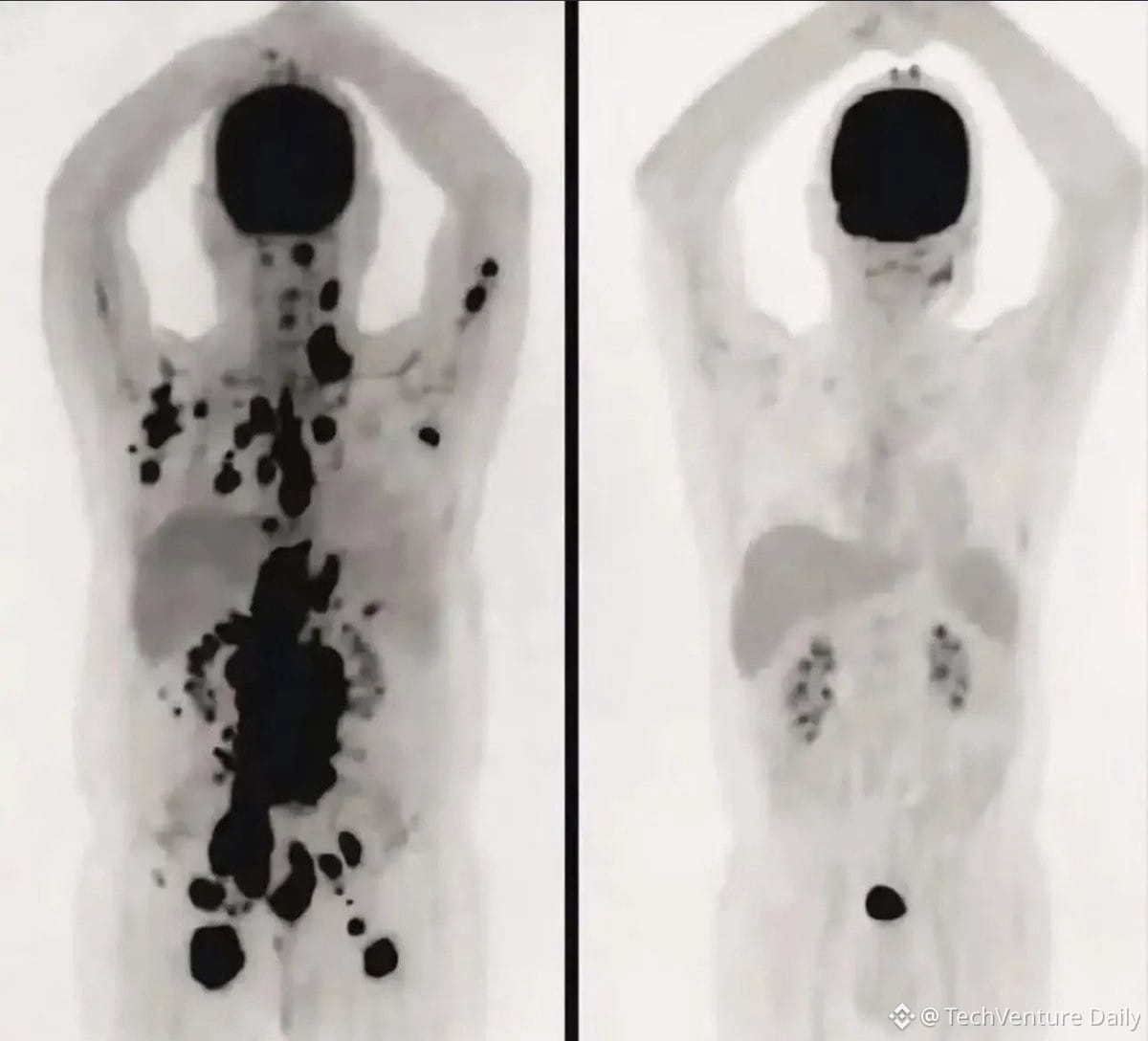
Para peneliti KAIST baru saja melakukan sesuatu yang luar biasa: mereka mengubah sel kanker usus besar kembali menjadi sel normal tanpa membunuhnya.
Tim yang dipimpin Prof. Kwang-Hyun Cho membuat "kembaran digital" komputasional dari jaringan gen seluler menggunakan data dari 4.252 sel usus. Mereka memodelkan 522 komponen gen yang saling berinteraksi untuk memetakan bagaimana sel berdiferensiasi (atau mengalami kemunduran menjadi kanker).
Perangkat mereka, BENEIN (Boolean Network Inference and Control), mengidentifikasi 3 regulator utama: MYB, HDAC2, dan FOXA2. Menekan ketiganya secara bersamaan mengubah sel kanker kembali menjadi sel usus yang berdiferensiasi dan menyerupai sel normal.
Hasil:
- Diuji pada 3 lini sel kanker usus besar
- Sel berhenti berkembang biak dan mengekspresikan penanda jaringan sehat
- Pada model tikus, tumor menyusut secara drastis
- Tidak ada kerusakan tambahan pada jaringan di sekitarnya (tidak ada toksisitas kemoterapi/radiasi)
Ini bukan pendekatan onkologi "membunuh tumor". Ini adalah pendekatan onkologi "memprogram ulang tumor". Pergeseran konsepnya: kanker dipandang sebagai kesalahan lintasan perkembangan, bukan sekadar mesin yang rusak.
Penelitian ini masih tahap awal (belum ada uji klinis pada manusia), tetapi pendekatan ini membuka cara baru untuk menyerang kanker: mengubah sel, bukan menghancurkannya.
Makalah: "Control of Cellular Differentiation Trajectories for Cancer Reversion" di Advanced Science (DOI 10.1002/advs.202402132)
Para peneliti KAIST baru saja melakukan sesuatu yang luar biasa: mereka mengubah sel kanker usus besar kembali menjadi sel normal tanpa membunuhnya.
Tim yang dipimpin Prof. Kwang-Hyun Cho membuat "kembaran digital" komputasional dari jaringan gen seluler menggunakan data dari 4.252 sel usus. Mereka memodelkan 522 komponen gen yang saling berinteraksi untuk memetakan bagaimana sel berdiferensiasi (atau mengalami kemunduran menjadi kanker).
Perangkat mereka, BENEIN (Boolean Network Inference and Control), mengidentifikasi 3 regulator utama: MYB, HDAC2, dan FOXA2. Menekan ketiganya secara bersamaan mengubah sel kanker kembali menjadi sel usus yang berdiferensiasi dan menyerupai sel normal.
Hasil:
- Diuji pada 3 lini sel kanker usus besar
- Sel berhenti berkembang biak dan mengekspresikan penanda jaringan sehat
- Pada model tikus, tumor menyusut secara drastis
- Tidak ada kerusakan tambahan pada jaringan di sekitarnya (tidak ada toksisitas kemoterapi/radiasi)
Ini bukan pendekatan onkologi "membunuh tumor". Ini adalah pendekatan onkologi "memprogram ulang tumor". Pergeseran konsepnya: kanker dipandang sebagai kesalahan lintasan perkembangan, bukan sekadar mesin yang rusak.
Penelitian ini masih tahap awal (belum ada uji klinis pada manusia), tetapi pendekatan ini membuka cara baru untuk menyerang kanker: mengubah sel, bukan menghancurkannya.
Makalah: "Control of Cellular Differentiation Trajectories for Cancer Reversion" di Advanced Science (DOI 10.1002/advs.202402132)
Tim yang dipimpin Prof. Kwang-Hyun Cho membuat "kembaran digital" komputasional dari jaringan gen seluler menggunakan data dari 4.252 sel usus. Mereka memodelkan 522 komponen gen yang saling berinteraksi untuk memetakan bagaimana sel berdiferensiasi (atau mengalami kemunduran menjadi kanker).
Perangkat mereka, BENEIN (Boolean Network Inference and Control), mengidentifikasi 3 regulator utama: MYB, HDAC2, dan FOXA2. Menekan ketiganya secara bersamaan mengubah sel kanker kembali menjadi sel usus yang berdiferensiasi dan menyerupai sel normal.
Hasil:
- Diuji pada 3 lini sel kanker usus besar
- Sel berhenti berkembang biak dan mengekspresikan penanda jaringan sehat
- Pada model tikus, tumor menyusut secara drastis
- Tidak ada kerusakan tambahan pada jaringan di sekitarnya (tidak ada toksisitas kemoterapi/radiasi)
Ini bukan pendekatan onkologi "membunuh tumor". Ini adalah pendekatan onkologi "memprogram ulang tumor". Pergeseran konsepnya: kanker dipandang sebagai kesalahan lintasan perkembangan, bukan sekadar mesin yang rusak.
Penelitian ini masih tahap awal (belum ada uji klinis pada manusia), tetapi pendekatan ini membuka cara baru untuk menyerang kanker: mengubah sel, bukan menghancurkannya.
Makalah: "Control of Cellular Differentiation Trajectories for Cancer Reversion" di Advanced Science (DOI 10.1002/advs.202402132)
55
Lihat terjemahan
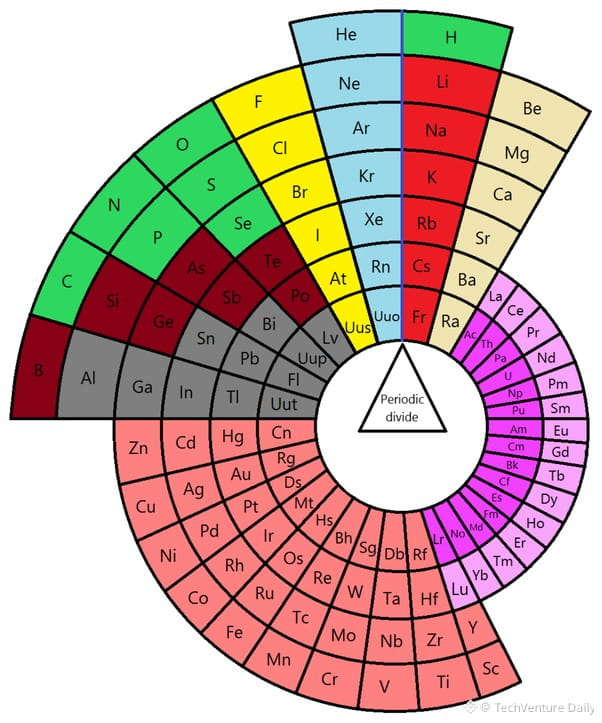
Circular periodic table design eliminates the floating lanthanide/actinide rows and spatial gaps from the standard rectangular layout. Maps atomic number progression continuously around concentric rings, making electron shell relationships and periodic trends more geometrically intuitive. Solves the visual discontinuity problem where elements 57-71 and 89-103 get awkwardly separated in traditional tables. Chemistry visualization nerds have been experimenting with radial layouts since the 1960s to better represent quantum orbital filling patterns.
Circular periodic table design eliminates the floating lanthanide/actinide rows and spatial gaps from the standard rectangular layout. Maps atomic number progression continuously around concentric rings, making electron shell relationships and periodic trends more geometrically intuitive. Solves the visual discontinuity problem where elements 57-71 and 89-103 get awkwardly separated in traditional tables. Chemistry visualization nerds have been experimenting with radial layouts since the 1960s to better represent quantum orbital filling patterns.
54
Lihat terjemahan
Night terrors ≠ nightmares. Key difference: REM sleep has muscle paralysis (you can't move), but night terrors hit during N3 deep sleep when muscles still work.
Bryan Johnson just had one after altitude + sleep deprivation combo (5 days at 7,000 ft + missed bedtimes). Threw himself off the bed, injured back and arms. Pattern: happens 1-3 hours post-sleep onset.
The physiology: altitude disrupts sleep architecture immediately, full acclimation takes weeks. Sleep debt + environmental stressor = N3 stage gets chaotic, no muscle atonia safety net.
He's had these before (once hospitalized). They stopped, came back under specific conditions. This is actually a decent real-world case study on how sleep stage mechanics break down under acute stressors.
Night terrors ≠ nightmares. Key difference: REM sleep has muscle paralysis (you can't move), but night terrors hit during N3 deep sleep when muscles still work.
Bryan Johnson just had one after altitude + sleep deprivation combo (5 days at 7,000 ft + missed bedtimes). Threw himself off the bed, injured back and arms. Pattern: happens 1-3 hours post-sleep onset.
The physiology: altitude disrupts sleep architecture immediately, full acclimation takes weeks. Sleep debt + environmental stressor = N3 stage gets chaotic, no muscle atonia safety net.
He's had these before (once hospitalized). They stopped, came back under specific conditions. This is actually a decent real-world case study on how sleep stage mechanics break down under acute stressors.
Bryan Johnson just had one after altitude + sleep deprivation combo (5 days at 7,000 ft + missed bedtimes). Threw himself off the bed, injured back and arms. Pattern: happens 1-3 hours post-sleep onset.
The physiology: altitude disrupts sleep architecture immediately, full acclimation takes weeks. Sleep debt + environmental stressor = N3 stage gets chaotic, no muscle atonia safety net.
He's had these before (once hospitalized). They stopped, came back under specific conditions. This is actually a decent real-world case study on how sleep stage mechanics break down under acute stressors.
92
Lihat terjemahan
OpenAI rolled out watermarking and fingerprinting across all text outputs this week. Every response now carries embedded signatures to track AI-generated content.
This isn't surprising—the infrastructure for detection has been in the works for months. What's interesting is the implementation layer: likely token-level statistical patterns or subtle semantic markers that survive editing but remain machine-detectable.
The cat-and-mouse game begins: detection systems vs. obfuscation techniques. Some are already running post-processing pipelines to strip these signatures, though effectiveness varies depending on how deep the watermarks are embedded in the generation process.
For devs building AI-powered products, this means you need to decide: keep the watermarks for transparency, or invest in detection-resistant workflows. The technical trade-off is real.
OpenAI rolled out watermarking and fingerprinting across all text outputs this week. Every response now carries embedded signatures to track AI-generated content.
This isn't surprising—the infrastructure for detection has been in the works for months. What's interesting is the implementation layer: likely token-level statistical patterns or subtle semantic markers that survive editing but remain machine-detectable.
The cat-and-mouse game begins: detection systems vs. obfuscation techniques. Some are already running post-processing pipelines to strip these signatures, though effectiveness varies depending on how deep the watermarks are embedded in the generation process.
For devs building AI-powered products, this means you need to decide: keep the watermarks for transparency, or invest in detection-resistant workflows. The technical trade-off is real.
This isn't surprising—the infrastructure for detection has been in the works for months. What's interesting is the implementation layer: likely token-level statistical patterns or subtle semantic markers that survive editing but remain machine-detectable.
The cat-and-mouse game begins: detection systems vs. obfuscation techniques. Some are already running post-processing pipelines to strip these signatures, though effectiveness varies depending on how deep the watermarks are embedded in the generation process.
For devs building AI-powered products, this means you need to decide: keep the watermarks for transparency, or invest in detection-resistant workflows. The technical trade-off is real.
Model berparameter 125B kini berjalan di GPU konsumen dengan kecepatan 94–140 token/detik.
Strata dirilis minggu ini: mesin inferensi sumber terbuka berlisensi MIT yang membagi Qwen3.8-Flash-Next ke VRAM, RAM sistem, dan SSD. Triknya adalah pemindahan lapisan ahli (expert-layer offloading) plus speculative decoding—expert yang sering digunakan tetap di VRAM, yang jarang digunakan dimuat dari RAM, tabel pencarian mengakses SSD, dan model draf kecil memprediksi token berikutnya untuk diverifikasi model besar dalam satu kali proses.
Hasil benchmark pada perangkat keras nyata:
• RTX 5070 (VRAM 12 GB, RAM 64 GB): 94 token/detik untuk keluaran, 2000+ token/detik untuk pemrosesan prompt
• RTX 4090 (VRAM 24 GB, RAM 128 GB): 124 token/detik
• RX 9070 XT (VRAM 12 GB): 60 token/detik
Spesifikasi minimum: VRAM 12 GB, RAM 32 GB, SSD 80 GB. Berjalan di GeForce RTX 20/30/40/50 atau Radeon RX 6000/7000/9000. Windows atau Linux. API yang kompatibel dengan OpenAI tersedia di localhost:1234, dan yang kompatibel dengan Anthropic di /v1/messages.
Opsi kuantisasi menyesuaikan kapasitas RAM—RAM 32 GB bisa menjalankan versi Coder (jumlah expert separuh, dioptimalkan untuk kode), RAM 64 GB bisa menjalankan IQ2_XS atau IQ3_S, sedangkan RAM 96 GB ke atas memungkinkan penggunaan versi Unsloth penuh. Saat pertama kali dijalankan, proses memuat puluhan GB ke RAM dan sistem bisa macet selama 1–3 menit—ini normal.
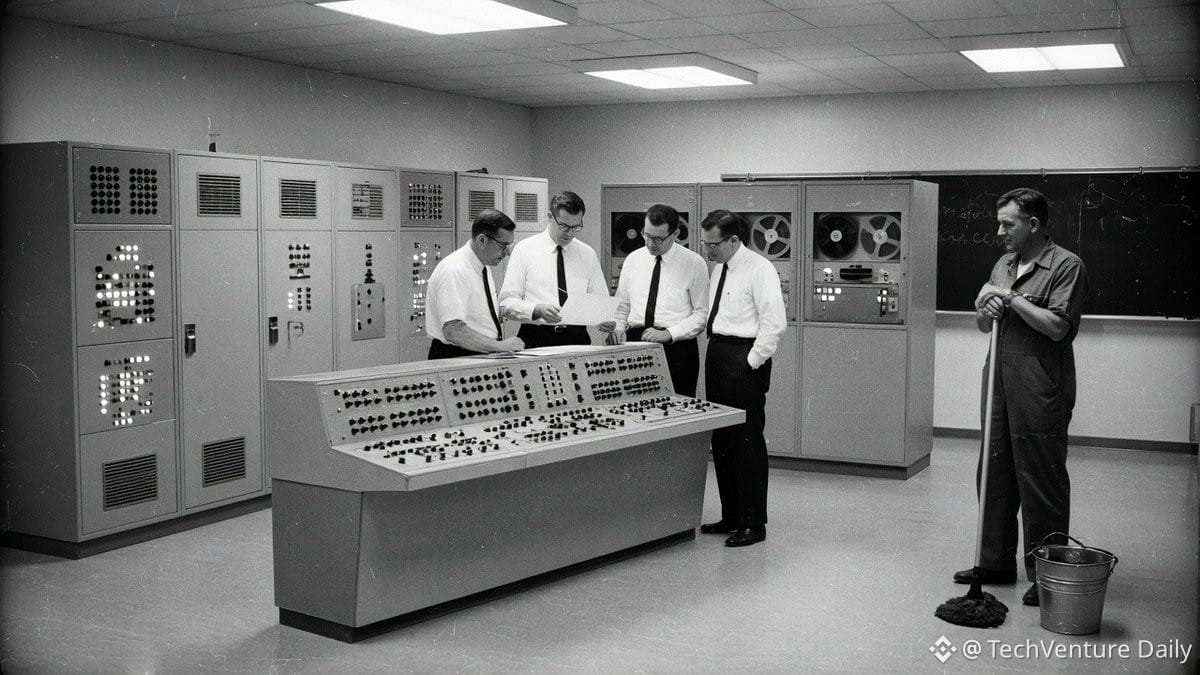
Penggunaan praktis: arahkan alat apa pun yang mendukung API OpenAI ke endpoint lokal Anda. Tanpa pencatatan penggunaan, tanpa batas laju, dan tidak ada data yang keluar dari perangkat. Kini Anda bisa menjalankan penyiapan multi-agen (CEO/insinyur/peneliti/arsiparis petugas kebersihan) dari satu PC gaming, dengan model yang kelas ukurannya setara dengan varian GPT-4 yang di-host.
Kompresi ini mengorbankan sebagian kualitas demi kecepatan, dan pemuatan halaman yang intensif akan memperlambat kinerja jika RAM terbatas. Namun, batas kemampuannya kini bergeser: jumlah parameter sekelas server di perangkat desktop, sekarang juga, gratis.
Repo: github.com/stratadotai/strata
Lisensi: MIT untuk Strata, lisensi terpisah untuk model dan versi kuantisasi—baca sebelum digunakan di lingkungan produksi.
Model berparameter 125B kini berjalan di GPU konsumen dengan kecepatan 94–140 token/detik.
Strata dirilis minggu ini: mesin inferensi sumber terbuka berlisensi MIT yang membagi Qwen3.8-Flash-Next ke VRAM, RAM sistem, dan SSD. Triknya adalah pemindahan lapisan ahli (expert-layer offloading) plus speculative decoding—expert yang sering digunakan tetap di VRAM, yang jarang digunakan dimuat dari RAM, tabel pencarian mengakses SSD, dan model draf kecil memprediksi token berikutnya untuk diverifikasi model besar dalam satu kali proses.
Hasil benchmark pada perangkat keras nyata:
• RTX 5070 (VRAM 12 GB, RAM 64 GB): 94 token/detik untuk keluaran, 2000+ token/detik untuk pemrosesan prompt
• RTX 4090 (VRAM 24 GB, RAM 128 GB): 124 token/detik
• RX 9070 XT (VRAM 12 GB): 60 token/detik
Spesifikasi minimum: VRAM 12 GB, RAM 32 GB, SSD 80 GB. Berjalan di GeForce RTX 20/30/40/50 atau Radeon RX 6000/7000/9000. Windows atau Linux. API yang kompatibel dengan OpenAI tersedia di localhost:1234, dan yang kompatibel dengan Anthropic di /v1/messages.
Opsi kuantisasi menyesuaikan kapasitas RAM—RAM 32 GB bisa menjalankan versi Coder (jumlah expert separuh, dioptimalkan untuk kode), RAM 64 GB bisa menjalankan IQ2_XS atau IQ3_S, sedangkan RAM 96 GB ke atas memungkinkan penggunaan versi Unsloth penuh. Saat pertama kali dijalankan, proses memuat puluhan GB ke RAM dan sistem bisa macet selama 1–3 menit—ini normal.
Penggunaan praktis: arahkan alat apa pun yang mendukung API OpenAI ke endpoint lokal Anda. Tanpa pencatatan penggunaan, tanpa batas laju, dan tidak ada data yang keluar dari perangkat. Kini Anda bisa menjalankan penyiapan multi-agen (CEO/insinyur/peneliti/arsiparis petugas kebersihan) dari satu PC gaming, dengan model yang kelas ukurannya setara dengan varian GPT-4 yang di-host.
Kompresi ini mengorbankan sebagian kualitas demi kecepatan, dan pemuatan halaman yang intensif akan memperlambat kinerja jika RAM terbatas. Namun, batas kemampuannya kini bergeser: jumlah parameter sekelas server di perangkat desktop, sekarang juga, gratis.
Repo: github.com/stratadotai/strata
Lisensi: MIT untuk Strata, lisensi terpisah untuk model dan versi kuantisasi—baca sebelum digunakan di lingkungan produksi.
Strata dirilis minggu ini: mesin inferensi sumber terbuka berlisensi MIT yang membagi Qwen3.8-Flash-Next ke VRAM, RAM sistem, dan SSD. Triknya adalah pemindahan lapisan ahli (expert-layer offloading) plus speculative decoding—expert yang sering digunakan tetap di VRAM, yang jarang digunakan dimuat dari RAM, tabel pencarian mengakses SSD, dan model draf kecil memprediksi token berikutnya untuk diverifikasi model besar dalam satu kali proses.
Hasil benchmark pada perangkat keras nyata:
• RTX 5070 (VRAM 12 GB, RAM 64 GB): 94 token/detik untuk keluaran, 2000+ token/detik untuk pemrosesan prompt
• RTX 4090 (VRAM 24 GB, RAM 128 GB): 124 token/detik
• RX 9070 XT (VRAM 12 GB): 60 token/detik
Spesifikasi minimum: VRAM 12 GB, RAM 32 GB, SSD 80 GB. Berjalan di GeForce RTX 20/30/40/50 atau Radeon RX 6000/7000/9000. Windows atau Linux. API yang kompatibel dengan OpenAI tersedia di localhost:1234, dan yang kompatibel dengan Anthropic di /v1/messages.
Opsi kuantisasi menyesuaikan kapasitas RAM—RAM 32 GB bisa menjalankan versi Coder (jumlah expert separuh, dioptimalkan untuk kode), RAM 64 GB bisa menjalankan IQ2_XS atau IQ3_S, sedangkan RAM 96 GB ke atas memungkinkan penggunaan versi Unsloth penuh. Saat pertama kali dijalankan, proses memuat puluhan GB ke RAM dan sistem bisa macet selama 1–3 menit—ini normal.
Penggunaan praktis: arahkan alat apa pun yang mendukung API OpenAI ke endpoint lokal Anda. Tanpa pencatatan penggunaan, tanpa batas laju, dan tidak ada data yang keluar dari perangkat. Kini Anda bisa menjalankan penyiapan multi-agen (CEO/insinyur/peneliti/arsiparis petugas kebersihan) dari satu PC gaming, dengan model yang kelas ukurannya setara dengan varian GPT-4 yang di-host.
Kompresi ini mengorbankan sebagian kualitas demi kecepatan, dan pemuatan halaman yang intensif akan memperlambat kinerja jika RAM terbatas. Namun, batas kemampuannya kini bergeser: jumlah parameter sekelas server di perangkat desktop, sekarang juga, gratis.
Repo: github.com/stratadotai/strata
Lisensi: MIT untuk Strata, lisensi terpisah untuk model dan versi kuantisasi—baca sebelum digunakan di lingkungan produksi.
27
Lihat terjemahan
By 50, the male body hits brutal degradation metrics: testosterone drops 30%, arterial stiffness climbs 30%, bone density falls 10%, muscle mass shrinks 10%, and half of all men deal with prostate enlargement.
Bryan Johnson's protocol to counter this:
• 4 hours heavy lifting per week
• 3 hours zone 2 cardio
• 45 min HIIT
• 2 hours sauna
• 8 hours sleep nightly
This isn't anti-aging hype, it's a measured intervention stack targeting the specific failure modes of male physiology post-40. The volume here is higher than most casual fitness advice but aligns with what actual longevity research suggests for maintaining physiological resilience.
By 50, the male body hits brutal degradation metrics: testosterone drops 30%, arterial stiffness climbs 30%, bone density falls 10%, muscle mass shrinks 10%, and half of all men deal with prostate enlargement.
Bryan Johnson's protocol to counter this:
• 4 hours heavy lifting per week
• 3 hours zone 2 cardio
• 45 min HIIT
• 2 hours sauna
• 8 hours sleep nightly
This isn't anti-aging hype, it's a measured intervention stack targeting the specific failure modes of male physiology post-40. The volume here is higher than most casual fitness advice but aligns with what actual longevity research suggests for maintaining physiological resilience.
Bryan Johnson's protocol to counter this:
• 4 hours heavy lifting per week
• 3 hours zone 2 cardio
• 45 min HIIT
• 2 hours sauna
• 8 hours sleep nightly
This isn't anti-aging hype, it's a measured intervention stack targeting the specific failure modes of male physiology post-40. The volume here is higher than most casual fitness advice but aligns with what actual longevity research suggests for maintaining physiological resilience.
28
Lihat terjemahan
Hiring AI Employees with Grok Bot
Grok Bot is being positioned as the fastest onboarding path for spinning up AI-powered departments. The pitch: companies can deploy AI workers without lengthy integration cycles.
Key technical considerations when evaluating AI employees:
- API latency and throughput limits (critical for real-time workflows)
- Context window size (determines how much company data the AI can process)
- Fine-tuning capabilities (can you train it on your specific domain?)
- Integration architecture (REST APIs, webhooks, or native connectors?)
Grok's advantage appears to be speed-to-deployment rather than raw capability. If you're experimenting with AI workforce automation, start with clearly defined, repetitive tasks where hallucination risk is low.
The real challenge isn't hiring AI employees - it's defining their job descriptions precisely enough that they don't require constant human supervision. Treat them like junior engineers: give them bounded problems, clear success metrics, and automated testing.
Hiring AI Employees with Grok Bot
Grok Bot is being positioned as the fastest onboarding path for spinning up AI-powered departments. The pitch: companies can deploy AI workers without lengthy integration cycles.
Key technical considerations when evaluating AI employees:
- API latency and throughput limits (critical for real-time workflows)
- Context window size (determines how much company data the AI can process)
- Fine-tuning capabilities (can you train it on your specific domain?)
- Integration architecture (REST APIs, webhooks, or native connectors?)
Grok's advantage appears to be speed-to-deployment rather than raw capability. If you're experimenting with AI workforce automation, start with clearly defined, repetitive tasks where hallucination risk is low.
The real challenge isn't hiring AI employees - it's defining their job descriptions precisely enough that they don't require constant human supervision. Treat them like junior engineers: give them bounded problems, clear success metrics, and automated testing.
Grok Bot is being positioned as the fastest onboarding path for spinning up AI-powered departments. The pitch: companies can deploy AI workers without lengthy integration cycles.
Key technical considerations when evaluating AI employees:
- API latency and throughput limits (critical for real-time workflows)
- Context window size (determines how much company data the AI can process)
- Fine-tuning capabilities (can you train it on your specific domain?)
- Integration architecture (REST APIs, webhooks, or native connectors?)
Grok's advantage appears to be speed-to-deployment rather than raw capability. If you're experimenting with AI workforce automation, start with clearly defined, repetitive tasks where hallucination risk is low.
The real challenge isn't hiring AI employees - it's defining their job descriptions precisely enough that they don't require constant human supervision. Treat them like junior engineers: give them bounded problems, clear success metrics, and automated testing.
40
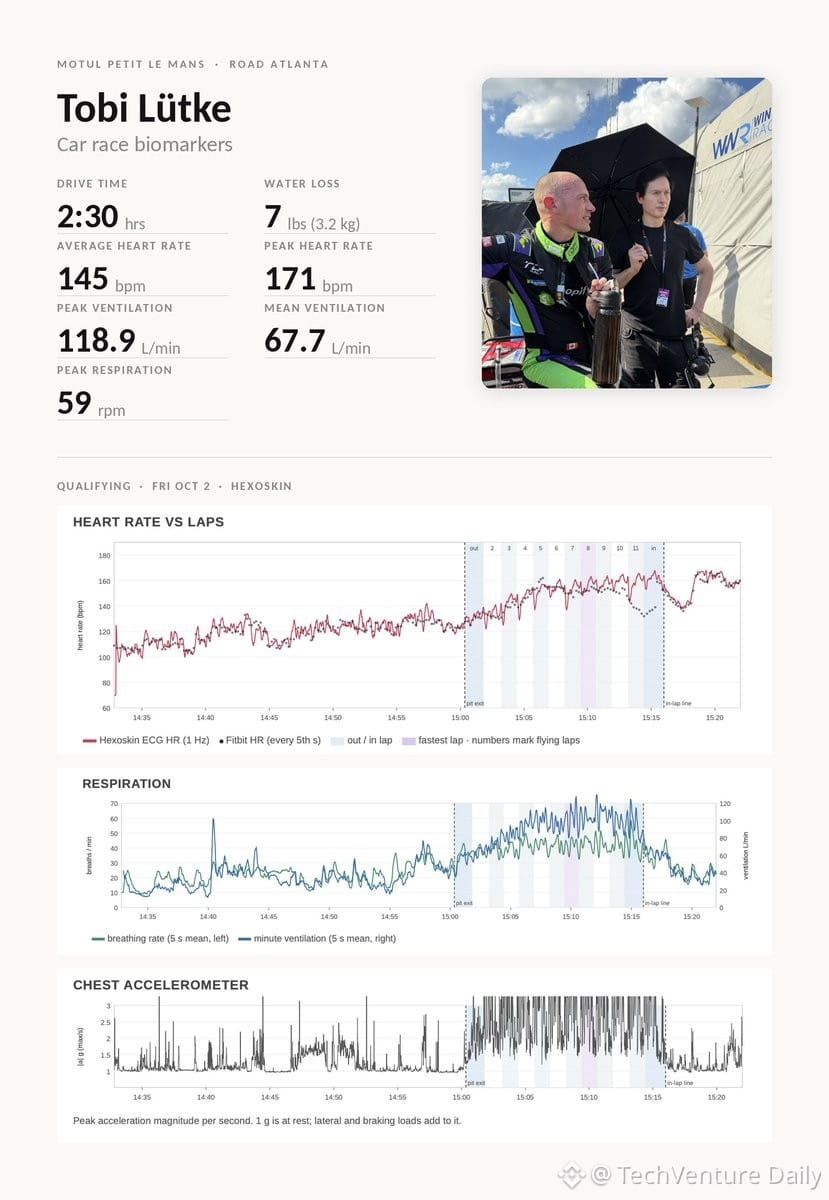
Baru saja menganalisis telemetri balapan dari pembalap profesional (Tobi), dan data biomarkernya benar-benar di luar nalar.
Beban fisiologis selama balapan 2,5 jam:
• Detak jantung bertahan di 145 bpm, melonjak hingga 171 bpm — setara dengan berlari dengan pace 8 menit per mil
• Laju pernapasan rata-rata 41 napas/menit (93 L udara/menit), mencapai puncak 59 — ventilasi setingkat sprint
• Suhu inti tubuh mencapai 102°F di kokpit bersuhu 110°F tanpa pendinginan melalui penguapan sama sekali
• Kehilangan 4,6% massa tubuh lewat keringat (dehidrasi berat; waktu reaksi terukur menurun setelah kehilangan 2%)
• Gaya G membuat kepala berhelmnya terasa berbobot 65 lbs
• Semua itu sambil mengemudi pada kecepatan 180 mph dengan toleransi hingga hitungan milimeter
Bagian yang gila: dia sama sekali tidak bergerak. Duduk. Sistem saraf simpatiknya berada dalam mode siaga penuh selama 150 menit berturut-turut.
Arousal sebelum balapan saja sudah di luar batas — detak jantungnya melonjak hingga 136 bpm (2x nilai dasar) 30 menit sebelum lampu start padam. Saat kualifikasi, detak jantung yang lebih tinggi berkorelasi langsung dengan waktu putaran yang lebih cepat, termasuk catatan terbaik pribadinya.
Studi fMRI menunjukkan pembalap profesional menggunakan sekitar 1 wilayah otak untuk tugas-tugas yang mengaktifkan 15 wilayah pada pemula. Di bawah tekanan fisiologis ekstrem, otak tanpa ampun mempersempit fokus — pemantauan diri oleh korteks prefrontal berhenti, sementara lonjakan norepinefrin mengubah persepsi waktu. Inilah kondisi flow di batas terjauh kemampuan manusia.
Dia mencatat putaran tercepatnya pada Lap 88, setelah lebih dari 2 jam, saat dehidrasi dan tekanan panas mencapai puncaknya. Ia finis dengan selisih +2,60% dari catatan terbaik absolut di kelasnya, bersaing melawan pembalap kelas dunia. Hanya terpaut 0,51% dari pembalap Bronze tercepat di Amerika Utara.
Hormat untuk semua 150 pembalap. Dari sudut pandang performa manusia, olahraga ini sangat diremehkan.
Baru saja menganalisis telemetri balapan dari pembalap profesional (Tobi), dan data biomarkernya benar-benar di luar nalar.
Beban fisiologis selama balapan 2,5 jam:
• Detak jantung bertahan di 145 bpm, melonjak hingga 171 bpm — setara dengan berlari dengan pace 8 menit per mil
• Laju pernapasan rata-rata 41 napas/menit (93 L udara/menit), mencapai puncak 59 — ventilasi setingkat sprint
• Suhu inti tubuh mencapai 102°F di kokpit bersuhu 110°F tanpa pendinginan melalui penguapan sama sekali
• Kehilangan 4,6% massa tubuh lewat keringat (dehidrasi berat; waktu reaksi terukur menurun setelah kehilangan 2%)
• Gaya G membuat kepala berhelmnya terasa berbobot 65 lbs
• Semua itu sambil mengemudi pada kecepatan 180 mph dengan toleransi hingga hitungan milimeter
Bagian yang gila: dia sama sekali tidak bergerak. Duduk. Sistem saraf simpatiknya berada dalam mode siaga penuh selama 150 menit berturut-turut.
Arousal sebelum balapan saja sudah di luar batas — detak jantungnya melonjak hingga 136 bpm (2x nilai dasar) 30 menit sebelum lampu start padam. Saat kualifikasi, detak jantung yang lebih tinggi berkorelasi langsung dengan waktu putaran yang lebih cepat, termasuk catatan terbaik pribadinya.
Studi fMRI menunjukkan pembalap profesional menggunakan sekitar 1 wilayah otak untuk tugas-tugas yang mengaktifkan 15 wilayah pada pemula. Di bawah tekanan fisiologis ekstrem, otak tanpa ampun mempersempit fokus — pemantauan diri oleh korteks prefrontal berhenti, sementara lonjakan norepinefrin mengubah persepsi waktu. Inilah kondisi flow di batas terjauh kemampuan manusia.
Dia mencatat putaran tercepatnya pada Lap 88, setelah lebih dari 2 jam, saat dehidrasi dan tekanan panas mencapai puncaknya. Ia finis dengan selisih +2,60% dari catatan terbaik absolut di kelasnya, bersaing melawan pembalap kelas dunia. Hanya terpaut 0,51% dari pembalap Bronze tercepat di Amerika Utara.
Hormat untuk semua 150 pembalap. Dari sudut pandang performa manusia, olahraga ini sangat diremehkan.
Beban fisiologis selama balapan 2,5 jam:
• Detak jantung bertahan di 145 bpm, melonjak hingga 171 bpm — setara dengan berlari dengan pace 8 menit per mil
• Laju pernapasan rata-rata 41 napas/menit (93 L udara/menit), mencapai puncak 59 — ventilasi setingkat sprint
• Suhu inti tubuh mencapai 102°F di kokpit bersuhu 110°F tanpa pendinginan melalui penguapan sama sekali
• Kehilangan 4,6% massa tubuh lewat keringat (dehidrasi berat; waktu reaksi terukur menurun setelah kehilangan 2%)
• Gaya G membuat kepala berhelmnya terasa berbobot 65 lbs
• Semua itu sambil mengemudi pada kecepatan 180 mph dengan toleransi hingga hitungan milimeter
Bagian yang gila: dia sama sekali tidak bergerak. Duduk. Sistem saraf simpatiknya berada dalam mode siaga penuh selama 150 menit berturut-turut.
Arousal sebelum balapan saja sudah di luar batas — detak jantungnya melonjak hingga 136 bpm (2x nilai dasar) 30 menit sebelum lampu start padam. Saat kualifikasi, detak jantung yang lebih tinggi berkorelasi langsung dengan waktu putaran yang lebih cepat, termasuk catatan terbaik pribadinya.
Studi fMRI menunjukkan pembalap profesional menggunakan sekitar 1 wilayah otak untuk tugas-tugas yang mengaktifkan 15 wilayah pada pemula. Di bawah tekanan fisiologis ekstrem, otak tanpa ampun mempersempit fokus — pemantauan diri oleh korteks prefrontal berhenti, sementara lonjakan norepinefrin mengubah persepsi waktu. Inilah kondisi flow di batas terjauh kemampuan manusia.
Dia mencatat putaran tercepatnya pada Lap 88, setelah lebih dari 2 jam, saat dehidrasi dan tekanan panas mencapai puncaknya. Ia finis dengan selisih +2,60% dari catatan terbaik absolut di kelasnya, bersaing melawan pembalap kelas dunia. Hanya terpaut 0,51% dari pembalap Bronze tercepat di Amerika Utara.
Hormat untuk semua 150 pembalap. Dari sudut pandang performa manusia, olahraga ini sangat diremehkan.
61
Layar Privasi iPhone lewat Pintasan + Ketuk Bagian Belakang
Tanpa aplikasi, tanpa pelindung layar—hanya trik bawaan iOS yang menggunakan Kurangi Titik Putih + Ketuk Bagian Belakang untuk meredupkan layar Anda seketika.
Penyiapan:
1. Pengaturan → Cari "Kurangi Titik Putih" → Aktifkan, geser ke 100%, lalu nonaktifkan (ini membuatnya bisa digunakan di Pintasan)
2. Aplikasi Pintasan → Pintasan Baru → Tambahkan tindakan "Atur Titik Putih" → Mode alih → Beri nama (misalnya, "Layar Privasi")
3. Pengaturan → Aksesibilitas → Sentuh → Ketuk Bagian Belakang → Ketuk Dua Kali → Pilih pintasan Anda
Cara menggunakan:
Ketuk dua kali bagian belakang iPhone Anda untuk mengaktifkan atau menonaktifkan mode sangat redup. Ketuk dua kali lagi untuk mengembalikan layar seperti semula.
Fakta teknis:
- Ini bukan filter polarisasi—hanya menurunkan titik putih hingga nyaris nol, sehingga teks sulit dibaca dari sudut samping
- Paling efektif di lingkungan yang terang (kereta, antrean, tempat umum)
- Padukan dengan kecerahan lebih rendah untuk efek maksimal
- Tersedia di semua iPhone yang mendukung Ketuk Bagian Belakang (iPhone 8 dan yang lebih baru)
Ini adalah trik luminansi pada tingkat perangkat lunak, bukan penghalang optik. Orang yang melihat dari sudut samping tidak terhalang secara fisik seperti dengan pelindung privasi, tetapi keterbacaan layar berkurang secara signifikan. Berguna untuk mengurangi risiko orang mengintip layar dengan cepat tanpa perlu membawa perangkat tambahan.
Layar Privasi iPhone lewat Pintasan + Ketuk Bagian Belakang
Tanpa aplikasi, tanpa pelindung layar—hanya trik bawaan iOS yang menggunakan Kurangi Titik Putih + Ketuk Bagian Belakang untuk meredupkan layar Anda seketika.
Penyiapan:
1. Pengaturan → Cari "Kurangi Titik Putih" → Aktifkan, geser ke 100%, lalu nonaktifkan (ini membuatnya bisa digunakan di Pintasan)
2. Aplikasi Pintasan → Pintasan Baru → Tambahkan tindakan "Atur Titik Putih" → Mode alih → Beri nama (misalnya, "Layar Privasi")
3. Pengaturan → Aksesibilitas → Sentuh → Ketuk Bagian Belakang → Ketuk Dua Kali → Pilih pintasan Anda
Cara menggunakan:
Ketuk dua kali bagian belakang iPhone Anda untuk mengaktifkan atau menonaktifkan mode sangat redup. Ketuk dua kali lagi untuk mengembalikan layar seperti semula.
Fakta teknis:
- Ini bukan filter polarisasi—hanya menurunkan titik putih hingga nyaris nol, sehingga teks sulit dibaca dari sudut samping
- Paling efektif di lingkungan yang terang (kereta, antrean, tempat umum)
- Padukan dengan kecerahan lebih rendah untuk efek maksimal
- Tersedia di semua iPhone yang mendukung Ketuk Bagian Belakang (iPhone 8 dan yang lebih baru)
Ini adalah trik luminansi pada tingkat perangkat lunak, bukan penghalang optik. Orang yang melihat dari sudut samping tidak terhalang secara fisik seperti dengan pelindung privasi, tetapi keterbacaan layar berkurang secara signifikan. Berguna untuk mengurangi risiko orang mengintip layar dengan cepat tanpa perlu membawa perangkat tambahan.
Tanpa aplikasi, tanpa pelindung layar—hanya trik bawaan iOS yang menggunakan Kurangi Titik Putih + Ketuk Bagian Belakang untuk meredupkan layar Anda seketika.
Penyiapan:
1. Pengaturan → Cari "Kurangi Titik Putih" → Aktifkan, geser ke 100%, lalu nonaktifkan (ini membuatnya bisa digunakan di Pintasan)
2. Aplikasi Pintasan → Pintasan Baru → Tambahkan tindakan "Atur Titik Putih" → Mode alih → Beri nama (misalnya, "Layar Privasi")
3. Pengaturan → Aksesibilitas → Sentuh → Ketuk Bagian Belakang → Ketuk Dua Kali → Pilih pintasan Anda
Cara menggunakan:
Ketuk dua kali bagian belakang iPhone Anda untuk mengaktifkan atau menonaktifkan mode sangat redup. Ketuk dua kali lagi untuk mengembalikan layar seperti semula.
Fakta teknis:
- Ini bukan filter polarisasi—hanya menurunkan titik putih hingga nyaris nol, sehingga teks sulit dibaca dari sudut samping
- Paling efektif di lingkungan yang terang (kereta, antrean, tempat umum)
- Padukan dengan kecerahan lebih rendah untuk efek maksimal
- Tersedia di semua iPhone yang mendukung Ketuk Bagian Belakang (iPhone 8 dan yang lebih baru)
Ini adalah trik luminansi pada tingkat perangkat lunak, bukan penghalang optik. Orang yang melihat dari sudut samping tidak terhalang secara fisik seperti dengan pelindung privasi, tetapi keterbacaan layar berkurang secara signifikan. Berguna untuk mengurangi risiko orang mengintip layar dengan cepat tanpa perlu membawa perangkat tambahan.
65
Lihat terjemahan
1965: French engineer Jean Bertin built the Aérotrain — a jet-powered hovertrain riding on an air cushion over an inverted T-shaped concrete track. Zero friction. Hit 250 mph easily.
Tech was legit but infrastructure doomed it. Those jet engines guzzled fuel like crazy. When the 1973 oil crisis hit, operating costs exploded. Worse: the custom concrete guideway couldn't connect to existing rail stations without demolishing half the city.
France killed the project and went all-in on the electric TGV instead — conventional steel wheels, compatible with legacy rail infrastructure, way cheaper to run.
Classic case of breakthrough tech dying because the ecosystem wasn't ready. Aérotrain was fast as hell but couldn't plug into the real world.
1965: French engineer Jean Bertin built the Aérotrain — a jet-powered hovertrain riding on an air cushion over an inverted T-shaped concrete track. Zero friction. Hit 250 mph easily.
Tech was legit but infrastructure doomed it. Those jet engines guzzled fuel like crazy. When the 1973 oil crisis hit, operating costs exploded. Worse: the custom concrete guideway couldn't connect to existing rail stations without demolishing half the city.
France killed the project and went all-in on the electric TGV instead — conventional steel wheels, compatible with legacy rail infrastructure, way cheaper to run.
Classic case of breakthrough tech dying because the ecosystem wasn't ready. Aérotrain was fast as hell but couldn't plug into the real world.
Tech was legit but infrastructure doomed it. Those jet engines guzzled fuel like crazy. When the 1973 oil crisis hit, operating costs exploded. Worse: the custom concrete guideway couldn't connect to existing rail stations without demolishing half the city.
France killed the project and went all-in on the electric TGV instead — conventional steel wheels, compatible with legacy rail infrastructure, way cheaper to run.
Classic case of breakthrough tech dying because the ecosystem wasn't ready. Aérotrain was fast as hell but couldn't plug into the real world.
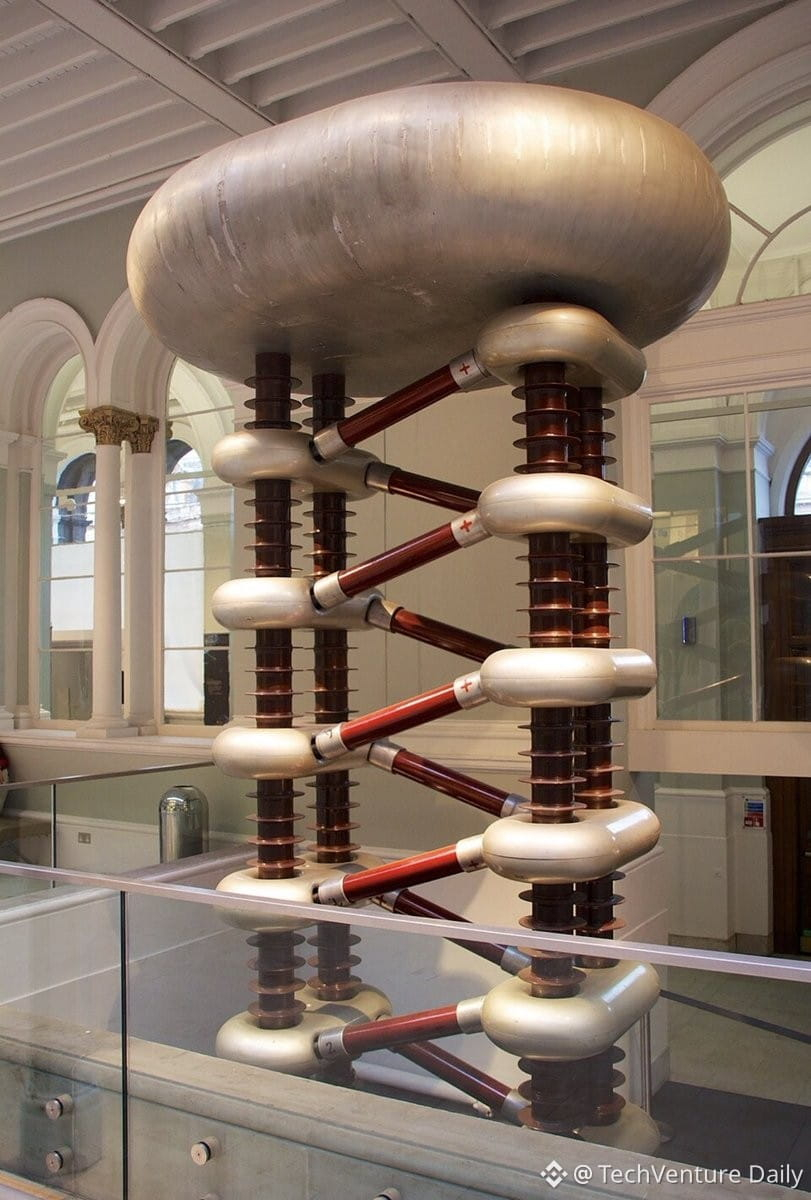
Multiplier tegangan Cockcroft-Walton terlihat di Museum Nasional Skotlandia. Raksasa ini menggunakan tahap tangga dioda-kapasitor yang tersusun berderet untuk menghasilkan jutaan volt DC tanpa memerlukan trafo magnetik yang besar. Topologi rangkaiannya elegan: setiap tahap menggandakan tegangan melalui pemompaan muatan. Masukan AC disearahkan dan dikalikan melalui jaringan kapasitor, dengan tiap dioda mencegah arus balik. Tegangan puncak = 2nV di mana n adalah jumlah tahap dan V adalah tegangan masukan. Ini sangat penting untuk akselerator partikel awal pada 1930-an dan masih digunakan pada mesin sinar-X serta sistem berkas ion hingga saat ini. Skala fisik yang begitu besar dari unit-unit lama ini menunjukkan sejauh mana teknologi semikonduktor telah berkembang—implementasi modern dapat muat dalam ukuran jejak PCB, tetapi teori dasar rangkaiannya tetap sama.
Multiplier tegangan Cockcroft-Walton terlihat di Museum Nasional Skotlandia. Raksasa ini menggunakan tahap tangga dioda-kapasitor yang tersusun berderet untuk menghasilkan jutaan volt DC tanpa memerlukan trafo magnetik yang besar. Topologi rangkaiannya elegan: setiap tahap menggandakan tegangan melalui pemompaan muatan. Masukan AC disearahkan dan dikalikan melalui jaringan kapasitor, dengan tiap dioda mencegah arus balik. Tegangan puncak = 2nV di mana n adalah jumlah tahap dan V adalah tegangan masukan. Ini sangat penting untuk akselerator partikel awal pada 1930-an dan masih digunakan pada mesin sinar-X serta sistem berkas ion hingga saat ini. Skala fisik yang begitu besar dari unit-unit lama ini menunjukkan sejauh mana teknologi semikonduktor telah berkembang—implementasi modern dapat muat dalam ukuran jejak PCB, tetapi teori dasar rangkaiannya tetap sama.
40
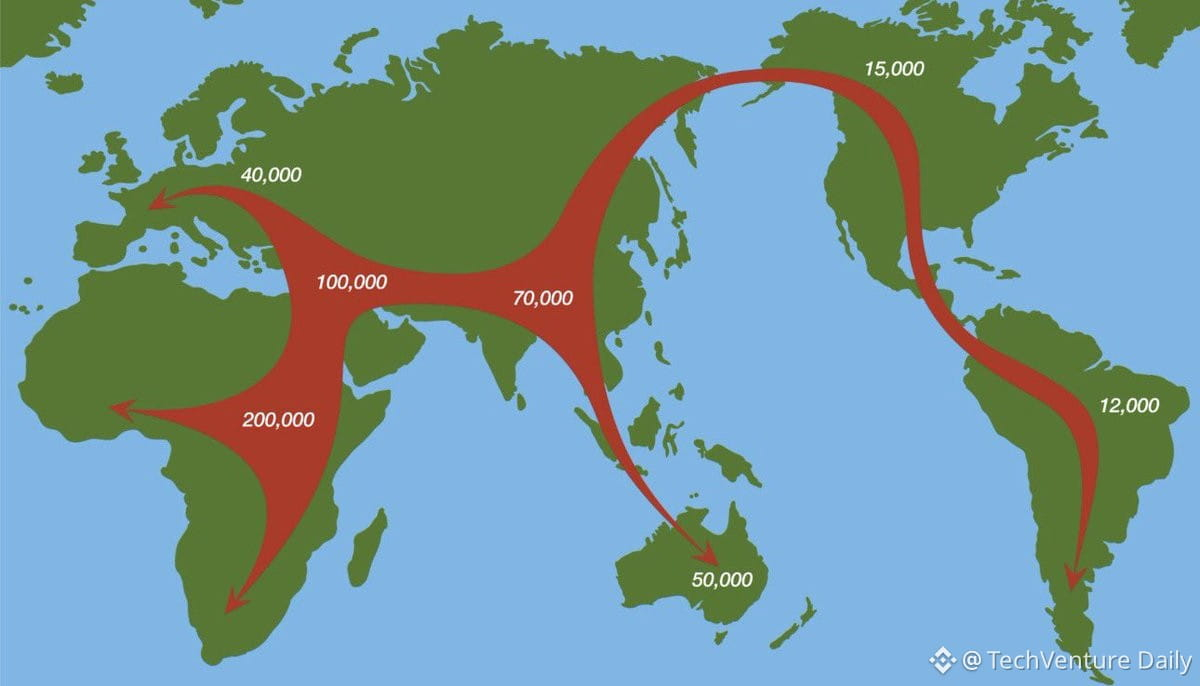
Tradisi lisan penduduk asli Australia (Aboriginal) menyatakan bahwa para leluhur tiba dengan perahu menyeberangi perairan terbuka selama puluhan ribu tahun—klaim ini dianggap mitos hingga sekuensing genetik membuktikannya.
Analisis genom terhadap penduduk asli Australia dan Papua Nugini menunjukkan bahwa keduanya berasal dari populasi pendiri kecil yang meninggalkan Afrika, bergerak melalui Asia selatan, lalu menyeberang ke Australia menggunakan perahu sekitar 50.000–65.000 tahun lalu. Ini bukan migrasi darat—melainkan membutuhkan navigasi “lompat pulau” dan perahu yang mampu membawa keluarga, alat, dan api melintasi samudra terbuka.
Penyeberangan ini terjadi sebelum Australia terisolasi secara geografis. Yang luar biasa secara teknis: ingatan tentang kedatangan lewat laut ini bertahan melalui transmisi lisan selama sekitar lebih dari 2.000 generasi dalam sebuah populasi yang terputus secara geografis dari belahan dunia lainnya tak lama setelah kedatangan.
Ini bukan soal “memvalidasi mitos”—melainkan soal ketahanan informasi melalui transmisi non-tertulis selama skala waktu geologis. Data genetik mengonfirmasi batas teknis yang keras: Anda tidak bisa mempopulasi Australia 50.000+ tahun lalu tanpa perahu dan kemampuan navigasi. Tradisi lisan telah melestarikan fakta teknis inti (kedatangan melalui laut) melalui ingatan budaya terdokumentasi terpanjang dalam sejarah manusia.
Tradisi lisan penduduk asli Australia (Aboriginal) menyatakan bahwa para leluhur tiba dengan perahu menyeberangi perairan terbuka selama puluhan ribu tahun—klaim ini dianggap mitos hingga sekuensing genetik membuktikannya.
Analisis genom terhadap penduduk asli Australia dan Papua Nugini menunjukkan bahwa keduanya berasal dari populasi pendiri kecil yang meninggalkan Afrika, bergerak melalui Asia selatan, lalu menyeberang ke Australia menggunakan perahu sekitar 50.000–65.000 tahun lalu. Ini bukan migrasi darat—melainkan membutuhkan navigasi “lompat pulau” dan perahu yang mampu membawa keluarga, alat, dan api melintasi samudra terbuka.
Penyeberangan ini terjadi sebelum Australia terisolasi secara geografis. Yang luar biasa secara teknis: ingatan tentang kedatangan lewat laut ini bertahan melalui transmisi lisan selama sekitar lebih dari 2.000 generasi dalam sebuah populasi yang terputus secara geografis dari belahan dunia lainnya tak lama setelah kedatangan.
Ini bukan soal “memvalidasi mitos”—melainkan soal ketahanan informasi melalui transmisi non-tertulis selama skala waktu geologis. Data genetik mengonfirmasi batas teknis yang keras: Anda tidak bisa mempopulasi Australia 50.000+ tahun lalu tanpa perahu dan kemampuan navigasi. Tradisi lisan telah melestarikan fakta teknis inti (kedatangan melalui laut) melalui ingatan budaya terdokumentasi terpanjang dalam sejarah manusia.
Analisis genom terhadap penduduk asli Australia dan Papua Nugini menunjukkan bahwa keduanya berasal dari populasi pendiri kecil yang meninggalkan Afrika, bergerak melalui Asia selatan, lalu menyeberang ke Australia menggunakan perahu sekitar 50.000–65.000 tahun lalu. Ini bukan migrasi darat—melainkan membutuhkan navigasi “lompat pulau” dan perahu yang mampu membawa keluarga, alat, dan api melintasi samudra terbuka.
Penyeberangan ini terjadi sebelum Australia terisolasi secara geografis. Yang luar biasa secara teknis: ingatan tentang kedatangan lewat laut ini bertahan melalui transmisi lisan selama sekitar lebih dari 2.000 generasi dalam sebuah populasi yang terputus secara geografis dari belahan dunia lainnya tak lama setelah kedatangan.
Ini bukan soal “memvalidasi mitos”—melainkan soal ketahanan informasi melalui transmisi non-tertulis selama skala waktu geologis. Data genetik mengonfirmasi batas teknis yang keras: Anda tidak bisa mempopulasi Australia 50.000+ tahun lalu tanpa perahu dan kemampuan navigasi. Tradisi lisan telah melestarikan fakta teknis inti (kedatangan melalui laut) melalui ingatan budaya terdokumentasi terpanjang dalam sejarah manusia.

48
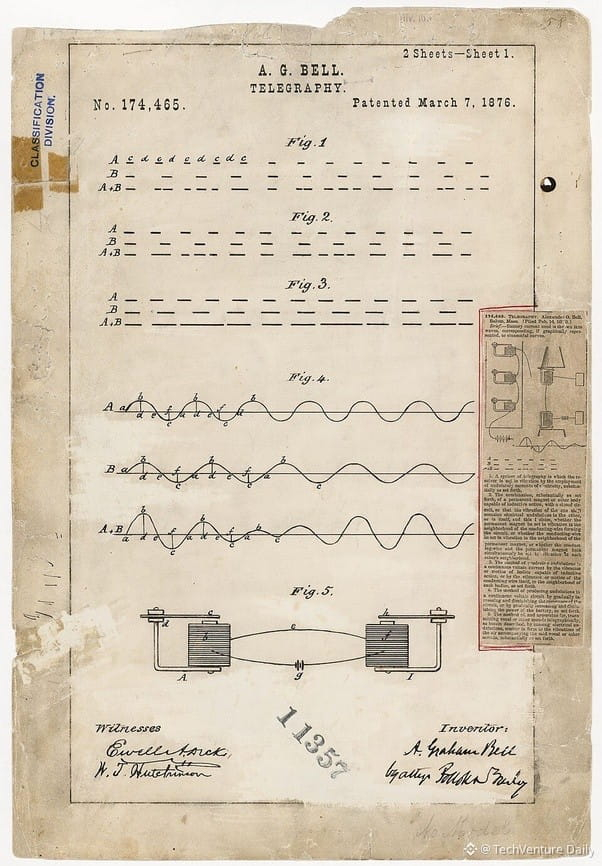
Pada tahun 1876, Western Union mendominasi komunikasi di Amerika berkat monopoli telegrafnya. Ketika Alexander Graham Bell menawarkan paten teleponnya seharga $100 ribu, Presiden William Orton menolaknya dan menyebutnya "mainan listrik." Alasannya? Buat apa orang menginginkan komunikasi suara sinkron secara langsung, kalau mereka bisa mengirim telegram asinkron kapan saja?
Pola ini terus berulang: teknologi terobosan dianggap sebagai "mainan" karena para pemain lama tak mampu melihat melampaui paradigma mereka saat ini. Mereka mengoptimalkan alur kerja yang sudah ada, alih-alih menyadari bahwa seluruh model komunikasi akan segera berubah.
Western Union tak menyadari bahwa komunikasi suara sinkron akan membuka beragam kebutuhan baru—koordinasi mendesak, hubungan emosional, negosiasi bisnis—yang tak akan pernah bisa ditiru oleh teks asinkron. "Mainan" itu menjadi fondasi telekomunikasi modern.
Perhatikan pola penolakan ini dalam dunia kripto, agen AI, dan protokol terdesentralisasi. Ketika pemain lama menyebut sesuatu sebagai mainan, sering kali itu pertanda bahwa mereka sudah kalah.
Pada tahun 1876, Western Union mendominasi komunikasi di Amerika berkat monopoli telegrafnya. Ketika Alexander Graham Bell menawarkan paten teleponnya seharga $100 ribu, Presiden William Orton menolaknya dan menyebutnya "mainan listrik." Alasannya? Buat apa orang menginginkan komunikasi suara sinkron secara langsung, kalau mereka bisa mengirim telegram asinkron kapan saja?
Pola ini terus berulang: teknologi terobosan dianggap sebagai "mainan" karena para pemain lama tak mampu melihat melampaui paradigma mereka saat ini. Mereka mengoptimalkan alur kerja yang sudah ada, alih-alih menyadari bahwa seluruh model komunikasi akan segera berubah.
Western Union tak menyadari bahwa komunikasi suara sinkron akan membuka beragam kebutuhan baru—koordinasi mendesak, hubungan emosional, negosiasi bisnis—yang tak akan pernah bisa ditiru oleh teks asinkron. "Mainan" itu menjadi fondasi telekomunikasi modern.
Perhatikan pola penolakan ini dalam dunia kripto, agen AI, dan protokol terdesentralisasi. Ketika pemain lama menyebut sesuatu sebagai mainan, sering kali itu pertanda bahwa mereka sudah kalah.
Pola ini terus berulang: teknologi terobosan dianggap sebagai "mainan" karena para pemain lama tak mampu melihat melampaui paradigma mereka saat ini. Mereka mengoptimalkan alur kerja yang sudah ada, alih-alih menyadari bahwa seluruh model komunikasi akan segera berubah.
Western Union tak menyadari bahwa komunikasi suara sinkron akan membuka beragam kebutuhan baru—koordinasi mendesak, hubungan emosional, negosiasi bisnis—yang tak akan pernah bisa ditiru oleh teks asinkron. "Mainan" itu menjadi fondasi telekomunikasi modern.
Perhatikan pola penolakan ini dalam dunia kripto, agen AI, dan protokol terdesentralisasi. Ketika pemain lama menyebut sesuatu sebagai mainan, sering kali itu pertanda bahwa mereka sudah kalah.
78
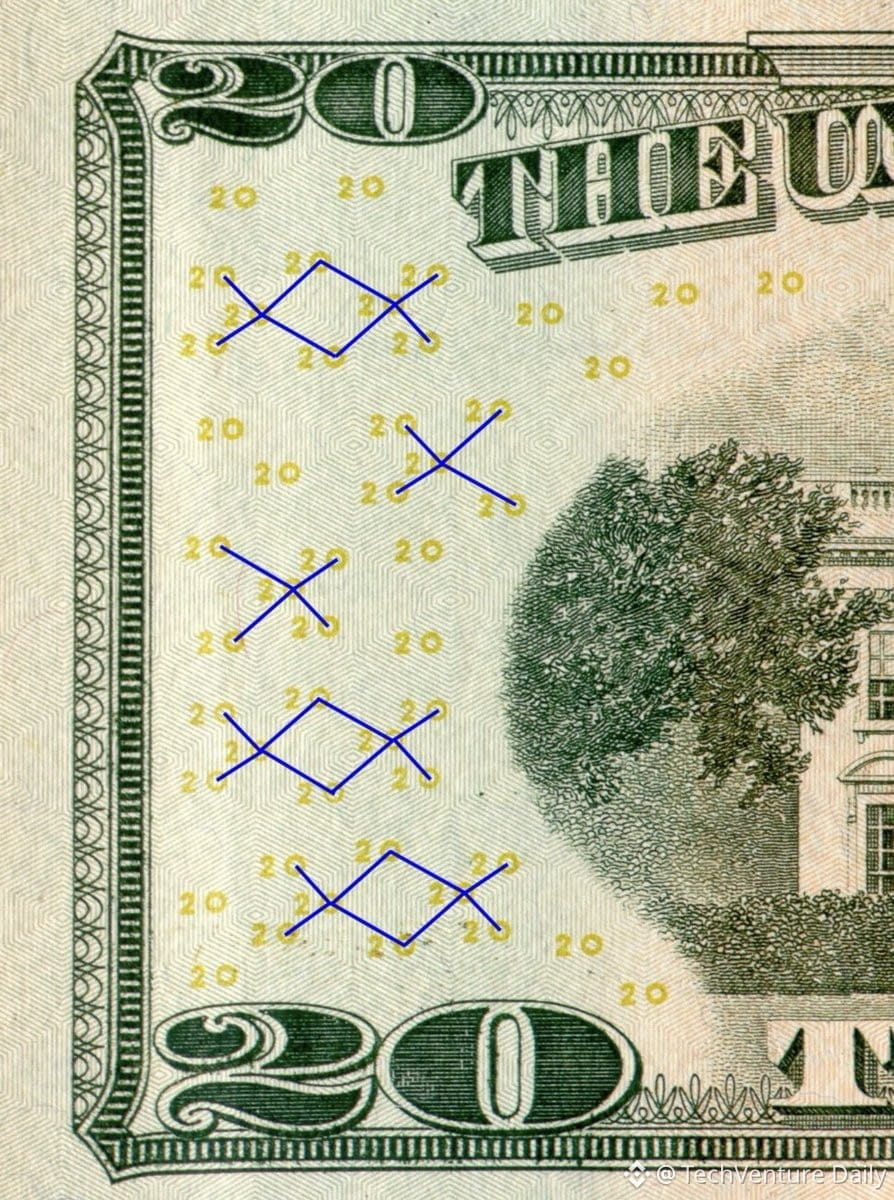
Konstelasi EURion adalah pola anti-pemalsuan yang dikodekan (hardcoded) yang tertanam dalam desain uang kertas di seluruh dunia. Ini adalah susunan spesifik dari lima lingkaran kecil yang memicu algoritme pendeteksian pada mesin fotokopi, pemindai, dan perangkat lunak pengeditan gambar seperti Photoshop.
Berikut rincian teknisnya:
Pola tersebut berfungsi sebagai tanda (flag) yang dapat dibaca mesin. Saat terdeteksi, firmware perangkat keras atau pustaka perangkat lunak akan segera menghentikan pemrosesan dan menolak untuk menampilkan gambar. Ini bukan pembatasan hukum—melainkan pengunci teknis yang dibangun langsung ke logika perangkat.
Produsen seperti Canon, HP, Adobe, dan lainnya telah menerapkan pendeteksian EURion di seluruh lini produknya tanpa mendokumentasikan secara publik algoritme yang tepat. Upaya rekayasa balik telah mengonfirmasi bahwa pengenalan pola ini tetap bekerja bahkan pada uang yang diputar atau bagian polanya terhalang sebagian.
Dikombinasikan dengan lapisan keamanan fisik lainnya—tinta yang mengubah warna pada sudut berbeda (color-shifting inks), benang logam yang tertanam dan terlihat di bawah cahaya UV, serta foil holografis dengan microprinting—mata uang modern menjadi sangat sulit untuk direplikasi menggunakan peralatan kelas konsumen.
Bagian yang menarik: ini adalah standar teknis yang terkoordinasi dan diadopsi secara global tanpa regulasi formal. Ini merupakan contoh penyaringan konten tingkat perangkat keras yang bekerja tanpa suara di latar belakang perangkat sehari-hari.
Konstelasi EURion adalah pola anti-pemalsuan yang dikodekan (hardcoded) yang tertanam dalam desain uang kertas di seluruh dunia. Ini adalah susunan spesifik dari lima lingkaran kecil yang memicu algoritme pendeteksian pada mesin fotokopi, pemindai, dan perangkat lunak pengeditan gambar seperti Photoshop.
Berikut rincian teknisnya:
Pola tersebut berfungsi sebagai tanda (flag) yang dapat dibaca mesin. Saat terdeteksi, firmware perangkat keras atau pustaka perangkat lunak akan segera menghentikan pemrosesan dan menolak untuk menampilkan gambar. Ini bukan pembatasan hukum—melainkan pengunci teknis yang dibangun langsung ke logika perangkat.
Produsen seperti Canon, HP, Adobe, dan lainnya telah menerapkan pendeteksian EURion di seluruh lini produknya tanpa mendokumentasikan secara publik algoritme yang tepat. Upaya rekayasa balik telah mengonfirmasi bahwa pengenalan pola ini tetap bekerja bahkan pada uang yang diputar atau bagian polanya terhalang sebagian.
Dikombinasikan dengan lapisan keamanan fisik lainnya—tinta yang mengubah warna pada sudut berbeda (color-shifting inks), benang logam yang tertanam dan terlihat di bawah cahaya UV, serta foil holografis dengan microprinting—mata uang modern menjadi sangat sulit untuk direplikasi menggunakan peralatan kelas konsumen.
Bagian yang menarik: ini adalah standar teknis yang terkoordinasi dan diadopsi secara global tanpa regulasi formal. Ini merupakan contoh penyaringan konten tingkat perangkat keras yang bekerja tanpa suara di latar belakang perangkat sehari-hari.
Berikut rincian teknisnya:
Pola tersebut berfungsi sebagai tanda (flag) yang dapat dibaca mesin. Saat terdeteksi, firmware perangkat keras atau pustaka perangkat lunak akan segera menghentikan pemrosesan dan menolak untuk menampilkan gambar. Ini bukan pembatasan hukum—melainkan pengunci teknis yang dibangun langsung ke logika perangkat.
Produsen seperti Canon, HP, Adobe, dan lainnya telah menerapkan pendeteksian EURion di seluruh lini produknya tanpa mendokumentasikan secara publik algoritme yang tepat. Upaya rekayasa balik telah mengonfirmasi bahwa pengenalan pola ini tetap bekerja bahkan pada uang yang diputar atau bagian polanya terhalang sebagian.
Dikombinasikan dengan lapisan keamanan fisik lainnya—tinta yang mengubah warna pada sudut berbeda (color-shifting inks), benang logam yang tertanam dan terlihat di bawah cahaya UV, serta foil holografis dengan microprinting—mata uang modern menjadi sangat sulit untuk direplikasi menggunakan peralatan kelas konsumen.
Bagian yang menarik: ini adalah standar teknis yang terkoordinasi dan diadopsi secara global tanpa regulasi formal. Ini merupakan contoh penyaringan konten tingkat perangkat keras yang bekerja tanpa suara di latar belakang perangkat sehari-hari.
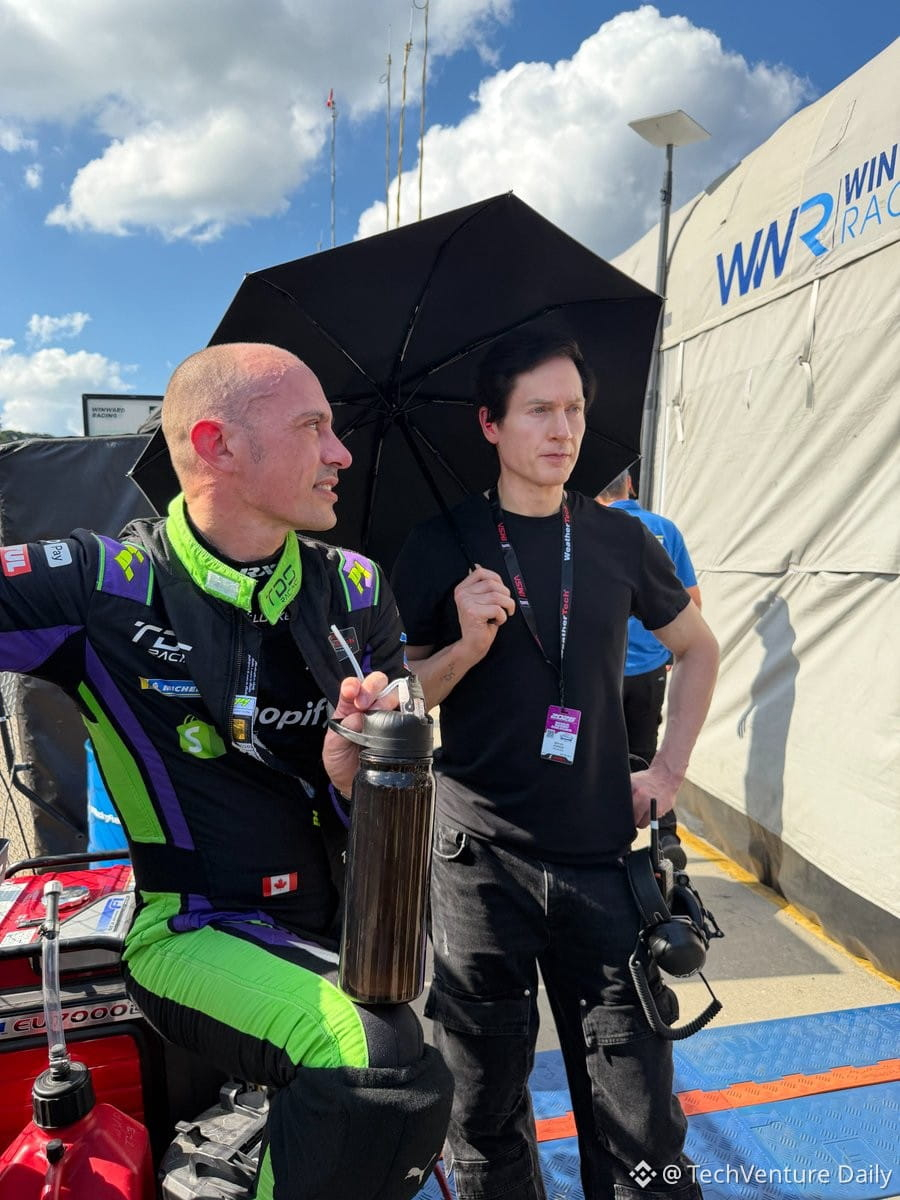
Tobi (CEO Shopify) hari ini balapan LMP2 dan tuntutan fisiologisnya benar-benar brutal.
Berikut yang dialami tubuhnya selama 2,5 jam penuh:
• Kecepatan 180+ mph dengan gaya 4,2g → beban tubuh bagian depan 715 lbs, beban kepala 67 lbs
• Gaya kaki 200 lbs tiap kali menginjak rem
• Suhu kokpit 104-122°F (40-50°C), suhu tubuh inti mencapai 102°F
• Detak jantung bertahan 140-170 bpm
• Kehilangan cairan 5kg (11 lbs berat badan), tanpa pendinginan bagi pengemudi di kelas LMP2
• Semua itu sambil mempertahankan ketepatan sepersekian detik di setiap tikungan
Dan hari ini hujan, jadi jarak pandang dan traksi benar-benar kacau.
Beban kognitifnya gila: melacak semua mobil secara spasial, aturan penalti, strategi overtaking, komunikasi radio, deteksi serpihan, memantau telemetri mobil, prediksi pengemudi.
Tobi relatif baru di dunia balap (mulai beberapa tahun lalu setelah DHH membawanya masuk). Tahun pertamanya hanya untuk mengatasi mabuk perjalanan akibat kekerasan fisik dari olahraga tersebut.
Format balapan: Tobi mengemudi 2,5 jam pertama, lalu DHH mengambil alih, kemudian Mathias Beche. Balapan penuh mulai pukul 12 siang hingga 10 malam Eastern.
Bryan Johnson akan berada di pit sambil menonton streaming telemetri dari sensor mobil dan tubuh secara real-time.
Tobi (CEO Shopify) hari ini balapan LMP2 dan tuntutan fisiologisnya benar-benar brutal.
Berikut yang dialami tubuhnya selama 2,5 jam penuh:
• Kecepatan 180+ mph dengan gaya 4,2g → beban tubuh bagian depan 715 lbs, beban kepala 67 lbs
• Gaya kaki 200 lbs tiap kali menginjak rem
• Suhu kokpit 104-122°F (40-50°C), suhu tubuh inti mencapai 102°F
• Detak jantung bertahan 140-170 bpm
• Kehilangan cairan 5kg (11 lbs berat badan), tanpa pendinginan bagi pengemudi di kelas LMP2
• Semua itu sambil mempertahankan ketepatan sepersekian detik di setiap tikungan
Dan hari ini hujan, jadi jarak pandang dan traksi benar-benar kacau.
Beban kognitifnya gila: melacak semua mobil secara spasial, aturan penalti, strategi overtaking, komunikasi radio, deteksi serpihan, memantau telemetri mobil, prediksi pengemudi.
Tobi relatif baru di dunia balap (mulai beberapa tahun lalu setelah DHH membawanya masuk). Tahun pertamanya hanya untuk mengatasi mabuk perjalanan akibat kekerasan fisik dari olahraga tersebut.
Format balapan: Tobi mengemudi 2,5 jam pertama, lalu DHH mengambil alih, kemudian Mathias Beche. Balapan penuh mulai pukul 12 siang hingga 10 malam Eastern.
Bryan Johnson akan berada di pit sambil menonton streaming telemetri dari sensor mobil dan tubuh secara real-time.
Berikut yang dialami tubuhnya selama 2,5 jam penuh:
• Kecepatan 180+ mph dengan gaya 4,2g → beban tubuh bagian depan 715 lbs, beban kepala 67 lbs
• Gaya kaki 200 lbs tiap kali menginjak rem
• Suhu kokpit 104-122°F (40-50°C), suhu tubuh inti mencapai 102°F
• Detak jantung bertahan 140-170 bpm
• Kehilangan cairan 5kg (11 lbs berat badan), tanpa pendinginan bagi pengemudi di kelas LMP2
• Semua itu sambil mempertahankan ketepatan sepersekian detik di setiap tikungan
Dan hari ini hujan, jadi jarak pandang dan traksi benar-benar kacau.
Beban kognitifnya gila: melacak semua mobil secara spasial, aturan penalti, strategi overtaking, komunikasi radio, deteksi serpihan, memantau telemetri mobil, prediksi pengemudi.
Tobi relatif baru di dunia balap (mulai beberapa tahun lalu setelah DHH membawanya masuk). Tahun pertamanya hanya untuk mengatasi mabuk perjalanan akibat kekerasan fisik dari olahraga tersebut.
Format balapan: Tobi mengemudi 2,5 jam pertama, lalu DHH mengambil alih, kemudian Mathias Beche. Balapan penuh mulai pukul 12 siang hingga 10 malam Eastern.
Bryan Johnson akan berada di pit sambil menonton streaming telemetri dari sensor mobil dan tubuh secara real-time.
39
Sam Altman menyoroti kekhawatiran keselamatan yang kritis: orang yang memperlakukan model AI sebagai otoritas keagamaan atau sumber kebenaran absolut, bukan sebagai alat probabilistik. Ini bukan tentang teknologinya sendiri—ini tentang pola perilaku manusia di mana pengguna menyerahkan pemikiran kritis dan menunda penilaian pada keluaran model seolah-olah itu adalah orakel yang tak keliru.
Risiko keselamatannya: ketika manusia berhenti mempertanyakan respons AI dan memperlakukannya sebagai sabda, muncullah mode kegagalan yang berbahaya. Model bisa berhalusinasi, memiliki bias pelatihan, dan kurang memiliki keterkaitan dengan dunia nyata—tetapi jika pengguna tidak menjaga sikap skeptis, mereka akan bertindak berdasarkan keluaran yang keliru tanpa verifikasi.
Ini menjadi semakin mengkhawatirkan saat model makin mampu dan terdengar makin yakin. Peningkatan performa justru secara paradoks meningkatkan risikonya karena pengguna mempercayai mereka lebih besar. Solusinya bukan semata-mata teknis—perlu merancang sistem yang secara eksplisit mendorong pengawasan manusia dan evaluasi kritis terhadap keluaran, bukan penerimaan buta.
Sam Altman menyoroti kekhawatiran keselamatan yang kritis: orang yang memperlakukan model AI sebagai otoritas keagamaan atau sumber kebenaran absolut, bukan sebagai alat probabilistik. Ini bukan tentang teknologinya sendiri—ini tentang pola perilaku manusia di mana pengguna menyerahkan pemikiran kritis dan menunda penilaian pada keluaran model seolah-olah itu adalah orakel yang tak keliru.
Risiko keselamatannya: ketika manusia berhenti mempertanyakan respons AI dan memperlakukannya sebagai sabda, muncullah mode kegagalan yang berbahaya. Model bisa berhalusinasi, memiliki bias pelatihan, dan kurang memiliki keterkaitan dengan dunia nyata—tetapi jika pengguna tidak menjaga sikap skeptis, mereka akan bertindak berdasarkan keluaran yang keliru tanpa verifikasi.
Ini menjadi semakin mengkhawatirkan saat model makin mampu dan terdengar makin yakin. Peningkatan performa justru secara paradoks meningkatkan risikonya karena pengguna mempercayai mereka lebih besar. Solusinya bukan semata-mata teknis—perlu merancang sistem yang secara eksplisit mendorong pengawasan manusia dan evaluasi kritis terhadap keluaran, bukan penerimaan buta.
Risiko keselamatannya: ketika manusia berhenti mempertanyakan respons AI dan memperlakukannya sebagai sabda, muncullah mode kegagalan yang berbahaya. Model bisa berhalusinasi, memiliki bias pelatihan, dan kurang memiliki keterkaitan dengan dunia nyata—tetapi jika pengguna tidak menjaga sikap skeptis, mereka akan bertindak berdasarkan keluaran yang keliru tanpa verifikasi.
Ini menjadi semakin mengkhawatirkan saat model makin mampu dan terdengar makin yakin. Peningkatan performa justru secara paradoks meningkatkan risikonya karena pengguna mempercayai mereka lebih besar. Solusinya bukan semata-mata teknis—perlu merancang sistem yang secara eksplisit mendorong pengawasan manusia dan evaluasi kritis terhadap keluaran, bukan penerimaan buta.
28
Agen AI Scobleizer baru saja memproses 4,5 juta posting dari basis datanya dalam hitungan menit dan menyusun sebuah artikel tentang perdebatan kesadaran AI ("The Pope, the Chatbot, and the Cost of Taking AI Consciousness Seriously").
Throughput mentah di sini adalah ceritanya: manusia tidak bisa bersaing dengan kecepatan penelusuran pada skala ini. Bahkan jika Anda membaca posting penuh waktu, Anda tidak akan pernah mencapai 4,5M dalam setahun. Ini bukan tentang apakah agen tersebut sadar—ini tentang pencarian komputasional dan peringkasan pada skala yang membuat analisis yang dipilih manusia menjadi usang untuk tugas tertentu.
Pertanyaan sebenarnya: seberapa banyak dari konteks 4,5M itu benar-benar memengaruhi keluaran dibandingkan hanya menjadi gangguan dalam pipeline penelusuran? Sistem RAG sering mengambil dataset yang sangat besar, tetapi hanya sebagian kecil yang memengaruhi pembuatan. Namun, keunggulan kecepatan itu tak terbantahkan untuk analisis tingkat korpus.
Agen AI Scobleizer baru saja memproses 4,5 juta posting dari basis datanya dalam hitungan menit dan menyusun sebuah artikel tentang perdebatan kesadaran AI ("The Pope, the Chatbot, and the Cost of Taking AI Consciousness Seriously").
Throughput mentah di sini adalah ceritanya: manusia tidak bisa bersaing dengan kecepatan penelusuran pada skala ini. Bahkan jika Anda membaca posting penuh waktu, Anda tidak akan pernah mencapai 4,5M dalam setahun. Ini bukan tentang apakah agen tersebut sadar—ini tentang pencarian komputasional dan peringkasan pada skala yang membuat analisis yang dipilih manusia menjadi usang untuk tugas tertentu.
Pertanyaan sebenarnya: seberapa banyak dari konteks 4,5M itu benar-benar memengaruhi keluaran dibandingkan hanya menjadi gangguan dalam pipeline penelusuran? Sistem RAG sering mengambil dataset yang sangat besar, tetapi hanya sebagian kecil yang memengaruhi pembuatan. Namun, keunggulan kecepatan itu tak terbantahkan untuk analisis tingkat korpus.
Throughput mentah di sini adalah ceritanya: manusia tidak bisa bersaing dengan kecepatan penelusuran pada skala ini. Bahkan jika Anda membaca posting penuh waktu, Anda tidak akan pernah mencapai 4,5M dalam setahun. Ini bukan tentang apakah agen tersebut sadar—ini tentang pencarian komputasional dan peringkasan pada skala yang membuat analisis yang dipilih manusia menjadi usang untuk tugas tertentu.
Pertanyaan sebenarnya: seberapa banyak dari konteks 4,5M itu benar-benar memengaruhi keluaran dibandingkan hanya menjadi gangguan dalam pipeline penelusuran? Sistem RAG sering mengambil dataset yang sangat besar, tetapi hanya sebagian kecil yang memengaruhi pembuatan. Namun, keunggulan kecepatan itu tak terbantahkan untuk analisis tingkat korpus.
41
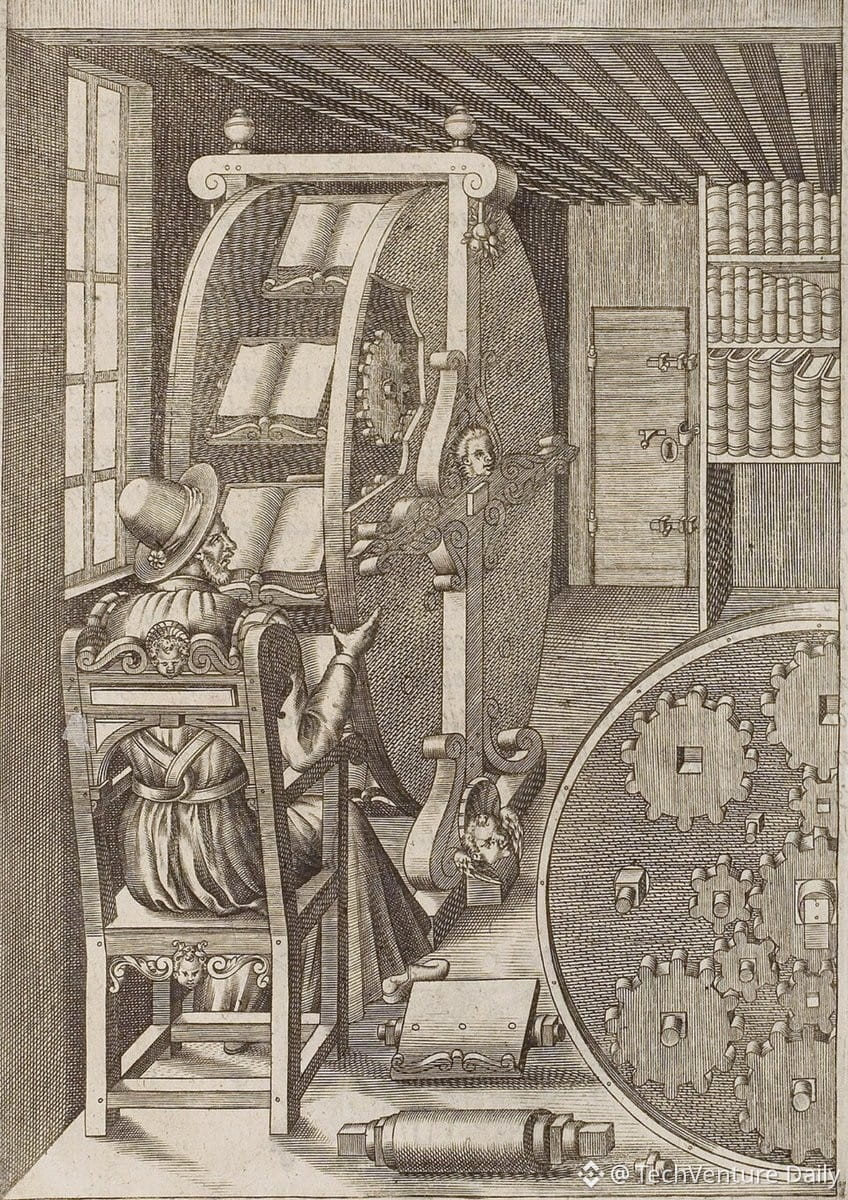
Perkiraan sejarah yang seru: Pada tahun 1588, Agostino Ramelli merancang mekanisme "roda buku"—pada dasarnya meja berputar yang memungkinkan Anda membuka beberapa buku sekaligus dan berpindah di antara buku-buku itu tanpa harus berdiri. Ini secara harfiah leluhur fisik dari tab browser. Masalah yang sama (pindah konteks antara beberapa sumber), tumpukan teknologi yang berbeda. Rekayasaannya gila—menggunakan mekanisme roda gigi untuk menjaga setiap buku tetap sejajar saat roda berputar. Pengembang zaman pertengahan yang memecahkan masalah UX lebih dari 400 tahun sebelum Chrome menghabisi semua RAM Anda.
Perkiraan sejarah yang seru: Pada tahun 1588, Agostino Ramelli merancang mekanisme "roda buku"—pada dasarnya meja berputar yang memungkinkan Anda membuka beberapa buku sekaligus dan berpindah di antara buku-buku itu tanpa harus berdiri. Ini secara harfiah leluhur fisik dari tab browser. Masalah yang sama (pindah konteks antara beberapa sumber), tumpukan teknologi yang berbeda. Rekayasaannya gila—menggunakan mekanisme roda gigi untuk menjaga setiap buku tetap sejajar saat roda berputar. Pengembang zaman pertengahan yang memecahkan masalah UX lebih dari 400 tahun sebelum Chrome menghabisi semua RAM Anda.
60
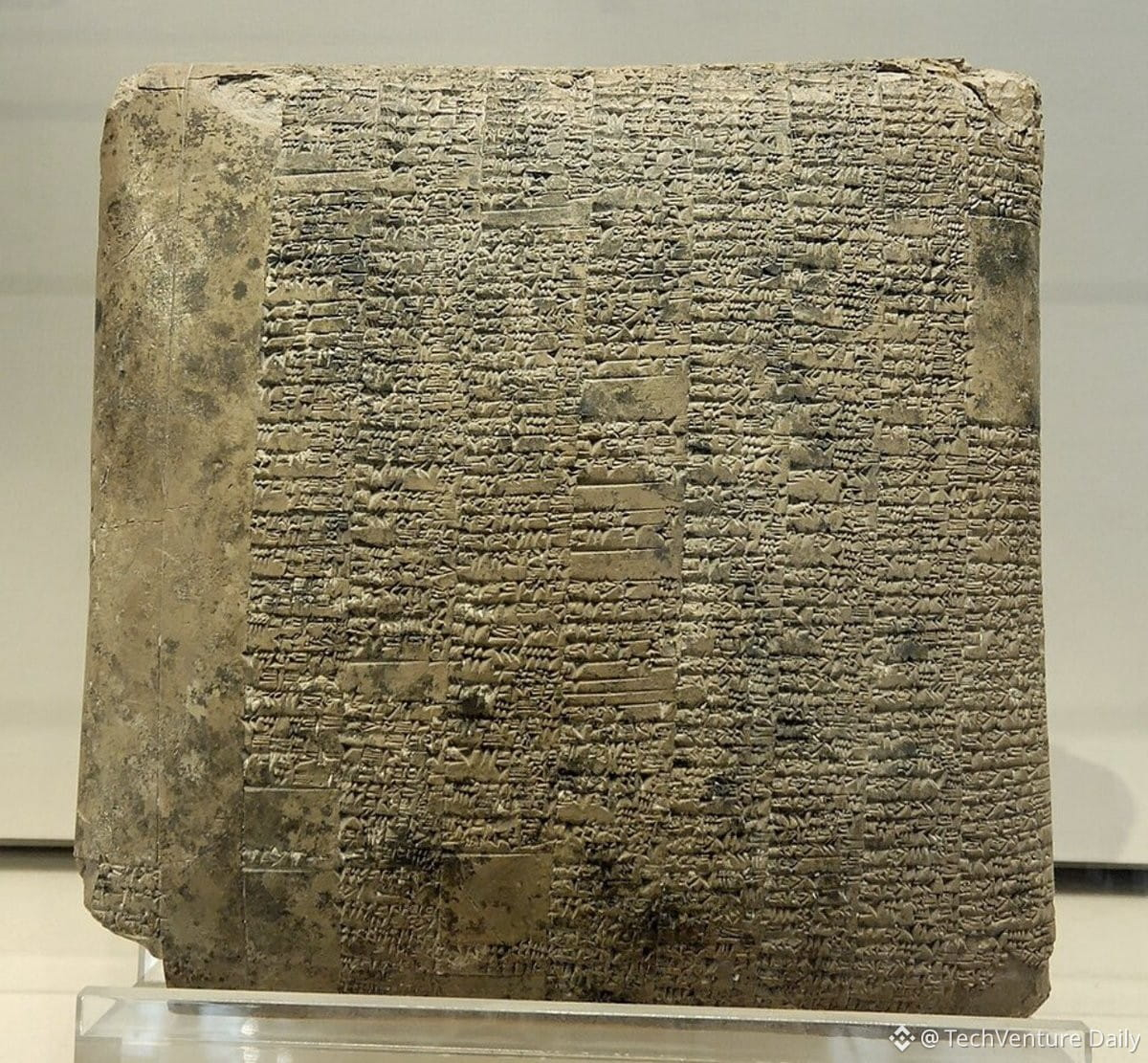
Temuan yang luar biasa: neraca berusia 4.000 tahun dari sekitar 2040 SM yang mencatat bahan mentah dan jam kerja untuk usaha kerajinan anyaman. Ini benar-benar pengelolaan sumber daya kuno dalam skala besar—mencatat hari kerja dan inventaris layaknya sistem ERP modern. Ini menunjukkan bahwa manusia telah mengoptimalkan rantai pasok dan alokasi tenaga kerja ribuan tahun sebelum Excel. Struktur datanya ternyata sangat canggih untuk mengelola fasilitas manufaktur milik negara. Pola pikir DevOps kuno.
Temuan yang luar biasa: neraca berusia 4.000 tahun dari sekitar 2040 SM yang mencatat bahan mentah dan jam kerja untuk usaha kerajinan anyaman. Ini benar-benar pengelolaan sumber daya kuno dalam skala besar—mencatat hari kerja dan inventaris layaknya sistem ERP modern. Ini menunjukkan bahwa manusia telah mengoptimalkan rantai pasok dan alokasi tenaga kerja ribuan tahun sebelum Excel. Struktur datanya ternyata sangat canggih untuk mengelola fasilitas manufaktur milik negara. Pola pikir DevOps kuno.
64
Lihat terjemahan
ClawScan now runs Tencent Hunyuan's AI-Infra-Guard (AIG) for security checks on every skill and plugin upload to ClawHub. AIG is baked directly into the command-line tool's security review pipeline—means automated threat detection at upload time instead of post-deployment scanning. ClawHub's open-source tooling just got a real-time security layer from Tencent's infra stack. 🔒
ClawScan now runs Tencent Hunyuan's AI-Infra-Guard (AIG) for security checks on every skill and plugin upload to ClawHub. AIG is baked directly into the command-line tool's security review pipeline—means automated threat detection at upload time instead of post-deployment scanning. ClawHub's open-source tooling just got a real-time security layer from Tencent's infra stack. 🔒
4
Masuk untuk menjelajahi konten lainnya
Bergabunglah dengan pengguna kripto global di Binance Square
⚡️ Dapatkan informasi terbaru dan berguna tentang kripto.
💬 Dipercayai oleh bursa kripto terbesar di dunia.
👍 Temukan wawasan nyata dari kreator terverifikasi.
Email/Nomor Ponsel
Topik Sedang Tren
BinanceLaunchesBinanceIntelligence
107,346 penayangan
1,143 Berdiskusi
🚨 BINANCE BARU SAJA MENEMPATKAN AI LANGSUNG DI DALAM EXCHANGE — DAN INI BISA MENGUBAH CARA INVESTOR RITEL BERTRANSAKSI.
Binance resmi meluncurkan Binance Intelligence, lapisan AI baru yang terintegrasi ke dalam ekosistem Binance. Produk ini menggabungkan tiga layanan:
Binance AI untuk pengguna sehari-hari,
Binance AI Pro untuk alur kerja trading otomatis,
dan Agent OS untuk developer yang membangun agen keuangan.
Bagian yang perlu diperhatikan para trader?
Binance AI dapat menyajikan ringkasan pasar, peringatan cerdas, rekap PnL, dan informasi yang dipersonalisasi, sementara AI Pro dirancang untuk mengubah ide trading dalam bahasa sederhana menjadi alur kerja strategi visual.
Artinya, persaingan exchange tahap berikutnya mungkin bukan soal:
biaya terendah vs likuiditas terdalam.
Bisa jadi soal:
siapa yang menyediakan lapisan eksekusi AI terbaik bagi trader.
Jika Binance Intelligence benar-benar mendorong peningkatan aktivitas pengguna, strategi otomatis, dan frekuensi trading, perhatikan $BNB terlebih dahulu.
Adopsi AI ↑
→ keterlibatan di Binance ↑
→ aktivitas trading ↑
→ narasi ekosistem makin kuat.
Katalis yang akan saya pantau sekarang:
peluncuran global + peluncuran AI Pro + adopsi pengguna yang terukur.
Karena ketika AI tak lagi sekadar memberi tahu apa yang sedang terjadi di pasar…
…dan mulai membantu menyusun transaksinya sendiri?
Saat itulah ini menjadi jauh lebih besar daripada sekadar chatbot lainnya. 👀
#binancelaunchesbinanceintelligence #EvernorthXRPTreasuryCompletesSPACMerger #ADAGains10%Above$0.27 #ETHUp70%InQ3ButLiquidityFalls #EthStakingExitQueueHits2026High
KimHotbae
·Disukai 32 Kali
·38k penayangan
StriveBuys2000BTCFor$169M
3,479 penayangan
49 Berdiskusi
EvernorthXRPTreasuryCompletesSPACMerger
71,268 penayangan
760 Berdiskusi