
sanicityboy
6 Posting

sanicityboy
Laporkan
Blokir Pengguna
Blockchain and web3 education , crypto market research and analysis
9 Mengikuti
0 Pengikut
2 Disukai
Posting
·
--
Lihat terjemahan
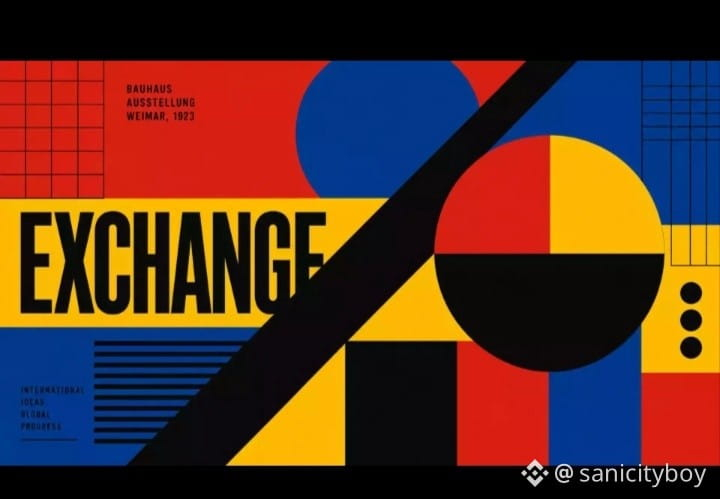
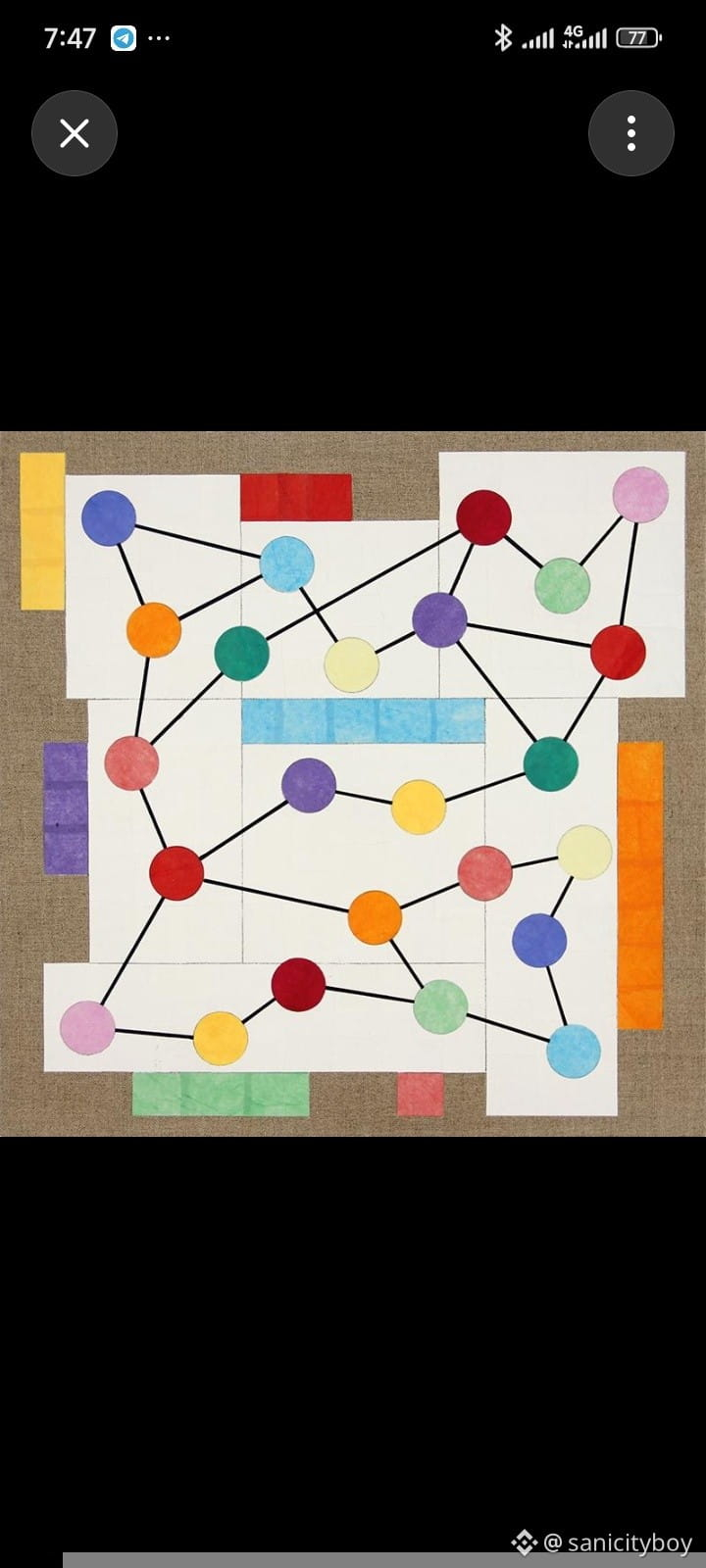
CEX, DEX, DeFi & How Crypto Infrastructure Works
Understanding the Technology Powering Decentralized Finance.
The crypto ecosystem is built on interconnected technologies that make digital transactions, trading, and financial services possible without relying entirely on traditional institutions.
CEX (Centralized Exchange): Platforms operated by companies that allow users to buy, sell, and trade cryptocurrencies through centralized systems.
DEX (Decentralized Exchange): Blockchain-powered platforms that enable peer-to-peer crypto trading through smart contracts, giving users greater control over their assets.
DeFi (Decentralized Finance): An open financial ecosystem that uses blockchain technology and smart contracts to provide services such as lending, borrowing, staking, and trading without traditional intermediaries.
How Does Crypto Infrastructure Work?
Behind every crypto transaction is an infrastructure working together:
Blockchain: Records and verifies transactions.
Smart Contracts: Automate financial operations.
Wallets: Enable users to manage digital assets.
Oracles: Connect blockchain networks to real-world data.
Bridges: Connect different blockchain ecosystems.
The Bigger Picture
CEX provides accessibility, DEX enables decentralized trading, and DeFi creates new financial possibilities.
Together, they form the foundation of a new digital economy built around transparency, accessibility, and financial freedom.
Crypto is more than digital money; it is an entirely new financial infrastructure.


71
·
--
Lihat terjemahan
Wallets, Private Keys, Public Keys & Seed Phrases: Understanding the Foundation of Crypto Ownership
The world of cryptocurrency is built on ownership, security, and control. At the heart of this ecosystem are four essential concepts: wallets, public keys, private keys, and seed phrases. Understanding how they work is fundamental to navigating Web3 safely and confidently.
1. Crypto Wallets: Your Gateway to Web3
A crypto wallet is a tool that allows you to manage your digital assets, interact with blockchain networks, and access decentralized applications (dApps). It doesn't physically store your cryptocurrency; instead, it manages the keys that prove ownership and authorize transactions.
2. Public Keys: Your Digital Identity
A public key is cryptographically linked to your private key. It helps generate your wallet address, which others can use to send you cryptocurrency. Think of it as your digital account number: you can share it without exposing your funds.
3. Private Keys: The Power of Ownership
Your private key is the secret that authorizes transactions and proves control over your assets. Anyone who gains access to it may gain control of your funds. It must remain confidential at all times.
4. Seed Phrases: Your Ultimate Recovery Key
A seed phrase is a sequence of 12 or 24 words used to recover a wallet and regenerate its keys. It serves as a critical backup if your device is lost, damaged, or inaccessible. Never share it or store it carelessly.
The Bigger Picture
In Web3, financial freedom comes with personal responsibility. There is no traditional password-reset button when you lose access to your wallet.
Remember: Your wallet connects you to Web3, your public key enables receiving, your private key grants control, and your seed phrase protects recovery.
True digital ownership begins with understanding how to protect it.
#blochain#digital#web3
_Sanicityboy
78
·
--
Lihat terjemahan
WEB1, WEB2 AND WEB3: THE EVOLUTION OF THE INTERNET
From Reading to Creating, and Finally Owning.
The internet has undergone a remarkable transformation, changing how people access information, communicate, create content, and exchange value. This evolution is defined by three generations: Web1, Web2, and Web3.
1. Web1: The Read-Only Internet
Emerging in the early 1990s, Web1 introduced a world where users could access information through static websites. Interaction was limited, and most content was published and controlled by website owners.
Its defining purpose was information accessibility.
2. Web2: The Read-Write Internet
Web2 transformed the internet into an interactive ecosystem. Users could create content, share ideas, communicate, and build communities through platforms like Facebook, YouTube, Instagram, and X.
However, centralized companies largely controlled the platforms, user data, and digital infrastructure.
Its defining purpose was participation and connectivity.
3. Web3: The Read-Write-Own Internet
Web3 introduces a new vision of the internet powered by blockchain technology, decentralization, and digital ownership.
Through cryptocurrencies, NFTs, smart contracts, and decentralized applications (dApps), users can gain greater control over their digital assets and participate in decentralized ecosystems without relying entirely on centralized intermediaries.
Its defining purpose is ownership and user empowerment.
Why Does This Evolution Matter?
Web3 extends beyond cryptocurrency. It creates opportunities in decentralized finance (DeFi), digital identity, real-world asset (RWA) tokenization, and digital ownership.
Although challenges involving security, scalability, regulation, and adoption remain, its potential continues to attract innovation.
Final Thoughts
The evolution of the internet represents a fundamental shift in digital participation.
Web1 connected us to information. Web2 connected us to people. Web3 seeks to connect us to ownership.
#Web3 #Web2 #Web1 #Blockchain #InternetEvolution #DigitalOwnership
_Sanicityboy
75
·
--
Apa Itu Blockchain? Memahami Buku Besar Terdistribusi
Blockchain adalah salah satu teknologi terpenting yang mendukung ekosistem Web3. Dari Bitcoin dan Ethereum hingga DeFi dan NFT, teknologi ini mengubah cara orang menyimpan, memverifikasi, dan mentransfer nilai digital.
Namun, apa sebenarnya blockchain itu?
Blockchain adalah buku besar digital terdistribusi yang mencatat transaksi di seluruh jaringan komputer, alih-alih sepenuhnya bergantung pada satu otoritas pusat.
Blockchain terdiri dari blok-blok yang saling terhubung dan berisi data transaksi. Setiap blok terhubung secara kriptografis dengan blok sebelumnya, sehingga membentuk catatan kronologis yang sulit diubah tanpa terdeteksi.
Memahami Buku Besar Terdistribusi
Distributed Ledger Technology (DLT) adalah basis data bersama yang dikelola oleh banyak peserta jaringan.
Tidak seperti basis data tradisional yang dikendalikan oleh administrator pusat, buku besar terdistribusi memungkinkan para peserta memverifikasi dan memelihara catatan bersama.
Blockchain adalah salah satu bentuk DLT, tetapi tidak semua buku besar terdistribusi menggunakan arsitektur blockchain.
Bagaimana Cara Kerja Blockchain?
Prosesnya cukup sederhana:
Pengguna memulai transaksi.
Jaringan menerima dan memvalidasinya.
Transaksi yang valid dikelompokkan ke dalam blok.
Konsensus menetapkan catatan yang diterima.
Blockchain diperbarui.
Mengapa Ini Penting?
Blockchain mendukung berbagai inovasi penting Web3, termasuk:
DeFi: Layanan keuangan terdesentralisasi.
NFT: Kepemilikan digital yang dapat diverifikasi.
Kontrak Pintar: Perjanjian digital otomatis.
Tokenisasi: Merepresentasikan aset secara digital.
Namun, blockchain tidak sepenuhnya bebas risiko. Eksploitasi kontrak pintar, pencurian kunci privat, dan jembatan yang tidak aman masih menjadi tantangan keamanan yang penting.
Kesimpulan
Blockchain lebih dari sekadar mata uang kripto. Teknologi ini menghadirkan pendekatan baru terhadap kepemilikan digital, transparansi, dan kepercayaan.
Memahami blockchain berarti memahami fondasi yang menjadi landasan pembangunan sebagian besar Web3.
Pelajari teknologinya. Lihat lebih jauh dari sekadar spekulasi.
— Sanicityboy
#Blockchain #Web3 #CryptoEducation
134
·
--
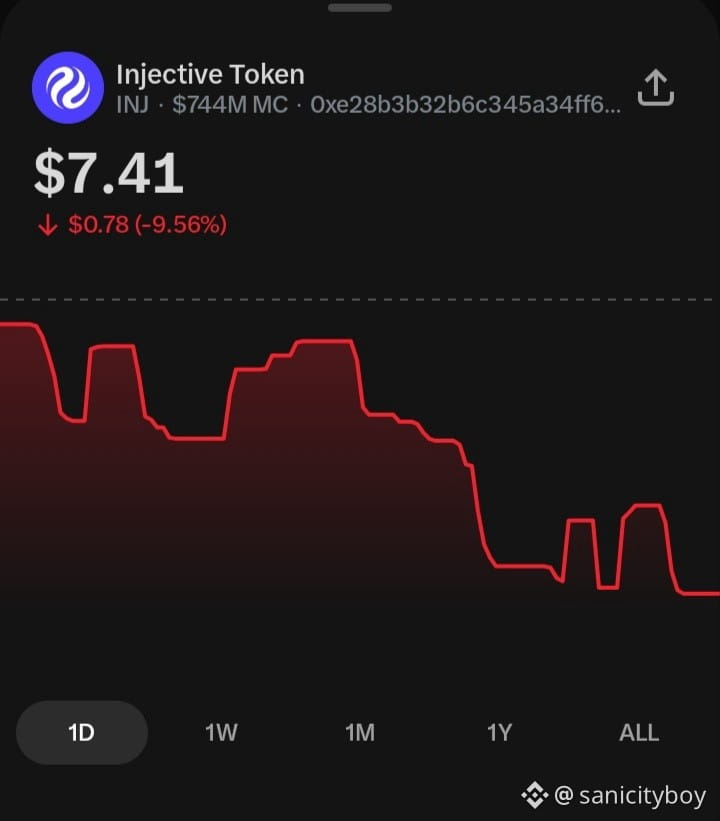
Para pemegang $INJ, kita beruntung 🤸
Kesabaran membuahkan hasil, orang-orang Hausa
Para pemegang $INJ, kita beruntung 🤸
Kesabaran membuahkan hasil, orang-orang Hausa
Kesabaran membuahkan hasil, orang-orang Hausa
440
Masuk untuk menjelajahi konten lainnya
Bergabunglah dengan pengguna kripto global di Binance Square
⚡️ Dapatkan informasi terbaru dan berguna tentang kripto.
💬 Dipercayai oleh bursa kripto terbesar di dunia.
👍 Temukan wawasan nyata dari kreator terverifikasi.
Email/Nomor Ponsel
Topik Sedang Tren
A Packed Week of Earnings and Data Tests Markets
37,773 penayangan
272 Berdiskusi
🚨🇺🇸 PEKAN BESAR MENANTI PASAR!
Pasar memperkirakan The Fed akan menaikkan suku bunga pada Desember, dan $BTC pasar bisa mengalami pergerakan besar pekan depan.
Berikut agenda mendatang:
• Senin: Ketua The Fed Warsh berpidato
• Selasa: Penjualan Ritel AS + laporan keuangan $NVDA
• Rabu: Risalah FOMC
• Kamis: Klaim Tunjangan Pengangguran + Indeks Fed Philadelphia
• Jumat: Sentimen Konsumen + pidato pejabat The Fed
Semua mata tertuju pada $BTC saat pekan penting lainnya dimulai.
#bitcoin
Mookie
·Disukai 10 Kali
·5.3k penayangan
AnthropicIPOTestsInvestorAppetiteForAI
46,007 penayangan
844 Berdiskusi
BitcoinExtendsLosingStreakToSixWeeks
7,273 penayangan
203 Berdiskusi