
S A M R A
5.4k Posting

S A M R A
Laporkan
Blokir Pengguna
Follow for Pro Tips 💡 | Content Creator | Learn & Earn with Crypto 🚀

Traders League Badge Beginner
Perdagangan Terbuka
Pedagang Rutin
4.8 Tahun
10 Mengikuti
5.4K Pengikut
23.5K+ Disukai
1 Lencana
Posting
Portofolio
Semua
Kuotasi
Video
Live
·
--
#Binance Maret Super Airdrop: Alokasi $50.000 USDT, Selesaikan Tugas & Dapatkan Poin https://www.binance.com/activity/trading-competition/march-super-airdrop-V1?ref=353006301
#Binance Maret Super Airdrop: Alokasi $50.000 USDT, Selesaikan Tugas & Dapatkan Poin https://www.binance.com/activity/trading-competition/march-super-airdrop-V1?ref=353006301
1
126
·
--
Kreasi Sendiri Tidak Cukup: Nilai Sebenarnya Datang Dari Apa yang Terus BergerakDulu saya melihat tanda tangan elektronik sebagai masalah yang sudah terpecahkan. Klik, tanda tangan, selesai—sebuah konfirmasi rapi bahwa semuanya aman dan sah. Seperti kebanyakan orang, saya mempercayai proses tersebut tanpa banyak berpikir tentang apa yang ada di bawahnya. Jika platform besar yang membangunnya, pasti itu harus dapat diandalkan di mana saja… kan?
Seiring waktu, asumsi itu mulai terasa sedikit dangkal. Tidak sepenuhnya salah—tetapi tidak lengkap. Karena begitu Anda melangkah keluar dari satu platform atau wilayah, segalanya menjadi rumit. Sistem hukum berbeda, yurisdiksi tidak selalu selaras, dan apa yang sah di satu tempat mungkin tidak memiliki bobot yang sama di tempat lain. Alat yang berfungsi dengan baik dalam isolasi bisa kesulitan pada saat harus berinteraksi dengan sistem lain yang tidak mengenalinya.
Kreasi Sendiri Tidak Cukup: Nilai Sebenarnya Datang Dari Apa yang Terus Bergerak
Dulu saya melihat tanda tangan elektronik sebagai masalah yang sudah terpecahkan. Klik, tanda tangan, selesai—sebuah konfirmasi rapi bahwa semuanya aman dan sah. Seperti kebanyakan orang, saya mempercayai proses tersebut tanpa banyak berpikir tentang apa yang ada di bawahnya. Jika platform besar yang membangunnya, pasti itu harus dapat diandalkan di mana saja… kan?
Seiring waktu, asumsi itu mulai terasa sedikit dangkal. Tidak sepenuhnya salah—tetapi tidak lengkap. Karena begitu Anda melangkah keluar dari satu platform atau wilayah, segalanya menjadi rumit. Sistem hukum berbeda, yurisdiksi tidak selalu selaras, dan apa yang sah di satu tempat mungkin tidak memiliki bobot yang sama di tempat lain. Alat yang berfungsi dengan baik dalam isolasi bisa kesulitan pada saat harus berinteraksi dengan sistem lain yang tidak mengenalinya.
Seiring waktu, asumsi itu mulai terasa sedikit dangkal. Tidak sepenuhnya salah—tetapi tidak lengkap. Karena begitu Anda melangkah keluar dari satu platform atau wilayah, segalanya menjadi rumit. Sistem hukum berbeda, yurisdiksi tidak selalu selaras, dan apa yang sah di satu tempat mungkin tidak memiliki bobot yang sama di tempat lain. Alat yang berfungsi dengan baik dalam isolasi bisa kesulitan pada saat harus berinteraksi dengan sistem lain yang tidak mengenalinya.
3
98
·
--
Pernah merasa seperti Web3 berkembang dengan cepat, namun ada sesuatu yang penting yang masih belum ada? Sistem menjadi semakin canggih, tetapi kepercayaan masih bisa terasa goyah. Kredensial ada, tetapi mereka terfragmentasi. Partisipasi terjadi, tetapi itu tidak selalu diakui dengan baik. Dan sementara nilai didistribusikan, itu tidak selalu mencapai kontributor yang tepat. Seiring waktu, celah-celah kecil ini mulai menciptakan masalah yang lebih besar.
Di sinilah @SignOfficial menonjol. Alih-alih mengejar hype, ia fokus pada fondasi—kredensial yang dapat diverifikasi dan distribusi yang terstruktur. Ia mengalihkan kepercayaan dari asumsi ke bukti. Informasi tidak hanya disimpan; ia menjadi dapat diverifikasi. Kredensial tidak terkurung dalam satu platform; mereka dapat berpindah antar ekosistem. Dan distribusi menjadi lebih disengaja, dipandu oleh data yang terverifikasi daripada tebakan.
Kami telah melihat kasus di mana pengguna yang asli diabaikan sementara akun otomatis mendapat manfaat dari verifikasi yang lemah. Ketidakseimbangan semacam itu merusak kepercayaan. Dengan menghubungkan identitas, partisipasi, dan nilai dengan lebih efektif, Sign membantu mengembalikan keadilan dan akurasi ke dalam persamaan.
Apa yang membuat pendekatan ini menarik adalah bahwa ia tidak bertujuan untuk menggantikan sistem yang ada—ia memperkuatnya dengan menambahkan lapisan yang hilang: kepercayaan yang dapat diandalkan dan portabel.
#signdigitalsovereigninfra $SIGN
Pernah merasa seperti Web3 berkembang dengan cepat, namun ada sesuatu yang penting yang masih belum ada? Sistem menjadi semakin canggih, tetapi kepercayaan masih bisa terasa goyah. Kredensial ada, tetapi mereka terfragmentasi. Partisipasi terjadi, tetapi itu tidak selalu diakui dengan baik. Dan sementara nilai didistribusikan, itu tidak selalu mencapai kontributor yang tepat. Seiring waktu, celah-celah kecil ini mulai menciptakan masalah yang lebih besar.
Di sinilah @SignOfficial menonjol. Alih-alih mengejar hype, ia fokus pada fondasi—kredensial yang dapat diverifikasi dan distribusi yang terstruktur. Ia mengalihkan kepercayaan dari asumsi ke bukti. Informasi tidak hanya disimpan; ia menjadi dapat diverifikasi. Kredensial tidak terkurung dalam satu platform; mereka dapat berpindah antar ekosistem. Dan distribusi menjadi lebih disengaja, dipandu oleh data yang terverifikasi daripada tebakan.
Kami telah melihat kasus di mana pengguna yang asli diabaikan sementara akun otomatis mendapat manfaat dari verifikasi yang lemah. Ketidakseimbangan semacam itu merusak kepercayaan. Dengan menghubungkan identitas, partisipasi, dan nilai dengan lebih efektif, Sign membantu mengembalikan keadilan dan akurasi ke dalam persamaan.
Apa yang membuat pendekatan ini menarik adalah bahwa ia tidak bertujuan untuk menggantikan sistem yang ada—ia memperkuatnya dengan menambahkan lapisan yang hilang: kepercayaan yang dapat diandalkan dan portabel.
#signdigitalsovereigninfra $SIGN
Di sinilah @SignOfficial menonjol. Alih-alih mengejar hype, ia fokus pada fondasi—kredensial yang dapat diverifikasi dan distribusi yang terstruktur. Ia mengalihkan kepercayaan dari asumsi ke bukti. Informasi tidak hanya disimpan; ia menjadi dapat diverifikasi. Kredensial tidak terkurung dalam satu platform; mereka dapat berpindah antar ekosistem. Dan distribusi menjadi lebih disengaja, dipandu oleh data yang terverifikasi daripada tebakan.
Kami telah melihat kasus di mana pengguna yang asli diabaikan sementara akun otomatis mendapat manfaat dari verifikasi yang lemah. Ketidakseimbangan semacam itu merusak kepercayaan. Dengan menghubungkan identitas, partisipasi, dan nilai dengan lebih efektif, Sign membantu mengembalikan keadilan dan akurasi ke dalam persamaan.
Apa yang membuat pendekatan ini menarik adalah bahwa ia tidak bertujuan untuk menggantikan sistem yang ada—ia memperkuatnya dengan menambahkan lapisan yang hilang: kepercayaan yang dapat diandalkan dan portabel.
#signdigitalsovereigninfra $SIGN
1
162
·
--
MIDNIGHT: PRIVASI RASIONAL DAN PENGUNGKAPAN SELEKTIFKebanyakan orang mendengar “rantai privasi” dan langsung berpikir tentang transaksi tersembunyi dan buku besar kotak hitam.
Itu biasanya juga menjadi pikiran pertama saya.
Namun setelah mendengar tim Midnight berbicara—di suatu tempat antara keributan lantai pameran dan debat di koridor di Consensus Toronto—saya menyadari mereka mendekatinya dengan cara yang berbeda.
Mereka tidak memposisikan ini sebagai koin privasi.
Mereka menyebutnya lapisan privasi yang dapat diprogram.
Ini adalah perbedaan halus—tetapi itu mengubah segalanya.
Ketegangan inti jelas jika Anda telah membangun dalam crypto.
MIDNIGHT: PRIVASI RASIONAL DAN PENGUNGKAPAN SELEKTIF
Kebanyakan orang mendengar “rantai privasi” dan langsung berpikir tentang transaksi tersembunyi dan buku besar kotak hitam.
Itu biasanya juga menjadi pikiran pertama saya.
Namun setelah mendengar tim Midnight berbicara—di suatu tempat antara keributan lantai pameran dan debat di koridor di Consensus Toronto—saya menyadari mereka mendekatinya dengan cara yang berbeda.
Mereka tidak memposisikan ini sebagai koin privasi.
Mereka menyebutnya lapisan privasi yang dapat diprogram.
Ini adalah perbedaan halus—tetapi itu mengubah segalanya.
Ketegangan inti jelas jika Anda telah membangun dalam crypto.
Itu biasanya juga menjadi pikiran pertama saya.
Namun setelah mendengar tim Midnight berbicara—di suatu tempat antara keributan lantai pameran dan debat di koridor di Consensus Toronto—saya menyadari mereka mendekatinya dengan cara yang berbeda.
Mereka tidak memposisikan ini sebagai koin privasi.
Mereka menyebutnya lapisan privasi yang dapat diprogram.
Ini adalah perbedaan halus—tetapi itu mengubah segalanya.
Ketegangan inti jelas jika Anda telah membangun dalam crypto.
2
53
·
--
Midnight mengurangi beban kerja dengan cara yang cukup mendasar.
Alih-alih setiap node mengeksekusi setiap perhitungan, ini bergantung pada bukti—jadi jaringan hanya perlu memverifikasi hasil, tidak perlu memproduksinya kembali. Itu berarti overhead komputasi yang lebih sedikit, biaya yang lebih rendah, dan beban yang jauh lebih ringan bagi validator yang menjalankan node.
Saya juga memperhatikan bagaimana Midnight Foundation dan Shielded Technologies mendorong ini ke depan pasca-Konsensus 2025, dengan fokus yang jelas pada aplikasi dunia nyata daripada hanya desain teoretis.
Bagi saya, itu adalah sudut pandang yang sebenarnya di sini:
skala bukan dengan melakukan lebih banyak—tetapi dengan melakukan lebih sedikit.
@MidnightNetwork #night $NIGHT
Midnight mengurangi beban kerja dengan cara yang cukup mendasar.
Alih-alih setiap node mengeksekusi setiap perhitungan, ini bergantung pada bukti—jadi jaringan hanya perlu memverifikasi hasil, tidak perlu memproduksinya kembali. Itu berarti overhead komputasi yang lebih sedikit, biaya yang lebih rendah, dan beban yang jauh lebih ringan bagi validator yang menjalankan node.
Saya juga memperhatikan bagaimana Midnight Foundation dan Shielded Technologies mendorong ini ke depan pasca-Konsensus 2025, dengan fokus yang jelas pada aplikasi dunia nyata daripada hanya desain teoretis.
Bagi saya, itu adalah sudut pandang yang sebenarnya di sini:
skala bukan dengan melakukan lebih banyak—tetapi dengan melakukan lebih sedikit.
@MidnightNetwork #night $NIGHT
Alih-alih setiap node mengeksekusi setiap perhitungan, ini bergantung pada bukti—jadi jaringan hanya perlu memverifikasi hasil, tidak perlu memproduksinya kembali. Itu berarti overhead komputasi yang lebih sedikit, biaya yang lebih rendah, dan beban yang jauh lebih ringan bagi validator yang menjalankan node.
Saya juga memperhatikan bagaimana Midnight Foundation dan Shielded Technologies mendorong ini ke depan pasca-Konsensus 2025, dengan fokus yang jelas pada aplikasi dunia nyata daripada hanya desain teoretis.
Bagi saya, itu adalah sudut pandang yang sebenarnya di sini:
skala bukan dengan melakukan lebih banyak—tetapi dengan melakukan lebih sedikit.
@MidnightNetwork #night $NIGHT
1
106
·
--
Bearish
🚨 BERITA TERBARU:
Laporan mengklaim bahwa Demokrat House AS hanya kurang dua suara untuk memakzulkan Trump sebelum 31 Maret.
Namun, ini belum dikonfirmasi secara resmi, dan situasinya masih belum jelas.
$TRUMP
{spot}(TRUMPUSDT)
#iOSSecurityUpdate
🚨 BERITA TERBARU:
Laporan mengklaim bahwa Demokrat House AS hanya kurang dua suara untuk memakzulkan Trump sebelum 31 Maret.
Namun, ini belum dikonfirmasi secara resmi, dan situasinya masih belum jelas.
$TRUMP
#iOSSecurityUpdate
Laporan mengklaim bahwa Demokrat House AS hanya kurang dua suara untuk memakzulkan Trump sebelum 31 Maret.
Namun, ini belum dikonfirmasi secara resmi, dan situasinya masih belum jelas.
$TRUMP
#iOSSecurityUpdate
2
60
·
--
Bearish
🚨 TERBARU:
Laporan menunjukkan bahwa keputusan Trump untuk mengejar perang dengan Iran mungkin dipengaruhi sebagian oleh tekanan dari sekutu eksternal.
Pada saat yang sama, sumber mengindikasikan bahwa ada perpecahan internal dalam pemerintahannya, dengan beberapa pejabat tidak sepenuhnya sejalan dengan kursus tindakan.
Secara keseluruhan, situasi ini menyoroti kompleksitas di balik keputusan tersebut, dengan pengaruh eksternal dan ketidaksepakatan internal berkontribusi pada hasilnya.
$BTC $ETH $XRP
{spot}(XRPUSDT)
{spot}(ETHUSDT)
{spot}(BTCUSDT)
#TrumpConsidersEndingIranConflict
🚨 TERBARU:
Laporan menunjukkan bahwa keputusan Trump untuk mengejar perang dengan Iran mungkin dipengaruhi sebagian oleh tekanan dari sekutu eksternal.
Pada saat yang sama, sumber mengindikasikan bahwa ada perpecahan internal dalam pemerintahannya, dengan beberapa pejabat tidak sepenuhnya sejalan dengan kursus tindakan.
Secara keseluruhan, situasi ini menyoroti kompleksitas di balik keputusan tersebut, dengan pengaruh eksternal dan ketidaksepakatan internal berkontribusi pada hasilnya.
$BTC $ETH $XRP
#TrumpConsidersEndingIranConflict
Laporan menunjukkan bahwa keputusan Trump untuk mengejar perang dengan Iran mungkin dipengaruhi sebagian oleh tekanan dari sekutu eksternal.
Pada saat yang sama, sumber mengindikasikan bahwa ada perpecahan internal dalam pemerintahannya, dengan beberapa pejabat tidak sepenuhnya sejalan dengan kursus tindakan.
Secara keseluruhan, situasi ini menyoroti kompleksitas di balik keputusan tersebut, dengan pengaruh eksternal dan ketidaksepakatan internal berkontribusi pada hasilnya.
$BTC $ETH $XRP
#TrumpConsidersEndingIranConflict
2
46
·
--
Bullish
$XRP — PANJANG
Semua orang mengharapkan penurunan lebih lanjut… tetapi $XRP mulai mendapatkan momentum....
Entry: 1.355 – 1.365
SL: 1.335
Target:
TP1: 1.390
TP2: 1.420
TP3: 1.470
{spot}(XRPUSDT)
{future}(XRPUSDT)
Setelah penurunan tajam menuju zona 1.34, XRP menemukan dukungan kuat, dan pembeli cepat masuk.
#Trump'sCyberStrategy
$XRP — PANJANG
Semua orang mengharapkan penurunan lebih lanjut… tetapi $XRP mulai mendapatkan momentum....
Entry: 1.355 – 1.365
SL: 1.335
Target:
TP1: 1.390
TP2: 1.420
TP3: 1.470
Setelah penurunan tajam menuju zona 1.34, XRP menemukan dukungan kuat, dan pembeli cepat masuk.
#Trump'sCyberStrategy
Semua orang mengharapkan penurunan lebih lanjut… tetapi $XRP mulai mendapatkan momentum....
Entry: 1.355 – 1.365
SL: 1.335
Target:
TP1: 1.390
TP2: 1.420
TP3: 1.470
Setelah penurunan tajam menuju zona 1.34, XRP menemukan dukungan kuat, dan pembeli cepat masuk.
#Trump'sCyberStrategy
4
211
·
--
Klaim Berbahaya Sedang Beredar — Tapi Belum DiverifikasiLaporan sedang menyebar secara online bahwa Amerika Serikat menyerang sebuah pabrik desalinasi air tawar di Pulau Qeshm di Iran.
Menteri luar negeri Iran telah memperingatkan bahwa akan ada “konsekuensi.”
Namun, saat ini tidak ada verifikasi independen bahwa serangan ini benar-benar terjadi.
sejauh ini:
❌ Tidak ada citra satelit yang mengonfirmasi kerusakan
❌ Tidak ada konfirmasi dari Departemen Pertahanan Amerika Serikat atau Komando Pusat Amerika Serikat
❌ Tidak ada verifikasi dari outlet berita internasional utama
Pada saat ini, klaim tersebut tampaknya berasal dari media yang berafiliasi dengan negara Iran.
Klaim Berbahaya Sedang Beredar — Tapi Belum Diverifikasi
Laporan sedang menyebar secara online bahwa Amerika Serikat menyerang sebuah pabrik desalinasi air tawar di Pulau Qeshm di Iran.
Menteri luar negeri Iran telah memperingatkan bahwa akan ada “konsekuensi.”
Namun, saat ini tidak ada verifikasi independen bahwa serangan ini benar-benar terjadi.
sejauh ini:
❌ Tidak ada citra satelit yang mengonfirmasi kerusakan
❌ Tidak ada konfirmasi dari Departemen Pertahanan Amerika Serikat atau Komando Pusat Amerika Serikat
❌ Tidak ada verifikasi dari outlet berita internasional utama
Pada saat ini, klaim tersebut tampaknya berasal dari media yang berafiliasi dengan negara Iran.
Menteri luar negeri Iran telah memperingatkan bahwa akan ada “konsekuensi.”
Namun, saat ini tidak ada verifikasi independen bahwa serangan ini benar-benar terjadi.
sejauh ini:
❌ Tidak ada citra satelit yang mengonfirmasi kerusakan
❌ Tidak ada konfirmasi dari Departemen Pertahanan Amerika Serikat atau Komando Pusat Amerika Serikat
❌ Tidak ada verifikasi dari outlet berita internasional utama
Pada saat ini, klaim tersebut tampaknya berasal dari media yang berafiliasi dengan negara Iran.
3
120
·
--
🚨Ketidakpastian global sekarang berada pada tingkat tertinggi yang pernah ada.
Tahun ini, ketidakpastian di seluruh dunia telah meningkat di atas level yang terlihat selama COVID, Krisis Keuangan Global, dan bahkan Gelembung Dot-Com.
#RFKJr.RunningforUSPresidentin2028 #Trump'sCyberStrategy
🚨Ketidakpastian global sekarang berada pada tingkat tertinggi yang pernah ada.
Tahun ini, ketidakpastian di seluruh dunia telah meningkat di atas level yang terlihat selama COVID, Krisis Keuangan Global, dan bahkan Gelembung Dot-Com.
#RFKJr.RunningforUSPresidentin2028 #Trump'sCyberStrategy
Tahun ini, ketidakpastian di seluruh dunia telah meningkat di atas level yang terlihat selama COVID, Krisis Keuangan Global, dan bahkan Gelembung Dot-Com.
#RFKJr.RunningforUSPresidentin2028 #Trump'sCyberStrategy
3
70
·
--
Bearish
💥 TERBARU:
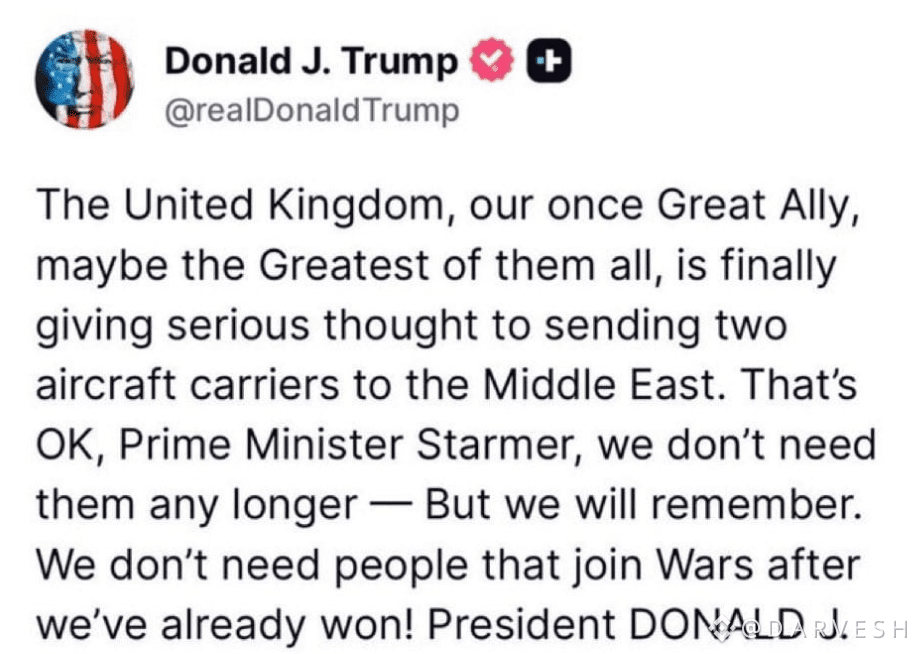
Presiden Donald Trump dilaporkan mengarahkan kritik kepada Keir Starmer, mengatakan:
"Kami tidak membutuhkan orang-orang yang bergabung dalam perang setelah kami sudah menang."
Pernyataan ini tampaknya merupakan sindiran terhadap peran Britania Raya dalam konflik bersama Amerika Serikat, menyiratkan frustrasi terhadap sekutu yang masuk ke operasi militer belakangan dalam prosesnya.
Mengapa Ini Penting
Ketegangan Aliansi: Komentar seperti ini dapat merusak hubungan antara sekutu lama seperti AS dan Inggris.
Pesan Politik: Pernyataan yang dibingkai dengan cara ini sering kali berdampak baik di dalam negeri dengan menekankan kekuatan dan kepemimpinan nasional.
Sinyal Global: Bahkan sengketa retoris antara pemimpin Barat dapat mempengaruhi dinamika diplomatik, terutama selama ketegangan geopolitik yang sedang berlangsung.
💬 Pertanyaan besar sekarang:
Apakah ini hanya retorika politik, atau apakah ini menandakan pergeseran yang lebih dalam tentang bagaimana AS mengharapkan sekutu berpartisipasi dalam konflik mendatang?
#Trump'sCyberStrategy
$DOT $ADA $XRP
{spot}(XRPUSDT)
{spot}(ADAUSDT)
{spot}(DOTUSDT)
💥 TERBARU:
Presiden Donald Trump dilaporkan mengarahkan kritik kepada Keir Starmer, mengatakan:
"Kami tidak membutuhkan orang-orang yang bergabung dalam perang setelah kami sudah menang."
Pernyataan ini tampaknya merupakan sindiran terhadap peran Britania Raya dalam konflik bersama Amerika Serikat, menyiratkan frustrasi terhadap sekutu yang masuk ke operasi militer belakangan dalam prosesnya.
Mengapa Ini Penting
Ketegangan Aliansi: Komentar seperti ini dapat merusak hubungan antara sekutu lama seperti AS dan Inggris.
Pesan Politik: Pernyataan yang dibingkai dengan cara ini sering kali berdampak baik di dalam negeri dengan menekankan kekuatan dan kepemimpinan nasional.
Sinyal Global: Bahkan sengketa retoris antara pemimpin Barat dapat mempengaruhi dinamika diplomatik, terutama selama ketegangan geopolitik yang sedang berlangsung.
💬 Pertanyaan besar sekarang:
Apakah ini hanya retorika politik, atau apakah ini menandakan pergeseran yang lebih dalam tentang bagaimana AS mengharapkan sekutu berpartisipasi dalam konflik mendatang?
#Trump'sCyberStrategy
$DOT $ADA $XRP
Presiden Donald Trump dilaporkan mengarahkan kritik kepada Keir Starmer, mengatakan:
"Kami tidak membutuhkan orang-orang yang bergabung dalam perang setelah kami sudah menang."
Pernyataan ini tampaknya merupakan sindiran terhadap peran Britania Raya dalam konflik bersama Amerika Serikat, menyiratkan frustrasi terhadap sekutu yang masuk ke operasi militer belakangan dalam prosesnya.
Mengapa Ini Penting
Ketegangan Aliansi: Komentar seperti ini dapat merusak hubungan antara sekutu lama seperti AS dan Inggris.
Pesan Politik: Pernyataan yang dibingkai dengan cara ini sering kali berdampak baik di dalam negeri dengan menekankan kekuatan dan kepemimpinan nasional.
Sinyal Global: Bahkan sengketa retoris antara pemimpin Barat dapat mempengaruhi dinamika diplomatik, terutama selama ketegangan geopolitik yang sedang berlangsung.
💬 Pertanyaan besar sekarang:
Apakah ini hanya retorika politik, atau apakah ini menandakan pergeseran yang lebih dalam tentang bagaimana AS mengharapkan sekutu berpartisipasi dalam konflik mendatang?
#Trump'sCyberStrategy
$DOT $ADA $XRP
5
1.3k
·
--
Pasar Mulai Memperhitungkan Biaya KonflikSaat ini, fokus utamanya adalah pada perkembangan militer, tetapi cerita yang lebih besar yang berkembang di pasar adalah biaya ekonomi dari eskalasi.
Minyak sudah bergerak menuju $100 per barel, dengan harga spot akhir pekan mendekati $96. Pada saat yang sama, gas alam Eropa telah melonjak dari sekitar €30 menjadi €50 per megawatt-jam hanya dalam beberapa hari.
Pasar keuangan juga merasakan tekanan. Sekitar $3.5 triliun dalam nilai pasar global dilaporkan telah lenyap minggu ini saat para investor mulai memperhitungkan risiko geopolitik.
Pasar Mulai Memperhitungkan Biaya Konflik
Saat ini, fokus utamanya adalah pada perkembangan militer, tetapi cerita yang lebih besar yang berkembang di pasar adalah biaya ekonomi dari eskalasi.
Minyak sudah bergerak menuju $100 per barel, dengan harga spot akhir pekan mendekati $96. Pada saat yang sama, gas alam Eropa telah melonjak dari sekitar €30 menjadi €50 per megawatt-jam hanya dalam beberapa hari.
Pasar keuangan juga merasakan tekanan. Sekitar $3.5 triliun dalam nilai pasar global dilaporkan telah lenyap minggu ini saat para investor mulai memperhitungkan risiko geopolitik.
Minyak sudah bergerak menuju $100 per barel, dengan harga spot akhir pekan mendekati $96. Pada saat yang sama, gas alam Eropa telah melonjak dari sekitar €30 menjadi €50 per megawatt-jam hanya dalam beberapa hari.
Pasar keuangan juga merasakan tekanan. Sekitar $3.5 triliun dalam nilai pasar global dilaporkan telah lenyap minggu ini saat para investor mulai memperhitungkan risiko geopolitik.
2
205
·
--
Strategi Siber Trump Secara Resmi Menyebutkan KriptoPERUBAHAN BESAR: 🚨
Untuk pertama kalinya dalam sejarah AS, Strategi Keamanan Siber Nasional secara eksplisit menyebutkan cryptocurrency dan blockchain sebagai teknologi yang harus “dilindungi dan diamankan.” (AInvest)
Itu adalah sinyal kebijakan yang signifikan.
Dalam strategi yang baru dirilis, aset digital ditempatkan sejajar dengan kecerdasan buatan dan komputasi kuantum sebagai teknologi yang muncul yang ingin dilindungi dan dikembangkan oleh Amerika Serikat sebagai bagian dari agenda kepemimpinan siber dan teknologi yang lebih luas. (AInvest)
Strategi Siber Trump Secara Resmi Menyebutkan Kripto
PERUBAHAN BESAR: 🚨
Untuk pertama kalinya dalam sejarah AS, Strategi Keamanan Siber Nasional secara eksplisit menyebutkan cryptocurrency dan blockchain sebagai teknologi yang harus “dilindungi dan diamankan.” (AInvest)
Itu adalah sinyal kebijakan yang signifikan.
Dalam strategi yang baru dirilis, aset digital ditempatkan sejajar dengan kecerdasan buatan dan komputasi kuantum sebagai teknologi yang muncul yang ingin dilindungi dan dikembangkan oleh Amerika Serikat sebagai bagian dari agenda kepemimpinan siber dan teknologi yang lebih luas. (AInvest)
Untuk pertama kalinya dalam sejarah AS, Strategi Keamanan Siber Nasional secara eksplisit menyebutkan cryptocurrency dan blockchain sebagai teknologi yang harus “dilindungi dan diamankan.” (AInvest)
Itu adalah sinyal kebijakan yang signifikan.
Dalam strategi yang baru dirilis, aset digital ditempatkan sejajar dengan kecerdasan buatan dan komputasi kuantum sebagai teknologi yang muncul yang ingin dilindungi dan dikembangkan oleh Amerika Serikat sebagai bagian dari agenda kepemimpinan siber dan teknologi yang lebih luas. (AInvest)
1
24
·
--
Verifikasi Keluaran AI: Mengapa Jaringan Mira Memfokuskan pada Kepercayaan dan AkuntabilitasSeiring kecerdasan buatan semakin dalam tertanam dalam proses pengambilan keputusan, percakapan beralih dari kecepatan dan kemampuan menuju akurasi dan akuntabilitas.
Sistem AI dapat memproses sejumlah besar informasi dengan kecepatan yang luar biasa—dari analisis keuangan hingga penelitian otomatis. Namun, kecepatan saja tidak menjamin keandalan. Banyak model AI modern masih berjuang dengan halusinasi, keluaran yang bias, dan klaim yang tidak dapat diverifikasi, menimbulkan kekhawatiran tentang seberapa banyak kepercayaan yang harus diberikan pada hasil mereka.
Verifikasi Keluaran AI: Mengapa Jaringan Mira Memfokuskan pada Kepercayaan dan Akuntabilitas
Seiring kecerdasan buatan semakin dalam tertanam dalam proses pengambilan keputusan, percakapan beralih dari kecepatan dan kemampuan menuju akurasi dan akuntabilitas.
Sistem AI dapat memproses sejumlah besar informasi dengan kecepatan yang luar biasa—dari analisis keuangan hingga penelitian otomatis. Namun, kecepatan saja tidak menjamin keandalan. Banyak model AI modern masih berjuang dengan halusinasi, keluaran yang bias, dan klaim yang tidak dapat diverifikasi, menimbulkan kekhawatiran tentang seberapa banyak kepercayaan yang harus diberikan pada hasil mereka.
Sistem AI dapat memproses sejumlah besar informasi dengan kecepatan yang luar biasa—dari analisis keuangan hingga penelitian otomatis. Namun, kecepatan saja tidak menjamin keandalan. Banyak model AI modern masih berjuang dengan halusinasi, keluaran yang bias, dan klaim yang tidak dapat diverifikasi, menimbulkan kekhawatiran tentang seberapa banyak kepercayaan yang harus diberikan pada hasil mereka.
2
55
·
--
Membangun Kepercayaan dalam AI: Bagaimana Jaringan Mira Memverifikasi Kecerdasan Melalui Konsensus Terdesentralisasi
Saat AI semakin terintegrasi dalam sistem pengambilan keputusan, percakapan bergeser dari kemampuan murni ke akuntabilitas. Ini bukan hanya tentang seberapa kuat model AI—ini tentang apakah keluaran mereka dapat dipercaya.
Inilah di mana Jaringan Mira memperkenalkan ide menarik: alih-alih mempercayai sistem AI secara membabi buta, klaim mereka harus diverifikasi.
Jaringan ini mendekati hal ini melalui konsensus terdesentralisasi. Beberapa model dan validator independen meninjau dan memverifikasi informasi sebelum diterima sebagai dapat diandalkan. Secara teori, proses verifikasi berlapis ini dapat mengurangi dampak masalah umum AI seperti halusinasi, bias, dan kesalahan yang tidak terkendali.
Dengan menggabungkan evaluasi AI dengan verifikasi kriptografis, Mira bertujuan untuk menciptakan sistem di mana kecerdasan tidak hanya dihasilkan—tetapi diaudit.
Tetapi bahkan dengan perlindungan ini, beberapa pertanyaan tetap ada.
Seberapa tahan sistem terhadap kolusi validator?
Apakah insentif ekonomi cukup kuat untuk mempertahankan desentralisasi yang nyata?
Dapatkah keluaran AI yang terverifikasi menjadi klaim yang dapat digunakan kembali yang dapat diandalkan oleh sistem lain?
Jika Mira dapat mengatasi tantangan ini, itu bisa mewakili langkah berarti menuju kecerdasan yang dapat diverifikasi—sebuah model di mana keluaran AI tidak hanya dipercaya, tetapi terus-menerus diuji dan dikonfirmasi melalui konsensus terbuka.
Namun, pertanyaan yang lebih luas tetap sama:
Apakah verifikasi terdesentralisasi akan menjadi tulang punggung AI yang dapat dipercaya, atau akan tetap menjadi lapisan eksperimental di atas kecerdasan mesin yang berkembang pesat? 🤖⛓️
#mira $MIRA @mira_network
Membangun Kepercayaan dalam AI: Bagaimana Jaringan Mira Memverifikasi Kecerdasan Melalui Konsensus Terdesentralisasi
Saat AI semakin terintegrasi dalam sistem pengambilan keputusan, percakapan bergeser dari kemampuan murni ke akuntabilitas. Ini bukan hanya tentang seberapa kuat model AI—ini tentang apakah keluaran mereka dapat dipercaya.
Inilah di mana Jaringan Mira memperkenalkan ide menarik: alih-alih mempercayai sistem AI secara membabi buta, klaim mereka harus diverifikasi.
Jaringan ini mendekati hal ini melalui konsensus terdesentralisasi. Beberapa model dan validator independen meninjau dan memverifikasi informasi sebelum diterima sebagai dapat diandalkan. Secara teori, proses verifikasi berlapis ini dapat mengurangi dampak masalah umum AI seperti halusinasi, bias, dan kesalahan yang tidak terkendali.
Dengan menggabungkan evaluasi AI dengan verifikasi kriptografis, Mira bertujuan untuk menciptakan sistem di mana kecerdasan tidak hanya dihasilkan—tetapi diaudit.
Tetapi bahkan dengan perlindungan ini, beberapa pertanyaan tetap ada.
Seberapa tahan sistem terhadap kolusi validator?
Apakah insentif ekonomi cukup kuat untuk mempertahankan desentralisasi yang nyata?
Dapatkah keluaran AI yang terverifikasi menjadi klaim yang dapat digunakan kembali yang dapat diandalkan oleh sistem lain?
Jika Mira dapat mengatasi tantangan ini, itu bisa mewakili langkah berarti menuju kecerdasan yang dapat diverifikasi—sebuah model di mana keluaran AI tidak hanya dipercaya, tetapi terus-menerus diuji dan dikonfirmasi melalui konsensus terbuka.
Namun, pertanyaan yang lebih luas tetap sama:
Apakah verifikasi terdesentralisasi akan menjadi tulang punggung AI yang dapat dipercaya, atau akan tetap menjadi lapisan eksperimental di atas kecerdasan mesin yang berkembang pesat? 🤖⛓️
#mira $MIRA @Mira - Trust Layer of AI
Saat AI semakin terintegrasi dalam sistem pengambilan keputusan, percakapan bergeser dari kemampuan murni ke akuntabilitas. Ini bukan hanya tentang seberapa kuat model AI—ini tentang apakah keluaran mereka dapat dipercaya.
Inilah di mana Jaringan Mira memperkenalkan ide menarik: alih-alih mempercayai sistem AI secara membabi buta, klaim mereka harus diverifikasi.
Jaringan ini mendekati hal ini melalui konsensus terdesentralisasi. Beberapa model dan validator independen meninjau dan memverifikasi informasi sebelum diterima sebagai dapat diandalkan. Secara teori, proses verifikasi berlapis ini dapat mengurangi dampak masalah umum AI seperti halusinasi, bias, dan kesalahan yang tidak terkendali.
Dengan menggabungkan evaluasi AI dengan verifikasi kriptografis, Mira bertujuan untuk menciptakan sistem di mana kecerdasan tidak hanya dihasilkan—tetapi diaudit.
Tetapi bahkan dengan perlindungan ini, beberapa pertanyaan tetap ada.
Seberapa tahan sistem terhadap kolusi validator?
Apakah insentif ekonomi cukup kuat untuk mempertahankan desentralisasi yang nyata?
Dapatkah keluaran AI yang terverifikasi menjadi klaim yang dapat digunakan kembali yang dapat diandalkan oleh sistem lain?
Jika Mira dapat mengatasi tantangan ini, itu bisa mewakili langkah berarti menuju kecerdasan yang dapat diverifikasi—sebuah model di mana keluaran AI tidak hanya dipercaya, tetapi terus-menerus diuji dan dikonfirmasi melalui konsensus terbuka.
Namun, pertanyaan yang lebih luas tetap sama:
Apakah verifikasi terdesentralisasi akan menjadi tulang punggung AI yang dapat dipercaya, atau akan tetap menjadi lapisan eksperimental di atas kecerdasan mesin yang berkembang pesat? 🤖⛓️
#mira $MIRA @Mira - Trust Layer of AI
2
25
·
--
Protokol Fabric & ROBO: Pencarian untuk AGI yang Dapat Diverifikasi 🤖⛓️
Apakah mungkin untuk membangun fondasi untuk AGI yang tidak hanya kuat—tetapi juga dapat diverifikasi dan dapat dipercaya? 🤖
Protokol Fabric, yang didukung oleh token ROBO, mengklaim untuk mendorong ekonomi AI ke arah itu dengan mengalihkan model dari kepercayaan buta ke verifikasi terdesentralisasi.
Ide inti itu sederhana tetapi ambisius: merekam aktivitas AI dan robotik di buku besar blockchain sehingga keluaran, tindakan, dan keputusan dapat dilacak dan diverifikasi. Alih-alih bergantung pada sistem korporat yang tidak transparan, Fabric mengusulkan protokol terbuka di mana aktivitas mesin itu transparan dan dapat dibuktikan secara kriptografis.
Dalam teori, itu menciptakan lapisan akuntabilitas baru untuk sistem cerdas.
Tetapi verifikasi saja tidak menyelesaikan segalanya.
Bahkan jika bukti kriptografis mengonfirmasi bahwa suatu tindakan terjadi, itu tidak secara otomatis menjawab pertanyaan lebih dalam tentang etika, keamanan, atau niat. ⚖️ Sebuah mesin masih bisa mengikuti logika berbahaya dengan sempurna—dan buku besar hanya akan mengonfirmasi bahwa itu dilakukan.
Ada juga risiko blockchain yang sudah dikenal untuk dipertimbangkan: kolusi validator, penangkapan tata kelola, dan keberlanjutan jangka panjang dari insentif token.
Agar Fabric berhasil, tantangannya akan seimbang antara insentif ekonomi dengan tata kelola partisipatif—membangun sistem yang cukup kuat untuk bertahan di luar siklus hype yang sering mendominasi pasar crypto.
Itu mengangkat pertanyaan yang lebih besar:
Apakah blockchain benar-benar lapisan yang hilang untuk AI yang dapat dipercaya, atau akan itu hanya menjadi buku besar canggih yang mendokumentasikan sistem yang masih kita perjuangkan untuk dikendalikan?
Jawabannya mungkin menentukan apakah protokol seperti Fabric menjadi infrastruktur dasar—atau hanya eksperimen ambisius lainnya di tepi dua teknologi yang berkembang pesat. 🤖⛓️
#robo $ROBO @FabricFND
Protokol Fabric & ROBO: Pencarian untuk AGI yang Dapat Diverifikasi 🤖⛓️
Apakah mungkin untuk membangun fondasi untuk AGI yang tidak hanya kuat—tetapi juga dapat diverifikasi dan dapat dipercaya? 🤖
Protokol Fabric, yang didukung oleh token ROBO, mengklaim untuk mendorong ekonomi AI ke arah itu dengan mengalihkan model dari kepercayaan buta ke verifikasi terdesentralisasi.
Ide inti itu sederhana tetapi ambisius: merekam aktivitas AI dan robotik di buku besar blockchain sehingga keluaran, tindakan, dan keputusan dapat dilacak dan diverifikasi. Alih-alih bergantung pada sistem korporat yang tidak transparan, Fabric mengusulkan protokol terbuka di mana aktivitas mesin itu transparan dan dapat dibuktikan secara kriptografis.
Dalam teori, itu menciptakan lapisan akuntabilitas baru untuk sistem cerdas.
Tetapi verifikasi saja tidak menyelesaikan segalanya.
Bahkan jika bukti kriptografis mengonfirmasi bahwa suatu tindakan terjadi, itu tidak secara otomatis menjawab pertanyaan lebih dalam tentang etika, keamanan, atau niat. ⚖️ Sebuah mesin masih bisa mengikuti logika berbahaya dengan sempurna—dan buku besar hanya akan mengonfirmasi bahwa itu dilakukan.
Ada juga risiko blockchain yang sudah dikenal untuk dipertimbangkan: kolusi validator, penangkapan tata kelola, dan keberlanjutan jangka panjang dari insentif token.
Agar Fabric berhasil, tantangannya akan seimbang antara insentif ekonomi dengan tata kelola partisipatif—membangun sistem yang cukup kuat untuk bertahan di luar siklus hype yang sering mendominasi pasar crypto.
Itu mengangkat pertanyaan yang lebih besar:
Apakah blockchain benar-benar lapisan yang hilang untuk AI yang dapat dipercaya, atau akan itu hanya menjadi buku besar canggih yang mendokumentasikan sistem yang masih kita perjuangkan untuk dikendalikan?
Jawabannya mungkin menentukan apakah protokol seperti Fabric menjadi infrastruktur dasar—atau hanya eksperimen ambisius lainnya di tepi dua teknologi yang berkembang pesat. 🤖⛓️
#robo $ROBO @Fabric Foundation
Apakah mungkin untuk membangun fondasi untuk AGI yang tidak hanya kuat—tetapi juga dapat diverifikasi dan dapat dipercaya? 🤖
Protokol Fabric, yang didukung oleh token ROBO, mengklaim untuk mendorong ekonomi AI ke arah itu dengan mengalihkan model dari kepercayaan buta ke verifikasi terdesentralisasi.
Ide inti itu sederhana tetapi ambisius: merekam aktivitas AI dan robotik di buku besar blockchain sehingga keluaran, tindakan, dan keputusan dapat dilacak dan diverifikasi. Alih-alih bergantung pada sistem korporat yang tidak transparan, Fabric mengusulkan protokol terbuka di mana aktivitas mesin itu transparan dan dapat dibuktikan secara kriptografis.
Dalam teori, itu menciptakan lapisan akuntabilitas baru untuk sistem cerdas.
Tetapi verifikasi saja tidak menyelesaikan segalanya.
Bahkan jika bukti kriptografis mengonfirmasi bahwa suatu tindakan terjadi, itu tidak secara otomatis menjawab pertanyaan lebih dalam tentang etika, keamanan, atau niat. ⚖️ Sebuah mesin masih bisa mengikuti logika berbahaya dengan sempurna—dan buku besar hanya akan mengonfirmasi bahwa itu dilakukan.
Ada juga risiko blockchain yang sudah dikenal untuk dipertimbangkan: kolusi validator, penangkapan tata kelola, dan keberlanjutan jangka panjang dari insentif token.
Agar Fabric berhasil, tantangannya akan seimbang antara insentif ekonomi dengan tata kelola partisipatif—membangun sistem yang cukup kuat untuk bertahan di luar siklus hype yang sering mendominasi pasar crypto.
Itu mengangkat pertanyaan yang lebih besar:
Apakah blockchain benar-benar lapisan yang hilang untuk AI yang dapat dipercaya, atau akan itu hanya menjadi buku besar canggih yang mendokumentasikan sistem yang masih kita perjuangkan untuk dikendalikan?
Jawabannya mungkin menentukan apakah protokol seperti Fabric menjadi infrastruktur dasar—atau hanya eksperimen ambisius lainnya di tepi dua teknologi yang berkembang pesat. 🤖⛓️
#robo $ROBO @Fabric Foundation
1
52
·
--
Menelusuri Kota Mesin: Pandangan Saya tentang Protokol Fabric dan ROBOSaya belajar dengan cara yang sulit bahwa metrik crypto dapat terlihat hidup lama setelah keyakinan menghilang. Saya telah menyaksikan token mencetak volume besar, tren di berbagai timeline, dan memenuhi umpan saya dengan pandangan yang percaya diri—hanya untuk menyadari kemudian bahwa sebagian besar perhatian datang dari wisatawan yang lewat.
Perasaan itu terus muncul kembali saat saya memikirkan Protokol Fabric dan ROBO.
Ide di balik Fabric bukan hanya token lain yang dibungkus di sekitar narasi yang tren. Proyek ini berusaha membangun rel koordinasi untuk apa yang disebutnya ekonomi robot—sebuah lingkungan di mana mesin, pembangun, validator, dan pengguna berinteraksi melalui protokol terbuka alih-alih tumpukan korporat tertutup.
Menelusuri Kota Mesin: Pandangan Saya tentang Protokol Fabric dan ROBO
Saya belajar dengan cara yang sulit bahwa metrik crypto dapat terlihat hidup lama setelah keyakinan menghilang. Saya telah menyaksikan token mencetak volume besar, tren di berbagai timeline, dan memenuhi umpan saya dengan pandangan yang percaya diri—hanya untuk menyadari kemudian bahwa sebagian besar perhatian datang dari wisatawan yang lewat.
Perasaan itu terus muncul kembali saat saya memikirkan Protokol Fabric dan ROBO.
Ide di balik Fabric bukan hanya token lain yang dibungkus di sekitar narasi yang tren. Proyek ini berusaha membangun rel koordinasi untuk apa yang disebutnya ekonomi robot—sebuah lingkungan di mana mesin, pembangun, validator, dan pengguna berinteraksi melalui protokol terbuka alih-alih tumpukan korporat tertutup.
Perasaan itu terus muncul kembali saat saya memikirkan Protokol Fabric dan ROBO.
Ide di balik Fabric bukan hanya token lain yang dibungkus di sekitar narasi yang tren. Proyek ini berusaha membangun rel koordinasi untuk apa yang disebutnya ekonomi robot—sebuah lingkungan di mana mesin, pembangun, validator, dan pengguna berinteraksi melalui protokol terbuka alih-alih tumpukan korporat tertutup.
1
19
·
--
Bearish
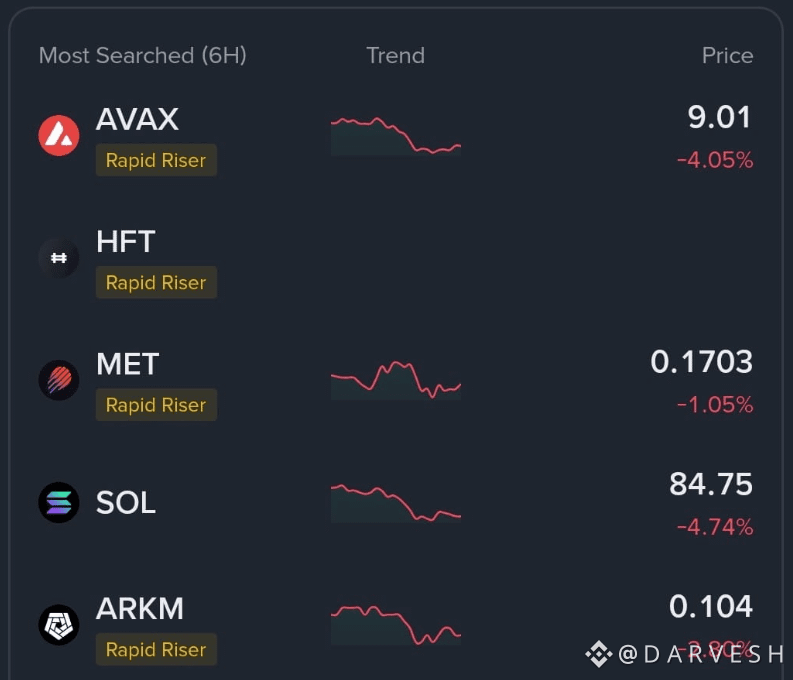
👀 TREND PENCARIAN BINANCE BARU SAJA DITURUNKAN KE DAFTAR PERHATIAN SELANJUTNYA
Saat ini, koin yang paling dicari di Binance adalah:
AVAX, HFT, MET, SOL, ARKM
Dan dalam crypto, di mana perhatian mengalir, volatilitas sering kali mengikuti.
Berikut ini yang menarik perhatian para trader:
🟢 #AVAX – Minat institusional dan adopsi aset dunia nyata di sekitar Avalanche semakin kuat.
⚡ $HFT – Koin dengan kapitalisasi kecil yang bergerak cepat, untuk scalper yang mencari momentum tiba-tiba.
🔄 $MET – Tren saat modal berputar ke dalam ekosistem Solana, permainan di luar SOL itu sendiri.
🔹 #SOL – Barometer altcoin utama; sentimen risiko biasanya muncul di sini lebih dulu.
🧠 $ARKM – Mendapatkan perhatian saat trader berburu intelijen on-chain dan alat pelacakan uang pintar.
Ini bukan kebetulan. Ini adalah tempat perhatian pasar pertama kali berkumpul, dan dalam crypto, perhatian sering bergerak sebelum harga.
📌 Langkah Selanjutnya
Dalam posting saya yang akan datang, saya akan menjelaskan prediksi dan analisis lengkap untuk koin-koin ini.
Jika Anda ingin penjelasan mendalam yang lengkap, tekan Suka dan tinggalkan Komentar di bawah.
#JobsDataShock
👀 TREND PENCARIAN BINANCE BARU SAJA DITURUNKAN KE DAFTAR PERHATIAN SELANJUTNYA
Saat ini, koin yang paling dicari di Binance adalah:
AVAX, HFT, MET, SOL, ARKM
Dan dalam crypto, di mana perhatian mengalir, volatilitas sering kali mengikuti.
Berikut ini yang menarik perhatian para trader:
🟢 #AVAX – Minat institusional dan adopsi aset dunia nyata di sekitar Avalanche semakin kuat.
⚡ $HFT – Koin dengan kapitalisasi kecil yang bergerak cepat, untuk scalper yang mencari momentum tiba-tiba.
🔄 $MET – Tren saat modal berputar ke dalam ekosistem Solana, permainan di luar SOL itu sendiri.
🔹 #SOL – Barometer altcoin utama; sentimen risiko biasanya muncul di sini lebih dulu.
🧠 $ARKM – Mendapatkan perhatian saat trader berburu intelijen on-chain dan alat pelacakan uang pintar.
Ini bukan kebetulan. Ini adalah tempat perhatian pasar pertama kali berkumpul, dan dalam crypto, perhatian sering bergerak sebelum harga.
📌 Langkah Selanjutnya
Dalam posting saya yang akan datang, saya akan menjelaskan prediksi dan analisis lengkap untuk koin-koin ini.
Jika Anda ingin penjelasan mendalam yang lengkap, tekan Suka dan tinggalkan Komentar di bawah.
#JobsDataShock
Saat ini, koin yang paling dicari di Binance adalah:
AVAX, HFT, MET, SOL, ARKM
Dan dalam crypto, di mana perhatian mengalir, volatilitas sering kali mengikuti.
Berikut ini yang menarik perhatian para trader:
🟢 #AVAX – Minat institusional dan adopsi aset dunia nyata di sekitar Avalanche semakin kuat.
⚡ $HFT – Koin dengan kapitalisasi kecil yang bergerak cepat, untuk scalper yang mencari momentum tiba-tiba.
🔄 $MET – Tren saat modal berputar ke dalam ekosistem Solana, permainan di luar SOL itu sendiri.
🔹 #SOL – Barometer altcoin utama; sentimen risiko biasanya muncul di sini lebih dulu.
🧠 $ARKM – Mendapatkan perhatian saat trader berburu intelijen on-chain dan alat pelacakan uang pintar.
Ini bukan kebetulan. Ini adalah tempat perhatian pasar pertama kali berkumpul, dan dalam crypto, perhatian sering bergerak sebelum harga.
📌 Langkah Selanjutnya
Dalam posting saya yang akan datang, saya akan menjelaskan prediksi dan analisis lengkap untuk koin-koin ini.
Jika Anda ingin penjelasan mendalam yang lengkap, tekan Suka dan tinggalkan Komentar di bawah.
#JobsDataShock
1
1
50
·
--
Bullish
🚨 SESUATU YANG BESAR BARU SAJA TERJADI
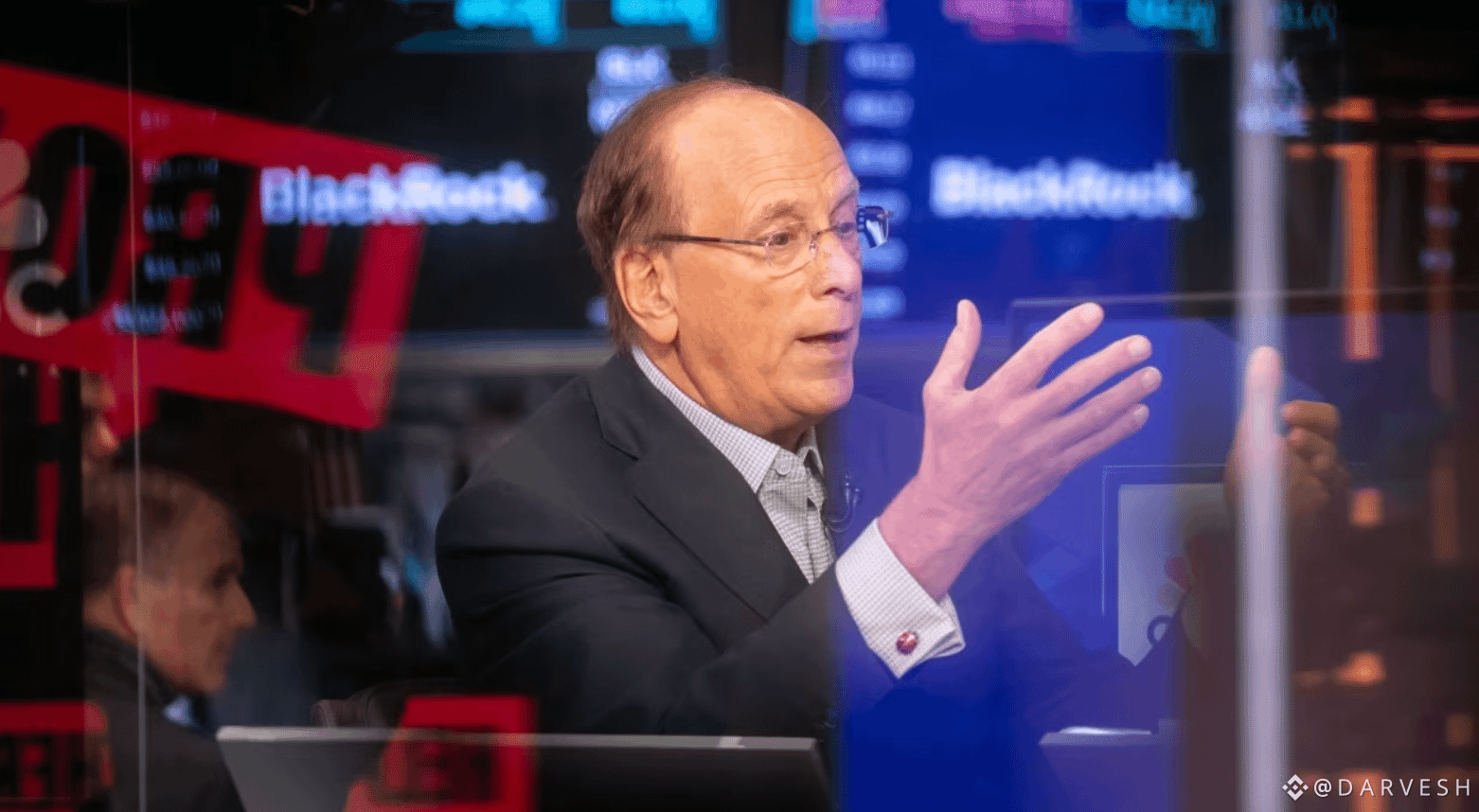
Manajer aset terbesar di dunia, BlackRock, telah membatasi penarikan investor dari salah satu dana kredit swasta utama mereka.
Investor dilaporkan mencoba menarik sekitar $1,2 miliar dari dana yang mengelola sekitar $26 miliar dalam aset. Alih-alih mengizinkan penarikan penuh, perusahaan membatasi penebusan hingga 5%, yang berarti banyak investor tidak dapat mengakses semua uang yang mereka minta.
Sebagai hasilnya, hampir setengah dari investor yang ingin menarik dana tidak dapat melakukannya.
Dan ini tidak terjadi dalam isolasi.
Pada saat yang sama, Blackstone — raksasa lain dalam investasi alternatif — sedang menghadapi tekanan penarikan rekor dari salah satu dananya. Laporan mengatakan perusahaan harus menyuntikkan sekitar $400 juta dari modalnya sendiri untuk membantu menstabilkan penarikan.
Mengapa Ini Penting
Kedua perusahaan mengoperasikan dana besar di pasar kredit swasta senilai $1,8 triliun, sektor yang tumbuh dengan cepat di mana investor memberikan pinjaman langsung kepada perusahaan di luar perbankan tradisional.
Ketika dana di ruang ini mulai membatasi penarikan, hal itu menimbulkan pertanyaan tentang likuiditas:
Apakah investor terburu-buru untuk keluar?
Apakah pasar menjadi lebih sulit untuk dibongkar dengan cepat?
Apakah stres mulai terakumulasi di pasar kredit swasta?
Untuk jelasnya, dana-dana ini sering kali secara hukum membatasi penarikan selama periode penebusan yang berat, jadi itu tidak selalu menunjukkan tanda-tanda krisis.
Namun, ketika pemain terbesar di industri mulai mengaktifkan batasan tersebut, pasar cenderung memperhatikan.
Pertanyaan Besar
Kredit swasta telah meledak selama dekade terakhir saat investor mencari hasil yang lebih tinggi.
Sekarang pertanyaan kuncinya adalah:
Jika tekanan penarikan terus meningkat, apa yang akan terjadi selanjutnya untuk pasar senilai $1,8 triliun ini?
Apakah ini hanya kontrol likuiditas normal — atau tanda peringatan pertama dari stres yang lebih dalam di kredit swasta?
👇 Apa pendapat Anda tentang apa yang akan terjadi selanjutnya?
#blackRock
$ETH $BTC $BNB
{spot}(BNBUSDT)
{spot}(BTCUSDT)
{spot}(ETHUSDT)
🚨 SESUATU YANG BESAR BARU SAJA TERJADI
Manajer aset terbesar di dunia, BlackRock, telah membatasi penarikan investor dari salah satu dana kredit swasta utama mereka.
Investor dilaporkan mencoba menarik sekitar $1,2 miliar dari dana yang mengelola sekitar $26 miliar dalam aset. Alih-alih mengizinkan penarikan penuh, perusahaan membatasi penebusan hingga 5%, yang berarti banyak investor tidak dapat mengakses semua uang yang mereka minta.
Sebagai hasilnya, hampir setengah dari investor yang ingin menarik dana tidak dapat melakukannya.
Dan ini tidak terjadi dalam isolasi.
Pada saat yang sama, Blackstone — raksasa lain dalam investasi alternatif — sedang menghadapi tekanan penarikan rekor dari salah satu dananya. Laporan mengatakan perusahaan harus menyuntikkan sekitar $400 juta dari modalnya sendiri untuk membantu menstabilkan penarikan.
Mengapa Ini Penting
Kedua perusahaan mengoperasikan dana besar di pasar kredit swasta senilai $1,8 triliun, sektor yang tumbuh dengan cepat di mana investor memberikan pinjaman langsung kepada perusahaan di luar perbankan tradisional.
Ketika dana di ruang ini mulai membatasi penarikan, hal itu menimbulkan pertanyaan tentang likuiditas:
Apakah investor terburu-buru untuk keluar?
Apakah pasar menjadi lebih sulit untuk dibongkar dengan cepat?
Apakah stres mulai terakumulasi di pasar kredit swasta?
Untuk jelasnya, dana-dana ini sering kali secara hukum membatasi penarikan selama periode penebusan yang berat, jadi itu tidak selalu menunjukkan tanda-tanda krisis.
Namun, ketika pemain terbesar di industri mulai mengaktifkan batasan tersebut, pasar cenderung memperhatikan.
Pertanyaan Besar
Kredit swasta telah meledak selama dekade terakhir saat investor mencari hasil yang lebih tinggi.
Sekarang pertanyaan kuncinya adalah:
Jika tekanan penarikan terus meningkat, apa yang akan terjadi selanjutnya untuk pasar senilai $1,8 triliun ini?
Apakah ini hanya kontrol likuiditas normal — atau tanda peringatan pertama dari stres yang lebih dalam di kredit swasta?
👇 Apa pendapat Anda tentang apa yang akan terjadi selanjutnya?
#blackRock
$ETH $BTC $BNB
Manajer aset terbesar di dunia, BlackRock, telah membatasi penarikan investor dari salah satu dana kredit swasta utama mereka.
Investor dilaporkan mencoba menarik sekitar $1,2 miliar dari dana yang mengelola sekitar $26 miliar dalam aset. Alih-alih mengizinkan penarikan penuh, perusahaan membatasi penebusan hingga 5%, yang berarti banyak investor tidak dapat mengakses semua uang yang mereka minta.
Sebagai hasilnya, hampir setengah dari investor yang ingin menarik dana tidak dapat melakukannya.
Dan ini tidak terjadi dalam isolasi.
Pada saat yang sama, Blackstone — raksasa lain dalam investasi alternatif — sedang menghadapi tekanan penarikan rekor dari salah satu dananya. Laporan mengatakan perusahaan harus menyuntikkan sekitar $400 juta dari modalnya sendiri untuk membantu menstabilkan penarikan.
Mengapa Ini Penting
Kedua perusahaan mengoperasikan dana besar di pasar kredit swasta senilai $1,8 triliun, sektor yang tumbuh dengan cepat di mana investor memberikan pinjaman langsung kepada perusahaan di luar perbankan tradisional.
Ketika dana di ruang ini mulai membatasi penarikan, hal itu menimbulkan pertanyaan tentang likuiditas:
Apakah investor terburu-buru untuk keluar?
Apakah pasar menjadi lebih sulit untuk dibongkar dengan cepat?
Apakah stres mulai terakumulasi di pasar kredit swasta?
Untuk jelasnya, dana-dana ini sering kali secara hukum membatasi penarikan selama periode penebusan yang berat, jadi itu tidak selalu menunjukkan tanda-tanda krisis.
Namun, ketika pemain terbesar di industri mulai mengaktifkan batasan tersebut, pasar cenderung memperhatikan.
Pertanyaan Besar
Kredit swasta telah meledak selama dekade terakhir saat investor mencari hasil yang lebih tinggi.
Sekarang pertanyaan kuncinya adalah:
Jika tekanan penarikan terus meningkat, apa yang akan terjadi selanjutnya untuk pasar senilai $1,8 triliun ini?
Apakah ini hanya kontrol likuiditas normal — atau tanda peringatan pertama dari stres yang lebih dalam di kredit swasta?
👇 Apa pendapat Anda tentang apa yang akan terjadi selanjutnya?
#blackRock
$ETH $BTC $BNB
2
270
Masuk untuk menjelajahi konten lainnya
Bergabunglah dengan pengguna kripto global di Binance Square
⚡️ Dapatkan informasi terbaru dan berguna tentang kripto.
💬 Dipercayai oleh bursa kripto terbesar di dunia.
👍 Temukan wawasan nyata dari kreator terverifikasi.
Email/Nomor Ponsel
Topik Sedang Tren
BitcoinReboundsTo$79K
20,666 penayangan
179 Berdiskusi
🚨 $BTC sedang didorong lebih tinggi.
Bitcoin diperdagangkan sekitar $78,804, naik kira-kira 1,9%, setelah berhasil merebut kembali area $78K. Level berikutnya yang perlu diperhatikan adalah puncak intraday di dekat $78,905.
Jika tembus bersih di atas level tersebut, jalan menuju $79K–$80K bisa terbuka. Jika BTC ditolak, support berada di sekitar $78,300, lalu $77,975.
Para pemburu kenaikan (bulls) punya momentum, namun BTC perlu bertahan di atas $78K.
#Bitcoin #BTC #CryptoTrading #CryptoMarket #CryptoAnalysis
PulseON
·Disukai 18 Kali
·17.4k penayangan
BitcoinSpotETFsNetInflow$160M
192 penayangan
29 Berdiskusi
SouthKoreaCryptoTaxDelayPetitionTops50000
10,537 penayangan
299 Berdiskusi