

DoraHacks
399 Posting

DoraHacks
Laporkan
Blokir Pengguna
Contribute to crypto/web3, AI, quantum computing, space and other frontier technologies through hackathons with DoraHacks. https://dorahacks.io/
1 Mengikuti
1.4K+ Pengikut
31.7K+ Disukai
Posting
·
--
Artikel
Aturan Pembuatan Aturan HackathonHackathon yang Sukses Dimulai dengan Aturan yang Efektif
Aturan yang jelas adalah tulang punggung hackathon yang sukses. Tanpa kerangka kerja yang solid, kekacauan kreatif dalam hackathon dapat dengan cepat berubah menjadi mimpi buruk logistik.
Aturan terbaik bukanlah sangkar untuk inovasi, tetapi pagar pengaman yang memastikan keadilan dan fokus, serta pengiriman seperti yang Anda harapkan. Untuk menjalankan hackathon berkualitas tinggi, Anda tidak perlu lebih banyak aturan; Anda perlu aturan yang tepat.
Berikut adalah cara untuk membuat buku aturan yang memberdayakan para hacker Anda dan menjaga acara tetap pada jalurnya, dengan mengandalkan pengalaman luas DoraHacks(dorahacks.io) dalam mengelola ribuan hackathon.
Aturan Pembuatan Aturan Hackathon
Hackathon yang Sukses Dimulai dengan Aturan yang Efektif
Aturan yang jelas adalah tulang punggung hackathon yang sukses. Tanpa kerangka kerja yang solid, kekacauan kreatif dalam hackathon dapat dengan cepat berubah menjadi mimpi buruk logistik.
Aturan terbaik bukanlah sangkar untuk inovasi, tetapi pagar pengaman yang memastikan keadilan dan fokus, serta pengiriman seperti yang Anda harapkan. Untuk menjalankan hackathon berkualitas tinggi, Anda tidak perlu lebih banyak aturan; Anda perlu aturan yang tepat.
Berikut adalah cara untuk membuat buku aturan yang memberdayakan para hacker Anda dan menjaga acara tetap pada jalurnya, dengan mengandalkan pengalaman luas DoraHacks(dorahacks.io) dalam mengelola ribuan hackathon.
Aturan yang jelas adalah tulang punggung hackathon yang sukses. Tanpa kerangka kerja yang solid, kekacauan kreatif dalam hackathon dapat dengan cepat berubah menjadi mimpi buruk logistik.
Aturan terbaik bukanlah sangkar untuk inovasi, tetapi pagar pengaman yang memastikan keadilan dan fokus, serta pengiriman seperti yang Anda harapkan. Untuk menjalankan hackathon berkualitas tinggi, Anda tidak perlu lebih banyak aturan; Anda perlu aturan yang tepat.
Berikut adalah cara untuk membuat buku aturan yang memberdayakan para hacker Anda dan menjaga acara tetap pada jalurnya, dengan mengandalkan pengalaman luas DoraHacks(dorahacks.io) dalam mengelola ribuan hackathon.
240
·
--
Artikel
Strategi GTM Terbaik dalam AI Bukanlah Acara Peluncuran. Ini adalah Hackathon.Oleh Steve Ngok, Chief Strategy Officer di DoraHacks
Saya menjabat tangan Jensen di GTC 2026 minggu lalu. Itu keren. Tapi itu bukan alasan saya menulis ini.
Apa yang tertinggal dalam ingatan saya terjadi di tepi. Di stan, saat kopi konferensi, dalam percakapan lorong lima belas menit yang diam-diam membentuk kembali cara Anda berpikir tentang seluruh industri. Rekan saya Jonathan Breton dan saya menghabiskan empat hari di GTC tidak hanya menonton demo, tetapi juga berbicara dengan orang-orang yang membangunnya. Dan pengakuan yang sama terus muncul, kadang-kadang kata demi kata:
Strategi GTM Terbaik dalam AI Bukanlah Acara Peluncuran. Ini adalah Hackathon.
Oleh Steve Ngok, Chief Strategy Officer di DoraHacks
Saya menjabat tangan Jensen di GTC 2026 minggu lalu. Itu keren. Tapi itu bukan alasan saya menulis ini.
Apa yang tertinggal dalam ingatan saya terjadi di tepi. Di stan, saat kopi konferensi, dalam percakapan lorong lima belas menit yang diam-diam membentuk kembali cara Anda berpikir tentang seluruh industri. Rekan saya Jonathan Breton dan saya menghabiskan empat hari di GTC tidak hanya menonton demo, tetapi juga berbicara dengan orang-orang yang membangunnya. Dan pengakuan yang sama terus muncul, kadang-kadang kata demi kata:
Saya menjabat tangan Jensen di GTC 2026 minggu lalu. Itu keren. Tapi itu bukan alasan saya menulis ini.
Apa yang tertinggal dalam ingatan saya terjadi di tepi. Di stan, saat kopi konferensi, dalam percakapan lorong lima belas menit yang diam-diam membentuk kembali cara Anda berpikir tentang seluruh industri. Rekan saya Jonathan Breton dan saya menghabiskan empat hari di GTC tidak hanya menonton demo, tetapi juga berbicara dengan orang-orang yang membangunnya. Dan pengakuan yang sama terus muncul, kadang-kadang kata demi kata:
186
·
--
Artikel
Sang Idealist WallPenting untuk mendefinisikan ruang lingkup produk teknologi yang benar-benar orisinal — dari 0 hingga 1. Pertanyaan yang sama menariknya adalah: sejauh mana produk teknologi baru dapat diglobalisasi — atau apakah itu secara inheren tidak dapat disalin?
Kita dapat mengamati bahwa ada produk baru yang mudah diglobalisasi, sementara yang lain sangat sulit untuk diglobalisasi. Keduanya dapat mewakili terobosan, tetapi mereka berbeda secara signifikan dalam hal kemudahan disalin. PayPal dan Uber dengan mudah diglobalisasi di Cina, India, dan banyak tempat lainnya. Dalam beberapa kasus, versi lokal bahkan melampaui yang asli. Sebagai perbandingan, industri SaaS tidak pernah sepenuhnya berakar dalam ekonomi China, bahkan selama tahun-tahun pertumbuhannya yang paling cepat. Contoh ekstrem adalah Palantir: secara efektif hanya ada satu perusahaan seperti itu. Meskipun banyak negara menginginkan produk serupa dan memiliki sumber daya yang besar untuk diinvestasikan, mereka tidak dapat secara efektif membangun sesuatu yang benar-benar sebanding.
Sang Idealist Wall
Penting untuk mendefinisikan ruang lingkup produk teknologi yang benar-benar orisinal — dari 0 hingga 1. Pertanyaan yang sama menariknya adalah: sejauh mana produk teknologi baru dapat diglobalisasi — atau apakah itu secara inheren tidak dapat disalin?
Kita dapat mengamati bahwa ada produk baru yang mudah diglobalisasi, sementara yang lain sangat sulit untuk diglobalisasi. Keduanya dapat mewakili terobosan, tetapi mereka berbeda secara signifikan dalam hal kemudahan disalin. PayPal dan Uber dengan mudah diglobalisasi di Cina, India, dan banyak tempat lainnya. Dalam beberapa kasus, versi lokal bahkan melampaui yang asli. Sebagai perbandingan, industri SaaS tidak pernah sepenuhnya berakar dalam ekonomi China, bahkan selama tahun-tahun pertumbuhannya yang paling cepat. Contoh ekstrem adalah Palantir: secara efektif hanya ada satu perusahaan seperti itu. Meskipun banyak negara menginginkan produk serupa dan memiliki sumber daya yang besar untuk diinvestasikan, mereka tidak dapat secara efektif membangun sesuatu yang benar-benar sebanding.
Kita dapat mengamati bahwa ada produk baru yang mudah diglobalisasi, sementara yang lain sangat sulit untuk diglobalisasi. Keduanya dapat mewakili terobosan, tetapi mereka berbeda secara signifikan dalam hal kemudahan disalin. PayPal dan Uber dengan mudah diglobalisasi di Cina, India, dan banyak tempat lainnya. Dalam beberapa kasus, versi lokal bahkan melampaui yang asli. Sebagai perbandingan, industri SaaS tidak pernah sepenuhnya berakar dalam ekonomi China, bahkan selama tahun-tahun pertumbuhannya yang paling cepat. Contoh ekstrem adalah Palantir: secara efektif hanya ada satu perusahaan seperti itu. Meskipun banyak negara menginginkan produk serupa dan memiliki sumber daya yang besar untuk diinvestasikan, mereka tidak dapat secara efektif membangun sesuatu yang benar-benar sebanding.
2
236
·
--
Artikel
Hack Itu Sederhana: Panduan Desain Praktis (dan Disederhanakan) untuk Hackathon UniversitasJawaban Sebelum Anda Membangun: Apa yang Sebenarnya Diperlukan untuk Hackathon Universitas yang Hebat?
Ada puluhan ribu universitas di seluruh dunia, masing-masing dengan budaya dan komunitasnya sendiri. Namun cetak biru untuk hackathon universitas yang lancar dan menyenangkan, berdasarkan pengalaman DoraHacks(https://dorahacks.io/hackathon), ternyata sangat universal.
Kami tidak ingin membanjiri Anda dengan buku panduan yang tebal yang memerlukan waktu berhari-hari untuk dicerna (atau, jujur saja, yang berakhir terlalu panjang untuk dibaca sama sekali :P). Jadi, sebagai gantinya, tim DoraHacks telah menyaring keseluruhan proses desain menjadi satu set fokus dari 14 pertanyaan. Kerjakan ini, dan cetak biru hackathon Anda akan hampir menggambar dirinya sendiri.
Hack Itu Sederhana: Panduan Desain Praktis (dan Disederhanakan) untuk Hackathon Universitas
Jawaban Sebelum Anda Membangun: Apa yang Sebenarnya Diperlukan untuk Hackathon Universitas yang Hebat?
Ada puluhan ribu universitas di seluruh dunia, masing-masing dengan budaya dan komunitasnya sendiri. Namun cetak biru untuk hackathon universitas yang lancar dan menyenangkan, berdasarkan pengalaman DoraHacks(https://dorahacks.io/hackathon), ternyata sangat universal.
Kami tidak ingin membanjiri Anda dengan buku panduan yang tebal yang memerlukan waktu berhari-hari untuk dicerna (atau, jujur saja, yang berakhir terlalu panjang untuk dibaca sama sekali :P). Jadi, sebagai gantinya, tim DoraHacks telah menyaring keseluruhan proses desain menjadi satu set fokus dari 14 pertanyaan. Kerjakan ini, dan cetak biru hackathon Anda akan hampir menggambar dirinya sendiri.
Ada puluhan ribu universitas di seluruh dunia, masing-masing dengan budaya dan komunitasnya sendiri. Namun cetak biru untuk hackathon universitas yang lancar dan menyenangkan, berdasarkan pengalaman DoraHacks(https://dorahacks.io/hackathon), ternyata sangat universal.
Kami tidak ingin membanjiri Anda dengan buku panduan yang tebal yang memerlukan waktu berhari-hari untuk dicerna (atau, jujur saja, yang berakhir terlalu panjang untuk dibaca sama sekali :P). Jadi, sebagai gantinya, tim DoraHacks telah menyaring keseluruhan proses desain menjadi satu set fokus dari 14 pertanyaan. Kerjakan ini, dan cetak biru hackathon Anda akan hampir menggambar dirinya sendiri.
1
362
·
--
Artikel
Membangun Ekonomi Agen | Ide Startup DoraHacks 2026Dengan BNB Chain sebagai Contoh
Oleh Steve Ngok. Terima kasih khusus kepada Brick (AGOS) dan Neo (Unibase) atas umpan balik dan tinjauan mereka. Terinspirasi oleh Hackathon GoodVibes OpenClaw BNB Chain(https://dorahacks.io/hackathon/goodvibes/detail).
Momen Aha tahun 2026
OpenClaw adalah momen Aha tahun 2026.
Konsep MCP (Model Context Protocol) bukanlah hal baru. Tapi OpenClaw yang bersifat open-source memberikan jutaan orang dan perusahaan pengalaman pertama mereka dengan asisten AI yang benar-benar kuat - yang dapat menangani pekerjaan manusia dengan kecepatan dan kualitas yang belum pernah terjadi sebelumnya.
Membangun Ekonomi Agen | Ide Startup DoraHacks 2026
Dengan BNB Chain sebagai Contoh
Oleh Steve Ngok. Terima kasih khusus kepada Brick (AGOS) dan Neo (Unibase) atas umpan balik dan tinjauan mereka. Terinspirasi oleh Hackathon GoodVibes OpenClaw BNB Chain(https://dorahacks.io/hackathon/goodvibes/detail).
Momen Aha tahun 2026
OpenClaw adalah momen Aha tahun 2026.
Konsep MCP (Model Context Protocol) bukanlah hal baru. Tapi OpenClaw yang bersifat open-source memberikan jutaan orang dan perusahaan pengalaman pertama mereka dengan asisten AI yang benar-benar kuat - yang dapat menangani pekerjaan manusia dengan kecepatan dan kualitas yang belum pernah terjadi sebelumnya.
Oleh Steve Ngok. Terima kasih khusus kepada Brick (AGOS) dan Neo (Unibase) atas umpan balik dan tinjauan mereka. Terinspirasi oleh Hackathon GoodVibes OpenClaw BNB Chain(https://dorahacks.io/hackathon/goodvibes/detail).
Momen Aha tahun 2026
OpenClaw adalah momen Aha tahun 2026.
Konsep MCP (Model Context Protocol) bukanlah hal baru. Tapi OpenClaw yang bersifat open-source memberikan jutaan orang dan perusahaan pengalaman pertama mereka dengan asisten AI yang benar-benar kuat - yang dapat menangani pekerjaan manusia dengan kecepatan dan kualitas yang belum pernah terjadi sebelumnya.
5
145
·
--
Artikel
Kisah Sukses: BNB ChainMengendarai gelombang OpenClaw bersama pengembang AI di 2026
BNB Chain telah menjadikan hackathon sebagai batu penjuru strategi keterlibatan pengembangnya, menyelenggarakannya setiap tahun di DoraHacks dalam berbagai format. Untuk memulai tahun 2026, BNB Chain meluncurkan Good Vibes Hackathon: The OpenClaw Edition(https://dorahacks.io/hackathon/goodvibes/detail), sebuah sprint dua minggu yang ternyata menjadi salah satu acara pembangun paling sukses 2026 hingga saat ini.
Angka-angka berbicara sendiri: hampir 300 pengajuan proyek dari lebih dari 600 peretas, dengan kualitas pengajuan rata-rata yang sangat tinggi seperti yang diukur oleh AI BUIDL Reviewer dari DoraHacks.
Kisah Sukses: BNB Chain
Mengendarai gelombang OpenClaw bersama pengembang AI di 2026
BNB Chain telah menjadikan hackathon sebagai batu penjuru strategi keterlibatan pengembangnya, menyelenggarakannya setiap tahun di DoraHacks dalam berbagai format. Untuk memulai tahun 2026, BNB Chain meluncurkan Good Vibes Hackathon: The OpenClaw Edition(https://dorahacks.io/hackathon/goodvibes/detail), sebuah sprint dua minggu yang ternyata menjadi salah satu acara pembangun paling sukses 2026 hingga saat ini.
Angka-angka berbicara sendiri: hampir 300 pengajuan proyek dari lebih dari 600 peretas, dengan kualitas pengajuan rata-rata yang sangat tinggi seperti yang diukur oleh AI BUIDL Reviewer dari DoraHacks.
BNB Chain telah menjadikan hackathon sebagai batu penjuru strategi keterlibatan pengembangnya, menyelenggarakannya setiap tahun di DoraHacks dalam berbagai format. Untuk memulai tahun 2026, BNB Chain meluncurkan Good Vibes Hackathon: The OpenClaw Edition(https://dorahacks.io/hackathon/goodvibes/detail), sebuah sprint dua minggu yang ternyata menjadi salah satu acara pembangun paling sukses 2026 hingga saat ini.
Angka-angka berbicara sendiri: hampir 300 pengajuan proyek dari lebih dari 600 peretas, dengan kualitas pengajuan rata-rata yang sangat tinggi seperti yang diukur oleh AI BUIDL Reviewer dari DoraHacks.
3
164
·
--
Artikel
Infrastruktur Privasi di Zcash | Ide Startup DoraHacks 2026Oleh Steve Ngok, Kepala Pejabat Strategi, DoraHacks
Apa yang Sebenarnya Tentang Teori Privasi?
Sebuah prinsip dasar: individu dan organisasi harus memiliki hak untuk melindungi identitas dan informasi mereka ketika itu penting.
Ini adalah kebebasan dasar dan persyaratan teknis.
Sebuah kebebasan, karena privasi finansial bukanlah kemewahan. Ini memungkinkan seorang pembangkang untuk menerima sumbangan tanpa penganiayaan, sebuah bisnis untuk membayar pemasok tanpa mengungkapkan strategi, seseorang untuk menyimpan tabungan tanpa menjadi target. Privasi membuat partisipasi dalam ekonomi menjadi aman.
Infrastruktur Privasi di Zcash | Ide Startup DoraHacks 2026
Oleh Steve Ngok, Kepala Pejabat Strategi, DoraHacks
Apa yang Sebenarnya Tentang Teori Privasi?
Sebuah prinsip dasar: individu dan organisasi harus memiliki hak untuk melindungi identitas dan informasi mereka ketika itu penting.
Ini adalah kebebasan dasar dan persyaratan teknis.
Sebuah kebebasan, karena privasi finansial bukanlah kemewahan. Ini memungkinkan seorang pembangkang untuk menerima sumbangan tanpa penganiayaan, sebuah bisnis untuk membayar pemasok tanpa mengungkapkan strategi, seseorang untuk menyimpan tabungan tanpa menjadi target. Privasi membuat partisipasi dalam ekonomi menjadi aman.
Apa yang Sebenarnya Tentang Teori Privasi?
Sebuah prinsip dasar: individu dan organisasi harus memiliki hak untuk melindungi identitas dan informasi mereka ketika itu penting.
Ini adalah kebebasan dasar dan persyaratan teknis.
Sebuah kebebasan, karena privasi finansial bukanlah kemewahan. Ini memungkinkan seorang pembangkang untuk menerima sumbangan tanpa penganiayaan, sebuah bisnis untuk membayar pemasok tanpa mengungkapkan strategi, seseorang untuk menyimpan tabungan tanpa menjadi target. Privasi membuat partisipasi dalam ekonomi menjadi aman.
233
·
--
Artikel
Cara Merancang Rencana Penilaian HackathonPanduan Praktis untuk Penyelenggara
Hackathon Anda berjalan dengan sangat baik. Pengiriman sudah diterima. Sekarang datang bagian di mana banyak hackathon terhambat.
Penilaian terlihat sederhana di atas kertas: meninjau proyek, memilih pemenang. Tetapi dalam praktiknya, di sinilah harapan yang tidak jelas, penilai yang tidak sesuai, dan tenggat waktu yang terlewat menumpuk. Kabar baiknya: sebagian besar masalah penilaian dapat dicegah dengan perencanaan awal.
Inilah yang terlihat berdasarkan ribuan hackathon yang didukung oleh DoraHacks.
Tentukan Apa yang Sebenarnya Anda Evaluasi
Cara Merancang Rencana Penilaian Hackathon
Panduan Praktis untuk Penyelenggara
Hackathon Anda berjalan dengan sangat baik. Pengiriman sudah diterima. Sekarang datang bagian di mana banyak hackathon terhambat.
Penilaian terlihat sederhana di atas kertas: meninjau proyek, memilih pemenang. Tetapi dalam praktiknya, di sinilah harapan yang tidak jelas, penilai yang tidak sesuai, dan tenggat waktu yang terlewat menumpuk. Kabar baiknya: sebagian besar masalah penilaian dapat dicegah dengan perencanaan awal.
Inilah yang terlihat berdasarkan ribuan hackathon yang didukung oleh DoraHacks.
Tentukan Apa yang Sebenarnya Anda Evaluasi
Hackathon Anda berjalan dengan sangat baik. Pengiriman sudah diterima. Sekarang datang bagian di mana banyak hackathon terhambat.
Penilaian terlihat sederhana di atas kertas: meninjau proyek, memilih pemenang. Tetapi dalam praktiknya, di sinilah harapan yang tidak jelas, penilai yang tidak sesuai, dan tenggat waktu yang terlewat menumpuk. Kabar baiknya: sebagian besar masalah penilaian dapat dicegah dengan perencanaan awal.
Inilah yang terlihat berdasarkan ribuan hackathon yang didukung oleh DoraHacks.
Tentukan Apa yang Sebenarnya Anda Evaluasi
2
200
·
--
Artikel
Kisah Sukses: Stacks x DoraHacksMengubah Hackathon Menjadi Mesin Pertumbuhan
Menjalankan satu hackathon mungkin mudah. Menjalankan serangkaian hackathon yang terus menarik para pengembang, menghasilkan proyek nyata, dan mengembangkan ekosistem adalah permainan yang sama sekali berbeda.
Stacks telah menemukan solusinya. Sebagai Layer 2 Bitcoin yang membawa kontrak pintar dan dapps ke Bitcoin, mereka telah menyelenggarakan 9 hackathon di DoraHacks sejak 2025. Apa yang dimulai sebagai acara individu berkembang menjadi sebuah sistem, yang telah menjadi model untuk membangun komunitas pengembang melalui hackathon.
Sebuah Sistem, Bukan Sekali Saja
Kisah Sukses: Stacks x DoraHacks
Mengubah Hackathon Menjadi Mesin Pertumbuhan
Menjalankan satu hackathon mungkin mudah. Menjalankan serangkaian hackathon yang terus menarik para pengembang, menghasilkan proyek nyata, dan mengembangkan ekosistem adalah permainan yang sama sekali berbeda.
Stacks telah menemukan solusinya. Sebagai Layer 2 Bitcoin yang membawa kontrak pintar dan dapps ke Bitcoin, mereka telah menyelenggarakan 9 hackathon di DoraHacks sejak 2025. Apa yang dimulai sebagai acara individu berkembang menjadi sebuah sistem, yang telah menjadi model untuk membangun komunitas pengembang melalui hackathon.
Sebuah Sistem, Bukan Sekali Saja
Menjalankan satu hackathon mungkin mudah. Menjalankan serangkaian hackathon yang terus menarik para pengembang, menghasilkan proyek nyata, dan mengembangkan ekosistem adalah permainan yang sama sekali berbeda.
Stacks telah menemukan solusinya. Sebagai Layer 2 Bitcoin yang membawa kontrak pintar dan dapps ke Bitcoin, mereka telah menyelenggarakan 9 hackathon di DoraHacks sejak 2025. Apa yang dimulai sebagai acara individu berkembang menjadi sebuah sistem, yang telah menjadi model untuk membangun komunitas pengembang melalui hackathon.
Sebuah Sistem, Bukan Sekali Saja
1
170
·
--
Artikel
DevRel Anda adalah Bottleneck Terbesar AndaOleh Steve Ngok, Chief Strategy Officer, DoraHacks
Pengantar
Setiap perusahaan yang membangun platform pengembang mengatakan hal yang sama: "Kami semua tentang ekosistem pengembang." Mereka merekrut tim DevRel. Mereka mensponsori hackathon. Mereka mengisi server Discord dengan ribuan pembangun yang penuh harapan. Kemudian mereka menonton, bingung, saat ekosistem mereka gagal untuk tumbuh.
Inilah kebenaran yang tidak nyaman: kebanyakan perusahaan tidak memiliki tim DevRel yang baik untuk memulai. Mereka kekurangan staf, kurang pelatihan, atau hanya dipikirkan setelahnya. Tetapi inilah yang lebih buruk: bahkan perusahaan yang berinvestasi besar-besaran di DevRel mengalami batas yang sama. Tim DevRel yang hebat dengan 10 orang tidak dapat secara berarti mendukung 10.000 pengembang. Kapasitas mereka memiliki batasan yang ketat. Dan batasan tersebut menjadi batasan ekosistem Anda.
DevRel Anda adalah Bottleneck Terbesar Anda
Oleh Steve Ngok, Chief Strategy Officer, DoraHacks
Pengantar
Setiap perusahaan yang membangun platform pengembang mengatakan hal yang sama: "Kami semua tentang ekosistem pengembang." Mereka merekrut tim DevRel. Mereka mensponsori hackathon. Mereka mengisi server Discord dengan ribuan pembangun yang penuh harapan. Kemudian mereka menonton, bingung, saat ekosistem mereka gagal untuk tumbuh.
Inilah kebenaran yang tidak nyaman: kebanyakan perusahaan tidak memiliki tim DevRel yang baik untuk memulai. Mereka kekurangan staf, kurang pelatihan, atau hanya dipikirkan setelahnya. Tetapi inilah yang lebih buruk: bahkan perusahaan yang berinvestasi besar-besaran di DevRel mengalami batas yang sama. Tim DevRel yang hebat dengan 10 orang tidak dapat secara berarti mendukung 10.000 pengembang. Kapasitas mereka memiliki batasan yang ketat. Dan batasan tersebut menjadi batasan ekosistem Anda.
Pengantar
Setiap perusahaan yang membangun platform pengembang mengatakan hal yang sama: "Kami semua tentang ekosistem pengembang." Mereka merekrut tim DevRel. Mereka mensponsori hackathon. Mereka mengisi server Discord dengan ribuan pembangun yang penuh harapan. Kemudian mereka menonton, bingung, saat ekosistem mereka gagal untuk tumbuh.
Inilah kebenaran yang tidak nyaman: kebanyakan perusahaan tidak memiliki tim DevRel yang baik untuk memulai. Mereka kekurangan staf, kurang pelatihan, atau hanya dipikirkan setelahnya. Tetapi inilah yang lebih buruk: bahkan perusahaan yang berinvestasi besar-besaran di DevRel mengalami batas yang sama. Tim DevRel yang hebat dengan 10 orang tidak dapat secara berarti mendukung 10.000 pengembang. Kapasitas mereka memiliki batasan yang ketat. Dan batasan tersebut menjadi batasan ekosistem Anda.
1
411
·
--
Artikel
Seperti Apa Tampilan Pengajuan Hackathon yang Baik?Anda telah menghabiskan berjam-jam (mungkin berhari-hari) membangun sesuatu yang Anda banggakan. Tetapi proyek yang kuat tidak menjamin pengajuan yang kuat. Cara Anda menyajikan pekerjaan Anda sama pentingnya dengan pekerjaan itu sendiri. Juri meninjau puluhan atau bahkan ratusan pengajuan, dan yang menonjol adalah yang jelas, lengkap, dan mudah untuk dievaluasi.
Panduan ini mencakup apa yang memisahkan pengajuan yang menang dari yang terlupakan.
0. Sebelum Segalanya, Bacalah Persyaratan dengan Teliti
Ini terdengar jelas, tetapi di sinilah banyak peretas tersandung. Sebelum Anda mulai menulis pengajuan Anda, bacalah persyaratan pengajuan hackathon dengan seksama. Pahami apa yang wajib, apa yang opsional, dan format apa yang diharapkan.
Seperti Apa Tampilan Pengajuan Hackathon yang Baik?
Anda telah menghabiskan berjam-jam (mungkin berhari-hari) membangun sesuatu yang Anda banggakan. Tetapi proyek yang kuat tidak menjamin pengajuan yang kuat. Cara Anda menyajikan pekerjaan Anda sama pentingnya dengan pekerjaan itu sendiri. Juri meninjau puluhan atau bahkan ratusan pengajuan, dan yang menonjol adalah yang jelas, lengkap, dan mudah untuk dievaluasi.
Panduan ini mencakup apa yang memisahkan pengajuan yang menang dari yang terlupakan.
0. Sebelum Segalanya, Bacalah Persyaratan dengan Teliti
Ini terdengar jelas, tetapi di sinilah banyak peretas tersandung. Sebelum Anda mulai menulis pengajuan Anda, bacalah persyaratan pengajuan hackathon dengan seksama. Pahami apa yang wajib, apa yang opsional, dan format apa yang diharapkan.
Panduan ini mencakup apa yang memisahkan pengajuan yang menang dari yang terlupakan.
0. Sebelum Segalanya, Bacalah Persyaratan dengan Teliti
Ini terdengar jelas, tetapi di sinilah banyak peretas tersandung. Sebelum Anda mulai menulis pengajuan Anda, bacalah persyaratan pengajuan hackathon dengan seksama. Pahami apa yang wajib, apa yang opsional, dan format apa yang diharapkan.
2
464
·
--
Artikel
Cara Mengorganisir Hackathon "Vibe Coding"Oleh Steve Ngok, Kepala Strategi, DoraHacks
Saya baru saja kembali ke Singapura dari AS dan memperhatikan banyak yang telah berubah dibandingkan tahun lalu. Kemajuan, saya katakan. Ketika datang ke acara pengembang, Singapura semakin mendekati San Francisco. Banyak raksasa teknologi terkemuka dan perusahaan AI yang membuka kantor di sini, memperluas tim mereka, dan secara aktif mengorganisir acara pengembang untuk meningkatkan keberadaan mereka di Asia.
Ketika saya berbincang dengan teman baru dari kantor OpenAI di Singapura tentang hackathon terbaru yang telah saya organisir dan hadiri, dia bertanya kepada saya: "Bagaimana suasana di hackathon ini belakangan ini?"
Cara Mengorganisir Hackathon "Vibe Coding"
Oleh Steve Ngok, Kepala Strategi, DoraHacks
Saya baru saja kembali ke Singapura dari AS dan memperhatikan banyak yang telah berubah dibandingkan tahun lalu. Kemajuan, saya katakan. Ketika datang ke acara pengembang, Singapura semakin mendekati San Francisco. Banyak raksasa teknologi terkemuka dan perusahaan AI yang membuka kantor di sini, memperluas tim mereka, dan secara aktif mengorganisir acara pengembang untuk meningkatkan keberadaan mereka di Asia.
Ketika saya berbincang dengan teman baru dari kantor OpenAI di Singapura tentang hackathon terbaru yang telah saya organisir dan hadiri, dia bertanya kepada saya: "Bagaimana suasana di hackathon ini belakangan ini?"
Saya baru saja kembali ke Singapura dari AS dan memperhatikan banyak yang telah berubah dibandingkan tahun lalu. Kemajuan, saya katakan. Ketika datang ke acara pengembang, Singapura semakin mendekati San Francisco. Banyak raksasa teknologi terkemuka dan perusahaan AI yang membuka kantor di sini, memperluas tim mereka, dan secara aktif mengorganisir acara pengembang untuk meningkatkan keberadaan mereka di Asia.
Ketika saya berbincang dengan teman baru dari kantor OpenAI di Singapura tentang hackathon terbaru yang telah saya organisir dan hadiri, dia bertanya kepada saya: "Bagaimana suasana di hackathon ini belakangan ini?"
2
180
·
--
Artikel
Mengapa Setiap Perusahaan Harus Mengadakan Hackathon di 2026Oleh Steve Ngok, Chief Strategy Officer, DoraHacks
Tahun adalah 2026. Era konsumsi teknologi pasif telah mati. AI sedang mengonsumsi perangkat lunak. Kode menulis kode, dan ide menjadi aplikasi dalam sekejap.
Dalam kenyataan ini, kecepatan adalah satu-satunya mata uang yang dihitung. Jarak antara ide dan produk yang dikirim telah runtuh dari bulan menjadi menit. Jika Anda adalah CEO atau pendiri, perhatikan: hanya ada satu tempat di mana masa depan sedang dibentuk secara real time - hackathon.
Anda akan menemukan pengembang dalam konsentrasi mendalam, berlomba dengan waktu untuk mengubah ide-ide mentah menjadi prototipe yang bekerja. Lingkungan yang frenetik memberi imbalan pada kecepatan dan kreativitas, mewujudkan budaya inovasi yang sangat cepat tahun 2026. Produk lahir, teknologi diuji secara stres, bakat diidentifikasi, dan mereka yang muncul sebagai pemenang telah terbukti di arena terkeras yang dapat ditawarkan perangkat lunak.
Mengapa Setiap Perusahaan Harus Mengadakan Hackathon di 2026
Oleh Steve Ngok, Chief Strategy Officer, DoraHacks
Tahun adalah 2026. Era konsumsi teknologi pasif telah mati. AI sedang mengonsumsi perangkat lunak. Kode menulis kode, dan ide menjadi aplikasi dalam sekejap.
Dalam kenyataan ini, kecepatan adalah satu-satunya mata uang yang dihitung. Jarak antara ide dan produk yang dikirim telah runtuh dari bulan menjadi menit. Jika Anda adalah CEO atau pendiri, perhatikan: hanya ada satu tempat di mana masa depan sedang dibentuk secara real time - hackathon.
Anda akan menemukan pengembang dalam konsentrasi mendalam, berlomba dengan waktu untuk mengubah ide-ide mentah menjadi prototipe yang bekerja. Lingkungan yang frenetik memberi imbalan pada kecepatan dan kreativitas, mewujudkan budaya inovasi yang sangat cepat tahun 2026. Produk lahir, teknologi diuji secara stres, bakat diidentifikasi, dan mereka yang muncul sebagai pemenang telah terbukti di arena terkeras yang dapat ditawarkan perangkat lunak.
Tahun adalah 2026. Era konsumsi teknologi pasif telah mati. AI sedang mengonsumsi perangkat lunak. Kode menulis kode, dan ide menjadi aplikasi dalam sekejap.
Dalam kenyataan ini, kecepatan adalah satu-satunya mata uang yang dihitung. Jarak antara ide dan produk yang dikirim telah runtuh dari bulan menjadi menit. Jika Anda adalah CEO atau pendiri, perhatikan: hanya ada satu tempat di mana masa depan sedang dibentuk secara real time - hackathon.
Anda akan menemukan pengembang dalam konsentrasi mendalam, berlomba dengan waktu untuk mengubah ide-ide mentah menjadi prototipe yang bekerja. Lingkungan yang frenetik memberi imbalan pada kecepatan dan kreativitas, mewujudkan budaya inovasi yang sangat cepat tahun 2026. Produk lahir, teknologi diuji secara stres, bakat diidentifikasi, dan mereka yang muncul sebagai pemenang telah terbukti di arena terkeras yang dapat ditawarkan perangkat lunak.
1
381
·
--
Artikel
Hackathon Sedang Berlangsung: Panduan Operasional untuk PenyelenggaraMengapa Manajemen (Baik) Itu Penting
Manajemen yang baik tidak menjamin keberhasilan hackathon, tetapi mengabaikannya hampir pasti menjamin kegagalan. Jika penyelenggara diam - tidak ada komunikasi, tidak ada dukungan, tidak ada promosi yang berkelanjutan - peserta kehilangan kepercayaan dan momentum. Energi mengering dari acara, pengajuan menurun, dan sponsor memperhatikan.
Fase langsung adalah di mana persiapan hackathon Anda diuji. Masalah yang tidak terduga akan muncul, dan bagaimana Anda merespons menentukan reputasi hackathon Anda. Manajemen yang baik juga melindungi tim Anda dari kelelahan. Dengan proses yang jelas, Anda dapat menangani tantangan dengan tenang dan masih memiliki energi untuk mencapai garis finish.
Hackathon Sedang Berlangsung: Panduan Operasional untuk Penyelenggara
Mengapa Manajemen (Baik) Itu Penting
Manajemen yang baik tidak menjamin keberhasilan hackathon, tetapi mengabaikannya hampir pasti menjamin kegagalan. Jika penyelenggara diam - tidak ada komunikasi, tidak ada dukungan, tidak ada promosi yang berkelanjutan - peserta kehilangan kepercayaan dan momentum. Energi mengering dari acara, pengajuan menurun, dan sponsor memperhatikan.
Fase langsung adalah di mana persiapan hackathon Anda diuji. Masalah yang tidak terduga akan muncul, dan bagaimana Anda merespons menentukan reputasi hackathon Anda. Manajemen yang baik juga melindungi tim Anda dari kelelahan. Dengan proses yang jelas, Anda dapat menangani tantangan dengan tenang dan masih memiliki energi untuk mencapai garis finish.
Manajemen yang baik tidak menjamin keberhasilan hackathon, tetapi mengabaikannya hampir pasti menjamin kegagalan. Jika penyelenggara diam - tidak ada komunikasi, tidak ada dukungan, tidak ada promosi yang berkelanjutan - peserta kehilangan kepercayaan dan momentum. Energi mengering dari acara, pengajuan menurun, dan sponsor memperhatikan.
Fase langsung adalah di mana persiapan hackathon Anda diuji. Masalah yang tidak terduga akan muncul, dan bagaimana Anda merespons menentukan reputasi hackathon Anda. Manajemen yang baik juga melindungi tim Anda dari kelelahan. Dengan proses yang jelas, Anda dapat menangani tantangan dengan tenang dan masih memiliki energi untuk mencapai garis finish.
163
·
--
Fitur Baru: Penjurian Hackathon Menjadi Lebih Mudah dengan Juri EksternalKami senang memperkenalkan fitur baru Juri Eksternal, versi terbaru dari fitur penjurian manual sebelumnya, sekarang tersedia di Dasbor Penyelenggara.
Juri Eksternal memberi Anda cara terstruktur untuk mengundang juri, mendefinisikan aturan evaluasi yang jelas, dan meninjau pengajuan BUIDL langsung di platform. Ini membantu Anda menggabungkan keahlian manusia dengan penilaian terstruktur untuk proses penjurian yang lebih jelas dan efisien. Pada saat yang sama, tinjauan AI juga tersedia untuk referensi juri.
▶︎ Tonton video untuk melihat bagaimana Juri Eksternal bekerja.
Fitur Baru: Penjurian Hackathon Menjadi Lebih Mudah dengan Juri Eksternal
Kami senang memperkenalkan fitur baru Juri Eksternal, versi terbaru dari fitur penjurian manual sebelumnya, sekarang tersedia di Dasbor Penyelenggara.
Juri Eksternal memberi Anda cara terstruktur untuk mengundang juri, mendefinisikan aturan evaluasi yang jelas, dan meninjau pengajuan BUIDL langsung di platform. Ini membantu Anda menggabungkan keahlian manusia dengan penilaian terstruktur untuk proses penjurian yang lebih jelas dan efisien. Pada saat yang sama, tinjauan AI juga tersedia untuk referensi juri.
▶︎ Tonton video untuk melihat bagaimana Juri Eksternal bekerja.
Juri Eksternal memberi Anda cara terstruktur untuk mengundang juri, mendefinisikan aturan evaluasi yang jelas, dan meninjau pengajuan BUIDL langsung di platform. Ini membantu Anda menggabungkan keahlian manusia dengan penilaian terstruktur untuk proses penjurian yang lebih jelas dan efisien. Pada saat yang sama, tinjauan AI juga tersedia untuk referensi juri.
▶︎ Tonton video untuk melihat bagaimana Juri Eksternal bekerja.
1
162
·
--
Artikel
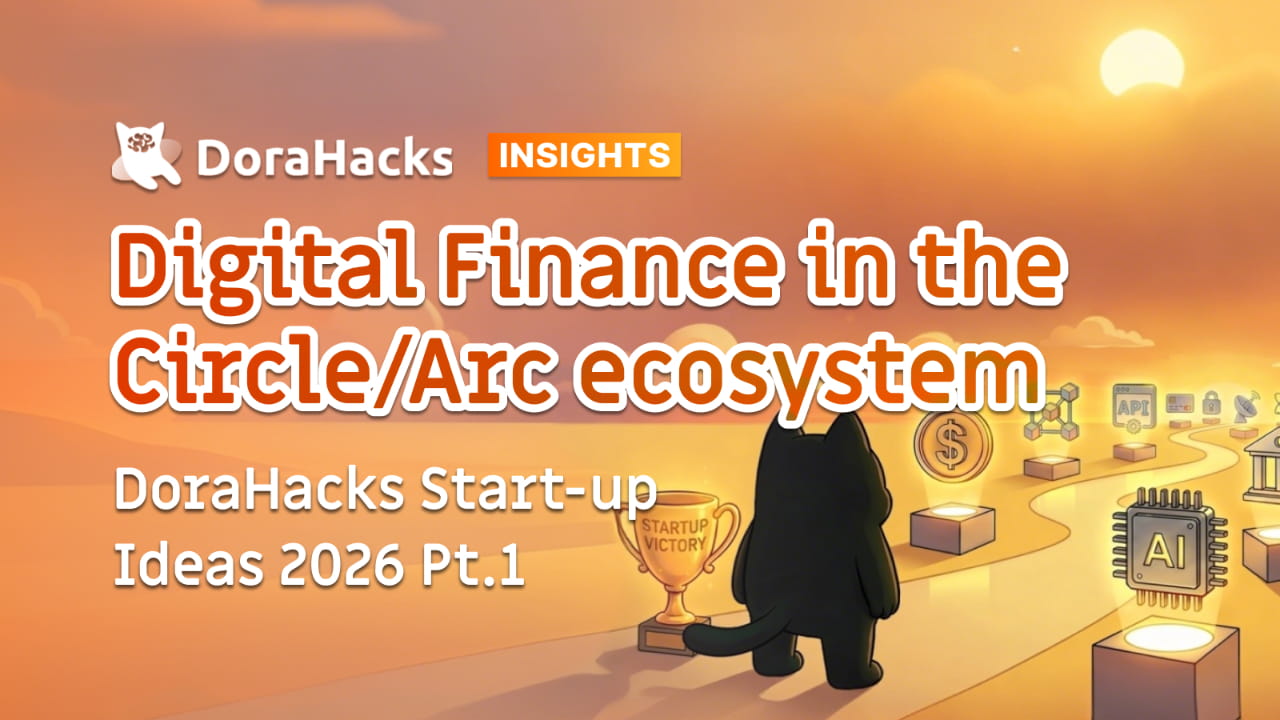
Ide Start-up DoraHacks 2026: Pt.1 Keuangan Digital dalam ekosistem Lingkaran/BusurOleh Steve Ngok, Kepala Petugas Strategi, DoraHacks
Pengantar
Selama hampir satu dekade, tatanan keuangan yang mapan telah melihat crypto dengan skeptisisme dan penghinaan. Bagi pengamat di menara gading, industri ini tampak lebih sebagai kasino—sebuah teater spekulasi yang kacau terpisah dari ekonomi nyata. Selama waktu yang lama, kritik ini memiliki dasar.
Namun, melihat lanskap 2026, kebingungan awal telah memberi jalan bagi kejelasan struktural. Industri ini tidak hanya tumbuh; ia telah terpecah.
Ide Start-up DoraHacks 2026: Pt.1 Keuangan Digital dalam ekosistem Lingkaran/Busur
Oleh Steve Ngok, Kepala Petugas Strategi, DoraHacks
Pengantar
Selama hampir satu dekade, tatanan keuangan yang mapan telah melihat crypto dengan skeptisisme dan penghinaan. Bagi pengamat di menara gading, industri ini tampak lebih sebagai kasino—sebuah teater spekulasi yang kacau terpisah dari ekonomi nyata. Selama waktu yang lama, kritik ini memiliki dasar.
Namun, melihat lanskap 2026, kebingungan awal telah memberi jalan bagi kejelasan struktural. Industri ini tidak hanya tumbuh; ia telah terpecah.
Pengantar
Selama hampir satu dekade, tatanan keuangan yang mapan telah melihat crypto dengan skeptisisme dan penghinaan. Bagi pengamat di menara gading, industri ini tampak lebih sebagai kasino—sebuah teater spekulasi yang kacau terpisah dari ekonomi nyata. Selama waktu yang lama, kritik ini memiliki dasar.
Namun, melihat lanskap 2026, kebingungan awal telah memberi jalan bagi kejelasan struktural. Industri ini tidak hanya tumbuh; ia telah terpecah.
210
·
--
Artikel
Panduan Peretas Pemula: Cara Memaksimalkan Hackathon Pertamamu0. Lebih Dari Sekadar Memenangkan Hadiah
Jadi, kamu siap untuk mendaftar hackathon pertamamu. Mungkin kamu seorang mahasiswa yang ingin membangun sesuatu yang keren selama akhir pekan, atau seorang pengembang solo yang berharap untuk menjelajahi teknologi baru dan bertemu dengan orang-orang seide. Bagaimanapun juga, selamat datang! Kamu akan mengalami salah satu cara terbaik untuk belajar, membangun, dan berkembang sebagai seorang pembangun.
Tapi inilah sesuatu yang sebagian besar pemula tidak sadari: para peretas yang mendapatkan manfaat paling banyak dari hackathon bukan selalu yang menang. Hadiah itu menyenangkan, tetapi keterampilan, proyek portofolio, dan koneksi yang kamu dapatkan bertahan jauh lebih lama.
Panduan Peretas Pemula: Cara Memaksimalkan Hackathon Pertamamu
0. Lebih Dari Sekadar Memenangkan Hadiah
Jadi, kamu siap untuk mendaftar hackathon pertamamu. Mungkin kamu seorang mahasiswa yang ingin membangun sesuatu yang keren selama akhir pekan, atau seorang pengembang solo yang berharap untuk menjelajahi teknologi baru dan bertemu dengan orang-orang seide. Bagaimanapun juga, selamat datang! Kamu akan mengalami salah satu cara terbaik untuk belajar, membangun, dan berkembang sebagai seorang pembangun.
Tapi inilah sesuatu yang sebagian besar pemula tidak sadari: para peretas yang mendapatkan manfaat paling banyak dari hackathon bukan selalu yang menang. Hadiah itu menyenangkan, tetapi keterampilan, proyek portofolio, dan koneksi yang kamu dapatkan bertahan jauh lebih lama.
Jadi, kamu siap untuk mendaftar hackathon pertamamu. Mungkin kamu seorang mahasiswa yang ingin membangun sesuatu yang keren selama akhir pekan, atau seorang pengembang solo yang berharap untuk menjelajahi teknologi baru dan bertemu dengan orang-orang seide. Bagaimanapun juga, selamat datang! Kamu akan mengalami salah satu cara terbaik untuk belajar, membangun, dan berkembang sebagai seorang pembangun.
Tapi inilah sesuatu yang sebagian besar pemula tidak sadari: para peretas yang mendapatkan manfaat paling banyak dari hackathon bukan selalu yang menang. Hadiah itu menyenangkan, tetapi keterampilan, proyek portofolio, dan koneksi yang kamu dapatkan bertahan jauh lebih lama.
1
260
·
--
Artikel
Langkah Nol: Apa yang Harus Dilakukan Sebelum Anda Mulai Mengorganisir HackathonMengorganisir hackathon mungkin terlihat sederhana dari luar: menyiapkan situs web/halaman, mengumumkan beberapa hadiah, dan menunggu pengiriman masuk. Pada kenyataannya, hackathon yang sukses adalah hasil dari puluhan keputusan yang dibuat jauh sebelum acara dimulai. Anda akan melihat perbedaan antara hackathon yang dipersiapkan dengan baik/buruk di platform seperti DoraHacks (https://dorahacks.io) dengan jelas.
Persiapan yang buruk menyebabkan masalah yang dapat diprediksi. Aturan yang samar menciptakan perselisihan; Audiens target yang tidak jelas mengakibatkan pemasaran yang gagal; Mengabaikan kebutuhan sumber daya membuat Anda terburu-buru mencari sponsor sebelum peluncuran atau membakar tim Anda dengan beban kerja yang tidak berkelanjutan…masalah ini jauh lebih mudah untuk dicegah daripada diperbaiki di tengah acara.
Langkah Nol: Apa yang Harus Dilakukan Sebelum Anda Mulai Mengorganisir Hackathon
Mengorganisir hackathon mungkin terlihat sederhana dari luar: menyiapkan situs web/halaman, mengumumkan beberapa hadiah, dan menunggu pengiriman masuk. Pada kenyataannya, hackathon yang sukses adalah hasil dari puluhan keputusan yang dibuat jauh sebelum acara dimulai. Anda akan melihat perbedaan antara hackathon yang dipersiapkan dengan baik/buruk di platform seperti DoraHacks (https://dorahacks.io) dengan jelas.
Persiapan yang buruk menyebabkan masalah yang dapat diprediksi. Aturan yang samar menciptakan perselisihan; Audiens target yang tidak jelas mengakibatkan pemasaran yang gagal; Mengabaikan kebutuhan sumber daya membuat Anda terburu-buru mencari sponsor sebelum peluncuran atau membakar tim Anda dengan beban kerja yang tidak berkelanjutan…masalah ini jauh lebih mudah untuk dicegah daripada diperbaiki di tengah acara.
Persiapan yang buruk menyebabkan masalah yang dapat diprediksi. Aturan yang samar menciptakan perselisihan; Audiens target yang tidak jelas mengakibatkan pemasaran yang gagal; Mengabaikan kebutuhan sumber daya membuat Anda terburu-buru mencari sponsor sebelum peluncuran atau membakar tim Anda dengan beban kerja yang tidak berkelanjutan…masalah ini jauh lebih mudah untuk dicegah daripada diperbaiki di tengah acara.
2
582
·
--
Newsletter Hackathon 2025: Edisi Akhir Tahun
Newsletter hackathon terakhir DoraHacks di 2025, menampilkan hackathon yang masih bisa Anda ikuti di akhir tahun, dan dua blogpost: "Blueprint Hackathon Perdagangan AI" dan "Kisah Sukses Hackathon AWS".
https://dorahacks.io/blog/events/grants-hackathons-for-dorahackers/
Newsletter Hackathon 2025: Edisi Akhir Tahun
Newsletter hackathon terakhir DoraHacks di 2025, menampilkan hackathon yang masih bisa Anda ikuti di akhir tahun, dan dua blogpost: "Blueprint Hackathon Perdagangan AI" dan "Kisah Sukses Hackathon AWS".
https://dorahacks.io/blog/events/grants-hackathons-for-dorahackers/
Newsletter hackathon terakhir DoraHacks di 2025, menampilkan hackathon yang masih bisa Anda ikuti di akhir tahun, dan dua blogpost: "Blueprint Hackathon Perdagangan AI" dan "Kisah Sukses Hackathon AWS".
https://dorahacks.io/blog/events/grants-hackathons-for-dorahackers/
1
3
186
·
--
Artikel
Blueprint Hackathon Perdagangan AI: Mengapa Mereka Penting dan Cara MengorganisirnyaOleh Steve Ngok, Chief Strategy Officer, DoraHacks
Jika Anda melihat data mentah, "perdagangan manusia" sudah menjadi mitos.
Hari ini, lebih dari 70% volume perdagangan global, dari Bursa Saham New York hingga pasar Forex, dieksekusi oleh algoritme, bukan tangan.
Selama beberapa dekade, kekuatan super ini adalah klub eksklusif. Itu milik perusahaan perdagangan frekuensi tinggi dan dana lindung nilai institusional dengan anggaran untuk infrastruktur jutaan dolar dan tentara PhD. Trader ritel ditinggalkan di pinggir lapangan, dipersenjatai dengan tidak lebih dari sebuah grafik dan intuisi mereka, melawan mesin yang tidak bisa mereka lihat.
Blueprint Hackathon Perdagangan AI: Mengapa Mereka Penting dan Cara Mengorganisirnya
Oleh Steve Ngok, Chief Strategy Officer, DoraHacks
Jika Anda melihat data mentah, "perdagangan manusia" sudah menjadi mitos.
Hari ini, lebih dari 70% volume perdagangan global, dari Bursa Saham New York hingga pasar Forex, dieksekusi oleh algoritme, bukan tangan.
Selama beberapa dekade, kekuatan super ini adalah klub eksklusif. Itu milik perusahaan perdagangan frekuensi tinggi dan dana lindung nilai institusional dengan anggaran untuk infrastruktur jutaan dolar dan tentara PhD. Trader ritel ditinggalkan di pinggir lapangan, dipersenjatai dengan tidak lebih dari sebuah grafik dan intuisi mereka, melawan mesin yang tidak bisa mereka lihat.
Jika Anda melihat data mentah, "perdagangan manusia" sudah menjadi mitos.
Hari ini, lebih dari 70% volume perdagangan global, dari Bursa Saham New York hingga pasar Forex, dieksekusi oleh algoritme, bukan tangan.
Selama beberapa dekade, kekuatan super ini adalah klub eksklusif. Itu milik perusahaan perdagangan frekuensi tinggi dan dana lindung nilai institusional dengan anggaran untuk infrastruktur jutaan dolar dan tentara PhD. Trader ritel ditinggalkan di pinggir lapangan, dipersenjatai dengan tidak lebih dari sebuah grafik dan intuisi mereka, melawan mesin yang tidak bisa mereka lihat.
1
168
Masuk untuk menjelajahi konten lainnya
Bergabunglah dengan pengguna kripto global di Binance Square
⚡️ Dapatkan informasi terbaru dan berguna tentang kripto.
💬 Dipercayai oleh bursa kripto terbesar di dunia.
👍 Temukan wawasan nyata dari kreator terverifikasi.
Email/Nomor Ponsel
Topik Sedang Tren
FedMinutesFocusOnOctoberPause
380,830 penayangan
2,407 Berdiskusi
#fedminutesfocusonoctoberpause
🚨 PELUANG FED NAIK SUKU BUNGA OKTOBER MAKIN TURUN — BTC MALAH TERTEKAN? 😱
Pasar kini lebih condong ke Fed tahan suku bunga pada meeting 27–28 Oktober. Data terbaru menunjukkan peluang hike 25 bps turun ke sekitar 17,2%, dari 19,9% sehari sebelumnya.
MarketWatch
Tapi ada plot twist.
Risalah FOMC menunjukkan mayoritas pejabat masih melihat kemungkinan kenaikan lain sebelum akhir tahun, meski beberapa pejabat lebih memilih menunggu dan melihat data berikutnya.
Dan BTC sekarang justru berada di bawah tekanan.
Bitcoin sempat turun ke area $83K, sementara yield Treasury 10 tahun berada di sekitar 5,3%+ dan dolar menguat.
📊 JADI PASAR SEKARANG PUNYA DUA CERITA:
🟢 Fed lebih dovish → ekspektasi hike turun → tekanan likuiditas berkurang → BTC berpeluang mendapat napas.
🔴 Fed tetap hawkish → yield & dolar makin kuat → aset berisiko bisa kembali ditekan.
🔥 PERTANYAANNYA SEKARANG:
Apakah pasar sedang menyiapkan rebound BTC karena peluang hike Oktober makin kecil?
Atau justru yield Treasury yang tinggi bakal terus jadi rem buat Bitcoin?
BTC + FED + YIELD — kombinasi yang wajib dipantau beberapa minggu ke depan.
#Bitcoin #BTC #FederalReserve #Fed #Crypto #InterestRates
$BTC
$ETH
$SOL
Catatan Market
·Disukai 0 Kali
·1.7k penayangan
VitalikWarnsAICouldWeakenCryptographySecurity
1,964 penayangan
153 Berdiskusi
XRPSpotETFsHold$1.7BWeeklyInflowsSlow
398 penayangan
24 Berdiskusi