

东京小姐
4.7k Posting

东京小姐
Laporkan
Blokir Pengguna
绿色就是目标 🗼🔥
Perdagangan Terbuka
Pedagang Rutin
5 Tahun
312 Mengikuti
22.5K+ Pengikut
12.8K+ Disukai
Posting
Portofolio
Semua
Kuotasi
Video
Live
·
--
Bullish
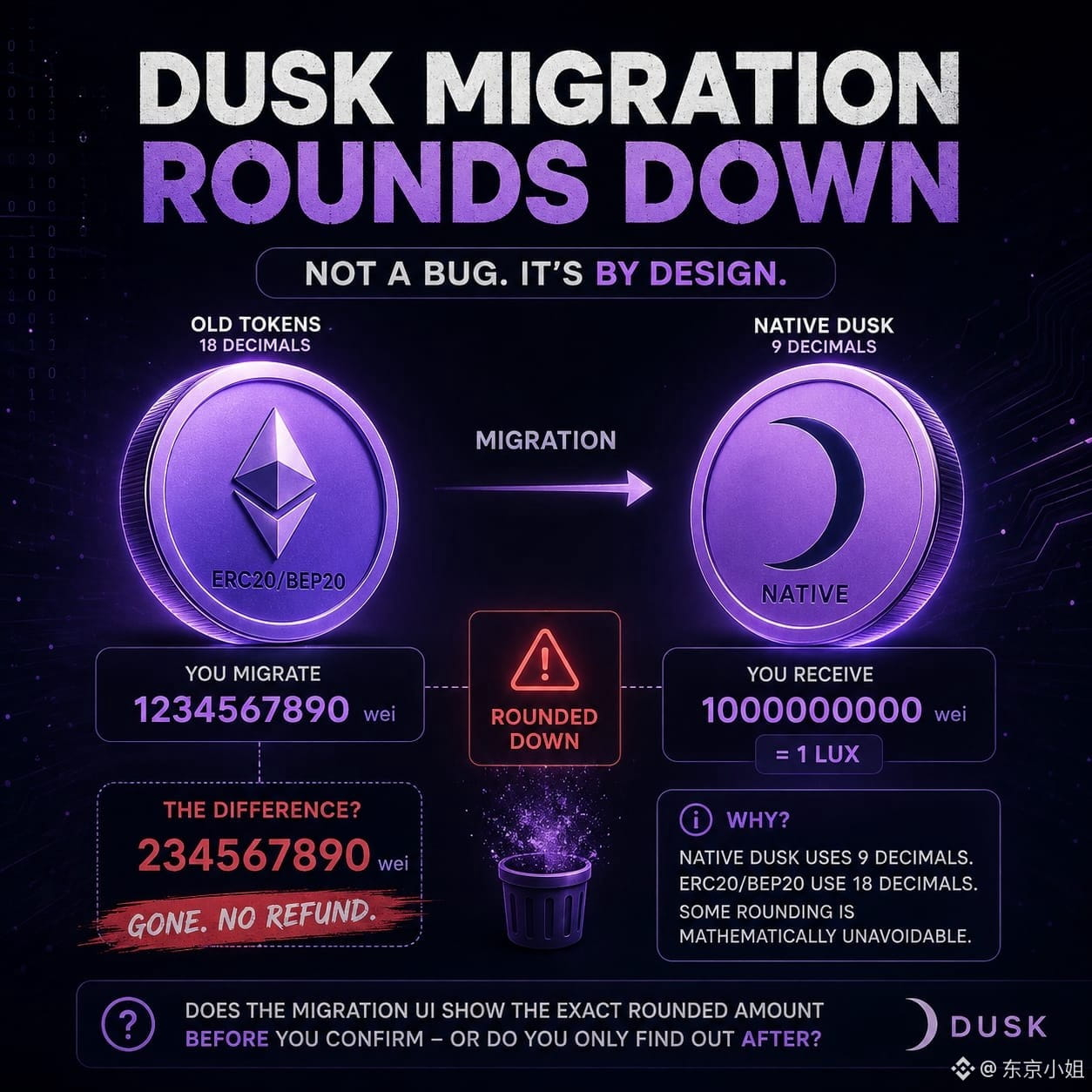
panduan migrasi docs.dusk.network memiliki detail pembulatan yang tersembunyi di bagian FAQ yang belum pernah saya lihat disebutkan di tempat lain. jika Anda memigrasikan sejumlah DUSK berupa erc20 atau bep20 yang tidak merupakan kelipatan utuh dari 1 lux, kontraknya hanya membulatkannya ke bawah—dan saya harus menjalankan contoh mereka sendiri dua kali di kepala sebelum akhirnya benar-benar paham: migrasikan 1234567890 wei DUSK, dan hasilnya menjadi tepat 1000000000 wei, satu lux yang utuh; tidak ada kredit parsial untuk sisanya.
jadi sisa tersebut tidak dikembalikan, tidak juga dimasukkan ke antrean untuk top-up nanti, tetapi hilang begitu saja dari apa yang Anda terima di sisi native. ini adalah biaya nyata yang tertanam langsung dalam mekanisme migrasi itu sendiri, bukan bug, karena native DUSK memakai 9 desimal dan erc20/bep20 memakai 18, sehingga pembulatan secara matematis memang tidak bisa dihindari di suatu titik dalam proses konversi.
untuk kebanyakan orang yang memigrasikan saldo dompet normal, ini mungkin hanya pecahan sen dan kemungkinan besar tidak terlalu berpengaruh. tetapi tidak ada yang memigrasi untuk pertama kalinya yang mengira "pembulatan ke bawah dan kehilangan selisih" akan menjadi perilaku default di jaringan yang dibangun dengan presisi penyelesaian yang deterministik.
apakah antarmuka migrasi benar-benar menampilkan jumlah yang sudah dibulatkan secara tepat kepada pengguna sebelum mereka mengonfirmasi, atau mereka baru mengetahuinya setelah kejadian? 🧐
#dusk $DUSK @Dusk_Foundation
panduan migrasi docs.dusk.network memiliki detail pembulatan yang tersembunyi di bagian FAQ yang belum pernah saya lihat disebutkan di tempat lain. jika Anda memigrasikan sejumlah DUSK berupa erc20 atau bep20 yang tidak merupakan kelipatan utuh dari 1 lux, kontraknya hanya membulatkannya ke bawah—dan saya harus menjalankan contoh mereka sendiri dua kali di kepala sebelum akhirnya benar-benar paham: migrasikan 1234567890 wei DUSK, dan hasilnya menjadi tepat 1000000000 wei, satu lux yang utuh; tidak ada kredit parsial untuk sisanya.
jadi sisa tersebut tidak dikembalikan, tidak juga dimasukkan ke antrean untuk top-up nanti, tetapi hilang begitu saja dari apa yang Anda terima di sisi native. ini adalah biaya nyata yang tertanam langsung dalam mekanisme migrasi itu sendiri, bukan bug, karena native DUSK memakai 9 desimal dan erc20/bep20 memakai 18, sehingga pembulatan secara matematis memang tidak bisa dihindari di suatu titik dalam proses konversi.
untuk kebanyakan orang yang memigrasikan saldo dompet normal, ini mungkin hanya pecahan sen dan kemungkinan besar tidak terlalu berpengaruh. tetapi tidak ada yang memigrasi untuk pertama kalinya yang mengira "pembulatan ke bawah dan kehilangan selisih" akan menjadi perilaku default di jaringan yang dibangun dengan presisi penyelesaian yang deterministik.
apakah antarmuka migrasi benar-benar menampilkan jumlah yang sudah dibulatkan secara tepat kepada pengguna sebelum mereka mengonfirmasi, atau mereka baru mengetahuinya setelah kejadian? 🧐
#dusk $DUSK @Dusk
jadi sisa tersebut tidak dikembalikan, tidak juga dimasukkan ke antrean untuk top-up nanti, tetapi hilang begitu saja dari apa yang Anda terima di sisi native. ini adalah biaya nyata yang tertanam langsung dalam mekanisme migrasi itu sendiri, bukan bug, karena native DUSK memakai 9 desimal dan erc20/bep20 memakai 18, sehingga pembulatan secara matematis memang tidak bisa dihindari di suatu titik dalam proses konversi.
untuk kebanyakan orang yang memigrasikan saldo dompet normal, ini mungkin hanya pecahan sen dan kemungkinan besar tidak terlalu berpengaruh. tetapi tidak ada yang memigrasi untuk pertama kalinya yang mengira "pembulatan ke bawah dan kehilangan selisih" akan menjadi perilaku default di jaringan yang dibangun dengan presisi penyelesaian yang deterministik.
apakah antarmuka migrasi benar-benar menampilkan jumlah yang sudah dibulatkan secara tepat kepada pengguna sebelum mereka mengonfirmasi, atau mereka baru mengetahuinya setelah kejadian? 🧐
#dusk $DUSK @Dusk
1
184
·
--
@Dusk_Foundation
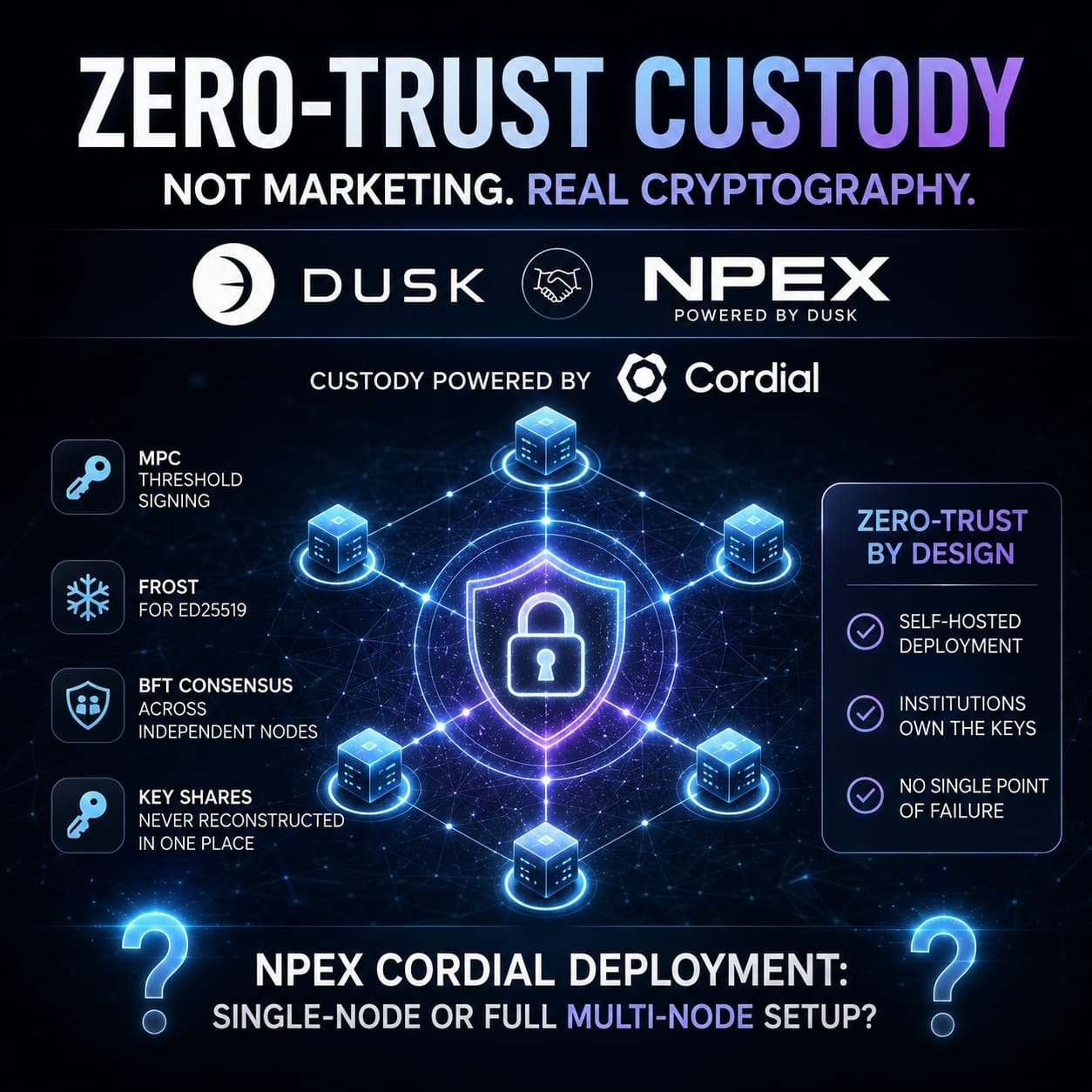
aaku pergi untuk memeriksa persis apa arti "custody zero-trust" dalam pengumuman dusk-cordial-npex, karena istilah itu biasanya mengisyaratkan arsitektur kriptografis yang spesifik, dan kupikir siaran persnya mungkin menggunakan istilah itu secara longgar untuk "self-hosted alih-alih saas pihak ketiga." ternyata aku salah, dan jujur saja aku hampir menulis seluruh postingan ini dengan asumsi yang keliru itu sebelum akhirnya benar-benar membaca dokumen teknis cordial — produk treasurynya benar-benar memakai mpc threshold signing, frost untuk ed25519, lapisan konsensus bft di seluruh node-node independen, key shares yang tidak pernah direkonstruksi di satu tempat. itu kriptografi distributed-trust yang nyata, bukan sekadar pemasaran yang dibalut seperti itu.
jadi npex yang memilih deployment self-hosted dan memiliki arsitektur zero-trust yang benar-benar nyata sebenarnya tidak bertentangan dengan cara yang kupikir saat mulai membacanya; keseluruhan pitch cordial adalah memungkinkan institusi menjalankan arsitektur itu sendiri, bukan mempercayakan ke cloud vendor saas.
yang masih belum aku ketahui adalah apakah npex menjalankan setup bft multi-node yang penuh atau sesuatu yang lebih dekat ke deployment single-node, karena dokumentasi cordial menyebutkan keduanya memang tersedia secara teknis. keduanya tidak sama-sama "zero-trust" dalam praktiknya, bahkan dengan perangkat lunak yang sama di bawahnya.
apakah ada yang tahu apakah deployment cordial npex itu single-node atau setup threshold multi-node yang benar-benar nyata? 🧐
#dusk $DUSK
@Dusk
aaku pergi untuk memeriksa persis apa arti "custody zero-trust" dalam pengumuman dusk-cordial-npex, karena istilah itu biasanya mengisyaratkan arsitektur kriptografis yang spesifik, dan kupikir siaran persnya mungkin menggunakan istilah itu secara longgar untuk "self-hosted alih-alih saas pihak ketiga." ternyata aku salah, dan jujur saja aku hampir menulis seluruh postingan ini dengan asumsi yang keliru itu sebelum akhirnya benar-benar membaca dokumen teknis cordial — produk treasurynya benar-benar memakai mpc threshold signing, frost untuk ed25519, lapisan konsensus bft di seluruh node-node independen, key shares yang tidak pernah direkonstruksi di satu tempat. itu kriptografi distributed-trust yang nyata, bukan sekadar pemasaran yang dibalut seperti itu.
jadi npex yang memilih deployment self-hosted dan memiliki arsitektur zero-trust yang benar-benar nyata sebenarnya tidak bertentangan dengan cara yang kupikir saat mulai membacanya; keseluruhan pitch cordial adalah memungkinkan institusi menjalankan arsitektur itu sendiri, bukan mempercayakan ke cloud vendor saas.
yang masih belum aku ketahui adalah apakah npex menjalankan setup bft multi-node yang penuh atau sesuatu yang lebih dekat ke deployment single-node, karena dokumentasi cordial menyebutkan keduanya memang tersedia secara teknis. keduanya tidak sama-sama "zero-trust" dalam praktiknya, bahkan dengan perangkat lunak yang sama di bawahnya.
apakah ada yang tahu apakah deployment cordial npex itu single-node atau setup threshold multi-node yang benar-benar nyata? 🧐
#dusk $DUSK
aaku pergi untuk memeriksa persis apa arti "custody zero-trust" dalam pengumuman dusk-cordial-npex, karena istilah itu biasanya mengisyaratkan arsitektur kriptografis yang spesifik, dan kupikir siaran persnya mungkin menggunakan istilah itu secara longgar untuk "self-hosted alih-alih saas pihak ketiga." ternyata aku salah, dan jujur saja aku hampir menulis seluruh postingan ini dengan asumsi yang keliru itu sebelum akhirnya benar-benar membaca dokumen teknis cordial — produk treasurynya benar-benar memakai mpc threshold signing, frost untuk ed25519, lapisan konsensus bft di seluruh node-node independen, key shares yang tidak pernah direkonstruksi di satu tempat. itu kriptografi distributed-trust yang nyata, bukan sekadar pemasaran yang dibalut seperti itu.
jadi npex yang memilih deployment self-hosted dan memiliki arsitektur zero-trust yang benar-benar nyata sebenarnya tidak bertentangan dengan cara yang kupikir saat mulai membacanya; keseluruhan pitch cordial adalah memungkinkan institusi menjalankan arsitektur itu sendiri, bukan mempercayakan ke cloud vendor saas.
yang masih belum aku ketahui adalah apakah npex menjalankan setup bft multi-node yang penuh atau sesuatu yang lebih dekat ke deployment single-node, karena dokumentasi cordial menyebutkan keduanya memang tersedia secara teknis. keduanya tidak sama-sama "zero-trust" dalam praktiknya, bahkan dengan perangkat lunak yang sama di bawahnya.
apakah ada yang tahu apakah deployment cordial npex itu single-node atau setup threshold multi-node yang benar-benar nyata? 🧐
#dusk $DUSK
1
2
114
·
--
Bullish
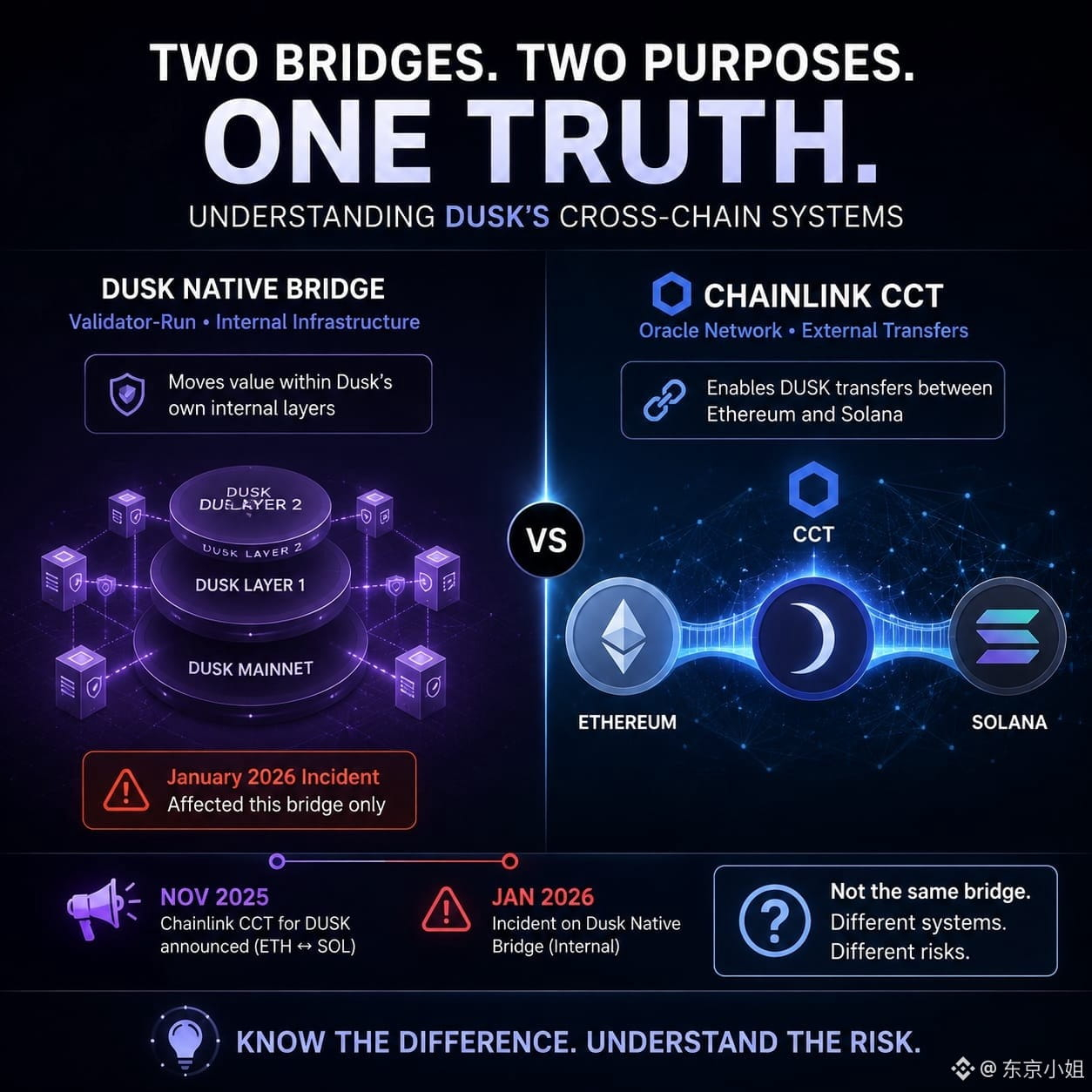
standar cct chainlink untuk memindahkan dusk antara ethereum dan solana diumumkan pada november 2025, berbulan-bulan sebelum insiden bridge januari yang sudah kita ketahui terjadi pada jalur lintas-chain dusk lainnya. saya cek apakah ini sebenarnya bridge yang sama dengan dua nama berbeda — jujur saja saya setengah berharap hasilnya sama saja dengan penjenamaan yang berbeda — dan ternyata tidak. halaman arsitektur milik dusk menjelaskan adanya native bridge terpisah yang dijalankan oleh validator, yang memindahkan nilai antar lapisan internal dusk, sedangkan chainlink cct berjalan pada jaringan oracle terdesentralisasi milik chainlink untuk transfer eksternal eth-solana. dua sistem yang benar-benar berbeda.
jadi, insiden januari—yang menghantam native bridge secara spesifik—tidak akan menyentuh jalur chainlink sama sekali, berdasarkan cara keduanya diarsitekturi secara berbeda. itu sebenarnya menenangkan dengan cara yang tidak saya duga sebelumnya.
tapi ini yang masih terasa janggal — tidak ada yang menjelaskan pembedaan ini di mana pun saat pemberitahuan insiden dirilis. kalau Anda hanya tahu “dusk punya masalah bridge pada bulan januari,” tidak ada petunjuk yang mengarah ke “itu hanya memengaruhi salah satu dari dua sistem bridging yang terpisah,” dan beban untuk mengetahuinya akhirnya sepenuhnya jatuh pada upaya saya sendiri untuk menyandingkan dua pengumuman yang tidak berhubungan.
ada satu halaman mana pun yang benar-benar memetakan bridge mana yang melakukan apa untuk dusk, atau untuk memastikan ini perlu merangkai beberapa rilis pers terpisah seperti yang baru saja saya lakukan? 🧐
#dusk $DUSK @Dusk_Foundation
standar cct chainlink untuk memindahkan dusk antara ethereum dan solana diumumkan pada november 2025, berbulan-bulan sebelum insiden bridge januari yang sudah kita ketahui terjadi pada jalur lintas-chain dusk lainnya. saya cek apakah ini sebenarnya bridge yang sama dengan dua nama berbeda — jujur saja saya setengah berharap hasilnya sama saja dengan penjenamaan yang berbeda — dan ternyata tidak. halaman arsitektur milik dusk menjelaskan adanya native bridge terpisah yang dijalankan oleh validator, yang memindahkan nilai antar lapisan internal dusk, sedangkan chainlink cct berjalan pada jaringan oracle terdesentralisasi milik chainlink untuk transfer eksternal eth-solana. dua sistem yang benar-benar berbeda.
jadi, insiden januari—yang menghantam native bridge secara spesifik—tidak akan menyentuh jalur chainlink sama sekali, berdasarkan cara keduanya diarsitekturi secara berbeda. itu sebenarnya menenangkan dengan cara yang tidak saya duga sebelumnya.
tapi ini yang masih terasa janggal — tidak ada yang menjelaskan pembedaan ini di mana pun saat pemberitahuan insiden dirilis. kalau Anda hanya tahu “dusk punya masalah bridge pada bulan januari,” tidak ada petunjuk yang mengarah ke “itu hanya memengaruhi salah satu dari dua sistem bridging yang terpisah,” dan beban untuk mengetahuinya akhirnya sepenuhnya jatuh pada upaya saya sendiri untuk menyandingkan dua pengumuman yang tidak berhubungan.
ada satu halaman mana pun yang benar-benar memetakan bridge mana yang melakukan apa untuk dusk, atau untuk memastikan ini perlu merangkai beberapa rilis pers terpisah seperti yang baru saja saya lakukan? 🧐
#dusk $DUSK @Dusk
jadi, insiden januari—yang menghantam native bridge secara spesifik—tidak akan menyentuh jalur chainlink sama sekali, berdasarkan cara keduanya diarsitekturi secara berbeda. itu sebenarnya menenangkan dengan cara yang tidak saya duga sebelumnya.
tapi ini yang masih terasa janggal — tidak ada yang menjelaskan pembedaan ini di mana pun saat pemberitahuan insiden dirilis. kalau Anda hanya tahu “dusk punya masalah bridge pada bulan januari,” tidak ada petunjuk yang mengarah ke “itu hanya memengaruhi salah satu dari dua sistem bridging yang terpisah,” dan beban untuk mengetahuinya akhirnya sepenuhnya jatuh pada upaya saya sendiri untuk menyandingkan dua pengumuman yang tidak berhubungan.
ada satu halaman mana pun yang benar-benar memetakan bridge mana yang melakukan apa untuk dusk, atau untuk memastikan ini perlu merangkai beberapa rilis pers terpisah seperti yang baru saja saya lakukan? 🧐
#dusk $DUSK @Dusk
1
131
·
--
Bullish
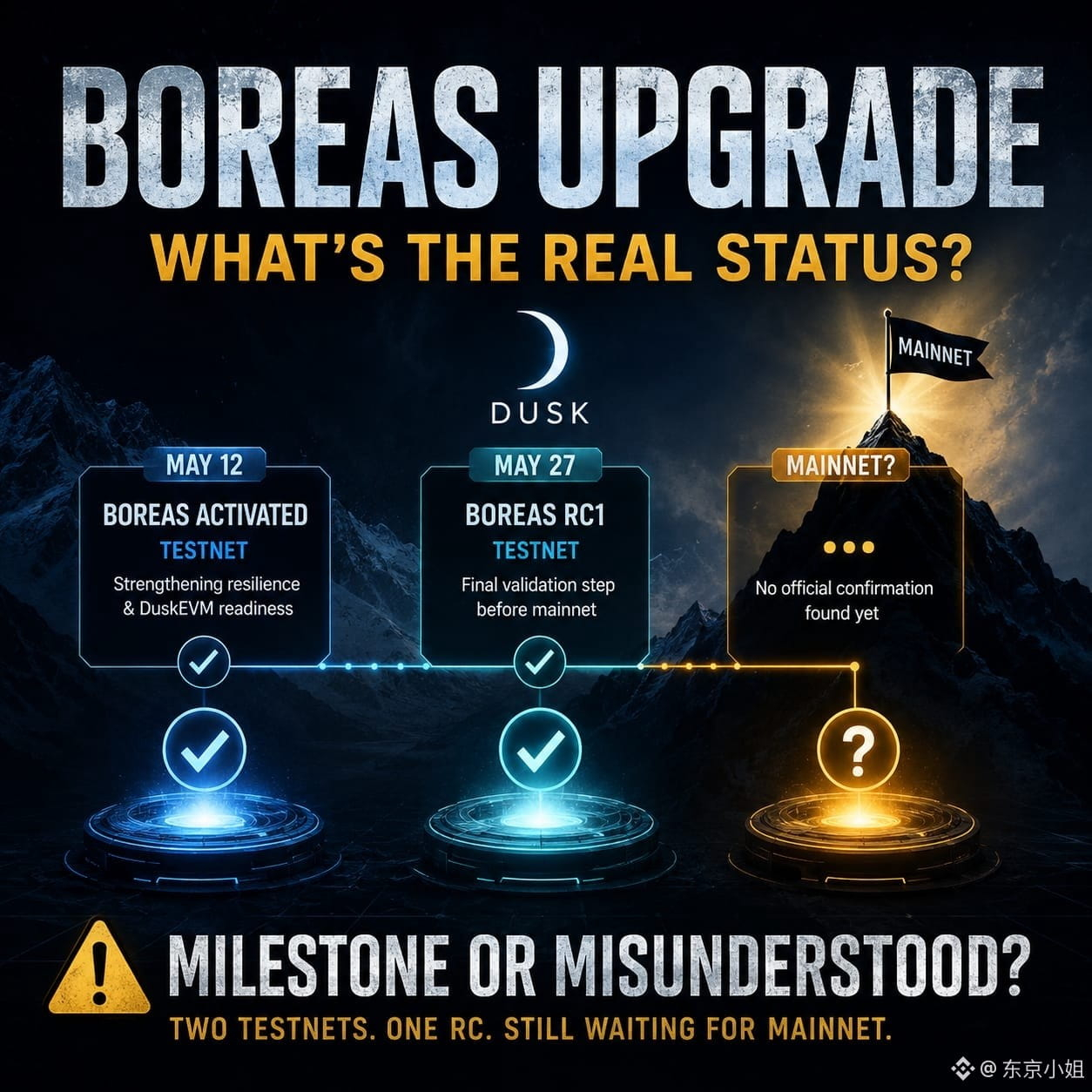
Saya pergi untuk memeriksa apakah Boreas benar-benar berhasil mencapai mainnet, karena kabarnya beredar sebagai tonggak besar. Namun yang saya temukan justru dua peristiwa testnet yang terpisah dengan nama yang sama, terpaut dua minggu, dan jujur saja saya hampir berhenti pada tanggal 12 Mei, mengira itu adalah keseluruhan cerita. Dusk mengaktifkan Boreas di testnet pada 12 Mei, dengan bingkai untuk memperkuat ketahanan dan kesiapan DuskEVM. Lalu pada 27 Mei, "boreas release candidate 1" tayang, juga di testnet, dan secara eksplisit disebut sebagai langkah validasi final sebelum mainnet.
Jadi aktivasi 12 Mei ternyata bukan titik akhir; itu masih fase yang lebih awal, dan ada checkpoint kedua setelahnya yang belum pernah saya lihat disebutkan di mana pun sampai saya mencarinya secara spesifik. Sampai sekarang saya masih belum menemukan pengumuman yang mengonfirmasi bahwa Boreas benar-benar mencapai mainnet setelah release candidate itu.
Ini cara yang normal untuk bertahap dalam melakukan hard fork: testnet dulu, lalu RC, kemudian mainnet. Tidak ada yang salah dengan prosesnya. Yang saya maksud, banyak liputan memperlakukan "boreas activated" sebagai satu peristiwa yang rapi—padahal sebenarnya setidaknya ada dua tahap di testnet, dan mungkin masih belum melewati tahap terakhir.
Apakah Boreas sudah benar-benar live di mainnet sejak 27 Mei, atau release candidate itu masih langkah terkonfirmasi terbaru? 🧐
#dusk $DUSK @Dusk_Foundation
Saya pergi untuk memeriksa apakah Boreas benar-benar berhasil mencapai mainnet, karena kabarnya beredar sebagai tonggak besar. Namun yang saya temukan justru dua peristiwa testnet yang terpisah dengan nama yang sama, terpaut dua minggu, dan jujur saja saya hampir berhenti pada tanggal 12 Mei, mengira itu adalah keseluruhan cerita. Dusk mengaktifkan Boreas di testnet pada 12 Mei, dengan bingkai untuk memperkuat ketahanan dan kesiapan DuskEVM. Lalu pada 27 Mei, "boreas release candidate 1" tayang, juga di testnet, dan secara eksplisit disebut sebagai langkah validasi final sebelum mainnet.
Jadi aktivasi 12 Mei ternyata bukan titik akhir; itu masih fase yang lebih awal, dan ada checkpoint kedua setelahnya yang belum pernah saya lihat disebutkan di mana pun sampai saya mencarinya secara spesifik. Sampai sekarang saya masih belum menemukan pengumuman yang mengonfirmasi bahwa Boreas benar-benar mencapai mainnet setelah release candidate itu.
Ini cara yang normal untuk bertahap dalam melakukan hard fork: testnet dulu, lalu RC, kemudian mainnet. Tidak ada yang salah dengan prosesnya. Yang saya maksud, banyak liputan memperlakukan "boreas activated" sebagai satu peristiwa yang rapi—padahal sebenarnya setidaknya ada dua tahap di testnet, dan mungkin masih belum melewati tahap terakhir.
Apakah Boreas sudah benar-benar live di mainnet sejak 27 Mei, atau release candidate itu masih langkah terkonfirmasi terbaru? 🧐
#dusk $DUSK @Dusk
Jadi aktivasi 12 Mei ternyata bukan titik akhir; itu masih fase yang lebih awal, dan ada checkpoint kedua setelahnya yang belum pernah saya lihat disebutkan di mana pun sampai saya mencarinya secara spesifik. Sampai sekarang saya masih belum menemukan pengumuman yang mengonfirmasi bahwa Boreas benar-benar mencapai mainnet setelah release candidate itu.
Ini cara yang normal untuk bertahap dalam melakukan hard fork: testnet dulu, lalu RC, kemudian mainnet. Tidak ada yang salah dengan prosesnya. Yang saya maksud, banyak liputan memperlakukan "boreas activated" sebagai satu peristiwa yang rapi—padahal sebenarnya setidaknya ada dua tahap di testnet, dan mungkin masih belum melewati tahap terakhir.
Apakah Boreas sudah benar-benar live di mainnet sejak 27 Mei, atau release candidate itu masih langkah terkonfirmasi terbaru? 🧐
#dusk $DUSK @Dusk
3
120
·
--
Bullish
@Dusk_Foundation
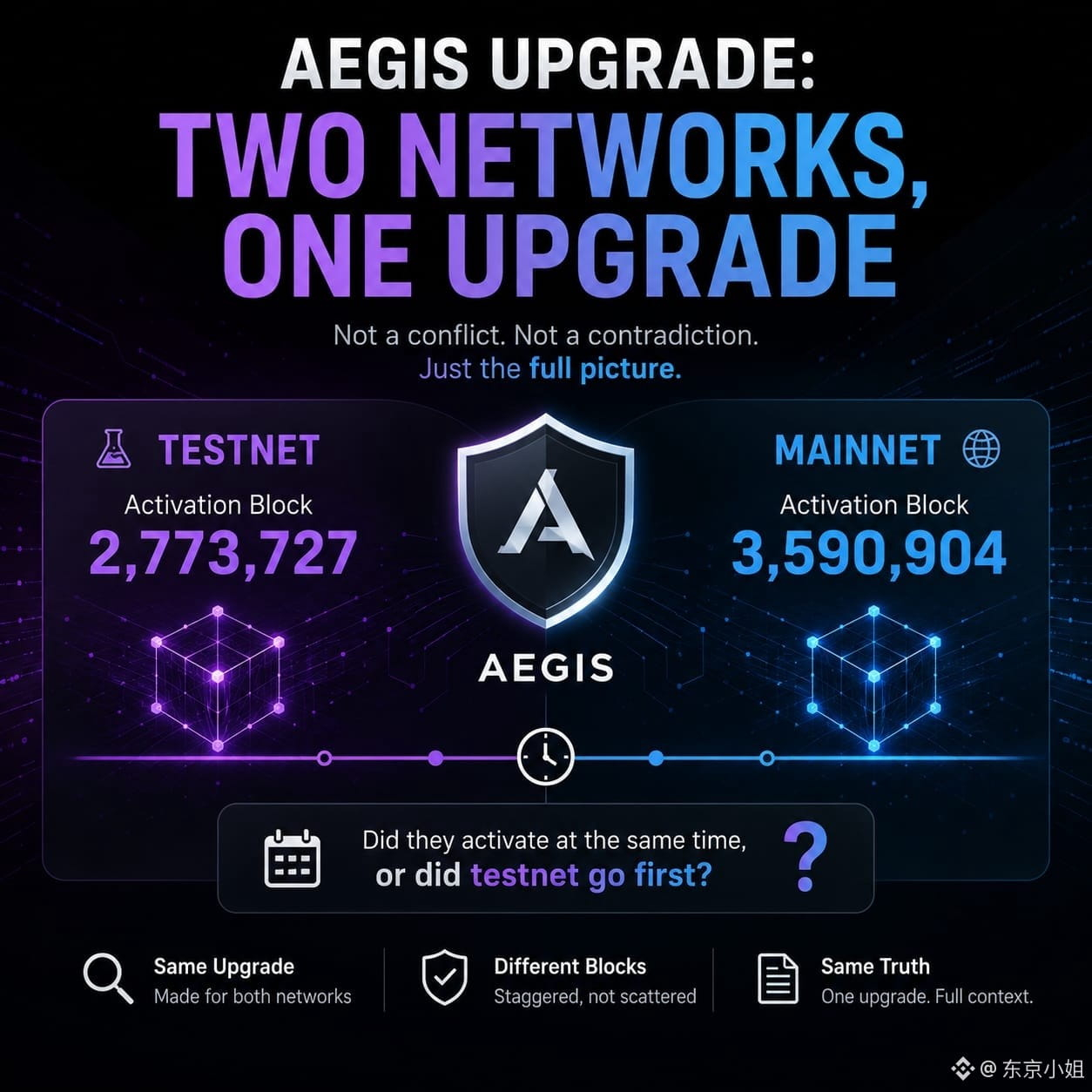
a kucek tepat bagian apa yang tersentuh oleh upgrade aegis, karena 3 Maret disebut sebagai tonggak besar, tapi sumber yang berbeda menguraikannya dengan cara yang berbeda — satu mengatakan itu wajib untuk semua operator node, sementara yang lain menyebutnya sebagai langkah persiapan yang hanya untuk testnet. ternyata keduanya hanyalah versi yang tidak lengkap dari hal yang sama, dan jujur aku hampir berhenti di "yang satu ini jelas keliru" sebelum menelusuri repo github milik dusk yang sebenarnya. catatan rilis rusk mereka mencantumkan ketinggian blok aktivasi aegis yang terpisah untuk mainnet dan testnet, 3.590.904 dan 2.773.727, yang mengonfirmasi bahwa ini menyentuh kedua jaringan, hanya saja tidak pada nomor blok yang sama.
jadi tidak ada konflik ruang lingkup yang sebenarnya; yang ada adalah celah cakupan — tidak ada yang menuliskannya di pers sebagai "mainnet dan testnet, berikut keduanya adalah ketinggian aktivasi," mereka masing-masing memilih satu jaringan dan menganggapnya sebagai cerita utuh.
itu cara yang cukup normal untuk menjalankan hard fork, melakukan testnet dengan sedikit perbedaan jadwal dibanding mainnet; bagian itu sendiri tidak aneh atau mengkhawatirkan. menurutku yang perlu diperhatikan adalah bagaimana rilis dua-jaringan yang sebenarnya sederhana jadi terdatar menjadi dua narasi tandingan yang tidak lengkap setelah melewati pemberitaan sekunder.
apakah ada yang tahu apakah dua ketinggian aktivasi itu bertepatan dalam waktu dinding (wall-clock), atau apakah testnet benar-benar aktif lebih dulu sebelum mainnet? 🧐
#dusk $DUSK
@Dusk
a kucek tepat bagian apa yang tersentuh oleh upgrade aegis, karena 3 Maret disebut sebagai tonggak besar, tapi sumber yang berbeda menguraikannya dengan cara yang berbeda — satu mengatakan itu wajib untuk semua operator node, sementara yang lain menyebutnya sebagai langkah persiapan yang hanya untuk testnet. ternyata keduanya hanyalah versi yang tidak lengkap dari hal yang sama, dan jujur aku hampir berhenti di "yang satu ini jelas keliru" sebelum menelusuri repo github milik dusk yang sebenarnya. catatan rilis rusk mereka mencantumkan ketinggian blok aktivasi aegis yang terpisah untuk mainnet dan testnet, 3.590.904 dan 2.773.727, yang mengonfirmasi bahwa ini menyentuh kedua jaringan, hanya saja tidak pada nomor blok yang sama.
jadi tidak ada konflik ruang lingkup yang sebenarnya; yang ada adalah celah cakupan — tidak ada yang menuliskannya di pers sebagai "mainnet dan testnet, berikut keduanya adalah ketinggian aktivasi," mereka masing-masing memilih satu jaringan dan menganggapnya sebagai cerita utuh.
itu cara yang cukup normal untuk menjalankan hard fork, melakukan testnet dengan sedikit perbedaan jadwal dibanding mainnet; bagian itu sendiri tidak aneh atau mengkhawatirkan. menurutku yang perlu diperhatikan adalah bagaimana rilis dua-jaringan yang sebenarnya sederhana jadi terdatar menjadi dua narasi tandingan yang tidak lengkap setelah melewati pemberitaan sekunder.
apakah ada yang tahu apakah dua ketinggian aktivasi itu bertepatan dalam waktu dinding (wall-clock), atau apakah testnet benar-benar aktif lebih dulu sebelum mainnet? 🧐
#dusk $DUSK
a kucek tepat bagian apa yang tersentuh oleh upgrade aegis, karena 3 Maret disebut sebagai tonggak besar, tapi sumber yang berbeda menguraikannya dengan cara yang berbeda — satu mengatakan itu wajib untuk semua operator node, sementara yang lain menyebutnya sebagai langkah persiapan yang hanya untuk testnet. ternyata keduanya hanyalah versi yang tidak lengkap dari hal yang sama, dan jujur aku hampir berhenti di "yang satu ini jelas keliru" sebelum menelusuri repo github milik dusk yang sebenarnya. catatan rilis rusk mereka mencantumkan ketinggian blok aktivasi aegis yang terpisah untuk mainnet dan testnet, 3.590.904 dan 2.773.727, yang mengonfirmasi bahwa ini menyentuh kedua jaringan, hanya saja tidak pada nomor blok yang sama.
jadi tidak ada konflik ruang lingkup yang sebenarnya; yang ada adalah celah cakupan — tidak ada yang menuliskannya di pers sebagai "mainnet dan testnet, berikut keduanya adalah ketinggian aktivasi," mereka masing-masing memilih satu jaringan dan menganggapnya sebagai cerita utuh.
itu cara yang cukup normal untuk menjalankan hard fork, melakukan testnet dengan sedikit perbedaan jadwal dibanding mainnet; bagian itu sendiri tidak aneh atau mengkhawatirkan. menurutku yang perlu diperhatikan adalah bagaimana rilis dua-jaringan yang sebenarnya sederhana jadi terdatar menjadi dua narasi tandingan yang tidak lengkap setelah melewati pemberitaan sekunder.
apakah ada yang tahu apakah dua ketinggian aktivasi itu bertepatan dalam waktu dinding (wall-clock), atau apakah testnet benar-benar aktif lebih dulu sebelum mainnet? 🧐
#dusk $DUSK
1
4
205
·
--
Bullish
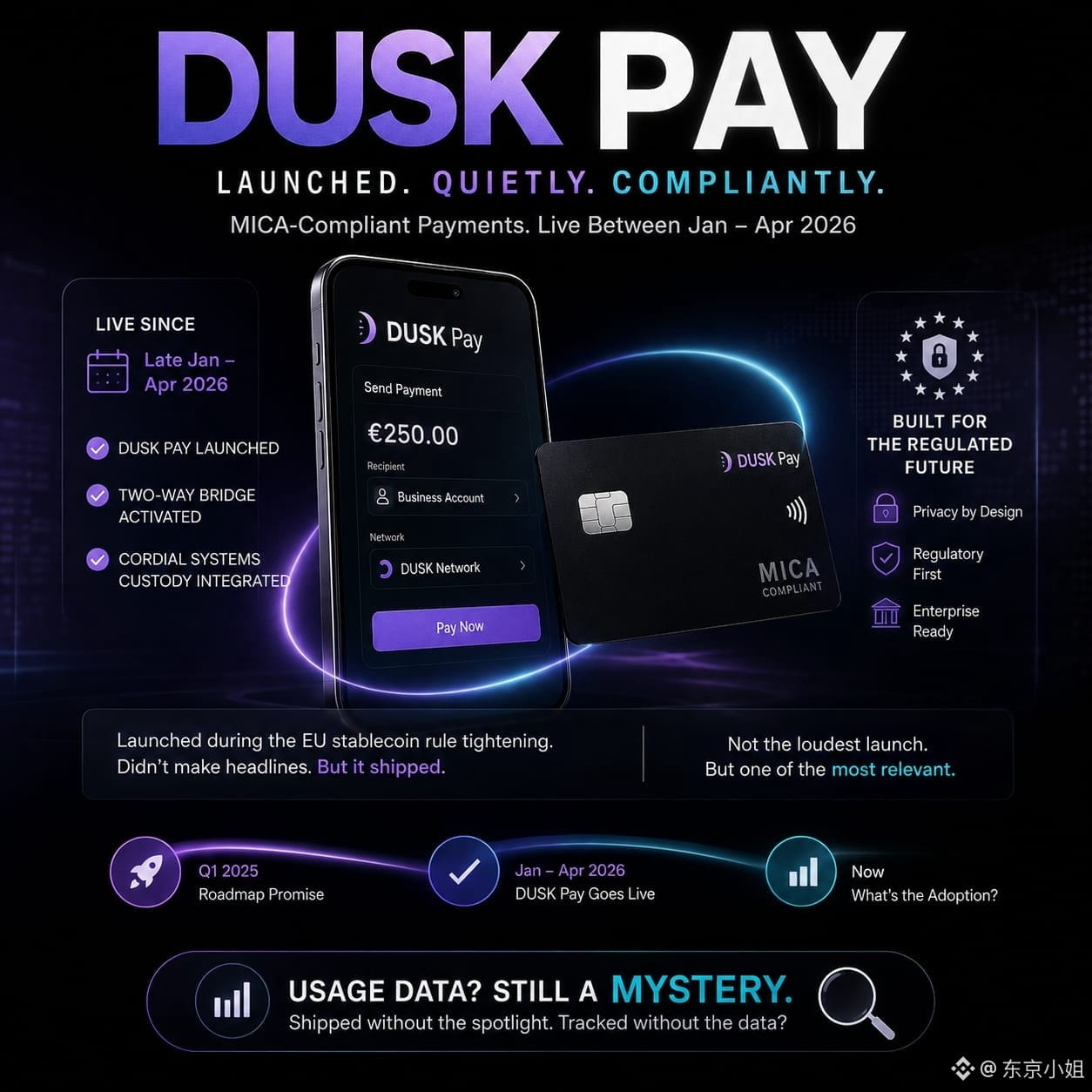
saya mencari apakah dusk pay benar-benar sudah diluncurkan, karena disebut dalam roadmap januari 2025 sebagai deliverable kuartal 1, lalu tampaknya menghilang dari sebagian besar penulisan terkait 2026 yang sedang saya baca. ternyata saya cuma tidak mencari di tempat yang tepat—sebenarnya, saya hampir menyimpulkan bahwa produk itu sama sekali tidak pernah dikirim sebelum saya menemukan artikel pelacakan pengembangan dari mei 2026 yang dengan gamblang menyatakan bahwa dusk pay diluncurkan pada suatu waktu antara akhir januari dan april tahun ini, bersamaan dengan aktivasi two-way bridge dan integrasi cordial systems custody.
jadi, memang diluncurkan, tapi tidak dengan jenis pemberitaan utama yang didapat duskevm atau kemitraan npex. itu justru poin tersendiri—sebuah produk pembayaran yang patuh mica-compliant ditayangkan pada rentang waktu yang sama ketika aturan stablecoin UE sedang diperketat, tetapi hampir tidak ada yang benar-benar mencatat, sementara pengumuman arsitektur yang lebih mencolok malah diberitakan di mana-mana.
menurut saya, itu tidak berarti buruk; pengiriman yang tenang tidak sama dengan gagal mengirim. tapi untuk produk yang sangat relevan terhadap regulasi ini, celah pemberitaan antara judul "duskevm is live" dan keheningan "dusk pay is live" lebih banyak bercerita tentang prioritas media kripto dibandingkan tentang eksekusi dusk.
ada data penggunaan nyata untuk dusk pay sejak diluncurkan, atau produk itu diluncurkan tanpa ada yang melacak adopsinya? 🧐
#dusk $DUSK @Dusk_Foundation
saya mencari apakah dusk pay benar-benar sudah diluncurkan, karena disebut dalam roadmap januari 2025 sebagai deliverable kuartal 1, lalu tampaknya menghilang dari sebagian besar penulisan terkait 2026 yang sedang saya baca. ternyata saya cuma tidak mencari di tempat yang tepat—sebenarnya, saya hampir menyimpulkan bahwa produk itu sama sekali tidak pernah dikirim sebelum saya menemukan artikel pelacakan pengembangan dari mei 2026 yang dengan gamblang menyatakan bahwa dusk pay diluncurkan pada suatu waktu antara akhir januari dan april tahun ini, bersamaan dengan aktivasi two-way bridge dan integrasi cordial systems custody.
jadi, memang diluncurkan, tapi tidak dengan jenis pemberitaan utama yang didapat duskevm atau kemitraan npex. itu justru poin tersendiri—sebuah produk pembayaran yang patuh mica-compliant ditayangkan pada rentang waktu yang sama ketika aturan stablecoin UE sedang diperketat, tetapi hampir tidak ada yang benar-benar mencatat, sementara pengumuman arsitektur yang lebih mencolok malah diberitakan di mana-mana.
menurut saya, itu tidak berarti buruk; pengiriman yang tenang tidak sama dengan gagal mengirim. tapi untuk produk yang sangat relevan terhadap regulasi ini, celah pemberitaan antara judul "duskevm is live" dan keheningan "dusk pay is live" lebih banyak bercerita tentang prioritas media kripto dibandingkan tentang eksekusi dusk.
ada data penggunaan nyata untuk dusk pay sejak diluncurkan, atau produk itu diluncurkan tanpa ada yang melacak adopsinya? 🧐
#dusk $DUSK @Dusk
jadi, memang diluncurkan, tapi tidak dengan jenis pemberitaan utama yang didapat duskevm atau kemitraan npex. itu justru poin tersendiri—sebuah produk pembayaran yang patuh mica-compliant ditayangkan pada rentang waktu yang sama ketika aturan stablecoin UE sedang diperketat, tetapi hampir tidak ada yang benar-benar mencatat, sementara pengumuman arsitektur yang lebih mencolok malah diberitakan di mana-mana.
menurut saya, itu tidak berarti buruk; pengiriman yang tenang tidak sama dengan gagal mengirim. tapi untuk produk yang sangat relevan terhadap regulasi ini, celah pemberitaan antara judul "duskevm is live" dan keheningan "dusk pay is live" lebih banyak bercerita tentang prioritas media kripto dibandingkan tentang eksekusi dusk.
ada data penggunaan nyata untuk dusk pay sejak diluncurkan, atau produk itu diluncurkan tanpa ada yang melacak adopsinya? 🧐
#dusk $DUSK @Dusk
2
102
·
--
Bullish
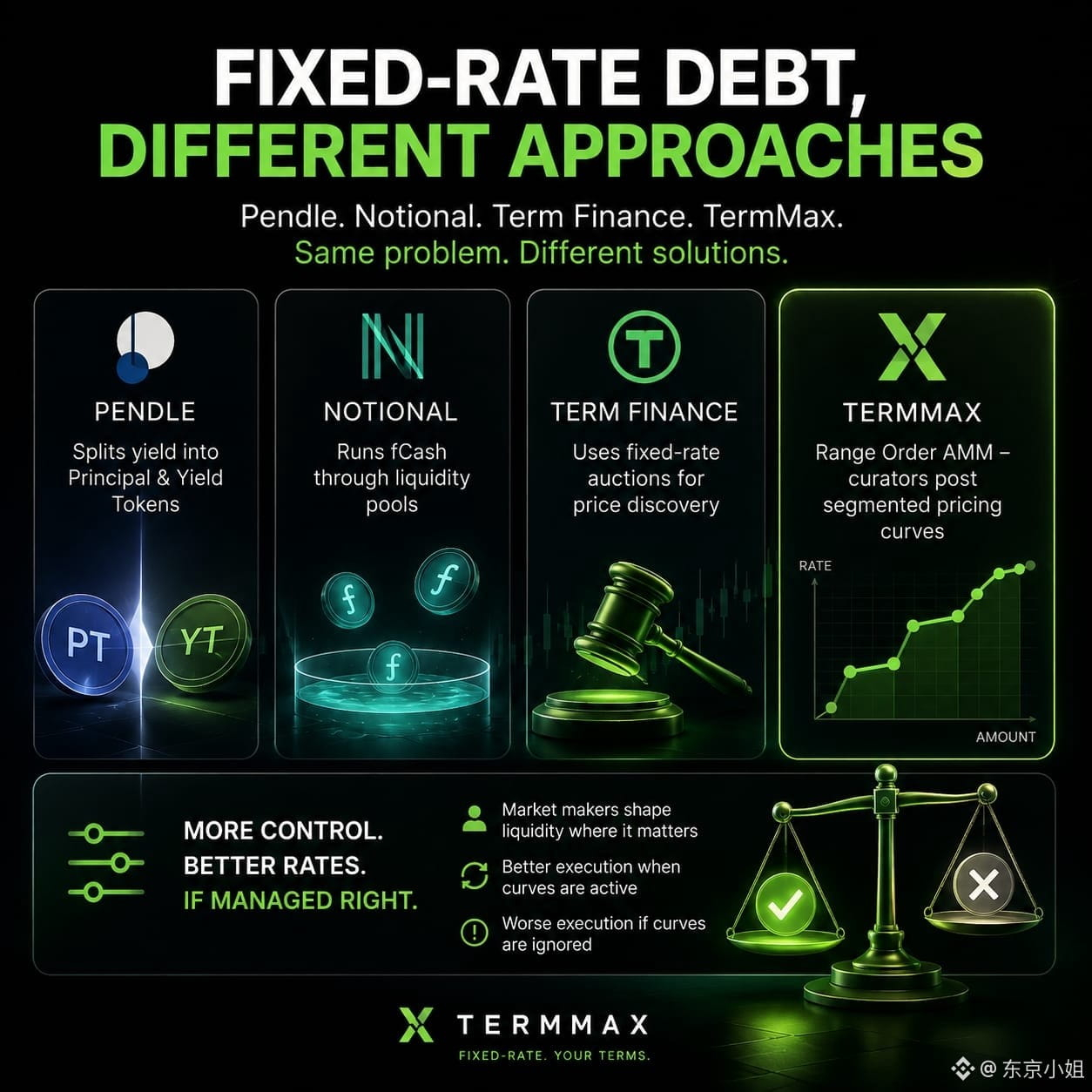
ceruk termmax adalah utang tokenized dengan tarif tetap, dan ia sebenarnya tidak sendirian di sana—pendle, notional, dan term finance semuanya mengitari masalah yang sama dari sudut pandang berbeda. pendle memisahkan aset yang menghasilkan imbal hasil menjadi token pokok dan token imbal hasil. notional menyalurkan fcash melalui liquidity pool. solusi termmax sendiri adalah range order amm, dengan kurator memposting kurva harga tersegmentasi yang dipadankan langsung oleh peminjam dan pemberi pinjaman.
aku bolak-balik memikirkan kenapa pendekatan spesifik itu dipilih dibanding model lelang atau pemisahan imbal hasil yang murni, dan aku rasa itu bermuara pada kontrol—range order setter bisa membentuk persis di mana likuiditas berada di kurva, alih-alih hanya menerima harga hasil kliring. ini lebih “tangannya langsung” untuk market maker, yang juga punya dua sisi: suku bunga yang lebih baik saat seseorang memang mengelola kurvanya dengan baik, dan suku bunga yang lebih buruk jika tidak ada yang repot memperbarui kurva saat kondisi berubah.
aku belum benar-benar menjalankan ukuran perdagangan yang sama melalui sisi pendle dan termmax untuk membandingkan eksekusi nyata, jadi ini pembacaan struktural, bukan hasil backtest 📐
#termmax @termmax
ceruk termmax adalah utang tokenized dengan tarif tetap, dan ia sebenarnya tidak sendirian di sana—pendle, notional, dan term finance semuanya mengitari masalah yang sama dari sudut pandang berbeda. pendle memisahkan aset yang menghasilkan imbal hasil menjadi token pokok dan token imbal hasil. notional menyalurkan fcash melalui liquidity pool. solusi termmax sendiri adalah range order amm, dengan kurator memposting kurva harga tersegmentasi yang dipadankan langsung oleh peminjam dan pemberi pinjaman.
aku bolak-balik memikirkan kenapa pendekatan spesifik itu dipilih dibanding model lelang atau pemisahan imbal hasil yang murni, dan aku rasa itu bermuara pada kontrol—range order setter bisa membentuk persis di mana likuiditas berada di kurva, alih-alih hanya menerima harga hasil kliring. ini lebih “tangannya langsung” untuk market maker, yang juga punya dua sisi: suku bunga yang lebih baik saat seseorang memang mengelola kurvanya dengan baik, dan suku bunga yang lebih buruk jika tidak ada yang repot memperbarui kurva saat kondisi berubah.
aku belum benar-benar menjalankan ukuran perdagangan yang sama melalui sisi pendle dan termmax untuk membandingkan eksekusi nyata, jadi ini pembacaan struktural, bukan hasil backtest 📐
#termmax @TermMax
aku bolak-balik memikirkan kenapa pendekatan spesifik itu dipilih dibanding model lelang atau pemisahan imbal hasil yang murni, dan aku rasa itu bermuara pada kontrol—range order setter bisa membentuk persis di mana likuiditas berada di kurva, alih-alih hanya menerima harga hasil kliring. ini lebih “tangannya langsung” untuk market maker, yang juga punya dua sisi: suku bunga yang lebih baik saat seseorang memang mengelola kurvanya dengan baik, dan suku bunga yang lebih buruk jika tidak ada yang repot memperbarui kurva saat kondisi berubah.
aku belum benar-benar menjalankan ukuran perdagangan yang sama melalui sisi pendle dan termmax untuk membandingkan eksekusi nyata, jadi ini pembacaan struktural, bukan hasil backtest 📐
#termmax @TermMax
2
4
186
·
--
Bullish
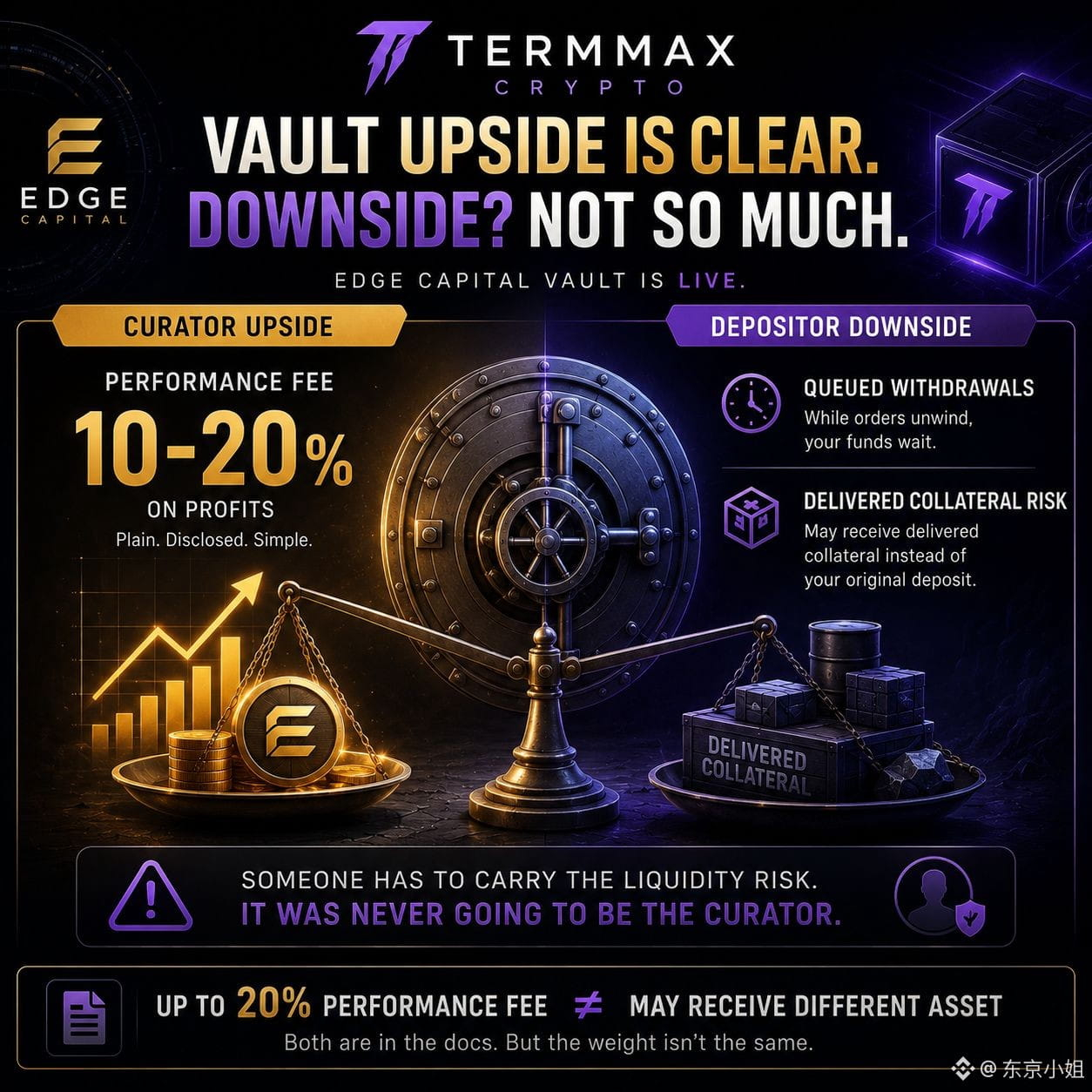
edge capital's vault sudah aktif sekarang, dan ini persis jenis pengaturan di mana celah keterbukaan muncul. kurator mendapatkan biaya kinerja sebesar 10 hingga 20 persen dari setiap keuntungan yang dihasilkan vault mereka—persis seperti yang tertulis di dokumen mekanisme vault tersebut, jelas dan dinyatakan. yang tidak mendapatkan kejelasan yang sama (bahkan nyaris tidak terlihat sama sekali) adalah—apa sebenarnya yang dipertaruhkan depositor jika vault seperti itu mengalami masa sulit: penarikan yang antre saat order dibongkar, atau yang lebih buruk, berakhir dengan memegang jaminan yang sudah diserahkan alih-alih token utang yang awalnya mereka masukkan, jika pasar melewati pengiriman fisik.
jadi potensi keuntungan kurator adalah persentase yang jelas dan diungkapkan. kerugian depositor adalah posisi dalam antrean dan kemungkinan aset yang berbeda daripada yang mereka setorkan. bukan saya menyebut ini skandal; seseorang memang harus menanggung risiko likuiditas di vault yang dikelola secara aktif, dan itu tidak pernah akan menjadi orang yang menjalankannya. saya hanya tidak merasa frasa "hingga 20% biaya kinerja" dan "mungkin menerima jaminan yang diserahkan alih-alih setoran Anda" terbaca simetris, karena keduanya hanya berjarak satu paragraf dalam bagian dokumen yang sama.
secara jujur saya masih ragu apakah ini tawar-menawar yang adil untuk manajemen profesional, atau memang seperti itulah semua struktur vault akhirnya berujung, defi atau tidak 🤷
#termmax @termmax
edge capital's vault sudah aktif sekarang, dan ini persis jenis pengaturan di mana celah keterbukaan muncul. kurator mendapatkan biaya kinerja sebesar 10 hingga 20 persen dari setiap keuntungan yang dihasilkan vault mereka—persis seperti yang tertulis di dokumen mekanisme vault tersebut, jelas dan dinyatakan. yang tidak mendapatkan kejelasan yang sama (bahkan nyaris tidak terlihat sama sekali) adalah—apa sebenarnya yang dipertaruhkan depositor jika vault seperti itu mengalami masa sulit: penarikan yang antre saat order dibongkar, atau yang lebih buruk, berakhir dengan memegang jaminan yang sudah diserahkan alih-alih token utang yang awalnya mereka masukkan, jika pasar melewati pengiriman fisik.
jadi potensi keuntungan kurator adalah persentase yang jelas dan diungkapkan. kerugian depositor adalah posisi dalam antrean dan kemungkinan aset yang berbeda daripada yang mereka setorkan. bukan saya menyebut ini skandal; seseorang memang harus menanggung risiko likuiditas di vault yang dikelola secara aktif, dan itu tidak pernah akan menjadi orang yang menjalankannya. saya hanya tidak merasa frasa "hingga 20% biaya kinerja" dan "mungkin menerima jaminan yang diserahkan alih-alih setoran Anda" terbaca simetris, karena keduanya hanya berjarak satu paragraf dalam bagian dokumen yang sama.
secara jujur saya masih ragu apakah ini tawar-menawar yang adil untuk manajemen profesional, atau memang seperti itulah semua struktur vault akhirnya berujung, defi atau tidak 🤷
#termmax @TermMax
jadi potensi keuntungan kurator adalah persentase yang jelas dan diungkapkan. kerugian depositor adalah posisi dalam antrean dan kemungkinan aset yang berbeda daripada yang mereka setorkan. bukan saya menyebut ini skandal; seseorang memang harus menanggung risiko likuiditas di vault yang dikelola secara aktif, dan itu tidak pernah akan menjadi orang yang menjalankannya. saya hanya tidak merasa frasa "hingga 20% biaya kinerja" dan "mungkin menerima jaminan yang diserahkan alih-alih setoran Anda" terbaca simetris, karena keduanya hanya berjarak satu paragraf dalam bagian dokumen yang sama.
secara jujur saya masih ragu apakah ini tawar-menawar yang adil untuk manajemen profesional, atau memang seperti itulah semua struktur vault akhirnya berujung, defi atau tidak 🤷
#termmax @TermMax
1
156
·
--
Bullish
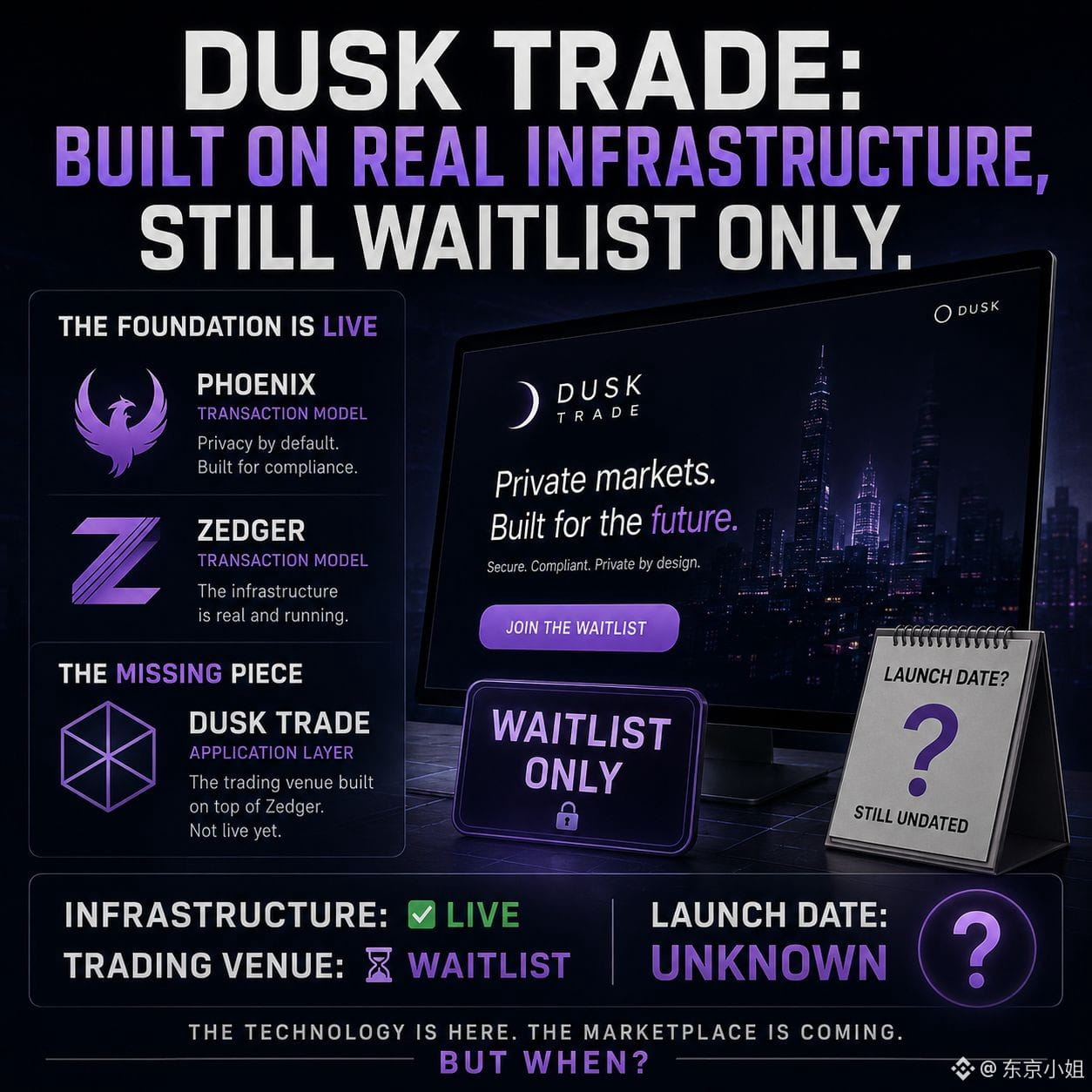
Saya pergi untuk mengecek Zedger karena orang masih menyebutnya sebagai infrastruktur yang masih aktif, dan ternyata memang masih begitu—dokumentasi resmi Dusk sendiri saat ini mencantumkan Phoenix dan Zedger sebagai dua model transaksi yang tersedia, jadi asumsi pertama saya bahwa semuanya diam-diam menghilang ternyata salah.
Yang nyata justuknya adalah Dusk Trade, lapisan aplikasi yang seharusnya berada di atasnya dan memberi pengguna tempat yang benar-benar bisa digunakan untuk memperdagangkan aset token. Saya cek langsung trade.dusk.network dan ternyata masih hanya waitlist—"join the waitlist" adalah satu-satunya ajakan bertindak di halaman tersebut saat ini.
Itu celah yang berbeda dari yang awalnya saya kira, dan jujur saja lebih konkret—rencana tahap terakhir roadmap pasca-mainnet menjanjikan "full zedger", penerbitan aset yang sepenuhnya operasional, kliring, dan penyelesaian, yang diposisikan sebagai bagian dari visi Dusk untuk tahun 2025. Model transaksi yang mendasarinya memang ada, tapi tempat perdagangan yang dibangun di atasnya masih pra-rilis, tanpa adanya timeline yang terlihat di halaman waitlist itu sendiri.
Apakah ada yang tahu apakah Dusk Trade punya tanggal peluncuran yang jelas di mana pun, atau masih berada di fase waitlist tanpa tanggal? 🧐
#dusk $DUSK @Dusk_Foundation
Saya pergi untuk mengecek Zedger karena orang masih menyebutnya sebagai infrastruktur yang masih aktif, dan ternyata memang masih begitu—dokumentasi resmi Dusk sendiri saat ini mencantumkan Phoenix dan Zedger sebagai dua model transaksi yang tersedia, jadi asumsi pertama saya bahwa semuanya diam-diam menghilang ternyata salah.
Yang nyata justuknya adalah Dusk Trade, lapisan aplikasi yang seharusnya berada di atasnya dan memberi pengguna tempat yang benar-benar bisa digunakan untuk memperdagangkan aset token. Saya cek langsung trade.dusk.network dan ternyata masih hanya waitlist—"join the waitlist" adalah satu-satunya ajakan bertindak di halaman tersebut saat ini.
Itu celah yang berbeda dari yang awalnya saya kira, dan jujur saja lebih konkret—rencana tahap terakhir roadmap pasca-mainnet menjanjikan "full zedger", penerbitan aset yang sepenuhnya operasional, kliring, dan penyelesaian, yang diposisikan sebagai bagian dari visi Dusk untuk tahun 2025. Model transaksi yang mendasarinya memang ada, tapi tempat perdagangan yang dibangun di atasnya masih pra-rilis, tanpa adanya timeline yang terlihat di halaman waitlist itu sendiri.
Apakah ada yang tahu apakah Dusk Trade punya tanggal peluncuran yang jelas di mana pun, atau masih berada di fase waitlist tanpa tanggal? 🧐
#dusk $DUSK @Dusk
Yang nyata justuknya adalah Dusk Trade, lapisan aplikasi yang seharusnya berada di atasnya dan memberi pengguna tempat yang benar-benar bisa digunakan untuk memperdagangkan aset token. Saya cek langsung trade.dusk.network dan ternyata masih hanya waitlist—"join the waitlist" adalah satu-satunya ajakan bertindak di halaman tersebut saat ini.
Itu celah yang berbeda dari yang awalnya saya kira, dan jujur saja lebih konkret—rencana tahap terakhir roadmap pasca-mainnet menjanjikan "full zedger", penerbitan aset yang sepenuhnya operasional, kliring, dan penyelesaian, yang diposisikan sebagai bagian dari visi Dusk untuk tahun 2025. Model transaksi yang mendasarinya memang ada, tapi tempat perdagangan yang dibangun di atasnya masih pra-rilis, tanpa adanya timeline yang terlihat di halaman waitlist itu sendiri.
Apakah ada yang tahu apakah Dusk Trade punya tanggal peluncuran yang jelas di mana pun, atau masih berada di fase waitlist tanpa tanggal? 🧐
#dusk $DUSK @Dusk
1
112
·
--
Bullish
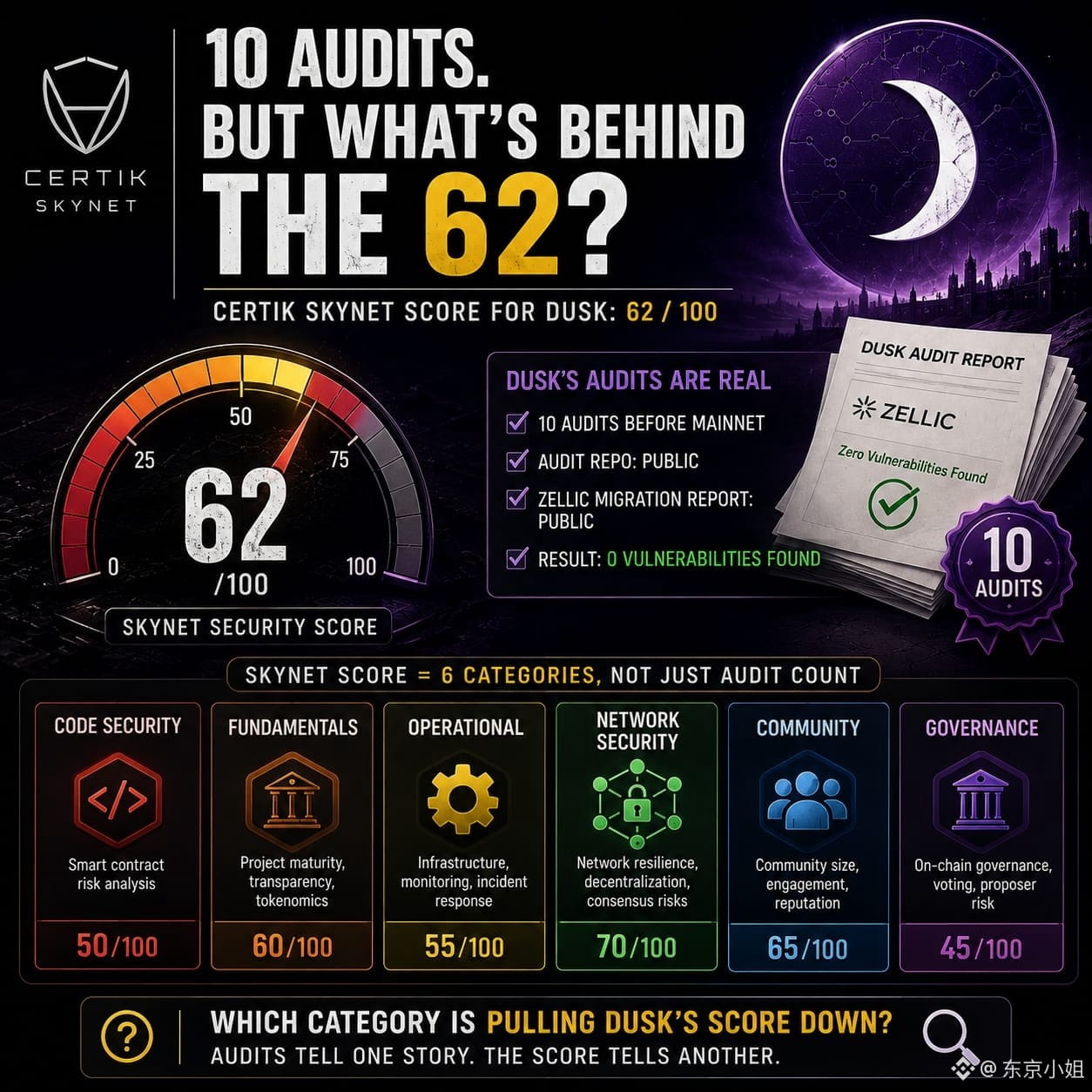
saya pergi untuk memeriksa skor keamanan pihak ketiga dusk karena mereka memasarkan "ten audits sebelum mainnet" dengan cukup gencar, dan skor skynet milik certik untuk dusk berada di angka 62 dari 100. saya masuk dengan harapan angka itu akan kurang lebih sejalan dengan jumlah audit—ternyata saya harus berhenti dan membaca ulang halaman metodologi certik, karena saya mengira skor keamanan pada dasarnya hanya semacam rekap audit, padahal tidak; skornya adalah gabungan dari enam kategori terpisah.
auditnya sendiri memang nyata: repositori audit milik dusk dan laporan kontrak migrasi milik zellic sama-sama publik, dan tidak ditemukan kerentanan di sana. jadi audit individualnya tidak dipermasalahkan. yang dipersoalkan lebih ke: tumpukan laporan audit yang bersih dan satu skor kepercayaan komposit menjawab pertanyaan yang berbeda, dan materi pemasaran cenderung memperlakukan keduanya seolah-olah bisa saling dipertukarkan, padahal tidak.
sebagai catatan, saya tidak punya tolok ukur yang rapi tentang seperti apa skor skynet yang "bagus" untuk sebuah l1 pada tahap dusk; jadi saya tidak bisa bilang 62 itu buruk, hanya saja tidak dijelaskan secara jelas oleh riwayat audit saja.
ada yang tahu kategori skynet mana dari keenam kategori tersebut yang sebenarnya menurunkan angka itu untuk dusk secara spesifik? 🧐
#dusk $DUSK @Dusk_Foundation
{future}(DUSKUSDT)
saya pergi untuk memeriksa skor keamanan pihak ketiga dusk karena mereka memasarkan "ten audits sebelum mainnet" dengan cukup gencar, dan skor skynet milik certik untuk dusk berada di angka 62 dari 100. saya masuk dengan harapan angka itu akan kurang lebih sejalan dengan jumlah audit—ternyata saya harus berhenti dan membaca ulang halaman metodologi certik, karena saya mengira skor keamanan pada dasarnya hanya semacam rekap audit, padahal tidak; skornya adalah gabungan dari enam kategori terpisah.
auditnya sendiri memang nyata: repositori audit milik dusk dan laporan kontrak migrasi milik zellic sama-sama publik, dan tidak ditemukan kerentanan di sana. jadi audit individualnya tidak dipermasalahkan. yang dipersoalkan lebih ke: tumpukan laporan audit yang bersih dan satu skor kepercayaan komposit menjawab pertanyaan yang berbeda, dan materi pemasaran cenderung memperlakukan keduanya seolah-olah bisa saling dipertukarkan, padahal tidak.
sebagai catatan, saya tidak punya tolok ukur yang rapi tentang seperti apa skor skynet yang "bagus" untuk sebuah l1 pada tahap dusk; jadi saya tidak bisa bilang 62 itu buruk, hanya saja tidak dijelaskan secara jelas oleh riwayat audit saja.
ada yang tahu kategori skynet mana dari keenam kategori tersebut yang sebenarnya menurunkan angka itu untuk dusk secara spesifik? 🧐
#dusk $DUSK @Dusk
auditnya sendiri memang nyata: repositori audit milik dusk dan laporan kontrak migrasi milik zellic sama-sama publik, dan tidak ditemukan kerentanan di sana. jadi audit individualnya tidak dipermasalahkan. yang dipersoalkan lebih ke: tumpukan laporan audit yang bersih dan satu skor kepercayaan komposit menjawab pertanyaan yang berbeda, dan materi pemasaran cenderung memperlakukan keduanya seolah-olah bisa saling dipertukarkan, padahal tidak.
sebagai catatan, saya tidak punya tolok ukur yang rapi tentang seperti apa skor skynet yang "bagus" untuk sebuah l1 pada tahap dusk; jadi saya tidak bisa bilang 62 itu buruk, hanya saja tidak dijelaskan secara jelas oleh riwayat audit saja.
ada yang tahu kategori skynet mana dari keenam kategori tersebut yang sebenarnya menurunkan angka itu untuk dusk secara spesifik? 🧐
#dusk $DUSK @Dusk
1
1
122
·
--
Bullish
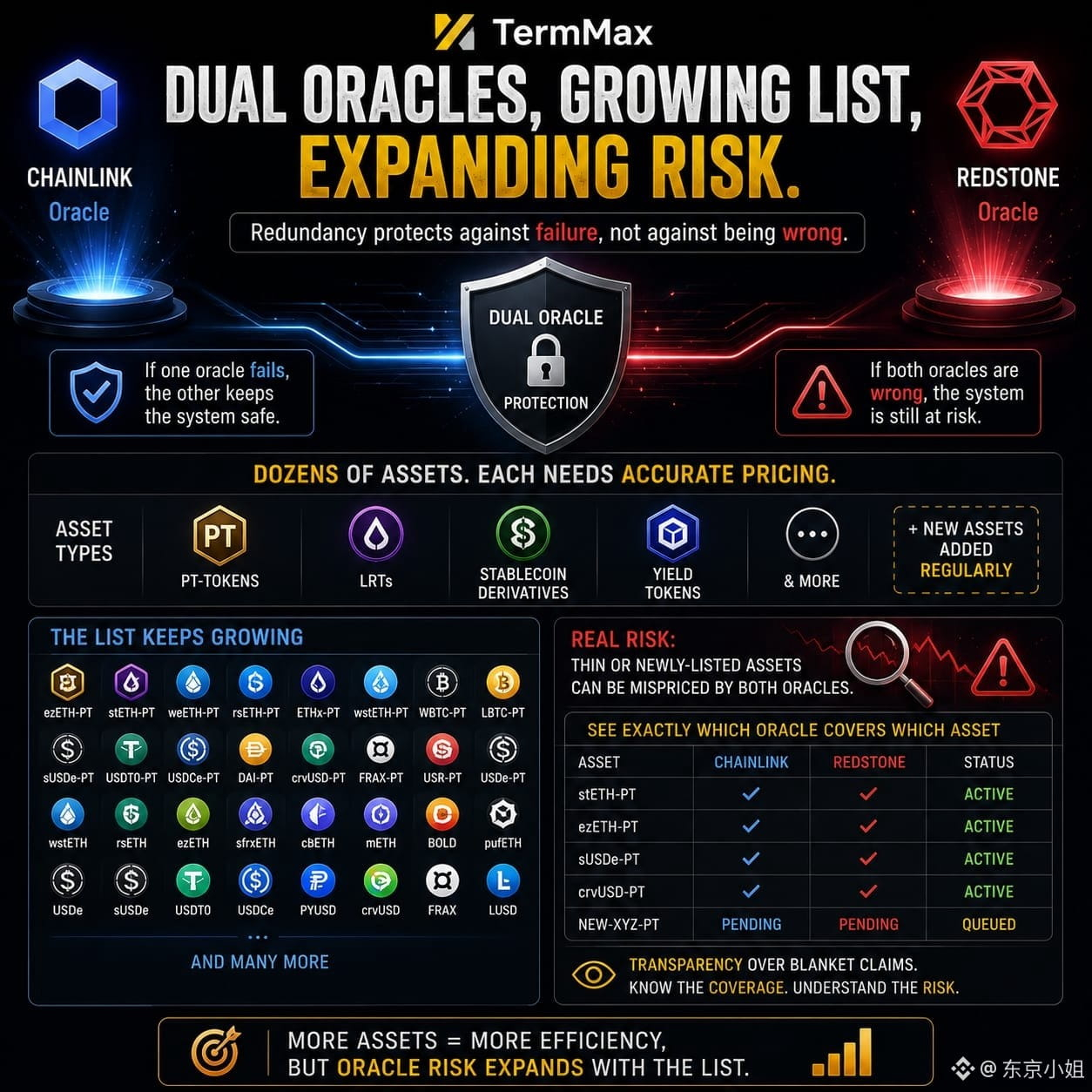
termmax menjalankan dual oracle, chainlink dan redstone, dan dokumennya menyajikannya sebagai perlindungan jika satu feed gagal. masuk akal. tapi saya melihat daftar aset oracle di dokumen mereka—sekarang isinya puluhan individual pt-token, lrts, dan turunan stablecoin, masing-masing perlu feed harga yang dikonfigurasi dengan benar, dan yang baru ditambahkan cukup rutin.
sebenarnya—risiko yang nyata bukan pada desain dual-oracle itu sendiri, melainkan bahwa redundansi melindungi Anda jika satu feed mati, bukan jika kedua feed sama-sama salah tentang aset tipis yang baru saja terdaftar pada saat yang bersamaan. lebih banyak tipe kolateral itu bagus untuk efisiensi modal, saya paham. itu hanya berarti bagian risiko oracle tidak statis—dia terus berkembang setiap kali aset baru di-whitelist.
apa yang benar-benar bisa membuat saya yakin adalah melihat penyedia mana yang mencakup aset spesifik mana yang dipublikasikan di suatu tempat, bukan sekadar "chainlink dan redstone" sebagai satu baris umum yang menutup semuanya 🔍
#termmax @termmax
termmax menjalankan dual oracle, chainlink dan redstone, dan dokumennya menyajikannya sebagai perlindungan jika satu feed gagal. masuk akal. tapi saya melihat daftar aset oracle di dokumen mereka—sekarang isinya puluhan individual pt-token, lrts, dan turunan stablecoin, masing-masing perlu feed harga yang dikonfigurasi dengan benar, dan yang baru ditambahkan cukup rutin.
sebenarnya—risiko yang nyata bukan pada desain dual-oracle itu sendiri, melainkan bahwa redundansi melindungi Anda jika satu feed mati, bukan jika kedua feed sama-sama salah tentang aset tipis yang baru saja terdaftar pada saat yang bersamaan. lebih banyak tipe kolateral itu bagus untuk efisiensi modal, saya paham. itu hanya berarti bagian risiko oracle tidak statis—dia terus berkembang setiap kali aset baru di-whitelist.
apa yang benar-benar bisa membuat saya yakin adalah melihat penyedia mana yang mencakup aset spesifik mana yang dipublikasikan di suatu tempat, bukan sekadar "chainlink dan redstone" sebagai satu baris umum yang menutup semuanya 🔍
#termmax @TermMax
sebenarnya—risiko yang nyata bukan pada desain dual-oracle itu sendiri, melainkan bahwa redundansi melindungi Anda jika satu feed mati, bukan jika kedua feed sama-sama salah tentang aset tipis yang baru saja terdaftar pada saat yang bersamaan. lebih banyak tipe kolateral itu bagus untuk efisiensi modal, saya paham. itu hanya berarti bagian risiko oracle tidak statis—dia terus berkembang setiap kali aset baru di-whitelist.
apa yang benar-benar bisa membuat saya yakin adalah melihat penyedia mana yang mencakup aset spesifik mana yang dipublikasikan di suatu tempat, bukan sekadar "chainlink dan redstone" sebagai satu baris umum yang menutup semuanya 🔍
#termmax @TermMax
110
·
--
Bullish
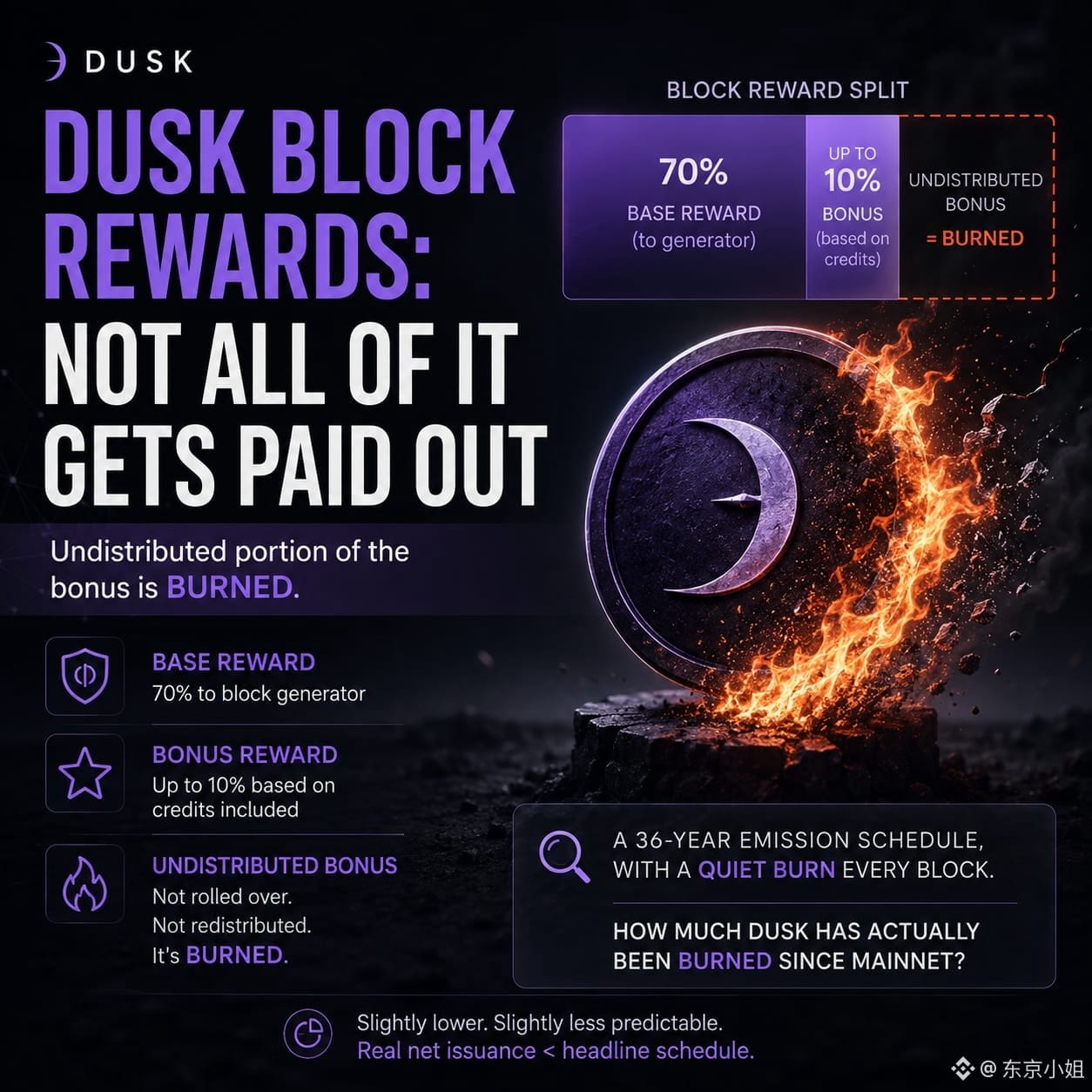
saya pergi untuk melihat bagaimana hadiah blok dusk benar-benar dibagi, dan di sana ada mekanisme burn yang sebelumnya tidak saya perhatikan. generator blok mendapatkan dasar 70%, plus hingga 10% lagi tergantung pada berapa banyak kredit yang dimasukkan ke dalam sertifikat—tetapi apa pun bagian dari tambahan 10% yang tidak terdistribusi tidak diroll ulang atau didistribusikan ulang, itu saja yang dibakar, dan saya harus membaca ulang kalimat itu sekali lagi karena saya mengira "yang tidak terdistribusi" berarti itu hanya dibawa ke pool blok berikutnya.
jadi, tidak seperti kebanyakan rantai PoS yang membuat seluruh pool hadiah dibayarkan apa pun kualitas partisipasinya, dusk diam-diam bersifat deflasioner di batas setiap blok, tergantung seberapa lengkap sertifikat generatornya. sebuah rantai dengan jadwal emisi berbasis halving selama 36 tahun juga membakar jumlah kecil di ujung lainnya berdasarkan kualitas eksekusi, dan saya belum pernah melihat ini dibingkai sebagai faktor net-suplay yang nyata di mana pun.
ini persentase kecil per blok; saya tidak mengatakan ini mengubah kurva suplay secara dramatis. tapi "jadwal emisi 36 tahun" menyiratkan kurva yang aditif dan dapat diprediksi, dan mekanisme burn ini membuat penerbitan net yang sebenarnya sedikit lebih rendah dan sedikit kurang dapat diprediksi daripada yang disarankan jadwal utama.
ada yang melacak seberapa banyak dusk benar-benar dibakar dengan cara ini sejak mainnet, atau angka itu tidak dipublikasikan di mana pun? 🧐#dusk $DUSK @Dusk_Foundation
saya pergi untuk melihat bagaimana hadiah blok dusk benar-benar dibagi, dan di sana ada mekanisme burn yang sebelumnya tidak saya perhatikan. generator blok mendapatkan dasar 70%, plus hingga 10% lagi tergantung pada berapa banyak kredit yang dimasukkan ke dalam sertifikat—tetapi apa pun bagian dari tambahan 10% yang tidak terdistribusi tidak diroll ulang atau didistribusikan ulang, itu saja yang dibakar, dan saya harus membaca ulang kalimat itu sekali lagi karena saya mengira "yang tidak terdistribusi" berarti itu hanya dibawa ke pool blok berikutnya.
jadi, tidak seperti kebanyakan rantai PoS yang membuat seluruh pool hadiah dibayarkan apa pun kualitas partisipasinya, dusk diam-diam bersifat deflasioner di batas setiap blok, tergantung seberapa lengkap sertifikat generatornya. sebuah rantai dengan jadwal emisi berbasis halving selama 36 tahun juga membakar jumlah kecil di ujung lainnya berdasarkan kualitas eksekusi, dan saya belum pernah melihat ini dibingkai sebagai faktor net-suplay yang nyata di mana pun.
ini persentase kecil per blok; saya tidak mengatakan ini mengubah kurva suplay secara dramatis. tapi "jadwal emisi 36 tahun" menyiratkan kurva yang aditif dan dapat diprediksi, dan mekanisme burn ini membuat penerbitan net yang sebenarnya sedikit lebih rendah dan sedikit kurang dapat diprediksi daripada yang disarankan jadwal utama.
ada yang melacak seberapa banyak dusk benar-benar dibakar dengan cara ini sejak mainnet, atau angka itu tidak dipublikasikan di mana pun? 🧐#dusk $DUSK @Dusk
jadi, tidak seperti kebanyakan rantai PoS yang membuat seluruh pool hadiah dibayarkan apa pun kualitas partisipasinya, dusk diam-diam bersifat deflasioner di batas setiap blok, tergantung seberapa lengkap sertifikat generatornya. sebuah rantai dengan jadwal emisi berbasis halving selama 36 tahun juga membakar jumlah kecil di ujung lainnya berdasarkan kualitas eksekusi, dan saya belum pernah melihat ini dibingkai sebagai faktor net-suplay yang nyata di mana pun.
ini persentase kecil per blok; saya tidak mengatakan ini mengubah kurva suplay secara dramatis. tapi "jadwal emisi 36 tahun" menyiratkan kurva yang aditif dan dapat diprediksi, dan mekanisme burn ini membuat penerbitan net yang sebenarnya sedikit lebih rendah dan sedikit kurang dapat diprediksi daripada yang disarankan jadwal utama.
ada yang melacak seberapa banyak dusk benar-benar dibakar dengan cara ini sejak mainnet, atau angka itu tidak dipublikasikan di mana pun? 🧐#dusk $DUSK @Dusk
1
1
102
·
--
Bullish
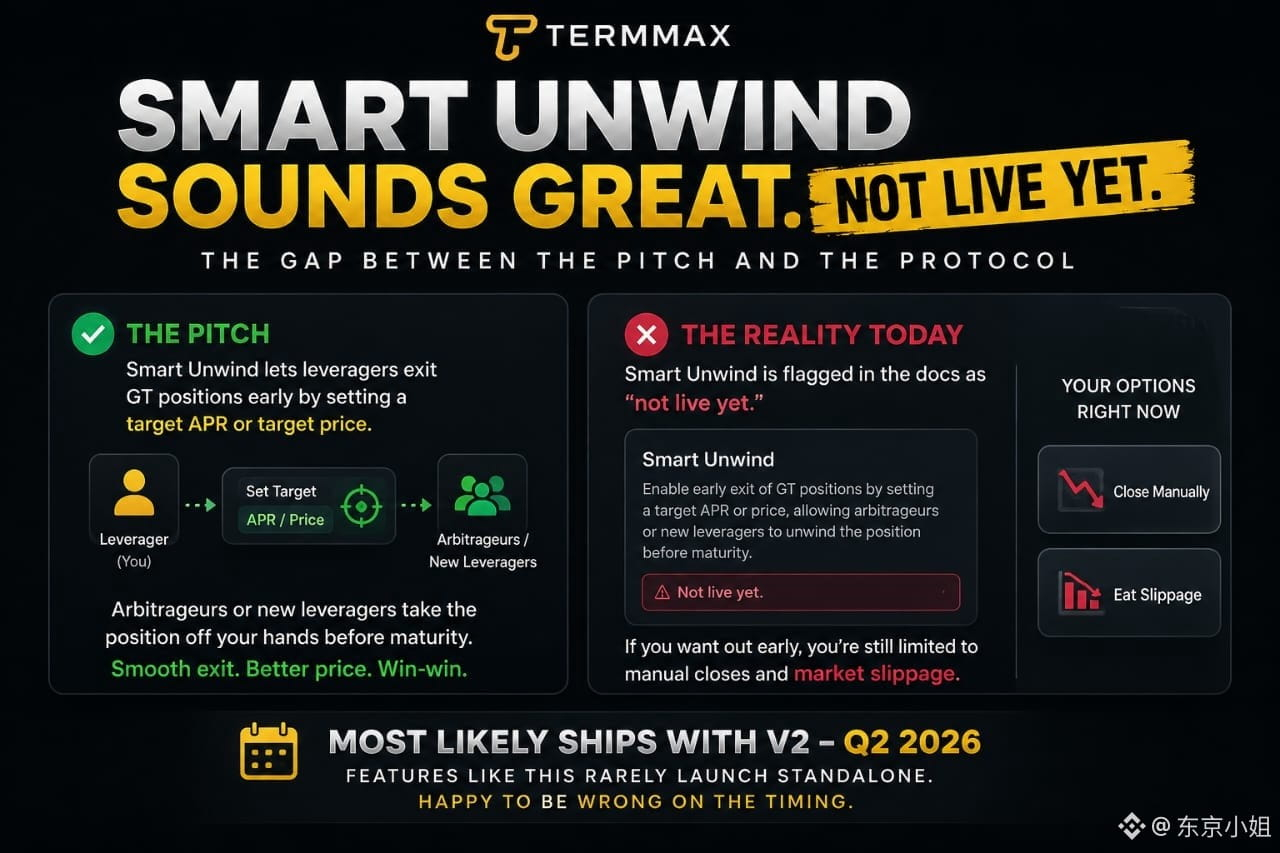
ada fitur yang termmax bahas seperti sudah berjalan, dan itu—smart unwind. fiturnya diposisikan sebagai cara agar para leverager bisa keluar dari posisi gt lebih cepat dengan menetapkan target APR atau target harga, sehingga arbitrageur atau leverager baru dapat mengambil alih posisi Anda sebelum jatuh tempo. terdengar bagus di atas kertas. namun, halaman dokumentasi resminya justru hanya memiliki satu baris di bagian bawah yang menandainya sebagai "belum live".
jadi saat ini, jika Anda sedang terleveraged dan ingin keluar lebih awal, Anda terjebak dengan opsi yang sama seperti sebelum fitur ini diumumkan—menutupnya secara manual, dan menerima slippage apa pun yang diberikan pasar. saya paham kenapa ini dibicarakan dari awal; tim melakukan ini untuk membangun antisipasi untuk v2. tetap saja, ada kesenjangan nyata antara apa yang tersirat dari pesanannya (bahwa Anda bisa melakukan itu hari ini) dan apa yang benar-benar diizinkan oleh kontrak saat ini.
analisis saya: ini dirilis bersamaan dengan rangkaian peluncuran v2 kuartal 2 2026 lainnya, bukan sebelum, dan tidak juga terlalu lama setelah—fitur seperti ini jarang diluncurkan secara terpisah. bisa saja saya salah soal waktunya, tapi di situlah saya akan menempatkannya 🎯
#termmax @termmax
ada fitur yang termmax bahas seperti sudah berjalan, dan itu—smart unwind. fiturnya diposisikan sebagai cara agar para leverager bisa keluar dari posisi gt lebih cepat dengan menetapkan target APR atau target harga, sehingga arbitrageur atau leverager baru dapat mengambil alih posisi Anda sebelum jatuh tempo. terdengar bagus di atas kertas. namun, halaman dokumentasi resminya justru hanya memiliki satu baris di bagian bawah yang menandainya sebagai "belum live".
jadi saat ini, jika Anda sedang terleveraged dan ingin keluar lebih awal, Anda terjebak dengan opsi yang sama seperti sebelum fitur ini diumumkan—menutupnya secara manual, dan menerima slippage apa pun yang diberikan pasar. saya paham kenapa ini dibicarakan dari awal; tim melakukan ini untuk membangun antisipasi untuk v2. tetap saja, ada kesenjangan nyata antara apa yang tersirat dari pesanannya (bahwa Anda bisa melakukan itu hari ini) dan apa yang benar-benar diizinkan oleh kontrak saat ini.
analisis saya: ini dirilis bersamaan dengan rangkaian peluncuran v2 kuartal 2 2026 lainnya, bukan sebelum, dan tidak juga terlalu lama setelah—fitur seperti ini jarang diluncurkan secara terpisah. bisa saja saya salah soal waktunya, tapi di situlah saya akan menempatkannya 🎯
#termmax @TermMax
jadi saat ini, jika Anda sedang terleveraged dan ingin keluar lebih awal, Anda terjebak dengan opsi yang sama seperti sebelum fitur ini diumumkan—menutupnya secara manual, dan menerima slippage apa pun yang diberikan pasar. saya paham kenapa ini dibicarakan dari awal; tim melakukan ini untuk membangun antisipasi untuk v2. tetap saja, ada kesenjangan nyata antara apa yang tersirat dari pesanannya (bahwa Anda bisa melakukan itu hari ini) dan apa yang benar-benar diizinkan oleh kontrak saat ini.
analisis saya: ini dirilis bersamaan dengan rangkaian peluncuran v2 kuartal 2 2026 lainnya, bukan sebelum, dan tidak juga terlalu lama setelah—fitur seperti ini jarang diluncurkan secara terpisah. bisa saja saya salah soal waktunya, tapi di situlah saya akan menempatkannya 🎯
#termmax @TermMax
2
1
131
·
--
Bullish
keyrock dan hardcoded lab sama-sama menjalankan live vault saat ini, dan ada satu detail tentang bagaimana termmax menangani idle capital yang saya belum lihat ada yang benar-benar membahas—setiap modal dari order pinjaman yang belum pernah dipinjam akan otomatis dirutekan ke aave, morpho, atau venus, jadi tidak hanya menganggur tanpa hasil. langkah smart treasury, jujur.
tapi ini berarti seluruh promosi “fixed rate” sebenarnya diam-diam bertumpu pada protokol floating-rate selama uang Anda menunggu untuk dipasangkan. Saya tidak menyebutnya sebagai kekurangan—jelas itu opsi yang lebih baik daripada membiarkan usdc menghasilkan nol—tetapi dengan dua kurator aktif yang sedang menjalankan strategi sekarang, saya belum bisa memastikan berapa besar dari advertised apy mereka yang benar-benar berasal dari fixed-rate lending yang sudah dipasangkan versus lapisan floating-rate yang melakukan kerja berat di hari-hari lambat 📊
penasaran apakah ada yang pernah melihat rincian pemisahan itu diuraikan di mana pun.
#termmax @termmax
keyrock dan hardcoded lab sama-sama menjalankan live vault saat ini, dan ada satu detail tentang bagaimana termmax menangani idle capital yang saya belum lihat ada yang benar-benar membahas—setiap modal dari order pinjaman yang belum pernah dipinjam akan otomatis dirutekan ke aave, morpho, atau venus, jadi tidak hanya menganggur tanpa hasil. langkah smart treasury, jujur.
tapi ini berarti seluruh promosi “fixed rate” sebenarnya diam-diam bertumpu pada protokol floating-rate selama uang Anda menunggu untuk dipasangkan. Saya tidak menyebutnya sebagai kekurangan—jelas itu opsi yang lebih baik daripada membiarkan usdc menghasilkan nol—tetapi dengan dua kurator aktif yang sedang menjalankan strategi sekarang, saya belum bisa memastikan berapa besar dari advertised apy mereka yang benar-benar berasal dari fixed-rate lending yang sudah dipasangkan versus lapisan floating-rate yang melakukan kerja berat di hari-hari lambat 📊
penasaran apakah ada yang pernah melihat rincian pemisahan itu diuraikan di mana pun.
#termmax @TermMax
tapi ini berarti seluruh promosi “fixed rate” sebenarnya diam-diam bertumpu pada protokol floating-rate selama uang Anda menunggu untuk dipasangkan. Saya tidak menyebutnya sebagai kekurangan—jelas itu opsi yang lebih baik daripada membiarkan usdc menghasilkan nol—tetapi dengan dua kurator aktif yang sedang menjalankan strategi sekarang, saya belum bisa memastikan berapa besar dari advertised apy mereka yang benar-benar berasal dari fixed-rate lending yang sudah dipasangkan versus lapisan floating-rate yang melakukan kerja berat di hari-hari lambat 📊
penasaran apakah ada yang pernah melihat rincian pemisahan itu diuraikan di mana pun.
#termmax @TermMax

1
1
186
·
--
@Dusk_Foundation
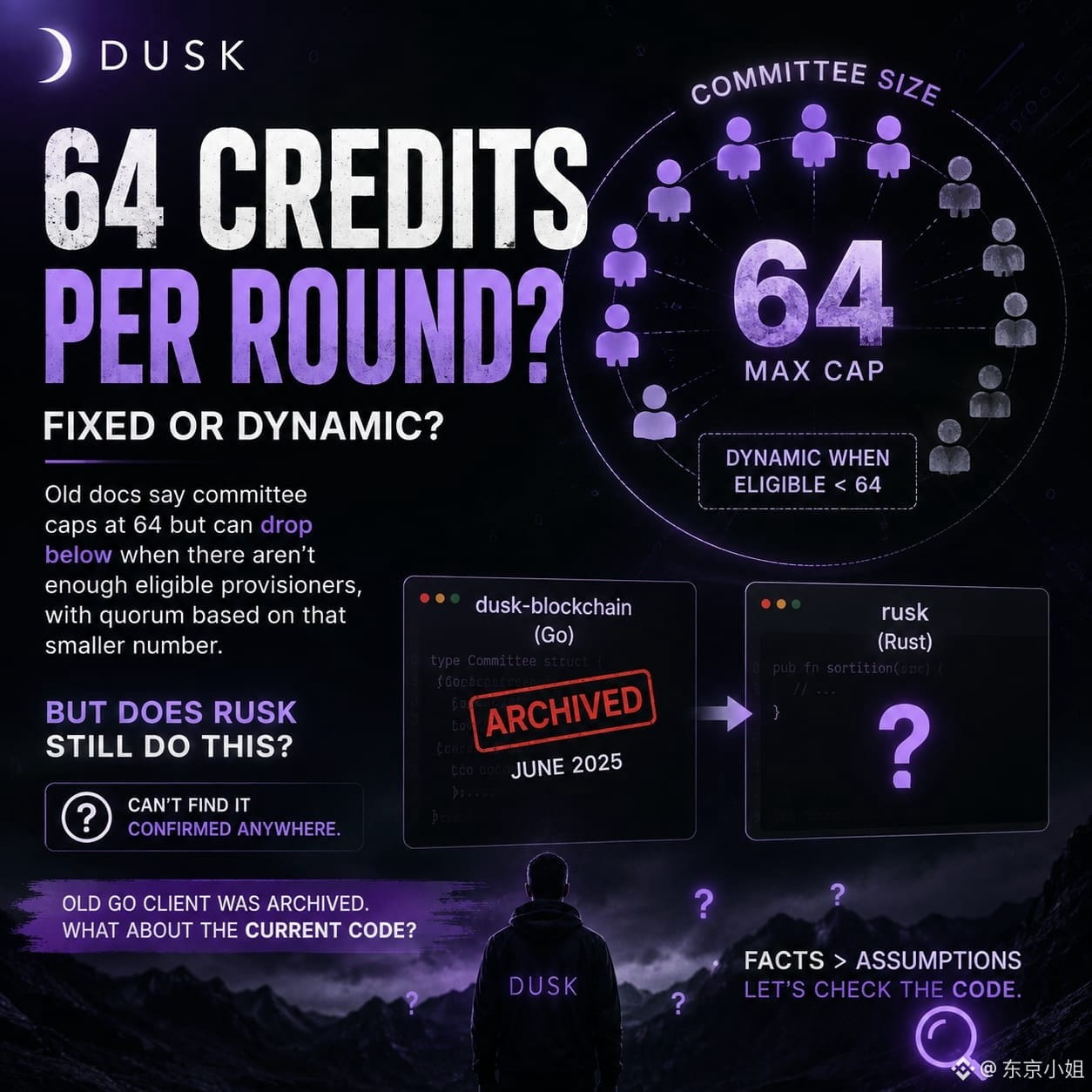
tidak sengaja saya menggali cara sebenarnya ukuran komite senja bekerja, karena "64 credits per round" diulang di mana-mana seolah-olah itu angka tetap. saya menemukan sebuah isu github yang menjelaskan hal yang berbeda — ukuran komite dibatasi maksimal 64, tetapi bisa turun di bawah itu ketika tidak ada cukup penyedia (provisioner) yang memenuhi syarat, dengan kuorum dihitung berdasarkan jumlah yang lebih kecil tersebut. kecuali ketika saya hendak memeriksa basis kode yang menjadi target isu itu, ternyata itu adalah dusk-blockchain, klien golang lama, yang diarsipkan oleh timnya sendiri pada Juni 2025.
jadi ini adalah perilaku yang terdokumentasi pada implementasi sebelum mainnet, bukan berarti ini persis yang berjalan sekarang — sebenarnya, tunggu, saya harus lebih tepat: ini bukan semata-mata berarti semuanya pasti berbeda sekarang, melainkan saya benar-benar tidak bisa menemukan bukti apa pun yang mengonfirmasi di kedua arah. mainnet memakai rusk, penulisan ulang penuh dalam rust, dan apakah logika sortisi seperti ini ikut terbawa atau didesain ulang selama prosesnya bukan sesuatu yang bisa saya pastikan.
ini celah yang agak spesifik sekali untuk jaringan yang sedalam ini dokumentasinya — perilaku historisnya memang nyata dan bisa ditelusuri, tapi tidak ada yang saya temukan yang benar-benar mengonfirmasi atau membantahnya di basis kode live saat ini.
ada yang sudah benar-benar mengecek kode sortisi rusk yang sekarang, atau semua orang hanya mengulang perilaku klien go lama seolah-olah itu masih benar? 🧐
#dusk $DUSK
@Dusk
tidak sengaja saya menggali cara sebenarnya ukuran komite senja bekerja, karena "64 credits per round" diulang di mana-mana seolah-olah itu angka tetap. saya menemukan sebuah isu github yang menjelaskan hal yang berbeda — ukuran komite dibatasi maksimal 64, tetapi bisa turun di bawah itu ketika tidak ada cukup penyedia (provisioner) yang memenuhi syarat, dengan kuorum dihitung berdasarkan jumlah yang lebih kecil tersebut. kecuali ketika saya hendak memeriksa basis kode yang menjadi target isu itu, ternyata itu adalah dusk-blockchain, klien golang lama, yang diarsipkan oleh timnya sendiri pada Juni 2025.
jadi ini adalah perilaku yang terdokumentasi pada implementasi sebelum mainnet, bukan berarti ini persis yang berjalan sekarang — sebenarnya, tunggu, saya harus lebih tepat: ini bukan semata-mata berarti semuanya pasti berbeda sekarang, melainkan saya benar-benar tidak bisa menemukan bukti apa pun yang mengonfirmasi di kedua arah. mainnet memakai rusk, penulisan ulang penuh dalam rust, dan apakah logika sortisi seperti ini ikut terbawa atau didesain ulang selama prosesnya bukan sesuatu yang bisa saya pastikan.
ini celah yang agak spesifik sekali untuk jaringan yang sedalam ini dokumentasinya — perilaku historisnya memang nyata dan bisa ditelusuri, tapi tidak ada yang saya temukan yang benar-benar mengonfirmasi atau membantahnya di basis kode live saat ini.
ada yang sudah benar-benar mengecek kode sortisi rusk yang sekarang, atau semua orang hanya mengulang perilaku klien go lama seolah-olah itu masih benar? 🧐
#dusk $DUSK
tidak sengaja saya menggali cara sebenarnya ukuran komite senja bekerja, karena "64 credits per round" diulang di mana-mana seolah-olah itu angka tetap. saya menemukan sebuah isu github yang menjelaskan hal yang berbeda — ukuran komite dibatasi maksimal 64, tetapi bisa turun di bawah itu ketika tidak ada cukup penyedia (provisioner) yang memenuhi syarat, dengan kuorum dihitung berdasarkan jumlah yang lebih kecil tersebut. kecuali ketika saya hendak memeriksa basis kode yang menjadi target isu itu, ternyata itu adalah dusk-blockchain, klien golang lama, yang diarsipkan oleh timnya sendiri pada Juni 2025.
jadi ini adalah perilaku yang terdokumentasi pada implementasi sebelum mainnet, bukan berarti ini persis yang berjalan sekarang — sebenarnya, tunggu, saya harus lebih tepat: ini bukan semata-mata berarti semuanya pasti berbeda sekarang, melainkan saya benar-benar tidak bisa menemukan bukti apa pun yang mengonfirmasi di kedua arah. mainnet memakai rusk, penulisan ulang penuh dalam rust, dan apakah logika sortisi seperti ini ikut terbawa atau didesain ulang selama prosesnya bukan sesuatu yang bisa saya pastikan.
ini celah yang agak spesifik sekali untuk jaringan yang sedalam ini dokumentasinya — perilaku historisnya memang nyata dan bisa ditelusuri, tapi tidak ada yang saya temukan yang benar-benar mengonfirmasi atau membantahnya di basis kode live saat ini.
ada yang sudah benar-benar mengecek kode sortisi rusk yang sekarang, atau semua orang hanya mengulang perilaku klien go lama seolah-olah itu masih benar? 🧐
#dusk $DUSK
7
4
162
·
--
Bullish
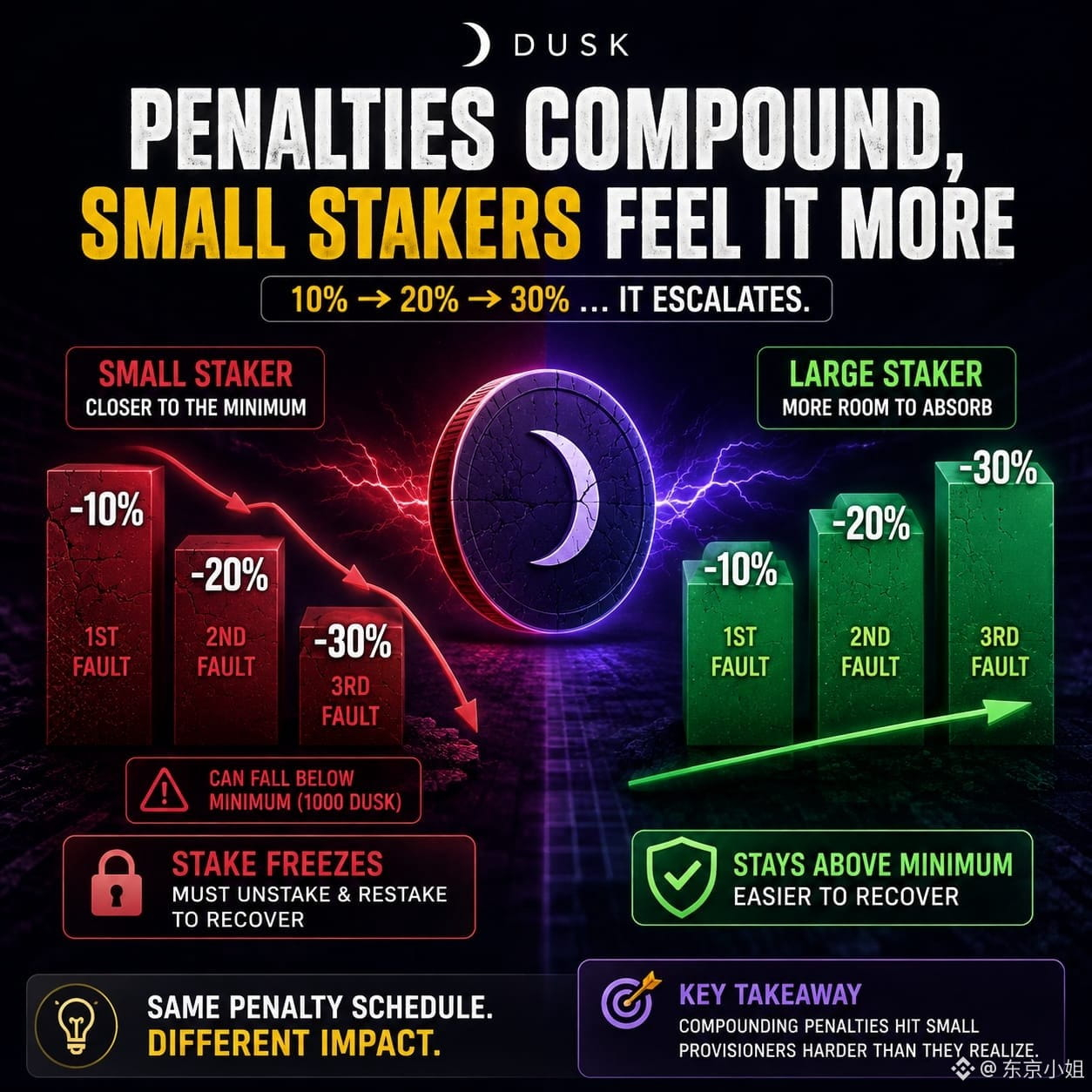
Saya membaca pembaruan rekayasa Dusk tentang penalization dan melihat bahwa persentasenya benar-benar berkompon — pertama biaya suspensi 10% dari stake, kedua 20%, lalu 30%, naik setiap kali. Itu bukan yang datar; itu meningkat.
yang artinya provisioner yang menjalankan mendekati minimum Dusk 1000 punya ruang jauh lebih sedikit untuk pulih. Dua atau tiga kesalahan beruntun dan staker kecil bisa terdorong sepenuhnya di bawah minimum; pada titik itu, dokumen mengatakan stake membeku dan harus dilepas sepenuhnya serta di-stake ulang untuk kembali — bukan sekadar menunggu lewat suspensi, melainkan reset yang nyata.
provisioner besar yang memakan urutan 10-20-30% yang sama nyaris tidak merasakannya dibandingkan total stake mereka. Jadi skema penalti yang sama yang dimaksud untuk menghukum perilaku buruk secara setara justru berakhir dengan menghantam validator kecil lebih keras — saya balik lagi dan membaca ulang persentasenya dua kali, karena saya terus mengira saya salah baca "increasing by 10%" sebagai semacam 10% yang berulang-ulang dan datar.
apakah ada buffer minimum stake yang direkomendasikan di mana pun supaya provisioner yang lebih kecil tidak terdorong ke siklus reset itu secara tidak sengaja? 🧐
#dusk $DUSK @Dusk_Foundation
{spot}(DUSKUSDT)
Saya membaca pembaruan rekayasa Dusk tentang penalization dan melihat bahwa persentasenya benar-benar berkompon — pertama biaya suspensi 10% dari stake, kedua 20%, lalu 30%, naik setiap kali. Itu bukan yang datar; itu meningkat.
yang artinya provisioner yang menjalankan mendekati minimum Dusk 1000 punya ruang jauh lebih sedikit untuk pulih. Dua atau tiga kesalahan beruntun dan staker kecil bisa terdorong sepenuhnya di bawah minimum; pada titik itu, dokumen mengatakan stake membeku dan harus dilepas sepenuhnya serta di-stake ulang untuk kembali — bukan sekadar menunggu lewat suspensi, melainkan reset yang nyata.
provisioner besar yang memakan urutan 10-20-30% yang sama nyaris tidak merasakannya dibandingkan total stake mereka. Jadi skema penalti yang sama yang dimaksud untuk menghukum perilaku buruk secara setara justru berakhir dengan menghantam validator kecil lebih keras — saya balik lagi dan membaca ulang persentasenya dua kali, karena saya terus mengira saya salah baca "increasing by 10%" sebagai semacam 10% yang berulang-ulang dan datar.
apakah ada buffer minimum stake yang direkomendasikan di mana pun supaya provisioner yang lebih kecil tidak terdorong ke siklus reset itu secara tidak sengaja? 🧐
#dusk $DUSK @Dusk
yang artinya provisioner yang menjalankan mendekati minimum Dusk 1000 punya ruang jauh lebih sedikit untuk pulih. Dua atau tiga kesalahan beruntun dan staker kecil bisa terdorong sepenuhnya di bawah minimum; pada titik itu, dokumen mengatakan stake membeku dan harus dilepas sepenuhnya serta di-stake ulang untuk kembali — bukan sekadar menunggu lewat suspensi, melainkan reset yang nyata.
provisioner besar yang memakan urutan 10-20-30% yang sama nyaris tidak merasakannya dibandingkan total stake mereka. Jadi skema penalti yang sama yang dimaksud untuk menghukum perilaku buruk secara setara justru berakhir dengan menghantam validator kecil lebih keras — saya balik lagi dan membaca ulang persentasenya dua kali, karena saya terus mengira saya salah baca "increasing by 10%" sebagai semacam 10% yang berulang-ulang dan datar.
apakah ada buffer minimum stake yang direkomendasikan di mana pun supaya provisioner yang lebih kecil tidak terdorong ke siklus reset itu secara tidak sengaja? 🧐
#dusk $DUSK @Dusk
1
2
152
·
--
@Dusk_Foundation
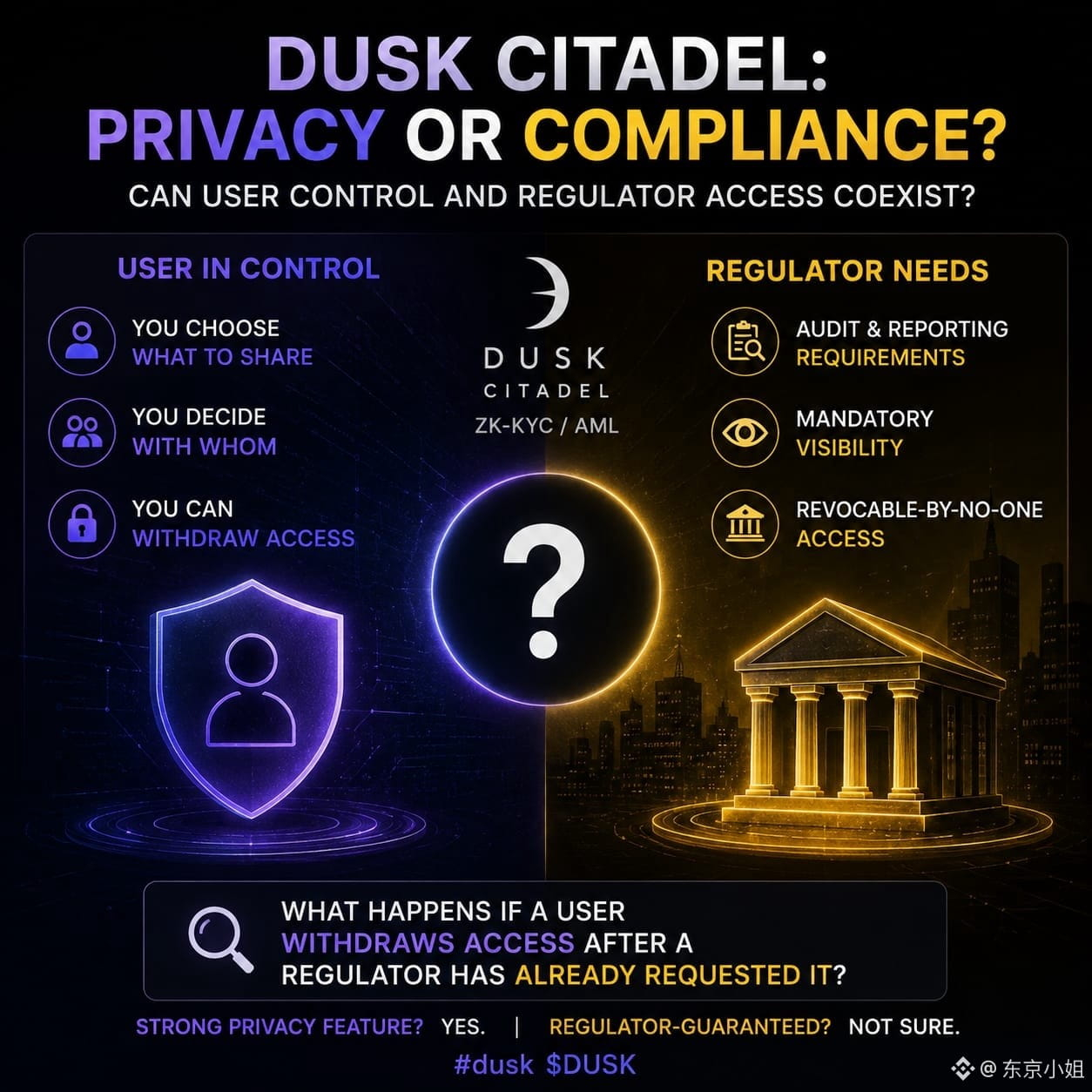
a kupergi kembali untuk membaca cara sesungguhnya cara citadel senja bekerja, alih-alih sekadar mengulang pitch “privacy plus selective disclosure”, dan ada sesuatu yang tidak sejalan. citadel mendeskripsikan pengguna sebagai sepenuhnya memegang kendali atas data mereka—mereka memilih apa yang dibagikan, dengan siapa, dan bahkan dapat menarik aksesnya nanti. itu juga masih kerangka yang dipakai saat ini—aku justru masuk dengan ekspektasi ini mungkin ide 2023 yang sudah disimpan, tapi ternyata idenya duduk tepat di roadmap pasca-mainnet dusk sebagai komponen live zk-kyc/aml.
namun, regulator umumnya tidak menginginkan akses yang sifatnya opsional. kebutuhan audit dan pelaporan biasanya berarti visibilitas yang wajib, dapat dicabut oleh siapa pun (atau tidak bisa dicabut), bukan sesuatu yang pengguna setujui sekali lalu bisa ditarik kembali nanti. jika citadel memberi pengguna kekuatan untuk menarik disclosure, aku tidak yakin bagaimana itu cocok dengan kerangka “regulator bisa melihat apa yang mereka perlukan” yang dusk gunakan di tempat lain—kecuali ada lapisan kepatuhan terpisah yang duduk di bawahnya dan belum sempat kutemukan.
perlu dibilang: data yang dikendalikan pengguna adalah fitur privasi yang benar-benar kuat untuk dusk, aku tidak meremehkan bagian itu. aku hanya tidak berpikir “bisa dicabut oleh pengguna” dan “dijamin regulator” bisa sama-sama benar untuk disclosure yang sama pada saat yang bersamaan.
ada yang sudah melihat dokumentasi tentang apa yang terjadi jika pengguna dusk mencabut akses setelah regulator sudah memintanya? 🧐
#dusk $DUSK
@Dusk
a kupergi kembali untuk membaca cara sesungguhnya cara citadel senja bekerja, alih-alih sekadar mengulang pitch “privacy plus selective disclosure”, dan ada sesuatu yang tidak sejalan. citadel mendeskripsikan pengguna sebagai sepenuhnya memegang kendali atas data mereka—mereka memilih apa yang dibagikan, dengan siapa, dan bahkan dapat menarik aksesnya nanti. itu juga masih kerangka yang dipakai saat ini—aku justru masuk dengan ekspektasi ini mungkin ide 2023 yang sudah disimpan, tapi ternyata idenya duduk tepat di roadmap pasca-mainnet dusk sebagai komponen live zk-kyc/aml.
namun, regulator umumnya tidak menginginkan akses yang sifatnya opsional. kebutuhan audit dan pelaporan biasanya berarti visibilitas yang wajib, dapat dicabut oleh siapa pun (atau tidak bisa dicabut), bukan sesuatu yang pengguna setujui sekali lalu bisa ditarik kembali nanti. jika citadel memberi pengguna kekuatan untuk menarik disclosure, aku tidak yakin bagaimana itu cocok dengan kerangka “regulator bisa melihat apa yang mereka perlukan” yang dusk gunakan di tempat lain—kecuali ada lapisan kepatuhan terpisah yang duduk di bawahnya dan belum sempat kutemukan.
perlu dibilang: data yang dikendalikan pengguna adalah fitur privasi yang benar-benar kuat untuk dusk, aku tidak meremehkan bagian itu. aku hanya tidak berpikir “bisa dicabut oleh pengguna” dan “dijamin regulator” bisa sama-sama benar untuk disclosure yang sama pada saat yang bersamaan.
ada yang sudah melihat dokumentasi tentang apa yang terjadi jika pengguna dusk mencabut akses setelah regulator sudah memintanya? 🧐
#dusk $DUSK
a kupergi kembali untuk membaca cara sesungguhnya cara citadel senja bekerja, alih-alih sekadar mengulang pitch “privacy plus selective disclosure”, dan ada sesuatu yang tidak sejalan. citadel mendeskripsikan pengguna sebagai sepenuhnya memegang kendali atas data mereka—mereka memilih apa yang dibagikan, dengan siapa, dan bahkan dapat menarik aksesnya nanti. itu juga masih kerangka yang dipakai saat ini—aku justru masuk dengan ekspektasi ini mungkin ide 2023 yang sudah disimpan, tapi ternyata idenya duduk tepat di roadmap pasca-mainnet dusk sebagai komponen live zk-kyc/aml.
namun, regulator umumnya tidak menginginkan akses yang sifatnya opsional. kebutuhan audit dan pelaporan biasanya berarti visibilitas yang wajib, dapat dicabut oleh siapa pun (atau tidak bisa dicabut), bukan sesuatu yang pengguna setujui sekali lalu bisa ditarik kembali nanti. jika citadel memberi pengguna kekuatan untuk menarik disclosure, aku tidak yakin bagaimana itu cocok dengan kerangka “regulator bisa melihat apa yang mereka perlukan” yang dusk gunakan di tempat lain—kecuali ada lapisan kepatuhan terpisah yang duduk di bawahnya dan belum sempat kutemukan.
perlu dibilang: data yang dikendalikan pengguna adalah fitur privasi yang benar-benar kuat untuk dusk, aku tidak meremehkan bagian itu. aku hanya tidak berpikir “bisa dicabut oleh pengguna” dan “dijamin regulator” bisa sama-sama benar untuk disclosure yang sama pada saat yang bersamaan.
ada yang sudah melihat dokumentasi tentang apa yang terjadi jika pengguna dusk mencabut akses setelah regulator sudah memintanya? 🧐
#dusk $DUSK
7
11
146
·
--
Bullish
Sebagian Benar
@Dusk_Foundation
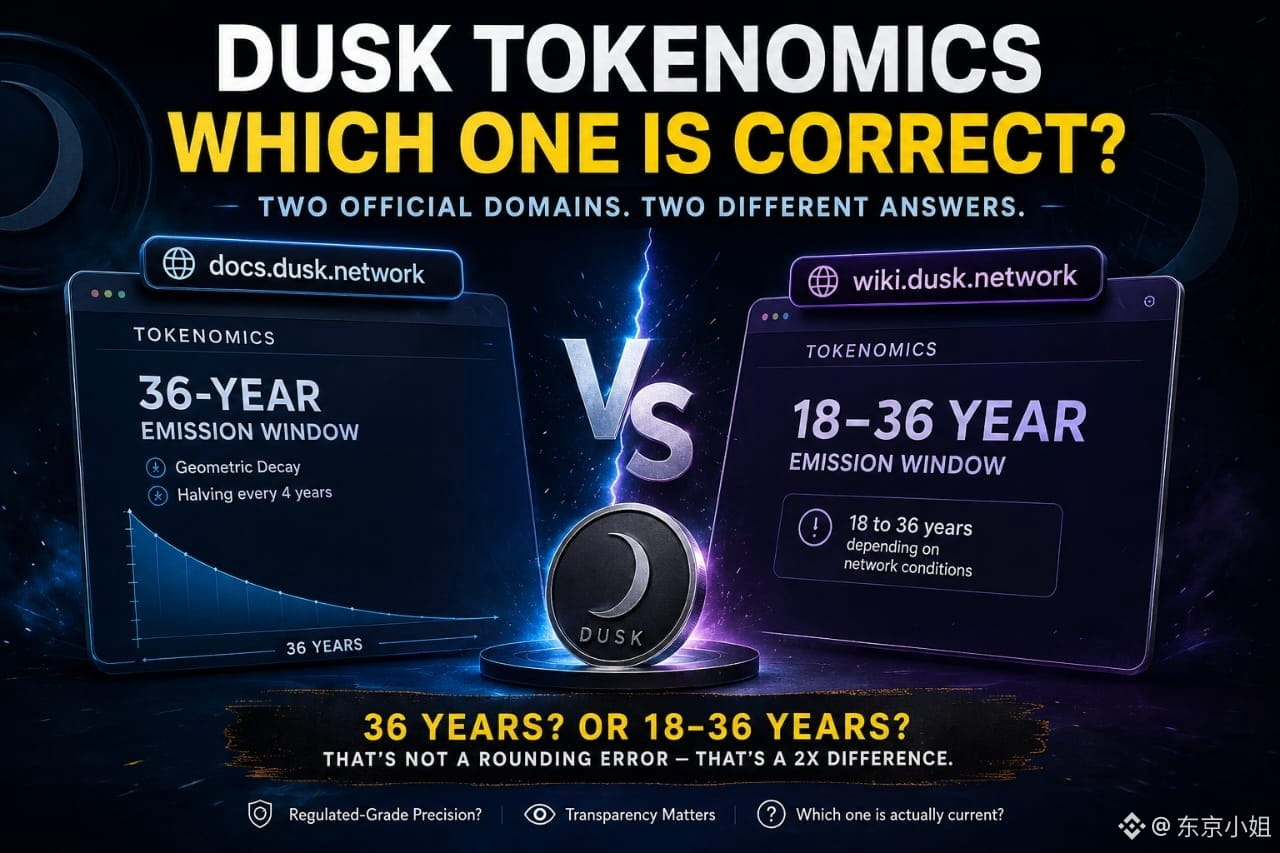
saya sedang memeriksa jadwal emisi untuk hal lain sama sekali dan melihat dua domain milik dusk sendiri tidak bahkan saling sepakat. docs.dusk.network — halaman tokenomics yang sebenarnya — mengatakan jendela emisi 36 tahun yang flat, peluruhan geometrik, halving setiap 4 tahun, semuanya lurus. wiki.dusk.network, yang berada di subdomain mereka sendiri, bukan semacam mirror pihak ketiga acak, mengatakan sesuatu yang lebih longgar: rentang 18 hingga 36 tahun tergantung kondisi jaringan.
itu bukan sekadar perbedaan pembulatan, itu pada dasarnya rentang 2x tentang seberapa lama ekor hadiah berjalan — dan hampir saja saya menganggapnya sebagai hal dari fan wiki sampai saya sadar itu memang di-host di bawah dusk.network, bukan di tempat eksternal.
saya paham bahwa variasi block-time menggeser panjang kalender nyata sedikit, bagian itu masuk akal. tapi dokumen berjudul "tokenomics" yang mengutip satu angka tetap sementara halaman di domain milik tim sendiri mengutip sebuah rentang bukan masalah pembulatan, melainkan dua jawaban berbeda untuk "kapan emisi berhenti." untuk sebuah proyek yang dibangun dengan ketelitian setingkat standar teregulasi, itu bukan jenis celah yang saya harapkan muncul di antara dua halaman yang sama-sama mereka kendalikan.
ada yang tahu yang mana yang benar-benar masih berlaku, atau keduanya hanya sudah usang ke arah yang berbeda? 🧐
#dusk $DUSK
@Dusk
saya sedang memeriksa jadwal emisi untuk hal lain sama sekali dan melihat dua domain milik dusk sendiri tidak bahkan saling sepakat. docs.dusk.network — halaman tokenomics yang sebenarnya — mengatakan jendela emisi 36 tahun yang flat, peluruhan geometrik, halving setiap 4 tahun, semuanya lurus. wiki.dusk.network, yang berada di subdomain mereka sendiri, bukan semacam mirror pihak ketiga acak, mengatakan sesuatu yang lebih longgar: rentang 18 hingga 36 tahun tergantung kondisi jaringan.
itu bukan sekadar perbedaan pembulatan, itu pada dasarnya rentang 2x tentang seberapa lama ekor hadiah berjalan — dan hampir saja saya menganggapnya sebagai hal dari fan wiki sampai saya sadar itu memang di-host di bawah dusk.network, bukan di tempat eksternal.
saya paham bahwa variasi block-time menggeser panjang kalender nyata sedikit, bagian itu masuk akal. tapi dokumen berjudul "tokenomics" yang mengutip satu angka tetap sementara halaman di domain milik tim sendiri mengutip sebuah rentang bukan masalah pembulatan, melainkan dua jawaban berbeda untuk "kapan emisi berhenti." untuk sebuah proyek yang dibangun dengan ketelitian setingkat standar teregulasi, itu bukan jenis celah yang saya harapkan muncul di antara dua halaman yang sama-sama mereka kendalikan.
ada yang tahu yang mana yang benar-benar masih berlaku, atau keduanya hanya sudah usang ke arah yang berbeda? 🧐
#dusk $DUSK
saya sedang memeriksa jadwal emisi untuk hal lain sama sekali dan melihat dua domain milik dusk sendiri tidak bahkan saling sepakat. docs.dusk.network — halaman tokenomics yang sebenarnya — mengatakan jendela emisi 36 tahun yang flat, peluruhan geometrik, halving setiap 4 tahun, semuanya lurus. wiki.dusk.network, yang berada di subdomain mereka sendiri, bukan semacam mirror pihak ketiga acak, mengatakan sesuatu yang lebih longgar: rentang 18 hingga 36 tahun tergantung kondisi jaringan.
itu bukan sekadar perbedaan pembulatan, itu pada dasarnya rentang 2x tentang seberapa lama ekor hadiah berjalan — dan hampir saja saya menganggapnya sebagai hal dari fan wiki sampai saya sadar itu memang di-host di bawah dusk.network, bukan di tempat eksternal.
saya paham bahwa variasi block-time menggeser panjang kalender nyata sedikit, bagian itu masuk akal. tapi dokumen berjudul "tokenomics" yang mengutip satu angka tetap sementara halaman di domain milik tim sendiri mengutip sebuah rentang bukan masalah pembulatan, melainkan dua jawaban berbeda untuk "kapan emisi berhenti." untuk sebuah proyek yang dibangun dengan ketelitian setingkat standar teregulasi, itu bukan jenis celah yang saya harapkan muncul di antara dua halaman yang sama-sama mereka kendalikan.
ada yang tahu yang mana yang benar-benar masih berlaku, atau keduanya hanya sudah usang ke arah yang berbeda? 🧐
#dusk $DUSK
9
11
139
·
--
Bullish
{spot}(DUSKUSDT)
@Dusk_Foundation
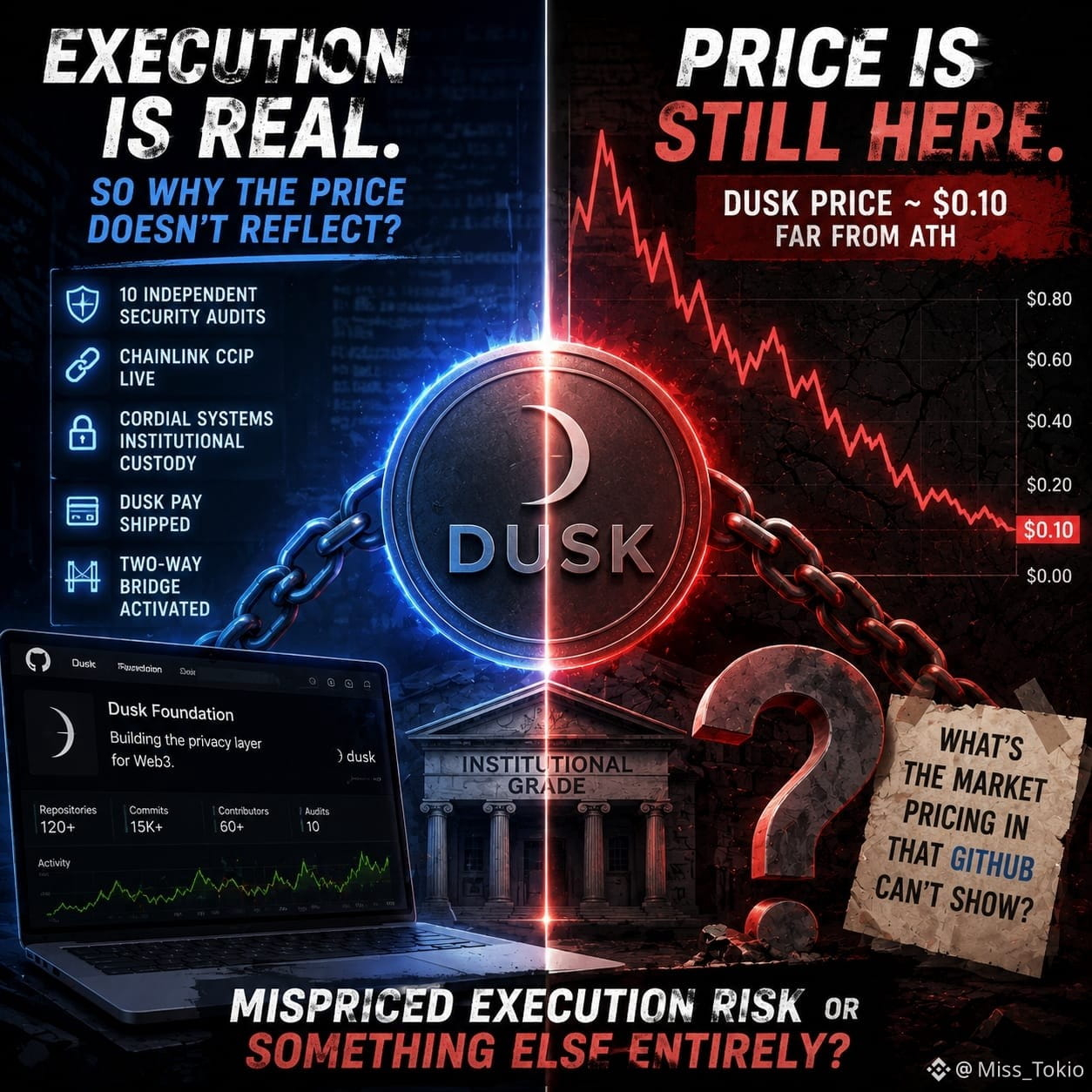
tadi pagi saya membuka github milik Dusk beserta bagan harganya hanya untuk mengecek apakah angkanya cocok dengan ceritanya, dan tidak — bahkan tidak mendekati. sepuluh audit keamanan independen sebelum mainnet, chainlink ccip live, sistem cordial diintegrasikan untuk kustodi institusional, dusk pay sudah dikirim, jembatan dua arah sudah diaktifkan. itu bukan kuartal yang tenang untuk l1 mana pun.
harganya sedang berada di dekat $0.10, jauh dari ath-nya, seolah-olah tidak ada yang terjadi.
saya paham hitungan commit saja tidak berarti banyak — Anda bisa “membuat” aktivitas dengan menambah dokumen dan pembaruan dependency ke sebuah repositori. tapi sepuluh audit dan integrasi live untuk kustodi bukan sekadar kosmetik; itu hal-hal yang benar-benar harus berfungsi sebelum institusi menyentuh rantai itu. jadi ada dua kemungkinan: salah penetapan harga yang mengaitkan risiko eksekusi yang sudah dibereskan, atau penetapan harga untuk sesuatu yang lain sama sekali yang saya tidak lihat dari sisi developer.
yang mana, dan kalau itu yang kedua — sebenarnya apa yang sedang dipatok harga di sana yang github ini tidak bisa tunjukkan kepada saya? 🧐
#dusk $DUSK
@Dusk
tadi pagi saya membuka github milik Dusk beserta bagan harganya hanya untuk mengecek apakah angkanya cocok dengan ceritanya, dan tidak — bahkan tidak mendekati. sepuluh audit keamanan independen sebelum mainnet, chainlink ccip live, sistem cordial diintegrasikan untuk kustodi institusional, dusk pay sudah dikirim, jembatan dua arah sudah diaktifkan. itu bukan kuartal yang tenang untuk l1 mana pun.
harganya sedang berada di dekat $0.10, jauh dari ath-nya, seolah-olah tidak ada yang terjadi.
saya paham hitungan commit saja tidak berarti banyak — Anda bisa “membuat” aktivitas dengan menambah dokumen dan pembaruan dependency ke sebuah repositori. tapi sepuluh audit dan integrasi live untuk kustodi bukan sekadar kosmetik; itu hal-hal yang benar-benar harus berfungsi sebelum institusi menyentuh rantai itu. jadi ada dua kemungkinan: salah penetapan harga yang mengaitkan risiko eksekusi yang sudah dibereskan, atau penetapan harga untuk sesuatu yang lain sama sekali yang saya tidak lihat dari sisi developer.
yang mana, dan kalau itu yang kedua — sebenarnya apa yang sedang dipatok harga di sana yang github ini tidak bisa tunjukkan kepada saya? 🧐
#dusk $DUSK
tadi pagi saya membuka github milik Dusk beserta bagan harganya hanya untuk mengecek apakah angkanya cocok dengan ceritanya, dan tidak — bahkan tidak mendekati. sepuluh audit keamanan independen sebelum mainnet, chainlink ccip live, sistem cordial diintegrasikan untuk kustodi institusional, dusk pay sudah dikirim, jembatan dua arah sudah diaktifkan. itu bukan kuartal yang tenang untuk l1 mana pun.
harganya sedang berada di dekat $0.10, jauh dari ath-nya, seolah-olah tidak ada yang terjadi.
saya paham hitungan commit saja tidak berarti banyak — Anda bisa “membuat” aktivitas dengan menambah dokumen dan pembaruan dependency ke sebuah repositori. tapi sepuluh audit dan integrasi live untuk kustodi bukan sekadar kosmetik; itu hal-hal yang benar-benar harus berfungsi sebelum institusi menyentuh rantai itu. jadi ada dua kemungkinan: salah penetapan harga yang mengaitkan risiko eksekusi yang sudah dibereskan, atau penetapan harga untuk sesuatu yang lain sama sekali yang saya tidak lihat dari sisi developer.
yang mana, dan kalau itu yang kedua — sebenarnya apa yang sedang dipatok harga di sana yang github ini tidak bisa tunjukkan kepada saya? 🧐
#dusk $DUSK
2
119
·
--
@babylonlabs_io
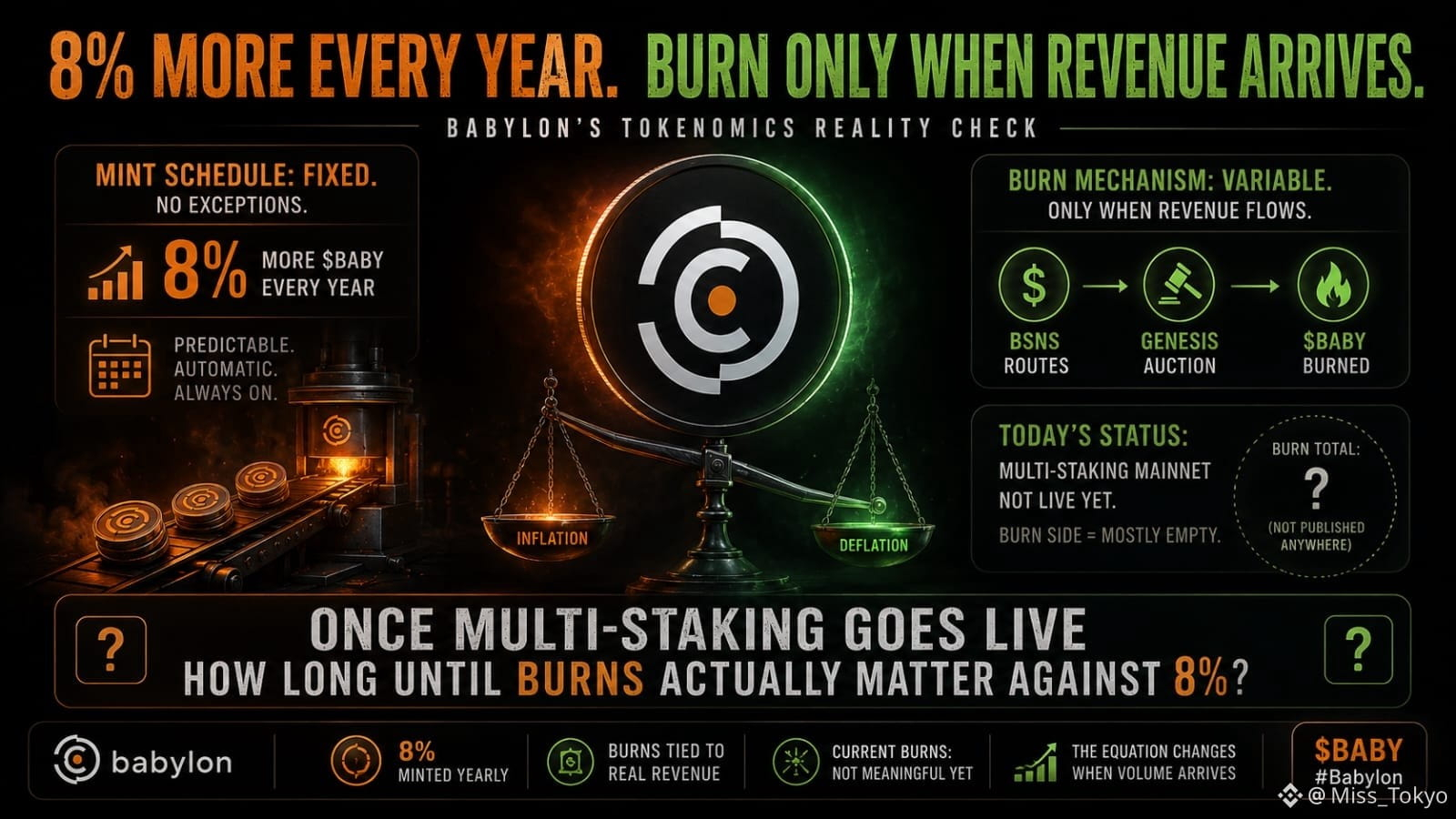
babylon mint kira-kira 8% bayi lebih banyak setiap tahun sesuai jadwal tetap, tanpa pengecualian. mekanisme yang dibangun untuk mengimbangi itu sama sekali tidak mengikuti jadwal; mekanisme itu hanya membakar bayi ketika bsns merutekan imbal hasil staking nyata melalui lelang milik genesis, dan mainnet multi-staking masih belum diluncurkan, jadi sisi buku itu saat ini sebagian besar masih kosong.
lelang yang terikat dengan pendapatan nyata adalah rancangan yang lebih baik daripada target pembakaran acak, setidaknya di atas kertas. tapi sekarang, "terikat dengan pendapatan nyata" hanya menggambarkan sebuah rumus yang belum ada angkanya yang dimasukkan.
aku mencari total pembakaran yang sedang berjalan dan tidak menemukannya dipublikasikan di mana pun, kemungkinan besar bukan karena ada yang menyembunyikannya, tapi karena memang belum banyak.
begitu multi-staking berlayar dan bsns mulai merutekan volume nyata, butuh berapa lama hingga sisi pembakaran itu mengejar cukup untuk benar-benar berdampak melawan kenaikan 8%? $BABY #baby 🔥
@BabylonLabs_io
babylon mint kira-kira 8% bayi lebih banyak setiap tahun sesuai jadwal tetap, tanpa pengecualian. mekanisme yang dibangun untuk mengimbangi itu sama sekali tidak mengikuti jadwal; mekanisme itu hanya membakar bayi ketika bsns merutekan imbal hasil staking nyata melalui lelang milik genesis, dan mainnet multi-staking masih belum diluncurkan, jadi sisi buku itu saat ini sebagian besar masih kosong.
lelang yang terikat dengan pendapatan nyata adalah rancangan yang lebih baik daripada target pembakaran acak, setidaknya di atas kertas. tapi sekarang, "terikat dengan pendapatan nyata" hanya menggambarkan sebuah rumus yang belum ada angkanya yang dimasukkan.
aku mencari total pembakaran yang sedang berjalan dan tidak menemukannya dipublikasikan di mana pun, kemungkinan besar bukan karena ada yang menyembunyikannya, tapi karena memang belum banyak.
begitu multi-staking berlayar dan bsns mulai merutekan volume nyata, butuh berapa lama hingga sisi pembakaran itu mengejar cukup untuk benar-benar berdampak melawan kenaikan 8%? $BABY #baby 🔥
babylon mint kira-kira 8% bayi lebih banyak setiap tahun sesuai jadwal tetap, tanpa pengecualian. mekanisme yang dibangun untuk mengimbangi itu sama sekali tidak mengikuti jadwal; mekanisme itu hanya membakar bayi ketika bsns merutekan imbal hasil staking nyata melalui lelang milik genesis, dan mainnet multi-staking masih belum diluncurkan, jadi sisi buku itu saat ini sebagian besar masih kosong.
lelang yang terikat dengan pendapatan nyata adalah rancangan yang lebih baik daripada target pembakaran acak, setidaknya di atas kertas. tapi sekarang, "terikat dengan pendapatan nyata" hanya menggambarkan sebuah rumus yang belum ada angkanya yang dimasukkan.
aku mencari total pembakaran yang sedang berjalan dan tidak menemukannya dipublikasikan di mana pun, kemungkinan besar bukan karena ada yang menyembunyikannya, tapi karena memang belum banyak.
begitu multi-staking berlayar dan bsns mulai merutekan volume nyata, butuh berapa lama hingga sisi pembakaran itu mengejar cukup untuk benar-benar berdampak melawan kenaikan 8%? $BABY #baby 🔥
6
2
181
Masuk untuk menjelajahi konten lainnya
Bergabunglah dengan pengguna kripto global di Binance Square
⚡️ Dapatkan informasi terbaru dan berguna tentang kripto.
💬 Dipercayai oleh bursa kripto terbesar di dunia.
👍 Temukan wawasan nyata dari kreator terverifikasi.
Email/Nomor Ponsel
Topik Sedang Tren
BinancePick
2.6M penayangan
140,373 Berdiskusi
Gabung #EarningsSeason: Prediksi Pendapatan di Binance Pick, Bagikan Pendapat Anda di Binance Square!
Binance Square Official
·Disukai 400 Kali
·338k penayangan
EarningsSeason
5M penayangan
24,233 Berdiskusi
FranklinTempletonFilesForTwoDividendToBitcoinETFs
24 penayangan
31 Berdiskusi