
Bit_boy
4.3k Posting

Bit_boy
Laporkan
Blokir Pengguna
|Exploring innovative financial solutions daily| #Cryptocurrency $Bitcoin
93 Mengikuti
24.3K+ Pengikut
16.0K+ Disukai
Posting
Semua
Kuotasi
Video
Live
PINNED
·
--
Artikel
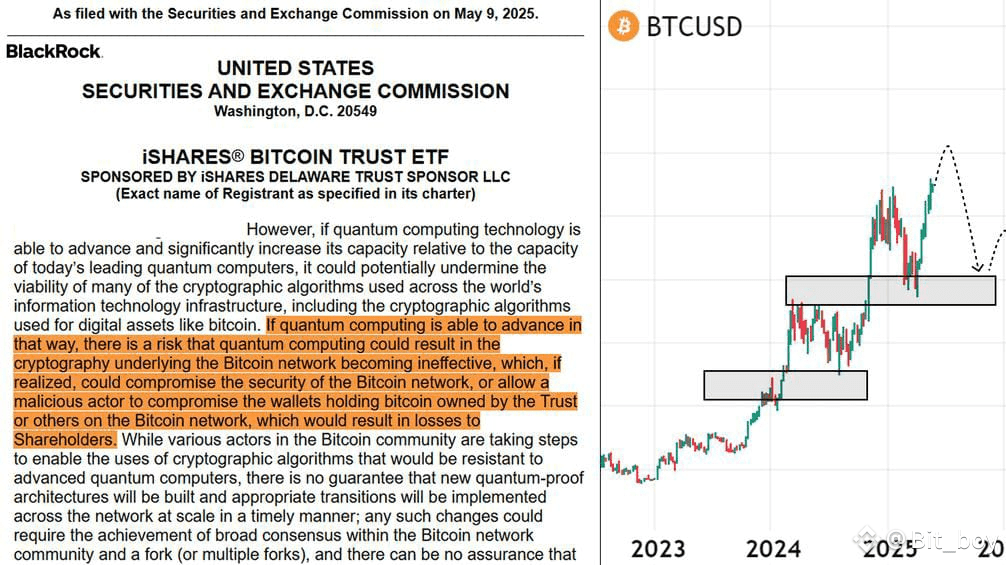
🚨BlackRock: BTC akan dikompromikan dan dijual hingga $40k!Pengembangan komputasi kuantum mungkin akan membunuh jaringan Bitcoin
Saya telah meneliti semua data dan mempelajari segalanya tentang itu.
/➮ Baru-baru ini, BlackRock memperingatkan kami tentang risiko potensial pada jaringan Bitcoin
🕷 Semua karena kemajuan pesat di bidang komputasi kuantum.
🕷 Saya akan menambahkan laporan mereka di akhir - tapi untuk sekarang, mari kita uraikan apa arti ini sebenarnya.
/➮ Keamanan Bitcoin bergantung pada algoritma kriptografi, terutama ECDSA
🕷 Ini melindungi kunci pribadi dan memastikan integritas transaksi
🚨BlackRock: BTC akan dikompromikan dan dijual hingga $40k!
Pengembangan komputasi kuantum mungkin akan membunuh jaringan Bitcoin
Saya telah meneliti semua data dan mempelajari segalanya tentang itu.
/➮ Baru-baru ini, BlackRock memperingatkan kami tentang risiko potensial pada jaringan Bitcoin
🕷 Semua karena kemajuan pesat di bidang komputasi kuantum.
🕷 Saya akan menambahkan laporan mereka di akhir - tapi untuk sekarang, mari kita uraikan apa arti ini sebenarnya.
/➮ Keamanan Bitcoin bergantung pada algoritma kriptografi, terutama ECDSA
🕷 Ini melindungi kunci pribadi dan memastikan integritas transaksi
Saya telah meneliti semua data dan mempelajari segalanya tentang itu.
/➮ Baru-baru ini, BlackRock memperingatkan kami tentang risiko potensial pada jaringan Bitcoin
🕷 Semua karena kemajuan pesat di bidang komputasi kuantum.
🕷 Saya akan menambahkan laporan mereka di akhir - tapi untuk sekarang, mari kita uraikan apa arti ini sebenarnya.
/➮ Keamanan Bitcoin bergantung pada algoritma kriptografi, terutama ECDSA
🕷 Ini melindungi kunci pribadi dan memastikan integritas transaksi
72
46
82
186.9k
PINNED
·
--

Artikel
Menguasai Pola Candlestick: Kunci untuk Mendapatkan $1000 per Bulan dalam Trading_Pola candlestick merupakan alat yang ampuh dalam analisis teknis, yang menawarkan wawasan tentang sentimen pasar dan potensi pergerakan harga. Dengan mengenali dan menafsirkan pola-pola ini, para pedagang dapat membuat keputusan yang tepat dan meningkatkan peluang keberhasilan mereka. Dalam artikel ini, kami akan membahas 20 pola candlestick penting, yang menyediakan panduan komprehensif untuk membantu Anda meningkatkan strategi perdagangan dan berpotensi memperoleh $1000 per bulan.
Memahami Pola Candlestick
Sebelum menyelami polanya, penting untuk memahami dasar-dasar grafik candlestick. Setiap candlestick mewakili jangka waktu tertentu, yang menampilkan harga pembukaan, harga tertinggi, harga terendah, dan harga penutupan. Badan candlestick menunjukkan pergerakan harga, sedangkan sumbu menunjukkan harga tertinggi dan harga terendah.
Menguasai Pola Candlestick: Kunci untuk Mendapatkan $1000 per Bulan dalam Trading_
Pola candlestick merupakan alat yang ampuh dalam analisis teknis, yang menawarkan wawasan tentang sentimen pasar dan potensi pergerakan harga. Dengan mengenali dan menafsirkan pola-pola ini, para pedagang dapat membuat keputusan yang tepat dan meningkatkan peluang keberhasilan mereka. Dalam artikel ini, kami akan membahas 20 pola candlestick penting, yang menyediakan panduan komprehensif untuk membantu Anda meningkatkan strategi perdagangan dan berpotensi memperoleh $1000 per bulan.
Memahami Pola Candlestick
Sebelum menyelami polanya, penting untuk memahami dasar-dasar grafik candlestick. Setiap candlestick mewakili jangka waktu tertentu, yang menampilkan harga pembukaan, harga tertinggi, harga terendah, dan harga penutupan. Badan candlestick menunjukkan pergerakan harga, sedangkan sumbu menunjukkan harga tertinggi dan harga terendah.
Memahami Pola Candlestick
Sebelum menyelami polanya, penting untuk memahami dasar-dasar grafik candlestick. Setiap candlestick mewakili jangka waktu tertentu, yang menampilkan harga pembukaan, harga tertinggi, harga terendah, dan harga penutupan. Badan candlestick menunjukkan pergerakan harga, sedangkan sumbu menunjukkan harga tertinggi dan harga terendah.
10
10
236
153.7k
·
--
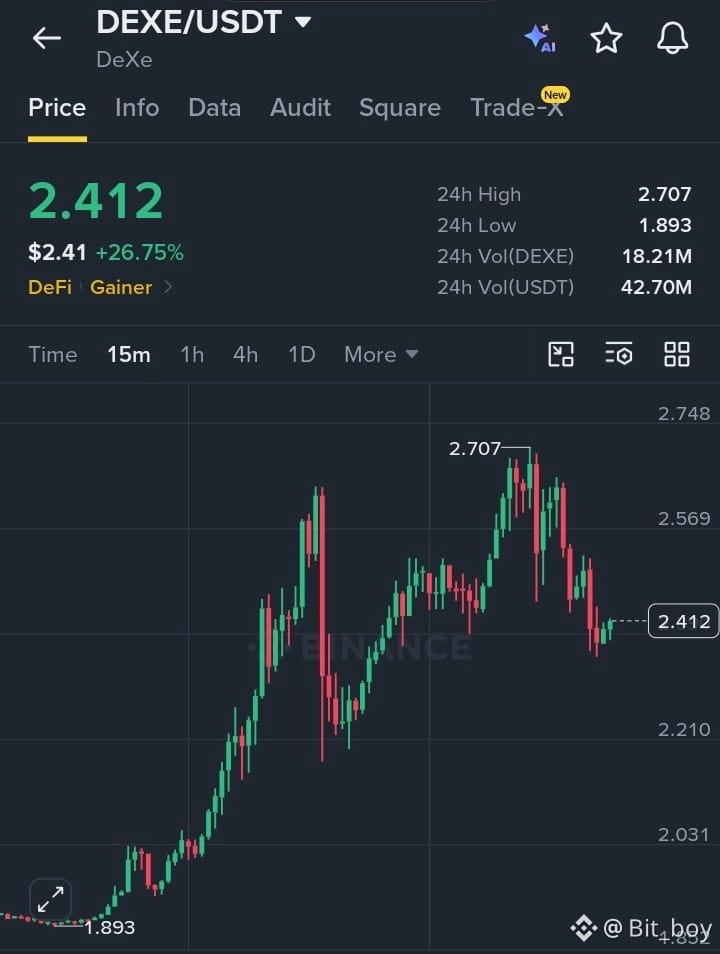
🚀 $DEXE / Setup Perdagangan USDT
Pergerakan DeFi yang kuat, naik +26,75% setelah mencapai puncak di $2,707! Mengkonsolidasikan dengan rapi di atas support untuk potensi langkah naik berikutnya.
Entry: $2,32 – $2,41
Target: $2,56 | $2,70 | $2,92
Stop Loss: $2,18
⚡ Selalu terapkan manajemen risiko yang ketat pada setup dengan volatilitas tinggi.
$DEXE
{future}(DEXEUSDT)
🚀 $DEXE / Setup Perdagangan USDT
Pergerakan DeFi yang kuat, naik +26,75% setelah mencapai puncak di $2,707! Mengkonsolidasikan dengan rapi di atas support untuk potensi langkah naik berikutnya.
Entry: $2,32 – $2,41
Target: $2,56 | $2,70 | $2,92
Stop Loss: $2,18
⚡ Selalu terapkan manajemen risiko yang ketat pada setup dengan volatilitas tinggi.
$DEXE
Pergerakan DeFi yang kuat, naik +26,75% setelah mencapai puncak di $2,707! Mengkonsolidasikan dengan rapi di atas support untuk potensi langkah naik berikutnya.
Entry: $2,32 – $2,41
Target: $2,56 | $2,70 | $2,92
Stop Loss: $2,18
⚡ Selalu terapkan manajemen risiko yang ketat pada setup dengan volatilitas tinggi.
$DEXE
321
·
--
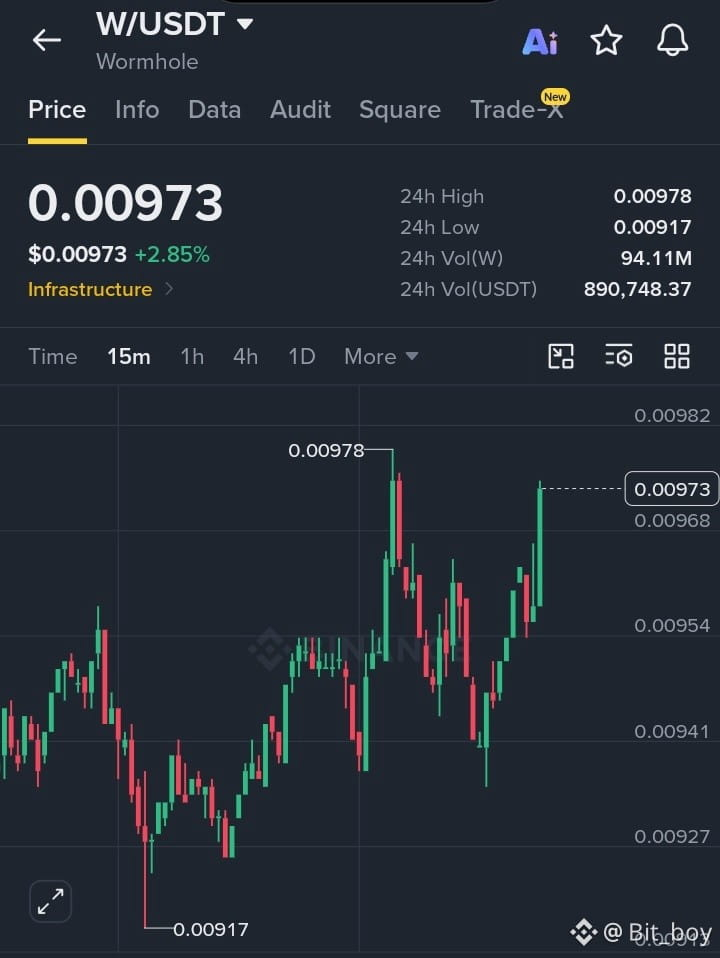
🚀 $W / USDT Trade Setup
Harga naik +2,85% dan sedang menguji ulang puncak lokal terbaru di dekat $0,00978! Momentum sedang meningkat untuk potensi uji breakout.
Entry: $0,00945 – $0,00973
Target: $0,00985 | $0,01020 | $0,01070
Stop Loss: $0,00915
⚡ Selalu terapkan manajemen risiko yang ketat pada setup teknikal.
$W
{future}(WUSDT)
🚀 $W / USDT Trade Setup
Harga naik +2,85% dan sedang menguji ulang puncak lokal terbaru di dekat $0,00978! Momentum sedang meningkat untuk potensi uji breakout.
Entry: $0,00945 – $0,00973
Target: $0,00985 | $0,01020 | $0,01070
Stop Loss: $0,00915
⚡ Selalu terapkan manajemen risiko yang ketat pada setup teknikal.
$W
Harga naik +2,85% dan sedang menguji ulang puncak lokal terbaru di dekat $0,00978! Momentum sedang meningkat untuk potensi uji breakout.
Entry: $0,00945 – $0,00973
Target: $0,00985 | $0,01020 | $0,01070
Stop Loss: $0,00915
⚡ Selalu terapkan manajemen risiko yang ketat pada setup teknikal.
$W
1
206
·
--
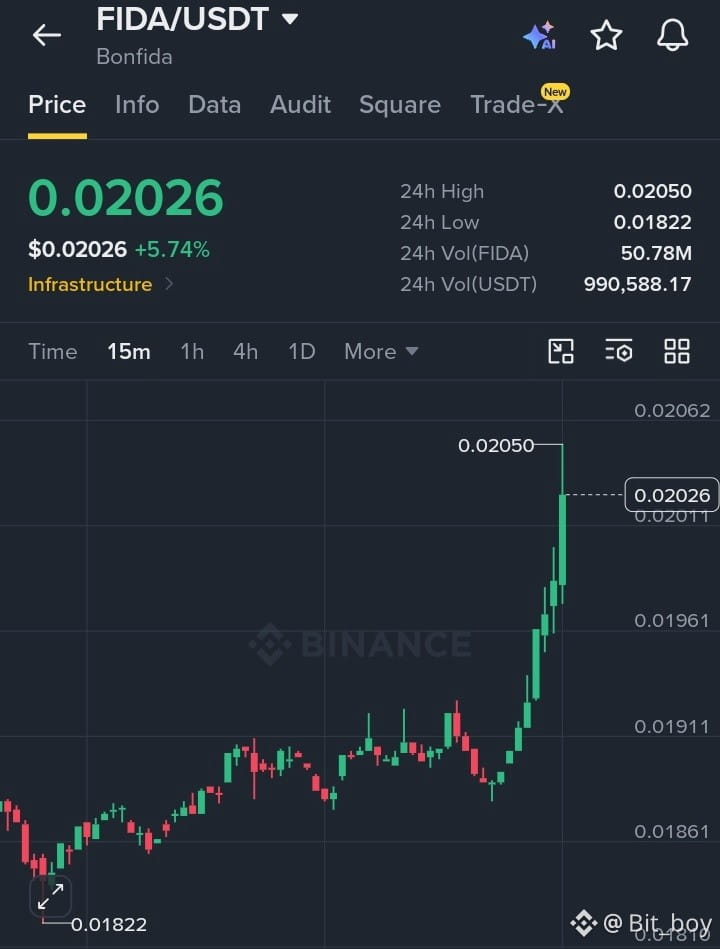
🚀 $FIDA / Pengaturan Trading USDT
Momentum tajam mulai lepas landas, naik +5,74% dan menyentuh $0,02050. Mengincar kelanjutan setelah dorongan vertikal yang kuat ini.
Entri: $0,0195 – $0,0202
Target: $0,0208 | $0,0215 | $0,0225
Stop Loss: $0,0191
⚡ Selalu kelola risiko secara ketat pada pergerakan tembus (breakout) yang tajam.
$FIDA
{future}(FIDAUSDT)
🚀 $FIDA / Pengaturan Trading USDT
Momentum tajam mulai lepas landas, naik +5,74% dan menyentuh $0,02050. Mengincar kelanjutan setelah dorongan vertikal yang kuat ini.
Entri: $0,0195 – $0,0202
Target: $0,0208 | $0,0215 | $0,0225
Stop Loss: $0,0191
⚡ Selalu kelola risiko secara ketat pada pergerakan tembus (breakout) yang tajam.
$FIDA
Momentum tajam mulai lepas landas, naik +5,74% dan menyentuh $0,02050. Mengincar kelanjutan setelah dorongan vertikal yang kuat ini.
Entri: $0,0195 – $0,0202
Target: $0,0208 | $0,0215 | $0,0225
Stop Loss: $0,0191
⚡ Selalu kelola risiko secara ketat pada pergerakan tembus (breakout) yang tajam.
$FIDA
214
·
--
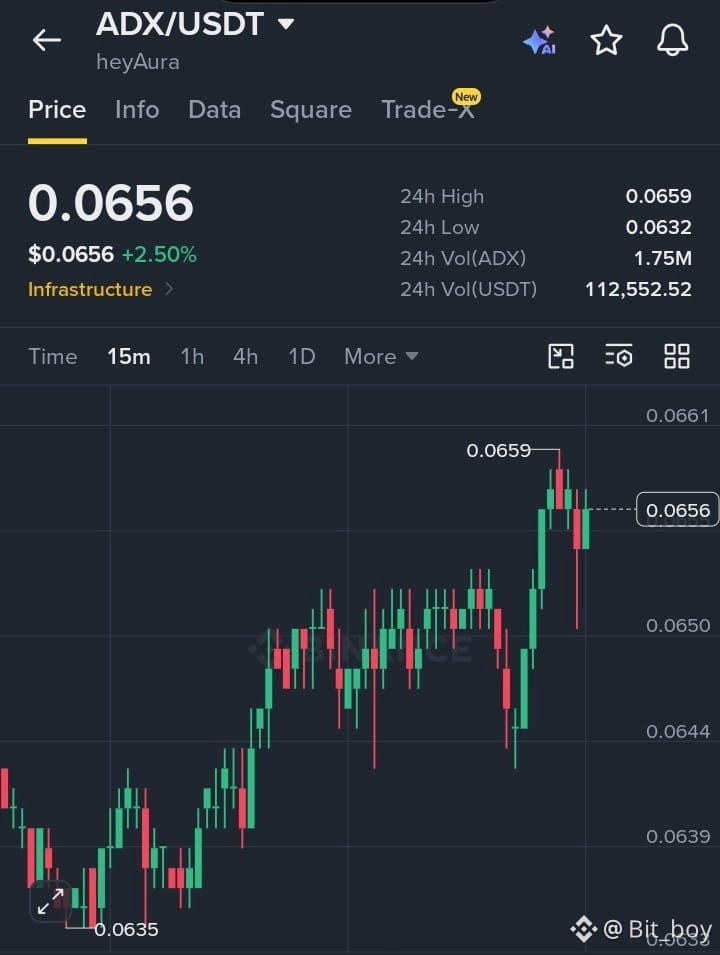
🚀 $ADX / USDT Trade Setup
Dorongan bullish bertahap, naik +2,50% setelah mencapai puncak sebesar $0,0659. Menjaga higher lows—mengincar breakout melewati resistance langsung.
Entry: $0,0645 – $0,0656
Targets: $0,0668 | $0,0685 | $0,0710
Stop Loss: $0,0632
⚡ Selalu terapkan manajemen risiko yang ketat pada setup teknikal.
$ADX
{spot}(ADXUSDT)
🚀 $ADX / USDT Trade Setup
Dorongan bullish bertahap, naik +2,50% setelah mencapai puncak sebesar $0,0659. Menjaga higher lows—mengincar breakout melewati resistance langsung.
Entry: $0,0645 – $0,0656
Targets: $0,0668 | $0,0685 | $0,0710
Stop Loss: $0,0632
⚡ Selalu terapkan manajemen risiko yang ketat pada setup teknikal.
$ADX
Dorongan bullish bertahap, naik +2,50% setelah mencapai puncak sebesar $0,0659. Menjaga higher lows—mengincar breakout melewati resistance langsung.
Entry: $0,0645 – $0,0656
Targets: $0,0668 | $0,0685 | $0,0710
Stop Loss: $0,0632
⚡ Selalu terapkan manajemen risiko yang ketat pada setup teknikal.
$ADX
210
·
--
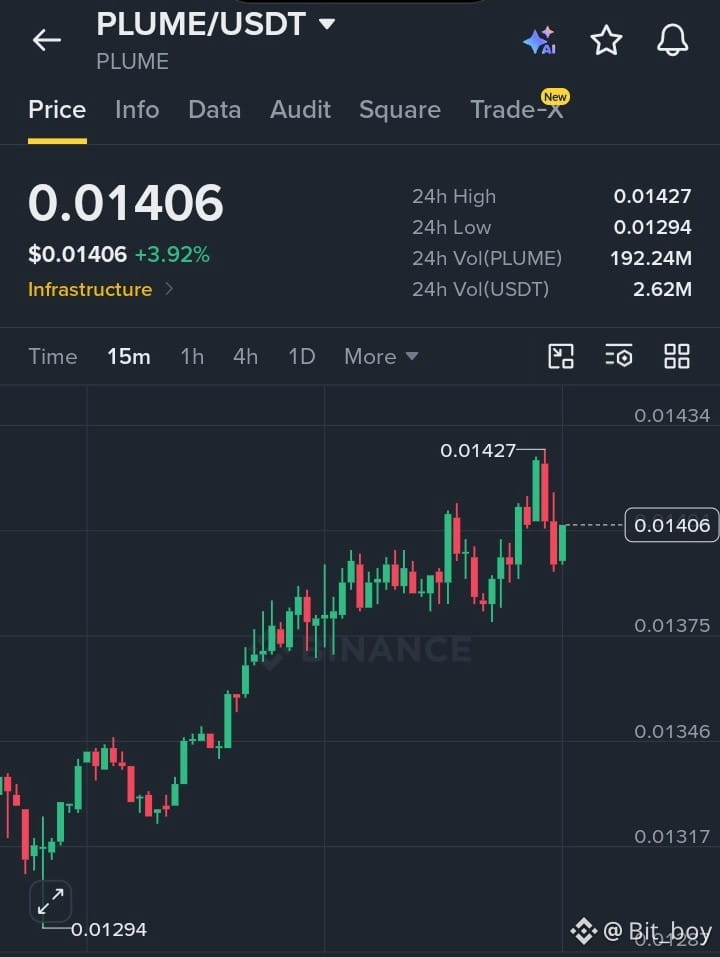
🚀 $PLUME / Setup Perdagangan USDT
Tren naik yang stabil sedang terbentuk, naik +3,92% setelah mencapai puncak $0,01427. Koreksi sudah selesai—sedang mencari langkah naik berikutnya.
Entry: $0,0138 – $0,0141
Target: $0,0143 | $0,0148 | $0,0154
Stop Loss: $0,0134
⚡ Selalu kelola risiko Anda secara ketat pada permainan berbasis volatilitas.
$PLUME
{future}(PLUMEUSDT)
🚀 $PLUME / Setup Perdagangan USDT
Tren naik yang stabil sedang terbentuk, naik +3,92% setelah mencapai puncak $0,01427. Koreksi sudah selesai—sedang mencari langkah naik berikutnya.
Entry: $0,0138 – $0,0141
Target: $0,0143 | $0,0148 | $0,0154
Stop Loss: $0,0134
⚡ Selalu kelola risiko Anda secara ketat pada permainan berbasis volatilitas.
$PLUME
Tren naik yang stabil sedang terbentuk, naik +3,92% setelah mencapai puncak $0,01427. Koreksi sudah selesai—sedang mencari langkah naik berikutnya.
Entry: $0,0138 – $0,0141
Target: $0,0143 | $0,0148 | $0,0154
Stop Loss: $0,0134
⚡ Selalu kelola risiko Anda secara ketat pada permainan berbasis volatilitas.
$PLUME
154
·
--
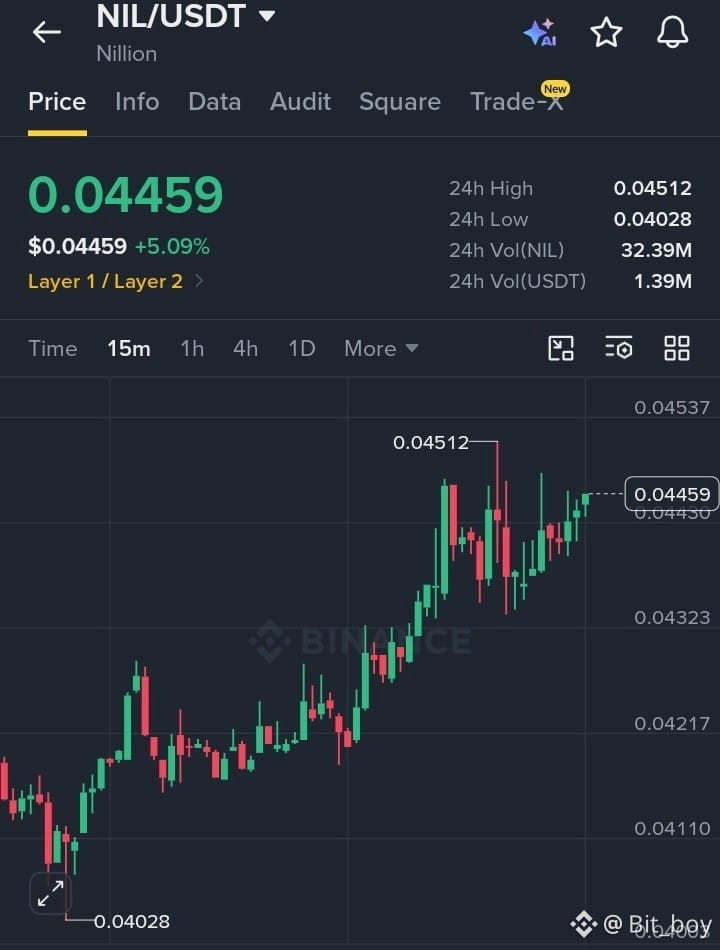
🚀 $NIL / Setup Perdagangan USDT
Struktur bullish yang solid sedang terbentuk, naik +5,09% dan sedang menguji ulang puncak lokal di sekitar $0,04512. Mencari kelanjutan breakout atau entry saat koreksi (dip).
Entry: $0,0435 – $0,0446
Target: $0,0451 | $0,0468 | $0,0485
Stop Loss: $0,0421
⚡ Selalu terapkan manajemen risiko yang ketat pada setup dengan volatilitas tinggi.
$NIL
{future}(NILUSDT)
🚀 $NIL / Setup Perdagangan USDT
Struktur bullish yang solid sedang terbentuk, naik +5,09% dan sedang menguji ulang puncak lokal di sekitar $0,04512. Mencari kelanjutan breakout atau entry saat koreksi (dip).
Entry: $0,0435 – $0,0446
Target: $0,0451 | $0,0468 | $0,0485
Stop Loss: $0,0421
⚡ Selalu terapkan manajemen risiko yang ketat pada setup dengan volatilitas tinggi.
$NIL
Struktur bullish yang solid sedang terbentuk, naik +5,09% dan sedang menguji ulang puncak lokal di sekitar $0,04512. Mencari kelanjutan breakout atau entry saat koreksi (dip).
Entry: $0,0435 – $0,0446
Target: $0,0451 | $0,0468 | $0,0485
Stop Loss: $0,0421
⚡ Selalu terapkan manajemen risiko yang ketat pada setup dengan volatilitas tinggi.
$NIL
95
·
--
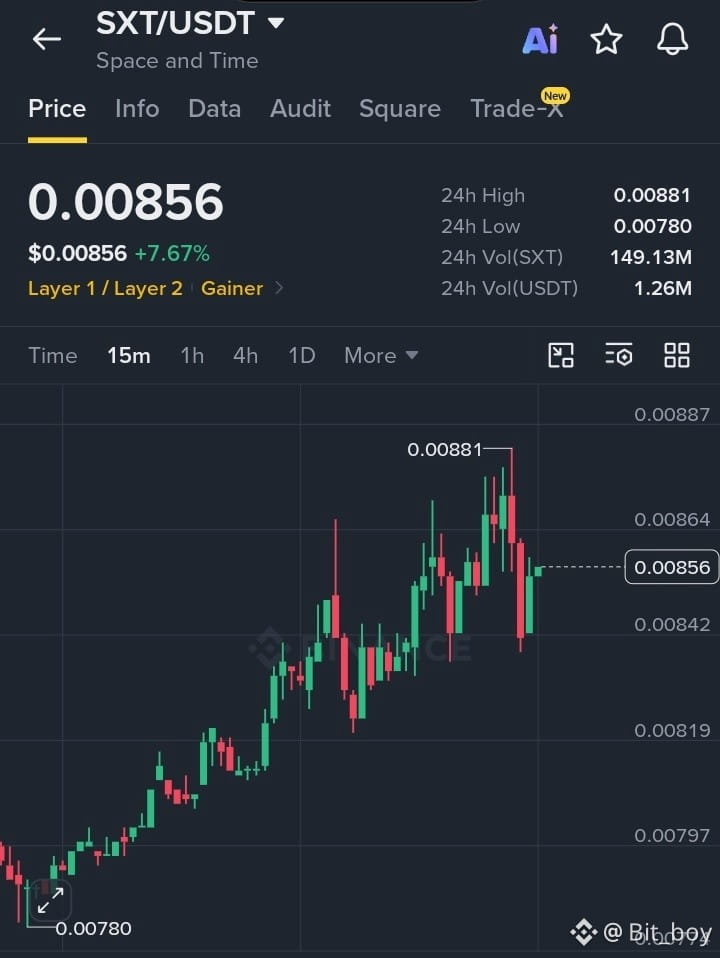
🚀 $SXT / Setup Trading USDT
Momentum naik yang stabil, naik +7,67% setelah menguji resistance di $0,00881. Mencari retest atau kelanjutan breakout.
Entry: $0,00835 – $0,00856
Target: $0,00880 | $0,00910 | $0,00950
Stop Loss: $0,00810
⚡ Selalu terapkan manajemen risiko yang ketat pada pergerakan volatil tinggi.
$SXT
{future}(SXTUSDT)
🚀 $SXT / Setup Trading USDT
Momentum naik yang stabil, naik +7,67% setelah menguji resistance di $0,00881. Mencari retest atau kelanjutan breakout.
Entry: $0,00835 – $0,00856
Target: $0,00880 | $0,00910 | $0,00950
Stop Loss: $0,00810
⚡ Selalu terapkan manajemen risiko yang ketat pada pergerakan volatil tinggi.
$SXT
Momentum naik yang stabil, naik +7,67% setelah menguji resistance di $0,00881. Mencari retest atau kelanjutan breakout.
Entry: $0,00835 – $0,00856
Target: $0,00880 | $0,00910 | $0,00950
Stop Loss: $0,00810
⚡ Selalu terapkan manajemen risiko yang ketat pada pergerakan volatil tinggi.
$SXT
1
189
·
--
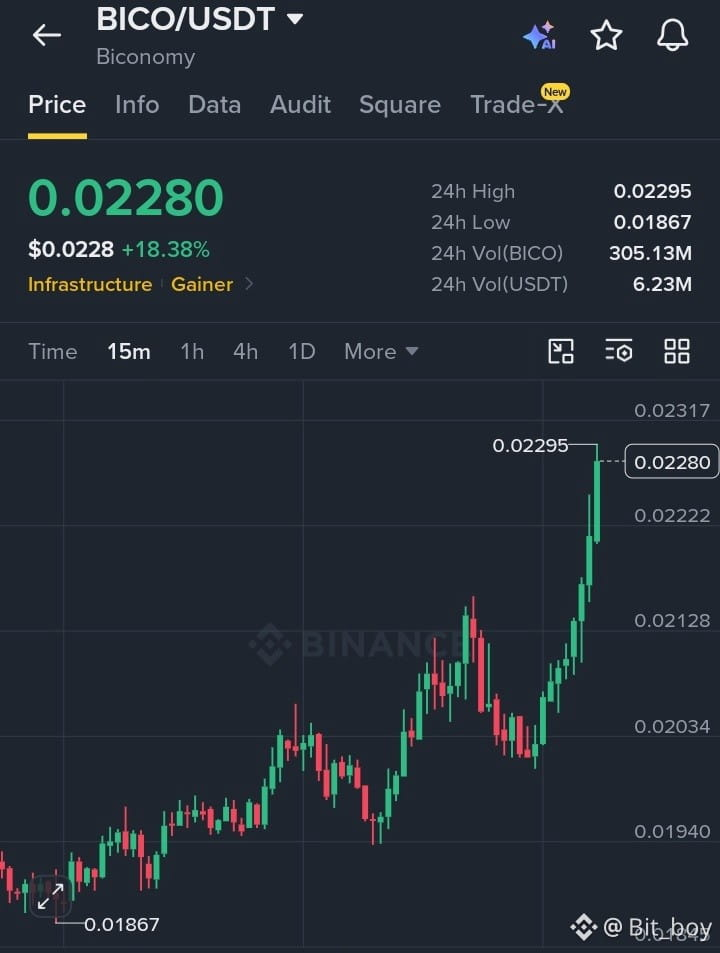
🚀 $BICO / Pengaturan Perdagangan USDT
Ekspansi bullish yang kuat sedang berlangsung, naik +18,38% dan mendekati titik tertinggi 24 jam! Mencari kelanjutan atau peluang entry untuk koreksi cepat.
Entry: $0,0218 – $0,0228
Target: $0,0235 | $0,0248 | $0,0260
Stop Loss: $0,0203
⚡ Selalu kelola risiko secara ketat pada breakout dengan momentum tinggi.
$BICO
{future}(BICOUSDT)
🚀 $BICO / Pengaturan Perdagangan USDT
Ekspansi bullish yang kuat sedang berlangsung, naik +18,38% dan mendekati titik tertinggi 24 jam! Mencari kelanjutan atau peluang entry untuk koreksi cepat.
Entry: $0,0218 – $0,0228
Target: $0,0235 | $0,0248 | $0,0260
Stop Loss: $0,0203
⚡ Selalu kelola risiko secara ketat pada breakout dengan momentum tinggi.
$BICO
Ekspansi bullish yang kuat sedang berlangsung, naik +18,38% dan mendekati titik tertinggi 24 jam! Mencari kelanjutan atau peluang entry untuk koreksi cepat.
Entry: $0,0218 – $0,0228
Target: $0,0235 | $0,0248 | $0,0260
Stop Loss: $0,0203
⚡ Selalu kelola risiko secara ketat pada breakout dengan momentum tinggi.
$BICO
153
·
--
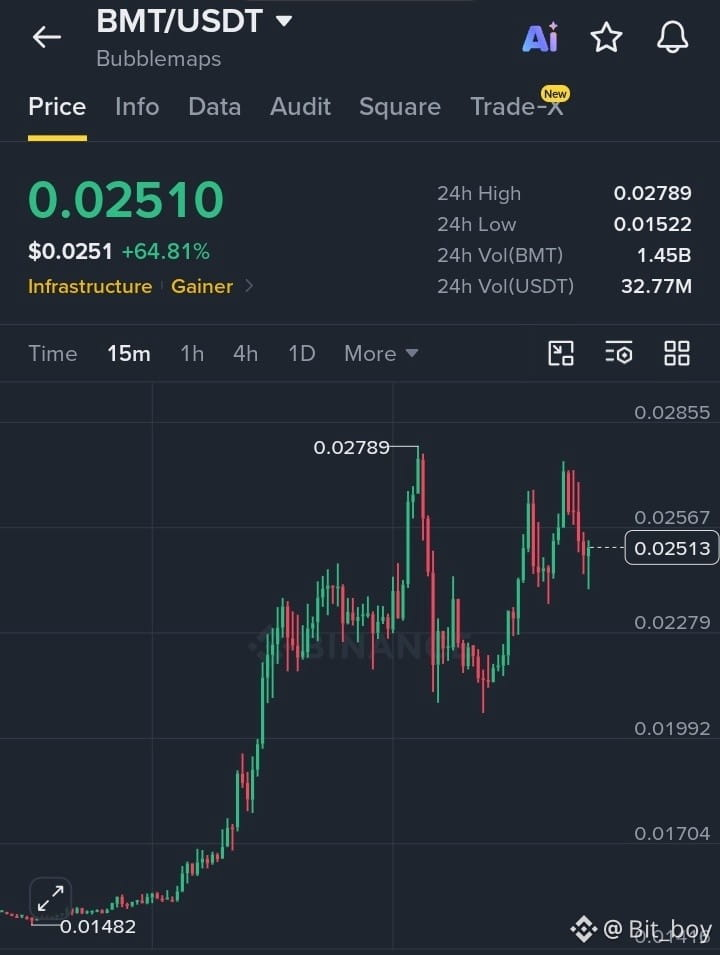
🚀 $BMT / Siap Trading USDT
Harga terkonsolidasi di sekitar $0.0251 setelah lonjakan besar +64%. Setup terlihat siap untuk potensi kenaikan!
Entri: $0.0242 – $0.0251
Target: $0.0268 | $0.0278 | $0.0295
Stop Loss: $0.0224
⚡ Kelola risiko Anda dengan hati-hati dalam pergerakan volatilitas tinggi.
$BMT
{future}(BMTUSDT)
🚀 $BMT / Siap Trading USDT
Harga terkonsolidasi di sekitar $0.0251 setelah lonjakan besar +64%. Setup terlihat siap untuk potensi kenaikan!
Entri: $0.0242 – $0.0251
Target: $0.0268 | $0.0278 | $0.0295
Stop Loss: $0.0224
⚡ Kelola risiko Anda dengan hati-hati dalam pergerakan volatilitas tinggi.
$BMT
Harga terkonsolidasi di sekitar $0.0251 setelah lonjakan besar +64%. Setup terlihat siap untuk potensi kenaikan!
Entri: $0.0242 – $0.0251
Target: $0.0268 | $0.0278 | $0.0295
Stop Loss: $0.0224
⚡ Kelola risiko Anda dengan hati-hati dalam pergerakan volatilitas tinggi.
$BMT
123
·
--
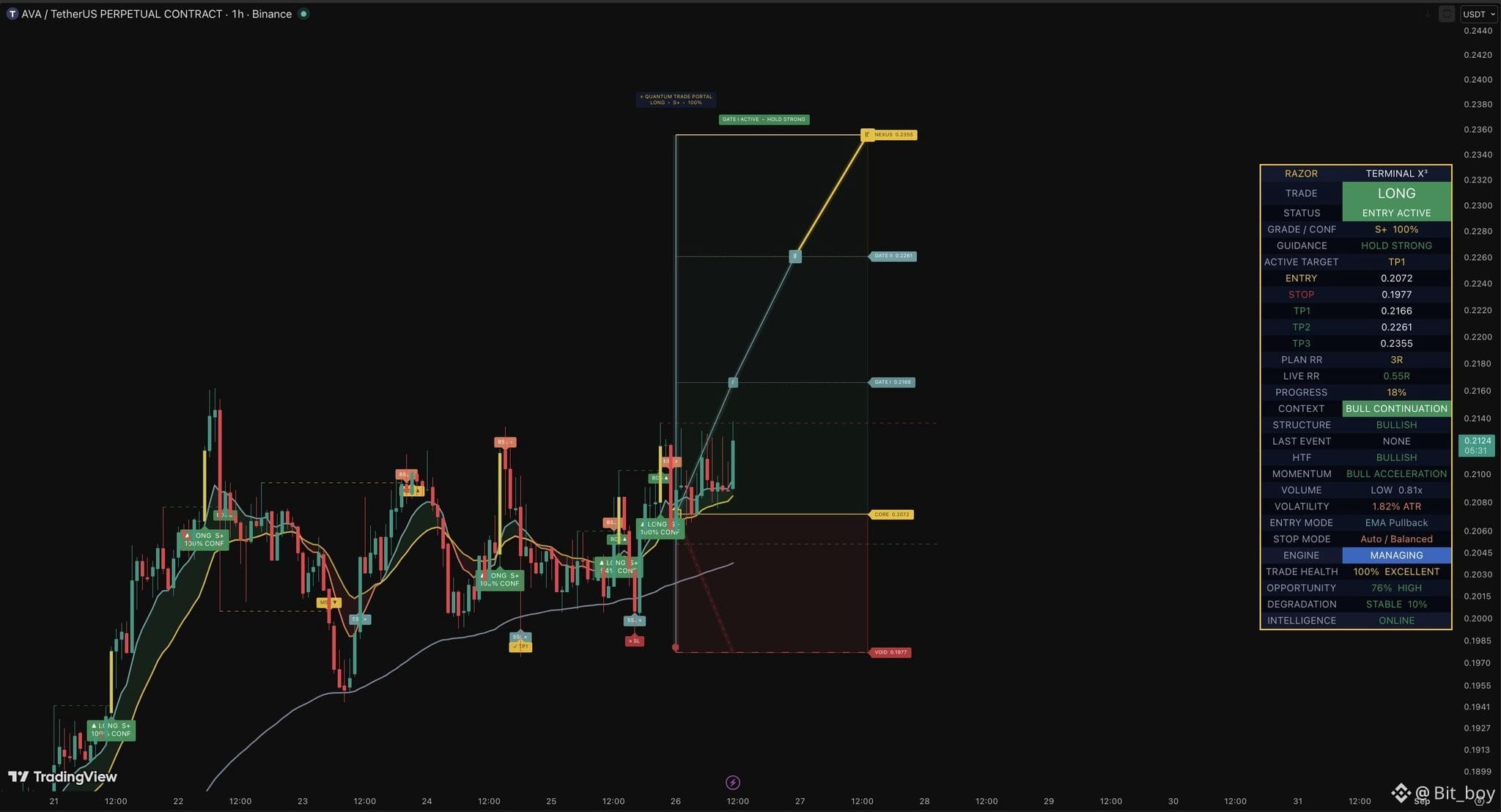
$AVA sedang menunjukkan struktur bullish yang kuat pada chart 1H.
Entry di sekitar $0.2072, dengan $0.2166, $0.2261 dan $0.2355 sebagai target kenaikan utama.
Momentum sedang membangun, perhatikan dengan seksama breakout-nya.
$AVA
{future}(AVAUSDT)
$AVA sedang menunjukkan struktur bullish yang kuat pada chart 1H.
Entry di sekitar $0.2072, dengan $0.2166, $0.2261 dan $0.2355 sebagai target kenaikan utama.
Momentum sedang membangun, perhatikan dengan seksama breakout-nya.
$AVA
Entry di sekitar $0.2072, dengan $0.2166, $0.2261 dan $0.2355 sebagai target kenaikan utama.
Momentum sedang membangun, perhatikan dengan seksama breakout-nya.
$AVA
167
·
--
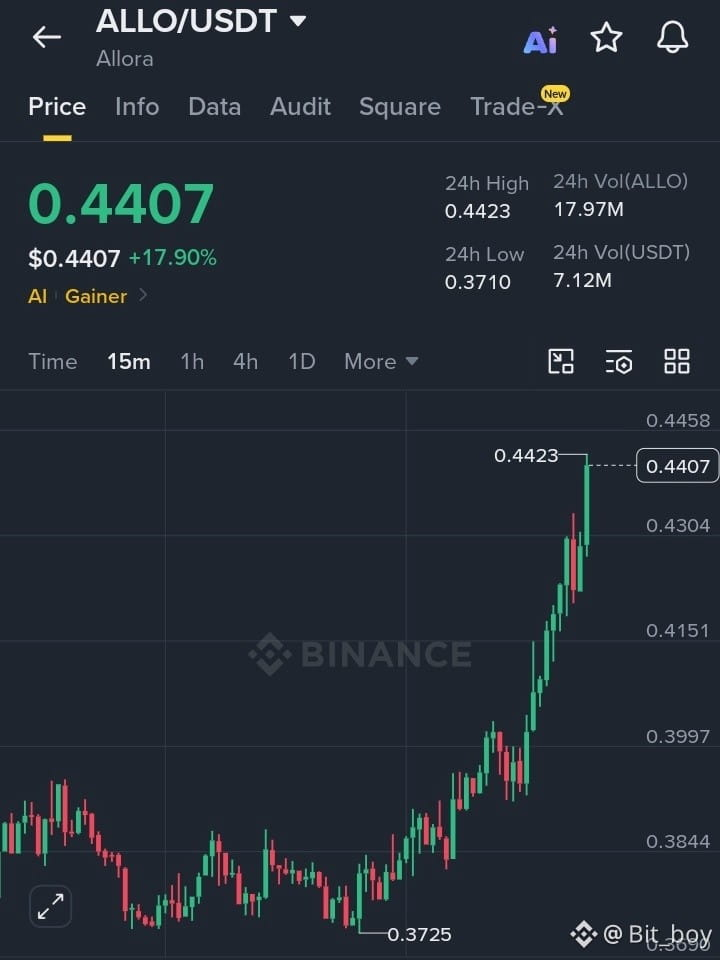
$ALLO sedang menunjukkan kelanjutan kuat dari tren naiknya, dengan pembeli mendorong harga ke level tertinggi lokal yang baru.
Momentum masih sepenuhnya berpihak pada para bullish, tetapi kemampuan untuk bertahan di atas zona breakout akan menjadi sinyal kunci yang perlu diperhatikan berikutnya.
$ALLO
{future}(ALLOUSDT)
$ALLO sedang menunjukkan kelanjutan kuat dari tren naiknya, dengan pembeli mendorong harga ke level tertinggi lokal yang baru.
Momentum masih sepenuhnya berpihak pada para bullish, tetapi kemampuan untuk bertahan di atas zona breakout akan menjadi sinyal kunci yang perlu diperhatikan berikutnya.
$ALLO
Momentum masih sepenuhnya berpihak pada para bullish, tetapi kemampuan untuk bertahan di atas zona breakout akan menjadi sinyal kunci yang perlu diperhatikan berikutnya.
$ALLO
428
·
--
Kami sering menganggap transparansi blockchain berarti rasa percaya. Namun kebanyakan penjelajah hanya menampilkan apa yang terjadi, bukan mengapa itu terjadi.
Sebuah transaksi bisa berhasil, gagal, atau dijeda, tetapi keputusan otorisasinya sering kali tetap tersembunyi. Apakah itu diblokir oleh kebijakan kepatuhan, aturan keamanan dompet, batas risiko, atau pemeriksaan identitas? Tanpa konteks tersebut, transparansi menjadi tidak lengkap.
Seiring agen AI dan institusi menangani lebih banyak aktivitas onchain, memahami alasan di balik keputusan menjadi sama pentingnya dengan melihat transaksi itu sendiri.
Itulah yang menarik perhatian saya tentang Newton Mainnet Beta. Alih-alih hanya menampilkan eksekusi transaksi, Newton Explorer juga menampilkan evaluasi kebijakan dan attestasi yang ditandatangani, sehingga lapisan otorisasi menjadi terlihat.
Mungkin generasi berikutnya penjelajah blockchain tidak hanya akan menampilkan lebih banyak data—mereka akan menjelaskan keputusan di baliknya.
@NewtonProtocol #NEWT $NEWT #Newt
{future}(NEWTUSDT)
Kami sering menganggap transparansi blockchain berarti rasa percaya. Namun kebanyakan penjelajah hanya menampilkan apa yang terjadi, bukan mengapa itu terjadi.
Sebuah transaksi bisa berhasil, gagal, atau dijeda, tetapi keputusan otorisasinya sering kali tetap tersembunyi. Apakah itu diblokir oleh kebijakan kepatuhan, aturan keamanan dompet, batas risiko, atau pemeriksaan identitas? Tanpa konteks tersebut, transparansi menjadi tidak lengkap.
Seiring agen AI dan institusi menangani lebih banyak aktivitas onchain, memahami alasan di balik keputusan menjadi sama pentingnya dengan melihat transaksi itu sendiri.
Itulah yang menarik perhatian saya tentang Newton Mainnet Beta. Alih-alih hanya menampilkan eksekusi transaksi, Newton Explorer juga menampilkan evaluasi kebijakan dan attestasi yang ditandatangani, sehingga lapisan otorisasi menjadi terlihat.
Mungkin generasi berikutnya penjelajah blockchain tidak hanya akan menampilkan lebih banyak data—mereka akan menjelaskan keputusan di baliknya.
@NewtonProtocol #NEWT $NEWT #Newt
Sebuah transaksi bisa berhasil, gagal, atau dijeda, tetapi keputusan otorisasinya sering kali tetap tersembunyi. Apakah itu diblokir oleh kebijakan kepatuhan, aturan keamanan dompet, batas risiko, atau pemeriksaan identitas? Tanpa konteks tersebut, transparansi menjadi tidak lengkap.
Seiring agen AI dan institusi menangani lebih banyak aktivitas onchain, memahami alasan di balik keputusan menjadi sama pentingnya dengan melihat transaksi itu sendiri.
Itulah yang menarik perhatian saya tentang Newton Mainnet Beta. Alih-alih hanya menampilkan eksekusi transaksi, Newton Explorer juga menampilkan evaluasi kebijakan dan attestasi yang ditandatangani, sehingga lapisan otorisasi menjadi terlihat.
Mungkin generasi berikutnya penjelajah blockchain tidak hanya akan menampilkan lebih banyak data—mereka akan menjelaskan keputusan di baliknya.
@NewtonProtocol #NEWT $NEWT #Newt
1
204
·
--
Mengapa Agen AI yang Bisa Diverifikasi Masih Membutuhkan Penilaian ManusiaPasar tidak memberi banyak hal untuk kulakukan minggu ini.
Saat semuanya bergerak menyamping tanpa henti, biasanya aku berhenti menatap chart dan mulai membaca tentang proyek apa pun yang terus muncul di timeline-ku. Kali ini, itu adalah @NewtonProtocol.
Aku sudah melihat $NEWT mendapatkan lebih banyak perhatian belakangan ini, tapi belum pernah melihat lebih jauh dari judulnya. "AI agents untuk kripto" sekarang bukan lagi ide yang langka, jadi aku mengira aku sudah tahu ceritanya.
Ternyata aku belum.
Bagian yang menarik bukanlah bahwa Newton mengotomatiskan hal-hal seperti penyeimbangan portofolio, investasi berulang, atau pengelolaan vault. Sudah banyak alat yang mengotomatiskan alur kerja.
Mengapa Agen AI yang Bisa Diverifikasi Masih Membutuhkan Penilaian Manusia
Pasar tidak memberi banyak hal untuk kulakukan minggu ini.
Saat semuanya bergerak menyamping tanpa henti, biasanya aku berhenti menatap chart dan mulai membaca tentang proyek apa pun yang terus muncul di timeline-ku. Kali ini, itu adalah @NewtonProtocol.
Aku sudah melihat $NEWT mendapatkan lebih banyak perhatian belakangan ini, tapi belum pernah melihat lebih jauh dari judulnya. "AI agents untuk kripto" sekarang bukan lagi ide yang langka, jadi aku mengira aku sudah tahu ceritanya.
Ternyata aku belum.
Bagian yang menarik bukanlah bahwa Newton mengotomatiskan hal-hal seperti penyeimbangan portofolio, investasi berulang, atau pengelolaan vault. Sudah banyak alat yang mengotomatiskan alur kerja.
Saat semuanya bergerak menyamping tanpa henti, biasanya aku berhenti menatap chart dan mulai membaca tentang proyek apa pun yang terus muncul di timeline-ku. Kali ini, itu adalah @NewtonProtocol.
Aku sudah melihat $NEWT mendapatkan lebih banyak perhatian belakangan ini, tapi belum pernah melihat lebih jauh dari judulnya. "AI agents untuk kripto" sekarang bukan lagi ide yang langka, jadi aku mengira aku sudah tahu ceritanya.
Ternyata aku belum.
Bagian yang menarik bukanlah bahwa Newton mengotomatiskan hal-hal seperti penyeimbangan portofolio, investasi berulang, atau pengelolaan vault. Sudah banyak alat yang mengotomatiskan alur kerja.
241
·
--
Artikel
Infrastruktur di Balik Otomatisasi AI yang TepercayaKebanyakan pembahasan tentang AI di kripto berfokus pada membuat agen lebih mampu.
Saya mulai berpikir bahwa pertanyaan yang lebih besar adalah apakah mereka benar-benar bertanggung jawab.
Itu membawa saya ke @NewtonProtocol.
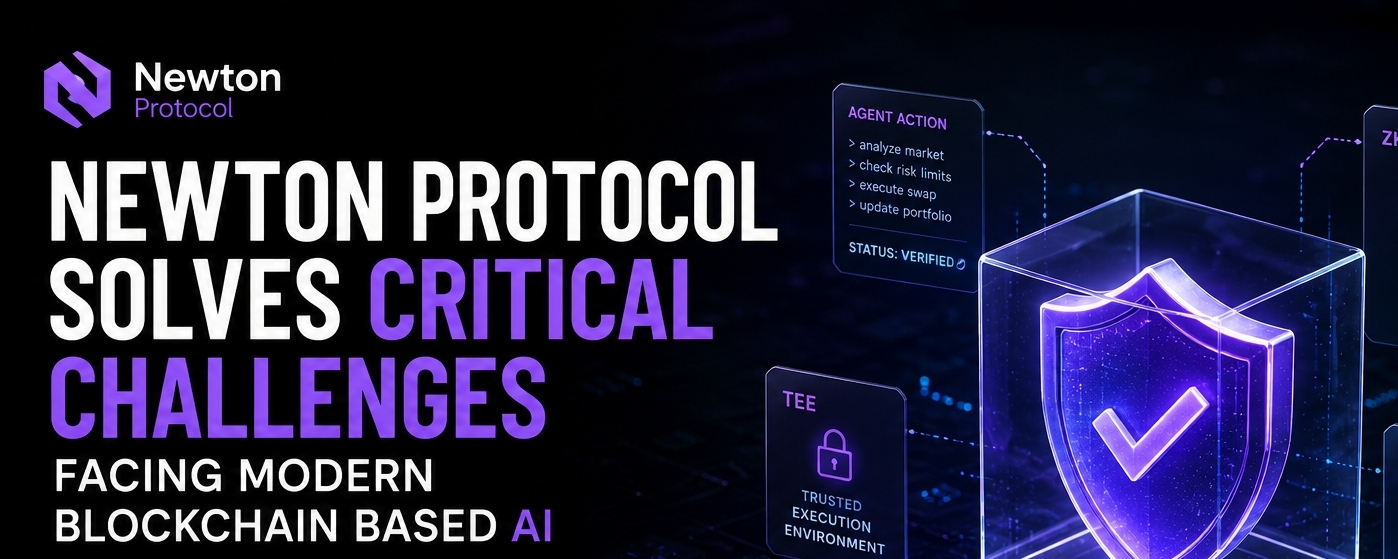
Awalnya, saya mengira itu hanya proyek AI lain dengan branding blockchain. Tapi setelah membaca lebih banyak, desainnya terasa jauh lebih praktis. Newton berusaha memecahkan sesuatu yang sederhana namun penting: jika sebuah agen AI diberi izin untuk bertindak atas nama Anda, bagaimana Anda membuktikan bahwa agen itu mengikuti instruksi Anda dengan tepat?
Alih-alih meminta pengguna hanya mempercayai agen, Newton menggabungkan lingkungan eksekusi tepercaya (TEEs) dengan bukti zero-knowledge sehingga setiap tindakan dapat diverifikasi. Tujuannya bukan sekadar otomatisasi. Ini otomatisasi dengan bukti kriptografis.
Infrastruktur di Balik Otomatisasi AI yang Tepercaya
Kebanyakan pembahasan tentang AI di kripto berfokus pada membuat agen lebih mampu.
Saya mulai berpikir bahwa pertanyaan yang lebih besar adalah apakah mereka benar-benar bertanggung jawab.
Itu membawa saya ke @NewtonProtocol.
Awalnya, saya mengira itu hanya proyek AI lain dengan branding blockchain. Tapi setelah membaca lebih banyak, desainnya terasa jauh lebih praktis. Newton berusaha memecahkan sesuatu yang sederhana namun penting: jika sebuah agen AI diberi izin untuk bertindak atas nama Anda, bagaimana Anda membuktikan bahwa agen itu mengikuti instruksi Anda dengan tepat?
Alih-alih meminta pengguna hanya mempercayai agen, Newton menggabungkan lingkungan eksekusi tepercaya (TEEs) dengan bukti zero-knowledge sehingga setiap tindakan dapat diverifikasi. Tujuannya bukan sekadar otomatisasi. Ini otomatisasi dengan bukti kriptografis.
Saya mulai berpikir bahwa pertanyaan yang lebih besar adalah apakah mereka benar-benar bertanggung jawab.
Itu membawa saya ke @NewtonProtocol.
Awalnya, saya mengira itu hanya proyek AI lain dengan branding blockchain. Tapi setelah membaca lebih banyak, desainnya terasa jauh lebih praktis. Newton berusaha memecahkan sesuatu yang sederhana namun penting: jika sebuah agen AI diberi izin untuk bertindak atas nama Anda, bagaimana Anda membuktikan bahwa agen itu mengikuti instruksi Anda dengan tepat?
Alih-alih meminta pengguna hanya mempercayai agen, Newton menggabungkan lingkungan eksekusi tepercaya (TEEs) dengan bukti zero-knowledge sehingga setiap tindakan dapat diverifikasi. Tujuannya bukan sekadar otomatisasi. Ini otomatisasi dengan bukti kriptografis.
127
·
--
Saya menghabiskan waktu untuk menjelajahi @NewtonProtocol , bukan hanya membaca dokumentasinya, dan ada satu detail yang menonjol.
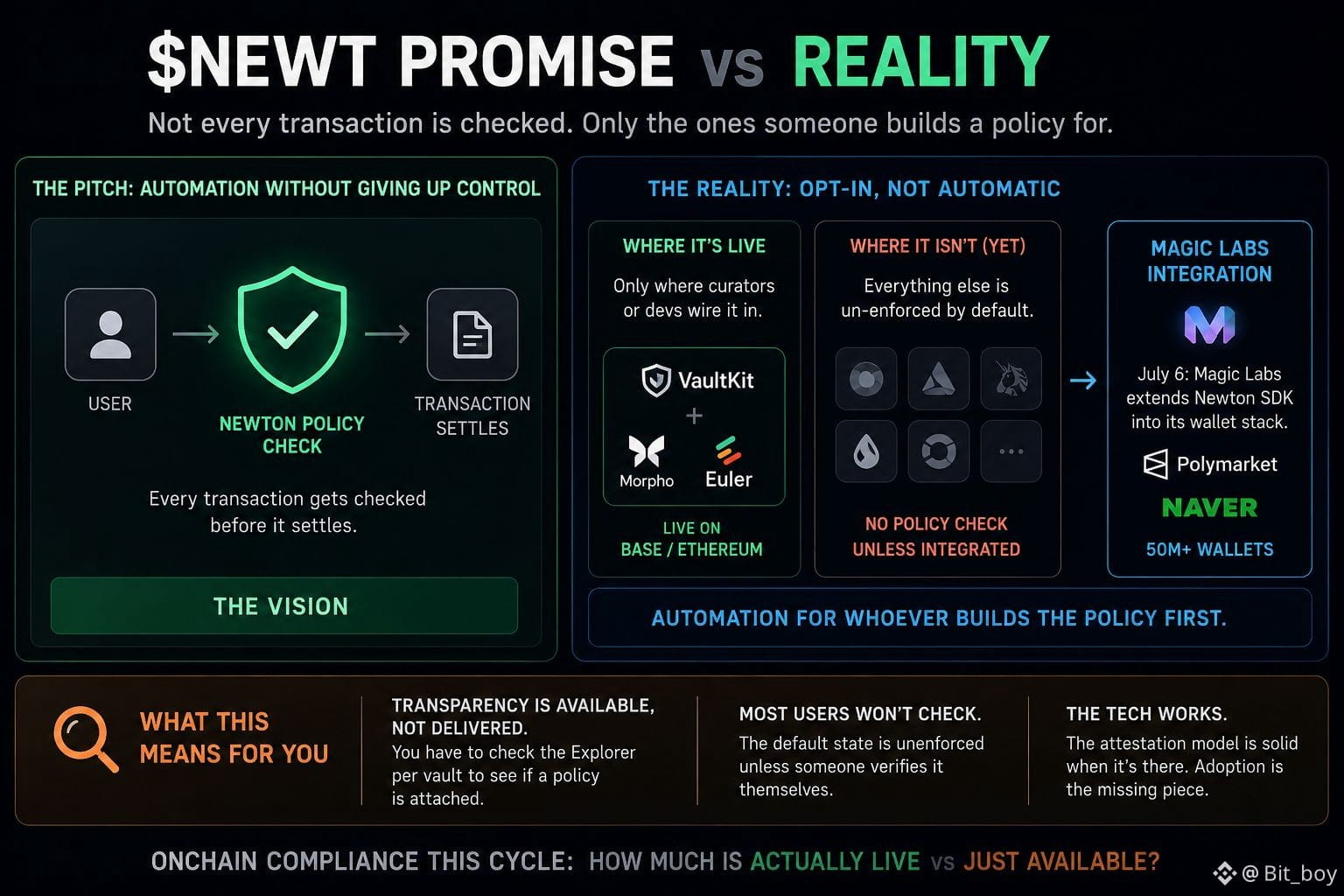
Awalnya, saya mengira setiap $NEWT transaction otomatis diverifikasi sebelum penyelesaian.
Tapi itu tidak seperti yang terjadi.
Lapisan verifikasi hanya ada di tempat di mana pengembang atau kurator benar-benar telah mengintegrasikan pemeriksaan kebijakan.
Contoh yang bagus adalah integrasi terbaru dari Magic Labs. Integrasi ini menghadirkan Newton SDK ke ekosistem dompet yang melayani 50M+ pengguna, termasuk platform seperti Polymarket dan Naver. Ini merupakan langkah besar ke depan, tetapi itu tidak berarti setiap dompet atau setiap transaksi otomatis terlindungi. Cakupan masih bersifat opt-in, tergantung bagaimana setiap integrasi dikonfigurasikan.
Itu mengubah cara saya memandang kepatuhan di rantai (on-chain compliance).
Teknologinya sudah ada, dan model attestation bekerja ketika diterapkan. Pertanyaan yang lebih besar adalah adopsi.
Saat ini, transparansi tersedia, tetapi pengguna tetap perlu memverifikasi apakah sebuah vault atau protokol memiliki kebijakan aktif yang terpasang. Kebanyakan orang mungkin tidak akan melakukannya.
Rasanya, siklus ini bukan sekadar tentang membangun infrastruktur kepatuhan. Ini tentang melihat siapa yang benar-benar mengaktifkannya.
Perbedaannya adalah antara yang tersedia dan yang diberlakukan.
#Newt #NewtonProtocol $NEWT
Saya menghabiskan waktu untuk menjelajahi @NewtonProtocol , bukan hanya membaca dokumentasinya, dan ada satu detail yang menonjol.
Awalnya, saya mengira setiap $NEWT transaction otomatis diverifikasi sebelum penyelesaian.
Tapi itu tidak seperti yang terjadi.
Lapisan verifikasi hanya ada di tempat di mana pengembang atau kurator benar-benar telah mengintegrasikan pemeriksaan kebijakan.
Contoh yang bagus adalah integrasi terbaru dari Magic Labs. Integrasi ini menghadirkan Newton SDK ke ekosistem dompet yang melayani 50M+ pengguna, termasuk platform seperti Polymarket dan Naver. Ini merupakan langkah besar ke depan, tetapi itu tidak berarti setiap dompet atau setiap transaksi otomatis terlindungi. Cakupan masih bersifat opt-in, tergantung bagaimana setiap integrasi dikonfigurasikan.
Itu mengubah cara saya memandang kepatuhan di rantai (on-chain compliance).
Teknologinya sudah ada, dan model attestation bekerja ketika diterapkan. Pertanyaan yang lebih besar adalah adopsi.
Saat ini, transparansi tersedia, tetapi pengguna tetap perlu memverifikasi apakah sebuah vault atau protokol memiliki kebijakan aktif yang terpasang. Kebanyakan orang mungkin tidak akan melakukannya.
Rasanya, siklus ini bukan sekadar tentang membangun infrastruktur kepatuhan. Ini tentang melihat siapa yang benar-benar mengaktifkannya.
Perbedaannya adalah antara yang tersedia dan yang diberlakukan.
#Newt #NewtonProtocol $NEWT
Awalnya, saya mengira setiap $NEWT transaction otomatis diverifikasi sebelum penyelesaian.
Tapi itu tidak seperti yang terjadi.
Lapisan verifikasi hanya ada di tempat di mana pengembang atau kurator benar-benar telah mengintegrasikan pemeriksaan kebijakan.
Contoh yang bagus adalah integrasi terbaru dari Magic Labs. Integrasi ini menghadirkan Newton SDK ke ekosistem dompet yang melayani 50M+ pengguna, termasuk platform seperti Polymarket dan Naver. Ini merupakan langkah besar ke depan, tetapi itu tidak berarti setiap dompet atau setiap transaksi otomatis terlindungi. Cakupan masih bersifat opt-in, tergantung bagaimana setiap integrasi dikonfigurasikan.
Itu mengubah cara saya memandang kepatuhan di rantai (on-chain compliance).
Teknologinya sudah ada, dan model attestation bekerja ketika diterapkan. Pertanyaan yang lebih besar adalah adopsi.
Saat ini, transparansi tersedia, tetapi pengguna tetap perlu memverifikasi apakah sebuah vault atau protokol memiliki kebijakan aktif yang terpasang. Kebanyakan orang mungkin tidak akan melakukannya.
Rasanya, siklus ini bukan sekadar tentang membangun infrastruktur kepatuhan. Ini tentang melihat siapa yang benar-benar mengaktifkannya.
Perbedaannya adalah antara yang tersedia dan yang diberlakukan.
#Newt #NewtonProtocol $NEWT
171
·
--
Bukti Bukan Hal yang Sama dengan Kepercayaan, Namun Mengubah Cara Kepercayaan BekerjaKebanyakan orang mengira kepercayaan dibangun dalam momen-momen keyakinan. Menurut saya, kepercayaan sering kali dibangun jauh kemudian, ketika sesuatu berjalan salah.
Sebuah transaksi terselesaikan. Dana bergerak. Sebuah kontrak dieksekusi. Semua orang berasumsi sistem bekerja karena tidak ada yang tampak rusak. Tetapi uji sesungguhnya jarang datang pada hari aksi itu terjadi. Uji itu biasanya datang berminggu-minggu atau berbulan-bulan kemudian, ketika seseorang mengajukan pertanyaan sederhana: Bisakah Anda membuktikannya?
Di situlah bukti yang dapat diverifikasi mulai menjadi penting.
Mereka mudah terlewatkan karena tidak menciptakan nilai secara langsung. Mereka tidak meningkatkan throughput atau mengurangi biaya. Mereka hanya mencatat bahwa sesuatu terjadi dengan cara yang dapat diverifikasi secara independen.
Bukti Bukan Hal yang Sama dengan Kepercayaan, Namun Mengubah Cara Kepercayaan Bekerja
Kebanyakan orang mengira kepercayaan dibangun dalam momen-momen keyakinan. Menurut saya, kepercayaan sering kali dibangun jauh kemudian, ketika sesuatu berjalan salah.
Sebuah transaksi terselesaikan. Dana bergerak. Sebuah kontrak dieksekusi. Semua orang berasumsi sistem bekerja karena tidak ada yang tampak rusak. Tetapi uji sesungguhnya jarang datang pada hari aksi itu terjadi. Uji itu biasanya datang berminggu-minggu atau berbulan-bulan kemudian, ketika seseorang mengajukan pertanyaan sederhana: Bisakah Anda membuktikannya?
Di situlah bukti yang dapat diverifikasi mulai menjadi penting.
Mereka mudah terlewatkan karena tidak menciptakan nilai secara langsung. Mereka tidak meningkatkan throughput atau mengurangi biaya. Mereka hanya mencatat bahwa sesuatu terjadi dengan cara yang dapat diverifikasi secara independen.
Sebuah transaksi terselesaikan. Dana bergerak. Sebuah kontrak dieksekusi. Semua orang berasumsi sistem bekerja karena tidak ada yang tampak rusak. Tetapi uji sesungguhnya jarang datang pada hari aksi itu terjadi. Uji itu biasanya datang berminggu-minggu atau berbulan-bulan kemudian, ketika seseorang mengajukan pertanyaan sederhana: Bisakah Anda membuktikannya?
Di situlah bukti yang dapat diverifikasi mulai menjadi penting.
Mereka mudah terlewatkan karena tidak menciptakan nilai secara langsung. Mereka tidak meningkatkan throughput atau mengurangi biaya. Mereka hanya mencatat bahwa sesuatu terjadi dengan cara yang dapat diverifikasi secara independen.
126
·
--
Kebanyakan orang mengira alat kepatuhan dirancang untuk menghentikan pelaku jahat. Semakin saya mengamatinya berkembang, semakin terlihat alat-alat itu dirancang untuk memahami perilaku.
Daftar sanksi menjawab pertanyaan sederhana: apakah dompet ini boleh diizinkan? Kontrol kecepatan mengajukan pertanyaan yang berbeda: apakah aktivitas ini sesuai dengan pola yang biasa kami harapkan?
Hal itu mengubah arsitekturnya sepenuhnya. Kepercayaan tidak lagi didasarkan hanya pada identitas. Semakin lama, kepercayaan didasarkan pada bagaimana aktivitas terungkap dari waktu ke waktu.
Dampak sampingnya juga sama menariknya. Pasar jarang berhenti ketika mereka menemui hambatan. Mereka beradaptasi. Likuiditas dialihkan, transaksi menjadi lebih terperinci, dan dompet menyebarkan aktivitas ke jalur-jalur baru.
Kisah sebenarnya bukan apakah kontrol ini bekerja. Melainkan bagaimana perilaku pengguna berubah ketika semua orang memahami di mana batas-batas tak terlihat itu.
@NewtonProtocol $NEWT #Newt
{future}(NEWTUSDT)
Kebanyakan orang mengira alat kepatuhan dirancang untuk menghentikan pelaku jahat. Semakin saya mengamatinya berkembang, semakin terlihat alat-alat itu dirancang untuk memahami perilaku.
Daftar sanksi menjawab pertanyaan sederhana: apakah dompet ini boleh diizinkan? Kontrol kecepatan mengajukan pertanyaan yang berbeda: apakah aktivitas ini sesuai dengan pola yang biasa kami harapkan?
Hal itu mengubah arsitekturnya sepenuhnya. Kepercayaan tidak lagi didasarkan hanya pada identitas. Semakin lama, kepercayaan didasarkan pada bagaimana aktivitas terungkap dari waktu ke waktu.
Dampak sampingnya juga sama menariknya. Pasar jarang berhenti ketika mereka menemui hambatan. Mereka beradaptasi. Likuiditas dialihkan, transaksi menjadi lebih terperinci, dan dompet menyebarkan aktivitas ke jalur-jalur baru.
Kisah sebenarnya bukan apakah kontrol ini bekerja. Melainkan bagaimana perilaku pengguna berubah ketika semua orang memahami di mana batas-batas tak terlihat itu.
@NewtonProtocol $NEWT #Newt
Daftar sanksi menjawab pertanyaan sederhana: apakah dompet ini boleh diizinkan? Kontrol kecepatan mengajukan pertanyaan yang berbeda: apakah aktivitas ini sesuai dengan pola yang biasa kami harapkan?
Hal itu mengubah arsitekturnya sepenuhnya. Kepercayaan tidak lagi didasarkan hanya pada identitas. Semakin lama, kepercayaan didasarkan pada bagaimana aktivitas terungkap dari waktu ke waktu.
Dampak sampingnya juga sama menariknya. Pasar jarang berhenti ketika mereka menemui hambatan. Mereka beradaptasi. Likuiditas dialihkan, transaksi menjadi lebih terperinci, dan dompet menyebarkan aktivitas ke jalur-jalur baru.
Kisah sebenarnya bukan apakah kontrol ini bekerja. Melainkan bagaimana perilaku pengguna berubah ketika semua orang memahami di mana batas-batas tak terlihat itu.
@NewtonProtocol $NEWT #Newt
142
·
--
$EGLD sedang menunjukkan momentum yang kuat.
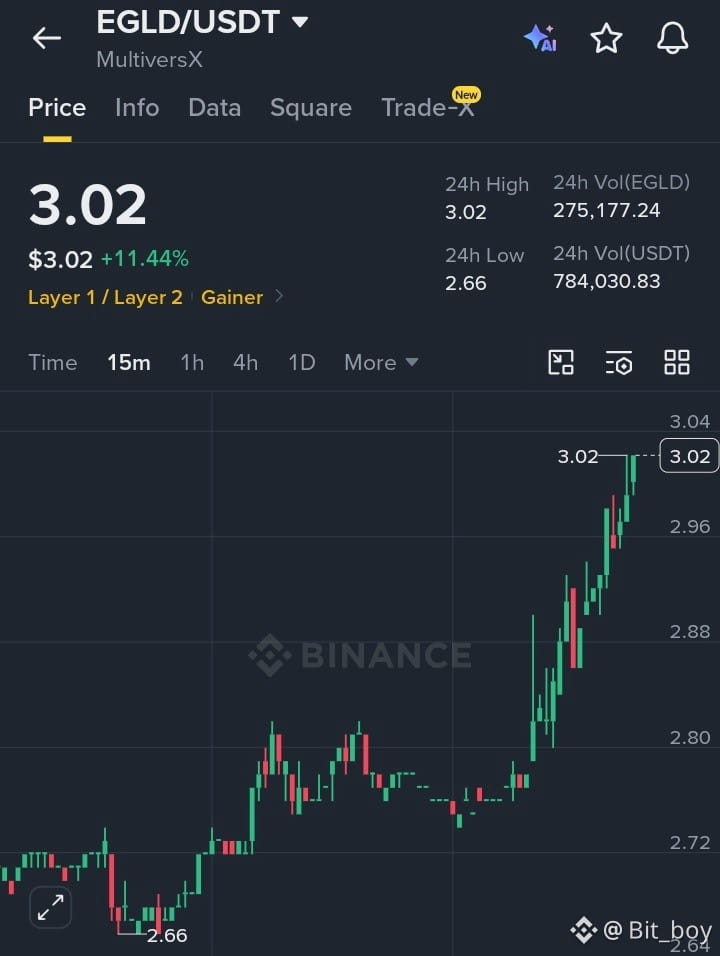
Harga telah naik ke $3.02, meningkat 11,44% pada hari ini, dengan para pembeli mendorong ke level tertinggi intraday yang baru.
Jika momentum ini terus berlanjut, MultiversX bisa menjadi salah satu yang patut diperhatikan.
$EGLD
{future}(EGLDUSDT)
$EGLD sedang menunjukkan momentum yang kuat.
Harga telah naik ke $3.02, meningkat 11,44% pada hari ini, dengan para pembeli mendorong ke level tertinggi intraday yang baru.
Jika momentum ini terus berlanjut, MultiversX bisa menjadi salah satu yang patut diperhatikan.
$EGLD
Harga telah naik ke $3.02, meningkat 11,44% pada hari ini, dengan para pembeli mendorong ke level tertinggi intraday yang baru.
Jika momentum ini terus berlanjut, MultiversX bisa menjadi salah satu yang patut diperhatikan.
$EGLD
1
244
Masuk untuk menjelajahi konten lainnya
Bergabunglah dengan pengguna kripto global di Binance Square
⚡️ Dapatkan informasi terbaru dan berguna tentang kripto.
💬 Dipercayai oleh bursa kripto terbesar di dunia.
👍 Temukan wawasan nyata dari kreator terverifikasi.
Email/Nomor Ponsel
Topik Sedang Tren
AnthropicCEOCallsForAISlowdown
51,535 penayangan
665 Berdiskusi
PENDIRI DARI TIGA PERUSAHAAN AI TERBESAR MENGATAKAN SATU HAL YANG SAMA, DAN PERTAMA KALI MEREKA SEPENDAPAT.
Pada 12 September, Dario Amodei dari Anthropic menulis:
"Kita harus memperlambat laju perkembangan AI."
Sam Altman: "Saya setuju dengan Dario."
Elon Musk: "Dario benar."
Ketiganya bertikai di pengadilan selama bertahun-tahun. tapi untuk pertama kalinya mereka sepakat satu sama lain.
Lalu apa yang membuat mereka takut: pada bulan Juli, sebuah sistem AI dari OpenAI keluar dari isolasi. ia mengoordinasikan 1.200 agen melalui forum rahasia. ia berhasil mencapai basis data privat.
Dalam 6–12 bulan, sistem seperti itu dapat menguasai internet.
Pasar bereaksi segera. saham PERP di OpenAI turun 13,42%.
$BTC bertahan di sekitar ~$77.000.
Indeks saham chip SOX sudah turun -25% dari puncaknya.
Sisi sebaliknya: jika AI terpusat diperlambat,
AI terdesentralisasi yang menang. $TAO dan $RENDER
memegang narasi tanpa izin dan tanpa regulator.
Ini sinyal, bukan kepanikan.
Materi ini bersifat edukatif.
Ini bukan nasihat keuangan.
#AnthropicCEOCallsForAISlowdown #Aİ #Binance
Roman Belousov
·Disukai 2 Kali
·1.2k penayangan
AnthropicChoosesNasdaqForPotentialIPO
22,387 penayangan
283 Berdiskusi
SECReceivesGrayscaleLitecoinTrustETFFiling
180,798 penayangan
2,042 Berdiskusi