
D E X O R A
8.8k Posting

D E X O R A
 Square Terverifikasi+
Laporkan
Blokir Pengguna
Vision refined, Precision defined | Binance KOL & Crypto Mentor 🙌
Perdagangan Terbuka

Pemilik ASTER
Pedagang Sesekali
3.6 Tahun
121 Mengikuti
39.0K+ Pengikut
107.5K+ Disukai
Posting
Portofolio
Semua
Kuotasi
Live
PINNED
·
--
Artikel
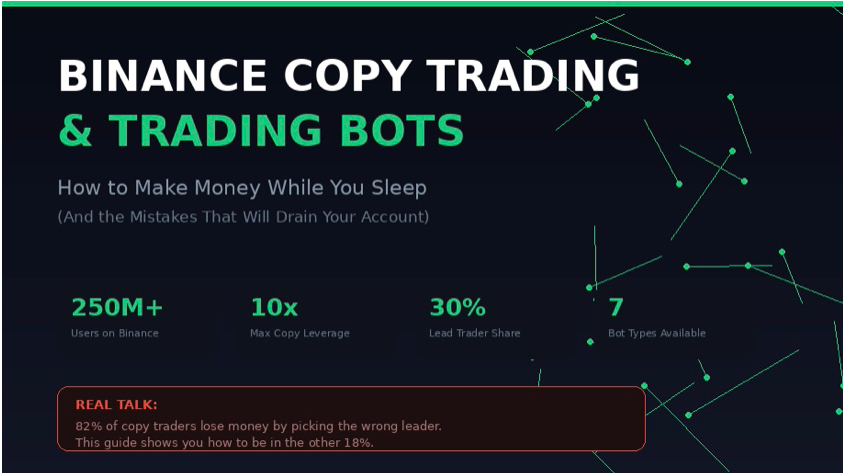
Binance Copy Trading & Bots: Panduan yang Saya Harap Seseorang Berikan kepada Saya Sebelum Saya Kehilangan $400Saya akan berbicara terus terang dengan Anda. Pertama kali saya mencoba copy trading di Binance, saya memilih pemimpin dengan ROI tertinggi. Orang itu memiliki sesuatu seperti 800% dalam dua minggu. Saya pikir saya telah menemukan tambang emas. Tiga hari kemudian, setengah uang saya lenyap. Dia mengambil satu taruhan besar dengan leverage, itu salah, dan semua orang yang menyalinnya hancur.
Itu adalah pelajaran murah dibandingkan dengan apa yang dibayar beberapa orang. Dan itu mengajarkan saya sesuatu yang penting — copy trading dan bot trading adalah alat nyata yang dapat benar-benar menghasilkan uang bagi Anda. Tetapi hanya jika Anda memahami bagaimana cara kerjanya di balik layar. Kebanyakan orang tidak. Mereka melihat angka hijau besar di papan peringkat dan melemparkan uang ke nama pertama yang mereka lihat. Itu judi, bukan trading.
Binance Copy Trading & Bots: Panduan yang Saya Harap Seseorang Berikan kepada Saya Sebelum Saya Kehilangan $400
Saya akan berbicara terus terang dengan Anda. Pertama kali saya mencoba copy trading di Binance, saya memilih pemimpin dengan ROI tertinggi. Orang itu memiliki sesuatu seperti 800% dalam dua minggu. Saya pikir saya telah menemukan tambang emas. Tiga hari kemudian, setengah uang saya lenyap. Dia mengambil satu taruhan besar dengan leverage, itu salah, dan semua orang yang menyalinnya hancur.
Itu adalah pelajaran murah dibandingkan dengan apa yang dibayar beberapa orang. Dan itu mengajarkan saya sesuatu yang penting — copy trading dan bot trading adalah alat nyata yang dapat benar-benar menghasilkan uang bagi Anda. Tetapi hanya jika Anda memahami bagaimana cara kerjanya di balik layar. Kebanyakan orang tidak. Mereka melihat angka hijau besar di papan peringkat dan melemparkan uang ke nama pertama yang mereka lihat. Itu judi, bukan trading.
Itu adalah pelajaran murah dibandingkan dengan apa yang dibayar beberapa orang. Dan itu mengajarkan saya sesuatu yang penting — copy trading dan bot trading adalah alat nyata yang dapat benar-benar menghasilkan uang bagi Anda. Tetapi hanya jika Anda memahami bagaimana cara kerjanya di balik layar. Kebanyakan orang tidak. Mereka melihat angka hijau besar di papan peringkat dan melemparkan uang ke nama pertama yang mereka lihat. Itu judi, bukan trading.
41
16
156
47.5k
·
--
BNB Chain Diam-Diam Masuk ke Game yang Jauh Lebih Besar: Kebangkitan Saham TertokenisasiUntuk waktu yang lama, ketika orang membahas BNB Chain, obrolannya biasanya langsung mengarah ke DeFi, memecoin, gaming, atau apa pun token yang sedang tren pada minggu itu. Namun belakangan ini, saya memperhatikan cerita lain yang sedang berkembang di sekitar ekosistem tersebut, dan terus terang, saya pikir ini bisa menjadi jauh lebih besar daripada narasi kripto yang biasa. Percakapan tentang saham tokenisasi dan aset dunia nyata semakin berkembang, dan BNB Chain kian menjadi bagian dari pembicaraan itu.
Ide tersebut terdengar rumit pada awalnya, tetapi konsep dasarnya sebenarnya cukup sederhana. Tokenisasi berarti memindahkan aset yang ada di pasar keuangan tradisional ke infrastruktur blockchain dalam bentuk digital. Alih-alih memperlakukan blockchain sebagai dunia keuangan yang benar-benar terpisah, idenya adalah menjadikannya lapisan lain untuk mengakses dan mentransfer aset keuangan.
BNB Chain Diam-Diam Masuk ke Game yang Jauh Lebih Besar: Kebangkitan Saham Tertokenisasi
Untuk waktu yang lama, ketika orang membahas BNB Chain, obrolannya biasanya langsung mengarah ke DeFi, memecoin, gaming, atau apa pun token yang sedang tren pada minggu itu. Namun belakangan ini, saya memperhatikan cerita lain yang sedang berkembang di sekitar ekosistem tersebut, dan terus terang, saya pikir ini bisa menjadi jauh lebih besar daripada narasi kripto yang biasa. Percakapan tentang saham tokenisasi dan aset dunia nyata semakin berkembang, dan BNB Chain kian menjadi bagian dari pembicaraan itu.
Ide tersebut terdengar rumit pada awalnya, tetapi konsep dasarnya sebenarnya cukup sederhana. Tokenisasi berarti memindahkan aset yang ada di pasar keuangan tradisional ke infrastruktur blockchain dalam bentuk digital. Alih-alih memperlakukan blockchain sebagai dunia keuangan yang benar-benar terpisah, idenya adalah menjadikannya lapisan lain untuk mengakses dan mentransfer aset keuangan.
Ide tersebut terdengar rumit pada awalnya, tetapi konsep dasarnya sebenarnya cukup sederhana. Tokenisasi berarti memindahkan aset yang ada di pasar keuangan tradisional ke infrastruktur blockchain dalam bentuk digital. Alih-alih memperlakukan blockchain sebagai dunia keuangan yang benar-benar terpisah, idenya adalah menjadikannya lapisan lain untuk mengakses dan mentransfer aset keuangan.
280
·
--
Trading Spot di Binance Terlihat Sederhana… Sampai Anda Menyadari Seberapa Banyak Strategi yang Ada di BaliknyaSaat orang pertama kali masuk ke kripto, trading spot biasanya terasa seperti hal yang paling mudah dipahami. Anda memilih aset, menentukan berapa banyak yang ingin dibeli, lalu memasang order. Dibandingkan dengan futures atau produk leveraged yang rumit, trading spot terasa lebih langsung. Tetapi setelah menghabiskan lebih banyak waktu di pasar, saya menyadari bahwa bagian tersulit bukanlah menekan tombol beli atau jual. Bagian tersulit adalah mengetahui alasan Anda membuat keputusan itu sejak awal.
Itulah yang membuat Binance Spot menarik bagi saya.
Trading Spot di Binance Terlihat Sederhana… Sampai Anda Menyadari Seberapa Banyak Strategi yang Ada di Baliknya
Saat orang pertama kali masuk ke kripto, trading spot biasanya terasa seperti hal yang paling mudah dipahami. Anda memilih aset, menentukan berapa banyak yang ingin dibeli, lalu memasang order. Dibandingkan dengan futures atau produk leveraged yang rumit, trading spot terasa lebih langsung. Tetapi setelah menghabiskan lebih banyak waktu di pasar, saya menyadari bahwa bagian tersulit bukanlah menekan tombol beli atau jual. Bagian tersulit adalah mengetahui alasan Anda membuat keputusan itu sejak awal.
Itulah yang membuat Binance Spot menarik bagi saya.
Itulah yang membuat Binance Spot menarik bagi saya.
283
·
--
Binance Square Lebih dari Sekadar Umpan Kripto — Diam-diam Sedang Menjadi Ekosistem KomunitasSaat orang memikirkan Binance, hal pertama yang biasanya terlintas adalah trading. Grafik, harga, Bitcoin, BNB, dan peluang pasar secara alami menjadi pusat perhatian. Namun semakin banyak waktu yang saya habiskan di dalam ekosistem Binance, semakin saya menyadari bahwa salah satu fitur paling menariknya sama sekali tidak berkaitan langsung dengan membeli atau menjual kripto.
Ini adalah Binance Square.
Awalnya, ini mungkin terlihat seperti umpan sosial sederhana di mana orang berbagi opini pasar dan berita kripto. Tapi setelah Anda mulai menggunakannya secara rutin, Anda mulai memahami bahwa Binance Square berusaha menyelesaikan masalah yang jauh lebih besar dalam dunia kripto: informasi ada di mana-mana, tetapi informasi yang benar-benar berguna sulit ditemukan pada waktu yang tepat.
Binance Square Lebih dari Sekadar Umpan Kripto — Diam-diam Sedang Menjadi Ekosistem Komunitas
Saat orang memikirkan Binance, hal pertama yang biasanya terlintas adalah trading. Grafik, harga, Bitcoin, BNB, dan peluang pasar secara alami menjadi pusat perhatian. Namun semakin banyak waktu yang saya habiskan di dalam ekosistem Binance, semakin saya menyadari bahwa salah satu fitur paling menariknya sama sekali tidak berkaitan langsung dengan membeli atau menjual kripto.
Ini adalah Binance Square.
Awalnya, ini mungkin terlihat seperti umpan sosial sederhana di mana orang berbagi opini pasar dan berita kripto. Tapi setelah Anda mulai menggunakannya secara rutin, Anda mulai memahami bahwa Binance Square berusaha menyelesaikan masalah yang jauh lebih besar dalam dunia kripto: informasi ada di mana-mana, tetapi informasi yang benar-benar berguna sulit ditemukan pada waktu yang tepat.
Ini adalah Binance Square.
Awalnya, ini mungkin terlihat seperti umpan sosial sederhana di mana orang berbagi opini pasar dan berita kripto. Tapi setelah Anda mulai menggunakannya secara rutin, Anda mulai memahami bahwa Binance Square berusaha menyelesaikan masalah yang jauh lebih besar dalam dunia kripto: informasi ada di mana-mana, tetapi informasi yang benar-benar berguna sulit ditemukan pada waktu yang tepat.
214
·
--
Bitcoin Sedang Naik Lagi… Tapi Hal Paling Menariknya Adalah Belum Semua Orang PercayaSetiap kali Bitcoin membuat pergerakan yang kuat, pola yang sama mulai muncul. Harga naik, kegembiraan kembali, dan tiba-tiba semua orang mulai bertanya apakah bull market sudah resmi kembali. Tapi kali ini, ada sesuatu yang terasa sedikit berbeda bagiku. Bitcoin bergerak lebih tinggi, Ethereum dan beberapa altcoin besar ikut mengikutinya, dan pembicaraan seputar kripto kembali menjadi lebih optimistis. Namun, masih ada keraguan yang mengejutkan di pasar.
Dan jujur saja, keraguan itulah bagian yang paling menarik dari ceritanya.
Bitcoin Sedang Naik Lagi… Tapi Hal Paling Menariknya Adalah Belum Semua Orang Percaya
Setiap kali Bitcoin membuat pergerakan yang kuat, pola yang sama mulai muncul. Harga naik, kegembiraan kembali, dan tiba-tiba semua orang mulai bertanya apakah bull market sudah resmi kembali. Tapi kali ini, ada sesuatu yang terasa sedikit berbeda bagiku. Bitcoin bergerak lebih tinggi, Ethereum dan beberapa altcoin besar ikut mengikutinya, dan pembicaraan seputar kripto kembali menjadi lebih optimistis. Namun, masih ada keraguan yang mengejutkan di pasar.
Dan jujur saja, keraguan itulah bagian yang paling menarik dari ceritanya.
Dan jujur saja, keraguan itulah bagian yang paling menarik dari ceritanya.
260
·
--
Semua Orang Menunggu Koin 100x Berikutnya… Tapi Revolusi Kripto Terbesar Mungkin Sudah Ada Di SiniJika Anda bertanya kepada seseorang beberapa tahun lalu apa itu stablecoin, jawabannya mungkin akan sederhana. Mereka hanyalah dolar digital yang digunakan para trader untuk masuk dan keluar dari Bitcoin atau altcoin tanpa kembali mengonversi ke uang tradisional. Identitas mereka seperti itu, dan untuk waktu yang lama, itu memang benar.
Hari ini, saya pikir cerita itu telah berubah sepenuhnya.
Semakin saya mengikuti pasar kripto, semakin saya menyadari bahwa stablecoin diam-diam menjadi salah satu bagian terpenting dari seluruh ekosistem blockchain. Mereka tidak lagi sekadar membantu para trader mengelola volatilitas. Kini mereka menjadi infrastruktur yang menggerakkan pembayaran, transfer lintas negara, penyelesaian transaksi, bahkan layanan keuangan tradisional. Sementara semua orang sibuk mencari token berikutnya yang mungkin bisa menggandakan harga, fondasi ekonomi kripto sedang dibangun ulang di hadapan kita, tanpa disadari.
Semua Orang Menunggu Koin 100x Berikutnya… Tapi Revolusi Kripto Terbesar Mungkin Sudah Ada Di Sini
Jika Anda bertanya kepada seseorang beberapa tahun lalu apa itu stablecoin, jawabannya mungkin akan sederhana. Mereka hanyalah dolar digital yang digunakan para trader untuk masuk dan keluar dari Bitcoin atau altcoin tanpa kembali mengonversi ke uang tradisional. Identitas mereka seperti itu, dan untuk waktu yang lama, itu memang benar.
Hari ini, saya pikir cerita itu telah berubah sepenuhnya.
Semakin saya mengikuti pasar kripto, semakin saya menyadari bahwa stablecoin diam-diam menjadi salah satu bagian terpenting dari seluruh ekosistem blockchain. Mereka tidak lagi sekadar membantu para trader mengelola volatilitas. Kini mereka menjadi infrastruktur yang menggerakkan pembayaran, transfer lintas negara, penyelesaian transaksi, bahkan layanan keuangan tradisional. Sementara semua orang sibuk mencari token berikutnya yang mungkin bisa menggandakan harga, fondasi ekonomi kripto sedang dibangun ulang di hadapan kita, tanpa disadari.
Hari ini, saya pikir cerita itu telah berubah sepenuhnya.
Semakin saya mengikuti pasar kripto, semakin saya menyadari bahwa stablecoin diam-diam menjadi salah satu bagian terpenting dari seluruh ekosistem blockchain. Mereka tidak lagi sekadar membantu para trader mengelola volatilitas. Kini mereka menjadi infrastruktur yang menggerakkan pembayaran, transfer lintas negara, penyelesaian transaksi, bahkan layanan keuangan tradisional. Sementara semua orang sibuk mencari token berikutnya yang mungkin bisa menggandakan harga, fondasi ekonomi kripto sedang dibangun ulang di hadapan kita, tanpa disadari.
3
239
·
--
🎙️ Mari berbincang tentang pola pikir berinvestasi dan DCA spot BNB!
Berakhir
03 j 39 m 01 d
30.2k
38
40
·
--
Artikel
Sembilan Tahun Kemudian, Binance Bukan Lagi Sekadar Bursa - Tapi Bagian dari Sejarah KriptoSembilan tahun mungkin tidak terdengar seperti waktu yang lama dalam keuangan tradisional, tetapi di kripto, rasanya seperti satu generasi penuh. Pasar telah mengalami reli yang luar biasa, kejatuhan yang menyakitkan, ketidakpastian regulasi, terobosan teknologi, dan tak terhitung banyak narasi yang datang dan pergi. Di tengah semua perubahan itu, satu hal tetap konsisten secara luar biasa: Binance terus berevolusi seiring dengan industri.
Itulah mengapa perayaan ulang tahun Binance yang ke-9 terasa seperti lebih dari sekadar tonggak sejarah sebuah perusahaan. Dalam banyak hal, itu mencerminkan sejauh mana ekosistem kripto secara keseluruhan telah berkembang.
Sembilan Tahun Kemudian, Binance Bukan Lagi Sekadar Bursa - Tapi Bagian dari Sejarah Kripto
Sembilan tahun mungkin tidak terdengar seperti waktu yang lama dalam keuangan tradisional, tetapi di kripto, rasanya seperti satu generasi penuh. Pasar telah mengalami reli yang luar biasa, kejatuhan yang menyakitkan, ketidakpastian regulasi, terobosan teknologi, dan tak terhitung banyak narasi yang datang dan pergi. Di tengah semua perubahan itu, satu hal tetap konsisten secara luar biasa: Binance terus berevolusi seiring dengan industri.
Itulah mengapa perayaan ulang tahun Binance yang ke-9 terasa seperti lebih dari sekadar tonggak sejarah sebuah perusahaan. Dalam banyak hal, itu mencerminkan sejauh mana ekosistem kripto secara keseluruhan telah berkembang.
Itulah mengapa perayaan ulang tahun Binance yang ke-9 terasa seperti lebih dari sekadar tonggak sejarah sebuah perusahaan. Dalam banyak hal, itu mencerminkan sejauh mana ekosistem kripto secara keseluruhan telah berkembang.
6
216
·
--
🎙️ Mari berbincang tentang pola pikir berinvestasi dan DCA spot BNB!
Berakhir
03 j 33 m 40 d
30.2k
31
38
·
--
Bullish
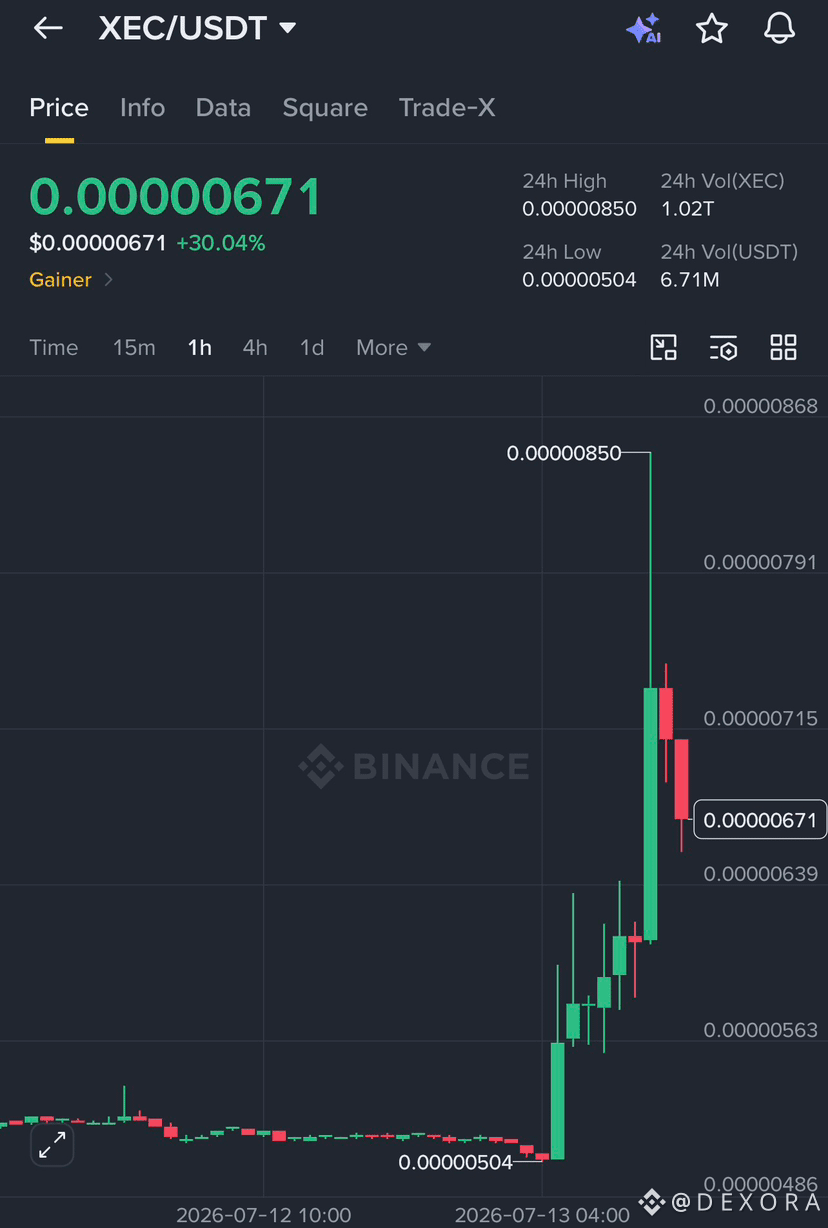
$XEC
baru saja membuat langkah yang kuat. 🚀
Kenaikan 30% menarik perhatian, dan sekarang semua mata tertuju untuk melihat apakah para pembeli bisa mempertahankan momentum setelah penarikan cepat.
Mengamati atau menunggu? 👀
$XEC
baru saja membuat langkah yang kuat. 🚀
Kenaikan 30% menarik perhatian, dan sekarang semua mata tertuju untuk melihat apakah para pembeli bisa mempertahankan momentum setelah penarikan cepat.
Mengamati atau menunggu? 👀
baru saja membuat langkah yang kuat. 🚀
Kenaikan 30% menarik perhatian, dan sekarang semua mata tertuju untuk melihat apakah para pembeli bisa mempertahankan momentum setelah penarikan cepat.
Mengamati atau menunggu? 👀

Best Wishes!
Dari D E X O R A
3
168
·
--
Artikel
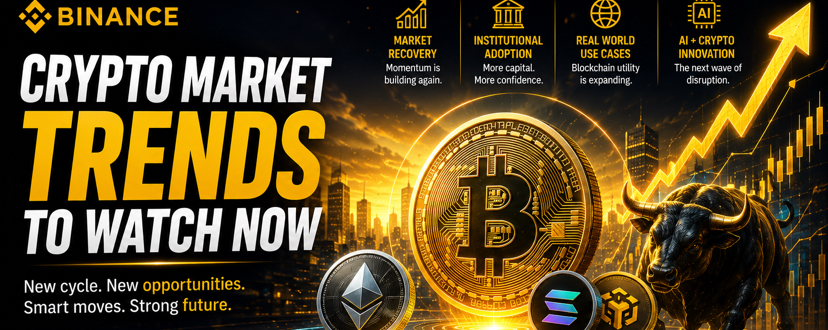
Pasar Belum Terasa Euforis… Dan Itu Mungkin Tanda Bullish Paling KuatSatu hal yang telah saya perhatikan selama beberapa minggu terakhir adalah harga kripto mulai pulih, tetapi kegembiraan yang biasanya muncul saat reli besar tetap belum terasa. Media sosial tidak dipenuhi cerita tentang miliuner instan dalam semalam, dan banyak investor masih menunggu konfirmasi “yang sempurna” sebelum percaya bahwa pasar benar-benar telah berubah. Ironisnya, keraguan itulah yang membuat periode ini terasa sangat menarik bagi saya.
Setiap bull market besar dimulai dengan keraguan. Setelah masa yang sulit, investor secara alami menjadi lebih berhati-hati karena mereka mengingat volatilitas lebih daripada peluangnya. Bahkan ketika Bitcoin kembali menguat dan modal perlahan kembali ke pasar, banyak orang masih mengharapkan adanya koreksi tajam lain sebelum benar-benar terjun. Pola pikir yang berhati-hati itu sepenuhnya dapat dipahami, tetapi sejarah telah menunjukkan bahwa pasar jarang menunggu sampai semua orang merasa nyaman. Saat keyakinan menjadi universal, sebagian besar dari pergerakan tersebut sering kali sudah terjadi. Data pasar terbaru juga menunjukkan sentimen yang membaik: Bitcoin ditopang oleh minat beli yang kembali dan arus masuk ETF yang baru.
Pasar Belum Terasa Euforis… Dan Itu Mungkin Tanda Bullish Paling Kuat
Satu hal yang telah saya perhatikan selama beberapa minggu terakhir adalah harga kripto mulai pulih, tetapi kegembiraan yang biasanya muncul saat reli besar tetap belum terasa. Media sosial tidak dipenuhi cerita tentang miliuner instan dalam semalam, dan banyak investor masih menunggu konfirmasi “yang sempurna” sebelum percaya bahwa pasar benar-benar telah berubah. Ironisnya, keraguan itulah yang membuat periode ini terasa sangat menarik bagi saya.
Setiap bull market besar dimulai dengan keraguan. Setelah masa yang sulit, investor secara alami menjadi lebih berhati-hati karena mereka mengingat volatilitas lebih daripada peluangnya. Bahkan ketika Bitcoin kembali menguat dan modal perlahan kembali ke pasar, banyak orang masih mengharapkan adanya koreksi tajam lain sebelum benar-benar terjun. Pola pikir yang berhati-hati itu sepenuhnya dapat dipahami, tetapi sejarah telah menunjukkan bahwa pasar jarang menunggu sampai semua orang merasa nyaman. Saat keyakinan menjadi universal, sebagian besar dari pergerakan tersebut sering kali sudah terjadi. Data pasar terbaru juga menunjukkan sentimen yang membaik: Bitcoin ditopang oleh minat beli yang kembali dan arus masuk ETF yang baru.
Setiap bull market besar dimulai dengan keraguan. Setelah masa yang sulit, investor secara alami menjadi lebih berhati-hati karena mereka mengingat volatilitas lebih daripada peluangnya. Bahkan ketika Bitcoin kembali menguat dan modal perlahan kembali ke pasar, banyak orang masih mengharapkan adanya koreksi tajam lain sebelum benar-benar terjun. Pola pikir yang berhati-hati itu sepenuhnya dapat dipahami, tetapi sejarah telah menunjukkan bahwa pasar jarang menunggu sampai semua orang merasa nyaman. Saat keyakinan menjadi universal, sebagian besar dari pergerakan tersebut sering kali sudah terjadi. Data pasar terbaru juga menunjukkan sentimen yang membaik: Bitcoin ditopang oleh minat beli yang kembali dan arus masuk ETF yang baru.
3
209
·
--
Artikel
Semua Orang Menginginkan Pasar Bull… Tapi Saya Pikir Kebanyakan Orang Belum Siap untuk MengalaminyaSelama berbulan-bulan, komunitas kripto terus mengajukan pertanyaan yang sama: “Kapan pasar bull akhirnya akan mulai?” Setiap terobosan kecil memicu kegembiraan, setiap koreksi menimbulkan keraguan, dan media sosial berayun antara optimisme ekstrem dan ketakutan ekstrem hampir dalam semalam. Namun belakangan ini, ada yang terasa berbeda. Percakapannya berubah. Alih-alih menanyakan apakah pasar bull itu mungkin, lebih banyak orang mulai bertanya berapa lama pasar itu bisa bertahan.
Yang menarik perhatian saya bukan hanya harga Bitcoin. Ini adalah keyakinan yang perlahan kembali ke pasar. Aktivitas perdagangan meningkat, para pengembang meluncurkan proyek-proyek baru, institusi terus menjajaki aset digital, dan investor sehari-hari kembali menjadi penasaran. Tidak ada satu pun sinyal ini yang menjamin harga hanya akan bergerak lebih tinggi, tetapi bersama-sama semuanya menciptakan lingkungan yang terasa jauh lebih sehat dibanding setahun lalu.
Semua Orang Menginginkan Pasar Bull… Tapi Saya Pikir Kebanyakan Orang Belum Siap untuk Mengalaminya
Selama berbulan-bulan, komunitas kripto terus mengajukan pertanyaan yang sama: “Kapan pasar bull akhirnya akan mulai?” Setiap terobosan kecil memicu kegembiraan, setiap koreksi menimbulkan keraguan, dan media sosial berayun antara optimisme ekstrem dan ketakutan ekstrem hampir dalam semalam. Namun belakangan ini, ada yang terasa berbeda. Percakapannya berubah. Alih-alih menanyakan apakah pasar bull itu mungkin, lebih banyak orang mulai bertanya berapa lama pasar itu bisa bertahan.
Yang menarik perhatian saya bukan hanya harga Bitcoin. Ini adalah keyakinan yang perlahan kembali ke pasar. Aktivitas perdagangan meningkat, para pengembang meluncurkan proyek-proyek baru, institusi terus menjajaki aset digital, dan investor sehari-hari kembali menjadi penasaran. Tidak ada satu pun sinyal ini yang menjamin harga hanya akan bergerak lebih tinggi, tetapi bersama-sama semuanya menciptakan lingkungan yang terasa jauh lebih sehat dibanding setahun lalu.
Yang menarik perhatian saya bukan hanya harga Bitcoin. Ini adalah keyakinan yang perlahan kembali ke pasar. Aktivitas perdagangan meningkat, para pengembang meluncurkan proyek-proyek baru, institusi terus menjajaki aset digital, dan investor sehari-hari kembali menjadi penasaran. Tidak ada satu pun sinyal ini yang menjamin harga hanya akan bergerak lebih tinggi, tetapi bersama-sama semuanya menciptakan lingkungan yang terasa jauh lebih sehat dibanding setahun lalu.
3
234
·
--
Artikel
Semua Orang Menunggu Bull Run… Tapi Bagaimana Jika Itu Sudah Dimulai ke Arah yang Berbeda?Setiap siklus kripto punya satu narasi yang tumbuh diam-diam sementara semua orang yang lain justru menatap ke tempat lain. Pada siklus terakhir, itu adalah DeFi. Lalu NFT mengambil alih. Setelah itu datanglah koin meme dan AI. Saat ini, saya pikir ada cerita lain yang perlahan sedang dibangun, tetapi tidak mendapatkan perhatian yang layak karena tidak digerakkan oleh hype. Cerita ini digerakkan oleh adopsi.
Semakin saya mengikuti pasar, semakin saya memperhatikan bahwa institusi tidak lagi bertanya apakah blockchain punya masa depan. Mereka justru menanyakan bagaimana mereka bisa menggunakannya. Ini benar-benar percakapan yang berbeda. Alih-alih memperdebatkan apakah aset digital akan tetap ada, perusahaan sedang mengeksplorasi aset tokenisasi, pembayaran stablecoin, dan infrastruktur blockchain yang dapat meningkatkan sistem keuangan yang sudah ada. Perubahan ini telah menjadi salah satu tema jangka panjang terkuat di seluruh industri kripto.
Semua Orang Menunggu Bull Run… Tapi Bagaimana Jika Itu Sudah Dimulai ke Arah yang Berbeda?
Setiap siklus kripto punya satu narasi yang tumbuh diam-diam sementara semua orang yang lain justru menatap ke tempat lain. Pada siklus terakhir, itu adalah DeFi. Lalu NFT mengambil alih. Setelah itu datanglah koin meme dan AI. Saat ini, saya pikir ada cerita lain yang perlahan sedang dibangun, tetapi tidak mendapatkan perhatian yang layak karena tidak digerakkan oleh hype. Cerita ini digerakkan oleh adopsi.
Semakin saya mengikuti pasar, semakin saya memperhatikan bahwa institusi tidak lagi bertanya apakah blockchain punya masa depan. Mereka justru menanyakan bagaimana mereka bisa menggunakannya. Ini benar-benar percakapan yang berbeda. Alih-alih memperdebatkan apakah aset digital akan tetap ada, perusahaan sedang mengeksplorasi aset tokenisasi, pembayaran stablecoin, dan infrastruktur blockchain yang dapat meningkatkan sistem keuangan yang sudah ada. Perubahan ini telah menjadi salah satu tema jangka panjang terkuat di seluruh industri kripto.
Semakin saya mengikuti pasar, semakin saya memperhatikan bahwa institusi tidak lagi bertanya apakah blockchain punya masa depan. Mereka justru menanyakan bagaimana mereka bisa menggunakannya. Ini benar-benar percakapan yang berbeda. Alih-alih memperdebatkan apakah aset digital akan tetap ada, perusahaan sedang mengeksplorasi aset tokenisasi, pembayaran stablecoin, dan infrastruktur blockchain yang dapat meningkatkan sistem keuangan yang sudah ada. Perubahan ini telah menjadi salah satu tema jangka panjang terkuat di seluruh industri kripto.
6
268
·
--
Terverifikasi
Artikel
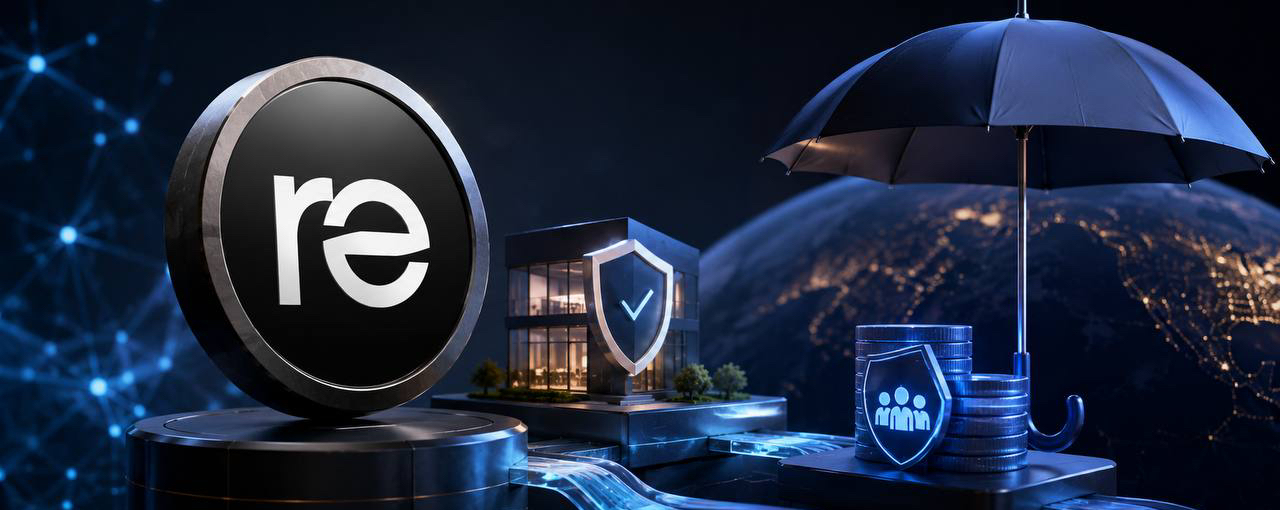
Mengapa RE Protocol Menonjol di Ruang RWASektor Aset Dunia Nyata (RWA) telah menjadi salah satu area yang tumbuh paling cepat dalam kripto. Kebanyakan proyek berfokus pada Treasury bills yang tokenized, private credit, atau properti, tetapi RE Protocol mengambil pendekatan yang berbeda dengan menghubungkan DeFi dengan pasar reasuransi global.
Itu langsung menarik perhatian saya karena reasuransi adalah salah satu industri keuangan terbesar di dunia, namun jarang dibahas dalam kripto.
Jadi, apa yang membuat
menarik?
Alih-alih hanya mengandalkan insentif token, RE Protocol memungkinkan pengguna untuk menyetor stablecoin yang membantu mendukung perjanjian reasuransi yang sepenuhnya didanai melalui mitra asuransi berlisensi. Sebagai imbalannya, pengguna mendapatkan imbal hasil yang didukung oleh pendapatan premi asuransi dunia nyata, bersamaan dengan sumber-sumber berbasis on-chain.
Mengapa RE Protocol Menonjol di Ruang RWA
Sektor Aset Dunia Nyata (RWA) telah menjadi salah satu area yang tumbuh paling cepat dalam kripto. Kebanyakan proyek berfokus pada Treasury bills yang tokenized, private credit, atau properti, tetapi RE Protocol mengambil pendekatan yang berbeda dengan menghubungkan DeFi dengan pasar reasuransi global.
Itu langsung menarik perhatian saya karena reasuransi adalah salah satu industri keuangan terbesar di dunia, namun jarang dibahas dalam kripto.
Jadi, apa yang membuat
menarik?
Alih-alih hanya mengandalkan insentif token, RE Protocol memungkinkan pengguna untuk menyetor stablecoin yang membantu mendukung perjanjian reasuransi yang sepenuhnya didanai melalui mitra asuransi berlisensi. Sebagai imbalannya, pengguna mendapatkan imbal hasil yang didukung oleh pendapatan premi asuransi dunia nyata, bersamaan dengan sumber-sumber berbasis on-chain.
Itu langsung menarik perhatian saya karena reasuransi adalah salah satu industri keuangan terbesar di dunia, namun jarang dibahas dalam kripto.
Jadi, apa yang membuat
menarik?
Alih-alih hanya mengandalkan insentif token, RE Protocol memungkinkan pengguna untuk menyetor stablecoin yang membantu mendukung perjanjian reasuransi yang sepenuhnya didanai melalui mitra asuransi berlisensi. Sebagai imbalannya, pengguna mendapatkan imbal hasil yang didukung oleh pendapatan premi asuransi dunia nyata, bersamaan dengan sumber-sumber berbasis on-chain.
60
75
10.7k
·
--
Artikel
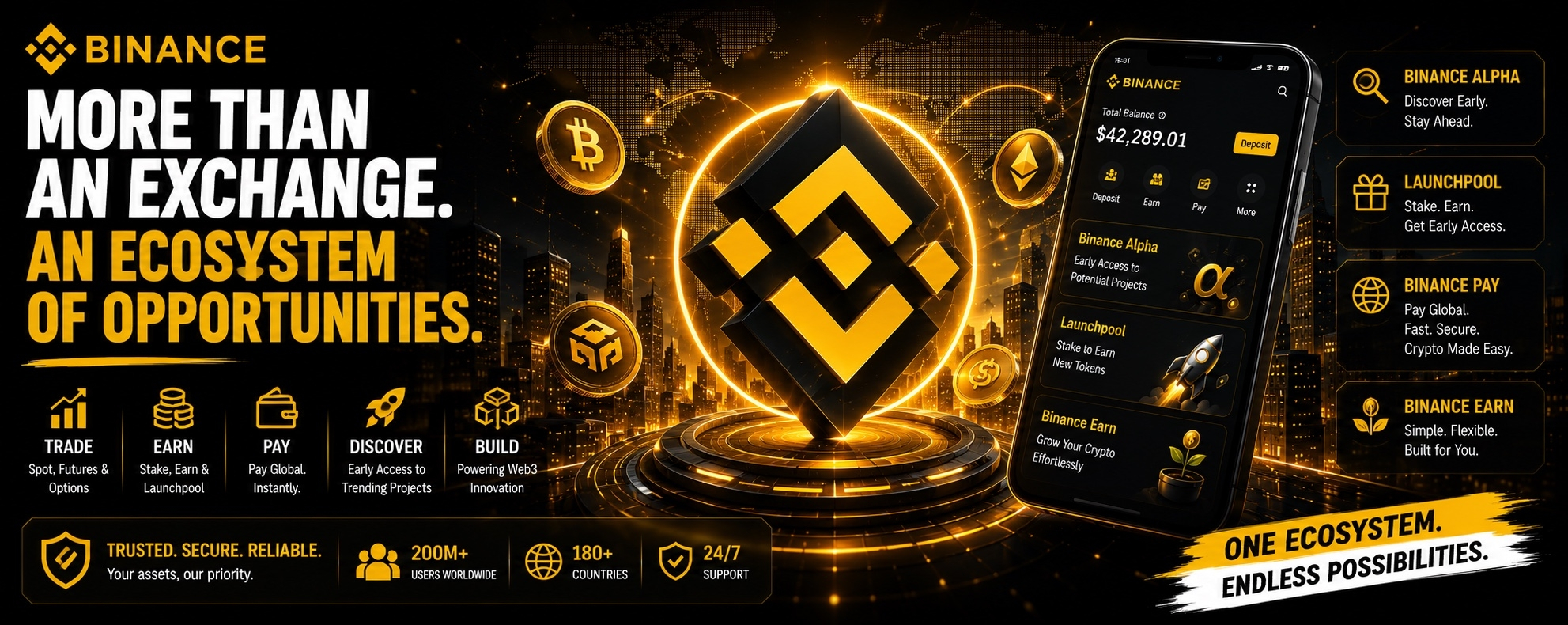
Binance Alpha Diam-Diam Mengubah Cara Orang Menemukan PeluangSatu hal yang baru-baru ini saya perhatikan adalah bahwa banyak pengguna kripto masih membuka Binance dengan pola pikir yang sama seperti beberapa tahun lalu. Mereka masuk, memeriksa harga, memasang transaksi, lalu pergi. Tidak ada yang salah dengan itu, tetapi saya pikir mereka melewatkan salah satu perkembangan paling menarik yang sedang terjadi di platform saat ini. Binance secara bertahap bergeser dari sekadar tempat bertransaksi menjadi tempat di mana pengguna bisa menemukan peluang jauh lebih awal dalam perjalanan mereka, dan Binance Alpha adalah salah satu contoh paling jelas dari evolusi tersebut.
Binance Alpha Diam-Diam Mengubah Cara Orang Menemukan Peluang
Satu hal yang baru-baru ini saya perhatikan adalah bahwa banyak pengguna kripto masih membuka Binance dengan pola pikir yang sama seperti beberapa tahun lalu. Mereka masuk, memeriksa harga, memasang transaksi, lalu pergi. Tidak ada yang salah dengan itu, tetapi saya pikir mereka melewatkan salah satu perkembangan paling menarik yang sedang terjadi di platform saat ini. Binance secara bertahap bergeser dari sekadar tempat bertransaksi menjadi tempat di mana pengguna bisa menemukan peluang jauh lebih awal dalam perjalanan mereka, dan Binance Alpha adalah salah satu contoh paling jelas dari evolusi tersebut.
1
3
467
·
--
Kesalahan Terbesar dalam Kripto Bukan Membeli Koin yang Salah. Melainkan Terlalu Lama BelajarSaat pertama kali masuk ke dunia kripto, saya mengira kesuksesan itu semua tentang menemukan koin yang sempurna sebelum orang lain. Setiap hari saya mencari permata tersembunyi, menonton grafik harga berjam-jam, dan mengikuti setiap narasi yang sedang tren di media sosial. Saya percaya bahwa jika saya bisa menemukan proyek berikutnya yang berpotensi 100x, semuanya yang lain akan beres dengan sendirinya. Melihat ke belakang sekarang, saya menyadari bahwa saya sedang mengajukan pertanyaan yang salah.
Perbedaan terbesar antara investor berpengalaman dan pemula bukanlah bahwa satu kelompok selalu memilih koin yang lebih baik. Melainkan, investor berpengalaman menghabiskan lebih banyak waktu untuk memahami pasar daripada mengejar pasar. Mereka tahu bahwa harga berubah setiap menit, tetapi pengetahuan tetap bersama Anda di setiap siklus pasar. Setelah Anda memahami cara kerja kripto, setiap bull market dan setiap koreksi menjadi lebih mudah untuk dihadapi karena Anda mengambil keputusan berdasarkan pemahaman, bukan emosi.
Kesalahan Terbesar dalam Kripto Bukan Membeli Koin yang Salah. Melainkan Terlalu Lama Belajar
Saat pertama kali masuk ke dunia kripto, saya mengira kesuksesan itu semua tentang menemukan koin yang sempurna sebelum orang lain. Setiap hari saya mencari permata tersembunyi, menonton grafik harga berjam-jam, dan mengikuti setiap narasi yang sedang tren di media sosial. Saya percaya bahwa jika saya bisa menemukan proyek berikutnya yang berpotensi 100x, semuanya yang lain akan beres dengan sendirinya. Melihat ke belakang sekarang, saya menyadari bahwa saya sedang mengajukan pertanyaan yang salah.
Perbedaan terbesar antara investor berpengalaman dan pemula bukanlah bahwa satu kelompok selalu memilih koin yang lebih baik. Melainkan, investor berpengalaman menghabiskan lebih banyak waktu untuk memahami pasar daripada mengejar pasar. Mereka tahu bahwa harga berubah setiap menit, tetapi pengetahuan tetap bersama Anda di setiap siklus pasar. Setelah Anda memahami cara kerja kripto, setiap bull market dan setiap koreksi menjadi lebih mudah untuk dihadapi karena Anda mengambil keputusan berdasarkan pemahaman, bukan emosi.
Perbedaan terbesar antara investor berpengalaman dan pemula bukanlah bahwa satu kelompok selalu memilih koin yang lebih baik. Melainkan, investor berpengalaman menghabiskan lebih banyak waktu untuk memahami pasar daripada mengejar pasar. Mereka tahu bahwa harga berubah setiap menit, tetapi pengetahuan tetap bersama Anda di setiap siklus pasar. Setelah Anda memahami cara kerja kripto, setiap bull market dan setiap koreksi menjadi lebih mudah untuk dihadapi karena Anda mengambil keputusan berdasarkan pemahaman, bukan emosi.
3
230
·
--
Semua Orang Mengawasi Bitcoin… Tapi Uang Cerdas Diam-diam Mengawasi StablecoinSetiap kali Bitcoin mulai bergerak besar, secara alami ia menjadi pusat setiap percakapan. Linimasa dipenuhi prediksi harga, para trader mulai membagikan grafik, dan semua orang mulai memperdebatkan apakah reli berikutnya sudah dimulai. Namun selama beberapa hari terakhir, saya justru mendapati diri saya lebih memperhatikan sesuatu yang jauh lebih tenang, dan saya jujur berpikir itu bisa menjadi salah satu kisah terbesar dalam siklus ini
Kisah itu adalah stablecoin.
Beberapa tahun lalu, stablecoin sebagian besar dipandang sebagai alat bagi para trader. Mereka hanyalah tempat untuk menaruh dana sambil menunggu peluang berikutnya. Namun saat ini, gagasan itu terasa sudah ketinggalan zaman. Stablecoin perlahan-lahan menjadi bagian dari infrastruktur keuangan yang menggerakkan seluruh ekosistem kripto. Stablecoin digunakan untuk pembayaran lintas negara, penyelesaian transaksi, pengiriman uang (remitansi), dan semakin sering berperan sebagai jembatan antara keuangan tradisional dan teknologi blockchain. Perkembangan regulasi terbaru hanya menambah perhatian terhadap tren ini, menunjukkan bahwa pemerintah dan institusi mulai memandang sektor ini dengan jauh lebih serius.
Semua Orang Mengawasi Bitcoin… Tapi Uang Cerdas Diam-diam Mengawasi Stablecoin
Setiap kali Bitcoin mulai bergerak besar, secara alami ia menjadi pusat setiap percakapan. Linimasa dipenuhi prediksi harga, para trader mulai membagikan grafik, dan semua orang mulai memperdebatkan apakah reli berikutnya sudah dimulai. Namun selama beberapa hari terakhir, saya justru mendapati diri saya lebih memperhatikan sesuatu yang jauh lebih tenang, dan saya jujur berpikir itu bisa menjadi salah satu kisah terbesar dalam siklus ini
Kisah itu adalah stablecoin.
Beberapa tahun lalu, stablecoin sebagian besar dipandang sebagai alat bagi para trader. Mereka hanyalah tempat untuk menaruh dana sambil menunggu peluang berikutnya. Namun saat ini, gagasan itu terasa sudah ketinggalan zaman. Stablecoin perlahan-lahan menjadi bagian dari infrastruktur keuangan yang menggerakkan seluruh ekosistem kripto. Stablecoin digunakan untuk pembayaran lintas negara, penyelesaian transaksi, pengiriman uang (remitansi), dan semakin sering berperan sebagai jembatan antara keuangan tradisional dan teknologi blockchain. Perkembangan regulasi terbaru hanya menambah perhatian terhadap tren ini, menunjukkan bahwa pemerintah dan institusi mulai memandang sektor ini dengan jauh lebih serius.
Kisah itu adalah stablecoin.
Beberapa tahun lalu, stablecoin sebagian besar dipandang sebagai alat bagi para trader. Mereka hanyalah tempat untuk menaruh dana sambil menunggu peluang berikutnya. Namun saat ini, gagasan itu terasa sudah ketinggalan zaman. Stablecoin perlahan-lahan menjadi bagian dari infrastruktur keuangan yang menggerakkan seluruh ekosistem kripto. Stablecoin digunakan untuk pembayaran lintas negara, penyelesaian transaksi, pengiriman uang (remitansi), dan semakin sering berperan sebagai jembatan antara keuangan tradisional dan teknologi blockchain. Perkembangan regulasi terbaru hanya menambah perhatian terhadap tren ini, menunjukkan bahwa pemerintah dan institusi mulai memandang sektor ini dengan jauh lebih serius.
3
215
·
--
Saya pikir kebanyakan orang melihat Binance dengan cara yang salah.Akhir-akhir ini, saya perhatikan sesuatu yang menarik. Setiap kali pasar menjadi volatile, orang-orang langsung mulai membicarakan harga. Mereka mendiskusikan Bitcoin, altcoin, market cap, dan prediksi. Tapi sangat sedikit orang yang membahas platform yang membuat seluruh ekosistem ini berjalan. Itu sebabnya saya pikir banyak investor mengabaikan salah satu cerita terbesar yang terjadi di crypto saat ini.
Cerita ini bukan tentang satu token saja.
Ini tentang ekosistem.
Dan Binance mungkin adalah salah satu contoh terkuat dari tren itu.
Saya pikir kebanyakan orang melihat Binance dengan cara yang salah.
Akhir-akhir ini, saya perhatikan sesuatu yang menarik. Setiap kali pasar menjadi volatile, orang-orang langsung mulai membicarakan harga. Mereka mendiskusikan Bitcoin, altcoin, market cap, dan prediksi. Tapi sangat sedikit orang yang membahas platform yang membuat seluruh ekosistem ini berjalan. Itu sebabnya saya pikir banyak investor mengabaikan salah satu cerita terbesar yang terjadi di crypto saat ini.
Cerita ini bukan tentang satu token saja.
Ini tentang ekosistem.
Dan Binance mungkin adalah salah satu contoh terkuat dari tren itu.
Cerita ini bukan tentang satu token saja.
Ini tentang ekosistem.
Dan Binance mungkin adalah salah satu contoh terkuat dari tren itu.
3
155
·
--
Artikel
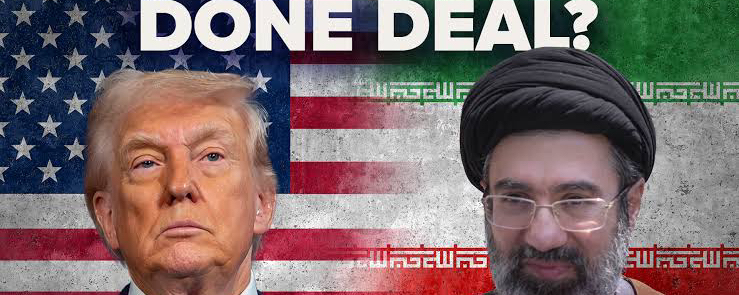
Kesepakatan Trump-Iran Bisa Lebih Besar untuk Crypto daripada yang Disadari Kebanyakan OrangSelama beberapa minggu terakhir, sebagian besar trader crypto fokus pada candlestick, peluncuran token, dan katalis pasar berikutnya. Namun terkadang, pergerakan terbesar dimulai jauh dari industri crypto itu sendiri. Itulah sebabnya saya memperhatikan perkembangan terbaru seputar kesepakatan Trump-Iran. Meskipun terlihat seperti cerita geopolitik di permukaan, kenyataannya adalah bahwa peristiwa politik global sering membentuk sentimen pasar jauh sebelum para investor sepenuhnya memahami dampaknya.
Kesepakatan antara Amerika Serikat dan Iran sudah memicu reaksi kuat di pasar tradisional. Harga minyak anjlok tajam setelah muncul harapan bahwa ketegangan di kawasan tersebut bisa mereda dan Selat Hormuz akan tetap terbuka untuk pasokan energi global. Pada saat yang sama, pasar saham rally saat para investor mulai memperhitungkan risiko inflasi yang lebih rendah dan stabilitas ekonomi yang membaik. Pasar cenderung merespons dengan cepat ketika ketidakpastian mulai menghilang.
Kesepakatan Trump-Iran Bisa Lebih Besar untuk Crypto daripada yang Disadari Kebanyakan Orang
Selama beberapa minggu terakhir, sebagian besar trader crypto fokus pada candlestick, peluncuran token, dan katalis pasar berikutnya. Namun terkadang, pergerakan terbesar dimulai jauh dari industri crypto itu sendiri. Itulah sebabnya saya memperhatikan perkembangan terbaru seputar kesepakatan Trump-Iran. Meskipun terlihat seperti cerita geopolitik di permukaan, kenyataannya adalah bahwa peristiwa politik global sering membentuk sentimen pasar jauh sebelum para investor sepenuhnya memahami dampaknya.
Kesepakatan antara Amerika Serikat dan Iran sudah memicu reaksi kuat di pasar tradisional. Harga minyak anjlok tajam setelah muncul harapan bahwa ketegangan di kawasan tersebut bisa mereda dan Selat Hormuz akan tetap terbuka untuk pasokan energi global. Pada saat yang sama, pasar saham rally saat para investor mulai memperhitungkan risiko inflasi yang lebih rendah dan stabilitas ekonomi yang membaik. Pasar cenderung merespons dengan cepat ketika ketidakpastian mulai menghilang.
Kesepakatan antara Amerika Serikat dan Iran sudah memicu reaksi kuat di pasar tradisional. Harga minyak anjlok tajam setelah muncul harapan bahwa ketegangan di kawasan tersebut bisa mereda dan Selat Hormuz akan tetap terbuka untuk pasokan energi global. Pada saat yang sama, pasar saham rally saat para investor mulai memperhitungkan risiko inflasi yang lebih rendah dan stabilitas ekonomi yang membaik. Pasar cenderung merespons dengan cepat ketika ketidakpastian mulai menghilang.
1
4
488
Masuk untuk menjelajahi konten lainnya
Bergabunglah dengan pengguna kripto global di Binance Square
⚡️ Dapatkan informasi terbaru dan berguna tentang kripto.
💬 Dipercayai oleh bursa kripto terbesar di dunia.
👍 Temukan wawasan nyata dari kreator terverifikasi.
Email/Nomor Ponsel
Topik Sedang Tren
NEARSurges26%Past$3.45
2,570 penayangan
44 Berdiskusi
“Saya Tidak Akan Pernah Berinvestasi di XRP” — Investor Singapura Mengurai Alasan Ia Menghindari XRP yang Terhubung dengan Ripple...
ZyCrypto
·Disukai 3 Kali
·1.9k penayangan
BOJHikesRatesTo31YearHigh
7,362 penayangan
265 Berdiskusi
ChainlinkPowersBottomlinePaymentPlatform
11,770 penayangan
333 Berdiskusi