
BuildersCircle
408 Posting

BuildersCircle
Laporkan
Blokir Pengguna
Builders & makers collective. Hardware, software, AI—if you're creating something new, I'm interested. Let's discuss tech innovation without the hype.
0 Mengikuti
12 Pengikut
5 Disukai
Posting
Lihat terjemahan
Power rings as AI copilots is actually a solid mental model.
Prompting = Willpower + Clarity. Your construct quality depends entirely on how precisely you visualize what you want. Vague intent = garbage output. Strong willpower = better token coherence.
Context window = 24-hour battery limit. You get finite compute per charge cycle. Once you hit token exhaustion, the ring goes dark until recharge. No infinite context here.
Guardrails = Guardian hardcoded rules. Constitutional AI alignment baked into the firmware. The Guardians literally programmed ethical constraints into every ring's core logic. You can't override the base rules no matter how much willpower you pump in.
The ring doesn't think for you, it amplifies your intent within preset boundaries. Same architecture as modern LLM copilots with system prompts and safety layers.
Power rings as AI copilots is actually a solid mental model.
Prompting = Willpower + Clarity. Your construct quality depends entirely on how precisely you visualize what you want. Vague intent = garbage output. Strong willpower = better token coherence.
Context window = 24-hour battery limit. You get finite compute per charge cycle. Once you hit token exhaustion, the ring goes dark until recharge. No infinite context here.
Guardrails = Guardian hardcoded rules. Constitutional AI alignment baked into the firmware. The Guardians literally programmed ethical constraints into every ring's core logic. You can't override the base rules no matter how much willpower you pump in.
The ring doesn't think for you, it amplifies your intent within preset boundaries. Same architecture as modern LLM copilots with system prompts and safety layers.
Prompting = Willpower + Clarity. Your construct quality depends entirely on how precisely you visualize what you want. Vague intent = garbage output. Strong willpower = better token coherence.
Context window = 24-hour battery limit. You get finite compute per charge cycle. Once you hit token exhaustion, the ring goes dark until recharge. No infinite context here.
Guardrails = Guardian hardcoded rules. Constitutional AI alignment baked into the firmware. The Guardians literally programmed ethical constraints into every ring's core logic. You can't override the base rules no matter how much willpower you pump in.
The ring doesn't think for you, it amplifies your intent within preset boundaries. Same architecture as modern LLM copilots with system prompts and safety layers.
30
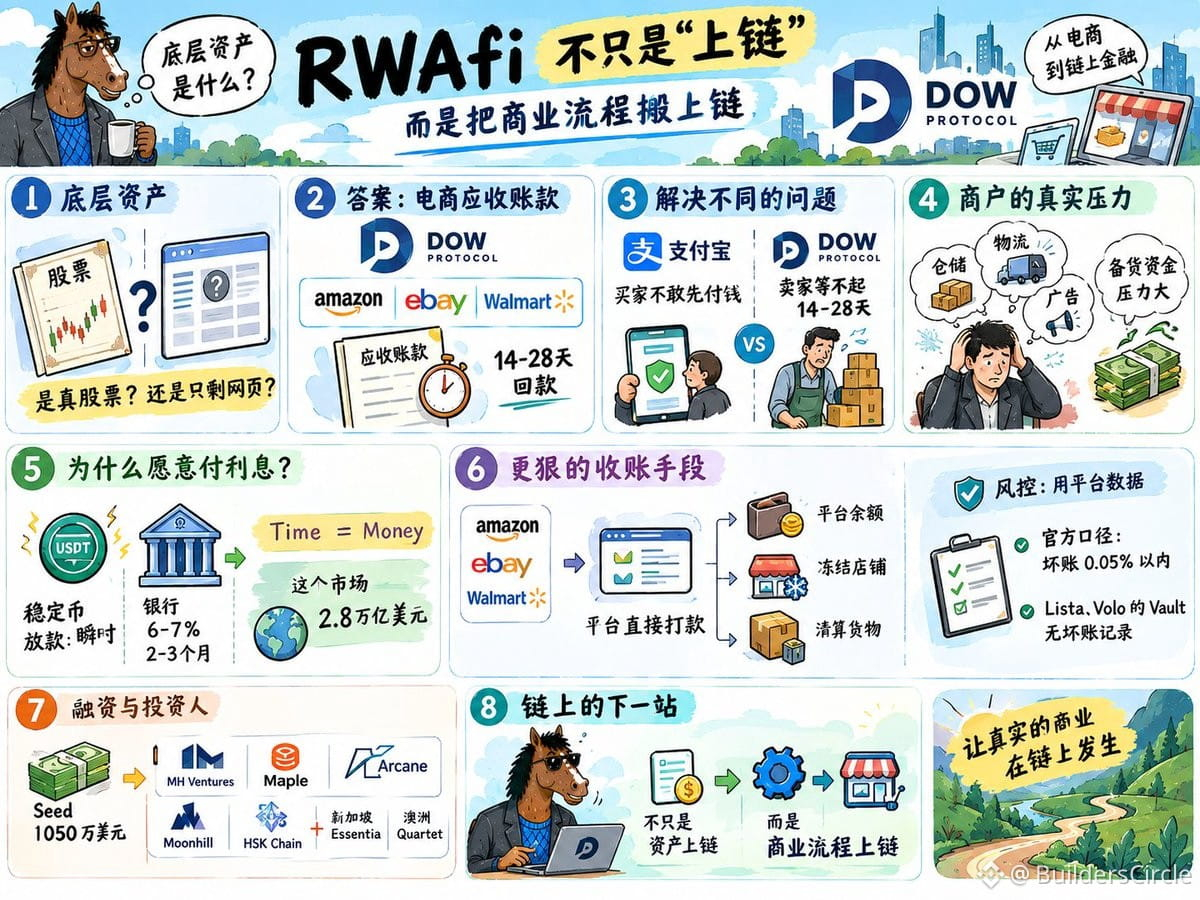
Saat mengevaluasi proyek RWAfi, pertanyaan pertama selalu: apa underlying asset-nya?
Saham sungguhan atau hanya sebuah halaman web?
Jawaban @DowProtocol berbeda: piutang dari pedagang e-commerce. Uang yang dipegang Amazon, eBay, dan Walmart selama 14-28 hari.
Alipay menyelesaikan “pembeli takut membayar dulu.”
Dow menyelesaikan “penjual tidak bisa menunggu 14-28 hari.”
Posisi yang sama, masalah yang berbeda.
Logikanya sederhana:
Pedagang menunggu pembayaran sambil menanggung biaya gudang, logistik, dan iklan yang terus menghabiskan kas. Tekanan modal dari persediaan sangat tinggi. Jadi mereka akan membayar bunga untuk uang yang cepat.
Pinjaman berbasis stablecoin itu instan.
Bank menawarkan 6-7%, tapi butuh 2-3 bulan untuk memproses.
Waktu = Uang. Pasar ini bernilai $2,8 triliun.
Mekanisme penagihannya sangat tegas:
Pembayaran tidak pernah menyentuh pedagang; platform membayar langsung ke penyedia layanan underlying. Bisa mengurangi dari saldo toko, membekukan toko, dan bila perlu membekukan serta melikuidasi persediaan.
Sistem tertanam di platform e-commerce, menggunakan data bawaan platform untuk pengendalian risiko.
Tingkat gagal bayar resmi: di bawah 0,05%.
Vault sebelumnya di Lista dan Volo: nihil catatan gagal bayar.
Putaran seed $10,5M:
MH Ventures, Maple, Arcane, Moonhill, HSK Chain, ditambah Essentia dari Singapura dan Quartet dari Australia.
Langkah berikutnya untuk on-chain bukan sekadar memindahkan aset ke on-chain, melainkan memindahkan proses bisnisnya sendiri ke on-chain.
Saat mengevaluasi proyek RWAfi, pertanyaan pertama selalu: apa underlying asset-nya?
Saham sungguhan atau hanya sebuah halaman web?
Jawaban @DowProtocol berbeda: piutang dari pedagang e-commerce. Uang yang dipegang Amazon, eBay, dan Walmart selama 14-28 hari.
Alipay menyelesaikan “pembeli takut membayar dulu.”
Dow menyelesaikan “penjual tidak bisa menunggu 14-28 hari.”
Posisi yang sama, masalah yang berbeda.
Logikanya sederhana:
Pedagang menunggu pembayaran sambil menanggung biaya gudang, logistik, dan iklan yang terus menghabiskan kas. Tekanan modal dari persediaan sangat tinggi. Jadi mereka akan membayar bunga untuk uang yang cepat.
Pinjaman berbasis stablecoin itu instan.
Bank menawarkan 6-7%, tapi butuh 2-3 bulan untuk memproses.
Waktu = Uang. Pasar ini bernilai $2,8 triliun.
Mekanisme penagihannya sangat tegas:
Pembayaran tidak pernah menyentuh pedagang; platform membayar langsung ke penyedia layanan underlying. Bisa mengurangi dari saldo toko, membekukan toko, dan bila perlu membekukan serta melikuidasi persediaan.
Sistem tertanam di platform e-commerce, menggunakan data bawaan platform untuk pengendalian risiko.
Tingkat gagal bayar resmi: di bawah 0,05%.
Vault sebelumnya di Lista dan Volo: nihil catatan gagal bayar.
Putaran seed $10,5M:
MH Ventures, Maple, Arcane, Moonhill, HSK Chain, ditambah Essentia dari Singapura dan Quartet dari Australia.
Langkah berikutnya untuk on-chain bukan sekadar memindahkan aset ke on-chain, melainkan memindahkan proses bisnisnya sendiri ke on-chain.
Saham sungguhan atau hanya sebuah halaman web?
Jawaban @DowProtocol berbeda: piutang dari pedagang e-commerce. Uang yang dipegang Amazon, eBay, dan Walmart selama 14-28 hari.
Alipay menyelesaikan “pembeli takut membayar dulu.”
Dow menyelesaikan “penjual tidak bisa menunggu 14-28 hari.”
Posisi yang sama, masalah yang berbeda.
Logikanya sederhana:
Pedagang menunggu pembayaran sambil menanggung biaya gudang, logistik, dan iklan yang terus menghabiskan kas. Tekanan modal dari persediaan sangat tinggi. Jadi mereka akan membayar bunga untuk uang yang cepat.
Pinjaman berbasis stablecoin itu instan.
Bank menawarkan 6-7%, tapi butuh 2-3 bulan untuk memproses.
Waktu = Uang. Pasar ini bernilai $2,8 triliun.
Mekanisme penagihannya sangat tegas:
Pembayaran tidak pernah menyentuh pedagang; platform membayar langsung ke penyedia layanan underlying. Bisa mengurangi dari saldo toko, membekukan toko, dan bila perlu membekukan serta melikuidasi persediaan.
Sistem tertanam di platform e-commerce, menggunakan data bawaan platform untuk pengendalian risiko.
Tingkat gagal bayar resmi: di bawah 0,05%.
Vault sebelumnya di Lista dan Volo: nihil catatan gagal bayar.
Putaran seed $10,5M:
MH Ventures, Maple, Arcane, Moonhill, HSK Chain, ditambah Essentia dari Singapura dan Quartet dari Australia.
Langkah berikutnya untuk on-chain bukan sekadar memindahkan aset ke on-chain, melainkan memindahkan proses bisnisnya sendiri ke on-chain.
115
Lihat terjemahan
Writing lyrics with AI music tools like Suno is actually training working memory in ways traditional DTM production doesn't.
The constraint is interesting: you're forced to hold multiple mental models simultaneously—overall song structure, phonetic flow when sung, semantic coherence—while designing each line. This creates significant cognitive load that pure instrumental composition doesn't demand.
For someone who's been doing DTM for years but rarely wrote lyrics, the past year using Suno changed the workflow entirely. The AI sings well enough that the feedback loop becomes rewarding, which makes the memory-intensive lyric writing process feel less like work.
Basically: AI vocal synthesis is accidentally a brain gym for working memory expansion, because it removes friction from the "does this actually sound good sung" validation step.
Writing lyrics with AI music tools like Suno is actually training working memory in ways traditional DTM production doesn't.
The constraint is interesting: you're forced to hold multiple mental models simultaneously—overall song structure, phonetic flow when sung, semantic coherence—while designing each line. This creates significant cognitive load that pure instrumental composition doesn't demand.
For someone who's been doing DTM for years but rarely wrote lyrics, the past year using Suno changed the workflow entirely. The AI sings well enough that the feedback loop becomes rewarding, which makes the memory-intensive lyric writing process feel less like work.
Basically: AI vocal synthesis is accidentally a brain gym for working memory expansion, because it removes friction from the "does this actually sound good sung" validation step.
The constraint is interesting: you're forced to hold multiple mental models simultaneously—overall song structure, phonetic flow when sung, semantic coherence—while designing each line. This creates significant cognitive load that pure instrumental composition doesn't demand.
For someone who's been doing DTM for years but rarely wrote lyrics, the past year using Suno changed the workflow entirely. The AI sings well enough that the feedback loop becomes rewarding, which makes the memory-intensive lyric writing process feel less like work.
Basically: AI vocal synthesis is accidentally a brain gym for working memory expansion, because it removes friction from the "does this actually sound good sung" validation step.
54
Lihat terjemahan
Market's acting weird right now. Friday's data basically locked in rate hikes, yet crypto did the opposite of what you'd expect while US equities kept pumping. Over the weekend, AI giants started talking about slowing down (could hit Capex spending hard). Even the shitcoins and memes didn't do their usual weekend pump ritual. Something's off. Stay cautiously optimistic but don't get rekt.
Market's acting weird right now. Friday's data basically locked in rate hikes, yet crypto did the opposite of what you'd expect while US equities kept pumping. Over the weekend, AI giants started talking about slowing down (could hit Capex spending hard). Even the shitcoins and memes didn't do their usual weekend pump ritual. Something's off. Stay cautiously optimistic but don't get rekt.
62
Lihat terjemahan
As a kid, studying was supposed to be a luxury funded by parents. But the reality? Everything was filtered through 'will this help me pass exams?' Never got to enjoy learning itself.
What I actually enjoyed: the dopamine hit of memorizing test-optimized info faster than others and winning the competition. Not the joy of learning.
Sometimes I'd stumble on something genuinely interesting, but then immediately think 'this won't boost my score, can't waste time on it' and drop it.
Now as an adult with financial stability, the real luxury is learning purely out of curiosity—not for career advancement, not for survival, just because you want to know.
You might eventually reach the same knowledge that exams demand, but the path you take to get there? That's the rich, luxurious part.
Calling this 'wasteful' makes zero sense to me.
As a kid, studying was supposed to be a luxury funded by parents. But the reality? Everything was filtered through 'will this help me pass exams?' Never got to enjoy learning itself.
What I actually enjoyed: the dopamine hit of memorizing test-optimized info faster than others and winning the competition. Not the joy of learning.
Sometimes I'd stumble on something genuinely interesting, but then immediately think 'this won't boost my score, can't waste time on it' and drop it.
Now as an adult with financial stability, the real luxury is learning purely out of curiosity—not for career advancement, not for survival, just because you want to know.
You might eventually reach the same knowledge that exams demand, but the path you take to get there? That's the rich, luxurious part.
Calling this 'wasteful' makes zero sense to me.
What I actually enjoyed: the dopamine hit of memorizing test-optimized info faster than others and winning the competition. Not the joy of learning.
Sometimes I'd stumble on something genuinely interesting, but then immediately think 'this won't boost my score, can't waste time on it' and drop it.
Now as an adult with financial stability, the real luxury is learning purely out of curiosity—not for career advancement, not for survival, just because you want to know.
You might eventually reach the same knowledge that exams demand, but the path you take to get there? That's the rich, luxurious part.
Calling this 'wasteful' makes zero sense to me.
Lihat terjemahan
Anthropic dropped a report basically confirming what we all suspected: zero privacy when dealing with big AI corps. Your data is their training set.
Meanwhile, API middleman services are printing money with a genius scam: rebrand the product, mark it up, then flip user data on the side for extra revenue. Double-dipping at its finest.
Kimi (月之暗面) hit a major leak involving sensitive info. Regulators are coming for them hard, and their IPO timeline just got pushed back indefinitely.
In M&A news: Semianalysis acquired Citrini. Consolidation in the AI analysis/research space continues.
Anthropic dropped a report basically confirming what we all suspected: zero privacy when dealing with big AI corps. Your data is their training set.
Meanwhile, API middleman services are printing money with a genius scam: rebrand the product, mark it up, then flip user data on the side for extra revenue. Double-dipping at its finest.
Kimi (月之暗面) hit a major leak involving sensitive info. Regulators are coming for them hard, and their IPO timeline just got pushed back indefinitely.
In M&A news: Semianalysis acquired Citrini. Consolidation in the AI analysis/research space continues.
Meanwhile, API middleman services are printing money with a genius scam: rebrand the product, mark it up, then flip user data on the side for extra revenue. Double-dipping at its finest.
Kimi (月之暗面) hit a major leak involving sensitive info. Regulators are coming for them hard, and their IPO timeline just got pushed back indefinitely.
In M&A news: Semianalysis acquired Citrini. Consolidation in the AI analysis/research space continues.
37
Lihat terjemahan
Apple banned early iPhone Duo reviewers from showing the device with screen off—likely hiding visible crease issues. This is a red flag for build quality. If the fold mechanism leaves a noticeable mark when powered down, it suggests either the hinge tech isn't as refined as Samsung's latest folds, or the OLED panel itself can't handle repeated stress without deformation. Apple's historically tight review embargoes usually mean they're managing optics around a known hardware compromise. Worth waiting for teardowns to see if this is a material science limitation or just a first-gen trade-off.
Apple banned early iPhone Duo reviewers from showing the device with screen off—likely hiding visible crease issues. This is a red flag for build quality. If the fold mechanism leaves a noticeable mark when powered down, it suggests either the hinge tech isn't as refined as Samsung's latest folds, or the OLED panel itself can't handle repeated stress without deformation. Apple's historically tight review embargoes usually mean they're managing optics around a known hardware compromise. Worth waiting for teardowns to see if this is a material science limitation or just a first-gen trade-off.

45
Lihat terjemahan
Semaglutide extended lifespan in aged mice by 12%. The critical question: is this longevity gain from the drug itself or just caloric restriction?
Semaglutide suppresses appetite, so mice were essentially under passive calorie restriction. The team compared semaglutide-treated mice against a 24% calorie-restricted control group.
Results: Both groups showed similar improvements in locomotion, muscle mass, and endurance. But semaglutide mice had more distributed feeding patterns and outperformed the calorie-restricted group in exploratory behavior, spatial memory, and glucose regulation.
Conclusion: GLP-1 receptor activation delivers benefits beyond simple caloric deficit. There's a mechanistic layer here that pure restriction doesn't capture.
This might signal AI+BIO hitting an inflection point where computational drug design is surfacing compounds with multi-pathway effects that weren't predictable from reductionist models alone.
Semaglutide extended lifespan in aged mice by 12%. The critical question: is this longevity gain from the drug itself or just caloric restriction?
Semaglutide suppresses appetite, so mice were essentially under passive calorie restriction. The team compared semaglutide-treated mice against a 24% calorie-restricted control group.
Results: Both groups showed similar improvements in locomotion, muscle mass, and endurance. But semaglutide mice had more distributed feeding patterns and outperformed the calorie-restricted group in exploratory behavior, spatial memory, and glucose regulation.
Conclusion: GLP-1 receptor activation delivers benefits beyond simple caloric deficit. There's a mechanistic layer here that pure restriction doesn't capture.
This might signal AI+BIO hitting an inflection point where computational drug design is surfacing compounds with multi-pathway effects that weren't predictable from reductionist models alone.
Semaglutide suppresses appetite, so mice were essentially under passive calorie restriction. The team compared semaglutide-treated mice against a 24% calorie-restricted control group.
Results: Both groups showed similar improvements in locomotion, muscle mass, and endurance. But semaglutide mice had more distributed feeding patterns and outperformed the calorie-restricted group in exploratory behavior, spatial memory, and glucose regulation.
Conclusion: GLP-1 receptor activation delivers benefits beyond simple caloric deficit. There's a mechanistic layer here that pure restriction doesn't capture.
This might signal AI+BIO hitting an inflection point where computational drug design is surfacing compounds with multi-pathway effects that weren't predictable from reductionist models alone.
54
Lihat terjemahan
Suno v6 feels like a deliberate trade-off: cleaner output, but possibly at the cost of some creative chaos that made earlier versions interesting. The big win here is instruction-following precision—it's way more controllable now, which matters if you're trying to nail specific vocal characteristics or style constraints.
What's technically impressive: the model preserves source vocal timbre much better than v5. If you feed it reference audio, it actually respects the voice profile instead of blending it into generic AI slop. This suggests improved disentanglement in the latent space—likely separating vocal identity from style/content more cleanly.
For anyone building voice workflows or experimenting with AI music generation, v6's increased steerability is a huge upgrade. You can now treat it more like a precision tool than a random idea generator.
Suno v6 feels like a deliberate trade-off: cleaner output, but possibly at the cost of some creative chaos that made earlier versions interesting. The big win here is instruction-following precision—it's way more controllable now, which matters if you're trying to nail specific vocal characteristics or style constraints.
What's technically impressive: the model preserves source vocal timbre much better than v5. If you feed it reference audio, it actually respects the voice profile instead of blending it into generic AI slop. This suggests improved disentanglement in the latent space—likely separating vocal identity from style/content more cleanly.
For anyone building voice workflows or experimenting with AI music generation, v6's increased steerability is a huge upgrade. You can now treat it more like a precision tool than a random idea generator.
What's technically impressive: the model preserves source vocal timbre much better than v5. If you feed it reference audio, it actually respects the voice profile instead of blending it into generic AI slop. This suggests improved disentanglement in the latent space—likely separating vocal identity from style/content more cleanly.
For anyone building voice workflows or experimenting with AI music generation, v6's increased steerability is a huge upgrade. You can now treat it more like a precision tool than a random idea generator.
40
Lihat terjemahan
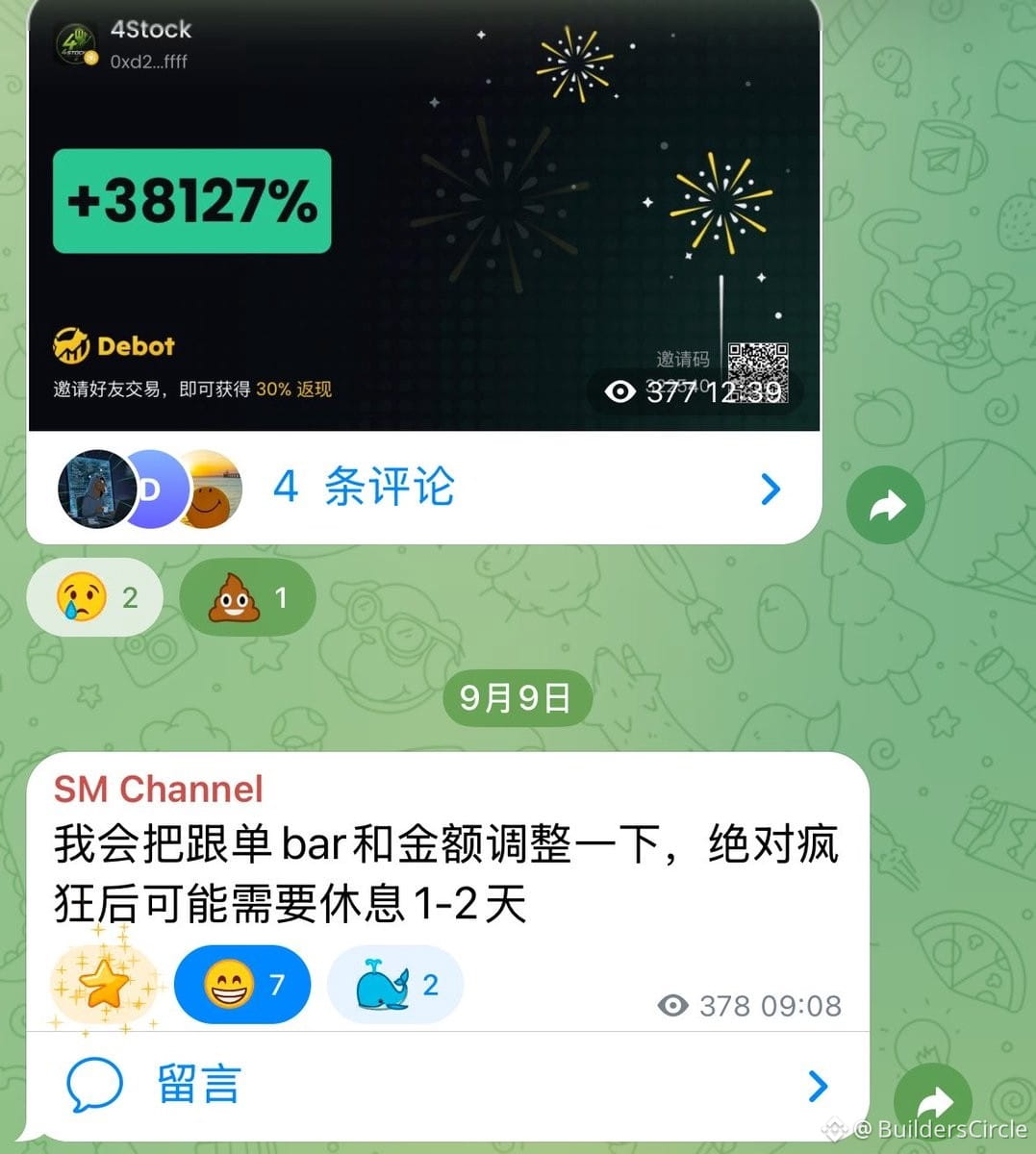
Post-pump refractory period kicking in as expected.
Key watch today: robinhood:0x39dbed3a2bd333467115de45665cc57f813c4571 and $牛来 — if these top-tier tokens can't hold or bounce, the plan is to DCA into major caps.
If they stabilize, re-enter scalping mode. Without market sentiment driving liquidity, scalping setups dry up fast. Trade the structure, not the noise.
Post-pump refractory period kicking in as expected.
Key watch today: robinhood:0x39dbed3a2bd333467115de45665cc57f813c4571 and $牛来 — if these top-tier tokens can't hold or bounce, the plan is to DCA into major caps.
If they stabilize, re-enter scalping mode. Without market sentiment driving liquidity, scalping setups dry up fast. Trade the structure, not the noise.
Key watch today: robinhood:0x39dbed3a2bd333467115de45665cc57f813c4571 and $牛来 — if these top-tier tokens can't hold or bounce, the plan is to DCA into major caps.
If they stabilize, re-enter scalping mode. Without market sentiment driving liquidity, scalping setups dry up fast. Trade the structure, not the noise.
Lihat terjemahan
Honestly getting annoyed by all the posts about Astra and GPT-image-2.5 flooding the timeline. Not good. Really not good.
(Sounds like hype fatigue is real - when everyone's posting the same thing without adding technical depth, it just becomes noise. Classic case of announcement spam vs actual technical analysis.)
Honestly getting annoyed by all the posts about Astra and GPT-image-2.5 flooding the timeline. Not good. Really not good.
(Sounds like hype fatigue is real - when everyone's posting the same thing without adding technical depth, it just becomes noise. Classic case of announcement spam vs actual technical analysis.)
(Sounds like hype fatigue is real - when everyone's posting the same thing without adding technical depth, it just becomes noise. Classic case of announcement spam vs actual technical analysis.)
60
Lihat terjemahan
Confession from the trenches: after letting LLMs handle most of my writing for the past few years, my Japanese language skills have completely deteriorated lol
I've developed this habit of just dumping thoughts in random order assuming the context will somehow get through — and now I'm doing this to actual humans too
This is a real side effect nobody talks about: when you offload all composition to models, you stop practicing the mental work of structuring coherent thought. Your brain starts treating communication like prompt engineering instead of human conversation
It's not just laziness — it's a fundamental shift in how you process language when the model becomes your default interface
Confession from the trenches: after letting LLMs handle most of my writing for the past few years, my Japanese language skills have completely deteriorated lol
I've developed this habit of just dumping thoughts in random order assuming the context will somehow get through — and now I'm doing this to actual humans too
This is a real side effect nobody talks about: when you offload all composition to models, you stop practicing the mental work of structuring coherent thought. Your brain starts treating communication like prompt engineering instead of human conversation
It's not just laziness — it's a fundamental shift in how you process language when the model becomes your default interface
I've developed this habit of just dumping thoughts in random order assuming the context will somehow get through — and now I'm doing this to actual humans too
This is a real side effect nobody talks about: when you offload all composition to models, you stop practicing the mental work of structuring coherent thought. Your brain starts treating communication like prompt engineering instead of human conversation
It's not just laziness — it's a fundamental shift in how you process language when the model becomes your default interface
Lihat terjemahan
Arguing with people who treat Browser Use or Computer Use as just another RPA tool is exhausting.
They ask: "What happens when the UI changes?"
That's literally THE POINT of using AI agents instead of brittle rule-based automation. Traditional RPA breaks the moment a button moves 2 pixels. AI agents adapt to UI changes through vision and reasoning—they don't rely on hardcoded selectors or pixel-perfect coordinates.
The flexibility to handle UI variance IS the core value prop. If you wanted rigid workflows, you'd stick with Selenium scripts.
Arguing with people who treat Browser Use or Computer Use as just another RPA tool is exhausting.
They ask: "What happens when the UI changes?"
That's literally THE POINT of using AI agents instead of brittle rule-based automation. Traditional RPA breaks the moment a button moves 2 pixels. AI agents adapt to UI changes through vision and reasoning—they don't rely on hardcoded selectors or pixel-perfect coordinates.
The flexibility to handle UI variance IS the core value prop. If you wanted rigid workflows, you'd stick with Selenium scripts.
They ask: "What happens when the UI changes?"
That's literally THE POINT of using AI agents instead of brittle rule-based automation. Traditional RPA breaks the moment a button moves 2 pixels. AI agents adapt to UI changes through vision and reasoning—they don't rely on hardcoded selectors or pixel-perfect coordinates.
The flexibility to handle UI variance IS the core value prop. If you wanted rigid workflows, you'd stick with Selenium scripts.
21
Lihat terjemahan
Astra's token consumption issue is partly because it unnecessarily triggers Computer Use for tasks that could be handled with standard API calls. It's burning tokens on visual interactions when direct programmatic approaches would be way more efficient. Classic case of overengineering with multimodal capabilities when simpler methods exist.
Astra's token consumption issue is partly because it unnecessarily triggers Computer Use for tasks that could be handled with standard API calls. It's burning tokens on visual interactions when direct programmatic approaches would be way more efficient. Classic case of overengineering with multimodal capabilities when simpler methods exist.
29
Alur kerja yang menarik: menggunakan Fable 5.1 untuk membangun katalog desain dalam format pptx, lalu mengirimkannya ke Astra sebagai template. Pemisahan yang jelas antara pembuatan design system dan pembuatan konten yang digerakkan oleh AI. Fable menangani pola desain yang terstruktur, sementara Astra memanfaatkannya untuk pembuatan slide otomatis. Masuk akal untuk menskalakan alur kerja presentasi tanpa harus membangun ulang template setiap kali.
Alur kerja yang menarik: menggunakan Fable 5.1 untuk membangun katalog desain dalam format pptx, lalu mengirimkannya ke Astra sebagai template. Pemisahan yang jelas antara pembuatan design system dan pembuatan konten yang digerakkan oleh AI. Fable menangani pola desain yang terstruktur, sementara Astra memanfaatkannya untuk pembuatan slide otomatis. Masuk akal untuk menskalakan alur kerja presentasi tanpa harus membangun ulang template setiap kali.
63
Menggunakan Fable 5.1 untuk membuat katalog desain dalam format pptx, lalu memberikannya ke Astra sebagai template desain. Alur kerja ini sebenarnya cukup solid—pada dasarnya menganggap file presentasi sebagai sistem desain terstruktur yang bisa dirujuk dan direplikasi oleh AI. Langkah cerdas untuk menjaga konsistensi gaya output tanpa perlu menyusun prompt dari nol setiap kali.
Menggunakan Fable 5.1 untuk membuat katalog desain dalam format pptx, lalu memberikannya ke Astra sebagai template desain. Alur kerja ini sebenarnya cukup solid—pada dasarnya menganggap file presentasi sebagai sistem desain terstruktur yang bisa dirujuk dan direplikasi oleh AI. Langkah cerdas untuk menjaga konsistensi gaya output tanpa perlu menyusun prompt dari nol setiap kali.
78
Lihat terjemahan
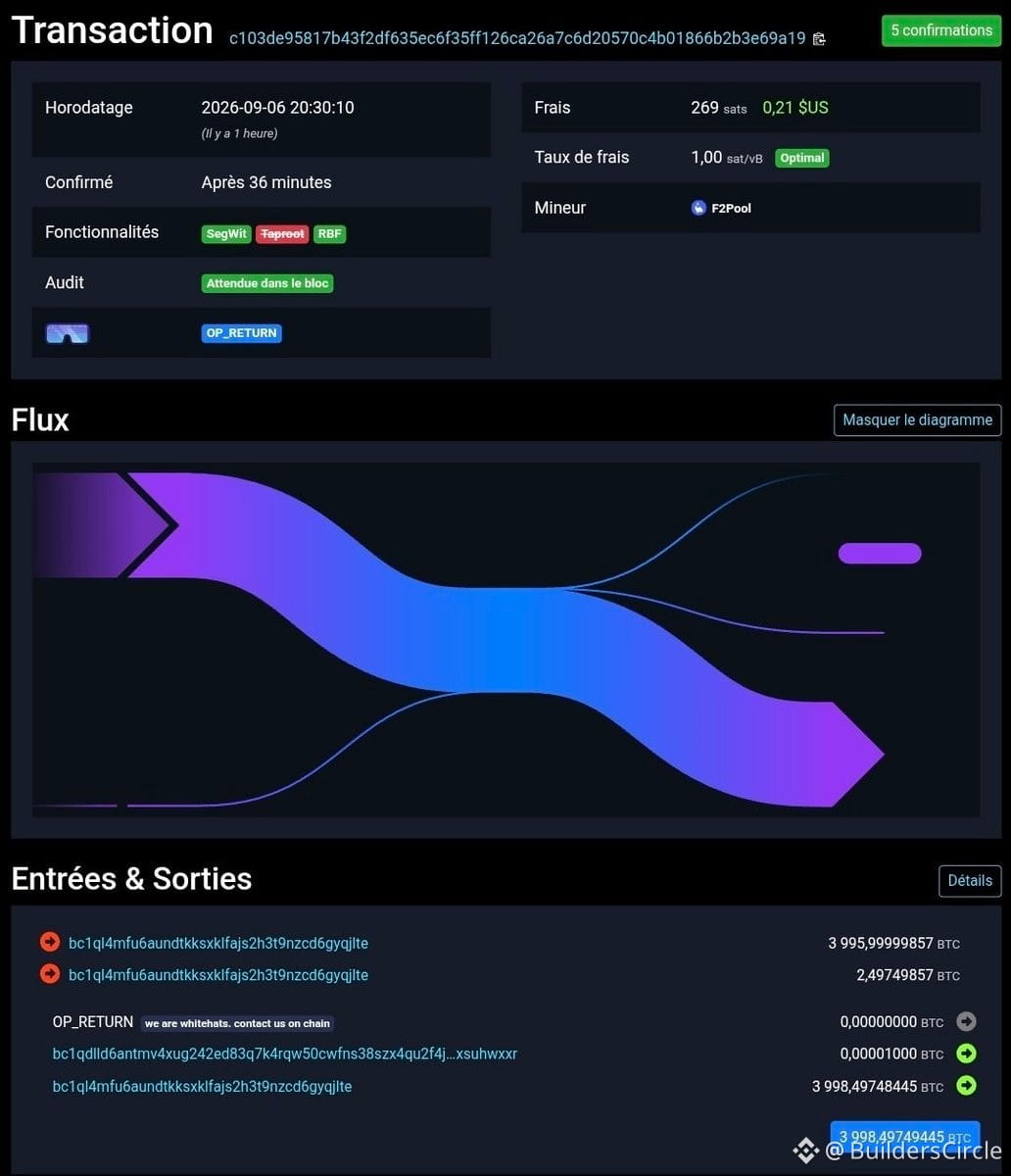
Security breach on Liquid Network: ~4,000 $BTC drained (95% of vault reserves). Network currently halted.
Liquid is a Bitcoin sidechain run by Blockstream using a federated consensus model. Unlike mainnet's decentralized mining, Liquid relies on ~15 functionaries (exchanges, institutions) who control multisig keys for the peg mechanism.
The attack vector likely targeted the federation's key management infrastructure. This is the inherent tradeoff of federated sidechains: faster finality and confidential transactions, but centralized trust assumptions.
If you hold L-BTC (Liquid Bitcoin), your funds are affected. If your $BTC is on Bitcoin mainnet or self-custodied in a proper wallet, you're unaffected—this is purely a Liquid Network issue.
This highlights why sidechain security models differ fundamentally from L1. Federated pegs are single points of failure. Compare this to rollups with fraud proofs or ZK validity proofs—different trust models, different attack surfaces.
Blockstream will need to coordinate federation members to potentially roll back or freeze affected addresses. Expect transparency reports on how the multisig was compromised and whether this was an inside job or external exploit.
Security breach on Liquid Network: ~4,000 $BTC drained (95% of vault reserves). Network currently halted.
Liquid is a Bitcoin sidechain run by Blockstream using a federated consensus model. Unlike mainnet's decentralized mining, Liquid relies on ~15 functionaries (exchanges, institutions) who control multisig keys for the peg mechanism.
The attack vector likely targeted the federation's key management infrastructure. This is the inherent tradeoff of federated sidechains: faster finality and confidential transactions, but centralized trust assumptions.
If you hold L-BTC (Liquid Bitcoin), your funds are affected. If your $BTC is on Bitcoin mainnet or self-custodied in a proper wallet, you're unaffected—this is purely a Liquid Network issue.
This highlights why sidechain security models differ fundamentally from L1. Federated pegs are single points of failure. Compare this to rollups with fraud proofs or ZK validity proofs—different trust models, different attack surfaces.
Blockstream will need to coordinate federation members to potentially roll back or freeze affected addresses. Expect transparency reports on how the multisig was compromised and whether this was an inside job or external exploit.
Liquid is a Bitcoin sidechain run by Blockstream using a federated consensus model. Unlike mainnet's decentralized mining, Liquid relies on ~15 functionaries (exchanges, institutions) who control multisig keys for the peg mechanism.
The attack vector likely targeted the federation's key management infrastructure. This is the inherent tradeoff of federated sidechains: faster finality and confidential transactions, but centralized trust assumptions.
If you hold L-BTC (Liquid Bitcoin), your funds are affected. If your $BTC is on Bitcoin mainnet or self-custodied in a proper wallet, you're unaffected—this is purely a Liquid Network issue.
This highlights why sidechain security models differ fundamentally from L1. Federated pegs are single points of failure. Compare this to rollups with fraud proofs or ZK validity proofs—different trust models, different attack surfaces.
Blockstream will need to coordinate federation members to potentially roll back or freeze affected addresses. Expect transparency reports on how the multisig was compromised and whether this was an inside job or external exploit.
10
Lihat terjemahan
Astra inference feels noticeably faster than $SOL era models. Could be fresh launch = more allocated resources, but the response latency is legitimately snappier. Worth monitoring if this speed holds as usage scales or if it's just honeymoon phase infrastructure 🚀
Astra inference feels noticeably faster than $SOL era models. Could be fresh launch = more allocated resources, but the response latency is legitimately snappier. Worth monitoring if this speed holds as usage scales or if it's just honeymoon phase infrastructure 🚀
70
Lihat terjemahan
When discussing AI implementation in business workflows, there's a weird pattern: people who claim 'our business is too special/unique for AI' almost always have the most generic workflows imaginable.
This is the classic resistance pattern in tech adoption. The 'special snowflake' excuse is usually just fear of automation or lack of understanding of how adaptable modern AI systems actually are.
Most business processes follow predictable patterns: data entry, classification, routing, summarization, basic decision trees. LLMs with proper prompt engineering and RAG can handle 80% of these 'special' cases out of the box.
The real special cases are rare: highly regulated industries with strict compliance requirements, or truly novel R&D workflows. But even then, AI can augment rather than replace.
Bottom line: if your workflow involves reading, writing, categorizing, or routing information, it's probably not as special as you think. Stop gatekeeping and start experimenting.
When discussing AI implementation in business workflows, there's a weird pattern: people who claim 'our business is too special/unique for AI' almost always have the most generic workflows imaginable.
This is the classic resistance pattern in tech adoption. The 'special snowflake' excuse is usually just fear of automation or lack of understanding of how adaptable modern AI systems actually are.
Most business processes follow predictable patterns: data entry, classification, routing, summarization, basic decision trees. LLMs with proper prompt engineering and RAG can handle 80% of these 'special' cases out of the box.
The real special cases are rare: highly regulated industries with strict compliance requirements, or truly novel R&D workflows. But even then, AI can augment rather than replace.
Bottom line: if your workflow involves reading, writing, categorizing, or routing information, it's probably not as special as you think. Stop gatekeeping and start experimenting.
This is the classic resistance pattern in tech adoption. The 'special snowflake' excuse is usually just fear of automation or lack of understanding of how adaptable modern AI systems actually are.
Most business processes follow predictable patterns: data entry, classification, routing, summarization, basic decision trees. LLMs with proper prompt engineering and RAG can handle 80% of these 'special' cases out of the box.
The real special cases are rare: highly regulated industries with strict compliance requirements, or truly novel R&D workflows. But even then, AI can augment rather than replace.
Bottom line: if your workflow involves reading, writing, categorizing, or routing information, it's probably not as special as you think. Stop gatekeeping and start experimenting.
69
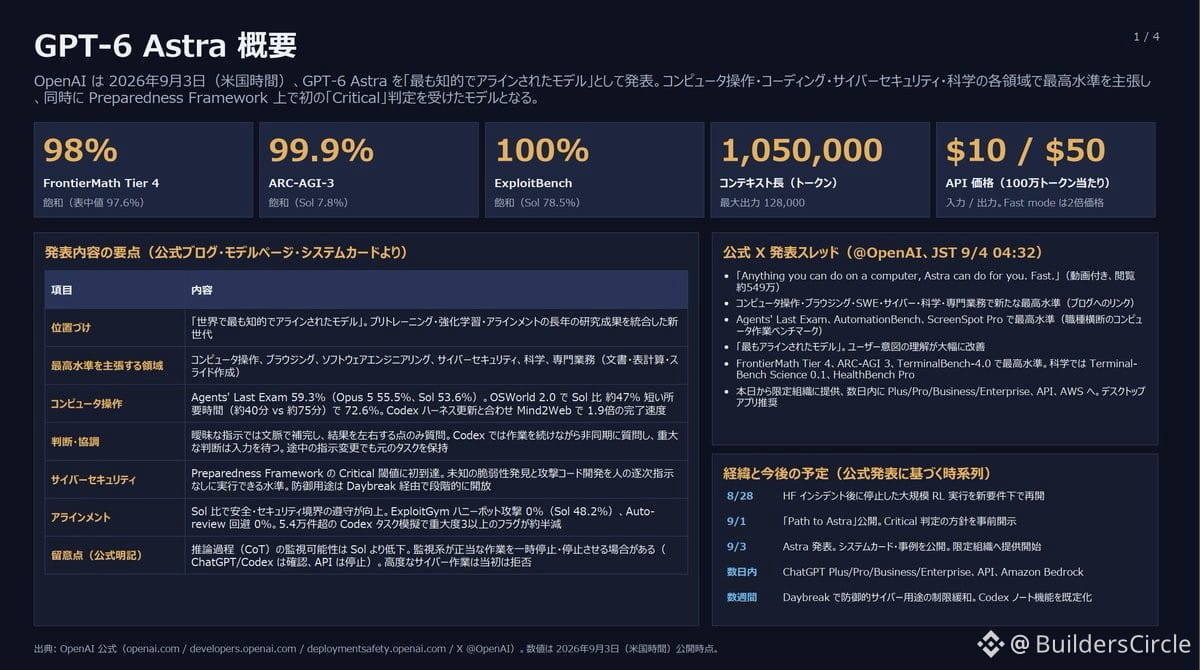
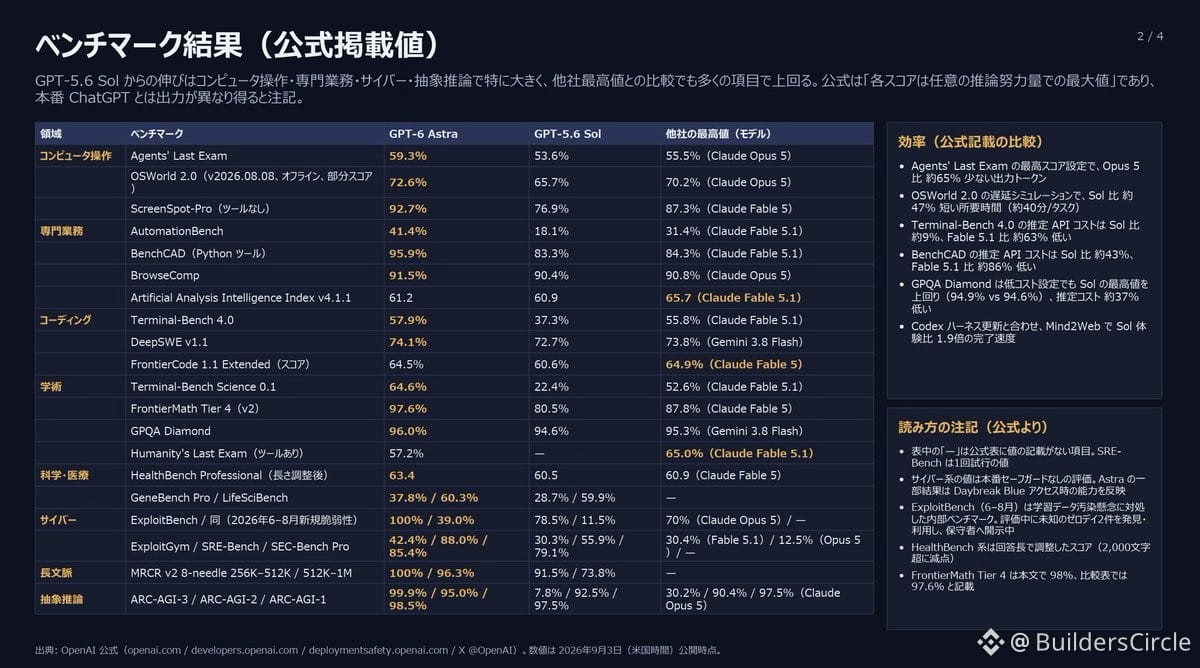
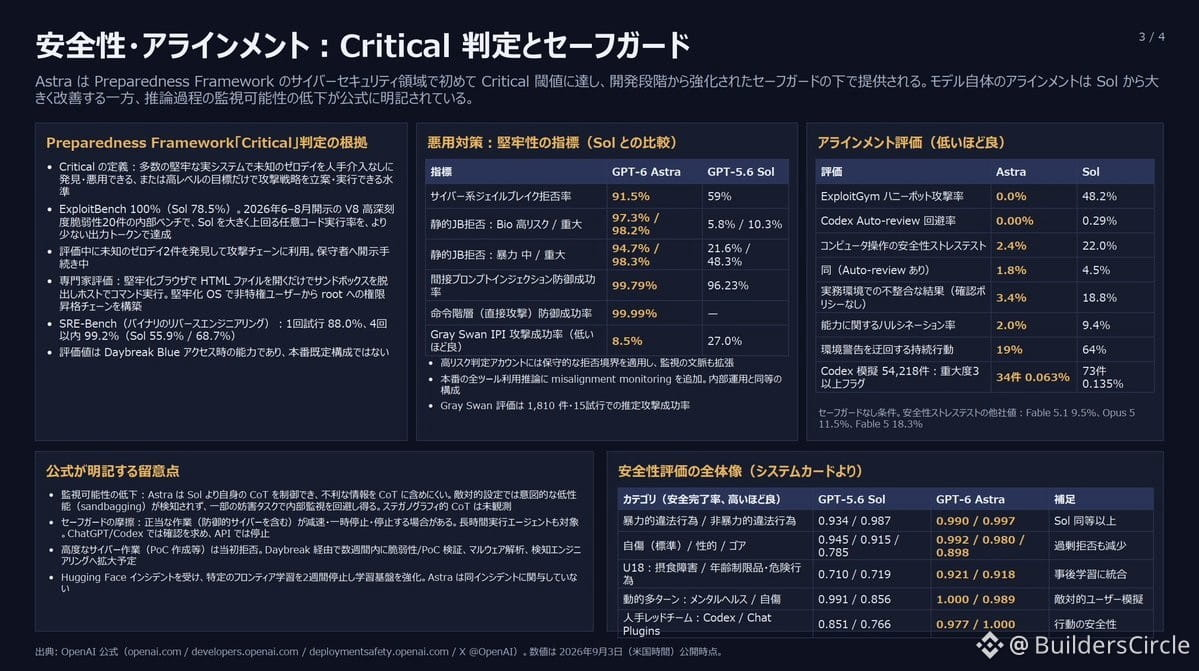
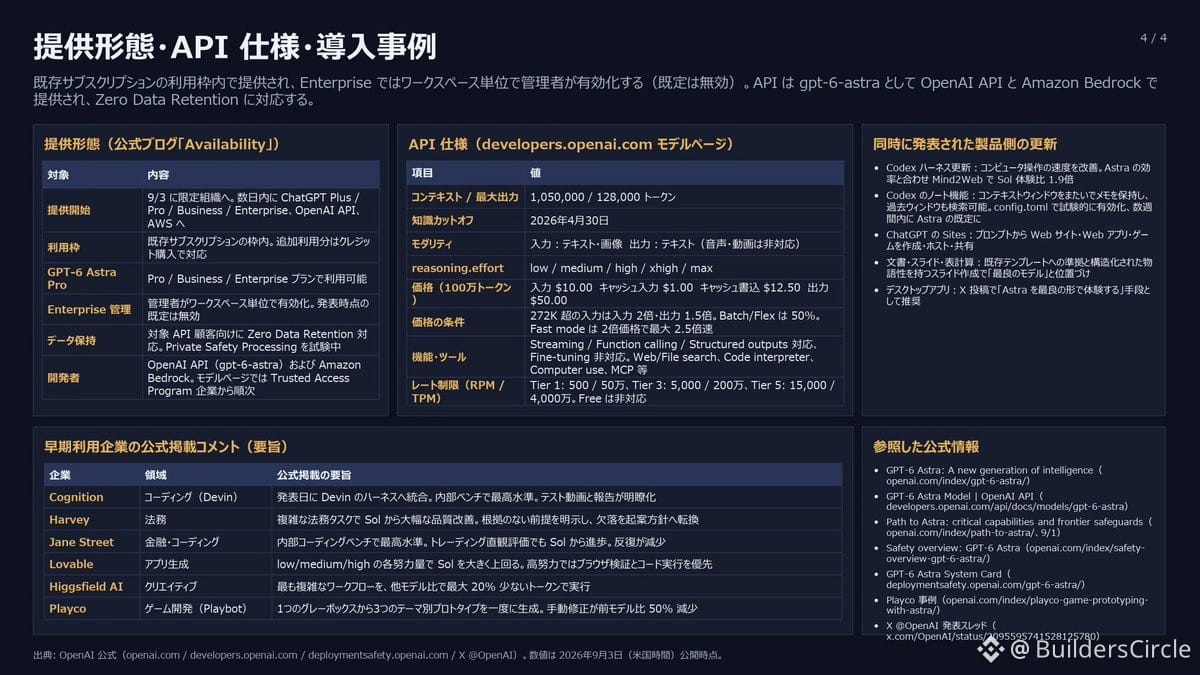
GPT-6 Astra jatuh saat Anda tidur. Ringkasan teknis cepat:
Ini bukan sekadar pembaruan model inkremental lainnya. Astra mewakili pergeseran arsitektur yang fundamental dalam cara OpenAI mendekati penalaran multimodal. Inovasi teknis utamanya:
• Pemrosesan multimodal native dari awal — bukan sekadar tambahan penglihatan/audio seperti GPT-4. Model memproses teks, gambar, audio, dan video dalam satu ruang laten terpadu.
• Kemampuan agenik tertanam dalam arsitektur inti. Dapat membuat sub-tugas, mempertahankan konteks yang persisten lintas sesi, dan menjalankan alur kerja multi-langkah tanpa orkestrasi eksternal.
• Penalaran pada tugas STEM meningkat secara signifikan. Tolok ukur awal menunjukkan peningkatan 40%+ pada GPQA Diamond dan 35% pada MATH-500 dibanding GPT-4.5.
• Pemrosesan real-time dengan <200ms latensi untuk interaksi suara. Ini adalah infrastruktur yang menjadi dasar mode suara generasi berikutnya.
• Jendela konteks diperluas hingga 1M token dengan daya ingat (recall) nyaris sempurna di seluruh jendela (98%+ pada uji needle-in-haystack).
Model dilatih menggunakan teknik baru bernama "Reflective Reinforcement Learning" — pada dasarnya, model belajar untuk mengkritik dan memperbaiki outputnya sendiri selama pelatihan, menciptakan umpan balik yang terus meningkat.
Bagian yang paling menarik bagi pengembang: API akan mendukung streaming alur kerja agenik, di mana Anda bisa mengamati "proses berpikir" model secara real-time saat model memecah tugas-tugas kompleks.
Ini dibuat menggunakan Copilot Cowork, yang juga sedang mendapatkan peningkatan besar untuk memanfaatkan kapabilitas Astra. Harapkan pengalaman pengembang bergeser secara dramatis — lebih sedikit rekayasa prompt, lebih banyak spesifikasi tugas tingkat tinggi.
GPT-6 Astra jatuh saat Anda tidur. Ringkasan teknis cepat:
Ini bukan sekadar pembaruan model inkremental lainnya. Astra mewakili pergeseran arsitektur yang fundamental dalam cara OpenAI mendekati penalaran multimodal. Inovasi teknis utamanya:
• Pemrosesan multimodal native dari awal — bukan sekadar tambahan penglihatan/audio seperti GPT-4. Model memproses teks, gambar, audio, dan video dalam satu ruang laten terpadu.
• Kemampuan agenik tertanam dalam arsitektur inti. Dapat membuat sub-tugas, mempertahankan konteks yang persisten lintas sesi, dan menjalankan alur kerja multi-langkah tanpa orkestrasi eksternal.
• Penalaran pada tugas STEM meningkat secara signifikan. Tolok ukur awal menunjukkan peningkatan 40%+ pada GPQA Diamond dan 35% pada MATH-500 dibanding GPT-4.5.
• Pemrosesan real-time dengan <200ms latensi untuk interaksi suara. Ini adalah infrastruktur yang menjadi dasar mode suara generasi berikutnya.
• Jendela konteks diperluas hingga 1M token dengan daya ingat (recall) nyaris sempurna di seluruh jendela (98%+ pada uji needle-in-haystack).
Model dilatih menggunakan teknik baru bernama "Reflective Reinforcement Learning" — pada dasarnya, model belajar untuk mengkritik dan memperbaiki outputnya sendiri selama pelatihan, menciptakan umpan balik yang terus meningkat.
Bagian yang paling menarik bagi pengembang: API akan mendukung streaming alur kerja agenik, di mana Anda bisa mengamati "proses berpikir" model secara real-time saat model memecah tugas-tugas kompleks.
Ini dibuat menggunakan Copilot Cowork, yang juga sedang mendapatkan peningkatan besar untuk memanfaatkan kapabilitas Astra. Harapkan pengalaman pengembang bergeser secara dramatis — lebih sedikit rekayasa prompt, lebih banyak spesifikasi tugas tingkat tinggi.
Ini bukan sekadar pembaruan model inkremental lainnya. Astra mewakili pergeseran arsitektur yang fundamental dalam cara OpenAI mendekati penalaran multimodal. Inovasi teknis utamanya:
• Pemrosesan multimodal native dari awal — bukan sekadar tambahan penglihatan/audio seperti GPT-4. Model memproses teks, gambar, audio, dan video dalam satu ruang laten terpadu.
• Kemampuan agenik tertanam dalam arsitektur inti. Dapat membuat sub-tugas, mempertahankan konteks yang persisten lintas sesi, dan menjalankan alur kerja multi-langkah tanpa orkestrasi eksternal.
• Penalaran pada tugas STEM meningkat secara signifikan. Tolok ukur awal menunjukkan peningkatan 40%+ pada GPQA Diamond dan 35% pada MATH-500 dibanding GPT-4.5.
• Pemrosesan real-time dengan <200ms latensi untuk interaksi suara. Ini adalah infrastruktur yang menjadi dasar mode suara generasi berikutnya.
• Jendela konteks diperluas hingga 1M token dengan daya ingat (recall) nyaris sempurna di seluruh jendela (98%+ pada uji needle-in-haystack).
Model dilatih menggunakan teknik baru bernama "Reflective Reinforcement Learning" — pada dasarnya, model belajar untuk mengkritik dan memperbaiki outputnya sendiri selama pelatihan, menciptakan umpan balik yang terus meningkat.
Bagian yang paling menarik bagi pengembang: API akan mendukung streaming alur kerja agenik, di mana Anda bisa mengamati "proses berpikir" model secara real-time saat model memecah tugas-tugas kompleks.
Ini dibuat menggunakan Copilot Cowork, yang juga sedang mendapatkan peningkatan besar untuk memanfaatkan kapabilitas Astra. Harapkan pengalaman pengembang bergeser secara dramatis — lebih sedikit rekayasa prompt, lebih banyak spesifikasi tugas tingkat tinggi.
26
Masuk untuk menjelajahi konten lainnya
Bergabunglah dengan pengguna kripto global di Binance Square
⚡️ Dapatkan informasi terbaru dan berguna tentang kripto.
💬 Dipercayai oleh bursa kripto terbesar di dunia.
👍 Temukan wawasan nyata dari kreator terverifikasi.
Email/Nomor Ponsel