

R3N 1
597 Posting

R3N 1
Laporkan
Blokir Pengguna
Web3 & crypto Analyst || Breaking down market moves || token updates daily ➪NFA!!!
0 Mengikuti
3 Pengikut
4 Disukai
Posting
·
--
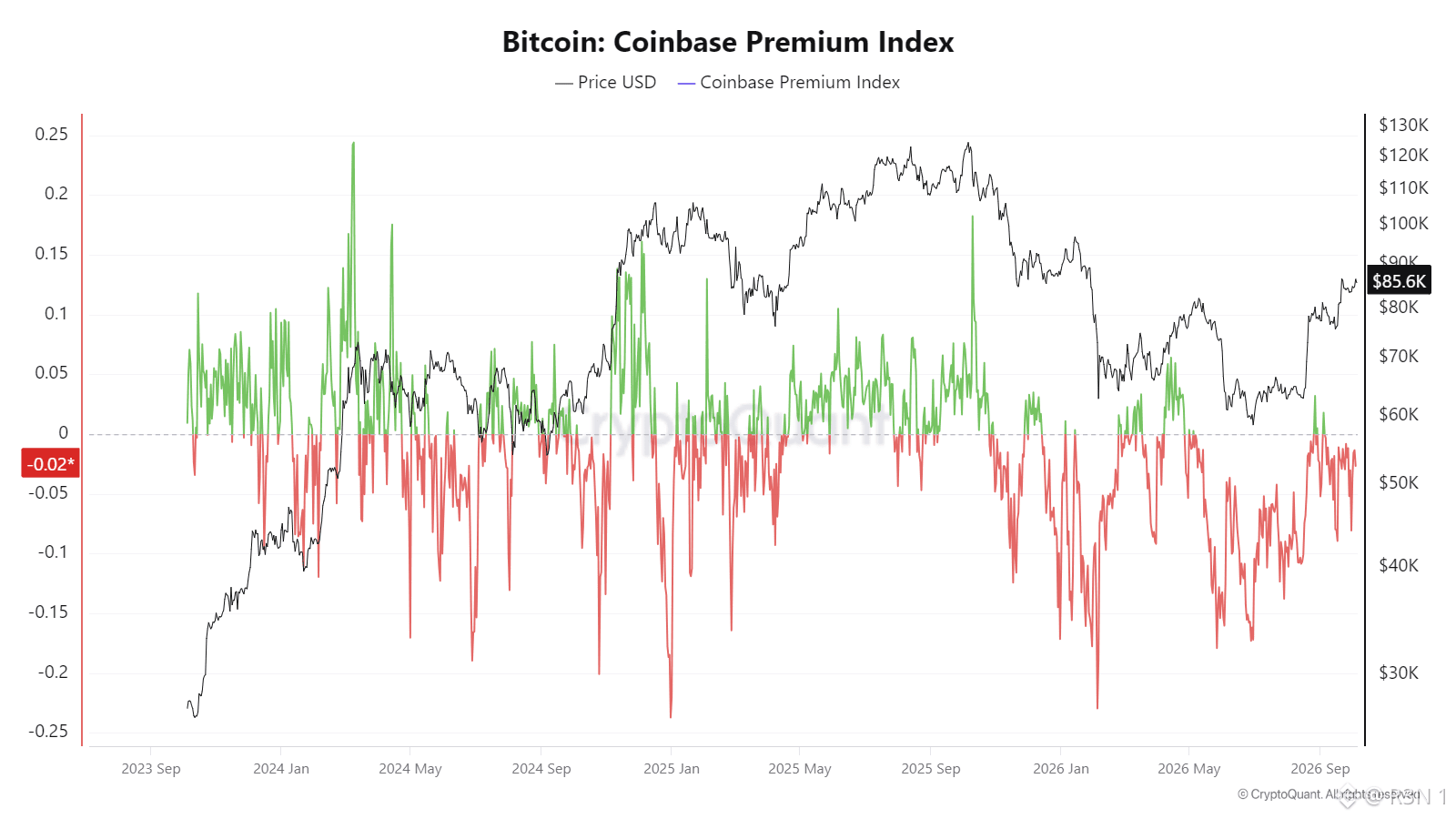
$BTC kembali mendekati $85,6K, hampir menyamai level tertinggi tahun ini. Namun, Coinbase Premium yang saat ini berada di -0,02 adalah detail yang tidak selaras dengan pergerakan harga, dan ketidakselarasan ini lebih layak diperhatikan daripada level harganya sendiri. Premium ini mengukur apakah BTC diperdagangkan dengan harga premium atau diskon di Coinbase dibandingkan dengan bursa-bursa besar lainnya. Ini menjadi indikator permintaan spot berbasis AS relatif terhadap pasar global lainnya. Angka positif berarti pembeli AS bersedia membayar lebih, sedangkan angka negatif berarti mereka bukan pendorong utama pergerakan. Saat ini angkanya negatif, yang berarti kenaikan menuju $85,6K ini tidak didorong oleh tingginya permintaan spot AS seperti beberapa reli sebelumnya pada grafik ini. Perhatikan perilaku metrik ini di sekitar dua puncak harga utama yang terlihat di sini. Menjelang kenaikan menuju $120K+ pada akhir 2025, premium ini bertahan cukup lama di zona hijau, sering kali berada di atas 0,05–0,1. Angkanya benar-benar positif secara konsisten seiring kenaikan harga. Kini, harga kembali mendekati level serupa sementara premium berada di zona negatif. Ini adalah kondisi yang secara struktural berbeda dari reli yang menghasilkan puncak sebelumnya. Yang menarik bagi saya, pola ini juga bukan sesuatu yang baru dan hanya terjadi pada pantulan kali ini. Sepanjang sebagian besar 2026, premium ini berayun antara zona merah dan hijau tanpa periode positif yang bertahan lama, bahkan selama pemulihan dari level terendah tahun ini. Ini merupakan tren yang telah berlangsung lebih lama daripada sekadar angka minggu ini. Namun, penting untuk tidak menafsirkan satu titik data secara berlebihan. Indeks ini bisa berada di zona negatif karena alasan selain lemahnya permintaan, termasuk faktor struktural terkait biaya perdagangan atau perbedaan likuiditas sementara antarplatform. Jadi, satu angka negatif saja tidak membuktikan apa pun. Apakah pergerakan ini nantinya akan terkonfirmasi oleh Coinbase Premium positif yang bertahan lama seperti pada reli 2025, atau reli ini akan terus menanjak tanpa sinyal spesifik tersebut—yang berarti karakter pergerakannya benar-benar berbeda dari reli yang menghasilkan puncak sebelumnya.
$BTC kembali mendekati $85,6K, hampir menyamai level tertinggi tahun ini. Namun, Coinbase Premium yang saat ini berada di -0,02 adalah detail yang tidak selaras dengan pergerakan harga, dan ketidakselarasan ini lebih layak diperhatikan daripada level harganya sendiri. Premium ini mengukur apakah BTC diperdagangkan dengan harga premium atau diskon di Coinbase dibandingkan dengan bursa-bursa besar lainnya. Ini menjadi indikator permintaan spot berbasis AS relatif terhadap pasar global lainnya. Angka positif berarti pembeli AS bersedia membayar lebih, sedangkan angka negatif berarti mereka bukan pendorong utama pergerakan. Saat ini angkanya negatif, yang berarti kenaikan menuju $85,6K ini tidak didorong oleh tingginya permintaan spot AS seperti beberapa reli sebelumnya pada grafik ini. Perhatikan perilaku metrik ini di sekitar dua puncak harga utama yang terlihat di sini. Menjelang kenaikan menuju $120K+ pada akhir 2025, premium ini bertahan cukup lama di zona hijau, sering kali berada di atas 0,05–0,1. Angkanya benar-benar positif secara konsisten seiring kenaikan harga. Kini, harga kembali mendekati level serupa sementara premium berada di zona negatif. Ini adalah kondisi yang secara struktural berbeda dari reli yang menghasilkan puncak sebelumnya. Yang menarik bagi saya, pola ini juga bukan sesuatu yang baru dan hanya terjadi pada pantulan kali ini. Sepanjang sebagian besar 2026, premium ini berayun antara zona merah dan hijau tanpa periode positif yang bertahan lama, bahkan selama pemulihan dari level terendah tahun ini. Ini merupakan tren yang telah berlangsung lebih lama daripada sekadar angka minggu ini. Namun, penting untuk tidak menafsirkan satu titik data secara berlebihan. Indeks ini bisa berada di zona negatif karena alasan selain lemahnya permintaan, termasuk faktor struktural terkait biaya perdagangan atau perbedaan likuiditas sementara antarplatform. Jadi, satu angka negatif saja tidak membuktikan apa pun. Apakah pergerakan ini nantinya akan terkonfirmasi oleh Coinbase Premium positif yang bertahan lama seperti pada reli 2025, atau reli ini akan terus menanjak tanpa sinyal spesifik tersebut—yang berarti karakter pergerakannya benar-benar berbeda dari reli yang menghasilkan puncak sebelumnya.
4
·
--
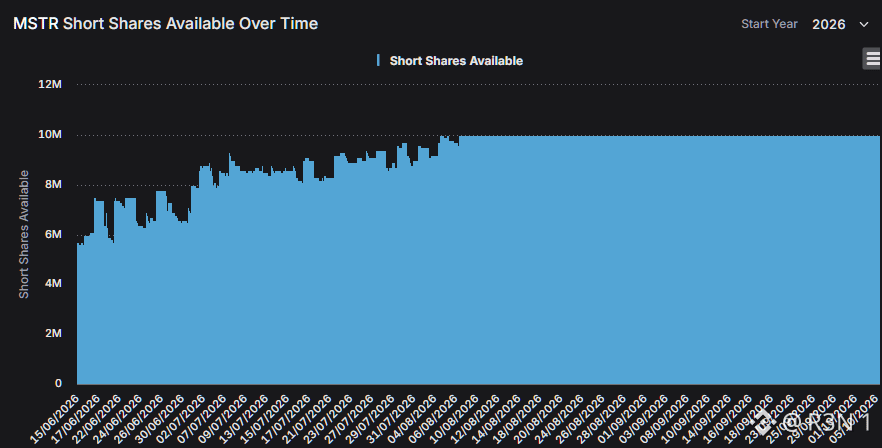
Jumlah saham MSTR yang tersedia untuk short tertahan di batas atasnya, sekitar 10 juta, sejak awal Agustus. Sementara itu, rasio volume short aktual naik-turun dari 0,3 ke 0,6 lalu kembali turun hanya dalam sebulan terakhir. Kombinasi ini perlu dibedakan, karena keduanya menceritakan hal yang berbeda tentang tekanan short di sini. Grafik saham yang tersedia naik stabil dari sekitar 6 juta pada pertengahan Juni menjadi hampir 10 juta pada awal Agustus, lalu mendatar di level itu hingga awal Oktober. Batas atas seperti ini biasanya berarti kapasitas praktis kumpulan saham yang bisa dipinjam untuk dijual short sudah tercapai. Broker tidak menyediakan tambahan pasokan dalam jumlah berarti, sehingga angkanya bertahan di batas maksimal dan tidak terus bertambah.
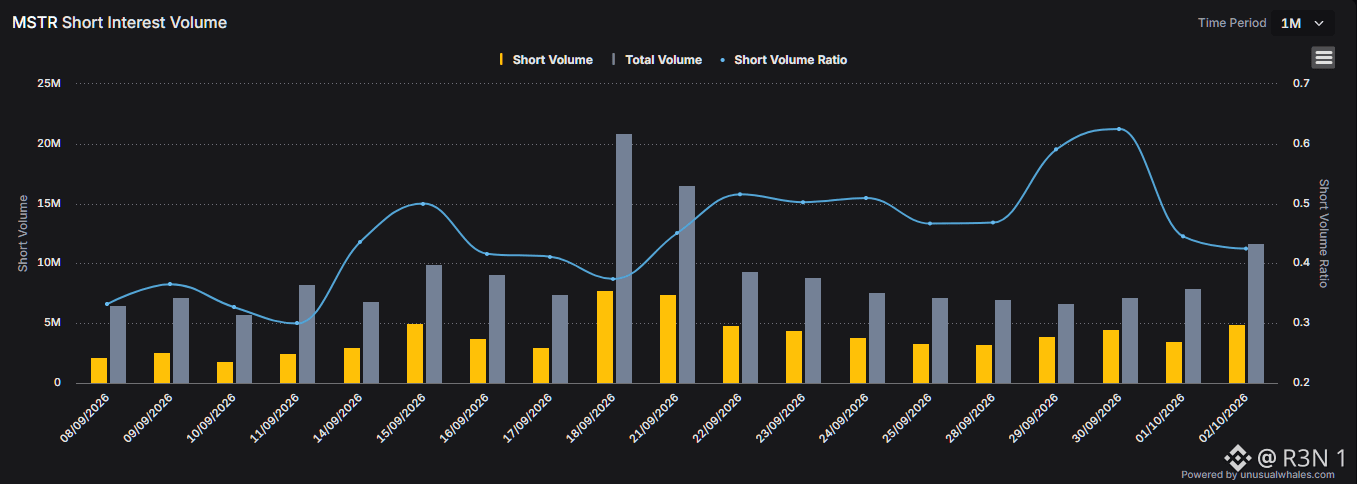
Rasio volume short menunjukkan dinamika yang lebih besar di tengah pasokan yang tetap itu. Sepanjang sebagian besar September, angkanya berfluktuasi di kisaran 0,3 hingga 0,5, lalu melonjak hingga sekitar 0,6—titik tertinggi dalam rentang ini—pada sekitar 29–30 September, sebelum turun kembali ke sekitar 0,4 pada 2 Oktober. Perlu dicatat, hari dengan volume terbesar, 18 September, saat total volume melonjak hingga sekitar 21 juta saham, justru mencatat rasio short yang relatif rendah, sekitar 0,38 hingga 0,4. Artinya, lonjakan volume itu tidak terutama didorong oleh aktivitas short, melainkan lebih menyerupai perdagangan dua arah yang luas.
Menurut penilaian saya, kombinasi kumpulan pinjaman yang sudah mencapai batas dan rasio short yang naik-turun tajam dari minggu ke minggu menunjukkan perubahan posisi yang aktif di tengah kapasitas short yang tersedia dalam jumlah tetap, bukan tesis short yang terus menguat. Lonjakan rasio pada akhir September hingga mendekati 0,6 adalah satu hal yang secara khusus patut diperhatikan. Aktivitas short saat itu memang meningkat dibandingkan bagian lain pada grafik ini, meskipun angkanya sudah turun kembali sejak saat itu.
Yang saya pantau: apakah jumlah saham yang tersedia untuk short benar-benar menembus batas sekitar 10 juta, yang akan menandakan broker menambah kapasitas pinjaman, atau tetap tertahan sementara rasionya terus bergerak. #Analisis Harga BTC# #Musim Altcoin# $BTC $XAUt
Jumlah saham MSTR yang tersedia untuk short tertahan di batas atasnya, sekitar 10 juta, sejak awal Agustus. Sementara itu, rasio volume short aktual naik-turun dari 0,3 ke 0,6 lalu kembali turun hanya dalam sebulan terakhir. Kombinasi ini perlu dibedakan, karena keduanya menceritakan hal yang berbeda tentang tekanan short di sini. Grafik saham yang tersedia naik stabil dari sekitar 6 juta pada pertengahan Juni menjadi hampir 10 juta pada awal Agustus, lalu mendatar di level itu hingga awal Oktober. Batas atas seperti ini biasanya berarti kapasitas praktis kumpulan saham yang bisa dipinjam untuk dijual short sudah tercapai. Broker tidak menyediakan tambahan pasokan dalam jumlah berarti, sehingga angkanya bertahan di batas maksimal dan tidak terus bertambah.
Rasio volume short menunjukkan dinamika yang lebih besar di tengah pasokan yang tetap itu. Sepanjang sebagian besar September, angkanya berfluktuasi di kisaran 0,3 hingga 0,5, lalu melonjak hingga sekitar 0,6—titik tertinggi dalam rentang ini—pada sekitar 29–30 September, sebelum turun kembali ke sekitar 0,4 pada 2 Oktober. Perlu dicatat, hari dengan volume terbesar, 18 September, saat total volume melonjak hingga sekitar 21 juta saham, justru mencatat rasio short yang relatif rendah, sekitar 0,38 hingga 0,4. Artinya, lonjakan volume itu tidak terutama didorong oleh aktivitas short, melainkan lebih menyerupai perdagangan dua arah yang luas.
Menurut penilaian saya, kombinasi kumpulan pinjaman yang sudah mencapai batas dan rasio short yang naik-turun tajam dari minggu ke minggu menunjukkan perubahan posisi yang aktif di tengah kapasitas short yang tersedia dalam jumlah tetap, bukan tesis short yang terus menguat. Lonjakan rasio pada akhir September hingga mendekati 0,6 adalah satu hal yang secara khusus patut diperhatikan. Aktivitas short saat itu memang meningkat dibandingkan bagian lain pada grafik ini, meskipun angkanya sudah turun kembali sejak saat itu.
Yang saya pantau: apakah jumlah saham yang tersedia untuk short benar-benar menembus batas sekitar 10 juta, yang akan menandakan broker menambah kapasitas pinjaman, atau tetap tertahan sementara rasionya terus bergerak. #Analisis Harga BTC# #Musim Altcoin# $BTC $XAUt
Rasio volume short menunjukkan dinamika yang lebih besar di tengah pasokan yang tetap itu. Sepanjang sebagian besar September, angkanya berfluktuasi di kisaran 0,3 hingga 0,5, lalu melonjak hingga sekitar 0,6—titik tertinggi dalam rentang ini—pada sekitar 29–30 September, sebelum turun kembali ke sekitar 0,4 pada 2 Oktober. Perlu dicatat, hari dengan volume terbesar, 18 September, saat total volume melonjak hingga sekitar 21 juta saham, justru mencatat rasio short yang relatif rendah, sekitar 0,38 hingga 0,4. Artinya, lonjakan volume itu tidak terutama didorong oleh aktivitas short, melainkan lebih menyerupai perdagangan dua arah yang luas.
Menurut penilaian saya, kombinasi kumpulan pinjaman yang sudah mencapai batas dan rasio short yang naik-turun tajam dari minggu ke minggu menunjukkan perubahan posisi yang aktif di tengah kapasitas short yang tersedia dalam jumlah tetap, bukan tesis short yang terus menguat. Lonjakan rasio pada akhir September hingga mendekati 0,6 adalah satu hal yang secara khusus patut diperhatikan. Aktivitas short saat itu memang meningkat dibandingkan bagian lain pada grafik ini, meskipun angkanya sudah turun kembali sejak saat itu.
Yang saya pantau: apakah jumlah saham yang tersedia untuk short benar-benar menembus batas sekitar 10 juta, yang akan menandakan broker menambah kapasitas pinjaman, atau tetap tertahan sementara rasionya terus bergerak. #Analisis Harga BTC# #Musim Altcoin# $BTC $XAUt
4
·
--
Aster menyebutnya sebagai "buyback dan burn 198%". Pelacak independen menggambarkan mekanisme yang sama secara berbeda: 99% biaya benar-benar diberikan kepada staker, ditambah janji terpisah untuk membakar jumlah yang sama dari cadangan. Perbedaan itu lebih penting daripada angka persentase yang menjadi tajuk utama. Bagian buyback terbukti jelas. Sejak 21 September, 99% biaya platform harian telah digunakan untuk membeli 3,11 juta ASTER, yang dibagikan kepada staker veASTER sebagai imbalan loyalitas melalui TWAP on-chain yang diselesaikan secara otomatis. Mekanisme ini dapat diverifikasi dan telah berjalan konsisten sejak peningkatan pada 17 Juni. Bagian burn-lah yang perlu disikapi dengan sangat hati-hati. Tokenomist, platform analitik independen, menandai bahwa proses burn Aster sebagian besar telah terhenti. Mereka menyebut sekitar 100 juta ASTER telah dibakar, berbanding target pengurangan yang dinyatakan mendekati 5 miliar, serta memperingatkan bahwa angka kumulatif buyback kemungkinan terdongkrak oleh aktivitas treasury pada tahap awal. Model resmi menyatakan bahwa setiap buyback memicu burn dalam jumlah setara dari alokasi tim, dua kali sebulan, hingga total suplai mencapai 3 miliar. Namun, verifikasi independen belum mengimbangi cara pemasaran membingkai hal ini. Konteks yang perlu diketahui: total suplai berada di sekitar 7,92 miliar setelah burn, dengan 77,86 juta telah dibakar menurut angka terbaru yang dikutip secara independen, sementara total buyback mencapai lebih dari 194 juta. Selisih antara token yang dibeli kembali dan token yang benar-benar dipastikan telah dibakar patut dipantau, bukan hanya angka buyback. Kesimpulan jujur saya: mekanisme buyback yang didanai biaya memang nyata dan berjalan seperti yang dijelaskan; bagian itu tidak diperdebatkan. Sisi burn—bagian yang benar-benar akan mengurangi suplai beredar, alih-alih sekadar mendistribusikannya kembali kepada staker—perlu ditelaah lebih cermat daripada yang tersirat dalam cara pengumuman khusus ini dibingkai. Yang saya pantau: apakah transaksi burn yang independen dan dapat diverifikasi benar-benar sesuai dengan angka terbaru 3,11 juta ini, alih-alih menerima begitu saja klaim bahwa token "dibakar dari alokasi tim". #BTC Analisis Harga# $ASTER
Aster menyebutnya sebagai "buyback dan burn 198%". Pelacak independen menggambarkan mekanisme yang sama secara berbeda: 99% biaya benar-benar diberikan kepada staker, ditambah janji terpisah untuk membakar jumlah yang sama dari cadangan. Perbedaan itu lebih penting daripada angka persentase yang menjadi tajuk utama. Bagian buyback terbukti jelas. Sejak 21 September, 99% biaya platform harian telah digunakan untuk membeli 3,11 juta ASTER, yang dibagikan kepada staker veASTER sebagai imbalan loyalitas melalui TWAP on-chain yang diselesaikan secara otomatis. Mekanisme ini dapat diverifikasi dan telah berjalan konsisten sejak peningkatan pada 17 Juni. Bagian burn-lah yang perlu disikapi dengan sangat hati-hati. Tokenomist, platform analitik independen, menandai bahwa proses burn Aster sebagian besar telah terhenti. Mereka menyebut sekitar 100 juta ASTER telah dibakar, berbanding target pengurangan yang dinyatakan mendekati 5 miliar, serta memperingatkan bahwa angka kumulatif buyback kemungkinan terdongkrak oleh aktivitas treasury pada tahap awal. Model resmi menyatakan bahwa setiap buyback memicu burn dalam jumlah setara dari alokasi tim, dua kali sebulan, hingga total suplai mencapai 3 miliar. Namun, verifikasi independen belum mengimbangi cara pemasaran membingkai hal ini. Konteks yang perlu diketahui: total suplai berada di sekitar 7,92 miliar setelah burn, dengan 77,86 juta telah dibakar menurut angka terbaru yang dikutip secara independen, sementara total buyback mencapai lebih dari 194 juta. Selisih antara token yang dibeli kembali dan token yang benar-benar dipastikan telah dibakar patut dipantau, bukan hanya angka buyback. Kesimpulan jujur saya: mekanisme buyback yang didanai biaya memang nyata dan berjalan seperti yang dijelaskan; bagian itu tidak diperdebatkan. Sisi burn—bagian yang benar-benar akan mengurangi suplai beredar, alih-alih sekadar mendistribusikannya kembali kepada staker—perlu ditelaah lebih cermat daripada yang tersirat dalam cara pengumuman khusus ini dibingkai. Yang saya pantau: apakah transaksi burn yang independen dan dapat diverifikasi benar-benar sesuai dengan angka terbaru 3,11 juta ini, alih-alih menerima begitu saja klaim bahwa token "dibakar dari alokasi tim". #BTC Analisis Harga# $ASTER
·
--
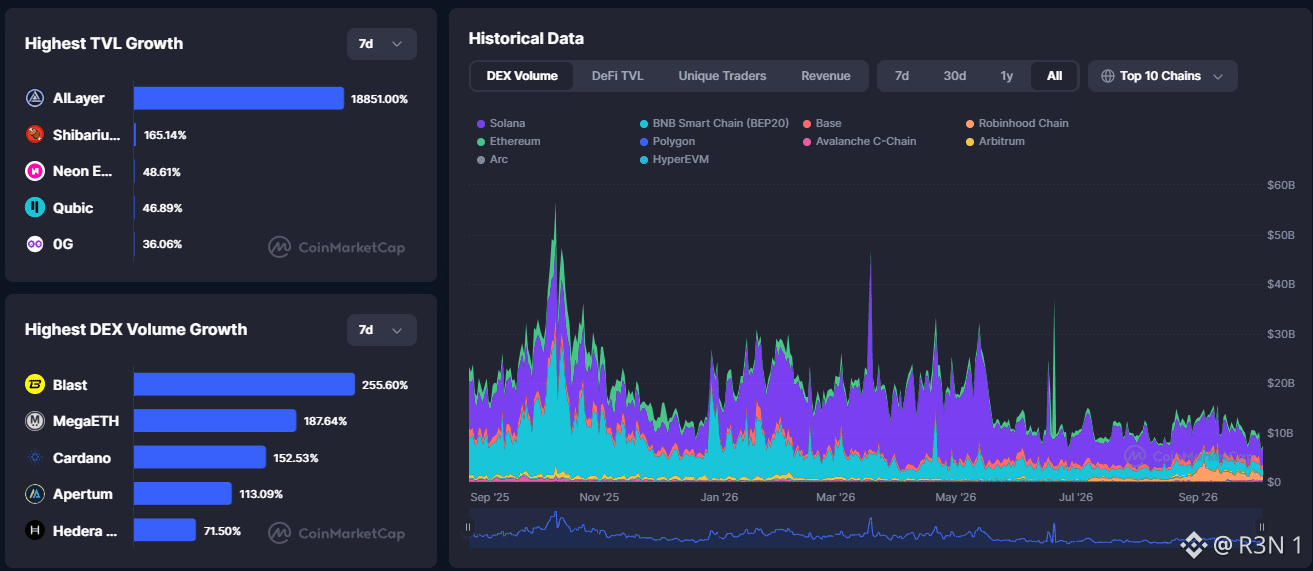
TVL AllLayer tumbuh 18.851% dalam tujuh hari. Angka itu justru hal pertama yang patut dipertanyakan, bukan dirayakan, karena pertumbuhan seekstrem itu hampir selalu berarti basis awal yang sangat kecil, bukan titik balik yang sesungguhnya dan layak disamakan dengan angka Shibarium yang relatif moderat, yaitu 165%. Para pemimpin pertumbuhan volume DEX memberikan gambaran yang lebih seimbang. Blast memimpin dengan 255,60%, disusul MegaETH sebesar 187,64%, Cardano 152,53%, Apertum 113,09%, dan Hedera sekitar 71,50%. Ini tetap merupakan kenaikan persentase yang besar, tetapi masih berada dalam kisaran yang membuat aktivitas dasarnya lebih mungkin nyata, bukan sekadar efek dari titik awal yang mendekati nol. Namun, grafik historis volume DEX adalah bagian yang lebih informatif di sini: grafik setahun penuh untuk sepuluh chain terbesar berdasarkan volume. Pita ungu Solana menjadi lapisan dominan hampir sepanjang periode, dan secara konsisten menjadi kontributor tunggal terbesar terhadap volume bertumpuk sejak September 2025 hingga sekarang. Grafik tersebut menunjukkan beberapa lonjakan tajam, dengan puncak terbesar mendekati $55 hingga $60 miliar sekitar Oktober hingga November 2025, lonjakan besar kedua sekitar Maret 2026, serta lonjakan hijau yang lebih sempit—kemungkinan terkait peristiwa khusus Ethereum—sekitar Juli 2026. Di luar lonjakan-lonjakan tersebut, volume gabungan dasar di seluruh sepuluh chain umumnya menyusut sepanjang 2026 dibandingkan dengan puncaknya pada akhir 2025. Penilaian jujur saya: papan peringkat pertumbuhan TVL sebagian besar hanyalah derau di posisi teratas. Angka AllLayer perlu dilengkapi angka nominalnya terlebih dahulu sebelum bisa berarti apa pun, sedangkan daftar pertumbuhan volume DEX lebih dapat dipercaya sebagai sinyal aktivitas nyata. Nilai sebenarnya dari grafik historis itu adalah memperlihatkan dominasi Solana yang berkelanjutan dalam pangsa volume bertumpuk, bukan pergerakan persentase dalam satu minggu tertentu. #Analisis Harga BTC# #Musim Altcoin# $BTC $ZEC
TVL AllLayer tumbuh 18.851% dalam tujuh hari. Angka itu justru hal pertama yang patut dipertanyakan, bukan dirayakan, karena pertumbuhan seekstrem itu hampir selalu berarti basis awal yang sangat kecil, bukan titik balik yang sesungguhnya dan layak disamakan dengan angka Shibarium yang relatif moderat, yaitu 165%. Para pemimpin pertumbuhan volume DEX memberikan gambaran yang lebih seimbang. Blast memimpin dengan 255,60%, disusul MegaETH sebesar 187,64%, Cardano 152,53%, Apertum 113,09%, dan Hedera sekitar 71,50%. Ini tetap merupakan kenaikan persentase yang besar, tetapi masih berada dalam kisaran yang membuat aktivitas dasarnya lebih mungkin nyata, bukan sekadar efek dari titik awal yang mendekati nol. Namun, grafik historis volume DEX adalah bagian yang lebih informatif di sini: grafik setahun penuh untuk sepuluh chain terbesar berdasarkan volume. Pita ungu Solana menjadi lapisan dominan hampir sepanjang periode, dan secara konsisten menjadi kontributor tunggal terbesar terhadap volume bertumpuk sejak September 2025 hingga sekarang. Grafik tersebut menunjukkan beberapa lonjakan tajam, dengan puncak terbesar mendekati $55 hingga $60 miliar sekitar Oktober hingga November 2025, lonjakan besar kedua sekitar Maret 2026, serta lonjakan hijau yang lebih sempit—kemungkinan terkait peristiwa khusus Ethereum—sekitar Juli 2026. Di luar lonjakan-lonjakan tersebut, volume gabungan dasar di seluruh sepuluh chain umumnya menyusut sepanjang 2026 dibandingkan dengan puncaknya pada akhir 2025. Penilaian jujur saya: papan peringkat pertumbuhan TVL sebagian besar hanyalah derau di posisi teratas. Angka AllLayer perlu dilengkapi angka nominalnya terlebih dahulu sebelum bisa berarti apa pun, sedangkan daftar pertumbuhan volume DEX lebih dapat dipercaya sebagai sinyal aktivitas nyata. Nilai sebenarnya dari grafik historis itu adalah memperlihatkan dominasi Solana yang berkelanjutan dalam pangsa volume bertumpuk, bukan pergerakan persentase dalam satu minggu tertentu. #Analisis Harga BTC# #Musim Altcoin# $BTC $ZEC
32
·
--
14,58 juta telah masuk, tetapi menurut laporan terbaru, hanya $2 yang benar-benar telah mencapai Dana Bantuan; sisanya masih dalam proses transfer. Kesenjangan antara "diterima" dan "disalurkan" itulah detail sebenarnya yang layak dipantau di sini.
Mekanisme ini benar-benar baru bagi Hyperliquid. Di bawah AQAv2, saat pengguna menjembatani USDC ke platform, Circle mencetak aset yang setara di HyperEVM dan kas memperoleh imbal hasil dari cadangan tersebut, yang diselesaikan setiap 30 hari. Pembayaran pertama ini mencakup periode 26 Agustus hingga 24 September, dengan tingkat rata-rata sekitar 3,14%, yang berarti sekitar $193 juta per tahun pada skala saat ini. Sekitar 90% dari imbal hasil bersih itu dialirkan secara khusus ke Dana Bantuan untuk membeli dan membakar HYPE.
Yang menonjol bagi saya adalah perubahan struktural yang sebenarnya terjadi. Sebelumnya, mesin pembelian kembali Hyperliquid hampir sepenuhnya bergantung pada biaya perdagangan, dengan sekitar 99% pendapatan biaya sudah mengalir ke Dana Bantuan, dengan kapasitas tahunan yang diperkirakan mencapai $771 juta. AQAv2 menambahkan sumber pendapatan kedua yang independen, terkait dengan dana deposit yang menganggur, bukan volume perdagangan. Ini memutus sebagian keterkaitan mekanisme pembelian kembali dari seberapa aktif para trader platform pada bulan tertentu, sehingga benar-benar mendiversifikasi basis pendapatan.
Jika digabungkan, estimasi total kapasitas pembelian kembali tahunan kini melampaui $900 juta. Dana Bantuan telah mengumpulkan sekitar 45 juta HYPE dengan nilai sekitar $1,1 miliar pada tingkat harga yang lebih rendah.
Pertanyaan terbuka bukanlah apakah sumber pendapatan ini nyata—beberapa sumber independen mengonfirmasi mekanisme dan pembayarannya. Pertanyaannya adalah apakah sisa saldo benar-benar menyelesaikan transfernya dan dikonversi menjadi pembelian nyata. Sebab, sampai itu terjadi, ini baru merupakan pembayaran yang terkonfirmasi ke protokol, belum menjadi pembelian token yang terkonfirmasi.
$HYPE #Altcoin Season# #Altcoin Season# $USDC
14,58 juta telah masuk, tetapi menurut laporan terbaru, hanya $2 yang benar-benar telah mencapai Dana Bantuan; sisanya masih dalam proses transfer. Kesenjangan antara "diterima" dan "disalurkan" itulah detail sebenarnya yang layak dipantau di sini.
Mekanisme ini benar-benar baru bagi Hyperliquid. Di bawah AQAv2, saat pengguna menjembatani USDC ke platform, Circle mencetak aset yang setara di HyperEVM dan kas memperoleh imbal hasil dari cadangan tersebut, yang diselesaikan setiap 30 hari. Pembayaran pertama ini mencakup periode 26 Agustus hingga 24 September, dengan tingkat rata-rata sekitar 3,14%, yang berarti sekitar $193 juta per tahun pada skala saat ini. Sekitar 90% dari imbal hasil bersih itu dialirkan secara khusus ke Dana Bantuan untuk membeli dan membakar HYPE.
Yang menonjol bagi saya adalah perubahan struktural yang sebenarnya terjadi. Sebelumnya, mesin pembelian kembali Hyperliquid hampir sepenuhnya bergantung pada biaya perdagangan, dengan sekitar 99% pendapatan biaya sudah mengalir ke Dana Bantuan, dengan kapasitas tahunan yang diperkirakan mencapai $771 juta. AQAv2 menambahkan sumber pendapatan kedua yang independen, terkait dengan dana deposit yang menganggur, bukan volume perdagangan. Ini memutus sebagian keterkaitan mekanisme pembelian kembali dari seberapa aktif para trader platform pada bulan tertentu, sehingga benar-benar mendiversifikasi basis pendapatan.
Jika digabungkan, estimasi total kapasitas pembelian kembali tahunan kini melampaui $900 juta. Dana Bantuan telah mengumpulkan sekitar 45 juta HYPE dengan nilai sekitar $1,1 miliar pada tingkat harga yang lebih rendah.
Pertanyaan terbuka bukanlah apakah sumber pendapatan ini nyata—beberapa sumber independen mengonfirmasi mekanisme dan pembayarannya. Pertanyaannya adalah apakah sisa saldo benar-benar menyelesaikan transfernya dan dikonversi menjadi pembelian nyata. Sebab, sampai itu terjadi, ini baru merupakan pembayaran yang terkonfirmasi ke protokol, belum menjadi pembelian token yang terkonfirmasi.
$HYPE #Altcoin Season# #Altcoin Season# $USDC
Mekanisme ini benar-benar baru bagi Hyperliquid. Di bawah AQAv2, saat pengguna menjembatani USDC ke platform, Circle mencetak aset yang setara di HyperEVM dan kas memperoleh imbal hasil dari cadangan tersebut, yang diselesaikan setiap 30 hari. Pembayaran pertama ini mencakup periode 26 Agustus hingga 24 September, dengan tingkat rata-rata sekitar 3,14%, yang berarti sekitar $193 juta per tahun pada skala saat ini. Sekitar 90% dari imbal hasil bersih itu dialirkan secara khusus ke Dana Bantuan untuk membeli dan membakar HYPE.
Yang menonjol bagi saya adalah perubahan struktural yang sebenarnya terjadi. Sebelumnya, mesin pembelian kembali Hyperliquid hampir sepenuhnya bergantung pada biaya perdagangan, dengan sekitar 99% pendapatan biaya sudah mengalir ke Dana Bantuan, dengan kapasitas tahunan yang diperkirakan mencapai $771 juta. AQAv2 menambahkan sumber pendapatan kedua yang independen, terkait dengan dana deposit yang menganggur, bukan volume perdagangan. Ini memutus sebagian keterkaitan mekanisme pembelian kembali dari seberapa aktif para trader platform pada bulan tertentu, sehingga benar-benar mendiversifikasi basis pendapatan.
Jika digabungkan, estimasi total kapasitas pembelian kembali tahunan kini melampaui $900 juta. Dana Bantuan telah mengumpulkan sekitar 45 juta HYPE dengan nilai sekitar $1,1 miliar pada tingkat harga yang lebih rendah.
Pertanyaan terbuka bukanlah apakah sumber pendapatan ini nyata—beberapa sumber independen mengonfirmasi mekanisme dan pembayarannya. Pertanyaannya adalah apakah sisa saldo benar-benar menyelesaikan transfernya dan dikonversi menjadi pembelian nyata. Sebab, sampai itu terjadi, ini baru merupakan pembayaran yang terkonfirmasi ke protokol, belum menjadi pembelian token yang terkonfirmasi.
$HYPE #Altcoin Season# #Altcoin Season# $USDC

30
·
--
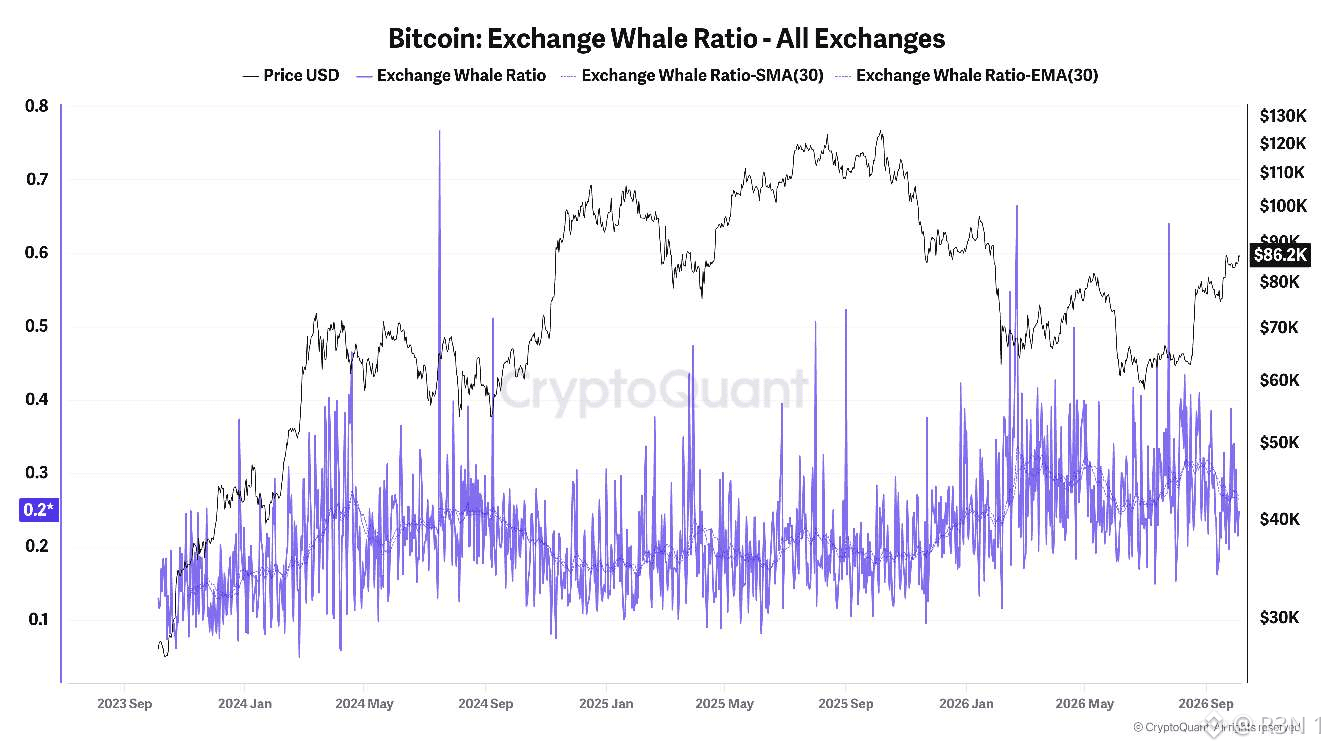
Rata-rata bergerak 30 hari dari Rasio Paus Bursa berada di dekat level tertingginya sepanjang grafik tiga tahun ini, tepat saat harga kembali naik mendekati $86K. Kombinasi ini patut mendapat perhatian lebih daripada lonjakan harian mentah.
Rasio ini mengukur seberapa besar porsi total arus masuk ke bursa yang berasal dari dompet terbesar. Jadi, kenaikan rata-rata bergerak yang diperhalus berarti setoran berukuran paus menyumbang porsi yang semakin besar dari dana yang masuk ke bursa, bukan sekadar arus dari investor ritel.
Jika melihat garis SMA/EMA alih-alih lonjakan mentah—yang memang secara alami bising dan dapat melonjak akibat satu transfer besar—tren yang diperhalus telah naik dari sekitar 0,2 pada 2024–2025 menjadi sekitar 0,3–0,35 baru-baru ini, termasuk pembacaan berkelanjutan tertinggi di sepanjang grafik ini.
Yang menarik perhatian saya adalah pola historis yang ditunjukkan grafik ini di sekitar puncak harga sebelumnya. Menilik kembali reli 2024 menuju $73K dan reli 2025 menuju $126K, pembacaan rasio paus yang tinggi muncul sebelum dan di sekitar puncak-puncak tersebut. Pemegang besar yang memindahkan koin ke bursa cenderung mendahului distribusi, karena biasanya itulah tujuan setoran tersebut. Hal yang patut direnungkan adalah kenaikan saat ini terjadi ketika harga juga sedang naik, bukan setelah puncak terbentuk.
Namun, kita perlu berhati-hati dalam menyimpulkan hubungan sebab-akibat di sini. Setoran ke bursa tidak otomatis berarti ada order jual. Paus juga memindahkan koin ke bursa untuk perubahan penyimpanan, penyelesaian OTC, atau menjadikannya jaminan, dan rasio ini tidak dapat membedakan tujuan-tujuan tersebut dengan sendirinya. Pembacaan yang tinggi merupakan kondisi yang diperlukan untuk penjualan akibat distribusi, tetapi bukan bukti yang cukup bahwa hal itu sedang terjadi.
Pertanyaan terbukanya adalah apakah arus berukuran paus dengan rasio yang terus naik ini akan berujung seperti pada puncak-puncak sebelumnya di grafik yang sama, yaitu periode pelemahan harga setelah setoran paus meningkat.
$BTC #BTC Analisis Harga# $ETH #Musim Altcoin#
Rata-rata bergerak 30 hari dari Rasio Paus Bursa berada di dekat level tertingginya sepanjang grafik tiga tahun ini, tepat saat harga kembali naik mendekati $86K. Kombinasi ini patut mendapat perhatian lebih daripada lonjakan harian mentah.
Rasio ini mengukur seberapa besar porsi total arus masuk ke bursa yang berasal dari dompet terbesar. Jadi, kenaikan rata-rata bergerak yang diperhalus berarti setoran berukuran paus menyumbang porsi yang semakin besar dari dana yang masuk ke bursa, bukan sekadar arus dari investor ritel.
Jika melihat garis SMA/EMA alih-alih lonjakan mentah—yang memang secara alami bising dan dapat melonjak akibat satu transfer besar—tren yang diperhalus telah naik dari sekitar 0,2 pada 2024–2025 menjadi sekitar 0,3–0,35 baru-baru ini, termasuk pembacaan berkelanjutan tertinggi di sepanjang grafik ini.
Yang menarik perhatian saya adalah pola historis yang ditunjukkan grafik ini di sekitar puncak harga sebelumnya. Menilik kembali reli 2024 menuju $73K dan reli 2025 menuju $126K, pembacaan rasio paus yang tinggi muncul sebelum dan di sekitar puncak-puncak tersebut. Pemegang besar yang memindahkan koin ke bursa cenderung mendahului distribusi, karena biasanya itulah tujuan setoran tersebut. Hal yang patut direnungkan adalah kenaikan saat ini terjadi ketika harga juga sedang naik, bukan setelah puncak terbentuk.
Namun, kita perlu berhati-hati dalam menyimpulkan hubungan sebab-akibat di sini. Setoran ke bursa tidak otomatis berarti ada order jual. Paus juga memindahkan koin ke bursa untuk perubahan penyimpanan, penyelesaian OTC, atau menjadikannya jaminan, dan rasio ini tidak dapat membedakan tujuan-tujuan tersebut dengan sendirinya. Pembacaan yang tinggi merupakan kondisi yang diperlukan untuk penjualan akibat distribusi, tetapi bukan bukti yang cukup bahwa hal itu sedang terjadi.
Pertanyaan terbukanya adalah apakah arus berukuran paus dengan rasio yang terus naik ini akan berujung seperti pada puncak-puncak sebelumnya di grafik yang sama, yaitu periode pelemahan harga setelah setoran paus meningkat.
$BTC #BTC Analisis Harga# $ETH #Musim Altcoin#
Rasio ini mengukur seberapa besar porsi total arus masuk ke bursa yang berasal dari dompet terbesar. Jadi, kenaikan rata-rata bergerak yang diperhalus berarti setoran berukuran paus menyumbang porsi yang semakin besar dari dana yang masuk ke bursa, bukan sekadar arus dari investor ritel.
Jika melihat garis SMA/EMA alih-alih lonjakan mentah—yang memang secara alami bising dan dapat melonjak akibat satu transfer besar—tren yang diperhalus telah naik dari sekitar 0,2 pada 2024–2025 menjadi sekitar 0,3–0,35 baru-baru ini, termasuk pembacaan berkelanjutan tertinggi di sepanjang grafik ini.
Yang menarik perhatian saya adalah pola historis yang ditunjukkan grafik ini di sekitar puncak harga sebelumnya. Menilik kembali reli 2024 menuju $73K dan reli 2025 menuju $126K, pembacaan rasio paus yang tinggi muncul sebelum dan di sekitar puncak-puncak tersebut. Pemegang besar yang memindahkan koin ke bursa cenderung mendahului distribusi, karena biasanya itulah tujuan setoran tersebut. Hal yang patut direnungkan adalah kenaikan saat ini terjadi ketika harga juga sedang naik, bukan setelah puncak terbentuk.
Namun, kita perlu berhati-hati dalam menyimpulkan hubungan sebab-akibat di sini. Setoran ke bursa tidak otomatis berarti ada order jual. Paus juga memindahkan koin ke bursa untuk perubahan penyimpanan, penyelesaian OTC, atau menjadikannya jaminan, dan rasio ini tidak dapat membedakan tujuan-tujuan tersebut dengan sendirinya. Pembacaan yang tinggi merupakan kondisi yang diperlukan untuk penjualan akibat distribusi, tetapi bukan bukti yang cukup bahwa hal itu sedang terjadi.
Pertanyaan terbukanya adalah apakah arus berukuran paus dengan rasio yang terus naik ini akan berujung seperti pada puncak-puncak sebelumnya di grafik yang sama, yaitu periode pelemahan harga setelah setoran paus meningkat.
$BTC #BTC Analisis Harga# $ETH #Musim Altcoin#
1
579
·
--
BTC menarik masuk $241 juta, sementara ETH kehilangan $138 juta pada minggu yang sama—perbedaan inilah yang lebih menarik daripada angka SOL dan XRP yang paling banyak mendapat perhatian.
Empat aset, empat arah yang berbeda dalam besaran arusnya, bahkan di antara aset-aset yang sama-sama mencatat “arus masuk”. Angka BTC sebesar $241,09 juta jauh melampaui gabungan SOL sebesar $2,43 juta dan XRP sebesar $4,74 juta—hampir 34 kali lebih besar. Menyebutnya “BTC, SOL, dan XRP mencatat arus masuk” memang secara teknis mengelompokkan ketiganya, tetapi sinyal permintaan yang sebenarnya hampir sepenuhnya terkonsentrasi pada Bitcoin. Angka SOL dan XRP nyaris sekadar pembulatan jika dibandingkan.
Yang paling menonjol bagi saya adalah divergensi ETH. Arus keluar sebesar $138 juta dalam minggu ketika tiga aset utama lainnya, termasuk BTC yang paling sebanding dengannya, semuanya bergerak positif bukan sekadar berarti ETH berkinerja buruk. ETH justru bergerak ke arah yang berlawanan dengan seluruh kategori. Ini layak dibedakan dari “sentimen altcoin secara umum sedang lemah”, karena SOL dan XRP tidak mengalami hal yang sama.
Pola yang perlu dicermati untuk mencari konfirmasi, bukan dijadikan asumsi, adalah apakah ini mencerminkan kembalinya keyakinan yang spesifik terhadap BTC setelah periode sulit, atau sekadar perputaran modal dari ETH ke BTC dalam keputusan alokasi yang sama. Kedua kemungkinan itu akan tampak identik dalam data arus ini, tetapi memiliki arti yang sangat berbeda bagi keberlanjutan arus masuk BTC.
Pertanyaan yang masih terbuka bukanlah apakah minggu ini menguntungkan BTC—kesenjangannya jelas, berapa pun angka pastinya. Pertanyaannya adalah apakah arus masuk SOL dan XRP yang positif tetapi sangat kecil menandakan pembentukan posisi awal menuju sesuatu yang lebih besar, atau sekadar riak kecil di sekitar nol, sementara pergerakan modal yang sesungguhnya minggu ini secara khusus terjadi antara BTC dan ETH.
$SOL #BTC Analisis Harga# #Ethereum $XRP
BTC menarik masuk $241 juta, sementara ETH kehilangan $138 juta pada minggu yang sama—perbedaan inilah yang lebih menarik daripada angka SOL dan XRP yang paling banyak mendapat perhatian.
Empat aset, empat arah yang berbeda dalam besaran arusnya, bahkan di antara aset-aset yang sama-sama mencatat “arus masuk”. Angka BTC sebesar $241,09 juta jauh melampaui gabungan SOL sebesar $2,43 juta dan XRP sebesar $4,74 juta—hampir 34 kali lebih besar. Menyebutnya “BTC, SOL, dan XRP mencatat arus masuk” memang secara teknis mengelompokkan ketiganya, tetapi sinyal permintaan yang sebenarnya hampir sepenuhnya terkonsentrasi pada Bitcoin. Angka SOL dan XRP nyaris sekadar pembulatan jika dibandingkan.
Yang paling menonjol bagi saya adalah divergensi ETH. Arus keluar sebesar $138 juta dalam minggu ketika tiga aset utama lainnya, termasuk BTC yang paling sebanding dengannya, semuanya bergerak positif bukan sekadar berarti ETH berkinerja buruk. ETH justru bergerak ke arah yang berlawanan dengan seluruh kategori. Ini layak dibedakan dari “sentimen altcoin secara umum sedang lemah”, karena SOL dan XRP tidak mengalami hal yang sama.
Pola yang perlu dicermati untuk mencari konfirmasi, bukan dijadikan asumsi, adalah apakah ini mencerminkan kembalinya keyakinan yang spesifik terhadap BTC setelah periode sulit, atau sekadar perputaran modal dari ETH ke BTC dalam keputusan alokasi yang sama. Kedua kemungkinan itu akan tampak identik dalam data arus ini, tetapi memiliki arti yang sangat berbeda bagi keberlanjutan arus masuk BTC.
Pertanyaan yang masih terbuka bukanlah apakah minggu ini menguntungkan BTC—kesenjangannya jelas, berapa pun angka pastinya. Pertanyaannya adalah apakah arus masuk SOL dan XRP yang positif tetapi sangat kecil menandakan pembentukan posisi awal menuju sesuatu yang lebih besar, atau sekadar riak kecil di sekitar nol, sementara pergerakan modal yang sesungguhnya minggu ini secara khusus terjadi antara BTC dan ETH.
$SOL #BTC Analisis Harga# #Ethereum $XRP
Empat aset, empat arah yang berbeda dalam besaran arusnya, bahkan di antara aset-aset yang sama-sama mencatat “arus masuk”. Angka BTC sebesar $241,09 juta jauh melampaui gabungan SOL sebesar $2,43 juta dan XRP sebesar $4,74 juta—hampir 34 kali lebih besar. Menyebutnya “BTC, SOL, dan XRP mencatat arus masuk” memang secara teknis mengelompokkan ketiganya, tetapi sinyal permintaan yang sebenarnya hampir sepenuhnya terkonsentrasi pada Bitcoin. Angka SOL dan XRP nyaris sekadar pembulatan jika dibandingkan.
Yang paling menonjol bagi saya adalah divergensi ETH. Arus keluar sebesar $138 juta dalam minggu ketika tiga aset utama lainnya, termasuk BTC yang paling sebanding dengannya, semuanya bergerak positif bukan sekadar berarti ETH berkinerja buruk. ETH justru bergerak ke arah yang berlawanan dengan seluruh kategori. Ini layak dibedakan dari “sentimen altcoin secara umum sedang lemah”, karena SOL dan XRP tidak mengalami hal yang sama.
Pola yang perlu dicermati untuk mencari konfirmasi, bukan dijadikan asumsi, adalah apakah ini mencerminkan kembalinya keyakinan yang spesifik terhadap BTC setelah periode sulit, atau sekadar perputaran modal dari ETH ke BTC dalam keputusan alokasi yang sama. Kedua kemungkinan itu akan tampak identik dalam data arus ini, tetapi memiliki arti yang sangat berbeda bagi keberlanjutan arus masuk BTC.
Pertanyaan yang masih terbuka bukanlah apakah minggu ini menguntungkan BTC—kesenjangannya jelas, berapa pun angka pastinya. Pertanyaannya adalah apakah arus masuk SOL dan XRP yang positif tetapi sangat kecil menandakan pembentukan posisi awal menuju sesuatu yang lebih besar, atau sekadar riak kecil di sekitar nol, sementara pergerakan modal yang sesungguhnya minggu ini secara khusus terjadi antara BTC dan ETH.
$SOL #BTC Analisis Harga# #Ethereum $XRP
49
·
--
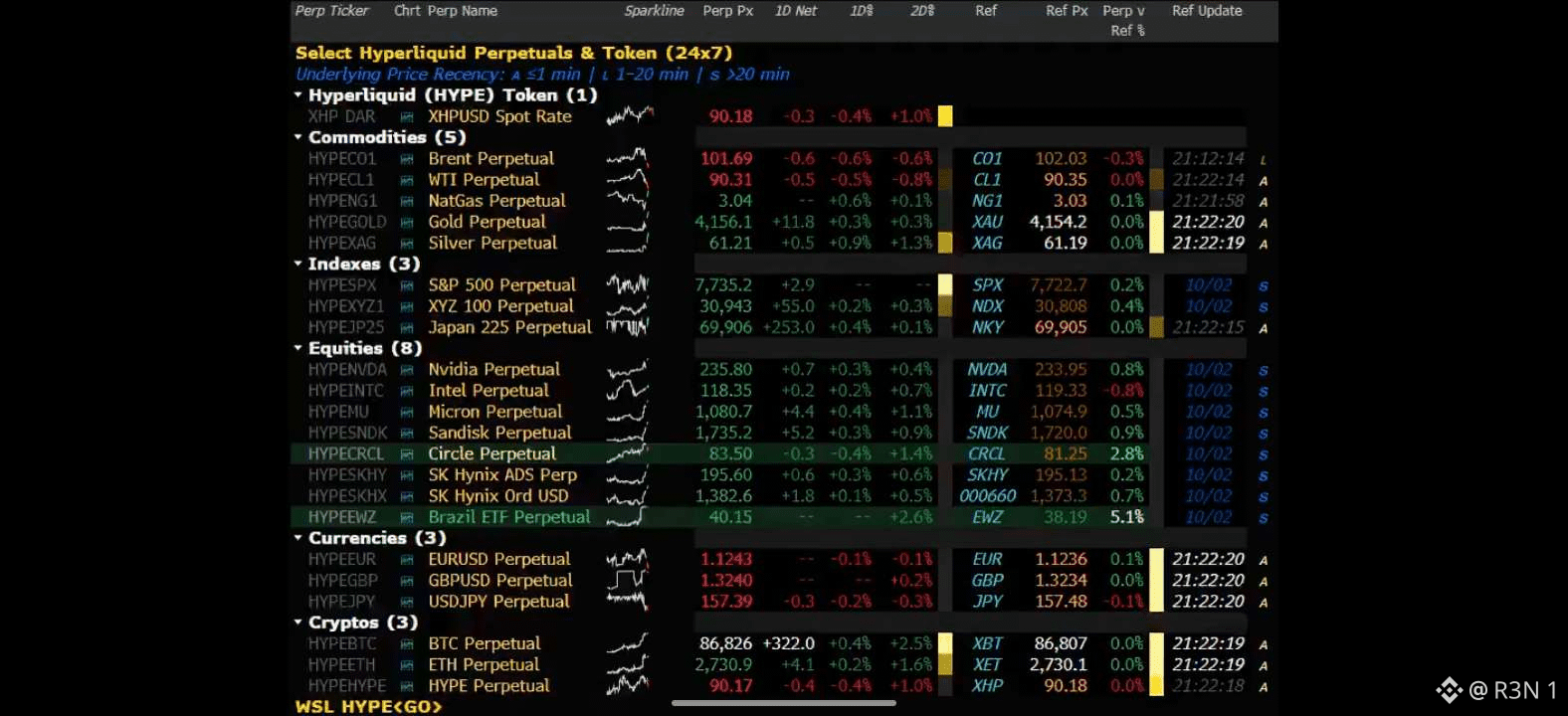
Minyak, emas, S&P 500, dan produsen chip, semuanya dihargai melalui bursa perpetual terdesentralisasi yang kini hadir di terminal yang sudah dibuka oleh setiap meja perdagangan di Wall Street. Itulah makna sebenarnya di sini, bukan sekadar pencatatan lainnya.
Menurut laporan Coinbureau hari ini, kontrak perpetual Hyperliquid kini tersedia di Bloomberg Terminal. Hal ini dikonfirmasi oleh tangkapan layar yang menunjukkan kontrak perpetual komoditas, indeks, saham, dan mata uang, semuanya menampilkan harga langsung dari Hyperliquid berdampingan dengan umpan referensi tradisional. Ini juga bukan kali pertama Hyperliquid mendapat sorotan Bloomberg. Pada Februari lalu, Bloomberg menyebut kontrak perpetual minyak mentah Hyperliquid sebagai harga langsung paling relevan untuk aset tersebut saat terjadi lonjakan geopolitik, ketika bursa komoditas tradisional tutup. Dukungan sebelumnya itu membuat integrasi ini terlihat seperti langkah alami berikutnya, bukan kejutan.
Konteksnya juga penting. Saat ini, Hyperliquid mencatatkan 288 pasar perpetual yang dapat diperdagangkan: 178 kontrak perpetual kripto bawaan dan 110 pasar builder HIP-3 yang mencakup saham, komoditas, dan valas melalui trade.xyz. Bergantung pada sumbernya, Hyperliquid menguasai sekitar 60 hingga 70% pangsa pasar derivatif perpetual on-chain. Integrasi Bloomberg ini hadir tepat setelah komentar Trump bahwa CFTC sedang berupaya membawa Hyperliquid ke dalam negeri di AS—angin segar regulasi yang terus menguat seiring meningkatnya visibilitas institusional ini.
Penilaian jujur saya: akses ke Bloomberg Terminal bukan berarti Hyperliquid itu sendiri. Namun, ini benar-benar memperluas jangkauan orang yang bisa melihat harganya. Meja keuangan tradisional yang memantau data Hyperliquid sebagai acuan, bahkan untuk aset tradisional seperti minyak atau S&P 500, merupakan sinyal legitimasi nyata yang melampaui adopsi di kalangan pelaku asli kripto.
Yang saya pantau: apakah visibilitas di Bloomberg ini akan menghasilkan arus perdagangan institusional nyata melalui Hyperliquid, atau hanya terbatas pada akses data tanpa diikuti aliran modal yang lebih besar.
#Analisis Harga BTC# $HYPE #Musim Altcoin#
Minyak, emas, S&P 500, dan produsen chip, semuanya dihargai melalui bursa perpetual terdesentralisasi yang kini hadir di terminal yang sudah dibuka oleh setiap meja perdagangan di Wall Street. Itulah makna sebenarnya di sini, bukan sekadar pencatatan lainnya.
Menurut laporan Coinbureau hari ini, kontrak perpetual Hyperliquid kini tersedia di Bloomberg Terminal. Hal ini dikonfirmasi oleh tangkapan layar yang menunjukkan kontrak perpetual komoditas, indeks, saham, dan mata uang, semuanya menampilkan harga langsung dari Hyperliquid berdampingan dengan umpan referensi tradisional. Ini juga bukan kali pertama Hyperliquid mendapat sorotan Bloomberg. Pada Februari lalu, Bloomberg menyebut kontrak perpetual minyak mentah Hyperliquid sebagai harga langsung paling relevan untuk aset tersebut saat terjadi lonjakan geopolitik, ketika bursa komoditas tradisional tutup. Dukungan sebelumnya itu membuat integrasi ini terlihat seperti langkah alami berikutnya, bukan kejutan.
Konteksnya juga penting. Saat ini, Hyperliquid mencatatkan 288 pasar perpetual yang dapat diperdagangkan: 178 kontrak perpetual kripto bawaan dan 110 pasar builder HIP-3 yang mencakup saham, komoditas, dan valas melalui trade.xyz. Bergantung pada sumbernya, Hyperliquid menguasai sekitar 60 hingga 70% pangsa pasar derivatif perpetual on-chain. Integrasi Bloomberg ini hadir tepat setelah komentar Trump bahwa CFTC sedang berupaya membawa Hyperliquid ke dalam negeri di AS—angin segar regulasi yang terus menguat seiring meningkatnya visibilitas institusional ini.
Penilaian jujur saya: akses ke Bloomberg Terminal bukan berarti Hyperliquid itu sendiri. Namun, ini benar-benar memperluas jangkauan orang yang bisa melihat harganya. Meja keuangan tradisional yang memantau data Hyperliquid sebagai acuan, bahkan untuk aset tradisional seperti minyak atau S&P 500, merupakan sinyal legitimasi nyata yang melampaui adopsi di kalangan pelaku asli kripto.
Yang saya pantau: apakah visibilitas di Bloomberg ini akan menghasilkan arus perdagangan institusional nyata melalui Hyperliquid, atau hanya terbatas pada akses data tanpa diikuti aliran modal yang lebih besar.
#Analisis Harga BTC# $HYPE #Musim Altcoin#
Menurut laporan Coinbureau hari ini, kontrak perpetual Hyperliquid kini tersedia di Bloomberg Terminal. Hal ini dikonfirmasi oleh tangkapan layar yang menunjukkan kontrak perpetual komoditas, indeks, saham, dan mata uang, semuanya menampilkan harga langsung dari Hyperliquid berdampingan dengan umpan referensi tradisional. Ini juga bukan kali pertama Hyperliquid mendapat sorotan Bloomberg. Pada Februari lalu, Bloomberg menyebut kontrak perpetual minyak mentah Hyperliquid sebagai harga langsung paling relevan untuk aset tersebut saat terjadi lonjakan geopolitik, ketika bursa komoditas tradisional tutup. Dukungan sebelumnya itu membuat integrasi ini terlihat seperti langkah alami berikutnya, bukan kejutan.
Konteksnya juga penting. Saat ini, Hyperliquid mencatatkan 288 pasar perpetual yang dapat diperdagangkan: 178 kontrak perpetual kripto bawaan dan 110 pasar builder HIP-3 yang mencakup saham, komoditas, dan valas melalui trade.xyz. Bergantung pada sumbernya, Hyperliquid menguasai sekitar 60 hingga 70% pangsa pasar derivatif perpetual on-chain. Integrasi Bloomberg ini hadir tepat setelah komentar Trump bahwa CFTC sedang berupaya membawa Hyperliquid ke dalam negeri di AS—angin segar regulasi yang terus menguat seiring meningkatnya visibilitas institusional ini.
Penilaian jujur saya: akses ke Bloomberg Terminal bukan berarti Hyperliquid itu sendiri. Namun, ini benar-benar memperluas jangkauan orang yang bisa melihat harganya. Meja keuangan tradisional yang memantau data Hyperliquid sebagai acuan, bahkan untuk aset tradisional seperti minyak atau S&P 500, merupakan sinyal legitimasi nyata yang melampaui adopsi di kalangan pelaku asli kripto.
Yang saya pantau: apakah visibilitas di Bloomberg ini akan menghasilkan arus perdagangan institusional nyata melalui Hyperliquid, atau hanya terbatas pada akses data tanpa diikuti aliran modal yang lebih besar.
#Analisis Harga BTC# $HYPE #Musim Altcoin#

77
·
--
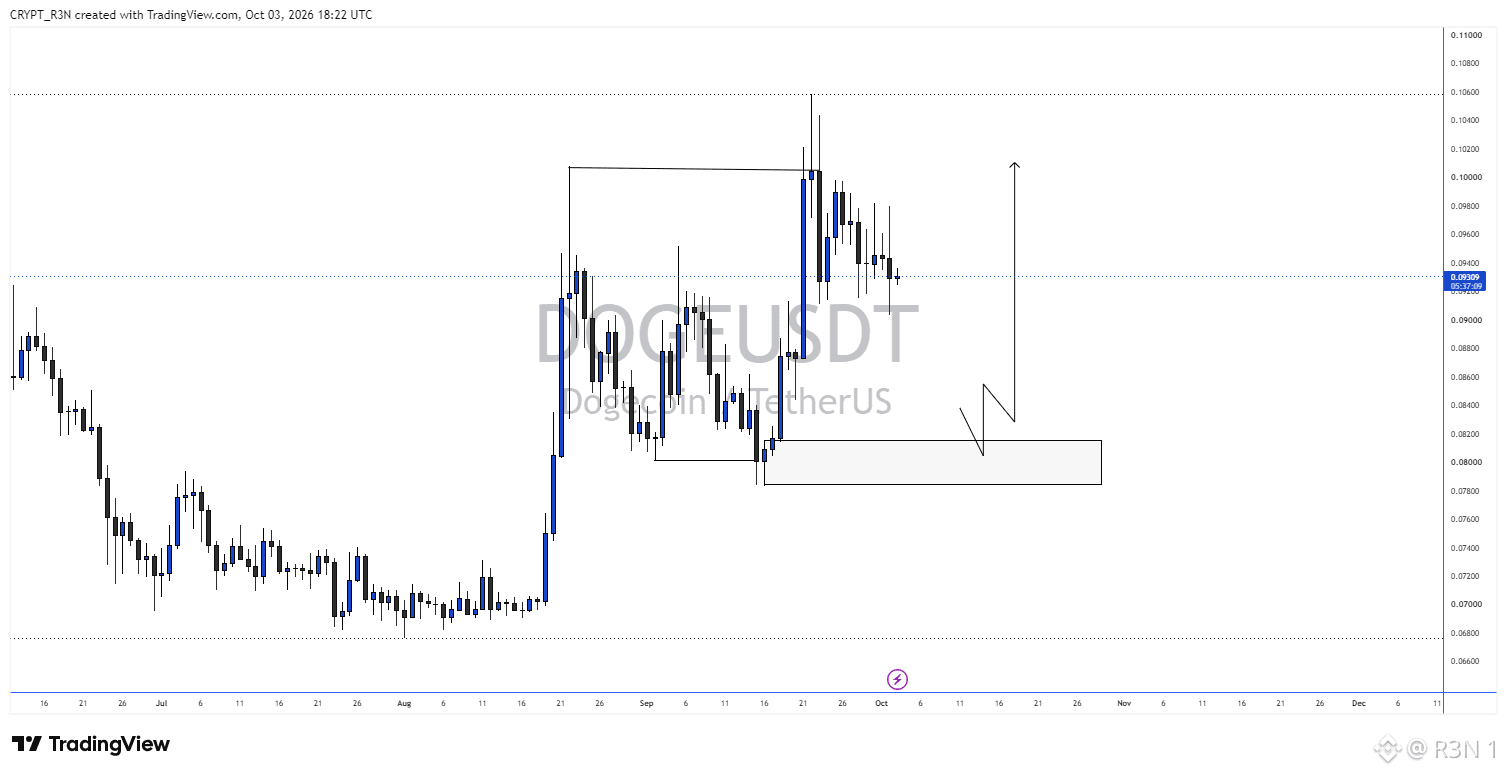
DOGE sedang mundur menuju $0.093 setelah sempat menembus $0.106 minggu lalu, dan struktur di balik kemunduran ini adalah hal yang benar-benar menentukan proyeksi pergerakan berikutnya, bukan pantulannya. Jika melihat gambaran yang lebih luas, DOGE mencapai titik terendah di sekitar $0.068 pada akhir Juli setelah penurunan stabil selama beberapa bulan, lalu mengalami breakout kuat pada akhir Agustus dan reli ke $0.0935 sebelum mundur untuk membentuk basis di sekitar $0.080 hingga $0.082, zona yang saya tandai sebagai support. Dari sana, harganya kembali naik, melonjak di atas $0.106 pada akhir September sebelum kemunduran saat ini membawanya ke $0.093. Pergerakan yang saya lihat diperkirakan terjadi adalah zona $0.080 hingga $0.082 bertahan sebagai support jika terjadi retracement yang lebih dalam dari sini, dan harga pada akhirnya berbalik naik menuju area $0.100 hingga $0.102. Ini merupakan pembacaan yang masuk akal, mengingat zona tersebut pernah berfungsi sebagai support saat konsolidasi Agustus hingga September. Support sebelumnya yang bertahan saat diuji ulang adalah pola yang valid, bukan sekadar garis penuh harapan di grafik. Namun, harga sebenarnya belum menguji kembali zona $0.080 hingga $0.082 itu dan saat ini masih berada jauh di atasnya, di $0.093. Proyeksi tersebut mengasumsikan bahwa akan terjadi pullback yang lebih dalam sebelum kenaikan berikutnya. Jika harga ternyata bertahan di level yang lebih tinggi, misalnya di kisaran $0.088 hingga $0.090, atau menembus ke bawah $0.080 sepenuhnya, skenarionya akan berubah secara signifikan dari yang digambarkan di sini. Pembacaan jujur saya: tren yang lebih luas sejak akhir Juli memang bullish, dengan titik terendah yang semakin tinggi, breakout yang terkonfirmasi, dan zona support yang sudah terbukti sekali. Jalur spesifik untuk turun kembali mengujinya sebelum melanjutkan kenaikan masih bersifat spekulatif dan belum terkonfirmasi oleh pergerakan harga. Yang saya pantau: apakah harga benar-benar mundur ke zona $0.080 hingga $0.082 dan bertahan, atau menemukan support di level yang lebih tinggi dan melewatkan pengujian ulang yang diasumsikan dalam proyeksi tersebut. $DOGE #Analisis Harga BTC# #Musim Altcoin#
DOGE sedang mundur menuju $0.093 setelah sempat menembus $0.106 minggu lalu, dan struktur di balik kemunduran ini adalah hal yang benar-benar menentukan proyeksi pergerakan berikutnya, bukan pantulannya. Jika melihat gambaran yang lebih luas, DOGE mencapai titik terendah di sekitar $0.068 pada akhir Juli setelah penurunan stabil selama beberapa bulan, lalu mengalami breakout kuat pada akhir Agustus dan reli ke $0.0935 sebelum mundur untuk membentuk basis di sekitar $0.080 hingga $0.082, zona yang saya tandai sebagai support. Dari sana, harganya kembali naik, melonjak di atas $0.106 pada akhir September sebelum kemunduran saat ini membawanya ke $0.093. Pergerakan yang saya lihat diperkirakan terjadi adalah zona $0.080 hingga $0.082 bertahan sebagai support jika terjadi retracement yang lebih dalam dari sini, dan harga pada akhirnya berbalik naik menuju area $0.100 hingga $0.102. Ini merupakan pembacaan yang masuk akal, mengingat zona tersebut pernah berfungsi sebagai support saat konsolidasi Agustus hingga September. Support sebelumnya yang bertahan saat diuji ulang adalah pola yang valid, bukan sekadar garis penuh harapan di grafik. Namun, harga sebenarnya belum menguji kembali zona $0.080 hingga $0.082 itu dan saat ini masih berada jauh di atasnya, di $0.093. Proyeksi tersebut mengasumsikan bahwa akan terjadi pullback yang lebih dalam sebelum kenaikan berikutnya. Jika harga ternyata bertahan di level yang lebih tinggi, misalnya di kisaran $0.088 hingga $0.090, atau menembus ke bawah $0.080 sepenuhnya, skenarionya akan berubah secara signifikan dari yang digambarkan di sini. Pembacaan jujur saya: tren yang lebih luas sejak akhir Juli memang bullish, dengan titik terendah yang semakin tinggi, breakout yang terkonfirmasi, dan zona support yang sudah terbukti sekali. Jalur spesifik untuk turun kembali mengujinya sebelum melanjutkan kenaikan masih bersifat spekulatif dan belum terkonfirmasi oleh pergerakan harga. Yang saya pantau: apakah harga benar-benar mundur ke zona $0.080 hingga $0.082 dan bertahan, atau menemukan support di level yang lebih tinggi dan melewatkan pengujian ulang yang diasumsikan dalam proyeksi tersebut. $DOGE #Analisis Harga BTC# #Musim Altcoin#
3
·
--
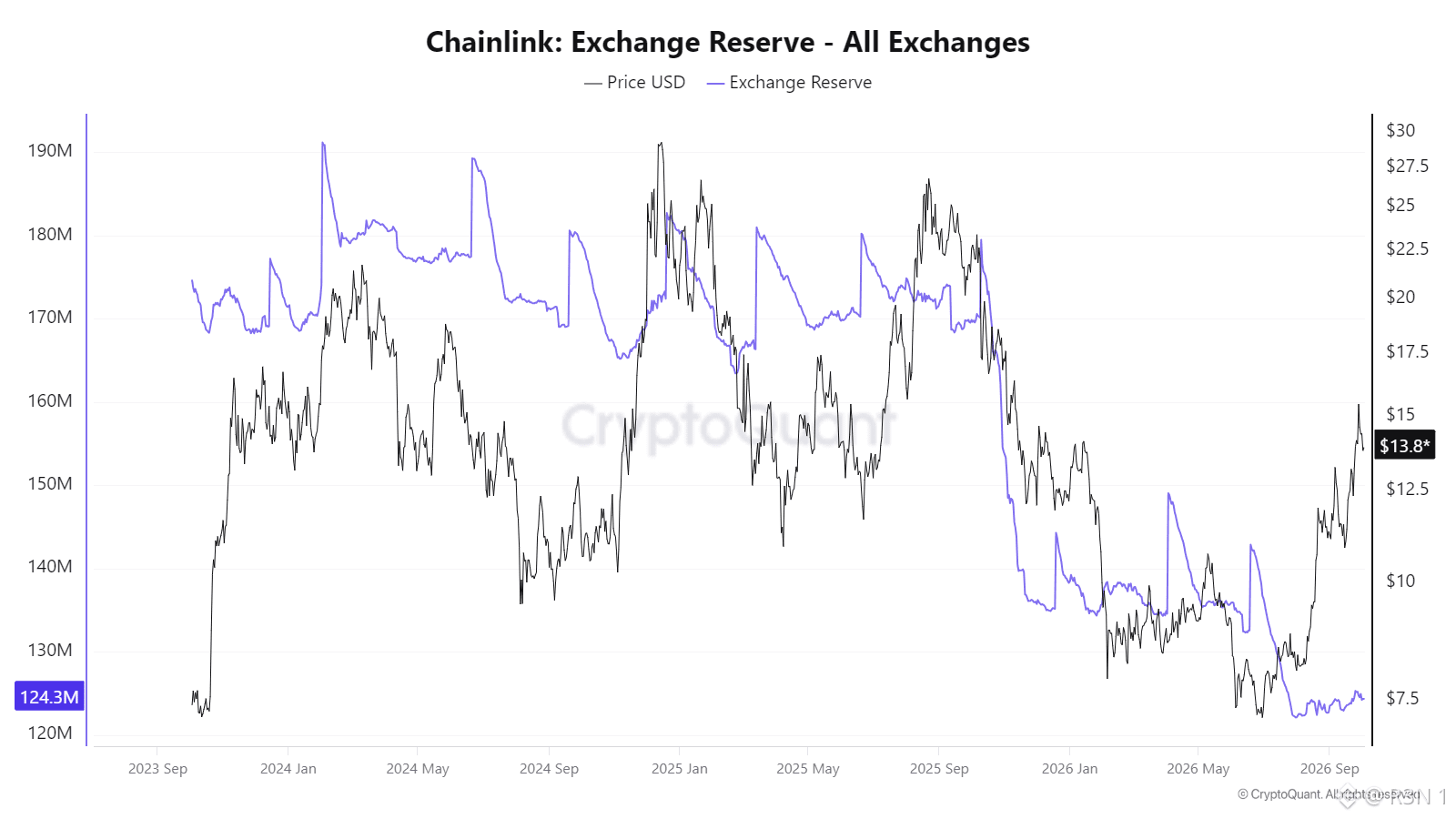
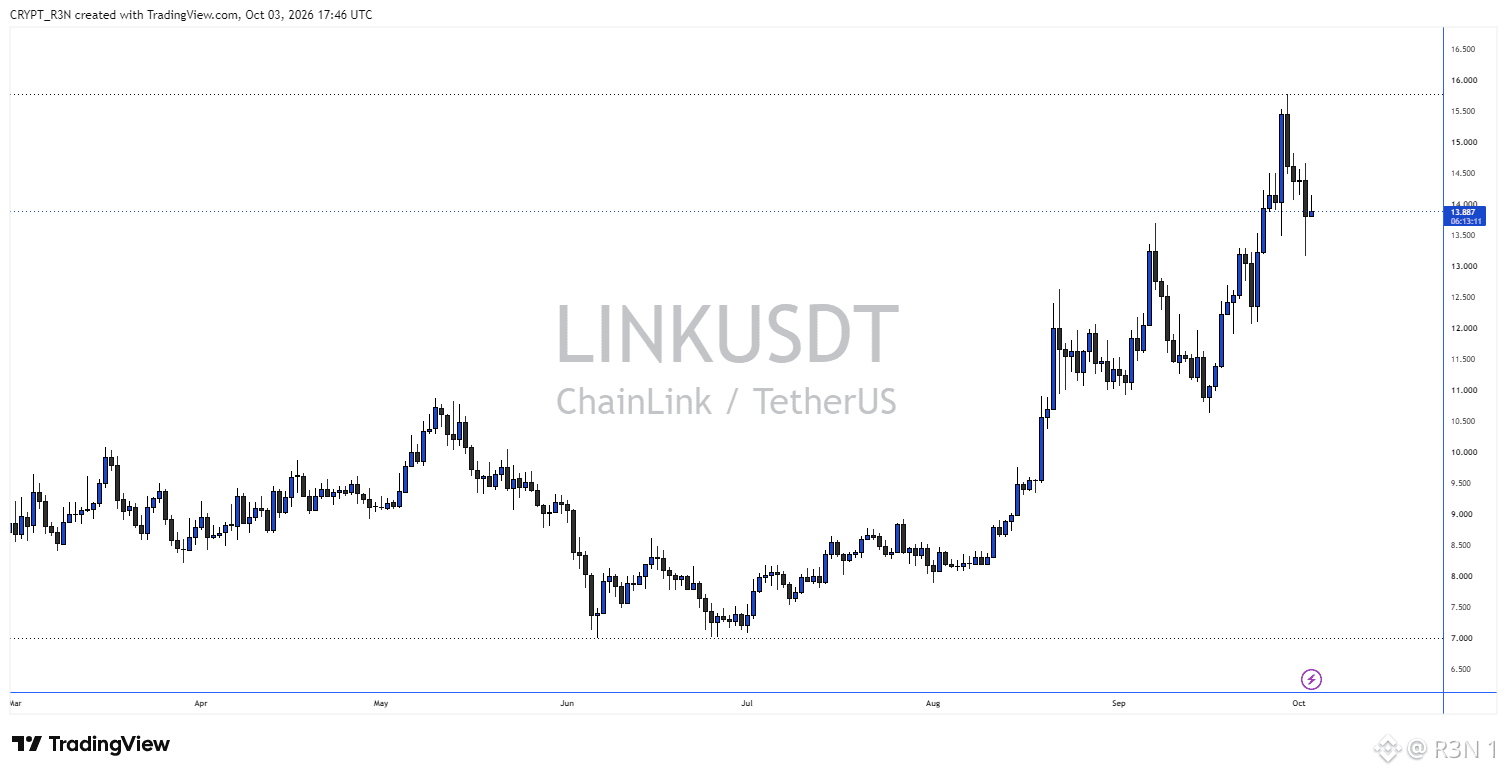
LINK keluar dari kisaran tujuh bulan, kira-kira $7 hingga $10, pada September, naik hingga puncak di atas $15.50, dan kini terkoreksi ke $13.887. Hal yang sebenarnya menarik bagi saya bukanlah penembusan itu sendiri, melainkan perubahan cadangan di bursa selama pergerakan tersebut—yang pada dasarnya tidak berubah. Jika melihat grafik cadangan secara keseluruhan sejak akhir 2023, ada pola berulang: cadangan bertambah secara bertahap, lalu melonjak tajam dalam satu pergerakan. Ini sudah terjadi setidaknya enam atau tujuh kali di sepanjang grafik ini, dan beberapa lonjakan tersebut terjadi tepat di sekitar puncak harga lokal atau mendahului pelemahan yang nyata. Berdasarkan pola historis itu, menurut saya kenaikan cadangan yang mendadak sering kali berarti koin bergerak menuju bursa sebelum dijual. Reli ini tidak menunjukkan hal tersebut. Cadangan bertahan stabil di kisaran 124 hingga 130M sepanjang pergerakan September hingga Oktober, tanpa lonjakan yang menyertai penembusan seperti yang terlihat sebelum beberapa reli sebelumnya. Cadangan saat ini sebesar 124.3M justru mendekati titik terendah pada grafik multi-tahun ini, jauh di bawah puncak 190M pada awal 2024. Secara pribadi, saya juga pikir tren struktural yang lebih luas penting untuk diperhatikan di sini. Cadangan turun dari 190M ke level saat ini, melalui kombinasi penurunan perlahan dan lonjakan berkala. Ini merupakan tren penurunan nyata selama beberapa tahun dalam pasokan yang tersedia di bursa, di tengah beberapa siklus harga yang bergerak ke dua arah. Pandangan jujur saya: reli yang terjadi tanpa lonjakan cadangan yang khas itu merupakan kondisi yang benar-benar berbeda dibandingkan beberapa pergerakan sebelumnya pada grafik ini; kali ini, lebih sedikit pasokan baru yang muncul di bursa untuk memenuhi permintaan. Saya tidak akan menyebutnya sebagai bukti bahwa reli akan berlanjut, tetapi tidak adanya sinyal peringatan historis yang spesifik itu patut dicatat, bukan diabaikan. Yang saya pantau: apakah lonjakan cadangan pada akhirnya muncul seiring berlanjutnya pergerakan ini, atau apakah LINK kembali mendekati level tertinggi terbarunya tanpa lonjakan tersebut, karena secara historis titik itulah yang memicu pola ini. #Analisis Harga BTC# #Musim Altcoin# $LINK
LINK keluar dari kisaran tujuh bulan, kira-kira $7 hingga $10, pada September, naik hingga puncak di atas $15.50, dan kini terkoreksi ke $13.887. Hal yang sebenarnya menarik bagi saya bukanlah penembusan itu sendiri, melainkan perubahan cadangan di bursa selama pergerakan tersebut—yang pada dasarnya tidak berubah. Jika melihat grafik cadangan secara keseluruhan sejak akhir 2023, ada pola berulang: cadangan bertambah secara bertahap, lalu melonjak tajam dalam satu pergerakan. Ini sudah terjadi setidaknya enam atau tujuh kali di sepanjang grafik ini, dan beberapa lonjakan tersebut terjadi tepat di sekitar puncak harga lokal atau mendahului pelemahan yang nyata. Berdasarkan pola historis itu, menurut saya kenaikan cadangan yang mendadak sering kali berarti koin bergerak menuju bursa sebelum dijual. Reli ini tidak menunjukkan hal tersebut. Cadangan bertahan stabil di kisaran 124 hingga 130M sepanjang pergerakan September hingga Oktober, tanpa lonjakan yang menyertai penembusan seperti yang terlihat sebelum beberapa reli sebelumnya. Cadangan saat ini sebesar 124.3M justru mendekati titik terendah pada grafik multi-tahun ini, jauh di bawah puncak 190M pada awal 2024. Secara pribadi, saya juga pikir tren struktural yang lebih luas penting untuk diperhatikan di sini. Cadangan turun dari 190M ke level saat ini, melalui kombinasi penurunan perlahan dan lonjakan berkala. Ini merupakan tren penurunan nyata selama beberapa tahun dalam pasokan yang tersedia di bursa, di tengah beberapa siklus harga yang bergerak ke dua arah. Pandangan jujur saya: reli yang terjadi tanpa lonjakan cadangan yang khas itu merupakan kondisi yang benar-benar berbeda dibandingkan beberapa pergerakan sebelumnya pada grafik ini; kali ini, lebih sedikit pasokan baru yang muncul di bursa untuk memenuhi permintaan. Saya tidak akan menyebutnya sebagai bukti bahwa reli akan berlanjut, tetapi tidak adanya sinyal peringatan historis yang spesifik itu patut dicatat, bukan diabaikan. Yang saya pantau: apakah lonjakan cadangan pada akhirnya muncul seiring berlanjutnya pergerakan ini, atau apakah LINK kembali mendekati level tertinggi terbarunya tanpa lonjakan tersebut, karena secara historis titik itulah yang memicu pola ini. #Analisis Harga BTC# #Musim Altcoin# $LINK
30
·
--
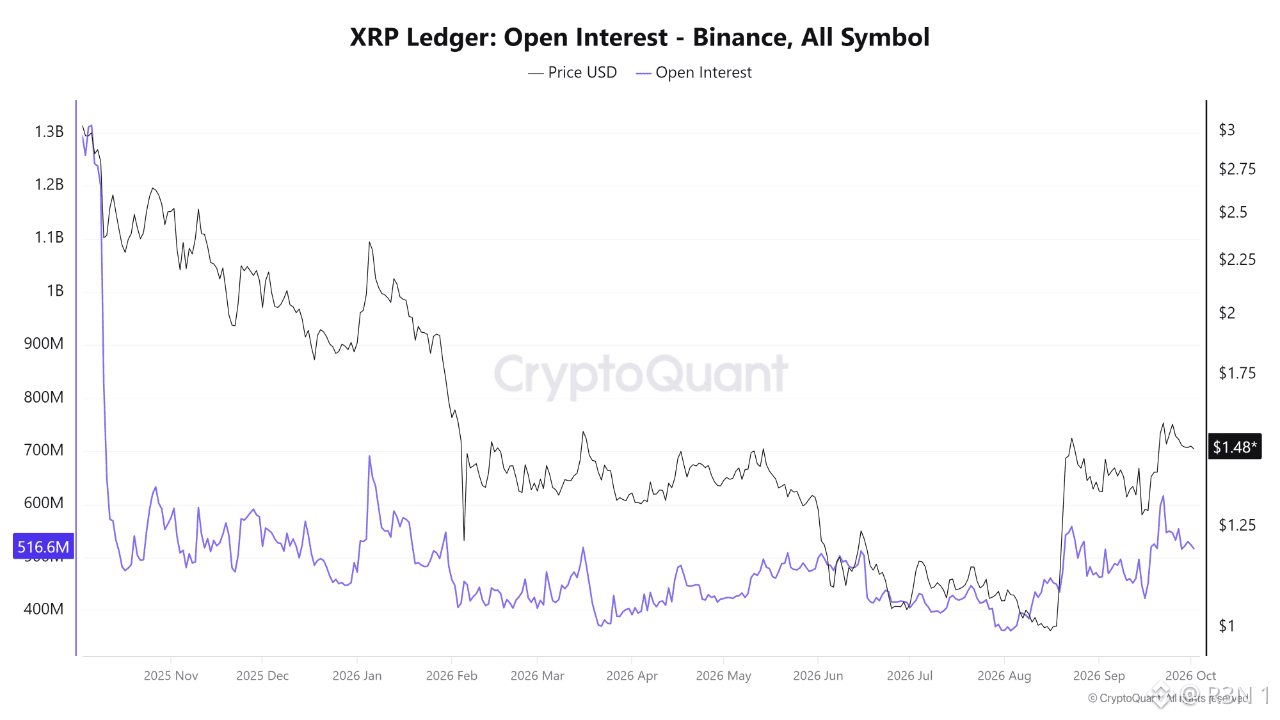
Minat terbuka XRP di Binance saat ini berada di angka 516.6M, naik dari titik terendahnya pada 2026 di kisaran 350 hingga 400M, tetapi masih jauh dari level awal grafik ini, yakni di atas 1.3B pada Oktober 2025. Dibandingkan itu, harga menunjukkan pemulihan yang jauh lebih baik, naik ke $1.48 dari titik terendah Februari di sekitar $1. Yang paling menonjol bagi saya saat melihat keseluruhan grafik adalah betapa eratnya pergerakan kedua garis ini. Penurunan awalnya sangat tajam dan langsung terasa: minat terbuka anjlok dari 1.3B ke kisaran 500 hingga 600M dalam hitungan minggu, bersamaan dengan harga yang merosot dari sekitar $3 menuju $2.20. Keduanya terus turun bersama sepanjang Februari yang bergejolak, dengan minat terbuka mencapai titik terendah siklusnya di kisaran 350 hingga 400M saat harga merosot tajam menuju $1.50. Lalu, dari Maret hingga Juli, keduanya kurang lebih bergerak mendatar, tanpa tren yang jelas ke arah mana pun. Bagian yang paling menarik bagi saya adalah akhir Agustus hingga September, saat kedua garis ini benar-benar melonjak bersama. Minat terbuka naik dari sekitar 400M hingga melampaui 700M, sementara harga naik dari sekitar $1 ke $1.25 hingga $1.30, sebelum keduanya terkoreksi ke level saat ini. Pembacaan jujur saya: kesenjangan antara pemulihan harga dan pemulihan minat terbuka adalah inti ceritanya. Harga di $1.48 menunjukkan pemulihan yang nyata, tetapi minat terbuka di 516.6M masih jauh di bawah level awal pada Oktober maupun puncaknya sendiri pada September. Menurut saya, ketimpangan ini menunjukkan bahwa pasar sekarang tidak terlalu banyak menggunakan leverage dan lebih berhati-hati dibandingkan setahun lalu. Belum tentu ini hal buruk, hanya saja karakter pasarnya berbeda. Saya akan berhati-hati agar tidak menarik kesimpulan berlebihan dari masing-masing garis saja. Keduanya bergerak seiring sepanjang grafik ini, jadi kesenjangan saat ini patut dicermati, bukan dianggap sekadar gangguan. Yang saya pantau: apakah minat terbuka terus naik kembali mendekati puncak terbarunya, atau apakah koreksi pada kedua seri ini akan berlanjut lebih jauh. $XRP #Analisis Harga BTC# #Musim Altcoin#
Minat terbuka XRP di Binance saat ini berada di angka 516.6M, naik dari titik terendahnya pada 2026 di kisaran 350 hingga 400M, tetapi masih jauh dari level awal grafik ini, yakni di atas 1.3B pada Oktober 2025. Dibandingkan itu, harga menunjukkan pemulihan yang jauh lebih baik, naik ke $1.48 dari titik terendah Februari di sekitar $1. Yang paling menonjol bagi saya saat melihat keseluruhan grafik adalah betapa eratnya pergerakan kedua garis ini. Penurunan awalnya sangat tajam dan langsung terasa: minat terbuka anjlok dari 1.3B ke kisaran 500 hingga 600M dalam hitungan minggu, bersamaan dengan harga yang merosot dari sekitar $3 menuju $2.20. Keduanya terus turun bersama sepanjang Februari yang bergejolak, dengan minat terbuka mencapai titik terendah siklusnya di kisaran 350 hingga 400M saat harga merosot tajam menuju $1.50. Lalu, dari Maret hingga Juli, keduanya kurang lebih bergerak mendatar, tanpa tren yang jelas ke arah mana pun. Bagian yang paling menarik bagi saya adalah akhir Agustus hingga September, saat kedua garis ini benar-benar melonjak bersama. Minat terbuka naik dari sekitar 400M hingga melampaui 700M, sementara harga naik dari sekitar $1 ke $1.25 hingga $1.30, sebelum keduanya terkoreksi ke level saat ini. Pembacaan jujur saya: kesenjangan antara pemulihan harga dan pemulihan minat terbuka adalah inti ceritanya. Harga di $1.48 menunjukkan pemulihan yang nyata, tetapi minat terbuka di 516.6M masih jauh di bawah level awal pada Oktober maupun puncaknya sendiri pada September. Menurut saya, ketimpangan ini menunjukkan bahwa pasar sekarang tidak terlalu banyak menggunakan leverage dan lebih berhati-hati dibandingkan setahun lalu. Belum tentu ini hal buruk, hanya saja karakter pasarnya berbeda. Saya akan berhati-hati agar tidak menarik kesimpulan berlebihan dari masing-masing garis saja. Keduanya bergerak seiring sepanjang grafik ini, jadi kesenjangan saat ini patut dicermati, bukan dianggap sekadar gangguan. Yang saya pantau: apakah minat terbuka terus naik kembali mendekati puncak terbarunya, atau apakah koreksi pada kedua seri ini akan berlanjut lebih jauh. $XRP #Analisis Harga BTC# #Musim Altcoin#
32
·
--
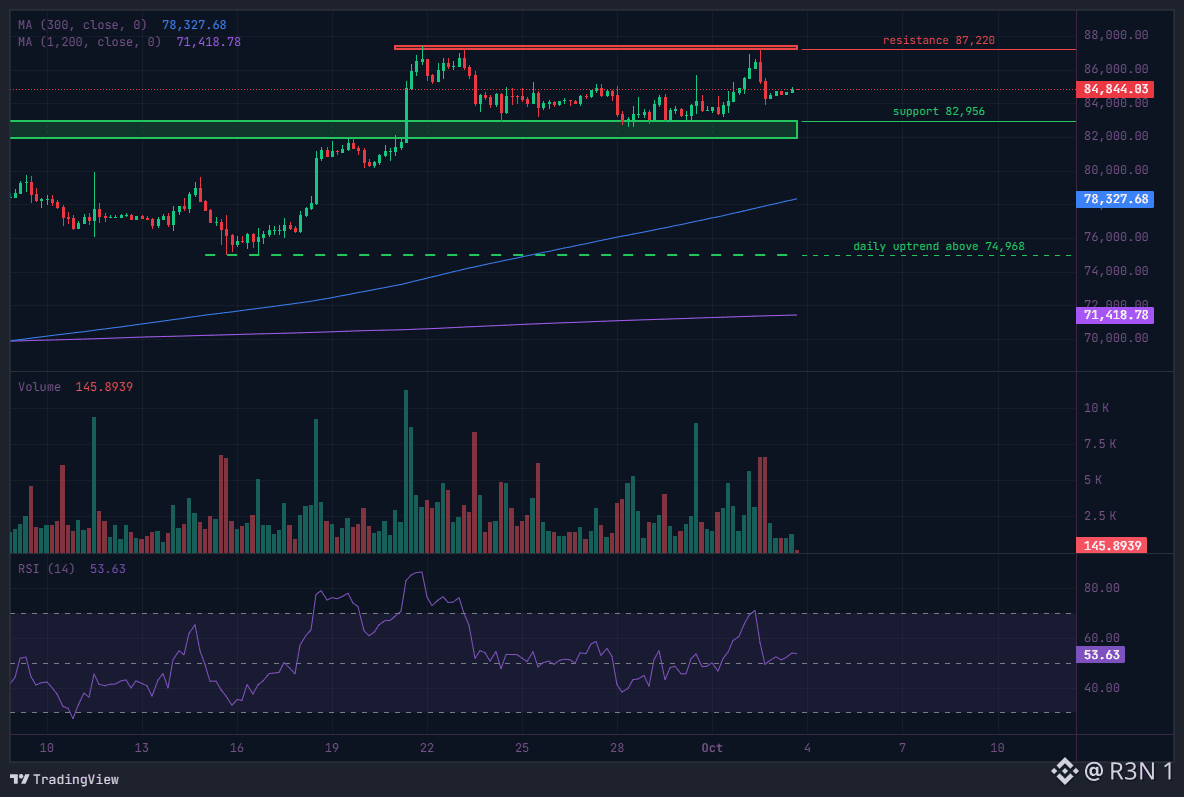
Pergerakan BTC selama 18 hari dari $74,968 ke $87,396 tidak ditopang oleh volume yang terus meningkat secara stabil, melainkan oleh lonjakan-lonjakan, yakni candle-candle tertentu saat partisipasi nyata terlihat, diselingi periode yang lebih tenang. Perbedaan itu lebih penting daripada persentase kenaikan utama. Rata-rata volume 20 candle pada grafik 4 jam berada 31.88% di atas rata-rata 20 candle sebelumnya, menunjukkan ekspansi yang nyata, tetapi terkonsentrasi dan bukan merata. Lonjakan kenaikan paling jelas mencapai 11,227.96 BTC pada 22 September, saat harga ditutup di 84,887, diikuti lonjakan lain sebesar 8,699 BTC ketika harga naik menuju 85,927. Reli ini didukung keyakinan nyata, bukan sekadar kenaikan harga di tengah buku order yang tipis. Perlu dicatat secara jujur, volume juga muncul di sisi jual. Sebanyak 8,305.86 BTC tercatat pada 25 September saat harga terkoreksi ke 83,996, dan dua klaster terpisah, 6,577 dan 6,586 $BTC, muncul saat harga ditolak dari zona resistance 87,220 pada 2 Oktober. Ada aktivitas perdagangan dua arah yang nyata di dekat titik tertinggi, bukan kisah akumulasi satu arah yang mulus. Data terbaru adalah yang paling penting. Candle 4 jam terakhir yang sudah selesai ditutup di 84,867 dengan volume hanya 1,228 BTC, jauh di bawah rata-rata terkini; partisipasi meredup setelah penolakan di resistance tersebut. Secara struktur, harga berada di atas support 82,956 dan di bawah resistance 87,220. Tren naik harian masih utuh selama harga berada di atas 74,968, sementara grafik 4 jam bergerak mendatar. Pembacaan saya yang jujur: volume yang meredup tepat setelah penolakan di resistance adalah sinyal yang patut dipantau, bukan diabaikan. Ini menunjukkan pasar sedang mengambil napas, alih-alih langsung mencoba naik untuk kedua kalinya. Struktur masih lebih mendukung kenaikan daripada penurunan selama tren naik harian itu bertahan, tetapi pola volume menunjukkan bahwa kesabaran lebih baik daripada terburu-buru saat ini. Yang saya pantau: apakah volume kembali meningkat saat harga mendekati $87,220 berikutnya, atau apakah periode partisipasi rendah ini berlanjut dan harga hanya bergerak mendatar. #Analisis Harga BTC# #BNBChain#
Pergerakan BTC selama 18 hari dari $74,968 ke $87,396 tidak ditopang oleh volume yang terus meningkat secara stabil, melainkan oleh lonjakan-lonjakan, yakni candle-candle tertentu saat partisipasi nyata terlihat, diselingi periode yang lebih tenang. Perbedaan itu lebih penting daripada persentase kenaikan utama. Rata-rata volume 20 candle pada grafik 4 jam berada 31.88% di atas rata-rata 20 candle sebelumnya, menunjukkan ekspansi yang nyata, tetapi terkonsentrasi dan bukan merata. Lonjakan kenaikan paling jelas mencapai 11,227.96 BTC pada 22 September, saat harga ditutup di 84,887, diikuti lonjakan lain sebesar 8,699 BTC ketika harga naik menuju 85,927. Reli ini didukung keyakinan nyata, bukan sekadar kenaikan harga di tengah buku order yang tipis. Perlu dicatat secara jujur, volume juga muncul di sisi jual. Sebanyak 8,305.86 BTC tercatat pada 25 September saat harga terkoreksi ke 83,996, dan dua klaster terpisah, 6,577 dan 6,586 $BTC, muncul saat harga ditolak dari zona resistance 87,220 pada 2 Oktober. Ada aktivitas perdagangan dua arah yang nyata di dekat titik tertinggi, bukan kisah akumulasi satu arah yang mulus. Data terbaru adalah yang paling penting. Candle 4 jam terakhir yang sudah selesai ditutup di 84,867 dengan volume hanya 1,228 BTC, jauh di bawah rata-rata terkini; partisipasi meredup setelah penolakan di resistance tersebut. Secara struktur, harga berada di atas support 82,956 dan di bawah resistance 87,220. Tren naik harian masih utuh selama harga berada di atas 74,968, sementara grafik 4 jam bergerak mendatar. Pembacaan saya yang jujur: volume yang meredup tepat setelah penolakan di resistance adalah sinyal yang patut dipantau, bukan diabaikan. Ini menunjukkan pasar sedang mengambil napas, alih-alih langsung mencoba naik untuk kedua kalinya. Struktur masih lebih mendukung kenaikan daripada penurunan selama tren naik harian itu bertahan, tetapi pola volume menunjukkan bahwa kesabaran lebih baik daripada terburu-buru saat ini. Yang saya pantau: apakah volume kembali meningkat saat harga mendekati $87,220 berikutnya, atau apakah periode partisipasi rendah ini berlanjut dan harga hanya bergerak mendatar. #Analisis Harga BTC# #BNBChain#
42
·
--
Arus masuk dan arus keluar Ethereum pada dasarnya saling mencerminkan sepanjang bulan ini, sampai pembacaan terakhir, ketika pola itu akhirnya pecah. Yang menarik saya ketika melihat kedua grafik sekaligus adalah betapa tersinkronnya keduanya. Tanggal 10, 18, 22, dan 28 September semuanya menunjukkan lonjakan yang serupa pada arus masuk dan arus keluar—sekitar 1,58M dan 1,55M, 1,45M dan 1,3M, 1,3M pada kedua sisi, 1,15M pada kedua sisi. Jenis pergerakan “kembar” seperti itu biasanya terbaca sebagai churn bagi saya: volume tinggi yang berputar melalui bursa, bukan tren satu arah yang pelan-pelan membangun di bawah permukaan. Secara pribadi, detail yang benar-benar ingin saya soroti adalah hasil cetakan paling terbaru. Arus keluar baru saja mencapai 129,7K dibanding arus masuk 116,7K—hari dengan net outflow nyata setelah berminggu-minggu mendekati keseimbangan sempurna. Saya tidak akan menyebutnya sebagai pergeseran yang sudah terkonfirmasi, karena itu baru satu data point, tapi ini adalah divergensi nyata pertama dalam bulan yang sebelumnya serasi. Harga naik dari sekitar $2,40K pada pertengahan September menjadi $2,67K sekarang, dengan lonjakan paling tajam—sekitar $2,45K ke $2,70K—mendarat tepat di antara 19 dan 21 September, tepat setelah lonjakan 18 September yang terjadi di kedua sisi. Menurut saya, waktu tersebut layak dicatat: aktivitas arus dua sisi yang besar muncul tepat sebelum pergerakan harga yang nyata, meskipun saya tidak akan mengklaim itu menjadi penyebab breakout secara langsung. Penilaian jujur saya: sebulan arus yang saling cocok sebagian besar memberi tahu bahwa pasar sedang aktif dan melakukan repositioning, bukan mengakumulasi atau mendistribusikan secara jelas ke arah tertentu. Di sisi lain, saya akan menahan diri untuk tidak terlalu cepat mengambil kesimpulan: satu hari yang arus keluarnya berat tidak mengonfirmasi tren baru; ia hanya memutus pola yang bertahan selama berminggu-minggu. Yang saya pantau: apakah arus keluar benar-benar terus lebih dulu memimpin arus masuk dari sini, atau apakah semuanya kembali ke lonjakan kembar yang menjadi ciri sebagian besar September. $ETH #BTC Price Analysis# #Altcoin Season# #Meme Alpha#
Arus masuk dan arus keluar Ethereum pada dasarnya saling mencerminkan sepanjang bulan ini, sampai pembacaan terakhir, ketika pola itu akhirnya pecah. Yang menarik saya ketika melihat kedua grafik sekaligus adalah betapa tersinkronnya keduanya. Tanggal 10, 18, 22, dan 28 September semuanya menunjukkan lonjakan yang serupa pada arus masuk dan arus keluar—sekitar 1,58M dan 1,55M, 1,45M dan 1,3M, 1,3M pada kedua sisi, 1,15M pada kedua sisi. Jenis pergerakan “kembar” seperti itu biasanya terbaca sebagai churn bagi saya: volume tinggi yang berputar melalui bursa, bukan tren satu arah yang pelan-pelan membangun di bawah permukaan. Secara pribadi, detail yang benar-benar ingin saya soroti adalah hasil cetakan paling terbaru. Arus keluar baru saja mencapai 129,7K dibanding arus masuk 116,7K—hari dengan net outflow nyata setelah berminggu-minggu mendekati keseimbangan sempurna. Saya tidak akan menyebutnya sebagai pergeseran yang sudah terkonfirmasi, karena itu baru satu data point, tapi ini adalah divergensi nyata pertama dalam bulan yang sebelumnya serasi. Harga naik dari sekitar $2,40K pada pertengahan September menjadi $2,67K sekarang, dengan lonjakan paling tajam—sekitar $2,45K ke $2,70K—mendarat tepat di antara 19 dan 21 September, tepat setelah lonjakan 18 September yang terjadi di kedua sisi. Menurut saya, waktu tersebut layak dicatat: aktivitas arus dua sisi yang besar muncul tepat sebelum pergerakan harga yang nyata, meskipun saya tidak akan mengklaim itu menjadi penyebab breakout secara langsung. Penilaian jujur saya: sebulan arus yang saling cocok sebagian besar memberi tahu bahwa pasar sedang aktif dan melakukan repositioning, bukan mengakumulasi atau mendistribusikan secara jelas ke arah tertentu. Di sisi lain, saya akan menahan diri untuk tidak terlalu cepat mengambil kesimpulan: satu hari yang arus keluarnya berat tidak mengonfirmasi tren baru; ia hanya memutus pola yang bertahan selama berminggu-minggu. Yang saya pantau: apakah arus keluar benar-benar terus lebih dulu memimpin arus masuk dari sini, atau apakah semuanya kembali ke lonjakan kembar yang menjadi ciri sebagian besar September. $ETH #BTC Price Analysis# #Altcoin Season# #Meme Alpha#
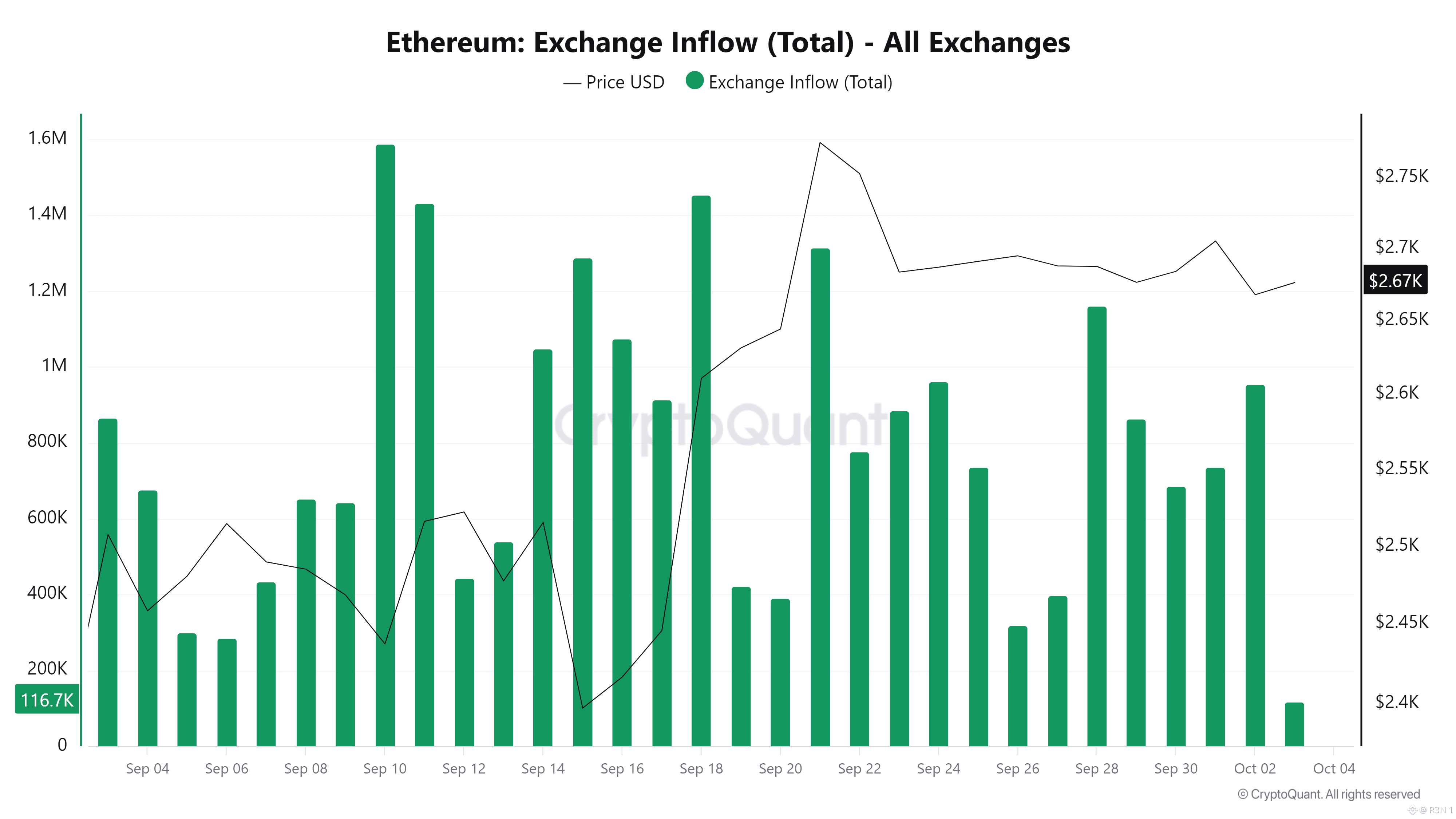
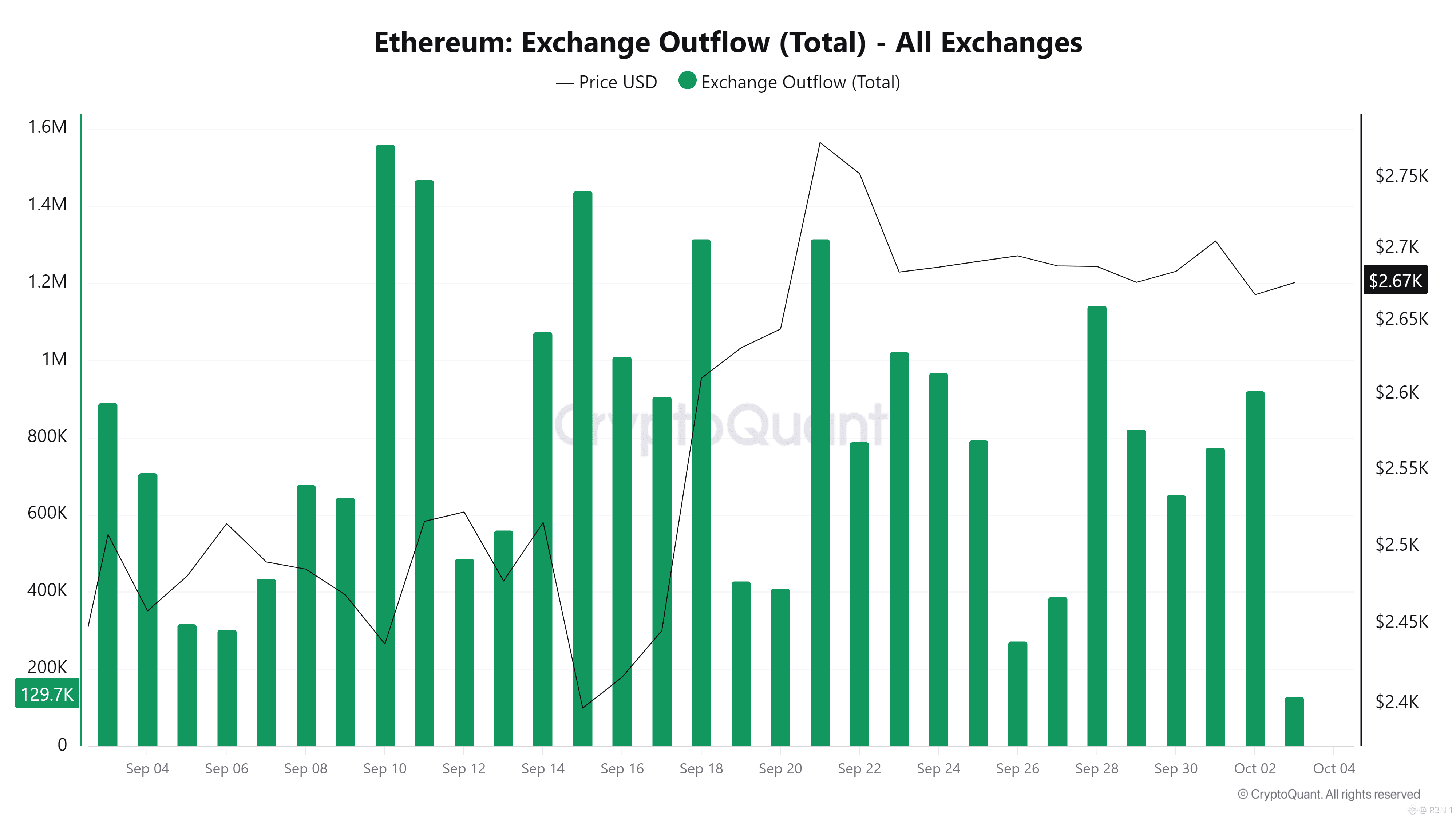
52
·
--
Cadangan pertukaran Bitcoin baru saja mencapai 2,68 juta BTC, titik terendah pada grafik ini sejak September 2023, sementara harga telah kembali naik ke $84.600. Itulah sinyal yang sebenarnya layak untuk direnungkan, bukan sekadar harga hari ini. Yang membuat saya terkesan ketika memperbesar gambarnya adalah betapa konsistennya tren penurunan ini terjadi di berbagai rezim harga yang sepenuhnya berbeda. Cadangan sempat mencapai puncak di dekat 3,2 juta BTC pada awal 2024 ketika harga masih berada jauh di bawah $70K, lalu terus menurun melewati puncak-puncak 2024 di sekitar $73K, kenaikan pada 2025 menuju $126K, dan koreksi pada 2026. Harga naik, turun, dan bergerak menyamping berkali-kali, tetapi cadangan justru terus turun di sepanjang semuanya. Secara pribadi, periode yang paling menonjol adalah akhir 2024 hingga 2025: cadangan turun tajam dari sekitar 3,1 juta menjadi sekitar 2,9 juta sementara harga terjebak dalam rentang konsolidasi yang lebar. Itu adalah koin yang keluar dari bursa tanpa adanya satu katalis harga tertentu di belakangnya—arus keluar struktural yang stabil, bukan lonjakan yang digerakkan oleh sebuah peristiwa. Penilaian jujur saya: penurunan cadangan yang konsisten seperti ini di beberapa siklus biasanya dibaca sebagai akumulasi atau niat untuk ditahan dalam jangka panjang; koin tidak tersedia untuk dijual cepat. Menurut saya, pembacaan ini cukup masuk akal di sini. Di sisi lain, tempat saya akan mendorong balik jika terlalu banyak membaca kesimpulan darinya adalah: cadangan bursa yang berkurang tidak memberi tahu Anda ke mana koin itu sebenarnya pergi—cold storage, meja OTC, dan perpindahan kustodi juga terlihat identik di grafik ini. Yang saya pantau: apakah penurunan ini terus berlanjut saat harga terdorong lebih tinggi, atau apakah reli menuju level tertinggi baru pada akhirnya menarik sebagian pasokan kembali ke bursa seperti yang terjadi pada siklus-siklus sebelumnya. $BTC #BTC Price Analysis# #Altcoin Season#
Cadangan pertukaran Bitcoin baru saja mencapai 2,68 juta BTC, titik terendah pada grafik ini sejak September 2023, sementara harga telah kembali naik ke $84.600. Itulah sinyal yang sebenarnya layak untuk direnungkan, bukan sekadar harga hari ini. Yang membuat saya terkesan ketika memperbesar gambarnya adalah betapa konsistennya tren penurunan ini terjadi di berbagai rezim harga yang sepenuhnya berbeda. Cadangan sempat mencapai puncak di dekat 3,2 juta BTC pada awal 2024 ketika harga masih berada jauh di bawah $70K, lalu terus menurun melewati puncak-puncak 2024 di sekitar $73K, kenaikan pada 2025 menuju $126K, dan koreksi pada 2026. Harga naik, turun, dan bergerak menyamping berkali-kali, tetapi cadangan justru terus turun di sepanjang semuanya. Secara pribadi, periode yang paling menonjol adalah akhir 2024 hingga 2025: cadangan turun tajam dari sekitar 3,1 juta menjadi sekitar 2,9 juta sementara harga terjebak dalam rentang konsolidasi yang lebar. Itu adalah koin yang keluar dari bursa tanpa adanya satu katalis harga tertentu di belakangnya—arus keluar struktural yang stabil, bukan lonjakan yang digerakkan oleh sebuah peristiwa. Penilaian jujur saya: penurunan cadangan yang konsisten seperti ini di beberapa siklus biasanya dibaca sebagai akumulasi atau niat untuk ditahan dalam jangka panjang; koin tidak tersedia untuk dijual cepat. Menurut saya, pembacaan ini cukup masuk akal di sini. Di sisi lain, tempat saya akan mendorong balik jika terlalu banyak membaca kesimpulan darinya adalah: cadangan bursa yang berkurang tidak memberi tahu Anda ke mana koin itu sebenarnya pergi—cold storage, meja OTC, dan perpindahan kustodi juga terlihat identik di grafik ini. Yang saya pantau: apakah penurunan ini terus berlanjut saat harga terdorong lebih tinggi, atau apakah reli menuju level tertinggi baru pada akhirnya menarik sebagian pasokan kembali ke bursa seperti yang terjadi pada siklus-siklus sebelumnya. $BTC #BTC Price Analysis# #Altcoin Season#
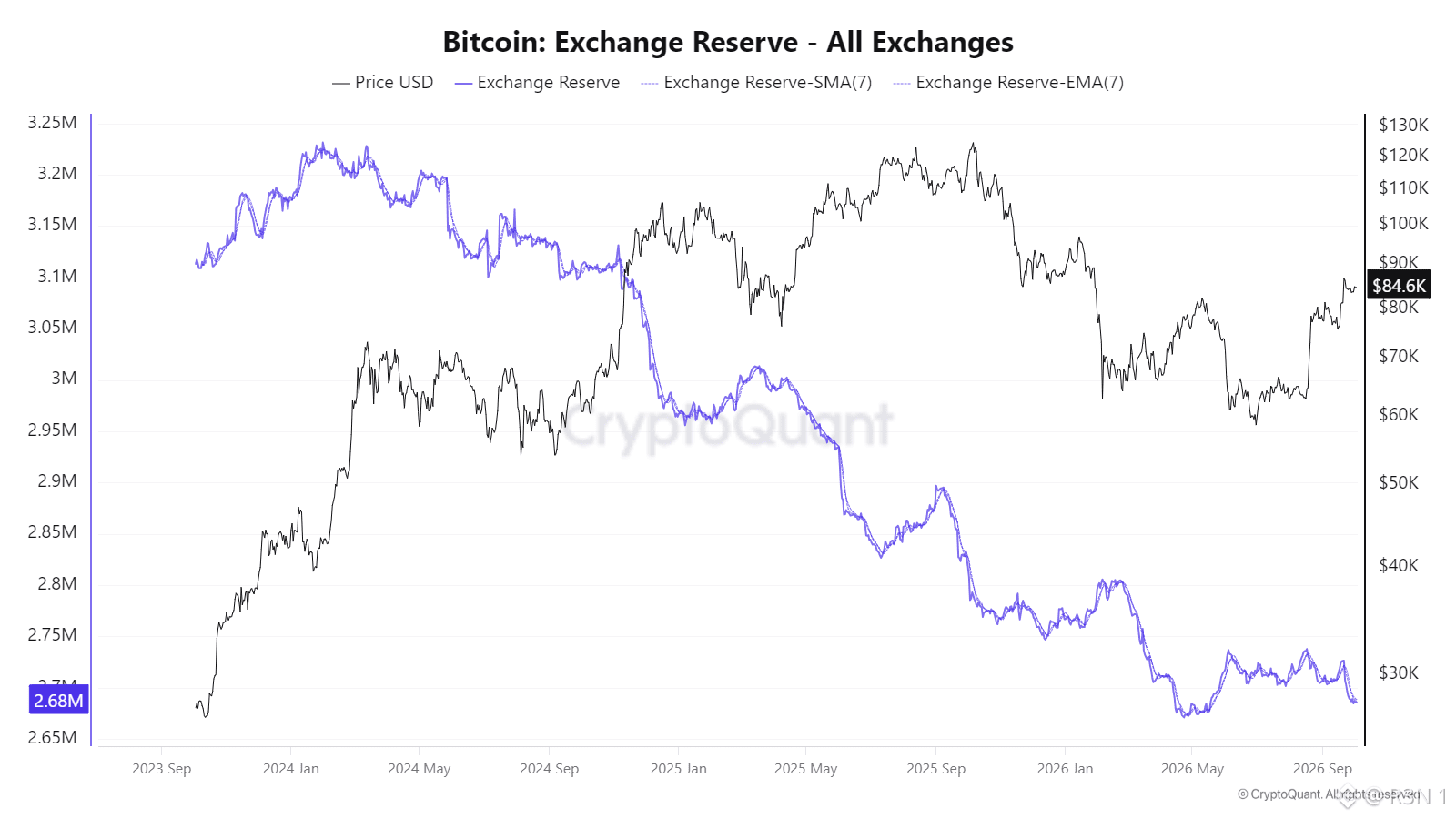
86
·
--
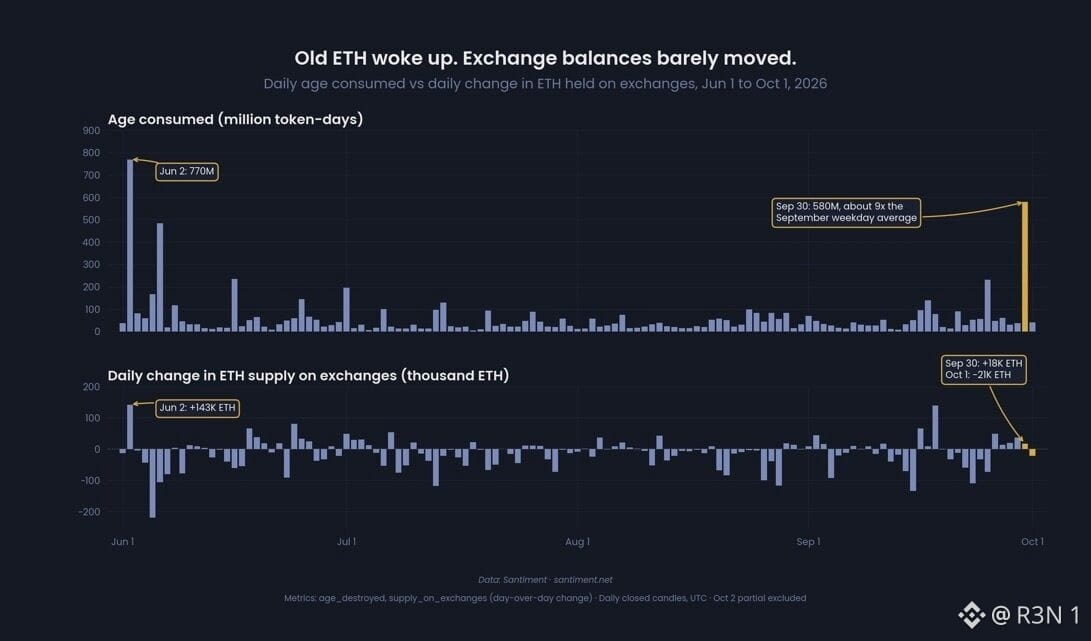
580 juta hari-token ETH yang tidak aktif berpindah pada 30 September, sekitar 9 kali rata-rata hari kerja di bulan September, sementara saldo di bursa hampir tidak berubah. Kombinasi itulah kisah sebenarnya: koin lama kembali bergerak tanpa diikuti aksi jual besar.
Metrik age consumed mengukur berapa lama koin yang berpindah tersimpan tanpa tersentuh sebelum bergerak. Jadi, lonjakan sebesar ini berarti sejumlah besar ETH yang telah lama disimpan berpindah tangan dalam satu hari—bukan aktivitas perdagangan rutin. Perbandingannya penting: pada lonjakan serupa sebelumnya, 2 Juni, saldo di bursa melonjak lebih dari 140.000 ETH pada hari yang sama. Kali ini, pasokan di bursa naik sekitar 18.000 ETH, lalu turun sekitar 21.000 keesokan harinya—praktis tidak berubah dibandingkan total 5,9 juta ETH yang saat ini tersimpan di bursa.
Yang menarik bagi saya adalah keterusterangan Santiment sendiri mengenai keterbatasan data ini. Mereka secara eksplisit menyatakan belum bisa memastikan siapa yang sebenarnya memindahkan koin-koin tersebut. Mereka juga mencatat bahwa lonjakan sebesar ini di masa lalu sering kali ternyata merupakan pemindahan antar-dompet, transfer kustodian, konsolidasi, atau perpindahan internal—bukan berarti para pemegangnya benar-benar bersiap untuk menjual. Ini merupakan interpretasi yang sangat berbeda dari “whale yang lama tidak aktif akan segera membuang koinnya”, dan perubahan saldo bursa yang minim justru lebih mendukung dugaan pemindahan antar-dompet daripada aksi jual.
Pergerakan ini juga terjadi dalam konteks sentimen tertentu. Secara terpisah, Santiment menyoroti rasio komentar bullish terhadap bearish untuk ETH yang berada di angka 0,89—terendah sejak 7 Juni. Jadi, pergerakan koin yang lama tidak aktif ini muncul tepat ketika sentimen sosial yang lebih luas berubah negatif. Hal ini patut dicatat sebagai konteks, bukan sebagai bukti bahwa keduanya memiliki hubungan sebab-akibat.
Pertanyaan terbukanya bukan apakah sesuatu terjadi—580 juta hari-token adalah angka nyata yang tidak biasa. Pertanyaannya adalah apakah koin-koin yang berpindah itu benar-benar akan masuk ke bursa dalam beberapa hari ke depan. Santiment sendiri menyoroti hal ini dalam kerangka analisis mereka, karena itulah yang akan membedakan reposisi diam-diam dari awal tekanan jual yang nyata.
$ETH #BTC Analisis Harga# #Ethereum
580 juta hari-token ETH yang tidak aktif berpindah pada 30 September, sekitar 9 kali rata-rata hari kerja di bulan September, sementara saldo di bursa hampir tidak berubah. Kombinasi itulah kisah sebenarnya: koin lama kembali bergerak tanpa diikuti aksi jual besar.
Metrik age consumed mengukur berapa lama koin yang berpindah tersimpan tanpa tersentuh sebelum bergerak. Jadi, lonjakan sebesar ini berarti sejumlah besar ETH yang telah lama disimpan berpindah tangan dalam satu hari—bukan aktivitas perdagangan rutin. Perbandingannya penting: pada lonjakan serupa sebelumnya, 2 Juni, saldo di bursa melonjak lebih dari 140.000 ETH pada hari yang sama. Kali ini, pasokan di bursa naik sekitar 18.000 ETH, lalu turun sekitar 21.000 keesokan harinya—praktis tidak berubah dibandingkan total 5,9 juta ETH yang saat ini tersimpan di bursa.
Yang menarik bagi saya adalah keterusterangan Santiment sendiri mengenai keterbatasan data ini. Mereka secara eksplisit menyatakan belum bisa memastikan siapa yang sebenarnya memindahkan koin-koin tersebut. Mereka juga mencatat bahwa lonjakan sebesar ini di masa lalu sering kali ternyata merupakan pemindahan antar-dompet, transfer kustodian, konsolidasi, atau perpindahan internal—bukan berarti para pemegangnya benar-benar bersiap untuk menjual. Ini merupakan interpretasi yang sangat berbeda dari “whale yang lama tidak aktif akan segera membuang koinnya”, dan perubahan saldo bursa yang minim justru lebih mendukung dugaan pemindahan antar-dompet daripada aksi jual.
Pergerakan ini juga terjadi dalam konteks sentimen tertentu. Secara terpisah, Santiment menyoroti rasio komentar bullish terhadap bearish untuk ETH yang berada di angka 0,89—terendah sejak 7 Juni. Jadi, pergerakan koin yang lama tidak aktif ini muncul tepat ketika sentimen sosial yang lebih luas berubah negatif. Hal ini patut dicatat sebagai konteks, bukan sebagai bukti bahwa keduanya memiliki hubungan sebab-akibat.
Pertanyaan terbukanya bukan apakah sesuatu terjadi—580 juta hari-token adalah angka nyata yang tidak biasa. Pertanyaannya adalah apakah koin-koin yang berpindah itu benar-benar akan masuk ke bursa dalam beberapa hari ke depan. Santiment sendiri menyoroti hal ini dalam kerangka analisis mereka, karena itulah yang akan membedakan reposisi diam-diam dari awal tekanan jual yang nyata.
$ETH #BTC Analisis Harga# #Ethereum
Metrik age consumed mengukur berapa lama koin yang berpindah tersimpan tanpa tersentuh sebelum bergerak. Jadi, lonjakan sebesar ini berarti sejumlah besar ETH yang telah lama disimpan berpindah tangan dalam satu hari—bukan aktivitas perdagangan rutin. Perbandingannya penting: pada lonjakan serupa sebelumnya, 2 Juni, saldo di bursa melonjak lebih dari 140.000 ETH pada hari yang sama. Kali ini, pasokan di bursa naik sekitar 18.000 ETH, lalu turun sekitar 21.000 keesokan harinya—praktis tidak berubah dibandingkan total 5,9 juta ETH yang saat ini tersimpan di bursa.
Yang menarik bagi saya adalah keterusterangan Santiment sendiri mengenai keterbatasan data ini. Mereka secara eksplisit menyatakan belum bisa memastikan siapa yang sebenarnya memindahkan koin-koin tersebut. Mereka juga mencatat bahwa lonjakan sebesar ini di masa lalu sering kali ternyata merupakan pemindahan antar-dompet, transfer kustodian, konsolidasi, atau perpindahan internal—bukan berarti para pemegangnya benar-benar bersiap untuk menjual. Ini merupakan interpretasi yang sangat berbeda dari “whale yang lama tidak aktif akan segera membuang koinnya”, dan perubahan saldo bursa yang minim justru lebih mendukung dugaan pemindahan antar-dompet daripada aksi jual.
Pergerakan ini juga terjadi dalam konteks sentimen tertentu. Secara terpisah, Santiment menyoroti rasio komentar bullish terhadap bearish untuk ETH yang berada di angka 0,89—terendah sejak 7 Juni. Jadi, pergerakan koin yang lama tidak aktif ini muncul tepat ketika sentimen sosial yang lebih luas berubah negatif. Hal ini patut dicatat sebagai konteks, bukan sebagai bukti bahwa keduanya memiliki hubungan sebab-akibat.
Pertanyaan terbukanya bukan apakah sesuatu terjadi—580 juta hari-token adalah angka nyata yang tidak biasa. Pertanyaannya adalah apakah koin-koin yang berpindah itu benar-benar akan masuk ke bursa dalam beberapa hari ke depan. Santiment sendiri menyoroti hal ini dalam kerangka analisis mereka, karena itulah yang akan membedakan reposisi diam-diam dari awal tekanan jual yang nyata.
$ETH #BTC Analisis Harga# #Ethereum
1
·
--
Satu kekeliruan itu melakukan lebih banyak untuk mengubah peluang kenaikan suku bunga The Fed dibandingkan berminggu-minggu komentar, sehingga ekspektasi kenaikan pada bulan Oktober turun menjadi sekitar 17 hingga 24% tergantung pada snapshot, dan itu terjadi pada minggu yang sama ketika Citi menaikkan target BTC 12 bulan mereka menjadi $113.000.
Penting untuk tepat soal apa yang sebenarnya dilakukan Citi di sini.
Ini bukan seruan bullish baru yang muncul begitu saja; ini adalah sebuah pembalikan. Citi memulai 2026 di $143.000, turun ke $112.000 pada bulan Maret setelah Undang-Undang CLARITY mandek, turun lagi ke $82.000 pada bulan Juli, dan kini bergerak kembali ke $113.000, dengan alasan aktivitas kripto yang lebih kuat, kondisi makro yang membaik, serta proyeksi arus masuk dana sebesar $5 miliar ke ETF kripto selama tahun depan.
BTC berada di sekitar $86.885, naik 2,7% setelah data pekerjaan yang mengecewakan, artinya target itu sendiri memerlukan sekitar 30% upside lebih lanjut, dan bahkan pada $113.000 pun masih sekitar 10% di bawah rekor Oktober 2025 yang mendekati $126.200.
Mekanisme yang menghubungkan data pekerjaan yang lemah dengan ini sebenarnya sederhana. Angka tenaga kerja yang lebih lemah mengurangi peluang kenaikan suku bunga berikutnya, sehingga meredakan tekanan pada imbal hasil Treasury; imbal hasil obligasi tenor 10 tahun turun mendekati 5,17% setelah rilis tersebut, dan kombinasi ini secara historis mendukung penataan posisi aset berisiko. Kerangka Citi sendiri memperlakukan $90.000 sebagai uji pertama yang sesungguhnya—tembus berkelanjutan di level itu membuat $100.000 kembali masuk permainan sebelum $113.000 bahkan relevan sama sekali.
Penilaian jujur saya: satu laporan pekerjaan yang lemah tidak mengunci The Fed yang dovish; data inflasi dan rilis-rilis mendatang masih penting, dan target Citi sendiri sudah mengalami pembalikan dua kali tahun ini. Bantalan makro memang nyata saat ini, tetapi memperlakukan target bank 12 bulan sebagai peta harga jangka pendek mengabaikan seberapa jauh target itu sendiri sudah bergerak.
Yang saya pantau: apakah $90.000 benar-benar menembus dan bertahan, karena level itulah yang menentukan apakah $113.000 menjadi percakapan 12 bulan yang realistis, atau tetap sekadar perkiraan yang terbalik di atas kertas.
$BTC #BTC Price Analysis# #Macro Insights# $XAUt
Satu kekeliruan itu melakukan lebih banyak untuk mengubah peluang kenaikan suku bunga The Fed dibandingkan berminggu-minggu komentar, sehingga ekspektasi kenaikan pada bulan Oktober turun menjadi sekitar 17 hingga 24% tergantung pada snapshot, dan itu terjadi pada minggu yang sama ketika Citi menaikkan target BTC 12 bulan mereka menjadi $113.000.
Penting untuk tepat soal apa yang sebenarnya dilakukan Citi di sini.
Ini bukan seruan bullish baru yang muncul begitu saja; ini adalah sebuah pembalikan. Citi memulai 2026 di $143.000, turun ke $112.000 pada bulan Maret setelah Undang-Undang CLARITY mandek, turun lagi ke $82.000 pada bulan Juli, dan kini bergerak kembali ke $113.000, dengan alasan aktivitas kripto yang lebih kuat, kondisi makro yang membaik, serta proyeksi arus masuk dana sebesar $5 miliar ke ETF kripto selama tahun depan.
BTC berada di sekitar $86.885, naik 2,7% setelah data pekerjaan yang mengecewakan, artinya target itu sendiri memerlukan sekitar 30% upside lebih lanjut, dan bahkan pada $113.000 pun masih sekitar 10% di bawah rekor Oktober 2025 yang mendekati $126.200.
Mekanisme yang menghubungkan data pekerjaan yang lemah dengan ini sebenarnya sederhana. Angka tenaga kerja yang lebih lemah mengurangi peluang kenaikan suku bunga berikutnya, sehingga meredakan tekanan pada imbal hasil Treasury; imbal hasil obligasi tenor 10 tahun turun mendekati 5,17% setelah rilis tersebut, dan kombinasi ini secara historis mendukung penataan posisi aset berisiko. Kerangka Citi sendiri memperlakukan $90.000 sebagai uji pertama yang sesungguhnya—tembus berkelanjutan di level itu membuat $100.000 kembali masuk permainan sebelum $113.000 bahkan relevan sama sekali.
Penilaian jujur saya: satu laporan pekerjaan yang lemah tidak mengunci The Fed yang dovish; data inflasi dan rilis-rilis mendatang masih penting, dan target Citi sendiri sudah mengalami pembalikan dua kali tahun ini. Bantalan makro memang nyata saat ini, tetapi memperlakukan target bank 12 bulan sebagai peta harga jangka pendek mengabaikan seberapa jauh target itu sendiri sudah bergerak.
Yang saya pantau: apakah $90.000 benar-benar menembus dan bertahan, karena level itulah yang menentukan apakah $113.000 menjadi percakapan 12 bulan yang realistis, atau tetap sekadar perkiraan yang terbalik di atas kertas.
$BTC #BTC Price Analysis# #Macro Insights# $XAUt
Penting untuk tepat soal apa yang sebenarnya dilakukan Citi di sini.
Ini bukan seruan bullish baru yang muncul begitu saja; ini adalah sebuah pembalikan. Citi memulai 2026 di $143.000, turun ke $112.000 pada bulan Maret setelah Undang-Undang CLARITY mandek, turun lagi ke $82.000 pada bulan Juli, dan kini bergerak kembali ke $113.000, dengan alasan aktivitas kripto yang lebih kuat, kondisi makro yang membaik, serta proyeksi arus masuk dana sebesar $5 miliar ke ETF kripto selama tahun depan.
BTC berada di sekitar $86.885, naik 2,7% setelah data pekerjaan yang mengecewakan, artinya target itu sendiri memerlukan sekitar 30% upside lebih lanjut, dan bahkan pada $113.000 pun masih sekitar 10% di bawah rekor Oktober 2025 yang mendekati $126.200.
Mekanisme yang menghubungkan data pekerjaan yang lemah dengan ini sebenarnya sederhana. Angka tenaga kerja yang lebih lemah mengurangi peluang kenaikan suku bunga berikutnya, sehingga meredakan tekanan pada imbal hasil Treasury; imbal hasil obligasi tenor 10 tahun turun mendekati 5,17% setelah rilis tersebut, dan kombinasi ini secara historis mendukung penataan posisi aset berisiko. Kerangka Citi sendiri memperlakukan $90.000 sebagai uji pertama yang sesungguhnya—tembus berkelanjutan di level itu membuat $100.000 kembali masuk permainan sebelum $113.000 bahkan relevan sama sekali.
Penilaian jujur saya: satu laporan pekerjaan yang lemah tidak mengunci The Fed yang dovish; data inflasi dan rilis-rilis mendatang masih penting, dan target Citi sendiri sudah mengalami pembalikan dua kali tahun ini. Bantalan makro memang nyata saat ini, tetapi memperlakukan target bank 12 bulan sebagai peta harga jangka pendek mengabaikan seberapa jauh target itu sendiri sudah bergerak.
Yang saya pantau: apakah $90.000 benar-benar menembus dan bertahan, karena level itulah yang menentukan apakah $113.000 menjadi percakapan 12 bulan yang realistis, atau tetap sekadar perkiraan yang terbalik di atas kertas.
$BTC #BTC Price Analysis# #Macro Insights# $XAUt
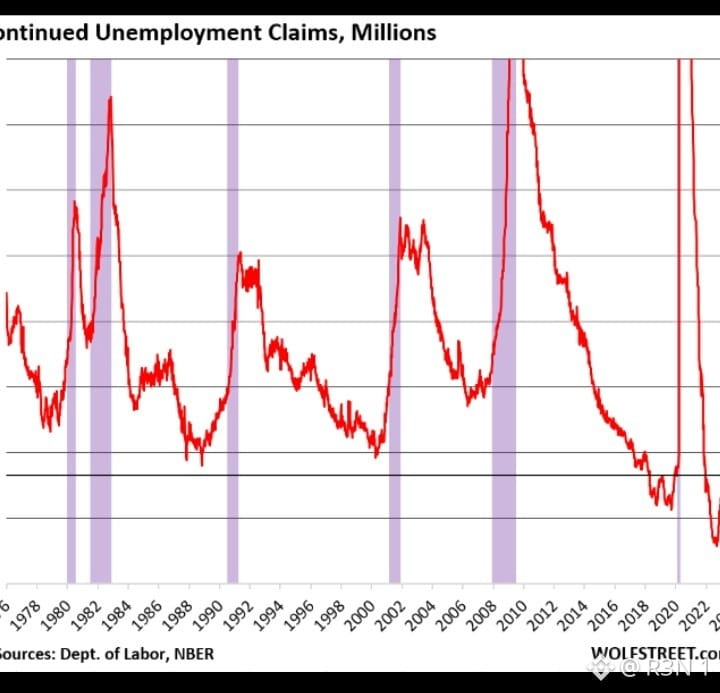
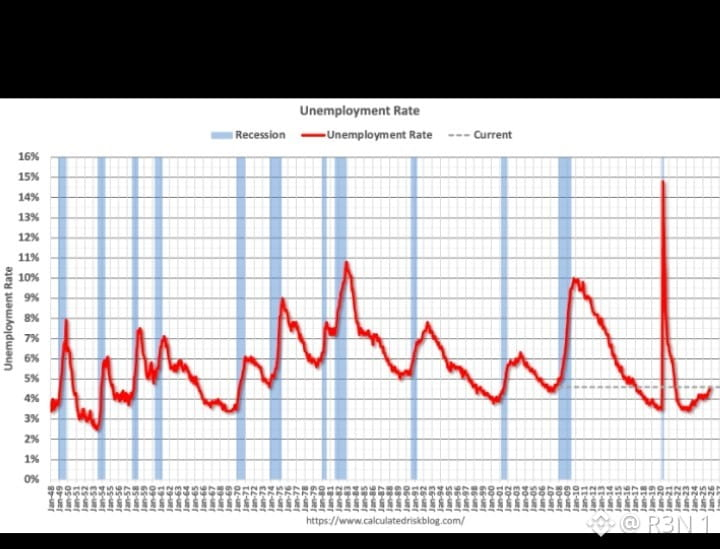
27
·
--
Greywick Digital baru saja menandatangani kemitraan dengan Litecoin Foundation, dan kesenjangan antara "MOU" dan "launch" (peluncuran) yang paling banyak bekerja dalam pengumuman ini. Ditandatangani pada 1 Oktober, ini adalah Greywick Digital dan Litecoin Foundation yang sepakat pada maksud, bukan produk yang sudah dikirim/dirilis, dan beberapa media secara tegas menyatakan bahwa tidak ada tanggal peluncuran yang pasti di luar target "akhir 2026". Yang sebenarnya menarik di sini adalah mekanismenya, bukan timeline-nya. cLTC adalah representasi yang didukung cadangan—LTC asli dikunci, sebuah token yang mewakilinya beredar di Canton, jaringan penyelesaian (settlement) yang sudah pernah digunakan oleh DTCC, Goldman Sachs, dan BNP Paribas. Validasi cadangan di rantai (on-chain) dan attestasi berkelanjutan adalah lapisan kepatuhan (compliance) yang dimaksudkan agar ini kredibel bagi institusi yang tidak akan mengurus sendiri kustodi LTC mentah. Perlu juga tepat soal apa yang sebenarnya bergantung di sini. Peluncuran mainnet bergantung pada tiga hal yang belum selesai: validasi testnet yang sudah tuntas, pengungkapan cadangan yang dipublikasikan, dan kerangka kerja attestasi yang final. Tidak ada yang dikonfirmasi saat ini—itu adalah item pengunci (gating) yang sesungguhnya berdiri di antara MOU ini dan produk yang sudah live. Peran Litecoin Foundation juga menonjol: mereka tidak hanya mengesahkan, mereka telah menetapkan cLTC sebagai versi institusional resmi Litecoin untuk ke depannya—pernyataan niat yang nyata bahkan tanpa token yang sudah dirilis. Pertanyaan terbuka bukan apakah kemitraan ini nyata; itu jelas nyata. Yang dipertanyakan adalah apakah permintaan institusional di Canton benar-benar muncul setelah cLTC diluncurkan, atau apakah ini justru berakhir sebagai infrastruktur yang dibangun untuk adopsi, tetapi prosesnya memakan waktu lebih lama untuk menjadi kenyataan dibanding yang disarankan oleh target "akhir 2026"—risiko yang persis sama yang dibawa oleh setiap bridge aset ter-tokenisasi seperti ini sampai volume nyata membuktikan sebaliknya. #BTC Price Analysis# $LTC $CC #Macro Insights#
Greywick Digital baru saja menandatangani kemitraan dengan Litecoin Foundation, dan kesenjangan antara "MOU" dan "launch" (peluncuran) yang paling banyak bekerja dalam pengumuman ini. Ditandatangani pada 1 Oktober, ini adalah Greywick Digital dan Litecoin Foundation yang sepakat pada maksud, bukan produk yang sudah dikirim/dirilis, dan beberapa media secara tegas menyatakan bahwa tidak ada tanggal peluncuran yang pasti di luar target "akhir 2026". Yang sebenarnya menarik di sini adalah mekanismenya, bukan timeline-nya. cLTC adalah representasi yang didukung cadangan—LTC asli dikunci, sebuah token yang mewakilinya beredar di Canton, jaringan penyelesaian (settlement) yang sudah pernah digunakan oleh DTCC, Goldman Sachs, dan BNP Paribas. Validasi cadangan di rantai (on-chain) dan attestasi berkelanjutan adalah lapisan kepatuhan (compliance) yang dimaksudkan agar ini kredibel bagi institusi yang tidak akan mengurus sendiri kustodi LTC mentah. Perlu juga tepat soal apa yang sebenarnya bergantung di sini. Peluncuran mainnet bergantung pada tiga hal yang belum selesai: validasi testnet yang sudah tuntas, pengungkapan cadangan yang dipublikasikan, dan kerangka kerja attestasi yang final. Tidak ada yang dikonfirmasi saat ini—itu adalah item pengunci (gating) yang sesungguhnya berdiri di antara MOU ini dan produk yang sudah live. Peran Litecoin Foundation juga menonjol: mereka tidak hanya mengesahkan, mereka telah menetapkan cLTC sebagai versi institusional resmi Litecoin untuk ke depannya—pernyataan niat yang nyata bahkan tanpa token yang sudah dirilis. Pertanyaan terbuka bukan apakah kemitraan ini nyata; itu jelas nyata. Yang dipertanyakan adalah apakah permintaan institusional di Canton benar-benar muncul setelah cLTC diluncurkan, atau apakah ini justru berakhir sebagai infrastruktur yang dibangun untuk adopsi, tetapi prosesnya memakan waktu lebih lama untuk menjadi kenyataan dibanding yang disarankan oleh target "akhir 2026"—risiko yang persis sama yang dibawa oleh setiap bridge aset ter-tokenisasi seperti ini sampai volume nyata membuktikan sebaliknya. #BTC Price Analysis# $LTC $CC #Macro Insights#
32
·
--
Integrasi Zcash yang sudah lama direncanakan THORChain, bersama Monero, Bittensor, dan Dash, telah dalam pengembangan selama berbulan-bulan. Namun waktu pelaksanaannya justru jatuh tepat setelah THORChain secara publik menolak permintaan CEO Bitget, Gracy Chen, untuk memblokir alamat yang terkait dengan peretasan senilai $387,5 juta milik bursa tersebut, dan secara terpisah, peretas dari kebocoran yang sama sudah mulai memindahkan dana curian ke dalam shielded pool Zcash setelah NEAR memblokir upaya swap senilai $50 juta. Pembukaan jalur native ZEC di THORChain saat ini bukanlah timing yang netral—ini membuka pintu baru menuju alat privasi yang sama yang sudah digunakan penyerang untuk “lenyap”. Yang menonjol bagi saya adalah pertahanan nyata THORChain, karena itu lebih koheren daripada “kami tidak peduli soal dana curian”. Argumen mereka adalah bahwa mereka terdesentralisasi dan tanpa izin dengan cara yang sama seperti Bitcoin, Ethereum, dan BNB Chain, dan mereka mempertanyakan tanggung jawab apa yang dipikul oleh jaringan-jaringan tersebut ketika dana curian juga melewatinya. Itu pertanyaan yang benar-benar nyata, bukan sekadar penghindaran, meski secara nyaman mengabaikan fakta bahwa THORChain sebelumnya secara selektif pernah menghentikan jaringannya sendiri—penangguhan selama lima minggu setelah sebuah eksploit senilai $10,7 juta pada bulan Mei. Perlu spesifik soal skalanya: volume THORChain sendiri dilaporkan melonjak melewati $1,5 miliar sementara aktivitas pencucian ini merutekan transaksi melalui mereka, sehingga pool ZEC kini diluncurkan ke jaringan yang sudah mengalami arus yang meningkat terkait dengan persis jenis penggunaan kasus seperti ini. Pertanyaan terbukanya bukan apakah integrasi Zcash secara teknis penting bagi peta jalan THORChain—itu jelas penting. Yang dipertanyakan adalah apakah “permissionless by design” tetap bertahan sebagai prinsip ketika mekanisme tersebut terbukti memindahkan dana curian secara real time, atau apakah operator node pada akhirnya akan memilih untuk melakukan intervensi seperti yang mereka lakukan pada Mei. $ZEC #Analisis Harga BTC# #Musim Altcoin# #Meme Alpha#
Integrasi Zcash yang sudah lama direncanakan THORChain, bersama Monero, Bittensor, dan Dash, telah dalam pengembangan selama berbulan-bulan. Namun waktu pelaksanaannya justru jatuh tepat setelah THORChain secara publik menolak permintaan CEO Bitget, Gracy Chen, untuk memblokir alamat yang terkait dengan peretasan senilai $387,5 juta milik bursa tersebut, dan secara terpisah, peretas dari kebocoran yang sama sudah mulai memindahkan dana curian ke dalam shielded pool Zcash setelah NEAR memblokir upaya swap senilai $50 juta. Pembukaan jalur native ZEC di THORChain saat ini bukanlah timing yang netral—ini membuka pintu baru menuju alat privasi yang sama yang sudah digunakan penyerang untuk “lenyap”. Yang menonjol bagi saya adalah pertahanan nyata THORChain, karena itu lebih koheren daripada “kami tidak peduli soal dana curian”. Argumen mereka adalah bahwa mereka terdesentralisasi dan tanpa izin dengan cara yang sama seperti Bitcoin, Ethereum, dan BNB Chain, dan mereka mempertanyakan tanggung jawab apa yang dipikul oleh jaringan-jaringan tersebut ketika dana curian juga melewatinya. Itu pertanyaan yang benar-benar nyata, bukan sekadar penghindaran, meski secara nyaman mengabaikan fakta bahwa THORChain sebelumnya secara selektif pernah menghentikan jaringannya sendiri—penangguhan selama lima minggu setelah sebuah eksploit senilai $10,7 juta pada bulan Mei. Perlu spesifik soal skalanya: volume THORChain sendiri dilaporkan melonjak melewati $1,5 miliar sementara aktivitas pencucian ini merutekan transaksi melalui mereka, sehingga pool ZEC kini diluncurkan ke jaringan yang sudah mengalami arus yang meningkat terkait dengan persis jenis penggunaan kasus seperti ini. Pertanyaan terbukanya bukan apakah integrasi Zcash secara teknis penting bagi peta jalan THORChain—itu jelas penting. Yang dipertanyakan adalah apakah “permissionless by design” tetap bertahan sebagai prinsip ketika mekanisme tersebut terbukti memindahkan dana curian secara real time, atau apakah operator node pada akhirnya akan memilih untuk melakukan intervensi seperti yang mereka lakukan pada Mei. $ZEC #Analisis Harga BTC# #Musim Altcoin# #Meme Alpha#

47
·
--
$1,26 miliar dicuri saat Bitcoin mencatat kenaikan kuartalan 40%. Kerugian keamanan dan performa aset justru bergerak berlawanan arah sepenuhnya pada kuartal ini. Angka CertiK sangat spesifik. Kerugian Q3 mencapai $1,26 miliar dari 247 insiden, naik 53,9% dibanding $819,4 juta di Q2—yang sendiri sudah menjadi rekor sebelum kuartal ini melampauinya. September saja menyumbang $768,5 juta, bulan terburuk pada 2026, dengan dua insiden, Bitget dan Liquid Network, yang secara sendiri sudah mencakup 92% dari total kerugian bulan itu. Yang paling menonjol bagi saya adalah angka Bitget secara khusus, karena memang bergerak. Total yang terkonfirmasi adalah $387,5 juta, naik dari estimasi awal $351,6 juta setelah penyelidik menelusuri seluruh skala transfer. Pelaku mengeksploitasi kerentanan pada produk keamanan pihak ketiga untuk mendapatkan kredensial internal dan memalsukan perintah penarikan, bukan bug kontrak pintar—kompromi gaya rantai pasok melalui tooling yang tepercaya. Perlu menambahkan konteks kerugian yang sudah disesuaikan, yang biasanya dilewatkan sebagian besar headline. Dari kerugian September sebesar $768 juta, sekitar $273 juta dibekukan atau dipulihkan, sehingga kerugian yang disesuaikan menjadi $495,3 juta untuk bulan tersebut. Uang nyata, tetapi lebih kecil daripada angka kotor setelah pemulihan diperhitungkan. Detail yang menurut saya paling berguna: rata-rata kerugian per insiden melonjak dari sekitar $270.000 menjadi $2,4 juta, nyaris 9x; sementara paparan yang dilaporkan dari satu jenis ancaman yang sedang berkembang naik dari $10,5 juta menjadi $124,2 juta. Bukan lebih banyak serangan yang terjadi, melainkan lebih sedikit, namun lebih besar, lebih canggih, dan lebih berhasil. Pertanyaan terbuka bukan lagi apakah keamanan bursa perlu disorot—kuartal ini sudah memastikan itu. Yang dipertanyakan adalah apakah industri yang mencatat harga terbaik tahun ini memperlakukan kuartal dengan kerugian rekor sebagai peringatan, atau apakah kenaikan harga hanya meredam urgensi itu lagi. #BTC Price Analysis# $BTC #Altcoin Season# $XAUt
$1,26 miliar dicuri saat Bitcoin mencatat kenaikan kuartalan 40%. Kerugian keamanan dan performa aset justru bergerak berlawanan arah sepenuhnya pada kuartal ini. Angka CertiK sangat spesifik. Kerugian Q3 mencapai $1,26 miliar dari 247 insiden, naik 53,9% dibanding $819,4 juta di Q2—yang sendiri sudah menjadi rekor sebelum kuartal ini melampauinya. September saja menyumbang $768,5 juta, bulan terburuk pada 2026, dengan dua insiden, Bitget dan Liquid Network, yang secara sendiri sudah mencakup 92% dari total kerugian bulan itu. Yang paling menonjol bagi saya adalah angka Bitget secara khusus, karena memang bergerak. Total yang terkonfirmasi adalah $387,5 juta, naik dari estimasi awal $351,6 juta setelah penyelidik menelusuri seluruh skala transfer. Pelaku mengeksploitasi kerentanan pada produk keamanan pihak ketiga untuk mendapatkan kredensial internal dan memalsukan perintah penarikan, bukan bug kontrak pintar—kompromi gaya rantai pasok melalui tooling yang tepercaya. Perlu menambahkan konteks kerugian yang sudah disesuaikan, yang biasanya dilewatkan sebagian besar headline. Dari kerugian September sebesar $768 juta, sekitar $273 juta dibekukan atau dipulihkan, sehingga kerugian yang disesuaikan menjadi $495,3 juta untuk bulan tersebut. Uang nyata, tetapi lebih kecil daripada angka kotor setelah pemulihan diperhitungkan. Detail yang menurut saya paling berguna: rata-rata kerugian per insiden melonjak dari sekitar $270.000 menjadi $2,4 juta, nyaris 9x; sementara paparan yang dilaporkan dari satu jenis ancaman yang sedang berkembang naik dari $10,5 juta menjadi $124,2 juta. Bukan lebih banyak serangan yang terjadi, melainkan lebih sedikit, namun lebih besar, lebih canggih, dan lebih berhasil. Pertanyaan terbuka bukan lagi apakah keamanan bursa perlu disorot—kuartal ini sudah memastikan itu. Yang dipertanyakan adalah apakah industri yang mencatat harga terbaik tahun ini memperlakukan kuartal dengan kerugian rekor sebagai peringatan, atau apakah kenaikan harga hanya meredam urgensi itu lagi. #BTC Price Analysis# $BTC #Altcoin Season# $XAUt
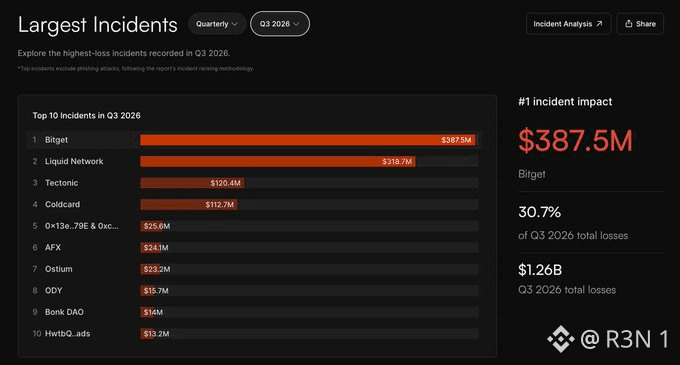
57
·
--
BTC turun 3% dari level saat ini, sekitar dari $84K menjadi kira-kira $81.500, menempatkan harga tepat di dalam zona persis yang ditandai Coinglass sebagai titik pemicu, bukan sekadar mendekatinya—melainkan berada di dalamnya. Menurut Coinglass, penembusan di bawah $82.125 akan memicu likuidasi long kumulatif senilai $2,734 miliar di berbagai bursa utama. Itu sisi long yang memakai leverage—kumpulan orang yang menggunakan margin untuk memperbesar reli ini—dan angka tersebut benar-benar besar dibanding peristiwa likuidasi harian BTC yang baru-baru ini terjadi bulan ini, yang sebagian besar hanya mencapai ratusan juta, bukan miliaran. Nah, detail yang benar-benar menjawab pertanyaan Anda justru ini. Pembeli ETF sama sekali tidak masuk dalam percakapan likuidasi ini, secara struktural tidak bisa. Saham ETF spot merepresentasikan kepemilikan langsung, tanpa leverage, tanpa margin call, dan tanpa harga likuidasi. Jumlah $999 juta yang masuk pada 24 September serta total lebih luas $2,4 miliar Zhang yang menyebut adanya masuk ke ETF bulan ini berada sepenuhnya di luar mekanisme tersebut. Penurunan 3% tidak memaksa BlackRock's IBIT untuk menjual apa pun; mungkin hanya berarti arus masuk melambat atau arus keluar yang lebih moderat pada hari berikutnya—pertanyaan permintaan, bukan peristiwa likuidasi paksa. Jadi jawaban jujurnya adalah: long ber-leverage dilikuidasi lebih dulu, dan dengan selisih yang lebar; pemegang ETF sama sekali tidak ikut terlikuidasi dalam skenario ini. Risiko sebenarnya bagi pembeli ETF bukan penjualan paksa, melainkan apakah rangkaian likuidasi long senilai $2,734 miliar itu menghasilkan dorongan ke bawah yang cukup besar sehingga mengubah sentimen dan memperlambat laju arus masuk yang selama ini menopang harga. Perlu dicatat juga adanya asimetri terhadap harga saat ini: penembusan di atas $90.669 akan memicu likuidasi short sebesar $1,122 miliar, yang secara signifikan lebih kecil dibanding angka di sisi bawah. Ketidakseimbangan itu sendiri informatif: pasar sedang mematok adanya paparan long ber-leverage yang lebih besar di bawah harga saat ini ketimbang paparan short di atasnya, tepat seperti yang Anda harapkan setelah reli yang digerakkan short-squeeze seperti pada bulan September. #Analisis Harga BTC# $BTC
BTC turun 3% dari level saat ini, sekitar dari $84K menjadi kira-kira $81.500, menempatkan harga tepat di dalam zona persis yang ditandai Coinglass sebagai titik pemicu, bukan sekadar mendekatinya—melainkan berada di dalamnya. Menurut Coinglass, penembusan di bawah $82.125 akan memicu likuidasi long kumulatif senilai $2,734 miliar di berbagai bursa utama. Itu sisi long yang memakai leverage—kumpulan orang yang menggunakan margin untuk memperbesar reli ini—dan angka tersebut benar-benar besar dibanding peristiwa likuidasi harian BTC yang baru-baru ini terjadi bulan ini, yang sebagian besar hanya mencapai ratusan juta, bukan miliaran. Nah, detail yang benar-benar menjawab pertanyaan Anda justru ini. Pembeli ETF sama sekali tidak masuk dalam percakapan likuidasi ini, secara struktural tidak bisa. Saham ETF spot merepresentasikan kepemilikan langsung, tanpa leverage, tanpa margin call, dan tanpa harga likuidasi. Jumlah $999 juta yang masuk pada 24 September serta total lebih luas $2,4 miliar Zhang yang menyebut adanya masuk ke ETF bulan ini berada sepenuhnya di luar mekanisme tersebut. Penurunan 3% tidak memaksa BlackRock's IBIT untuk menjual apa pun; mungkin hanya berarti arus masuk melambat atau arus keluar yang lebih moderat pada hari berikutnya—pertanyaan permintaan, bukan peristiwa likuidasi paksa. Jadi jawaban jujurnya adalah: long ber-leverage dilikuidasi lebih dulu, dan dengan selisih yang lebar; pemegang ETF sama sekali tidak ikut terlikuidasi dalam skenario ini. Risiko sebenarnya bagi pembeli ETF bukan penjualan paksa, melainkan apakah rangkaian likuidasi long senilai $2,734 miliar itu menghasilkan dorongan ke bawah yang cukup besar sehingga mengubah sentimen dan memperlambat laju arus masuk yang selama ini menopang harga. Perlu dicatat juga adanya asimetri terhadap harga saat ini: penembusan di atas $90.669 akan memicu likuidasi short sebesar $1,122 miliar, yang secara signifikan lebih kecil dibanding angka di sisi bawah. Ketidakseimbangan itu sendiri informatif: pasar sedang mematok adanya paparan long ber-leverage yang lebih besar di bawah harga saat ini ketimbang paparan short di atasnya, tepat seperti yang Anda harapkan setelah reli yang digerakkan short-squeeze seperti pada bulan September. #Analisis Harga BTC# $BTC
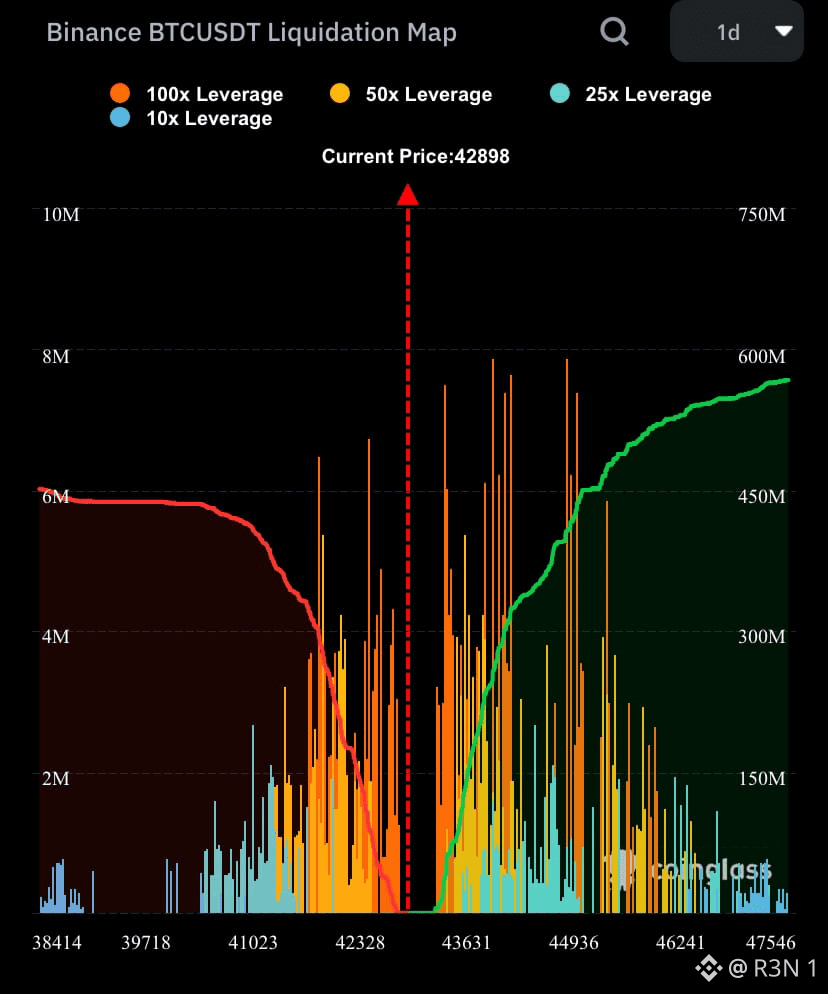
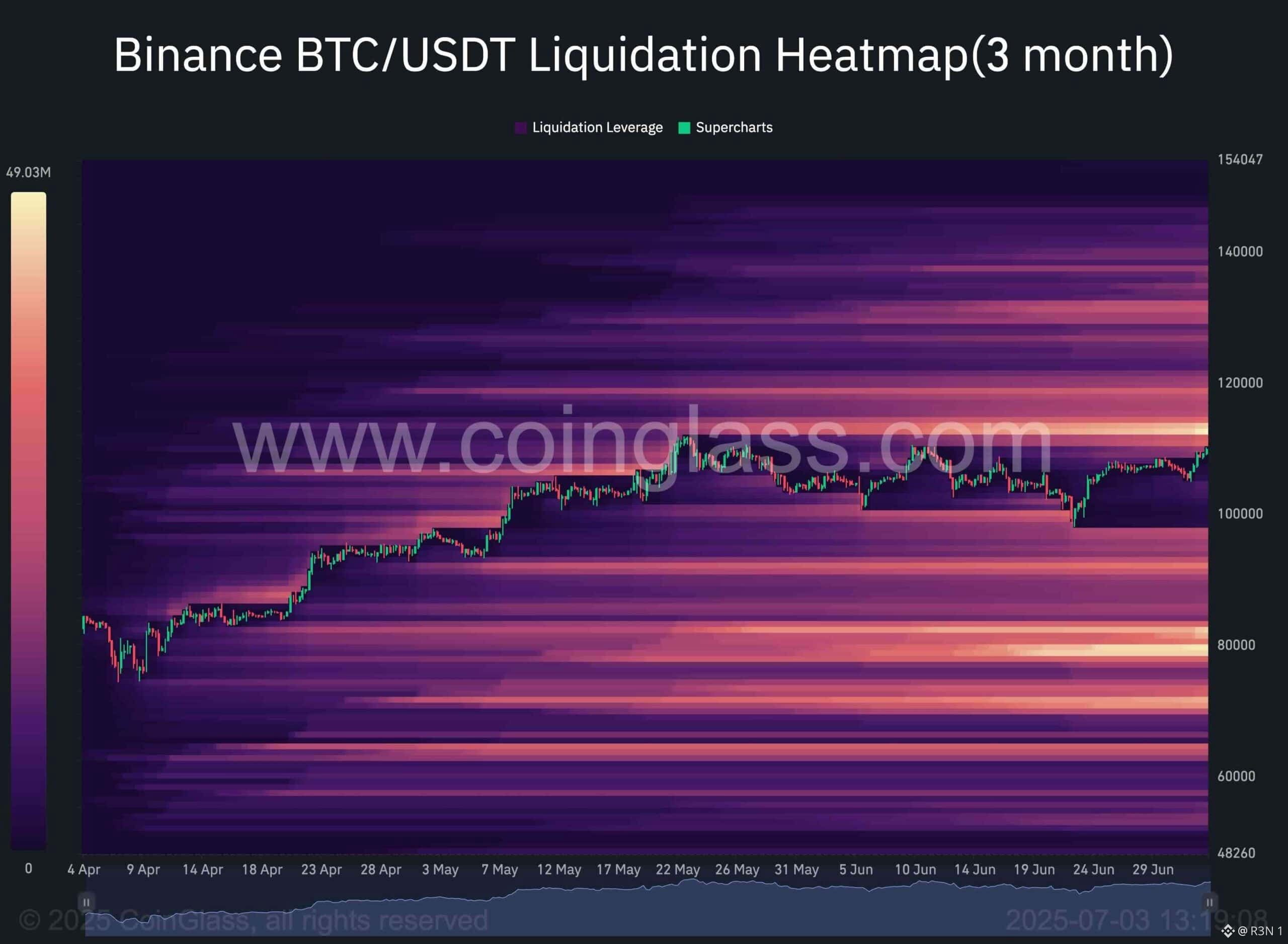
69
Masuk untuk menjelajahi konten lainnya
Bergabunglah dengan pengguna kripto global di Binance Square
⚡️ Dapatkan informasi terbaru dan berguna tentang kripto.
💬 Dipercayai oleh bursa kripto terbesar di dunia.
👍 Temukan wawasan nyata dari kreator terverifikasi.
Email/Nomor Ponsel
Topik Sedang Tren
BinanceLaunchesBinanceIntelligence
1,216 penayangan
78 Berdiskusi
🚨 BINANCE BARU SAJA MENEMPATKAN AI LANGSUNG DI DALAM EXCHANGE — DAN INI BISA MENGUBAH CARA INVESTOR RITEL BERTRANSAKSI.
Binance resmi meluncurkan Binance Intelligence, lapisan AI baru yang terintegrasi ke dalam ekosistem Binance. Produk ini menggabungkan tiga layanan:
Binance AI untuk pengguna sehari-hari,
Binance AI Pro untuk alur kerja trading otomatis,
dan Agent OS untuk developer yang membangun agen keuangan.
Bagian yang perlu diperhatikan para trader?
Binance AI dapat menyajikan ringkasan pasar, peringatan cerdas, rekap PnL, dan informasi yang dipersonalisasi, sementara AI Pro dirancang untuk mengubah ide trading dalam bahasa sederhana menjadi alur kerja strategi visual.
Artinya, persaingan exchange tahap berikutnya mungkin bukan soal:
biaya terendah vs likuiditas terdalam.
Bisa jadi soal:
siapa yang menyediakan lapisan eksekusi AI terbaik bagi trader.
Jika Binance Intelligence benar-benar mendorong peningkatan aktivitas pengguna, strategi otomatis, dan frekuensi trading, perhatikan $BNB terlebih dahulu.
Adopsi AI ↑
→ keterlibatan di Binance ↑
→ aktivitas trading ↑
→ narasi ekosistem makin kuat.
Katalis yang akan saya pantau sekarang:
peluncuran global + peluncuran AI Pro + adopsi pengguna yang terukur.
Karena ketika AI tak lagi sekadar memberi tahu apa yang sedang terjadi di pasar…
…dan mulai membantu menyusun transaksinya sendiri?
Saat itulah ini menjadi jauh lebih besar daripada sekadar chatbot lainnya. 👀
#binancelaunchesbinanceintelligence #EvernorthXRPTreasuryCompletesSPACMerger #ADAGains10%Above$0.27 #ETHUp70%InQ3ButLiquidityFalls #EthStakingExitQueueHits2026High
KimHotbae
·Disukai 0 Kali
·2.7k penayangan
EvernorthXRPTreasuryCompletesSPACMerger
2,874 penayangan
84 Berdiskusi
ADAGains10%Above$0.27
17,374 penayangan
192 Berdiskusi