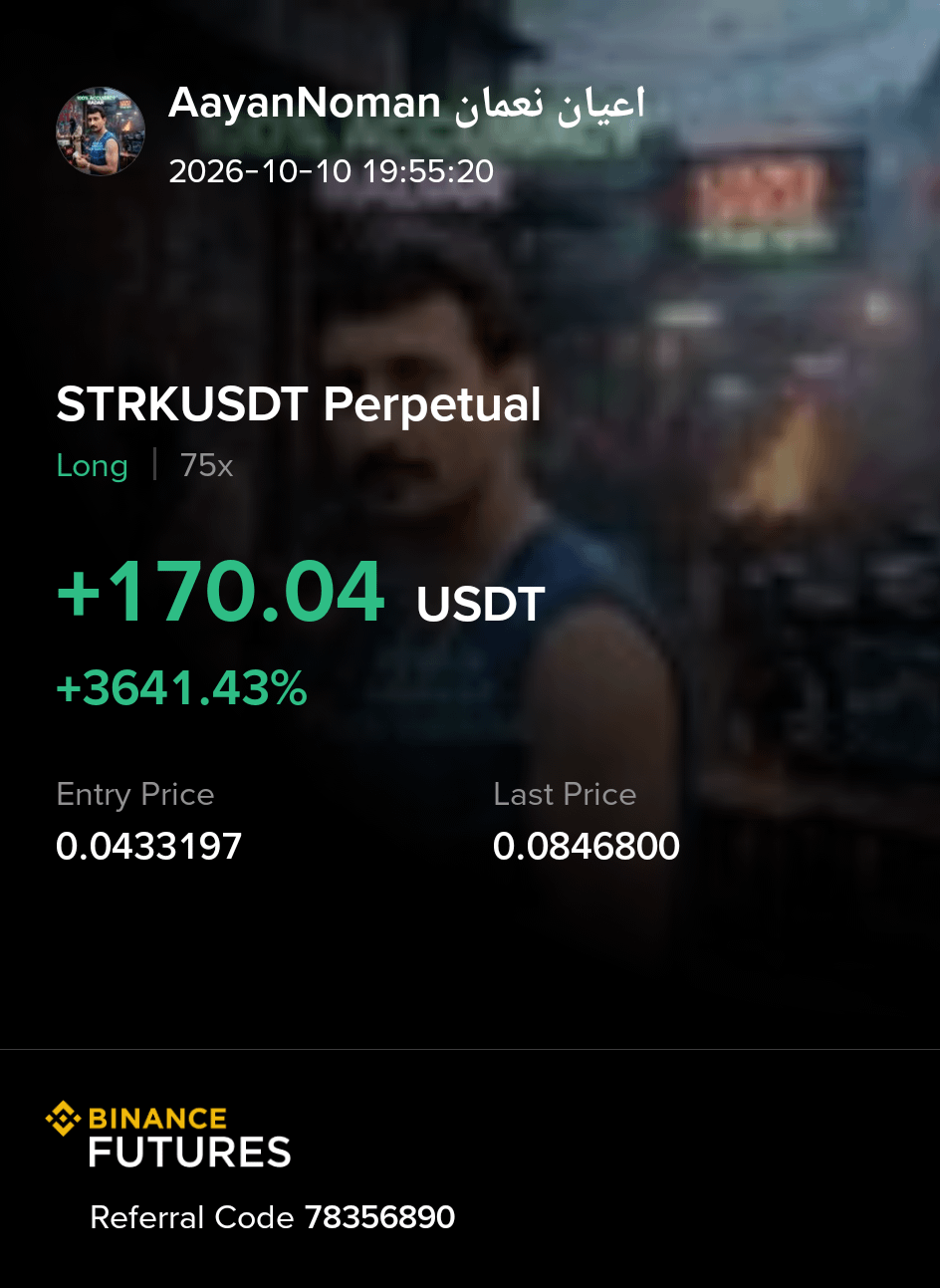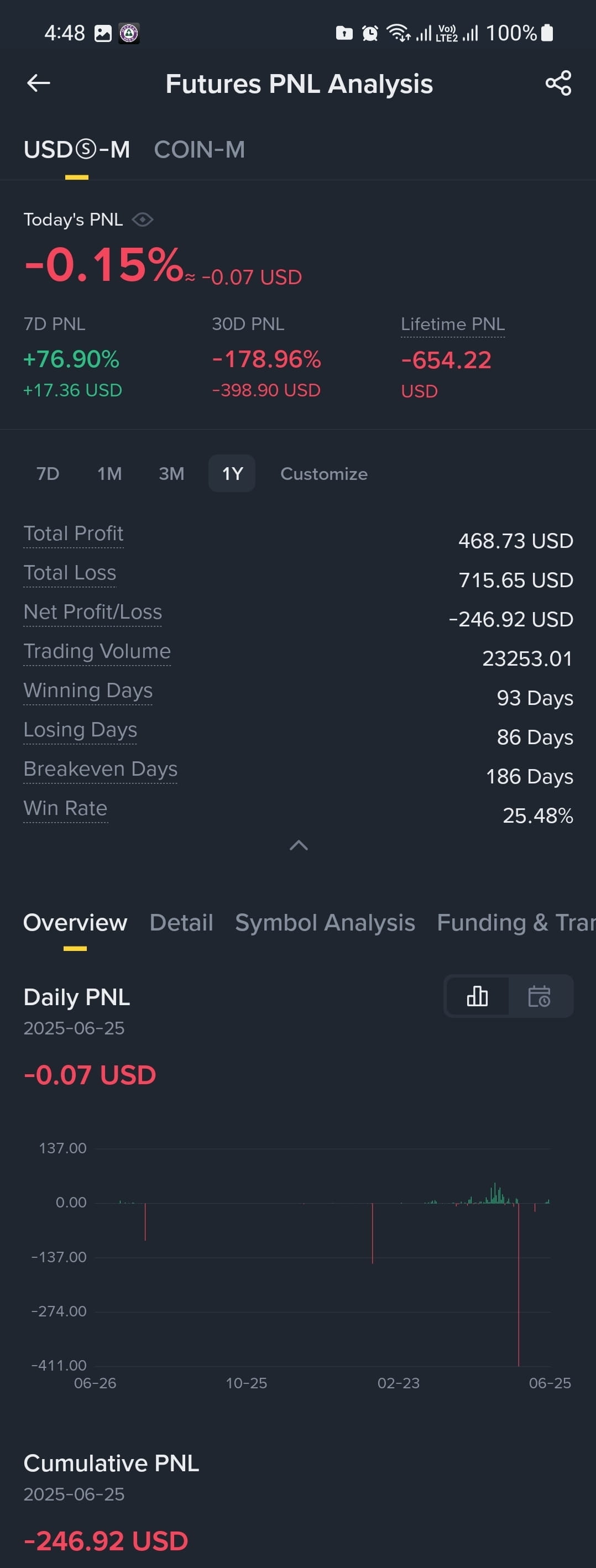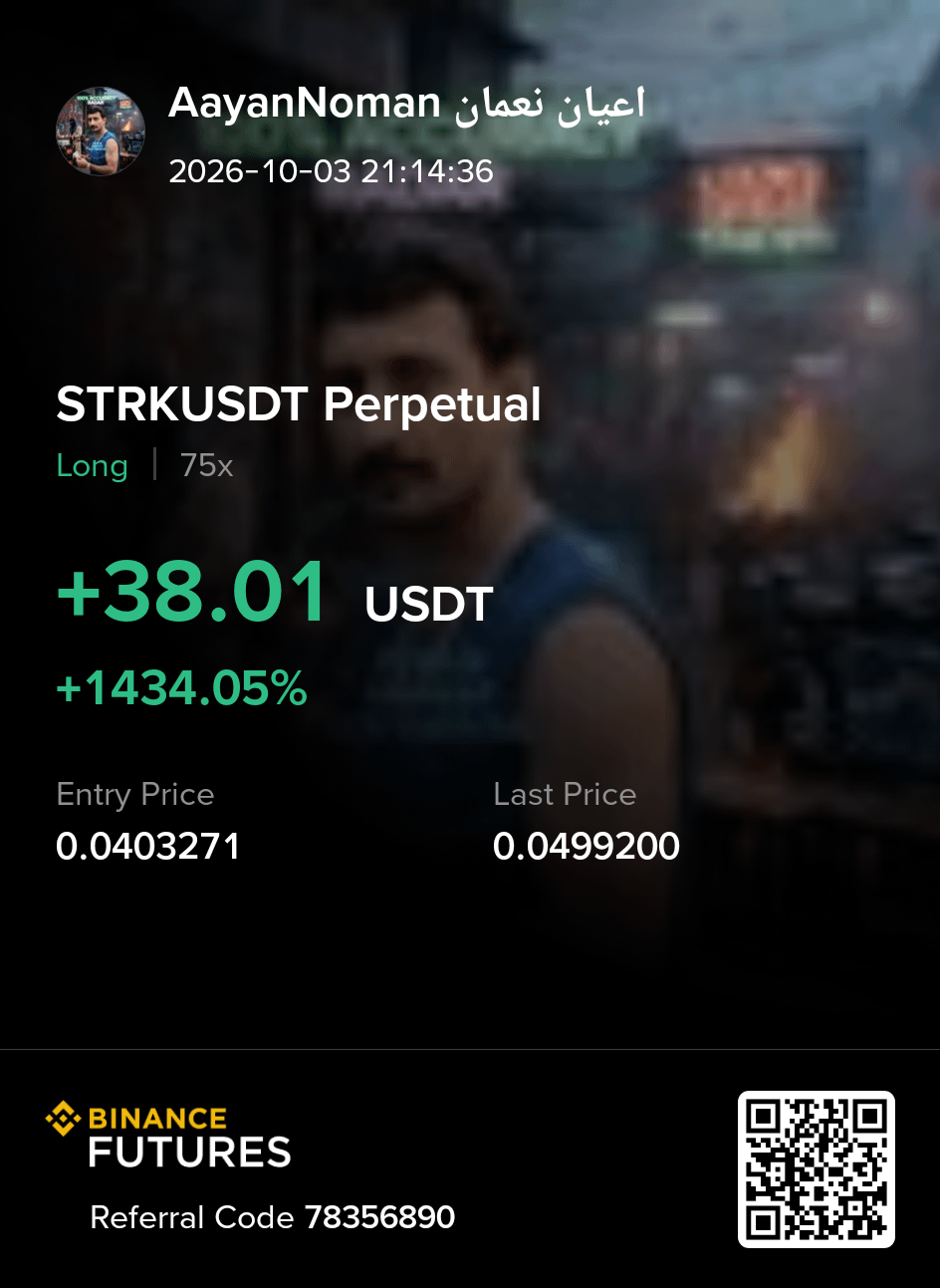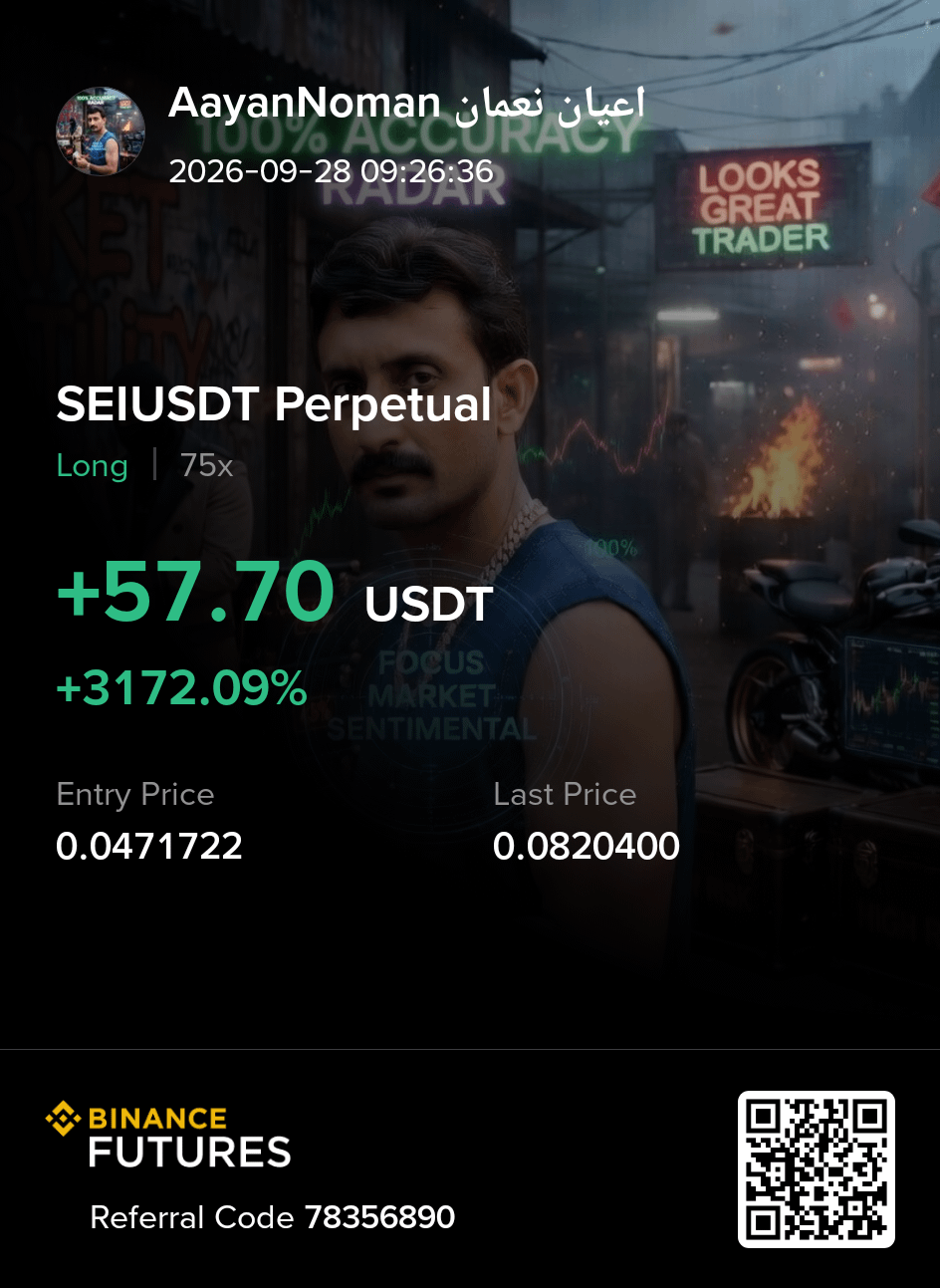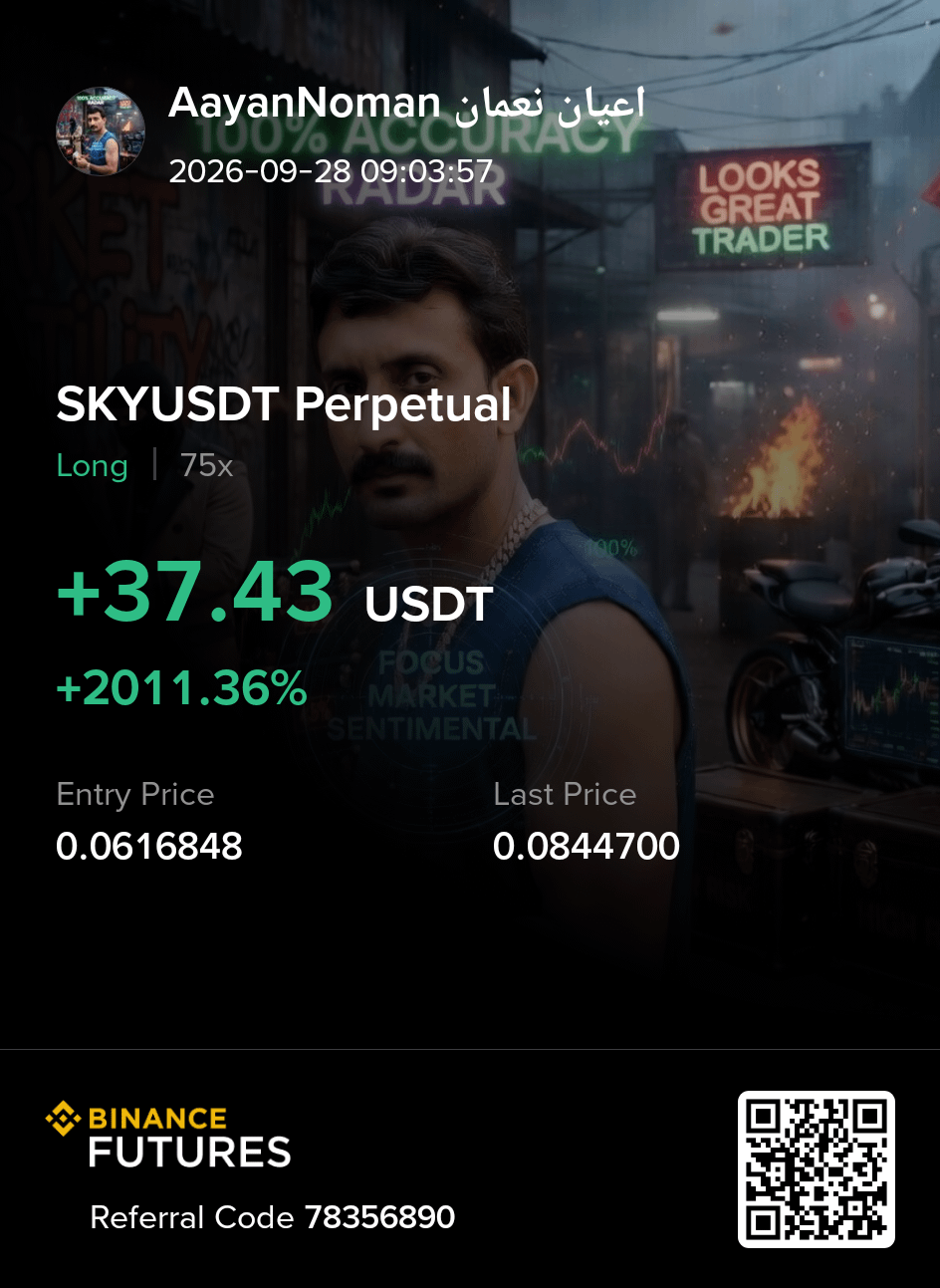
Saya lupa untuk membatalkan titik ambil untung awal dan secara otomatis dilikuidasi 😌. Selamat kepada para saudara yang masih dalam perjalanan untuk meraih profit besar #加密市场反弹 Lihat aslinya
Pixels Feels Open… But $PIXEL May Control When Value Actually Gets Finalized
I used to think “open economy” in games meant freedom. You log in, you play, you earn something, and that something is yours. Simple loop. It sounds clean when you say it like that. But after watching a few of these systems long enough, especially the ones that survive past the first hype cycle, I’m not sure openness is the right word anymore. It feels more staged than open. Not fake, just… sequenced. Pixels gave me that feeling pretty early, but I couldn’t place it. The game doesn’t block you in obvious ways. You can grind, craft, trade, move around. Coins keep everything flowing. It feels alive. And yet, there’s this quiet delay between doing something and that thing actually counting in a lasting way. That gap doesn’t shout at you. You just notice it after a while.
That’s where I started looking at $PIXEL differently. At first glance, it behaves like a typical premium token. Speed things up, unlock certain features, get access to better loops. Nothing new. But when you trace where it actually gets used, it’s rarely at the beginning of an action. It shows up closer to the end. Not when you start doing something, but when you decide it should matter. I don’t mean “matter” in a vague sense. I mean economically recognized. Persisted. Something that can be pointed to later and still exist as value. There’s a subtle difference between activity and settlement. In traditional finance, settlement is just the boring backend moment when trades finalize. Most people don’t think about it. But systems break there more often than they do at the surface. Delays, mismatches, reversals. The messy part lives underneath. Pixels seems to have pulled that layer up into gameplay, but without calling it that. You can spend hours generating output in-game. Farming, crafting, optimizing routes. All of that builds something. But it doesn’t automatically cross into a form that the broader system treats as final. That crossing point is selective. And $PIXEL nds to sit right there, almost like a quiet confirmation step. I caught myself noticing it in a small moment. I had accumulated enough in-game progress to upgrade something meaningful. The upgrade itself wasn’t the interesting part. It was the pause before doing it. I hesitated. Not because I couldn’t, but because I started thinking about whether it was the right time to “lock it in.” That’s not how most game economies feel. Usually, you just upgrade and move on. Here, it felt closer to making a small financial decision. That hesitation is doing more work than it looks like. If every action immediately becomes final, players stop distinguishing between effort and value. Everything blurs into output. That’s what we’ve seen in a lot of play-to-earn systems. High activity, low durability. People optimize the loop, extract what they can, and the system quietly weakens underneath. Pixels doesn’t fully prevent that. I don’t think any system can. But it introduces this thin layer where not everything gets finalized automatically. You can keep playing in a kind of provisional state. Productive, but not fully crystallized into something persistent. To move beyond that, you interact with $PIXEL . I keep coming back to the idea that Pixel isn’t just pricing access or speed. It’s pricing timing. When do you convert what you’ve done into something the system will carry forward? That’s a strange role for a token. It’s not about volume. It’s about moments. And those moments aren’t evenly distributed. Some players rush to finalize. Others wait, stack, optimize. Some probably ignore it until they can’t. That creates a pattern where token demand doesn’t follow activity in a smooth line. You can have a very active system with relatively quiet token usage, simply because people are delaying that conversion step. From a market perspective, that’s awkward. It breaks the usual assumptions. We like clean correlations. More users, more activity, more demand. But here, demand might show up in bursts, tied to specific decisions rather than constant usage. That makes the system look weaker or stronger than it actually is, depending on when you’re measuring it. There’s also a risk hiding in this design. If the cost or friction around using Pixel drifts too high, players may just stay in that provisional zone longer. Keep grinding, keep producing, but avoid finalizing. That could hollow out the part of the economy that actually anchors value. On the other hand, if it becomes too easy, too cheap, then everything settles too quickly and you’re back to the same overproduction problem. It’s a narrow balance. Probably harder to maintain than it looks from the outside. I also wonder how many players are even aware of this layer. Most won’t describe it as “settlement timing” or anything close to that. They’ll just feel small nudges. A sense that some actions are worth committing, others aren’t yet. That’s enough. Systems don’t need users to understand them fully. They just need them to behave in slightly different ways. What makes this interesting to me is that it extends beyond games. A lot of blockchain adoption problems come down to deciding what deserves to be recorded and when. Not everything should hit the chain immediately. But if you delay too much, you lose trust or clarity. Finding that middle ground usually requires heavy coordination or centralized rules. Here, it’s being handled through a token, almost indirectly. I’m still not convinced it holds under scale. These kinds of designs often look elegant until real pressure hits. Player behavior shifts, incentives get gamed, timing strategies emerge. The system can drift without anyone noticing until it’s already off balance.
But I can’t unsee the pattern now. Pixels doesn’t feel like it’s just letting value flow freely. It feels like it’s spacing it out. Letting activity exist first, then asking, quietly, whether it should settle. And Pixel is sitting right at that question, not answering it for you, but definitely shaping when you choose to answer it yourself. #Pixel #pixel $PIXEL @pixels
I remember watching the early $PIXEL trading days and thinking it would settle into the usual loop… price the items, price the boosts, let demand follow utility. But something felt off. Activity was high, players were grinding, yet the token didn’t behave like a simple in-game currency. It moved more like something tied to moments, not actions.
At first I assumed it was just uneven demand. Over time that started to look different. What caught my attention was how certain actions seemed to “stick” while others just faded. Two players could spend the same time, generate similar output, but only one path seemed to carry forward into something persistent. That’s where I think $P$PIXEL ifts. It’s not really pricing items. It’s pricing which behaviors the system chooses to remember across sessions.
Operationally, that changes the loop. Coins handle repetition. Pixel shows up when actions need to be finalized, accelerated, or made visible beyond the current cycle. That creates a subtle retention pressure. If players want their effort to compound, they eventually face that boundary. The risk is obvious though. If those moments are too avoidable, demand weakens. If they feel forced, users drop off or optimize around them.
From a market perspective, this makes supply dynamics harder to read. Circulating supply can expand, unlocks can hit, but real absorption depends on how often players hit these “preservation points.” If usage is shallow, FDV stays narrative-heavy. If behaviors keep routing through Pixel repeatedly, that’s different. That’s structural demand.
What I watch now is simple. Do players keep returning to those moments where Pixel decides what persists? Or do they learn to live without it? If it’s the first, the system compounds quietly. If it’s the second, the token becomes optional… and optional demand rarely holds up under real market pressure.
Saat Permainan Dimulai: Mendefinisikan Ulang Cara Kamu Bermain
Dulu aku pikir aku mengerti ketika aku melakukan hal-hal dengan benar dalam sebuah sistem. Biasanya ada titik dalam setiap permainan di mana usaha terasa sejalan dengan hasil. Tapi di sini, keselarasan itu tidak terasa stabil. Beberapa sesi terasa baik-baik saja. Yang lain terasa sedikit tidak pas meskipun aku mengikuti kebiasaan yang sama. Tidak ada yang jelas salah, tetapi hasilnya tidak selalu sesuai dengan usaha dengan cara yang bisa aku prediksi. Itu bukan kegagalan, itu ketidakpastian yang tidak bisa dijelaskan. Secara alami aku menganggap itu salahku. Itu adalah pola pikir default di kebanyakan lingkungan GameFi. Jika hasilnya tidak sesuai dengan input, instingnya adalah untuk mengoptimalkan lebih keras. Jadi aku melakukannya. Loop yang lebih bersih, gerakan yang lebih sedikit terbuang, permainan yang lebih terstruktur. Untuk sementara, itu terasa seperti aku sudah memahaminya.
I remember watching early Pixels gameplay and thinking the “play for free” loop looked almost too smooth. No real pressure. At first I assumed $PIXEL was just optional utility. Over time, that felt less true. The friction didn’t disappear. It just shifted. What caught my attention is where progress starts slowing. Not enough to stop you, but enough that waiting feels inefficient. That’s where $PIXEL shows up. It doesn’t force spending, it structures when free progress stops feeling competitive. You can continue without it, but the system quietly nudges you toward speeding things up. From a market view, that creates a different kind of demand. It’s not pure spending. It’s tied to impatience and repetition. If players keep hitting that same slowdown, demand loops. If not, it fades after curiosity. Supply matters here. If unlocks outpace these moments of conversion, price drifts lower without much noise. So I watch behavior more than charts. If players keep choosing to skip friction, Pixel holds. If they learn to tolerate it, the token becomes optional in a way markets don’t reward. #Pixel $PIXEL @Pixels
Evolusi Piksel: Membangun Masa Depan "Stacked" yang Berkelanjutan
Lanskap permainan Web3 sedang beralih dari mekanisme sederhana "klik untuk mendapatkan" menuju ekosistem yang kompleks dan berkelanjutan. Di garis depan gerakan ini adalah yang telah berkembang dari simulator pertanian sederhana menjadi ekonomi digital yang canggih yang dikenal sebagai ekosistem Stacked. Mengapa Ekosistem Stacked Itu Penting Transisi ke model "Stacked" mewakili perubahan paradigma dalam bagaimana permainan blockchain menangani hadiah. Alih-alih distribusi linier yang sering menyebabkan hiperinflasi, @Pixels menggunakan pendekatan berbasis data. Dengan fokus pada Return on Reward Spend (RORS), tim memastikan bahwa $PIXEL token didistribusikan kepada pemain yang memberikan nilai paling besar bagi komunitas—baik melalui kerajinan tingkat tinggi, manajemen tanah strategis, atau partisipasi aktif dalam Unions.
Choosing Your Path in @Pixels Chapter 3: Unions & Yieldstones ⚔️ The launch of Chapter 3: Bountyfall has completely transformed the social layer of @Pixels . Moving beyond simple farming, the introduction of Unions (Wildgroves, Seedwrights, and Reapers) adds a layer of competitive strategy that we haven't seen before.
I’ve been diving into the Yieldstone mechanics—it’s fascinating to see how the choice between strengthening your own Hearth or sabotaging rivals impacts the overall $PIXEL reward pool. Success now requires more than just energy management; it requires collective action. If you’re looking for a project that actually iterates based on player data and focuses on Return on Reward Spend (RORS), this is it. Time to level up the digital empire! 🎮🔥 #pixel $PIXEL
Evolusi Permainan Web3: Penyelaman Mendalam ke dalam Ekosistem Stacked @Pixels
Lanskap permainan Web3 sedang beralih dari aset spekulatif ke ekosistem yang berkelanjutan dan didorong oleh komunitas, dan @Pixels memimpin charge itu. Sementara banyak proyek kesulitan dalam menjaga retensi pemain jangka panjang, tim Pixels telah berhasil membangun ekosistem "Stacked" yang memprioritaskan kedalaman, interaksi sosial, dan model ekonomi yang kokoh yang berpusat di sekitar token $PIXEL . Mengapa Ekosistem "Stacked" Itu Penting Konsep ekosistem "Stacked" dalam Pixels mengacu pada lapisan utilitas dan integrasi yang melampaui mekanika pertanian sederhana. Ini melibatkan interaksi yang canggih antara kepemilikan lahan, manajemen sumber daya, dan lapisan sosial yang menghubungkan para pemain. Dengan memungkinkan koleksi NFT eksternal untuk terintegrasi ke dalam permainan, Pixels telah menciptakan lingkungan yang saling menguntungkan di mana berbagai komunitas dapat berkembang bersama.
Fokus pada Komunitas & Pertumbuhan Evolusi @Pixels benar-benar mengesankan! 🚜 Saat kita menyelami ekosistem Stacked lebih dalam, jelas bahwa tim ini berfokus pada keberlanjutan jangka panjang dan keterlibatan pemain. Apakah kamu seorang petani santai atau seorang strategist hardcore, utilitas $PIXEL terus berkembang. Saya sangat bersemangat untuk melihat bagaimana mekanik play-to-earn berkembang tahun ini. Apa tujuan pertanianmu saat ini? #pixel #Web3Gaming #BinanceSquare #pixel $PIXEL
Evolusi dari @Pixels menjadi ekosistem "Stacked" lebih dari sekadar istilah gaul—ini adalah pergeseran total dalam cara ekonomi Web3 berfungsi. Dengan menjauh dari model lama farm-and-dump, tim telah mengintegrasikan lapisan reward berbasis AI yang memprioritaskan pemain aktif dan setia dibandingkan bot.
Dalam musim Bountyfall saat ini (Bab 3), gesekan kompetitif antara Wildgroves, Seedwrights, dan Reapers telah mengubah koordinasi sosial menjadi strategi finansial. Menggunakan untuk menyabotase rival atau meningkatkan kesehatan Hearth Unionmu bukan hanya menyenangkan; ini adalah tampilan bagaimana infrastruktur "Stacked" menciptakan sink token dan utilitas yang nyata.
Kami melihat $PIXEL bertransformasi dari mata uang game sederhana menjadi token reward lintas ekosistem, membuktikan bahwa game Web3 yang berkelanjutan dibangun di atas lapisan keterlibatan, bukan hanya spekulasi. 🚀 #pixel