
Mhozeez 1
85 Posting

Mhozeez 1
Laporkan
Blokir Pengguna
DeFi Contents | Trades insights | Alphas | TG - @Mhozeez | DYOR | @ston_fi STONbassador
0 Mengikuti
8 Pengikut
4 Disukai
Posting
·
--
Lihat terjemahan
STONfi's On-Chain DAO •••••••••••••••••••••• I've connected my wallet on more DAO governance pages than I can count, and most of the time it felt like its a staged activity. A proposal gets posted, a lot of whales vote, and then the outcome will be decided before anyone with smaller stakes botheres to show up. But in STON its different. STONfi launched what it's calling TON's first fully on-chain DAO. The mechanic is simple because all you have to do is stake STON, and you receive ARKENSTON, which is your actual voting weight in the protocol's governance. The part that made me pay attention wasn't the token name, it's the "fully on-chain" part. A lot of DeFi governance today happens off-chain through signaling tools, where a vote is really just a temporary check that a team can choose to honor or quietly ignore. On-chain governance means the vote itself executes the outcome directly through the protocol, not through a teams discretion afterward. Here's where I want to be honest instead of just being enthusiastic about it, because governance stories always leave out the uncomfortable part. Theres a voting way which is know as token weighted voting, Token-weighted voting means bigger stakers get bigger say. And it's worth remembering why that matters right now. a lending protocol called Term Finance lost $8.5 million just days ago because an attacker accumulated enough governance weight to instruct the protocol's own vaults to release funds. the system worked exactly as designed, which was the problem. That's an extreme case and a different kind of protocol, but it's a real illustration of what "voting power" actually means once it's tied to real execution rather than a suggestion box. it's not just influence, it's control, and control is worth taking seriously in both directions. None of that means STONfi's ARKENSTON is risky in the same way . But its rather better and a more safer way to run a governance system. $CMC20
STONfi's On-Chain DAO •••••••••••••••••••••• I've connected my wallet on more DAO governance pages than I can count, and most of the time it felt like its a staged activity. A proposal gets posted, a lot of whales vote, and then the outcome will be decided before anyone with smaller stakes botheres to show up. But in STON its different. STONfi launched what it's calling TON's first fully on-chain DAO. The mechanic is simple because all you have to do is stake STON, and you receive ARKENSTON, which is your actual voting weight in the protocol's governance. The part that made me pay attention wasn't the token name, it's the "fully on-chain" part. A lot of DeFi governance today happens off-chain through signaling tools, where a vote is really just a temporary check that a team can choose to honor or quietly ignore. On-chain governance means the vote itself executes the outcome directly through the protocol, not through a teams discretion afterward. Here's where I want to be honest instead of just being enthusiastic about it, because governance stories always leave out the uncomfortable part. Theres a voting way which is know as token weighted voting, Token-weighted voting means bigger stakers get bigger say. And it's worth remembering why that matters right now. a lending protocol called Term Finance lost $8.5 million just days ago because an attacker accumulated enough governance weight to instruct the protocol's own vaults to release funds. the system worked exactly as designed, which was the problem. That's an extreme case and a different kind of protocol, but it's a real illustration of what "voting power" actually means once it's tied to real execution rather than a suggestion box. it's not just influence, it's control, and control is worth taking seriously in both directions. None of that means STONfi's ARKENSTON is risky in the same way . But its rather better and a more safer way to run a governance system. $CMC20
67
·
--
Lihat terjemahan
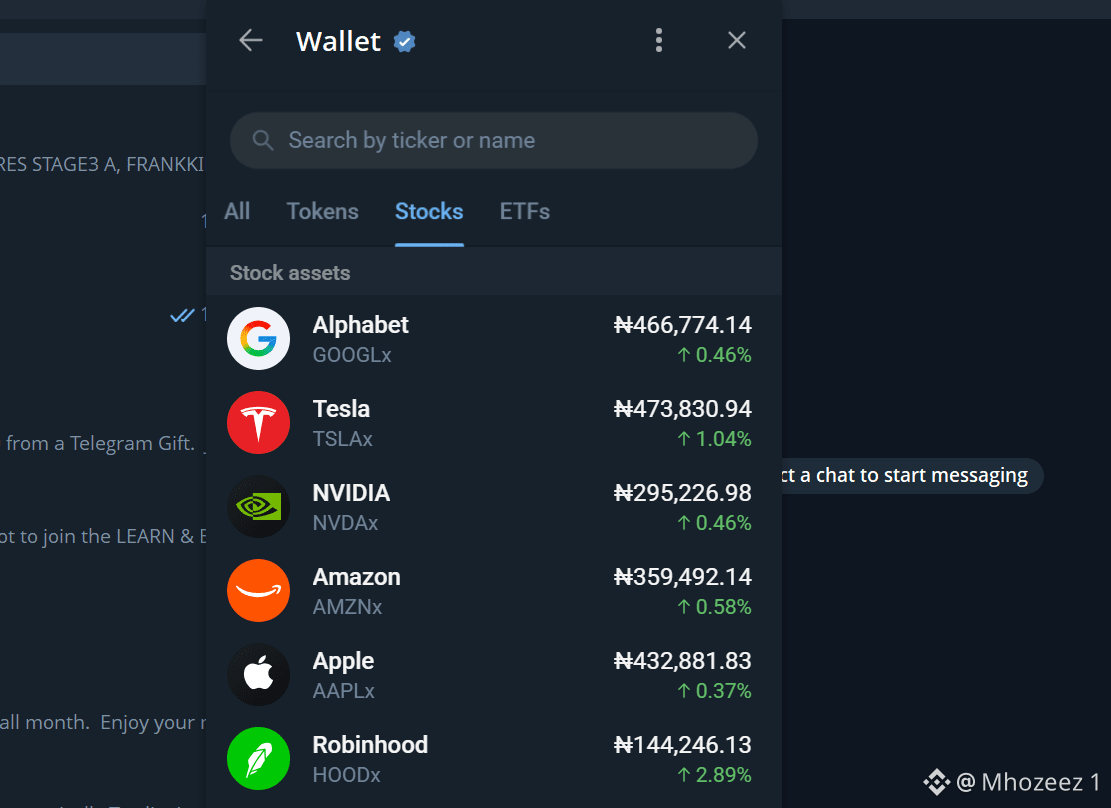
🚨You Can Now Buy Apple and Tesla Stock On Telegram •••••••••••••••••••••••••• A friend sent me a screenshot last week of his STONfi wallet holding something called TSLAx and asked if it was a scam. It wasn't. It was Tesla stock, tokenized, sitting in his TON wallet next to his USDT. xStocks landed on STONfi as tokenized versions of real equities like Apple, Tesla, NVIDIA, the S&P 500, and a growing list of others issued by Backed Finance and validated with Kraken's backing. Each token is fully collateralized 1:1 by actual shares held with a regulated custodian. You're not buying a synthetic derivative that tracks a price from a distance. You're holding a token that represents legal ownership of real stock, and you can get it the same way you'd swap any other asset on STONfi using GRAM or USDT with no brokerage account required, no KYC, and no waiting three business days for settlement. I'll be honest about what actually suprised me at first. it doesn't feel like investing, It feels like swapping one token for another, because that's literally what the interface treats it as. You're not filling out an account application or proving your income data. You connect a wallet you already have and trade. That accessibility comes with real trade-offs worth being clear-eyed about. xStocks aren't available to residents of the US, the EU/EEA, the UK, Canada, Australia, or Belgium. The regulatory conditions for tokenized securities still varies wildly by jurisdiction, and eligibility gets checked accordingly. Dividends aren't paid out to you directly either, the issuer automatically reinvests them back into more of the token, adjusted through a scaling factor, so the economics work differently than a normal brokerage dividend deposit. This isn't an investment advice to buy tokenized Tesla stock. What i'm saying is that the fact we can now technically buy from inside a messaging app, without a broker, is a bigger shift in stock trading for traders. $CMC20 @ston_fi
🚨You Can Now Buy Apple and Tesla Stock On Telegram •••••••••••••••••••••••••• A friend sent me a screenshot last week of his STONfi wallet holding something called TSLAx and asked if it was a scam. It wasn't. It was Tesla stock, tokenized, sitting in his TON wallet next to his USDT. xStocks landed on STONfi as tokenized versions of real equities like Apple, Tesla, NVIDIA, the S&P 500, and a growing list of others issued by Backed Finance and validated with Kraken's backing. Each token is fully collateralized 1:1 by actual shares held with a regulated custodian. You're not buying a synthetic derivative that tracks a price from a distance. You're holding a token that represents legal ownership of real stock, and you can get it the same way you'd swap any other asset on STONfi using GRAM or USDT with no brokerage account required, no KYC, and no waiting three business days for settlement. I'll be honest about what actually suprised me at first. it doesn't feel like investing, It feels like swapping one token for another, because that's literally what the interface treats it as. You're not filling out an account application or proving your income data. You connect a wallet you already have and trade. That accessibility comes with real trade-offs worth being clear-eyed about. xStocks aren't available to residents of the US, the EU/EEA, the UK, Canada, Australia, or Belgium. The regulatory conditions for tokenized securities still varies wildly by jurisdiction, and eligibility gets checked accordingly. Dividends aren't paid out to you directly either, the issuer automatically reinvests them back into more of the token, adjusted through a scaling factor, so the economics work differently than a normal brokerage dividend deposit. This isn't an investment advice to buy tokenized Tesla stock. What i'm saying is that the fact we can now technically buy from inside a messaging app, without a broker, is a bigger shift in stock trading for traders. $CMC20 @ston_fi
·
--
💡STONfi Punya Jaring Pengaman untuk LP yang Kebanyakan Orang Tidak Pernah Cari •••••••••••••••••••••••••••••••••• Pelajaran nyata pertama saya tentang impermanent loss datang dari sebuah pool yang benar-benar membuat saya bersemangat. Harga bergerak banyak di salah satu sisi, saya menarik likuiditas saya beberapa minggu kemudian, dan nilai totalnya ternyata jauh tertinggal dibandingkan jika saya hanya memegang kedua token tersebut secara terpisah. Tidak ada yang menipu saya. Itu memang yang terjadi ketika rasio antara dua aset di dalam sebuah pool berubah secara signifikan sementara modal Anda berada di dalam pool. Inilah yang tidak saya ketahui saat itu: saya tidak pernah tahu bahwa STONfi sebenarnya membangun sebuah program khusus untuk mengompensasi liquidity provider atas jenis kerugian seperti ini. Itu merupakan bagian dari sejarah pengembangan platformnya, selain biaya swap yang biasa dan hadiah farming, STONfi meluncurkan mekanisme perlindungan yang bertujuan untuk mengimbangi impermanent loss untuk LP—di atas fitur-fitur likuiditas tingkat lanjut seperti perlindungan dari sniper dan referral fee vault. Ini benar-benar hal yang jarang bagi sebuah DEX untuk dibangun. Perlindungan impermanent loss tidak gratis; artinya protokol menyisihkan likuiditas nyata untuk menjadi penyangga bagi LP terhadap risiko yang, di sebagian besar DEX, dianggap sepenuhnya sebagai masalah yang harus dikelola sendiri oleh liquidity provider. Membangun program seperti itu adalah sinyal tentang bagaimana sebuah protokol memandang orang-orang yang benar-benar menyediakan likuiditasnya—bukan hanya para trader yang melakukan swap melalui platform tersebut. bagaimana menurut Anda tentang program seperti ini sebagai seorang LP @ston_fi $GRAM
💡STONfi Punya Jaring Pengaman untuk LP yang Kebanyakan Orang Tidak Pernah Cari •••••••••••••••••••••••••••••••••• Pelajaran nyata pertama saya tentang impermanent loss datang dari sebuah pool yang benar-benar membuat saya bersemangat. Harga bergerak banyak di salah satu sisi, saya menarik likuiditas saya beberapa minggu kemudian, dan nilai totalnya ternyata jauh tertinggal dibandingkan jika saya hanya memegang kedua token tersebut secara terpisah. Tidak ada yang menipu saya. Itu memang yang terjadi ketika rasio antara dua aset di dalam sebuah pool berubah secara signifikan sementara modal Anda berada di dalam pool. Inilah yang tidak saya ketahui saat itu: saya tidak pernah tahu bahwa STONfi sebenarnya membangun sebuah program khusus untuk mengompensasi liquidity provider atas jenis kerugian seperti ini. Itu merupakan bagian dari sejarah pengembangan platformnya, selain biaya swap yang biasa dan hadiah farming, STONfi meluncurkan mekanisme perlindungan yang bertujuan untuk mengimbangi impermanent loss untuk LP—di atas fitur-fitur likuiditas tingkat lanjut seperti perlindungan dari sniper dan referral fee vault. Ini benar-benar hal yang jarang bagi sebuah DEX untuk dibangun. Perlindungan impermanent loss tidak gratis; artinya protokol menyisihkan likuiditas nyata untuk menjadi penyangga bagi LP terhadap risiko yang, di sebagian besar DEX, dianggap sepenuhnya sebagai masalah yang harus dikelola sendiri oleh liquidity provider. Membangun program seperti itu adalah sinyal tentang bagaimana sebuah protokol memandang orang-orang yang benar-benar menyediakan likuiditasnya—bukan hanya para trader yang melakukan swap melalui platform tersebut. bagaimana menurut Anda tentang program seperti ini sebagai seorang LP @ston_fi $GRAM
82
·
--
Lihat terjemahan
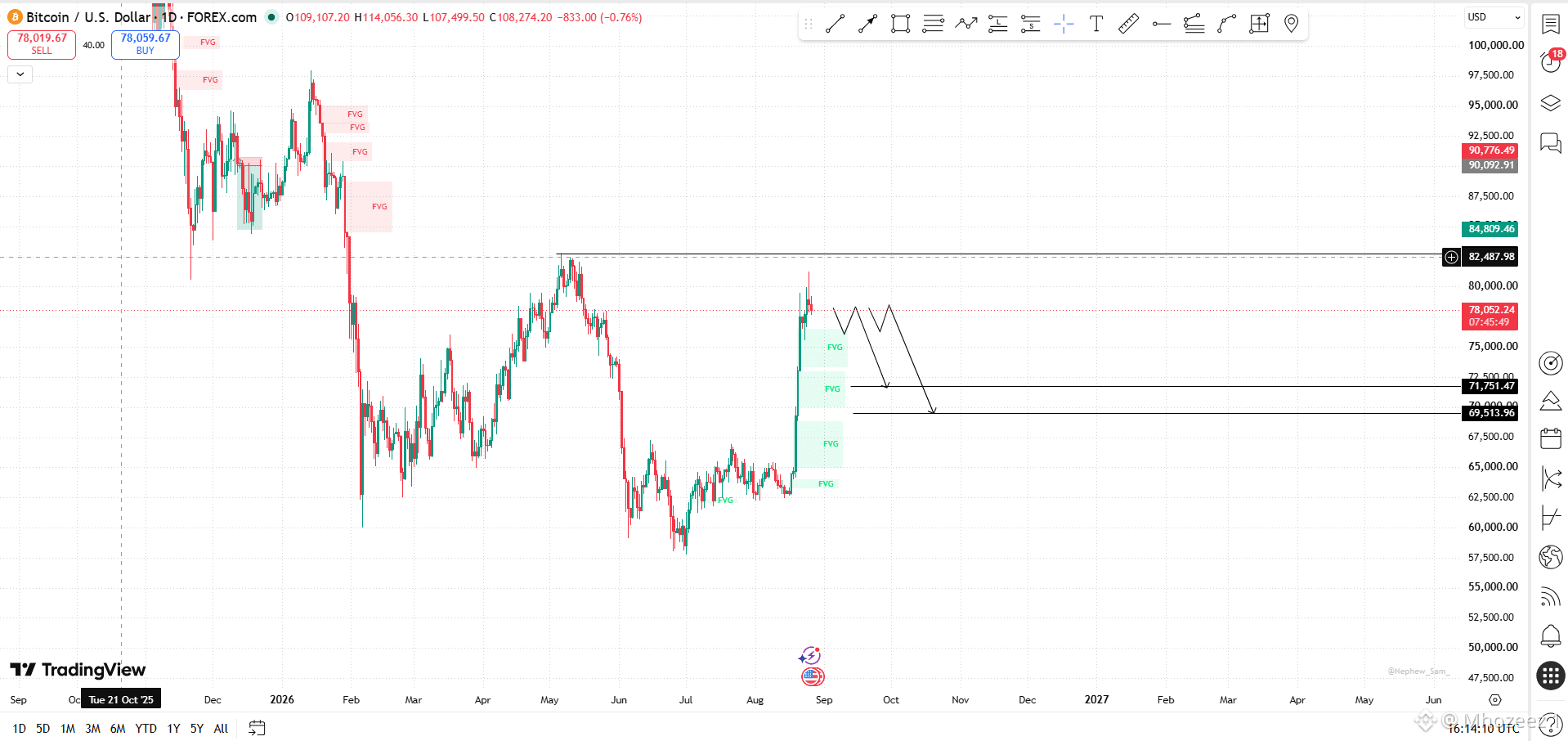
🚨BITCOIN HAS BEEN REJECTED AT 81K Bitcoin has been rejected at $81k after a strong rally from the lows of 61k during last week. WHERE COULD THE NEXT STOP FOR BTC BE? The bulls are currently loosing grounds as more and more bears gather at that highs of 79K. If this price rejection holds firmly, we might be seeing BTC plummet to test the bulls at 72k or 69.5k price levels for a new round of demand. WHAT DO YOU THINK? lets know in the comments👇 $BTC #Bitcoin Price Prediction: What is Bitcoins next move?#
🚨BITCOIN HAS BEEN REJECTED AT 81K Bitcoin has been rejected at $81k after a strong rally from the lows of 61k during last week. WHERE COULD THE NEXT STOP FOR BTC BE? The bulls are currently loosing grounds as more and more bears gather at that highs of 79K. If this price rejection holds firmly, we might be seeing BTC plummet to test the bulls at 72k or 69.5k price levels for a new round of demand. WHAT DO YOU THINK? lets know in the comments👇 $BTC #Bitcoin Price Prediction: What is Bitcoins next move?#
37
·
--
📑Biaya DEX: Ke Mana Sebenarnya Pergi 0,3% Anda? •••••••••••••••••••••••••••• Anda Membayar Biaya untuk Setiap Swap. Hampir Tidak Ada yang Menanyakan Ke Mana Biaya Itu Pergi. Setiap kali saya melakukan swap di DEX, ada biaya kecil yang saya bayarkan agar perdagangan bisa berhasil. Biasanya sekitar 0,3%, bisa sedikit lebih atau kurang tergantung pool-nya. Dulu saya hanya menerimanya sebagai "biaya menjalankan bisnis" dan tidak pernah memikirkan di mana biaya itu benar-benar mendarat. Penting untuk mengetahuinya, karena itu menjelaskan banyak hal tentang bagaimana DEX sebenarnya dirancang. Sebagian besar biaya itu tidak pergi ke tim protokol. Biaya tersebut langsung masuk ke penyedia likuiditas, yaitu orang-orang yang token-nya sedang ditempatkan di dalam pool sehingga perdagangan Anda bisa terjadi sejak awal. Itulah inti dari DEX berbasis AMM: Anda membayar potongan kecil pada swap Anda, dan potongan itulah yang membuat orang lain bersedia menjaga modal tetap diparkir di pool tersebut, alih-alih hanya menyimpannya di dompet. Pool yang berbeda mengenakan tarif yang berbeda, dan itu tidak acak. Pool stablecoin ke stablecoin seperti USDT ke USDC biasanya mengenakan biaya yang jauh lebih rendah, karena harga hampir tidak bergerak di antara dua aset tersebut, sehingga risikonya lebih kecil bagi penyedia likuiditas untuk dikompensasi. Pasangan yang lebih volatil atau lebih eksotis cenderung berada di tarif standar atau bahkan lebih tinggi, karena penyedia likuiditas menanggung risiko pergerakan harga yang lebih besar dengan berada di pool itu. Beberapa protokol juga mengarahkan sebagian kecil dari biaya tersebut ke kas (treasury) atau untuk buyback token, alih-alih mengirim 100% ke penyedia likuiditas. Jadi ada baiknya dicek sebelum Anda mengasumsikan setiap basis point langsung mengalir ke LP. Jadi pada intinya, biayanya bukan berarti protokol mengambil potongan dari perdagangan Anda. Itu adalah harga untuk meminjam likuiditas orang lain selama beberapa detik. Setelah Anda melihatnya dengan cara itu, membandingkan DEX tidak hanya soal siapa yang punya biaya terendah—tapi juga siapa yang memakai struktur biaya tersebut untuk menarik likuiditas yang cukup agar Anda mendapatkan harga yang bagus sejak awal. $STON
📑Biaya DEX: Ke Mana Sebenarnya Pergi 0,3% Anda? •••••••••••••••••••••••••••• Anda Membayar Biaya untuk Setiap Swap. Hampir Tidak Ada yang Menanyakan Ke Mana Biaya Itu Pergi. Setiap kali saya melakukan swap di DEX, ada biaya kecil yang saya bayarkan agar perdagangan bisa berhasil. Biasanya sekitar 0,3%, bisa sedikit lebih atau kurang tergantung pool-nya. Dulu saya hanya menerimanya sebagai "biaya menjalankan bisnis" dan tidak pernah memikirkan di mana biaya itu benar-benar mendarat. Penting untuk mengetahuinya, karena itu menjelaskan banyak hal tentang bagaimana DEX sebenarnya dirancang. Sebagian besar biaya itu tidak pergi ke tim protokol. Biaya tersebut langsung masuk ke penyedia likuiditas, yaitu orang-orang yang token-nya sedang ditempatkan di dalam pool sehingga perdagangan Anda bisa terjadi sejak awal. Itulah inti dari DEX berbasis AMM: Anda membayar potongan kecil pada swap Anda, dan potongan itulah yang membuat orang lain bersedia menjaga modal tetap diparkir di pool tersebut, alih-alih hanya menyimpannya di dompet. Pool yang berbeda mengenakan tarif yang berbeda, dan itu tidak acak. Pool stablecoin ke stablecoin seperti USDT ke USDC biasanya mengenakan biaya yang jauh lebih rendah, karena harga hampir tidak bergerak di antara dua aset tersebut, sehingga risikonya lebih kecil bagi penyedia likuiditas untuk dikompensasi. Pasangan yang lebih volatil atau lebih eksotis cenderung berada di tarif standar atau bahkan lebih tinggi, karena penyedia likuiditas menanggung risiko pergerakan harga yang lebih besar dengan berada di pool itu. Beberapa protokol juga mengarahkan sebagian kecil dari biaya tersebut ke kas (treasury) atau untuk buyback token, alih-alih mengirim 100% ke penyedia likuiditas. Jadi ada baiknya dicek sebelum Anda mengasumsikan setiap basis point langsung mengalir ke LP. Jadi pada intinya, biayanya bukan berarti protokol mengambil potongan dari perdagangan Anda. Itu adalah harga untuk meminjam likuiditas orang lain selama beberapa detik. Setelah Anda melihatnya dengan cara itu, membandingkan DEX tidak hanya soal siapa yang punya biaya terendah—tapi juga siapa yang memakai struktur biaya tersebut untuk menarik likuiditas yang cukup agar Anda mendapatkan harga yang bagus sejak awal. $STON
54
·
--
📑BAGAIMANA LIKUIDITAS DIDAPAT SETELAH ANDA KLIK ''SWAP'' DI DEX ••••••••••••••••••••••••••••••••••••••• Pertama kali saya menukar token di DEX, saya mengira ada semacam pembeli tak terlihat di sisi lain, seperti di bursa pada umumnya. Nyatanya tidak ada. Yang ada hanya sebuah pool. Anggap saja seperti ember besar bersama berisi dua token yang sudah ditaruh oleh pengguna lain, dan Anda melakukan trade melawannya, bukan melawan seseorang. INILAH MEKANIKA DASAR BAGI BAGAIMANA ITU BEKERJA Misalnya sebuah pool berisi TON dan USDT. Saat Anda menukar TON untuk USDT, Anda menambahkan TON ke dalam pool dan menarik USDT keluar. Itu mengubah perbandingan antara dua token, dan perbandingan itulah yang menentukan harga. Kalau Anda membeli cukup banyak dari salah satu sisi, Anda akan melihat harga bergeser melawan Anda—bukan karena aplikasi curang, tapi karena pool melakukan penyeimbangan ulang secara real-time saat Anda menguras salah satu sisinya. Orang-orang yang pertama kali menyetor token ''penyedia likuiditas'' tidak melakukannya secara gratis. Setiap swap yang melewati pool membayar biaya kecil, dan biaya tersebut dibagi di antara semua pihak yang memiliki modal yang berada di pool itu. Semakin besar volume perdagangan melalui pool, semakin besar pula fee untuk orang-orang yang menyediakan likuiditas. SEKARANG, INILAH BAGIAN YANG MEMBUAT SAYA TERKEJUT Menyediakan likuiditas tidak otomatis menguntungkan. Jika harga salah satu dari dua token Anda bergerak cukup banyak saat dana Anda sedang mengendap di pool, Anda bisa berakhir dengan nilai yang lebih kecil dibandingkan jika Anda hanya menyimpan token secara terpisah. Itu disebut impermanent loss, dan ini hal utama yang membedakan orang yang memahami pool dengan orang yang justru ''terbakar'' oleh pool. Untuk disimpulkan, sebuah pool bukanlah kotak hitam; itu hanya dua saldo token dan sebuah rumus yang menentukan kurs pertukaran di antara keduanya. Begitu Anda melihatnya seperti itu, sisa urusan DeFi farming, fee, bahkan impermanent loss berhenti terasa seperti sihir dan mulai terasa seperti matematika. saya harap Anda belajar sesuatu dari ini! $GRAM @ston_fi
📑BAGAIMANA LIKUIDITAS DIDAPAT SETELAH ANDA KLIK ''SWAP'' DI DEX ••••••••••••••••••••••••••••••••••••••• Pertama kali saya menukar token di DEX, saya mengira ada semacam pembeli tak terlihat di sisi lain, seperti di bursa pada umumnya. Nyatanya tidak ada. Yang ada hanya sebuah pool. Anggap saja seperti ember besar bersama berisi dua token yang sudah ditaruh oleh pengguna lain, dan Anda melakukan trade melawannya, bukan melawan seseorang. INILAH MEKANIKA DASAR BAGI BAGAIMANA ITU BEKERJA Misalnya sebuah pool berisi TON dan USDT. Saat Anda menukar TON untuk USDT, Anda menambahkan TON ke dalam pool dan menarik USDT keluar. Itu mengubah perbandingan antara dua token, dan perbandingan itulah yang menentukan harga. Kalau Anda membeli cukup banyak dari salah satu sisi, Anda akan melihat harga bergeser melawan Anda—bukan karena aplikasi curang, tapi karena pool melakukan penyeimbangan ulang secara real-time saat Anda menguras salah satu sisinya. Orang-orang yang pertama kali menyetor token ''penyedia likuiditas'' tidak melakukannya secara gratis. Setiap swap yang melewati pool membayar biaya kecil, dan biaya tersebut dibagi di antara semua pihak yang memiliki modal yang berada di pool itu. Semakin besar volume perdagangan melalui pool, semakin besar pula fee untuk orang-orang yang menyediakan likuiditas. SEKARANG, INILAH BAGIAN YANG MEMBUAT SAYA TERKEJUT Menyediakan likuiditas tidak otomatis menguntungkan. Jika harga salah satu dari dua token Anda bergerak cukup banyak saat dana Anda sedang mengendap di pool, Anda bisa berakhir dengan nilai yang lebih kecil dibandingkan jika Anda hanya menyimpan token secara terpisah. Itu disebut impermanent loss, dan ini hal utama yang membedakan orang yang memahami pool dengan orang yang justru ''terbakar'' oleh pool. Untuk disimpulkan, sebuah pool bukanlah kotak hitam; itu hanya dua saldo token dan sebuah rumus yang menentukan kurs pertukaran di antara keduanya. Begitu Anda melihatnya seperti itu, sisa urusan DeFi farming, fee, bahkan impermanent loss berhenti terasa seperti sihir dan mulai terasa seperti matematika. saya harap Anda belajar sesuatu dari ini! $GRAM @ston_fi
54
·
--
🚨TIDAK ADA YANG MEMBERITAHU ANDA HAL INI SAAT ANDA MENYEDIAKAN LIKUIDITAS •••••••••••••••••••••••••••••••
Pertama kali saya menambahkan likuiditas ke sebuah DEX, saya pikir saya baru saja menemukan uang gratis. Masukkan dua token, duduk santai, kumpulkan biaya. Beberapa minggu kemudian saya menariknya, menghitung semuanya, dan sadar bahwa saya akan menghasilkan lebih banyak hanya dengan menyimpan kedua token itu di dompet dan melakukan apa pun.
Tidak ada yang memperingatkan saya tentang kenapa seharusnya tidak melakukannya begitu. Ternyata bukan karena sial—ini hanya cara kerja AMM yang normal.
LALU APA YANG TERJADI SEBENARNYA?
Saat Anda menyediakan likuiditas dengan cara lama, modal Anda tersebar di seluruh kurva harga. Tapi bayangkan apa artinya itu. 90% uang Anda diparkir pada harga yang kemungkinan besar asetnya tidak akan pernah diperdagangkan lagi, diam tanpa berbuat apa-apa, sementara hanya sedikit di dekat harga saat ini yang benar-benar menghasilkan biaya.
Anda dibayar hanya mungkin sepersepuluh dari modal Anda sendiri dan menyebutnya sebagai imbal hasil.
Inilah masalah yang tepat yang ingin diperbaiki oleh concentrated liquidity, dan STONfi yang dibawa ke TON pada kuartal ini.
Alih-alih menyebarkan likuiditas Anda secara membabi buta ke mana-mana, Anda memilih rentang harga yang benar-benar Anda harapkan untuk diperdagangkan oleh aset tersebut. Modal sama, rentang lebih sempit, lebih banyak yang langsung bekerja sekaligus. Jika Anda tepat soal rentangnya, pendapatan biaya per dolar Anda naik secara signifikan karena Anda tidak mensubsidi level harga yang tidak akan pernah tersentuh.
Kenapa ini penting khusus untuk TON Likuiditas di seluruh jaringan sudah tipis, dan setiap dolar yang menganggur di sebuah pool adalah dolar yang tidak membantu depth, tidak memperketat spread, dan tidak menarik trader. Concentrated liquidity tidak butuh modal baru untuk mengatasinya. Ia hanya membuat modal yang sudah ada bekerja lebih keras.
Saya berharap ada yang menjelaskan ini kepada saya sebelum posisi LP pertama saya. Sekarang STONfi hanya membangun perbaikan itu langsung ke dalam protokol.
Bukan nasihat keuangan. DYOR
#DeFi #ConcentratedLiquidity $GRAM
🚨TIDAK ADA YANG MEMBERITAHU ANDA HAL INI SAAT ANDA MENYEDIAKAN LIKUIDITAS •••••••••••••••••••••••••••••••
Pertama kali saya menambahkan likuiditas ke sebuah DEX, saya pikir saya baru saja menemukan uang gratis. Masukkan dua token, duduk santai, kumpulkan biaya. Beberapa minggu kemudian saya menariknya, menghitung semuanya, dan sadar bahwa saya akan menghasilkan lebih banyak hanya dengan menyimpan kedua token itu di dompet dan melakukan apa pun.
Tidak ada yang memperingatkan saya tentang kenapa seharusnya tidak melakukannya begitu. Ternyata bukan karena sial—ini hanya cara kerja AMM yang normal.
LALU APA YANG TERJADI SEBENARNYA?
Saat Anda menyediakan likuiditas dengan cara lama, modal Anda tersebar di seluruh kurva harga. Tapi bayangkan apa artinya itu. 90% uang Anda diparkir pada harga yang kemungkinan besar asetnya tidak akan pernah diperdagangkan lagi, diam tanpa berbuat apa-apa, sementara hanya sedikit di dekat harga saat ini yang benar-benar menghasilkan biaya.
Anda dibayar hanya mungkin sepersepuluh dari modal Anda sendiri dan menyebutnya sebagai imbal hasil.
Inilah masalah yang tepat yang ingin diperbaiki oleh concentrated liquidity, dan STONfi yang dibawa ke TON pada kuartal ini.
Alih-alih menyebarkan likuiditas Anda secara membabi buta ke mana-mana, Anda memilih rentang harga yang benar-benar Anda harapkan untuk diperdagangkan oleh aset tersebut. Modal sama, rentang lebih sempit, lebih banyak yang langsung bekerja sekaligus. Jika Anda tepat soal rentangnya, pendapatan biaya per dolar Anda naik secara signifikan karena Anda tidak mensubsidi level harga yang tidak akan pernah tersentuh.
Kenapa ini penting khusus untuk TON Likuiditas di seluruh jaringan sudah tipis, dan setiap dolar yang menganggur di sebuah pool adalah dolar yang tidak membantu depth, tidak memperketat spread, dan tidak menarik trader. Concentrated liquidity tidak butuh modal baru untuk mengatasinya. Ia hanya membuat modal yang sudah ada bekerja lebih keras.
Saya berharap ada yang menjelaskan ini kepada saya sebelum posisi LP pertama saya. Sekarang STONfi hanya membangun perbaikan itu langsung ke dalam protokol.
Bukan nasihat keuangan. DYOR
#DeFi #ConcentratedLiquidity $GRAM
Pertama kali saya menambahkan likuiditas ke sebuah DEX, saya pikir saya baru saja menemukan uang gratis. Masukkan dua token, duduk santai, kumpulkan biaya. Beberapa minggu kemudian saya menariknya, menghitung semuanya, dan sadar bahwa saya akan menghasilkan lebih banyak hanya dengan menyimpan kedua token itu di dompet dan melakukan apa pun.
Tidak ada yang memperingatkan saya tentang kenapa seharusnya tidak melakukannya begitu. Ternyata bukan karena sial—ini hanya cara kerja AMM yang normal.
LALU APA YANG TERJADI SEBENARNYA?
Saat Anda menyediakan likuiditas dengan cara lama, modal Anda tersebar di seluruh kurva harga. Tapi bayangkan apa artinya itu. 90% uang Anda diparkir pada harga yang kemungkinan besar asetnya tidak akan pernah diperdagangkan lagi, diam tanpa berbuat apa-apa, sementara hanya sedikit di dekat harga saat ini yang benar-benar menghasilkan biaya.
Anda dibayar hanya mungkin sepersepuluh dari modal Anda sendiri dan menyebutnya sebagai imbal hasil.
Inilah masalah yang tepat yang ingin diperbaiki oleh concentrated liquidity, dan STONfi yang dibawa ke TON pada kuartal ini.
Alih-alih menyebarkan likuiditas Anda secara membabi buta ke mana-mana, Anda memilih rentang harga yang benar-benar Anda harapkan untuk diperdagangkan oleh aset tersebut. Modal sama, rentang lebih sempit, lebih banyak yang langsung bekerja sekaligus. Jika Anda tepat soal rentangnya, pendapatan biaya per dolar Anda naik secara signifikan karena Anda tidak mensubsidi level harga yang tidak akan pernah tersentuh.
Kenapa ini penting khusus untuk TON Likuiditas di seluruh jaringan sudah tipis, dan setiap dolar yang menganggur di sebuah pool adalah dolar yang tidak membantu depth, tidak memperketat spread, dan tidak menarik trader. Concentrated liquidity tidak butuh modal baru untuk mengatasinya. Ia hanya membuat modal yang sudah ada bekerja lebih keras.
Saya berharap ada yang menjelaskan ini kepada saya sebelum posisi LP pertama saya. Sekarang STONfi hanya membangun perbaikan itu langsung ke dalam protokol.
Bukan nasihat keuangan. DYOR
#DeFi #ConcentratedLiquidity $GRAM
65
·
--
Lihat terjemahan
📑HOW POOLS AND FARM YIELDS ARE ACTUALY GOTTEN ••••••••••••••••••••••••••••••••••••••• I almost aped into a 25% APY pool. Then I checked to see where the 25% was actually coming from which then led to this opinion of mine. So i recently scrolled through STONfi's pool list and saw the GRAM/JETTON pair showing a 25.0% APY which looks great until you break it down. So here's how this goes, only 1.08 percentage points of that comes from trading fees the remaining 23.07 points are reward emissions. Same story on STON/USDT 14.25% total APY, but just 0.81% is fee driven, 13.44% is reward subsidized. If you zoom out to the protocol level, the organic-fee picture becomes more clearer. STONfi's trading volume is roughly 0.446% of volume in total fees, of which the protocol itself keeps about 24.3% as revenue the rest goes to LPs. That's the real, sustainable yield floor. Everything above it in a pool's advertised APY is a reward subsidy that ends whenever the emission schedule does. None of this means these pools are bad. The reward-boosted yield is a legitimate LP strategy if you're clear about the timing. It just means the number on the pool card isn't the number that survives after the incentives. ADYOR @ston_fi
📑HOW POOLS AND FARM YIELDS ARE ACTUALY GOTTEN ••••••••••••••••••••••••••••••••••••••• I almost aped into a 25% APY pool. Then I checked to see where the 25% was actually coming from which then led to this opinion of mine. So i recently scrolled through STONfi's pool list and saw the GRAM/JETTON pair showing a 25.0% APY which looks great until you break it down. So here's how this goes, only 1.08 percentage points of that comes from trading fees the remaining 23.07 points are reward emissions. Same story on STON/USDT 14.25% total APY, but just 0.81% is fee driven, 13.44% is reward subsidized. If you zoom out to the protocol level, the organic-fee picture becomes more clearer. STONfi's trading volume is roughly 0.446% of volume in total fees, of which the protocol itself keeps about 24.3% as revenue the rest goes to LPs. That's the real, sustainable yield floor. Everything above it in a pool's advertised APY is a reward subsidy that ends whenever the emission schedule does. None of this means these pools are bad. The reward-boosted yield is a legitimate LP strategy if you're clear about the timing. It just means the number on the pool card isn't the number that survives after the incentives. ADYOR @ston_fi
·
--
Lihat terjemahan
🚨STONfi's swap volume dropped 26% in a single month ••••••••••••••••••••••••••••••••••
Looking at STONfi's trailing 30-day numbers, youll see that the DEX volume is down 25.7%, but TVL is down only 5.1%, and fees fell just 2.2% in the same window The bigger part of this is that, If capital were genuinely leaving the protocol, you'd expect TVL and fees to fall roughly in line with volume, but it didn't.
What that combination usually means in practice is that LPs are staying put with the average daily volume still standing at $2.58M
and the pool is still turning over roughly 3x its TVL every 30 days which is actually crazy if you ask me.
The only difference between the statistics of trading within 2 months ago and now is that the frequency and size of trades has cooled off more than the underlying liquidity base has. That's a demand-side signal (fewer/smaller swaps), not a liquidity flight signal.
For an LP, that distinction changes the read entirely and here's how👇 A falling volume, stable TVL month reads as "quieter market, which is still the same liquidity risk but doesnt mean the protocol is declining. Theres currently a boosted Farm with reasonable APR on STONfi where you can multiply your rewards for simply staking STON and farming in the STON/USDT v2 pool which qualifies your farm rewards to get an APR multiplier with extra rewards paid in STON Stake 500+ STON → you'll get up to 1.5× farm APR Stake 1,000+ STON → you'll get up to 2× farm APR 🔗https://app.ston.fi/staking SOURCE ---> DeFilama
NFA, DYOR @ston_fi $STON
🚨STONfi's swap volume dropped 26% in a single month ••••••••••••••••••••••••••••••••••
Looking at STONfi's trailing 30-day numbers, youll see that the DEX volume is down 25.7%, but TVL is down only 5.1%, and fees fell just 2.2% in the same window The bigger part of this is that, If capital were genuinely leaving the protocol, you'd expect TVL and fees to fall roughly in line with volume, but it didn't.
What that combination usually means in practice is that LPs are staying put with the average daily volume still standing at $2.58M
and the pool is still turning over roughly 3x its TVL every 30 days which is actually crazy if you ask me.
The only difference between the statistics of trading within 2 months ago and now is that the frequency and size of trades has cooled off more than the underlying liquidity base has. That's a demand-side signal (fewer/smaller swaps), not a liquidity flight signal.
For an LP, that distinction changes the read entirely and here's how👇 A falling volume, stable TVL month reads as "quieter market, which is still the same liquidity risk but doesnt mean the protocol is declining. Theres currently a boosted Farm with reasonable APR on STONfi where you can multiply your rewards for simply staking STON and farming in the STON/USDT v2 pool which qualifies your farm rewards to get an APR multiplier with extra rewards paid in STON Stake 500+ STON → you'll get up to 1.5× farm APR Stake 1,000+ STON → you'll get up to 2× farm APR 🔗https://app.ston.fi/staking SOURCE ---> DeFilama
NFA, DYOR @ston_fi $STON
Looking at STONfi's trailing 30-day numbers, youll see that the DEX volume is down 25.7%, but TVL is down only 5.1%, and fees fell just 2.2% in the same window The bigger part of this is that, If capital were genuinely leaving the protocol, you'd expect TVL and fees to fall roughly in line with volume, but it didn't.
What that combination usually means in practice is that LPs are staying put with the average daily volume still standing at $2.58M
and the pool is still turning over roughly 3x its TVL every 30 days which is actually crazy if you ask me.
The only difference between the statistics of trading within 2 months ago and now is that the frequency and size of trades has cooled off more than the underlying liquidity base has. That's a demand-side signal (fewer/smaller swaps), not a liquidity flight signal.
For an LP, that distinction changes the read entirely and here's how👇 A falling volume, stable TVL month reads as "quieter market, which is still the same liquidity risk but doesnt mean the protocol is declining. Theres currently a boosted Farm with reasonable APR on STONfi where you can multiply your rewards for simply staking STON and farming in the STON/USDT v2 pool which qualifies your farm rewards to get an APR multiplier with extra rewards paid in STON Stake 500+ STON → you'll get up to 1.5× farm APR Stake 1,000+ STON → you'll get up to 2× farm APR 🔗https://app.ston.fi/staking SOURCE ---> DeFilama
NFA, DYOR @ston_fi $STON

28
·
--
📑MEMAHAMI KELEMAHAN DALAM KETERGANTUNGAN OFF-CHAIN KONTRAK CERDAS ••••••••••••••••••••••••••••••••• Kontrak cerdas seharusnya tidak bisa diretas, tetapi ada celah besar yang akan saya jelaskan dalam konten ini. Mari kita bahas👇 Bayangkan kontrak cerdas seperti mesin vending berteknologi tinggi. Kode di dalamnya bekerja dengan sempurna setiap saat, tetapi sebenarnya ia tidak tahu harga apa pun di luar dirinya. Untuk mengecek harga seperti berapa nilai Ethereum saat ini, ia harus meminta sumber di luar, yang disebut ORACLE. SEKARANG, DI SINILAH MASALAH DIMULAI Jika seorang peretas merusak atau menipu feed harga di luar tersebut, kontrak cerdas akan langsung mempercayai angka yang salah dan menyerahkan uang atau likuiditas. Namun jika melihat eksploit itu dari gambaran yang lebih besar, Anda akan sadar bahwa kode itu sendiri tidak “rusak”—kode hanya bertindak dan merespons karena kebohongan yang diberikan. Singkatnya, program komputer aman Anda hanya seaman informasi eksternal yang Anda berikan atau masukkan ke dalamnya. INILAH CARA YANG TELAH SAYA RISET DAN MENUNJUKKAN BAGAIMANA PERETAS MENIPU KONTRAK CERDAS👇 Metode pertama sering kali datang melalui manipulasi pasar, lalu serangan flash loan, dan eksploit latency secara rutin menembus sistem tanpa pernah melanggar kode kontrak cerdas yang mendasarinya. Mengandalkan rata-rata harga sederhana atau validator node yang terisolasi meninggalkan miliaran celah untuk serangan halus pada level ekonomi. APAKAH SOLUSI YANG BISA MENCEGAH EKSPLOITASI? Setelah berdagang dengan beberapa DEX tertentu di Solana, Ton, Aptos, dan Injective, saya menyadari bahwa sebagian besar DEX tersebut telah meningkatkan sistem keamanan mereka dalam mengatasi kerentanan off-chain—yang membutuhkan pergeseran dari sekadar pengiriman data sederhana menuju bukti kriptografis, verifikasi multi-sumber, dan sistem validasi berlatensi rendah yang dapat bertahan menghadapi manipulasi pasar yang ditargetkan. Contoh yang umum adalah STONfi yang dibangun di atas GRAM (sebelumnya TON). Jadi jika suatu saat Anda melakukan trading di TON, tenang saja—aset Anda dan solusi yang digunakan aman, telah diaudit, dan berjalan lancar. @ston_fi
📑MEMAHAMI KELEMAHAN DALAM KETERGANTUNGAN OFF-CHAIN KONTRAK CERDAS ••••••••••••••••••••••••••••••••• Kontrak cerdas seharusnya tidak bisa diretas, tetapi ada celah besar yang akan saya jelaskan dalam konten ini. Mari kita bahas👇 Bayangkan kontrak cerdas seperti mesin vending berteknologi tinggi. Kode di dalamnya bekerja dengan sempurna setiap saat, tetapi sebenarnya ia tidak tahu harga apa pun di luar dirinya. Untuk mengecek harga seperti berapa nilai Ethereum saat ini, ia harus meminta sumber di luar, yang disebut ORACLE. SEKARANG, DI SINILAH MASALAH DIMULAI Jika seorang peretas merusak atau menipu feed harga di luar tersebut, kontrak cerdas akan langsung mempercayai angka yang salah dan menyerahkan uang atau likuiditas. Namun jika melihat eksploit itu dari gambaran yang lebih besar, Anda akan sadar bahwa kode itu sendiri tidak “rusak”—kode hanya bertindak dan merespons karena kebohongan yang diberikan. Singkatnya, program komputer aman Anda hanya seaman informasi eksternal yang Anda berikan atau masukkan ke dalamnya. INILAH CARA YANG TELAH SAYA RISET DAN MENUNJUKKAN BAGAIMANA PERETAS MENIPU KONTRAK CERDAS👇 Metode pertama sering kali datang melalui manipulasi pasar, lalu serangan flash loan, dan eksploit latency secara rutin menembus sistem tanpa pernah melanggar kode kontrak cerdas yang mendasarinya. Mengandalkan rata-rata harga sederhana atau validator node yang terisolasi meninggalkan miliaran celah untuk serangan halus pada level ekonomi. APAKAH SOLUSI YANG BISA MENCEGAH EKSPLOITASI? Setelah berdagang dengan beberapa DEX tertentu di Solana, Ton, Aptos, dan Injective, saya menyadari bahwa sebagian besar DEX tersebut telah meningkatkan sistem keamanan mereka dalam mengatasi kerentanan off-chain—yang membutuhkan pergeseran dari sekadar pengiriman data sederhana menuju bukti kriptografis, verifikasi multi-sumber, dan sistem validasi berlatensi rendah yang dapat bertahan menghadapi manipulasi pasar yang ditargetkan. Contoh yang umum adalah STONfi yang dibangun di atas GRAM (sebelumnya TON). Jadi jika suatu saat Anda melakukan trading di TON, tenang saja—aset Anda dan solusi yang digunakan aman, telah diaudit, dan berjalan lancar. @ston_fi
29
·
--
Lihat terjemahan
📑UNDERSTANDING THE FAULTS OFF-CHAIN DEPENDENCIES IN SMART CONTRACTS ••••••••••••••••••••••••••••••••• Smart contracts are supposed to be unhackable, but they have a huge weak spot which ill be explaining in this content. lets get into it👇 Think of a smart contract like a high-tech vending machine. The code inside works perfectly every single time, but it doesn’t actually know the price of anything outside itself. To check prices like how much Ethereum is worth right now, it has to ask an outside source, which is called an ORACLE. NOW, THATS WHERE THE PROBLEM BEGINS If a hacker corrupts or tricks that outside price feed, the smart contract blindly believes the wrong number and hands over the cash or liquidity. But looking at such exploit from a bigger picture, youll realize that the the code itself didn't break, it just acted and responded due to a lie it was given. In short, your secure computer program is only as safe as the outside info you feed or give it. HERE'S A RESEARCHED WAY I FOUND THAT EXPOSED HOW HACKERS TRICK SMART CONTRACTS👇 The first method often comes through Market manipulations, and then flash loan attacks, and latency exploits regularly breach systems without ever violating the underlying smart contract code. Relying on simple price averages or isolated validator nodes leaves billions exposed to subtle, economic-level attacks. WHAT COULD BE A SOLUTION TO STOP THE EXPLOITS? After trading with certain DEXs across Solana, Ton, Aptos and Injective, ive realized that most of these DEXs have improved their security systems in solving off-chain vulnerability which requires moving past simple data delivery toward cryptographic proofs, multi-source verification, and low-latency validation systems that can survive targeted market manipulation. A typicall example is STONfi which is built on GRAM(prev. TON). So if for any reason you happen to trade on TON, be rest assured that your assets and their solution is safe, audited and smooth. @ston_fi
📑UNDERSTANDING THE FAULTS OFF-CHAIN DEPENDENCIES IN SMART CONTRACTS ••••••••••••••••••••••••••••••••• Smart contracts are supposed to be unhackable, but they have a huge weak spot which ill be explaining in this content. lets get into it👇 Think of a smart contract like a high-tech vending machine. The code inside works perfectly every single time, but it doesn’t actually know the price of anything outside itself. To check prices like how much Ethereum is worth right now, it has to ask an outside source, which is called an ORACLE. NOW, THATS WHERE THE PROBLEM BEGINS If a hacker corrupts or tricks that outside price feed, the smart contract blindly believes the wrong number and hands over the cash or liquidity. But looking at such exploit from a bigger picture, youll realize that the the code itself didn't break, it just acted and responded due to a lie it was given. In short, your secure computer program is only as safe as the outside info you feed or give it. HERE'S A RESEARCHED WAY I FOUND THAT EXPOSED HOW HACKERS TRICK SMART CONTRACTS👇 The first method often comes through Market manipulations, and then flash loan attacks, and latency exploits regularly breach systems without ever violating the underlying smart contract code. Relying on simple price averages or isolated validator nodes leaves billions exposed to subtle, economic-level attacks. WHAT COULD BE A SOLUTION TO STOP THE EXPLOITS? After trading with certain DEXs across Solana, Ton, Aptos and Injective, ive realized that most of these DEXs have improved their security systems in solving off-chain vulnerability which requires moving past simple data delivery toward cryptographic proofs, multi-source verification, and low-latency validation systems that can survive targeted market manipulation. A typicall example is STONfi which is built on GRAM(prev. TON). So if for any reason you happen to trade on TON, be rest assured that your assets and their solution is safe, audited and smooth. @ston_fi
46
·
--
🚨KETERBATASAN TOKENISASI YIELD •••••••••••••••••••••••••••••• Aku selalu merasa bahwa aspek memecah aset yang menghasilkan yield menjadi token pokok dan token yield adalah langkah besar untuk perdagangan fixed-income di pasar terdesentralisasi. Karena di atas kertas, hal ini memungkinkan investor melakukan lindung nilai terhadap suku bunga, berspekulasi pada yield masa depan, dan membangun produk keuangan terstruktur tanpa perantara. Tapi pada praktiknya, aku baru menyadari bahwa pasar-pasar ini menghadapi skenario likuiditas yang keras—yang membuatku bertanya “KENAPA” dengan cara tertentu. MELIHATNYA DARI PERSPEKTIF YANG BERBEDA Setelah melihat hal-hal ini dari perspektif lain, aku menyadari bahwa tokenisasi yield bergantung pada kedalaman pasar yang tipis dan arus yield yang berkelanjutan serta dapat diprediksi agar bisa berjalan dengan bersih. Dan akibatnya, ketika protokol yang mendasarinya mengubah jadwal imbalan atau suku bunga berayun liar, pasar sekunder untuk token yield menjadi sangat tidak likuid. Menavigasi batasan struktural ini membutuhkan menjauh dari spekulasi leverage murni menuju mekanisme yang benar-benar menghasilkan yield dan berkelanjutan—yang mampu bertahan melewati siklus ekonomi makro yang berubah. DI MANA TERBAIK UNTUK AKTIVITAS YIELD? STONfi, pertukaran terdesentralisasi yang dibangun di atas GRAM[sebelumnya disebut TON] menawarkan salah satu kolam penghasil yield terbaik dengan kedalaman kolam yang lebih besar dan slippage yang kecil atau bahkan nyaris tidak ada, disertai pengalaman trading dengan biaya transaksi TON yang murah. Punya pendapat tentang topik ini? beri tahu kami di komentar👇 $GRAM
🚨KETERBATASAN TOKENISASI YIELD •••••••••••••••••••••••••••••• Aku selalu merasa bahwa aspek memecah aset yang menghasilkan yield menjadi token pokok dan token yield adalah langkah besar untuk perdagangan fixed-income di pasar terdesentralisasi. Karena di atas kertas, hal ini memungkinkan investor melakukan lindung nilai terhadap suku bunga, berspekulasi pada yield masa depan, dan membangun produk keuangan terstruktur tanpa perantara. Tapi pada praktiknya, aku baru menyadari bahwa pasar-pasar ini menghadapi skenario likuiditas yang keras—yang membuatku bertanya “KENAPA” dengan cara tertentu. MELIHATNYA DARI PERSPEKTIF YANG BERBEDA Setelah melihat hal-hal ini dari perspektif lain, aku menyadari bahwa tokenisasi yield bergantung pada kedalaman pasar yang tipis dan arus yield yang berkelanjutan serta dapat diprediksi agar bisa berjalan dengan bersih. Dan akibatnya, ketika protokol yang mendasarinya mengubah jadwal imbalan atau suku bunga berayun liar, pasar sekunder untuk token yield menjadi sangat tidak likuid. Menavigasi batasan struktural ini membutuhkan menjauh dari spekulasi leverage murni menuju mekanisme yang benar-benar menghasilkan yield dan berkelanjutan—yang mampu bertahan melewati siklus ekonomi makro yang berubah. DI MANA TERBAIK UNTUK AKTIVITAS YIELD? STONfi, pertukaran terdesentralisasi yang dibangun di atas GRAM[sebelumnya disebut TON] menawarkan salah satu kolam penghasil yield terbaik dengan kedalaman kolam yang lebih besar dan slippage yang kecil atau bahkan nyaris tidak ada, disertai pengalaman trading dengan biaya transaksi TON yang murah. Punya pendapat tentang topik ini? beri tahu kami di komentar👇 $GRAM
57
·
--
Lihat terjemahan
🚨THE LIMITATIONS OF YIELD TOKENIZATION •••••••••••••••••••••••••••••• I always felt like the aspect of splitting yield-bearing assets into principal and yield tokens was a massive step forward for fixed-income trading in decentralized markets. Because on paper, it allows investors hedge rates, speculate on future yield, and build structured financial products without intermediaries. But In practice, i just realized that these markets run into harsh liquidity scenarios which makes me wonder ''WHY'' in a way. LOOKING AT IT FROM A DIFFERENT PERSPECTIVE After looking at these things from a different perspective, ive realized that yield tokenization relies on thin market depth and continuous, predictable yield streams to function cleanly. And as such, when underlying protocols alter reward schedules or interest rates swing wildly, the secondary market for yield tokens becomes deeply illiquid. Navigating these structural boundaries requires moving away from pure leverage speculation toward sustainable, real-yield mechanics that survive changing macroeconomic cycles. WHERE IS BEST FOR YIELD ACTIVITIES? STONfi, a decentralized exchange built on GRAM[formerly called TON] offeres the one of the best yield generating pools with deeper pools and little to no slippage trading experince accompanied with TON's cheap transactional fees. Got any take on this Topic? lets know in the comments👇 $GRAM
🚨THE LIMITATIONS OF YIELD TOKENIZATION •••••••••••••••••••••••••••••• I always felt like the aspect of splitting yield-bearing assets into principal and yield tokens was a massive step forward for fixed-income trading in decentralized markets. Because on paper, it allows investors hedge rates, speculate on future yield, and build structured financial products without intermediaries. But In practice, i just realized that these markets run into harsh liquidity scenarios which makes me wonder ''WHY'' in a way. LOOKING AT IT FROM A DIFFERENT PERSPECTIVE After looking at these things from a different perspective, ive realized that yield tokenization relies on thin market depth and continuous, predictable yield streams to function cleanly. And as such, when underlying protocols alter reward schedules or interest rates swing wildly, the secondary market for yield tokens becomes deeply illiquid. Navigating these structural boundaries requires moving away from pure leverage speculation toward sustainable, real-yield mechanics that survive changing macroeconomic cycles. WHERE IS BEST FOR YIELD ACTIVITIES? STONfi, a decentralized exchange built on GRAM[formerly called TON] offeres the one of the best yield generating pools with deeper pools and little to no slippage trading experince accompanied with TON's cheap transactional fees. Got any take on this Topic? lets know in the comments👇 $GRAM
70
·
--
Lihat terjemahan
🚨Will AI Execution Become a Good Dex Feature? ••••••••••••••••••••••••••••••• I personally think that manual portfolio management, manual yield farming, and basic automated compounders are quickly becoming relics. Autonomous AI agents are stepping in as the native execution layer for decentralized platforms, executing high-frequency arbitrage, dynamic risk management, and rebalancing far faster than human operators can react. Imagine a scenario where you can converese with a Dex protocol AI to carry out a certain actions or activitieswhile youre away for your trading or portfolio expectation in the near future, Now thats the idea of what AI should be in DeFi products. So basically, i feel like this transformation might be introducing a fundamental shift in how applications are designed. Interfaces are no longer built solely for humans navigating Web3 wallets, but for software agents interpreting on-chain state via machine-readable endpoints. While this shift brings unprecedented efficiency, it might bring novel systemic threats to DEXs too such as algorithmic cascade failures, front-running agent strategies, and unmonitored automated risks executing at scale. Do you think an integration like this will be and upgrade to DeFi DEXs? Lets know in the comments👇 $GRAM @ston_fi
🚨Will AI Execution Become a Good Dex Feature? ••••••••••••••••••••••••••••••• I personally think that manual portfolio management, manual yield farming, and basic automated compounders are quickly becoming relics. Autonomous AI agents are stepping in as the native execution layer for decentralized platforms, executing high-frequency arbitrage, dynamic risk management, and rebalancing far faster than human operators can react. Imagine a scenario where you can converese with a Dex protocol AI to carry out a certain actions or activitieswhile youre away for your trading or portfolio expectation in the near future, Now thats the idea of what AI should be in DeFi products. So basically, i feel like this transformation might be introducing a fundamental shift in how applications are designed. Interfaces are no longer built solely for humans navigating Web3 wallets, but for software agents interpreting on-chain state via machine-readable endpoints. While this shift brings unprecedented efficiency, it might bring novel systemic threats to DEXs too such as algorithmic cascade failures, front-running agent strategies, and unmonitored automated risks executing at scale. Do you think an integration like this will be and upgrade to DeFi DEXs? Lets know in the comments👇 $GRAM @ston_fi
67
·
--
Menghilangkan Slippage dengan Dark Pool AMM ••••••••••••••••••••••••••••• Public memory pools dan order book transparan membuat perdagangan skala besar institusional hampir mustahil dieksekusi dengan bersih di-chain. Automated Market Makers (AMM) tradisional mengekspos order flow ke setiap pengamat, sehingga perdagangan besar menjadi rentan terhadap front-running, serangan sandwich, dan slippage besar akibat bot Maximum Extractable Value (MEV). Dark pool AMM menggunakan zero-knowledge proofs dan confidential computing untuk menyembunyikan parameter pesanan hingga waktu eksekusi, sehingga memulihkan privasi untuk perutean transaksi. Dengan menyamarkan ukuran transaksi dan titik eksekusinya, platform-platform ini memberikan diskresi yang dibutuhkan oleh modal institusional. Membawa eksekusi pesanan yang tersembunyi ke on-chain secara fundamental mengubah dinamika pasar, melindungi alokasi modal besar tanpa mengorbankan validasi yang tetap trustless. @ston_fi $GRAM
Menghilangkan Slippage dengan Dark Pool AMM ••••••••••••••••••••••••••••• Public memory pools dan order book transparan membuat perdagangan skala besar institusional hampir mustahil dieksekusi dengan bersih di-chain. Automated Market Makers (AMM) tradisional mengekspos order flow ke setiap pengamat, sehingga perdagangan besar menjadi rentan terhadap front-running, serangan sandwich, dan slippage besar akibat bot Maximum Extractable Value (MEV). Dark pool AMM menggunakan zero-knowledge proofs dan confidential computing untuk menyembunyikan parameter pesanan hingga waktu eksekusi, sehingga memulihkan privasi untuk perutean transaksi. Dengan menyamarkan ukuran transaksi dan titik eksekusinya, platform-platform ini memberikan diskresi yang dibutuhkan oleh modal institusional. Membawa eksekusi pesanan yang tersembunyi ke on-chain secara fundamental mengubah dinamika pasar, melindungi alokasi modal besar tanpa mengorbankan validasi yang tetap trustless. @ston_fi $GRAM
82
·
--
Lihat terjemahan
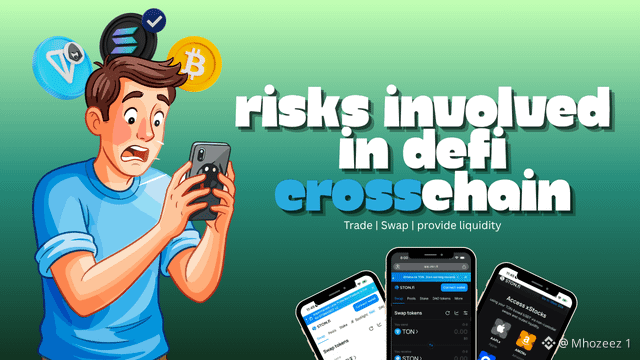
COMMON RISKS IN DEfi CROSS-CHAIN
Moving crypto across blockchains most times often feels very unsafe in a way. We route capital across chains to catch the best yield, but traditional bridge architecture forces users to carry severe, hidden risks which most people might not understand in a way. i'll explain what some of these traditional bridges actually affects traders👇
[•] FOUR LAYERS OF GAS - bridge protocol fees, destination gas, and arrival slippage.
[•] THEYRE MASSIVE TARGETS - Bridges hold huge amounts of locked, idle collateral in single contracts. It is no wonder bridge exploits accounted for over 69% of stolen crypto funds in 2022 ($2B+ lost) alongside massive validator compromises like Ronin ($625M) and Orbit Chain ($81M).
[•] WRAPPED TOKEN DEPENDENCY You do not receive native assets on arrival, what we often get is an IOU. If the underlying bridge fails or suffers a message-validation exploit (like the $292M Kelp DAO exploit), your wrapped token loses its peg instantly
. this makes the system vulnerable and in need of a better architecture.
HERE's A SOLUTION AT HAND STONfi addresses this with Omniston, a cross-chain execution layer that eliminates shared bridge vaults entirely by simply pairing Hashed Timelock Contracts (HTLCs) with a competitive market of professional resolvers. HOW DOES THIS MAKE CROSS-CHAIN TRADING BETTER? [1] This upgrade eliminates Zero centralized collateral pools for hackers to target like honeypots.
[2] Users recieve 100% native assets which means you receive the real destination token directly and not a wrapped IOU.
[3] Cross-chain users experience and use only guaranteed quotes, meaning that the price you sign at confirmation is the exact execution price of your trade.
[4] Users are protected by the Fail-safe logic. this means that your swaps settle atomically which makes both parties receive their quoted assets, or funds automatically return via timelock. $GRAM @ston_fi
COMMON RISKS IN DEfi CROSS-CHAIN
Moving crypto across blockchains most times often feels very unsafe in a way. We route capital across chains to catch the best yield, but traditional bridge architecture forces users to carry severe, hidden risks which most people might not understand in a way. i'll explain what some of these traditional bridges actually affects traders👇
[•] FOUR LAYERS OF GAS - bridge protocol fees, destination gas, and arrival slippage.
[•] THEYRE MASSIVE TARGETS - Bridges hold huge amounts of locked, idle collateral in single contracts. It is no wonder bridge exploits accounted for over 69% of stolen crypto funds in 2022 ($2B+ lost) alongside massive validator compromises like Ronin ($625M) and Orbit Chain ($81M).
[•] WRAPPED TOKEN DEPENDENCY You do not receive native assets on arrival, what we often get is an IOU. If the underlying bridge fails or suffers a message-validation exploit (like the $292M Kelp DAO exploit), your wrapped token loses its peg instantly
. this makes the system vulnerable and in need of a better architecture.
HERE's A SOLUTION AT HAND STONfi addresses this with Omniston, a cross-chain execution layer that eliminates shared bridge vaults entirely by simply pairing Hashed Timelock Contracts (HTLCs) with a competitive market of professional resolvers. HOW DOES THIS MAKE CROSS-CHAIN TRADING BETTER? [1] This upgrade eliminates Zero centralized collateral pools for hackers to target like honeypots.
[2] Users recieve 100% native assets which means you receive the real destination token directly and not a wrapped IOU.
[3] Cross-chain users experience and use only guaranteed quotes, meaning that the price you sign at confirmation is the exact execution price of your trade.
[4] Users are protected by the Fail-safe logic. this means that your swaps settle atomically which makes both parties receive their quoted assets, or funds automatically return via timelock. $GRAM @ston_fi
Moving crypto across blockchains most times often feels very unsafe in a way. We route capital across chains to catch the best yield, but traditional bridge architecture forces users to carry severe, hidden risks which most people might not understand in a way. i'll explain what some of these traditional bridges actually affects traders👇
[•] FOUR LAYERS OF GAS - bridge protocol fees, destination gas, and arrival slippage.
[•] THEYRE MASSIVE TARGETS - Bridges hold huge amounts of locked, idle collateral in single contracts. It is no wonder bridge exploits accounted for over 69% of stolen crypto funds in 2022 ($2B+ lost) alongside massive validator compromises like Ronin ($625M) and Orbit Chain ($81M).
[•] WRAPPED TOKEN DEPENDENCY You do not receive native assets on arrival, what we often get is an IOU. If the underlying bridge fails or suffers a message-validation exploit (like the $292M Kelp DAO exploit), your wrapped token loses its peg instantly
. this makes the system vulnerable and in need of a better architecture.
HERE's A SOLUTION AT HAND STONfi addresses this with Omniston, a cross-chain execution layer that eliminates shared bridge vaults entirely by simply pairing Hashed Timelock Contracts (HTLCs) with a competitive market of professional resolvers. HOW DOES THIS MAKE CROSS-CHAIN TRADING BETTER? [1] This upgrade eliminates Zero centralized collateral pools for hackers to target like honeypots.
[2] Users recieve 100% native assets which means you receive the real destination token directly and not a wrapped IOU.
[3] Cross-chain users experience and use only guaranteed quotes, meaning that the price you sign at confirmation is the exact execution price of your trade.
[4] Users are protected by the Fail-safe logic. this means that your swaps settle atomically which makes both parties receive their quoted assets, or funds automatically return via timelock. $GRAM @ston_fi
64
·
--
Lihat terjemahan
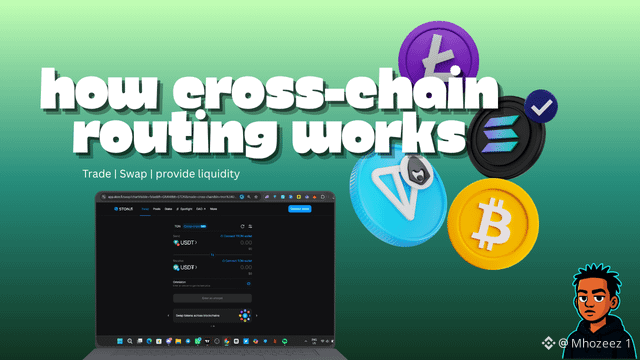
UNDERSTANDING HOW STONfi CROSS-CHAIN WORKS Most traders think there's one way to get liquidity from Ethereum, BNB Chain or Base into TON. There isn't. There are two, and they leave you holding completely different things, let me explain👇 [•] Route 1 The bridge way: Your asset gets locked on the chain you're leaving, and TON mints you a wrapped copy called a Jetton. It works. But now you're holding a wrapped version of something, not the real thing, and you're trusting a bridge contract to stay solvent the whole time. [•] Route 2 The atomic swap way: This process is done through STONfi's Omniston. picture a scenario where you have a certain amount of asset on Ethereum but in need of that amount on TON and a network of resolvers races to fill your order. Two Hashed Timelock Contracts lock in on both sides at once, sharing one cryptographic key. When it unlocks, both sides settle. Nobody can walk away with your funds and leave you with nothing. Either you both get paid, or the timelock refunds whoever got left waiting. WHY DOES THIS EVEN MATTER? Because TON fees are cheap compared to Ethereum mainnet. If you're the type who rebalances often, that one-time cross-chain move pays for itself fast. every other swap after that costs almost nothing. Some TON-native tokens don't exist anywhere else. No bridge, no wrap, no workaround which leaves you with atomic swap being the only modeof getting your asset into TON from another network. And once you're in, It's the same AMM logic you already know. Pools, trades, LP fees (0.3% swap fee, LPs keep 0.2%), farming pools etc. Nothing exotic, theyve Just made it cheaper to actually use. So, The real question isn't "how do I move my asset across chains." It's "what do I actually want sitting in my wallet if i'll be using a specific chain." OMNISTON is live for Ethereum, BNB Chain, Base and Polygon right now on @ston_fi $GRAM $BNB Try it out here https://app.ston.fi/swap?mode=cross-chain&in=ton%3AUSD%E2%82%AE
UNDERSTANDING HOW STONfi CROSS-CHAIN WORKS Most traders think there's one way to get liquidity from Ethereum, BNB Chain or Base into TON. There isn't. There are two, and they leave you holding completely different things, let me explain👇 [•] Route 1 The bridge way: Your asset gets locked on the chain you're leaving, and TON mints you a wrapped copy called a Jetton. It works. But now you're holding a wrapped version of something, not the real thing, and you're trusting a bridge contract to stay solvent the whole time. [•] Route 2 The atomic swap way: This process is done through STONfi's Omniston. picture a scenario where you have a certain amount of asset on Ethereum but in need of that amount on TON and a network of resolvers races to fill your order. Two Hashed Timelock Contracts lock in on both sides at once, sharing one cryptographic key. When it unlocks, both sides settle. Nobody can walk away with your funds and leave you with nothing. Either you both get paid, or the timelock refunds whoever got left waiting. WHY DOES THIS EVEN MATTER? Because TON fees are cheap compared to Ethereum mainnet. If you're the type who rebalances often, that one-time cross-chain move pays for itself fast. every other swap after that costs almost nothing. Some TON-native tokens don't exist anywhere else. No bridge, no wrap, no workaround which leaves you with atomic swap being the only modeof getting your asset into TON from another network. And once you're in, It's the same AMM logic you already know. Pools, trades, LP fees (0.3% swap fee, LPs keep 0.2%), farming pools etc. Nothing exotic, theyve Just made it cheaper to actually use. So, The real question isn't "how do I move my asset across chains." It's "what do I actually want sitting in my wallet if i'll be using a specific chain." OMNISTON is live for Ethereum, BNB Chain, Base and Polygon right now on @ston_fi $GRAM $BNB Try it out here https://app.ston.fi/swap?mode=cross-chain&in=ton%3AUSD%E2%82%AE
92
·
--
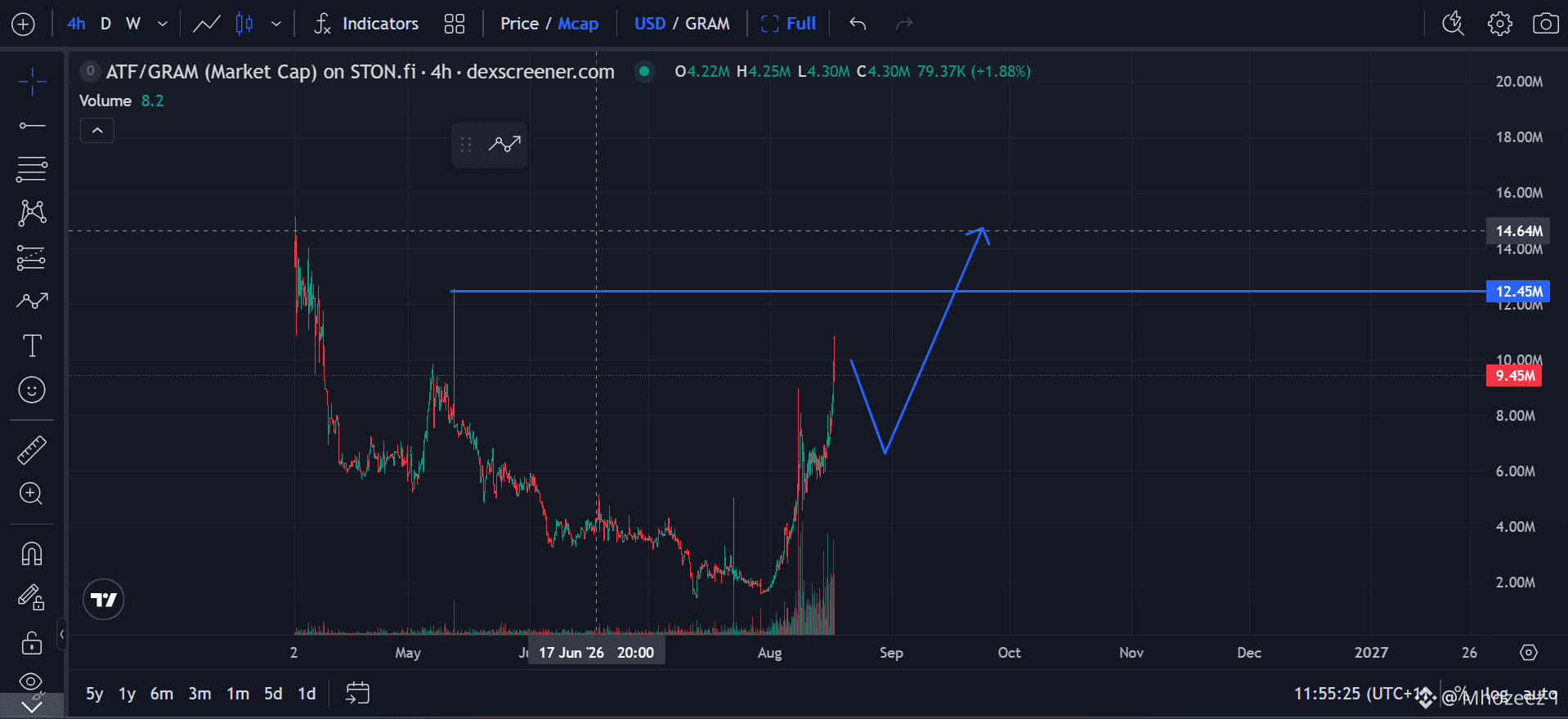
PROSPEK PERDAGANGAN TOKEN ATF📈 ATF juga merupakan token lain yang perlu dipertimbangkan sebagai token besar berikutnya dengan probabilitas tinggi untuk memberikan potensi kenaikan 4-5X jika dibeli pada level permintaan yang tepat. Ini yang pada dasarnya saya lihat terkait pergerakan harga token ATF👇 Dengan adanya penolakan yang kuat pada level harga tersebut, saya sangat yakin bahwa zona berikutnya yang paling mungkin untuk permintaan tinggi ATF berada pada level harga marketcap 6M—yang merupakan titik perhatian yang sangat valid seperti yang terlihat pada gambar di bawah. Dan mengenai tempat kamu bisa membeli token ATF, @ston_fi seharusnya jadi platform trading andalan kamu di TON karena slippage yang sangat kecil hingga hampir tidak ada serta biaya transaksi TON yang murah. Apakah kamu akan membeli ATF pada marketcap tersebut? Ini tautan untuk menempatkan order kamu pada marketcap itu https://app.ston.fi/swap?chartVisible=false&ft=GRAM&tt=EQANcW45W0Tp91bzvHayaPO6-6hf1Lm4XlWZ4rN6L5ofPWdb 🚨Ingat untuk selalu DYOR karena ini bukan FA $GRAM
PROSPEK PERDAGANGAN TOKEN ATF📈 ATF juga merupakan token lain yang perlu dipertimbangkan sebagai token besar berikutnya dengan probabilitas tinggi untuk memberikan potensi kenaikan 4-5X jika dibeli pada level permintaan yang tepat. Ini yang pada dasarnya saya lihat terkait pergerakan harga token ATF👇 Dengan adanya penolakan yang kuat pada level harga tersebut, saya sangat yakin bahwa zona berikutnya yang paling mungkin untuk permintaan tinggi ATF berada pada level harga marketcap 6M—yang merupakan titik perhatian yang sangat valid seperti yang terlihat pada gambar di bawah. Dan mengenai tempat kamu bisa membeli token ATF, @ston_fi seharusnya jadi platform trading andalan kamu di TON karena slippage yang sangat kecil hingga hampir tidak ada serta biaya transaksi TON yang murah. Apakah kamu akan membeli ATF pada marketcap tersebut? Ini tautan untuk menempatkan order kamu pada marketcap itu https://app.ston.fi/swap?chartVisible=false&ft=GRAM&tt=EQANcW45W0Tp91bzvHayaPO6-6hf1Lm4XlWZ4rN6L5ofPWdb 🚨Ingat untuk selalu DYOR karena ini bukan FA $GRAM
58
·
--
Lihat terjemahan
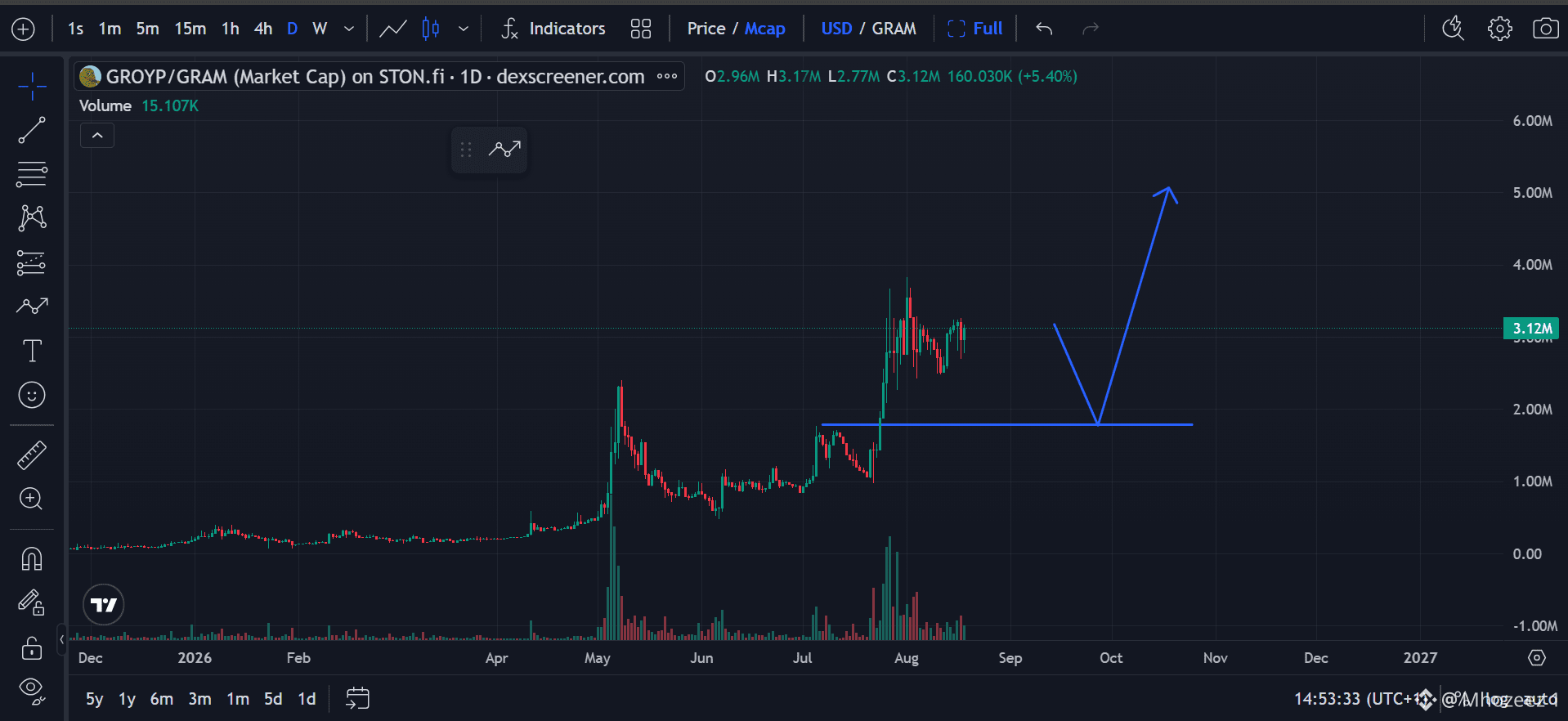
GROYP MARKET UPDATE 📈 I recently looked up some tokens with low marketcap on Gram at the moment and found about 3 of them and groyp happens to be part of the 3 tokens i'll be dropping insights on. So here's basically what i'm looking at the moment👇 GROYP made an all time high of about $3.77M marketcap and is currently consolidating heavily around that price level of 0.06244. WHAT SHOULD YOU EXPECT FROM THAT PRICE LEVEL? I strongly believe that with how price has been consolidating for a while now that we might be seeing the token heading lower to a price level where theyll be a more strong demand for GROYP around 0.0336 before the next pump to the upside. But the most important aspect of joining GROYP in it next demand level is knowing where to purchase GROYP at the best price possible without slippage and high fees. I'd recommend you set your limit on that level with a reliable dex on TON @ston_fi get ready to full your GROYP bags here https://app.ston.fi/swap?chartVisible=false&ft=GRAM&tt=EQAtwo6qMNwtr0iTA9eKVZ32cuACFJ0VKd78GrBWOe83-X1P Let me know if you'll be fulling your bags with GROYP in the comments👇 $GRAM @ston_fi
GROYP MARKET UPDATE 📈 I recently looked up some tokens with low marketcap on Gram at the moment and found about 3 of them and groyp happens to be part of the 3 tokens i'll be dropping insights on. So here's basically what i'm looking at the moment👇 GROYP made an all time high of about $3.77M marketcap and is currently consolidating heavily around that price level of 0.06244. WHAT SHOULD YOU EXPECT FROM THAT PRICE LEVEL? I strongly believe that with how price has been consolidating for a while now that we might be seeing the token heading lower to a price level where theyll be a more strong demand for GROYP around 0.0336 before the next pump to the upside. But the most important aspect of joining GROYP in it next demand level is knowing where to purchase GROYP at the best price possible without slippage and high fees. I'd recommend you set your limit on that level with a reliable dex on TON @ston_fi get ready to full your GROYP bags here https://app.ston.fi/swap?chartVisible=false&ft=GRAM&tt=EQAtwo6qMNwtr0iTA9eKVZ32cuACFJ0VKd78GrBWOe83-X1P Let me know if you'll be fulling your bags with GROYP in the comments👇 $GRAM @ston_fi
69
·
--
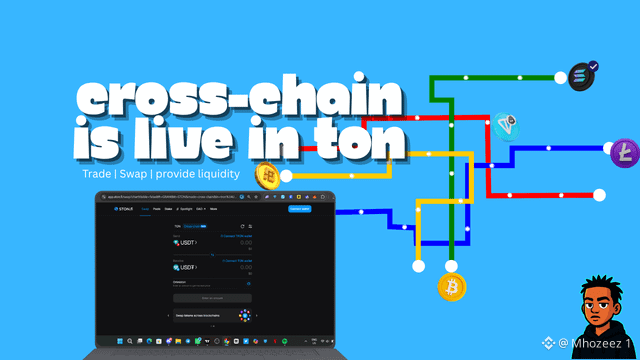
RUTE TON CROSS-CHAIN SUDAH LIVE Jika kamu mengikuti cara konvensional untuk memindahkan USDT dari TRON ke TON, berarti kamu mengikuti jalur ini👇 Memulai transfer di CEX → menunggu konfirmasi → mengonfirmasi penarikan dengan jumlah biaya tertentu sebelum kripto kamu masuk ke wallet. Pada dasarnya ini terdiri dari beberapa langkah dan proses, namun tidak terlalu efisien karena ekosistem kripto terus berkembang. Jadi, pada intinya, apa yang lebih baik? INILAH YANG LEBIH BAIK SAAT INI💭 Lapisan Omniston milik STONfi melewati semuanya dengan memanfaatkan Linked Hashed Timelock Contracts (HTLC) di kedua blockchain. Di mana aset kamu terkunci di chain sumber, sementara resolver mengunci aset yang sesuai di chain tujuan dengan satu kunci kriptografi yang sama. Sehingga dalam gambaran besarnya, swap kamu akan selesai di kedua sisi, atau transaksi dibatalkan dan dana kamu kembali. Tim STONfi dengan percaya diri memastikan sebagian besar swap cross-chain terselesaikan dalam 15–40 detik, yang terbilang sangat cepat. TON↔EVM (Ethereum, Base, BNB, Polygon) sudah live di dApp sekarang APA YANG MEMBUAT INI LEBIH BAIK? - Sangat self-custodial dari awal sampai akhir - Tidak ada risiko wrapped-asset bridge - Menghemat proses panjang penarikan dari CEX Cek di sini 🔗https://app.ston.fi/swap?mode=cross-chain Catatan: DYOR dan verifikasi dukungan chain di dalam aplikasi sebelum melakukan swap. @ston_fi $GRAM
RUTE TON CROSS-CHAIN SUDAH LIVE Jika kamu mengikuti cara konvensional untuk memindahkan USDT dari TRON ke TON, berarti kamu mengikuti jalur ini👇 Memulai transfer di CEX → menunggu konfirmasi → mengonfirmasi penarikan dengan jumlah biaya tertentu sebelum kripto kamu masuk ke wallet. Pada dasarnya ini terdiri dari beberapa langkah dan proses, namun tidak terlalu efisien karena ekosistem kripto terus berkembang. Jadi, pada intinya, apa yang lebih baik? INILAH YANG LEBIH BAIK SAAT INI💭 Lapisan Omniston milik STONfi melewati semuanya dengan memanfaatkan Linked Hashed Timelock Contracts (HTLC) di kedua blockchain. Di mana aset kamu terkunci di chain sumber, sementara resolver mengunci aset yang sesuai di chain tujuan dengan satu kunci kriptografi yang sama. Sehingga dalam gambaran besarnya, swap kamu akan selesai di kedua sisi, atau transaksi dibatalkan dan dana kamu kembali. Tim STONfi dengan percaya diri memastikan sebagian besar swap cross-chain terselesaikan dalam 15–40 detik, yang terbilang sangat cepat. TON↔EVM (Ethereum, Base, BNB, Polygon) sudah live di dApp sekarang APA YANG MEMBUAT INI LEBIH BAIK? - Sangat self-custodial dari awal sampai akhir - Tidak ada risiko wrapped-asset bridge - Menghemat proses panjang penarikan dari CEX Cek di sini 🔗https://app.ston.fi/swap?mode=cross-chain Catatan: DYOR dan verifikasi dukungan chain di dalam aplikasi sebelum melakukan swap. @ston_fi $GRAM
63
Masuk untuk menjelajahi konten lainnya
Bergabunglah dengan pengguna kripto global di Binance Square
⚡️ Dapatkan informasi terbaru dan berguna tentang kripto.
💬 Dipercayai oleh bursa kripto terbesar di dunia.
👍 Temukan wawasan nyata dari kreator terverifikasi.
Email/Nomor Ponsel
Topik Sedang Tren
SECReceivesGrayscaleLitecoinTrustETFFiling
92,237 penayangan
1,481 Berdiskusi
#secreceivesgrayscalelitecointrustetffiling
OTORITAS SEKURITAS AMERIKA MENERIMA BERKAS GRAYSCALE LITECOIN ETF: LTC BARU SAJA MENDAPAT SOROTAN LAIN 🚨
Pasar bergerak tenang ketika satu lagi judul Litecoin mendarat. Bagi para trader yang menonton dari pinggir, ini adalah jenis berkas yang membuat Anda berhenti sejenak dan bertanya: apakah akses institusional semakin dekat?
Grayscale’s Litecoin Trust telah mengambil langkah lain menuju struktur ETF, dengan berkas terbaru terkait usulan transisi dan proses pencatatan NYSE Arca. Catatan SEC menunjukkan tahapan sebelumnya terkait proposal Litecoin dari Grayscale, sementara aktivitas pengajuan terbaru menjaga cerita ini tetap hidup.
Poin pentingnya adalah: berkas bukanlah persetujuan. Investor sebaiknya memisahkan kemajuan regulasi dari ekspektasi peluncuran ETF dalam waktu dekat.
Pendapat saya: kisah yang lebih besar adalah aksesibilitas. Struktur ETF berpotensi membuat eksposur ke LTC menjadi lebih mudah bagi investor tradisional yang lebih memilih produk pasar teregulasi, ketimbang memegang kripto secara langsung.
Litecoin saat ini diperdagangkan sekitar $53,69 di Binance, dengan aset yang menunjukkan pergerakan 24 jam yang moderat. Itu membuat perkembangan regulasi lebih menarik daripada sekadar mengejar reaksi harga yang dipicu headline.
Uji sebenarnya datang berikutnya: keputusan regulasi, permintaan pasar, likuiditas, dan apakah minat institusional benar-benar mengikuti dokumen tersebut.
Sebuah berkas bisa membuka pintu, tetapi permintaan yang menentukan apa yang terjadi setelah pintu itu terbuka.
❓Menurut Anda, apakah ETF Litecoin Grayscale bisa secara material mengubah permintaan institusional terhadap LTC?
Penafian: Ini hanya untuk tujuan informasi dan bukan nasihat keuangan. Aset kripto itu volatil, dan hasil regulasi belum pasti.
#Litecoin #CryptoETF #GrowWithSAC $LTC $ETH $SOL
#SECReceivesGrayscaleLitecoinTrustETFFiling
Sienna Leo-你真棒-带我走
·Disukai 3 Kali
·2.3k penayangan
ClarityActFacesProceduralVoteSept15
214,965 penayangan
2,393 Berdiskusi
US10YearTreasuryYieldNears5%
77,061 penayangan
1,323 Berdiskusi