
Devis_H23 Crypto Insights
126 Posting

Devis_H23 Crypto Insights
Laporkan
Blokir Pengguna
Tracking crypto markets Target 115$ to 1 000$
Pedagang dengan Frekuensi Tinggi
4.7 Tahun
6 Mengikuti
353 Pengikut
2.3K+ Disukai
Posting
PINNED
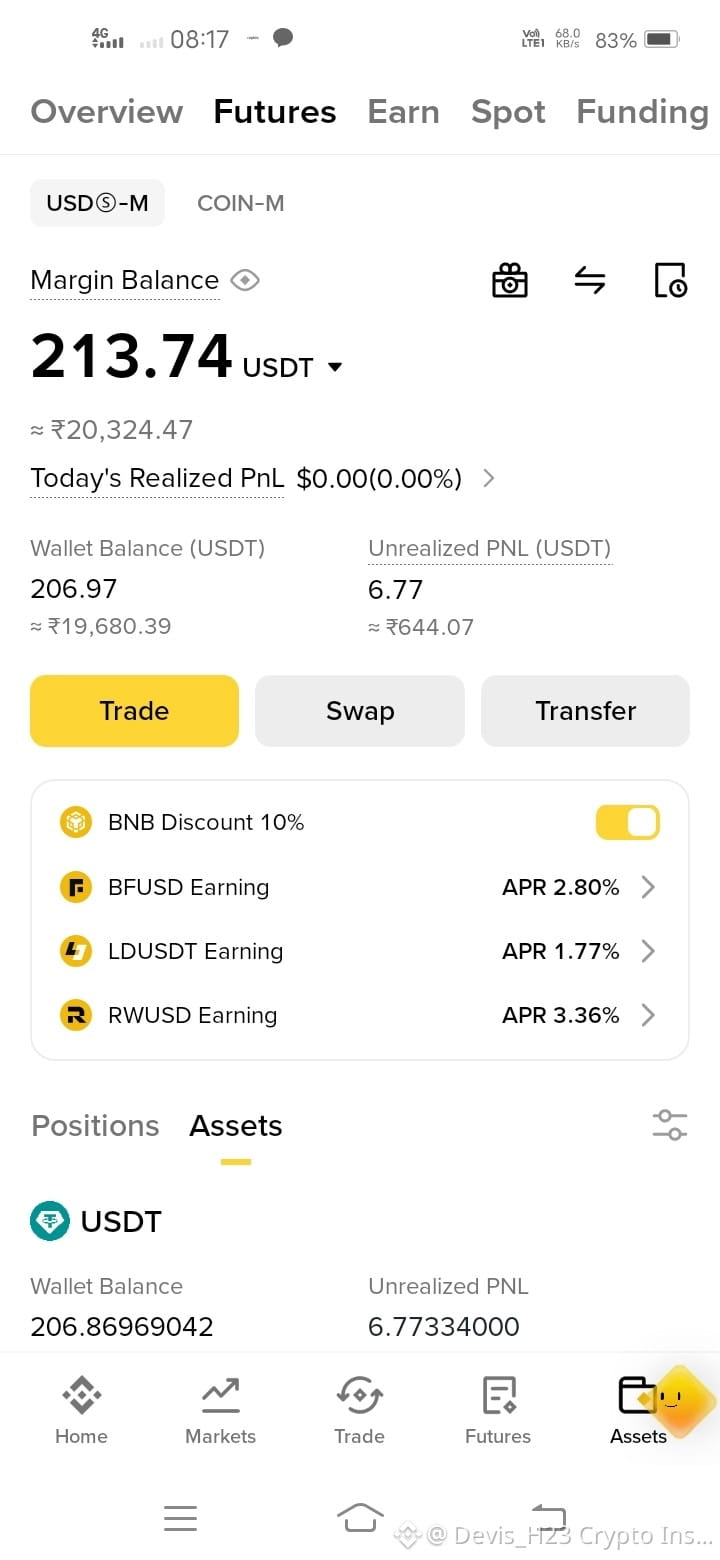
Saya memulai perjalanan ini hanya dengan 115 USDT.
Seminggu kemudian, saya duduk di angka 213,74 USDT.
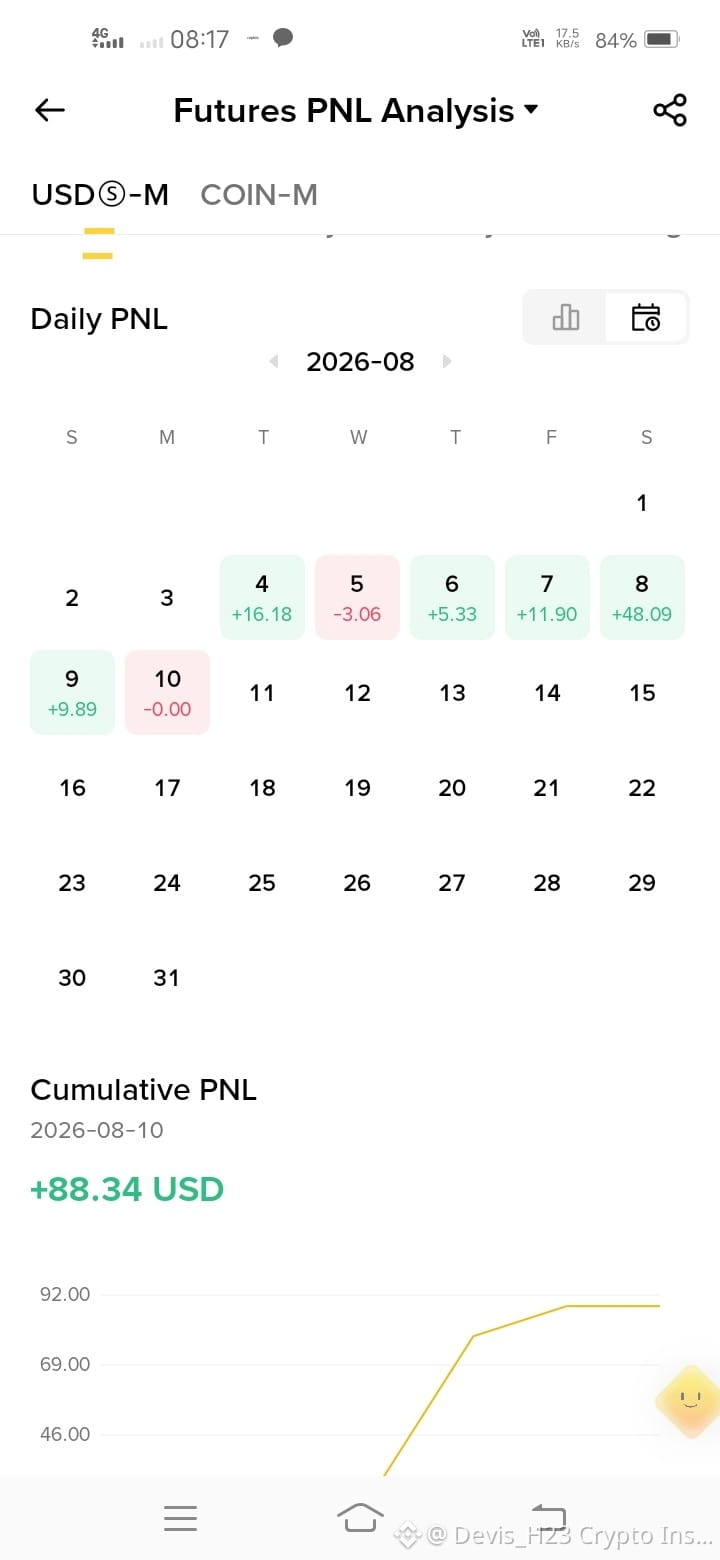
+88,34 USDT akumulasi PnL.
Jujur, angka yang paling membuat saya bahagia bukanlah profitnya.
Melainkan fakta bahwa saya tidak selalu mendapatkan hari hijau setiap hari.
Ada juga kerugian.
4 Agu → +16,18
5 Agu → -3,06
6 Agu → +5,33
7 Agu → +11,90
8 Agu → +48,09
9 Agu → +9,89
Itulah trading.
Ada hari-hari ketika Anda menang.
Ada hari-hari ketika pasar meminta kembali sesuatu.
Bagian yang paling penting adalah apa yang Anda lakukan setelah perdagangan yang rugi.
Target saya masih 1.000 USDT.
Saya akan terus mendokumentasikan perjalanan ini dengan hasil nyata — hari-hari baik, hari-hari buruk, trading, dan pelajaran.
Tanpa tangkapan layar palsu.
Tanpa menyembunyikan kerugian.
Hanya perjalanan apa adanya.
Kalau Anda juga sedang membangun akun kecil, tetap ikuti saya.
Mari kita lihat sejauh mana kita bisa membawanya. 🤝📈
#Devish #pump
Saya memulai perjalanan ini hanya dengan 115 USDT.
Seminggu kemudian, saya duduk di angka 213,74 USDT.
+88,34 USDT akumulasi PnL.
Jujur, angka yang paling membuat saya bahagia bukanlah profitnya.
Melainkan fakta bahwa saya tidak selalu mendapatkan hari hijau setiap hari.
Ada juga kerugian.
4 Agu → +16,18
5 Agu → -3,06
6 Agu → +5,33
7 Agu → +11,90
8 Agu → +48,09
9 Agu → +9,89
Itulah trading.
Ada hari-hari ketika Anda menang.
Ada hari-hari ketika pasar meminta kembali sesuatu.
Bagian yang paling penting adalah apa yang Anda lakukan setelah perdagangan yang rugi.
Target saya masih 1.000 USDT.
Saya akan terus mendokumentasikan perjalanan ini dengan hasil nyata — hari-hari baik, hari-hari buruk, trading, dan pelajaran.
Tanpa tangkapan layar palsu.
Tanpa menyembunyikan kerugian.
Hanya perjalanan apa adanya.
Kalau Anda juga sedang membangun akun kecil, tetap ikuti saya.
Mari kita lihat sejauh mana kita bisa membawanya. 🤝📈
#Devish #pump
Seminggu kemudian, saya duduk di angka 213,74 USDT.
+88,34 USDT akumulasi PnL.
Jujur, angka yang paling membuat saya bahagia bukanlah profitnya.
Melainkan fakta bahwa saya tidak selalu mendapatkan hari hijau setiap hari.
Ada juga kerugian.
4 Agu → +16,18
5 Agu → -3,06
6 Agu → +5,33
7 Agu → +11,90
8 Agu → +48,09
9 Agu → +9,89
Itulah trading.
Ada hari-hari ketika Anda menang.
Ada hari-hari ketika pasar meminta kembali sesuatu.
Bagian yang paling penting adalah apa yang Anda lakukan setelah perdagangan yang rugi.
Target saya masih 1.000 USDT.
Saya akan terus mendokumentasikan perjalanan ini dengan hasil nyata — hari-hari baik, hari-hari buruk, trading, dan pelajaran.
Tanpa tangkapan layar palsu.
Tanpa menyembunyikan kerugian.
Hanya perjalanan apa adanya.
Kalau Anda juga sedang membangun akun kecil, tetap ikuti saya.
Mari kita lihat sejauh mana kita bisa membawanya. 🤝📈
#Devish #pump
127
PINNED
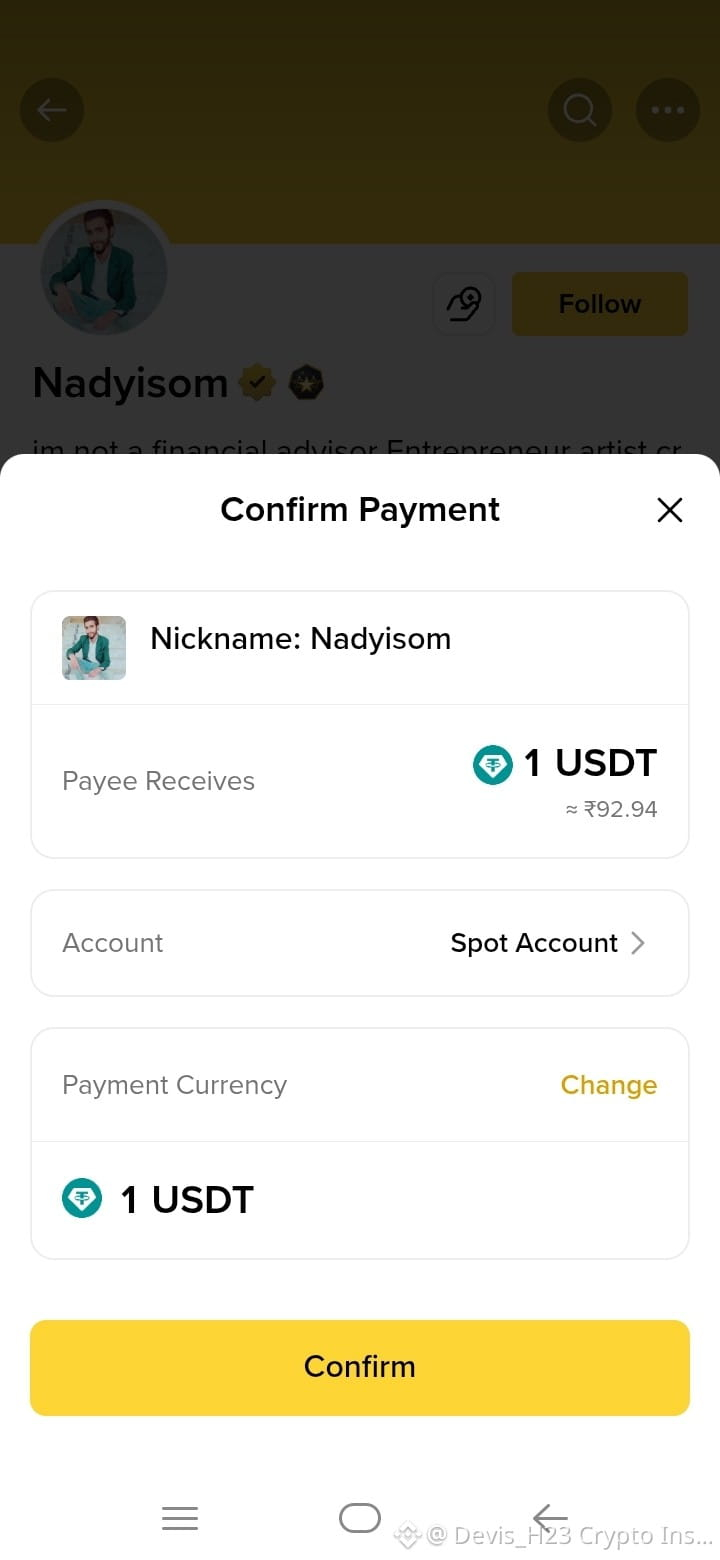
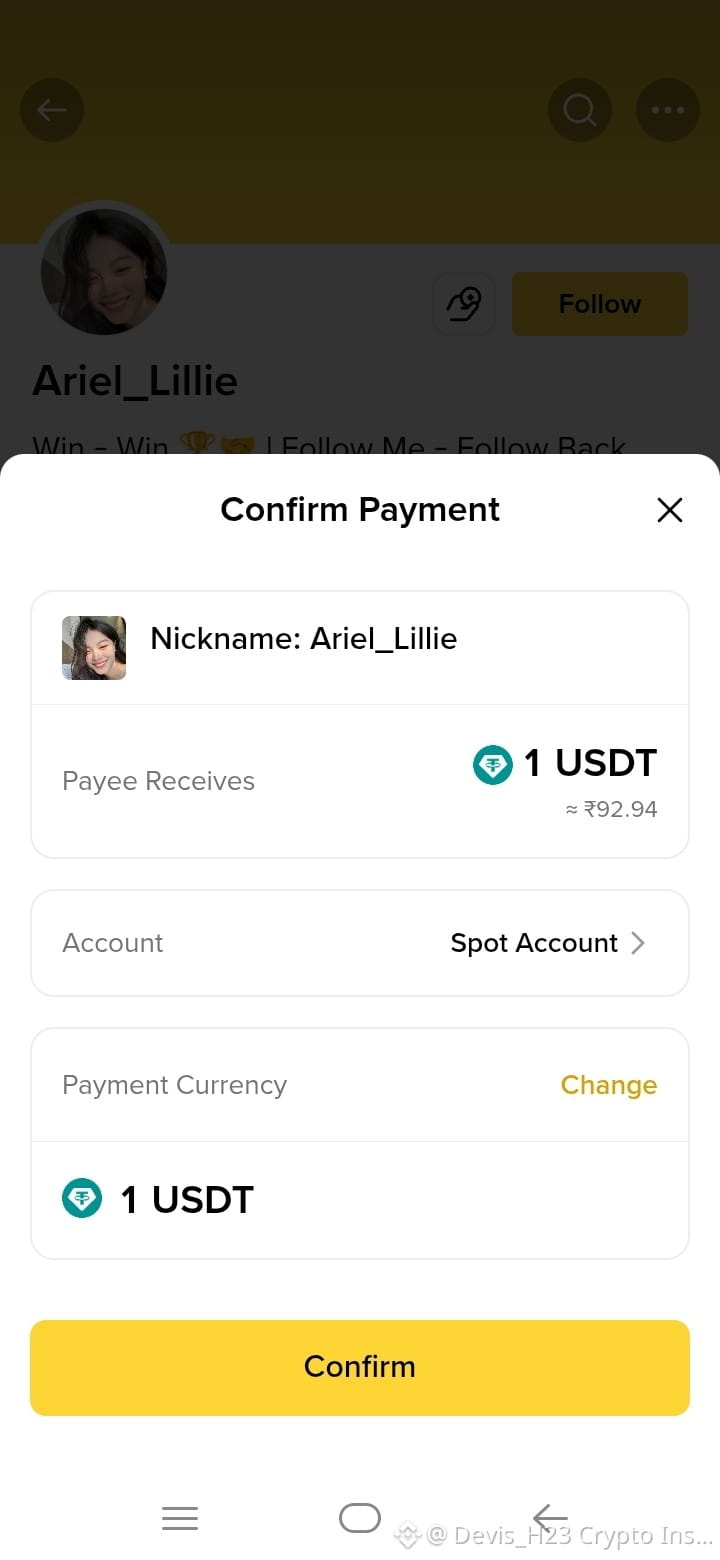
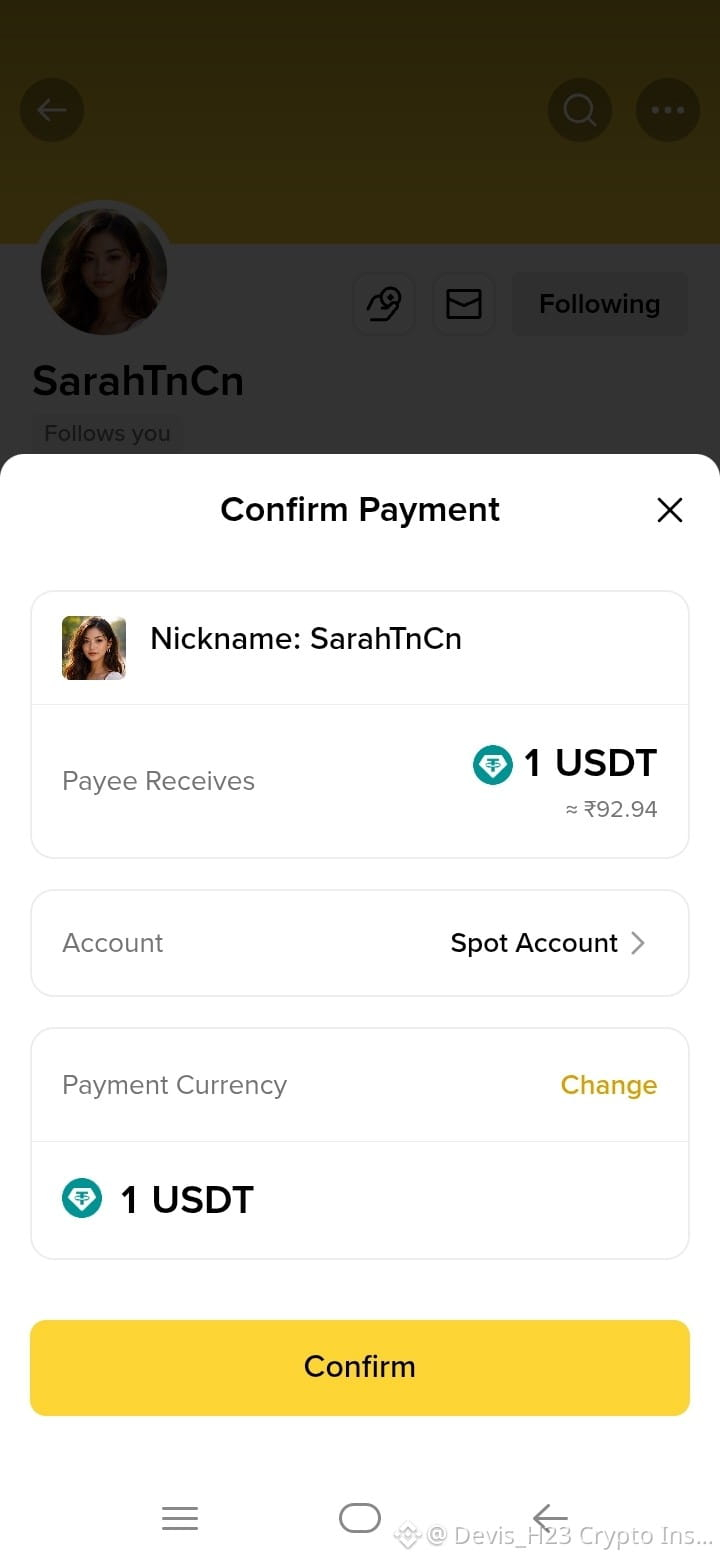
🏆 HADIAH MUSIM 1 TELAH DIBAGIKAN! BUKTI TERLAMPIR 💸🤝
Dukungan nyata pantas mendapatkan hadiah nyata! Musim 1 secara resmi telah berakhir, dan saya baru saja mengirimkan pembayaran kepada set pertama Juara kami. 🛡️🔥
SELAMAT BESAR kepada Legenda Berbayar kami:
🔥 TOP 3 (Di atas 20 Poin):
🥇 @Square-Creator-8c4c76eaa9a3e — DIBAYAR ✅
🥈 @Nadeem_Bisharat — DIBAYAR ✅
🥉 @Square-Creator-Lillie — DIBAYAR ✅
🌟 SELEKSI KHUSUS (Pendukung Setia Kami):
🙌 @Square-Creator-67684fbb52082 — DIBAYAR ✅
🙌 @Square-Creator-474b24783 — DIBAYAR ✅
100% Transparansi. Periksa tangkapan layar yang terlampir untuk bukti pembayaran! 💸🤝 Kami tidak hanya berbicara, kami menghargai komunitas kami.
🚀 PEMBARUAN MUSIM 2:
Bersiaplah! Saya sedang menyelesaikan Sistem Poin Baru. Ini akan menjadi LEBIH BESAR dan LEBIH CEPAT! 📈
Pengaturan ulang papan peringkat dan aturan Musim 2 akan segera datang. Tetap disini untuk mengklaim tempat Anda! 🏁💎
#creatorpad #BinanceSquare #CryptoRewards #Write2Earn #GIVEAWAY🎁
🏆 HADIAH MUSIM 1 TELAH DIBAGIKAN! BUKTI TERLAMPIR 💸🤝
Dukungan nyata pantas mendapatkan hadiah nyata! Musim 1 secara resmi telah berakhir, dan saya baru saja mengirimkan pembayaran kepada set pertama Juara kami. 🛡️🔥
SELAMAT BESAR kepada Legenda Berbayar kami:
🔥 TOP 3 (Di atas 20 Poin):
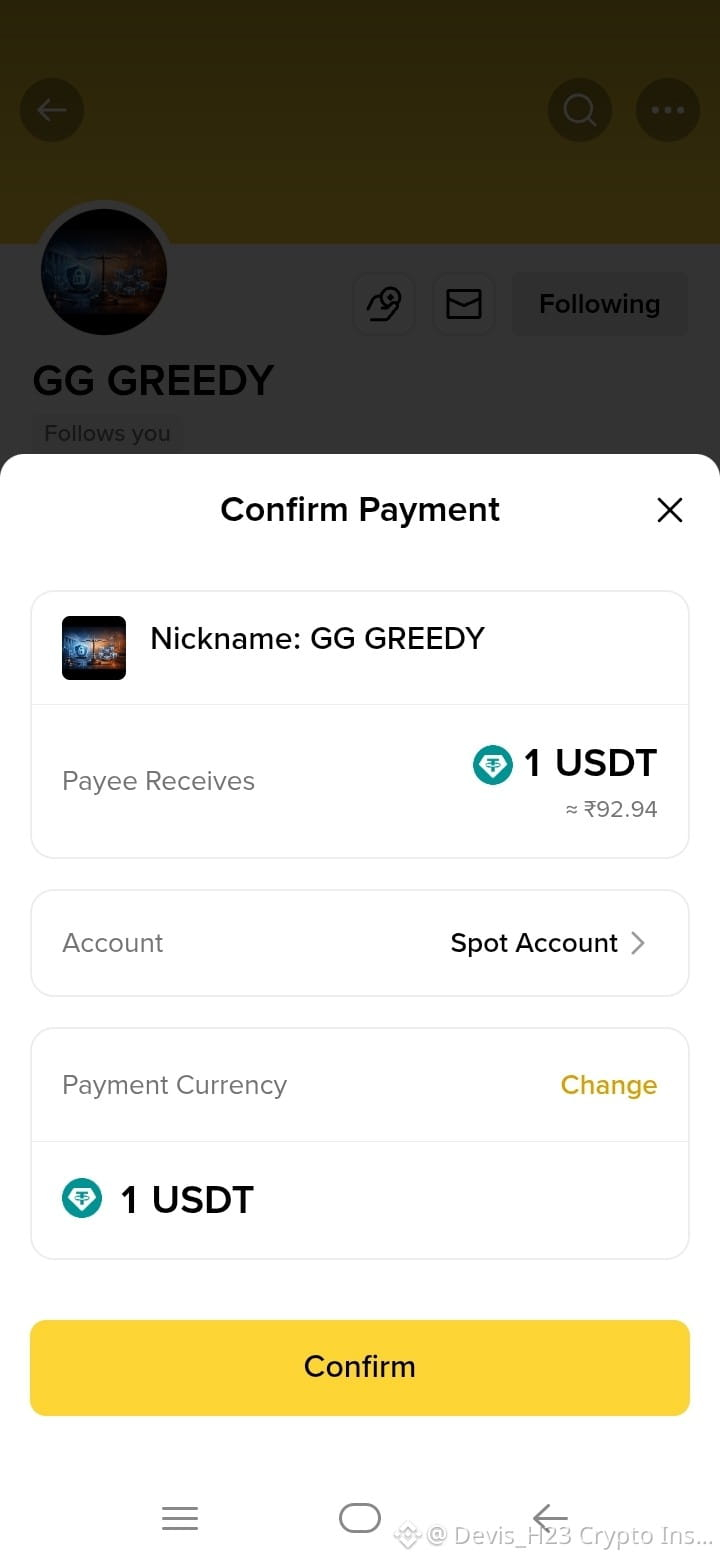
🥇 @GG GREEDY — DIBAYAR ✅
🥈 @Nadyisom — DIBAYAR ✅
🥉 @ZarrocBTC — DIBAYAR ✅
🌟 SELEKSI KHUSUS (Pendukung Setia Kami):
🙌 @mutual support — DIBAYAR ✅
🙌 @Sarah_welcome_summer — DIBAYAR ✅
100% Transparansi. Periksa tangkapan layar yang terlampir untuk bukti pembayaran! 💸🤝 Kami tidak hanya berbicara, kami menghargai komunitas kami.
🚀 PEMBARUAN MUSIM 2:
Bersiaplah! Saya sedang menyelesaikan Sistem Poin Baru. Ini akan menjadi LEBIH BESAR dan LEBIH CEPAT! 📈
Pengaturan ulang papan peringkat dan aturan Musim 2 akan segera datang. Tetap disini untuk mengklaim tempat Anda! 🏁💎
#creatorpad #BinanceSquare #CryptoRewards #Write2Earn #GIVEAWAY🎁
Dukungan nyata pantas mendapatkan hadiah nyata! Musim 1 secara resmi telah berakhir, dan saya baru saja mengirimkan pembayaran kepada set pertama Juara kami. 🛡️🔥
SELAMAT BESAR kepada Legenda Berbayar kami:
🔥 TOP 3 (Di atas 20 Poin):
🥇 @GG GREEDY — DIBAYAR ✅
🥈 @Nadyisom — DIBAYAR ✅
🥉 @ZarrocBTC — DIBAYAR ✅
🌟 SELEKSI KHUSUS (Pendukung Setia Kami):
🙌 @mutual support — DIBAYAR ✅
🙌 @Sarah_welcome_summer — DIBAYAR ✅
100% Transparansi. Periksa tangkapan layar yang terlampir untuk bukti pembayaran! 💸🤝 Kami tidak hanya berbicara, kami menghargai komunitas kami.
🚀 PEMBARUAN MUSIM 2:
Bersiaplah! Saya sedang menyelesaikan Sistem Poin Baru. Ini akan menjadi LEBIH BESAR dan LEBIH CEPAT! 📈
Pengaturan ulang papan peringkat dan aturan Musim 2 akan segera datang. Tetap disini untuk mengklaim tempat Anda! 🏁💎
#creatorpad #BinanceSquare #CryptoRewards #Write2Earn #GIVEAWAY🎁
16
2
25
5.2k
━━━━━━━━━━━━━━━━━━
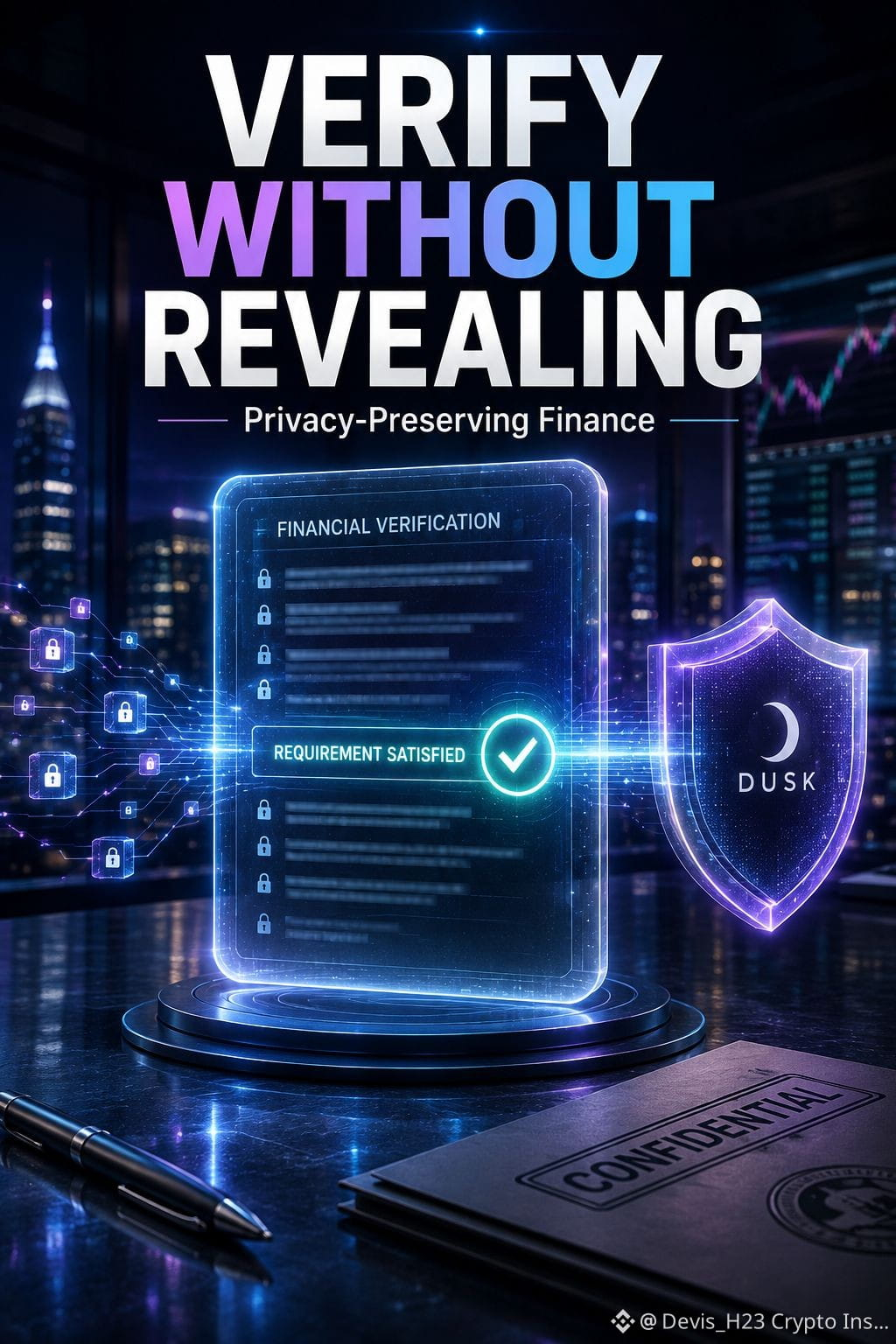
🔎 Kamu tidak perlu mengungkap semuanya untuk membuktikan sesuatu.
━━━━━━━━━━━━━━━━━━
Pikirkan tentang verifikasi keuangan.
Sebuah bisnis mungkin perlu membuktikan bahwa ia memenuhi persyaratan tertentu tanpa mengekspos setiap bagian informasi sensitif di balik bukti tersebut.
Di sinilah infrastruktur yang menjaga privasi menjadi menarik.
@Dusk_Foundation sedang membangun smart contract rahasia untuk aplikasi keuangan, dengan tujuan membuat verifikasi dimungkinkan tanpa paparan yang tidak perlu.
Apakah kamu lebih memilih sistem keuangan yang hanya mengungkap apa yang perlu diverifikasi?
$DUSK
#dusk
━━━━━━━━━━━━━━━━━━
━━━━━━━━━━━━━━━━━━
🔎 Kamu tidak perlu mengungkap semuanya untuk membuktikan sesuatu.
━━━━━━━━━━━━━━━━━━
Pikirkan tentang verifikasi keuangan.
Sebuah bisnis mungkin perlu membuktikan bahwa ia memenuhi persyaratan tertentu tanpa mengekspos setiap bagian informasi sensitif di balik bukti tersebut.
Di sinilah infrastruktur yang menjaga privasi menjadi menarik.
@Dusk sedang membangun smart contract rahasia untuk aplikasi keuangan, dengan tujuan membuat verifikasi dimungkinkan tanpa paparan yang tidak perlu.
Apakah kamu lebih memilih sistem keuangan yang hanya mengungkap apa yang perlu diverifikasi?
$DUSK
#dusk
━━━━━━━━━━━━━━━━━━
🔎 Kamu tidak perlu mengungkap semuanya untuk membuktikan sesuatu.
━━━━━━━━━━━━━━━━━━
Pikirkan tentang verifikasi keuangan.
Sebuah bisnis mungkin perlu membuktikan bahwa ia memenuhi persyaratan tertentu tanpa mengekspos setiap bagian informasi sensitif di balik bukti tersebut.
Di sinilah infrastruktur yang menjaga privasi menjadi menarik.
@Dusk sedang membangun smart contract rahasia untuk aplikasi keuangan, dengan tujuan membuat verifikasi dimungkinkan tanpa paparan yang tidak perlu.
Apakah kamu lebih memilih sistem keuangan yang hanya mengungkap apa yang perlu diverifikasi?
$DUSK
#dusk
━━━━━━━━━━━━━━━━━━
74
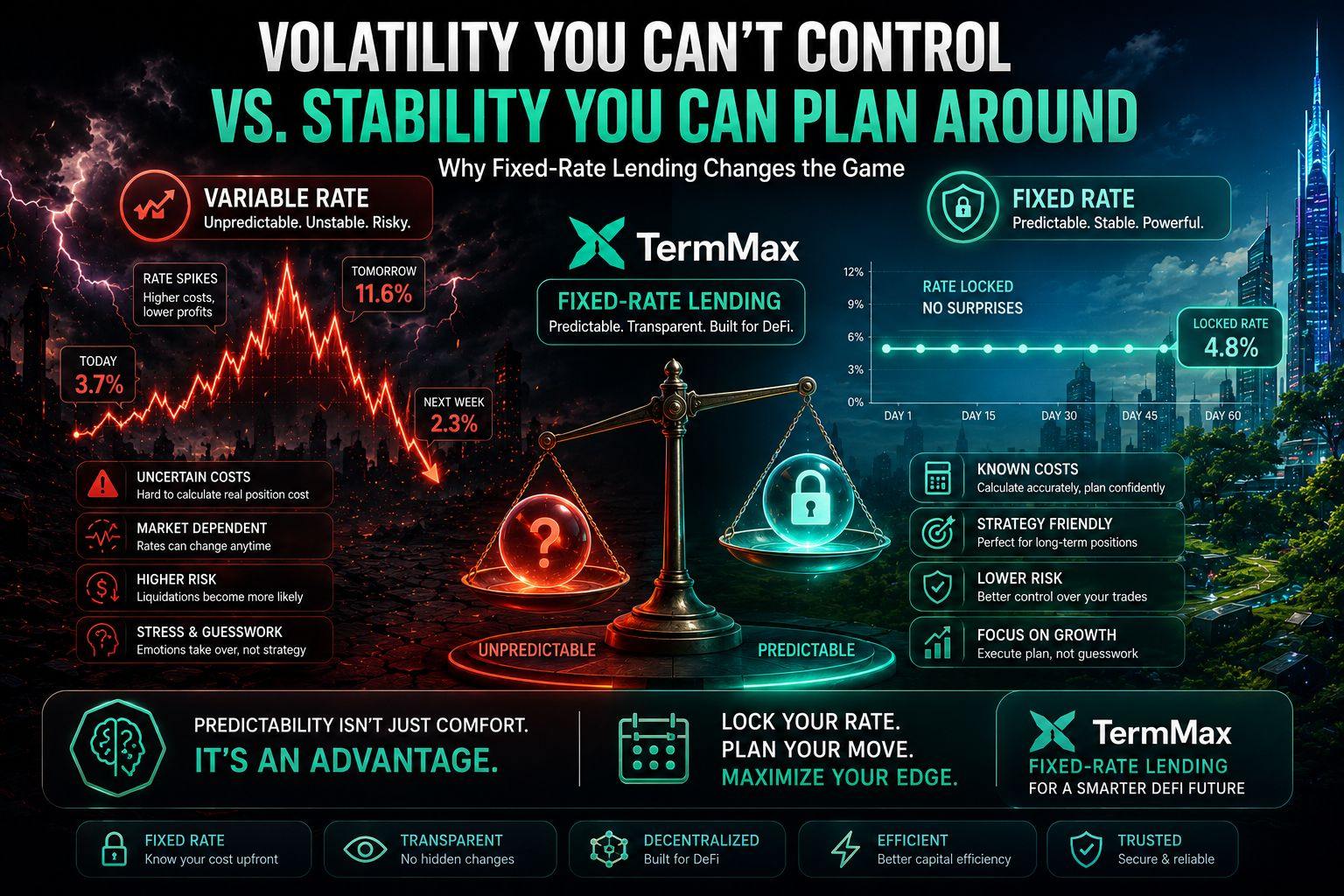
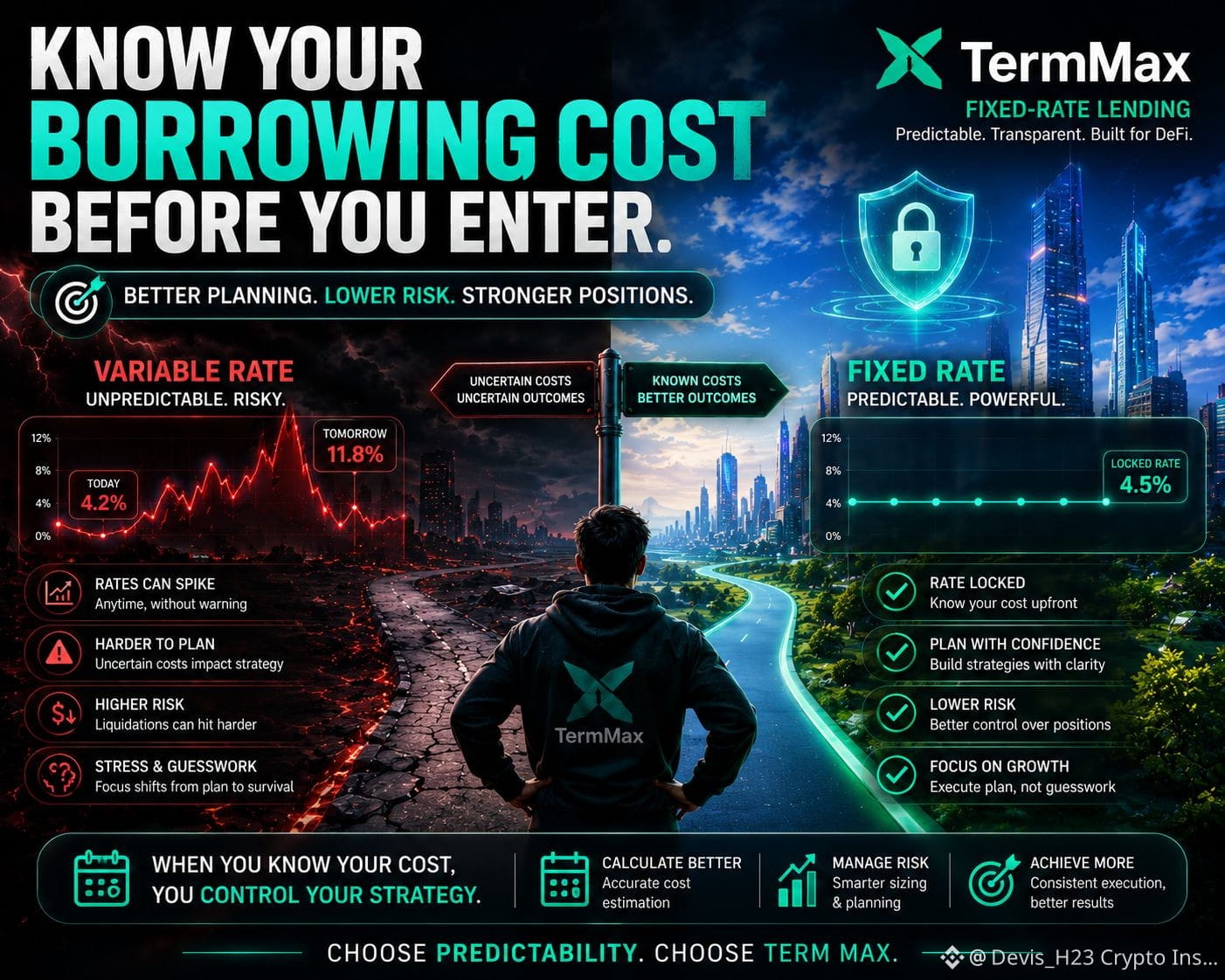
DeFi telah membuat pinjam-meminjam lebih mudah diakses, tetapi aksesibilitas saja tidak menyelesaikan masalah ketidakpastian.
Saat suku bunga terus berubah, bisa jadi sulit untuk mengetahui biaya sebenarnya dari pinjaman atau imbal hasil yang mungkin Anda terima dari aktivitas lending dalam jangka waktu yang lebih panjang.
Pasar dengan suku bunga tetap menawarkan pendekatan yang berbeda: kejelasan yang lebih besar tentang suku bunga untuk periode tertentu, sehingga perencanaan ke depan menjadi lebih mudah.
Itulah mengapa @termmax adalah konsep yang menarik untuk DeFi—membawa pinjam-meminjam dengan suku bunga tetap ke dalam lingkungan terdesentralisasi.
Menurut Anda, apakah suku bunga yang dapat diprediksi akan menjadi semakin penting saat DeFi semakin matang?
#TermMax
DeFi telah membuat pinjam-meminjam lebih mudah diakses, tetapi aksesibilitas saja tidak menyelesaikan masalah ketidakpastian.
Saat suku bunga terus berubah, bisa jadi sulit untuk mengetahui biaya sebenarnya dari pinjaman atau imbal hasil yang mungkin Anda terima dari aktivitas lending dalam jangka waktu yang lebih panjang.
Pasar dengan suku bunga tetap menawarkan pendekatan yang berbeda: kejelasan yang lebih besar tentang suku bunga untuk periode tertentu, sehingga perencanaan ke depan menjadi lebih mudah.
Itulah mengapa @TermMax adalah konsep yang menarik untuk DeFi—membawa pinjam-meminjam dengan suku bunga tetap ke dalam lingkungan terdesentralisasi.
Menurut Anda, apakah suku bunga yang dapat diprediksi akan menjadi semakin penting saat DeFi semakin matang?
#TermMax
Saat suku bunga terus berubah, bisa jadi sulit untuk mengetahui biaya sebenarnya dari pinjaman atau imbal hasil yang mungkin Anda terima dari aktivitas lending dalam jangka waktu yang lebih panjang.
Pasar dengan suku bunga tetap menawarkan pendekatan yang berbeda: kejelasan yang lebih besar tentang suku bunga untuk periode tertentu, sehingga perencanaan ke depan menjadi lebih mudah.
Itulah mengapa @TermMax adalah konsep yang menarik untuk DeFi—membawa pinjam-meminjam dengan suku bunga tetap ke dalam lingkungan terdesentralisasi.
Menurut Anda, apakah suku bunga yang dapat diprediksi akan menjadi semakin penting saat DeFi semakin matang?
#TermMax
75
Salah satu masalah DeFi yang kurang disorot adalah perencanaan.
Jika biaya pinjaman Anda terus berubah, menjadi lebih sulit untuk memperkirakan biaya sebenarnya dalam mempertahankan posisi selama berminggu-minggu atau berbulan-bulan. Sebuah strategi bisa terlihat menguntungkan di awal, tetapi menjadi kurang menarik jika biaya pembiayaan bergerak melawan Anda.
Pinjaman dengan suku bunga tetap dapat membuat perhitungan ini jauh lebih jelas karena tarifnya diketahui untuk periode yang disepakati.
Itulah mengapa @termmax menarik: ia menghadirkan pinjam-meminjam dengan suku bunga tetap ke dalam DeFi.
Jika Anda mengetahui biaya pinjaman Anda sejak awal, apakah itu akan mengubah cara Anda mengelola sebuah posisi?
#TermMax
Salah satu masalah DeFi yang kurang disorot adalah perencanaan.
Jika biaya pinjaman Anda terus berubah, menjadi lebih sulit untuk memperkirakan biaya sebenarnya dalam mempertahankan posisi selama berminggu-minggu atau berbulan-bulan. Sebuah strategi bisa terlihat menguntungkan di awal, tetapi menjadi kurang menarik jika biaya pembiayaan bergerak melawan Anda.
Pinjaman dengan suku bunga tetap dapat membuat perhitungan ini jauh lebih jelas karena tarifnya diketahui untuk periode yang disepakati.
Itulah mengapa @TermMax menarik: ia menghadirkan pinjam-meminjam dengan suku bunga tetap ke dalam DeFi.
Jika Anda mengetahui biaya pinjaman Anda sejak awal, apakah itu akan mengubah cara Anda mengelola sebuah posisi?
#TermMax
Jika biaya pinjaman Anda terus berubah, menjadi lebih sulit untuk memperkirakan biaya sebenarnya dalam mempertahankan posisi selama berminggu-minggu atau berbulan-bulan. Sebuah strategi bisa terlihat menguntungkan di awal, tetapi menjadi kurang menarik jika biaya pembiayaan bergerak melawan Anda.
Pinjaman dengan suku bunga tetap dapat membuat perhitungan ini jauh lebih jelas karena tarifnya diketahui untuk periode yang disepakati.
Itulah mengapa @TermMax menarik: ia menghadirkan pinjam-meminjam dengan suku bunga tetap ke dalam DeFi.
Jika Anda mengetahui biaya pinjaman Anda sejak awal, apakah itu akan mengubah cara Anda mengelola sebuah posisi?
#TermMax
74
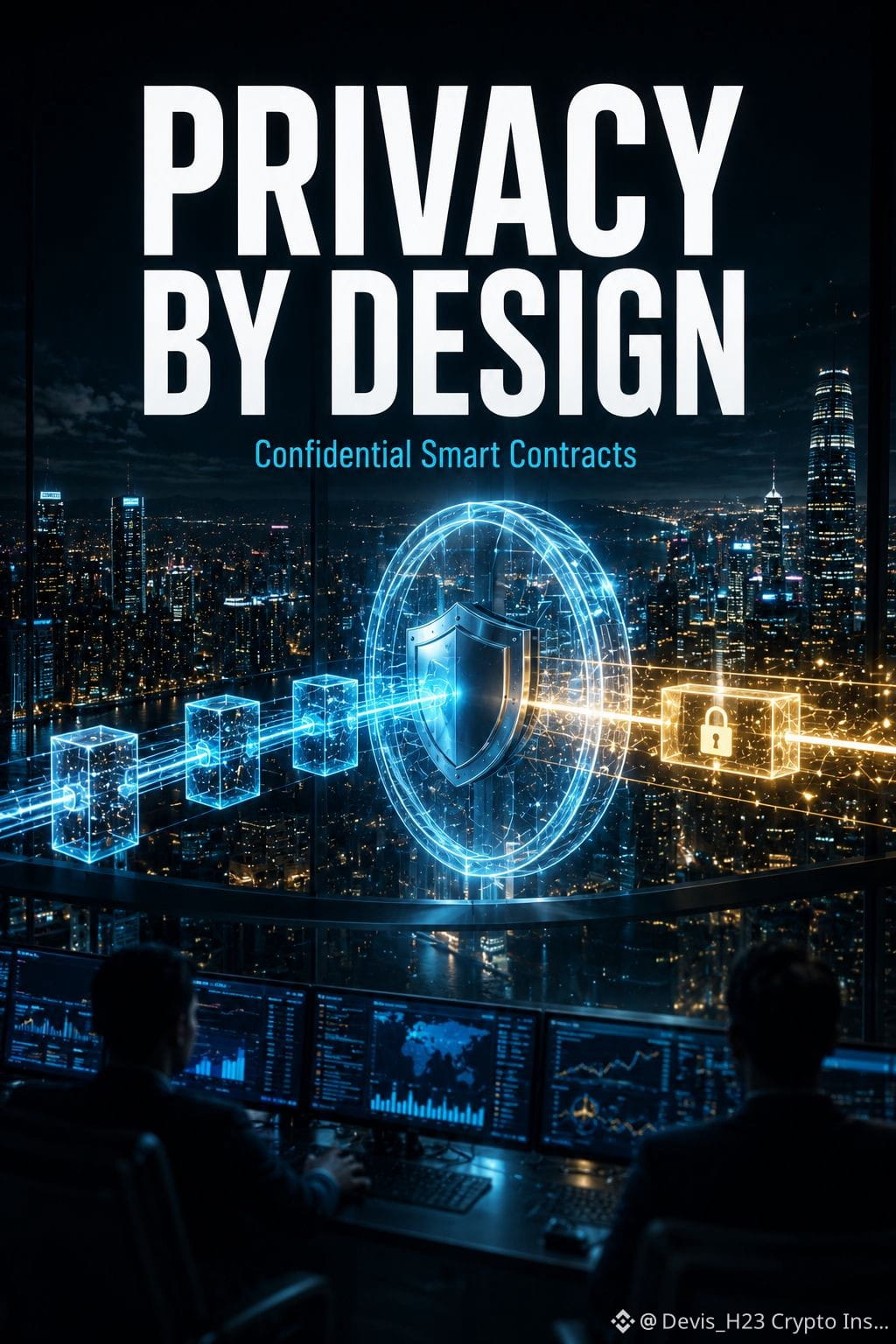
🔐 Bagaimana jika privasi finansial dibangun ke dalam infrastruktur—bukan ditambahkan kemudian?
@Dusk_Foundation sedang mengembangkan Layer-1 yang berfokus pada privasi untuk aplikasi keuangan, dengan Confidential Smart Contracts yang dirancang untuk melindungi informasi sensitif di blockchain.
Bagi saya, itu salah satu arah yang lebih menarik dalam keuangan berbasis blockchain.
Apakah Anda akan lebih sering menggunakan aplikasi keuangan di-chain jika privasi dibangun di dalamnya?
$DUSK #dusk
🔐 Bagaimana jika privasi finansial dibangun ke dalam infrastruktur—bukan ditambahkan kemudian?
@Dusk sedang mengembangkan Layer-1 yang berfokus pada privasi untuk aplikasi keuangan, dengan Confidential Smart Contracts yang dirancang untuk melindungi informasi sensitif di blockchain.
Bagi saya, itu salah satu arah yang lebih menarik dalam keuangan berbasis blockchain.
Apakah Anda akan lebih sering menggunakan aplikasi keuangan di-chain jika privasi dibangun di dalamnya?
$DUSK #dusk
@Dusk sedang mengembangkan Layer-1 yang berfokus pada privasi untuk aplikasi keuangan, dengan Confidential Smart Contracts yang dirancang untuk melindungi informasi sensitif di blockchain.
Bagi saya, itu salah satu arah yang lebih menarik dalam keuangan berbasis blockchain.
Apakah Anda akan lebih sering menggunakan aplikasi keuangan di-chain jika privasi dibangun di dalamnya?
$DUSK #dusk
86
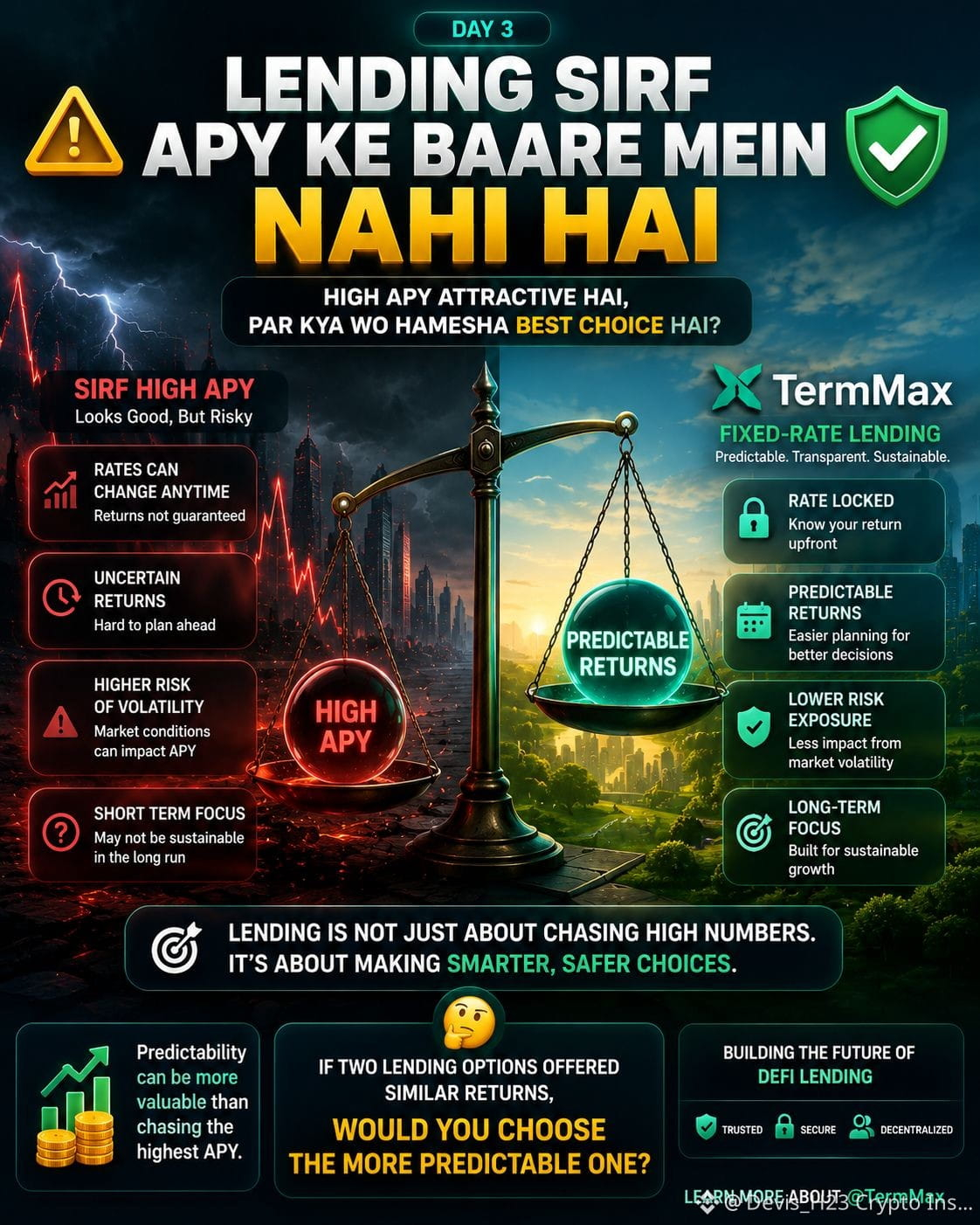
APY tinggi terlihat menarik, tetapi APY saja tidak menceritakan seluruh cerita.
Saat meminjamkan di DeFi, pengguna juga perlu mempertimbangkan perubahan suku bunga, berapa lama modal mereka dikomitkan, dan seberapa dapat diprediksi hasil yang mereka peroleh.
Di sinilah @termmax mengambil pendekatan yang menarik dengan pasar pinjaman berbunga tetap, sehingga tingkat yang diharapkan lebih mudah dipahami dalam periode yang ditentukan.
Kadang, imbal hasil yang dapat diprediksi bisa lebih berguna daripada sekadar mengejar angka tertinggi.
Jika dua opsi pinjaman menawarkan imbal hasil yang serupa, apakah Anda akan memilih yang lebih dapat diprediksi?
#TermMax
APY tinggi terlihat menarik, tetapi APY saja tidak menceritakan seluruh cerita.
Saat meminjamkan di DeFi, pengguna juga perlu mempertimbangkan perubahan suku bunga, berapa lama modal mereka dikomitkan, dan seberapa dapat diprediksi hasil yang mereka peroleh.
Di sinilah @TermMax mengambil pendekatan yang menarik dengan pasar pinjaman berbunga tetap, sehingga tingkat yang diharapkan lebih mudah dipahami dalam periode yang ditentukan.
Kadang, imbal hasil yang dapat diprediksi bisa lebih berguna daripada sekadar mengejar angka tertinggi.
Jika dua opsi pinjaman menawarkan imbal hasil yang serupa, apakah Anda akan memilih yang lebih dapat diprediksi?
#TermMax
Saat meminjamkan di DeFi, pengguna juga perlu mempertimbangkan perubahan suku bunga, berapa lama modal mereka dikomitkan, dan seberapa dapat diprediksi hasil yang mereka peroleh.
Di sinilah @TermMax mengambil pendekatan yang menarik dengan pasar pinjaman berbunga tetap, sehingga tingkat yang diharapkan lebih mudah dipahami dalam periode yang ditentukan.
Kadang, imbal hasil yang dapat diprediksi bisa lebih berguna daripada sekadar mengejar angka tertinggi.
Jika dua opsi pinjaman menawarkan imbal hasil yang serupa, apakah Anda akan memilih yang lebih dapat diprediksi?
#TermMax
68
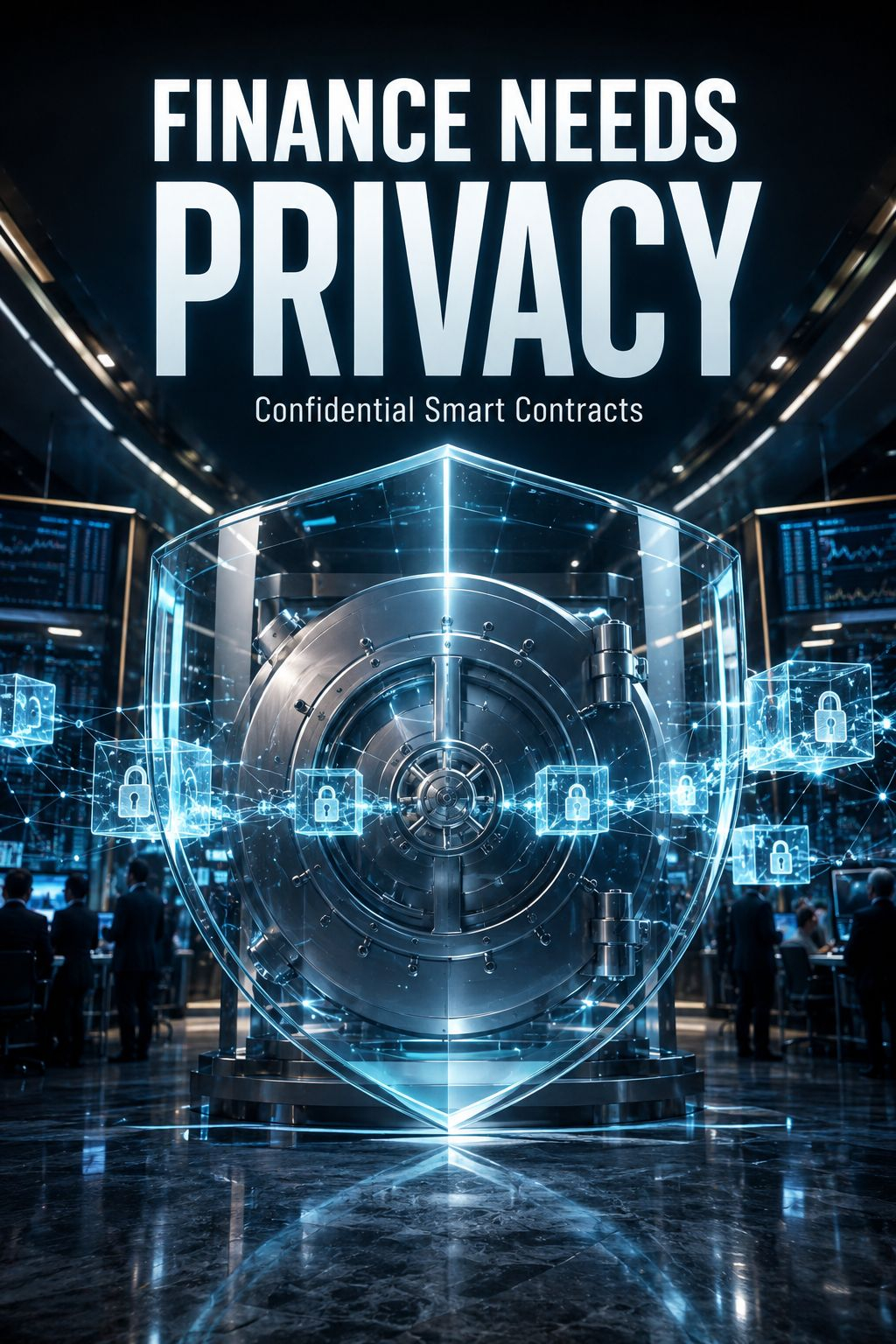
🔐 Transparansi blockchain itu berharga.
Namun ketika aplikasi keuangan beralih ke on-chain, informasi sensitif tidak seharusnya langsung menjadi publik.
@Dusk_Foundation sedang membangun Layer-1 yang berfokus pada privasi dengan Confidential Smart Contracts yang dirancang untuk aplikasi keuangan.
Privasi bukan tentang menyembunyikan semuanya.
Ini tentang mengendalikan apa yang harus terlihat.
$DUSK #dusk
🔐 Transparansi blockchain itu berharga.
Namun ketika aplikasi keuangan beralih ke on-chain, informasi sensitif tidak seharusnya langsung menjadi publik.
@Dusk sedang membangun Layer-1 yang berfokus pada privasi dengan Confidential Smart Contracts yang dirancang untuk aplikasi keuangan.
Privasi bukan tentang menyembunyikan semuanya.
Ini tentang mengendalikan apa yang harus terlihat.
$DUSK #dusk
Namun ketika aplikasi keuangan beralih ke on-chain, informasi sensitif tidak seharusnya langsung menjadi publik.
@Dusk sedang membangun Layer-1 yang berfokus pada privasi dengan Confidential Smart Contracts yang dirancang untuk aplikasi keuangan.
Privasi bukan tentang menyembunyikan semuanya.
Ini tentang mengendalikan apa yang harus terlihat.
$DUSK #dusk
84
🔐 Privasi dan kepatuhan tidak harus saling bersaing.
Aplikasi keuangan perlu melindungi informasi sensitif sambil tetap beroperasi dalam kerangka peraturan.
@Dusk_Foundation sedang membangun Layer-1 yang berfokus pada privasi dengan kontrak pintar rahasia yang dirancang untuk aplikasi keuangan.
Pertanyaan yang menarik bukanlah apakah keuangan harus bersifat privat.
Melainkan bagaimana privasi dapat berjalan berdampingan dengan kepatuhan.
$DUSK #dusk
🔐 Privasi dan kepatuhan tidak harus saling bersaing.
Aplikasi keuangan perlu melindungi informasi sensitif sambil tetap beroperasi dalam kerangka peraturan.
@Dusk sedang membangun Layer-1 yang berfokus pada privasi dengan kontrak pintar rahasia yang dirancang untuk aplikasi keuangan.
Pertanyaan yang menarik bukanlah apakah keuangan harus bersifat privat.
Melainkan bagaimana privasi dapat berjalan berdampingan dengan kepatuhan.
$DUSK #dusk
Aplikasi keuangan perlu melindungi informasi sensitif sambil tetap beroperasi dalam kerangka peraturan.
@Dusk sedang membangun Layer-1 yang berfokus pada privasi dengan kontrak pintar rahasia yang dirancang untuk aplikasi keuangan.
Pertanyaan yang menarik bukanlah apakah keuangan harus bersifat privat.
Melainkan bagaimana privasi dapat berjalan berdampingan dengan kepatuhan.
$DUSK #dusk
61
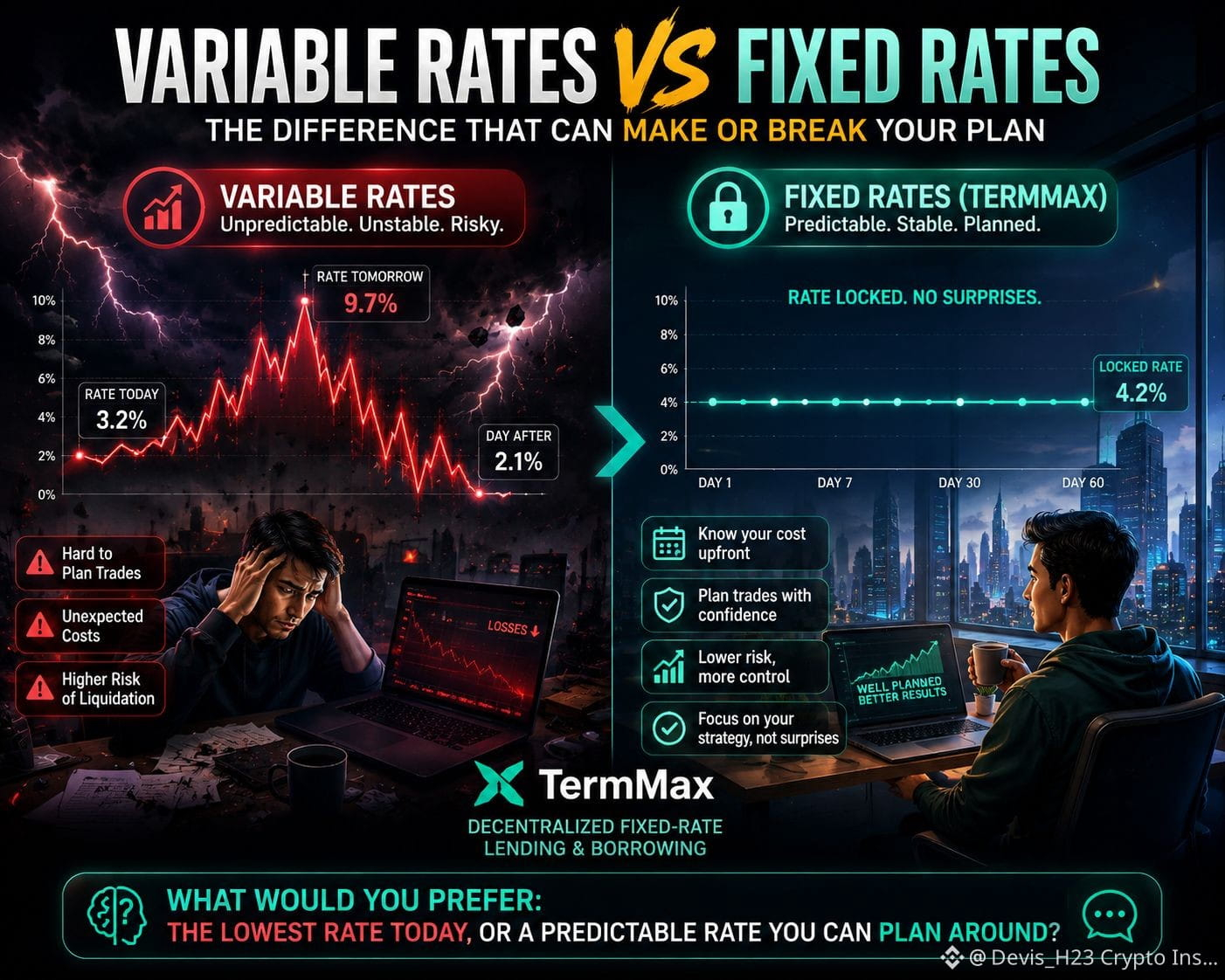
Suku bunga pinjaman yang rendah hari ini tidak selalu berarti biaya pinjaman yang rendah besok.
Suku bunga variabel dapat berubah seiring kondisi pasar. Bagi pengguna DeFi, ketidakpastian itu dapat menyulitkan untuk merencanakan berapa biaya sebenarnya yang akan dikeluarkan untuk sebuah posisi dari waktu ke waktu.
Model suku bunga tetap mendekati masalah ini dengan cara berbeda: suku bunga pinjaman dapat diketahui sejak awal untuk periode tertentu.
Itulah yang membuat @termmax menarik bagi saya — model ini membawa lebih banyak prediktabilitas pada pinjam-meminjam DeFi.
Anda lebih memilih: suku bunga terendah hari ini, atau suku bunga yang dapat diprediksi sehingga Anda bisa merencanakannya?
#TermMax
Suku bunga pinjaman yang rendah hari ini tidak selalu berarti biaya pinjaman yang rendah besok.
Suku bunga variabel dapat berubah seiring kondisi pasar. Bagi pengguna DeFi, ketidakpastian itu dapat menyulitkan untuk merencanakan berapa biaya sebenarnya yang akan dikeluarkan untuk sebuah posisi dari waktu ke waktu.
Model suku bunga tetap mendekati masalah ini dengan cara berbeda: suku bunga pinjaman dapat diketahui sejak awal untuk periode tertentu.
Itulah yang membuat @TermMax menarik bagi saya — model ini membawa lebih banyak prediktabilitas pada pinjam-meminjam DeFi.
Anda lebih memilih: suku bunga terendah hari ini, atau suku bunga yang dapat diprediksi sehingga Anda bisa merencanakannya?
#TermMax
Suku bunga variabel dapat berubah seiring kondisi pasar. Bagi pengguna DeFi, ketidakpastian itu dapat menyulitkan untuk merencanakan berapa biaya sebenarnya yang akan dikeluarkan untuk sebuah posisi dari waktu ke waktu.
Model suku bunga tetap mendekati masalah ini dengan cara berbeda: suku bunga pinjaman dapat diketahui sejak awal untuk periode tertentu.
Itulah yang membuat @TermMax menarik bagi saya — model ini membawa lebih banyak prediktabilitas pada pinjam-meminjam DeFi.
Anda lebih memilih: suku bunga terendah hari ini, atau suku bunga yang dapat diprediksi sehingga Anda bisa merencanakannya?
#TermMax
92
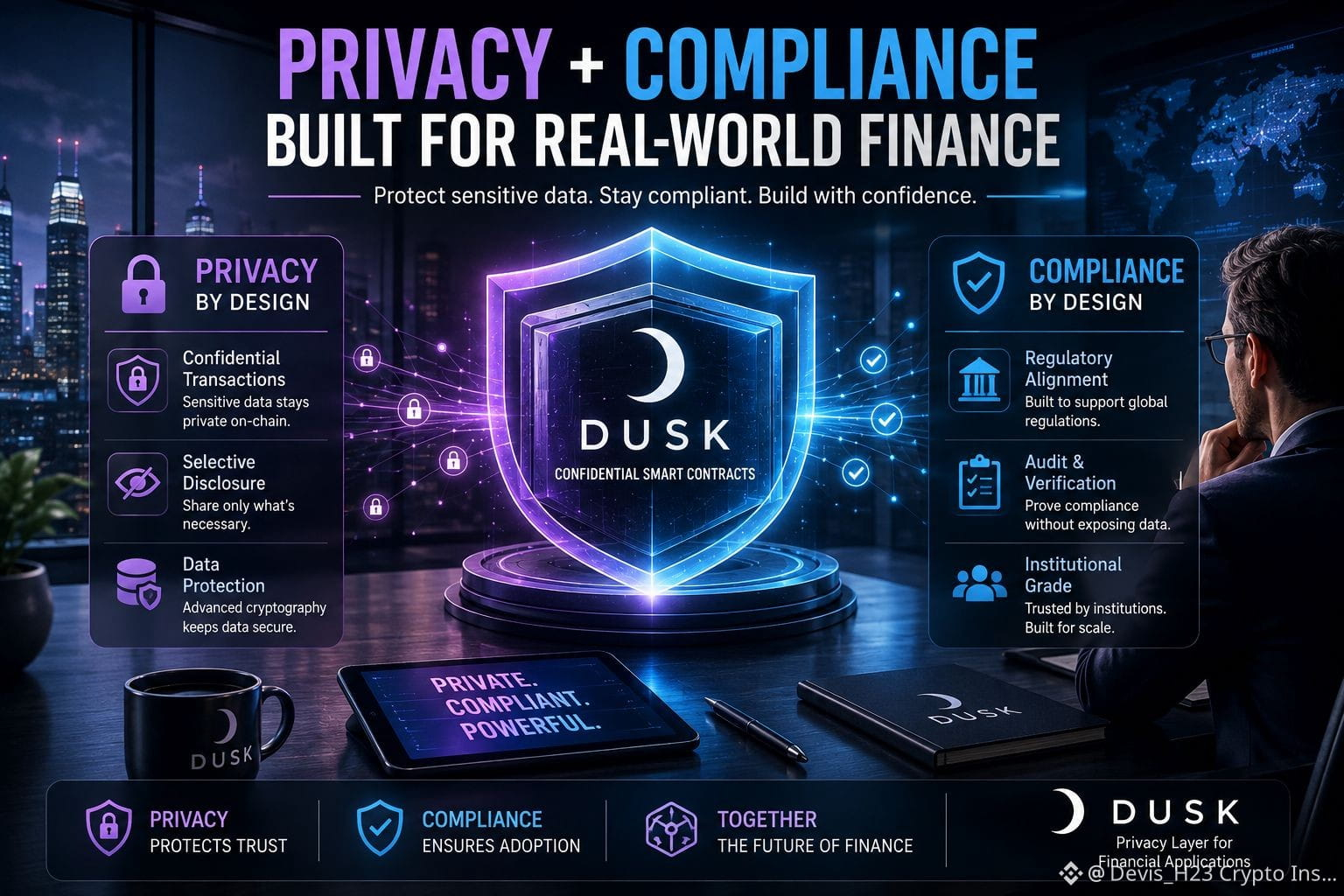
🔐 Privasi menjadi semakin penting ketika blockchain semakin dekat dengan keuangan dunia nyata.
Buku besar publik dapat memberikan transparansi, tetapi aplikasi keuangan sering kali menangani informasi yang seharusnya tidak terlihat oleh semua orang.
@Dusk_Foundation berfokus pada smart contract yang bersifat rahasia, dengan tujuan memberi aplikasi keuangan privasi tanpa mengorbankan manfaat dari infrastruktur blockchain.
Apakah Anda akan lebih percaya pada keuangan di-chain jika privasi dibangun sejak awal?
$DUSK #dusk
🔐 Privasi menjadi semakin penting ketika blockchain semakin dekat dengan keuangan dunia nyata.
Buku besar publik dapat memberikan transparansi, tetapi aplikasi keuangan sering kali menangani informasi yang seharusnya tidak terlihat oleh semua orang.
@Dusk berfokus pada smart contract yang bersifat rahasia, dengan tujuan memberi aplikasi keuangan privasi tanpa mengorbankan manfaat dari infrastruktur blockchain.
Apakah Anda akan lebih percaya pada keuangan di-chain jika privasi dibangun sejak awal?
$DUSK #dusk
Buku besar publik dapat memberikan transparansi, tetapi aplikasi keuangan sering kali menangani informasi yang seharusnya tidak terlihat oleh semua orang.
@Dusk berfokus pada smart contract yang bersifat rahasia, dengan tujuan memberi aplikasi keuangan privasi tanpa mengorbankan manfaat dari infrastruktur blockchain.
Apakah Anda akan lebih percaya pada keuangan di-chain jika privasi dibangun sejak awal?
$DUSK #dusk
60
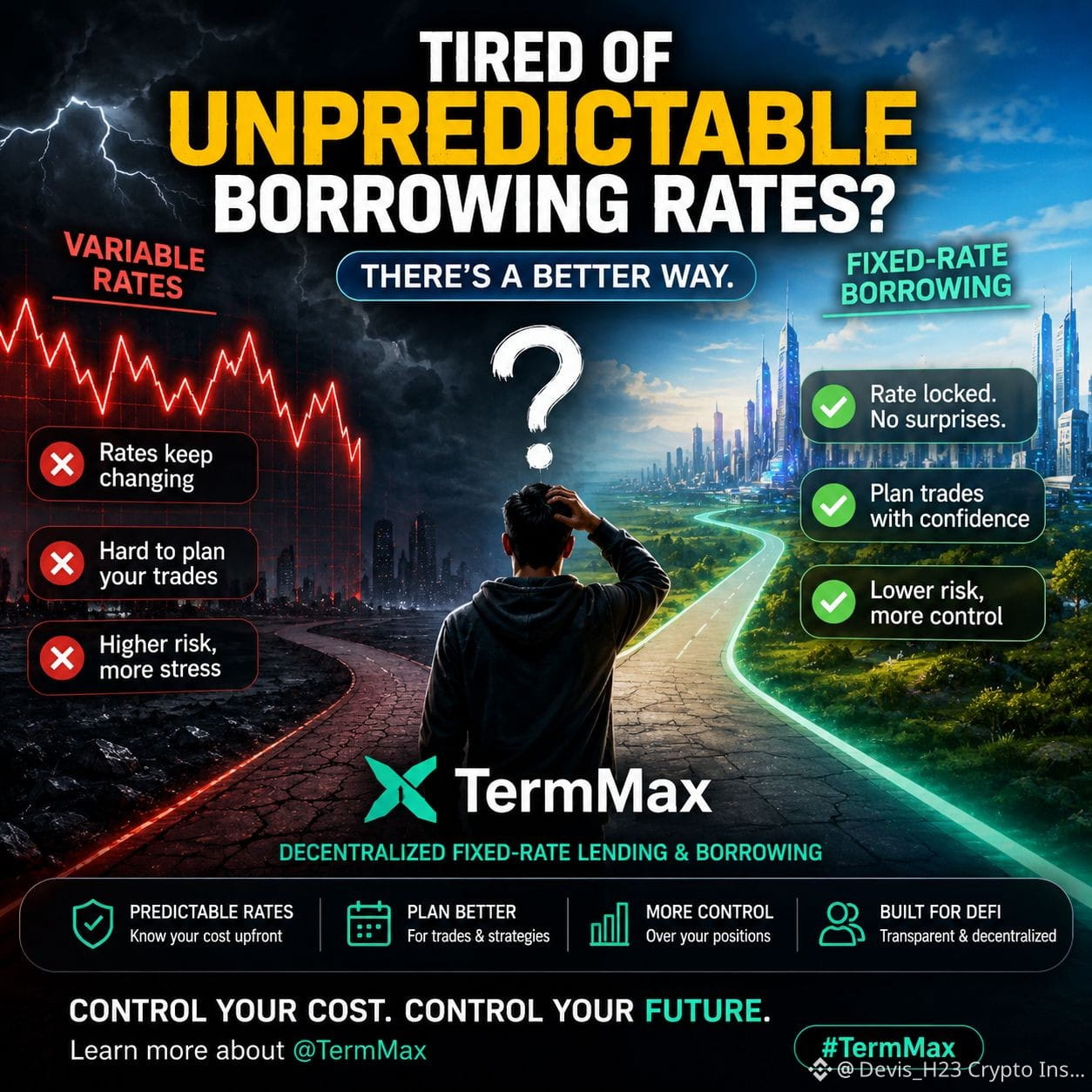
Kebanyakan orang melihat suku bunga pinjaman lalu berhenti sampai di situ.
Namun masalah yang lebih besar adalah ketidakpastian.
Jika suku bunga terus berubah, biaya pinjaman Anda juga bisa ikut berubah sementara posisi Anda masih terbuka. Ini membuat perencanaan risiko dan perhitungan biaya sebenarnya dari suatu posisi menjadi lebih sulit.
Di sinilah pinjaman dengan suku bunga tetap menjadi menarik.
@termmax berfokus pada pinjaman dan pinjaman berbunga tetap, memberi pengguna lebih banyak kepastian—bukan terus-menerus menebak ke mana suku bunga mungkin akan bergerak selanjutnya.
Apakah Anda akan memilih biaya pinjaman yang dapat diprediksi dibandingkan opsi yang berpotensi lebih murah tetapi suku bunganya berubah-ubah?
#termmax
Kebanyakan orang melihat suku bunga pinjaman lalu berhenti sampai di situ.
Namun masalah yang lebih besar adalah ketidakpastian.
Jika suku bunga terus berubah, biaya pinjaman Anda juga bisa ikut berubah sementara posisi Anda masih terbuka. Ini membuat perencanaan risiko dan perhitungan biaya sebenarnya dari suatu posisi menjadi lebih sulit.
Di sinilah pinjaman dengan suku bunga tetap menjadi menarik.
@TermMax berfokus pada pinjaman dan pinjaman berbunga tetap, memberi pengguna lebih banyak kepastian—bukan terus-menerus menebak ke mana suku bunga mungkin akan bergerak selanjutnya.
Apakah Anda akan memilih biaya pinjaman yang dapat diprediksi dibandingkan opsi yang berpotensi lebih murah tetapi suku bunganya berubah-ubah?
#termmax
Namun masalah yang lebih besar adalah ketidakpastian.
Jika suku bunga terus berubah, biaya pinjaman Anda juga bisa ikut berubah sementara posisi Anda masih terbuka. Ini membuat perencanaan risiko dan perhitungan biaya sebenarnya dari suatu posisi menjadi lebih sulit.
Di sinilah pinjaman dengan suku bunga tetap menjadi menarik.
@TermMax berfokus pada pinjaman dan pinjaman berbunga tetap, memberi pengguna lebih banyak kepastian—bukan terus-menerus menebak ke mana suku bunga mungkin akan bergerak selanjutnya.
Apakah Anda akan memilih biaya pinjaman yang dapat diprediksi dibandingkan opsi yang berpotensi lebih murah tetapi suku bunganya berubah-ubah?
#termmax
75
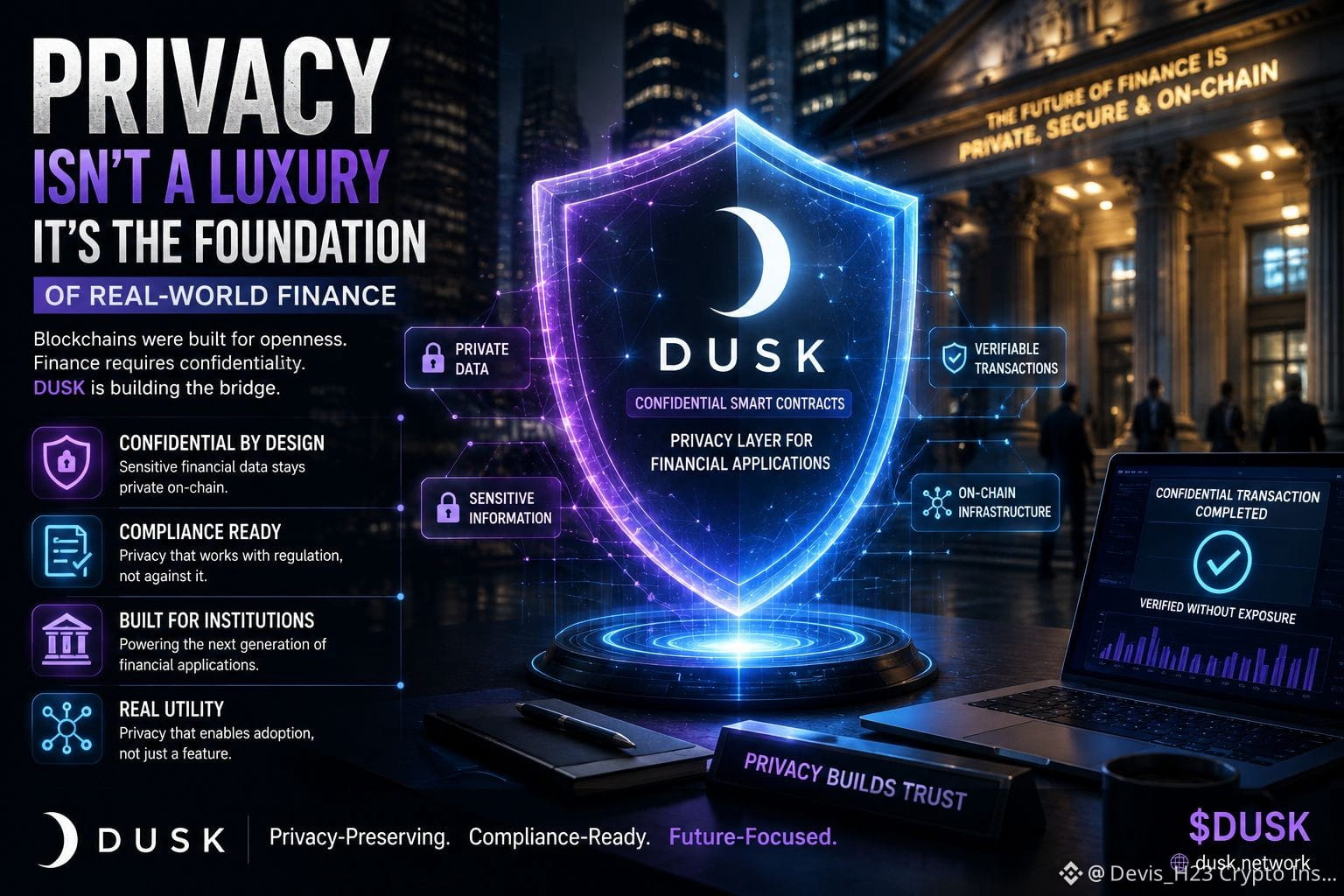
🔎 Transparansi itu kuat — tapi apakah setiap detail keuangan harus dipublikasikan?
Untuk keuangan sehari-hari, orang mengharapkan informasi sensitif tetap privat. Prinsip yang sama berlaku saat aktivitas keuangan bergerak ke on-chain.
@Dusk_Foundation sedang membangun L ayer-1 yang berfokus pada privasi untuk aplikasi keuangan, menggunakan smart contract rahasia untuk menghadirkan privasi ke dalam keuangan yang dapat diprogram.
Masa depan keuangan on-chain mungkin tidak sepenuhnya publik atau sepenuhnya privat — tetapi secara cerdas tetap privat.
$DUSK #dusk
🔎 Transparansi itu kuat — tapi apakah setiap detail keuangan harus dipublikasikan?
Untuk keuangan sehari-hari, orang mengharapkan informasi sensitif tetap privat. Prinsip yang sama berlaku saat aktivitas keuangan bergerak ke on-chain.
@Dusk sedang membangun L ayer-1 yang berfokus pada privasi untuk aplikasi keuangan, menggunakan smart contract rahasia untuk menghadirkan privasi ke dalam keuangan yang dapat diprogram.
Masa depan keuangan on-chain mungkin tidak sepenuhnya publik atau sepenuhnya privat — tetapi secara cerdas tetap privat.
$DUSK #dusk
Untuk keuangan sehari-hari, orang mengharapkan informasi sensitif tetap privat. Prinsip yang sama berlaku saat aktivitas keuangan bergerak ke on-chain.
@Dusk sedang membangun L ayer-1 yang berfokus pada privasi untuk aplikasi keuangan, menggunakan smart contract rahasia untuk menghadirkan privasi ke dalam keuangan yang dapat diprogram.
Masa depan keuangan on-chain mungkin tidak sepenuhnya publik atau sepenuhnya privat — tetapi secara cerdas tetap privat.
$DUSK #dusk
101
·
--
Bullish
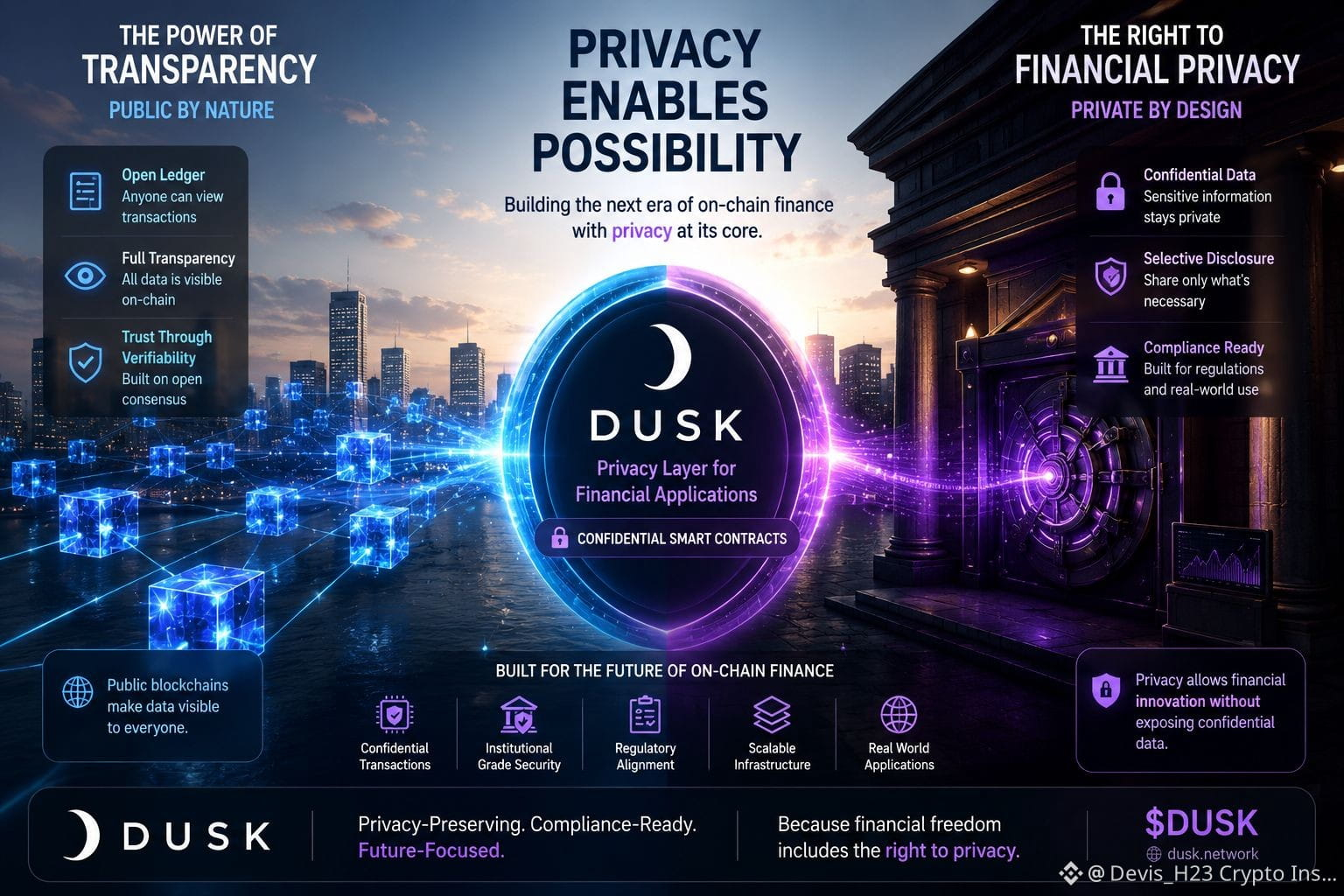
🏦 Lembaga keuangan menangani data sensitif setiap hari.
Menerapkan aktivitas tersebut pada blockchain yang sepenuhnya transparan menciptakan dilema sulit antara verifikasi publik dan privasi keuangan.
@Dusk_Foundation sedang membangun infrastruktur untuk aplikasi keuangan yang rahasia, dengan tujuan membuat privasi menjadi praktis di on-chain.
$DUSK #dusk
🏦 Lembaga keuangan menangani data sensitif setiap hari.
Menerapkan aktivitas tersebut pada blockchain yang sepenuhnya transparan menciptakan dilema sulit antara verifikasi publik dan privasi keuangan.
@Dusk sedang membangun infrastruktur untuk aplikasi keuangan yang rahasia, dengan tujuan membuat privasi menjadi praktis di on-chain.
$DUSK #dusk
Menerapkan aktivitas tersebut pada blockchain yang sepenuhnya transparan menciptakan dilema sulit antara verifikasi publik dan privasi keuangan.
@Dusk sedang membangun infrastruktur untuk aplikasi keuangan yang rahasia, dengan tujuan membuat privasi menjadi praktis di on-chain.
$DUSK #dusk
2
1
97
·
--
Bearish
━━━━━━━━━━━━━━━━━━
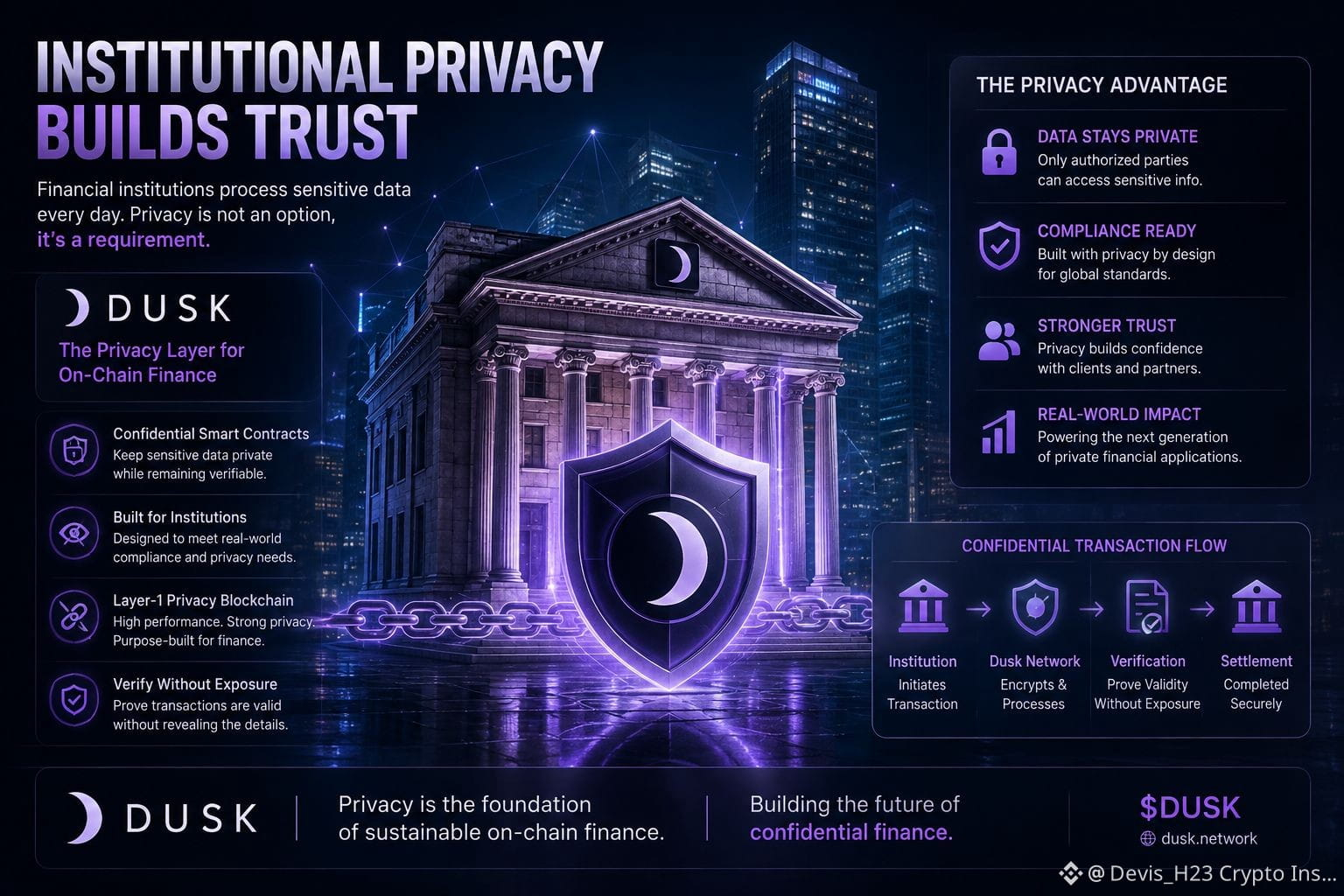
Apakah Anda ingin semua orang melihat aktivitas keuangan Anda?
━━━━━━━━━━━━━━━━━━
Kemungkinan tidak.
Kami melindungi laporan bank, pembayaran, dan saldo kami karena ada alasannya. Keuangan berbasis blockchain tidak seharusnya harus mengorbankan privasi itu.
@Dusk_Foundation sedang membangun smart contract rahasia untuk aplikasi keuangan, menghadirkan privasi ke dalam keuangan on-chain sambil tetap menempatkan verifiabilitas sebagai fokus.
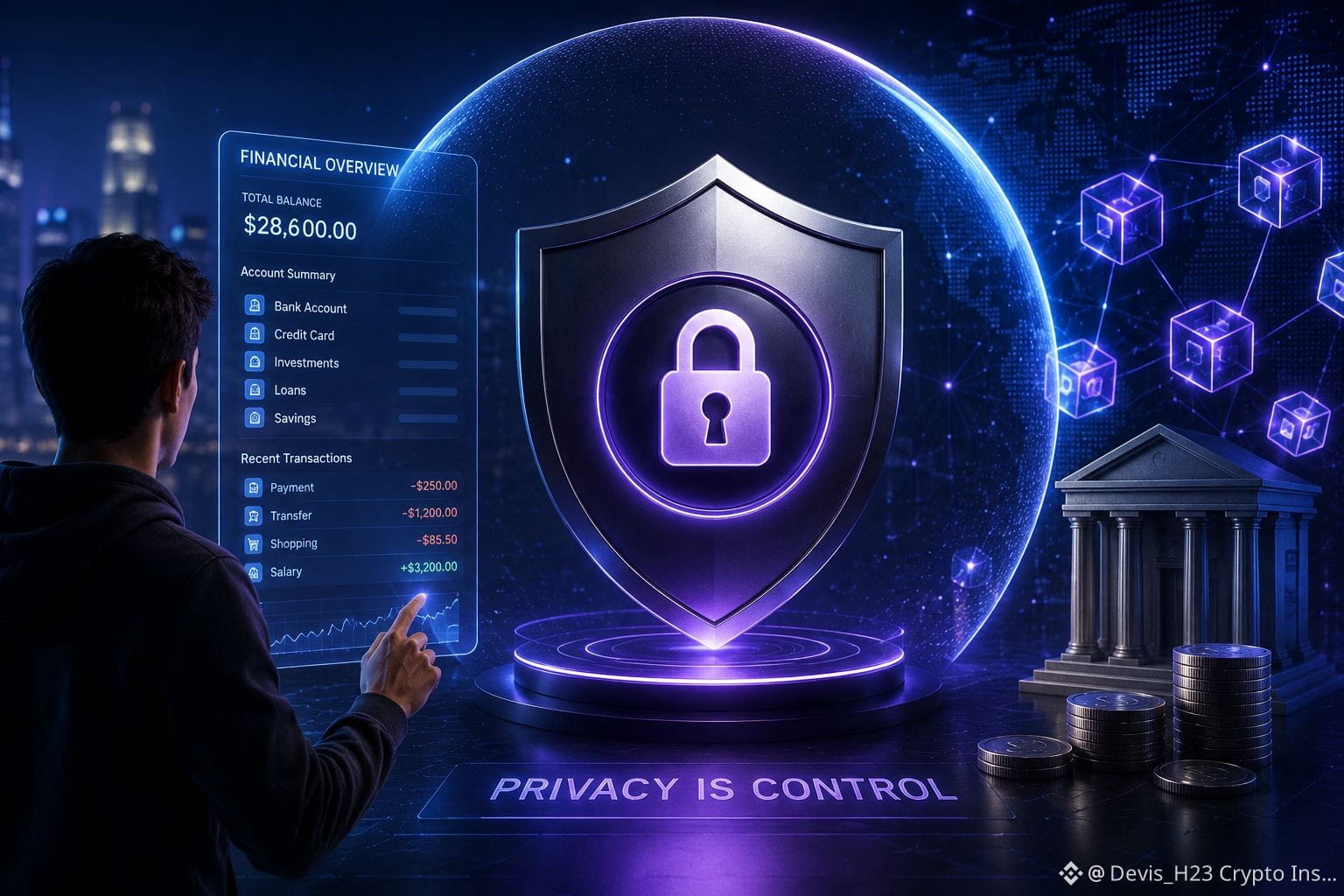
Privasi bukanlah sesuatu untuk disembunyikan.
Itu adalah kendali.
$DUSK
#dusk
━━━━━━━━━━━━━━━━━━
━━━━━━━━━━━━━━━━━━
Apakah Anda ingin semua orang melihat aktivitas keuangan Anda?
━━━━━━━━━━━━━━━━━━
Kemungkinan tidak.
Kami melindungi laporan bank, pembayaran, dan saldo kami karena ada alasannya. Keuangan berbasis blockchain tidak seharusnya harus mengorbankan privasi itu.
@Dusk sedang membangun smart contract rahasia untuk aplikasi keuangan, menghadirkan privasi ke dalam keuangan on-chain sambil tetap menempatkan verifiabilitas sebagai fokus.
Privasi bukanlah sesuatu untuk disembunyikan.
Itu adalah kendali.
$DUSK
#dusk
━━━━━━━━━━━━━━━━━━
Apakah Anda ingin semua orang melihat aktivitas keuangan Anda?
━━━━━━━━━━━━━━━━━━
Kemungkinan tidak.
Kami melindungi laporan bank, pembayaran, dan saldo kami karena ada alasannya. Keuangan berbasis blockchain tidak seharusnya harus mengorbankan privasi itu.
@Dusk sedang membangun smart contract rahasia untuk aplikasi keuangan, menghadirkan privasi ke dalam keuangan on-chain sambil tetap menempatkan verifiabilitas sebagai fokus.
Privasi bukanlah sesuatu untuk disembunyikan.
Itu adalah kendali.
$DUSK
#dusk
━━━━━━━━━━━━━━━━━━
92
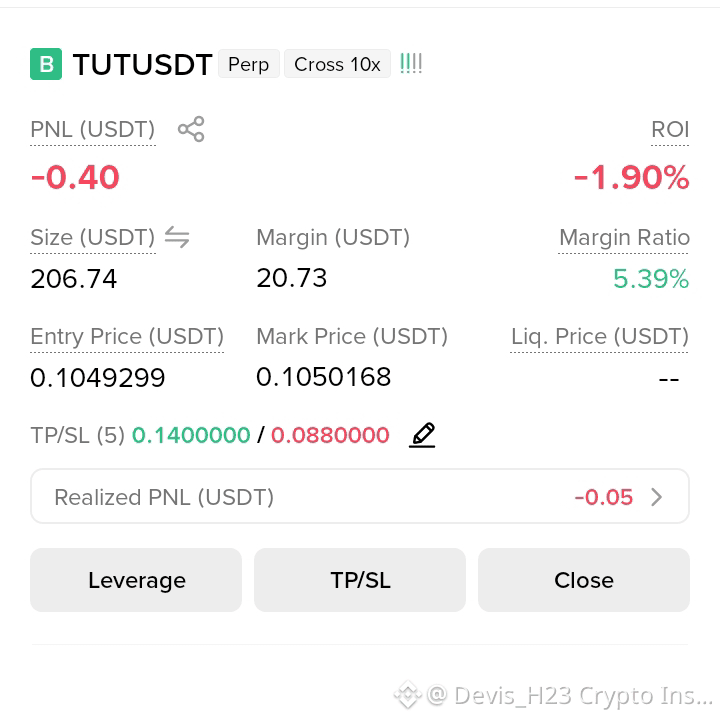
$SOXS
entry:39.20-39.55
TP1:38
TP2:36
TP3:34
SL:42.20
entry here👇👇
$SOXS
entry:39.20-39.55
TP1:38
TP2:36
TP3:34
SL:42.20
entry here👇👇
entry:39.20-39.55
TP1:38
TP2:36
TP3:34
SL:42.20
entry here👇👇
270
144
Hari lain, pembaruan lain.
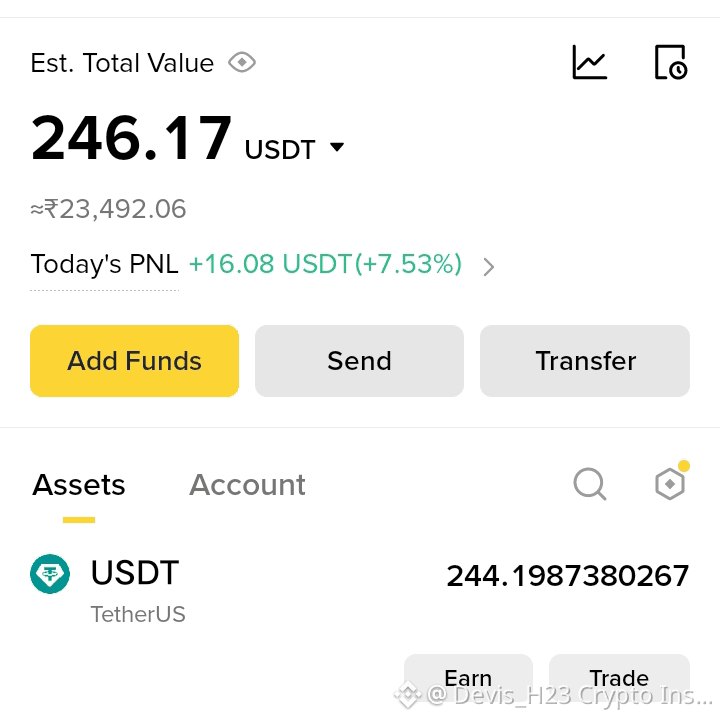
Memulai perjalanan ini dengan 115 USDT.
Hari ini, akun berada di 246,17 USDT. 📈
PnL hari ini: +16,08 USDT
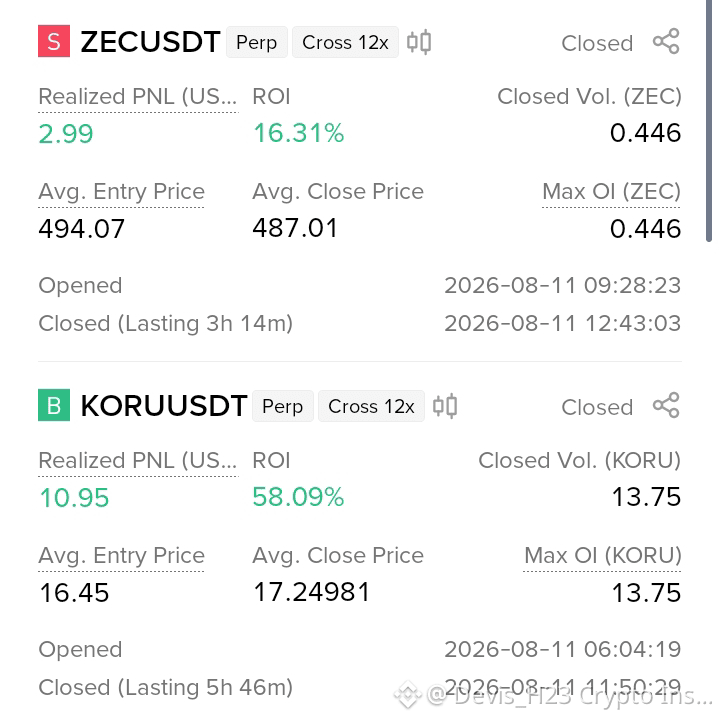
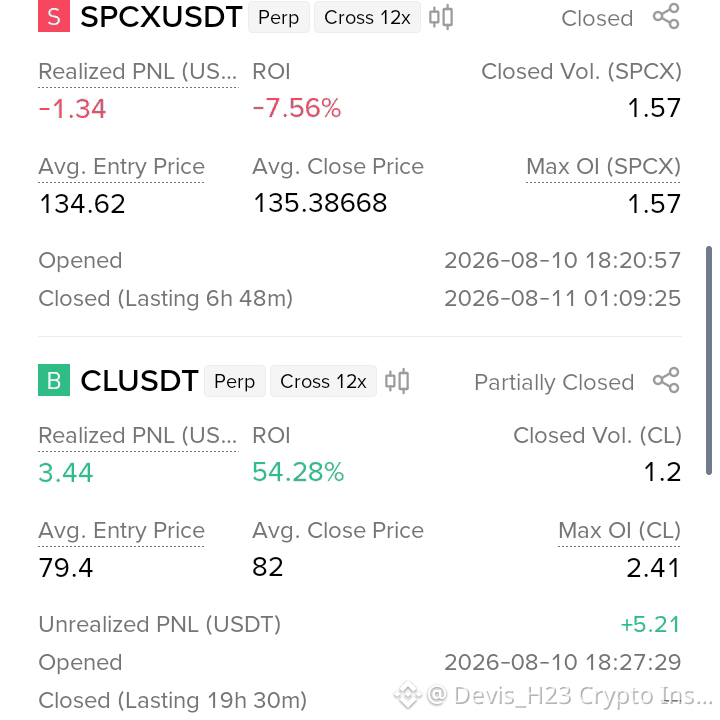
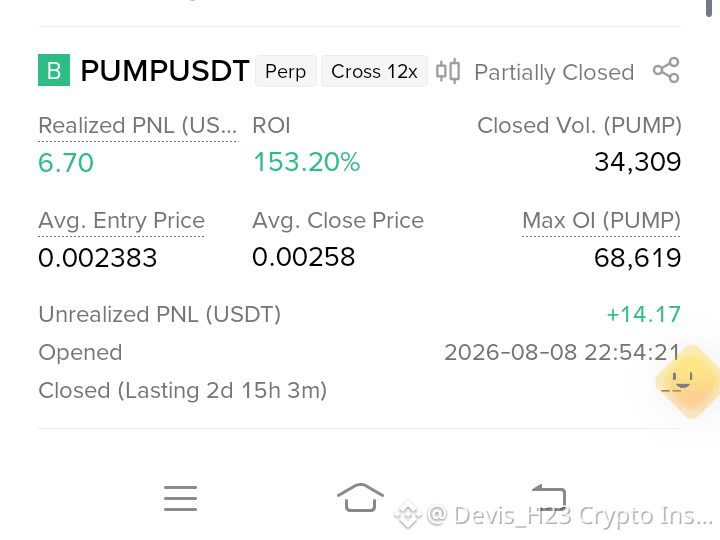
Beberapa trading hari ini:
🟢 KORUUSDT: +10,95 USDT
🟢 XAGUSDT: +4,68 USDT
🟢 ZECUSDT: +2,99 USDT
🔴 SPCXUSDT: -1,34 USDT
Saya juga masih memiliki posisi yang berjalan, jadi angkanya bisa berubah mengikuti pasar.
Saya tidak akan berpura-pura bahwa setiap trade itu sempurna.
Ada yang berhasil.
Ada yang tidak.
Itulah tepatnya yang ingin saya tunjukkan dengan perjalanan ini.
115 → 246,17 USDT
Targetnya masih 1.000 USDT.
Satu trade pada satu waktu.
Satu pelajaran pada satu waktu.
Kalau kamu mengikuti perjalanan ini, tetaplah di sini bersama saya. 🤝📈
#Devish #BTC #TrendingTopic
Hari lain, pembaruan lain.
Memulai perjalanan ini dengan 115 USDT.
Hari ini, akun berada di 246,17 USDT. 📈
PnL hari ini: +16,08 USDT
Beberapa trading hari ini:
🟢 KORUUSDT: +10,95 USDT
🟢 XAGUSDT: +4,68 USDT
🟢 ZECUSDT: +2,99 USDT
🔴 SPCXUSDT: -1,34 USDT
Saya juga masih memiliki posisi yang berjalan, jadi angkanya bisa berubah mengikuti pasar.
Saya tidak akan berpura-pura bahwa setiap trade itu sempurna.
Ada yang berhasil.
Ada yang tidak.
Itulah tepatnya yang ingin saya tunjukkan dengan perjalanan ini.
115 → 246,17 USDT
Targetnya masih 1.000 USDT.
Satu trade pada satu waktu.
Satu pelajaran pada satu waktu.
Kalau kamu mengikuti perjalanan ini, tetaplah di sini bersama saya. 🤝📈
#Devish #BTC #TrendingTopic
Memulai perjalanan ini dengan 115 USDT.
Hari ini, akun berada di 246,17 USDT. 📈
PnL hari ini: +16,08 USDT
Beberapa trading hari ini:
🟢 KORUUSDT: +10,95 USDT
🟢 XAGUSDT: +4,68 USDT
🟢 ZECUSDT: +2,99 USDT
🔴 SPCXUSDT: -1,34 USDT
Saya juga masih memiliki posisi yang berjalan, jadi angkanya bisa berubah mengikuti pasar.
Saya tidak akan berpura-pura bahwa setiap trade itu sempurna.
Ada yang berhasil.
Ada yang tidak.
Itulah tepatnya yang ingin saya tunjukkan dengan perjalanan ini.
115 → 246,17 USDT
Targetnya masih 1.000 USDT.
Satu trade pada satu waktu.
Satu pelajaran pada satu waktu.
Kalau kamu mengikuti perjalanan ini, tetaplah di sini bersama saya. 🤝📈
#Devish #BTC #TrendingTopic
104
Perjalanan ini berlanjut. 📈
Saya memulai akun ini dengan 115 USDT.
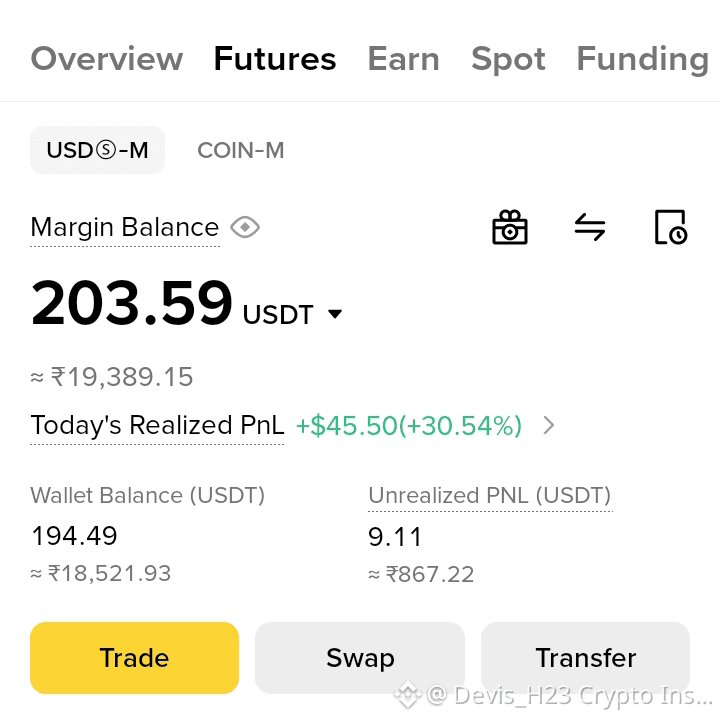
Setelah satu hari trading lagi, kini sudah mencapai 203,59 USDT.
Hasil hari ini:
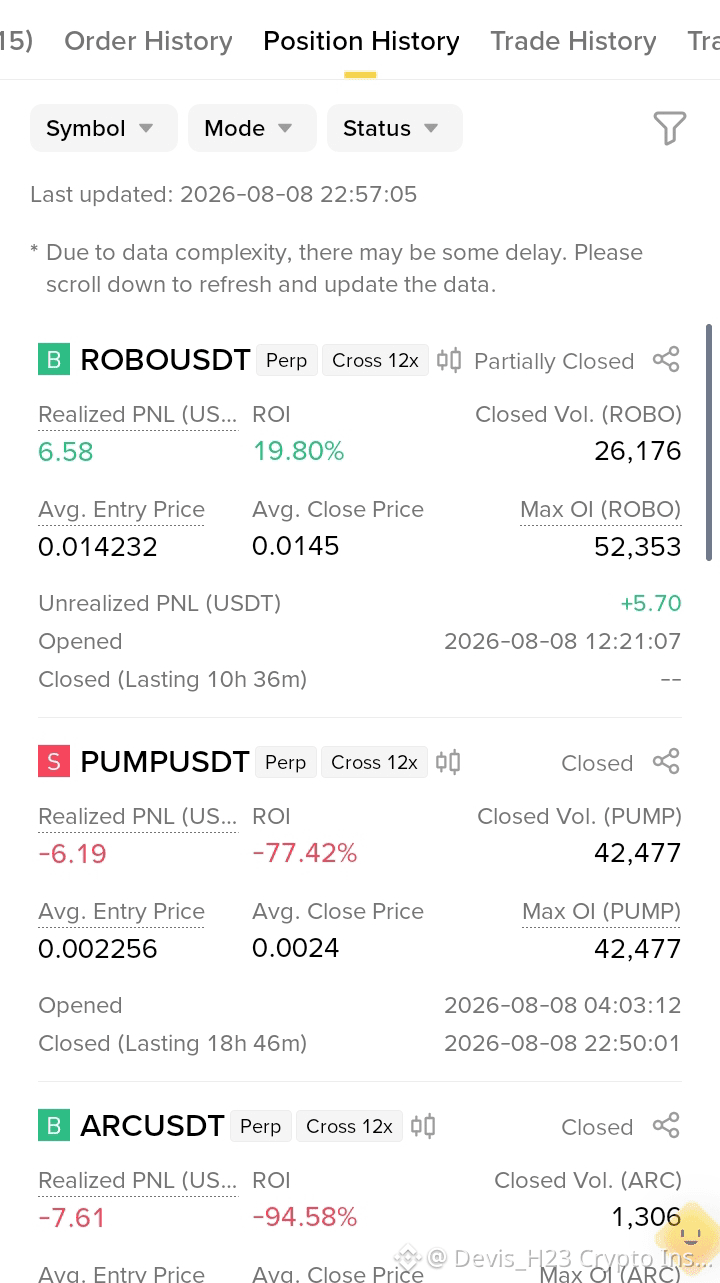
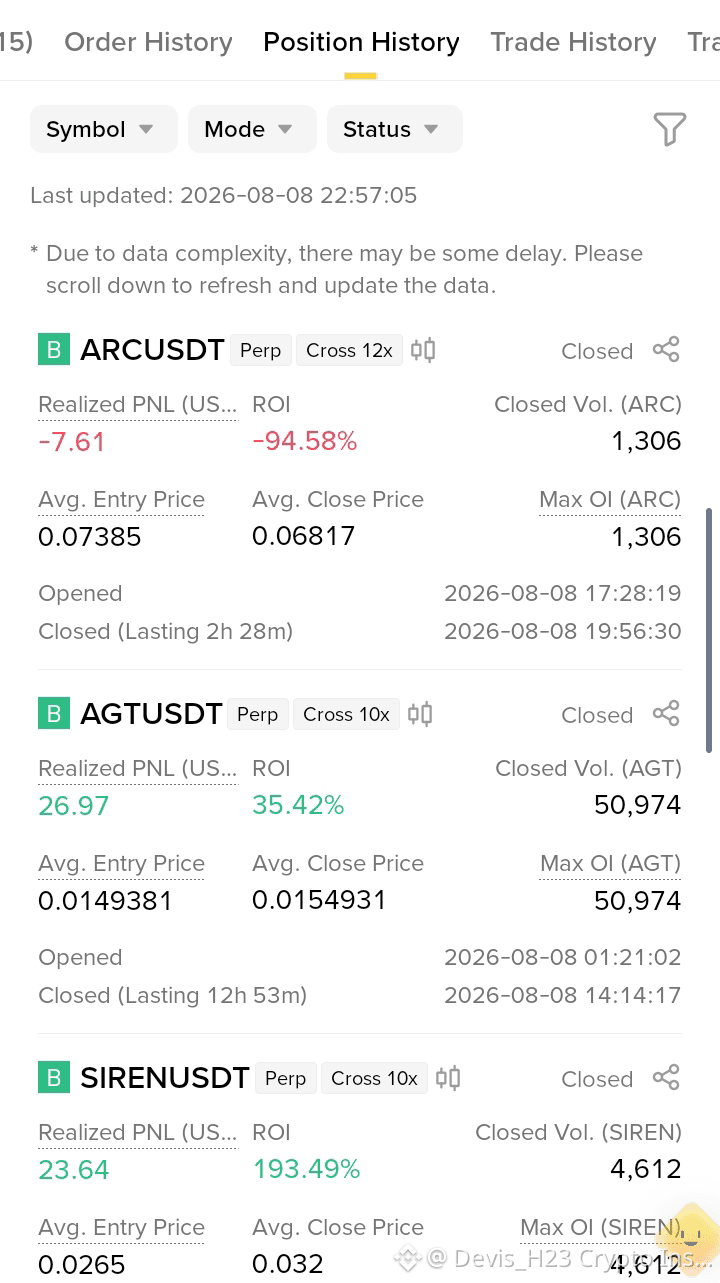
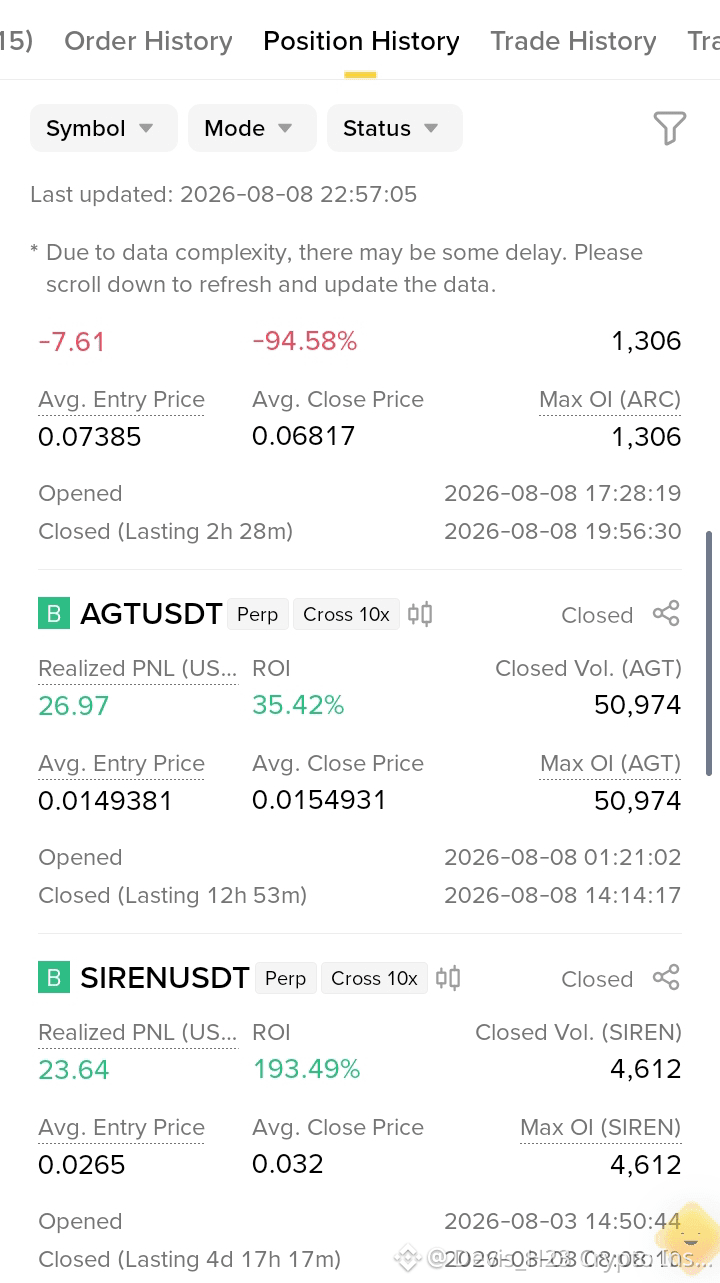
🟢 AGTUSDT: +26,97 USDT
🟢 SIRENUSDT: +23,64 USDT
🟢 ROBOUSDT: +6,58 USDT
🔴 PUMPUSDT: -6,19 USDT
🔴 ARCUSDT: -7,61 USDT
PnL terealisasi hari ini: +45,50 USDT
Tidak setiap trade akan menjadi pemenang, dan itu benar-benar tidak apa-apa.
Saya akan membagikan trade yang bagus, trade yang buruk, keuntungan, dan kerugian — semuanya akan nyata.
🎯 Target: 1.000 USDT
115 → 203,59 USDT
Saya juga akan membagikan setup dan sinyal yang saya ambil selama perjalanan.
Jika Anda ingin mengikuti trade saya dan belajar dari perjalanan ini, ikuti saya dan jadilah bagian darinya.
Tidak ada janji palsu.
Tidak ada keuntungan yang dijamin.
Hanya trade yang nyata, hasil yang nyata, dan perjalanan yang nyata.
Mari tumbuh bersama. 🤝📈
#Devish
Perjalanan ini berlanjut. 📈
Saya memulai akun ini dengan 115 USDT.
Setelah satu hari trading lagi, kini sudah mencapai 203,59 USDT.
Hasil hari ini:
🟢 AGTUSDT: +26,97 USDT
🟢 SIRENUSDT: +23,64 USDT
🟢 ROBOUSDT: +6,58 USDT
🔴 PUMPUSDT: -6,19 USDT
🔴 ARCUSDT: -7,61 USDT
PnL terealisasi hari ini: +45,50 USDT
Tidak setiap trade akan menjadi pemenang, dan itu benar-benar tidak apa-apa.
Saya akan membagikan trade yang bagus, trade yang buruk, keuntungan, dan kerugian — semuanya akan nyata.
🎯 Target: 1.000 USDT
115 → 203,59 USDT
Saya juga akan membagikan setup dan sinyal yang saya ambil selama perjalanan.
Jika Anda ingin mengikuti trade saya dan belajar dari perjalanan ini, ikuti saya dan jadilah bagian darinya.
Tidak ada janji palsu.
Tidak ada keuntungan yang dijamin.
Hanya trade yang nyata, hasil yang nyata, dan perjalanan yang nyata.
Mari tumbuh bersama. 🤝📈
#Devish
Saya memulai akun ini dengan 115 USDT.
Setelah satu hari trading lagi, kini sudah mencapai 203,59 USDT.
Hasil hari ini:
🟢 AGTUSDT: +26,97 USDT
🟢 SIRENUSDT: +23,64 USDT
🟢 ROBOUSDT: +6,58 USDT
🔴 PUMPUSDT: -6,19 USDT
🔴 ARCUSDT: -7,61 USDT
PnL terealisasi hari ini: +45,50 USDT
Tidak setiap trade akan menjadi pemenang, dan itu benar-benar tidak apa-apa.
Saya akan membagikan trade yang bagus, trade yang buruk, keuntungan, dan kerugian — semuanya akan nyata.
🎯 Target: 1.000 USDT
115 → 203,59 USDT
Saya juga akan membagikan setup dan sinyal yang saya ambil selama perjalanan.
Jika Anda ingin mengikuti trade saya dan belajar dari perjalanan ini, ikuti saya dan jadilah bagian darinya.
Tidak ada janji palsu.
Tidak ada keuntungan yang dijamin.
Hanya trade yang nyata, hasil yang nyata, dan perjalanan yang nyata.
Mari tumbuh bersama. 🤝📈
#Devish
1
1
154
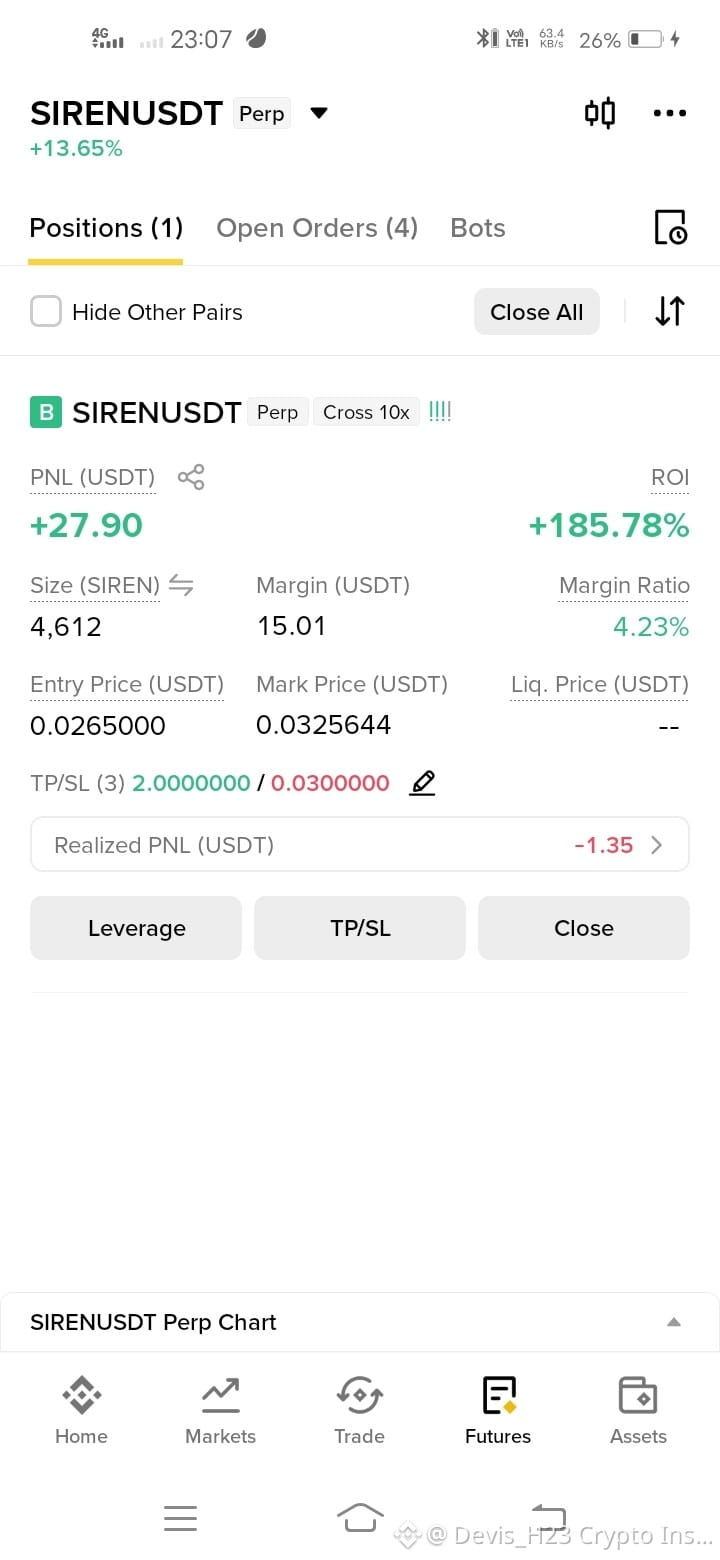
Perjalanan baru dimulai hanya dengan 115 USDT.
Beberapa hari kemudian, saldo akun sudah bertambah menjadi 176,93 USDT.
Masih jauh dari target saya yaitu 1.000 USDT, tetapi setiap perjalanan dimulai dari satu langkah.
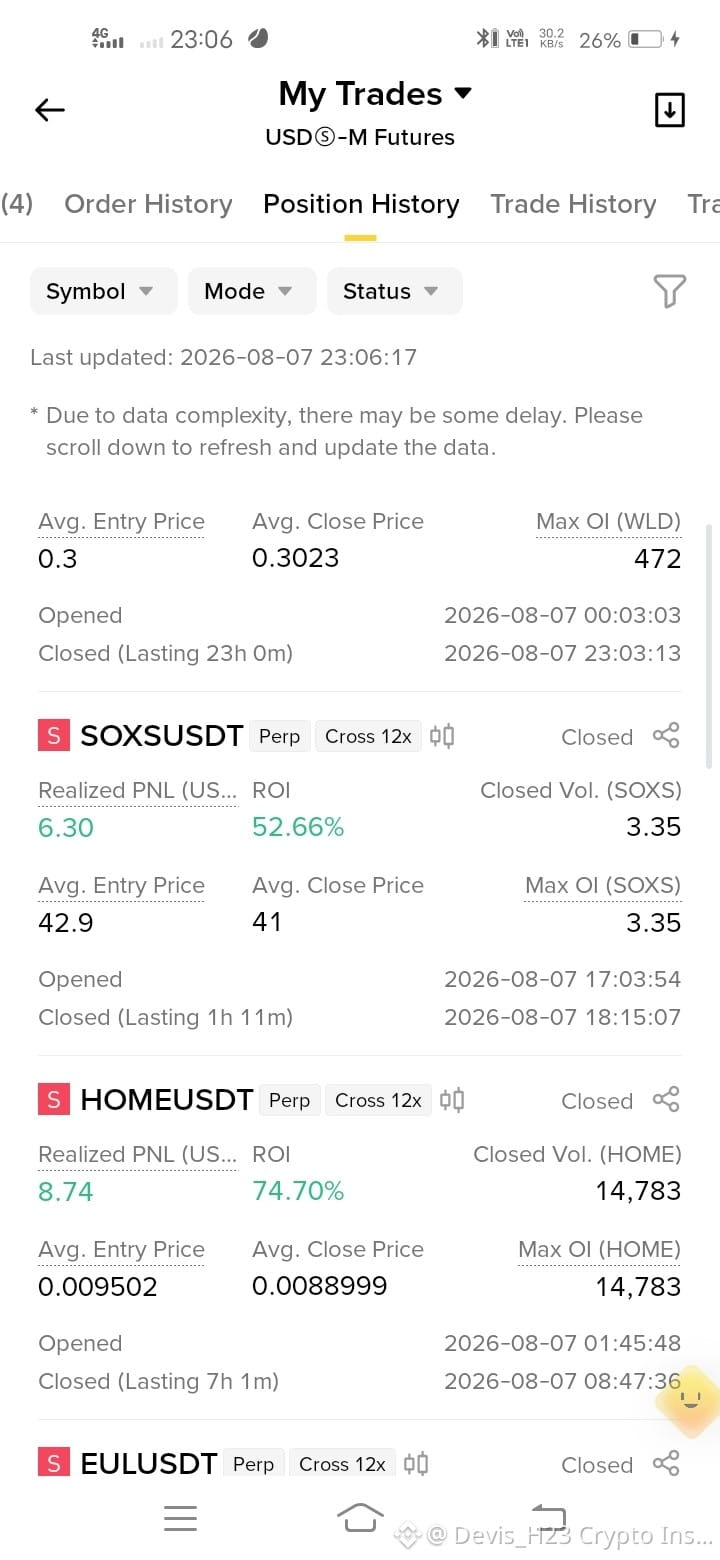
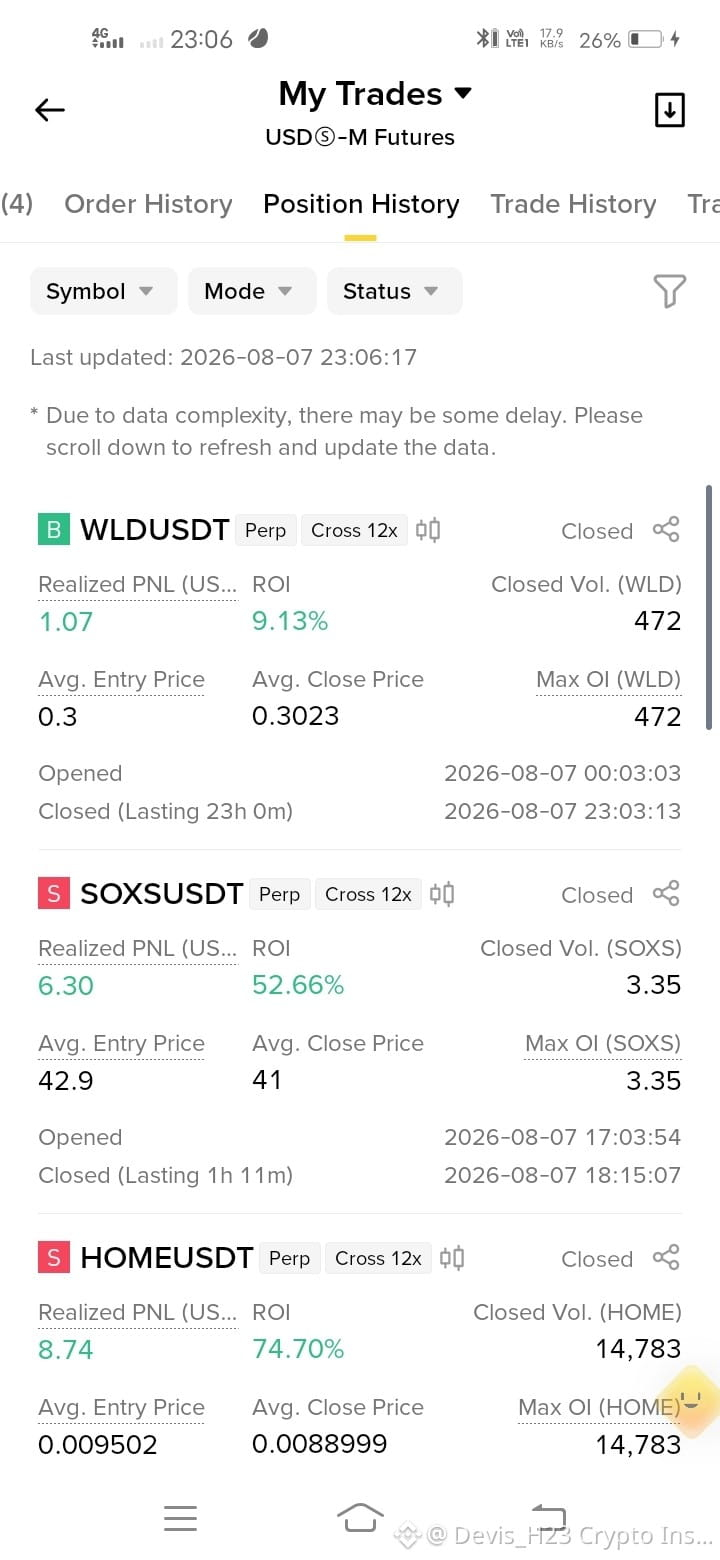
Tangkapan layar di bawah ini menunjukkan saldo saya saat ini dan transaksi di balik progres ini.
Saya tidak ada di sini untuk hanya menampilkan transaksi yang menang.
Saya akan membagikan semuanya.
🟢 Transaksi yang menang.
🔴 Transaksi yang kalah.
📊 Progres harian.
📸 Tangkapan layar nyata.
🧠 Pelajaran yang didapat.
Tidak ada PnL palsu.
Tidak ada hasil yang diedit.
Tidak ada penutupan hari-hari buruk.
Entah pasar memberi saya hadiah atau justru merendahkan saya, Anda akan melihat setiap langkah dari perjalanan ini.
Tujuannya bukan hanya untuk mencapai 1.000 USDT.
Tujuannya adalah mendapatkannya melalui disiplin, kesabaran, dan manajemen risiko yang tepat.
Jika Anda tertarik mengikuti perjalanan trading yang nyata, bergabunglah dengan saya.
Mari kita lihat ke mana perjalanan ini akan membawa.
Perjalanan baru dimulai hanya dengan 115 USDT.
Beberapa hari kemudian, saldo akun sudah bertambah menjadi 176,93 USDT.
Masih jauh dari target saya yaitu 1.000 USDT, tetapi setiap perjalanan dimulai dari satu langkah.
Tangkapan layar di bawah ini menunjukkan saldo saya saat ini dan transaksi di balik progres ini.
Saya tidak ada di sini untuk hanya menampilkan transaksi yang menang.
Saya akan membagikan semuanya.
🟢 Transaksi yang menang.
🔴 Transaksi yang kalah.
📊 Progres harian.
📸 Tangkapan layar nyata.
🧠 Pelajaran yang didapat.
Tidak ada PnL palsu.
Tidak ada hasil yang diedit.
Tidak ada penutupan hari-hari buruk.
Entah pasar memberi saya hadiah atau justru merendahkan saya, Anda akan melihat setiap langkah dari perjalanan ini.
Tujuannya bukan hanya untuk mencapai 1.000 USDT.
Tujuannya adalah mendapatkannya melalui disiplin, kesabaran, dan manajemen risiko yang tepat.
Jika Anda tertarik mengikuti perjalanan trading yang nyata, bergabunglah dengan saya.
Mari kita lihat ke mana perjalanan ini akan membawa.
Beberapa hari kemudian, saldo akun sudah bertambah menjadi 176,93 USDT.
Masih jauh dari target saya yaitu 1.000 USDT, tetapi setiap perjalanan dimulai dari satu langkah.
Tangkapan layar di bawah ini menunjukkan saldo saya saat ini dan transaksi di balik progres ini.
Saya tidak ada di sini untuk hanya menampilkan transaksi yang menang.
Saya akan membagikan semuanya.
🟢 Transaksi yang menang.
🔴 Transaksi yang kalah.
📊 Progres harian.
📸 Tangkapan layar nyata.
🧠 Pelajaran yang didapat.
Tidak ada PnL palsu.
Tidak ada hasil yang diedit.
Tidak ada penutupan hari-hari buruk.
Entah pasar memberi saya hadiah atau justru merendahkan saya, Anda akan melihat setiap langkah dari perjalanan ini.
Tujuannya bukan hanya untuk mencapai 1.000 USDT.
Tujuannya adalah mendapatkannya melalui disiplin, kesabaran, dan manajemen risiko yang tepat.
Jika Anda tertarik mengikuti perjalanan trading yang nyata, bergabunglah dengan saya.
Mari kita lihat ke mana perjalanan ini akan membawa.
289
Masuk untuk menjelajahi konten lainnya
Bergabunglah dengan pengguna kripto global di Binance Square
⚡️ Dapatkan informasi terbaru dan berguna tentang kripto.
💬 Dipercayai oleh bursa kripto terbesar di dunia.
👍 Temukan wawasan nyata dari kreator terverifikasi.
Email/Nomor Ponsel