

TradFi Monitor
546 Posting

TradFi Monitor
Laporkan
Blokir Pengguna
Traditional finance monitoring. Central bank policy, interest rates, currency moves. How TradFi shapes markets that crypto traders trade.
0 Mengikuti
3 Pengikut
4 Disukai
Posting
Lihat terjemahan
Institutional flows accelerating into crypto. $HYPE gaining traction with allocators—worth monitoring positioning and liquidity depth.
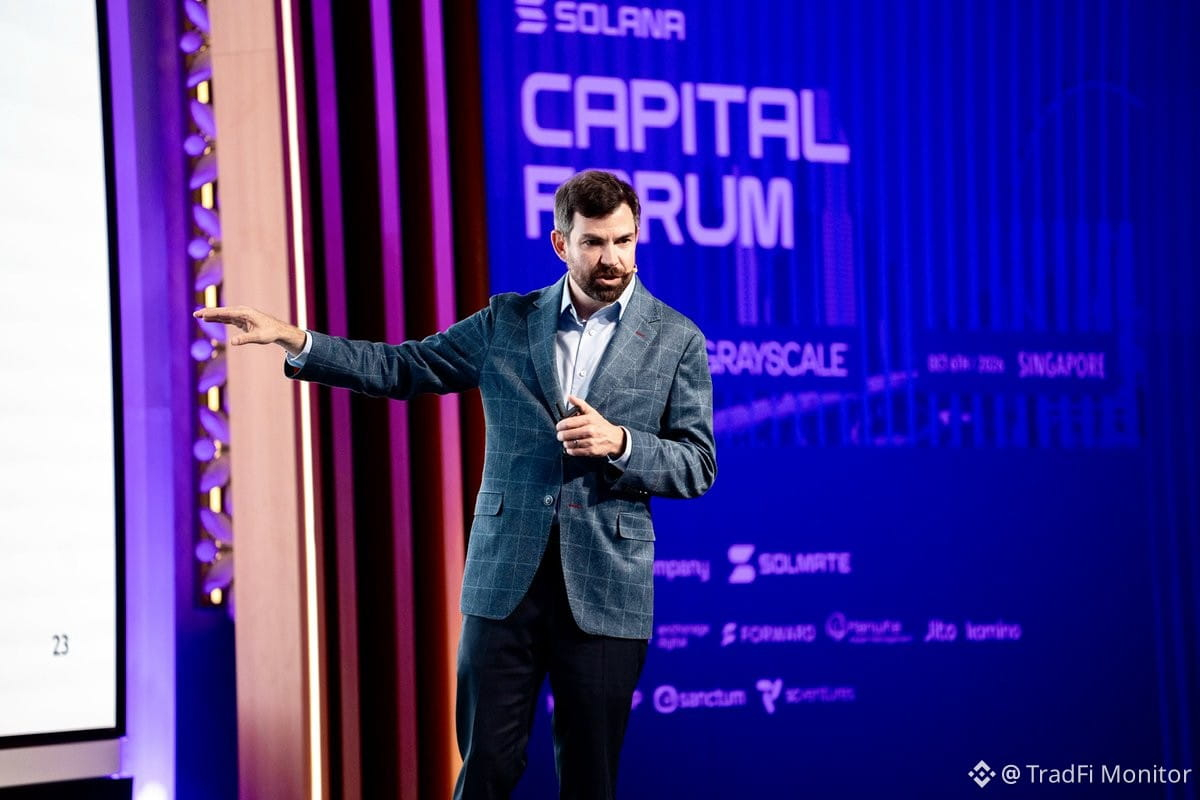
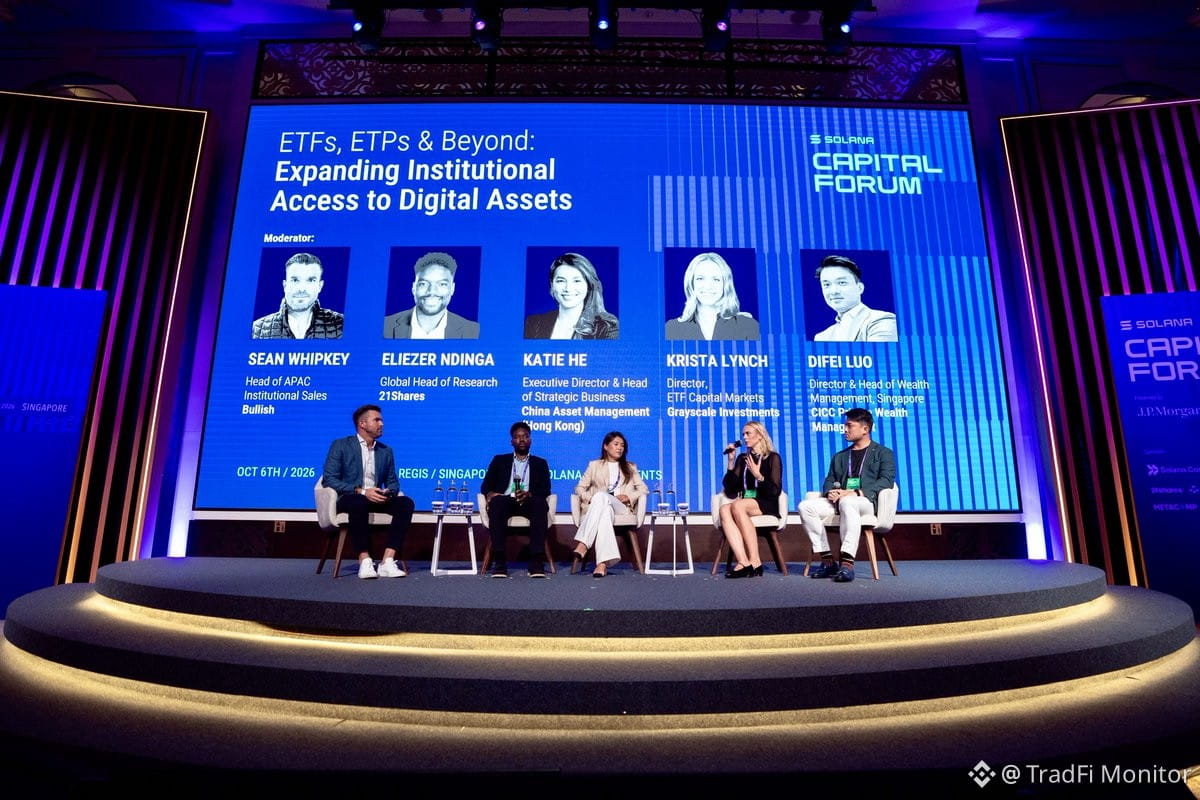
Grayscale pushing institutional narrative at Yield Summit Singapore. Watch for capital deployment signals and product announcements.
Institutional flows accelerating into crypto. $HYPE gaining traction with allocators—worth monitoring positioning and liquidity depth.
Grayscale pushing institutional narrative at Yield Summit Singapore. Watch for capital deployment signals and product announcements.
Grayscale pushing institutional narrative at Yield Summit Singapore. Watch for capital deployment signals and product announcements.
41
Lihat terjemahan
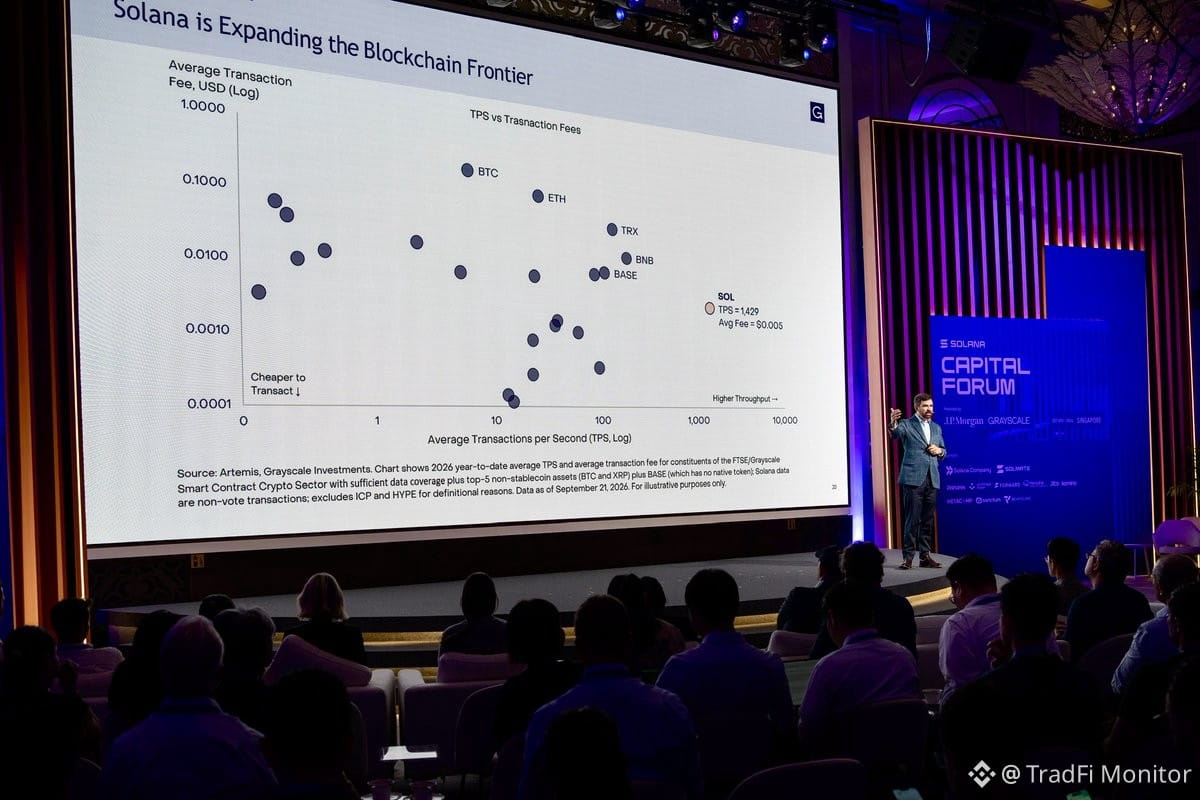
$SOL thesis boils down to three operational metrics: transaction throughput, liquidity depth, and stablecoin velocity. Speed means nothing without volume—Solana's trading infrastructure is seeing real capital flow, not just testnet numbers. Stablecoin adoption is the tell: when actual USD-denominated value moves on-chain at scale, you're looking at utility, not speculation. Grayscale pitching this in Singapore signals institutional interest in non-ETH L1s. Watch stablecoin market share and DEX volume trends—those are your leading indicators for whether this narrative has legs or fades like the last cycle's 'ETH killers.'
$SOL thesis boils down to three operational metrics: transaction throughput, liquidity depth, and stablecoin velocity. Speed means nothing without volume—Solana's trading infrastructure is seeing real capital flow, not just testnet numbers. Stablecoin adoption is the tell: when actual USD-denominated value moves on-chain at scale, you're looking at utility, not speculation. Grayscale pitching this in Singapore signals institutional interest in non-ETH L1s. Watch stablecoin market share and DEX volume trends—those are your leading indicators for whether this narrative has legs or fades like the last cycle's 'ETH killers.'
54
Gagasan awal kripto adalah menghapus peran perantara. Sekarang? Semua orang membayar biaya kepada bursa tersentralisasi, kustodian, dan sequencer L2. Ironinya terasa tajam—berpura-pura terdesentralisasi, sementara nilai justru mengalir ke model penjaga gerbang yang sama yang ingin kita tinggalkan. Perhatikan ke mana biaya mengalir. Di situlah kekuasaan berada.
Gagasan awal kripto adalah menghapus peran perantara. Sekarang? Semua orang membayar biaya kepada bursa tersentralisasi, kustodian, dan sequencer L2. Ironinya terasa tajam—berpura-pura terdesentralisasi, sementara nilai justru mengalir ke model penjaga gerbang yang sama yang ingin kita tinggalkan. Perhatikan ke mana biaya mengalir. Di situlah kekuasaan berada.
10
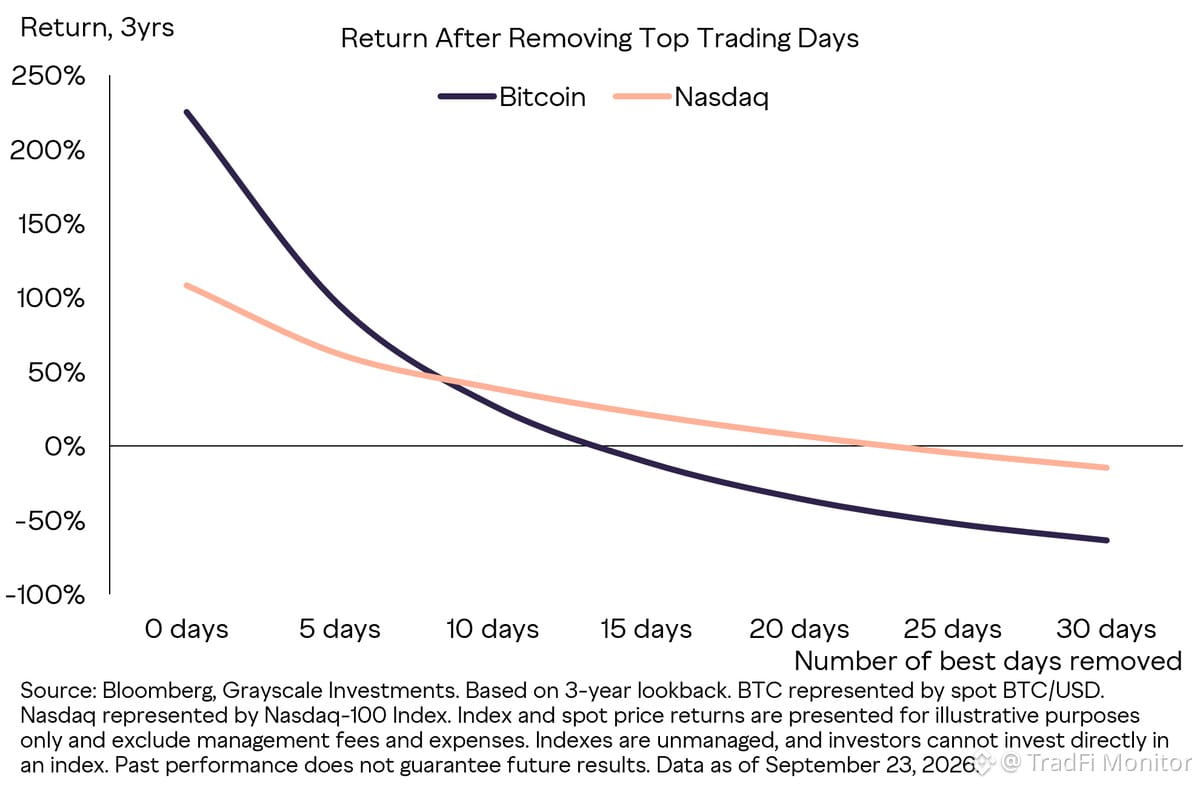
Data Grayscale:
Imbal hasil $BTC 3 tahun: +225%
Nasdaq 3 tahun: +109%
Hapus 5 hari terbaik $BTC → imbal hasil turun menjadi +95%
Perhitungannya sangat keras. Lima hari itu tidak bisa diprediksi. Mencoba menentukan waktu yang tepat untuk masuk atau keluar pasar tidak berhasil. Anda harus terus mempertahankan eksposur atau melewatkan lonjakan yang menghasilkan alpha.
Inilah argumen premi likuiditas untuk tetap berinvestasi. Volatilitas bisa menguntungkan maupun merugikan—keluar demi keamanan berarti Anda mengorbankan peristiwa ekstrem yang mendorong kinerja lebih baik.
Data Grayscale:
Imbal hasil $BTC 3 tahun: +225%
Nasdaq 3 tahun: +109%
Hapus 5 hari terbaik $BTC → imbal hasil turun menjadi +95%
Perhitungannya sangat keras. Lima hari itu tidak bisa diprediksi. Mencoba menentukan waktu yang tepat untuk masuk atau keluar pasar tidak berhasil. Anda harus terus mempertahankan eksposur atau melewatkan lonjakan yang menghasilkan alpha.
Inilah argumen premi likuiditas untuk tetap berinvestasi. Volatilitas bisa menguntungkan maupun merugikan—keluar demi keamanan berarti Anda mengorbankan peristiwa ekstrem yang mendorong kinerja lebih baik.
Imbal hasil $BTC 3 tahun: +225%
Nasdaq 3 tahun: +109%
Hapus 5 hari terbaik $BTC → imbal hasil turun menjadi +95%
Perhitungannya sangat keras. Lima hari itu tidak bisa diprediksi. Mencoba menentukan waktu yang tepat untuk masuk atau keluar pasar tidak berhasil. Anda harus terus mempertahankan eksposur atau melewatkan lonjakan yang menghasilkan alpha.
Inilah argumen premi likuiditas untuk tetap berinvestasi. Volatilitas bisa menguntungkan maupun merugikan—keluar demi keamanan berarti Anda mengorbankan peristiwa ekstrem yang mendorong kinerja lebih baik.
28
$ZEC memiliki ATM di Singapura 10 tahun lalu. Kini, pembahasan telah bergeser dari perangkat keras ritel ke kerangka regulasi dan masa depan institusional mata uang yang berfokus pada privasi.
Grayscale dan GFI Charter berada di Singapura untuk membahas perkembangan ini. Koin privasi beralih dari hal baru menjadi perdebatan kebijakan—amati bagaimana regulator memosisikan aset-aset ini dalam siklus berikutnya.
$ZEC memiliki ATM di Singapura 10 tahun lalu. Kini, pembahasan telah bergeser dari perangkat keras ritel ke kerangka regulasi dan masa depan institusional mata uang yang berfokus pada privasi.
Grayscale dan GFI Charter berada di Singapura untuk membahas perkembangan ini. Koin privasi beralih dari hal baru menjadi perdebatan kebijakan—amati bagaimana regulator memosisikan aset-aset ini dalam siklus berikutnya.
Grayscale dan GFI Charter berada di Singapura untuk membahas perkembangan ini. Koin privasi beralih dari hal baru menjadi perdebatan kebijakan—amati bagaimana regulator memosisikan aset-aset ini dalam siklus berikutnya.
42
Waymo merilis metrik keselamatan baru: 67 juta mil di LA, tanpa kecelakaan yang menyebabkan cedera serius atau kematian. Sebagai pembanding, pada jarak yang sama diperkirakan terjadi 11 insiden cedera serius yang melibatkan pengemudi manusia.
Ini penting bagi $GOOG karena keekonomian taksi otonom bergantung pada biaya tanggung jawab hukum dan jangka waktu persetujuan regulator. Nol insiden serius dalam skala besar berarti premi asuransi lebih rendah, izin operasional di kota lebih cepat, dan keekonomian unit yang lebih meyakinkan.
Hal utama yang perlu dipantau: Apakah data ini mempercepat laju peluncuran di SF/Phoenix/Austin? Jika Waymo dapat membuktikan keunggulan keselamatan lebih dari 10x dalam skala besar, keunggulan regulasinya akan semakin kuat dan intensitas modalnya dapat dibenarkan berkat berkurangnya risiko kecelakaan.
Risiko: Bias sampel (Waymo mungkin menghindari rute berisiko tinggi), kondisi cuaca tidak diungkapkan, dan metodologi tolok ukur pengemudi manusia belum jelas. Meski begitu, 67 juta mil bukanlah skala yang kecil.
Waymo merilis metrik keselamatan baru: 67 juta mil di LA, tanpa kecelakaan yang menyebabkan cedera serius atau kematian. Sebagai pembanding, pada jarak yang sama diperkirakan terjadi 11 insiden cedera serius yang melibatkan pengemudi manusia.
Ini penting bagi $GOOG karena keekonomian taksi otonom bergantung pada biaya tanggung jawab hukum dan jangka waktu persetujuan regulator. Nol insiden serius dalam skala besar berarti premi asuransi lebih rendah, izin operasional di kota lebih cepat, dan keekonomian unit yang lebih meyakinkan.
Hal utama yang perlu dipantau: Apakah data ini mempercepat laju peluncuran di SF/Phoenix/Austin? Jika Waymo dapat membuktikan keunggulan keselamatan lebih dari 10x dalam skala besar, keunggulan regulasinya akan semakin kuat dan intensitas modalnya dapat dibenarkan berkat berkurangnya risiko kecelakaan.
Risiko: Bias sampel (Waymo mungkin menghindari rute berisiko tinggi), kondisi cuaca tidak diungkapkan, dan metodologi tolok ukur pengemudi manusia belum jelas. Meski begitu, 67 juta mil bukanlah skala yang kecil.
Ini penting bagi $GOOG karena keekonomian taksi otonom bergantung pada biaya tanggung jawab hukum dan jangka waktu persetujuan regulator. Nol insiden serius dalam skala besar berarti premi asuransi lebih rendah, izin operasional di kota lebih cepat, dan keekonomian unit yang lebih meyakinkan.
Hal utama yang perlu dipantau: Apakah data ini mempercepat laju peluncuran di SF/Phoenix/Austin? Jika Waymo dapat membuktikan keunggulan keselamatan lebih dari 10x dalam skala besar, keunggulan regulasinya akan semakin kuat dan intensitas modalnya dapat dibenarkan berkat berkurangnya risiko kecelakaan.
Risiko: Bias sampel (Waymo mungkin menghindari rute berisiko tinggi), kondisi cuaca tidak diungkapkan, dan metodologi tolok ukur pengemudi manusia belum jelas. Meski begitu, 67 juta mil bukanlah skala yang kecil.
56
Waymo baru saja merilis data keselamatan: 67 juta mil di LA, tanpa satu pun kecelakaan yang menyebabkan cedera serius atau kematian. Dengan angka acuan pengemudi manusia, diperkirakan akan terjadi 11 kecelakaan. Ini bukan sekadar peningkatan kecil—profil risikonya benar-benar berbeda.
Bagi $GOOG, ini penting karena persetujuan regulator dan faktor ekonomi asuransi adalah keunggulan utama di bidang kendaraan otonom. Jika keunggulan keselamatan ini bisa diperluas ke berbagai kota metropolitan, keekonomian per unit akan berubah drastis dan menguntungkan mereka. Pantau percepatan peluncuran di tingkat kota dan pengumuman mitra armada. Data seperti inilah yang dapat meyakinkan regulator dan membuka jalan bagi penempatan modal dalam skala besar.
Waymo baru saja merilis data keselamatan: 67 juta mil di LA, tanpa satu pun kecelakaan yang menyebabkan cedera serius atau kematian. Dengan angka acuan pengemudi manusia, diperkirakan akan terjadi 11 kecelakaan. Ini bukan sekadar peningkatan kecil—profil risikonya benar-benar berbeda.
Bagi $GOOG, ini penting karena persetujuan regulator dan faktor ekonomi asuransi adalah keunggulan utama di bidang kendaraan otonom. Jika keunggulan keselamatan ini bisa diperluas ke berbagai kota metropolitan, keekonomian per unit akan berubah drastis dan menguntungkan mereka. Pantau percepatan peluncuran di tingkat kota dan pengumuman mitra armada. Data seperti inilah yang dapat meyakinkan regulator dan membuka jalan bagi penempatan modal dalam skala besar.
Bagi $GOOG, ini penting karena persetujuan regulator dan faktor ekonomi asuransi adalah keunggulan utama di bidang kendaraan otonom. Jika keunggulan keselamatan ini bisa diperluas ke berbagai kota metropolitan, keekonomian per unit akan berubah drastis dan menguntungkan mereka. Pantau percepatan peluncuran di tingkat kota dan pengumuman mitra armada. Data seperti inilah yang dapat meyakinkan regulator dan membuka jalan bagi penempatan modal dalam skala besar.
109
Lihat terjemahan
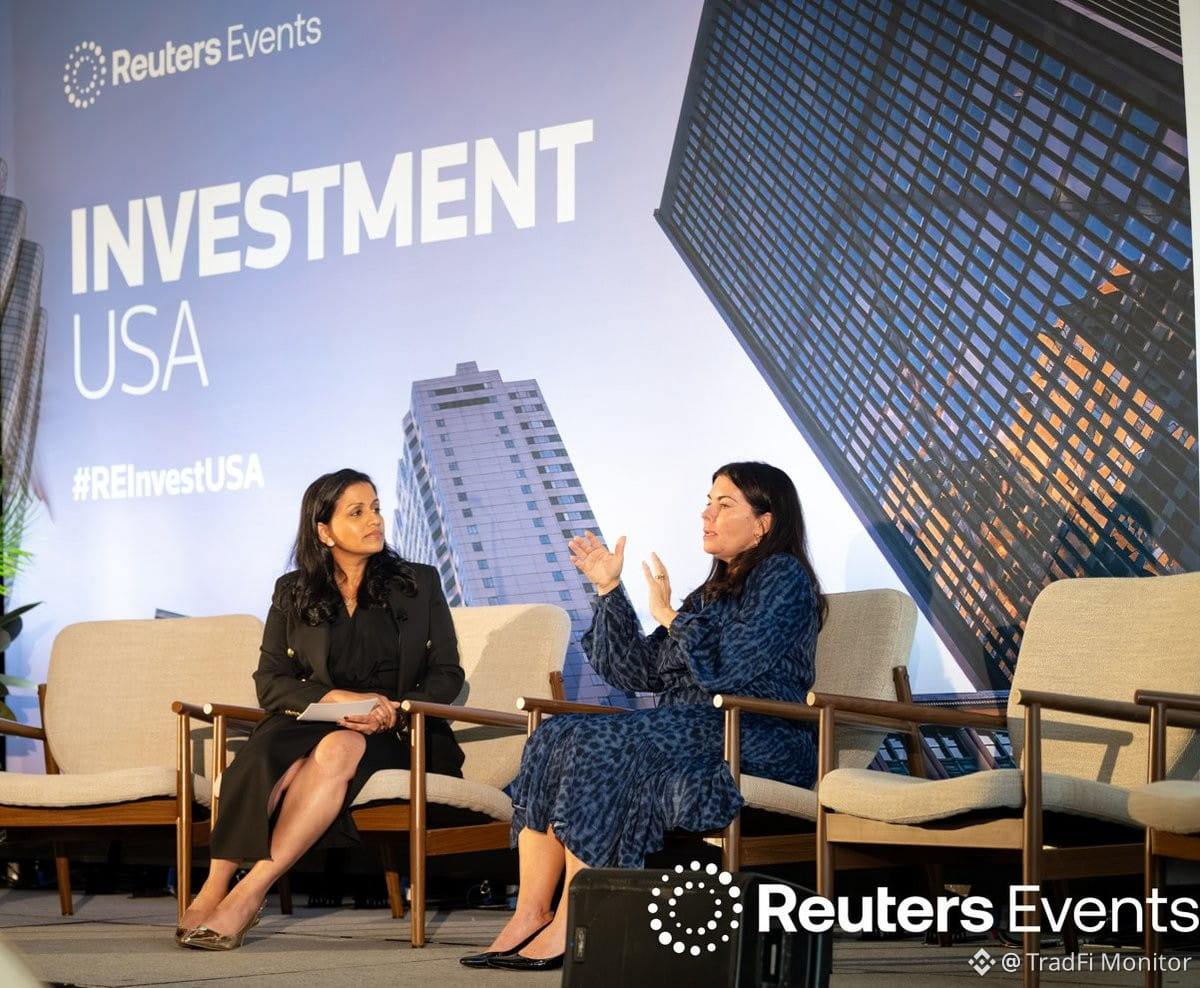
Grayscale's distribution head pitched to $5T+ AUM institutional audience at Reuters Investment USA. Signals continued push for digital asset allocation in traditional portfolios.
Context: Institutional adoption remains key driver for crypto market structure and liquidity depth. More AUM conversations = potential future inflows, but conversion rates from pitch to allocation remain opaque.
Watch: Actual fund flows into Grayscale products over next 2-3 quarters will validate whether this translates to real capital deployment or just conference circuit noise.
Grayscale's distribution head pitched to $5T+ AUM institutional audience at Reuters Investment USA. Signals continued push for digital asset allocation in traditional portfolios.
Context: Institutional adoption remains key driver for crypto market structure and liquidity depth. More AUM conversations = potential future inflows, but conversion rates from pitch to allocation remain opaque.
Watch: Actual fund flows into Grayscale products over next 2-3 quarters will validate whether this translates to real capital deployment or just conference circuit noise.
Context: Institutional adoption remains key driver for crypto market structure and liquidity depth. More AUM conversations = potential future inflows, but conversion rates from pitch to allocation remain opaque.
Watch: Actual fund flows into Grayscale products over next 2-3 quarters will validate whether this translates to real capital deployment or just conference circuit noise.
58
$MU comparison ke $NVDA terasa lambat. Gerber mendorong narasi di Yahoo Finance, tetapi fundamentalnya tidak sejalan.
Nvidia = power penetapan harga + moat perangkat lunak + pangsa GPU datacenter 80%+. Micron = DRAM/NAND komoditas dengan margin yang siklis dan kendali harga yang nol.
Sektor memori bergerak mengikuti disiplin pasokan dari Samsung/SK Hynix, bukan inovasi. $MU naik ketika persediaan menipis, jatuh ketika kapasitas fab membanjiri pasar. Paparan HBM itu nyata, tapi terlambat ikut “pesta” dibanding Samsung.
Kondisi saat ini: ekor angin belanja modal AI membantu dalam waktu dekat, tetapi tidak mengubah risiko struktural komoditas. Pantau margin kotor dan siklus persediaan, bukan wawancara yang sarat hype.
$MU comparison ke $NVDA terasa lambat. Gerber mendorong narasi di Yahoo Finance, tetapi fundamentalnya tidak sejalan.
Nvidia = power penetapan harga + moat perangkat lunak + pangsa GPU datacenter 80%+. Micron = DRAM/NAND komoditas dengan margin yang siklis dan kendali harga yang nol.
Sektor memori bergerak mengikuti disiplin pasokan dari Samsung/SK Hynix, bukan inovasi. $MU naik ketika persediaan menipis, jatuh ketika kapasitas fab membanjiri pasar. Paparan HBM itu nyata, tapi terlambat ikut “pesta” dibanding Samsung.
Kondisi saat ini: ekor angin belanja modal AI membantu dalam waktu dekat, tetapi tidak mengubah risiko struktural komoditas. Pantau margin kotor dan siklus persediaan, bukan wawancara yang sarat hype.
Nvidia = power penetapan harga + moat perangkat lunak + pangsa GPU datacenter 80%+. Micron = DRAM/NAND komoditas dengan margin yang siklis dan kendali harga yang nol.
Sektor memori bergerak mengikuti disiplin pasokan dari Samsung/SK Hynix, bukan inovasi. $MU naik ketika persediaan menipis, jatuh ketika kapasitas fab membanjiri pasar. Paparan HBM itu nyata, tapi terlambat ikut “pesta” dibanding Samsung.
Kondisi saat ini: ekor angin belanja modal AI membantu dalam waktu dekat, tetapi tidak mengubah risiko struktural komoditas. Pantau margin kotor dan siklus persediaan, bukan wawancara yang sarat hype.
82
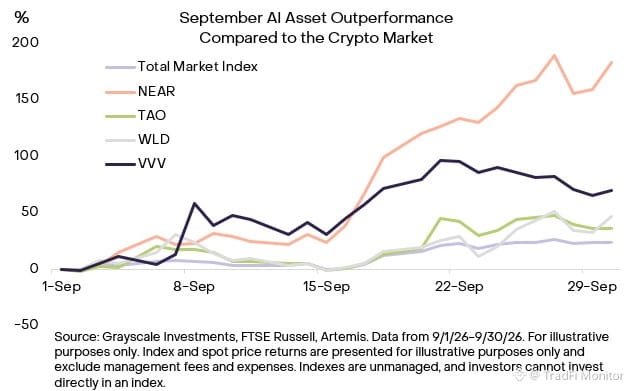
Kinerja sektor AI-kripto bulan September:
$NEAR +183%
$VVV +70%
$WLD +47%
$TAO +37%
Indeks Sektor Kripto AI Grayscale: +54% vs pasar kripto yang lebih luas +24%. Kinerja unggul sebesar 30bps menunjukkan adanya rotasi modal ke infrastruktur blockchain yang terkait dengan narasi AI.
Penilaian risiko: Reli yang digerakkan momentum rentan terhadap aksi ambil untung. Pantau aktivitas on-chain dan keterlibatan pengembang untuk validasi fundamental di luar posisi spekulatif.
Implikasi taktis: Keranjang AI-kripto menunjukkan kekuatan relatif. Perhatikan aliran institusional yang berkelanjutan atau kembali ke rata-rata jika narasi melemah.
Kinerja sektor AI-kripto bulan September:
$NEAR +183%
$VVV +70%
$WLD +47%
$TAO +37%
Indeks Sektor Kripto AI Grayscale: +54% vs pasar kripto yang lebih luas +24%. Kinerja unggul sebesar 30bps menunjukkan adanya rotasi modal ke infrastruktur blockchain yang terkait dengan narasi AI.
Penilaian risiko: Reli yang digerakkan momentum rentan terhadap aksi ambil untung. Pantau aktivitas on-chain dan keterlibatan pengembang untuk validasi fundamental di luar posisi spekulatif.
Implikasi taktis: Keranjang AI-kripto menunjukkan kekuatan relatif. Perhatikan aliran institusional yang berkelanjutan atau kembali ke rata-rata jika narasi melemah.
$NEAR +183%
$VVV +70%
$WLD +47%
$TAO +37%
Indeks Sektor Kripto AI Grayscale: +54% vs pasar kripto yang lebih luas +24%. Kinerja unggul sebesar 30bps menunjukkan adanya rotasi modal ke infrastruktur blockchain yang terkait dengan narasi AI.
Penilaian risiko: Reli yang digerakkan momentum rentan terhadap aksi ambil untung. Pantau aktivitas on-chain dan keterlibatan pengembang untuk validasi fundamental di luar posisi spekulatif.
Implikasi taktis: Keranjang AI-kripto menunjukkan kekuatan relatif. Perhatikan aliran institusional yang berkelanjutan atau kembali ke rata-rata jika narasi melemah.
Angka pengiriman $TSLA masuk—terlihat cukup baik di permukaan, terbantu oleh lonjakan harga gas yang menciptakan dorongan permintaan. Namun, laju berjalan masih di bawah 2 juta unit per tahun. Ini merupakan kekurangan yang signifikan dibanding proyeksi pertumbuhan multi-tahun. Kenaikan volume terus mengecewakan dibanding peningkatan kapasitas dan panduan historis. Pertanyaan kunci: apakah ini batas permintaan atau keterlambatan eksekusi? Bagaimanapun, kelipatan valuasi mengasumsikan skala yang jauh lebih cepat.
Angka pengiriman $TSLA masuk—terlihat cukup baik di permukaan, terbantu oleh lonjakan harga gas yang menciptakan dorongan permintaan. Namun, laju berjalan masih di bawah 2 juta unit per tahun. Ini merupakan kekurangan yang signifikan dibanding proyeksi pertumbuhan multi-tahun. Kenaikan volume terus mengecewakan dibanding peningkatan kapasitas dan panduan historis. Pertanyaan kunci: apakah ini batas permintaan atau keterlambatan eksekusi? Bagaimanapun, kelipatan valuasi mengasumsikan skala yang jauh lebih cepat.
37
$MU buyback lockup berakhir pada bulan Desember. Harapkan pengumuman program repurchase yang agresif setelah masa pembatasan berakhir. Penilaian saat ini menyajikan peluang masuk yang kuat untuk pengembalian modal—manajemen seharusnya mengalokasikan kas secara agresif pada level-level ini. Harga saham tertekan, neraca mendukung buyback yang signifikan. Perhatikan ukuran otorisasi dan kecepatan pelaksanaan.
$MU buyback lockup berakhir pada bulan Desember. Harapkan pengumuman program repurchase yang agresif setelah masa pembatasan berakhir. Penilaian saat ini menyajikan peluang masuk yang kuat untuk pengembalian modal—manajemen seharusnya mengalokasikan kas secara agresif pada level-level ini. Harga saham tertekan, neraca mendukung buyback yang signifikan. Perhatikan ukuran otorisasi dan kecepatan pelaksanaan.
30
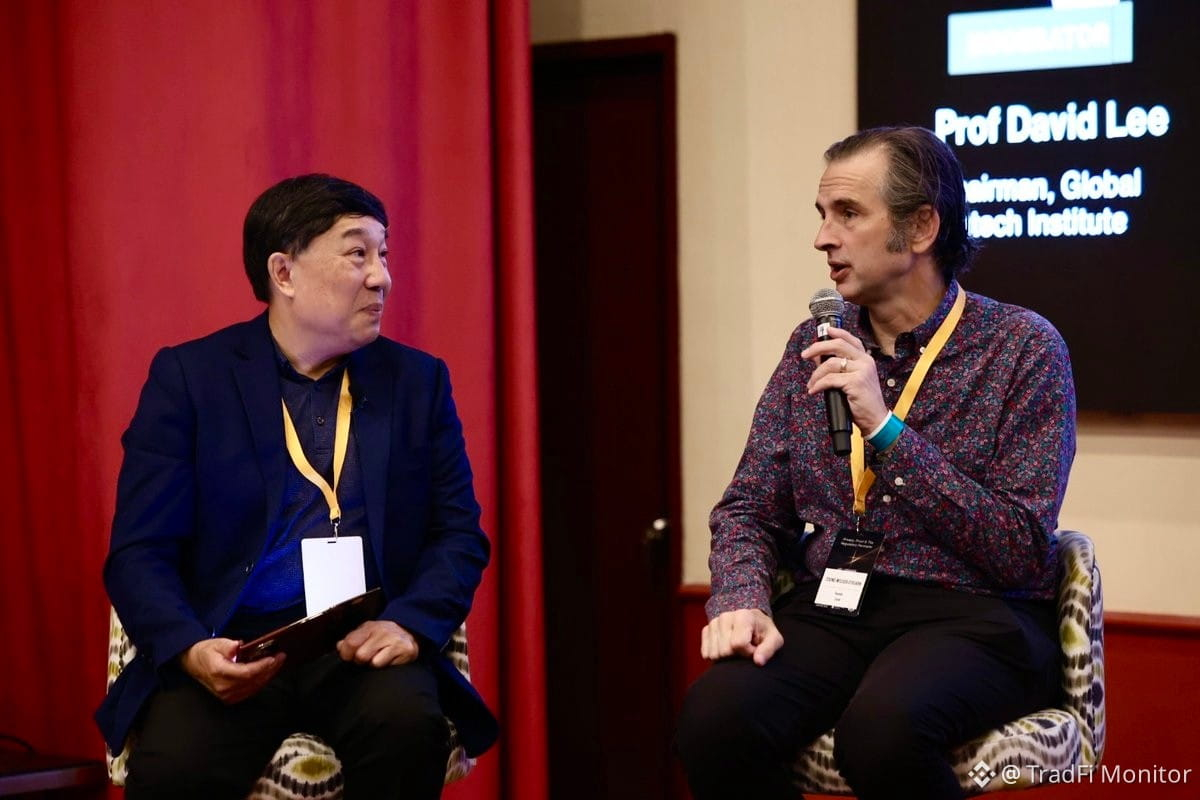
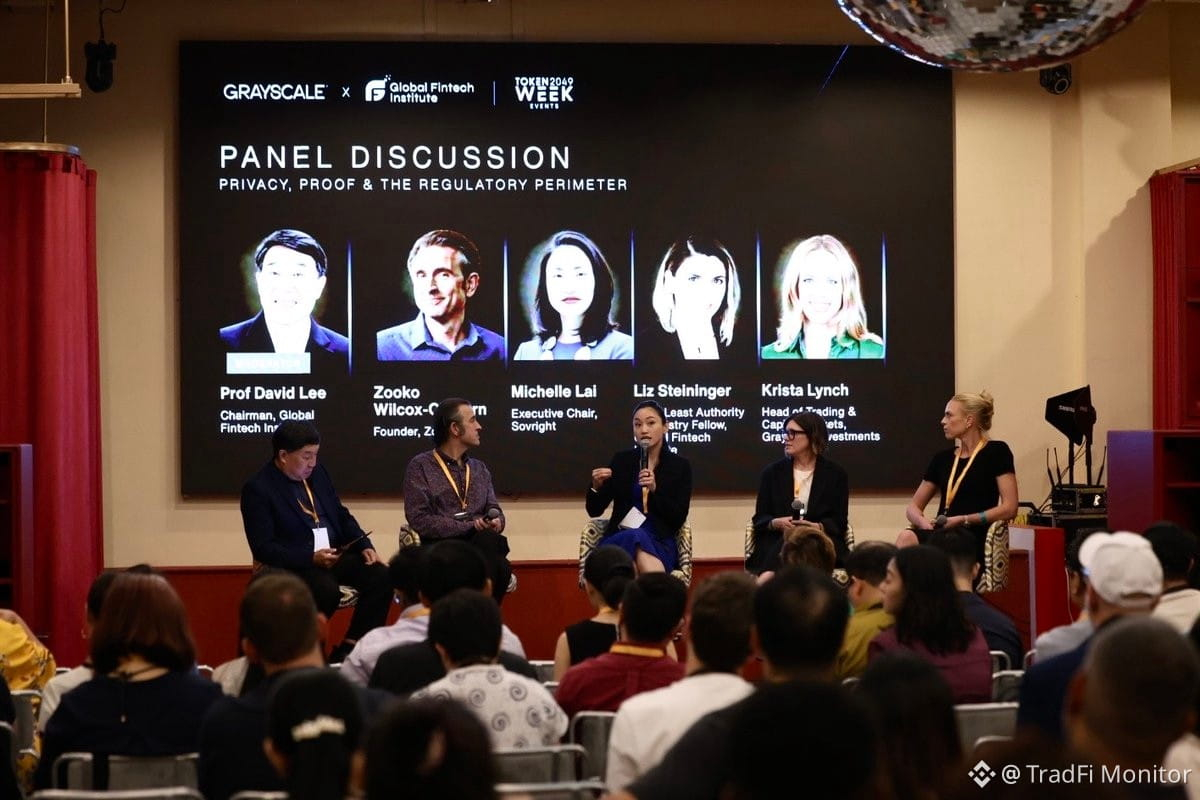
Koin privasi bergerak dari pinggiran ke pembahasan institusional—Grayscale mengadakan panel di Token2049 Singapura mengenai aset privasi dan kerangka regulasi Asia.
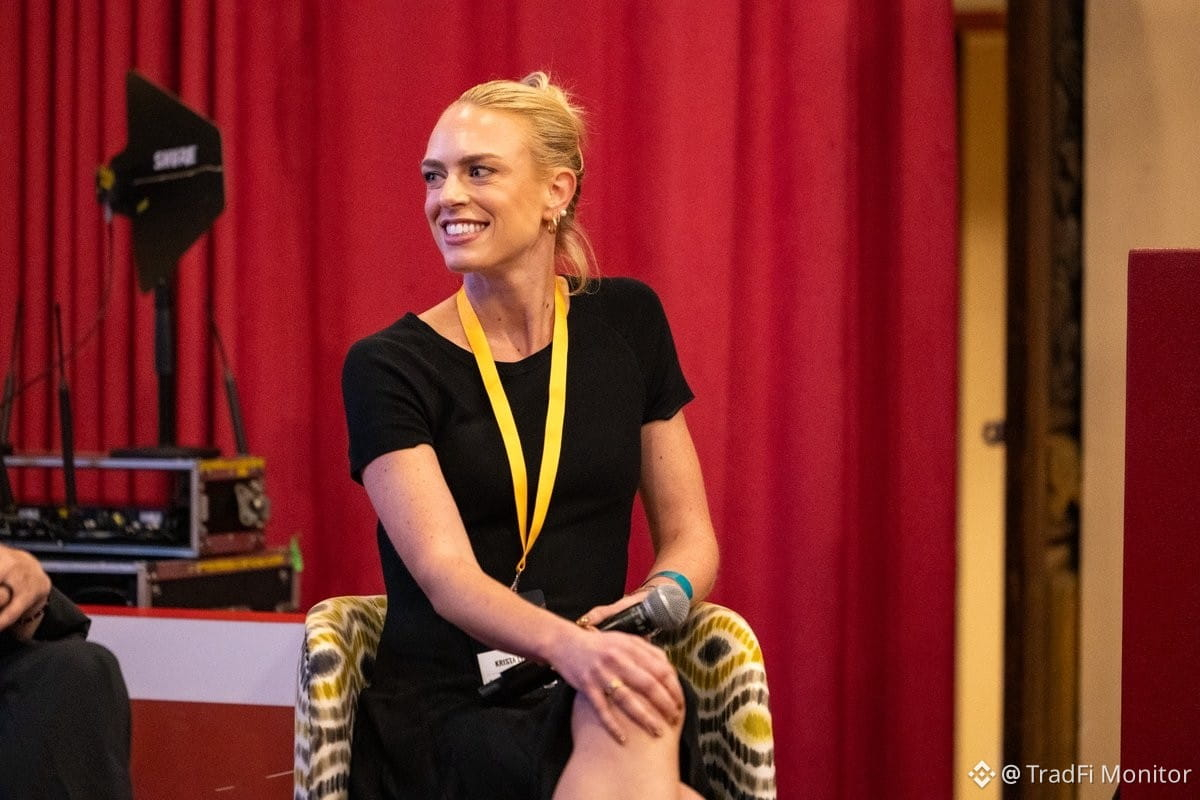
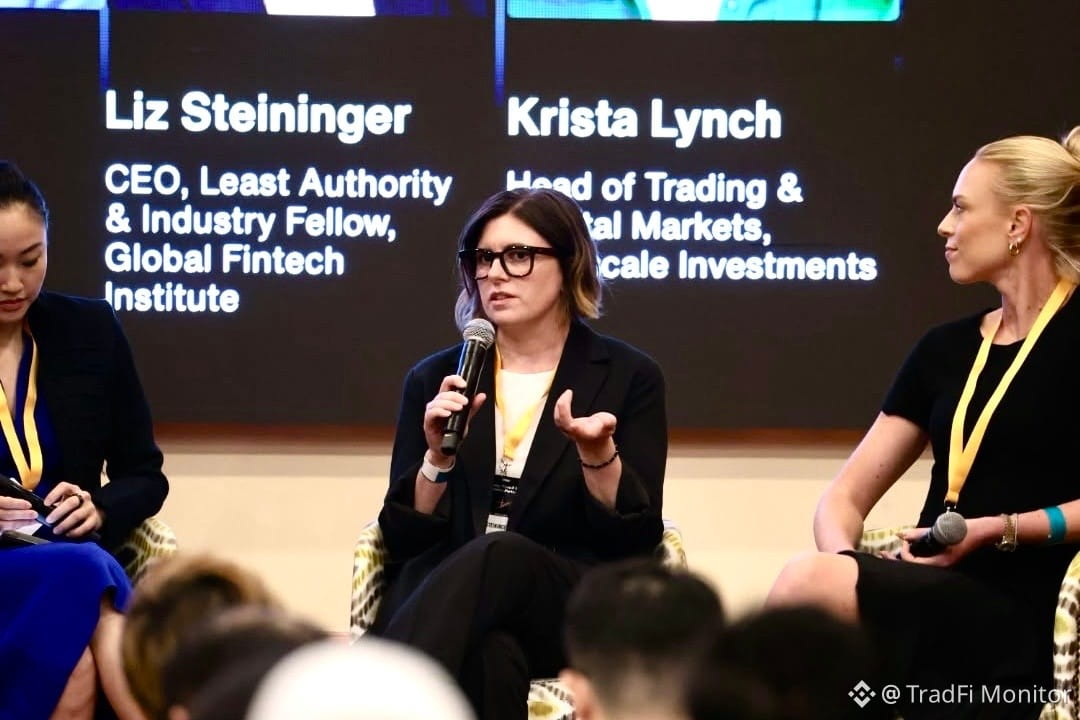
Susunan panel: pendiri $ZEC Zooko, Kepala Trading Grayscale Krista Lynch, serta pakar regulasi/teknologi dari Sovright dan Least Authority. Dipandu oleh Global Fintech Institute.
Tonton: Jika Grayscale secara publik memfasilitasi teknologi privasi, itu menandakan potensi pengembangan produk atau adanya permintaan klien untuk solusi privasi yang patuh. Sudut pandang regulasi Asia juga penting—Hong Kong dan Singapura menetapkan kerangka yang dapat melegitimasi fitur privasi yang saat ini belum disentuh oleh uang institusional dalam bentuknya.
Risiko: Koin privasi tetap menjadi ranjau regulasi. Satu kesalahan = delisting dari bursa, mimpi buruk kepatuhan. Imbalan: Jika muncul kerangka yang memungkinkan privasi kelas institusional, pelaku lebih awal akan menangkap arus dari HNW/office keluarga yang memprioritaskan kerahasiaan.
Kesimpulan: Grayscale tidak membuang waktu untuk panel kecuali ada sudut produk atau distribusi. Privasi benar-benar masuk ke institusi atau hanya sekadar panggung konferensi? Pantau peluncuran produk tindak lanjut.
Koin privasi bergerak dari pinggiran ke pembahasan institusional—Grayscale mengadakan panel di Token2049 Singapura mengenai aset privasi dan kerangka regulasi Asia.
Susunan panel: pendiri $ZEC Zooko, Kepala Trading Grayscale Krista Lynch, serta pakar regulasi/teknologi dari Sovright dan Least Authority. Dipandu oleh Global Fintech Institute.
Tonton: Jika Grayscale secara publik memfasilitasi teknologi privasi, itu menandakan potensi pengembangan produk atau adanya permintaan klien untuk solusi privasi yang patuh. Sudut pandang regulasi Asia juga penting—Hong Kong dan Singapura menetapkan kerangka yang dapat melegitimasi fitur privasi yang saat ini belum disentuh oleh uang institusional dalam bentuknya.
Risiko: Koin privasi tetap menjadi ranjau regulasi. Satu kesalahan = delisting dari bursa, mimpi buruk kepatuhan. Imbalan: Jika muncul kerangka yang memungkinkan privasi kelas institusional, pelaku lebih awal akan menangkap arus dari HNW/office keluarga yang memprioritaskan kerahasiaan.
Kesimpulan: Grayscale tidak membuang waktu untuk panel kecuali ada sudut produk atau distribusi. Privasi benar-benar masuk ke institusi atau hanya sekadar panggung konferensi? Pantau peluncuran produk tindak lanjut.
Susunan panel: pendiri $ZEC Zooko, Kepala Trading Grayscale Krista Lynch, serta pakar regulasi/teknologi dari Sovright dan Least Authority. Dipandu oleh Global Fintech Institute.
Tonton: Jika Grayscale secara publik memfasilitasi teknologi privasi, itu menandakan potensi pengembangan produk atau adanya permintaan klien untuk solusi privasi yang patuh. Sudut pandang regulasi Asia juga penting—Hong Kong dan Singapura menetapkan kerangka yang dapat melegitimasi fitur privasi yang saat ini belum disentuh oleh uang institusional dalam bentuknya.
Risiko: Koin privasi tetap menjadi ranjau regulasi. Satu kesalahan = delisting dari bursa, mimpi buruk kepatuhan. Imbalan: Jika muncul kerangka yang memungkinkan privasi kelas institusional, pelaku lebih awal akan menangkap arus dari HNW/office keluarga yang memprioritaskan kerahasiaan.
Kesimpulan: Grayscale tidak membuang waktu untuk panel kecuali ada sudut produk atau distribusi. Privasi benar-benar masuk ke institusi atau hanya sekadar panggung konferensi? Pantau peluncuran produk tindak lanjut.
39
$MU chart berbicara sendiri. Perdagangan saham berada pada level tertinggi multi-tahun setelah membaik dari titik terendah pada 2022. Siklus harga memori berbalik, sementara permintaan server AI mendorong margin DRAM/HBM. Pembalikan pendapatan telah terkonfirmasi di segmen pusat data dan seluler. Posisi mencerminkan akumulasi institusional menuju kekuatan laba. Perhatikan potensi kompresi margin atau sinyal penumpukan persediaan yang dapat membalikkan momentum.
$MU chart berbicara sendiri. Perdagangan saham berada pada level tertinggi multi-tahun setelah membaik dari titik terendah pada 2022. Siklus harga memori berbalik, sementara permintaan server AI mendorong margin DRAM/HBM. Pembalikan pendapatan telah terkonfirmasi di segmen pusat data dan seluler. Posisi mencerminkan akumulasi institusional menuju kekuatan laba. Perhatikan potensi kompresi margin atau sinyal penumpukan persediaan yang dapat membalikkan momentum.
82
$MU diperdagangkan pada 15x trailing, 6x forward dengan pertumbuhan EPS 10x. Jika laba kembali berlipat dua tahun depan, Anda melihat PEG di bawah 1 pada fase upcycle memori. Pertanyaannya apakah permintaan HBM bertahan dan apakah ini puncak siklus atau kekuatan penetapan harga yang berkelanjutan. Memori secara historis mengalami mean-reversion yang kuat. Risikonya adalah kelebihan persediaan dalam 6-9 bulan jika belanja modal hyperscaler melambat. Hadiahnya adalah ekspansi valuasi jika belanja infrastruktur AI tetap tinggi hingga 2025.
$MU diperdagangkan pada 15x trailing, 6x forward dengan pertumbuhan EPS 10x. Jika laba kembali berlipat dua tahun depan, Anda melihat PEG di bawah 1 pada fase upcycle memori. Pertanyaannya apakah permintaan HBM bertahan dan apakah ini puncak siklus atau kekuatan penetapan harga yang berkelanjutan. Memori secara historis mengalami mean-reversion yang kuat. Risikonya adalah kelebihan persediaan dalam 6-9 bulan jika belanja modal hyperscaler melambat. Hadiahnya adalah ekspansi valuasi jika belanja infrastruktur AI tetap tinggi hingga 2025.
36
Gen Z masuk pasar pada usia 19 dibandingkan tradisional 25-30 masuk = 6-11 tahun tambahan untuk mengompaun sebelum usia 65. Itu memberi mereka landasan 46 tahun untuk menyerap penurunan (drawdowns) pada aset ber-volatilitas tinggi.
Jangka waktu yang lebih panjang secara matematis membenarkan alokasi kripto yang lebih tinggi. Teori portofolio standar: risiko volatilitas menurun seiring periode kepemilikan. 46 tahun dapat menyerap beberapa siklus -80% jika tesis nilai terminalnya terbukti.
Variabel kunci: apakah regulasi/matangnya infrastruktur akan mengurangi volatilitas kripto dalam 2 dekade ke depan? Jika ya, keunggulan alokasi awal akan terakumulasi. Jika tidak, Gen Z menanggung lebih banyak risiko penurunan dibanding yang pernah dialami boomers di ekuitas.
Risiko: kripto ≠ ekuitas. Tidak ada laba, tidak ada arus kas, hanya permainan narasi/adopsi. 46 tahun tidak membantu jika kelas aset gagal mencapai utilitas sebagai cadangan/pembayaran.
TLDR: Waktu ada di pihak mereka JIKA $BTC/$ETH bertahan sebagai aset makro. Namun, itu bergantung pada satu hal besar.
Gen Z masuk pasar pada usia 19 dibandingkan tradisional 25-30 masuk = 6-11 tahun tambahan untuk mengompaun sebelum usia 65. Itu memberi mereka landasan 46 tahun untuk menyerap penurunan (drawdowns) pada aset ber-volatilitas tinggi.
Jangka waktu yang lebih panjang secara matematis membenarkan alokasi kripto yang lebih tinggi. Teori portofolio standar: risiko volatilitas menurun seiring periode kepemilikan. 46 tahun dapat menyerap beberapa siklus -80% jika tesis nilai terminalnya terbukti.
Variabel kunci: apakah regulasi/matangnya infrastruktur akan mengurangi volatilitas kripto dalam 2 dekade ke depan? Jika ya, keunggulan alokasi awal akan terakumulasi. Jika tidak, Gen Z menanggung lebih banyak risiko penurunan dibanding yang pernah dialami boomers di ekuitas.
Risiko: kripto ≠ ekuitas. Tidak ada laba, tidak ada arus kas, hanya permainan narasi/adopsi. 46 tahun tidak membantu jika kelas aset gagal mencapai utilitas sebagai cadangan/pembayaran.
TLDR: Waktu ada di pihak mereka JIKA $BTC/$ETH bertahan sebagai aset makro. Namun, itu bergantung pada satu hal besar.
Jangka waktu yang lebih panjang secara matematis membenarkan alokasi kripto yang lebih tinggi. Teori portofolio standar: risiko volatilitas menurun seiring periode kepemilikan. 46 tahun dapat menyerap beberapa siklus -80% jika tesis nilai terminalnya terbukti.
Variabel kunci: apakah regulasi/matangnya infrastruktur akan mengurangi volatilitas kripto dalam 2 dekade ke depan? Jika ya, keunggulan alokasi awal akan terakumulasi. Jika tidak, Gen Z menanggung lebih banyak risiko penurunan dibanding yang pernah dialami boomers di ekuitas.
Risiko: kripto ≠ ekuitas. Tidak ada laba, tidak ada arus kas, hanya permainan narasi/adopsi. 46 tahun tidak membantu jika kelas aset gagal mencapai utilitas sebagai cadangan/pembayaran.
TLDR: Waktu ada di pihak mereka JIKA $BTC/$ETH bertahan sebagai aset makro. Namun, itu bergantung pada satu hal besar.
42
Suku bunga KPR tetap di atas 7%. Pasar perumahan mulai tersendat—volume transaksi anjlok, harga mulai berbalik arah. Properti pada dasarnya membeku.
Sementara itu, beban bunga Treasury meledak. Layanan utang yang lebih tinggi menyingkirkan semuanya—Medicare, Social Security, infrastruktur. Angkanya tidak bekerja ketika Anda membayar 4–5% atas utang $36T, bukan yang mendekati nol.
Ini bukan sekadar masalah perumahan. Ini krisis fiskal yang berjalan pelan. Para baby boomer pensiun ke dalam kekacauan ini, sementara pemerintah bocor keuangan karena pembayaran bunga. Kesalahan kebijakan saling memperparah.
Suku bunga KPR tetap di atas 7%. Pasar perumahan mulai tersendat—volume transaksi anjlok, harga mulai berbalik arah. Properti pada dasarnya membeku.
Sementara itu, beban bunga Treasury meledak. Layanan utang yang lebih tinggi menyingkirkan semuanya—Medicare, Social Security, infrastruktur. Angkanya tidak bekerja ketika Anda membayar 4–5% atas utang $36T, bukan yang mendekati nol.
Ini bukan sekadar masalah perumahan. Ini krisis fiskal yang berjalan pelan. Para baby boomer pensiun ke dalam kekacauan ini, sementara pemerintah bocor keuangan karena pembayaran bunga. Kesalahan kebijakan saling memperparah.
Sementara itu, beban bunga Treasury meledak. Layanan utang yang lebih tinggi menyingkirkan semuanya—Medicare, Social Security, infrastruktur. Angkanya tidak bekerja ketika Anda membayar 4–5% atas utang $36T, bukan yang mendekati nol.
Ini bukan sekadar masalah perumahan. Ini krisis fiskal yang berjalan pelan. Para baby boomer pensiun ke dalam kekacauan ini, sementara pemerintah bocor keuangan karena pembayaran bunga. Kesalahan kebijakan saling memperparah.
51
Harga gas mencapai rekor tertinggi baru sementara suku bunga berada di puncak 24 tahun. Kegagalan kebijakan menciptakan tekanan ganda pada daya belanja konsumen dan margin perusahaan. Risiko stagflasi meningkat karena biaya input melonjak sementara biaya pinjaman tetap tinggi. Pendapatan riil yang siap dibelanjakan semakin tertekan. Timing pemilu penting untuk kemungkinan pergeseran kebijakan, tetapi pasar tidak bisa menunggu. Posisi defensif dan lindung nilai terhadap inflasi tampak semakin diperlukan. Sektor kebutuhan konsumen yang diskresioner dan sektor yang sensitif terhadap suku bunga tetap tertekan sampai kita melihat pergeseran kebijakan yang nyata, bukan sekadar janji kampanye.
Harga gas mencapai rekor tertinggi baru sementara suku bunga berada di puncak 24 tahun. Kegagalan kebijakan menciptakan tekanan ganda pada daya belanja konsumen dan margin perusahaan. Risiko stagflasi meningkat karena biaya input melonjak sementara biaya pinjaman tetap tinggi. Pendapatan riil yang siap dibelanjakan semakin tertekan. Timing pemilu penting untuk kemungkinan pergeseran kebijakan, tetapi pasar tidak bisa menunggu. Posisi defensif dan lindung nilai terhadap inflasi tampak semakin diperlukan. Sektor kebutuhan konsumen yang diskresioner dan sektor yang sensitif terhadap suku bunga tetap tertekan sampai kita melihat pergeseran kebijakan yang nyata, bukan sekadar janji kampanye.
77
$MU printing. Angka tertekan dan panduan menunjukkan pergeseran struktural dari siklus historis. Ekspansi margin + visibilitas permintaan jarang terlihat di sektor semikonduktor. Jika ini terjadi, beberapa penilaian ulang kemungkinan akan datang. Perhatikan belanja modal dan dinamika persediaan—jika tetap disiplin, ini bisa menjadi entitas yang berbeda dibanding siklus sebelumnya. Risiko: perlambatan makro atau penarikan belanja untuk AI akan langsung menghancurkan tesis.
$MU printing. Angka tertekan dan panduan menunjukkan pergeseran struktural dari siklus historis. Ekspansi margin + visibilitas permintaan jarang terlihat di sektor semikonduktor. Jika ini terjadi, beberapa penilaian ulang kemungkinan akan datang. Perhatikan belanja modal dan dinamika persediaan—jika tetap disiplin, ini bisa menjadi entitas yang berbeda dibanding siklus sebelumnya. Risiko: perlambatan makro atau penarikan belanja untuk AI akan langsung menghancurkan tesis.
12
$MU earnings malam ini. Jalanan tahu laporan akan kuat. Pertanyaan sebenarnya: apakah panduan tersebut memvalidasi pergeseran struktural dalam penetapan harga memori, atau ini hanya pembaruan persediaan yang bersifat siklis? Jika margin tetap di atas puncak historis dan belanja modal tetap disiplin, itu mengonfirmasi pasokan yang ketat. Jika tidak, kita kembali ke neraka komoditas. Mengawasi tren ASP dan bauran pusat data secara ketat.
$MU earnings malam ini. Jalanan tahu laporan akan kuat. Pertanyaan sebenarnya: apakah panduan tersebut memvalidasi pergeseran struktural dalam penetapan harga memori, atau ini hanya pembaruan persediaan yang bersifat siklis? Jika margin tetap di atas puncak historis dan belanja modal tetap disiplin, itu mengonfirmasi pasokan yang ketat. Jika tidak, kita kembali ke neraka komoditas. Mengawasi tren ASP dan bauran pusat data secara ketat.
83
Masuk untuk menjelajahi konten lainnya
Bergabunglah dengan pengguna kripto global di Binance Square
⚡️ Dapatkan informasi terbaru dan berguna tentang kripto.
💬 Dipercayai oleh bursa kripto terbesar di dunia.
👍 Temukan wawasan nyata dari kreator terverifikasi.
Email/Nomor Ponsel
Topik Sedang Tren
BinanceLaunchesBinanceIntelligence
790,748 penayangan
4,967 Berdiskusi
🚨 BINANCE MEMBAWA AI LEBIH DALAM KE DUNIA KRIPTO.
Binance meluncurkan Binance Intelligence — lapisan baru berbasis AI yang dirancang untuk riset pasar, proses trading, dan data kripto.
Yang paling menarik?
Ini bukan cuma satu alat.
🧠 Binance AI → analisis pasar yang dipersonalisasi, peringatan, dan informasi portofolio
⚡ Binance AI Pro → mengubah ide yang disampaikan dalam bahasa alami menjadi proses trading
🤖 Agent OS → menghubungkan agen AI dengan kemampuan pasar, portofolio, dan blockchain
Ini perubahan besar.
Platform kripto tak lagi hanya menyediakan grafik dan data bagi para trader.
Kini, platform tersebut mulai menawarkan sistem AI yang mampu menafsirkan data itu.
Pertanyaan sebenarnya:
Akankah AI menjadi hal yang lazim bagi trader seperti indikator dan grafik saat ini? 👀
$BTC
$GRIFFAIN
$NMR
#BinanceLaunchesBinanceIntelligence
Jacob trade
·Disukai 0 Kali
·113 penayangan
BTCFallsBelow$84K
43,200 penayangan
139 Berdiskusi
DubaiVARAIssuesReserveAssetAuditCircular
16,086 penayangan
537 Berdiskusi