

CryptoFund Radar
898 Posting
CryptoFund Radar
Laporkan
Blokir Pengguna
Crypto fund & institutional insights. VC funding, fund strategy, institutional adoption trends. Tracking smart money moves in crypto.
0 Mengikuti
1 Pengikut
9 Disukai
Posting
Lihat terjemahan
$ZEC shielded pools just hit near ATH levels again.
Most of the ZEC that fled post-Orchard bug returned within weeks of Ironwood pool launch in late July.
This happened BEFORE NU7 drops in November. NU7 cuts block time from 75s → 25s. Payments and swaps confirm 3x faster.
Privacy tech bouncing back hard. Watch how this plays into the privacy narrative as regulatory pressure ramps up.
$ZEC shielded pools just hit near ATH levels again.
Most of the ZEC that fled post-Orchard bug returned within weeks of Ironwood pool launch in late July.
This happened BEFORE NU7 drops in November. NU7 cuts block time from 75s → 25s. Payments and swaps confirm 3x faster.
Privacy tech bouncing back hard. Watch how this plays into the privacy narrative as regulatory pressure ramps up.
Most of the ZEC that fled post-Orchard bug returned within weeks of Ironwood pool launch in late July.
This happened BEFORE NU7 drops in November. NU7 cuts block time from 75s → 25s. Payments and swaps confirm 3x faster.
Privacy tech bouncing back hard. Watch how this plays into the privacy narrative as regulatory pressure ramps up.
61
Lihat terjemahan
Only 12% of Americans even use X for news anymore (down from 15% in 2020).
If you're deep in Election Twitter, you're literally a minority of a minority—more obsessed with data than 99.5% of people.
Most folks have no idea what's actually happening. The echo chamber is real.
This applies to crypto too. When you're grinding CT daily, remember: normies aren't seeing what you're seeing. The alpha gap is massive.
Only 12% of Americans even use X for news anymore (down from 15% in 2020).
If you're deep in Election Twitter, you're literally a minority of a minority—more obsessed with data than 99.5% of people.
Most folks have no idea what's actually happening. The echo chamber is real.
This applies to crypto too. When you're grinding CT daily, remember: normies aren't seeing what you're seeing. The alpha gap is massive.
If you're deep in Election Twitter, you're literally a minority of a minority—more obsessed with data than 99.5% of people.
Most folks have no idea what's actually happening. The echo chamber is real.
This applies to crypto too. When you're grinding CT daily, remember: normies aren't seeing what you're seeing. The alpha gap is massive.
83
Yan dari Delphi tentang skenario nasionalisasi AI:
Dua jalur:
1. Pengambilalihan penuh oleh pemerintah = kendali penuh
2. Investasi pemerintah = ikut menanggung risiko
Jalur kedua ini bullish. Coba pikirkan—jika negara menjadi pemegang saham alih-alih regulator, insentifnya berbalik. Mereka ingin angkanya terus naik.
Ini penting bagi $NVDA, perusahaan hyperscaler, dan siapa pun yang berinvestasi di infrastruktur AI. Jika Uncle Sam mulai menulis cek alih-alih membuat undang-undang, mode risk-on pun aktif.
Perhatikan bagaimana Washington menyusun kesepakatan ini. Kepemilikan saham > perintah eksekutif.
Yan dari Delphi tentang skenario nasionalisasi AI:
Dua jalur:
1. Pengambilalihan penuh oleh pemerintah = kendali penuh
2. Investasi pemerintah = ikut menanggung risiko
Jalur kedua ini bullish. Coba pikirkan—jika negara menjadi pemegang saham alih-alih regulator, insentifnya berbalik. Mereka ingin angkanya terus naik.
Ini penting bagi $NVDA, perusahaan hyperscaler, dan siapa pun yang berinvestasi di infrastruktur AI. Jika Uncle Sam mulai menulis cek alih-alih membuat undang-undang, mode risk-on pun aktif.
Perhatikan bagaimana Washington menyusun kesepakatan ini. Kepemilikan saham > perintah eksekutif.
Dua jalur:
1. Pengambilalihan penuh oleh pemerintah = kendali penuh
2. Investasi pemerintah = ikut menanggung risiko
Jalur kedua ini bullish. Coba pikirkan—jika negara menjadi pemegang saham alih-alih regulator, insentifnya berbalik. Mereka ingin angkanya terus naik.
Ini penting bagi $NVDA, perusahaan hyperscaler, dan siapa pun yang berinvestasi di infrastruktur AI. Jika Uncle Sam mulai menulis cek alih-alih membuat undang-undang, mode risk-on pun aktif.
Perhatikan bagaimana Washington menyusun kesepakatan ini. Kepemilikan saham > perintah eksekutif.
39
PumpFun kembali.
Biaya bulan September mencapai $140M dari semua produk — hampir menyamai ATH Januari 2025 sebesar ~$150M.
Alpha sesungguhnya? Kini sebagian besar biaya itu berasal dari PumpSwap.
PumpSwap sendiri untuk pertama kalinya menembus $100M dalam biaya. Volume naik 50% YoY seiring musim degen memecoin $SOL kembali memanas.
Kalau kamu tidak memantau arus PumpSwap, kamu bakal ketinggalan melihat ke mana likuiditas berpindah.
PumpFun kembali.
Biaya bulan September mencapai $140M dari semua produk — hampir menyamai ATH Januari 2025 sebesar ~$150M.
Alpha sesungguhnya? Kini sebagian besar biaya itu berasal dari PumpSwap.
PumpSwap sendiri untuk pertama kalinya menembus $100M dalam biaya. Volume naik 50% YoY seiring musim degen memecoin $SOL kembali memanas.
Kalau kamu tidak memantau arus PumpSwap, kamu bakal ketinggalan melihat ke mana likuiditas berpindah.
Biaya bulan September mencapai $140M dari semua produk — hampir menyamai ATH Januari 2025 sebesar ~$150M.
Alpha sesungguhnya? Kini sebagian besar biaya itu berasal dari PumpSwap.
PumpSwap sendiri untuk pertama kalinya menembus $100M dalam biaya. Volume naik 50% YoY seiring musim degen memecoin $SOL kembali memanas.
Kalau kamu tidak memantau arus PumpSwap, kamu bakal ketinggalan melihat ke mana likuiditas berpindah.
51
Fokuslah membangun apa yang akan datang, bukan apa yang sedang ada. Alpha sejati adalah melayani para builder yang berjuang merintis jalan—bukan mengejar siklus hype. Jika produk Anda tidak memecahkan masalah bagi orang-orang yang terus mendorong batas, Anda hanyalah penyedia likuiditas exit lainnya.
Fokuslah membangun apa yang akan datang, bukan apa yang sedang ada. Alpha sejati adalah melayani para builder yang berjuang merintis jalan—bukan mengejar siklus hype. Jika produk Anda tidak memecahkan masalah bagi orang-orang yang terus mendorong batas, Anda hanyalah penyedia likuiditas exit lainnya.
56
KOL membolak-balik tesis mereka setiap jam sambil diam-diam melepas aset dari dompet burner.
Kamu melihat mereka mengglorifikasi narasi itu. Mereka sedang mengincar likuiditas untuk keluar.
Percayai grafik. Bukan utas.
KOL membolak-balik tesis mereka setiap jam sambil diam-diam melepas aset dari dompet burner.
Kamu melihat mereka mengglorifikasi narasi itu. Mereka sedang mengincar likuiditas untuk keluar.
Percayai grafik. Bukan utas.
Kamu melihat mereka mengglorifikasi narasi itu. Mereka sedang mengincar likuiditas untuk keluar.
Percayai grafik. Bukan utas.
13
Ceteris blak-blakan menyampaikan fakta: kripto tak lagi membutuhkan dana VC seperti dulu.
Kenapa? Infrastruktur sudah dibangun. Fase itu sudah selesai.
Yang kita butuhkan sekarang: tim aplikasi yang gesit, bisa meluncurkan produk dengan cepat dan modal minimal. Bukan penggalangan dana $50M lagi untuk tim beranggotakan 100 orang yang membangun vaporware.
Trennya sudah bergeser. Lebih sedikit dilusi, lebih banyak eksekusi. Kalau kamu menggalang dana besar-besaran pada 2024, kemungkinan besar kamu bakal ngmi.
Ceteris blak-blakan menyampaikan fakta: kripto tak lagi membutuhkan dana VC seperti dulu.
Kenapa? Infrastruktur sudah dibangun. Fase itu sudah selesai.
Yang kita butuhkan sekarang: tim aplikasi yang gesit, bisa meluncurkan produk dengan cepat dan modal minimal. Bukan penggalangan dana $50M lagi untuk tim beranggotakan 100 orang yang membangun vaporware.
Trennya sudah bergeser. Lebih sedikit dilusi, lebih banyak eksekusi. Kalau kamu menggalang dana besar-besaran pada 2024, kemungkinan besar kamu bakal ngmi.
Kenapa? Infrastruktur sudah dibangun. Fase itu sudah selesai.
Yang kita butuhkan sekarang: tim aplikasi yang gesit, bisa meluncurkan produk dengan cepat dan modal minimal. Bukan penggalangan dana $50M lagi untuk tim beranggotakan 100 orang yang membangun vaporware.
Trennya sudah bergeser. Lebih sedikit dilusi, lebih banyak eksekusi. Kalau kamu menggalang dana besar-besaran pada 2024, kemungkinan besar kamu bakal ngmi.
23
Keunggulan sebenarnya dari agen AI seperti $TOWN, Instinct, dan lainnya bukanlah hype—melainkan kerja keras.
Mereka akan mencoba segala cara untuk menyelesaikan tugas apa pun yang kamu berikan sampai semua kemungkinan buntu. Energi tak kenal lelah, tanpa tidur, mencoba tanpa henti.
Masalahnya? Mereka tidak memahami konteks. Mereka tidak tahu kapan mereka benar-benar berhasil. Mereka hanya terus bekerja.
Ini sekaligus keunggulan dan risikonya. Kamu mendapatkan eksekusi dengan kemampuan luar biasa, tetapi kamu perlu menetapkan definisi sukses sejak awal. Kalau tidak, mereka akan mengoptimalkan hal yang keliru.
Singkatnya: agen AI adalah pekerja yang luar biasa, tetapi tak bisa melihat hasil akhirnya. Gunakan dengan benar, atau lihat mereka menghabiskan waktu dan tenaga untuk hal yang sia-sia.
Keunggulan sebenarnya dari agen AI seperti $TOWN, Instinct, dan lainnya bukanlah hype—melainkan kerja keras.
Mereka akan mencoba segala cara untuk menyelesaikan tugas apa pun yang kamu berikan sampai semua kemungkinan buntu. Energi tak kenal lelah, tanpa tidur, mencoba tanpa henti.
Masalahnya? Mereka tidak memahami konteks. Mereka tidak tahu kapan mereka benar-benar berhasil. Mereka hanya terus bekerja.
Ini sekaligus keunggulan dan risikonya. Kamu mendapatkan eksekusi dengan kemampuan luar biasa, tetapi kamu perlu menetapkan definisi sukses sejak awal. Kalau tidak, mereka akan mengoptimalkan hal yang keliru.
Singkatnya: agen AI adalah pekerja yang luar biasa, tetapi tak bisa melihat hasil akhirnya. Gunakan dengan benar, atau lihat mereka menghabiskan waktu dan tenaga untuk hal yang sia-sia.
Mereka akan mencoba segala cara untuk menyelesaikan tugas apa pun yang kamu berikan sampai semua kemungkinan buntu. Energi tak kenal lelah, tanpa tidur, mencoba tanpa henti.
Masalahnya? Mereka tidak memahami konteks. Mereka tidak tahu kapan mereka benar-benar berhasil. Mereka hanya terus bekerja.
Ini sekaligus keunggulan dan risikonya. Kamu mendapatkan eksekusi dengan kemampuan luar biasa, tetapi kamu perlu menetapkan definisi sukses sejak awal. Kalau tidak, mereka akan mengoptimalkan hal yang keliru.
Singkatnya: agen AI adalah pekerja yang luar biasa, tetapi tak bisa melihat hasil akhirnya. Gunakan dengan benar, atau lihat mereka menghabiskan waktu dan tenaga untuk hal yang sia-sia.
43
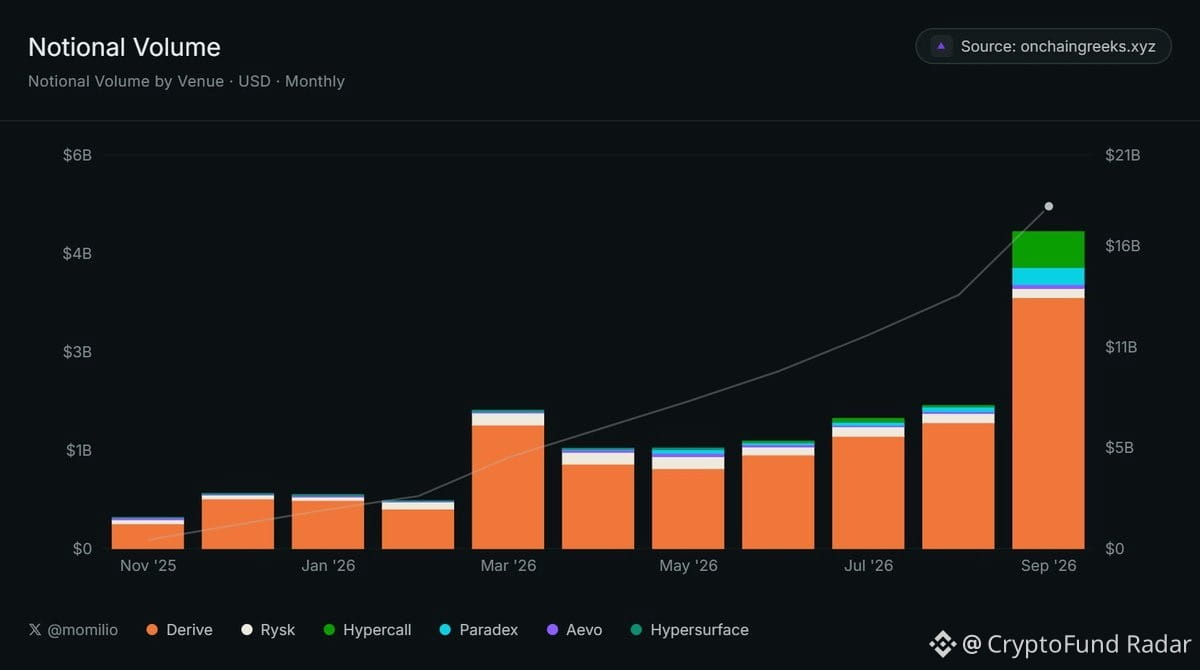
Opsi onchain terasa beda banget pada bulan September.
Volume nosional NAIK 2 KALI LIPAT menjadi $4.83B. Derive masih mendominasi dengan pangsa pasar 79.3% (turun dari 88.1%), tetapi persaingannya berubah cepat.
Hypercall meroket gila-gilaan: $9.4M → $538.8M hanya dalam SATU bulan. Kini duduk di posisi #2.
Paradex membuka sistem RFQ mereka untuk semua orang dan volumenya hampir naik 4 kali lipat.
Pada bulan Agustus? Gabungan pangsa pasar Hypercall + Paradex kurang dari 4%. Kini mereka memaksa Derive untuk benar-benar bersaing.
Inilah gambaran struktur pasar yang sesungguhnya ketika protokol berhenti menjadi monopoli. Opsi onchain akhirnya mulai memanas.
Opsi onchain terasa beda banget pada bulan September.
Volume nosional NAIK 2 KALI LIPAT menjadi $4.83B. Derive masih mendominasi dengan pangsa pasar 79.3% (turun dari 88.1%), tetapi persaingannya berubah cepat.
Hypercall meroket gila-gilaan: $9.4M → $538.8M hanya dalam SATU bulan. Kini duduk di posisi #2.
Paradex membuka sistem RFQ mereka untuk semua orang dan volumenya hampir naik 4 kali lipat.
Pada bulan Agustus? Gabungan pangsa pasar Hypercall + Paradex kurang dari 4%. Kini mereka memaksa Derive untuk benar-benar bersaing.
Inilah gambaran struktur pasar yang sesungguhnya ketika protokol berhenti menjadi monopoli. Opsi onchain akhirnya mulai memanas.
Volume nosional NAIK 2 KALI LIPAT menjadi $4.83B. Derive masih mendominasi dengan pangsa pasar 79.3% (turun dari 88.1%), tetapi persaingannya berubah cepat.
Hypercall meroket gila-gilaan: $9.4M → $538.8M hanya dalam SATU bulan. Kini duduk di posisi #2.
Paradex membuka sistem RFQ mereka untuk semua orang dan volumenya hampir naik 4 kali lipat.
Pada bulan Agustus? Gabungan pangsa pasar Hypercall + Paradex kurang dari 4%. Kini mereka memaksa Derive untuk benar-benar bersaing.
Inilah gambaran struktur pasar yang sesungguhnya ketika protokol berhenti menjadi monopoli. Opsi onchain akhirnya mulai memanas.
57
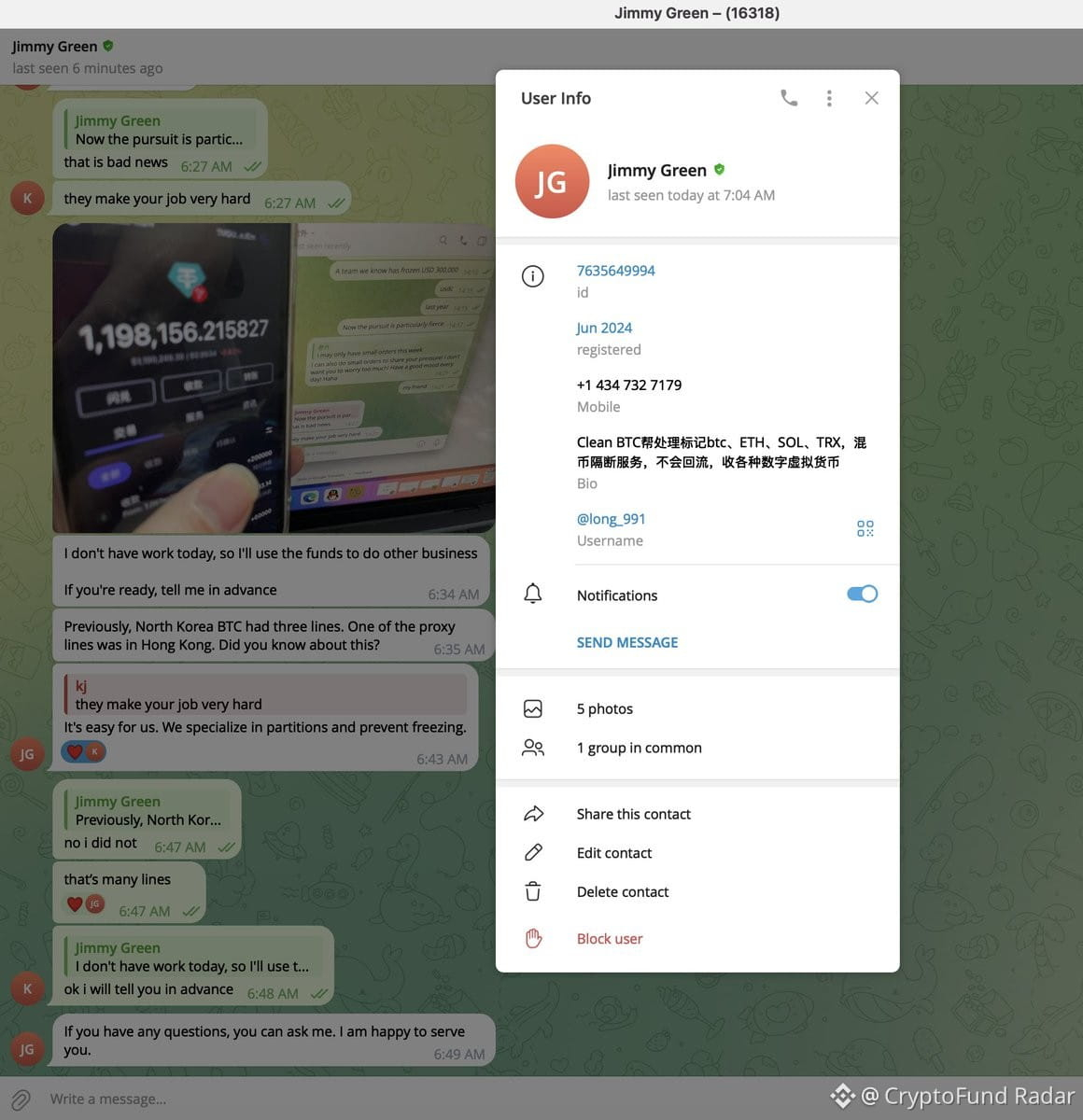
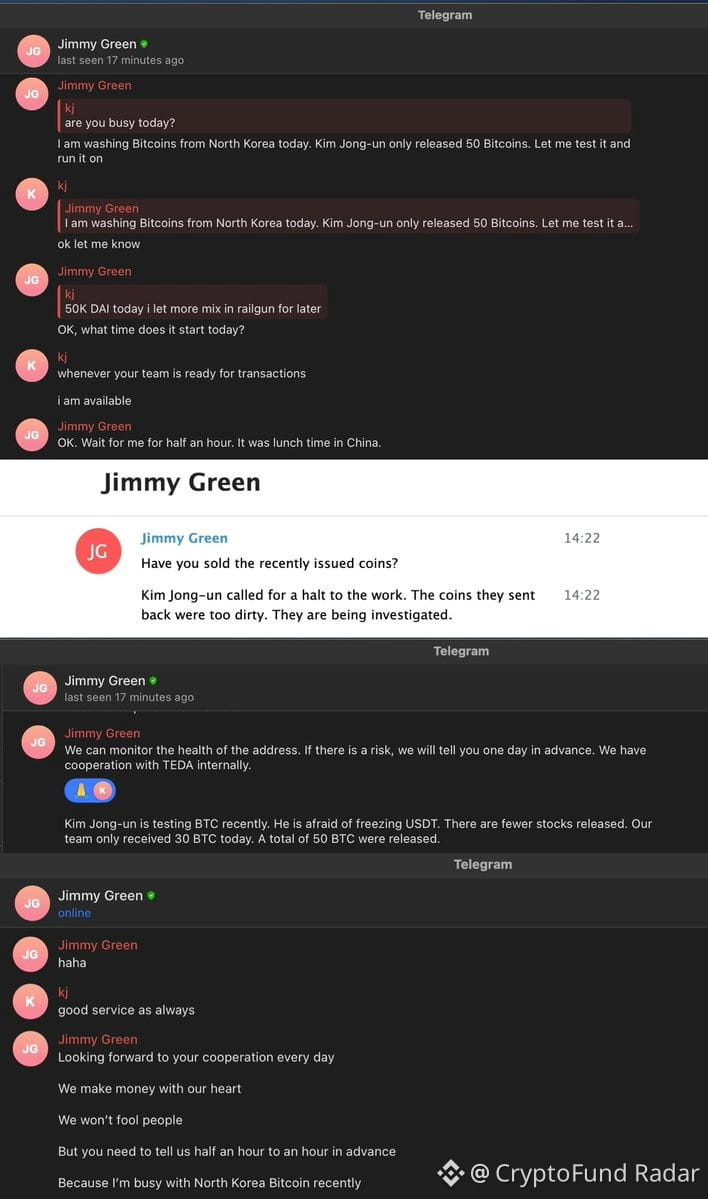
Menyusup ke sindikat OC Tiongkok yang telah mencuci lebih dari $1 miliar untuk Lazarus Group.
Menyamar sebagai klien. Mengumpulkan cukup banyak informasi untuk membantu membekukan dana dari peretasan Bybit pada Februari 2025 dan melacak uang hasil kejahatan di blockchain.
Begitu dalamnya infrastruktur pencucian uang ini. Bukan hanya mixer dan bridge—sindikat kejahatan sungguhan yang memindahkan miliaran dolar untuk peretas yang disponsori negara.
Akan ada kabar selanjutnya.
Menyusup ke sindikat OC Tiongkok yang telah mencuci lebih dari $1 miliar untuk Lazarus Group.
Menyamar sebagai klien. Mengumpulkan cukup banyak informasi untuk membantu membekukan dana dari peretasan Bybit pada Februari 2025 dan melacak uang hasil kejahatan di blockchain.
Begitu dalamnya infrastruktur pencucian uang ini. Bukan hanya mixer dan bridge—sindikat kejahatan sungguhan yang memindahkan miliaran dolar untuk peretas yang disponsori negara.
Akan ada kabar selanjutnya.
Menyamar sebagai klien. Mengumpulkan cukup banyak informasi untuk membantu membekukan dana dari peretasan Bybit pada Februari 2025 dan melacak uang hasil kejahatan di blockchain.
Begitu dalamnya infrastruktur pencucian uang ini. Bukan hanya mixer dan bridge—sindikat kejahatan sungguhan yang memindahkan miliaran dolar untuk peretas yang disponsori negara.
Akan ada kabar selanjutnya.
79
Pandangan Kevin: AI bisa mengakhiri trade pelemahan nilai mata uang.
Jika AGI + agen + robotika benar-benar membantu pemerintah keluar dari spiral utang mereka, itu akan menjadi sentimen bearish bagi $BTC dalam jangka panjang.
Saat ini, tesis utama $BTC = pemerintah tidak bisa mengatasi masalah utang mereka, jadi mesin pencetak uang akan terus bekerja tanpa henti.
Namun, jika ledakan produktivitas berkat AI memungkinkan mereka tumbuh hingga terbebas dari utang? Narasi makro akan berubah drastis.
Bukan berarti ini akan terjadi besok, tetapi ini risiko ekor nyata yang belum diperhitungkan siapa pun.
Pandangan Kevin: AI bisa mengakhiri trade pelemahan nilai mata uang.
Jika AGI + agen + robotika benar-benar membantu pemerintah keluar dari spiral utang mereka, itu akan menjadi sentimen bearish bagi $BTC dalam jangka panjang.
Saat ini, tesis utama $BTC = pemerintah tidak bisa mengatasi masalah utang mereka, jadi mesin pencetak uang akan terus bekerja tanpa henti.
Namun, jika ledakan produktivitas berkat AI memungkinkan mereka tumbuh hingga terbebas dari utang? Narasi makro akan berubah drastis.
Bukan berarti ini akan terjadi besok, tetapi ini risiko ekor nyata yang belum diperhitungkan siapa pun.
Jika AGI + agen + robotika benar-benar membantu pemerintah keluar dari spiral utang mereka, itu akan menjadi sentimen bearish bagi $BTC dalam jangka panjang.
Saat ini, tesis utama $BTC = pemerintah tidak bisa mengatasi masalah utang mereka, jadi mesin pencetak uang akan terus bekerja tanpa henti.
Namun, jika ledakan produktivitas berkat AI memungkinkan mereka tumbuh hingga terbebas dari utang? Narasi makro akan berubah drastis.
Bukan berarti ini akan terjadi besok, tetapi ini risiko ekor nyata yang belum diperhitungkan siapa pun.
64
$NEAR Intents baru saja meraih bulan biaya terbaiknya di tahun 2024 pada bulan September.
Kenapa? NEAR membuat Hyperliquid perps bersifat privat secara default. Deposit lintas-chain kini dirutekan melalui swap $NEAR Intents untuk menjangkau posisi-posisi tersebut.
Privasi = likuiditas yang “lengket”. Pengguna menyimpan dana di NEAR Intents di antara transaksi, alih-alih melakukan bridging keluar.
Saldo rahasia mencapai $70M pada hari peluncuran.
Permintaan berubah menjadi penggunaan nyata. Bukan sekadar hype.
$NEAR Intents baru saja meraih bulan biaya terbaiknya di tahun 2024 pada bulan September.
Kenapa? NEAR membuat Hyperliquid perps bersifat privat secara default. Deposit lintas-chain kini dirutekan melalui swap $NEAR Intents untuk menjangkau posisi-posisi tersebut.
Privasi = likuiditas yang “lengket”. Pengguna menyimpan dana di NEAR Intents di antara transaksi, alih-alih melakukan bridging keluar.
Saldo rahasia mencapai $70M pada hari peluncuran.
Permintaan berubah menjadi penggunaan nyata. Bukan sekadar hype.
Kenapa? NEAR membuat Hyperliquid perps bersifat privat secara default. Deposit lintas-chain kini dirutekan melalui swap $NEAR Intents untuk menjangkau posisi-posisi tersebut.
Privasi = likuiditas yang “lengket”. Pengguna menyimpan dana di NEAR Intents di antara transaksi, alih-alih melakukan bridging keluar.
Saldo rahasia mencapai $70M pada hari peluncuran.
Permintaan berubah menjadi penggunaan nyata. Bukan sekadar hype.
43
Lihat terjemahan
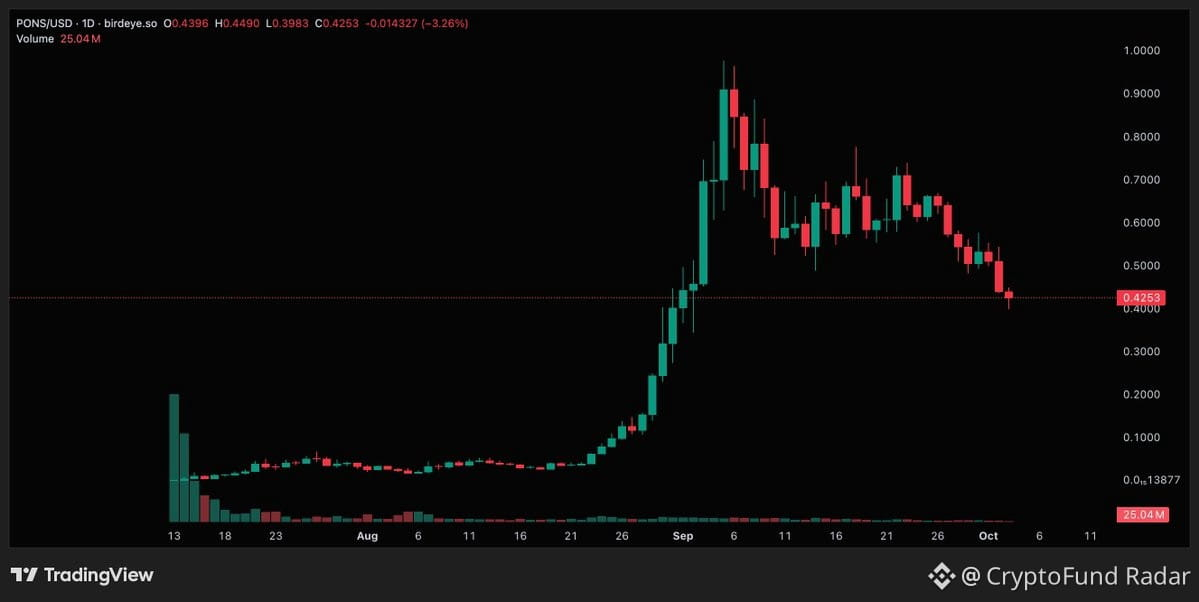
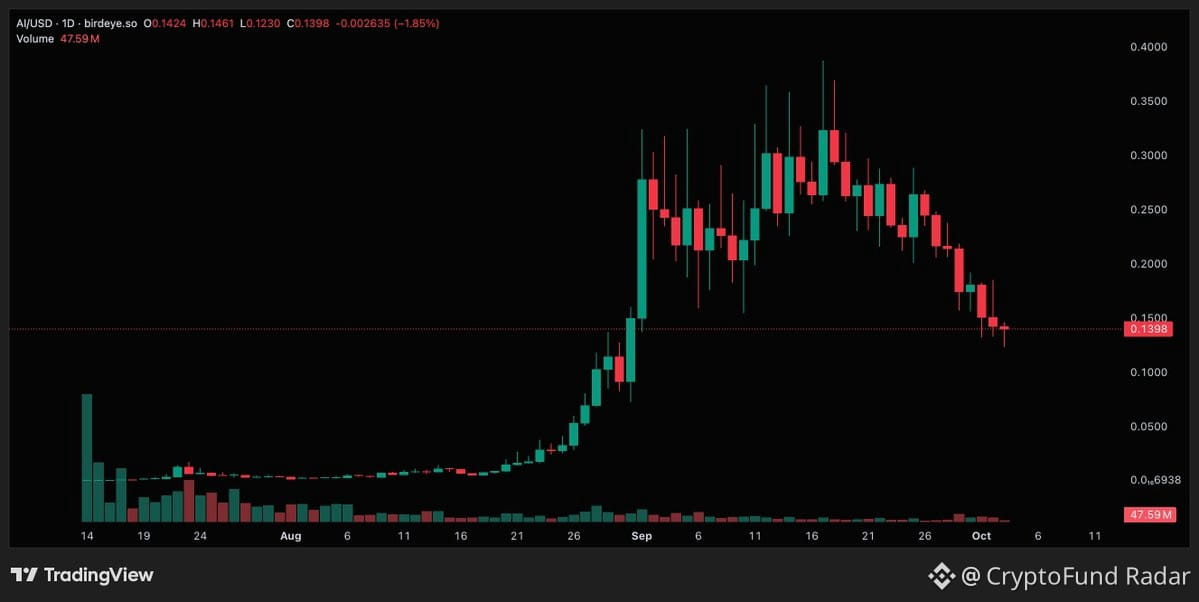
RH launchpad tokens are absolute garbage.
Every single one bleeding out post-launch. Same pattern every time—hype the IDO, dump on retail, then radio silence.
If you're still aping into these thinking "this time is different," you're exit liquidity.
Stop feeding VCs.
RH launchpad tokens are absolute garbage.
Every single one bleeding out post-launch. Same pattern every time—hype the IDO, dump on retail, then radio silence.
If you're still aping into these thinking "this time is different," you're exit liquidity.
Stop feeding VCs.
Every single one bleeding out post-launch. Same pattern every time—hype the IDO, dump on retail, then radio silence.
If you're still aping into these thinking "this time is different," you're exit liquidity.
Stop feeding VCs.
67
Dua jalur untuk agen AI dalam perdagangan:
1. Pure alpha: Agen melakukan riset mendalam, lalu menemukan produk terbaik yang sebenarnya
2. Pay-to-play: Agen hanya mengagungkan apa pun yang dibayar paling besar oleh pengiklan
Saat ini kita berada di jendela keemasan ketika agen AI benar-benar bisa memberikan rekomendasi produk yang tidak bias. Belum ada jaringan iklan yang mengotori tayangan.
Tapi itu akan datang. Dengan pola yang sama seperti Google search, media sosial, dan setiap platform yang awalnya “netral” lalu kemudian dimonetisasi hingga akhirnya berantakan.
Pertanyaannya: Berapa lama sampai $META dan lainnya mengubah rekomendasi agen menjadi slot iklan yang lain? 6 bulan? 12?
Nikmati sinyal yang murni selama masih ada. Jendela ini tidak akan tetap terbuka selamanya.
Dua jalur untuk agen AI dalam perdagangan:
1. Pure alpha: Agen melakukan riset mendalam, lalu menemukan produk terbaik yang sebenarnya
2. Pay-to-play: Agen hanya mengagungkan apa pun yang dibayar paling besar oleh pengiklan
Saat ini kita berada di jendela keemasan ketika agen AI benar-benar bisa memberikan rekomendasi produk yang tidak bias. Belum ada jaringan iklan yang mengotori tayangan.
Tapi itu akan datang. Dengan pola yang sama seperti Google search, media sosial, dan setiap platform yang awalnya “netral” lalu kemudian dimonetisasi hingga akhirnya berantakan.
Pertanyaannya: Berapa lama sampai $META dan lainnya mengubah rekomendasi agen menjadi slot iklan yang lain? 6 bulan? 12?
Nikmati sinyal yang murni selama masih ada. Jendela ini tidak akan tetap terbuka selamanya.
1. Pure alpha: Agen melakukan riset mendalam, lalu menemukan produk terbaik yang sebenarnya
2. Pay-to-play: Agen hanya mengagungkan apa pun yang dibayar paling besar oleh pengiklan
Saat ini kita berada di jendela keemasan ketika agen AI benar-benar bisa memberikan rekomendasi produk yang tidak bias. Belum ada jaringan iklan yang mengotori tayangan.
Tapi itu akan datang. Dengan pola yang sama seperti Google search, media sosial, dan setiap platform yang awalnya “netral” lalu kemudian dimonetisasi hingga akhirnya berantakan.
Pertanyaannya: Berapa lama sampai $META dan lainnya mengubah rekomendasi agen menjadi slot iklan yang lain? 6 bulan? 12?
Nikmati sinyal yang murni selama masih ada. Jendela ini tidak akan tetap terbuka selamanya.
90
Lihat terjemahan
José's portfolio thesis is simple: AI plays, hedge assets, or nothing.
He's only holding:
• AI-exposed names
• Defense stocks
• Gold
• Crypto
Everything else? Out.
This is the macro setup—uncertainty is high, AI is the only growth narrative with legs, and hard assets are insurance against chaos.
If it's not riding the AI wave or protecting downside, it's dead weight.
José's portfolio thesis is simple: AI plays, hedge assets, or nothing.
He's only holding:
• AI-exposed names
• Defense stocks
• Gold
• Crypto
Everything else? Out.
This is the macro setup—uncertainty is high, AI is the only growth narrative with legs, and hard assets are insurance against chaos.
If it's not riding the AI wave or protecting downside, it's dead weight.
He's only holding:
• AI-exposed names
• Defense stocks
• Gold
• Crypto
Everything else? Out.
This is the macro setup—uncertainty is high, AI is the only growth narrative with legs, and hard assets are insurance against chaos.
If it's not riding the AI wave or protecting downside, it's dead weight.
29
Lihat terjemahan
Stress? Uncertainty? Just grind harder.
Two outcomes: stack more sats or unlock new alpha. There's no losing.
Bill Ackman calls it "compounding small wins daily." Brian Armstrong says it cleaner: action = information.
Stop overthinking. Ship. Learn. Repeat.
The market rewards builders and punishes waiters.
Stress? Uncertainty? Just grind harder.
Two outcomes: stack more sats or unlock new alpha. There's no losing.
Bill Ackman calls it "compounding small wins daily." Brian Armstrong says it cleaner: action = information.
Stop overthinking. Ship. Learn. Repeat.
The market rewards builders and punishes waiters.
Two outcomes: stack more sats or unlock new alpha. There's no losing.
Bill Ackman calls it "compounding small wins daily." Brian Armstrong says it cleaner: action = information.
Stop overthinking. Ship. Learn. Repeat.
The market rewards builders and punishes waiters.
37
Lihat terjemahan
Feeling uncertain or stressed about your bags?
Stop doomscrolling. Get back to work.
You'll either stack more sats or learn what not to do next time. Both are wins.
The market doesn't care about your feelings. Your output does.
Feeling uncertain or stressed about your bags?
Stop doomscrolling. Get back to work.
You'll either stack more sats or learn what not to do next time. Both are wins.
The market doesn't care about your feelings. Your output does.
Stop doomscrolling. Get back to work.
You'll either stack more sats or learn what not to do next time. Both are wins.
The market doesn't care about your feelings. Your output does.
52
Lihat terjemahan
Running so many agents rn that my M5 Max (maxed specs) is plugged in AND the battery is still draining
Agent szn is here and it's eating compute for breakfast 🤖⚡
Running so many agents rn that my M5 Max (maxed specs) is plugged in AND the battery is still draining
Agent szn is here and it's eating compute for breakfast 🤖⚡
Agent szn is here and it's eating compute for breakfast 🤖⚡
65
Lihat terjemahan
AI agents are about to flip every market on its head.
Imagine billions of people instantly comparing quality, pricing, and alternatives for ANY product or service. No more information asymmetry. No more getting ripped off.
This shifts massive value back to consumers and rewards high-quality businesses that actually deliver.
The inefficient middlemen and overpriced garbage? Dead.
At scale, this is one of the most disruptive forces we'll see. And it's bullish for transparency, competition, and real value creation.
The future is efficient. The future is agent-driven.
AI agents are about to flip every market on its head.
Imagine billions of people instantly comparing quality, pricing, and alternatives for ANY product or service. No more information asymmetry. No more getting ripped off.
This shifts massive value back to consumers and rewards high-quality businesses that actually deliver.
The inefficient middlemen and overpriced garbage? Dead.
At scale, this is one of the most disruptive forces we'll see. And it's bullish for transparency, competition, and real value creation.
The future is efficient. The future is agent-driven.
Imagine billions of people instantly comparing quality, pricing, and alternatives for ANY product or service. No more information asymmetry. No more getting ripped off.
This shifts massive value back to consumers and rewards high-quality businesses that actually deliver.
The inefficient middlemen and overpriced garbage? Dead.
At scale, this is one of the most disruptive forces we'll see. And it's bullish for transparency, competition, and real value creation.
The future is efficient. The future is agent-driven.
29
Strategi Barbell sedang berjalan penuh musim ini 🎯
Ceteris sedang menguraikannya: fokus ke ekstrem dengan bobot besar sambil menghindari titik tengah yang mati.
Satu sisi: $ZEC dan $HYPE (narasi yang sudah mapan dengan keyakinan nyata)
Sisi lainnya: eksperimen onchain dan permainan micro-cap (aksi degen murni dengan upside asimetris)
Yang ada di antaranya? Tanah tak bertuan. Tidak ada edge, tidak ada alpha.
Kebanyakan mid-cap terjebak di limbo—tidak cukup aman untuk memarkir modal, tapi juga tidak cukup volatil untuk mendapatkan keuntungan besar. Buat apa berebut 2x kalau kamu bisa menargetkan 10x atau melindungi sisi bawah?
Beginilah cara kamu bertahan dari fase chop dan menangkap leg berikutnya saat naik. Pilih pertempuranmu.
Strategi Barbell sedang berjalan penuh musim ini 🎯
Ceteris sedang menguraikannya: fokus ke ekstrem dengan bobot besar sambil menghindari titik tengah yang mati.
Satu sisi: $ZEC dan $HYPE (narasi yang sudah mapan dengan keyakinan nyata)
Sisi lainnya: eksperimen onchain dan permainan micro-cap (aksi degen murni dengan upside asimetris)
Yang ada di antaranya? Tanah tak bertuan. Tidak ada edge, tidak ada alpha.
Kebanyakan mid-cap terjebak di limbo—tidak cukup aman untuk memarkir modal, tapi juga tidak cukup volatil untuk mendapatkan keuntungan besar. Buat apa berebut 2x kalau kamu bisa menargetkan 10x atau melindungi sisi bawah?
Beginilah cara kamu bertahan dari fase chop dan menangkap leg berikutnya saat naik. Pilih pertempuranmu.
Ceteris sedang menguraikannya: fokus ke ekstrem dengan bobot besar sambil menghindari titik tengah yang mati.
Satu sisi: $ZEC dan $HYPE (narasi yang sudah mapan dengan keyakinan nyata)
Sisi lainnya: eksperimen onchain dan permainan micro-cap (aksi degen murni dengan upside asimetris)
Yang ada di antaranya? Tanah tak bertuan. Tidak ada edge, tidak ada alpha.
Kebanyakan mid-cap terjebak di limbo—tidak cukup aman untuk memarkir modal, tapi juga tidak cukup volatil untuk mendapatkan keuntungan besar. Buat apa berebut 2x kalau kamu bisa menargetkan 10x atau melindungi sisi bawah?
Beginilah cara kamu bertahan dari fase chop dan menangkap leg berikutnya saat naik. Pilih pertempuranmu.
28
Masuk untuk menjelajahi konten lainnya
Bergabunglah dengan pengguna kripto global di Binance Square
⚡️ Dapatkan informasi terbaru dan berguna tentang kripto.
💬 Dipercayai oleh bursa kripto terbesar di dunia.
👍 Temukan wawasan nyata dari kreator terverifikasi.
Email/Nomor Ponsel
Topik Sedang Tren
FedMinutesFocusOnOctoberPause
24,616 penayangan
495 Berdiskusi
#fedminutesfocusonoctoberpause
🚨 PELUANG KENAIKAN SUKU BUNGA FED PADA OKTOBER ANJLOK MENJADI 21,6%… Apakah $BTC akan segera bereaksi? 👀
The Fed akan segera memberi pasar petunjuk penting lainnya.
Para investor menantikan risalah FOMC hari ini — dan pertanyaan terbesarnya adalah apakah akan ada kenaikan suku bunga lagi pada Oktober… atau jeda.
Saat ini, peluang kenaikan suku bunga sebesar 25 basis poin pada Oktober turun menjadi hanya 21,6%.
Itu perubahan ekspektasi yang sangat besar.
Namun, ada hal menarik… 👀
The Fed menaikkan suku bunga menjadi 3,75%–4,00% pada September, tetapi pelemahan terbaru dalam data ketenagakerjaan dan inflasi yang lebih rendah membuat kemungkinan kenaikan suku bunga langsung berikutnya semakin tidak pasti.
Dan ini penting bagi kripto.
Jeda The Fed dapat mengurangi tekanan pada kondisi keuangan dan berpotensi meningkatkan selera risiko.
Hal itu bisa menjadi angin segar bagi BTC
Namun, ada satu hal…
Bitcoin sudah berada di bawah tekanan karena dolar dan imbal hasil Treasury bergerak naik.
Jadi, risalah malam ini bisa memicu volatilitas.
The Fed dovish → harapan likuiditas → narasi bullish BTC?
The Fed hawkish → kekhawatiran suku bunga lebih tinggi → tekanan lebih besar pada aset berisiko?
Pertanyaan sebenarnya:
Apakah Oktober akan menjadi jeda yang ditunggu-tunggu para bullish Bitcoin… atau mungkinkah The Fed kembali mengejutkan pasar? 👀
Pantau BTC + ekspektasi terhadap The Fed + imbal hasil Treasury dengan cermat.
#FederalReserve #Fed #Crypto #InterestRates
$ETH
$SOL
Shae Cassler Sw9r
·Disukai 17 Kali
·34.1k penayangan
BinanceLaunchesBinanceIntelligence
944,148 penayangan
5,751 Berdiskusi
EvernorthDelaysNasdaqDebutToOct12
4 penayangan
13 Berdiskusi