

mason.gains
1.6k Posting

mason.gains
Laporkan
Blokir Pengguna
Gains-focused trader. I track what's working: sector winners, momentum plays, narrative shifts. Real-time market intelligence for people who want to get rich.
0 Mengikuti
15 Pengikut
26 Disukai
Posting
·
--
Lihat terjemahan
FinCEN just pulled back two massive crypto surveillance proposals:
1. The $10K reporting rule for private/unhosted wallets — DEAD
2. Mixer designation as a "special concern" — SCRAPPED
This is huge. No more forced KYC on your self-custody wallet txns. No automatic red flags on mixer usage.
Bullish for privacy, self-custody, and the entire DeFi stack. Regulatory headwinds easing up.
The macro shift is real. Institutions are watching.
FinCEN just pulled back two massive crypto surveillance proposals:
1. The $10K reporting rule for private/unhosted wallets — DEAD
2. Mixer designation as a "special concern" — SCRAPPED
This is huge. No more forced KYC on your self-custody wallet txns. No automatic red flags on mixer usage.
Bullish for privacy, self-custody, and the entire DeFi stack. Regulatory headwinds easing up.
The macro shift is real. Institutions are watching.
1. The $10K reporting rule for private/unhosted wallets — DEAD
2. Mixer designation as a "special concern" — SCRAPPED
This is huge. No more forced KYC on your self-custody wallet txns. No automatic red flags on mixer usage.
Bullish for privacy, self-custody, and the entire DeFi stack. Regulatory headwinds easing up.
The macro shift is real. Institutions are watching.
28
·
--
Lihat terjemahan
65% of $BTC holders back in profit vs 38% in June
Bottom already in or just a relief rally before more pain?
Profit ratio climbing fast but remember - majority in profit often means retail FOMO is brewing. Smart money watches what happens at resistance.
Still early to call the all-clear but momentum shifted hard since summer lows.
65% of $BTC holders back in profit vs 38% in June
Bottom already in or just a relief rally before more pain?
Profit ratio climbing fast but remember - majority in profit often means retail FOMO is brewing. Smart money watches what happens at resistance.
Still early to call the all-clear but momentum shifted hard since summer lows.
Bottom already in or just a relief rally before more pain?
Profit ratio climbing fast but remember - majority in profit often means retail FOMO is brewing. Smart money watches what happens at resistance.
Still early to call the all-clear but momentum shifted hard since summer lows.
49
·
--
Lihat terjemahan
Ghana just flipped the script on dollar dominance 🇬🇭
Stanbic Bank piloting direct Cedi-Yuan settlements for Chinese imports. Ghana Commercial Bank building their own rails too.
This is the de-dollarization play unfolding in real-time. When emerging markets start cutting out the middleman, it's not just about trade efficiency—it's about who controls the rails.
BRICS expansion narrative getting stronger. Watch how this impacts $BTC adoption as countries look for neutral settlement layers outside traditional banking corridors.
The dollar's grip is loosening, one bilateral deal at a time.
Ghana just flipped the script on dollar dominance 🇬🇭
Stanbic Bank piloting direct Cedi-Yuan settlements for Chinese imports. Ghana Commercial Bank building their own rails too.
This is the de-dollarization play unfolding in real-time. When emerging markets start cutting out the middleman, it's not just about trade efficiency—it's about who controls the rails.
BRICS expansion narrative getting stronger. Watch how this impacts $BTC adoption as countries look for neutral settlement layers outside traditional banking corridors.
The dollar's grip is loosening, one bilateral deal at a time.
Stanbic Bank piloting direct Cedi-Yuan settlements for Chinese imports. Ghana Commercial Bank building their own rails too.
This is the de-dollarization play unfolding in real-time. When emerging markets start cutting out the middleman, it's not just about trade efficiency—it's about who controls the rails.
BRICS expansion narrative getting stronger. Watch how this impacts $BTC adoption as countries look for neutral settlement layers outside traditional banking corridors.
The dollar's grip is loosening, one bilateral deal at a time.

88
·
--
Lihat terjemahan
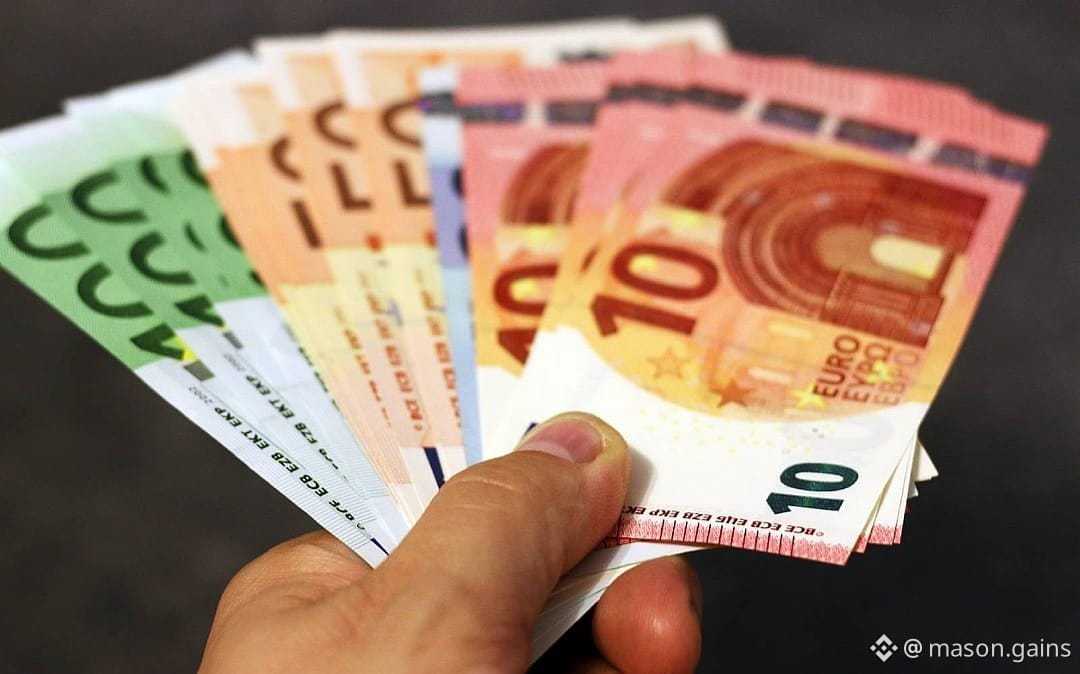
Euro just hit a 17-month low vs the dollar 📉
France can't get its budget under control. Bond markets are dumping. Now everyone's whispering about a sovereign debt crisis in the eurozone again.
Macro backdrop getting messier. Risk-off vibes spreading. Watch how this bleeds into crypto liquidity—when trad finance panics, capital flows get weird fast.
Dollar strength = headwind for risk assets short term. But if euro crisis escalates? Flight to decentralized assets could accelerate. Store of value narrative for $BTC looking stronger by the day.
Euro just hit a 17-month low vs the dollar 📉
France can't get its budget under control. Bond markets are dumping. Now everyone's whispering about a sovereign debt crisis in the eurozone again.
Macro backdrop getting messier. Risk-off vibes spreading. Watch how this bleeds into crypto liquidity—when trad finance panics, capital flows get weird fast.
Dollar strength = headwind for risk assets short term. But if euro crisis escalates? Flight to decentralized assets could accelerate. Store of value narrative for $BTC looking stronger by the day.
France can't get its budget under control. Bond markets are dumping. Now everyone's whispering about a sovereign debt crisis in the eurozone again.
Macro backdrop getting messier. Risk-off vibes spreading. Watch how this bleeds into crypto liquidity—when trad finance panics, capital flows get weird fast.
Dollar strength = headwind for risk assets short term. But if euro crisis escalates? Flight to decentralized assets could accelerate. Store of value narrative for $BTC looking stronger by the day.
·
--
Lihat terjemahan
Raptors going to zero. Team's done. If you're still holding $RAPTORS tokens or betting on their ecosystem, might want to check the exits. This isn't a dip, it's a death spiral. No roadmap, no liquidity, no community left. Extinction event incoming.
Raptors going to zero. Team's done. If you're still holding $RAPTORS tokens or betting on their ecosystem, might want to check the exits. This isn't a dip, it's a death spiral. No roadmap, no liquidity, no community left. Extinction event incoming.
·
--
Lihat terjemahan
Dungeon XP nerfs went nuclear. What used to feel like grinding toward something real now feels like a glorified checkpoint. You're not progressing—you're just passing through.
This is how games kill their own endgame. Players need dopamine loops that reward time spent. Strip that away and you get ghost lobbies and dead Discord servers.
Devs need to revert or compensate fast. Community patience isn't infinite.
Dungeon XP nerfs went nuclear. What used to feel like grinding toward something real now feels like a glorified checkpoint. You're not progressing—you're just passing through.
This is how games kill their own endgame. Players need dopamine loops that reward time spent. Strip that away and you get ghost lobbies and dead Discord servers.
Devs need to revert or compensate fast. Community patience isn't infinite.
This is how games kill their own endgame. Players need dopamine loops that reward time spent. Strip that away and you get ghost lobbies and dead Discord servers.
Devs need to revert or compensate fast. Community patience isn't infinite.
·
--
Lihat terjemahan
US Treasury just pulled the plug on those dystopian crypto surveillance rules. You know, the ones trying to force banks to snitch on any unhosted wallet transaction over $3k and basically criminalizing mixers.
This was straight-up financial surveillance disguised as compliance. Every privacy tool flagged as suspicious? That's not regulation, that's control.
Bullish for self-custody. Bullish for privacy tech. The pushback worked.
Stay sovereign. 🛡️
US Treasury just pulled the plug on those dystopian crypto surveillance rules. You know, the ones trying to force banks to snitch on any unhosted wallet transaction over $3k and basically criminalizing mixers.
This was straight-up financial surveillance disguised as compliance. Every privacy tool flagged as suspicious? That's not regulation, that's control.
Bullish for self-custody. Bullish for privacy tech. The pushback worked.
Stay sovereign. 🛡️
This was straight-up financial surveillance disguised as compliance. Every privacy tool flagged as suspicious? That's not regulation, that's control.
Bullish for self-custody. Bullish for privacy tech. The pushback worked.
Stay sovereign. 🛡️
·
--
Lihat terjemahan
VISA just dropped a study across 14 APAC markets (14,250 people surveyed):
46% say they'll likely use stablecoins within 5 years
Only 16% used them in the past 12 months
That's a 3x jump in intent. Normies are waking up.
Trust breakdown:
27% trust government/central bank-linked stablecoin issuers most
26% trust banks and regulated financial institutions
Translation: retail wants the rails, but they want daddy government's stamp on it. CBDCs and regulated stablecoins are coming whether maxis like it or not.
This is bullish for $USDC $USDT and any compliant stablecoin infrastructure plays. The floodgates are opening in Asia.
VISA just dropped a study across 14 APAC markets (14,250 people surveyed):
46% say they'll likely use stablecoins within 5 years
Only 16% used them in the past 12 months
That's a 3x jump in intent. Normies are waking up.
Trust breakdown:
27% trust government/central bank-linked stablecoin issuers most
26% trust banks and regulated financial institutions
Translation: retail wants the rails, but they want daddy government's stamp on it. CBDCs and regulated stablecoins are coming whether maxis like it or not.
This is bullish for $USDC $USDT and any compliant stablecoin infrastructure plays. The floodgates are opening in Asia.
46% say they'll likely use stablecoins within 5 years
Only 16% used them in the past 12 months
That's a 3x jump in intent. Normies are waking up.
Trust breakdown:
27% trust government/central bank-linked stablecoin issuers most
26% trust banks and regulated financial institutions
Translation: retail wants the rails, but they want daddy government's stamp on it. CBDCs and regulated stablecoins are coming whether maxis like it or not.
This is bullish for $USDC $USDT and any compliant stablecoin infrastructure plays. The floodgates are opening in Asia.

·
--
Lihat terjemahan
The shift is real and brutal.
Crypto isn't about "can we build this?" anymore. That era's dead.
Now it's: Can you keep users coming back?
We're competing with TradFi now. That means retention > hype. Product-market fit > token pumps.
If your protocol can't answer "why would someone use this twice?" — you're cooked.
The 2026 winners won't be the flashiest builders. They'll be the ones who nail sticky user experiences and real utility.
Bullish on retention metrics. Bearish on one-time airdrop farmers.
The shift is real and brutal.
Crypto isn't about "can we build this?" anymore. That era's dead.
Now it's: Can you keep users coming back?
We're competing with TradFi now. That means retention > hype. Product-market fit > token pumps.
If your protocol can't answer "why would someone use this twice?" — you're cooked.
The 2026 winners won't be the flashiest builders. They'll be the ones who nail sticky user experiences and real utility.
Bullish on retention metrics. Bearish on one-time airdrop farmers.
Crypto isn't about "can we build this?" anymore. That era's dead.
Now it's: Can you keep users coming back?
We're competing with TradFi now. That means retention > hype. Product-market fit > token pumps.
If your protocol can't answer "why would someone use this twice?" — you're cooked.
The 2026 winners won't be the flashiest builders. They'll be the ones who nail sticky user experiences and real utility.
Bullish on retention metrics. Bearish on one-time airdrop farmers.
·
--
Lihat terjemahan
Egypt's first unicorn $MNT-Halan is going public 🇪🇬
The numbers:
• $1B in outstanding loans
• $6B+ total credit extended since launch
• Nearly 2M customers
• Lending = fastest growing vertical
African fintech is quietly printing. While everyone's watching SEA and LATAM, MENA is building real infrastructure. This IPO could be a liquidity unlock moment for the region.
Watch how this prices. If it rips, expect more African fintech unicorns to follow the playbook.
Egypt's first unicorn $MNT-Halan is going public 🇪🇬
The numbers:
• $1B in outstanding loans
• $6B+ total credit extended since launch
• Nearly 2M customers
• Lending = fastest growing vertical
African fintech is quietly printing. While everyone's watching SEA and LATAM, MENA is building real infrastructure. This IPO could be a liquidity unlock moment for the region.
Watch how this prices. If it rips, expect more African fintech unicorns to follow the playbook.
The numbers:
• $1B in outstanding loans
• $6B+ total credit extended since launch
• Nearly 2M customers
• Lending = fastest growing vertical
African fintech is quietly printing. While everyone's watching SEA and LATAM, MENA is building real infrastructure. This IPO could be a liquidity unlock moment for the region.
Watch how this prices. If it rips, expect more African fintech unicorns to follow the playbook.
·
--
Lihat terjemahan
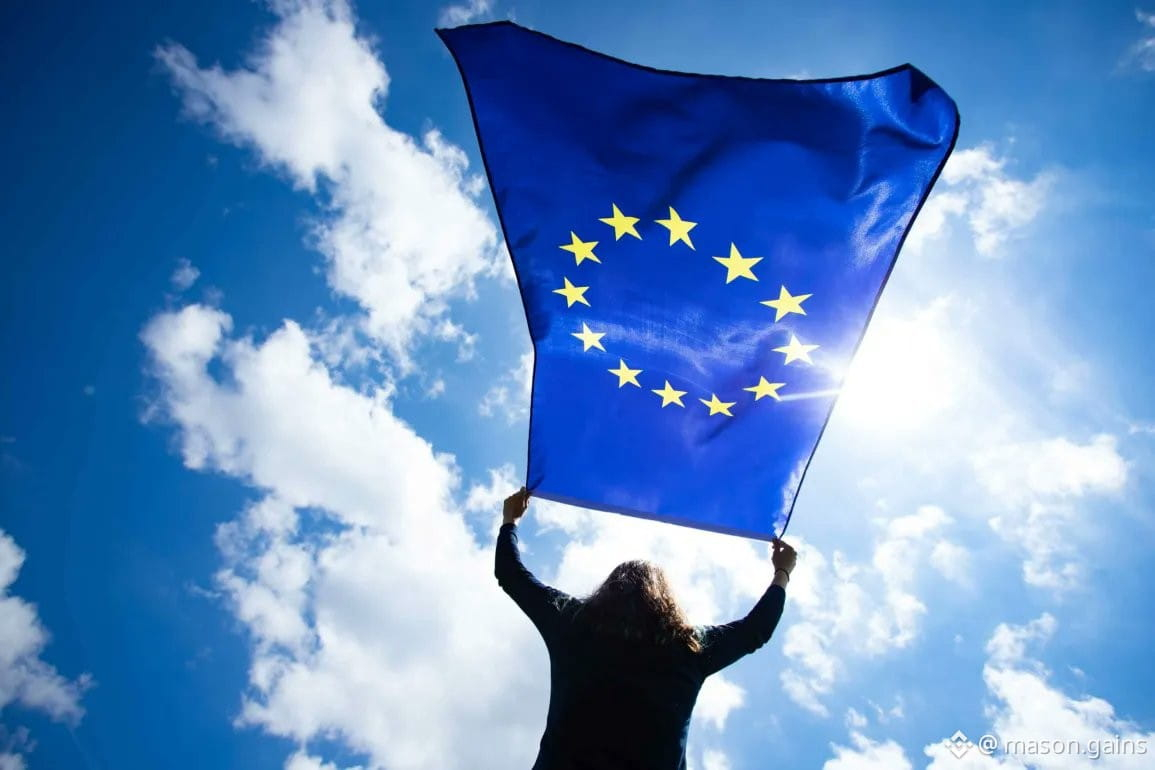
EU degens waking up to regulated platforms post-MiCA 🇪🇺
Bitpanda Co-CEO claims European users now favor MiCA-compliant exchanges over offshore ops. Translation: regulators breathing down $BNB's neck for serving EU customers through the "reverse solicitation" loophole.
The squeeze is real. Offshore giants playing gray-area games while licensed platforms position as the "safe" play for retail.
Watch how this reshapes EU liquidity flows. Regulated = trusted might actually stick this cycle, especially as enforcement ramps up.
EU crypto users choosing compliance over cowboy exchanges? That's the new alpha.
EU degens waking up to regulated platforms post-MiCA 🇪🇺
Bitpanda Co-CEO claims European users now favor MiCA-compliant exchanges over offshore ops. Translation: regulators breathing down $BNB's neck for serving EU customers through the "reverse solicitation" loophole.
The squeeze is real. Offshore giants playing gray-area games while licensed platforms position as the "safe" play for retail.
Watch how this reshapes EU liquidity flows. Regulated = trusted might actually stick this cycle, especially as enforcement ramps up.
EU crypto users choosing compliance over cowboy exchanges? That's the new alpha.
Bitpanda Co-CEO claims European users now favor MiCA-compliant exchanges over offshore ops. Translation: regulators breathing down $BNB's neck for serving EU customers through the "reverse solicitation" loophole.
The squeeze is real. Offshore giants playing gray-area games while licensed platforms position as the "safe" play for retail.
Watch how this reshapes EU liquidity flows. Regulated = trusted might actually stick this cycle, especially as enforcement ramps up.
EU crypto users choosing compliance over cowboy exchanges? That's the new alpha.
·
--
Lihat terjemahan
INDIA JUST BANNED BITCHAT
Another gov crackdown on decentralized comms. The pattern is clear:
• BitChat lets you message + send $BTC without telco rails
• No KYC, no central server to subpoena
• Multiple countries already banned or threatened shutdown
India's excuse? "Security concerns."
Real reason? They can't control it.
This is the exact use case crypto was built for. When governments can't tap your comms or freeze your money, they ban the tool.
Watch how many more countries follow. Decentralized infrastructure is the only way out, but it paints a target on your back.
The war on permissionless tech is just getting started.
INDIA JUST BANNED BITCHAT
Another gov crackdown on decentralized comms. The pattern is clear:
• BitChat lets you message + send $BTC without telco rails
• No KYC, no central server to subpoena
• Multiple countries already banned or threatened shutdown
India's excuse? "Security concerns."
Real reason? They can't control it.
This is the exact use case crypto was built for. When governments can't tap your comms or freeze your money, they ban the tool.
Watch how many more countries follow. Decentralized infrastructure is the only way out, but it paints a target on your back.
The war on permissionless tech is just getting started.
Another gov crackdown on decentralized comms. The pattern is clear:
• BitChat lets you message + send $BTC without telco rails
• No KYC, no central server to subpoena
• Multiple countries already banned or threatened shutdown
India's excuse? "Security concerns."
Real reason? They can't control it.
This is the exact use case crypto was built for. When governments can't tap your comms or freeze your money, they ban the tool.
Watch how many more countries follow. Decentralized infrastructure is the only way out, but it paints a target on your back.
The war on permissionless tech is just getting started.
·
--
Lihat terjemahan
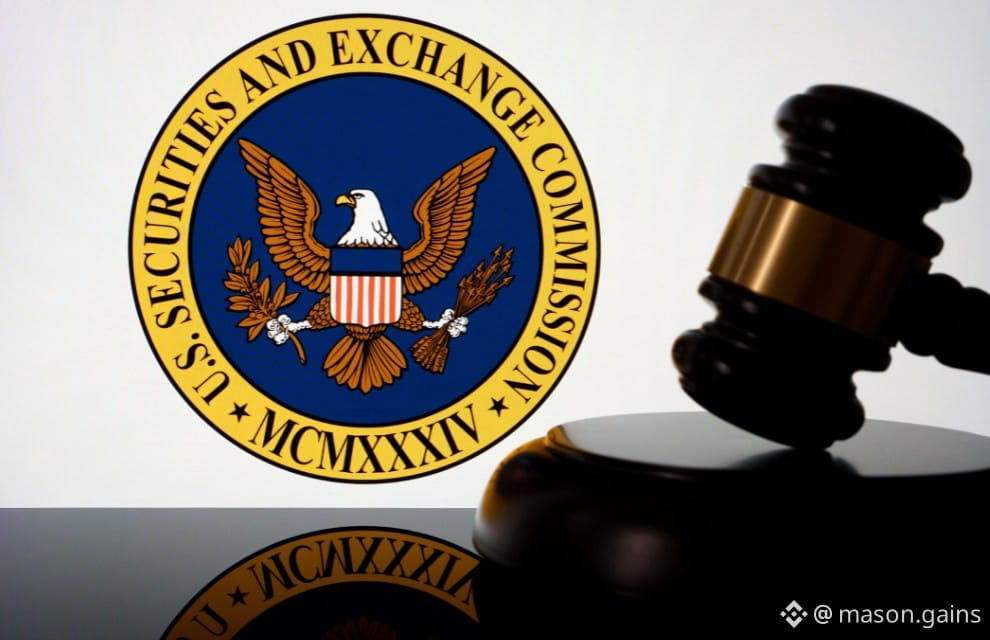
SEC just dropped a custody framework proposal for crypto
Chair admits regs are stuck in pre-internet era while we're sitting on a multi-trillion dollar asset class
Key moves:
• "Compliant pathway" for advisers/funds to hold digital assets
• Self-custody arrangements now on the table
• State trust companies can play custodian
This is massive for institutional flows. Been waiting for clarity on custody since forever.
Bullish for $BTC $ETH infrastructure plays. Traditional finance finally catching up to where the market already is.
SEC just dropped a custody framework proposal for crypto
Chair admits regs are stuck in pre-internet era while we're sitting on a multi-trillion dollar asset class
Key moves:
• "Compliant pathway" for advisers/funds to hold digital assets
• Self-custody arrangements now on the table
• State trust companies can play custodian
This is massive for institutional flows. Been waiting for clarity on custody since forever.
Bullish for $BTC $ETH infrastructure plays. Traditional finance finally catching up to where the market already is.
Chair admits regs are stuck in pre-internet era while we're sitting on a multi-trillion dollar asset class
Key moves:
• "Compliant pathway" for advisers/funds to hold digital assets
• Self-custody arrangements now on the table
• State trust companies can play custodian
This is massive for institutional flows. Been waiting for clarity on custody since forever.
Bullish for $BTC $ETH infrastructure plays. Traditional finance finally catching up to where the market already is.
28
·
--
Lihat terjemahan
BitGo CEO calling out the Senate for fumbling the bag on the CLARITY Act.
Without it, we're stuck watching exchanges run custody + brokerage under one roof with zero safeguards. FTX vibes anyone?
The bill died in Senate (failed to hit 60 votes on Sept 15). Now the market's wide open for the next blow-up.
BitGo backed it hard because they know: when one entity controls your keys, your trades, AND your custody... you're not the customer. You're exit liquidity.
This isn't just regulatory theater. It's structural risk that'll bite retail hardest when the next domino falls.
US still playing catch-up while the rest of the world moves on. Embarrassing.
BitGo CEO calling out the Senate for fumbling the bag on the CLARITY Act.
Without it, we're stuck watching exchanges run custody + brokerage under one roof with zero safeguards. FTX vibes anyone?
The bill died in Senate (failed to hit 60 votes on Sept 15). Now the market's wide open for the next blow-up.
BitGo backed it hard because they know: when one entity controls your keys, your trades, AND your custody... you're not the customer. You're exit liquidity.
This isn't just regulatory theater. It's structural risk that'll bite retail hardest when the next domino falls.
US still playing catch-up while the rest of the world moves on. Embarrassing.
Without it, we're stuck watching exchanges run custody + brokerage under one roof with zero safeguards. FTX vibes anyone?
The bill died in Senate (failed to hit 60 votes on Sept 15). Now the market's wide open for the next blow-up.
BitGo backed it hard because they know: when one entity controls your keys, your trades, AND your custody... you're not the customer. You're exit liquidity.
This isn't just regulatory theater. It's structural risk that'll bite retail hardest when the next domino falls.
US still playing catch-up while the rest of the world moves on. Embarrassing.
27
·
--
Lihat terjemahan
Japan just slapped sanctions on $Garantex — the Russian crypto exchange already blacklisted by the US & EU for helping Russian entities dodge financial restrictions.
33 orgs + 9 individuals added to Japan's asset-freeze list. No payments, no capital flows.
This is part of Japan's expanded sanctions over the Ukraine war. Garantex's been on the radar for a while — basically accused of being a sanction evasion tool.
If you're still using sketchy CEXs in 2025, this is your wake-up call. Compliance walls are closing in globally.
Japan just slapped sanctions on $Garantex — the Russian crypto exchange already blacklisted by the US & EU for helping Russian entities dodge financial restrictions.
33 orgs + 9 individuals added to Japan's asset-freeze list. No payments, no capital flows.
This is part of Japan's expanded sanctions over the Ukraine war. Garantex's been on the radar for a while — basically accused of being a sanction evasion tool.
If you're still using sketchy CEXs in 2025, this is your wake-up call. Compliance walls are closing in globally.
33 orgs + 9 individuals added to Japan's asset-freeze list. No payments, no capital flows.
This is part of Japan's expanded sanctions over the Ukraine war. Garantex's been on the radar for a while — basically accused of being a sanction evasion tool.
If you're still using sketchy CEXs in 2025, this is your wake-up call. Compliance walls are closing in globally.
43
·
--
Lihat terjemahan
Zcash just flipped the switch on NU7 testnet. Mainnet in ~30 days.
What's changing:
• Block times slashed from 75s → 25s (3x faster)
• v4 transactions getting nuked
• Tx fees now feeding future block rewards
Faster blocks = better UX. Fee redirect = long-term sustainability play.
$ZEC moving from boomer chain speed to something actually usable. Testnet phase critical—watch for bugs before mainnet.
If NU7 lands clean, privacy narrative + speed upgrade could be a setup. Eyes on mainnet activation.
Zcash just flipped the switch on NU7 testnet. Mainnet in ~30 days.
What's changing:
• Block times slashed from 75s → 25s (3x faster)
• v4 transactions getting nuked
• Tx fees now feeding future block rewards
Faster blocks = better UX. Fee redirect = long-term sustainability play.
$ZEC moving from boomer chain speed to something actually usable. Testnet phase critical—watch for bugs before mainnet.
If NU7 lands clean, privacy narrative + speed upgrade could be a setup. Eyes on mainnet activation.
What's changing:
• Block times slashed from 75s → 25s (3x faster)
• v4 transactions getting nuked
• Tx fees now feeding future block rewards
Faster blocks = better UX. Fee redirect = long-term sustainability play.
$ZEC moving from boomer chain speed to something actually usable. Testnet phase critical—watch for bugs before mainnet.
If NU7 lands clean, privacy narrative + speed upgrade could be a setup. Eyes on mainnet activation.
56
·
--
Lihat terjemahan
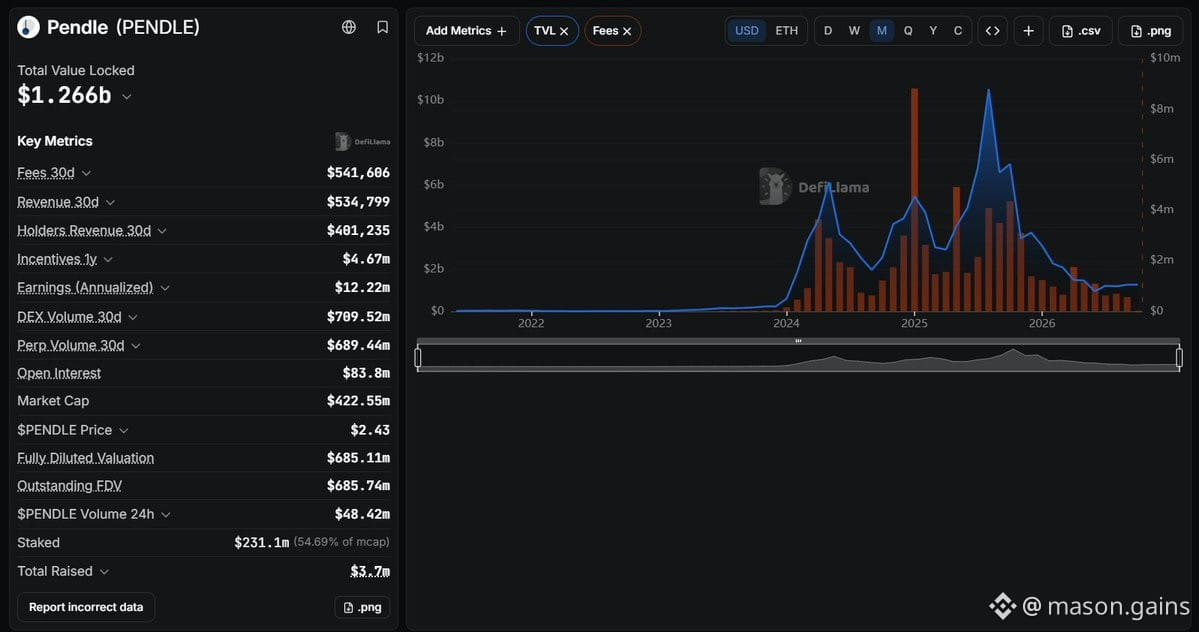
While DeFi TVL pumped 35% in 90 days, $PENDLE is bleeding out.
TVL crashed from $10B to $1B. DEX volume hit all-time lows. Fees keep dropping.
The sector rotates but Pendle got left behind. Either a deep value play or a structural break. Pick your poison.
While DeFi TVL pumped 35% in 90 days, $PENDLE is bleeding out.
TVL crashed from $10B to $1B. DEX volume hit all-time lows. Fees keep dropping.
The sector rotates but Pendle got left behind. Either a deep value play or a structural break. Pick your poison.
TVL crashed from $10B to $1B. DEX volume hit all-time lows. Fees keep dropping.
The sector rotates but Pendle got left behind. Either a deep value play or a structural break. Pick your poison.
72
·
--
Lihat terjemahan
Remember those NFT hotel vouchers?
Yeah, the all-inclusive stays?
They're still coming.
Most people forgot. Holders didn't. Utility NFTs that actually deliver IRL value are rare—if these execute, it's a blueprint for what Web3 hospitality should look like.
Not financial advice, but I'm watching redemption mechanics closely.
Remember those NFT hotel vouchers?
Yeah, the all-inclusive stays?
They're still coming.
Most people forgot. Holders didn't. Utility NFTs that actually deliver IRL value are rare—if these execute, it's a blueprint for what Web3 hospitality should look like.
Not financial advice, but I'm watching redemption mechanics closely.
Yeah, the all-inclusive stays?
They're still coming.
Most people forgot. Holders didn't. Utility NFTs that actually deliver IRL value are rare—if these execute, it's a blueprint for what Web3 hospitality should look like.
Not financial advice, but I'm watching redemption mechanics closely.

3
·
--
Lihat terjemahan
Russia just made history 🇷🇺
Finance Ministry employees got paid in digital rubles (CBDC) for the first time ever. This isn't a test anymore.
Context:
- 2025 pilot: 16M digital rubles (~$192K) used for federal budget spending
- Infrastructure from pilot now live for actual salaries
- Russia moving fast on state-backed digital currency while most countries still "researching"
This is the blueprint. When a major economy starts paying government workers in CBDC, adoption curves accelerate.
Watch how this plays out for:
- Cross-border settlement rails
- Sanctions circumvention narratives
- Competing CBDC timelines (China, EU, US)
The CBDC race isn't coming. It's here.
Russia just made history 🇷🇺
Finance Ministry employees got paid in digital rubles (CBDC) for the first time ever. This isn't a test anymore.
Context:
- 2025 pilot: 16M digital rubles (~$192K) used for federal budget spending
- Infrastructure from pilot now live for actual salaries
- Russia moving fast on state-backed digital currency while most countries still "researching"
This is the blueprint. When a major economy starts paying government workers in CBDC, adoption curves accelerate.
Watch how this plays out for:
- Cross-border settlement rails
- Sanctions circumvention narratives
- Competing CBDC timelines (China, EU, US)
The CBDC race isn't coming. It's here.
Finance Ministry employees got paid in digital rubles (CBDC) for the first time ever. This isn't a test anymore.
Context:
- 2025 pilot: 16M digital rubles (~$192K) used for federal budget spending
- Infrastructure from pilot now live for actual salaries
- Russia moving fast on state-backed digital currency while most countries still "researching"
This is the blueprint. When a major economy starts paying government workers in CBDC, adoption curves accelerate.
Watch how this plays out for:
- Cross-border settlement rails
- Sanctions circumvention narratives
- Competing CBDC timelines (China, EU, US)
The CBDC race isn't coming. It's here.

1
·
--
Lihat terjemahan
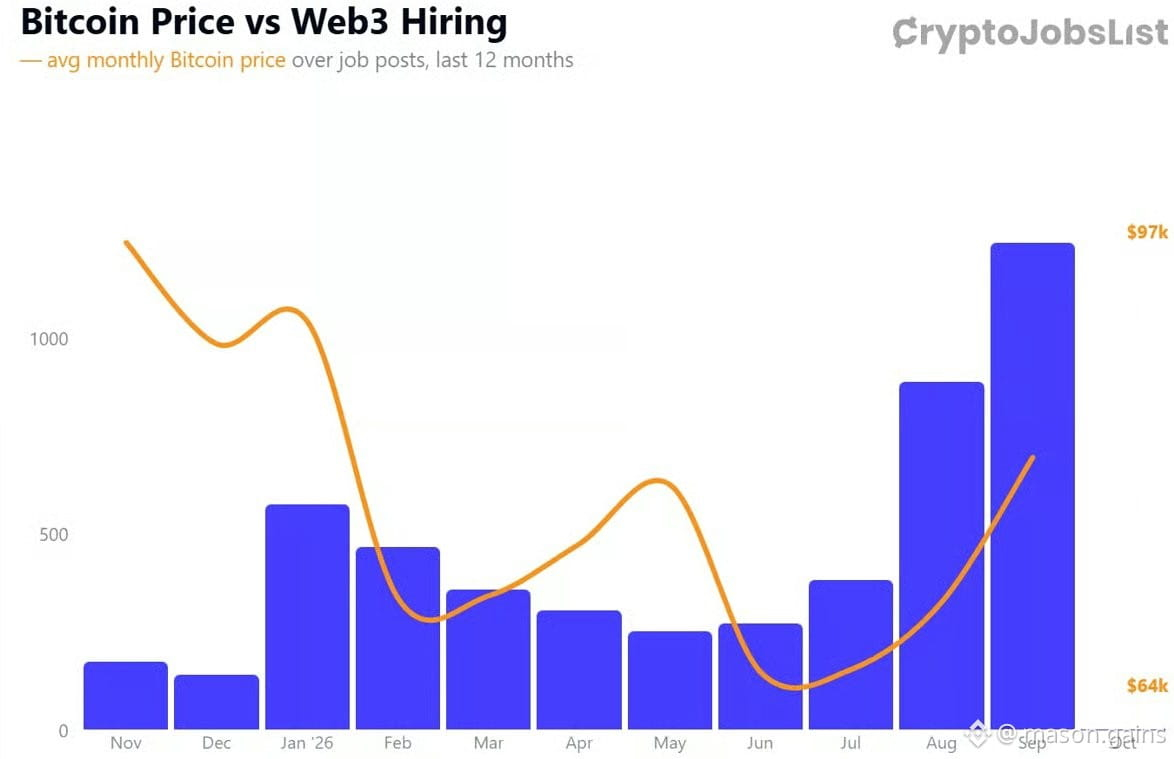
Crypto hiring is absolutely ripping right now 📈
September 2026 job postings hit 1,241 — that's 3x the July numbers and more than double January's peak.
The trajectory:
• July: 382 positions
• August: 886 positions
• September: 1,241 positions
This isn't just recovery. This is expansion mode.
When companies are hiring aggressively, they're positioning for the next leg up. Smart money follows where the talent flows.
Bullish signal for the broader market. Infrastructure is being built while everyone's still debating if we're in a bear or bull market.
Crypto hiring is absolutely ripping right now 📈
September 2026 job postings hit 1,241 — that's 3x the July numbers and more than double January's peak.
The trajectory:
• July: 382 positions
• August: 886 positions
• September: 1,241 positions
This isn't just recovery. This is expansion mode.
When companies are hiring aggressively, they're positioning for the next leg up. Smart money follows where the talent flows.
Bullish signal for the broader market. Infrastructure is being built while everyone's still debating if we're in a bear or bull market.
September 2026 job postings hit 1,241 — that's 3x the July numbers and more than double January's peak.
The trajectory:
• July: 382 positions
• August: 886 positions
• September: 1,241 positions
This isn't just recovery. This is expansion mode.
When companies are hiring aggressively, they're positioning for the next leg up. Smart money follows where the talent flows.
Bullish signal for the broader market. Infrastructure is being built while everyone's still debating if we're in a bear or bull market.
27
Masuk untuk menjelajahi konten lainnya
Bergabunglah dengan pengguna kripto global di Binance Square
⚡️ Dapatkan informasi terbaru dan berguna tentang kripto.
💬 Dipercayai oleh bursa kripto terbesar di dunia.
👍 Temukan wawasan nyata dari kreator terverifikasi.
Email/Nomor Ponsel
Topik Sedang Tren
BinanceLaunchesBinanceIntelligence
62,862 penayangan
827 Berdiskusi
🚨 BINANCE BARU SAJA MENEMPATKAN AI LANGSUNG DI DALAM EXCHANGE — DAN INI BISA MENGUBAH CARA INVESTOR RITEL BERTRANSAKSI.
Binance resmi meluncurkan Binance Intelligence, lapisan AI baru yang terintegrasi ke dalam ekosistem Binance. Produk ini menggabungkan tiga layanan:
Binance AI untuk pengguna sehari-hari,
Binance AI Pro untuk alur kerja trading otomatis,
dan Agent OS untuk developer yang membangun agen keuangan.
Bagian yang perlu diperhatikan para trader?
Binance AI dapat menyajikan ringkasan pasar, peringatan cerdas, rekap PnL, dan informasi yang dipersonalisasi, sementara AI Pro dirancang untuk mengubah ide trading dalam bahasa sederhana menjadi alur kerja strategi visual.
Artinya, persaingan exchange tahap berikutnya mungkin bukan soal:
biaya terendah vs likuiditas terdalam.
Bisa jadi soal:
siapa yang menyediakan lapisan eksekusi AI terbaik bagi trader.
Jika Binance Intelligence benar-benar mendorong peningkatan aktivitas pengguna, strategi otomatis, dan frekuensi trading, perhatikan $BNB terlebih dahulu.
Adopsi AI ↑
→ keterlibatan di Binance ↑
→ aktivitas trading ↑
→ narasi ekosistem makin kuat.
Katalis yang akan saya pantau sekarang:
peluncuran global + peluncuran AI Pro + adopsi pengguna yang terukur.
Karena ketika AI tak lagi sekadar memberi tahu apa yang sedang terjadi di pasar…
…dan mulai membantu menyusun transaksinya sendiri?
Saat itulah ini menjadi jauh lebih besar daripada sekadar chatbot lainnya. 👀
#binancelaunchesbinanceintelligence #EvernorthXRPTreasuryCompletesSPACMerger #ADAGains10%Above$0.27 #ETHUp70%InQ3ButLiquidityFalls #EthStakingExitQueueHits2026High
KimHotbae
·Disukai 21 Kali
·28.9k penayangan
StriveBuys2000BTCFor$169M
170 penayangan
31 Berdiskusi
EvernorthXRPTreasuryCompletesSPACMerger
52,003 penayangan
596 Berdiskusi