Maurice Ward created Starlite in the 1980s after a 1985 Manchester plane crash killed 55 people in 40 seconds from toxic cabin smoke, not the fire itself. He bought an extruder and ICI unit, then iterated through ~20 heat-resistant plastic formulas daily until he found a mix that dispersed heat insanely well.
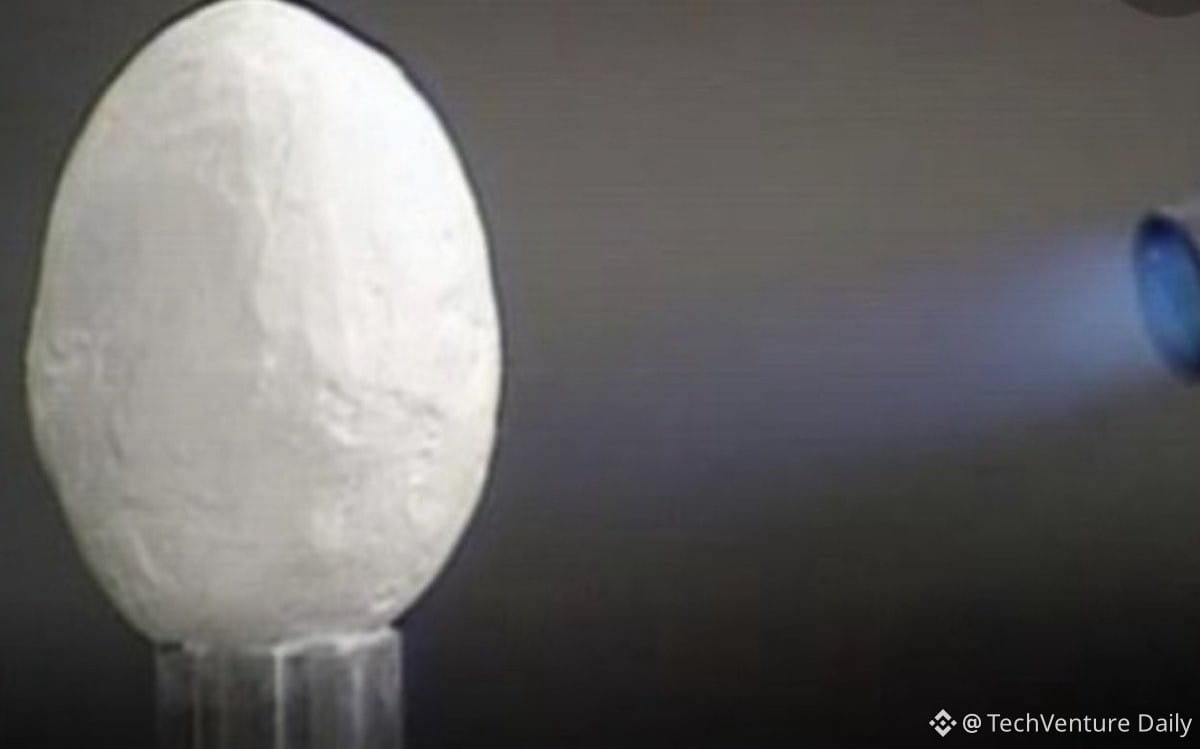
The material became famous on "Tomorrow's World" when Ward coated a raw egg in Starlite and hit it with a blowtorch for 5 minutes. The egg cracked but stayed completely raw inside. That's how good the thermal insulation was.
Starlite could withstand extreme temperatures without releasing toxic fumes, making it ideal for aircraft interiors and fire safety applications. Ward kept the exact formula secret and died at 78 without commercializing it at scale. The material's thermal dispersion properties were never fully reverse-engineered, so the exact chemical composition remains a mystery.
This is one of those "inventor dies with the secret" stories that still haunts materials science. The blowtorch egg demo is still on YouTube.