

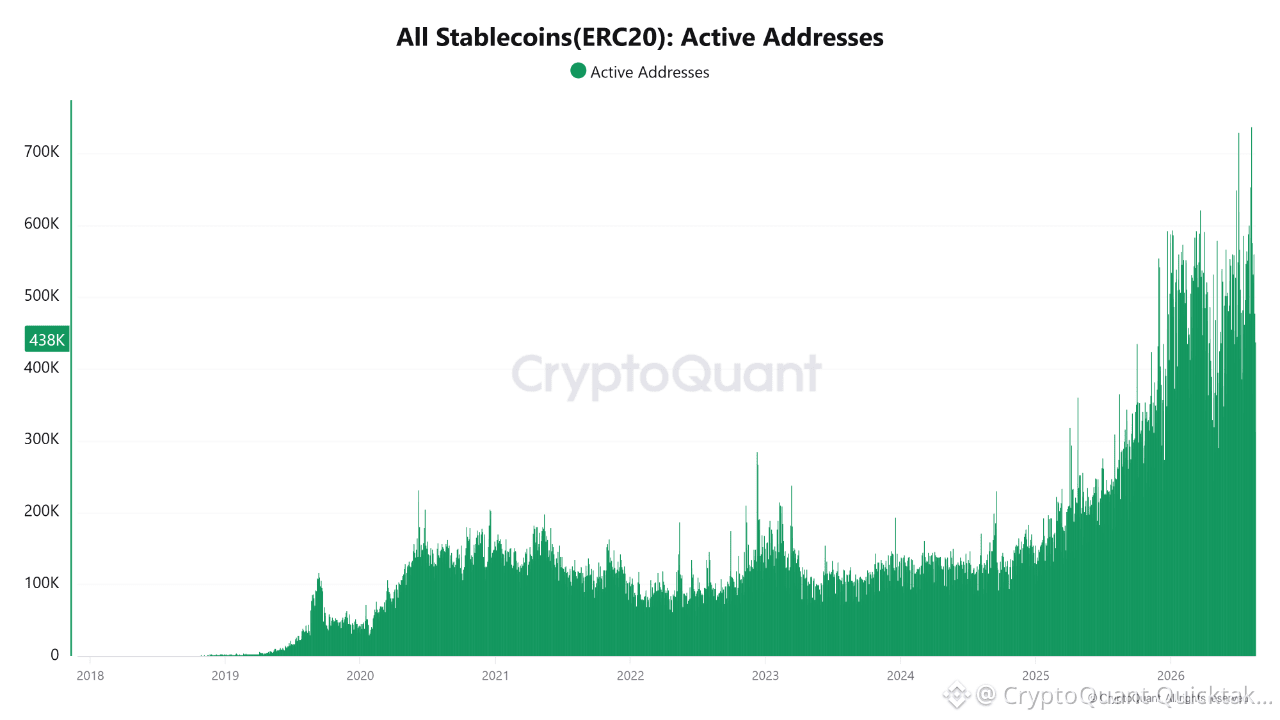
Stablecoin usage is expanding rapidly worldwide, and Japan is now emerging as an important market to watch.
Japan’s retail sector is becoming a real-world testing ground for stablecoins. The evolution from Matsuya Ginza to Chibo and Lawson shows that the opportunity goes far beyond another payment method.
In 2021, Matsuya Ginza used JPYC through an agency-purchase model, connecting digital-asset holders with physical retail. In 2026, Chibo combined JPYC payments with SBTs to connect transactions with visits, rewards and loyalty. Lawson then tested JPYC, USDC and USDT through existing POS systems.
This matters globally. Stablecoins enable money to move 24/7 and connect payments with wallets, customer data, loyalty programs and eventually AI agents.
I call this “Digital Capital Management”: turning AI, data, digital assets and financial infrastructure into resources that create enterprise value.
For retailers, the next model may be:
Payment × Data × Loyalty × Finance × AI.
The question is no longer simply, “Can customers pay with stablecoins?” It is, “What value can companies create and retain after the payment?”
Japan’s experiments are still early, but they signal a broader transition: stablecoins are moving from crypto markets into the real economy—and could become a core layer of global commerce.
Written by XWIN Japan