

#web3infrastructure
web3infrastructure
214,675 penayangan
3,059 Berdiskusi
Populer
Terbaru

·
--
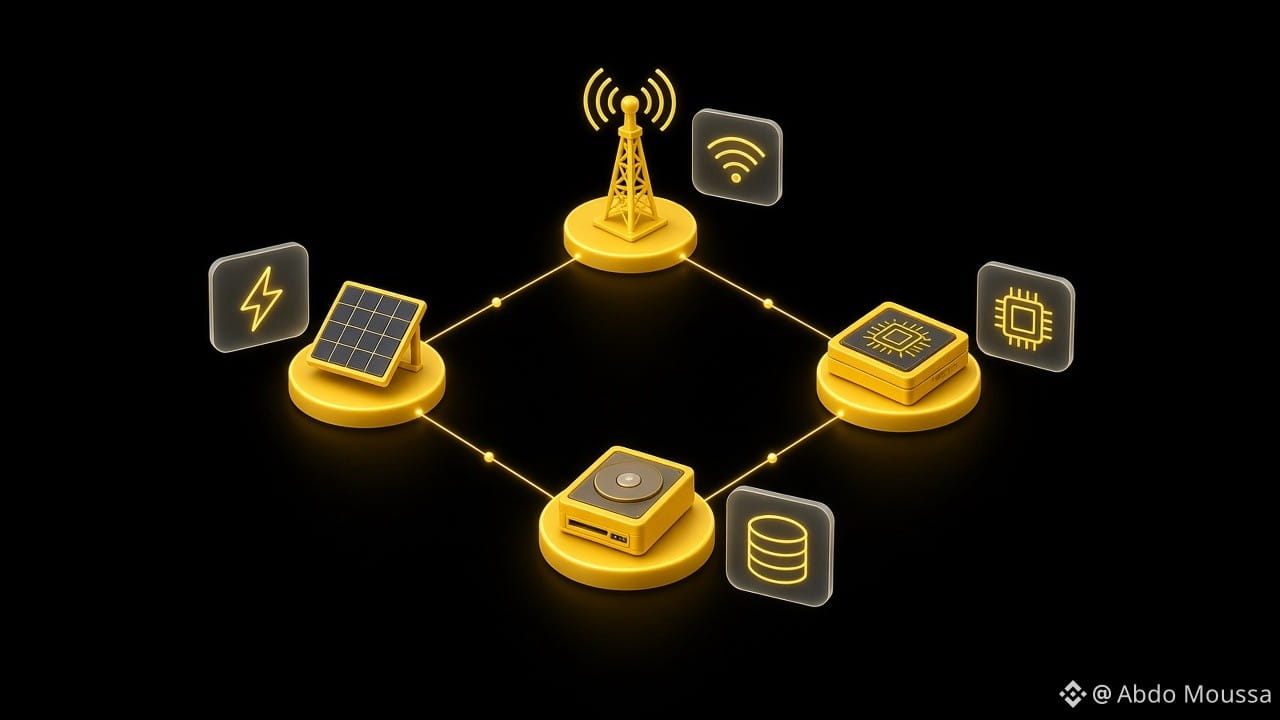
Pernah bertanya-tanya bagaimana protokol Web3 menggalang pendanaan komunitas untuk infrastruktur fisik seperti jaringan 5G, jaringan energi, dan klaster komputasi AI? Kenalkan DePIN 📡⚡
Berdasarkan pelajaran mendasar dari #BinanceAcademy, berikut ringkasan singkat infrastruktur untuk Anda:
1️⃣ Apa itu DePIN?
• Jaringan Infrastruktur Fisik Terdesentralisasi menggunakan insentif token untuk mengoordinasikan penyedia perangkat keras perorangan di seluruh dunia, sehingga membantu membangun jaringan fisik terbuka.
2️⃣ Sektor Utama di Dunia Nyata:
• Cakupan nirkabel (hotspot 5G), penyimpanan terdesentralisasi, jaringan sensor lingkungan, dan daya komputasi GPU terdistribusi untuk model AI.
3️⃣ Menantang Monopoli Terpusat:
• Dengan mengganti sebagian besar belanja modal awal (CapEx) dengan insentif token, DePIN dapat memangkas biaya infrastruktur dan mengurangi titik kegagalan tunggal.
⚠️ Catatan Risiko:
Partisipasi DePIN melibatkan biaya perangkat keras, perubahan imbalan token, dan risiko adopsi jaringan.
Perluas pemahaman teknis Anda, jelajahi jaringan Web3 fisik 🌐
📖 Pelajari lebih lanjut di Binance Academy: https://www.binance.com/en/academy/articles/what-is-depin-in-crypto
Kripto memiliki risiko. Ini bukan nasihat keuangan. Selalu lakukan DYOR 💡
#DePIN #Web3Infrastructure #CryptoEducation
Ikuti saya untuk konten lainnya 💛
Pernah bertanya-tanya bagaimana protokol Web3 menggalang pendanaan komunitas untuk infrastruktur fisik seperti jaringan 5G, jaringan energi, dan klaster komputasi AI? Kenalkan DePIN 📡⚡
Berdasarkan pelajaran mendasar dari #BinanceAcademy, berikut ringkasan singkat infrastruktur untuk Anda:
1️⃣ Apa itu DePIN?
• Jaringan Infrastruktur Fisik Terdesentralisasi menggunakan insentif token untuk mengoordinasikan penyedia perangkat keras perorangan di seluruh dunia, sehingga membantu membangun jaringan fisik terbuka.
2️⃣ Sektor Utama di Dunia Nyata:
• Cakupan nirkabel (hotspot 5G), penyimpanan terdesentralisasi, jaringan sensor lingkungan, dan daya komputasi GPU terdistribusi untuk model AI.
3️⃣ Menantang Monopoli Terpusat:
• Dengan mengganti sebagian besar belanja modal awal (CapEx) dengan insentif token, DePIN dapat memangkas biaya infrastruktur dan mengurangi titik kegagalan tunggal.
⚠️ Catatan Risiko:
Partisipasi DePIN melibatkan biaya perangkat keras, perubahan imbalan token, dan risiko adopsi jaringan.
Perluas pemahaman teknis Anda, jelajahi jaringan Web3 fisik 🌐
📖 Pelajari lebih lanjut di Binance Academy: https://www.binance.com/en/academy/articles/what-is-depin-in-crypto
Kripto memiliki risiko. Ini bukan nasihat keuangan. Selalu lakukan DYOR 💡
#DePIN #Web3Infrastructure #CryptoEducation
Ikuti saya untuk konten lainnya 💛
Berdasarkan pelajaran mendasar dari #BinanceAcademy, berikut ringkasan singkat infrastruktur untuk Anda:
1️⃣ Apa itu DePIN?
• Jaringan Infrastruktur Fisik Terdesentralisasi menggunakan insentif token untuk mengoordinasikan penyedia perangkat keras perorangan di seluruh dunia, sehingga membantu membangun jaringan fisik terbuka.
2️⃣ Sektor Utama di Dunia Nyata:
• Cakupan nirkabel (hotspot 5G), penyimpanan terdesentralisasi, jaringan sensor lingkungan, dan daya komputasi GPU terdistribusi untuk model AI.
3️⃣ Menantang Monopoli Terpusat:
• Dengan mengganti sebagian besar belanja modal awal (CapEx) dengan insentif token, DePIN dapat memangkas biaya infrastruktur dan mengurangi titik kegagalan tunggal.
⚠️ Catatan Risiko:
Partisipasi DePIN melibatkan biaya perangkat keras, perubahan imbalan token, dan risiko adopsi jaringan.
Perluas pemahaman teknis Anda, jelajahi jaringan Web3 fisik 🌐
📖 Pelajari lebih lanjut di Binance Academy: https://www.binance.com/en/academy/articles/what-is-depin-in-crypto
Kripto memiliki risiko. Ini bukan nasihat keuangan. Selalu lakukan DYOR 💡
#DePIN #Web3Infrastructure #CryptoEducation
Ikuti saya untuk konten lainnya 💛
2
80

⚡ $NEAR MEMBUKA INFRASTRUKTUR TREASURI LINTAS-RANTAI DI 35 BLOCKCHAIN SEIRING PESATNYA PERTUMBUHAN EKOSISTEM! 📈
Modal cerdas selalu tertarik pada utilitas nyata, dan $NEAR baru saja mengubah lanskap infrastruktur institusional. Dengan mengandalkan eksekusi treasuri multisig native yang mencakup puluhan jaringan, likuiditas on-chain bersiap mengalami perubahan struktural besar. 🌊
📊 Sementara para puris operasional memperdebatkan latensi penanda tangan, minat institusional yang lebih luas berfokus pada keamanan dan kelincahan modal. Infrastruktur dasarnya kini mulai kokoh, membuka jalan bagi volume penyelesaian transaksi berkelanjutan dalam skala besar. 💡 Apakah adopsi lintas-rantai oleh perusahaan merupakan katalis tepat yang dibutuhkan $NEAR untuk mendominasi siklus ini? 👇
⚠️ Ini bukan nasihat keuangan. Selalu kelola risiko Anda. 🛡️
🏷️ #NEAR #Web3Infrastructure #CryptoEcosystem #Altcoins
⚡ 💎
⚡ $NEAR MEMBUKA INFRASTRUKTUR TREASURI LINTAS-RANTAI DI 35 BLOCKCHAIN SEIRING PESATNYA PERTUMBUHAN EKOSISTEM! 📈
Modal cerdas selalu tertarik pada utilitas nyata, dan $NEAR baru saja mengubah lanskap infrastruktur institusional. Dengan mengandalkan eksekusi treasuri multisig native yang mencakup puluhan jaringan, likuiditas on-chain bersiap mengalami perubahan struktural besar. 🌊
📊 Sementara para puris operasional memperdebatkan latensi penanda tangan, minat institusional yang lebih luas berfokus pada keamanan dan kelincahan modal. Infrastruktur dasarnya kini mulai kokoh, membuka jalan bagi volume penyelesaian transaksi berkelanjutan dalam skala besar. 💡 Apakah adopsi lintas-rantai oleh perusahaan merupakan katalis tepat yang dibutuhkan $NEAR untuk mendominasi siklus ini? 👇
⚠️ Ini bukan nasihat keuangan. Selalu kelola risiko Anda. 🛡️
🏷️ #NEAR #Web3Infrastructure #CryptoEcosystem #Altcoins
⚡ 💎
Modal cerdas selalu tertarik pada utilitas nyata, dan $NEAR baru saja mengubah lanskap infrastruktur institusional. Dengan mengandalkan eksekusi treasuri multisig native yang mencakup puluhan jaringan, likuiditas on-chain bersiap mengalami perubahan struktural besar. 🌊
📊 Sementara para puris operasional memperdebatkan latensi penanda tangan, minat institusional yang lebih luas berfokus pada keamanan dan kelincahan modal. Infrastruktur dasarnya kini mulai kokoh, membuka jalan bagi volume penyelesaian transaksi berkelanjutan dalam skala besar. 💡 Apakah adopsi lintas-rantai oleh perusahaan merupakan katalis tepat yang dibutuhkan $NEAR untuk mendominasi siklus ini? 👇
⚠️ Ini bukan nasihat keuangan. Selalu kelola risiko Anda. 🛡️
🏷️ #NEAR #Web3Infrastructure #CryptoEcosystem #Altcoins
⚡ 💎

12
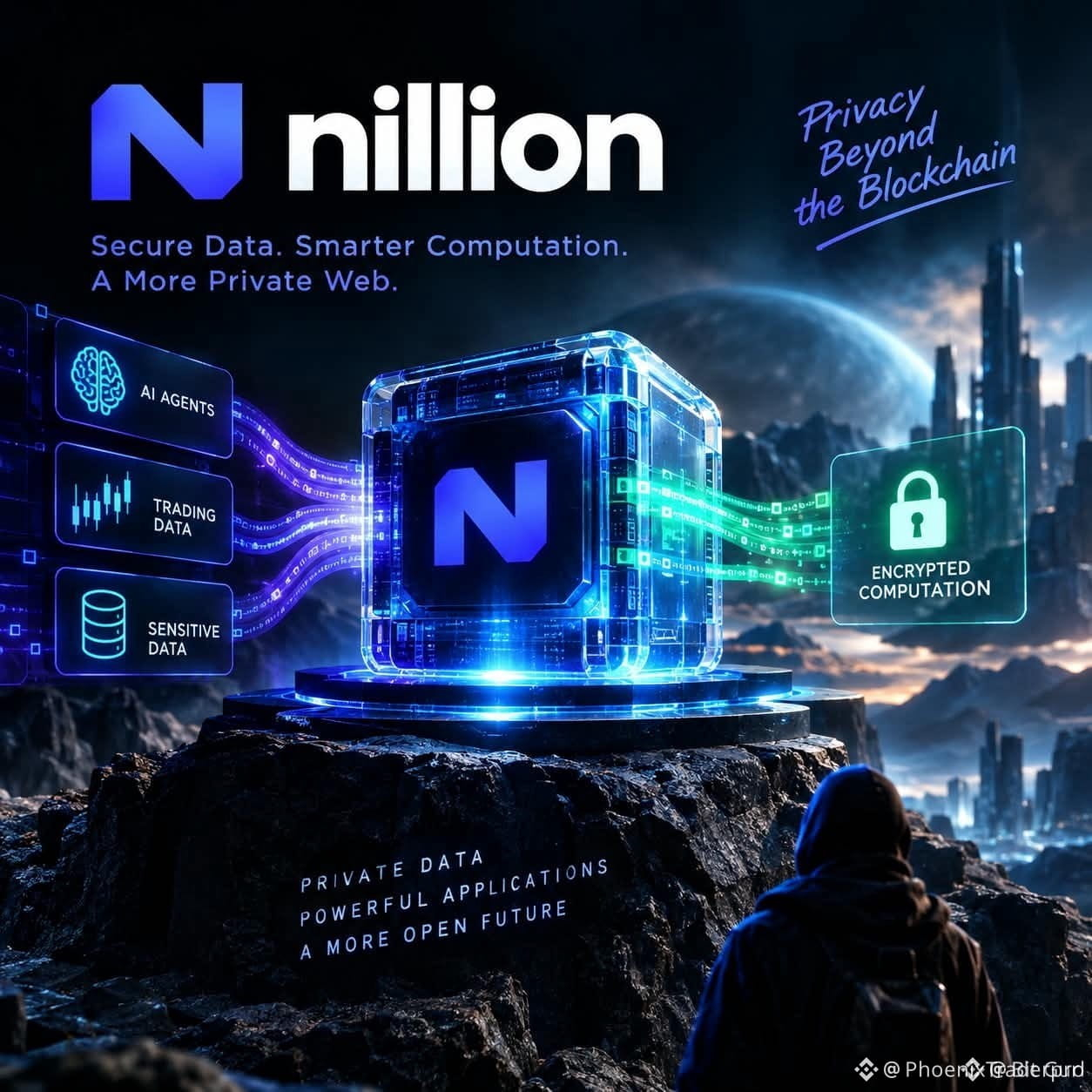
🦈 $NIL SEDANG MEMBANGUN TULANG PUNGGUNG TAK TERLIHAT UNTUK AGEN AI DAN LIKUIDITAS MENDALAM! ⚡
Saat investor ritel mengejar narasi privasi di permukaan, modal cerdas melacak siapa yang benar-benar melindungi logika eksekusi eksklusif. 💡 $NIL beralih dari penyimpanan pasif ke instruksi terenkripsi dan inferensi privat, menciptakan tempat perdagangan tersembunyi yang dibutuhkan agen trading otomatis sebelum masuk ke buku pesanan.
🌊 Jika para pengembang menambatkan alur kerja komputasi bernilai tinggi di sini, tesis eksperimental ini akan berubah menjadi infrastruktur pasar yang krusial. 💬 Apakah Anda bergerak lebih awal dalam pergeseran infrastruktur AI ini, atau menunggu metrik adopsi sebagai konfirmasi? 👇
⚠️ Ini bukan nasihat keuangan. Selalu kelola risiko Anda. 🛡️
🏷️ #NIL #CryptoAI #Web3Infrastructure #Altcoins
🎯 🦈
🦈 $NIL SEDANG MEMBANGUN TULANG PUNGGUNG TAK TERLIHAT UNTUK AGEN AI DAN LIKUIDITAS MENDALAM! ⚡
Saat investor ritel mengejar narasi privasi di permukaan, modal cerdas melacak siapa yang benar-benar melindungi logika eksekusi eksklusif. 💡 $NIL beralih dari penyimpanan pasif ke instruksi terenkripsi dan inferensi privat, menciptakan tempat perdagangan tersembunyi yang dibutuhkan agen trading otomatis sebelum masuk ke buku pesanan.
🌊 Jika para pengembang menambatkan alur kerja komputasi bernilai tinggi di sini, tesis eksperimental ini akan berubah menjadi infrastruktur pasar yang krusial. 💬 Apakah Anda bergerak lebih awal dalam pergeseran infrastruktur AI ini, atau menunggu metrik adopsi sebagai konfirmasi? 👇
⚠️ Ini bukan nasihat keuangan. Selalu kelola risiko Anda. 🛡️
🏷️ #NIL #CryptoAI #Web3Infrastructure #Altcoins
🎯 🦈
Saat investor ritel mengejar narasi privasi di permukaan, modal cerdas melacak siapa yang benar-benar melindungi logika eksekusi eksklusif. 💡 $NIL beralih dari penyimpanan pasif ke instruksi terenkripsi dan inferensi privat, menciptakan tempat perdagangan tersembunyi yang dibutuhkan agen trading otomatis sebelum masuk ke buku pesanan.
🌊 Jika para pengembang menambatkan alur kerja komputasi bernilai tinggi di sini, tesis eksperimental ini akan berubah menjadi infrastruktur pasar yang krusial. 💬 Apakah Anda bergerak lebih awal dalam pergeseran infrastruktur AI ini, atau menunggu metrik adopsi sebagai konfirmasi? 👇
⚠️ Ini bukan nasihat keuangan. Selalu kelola risiko Anda. 🛡️
🏷️ #NIL #CryptoAI #Web3Infrastructure #Altcoins
🎯 🦈
5

·
--
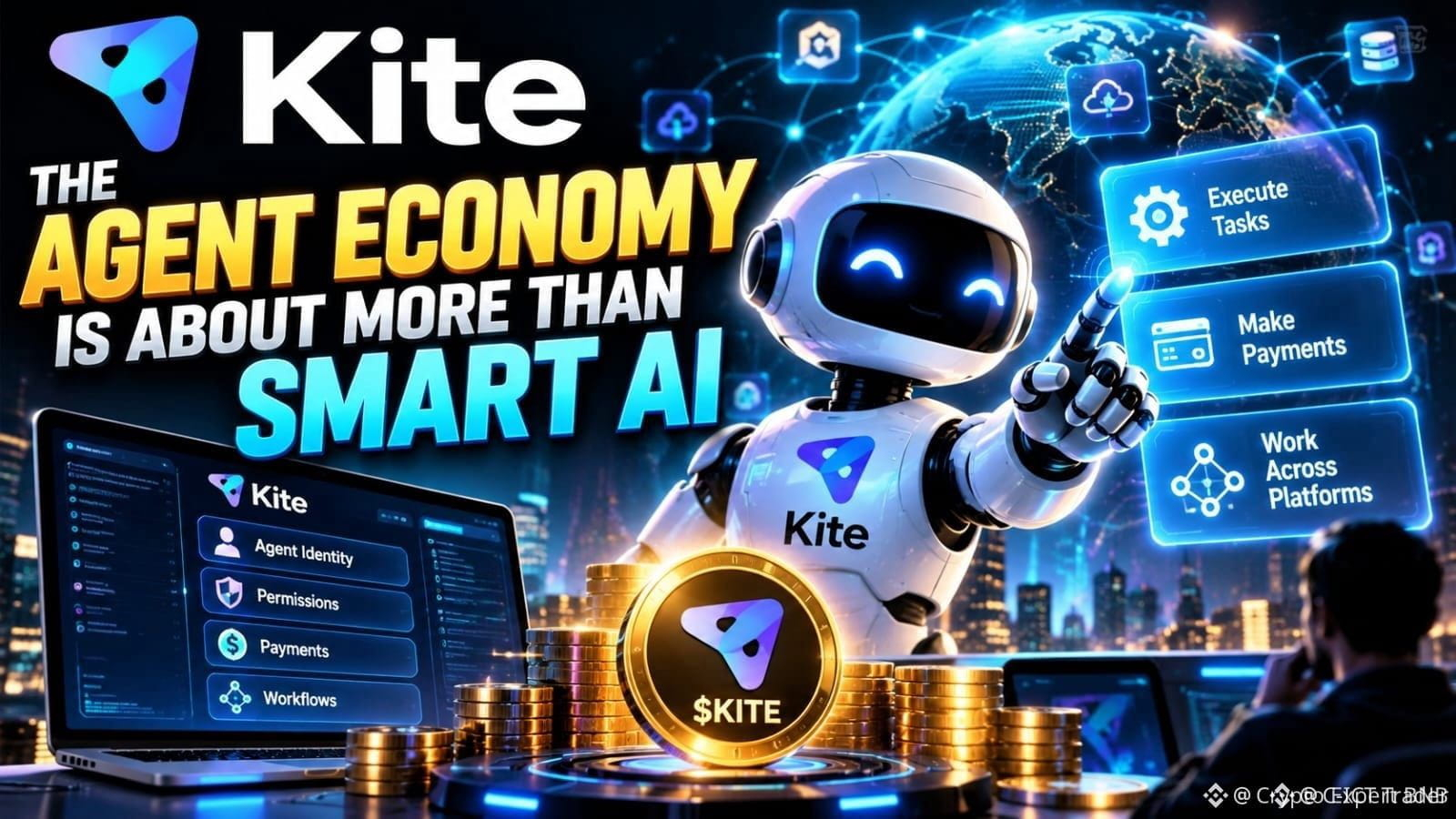
🦈 $KITE MEMBUKA LAPISAN INFRASTRUKTUR INSTITUSIONAL UNTUK LIKUIDITAS AGEN AI OTONOM ⚡
Paradigma berubah saat AI beralih dari menjawab pertanyaan menjadi menjalankan aliran modal secara otonom. 🔍 Keunggulan struktural sejati $KITE terletak pada pembangunan jalur yang dapat diprogram, kerangka identitas, dan izin yang didelegasikan untuk mengatur eksekusi agen tanpa melepaskan pengawasan institusional.
Saat agen otonom mengoordinasikan penyelesaian transaksi dan mengakses layanan lintas platform, batas kepercayaan yang deterministik menjadi infrastruktur penting. 💡 Menyeimbangkan otonomi mesin dengan parameter risiko yang dapat diverifikasi adalah hambatan utama yang terus dicermati oleh investor cerdas.
🤔 Apa yang akan menjadi katalis utama untuk mengembangkan ekonomi agen ini: kecerdasan eksekusi, efisiensi penyelesaian transaksi, atau perlindungan izin yang dapat diverifikasi?
⚠️ Bukan nasihat keuangan. Selalu kelola risiko Anda. 🛡️
🏷️ #KITE #AIAgents #Web3Infrastructure #Crypto
🎯 🦈
🦈 $KITE MEMBUKA LAPISAN INFRASTRUKTUR INSTITUSIONAL UNTUK LIKUIDITAS AGEN AI OTONOM ⚡
Paradigma berubah saat AI beralih dari menjawab pertanyaan menjadi menjalankan aliran modal secara otonom. 🔍 Keunggulan struktural sejati $KITE terletak pada pembangunan jalur yang dapat diprogram, kerangka identitas, dan izin yang didelegasikan untuk mengatur eksekusi agen tanpa melepaskan pengawasan institusional.
Saat agen otonom mengoordinasikan penyelesaian transaksi dan mengakses layanan lintas platform, batas kepercayaan yang deterministik menjadi infrastruktur penting. 💡 Menyeimbangkan otonomi mesin dengan parameter risiko yang dapat diverifikasi adalah hambatan utama yang terus dicermati oleh investor cerdas.
🤔 Apa yang akan menjadi katalis utama untuk mengembangkan ekonomi agen ini: kecerdasan eksekusi, efisiensi penyelesaian transaksi, atau perlindungan izin yang dapat diverifikasi?
⚠️ Bukan nasihat keuangan. Selalu kelola risiko Anda. 🛡️
🏷️ #KITE #AIAgents #Web3Infrastructure #Crypto
🎯 🦈
Paradigma berubah saat AI beralih dari menjawab pertanyaan menjadi menjalankan aliran modal secara otonom. 🔍 Keunggulan struktural sejati $KITE terletak pada pembangunan jalur yang dapat diprogram, kerangka identitas, dan izin yang didelegasikan untuk mengatur eksekusi agen tanpa melepaskan pengawasan institusional.
Saat agen otonom mengoordinasikan penyelesaian transaksi dan mengakses layanan lintas platform, batas kepercayaan yang deterministik menjadi infrastruktur penting. 💡 Menyeimbangkan otonomi mesin dengan parameter risiko yang dapat diverifikasi adalah hambatan utama yang terus dicermati oleh investor cerdas.
🤔 Apa yang akan menjadi katalis utama untuk mengembangkan ekonomi agen ini: kecerdasan eksekusi, efisiensi penyelesaian transaksi, atau perlindungan izin yang dapat diverifikasi?
⚠️ Bukan nasihat keuangan. Selalu kelola risiko Anda. 🛡️
🏷️ #KITE #AIAgents #Web3Infrastructure #Crypto
🎯 🦈
7
·
--
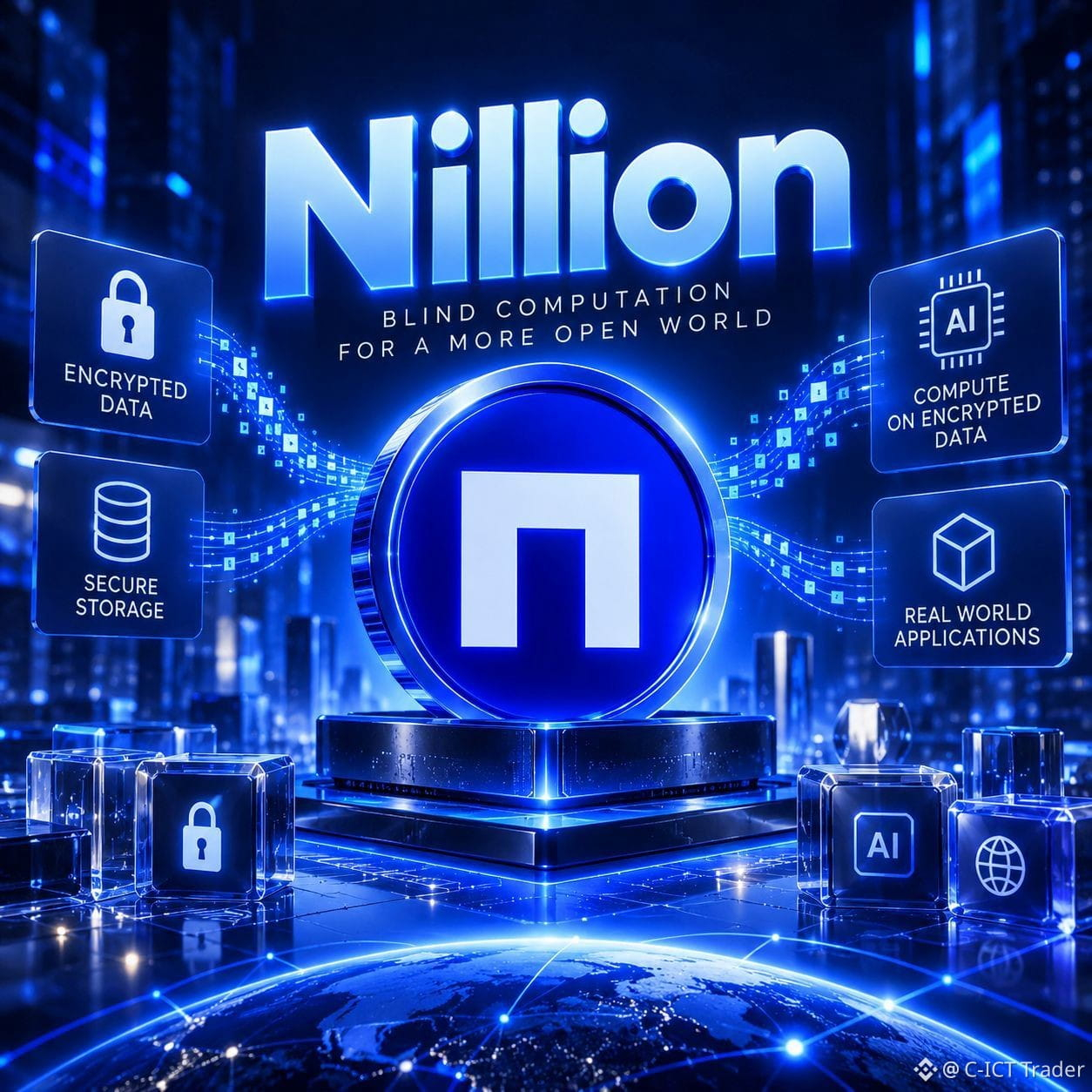
🔍 $NIL SEDANG MEMBANGUN INFRASTRUKTUR BERTARAF INSTITUSI, MELAMPAUI HYPE PRIVASI YANG HANYA DI PERMUKAAN ⚡
Saat investor ritel mengejar lonjakan narasi sesaat, modal cerdas melacak utilitas fundamental dan adopsi yang dapat diverifikasi. 💡 Menjalankan komputasi buta atas data terenkripsi melalui DUSK di Ethereum menandai pergeseran paradigma mendasar bagi aplikasi Web3 yang sensitif dan agen AI otonom.
Struktur pasar yang berkelanjutan tidak pernah terbentuk dari euforia spekulatif, melainkan dari permintaan struktural yang secara aktif dimanfaatkan pengembang. 🔍 $NIL membedakan dirinya dari klaim privasi kosong dengan menghadirkan solusi untuk eksekusi data praktis. 🤔 Akankah komputasi buta menjadi fondasi arsitektur yang tak tergantikan bagi AI terdesentralisasi?
⚠️ Ini bukan nasihat keuangan. Selalu kelola risiko Anda. 🛡️
🏷️ #NIL #Web3Infrastructure #CryptoResearch #SmartMoney
🎯 🦈
🔍 $NIL SEDANG MEMBANGUN INFRASTRUKTUR BERTARAF INSTITUSI, MELAMPAUI HYPE PRIVASI YANG HANYA DI PERMUKAAN ⚡
Saat investor ritel mengejar lonjakan narasi sesaat, modal cerdas melacak utilitas fundamental dan adopsi yang dapat diverifikasi. 💡 Menjalankan komputasi buta atas data terenkripsi melalui DUSK di Ethereum menandai pergeseran paradigma mendasar bagi aplikasi Web3 yang sensitif dan agen AI otonom.
Struktur pasar yang berkelanjutan tidak pernah terbentuk dari euforia spekulatif, melainkan dari permintaan struktural yang secara aktif dimanfaatkan pengembang. 🔍 $NIL membedakan dirinya dari klaim privasi kosong dengan menghadirkan solusi untuk eksekusi data praktis. 🤔 Akankah komputasi buta menjadi fondasi arsitektur yang tak tergantikan bagi AI terdesentralisasi?
⚠️ Ini bukan nasihat keuangan. Selalu kelola risiko Anda. 🛡️
🏷️ #NIL #Web3Infrastructure #CryptoResearch #SmartMoney
🎯 🦈
Saat investor ritel mengejar lonjakan narasi sesaat, modal cerdas melacak utilitas fundamental dan adopsi yang dapat diverifikasi. 💡 Menjalankan komputasi buta atas data terenkripsi melalui DUSK di Ethereum menandai pergeseran paradigma mendasar bagi aplikasi Web3 yang sensitif dan agen AI otonom.
Struktur pasar yang berkelanjutan tidak pernah terbentuk dari euforia spekulatif, melainkan dari permintaan struktural yang secara aktif dimanfaatkan pengembang. 🔍 $NIL membedakan dirinya dari klaim privasi kosong dengan menghadirkan solusi untuk eksekusi data praktis. 🤔 Akankah komputasi buta menjadi fondasi arsitektur yang tak tergantikan bagi AI terdesentralisasi?
⚠️ Ini bukan nasihat keuangan. Selalu kelola risiko Anda. 🛡️
🏷️ #NIL #Web3Infrastructure #CryptoResearch #SmartMoney
🎯 🦈
19

·
--
🦈 LIKUIDITAS INSTITUSIONAL MELUAS SAAT VOLUME STRIPE WALLET MENEMBUS $25 Miliar DI BAWAH $USDC RAILS ⚡
Infrastruktur bagi pelaku modal cerdas mulai mencapai skala penting, jauh dari arus transaksi spekulatif. 🌊 Dengan aset di dompet tertanam yang tumbuh 25 kali lipat dan throughput bulanan mencapai $25 miliar, jalur institusional kini aktif membangun integrasi mendalam untuk penyelesaian stablecoin dan eksekusi agen otonom. 📊
💡 Seiring API terpadu menghubungkan saldo stablecoin berbunga langsung dengan jalur pembayaran konvensional, hambatan antara cadangan fiat global dan kumpulan likuiditas on-chain menghilang dengan cepat. 💬 Akankah agen AI otonom melampaui volume transaksi manusia dan menjadi pendorong utama perputaran stablecoin? 👇
⚠️ Ini bukan nasihat keuangan. Selalu kelola risiko Anda. 🛡️
🏷️ #USDC #Stablecoins #Web3Infrastructure #Crypto
🎯 🦈
🦈 LIKUIDITAS INSTITUSIONAL MELUAS SAAT VOLUME STRIPE WALLET MENEMBUS $25 Miliar DI BAWAH $USDC RAILS ⚡
Infrastruktur bagi pelaku modal cerdas mulai mencapai skala penting, jauh dari arus transaksi spekulatif. 🌊 Dengan aset di dompet tertanam yang tumbuh 25 kali lipat dan throughput bulanan mencapai $25 miliar, jalur institusional kini aktif membangun integrasi mendalam untuk penyelesaian stablecoin dan eksekusi agen otonom. 📊
💡 Seiring API terpadu menghubungkan saldo stablecoin berbunga langsung dengan jalur pembayaran konvensional, hambatan antara cadangan fiat global dan kumpulan likuiditas on-chain menghilang dengan cepat. 💬 Akankah agen AI otonom melampaui volume transaksi manusia dan menjadi pendorong utama perputaran stablecoin? 👇
⚠️ Ini bukan nasihat keuangan. Selalu kelola risiko Anda. 🛡️
🏷️ #USDC #Stablecoins #Web3Infrastructure #Crypto
🎯 🦈
Infrastruktur bagi pelaku modal cerdas mulai mencapai skala penting, jauh dari arus transaksi spekulatif. 🌊 Dengan aset di dompet tertanam yang tumbuh 25 kali lipat dan throughput bulanan mencapai $25 miliar, jalur institusional kini aktif membangun integrasi mendalam untuk penyelesaian stablecoin dan eksekusi agen otonom. 📊
💡 Seiring API terpadu menghubungkan saldo stablecoin berbunga langsung dengan jalur pembayaran konvensional, hambatan antara cadangan fiat global dan kumpulan likuiditas on-chain menghilang dengan cepat. 💬 Akankah agen AI otonom melampaui volume transaksi manusia dan menjadi pendorong utama perputaran stablecoin? 👇
⚠️ Ini bukan nasihat keuangan. Selalu kelola risiko Anda. 🛡️
🏷️ #USDC #Stablecoins #Web3Infrastructure #Crypto
🎯 🦈
6
·
--
🚨 $SOL EKOSISTEM MEMPERLUAS DIRI SEIRING KEAMANAN PERANGKAT KERAS INSTITUSIONAL TERINTEGRASI DENGAN ARSITEKTUR MOBILE ON-CHAIN 🛡️
Ledger telah memperkenalkan Atom, perangkat Android aman yang diisolasi FPGA yang menjembatani eksekusi on-chain dengan kegunaan mobile sehari-hari, dengan integrasi langsung ke Solana Mobile. 🔍 Pergeseran struktural ini memungkinkan smart contract dan agen AI otonom mengirimkan intensi eksekusi sambil menjaga operasi penandatanganan inti tetap terpisah secara ketat.
Dengan pertahanan fisik khusus terhadap gangguan dan verifikasi tanda tangan yang terisolasi, eksekusi berstandar institusional secara bertahap bermigrasi ke titik likuiditas mobile. 💡 Seiring infrastruktur matang untuk mengakomodasi agen otonom dan interaksi on-chain, lapisan keamanan menjadi moat utama bagi adopsi ekosistem. 🤔 Apakah keamanan mobile terintegrasi akan mempercepat arus order institusional yang lebih luas di seluruh $SOL ? 👇
⚠️ Bukan nasihat keuangan. Selalu kelola risiko Anda. 🛡️
🏷️ #SOL #Solana #CryptoSecurity #Web3Infrastructure
🎯 🦈
🚨 $SOL EKOSISTEM MEMPERLUAS DIRI SEIRING KEAMANAN PERANGKAT KERAS INSTITUSIONAL TERINTEGRASI DENGAN ARSITEKTUR MOBILE ON-CHAIN 🛡️
Ledger telah memperkenalkan Atom, perangkat Android aman yang diisolasi FPGA yang menjembatani eksekusi on-chain dengan kegunaan mobile sehari-hari, dengan integrasi langsung ke Solana Mobile. 🔍 Pergeseran struktural ini memungkinkan smart contract dan agen AI otonom mengirimkan intensi eksekusi sambil menjaga operasi penandatanganan inti tetap terpisah secara ketat.
Dengan pertahanan fisik khusus terhadap gangguan dan verifikasi tanda tangan yang terisolasi, eksekusi berstandar institusional secara bertahap bermigrasi ke titik likuiditas mobile. 💡 Seiring infrastruktur matang untuk mengakomodasi agen otonom dan interaksi on-chain, lapisan keamanan menjadi moat utama bagi adopsi ekosistem. 🤔 Apakah keamanan mobile terintegrasi akan mempercepat arus order institusional yang lebih luas di seluruh $SOL ? 👇
⚠️ Bukan nasihat keuangan. Selalu kelola risiko Anda. 🛡️
🏷️ #SOL #Solana #CryptoSecurity #Web3Infrastructure
🎯 🦈
Ledger telah memperkenalkan Atom, perangkat Android aman yang diisolasi FPGA yang menjembatani eksekusi on-chain dengan kegunaan mobile sehari-hari, dengan integrasi langsung ke Solana Mobile. 🔍 Pergeseran struktural ini memungkinkan smart contract dan agen AI otonom mengirimkan intensi eksekusi sambil menjaga operasi penandatanganan inti tetap terpisah secara ketat.
Dengan pertahanan fisik khusus terhadap gangguan dan verifikasi tanda tangan yang terisolasi, eksekusi berstandar institusional secara bertahap bermigrasi ke titik likuiditas mobile. 💡 Seiring infrastruktur matang untuk mengakomodasi agen otonom dan interaksi on-chain, lapisan keamanan menjadi moat utama bagi adopsi ekosistem. 🤔 Apakah keamanan mobile terintegrasi akan mempercepat arus order institusional yang lebih luas di seluruh $SOL ? 👇
⚠️ Bukan nasihat keuangan. Selalu kelola risiko Anda. 🛡️
🏷️ #SOL #Solana #CryptoSecurity #Web3Infrastructure
🎯 🦈
22

⚡ JALUR INSTITUSIONAL MELUAS KE 12 BLOCKCHAIN DENGAN PENYELESAIAN TERTANAM GLOBAL $USDT ! 🌊
Infrastruktur diam-diam menjembatani kesenjangan antara likuiditas on-chain dan perdagangan konvensional. Rain baru saja meluncurkan kerangka dompet tertanam di 12 blockchain utama, membekali mitra dengan gerbang fiat instan dan akses pembayaran kartu di 175 juta terminal pedagang di seluruh dunia.
Uang cerdas selalu memantau kecepatan distribusi. 💡 Mengalirkan aset seperti $USDC secara mulus langsung ke jaringan titik penjualan mengubah saldo pasif menjadi energi ekonomi aktif, sekaligus mempertahankan kendali mandiri atas aset.
💬 Akankah jalur pembayaran tertanam yang tanpa hambatan memicu lonjakan besar berikutnya dalam kecepatan perputaran stablecoin di dunia nyata? 👇
⚠️ Bukan nasihat keuangan. Selalu kelola risiko Anda. 🛡️
🏷️ #USDT #Stablecoins #CryptoAdoption #Web3Infrastructure
🔥 💎
⚡ JALUR INSTITUSIONAL MELUAS KE 12 BLOCKCHAIN DENGAN PENYELESAIAN TERTANAM GLOBAL $USDT ! 🌊
Infrastruktur diam-diam menjembatani kesenjangan antara likuiditas on-chain dan perdagangan konvensional. Rain baru saja meluncurkan kerangka dompet tertanam di 12 blockchain utama, membekali mitra dengan gerbang fiat instan dan akses pembayaran kartu di 175 juta terminal pedagang di seluruh dunia.
Uang cerdas selalu memantau kecepatan distribusi. 💡 Mengalirkan aset seperti $USDC secara mulus langsung ke jaringan titik penjualan mengubah saldo pasif menjadi energi ekonomi aktif, sekaligus mempertahankan kendali mandiri atas aset.
💬 Akankah jalur pembayaran tertanam yang tanpa hambatan memicu lonjakan besar berikutnya dalam kecepatan perputaran stablecoin di dunia nyata? 👇
⚠️ Bukan nasihat keuangan. Selalu kelola risiko Anda. 🛡️
🏷️ #USDT #Stablecoins #CryptoAdoption #Web3Infrastructure
🔥 💎
Infrastruktur diam-diam menjembatani kesenjangan antara likuiditas on-chain dan perdagangan konvensional. Rain baru saja meluncurkan kerangka dompet tertanam di 12 blockchain utama, membekali mitra dengan gerbang fiat instan dan akses pembayaran kartu di 175 juta terminal pedagang di seluruh dunia.
Uang cerdas selalu memantau kecepatan distribusi. 💡 Mengalirkan aset seperti $USDC secara mulus langsung ke jaringan titik penjualan mengubah saldo pasif menjadi energi ekonomi aktif, sekaligus mempertahankan kendali mandiri atas aset.
💬 Akankah jalur pembayaran tertanam yang tanpa hambatan memicu lonjakan besar berikutnya dalam kecepatan perputaran stablecoin di dunia nyata? 👇
⚠️ Bukan nasihat keuangan. Selalu kelola risiko Anda. 🛡️
🏷️ #USDT #Stablecoins #CryptoAdoption #Web3Infrastructure
🔥 💎
10

🧩 Pantauan Infrastruktur — Fokus pada Permintaan Nyata
$FIL | $ENA | $ENSO
Proyek infrastruktur dan DeFi menawarkan nilai yang beragam, mulai dari penyimpanan terdesentralisasi hingga aplikasi keuangan dan konektivitas blockchain.
📊 Evaluasi penggunaan jaringan, pasokan token, dan likuiditas pasar, alih-alih hanya mengandalkan narasi sektor.
⚡ Fundamental yang kuat dan struktur harga yang menguntungkan dapat menjadi titik awal riset yang lebih baik.
🎯 Inti Kesimpulan: Utilitas itu penting, tetapi valuasi dan eksekusi juga penting.
#FIL #ENA #ENSO #DeFi #Web3Infrastructure
{future}(FILUSDT)
{future}(ENAUSDT)
{future}(ENSOUSDT)
🧩 Pantauan Infrastruktur — Fokus pada Permintaan Nyata
$FIL | $ENA | $ENSO
Proyek infrastruktur dan DeFi menawarkan nilai yang beragam, mulai dari penyimpanan terdesentralisasi hingga aplikasi keuangan dan konektivitas blockchain.
📊 Evaluasi penggunaan jaringan, pasokan token, dan likuiditas pasar, alih-alih hanya mengandalkan narasi sektor.
⚡ Fundamental yang kuat dan struktur harga yang menguntungkan dapat menjadi titik awal riset yang lebih baik.
🎯 Inti Kesimpulan: Utilitas itu penting, tetapi valuasi dan eksekusi juga penting.
#FIL #ENA #ENSO #DeFi #Web3Infrastructure
$FIL | $ENA | $ENSO
Proyek infrastruktur dan DeFi menawarkan nilai yang beragam, mulai dari penyimpanan terdesentralisasi hingga aplikasi keuangan dan konektivitas blockchain.
📊 Evaluasi penggunaan jaringan, pasokan token, dan likuiditas pasar, alih-alih hanya mengandalkan narasi sektor.
⚡ Fundamental yang kuat dan struktur harga yang menguntungkan dapat menjadi titik awal riset yang lebih baik.
🎯 Inti Kesimpulan: Utilitas itu penting, tetapi valuasi dan eksekusi juga penting.
#FIL #ENA #ENSO #DeFi #Web3Infrastructure
1
40

·
--
Artikel
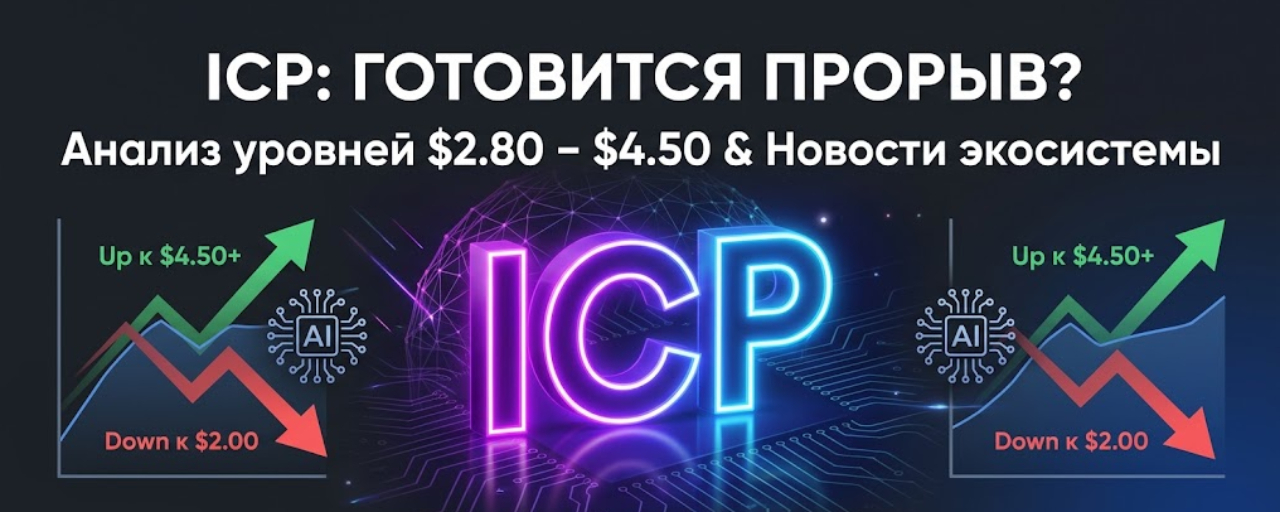
Internet Computer: terobosan fundamental atau konsolidasi berkepanjangan? Ulasan berita dan skenario hargaBlockchain Internet Computer ($ICP ) dari DFINITY tetap menjadi salah satu proyek paling canggih secara teknologi sekaligus paling banyak diperdebatkan di pasar.
Di tengah pembaruan ekosistem dan inisiatif Mission 70 (yang bertujuan mengurangi tekanan deflasi dan mengoptimalkan tokenomik), koin ini membentuk level-level penting untuk pergerakan selanjutnya.
Internet Computer: terobosan fundamental atau konsolidasi berkepanjangan? Ulasan berita dan skenario harga
Blockchain Internet Computer ($ICP ) dari DFINITY tetap menjadi salah satu proyek paling canggih secara teknologi sekaligus paling banyak diperdebatkan di pasar.
Di tengah pembaruan ekosistem dan inisiatif Mission 70 (yang bertujuan mengurangi tekanan deflasi dan mengoptimalkan tokenomik), koin ini membentuk level-level penting untuk pergerakan selanjutnya.
Di tengah pembaruan ekosistem dan inisiatif Mission 70 (yang bertujuan mengurangi tekanan deflasi dan mengoptimalkan tokenomik), koin ini membentuk level-level penting untuk pergerakan selanjutnya.
156

#depinwatch
🌐 PERINGATAN DePIN: INFRASTRUKTUR DUNIA NYATA BERTEMU KRIPTO!
Infrastruktur fisik terdesentralisasi tetap menjadi sektor yang menarik karena jaringan blockchain berupaya mengoordinasikan komputasi, penyimpanan, dan sumber daya fisik.
💡 ARTINYA BAGI PARA TRADER:
Proyek DePIN menggabungkan insentif kripto dengan kebutuhan infrastruktur dunia nyata, menciptakan narasi pertumbuhan yang berbeda dari DeFi tradisional.
🔍 3 KOIN YANG PERLU DIPANTAU:
📡 $HNT — Helium tetap menjadi salah satu ekosistem infrastruktur nirkabel terdesentralisasi yang paling dikenal.
💾 $FIL — Filecoin tetap menjadi jaringan penyimpanan terdesentralisasi utama.
{spot}(FILUSDT)
🖥️ $RENDER — Render menghubungkan insentif blockchain dengan komputasi GPU terdesentralisasi.
{spot}(RENDERUSDT)
Bisakah DePIN menjadi sektor rotasi modal besar?
#FIL #RENDER #DePIN #Web3Infrastructure
#depinwatch
🌐 PERINGATAN DePIN: INFRASTRUKTUR DUNIA NYATA BERTEMU KRIPTO!
Infrastruktur fisik terdesentralisasi tetap menjadi sektor yang menarik karena jaringan blockchain berupaya mengoordinasikan komputasi, penyimpanan, dan sumber daya fisik.
💡 ARTINYA BAGI PARA TRADER:
Proyek DePIN menggabungkan insentif kripto dengan kebutuhan infrastruktur dunia nyata, menciptakan narasi pertumbuhan yang berbeda dari DeFi tradisional.
🔍 3 KOIN YANG PERLU DIPANTAU:
📡 $HNT — Helium tetap menjadi salah satu ekosistem infrastruktur nirkabel terdesentralisasi yang paling dikenal.
💾 $FIL — Filecoin tetap menjadi jaringan penyimpanan terdesentralisasi utama.
🖥️ $RENDER — Render menghubungkan insentif blockchain dengan komputasi GPU terdesentralisasi.
Bisakah DePIN menjadi sektor rotasi modal besar?
#FIL #RENDER #DePIN #Web3Infrastructure
🌐 PERINGATAN DePIN: INFRASTRUKTUR DUNIA NYATA BERTEMU KRIPTO!
Infrastruktur fisik terdesentralisasi tetap menjadi sektor yang menarik karena jaringan blockchain berupaya mengoordinasikan komputasi, penyimpanan, dan sumber daya fisik.
💡 ARTINYA BAGI PARA TRADER:
Proyek DePIN menggabungkan insentif kripto dengan kebutuhan infrastruktur dunia nyata, menciptakan narasi pertumbuhan yang berbeda dari DeFi tradisional.
🔍 3 KOIN YANG PERLU DIPANTAU:
📡 $HNT — Helium tetap menjadi salah satu ekosistem infrastruktur nirkabel terdesentralisasi yang paling dikenal.
💾 $FIL — Filecoin tetap menjadi jaringan penyimpanan terdesentralisasi utama.
🖥️ $RENDER — Render menghubungkan insentif blockchain dengan komputasi GPU terdesentralisasi.
Bisakah DePIN menjadi sektor rotasi modal besar?
#FIL #RENDER #DePIN #Web3Infrastructure
1
397

·
--
Evolusi Blockchain AI: Mengapa @OpenLedger Menulis Ulang Aturan Ekonomi DataPersimpangan Kecerdasan Buatan (AI) dan Jaringan Infrastruktur Fisik Terdesentralisasi (DePIN) mungkin adalah narasi paling eksplosif di Web3 saat ini. Sementara pengembangan AI tradisional tetap sangat dijaga oleh monopoli teknologi terpusat, perubahan paradigma sedang terjadi di on-chain. Memimpin charge ini adalah @OpenLedger, blockchain AI pertama di dunia yang dirancang khusus untuk mendemokratisasi, mengamankan, dan memonetisasi seluruh siklus hidup AI.
Menyelesaikan Krisis AI Terpusat
Saat ini, LLM umum menghadapi hambatan besar: risiko manipulasi data, kurangnya transparansi dalam model pelatihan, dan tidak ada imbalan bagi komunitas yang sebenarnya menciptakan data. @Openledger mengubah permainan dengan memperkenalkan kerangka Layer 2 yang kompatibel dengan EVM yang membuat data, model, dan agen AI sepenuhnya likuid, dapat dilacak, dan dapat dibangun.
Evolusi Blockchain AI: Mengapa @OpenLedger Menulis Ulang Aturan Ekonomi Data
Persimpangan Kecerdasan Buatan (AI) dan Jaringan Infrastruktur Fisik Terdesentralisasi (DePIN) mungkin adalah narasi paling eksplosif di Web3 saat ini. Sementara pengembangan AI tradisional tetap sangat dijaga oleh monopoli teknologi terpusat, perubahan paradigma sedang terjadi di on-chain. Memimpin charge ini adalah @OpenLedger, blockchain AI pertama di dunia yang dirancang khusus untuk mendemokratisasi, mengamankan, dan memonetisasi seluruh siklus hidup AI.
Menyelesaikan Krisis AI Terpusat
Saat ini, LLM umum menghadapi hambatan besar: risiko manipulasi data, kurangnya transparansi dalam model pelatihan, dan tidak ada imbalan bagi komunitas yang sebenarnya menciptakan data. @OpenLedger mengubah permainan dengan memperkenalkan kerangka Layer 2 yang kompatibel dengan EVM yang membuat data, model, dan agen AI sepenuhnya likuid, dapat dilacak, dan dapat dibangun.
Menyelesaikan Krisis AI Terpusat
Saat ini, LLM umum menghadapi hambatan besar: risiko manipulasi data, kurangnya transparansi dalam model pelatihan, dan tidak ada imbalan bagi komunitas yang sebenarnya menciptakan data. @OpenLedger mengubah permainan dengan memperkenalkan kerangka Layer 2 yang kompatibel dengan EVM yang membuat data, model, dan agen AI sepenuhnya likuid, dapat dilacak, dan dapat dibangun.
88

·
--
Artikel
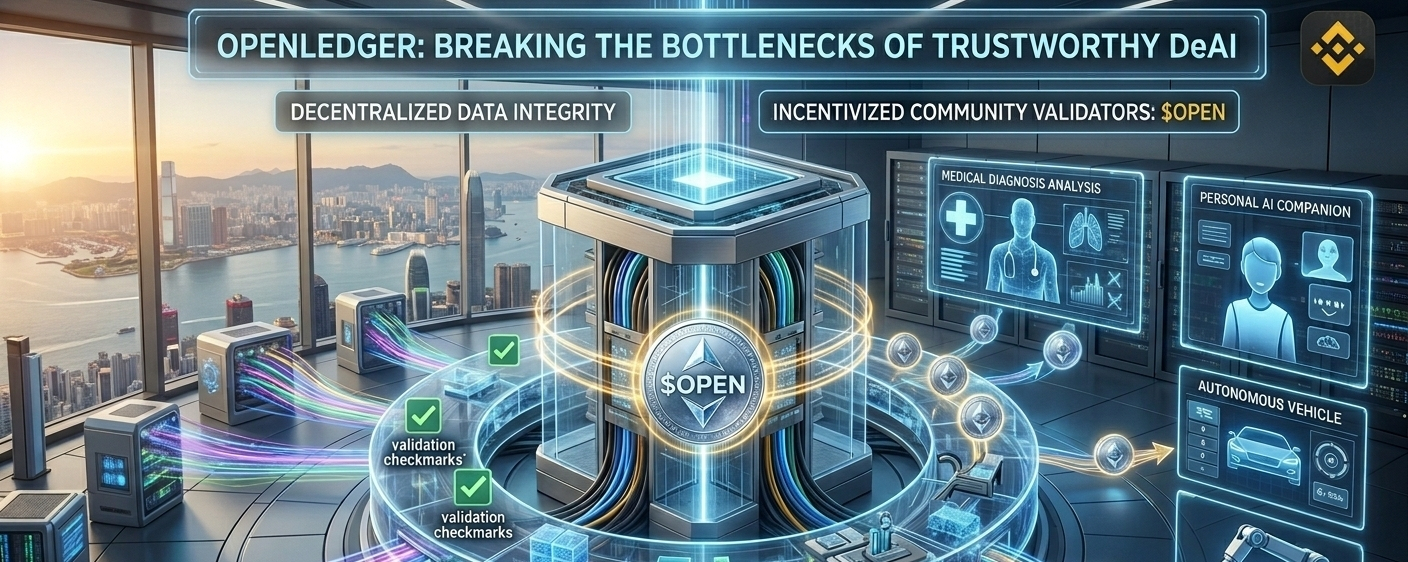
Blueprint untuk AI Otonom: Membuka Data Terverifikasi di OpenLedgerSeiring dengan terus meningkatnya kecerdasan buatan, industri menghadapi krisis mendasar: kepercayaan. Repositori data terpusat, tempat data pelatihan AI saat ini berada, adalah buram dan rentan terhadap bias serta manipulasi. Ini menciptakan model AI yang dapat dikompromikan atau menghasilkan 'halusinasi' yang berbahaya. Ekosistem AI terdesentralisasi yang sebenarnya (DeAI) tidak dapat berfungsi tanpa dasar data yang dapat dipercaya, yang aman dan dapat diaudit. Kita membutuhkan cara untuk memverifikasi rantai pasokan data.
Ini adalah tepatnya di mana @Openledger berperan, memposisikan dirinya sebagai infrastruktur dasar untuk AI Terdesentralisasi. Bukan sekadar dApp biasa, OpenLedger sedang membangun jalur data khusus yang dirancang khusus untuk pelatihan model DeAI. Ia memanfaatkan jaringan validator terdesentralisasi untuk mengumpulkan, membersihkan, dan memverifikasi data sebelum mencapai model AI. Ini menciptakan sejarah data yang dapat diverifikasi secara kriptografis, memastikan bahwa setiap informasi yang digunakan untuk pelatihan memiliki integritas tinggi dan otentik.
Blueprint untuk AI Otonom: Membuka Data Terverifikasi di OpenLedger
Seiring dengan terus meningkatnya kecerdasan buatan, industri menghadapi krisis mendasar: kepercayaan. Repositori data terpusat, tempat data pelatihan AI saat ini berada, adalah buram dan rentan terhadap bias serta manipulasi. Ini menciptakan model AI yang dapat dikompromikan atau menghasilkan 'halusinasi' yang berbahaya. Ekosistem AI terdesentralisasi yang sebenarnya (DeAI) tidak dapat berfungsi tanpa dasar data yang dapat dipercaya, yang aman dan dapat diaudit. Kita membutuhkan cara untuk memverifikasi rantai pasokan data.
Ini adalah tepatnya di mana @OpenLedger berperan, memposisikan dirinya sebagai infrastruktur dasar untuk AI Terdesentralisasi. Bukan sekadar dApp biasa, OpenLedger sedang membangun jalur data khusus yang dirancang khusus untuk pelatihan model DeAI. Ia memanfaatkan jaringan validator terdesentralisasi untuk mengumpulkan, membersihkan, dan memverifikasi data sebelum mencapai model AI. Ini menciptakan sejarah data yang dapat diverifikasi secara kriptografis, memastikan bahwa setiap informasi yang digunakan untuk pelatihan memiliki integritas tinggi dan otentik.
Ini adalah tepatnya di mana @OpenLedger berperan, memposisikan dirinya sebagai infrastruktur dasar untuk AI Terdesentralisasi. Bukan sekadar dApp biasa, OpenLedger sedang membangun jalur data khusus yang dirancang khusus untuk pelatihan model DeAI. Ia memanfaatkan jaringan validator terdesentralisasi untuk mengumpulkan, membersihkan, dan memverifikasi data sebelum mencapai model AI. Ini menciptakan sejarah data yang dapat diverifikasi secara kriptografis, memastikan bahwa setiap informasi yang digunakan untuk pelatihan memiliki integritas tinggi dan otentik.
85

·
--
Kita perlu berhenti memperlakukan penempatan node terdesentralisasi seperti permainan dasar Risk.
Kebanyakan orang melihat peta global node dan berpikir, "Bagus, kita punya cakupan global." Tapi pengujian latensi terbaru yang saya jalankan pada @OpenGradient membuktikan betapa menipunya peta yang terlihat indah.
Penjadwal melakukan persis seperti yang diprogramkan: ia mengarahkan sebuah permintaan ke node inferensi yang letaknya geografis paling dekat. Di atas kertas, itu keputusan yang sempurna. Kenyataannya, itu bencana.
Node lokal tidak memiliki model spesifik yang sudah siap, sehingga harus mulai mengunduhnya dari nol. Sementara itu, node "hangat" yang letaknya sedikit lebih jauh berada dalam keadaan benar-benar idle, siap digunakan. Karena adanya celah buta dalam routing, jarak fisik terpendek berubah menjadi waktu eksekusi paling lambat.
Inilah jebakan tersembunyi. Routing AI terdesentralisasi bukan masalah geografi; ini masalah koordinasi yang bersifat dinamis.
Jika Anda hanya mengukur jarak fisik, Anda mengabaikan kapasitas GPU secara real-time, kemacetan antrian, kondisi model yang sedang berjalan, dan korelasi kegagalan.
Lebih buruk lagi, distribusi visual sering kali hanya ilusi. Anda bisa menempatkan dua node di dua kota yang sepenuhnya berbeda, tetapi jika keduanya bergantung pada penyedia cloud yang sama, operator yang sama, atau backbone serat regional yang sama, maka mereka tidak independen. Mereka mewakili titik kegagalan bersama yang menunggu untuk terjadi.
Kompleksitasnya bahkan lebih dalam ketika Anda menyadari bahwa full node seharusnya bahkan tidak berbagi jejak yang sama dengan node inferensi. Prioritas mereka adalah mengoptimalkan propagasi bukti, bukan ping pengguna. Lalu Anda menambahkan data node, di mana berada dekat dengan sumber data jauh lebih penting daripada berada dekat dengan pengguna akhir.
Model tradisional untuk penempatan fasilitas bisa memetakan pertukaran ini, tetapi wild card yang sebenarnya adalah bagaimana insentif ekonomi akan mendorong penerapan node.
Milestone berikutnya untuk $OPG jangan tentang menyebarkan node secara acak di seluruh peta. Ini tentang apakah infrastruktur baru benar-benar mengisi celah latensi yang tak terlihat ini dan mengurangi dependensi bersama yang benar-benar dialami pengguna.
#OPG #OpenGradient #DeAI #Web3Infrastructure
Kita perlu berhenti memperlakukan penempatan node terdesentralisasi seperti permainan dasar Risk.
Kebanyakan orang melihat peta global node dan berpikir, "Bagus, kita punya cakupan global." Tapi pengujian latensi terbaru yang saya jalankan pada @OpenGradient membuktikan betapa menipunya peta yang terlihat indah.
Penjadwal melakukan persis seperti yang diprogramkan: ia mengarahkan sebuah permintaan ke node inferensi yang letaknya geografis paling dekat. Di atas kertas, itu keputusan yang sempurna. Kenyataannya, itu bencana.
Node lokal tidak memiliki model spesifik yang sudah siap, sehingga harus mulai mengunduhnya dari nol. Sementara itu, node "hangat" yang letaknya sedikit lebih jauh berada dalam keadaan benar-benar idle, siap digunakan. Karena adanya celah buta dalam routing, jarak fisik terpendek berubah menjadi waktu eksekusi paling lambat.
Inilah jebakan tersembunyi. Routing AI terdesentralisasi bukan masalah geografi; ini masalah koordinasi yang bersifat dinamis.
Jika Anda hanya mengukur jarak fisik, Anda mengabaikan kapasitas GPU secara real-time, kemacetan antrian, kondisi model yang sedang berjalan, dan korelasi kegagalan.
Lebih buruk lagi, distribusi visual sering kali hanya ilusi. Anda bisa menempatkan dua node di dua kota yang sepenuhnya berbeda, tetapi jika keduanya bergantung pada penyedia cloud yang sama, operator yang sama, atau backbone serat regional yang sama, maka mereka tidak independen. Mereka mewakili titik kegagalan bersama yang menunggu untuk terjadi.
Kompleksitasnya bahkan lebih dalam ketika Anda menyadari bahwa full node seharusnya bahkan tidak berbagi jejak yang sama dengan node inferensi. Prioritas mereka adalah mengoptimalkan propagasi bukti, bukan ping pengguna. Lalu Anda menambahkan data node, di mana berada dekat dengan sumber data jauh lebih penting daripada berada dekat dengan pengguna akhir.
Model tradisional untuk penempatan fasilitas bisa memetakan pertukaran ini, tetapi wild card yang sebenarnya adalah bagaimana insentif ekonomi akan mendorong penerapan node.
Milestone berikutnya untuk $OPG jangan tentang menyebarkan node secara acak di seluruh peta. Ini tentang apakah infrastruktur baru benar-benar mengisi celah latensi yang tak terlihat ini dan mengurangi dependensi bersama yang benar-benar dialami pengguna.
#OPG #OpenGradient #DeAI #Web3Infrastructure
Kebanyakan orang melihat peta global node dan berpikir, "Bagus, kita punya cakupan global." Tapi pengujian latensi terbaru yang saya jalankan pada @OpenGradient membuktikan betapa menipunya peta yang terlihat indah.
Penjadwal melakukan persis seperti yang diprogramkan: ia mengarahkan sebuah permintaan ke node inferensi yang letaknya geografis paling dekat. Di atas kertas, itu keputusan yang sempurna. Kenyataannya, itu bencana.
Node lokal tidak memiliki model spesifik yang sudah siap, sehingga harus mulai mengunduhnya dari nol. Sementara itu, node "hangat" yang letaknya sedikit lebih jauh berada dalam keadaan benar-benar idle, siap digunakan. Karena adanya celah buta dalam routing, jarak fisik terpendek berubah menjadi waktu eksekusi paling lambat.
Inilah jebakan tersembunyi. Routing AI terdesentralisasi bukan masalah geografi; ini masalah koordinasi yang bersifat dinamis.
Jika Anda hanya mengukur jarak fisik, Anda mengabaikan kapasitas GPU secara real-time, kemacetan antrian, kondisi model yang sedang berjalan, dan korelasi kegagalan.
Lebih buruk lagi, distribusi visual sering kali hanya ilusi. Anda bisa menempatkan dua node di dua kota yang sepenuhnya berbeda, tetapi jika keduanya bergantung pada penyedia cloud yang sama, operator yang sama, atau backbone serat regional yang sama, maka mereka tidak independen. Mereka mewakili titik kegagalan bersama yang menunggu untuk terjadi.
Kompleksitasnya bahkan lebih dalam ketika Anda menyadari bahwa full node seharusnya bahkan tidak berbagi jejak yang sama dengan node inferensi. Prioritas mereka adalah mengoptimalkan propagasi bukti, bukan ping pengguna. Lalu Anda menambahkan data node, di mana berada dekat dengan sumber data jauh lebih penting daripada berada dekat dengan pengguna akhir.
Model tradisional untuk penempatan fasilitas bisa memetakan pertukaran ini, tetapi wild card yang sebenarnya adalah bagaimana insentif ekonomi akan mendorong penerapan node.
Milestone berikutnya untuk $OPG jangan tentang menyebarkan node secara acak di seluruh peta. Ini tentang apakah infrastruktur baru benar-benar mengisi celah latensi yang tak terlihat ini dan mengurangi dependensi bersama yang benar-benar dialami pengguna.
#OPG #OpenGradient #DeAI #Web3Infrastructure
120
·
--
Peralihan menuju otomatisasi berbasis on-chain bergerak cepat, tetapi kecepatan tidak ada artinya jika keamanan dan kepatuhan ditinggalkan. Itulah mengapa peluncuran Newton Mainnet Beta baru-baru ini oleh @NewtonProtocol menjadi tonggak besar bagi ekosistem Web3.
Alih-alih pemantauan pasca-transaksi yang bersifat reaktif, mereka menghadirkan arsitektur "compliance-as-code" yang benar-benar nyata. Dengan menggabungkan kebijakan yang dapat diprogram, bukti tanpa pengetahuan (zero-knowledge proofs/ZKPs), dan rollups yang aman, arsitektur ini mengevaluasi dan mengotorisasi transaksi sebelum transaksi tersebut pernah mencapai settlement layer. Bagi para pembangun yang menggunakan VaultKit untuk menerapkan strategi kompleks berbasis AI atau brankas institusional, hal ini menyediakan lingkungan eksekusi yang tahan terhadap manipulasi (tamper-proof) yang menerapkan aturan risiko secara ketat dengan mulus.
Sangat menggembirakan melihat token $NEWT menemukan kegunaan nyata di ekosistem yang berjalan langsung, yang menjembatani kesenjangan antara agen AI yang cerdas dan infrastruktur keuangan terdesentralisasi.
#Newt #MainnetBeta #Web3Infrastructure
Peralihan menuju otomatisasi berbasis on-chain bergerak cepat, tetapi kecepatan tidak ada artinya jika keamanan dan kepatuhan ditinggalkan. Itulah mengapa peluncuran Newton Mainnet Beta baru-baru ini oleh @NewtonProtocol menjadi tonggak besar bagi ekosistem Web3.
Alih-alih pemantauan pasca-transaksi yang bersifat reaktif, mereka menghadirkan arsitektur "compliance-as-code" yang benar-benar nyata. Dengan menggabungkan kebijakan yang dapat diprogram, bukti tanpa pengetahuan (zero-knowledge proofs/ZKPs), dan rollups yang aman, arsitektur ini mengevaluasi dan mengotorisasi transaksi sebelum transaksi tersebut pernah mencapai settlement layer. Bagi para pembangun yang menggunakan VaultKit untuk menerapkan strategi kompleks berbasis AI atau brankas institusional, hal ini menyediakan lingkungan eksekusi yang tahan terhadap manipulasi (tamper-proof) yang menerapkan aturan risiko secara ketat dengan mulus.
Sangat menggembirakan melihat token $NEWT menemukan kegunaan nyata di ekosistem yang berjalan langsung, yang menjembatani kesenjangan antara agen AI yang cerdas dan infrastruktur keuangan terdesentralisasi.
#Newt #MainnetBeta #Web3Infrastructure
Alih-alih pemantauan pasca-transaksi yang bersifat reaktif, mereka menghadirkan arsitektur "compliance-as-code" yang benar-benar nyata. Dengan menggabungkan kebijakan yang dapat diprogram, bukti tanpa pengetahuan (zero-knowledge proofs/ZKPs), dan rollups yang aman, arsitektur ini mengevaluasi dan mengotorisasi transaksi sebelum transaksi tersebut pernah mencapai settlement layer. Bagi para pembangun yang menggunakan VaultKit untuk menerapkan strategi kompleks berbasis AI atau brankas institusional, hal ini menyediakan lingkungan eksekusi yang tahan terhadap manipulasi (tamper-proof) yang menerapkan aturan risiko secara ketat dengan mulus.
Sangat menggembirakan melihat token $NEWT menemukan kegunaan nyata di ekosistem yang berjalan langsung, yang menjembatani kesenjangan antara agen AI yang cerdas dan infrastruktur keuangan terdesentralisasi.
#Newt #MainnetBeta #Web3Infrastructure
2
103

Pasar benar-benar terdistraksi oleh kebisingan jangka pendek, tetapi kekayaan sejati dibangun dengan fokus pada infrastruktur yang kokoh. Inilah tepatnya mengapa @NewtonProtocol ada di radar saya saat ini.
Mereka diam-diam menyelesaikan masalah besar skalabilitas Web3 dengan Mainnet Beta mereka. Bukan hype AI yang kosong, melainkan eksekusi teknologi murni.
Apakah Anda sedang mengakumulasi $NEWT sebelum pasar lainnya terbangun? Beri tahu saya target Anda di bawah! 👇
$NEWT #Newt #Web3Infrastructure #MainnetBeta #Crypto
Pasar benar-benar terdistraksi oleh kebisingan jangka pendek, tetapi kekayaan sejati dibangun dengan fokus pada infrastruktur yang kokoh. Inilah tepatnya mengapa @NewtonProtocol ada di radar saya saat ini.
Mereka diam-diam menyelesaikan masalah besar skalabilitas Web3 dengan Mainnet Beta mereka. Bukan hype AI yang kosong, melainkan eksekusi teknologi murni.
Apakah Anda sedang mengakumulasi $NEWT sebelum pasar lainnya terbangun? Beri tahu saya target Anda di bawah! 👇
$NEWT #Newt #Web3Infrastructure #MainnetBeta #Crypto
Mereka diam-diam menyelesaikan masalah besar skalabilitas Web3 dengan Mainnet Beta mereka. Bukan hype AI yang kosong, melainkan eksekusi teknologi murni.
Apakah Anda sedang mengakumulasi $NEWT sebelum pasar lainnya terbangun? Beri tahu saya target Anda di bawah! 👇
$NEWT #Newt #Web3Infrastructure #MainnetBeta #Crypto
1
117
🌩️ Uji Ketahanan: Kenapa Infrastruktur AI yang Terverifikasi adalah Fleks Terbaik untuk Web3
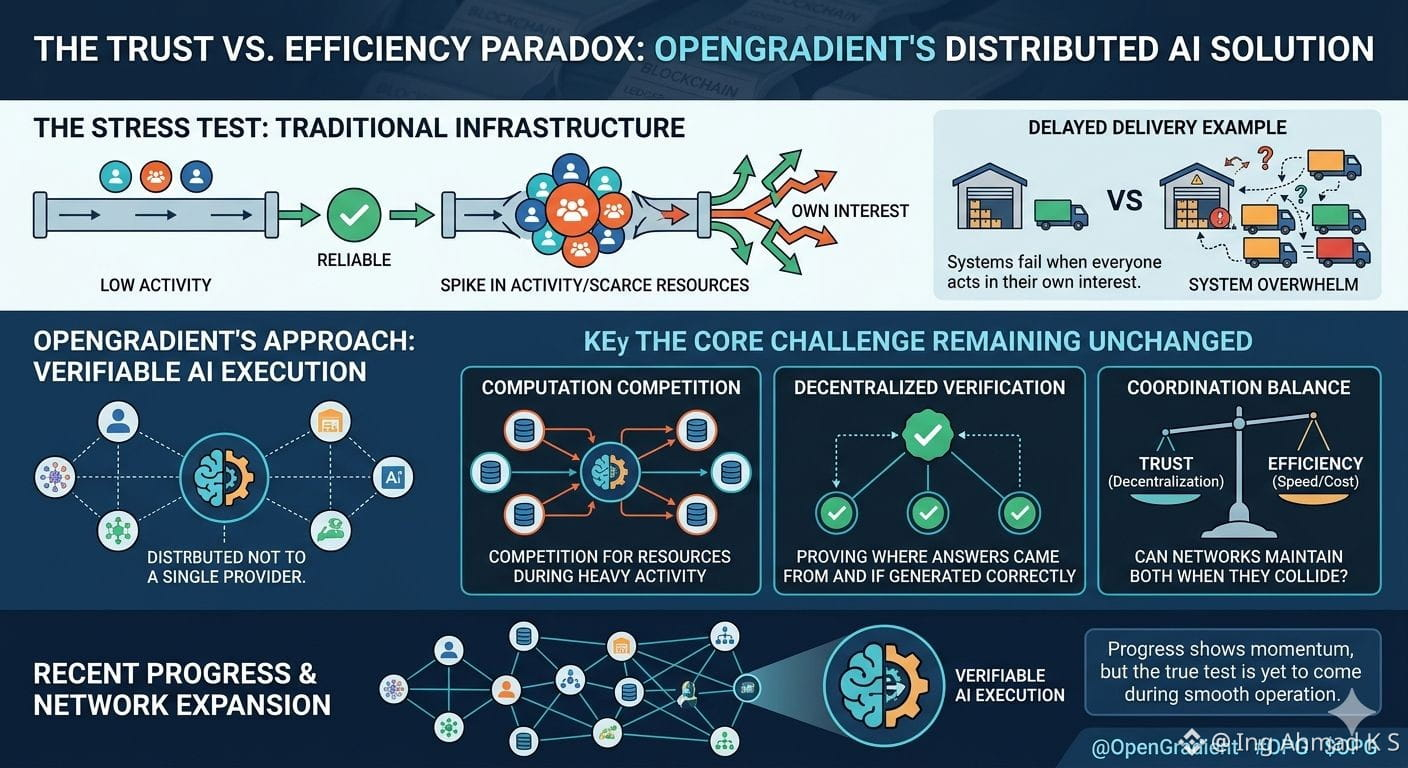
Kebanyakan infrastruktur Web3 terlihat sempurna saat jaringan tenang. Tapi kita semua tahu apa yang terjadi ketika biaya gas melonjak, aktivitas meledak, dan semua orang terburu-buru keluar sekaligus. Sifat manusia mengambil alih, sistem tersumbat, dan asumsi teoretis hancur.
Itulah kekacauan yang dibangun oleh @OpenGradient (#OPG) untuk ditangani.
🤖 Melangkah Lebih Jauh dari Sekadar "AI Terdistribusi"
OpenGradient bukan hanya tentang melempar model AI ke jaringan dan berharap yang terbaik. Ini mengatasi bottleneck yang sebenarnya: verifikasi terdesentralisasi.
Pikirkan tentang ini seperti jaringan pengiriman global yang besar. Ketika permintaan rendah, semuanya tiba tepat waktu. Tapi ketika lonjakan besar terjadi, gudang menumpuk, pengemudi diarahkan ulang, dan ketidakefisienan kecil memicu keruntuhan sistem total.
Dalam dunia AI, "keruntuhan" itu terlihat seperti bottleneck komputasi dan kepercayaan yang hancur. Saat aplikasi terdesentralisasi (dApps) berkembang, hanya mendapatkan jawaban dari model AI tidaklah cukup. Anda harus membuktikan:
Dari mana jawaban itu berasal.
Bagaimana itu dihasilkan.
Bahwa tidak ada penyedia tunggal yang mengubah hasilnya.
⚖️ Paradoks Crypto Terbaik: Kepercayaan vs. Efisiensi
Tonggak teknis terbaru OpenGradient menunjukkan momentum serius dalam eksekusi AI yang terverifikasi dan ekspansi jaringan. Namun tantangan utama untuk $OPG tetap menjadi tantangan utama untuk Web3: Dapatkah sebuah jaringan mempertahankan kepercayaan mutlak tanpa mengorbankan hyper-efisiensi?
Biasanya, kedua tujuan ini bergerak ke arah yang berlawanan. Ketika lonjakan pasar besar berikutnya bertabrakan dengan sistem ini, kita akan melihat jaringan mana yang sebenarnya dibangun untuk masa depan, dan mana yang hanya menikmati ketenangan.
Jaga mata Anda pada lapisan infrastruktur.
Apa pendapat Anda tentang persimpangan AI dan verifikasi terdesentralisasi? Tinggalkan komentar Anda di bawah! 👇
#OPG $OPG #AI #DeFi #Web3Infrastructure
🌩️ Uji Ketahanan: Kenapa Infrastruktur AI yang Terverifikasi adalah Fleks Terbaik untuk Web3
Kebanyakan infrastruktur Web3 terlihat sempurna saat jaringan tenang. Tapi kita semua tahu apa yang terjadi ketika biaya gas melonjak, aktivitas meledak, dan semua orang terburu-buru keluar sekaligus. Sifat manusia mengambil alih, sistem tersumbat, dan asumsi teoretis hancur.
Itulah kekacauan yang dibangun oleh @OpenGradient (#OPG) untuk ditangani.
🤖 Melangkah Lebih Jauh dari Sekadar "AI Terdistribusi"
OpenGradient bukan hanya tentang melempar model AI ke jaringan dan berharap yang terbaik. Ini mengatasi bottleneck yang sebenarnya: verifikasi terdesentralisasi.
Pikirkan tentang ini seperti jaringan pengiriman global yang besar. Ketika permintaan rendah, semuanya tiba tepat waktu. Tapi ketika lonjakan besar terjadi, gudang menumpuk, pengemudi diarahkan ulang, dan ketidakefisienan kecil memicu keruntuhan sistem total.
Dalam dunia AI, "keruntuhan" itu terlihat seperti bottleneck komputasi dan kepercayaan yang hancur. Saat aplikasi terdesentralisasi (dApps) berkembang, hanya mendapatkan jawaban dari model AI tidaklah cukup. Anda harus membuktikan:
Dari mana jawaban itu berasal.
Bagaimana itu dihasilkan.
Bahwa tidak ada penyedia tunggal yang mengubah hasilnya.
⚖️ Paradoks Crypto Terbaik: Kepercayaan vs. Efisiensi
Tonggak teknis terbaru OpenGradient menunjukkan momentum serius dalam eksekusi AI yang terverifikasi dan ekspansi jaringan. Namun tantangan utama untuk $OPG tetap menjadi tantangan utama untuk Web3: Dapatkah sebuah jaringan mempertahankan kepercayaan mutlak tanpa mengorbankan hyper-efisiensi?
Biasanya, kedua tujuan ini bergerak ke arah yang berlawanan. Ketika lonjakan pasar besar berikutnya bertabrakan dengan sistem ini, kita akan melihat jaringan mana yang sebenarnya dibangun untuk masa depan, dan mana yang hanya menikmati ketenangan.
Jaga mata Anda pada lapisan infrastruktur.
Apa pendapat Anda tentang persimpangan AI dan verifikasi terdesentralisasi? Tinggalkan komentar Anda di bawah! 👇
#OPG $OPG #AI #DeFi #Web3Infrastructure
Kebanyakan infrastruktur Web3 terlihat sempurna saat jaringan tenang. Tapi kita semua tahu apa yang terjadi ketika biaya gas melonjak, aktivitas meledak, dan semua orang terburu-buru keluar sekaligus. Sifat manusia mengambil alih, sistem tersumbat, dan asumsi teoretis hancur.
Itulah kekacauan yang dibangun oleh @OpenGradient (#OPG) untuk ditangani.
🤖 Melangkah Lebih Jauh dari Sekadar "AI Terdistribusi"
OpenGradient bukan hanya tentang melempar model AI ke jaringan dan berharap yang terbaik. Ini mengatasi bottleneck yang sebenarnya: verifikasi terdesentralisasi.
Pikirkan tentang ini seperti jaringan pengiriman global yang besar. Ketika permintaan rendah, semuanya tiba tepat waktu. Tapi ketika lonjakan besar terjadi, gudang menumpuk, pengemudi diarahkan ulang, dan ketidakefisienan kecil memicu keruntuhan sistem total.
Dalam dunia AI, "keruntuhan" itu terlihat seperti bottleneck komputasi dan kepercayaan yang hancur. Saat aplikasi terdesentralisasi (dApps) berkembang, hanya mendapatkan jawaban dari model AI tidaklah cukup. Anda harus membuktikan:
Dari mana jawaban itu berasal.
Bagaimana itu dihasilkan.
Bahwa tidak ada penyedia tunggal yang mengubah hasilnya.
⚖️ Paradoks Crypto Terbaik: Kepercayaan vs. Efisiensi
Tonggak teknis terbaru OpenGradient menunjukkan momentum serius dalam eksekusi AI yang terverifikasi dan ekspansi jaringan. Namun tantangan utama untuk $OPG tetap menjadi tantangan utama untuk Web3: Dapatkah sebuah jaringan mempertahankan kepercayaan mutlak tanpa mengorbankan hyper-efisiensi?
Biasanya, kedua tujuan ini bergerak ke arah yang berlawanan. Ketika lonjakan pasar besar berikutnya bertabrakan dengan sistem ini, kita akan melihat jaringan mana yang sebenarnya dibangun untuk masa depan, dan mana yang hanya menikmati ketenangan.
Jaga mata Anda pada lapisan infrastruktur.
Apa pendapat Anda tentang persimpangan AI dan verifikasi terdesentralisasi? Tinggalkan komentar Anda di bawah! 👇
#OPG $OPG #AI #DeFi #Web3Infrastructure
5
1
118
·
--
Artikel
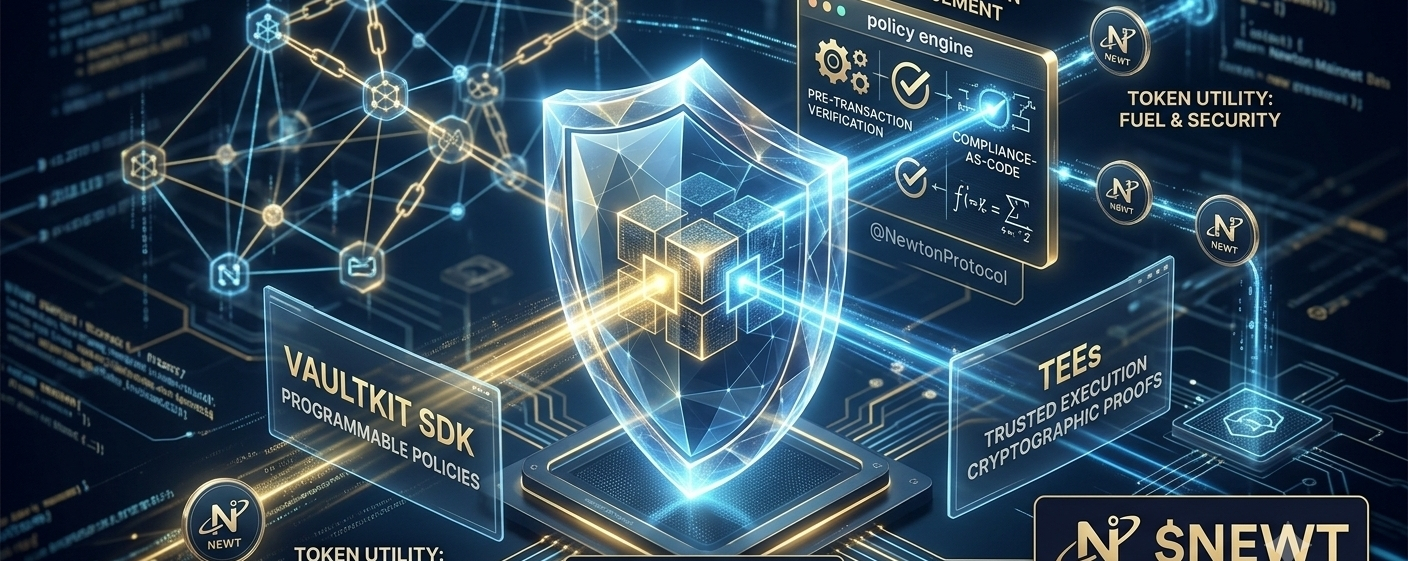
🔒 Keamanan Didefinisikan Ulang: Di Dalam Mesin Penegakan Pra-Transaksi Newton Mainnet Beta##
Kerentanan terbesar dalam ruang Web3 dan DeFi saat ini adalah bahwa manajemen risiko dan kepatuhan selalu terjadi *setelah kejadian* (Pasca-Transaksi). Namun satu-satunya cara yang pasti untuk menghentikan eksploitasi smart contract dan pelanggaran kebijakan adalah memblokirnya sebelum mereka pernah menulis ke blockchain.
Tim di @NewtonProtocol sedang mengatasi kekurangan mendasar ini dengan peluncuran **Newton Mainnet Beta**, memperkenalkan arsitektur on-chain revolusioner yang dirancang untuk keamanan mutlak.
### 🛠️ Pilar Infrastruktur Pra-Eksekusi
🔒 Keamanan Didefinisikan Ulang: Di Dalam Mesin Penegakan Pra-Transaksi Newton Mainnet Beta
##
Kerentanan terbesar dalam ruang Web3 dan DeFi saat ini adalah bahwa manajemen risiko dan kepatuhan selalu terjadi *setelah kejadian* (Pasca-Transaksi). Namun satu-satunya cara yang pasti untuk menghentikan eksploitasi smart contract dan pelanggaran kebijakan adalah memblokirnya sebelum mereka pernah menulis ke blockchain.
Tim di @NewtonProtocol sedang mengatasi kekurangan mendasar ini dengan peluncuran **Newton Mainnet Beta**, memperkenalkan arsitektur on-chain revolusioner yang dirancang untuk keamanan mutlak.
### 🛠️ Pilar Infrastruktur Pra-Eksekusi
Kerentanan terbesar dalam ruang Web3 dan DeFi saat ini adalah bahwa manajemen risiko dan kepatuhan selalu terjadi *setelah kejadian* (Pasca-Transaksi). Namun satu-satunya cara yang pasti untuk menghentikan eksploitasi smart contract dan pelanggaran kebijakan adalah memblokirnya sebelum mereka pernah menulis ke blockchain.
Tim di @NewtonProtocol sedang mengatasi kekurangan mendasar ini dengan peluncuran **Newton Mainnet Beta**, memperkenalkan arsitektur on-chain revolusioner yang dirancang untuk keamanan mutlak.
### 🛠️ Pilar Infrastruktur Pra-Eksekusi
10
2
133


·
--
Artikel
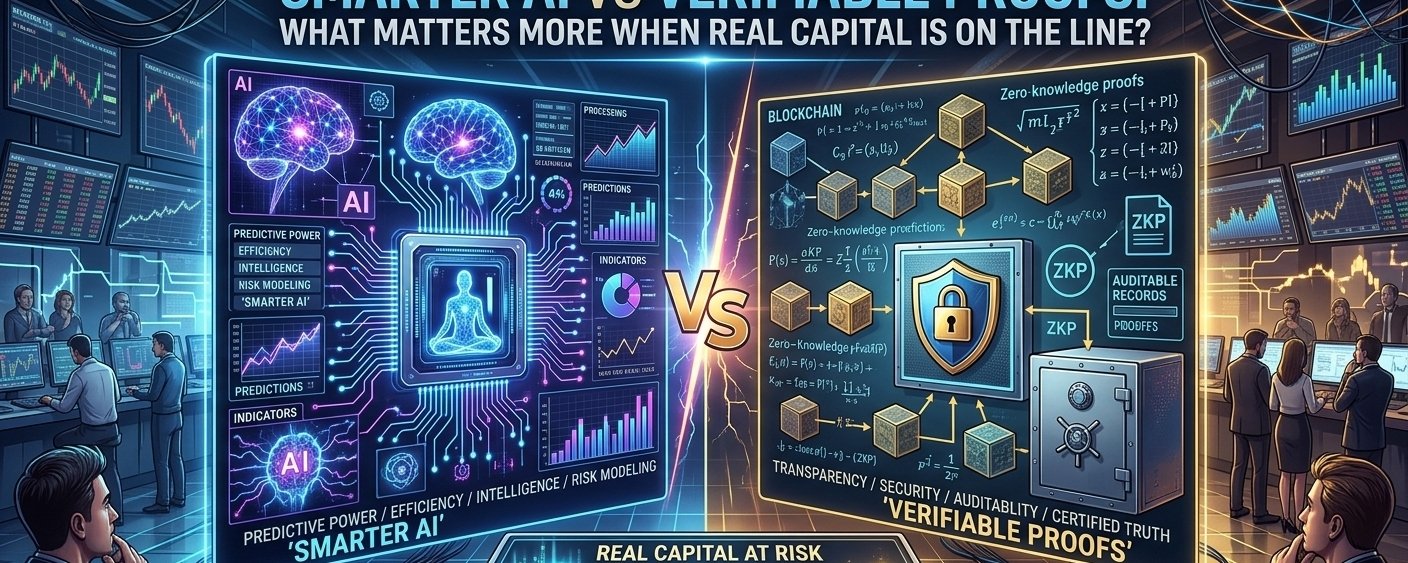
AI yang Lebih Cerdas vs Bukti yang Dapat Diverifikasi: Mana yang Lebih Penting Saat Modal Riil Dipertaruhkan? Ketika pertama kali bergabung dengan Binance, saya terjebak pada jebakan yang sangat umum. Melihat proyek seperti @NewtonProtocol , saya mengira mereka hanya berusaha menyelesaikan masalah AI dengan fokus membangun mesin yang lebih cerdas, algoritma yang lebih prediktif, atau agen trading yang lebih baik. Namun setelah menghabiskan waktu yang signifikan untuk menggali lebih dalam melewati materi pemasaran, membaca dengan cermat arsitektur yang mendasarinya, dan melakukan uji stres terhadap asumsi awal saya, tesis inti saya benar-benar berbalik. Ini sebenarnya bukan masalah AI sama sekali. Ini pada dasarnya adalah masalah kepercayaan.
AI yang Lebih Cerdas vs Bukti yang Dapat Diverifikasi: Mana yang Lebih Penting Saat Modal Riil Dipertaruhkan?
Ketika pertama kali bergabung dengan Binance, saya terjebak pada jebakan yang sangat umum. Melihat proyek seperti @NewtonProtocol , saya mengira mereka hanya berusaha menyelesaikan masalah AI dengan fokus membangun mesin yang lebih cerdas, algoritma yang lebih prediktif, atau agen trading yang lebih baik. Namun setelah menghabiskan waktu yang signifikan untuk menggali lebih dalam melewati materi pemasaran, membaca dengan cermat arsitektur yang mendasarinya, dan melakukan uji stres terhadap asumsi awal saya, tesis inti saya benar-benar berbalik. Ini sebenarnya bukan masalah AI sama sekali. Ini pada dasarnya adalah masalah kepercayaan.
35
12
250

·
--
Membuka likuiditas Bitcoin yang masih menganggur sambil mempertahankan kepemilikan mandiri sepenuhnya adalah terobosan bagi keuangan terdesentralisasi. Trustless Bitcoin Vaults (TBV) yang dikembangkan oleh @babylonlabs_io BabylonLabs_io menghadirkan arsitektur keamanan revolusioner yang memungkinkan pemegang BTC memperoleh hasil staking native tanpa mengorbankan kendali aset atau bergantung pada kustodian pihak ketiga yang berisiko. Dengan mengintegrasikan cryptographic time-locks dan mekanisme pengamanan yang dapat di-slash, jaringan ini memungkinkan peserta ekosistem Baby untuk meningkatkan skalabilitas keamanan Proof-of-Stake secara mulus. Memahami bagaimana TBV menjembatani keamanan Bitcoin dengan utilitas Web3 yang lebih luas sangat penting untuk masa depan generasi yield terdesentralisasi. 🔒⚡
#baby $BABY #BitcoinStaking #DeFi: #Web3Infrastructure
Membuka likuiditas Bitcoin yang masih menganggur sambil mempertahankan kepemilikan mandiri sepenuhnya adalah terobosan bagi keuangan terdesentralisasi. Trustless Bitcoin Vaults (TBV) yang dikembangkan oleh @BabylonLabs_io BabylonLabs_io menghadirkan arsitektur keamanan revolusioner yang memungkinkan pemegang BTC memperoleh hasil staking native tanpa mengorbankan kendali aset atau bergantung pada kustodian pihak ketiga yang berisiko. Dengan mengintegrasikan cryptographic time-locks dan mekanisme pengamanan yang dapat di-slash, jaringan ini memungkinkan peserta ekosistem Baby untuk meningkatkan skalabilitas keamanan Proof-of-Stake secara mulus. Memahami bagaimana TBV menjembatani keamanan Bitcoin dengan utilitas Web3 yang lebih luas sangat penting untuk masa depan generasi yield terdesentralisasi. 🔒⚡
#baby $BABY #BitcoinStaking #DeFi: #Web3Infrastructure
#baby $BABY #BitcoinStaking #DeFi: #Web3Infrastructure
102
Masuk untuk menjelajahi konten lainnya
Bergabunglah dengan pengguna kripto global di Binance Square
⚡️ Dapatkan informasi terbaru dan berguna tentang kripto.
💬 Dipercayai oleh bursa kripto terbesar di dunia.
👍 Temukan wawasan nyata dari kreator terverifikasi.
Email/Nomor Ponsel
Topik Sedang Tren
1
#BitcoinSlipsBelow$80KAgain
493 penayangan
19 Berdiskusi
2
#ThailandLaunchesWORPTStablecoinToQRPaymentApp
304 penayangan
40 Berdiskusi
3
#StrategySkipsBitcoinPurchasesSpends$205MOnSTRCBuybacks
2,900 penayangan
65 Berdiskusi
4
#BitmineAdds10452ETH
27,464 penayangan
495 Berdiskusi
5
#SouthKoreaConsidersEducationTaxOnCryptoExchanges
17,608 penayangan
407 Berdiskusi
6
#OCCUrgesCommunityBanksToEnterStablecoinPayments
13,224 penayangan
253 Berdiskusi
7
#RippleWinsFullApprovalAsNationalTrustBank
16,329 penayangan
257 Berdiskusi
8
#AkashSelectsSolanaAsMigrationTarget
9,656 penayangan
135 Berdiskusi
9
#OndoToOpenSubscriptionsForOpenAIPreIPOTokenizedNotes
525 penayangan
22 Berdiskusi
10
#AnthropicTTMRevenueGrewAbout1200%
67,419 penayangan
661 Berdiskusi