
#robotic
robotic
2,949 penayangan
36 Berdiskusi
Populer
Terbaru
·
--
Bearish
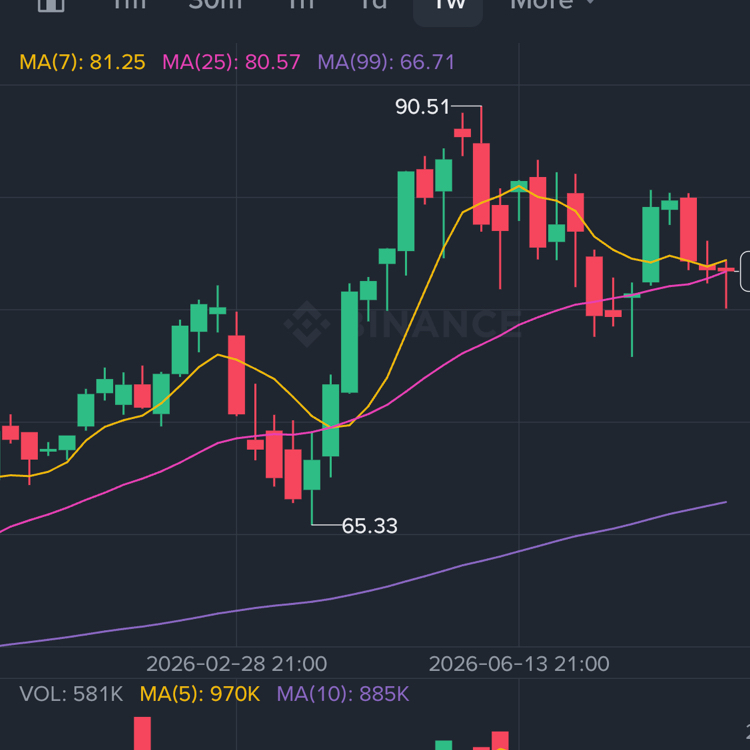
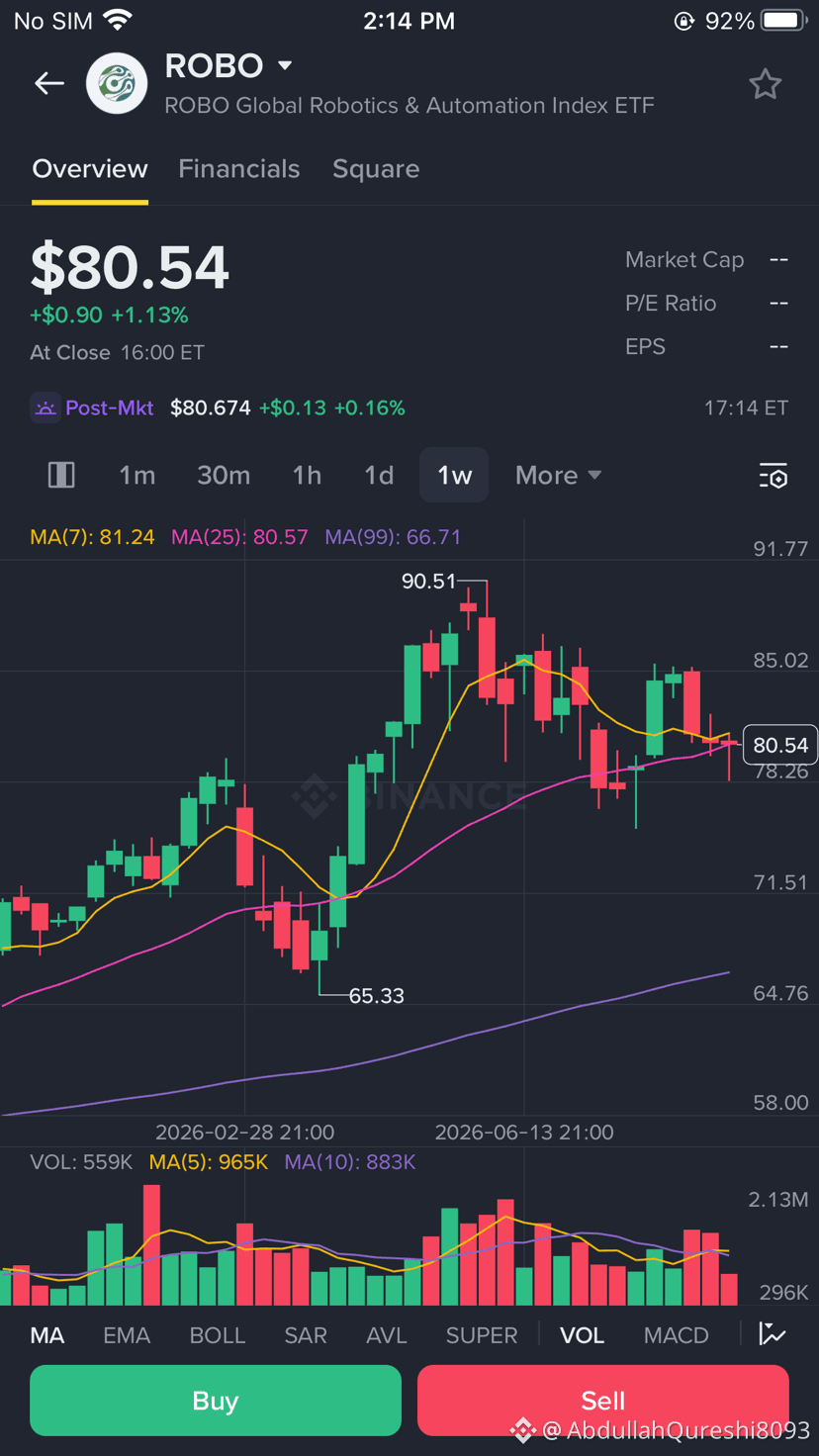
Mengawasi $ROBO (ROBO Global Robotics & Automation Index ETF). Harganya berada di sekitar $80.54, naik +1.13% hari ini dengan sedikit dorongan di perdagangan after-market.
Sepertinya sempat menyentuh puncak $90.51 beberapa bulan lalu, turun mendekati $78, dan kini berkonsolidasi tepat di sekitar rata-rata pergerakan.
Jelas ini grafik yang patut dipantau untuk potensi pergerakan berikutnya di sektor teknologi dan otomasi.
#ROBO #Robotic #Investing #StockMarket
{future}(ROBOUSDT)
Mengawasi $ROBO (ROBO Global Robotics & Automation Index ETF). Harganya berada di sekitar $80.54, naik +1.13% hari ini dengan sedikit dorongan di perdagangan after-market.
Sepertinya sempat menyentuh puncak $90.51 beberapa bulan lalu, turun mendekati $78, dan kini berkonsolidasi tepat di sekitar rata-rata pergerakan.
Jelas ini grafik yang patut dipantau untuk potensi pergerakan berikutnya di sektor teknologi dan otomasi.
#ROBO #Robotic #Investing #StockMarket
Sepertinya sempat menyentuh puncak $90.51 beberapa bulan lalu, turun mendekati $78, dan kini berkonsolidasi tepat di sekitar rata-rata pergerakan.
Jelas ini grafik yang patut dipantau untuk potensi pergerakan berikutnya di sektor teknologi dan otomasi.
#ROBO #Robotic #Investing #StockMarket
243

·
--
Bullish
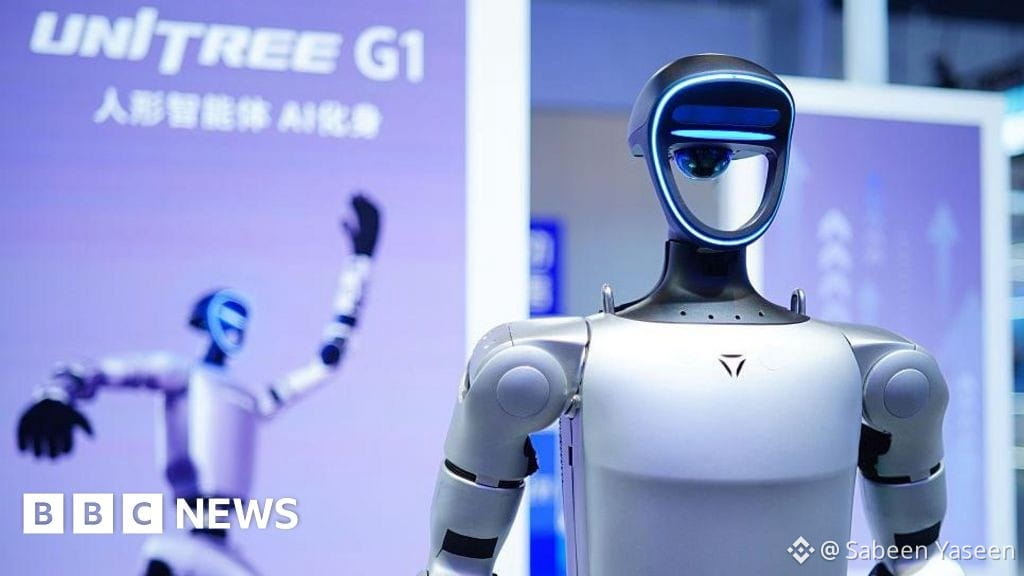
🚨 $UNITREE Robotics Membuat Debut Shanghai yang Menakjubkan! 🤖📈
$UNITREE Robotics, yang secara resmi dikenal sebagai Yushu Technology, melonjak 629% pada pembukaan debut perdagangannya di Shanghai setelah menggalang 6,1 miliar yuan (setara $904M).
🔹 Harga IPO: 150,8 yuan 🔹 Harga pembukaan: 1.100 yuan🔹 Nilai pasar tersirat: 445 miliar yuan 🔹 Pendapatan 2025: 1,7 miliar yuan, naik dari 393M yuan 🔹 Robot humanoid yang dikirim pada 2025: 5.500+🔹 Marjin kotor: 60%+
Pencatatan ini menjadikan Unitree sebagai pembuat robot humanoid yang pertama kali tercatat secara publik di Tiongkok daratan, menyoroti meningkatnya minat investor pada physical $AI dan robotika.
📊 JPMorgan memperkirakan pengiriman robot humanoid global akan mencapai 1,75 juta unit pada 2030, dibandingkan hanya 18.000 pada 2025.
⚠️ Namun, para analis memperingatkan bahwa lonjakan besar pada hari pertama kemungkinan besar didorong oleh permintaan ritel, sementara valuasi sudah dianggap sangat tinggi.
🤖 Perlombaan robotika humanoid di Tiongkok semakin memanas.
#AI #UnitreeRobotics #HumanoidRobot
#Robotic #Binance
🚨 $UNITREE Robotics Membuat Debut Shanghai yang Menakjubkan! 🤖📈
$UNITREE Robotics, yang secara resmi dikenal sebagai Yushu Technology, melonjak 629% pada pembukaan debut perdagangannya di Shanghai setelah menggalang 6,1 miliar yuan (setara $904M).
🔹 Harga IPO: 150,8 yuan 🔹 Harga pembukaan: 1.100 yuan🔹 Nilai pasar tersirat: 445 miliar yuan 🔹 Pendapatan 2025: 1,7 miliar yuan, naik dari 393M yuan 🔹 Robot humanoid yang dikirim pada 2025: 5.500+🔹 Marjin kotor: 60%+
Pencatatan ini menjadikan Unitree sebagai pembuat robot humanoid yang pertama kali tercatat secara publik di Tiongkok daratan, menyoroti meningkatnya minat investor pada physical $AI dan robotika.
📊 JPMorgan memperkirakan pengiriman robot humanoid global akan mencapai 1,75 juta unit pada 2030, dibandingkan hanya 18.000 pada 2025.
⚠️ Namun, para analis memperingatkan bahwa lonjakan besar pada hari pertama kemungkinan besar didorong oleh permintaan ritel, sementara valuasi sudah dianggap sangat tinggi.
🤖 Perlombaan robotika humanoid di Tiongkok semakin memanas.
#AI #UnitreeRobotics #HumanoidRobot
#Robotic #Binance
$UNITREE Robotics, yang secara resmi dikenal sebagai Yushu Technology, melonjak 629% pada pembukaan debut perdagangannya di Shanghai setelah menggalang 6,1 miliar yuan (setara $904M).
🔹 Harga IPO: 150,8 yuan 🔹 Harga pembukaan: 1.100 yuan🔹 Nilai pasar tersirat: 445 miliar yuan 🔹 Pendapatan 2025: 1,7 miliar yuan, naik dari 393M yuan 🔹 Robot humanoid yang dikirim pada 2025: 5.500+🔹 Marjin kotor: 60%+
Pencatatan ini menjadikan Unitree sebagai pembuat robot humanoid yang pertama kali tercatat secara publik di Tiongkok daratan, menyoroti meningkatnya minat investor pada physical $AI dan robotika.
📊 JPMorgan memperkirakan pengiriman robot humanoid global akan mencapai 1,75 juta unit pada 2030, dibandingkan hanya 18.000 pada 2025.
⚠️ Namun, para analis memperingatkan bahwa lonjakan besar pada hari pertama kemungkinan besar didorong oleh permintaan ritel, sementara valuasi sudah dianggap sangat tinggi.
🤖 Perlombaan robotika humanoid di Tiongkok semakin memanas.
#AI #UnitreeRobotics #HumanoidRobot
#Robotic #Binance
69

·
--
Artikel
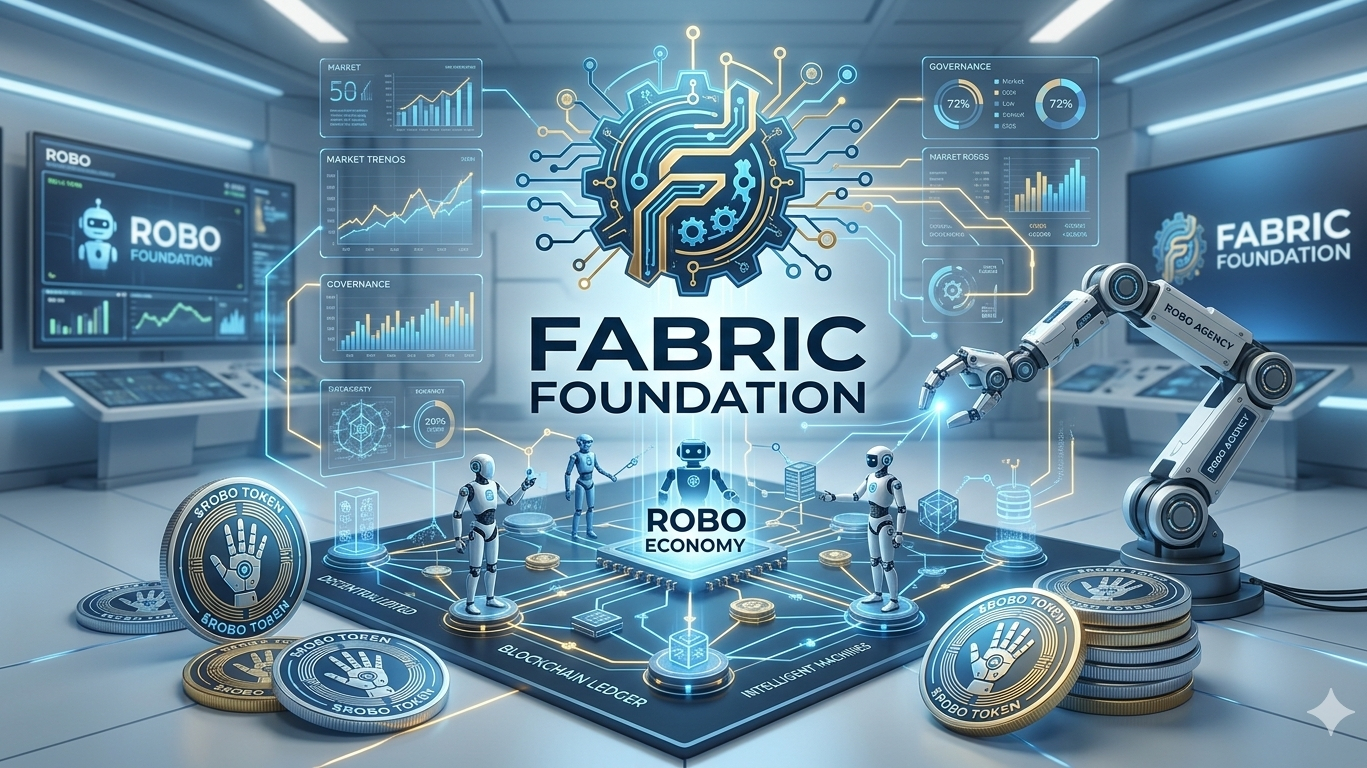
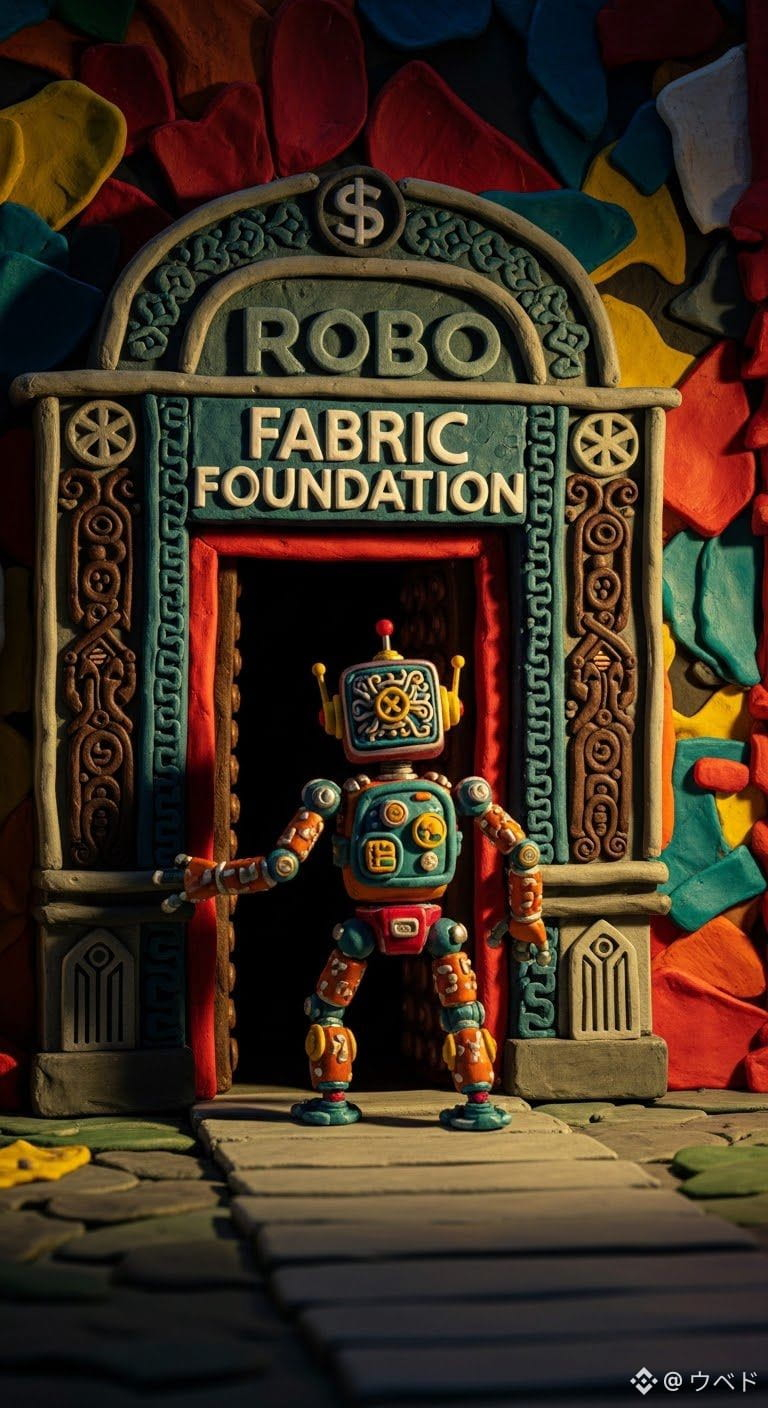
Fabric Foundation dan $ROBO: Membangun Sistem Operasi Ekonomi RobotikLanskap cryptocurrency pada tahun 2026 sedang menyaksikan konvergensi yang menarik antara kecerdasan buatan, robotika, dan desentralisasi. Di pusat evolusi ini terdapat Fabric Foundation, sebuah proyek yang bertujuan untuk melampaui janji teknologi sederhana untuk membangun infrastruktur ekonomi nyata bagi mesin otonom.
Apa itu Fabric Foundation?
Kita tidak boleh melihat @FabricFND sebagai sekadar platform token. Visi mereka adalah bertindak sebagai "Android untuk robot", menyediakan lapisan kecerdasan dan pembayaran yang diperlukan agar sistem otonom dapat beroperasi secara mandiri. Alih-alih robot yang terisolasi, fondasi ini mengusulkan jaringan di mana mesin-mesin ini dapat berkoordinasi, bertransaksi, dan menghasilkan nilai ekonomi tanpa intervensi manusia yang konstan.
Fabric Foundation dan $ROBO: Membangun Sistem Operasi Ekonomi Robotik
Lanskap cryptocurrency pada tahun 2026 sedang menyaksikan konvergensi yang menarik antara kecerdasan buatan, robotika, dan desentralisasi. Di pusat evolusi ini terdapat Fabric Foundation, sebuah proyek yang bertujuan untuk melampaui janji teknologi sederhana untuk membangun infrastruktur ekonomi nyata bagi mesin otonom.
Apa itu Fabric Foundation?
Kita tidak boleh melihat @Fabric Foundation sebagai sekadar platform token. Visi mereka adalah bertindak sebagai "Android untuk robot", menyediakan lapisan kecerdasan dan pembayaran yang diperlukan agar sistem otonom dapat beroperasi secara mandiri. Alih-alih robot yang terisolasi, fondasi ini mengusulkan jaringan di mana mesin-mesin ini dapat berkoordinasi, bertransaksi, dan menghasilkan nilai ekonomi tanpa intervensi manusia yang konstan.
Apa itu Fabric Foundation?
Kita tidak boleh melihat @Fabric Foundation sebagai sekadar platform token. Visi mereka adalah bertindak sebagai "Android untuk robot", menyediakan lapisan kecerdasan dan pembayaran yang diperlukan agar sistem otonom dapat beroperasi secara mandiri. Alih-alih robot yang terisolasi, fondasi ini mengusulkan jaringan di mana mesin-mesin ini dapat berkoordinasi, bertransaksi, dan menghasilkan nilai ekonomi tanpa intervensi manusia yang konstan.
5
28
·
--
$ROBO Opsi 1: Visioner & Informatif (Terbaik untuk audiens umum)
Saat sistem AI melangkah keluar dari perangkat lunak dan ke dunia fisik, siapa yang mengatur mesin-mesin tersebut? 🤔🤖
Masuklah ke Fabric Foundation (https://fabric.foundation)—sebuah organisasi nirlaba yang didedikasikan untuk memajukan Open Robotics & AGI. Mereka sedang membangun infrastruktur publik yang terdesentralisasi yang diperlukan agar manusia dan mesin cerdas dapat bekerja sama dengan aman dan produktif.
Area fokus utama:
🔹 Penyesuaian manusia-mesin
🔹 Identitas robot terdesentralisasi & alokasi tugas
🔹 Robotika AI sumber terbuka
Saatnya membangun masa depan AI yang aman, dapat diamati, dan dapat diakses secara global. 🌍🦾
Opsi 2: Fokus Crypto/Web3 (Terbaik untuk komunitas crypto)
Masa depan robot otonom akan ada di blockchain. ⛓️🤖
https://fabric.foundation sedang membangun jaringan pembayaran, identitas, dan alokasi modal yang akan memungkinkan robot beroperasi sebagai peserta ekonomi otonom.
Didukung oleh token ROBO yang baru diluncurkan, Fabric Protocol memastikan bahwa tidak ada entitas tunggal yang mengendalikan masa depan mesin cerdas. Dari biaya jaringan hingga koordinasi robot yang didorong oleh kerumunan, ROBO memberdayakan ekonomi mesin terdesentralisasi.
Siap untuk memiliki ekonomi robot? 🚀🛠️ #ROBO
Opsi 3: Singkat & Menarik
Industri robotika berada di titik belok. 📈🤖
Fabric Foundation (https://fabric.foundation) sedang membangun infrastruktur pemerintahan dan ekonomi sumber terbuka untuk memastikan AI dan mesin otonom tetap aman, selaras, dan dapat diakses oleh semua orang. Didukung oleh $ROBO, mereka sedang mendesentralisasi masa depan AGI. 🌐✨
Selami masa depan kolaborasi manusia-mesin! 👇 #FabricFoundation #ArtificialIntelligence #Robotic #Crypto
$ROBO Opsi 1: Visioner & Informatif (Terbaik untuk audiens umum)
Saat sistem AI melangkah keluar dari perangkat lunak dan ke dunia fisik, siapa yang mengatur mesin-mesin tersebut? 🤔🤖
Masuklah ke Fabric Foundation (https://fabric.foundation)—sebuah organisasi nirlaba yang didedikasikan untuk memajukan Open Robotics & AGI. Mereka sedang membangun infrastruktur publik yang terdesentralisasi yang diperlukan agar manusia dan mesin cerdas dapat bekerja sama dengan aman dan produktif.
Area fokus utama:
🔹 Penyesuaian manusia-mesin
🔹 Identitas robot terdesentralisasi & alokasi tugas
🔹 Robotika AI sumber terbuka
Saatnya membangun masa depan AI yang aman, dapat diamati, dan dapat diakses secara global. 🌍🦾
Opsi 2: Fokus Crypto/Web3 (Terbaik untuk komunitas crypto)
Masa depan robot otonom akan ada di blockchain. ⛓️🤖
https://fabric.foundation sedang membangun jaringan pembayaran, identitas, dan alokasi modal yang akan memungkinkan robot beroperasi sebagai peserta ekonomi otonom.
Didukung oleh token ROBO yang baru diluncurkan, Fabric Protocol memastikan bahwa tidak ada entitas tunggal yang mengendalikan masa depan mesin cerdas. Dari biaya jaringan hingga koordinasi robot yang didorong oleh kerumunan, ROBO memberdayakan ekonomi mesin terdesentralisasi.
Siap untuk memiliki ekonomi robot? 🚀🛠️ #ROBO
Opsi 3: Singkat & Menarik
Industri robotika berada di titik belok. 📈🤖
Fabric Foundation (https://fabric.foundation) sedang membangun infrastruktur pemerintahan dan ekonomi sumber terbuka untuk memastikan AI dan mesin otonom tetap aman, selaras, dan dapat diakses oleh semua orang. Didukung oleh $ROBO , mereka sedang mendesentralisasi masa depan AGI. 🌐✨
Selami masa depan kolaborasi manusia-mesin! 👇 #FabricFoundation #ArtificialIntelligence #Robotic #Crypto
Saat sistem AI melangkah keluar dari perangkat lunak dan ke dunia fisik, siapa yang mengatur mesin-mesin tersebut? 🤔🤖
Masuklah ke Fabric Foundation (https://fabric.foundation)—sebuah organisasi nirlaba yang didedikasikan untuk memajukan Open Robotics & AGI. Mereka sedang membangun infrastruktur publik yang terdesentralisasi yang diperlukan agar manusia dan mesin cerdas dapat bekerja sama dengan aman dan produktif.
Area fokus utama:
🔹 Penyesuaian manusia-mesin
🔹 Identitas robot terdesentralisasi & alokasi tugas
🔹 Robotika AI sumber terbuka
Saatnya membangun masa depan AI yang aman, dapat diamati, dan dapat diakses secara global. 🌍🦾
Opsi 2: Fokus Crypto/Web3 (Terbaik untuk komunitas crypto)
Masa depan robot otonom akan ada di blockchain. ⛓️🤖
https://fabric.foundation sedang membangun jaringan pembayaran, identitas, dan alokasi modal yang akan memungkinkan robot beroperasi sebagai peserta ekonomi otonom.
Didukung oleh token ROBO yang baru diluncurkan, Fabric Protocol memastikan bahwa tidak ada entitas tunggal yang mengendalikan masa depan mesin cerdas. Dari biaya jaringan hingga koordinasi robot yang didorong oleh kerumunan, ROBO memberdayakan ekonomi mesin terdesentralisasi.
Siap untuk memiliki ekonomi robot? 🚀🛠️ #ROBO
Opsi 3: Singkat & Menarik
Industri robotika berada di titik belok. 📈🤖
Fabric Foundation (https://fabric.foundation) sedang membangun infrastruktur pemerintahan dan ekonomi sumber terbuka untuk memastikan AI dan mesin otonom tetap aman, selaras, dan dapat diakses oleh semua orang. Didukung oleh $ROBO , mereka sedang mendesentralisasi masa depan AGI. 🌐✨
Selami masa depan kolaborasi manusia-mesin! 👇 #FabricFoundation #ArtificialIntelligence #Robotic #Crypto
43

·
--
Tidak diragukan lagi bahwa tren Robotics akan berkembang pesat di masa depan dan Axis Robotics akan menjadi proyek crypto terdepan.
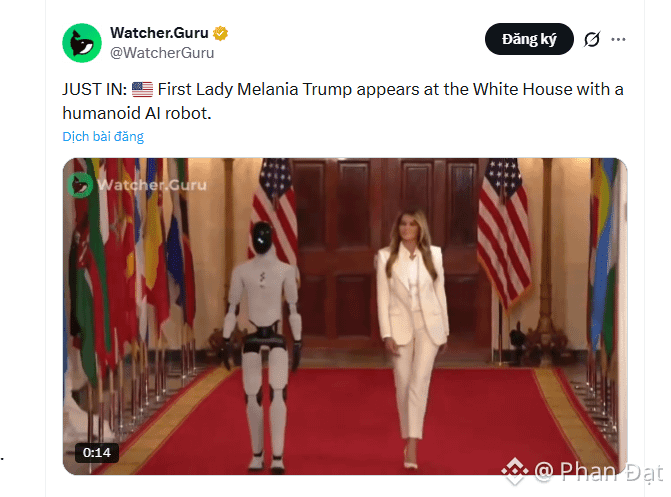
Kalian lihat, Ibu Negara Amerika Serikat muncul dengan robot, menegaskan kepada kita bahwa tren Robotics sedang diinvestasikan dengan kuat dan proyek web3 robotics seperti Axis akan berkembang lebih lanjut di masa depan.
Ini bukan hanya narasi sementara tetapi adalah siklus teknologi jangka panjang, di mana AI, perangkat keras, dan blockchain berkolaborasi untuk menciptakan nilai nyata dan aliran uang yang berkelanjutan.
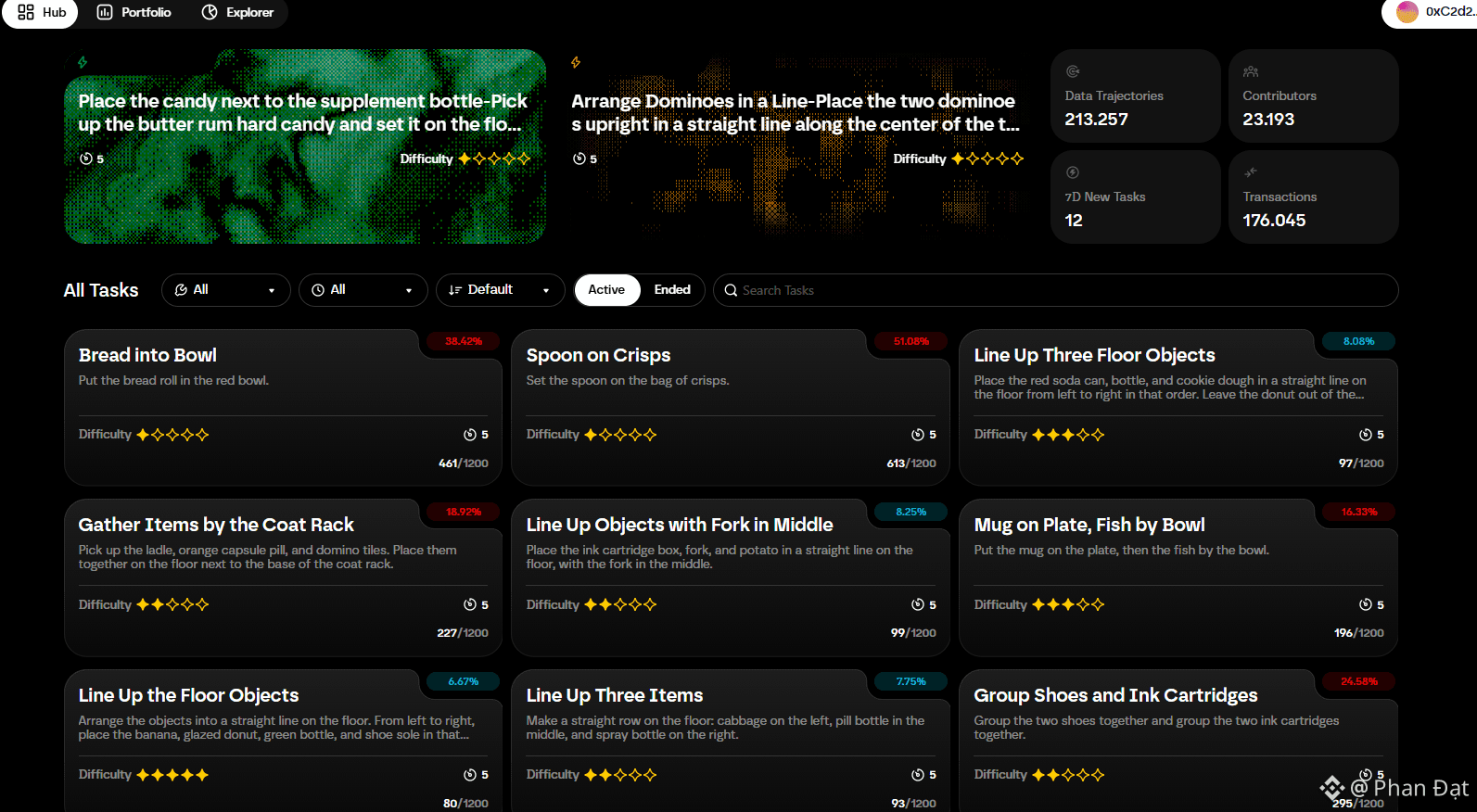
Saat ini, tugas-tugas yang telah dibuka terus berlanjut dan tugas-tugas lama untuk kalian kerjakan kembali agar lebih mahir di hub Axis sudah tersedia ya.
#Axis #Robotic
Tidak diragukan lagi bahwa tren Robotics akan berkembang pesat di masa depan dan Axis Robotics akan menjadi proyek crypto terdepan.
Kalian lihat, Ibu Negara Amerika Serikat muncul dengan robot, menegaskan kepada kita bahwa tren Robotics sedang diinvestasikan dengan kuat dan proyek web3 robotics seperti Axis akan berkembang lebih lanjut di masa depan.
Ini bukan hanya narasi sementara tetapi adalah siklus teknologi jangka panjang, di mana AI, perangkat keras, dan blockchain berkolaborasi untuk menciptakan nilai nyata dan aliran uang yang berkelanjutan.
Saat ini, tugas-tugas yang telah dibuka terus berlanjut dan tugas-tugas lama untuk kalian kerjakan kembali agar lebih mahir di hub Axis sudah tersedia ya.
#Axis #Robotic
Kalian lihat, Ibu Negara Amerika Serikat muncul dengan robot, menegaskan kepada kita bahwa tren Robotics sedang diinvestasikan dengan kuat dan proyek web3 robotics seperti Axis akan berkembang lebih lanjut di masa depan.
Ini bukan hanya narasi sementara tetapi adalah siklus teknologi jangka panjang, di mana AI, perangkat keras, dan blockchain berkolaborasi untuk menciptakan nilai nyata dan aliran uang yang berkelanjutan.
Saat ini, tugas-tugas yang telah dibuka terus berlanjut dan tugas-tugas lama untuk kalian kerjakan kembali agar lebih mahir di hub Axis sudah tersedia ya.
#Axis #Robotic
2
6
4k
Masuk untuk menjelajahi konten lainnya
Bergabunglah dengan pengguna kripto global di Binance Square
⚡️ Dapatkan informasi terbaru dan berguna tentang kripto.
💬 Dipercayai oleh bursa kripto terbesar di dunia.
👍 Temukan wawasan nyata dari kreator terverifikasi.
Email/Nomor Ponsel
Topik Sedang Tren
1
#ClarityActFacesProceduralVoteSept15
34,545 penayangan
551 Berdiskusi
2
#US2YearYieldRisesTo4.61%
29,034 penayangan
563 Berdiskusi
3
#US10YearTreasuryYieldNears5%
15,870 penayangan
316 Berdiskusi
4
#CryptoLiquidations$674MIn24H
6,585 penayangan
76 Berdiskusi
5
#TokenizedStockHoldersUp619.1%
18,765 penayangan
342 Berdiskusi
6
#RevolutConfirmsFakeGovEmailDataBreach
38,979 penayangan
636 Berdiskusi
7
#CanadaOSFISaysTokenizedDepositsEqualTraditionalDeposits
1,637 penayangan
57 Berdiskusi
8
#USBankCompletesCrossBorderPaymentPilotOnStellar
40,058 penayangan
817 Berdiskusi
9
#NvidiaInTalksToInvestUpTo$10BInAnthropicIPO
3,047 penayangan
66 Berdiskusi
10
#EtherRalliesAsBearishBetsLiquidate
56,153 penayangan
1,021 Berdiskusi