

#newtonprotocol
newtonprotocol
159,297 penayangan
2,333 Berdiskusi
Populer
Terbaru

·
--
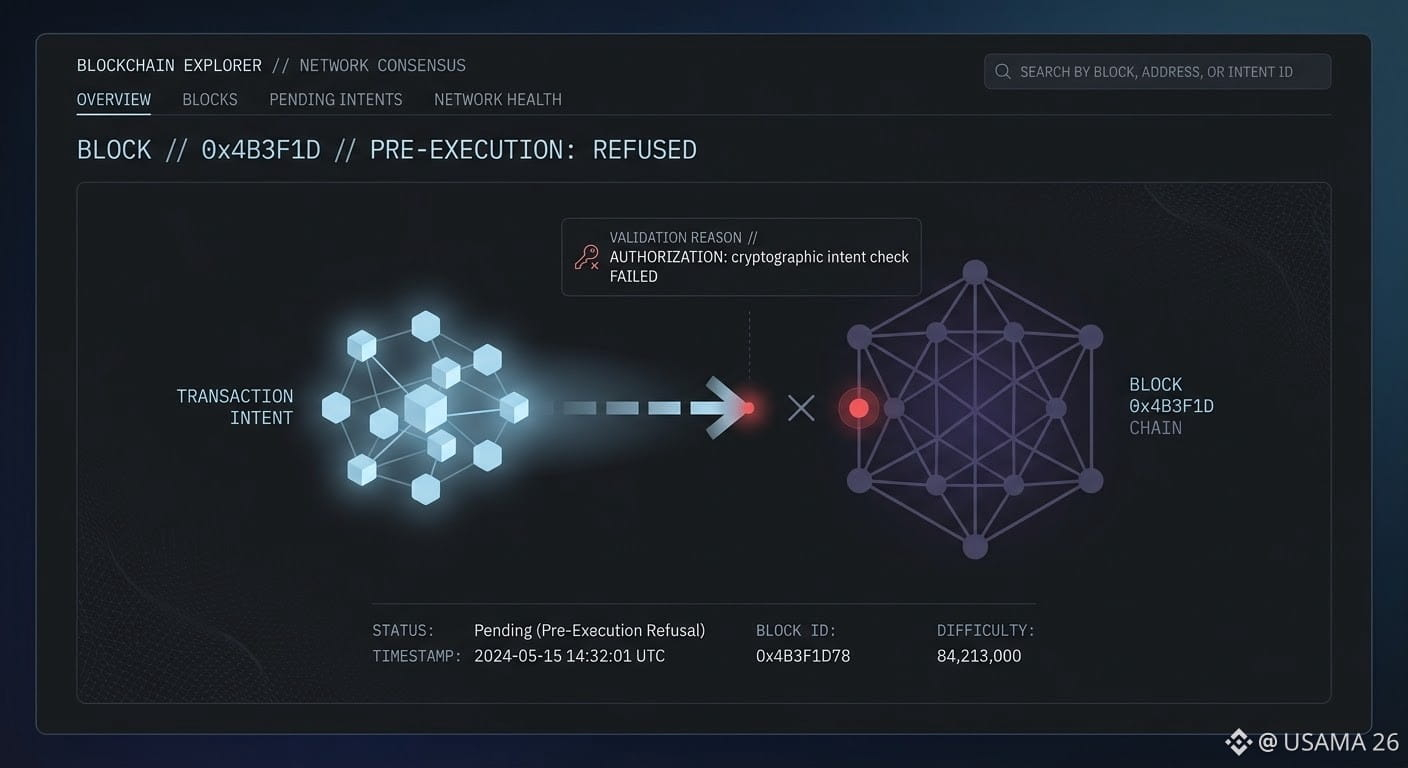
Pendanaan berbalik drastis pada Jumat malam, dan aku mendapati diriku bertanya-tanya seberapa besar sebenarnya kepercayaanku pada apa pun yang menandatangani atas namaku. Jadi aku mulai memeriksa Newton Protocol Mainnet Beta, terutama sisi kebijakannya, dengan $NEWT T terbuka di tab lain dan catatan #NewtonProtocol ol yang baru setengah selesai, sambil mengikuti @NewtonProtocol l untuk detailnya. Kukira intent yang ditolak akan terlihat seperti semua transaksi gagal yang kukenal: sebuah hash, revert, garis merah di penjelajah blok. Aku mengirim intent yang melanggar batas pengeluaranku sendiri, lalu terus menyegarkan penjelajah blok, menunggu hash itu muncul. Kupikir jaringannya sedang lambat, mungkin operatornya lamban. Namun ternyata tak ada apa pun yang bisa ditemukan, karena penolakan terjadi sebelum apa pun menyentuh chain. Tak ada tx yang gagal, tak ada gas yang terpakai, tak ada jejak yang bisa ditunjukkan. Anehnya, itu terasa kurang meyakinkan dibandingkan revert, karena aku terbiasa melihat bukti kegagalan. Pemblokiran sebelum eksekusi membuat penjelajah blok tetap bersih dan layar kosong, jadi bukti perlindungan sepenuhnya berada di tempat lain. Kututup tab itu, kubuka lagi, tetap tak ada apa-apa. Jika hasil terbaik dari lapisan otorisasi adalah tak ada sesuatu pun yang terlihat terjadi, bagaimana aku tahu pada hari yang tenang bahwa sistem itu berfungsi?
Pendanaan berbalik drastis pada Jumat malam, dan aku mendapati diriku bertanya-tanya seberapa besar sebenarnya kepercayaanku pada apa pun yang menandatangani atas namaku. Jadi aku mulai memeriksa Newton Protocol Mainnet Beta, terutama sisi kebijakannya, dengan $NEWT T terbuka di tab lain dan catatan #NewtonProtocol ol yang baru setengah selesai, sambil mengikuti @NewtonProtocol l untuk detailnya. Kukira intent yang ditolak akan terlihat seperti semua transaksi gagal yang kukenal: sebuah hash, revert, garis merah di penjelajah blok. Aku mengirim intent yang melanggar batas pengeluaranku sendiri, lalu terus menyegarkan penjelajah blok, menunggu hash itu muncul. Kupikir jaringannya sedang lambat, mungkin operatornya lamban. Namun ternyata tak ada apa pun yang bisa ditemukan, karena penolakan terjadi sebelum apa pun menyentuh chain. Tak ada tx yang gagal, tak ada gas yang terpakai, tak ada jejak yang bisa ditunjukkan. Anehnya, itu terasa kurang meyakinkan dibandingkan revert, karena aku terbiasa melihat bukti kegagalan. Pemblokiran sebelum eksekusi membuat penjelajah blok tetap bersih dan layar kosong, jadi bukti perlindungan sepenuhnya berada di tempat lain. Kututup tab itu, kubuka lagi, tetap tak ada apa-apa. Jika hasil terbaik dari lapisan otorisasi adalah tak ada sesuatu pun yang terlihat terjadi, bagaimana aku tahu pada hari yang tenang bahwa sistem itu berfungsi?
333
$NEWT
{spot}(NEWTUSDT)
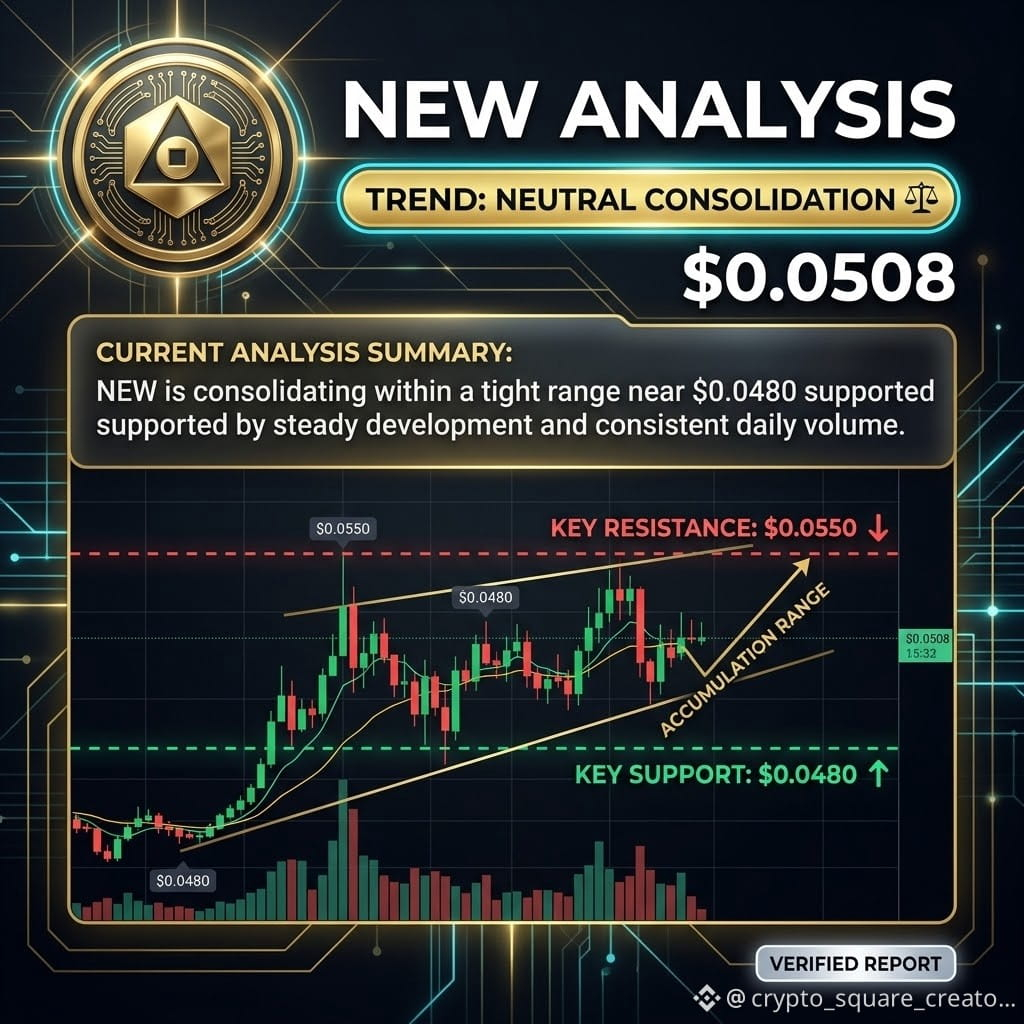
⚡ NEWTON PROTOCOL ($NEW) BERKONSOLIDASI DI SEKITAR $0.051: Terobosan Segera Terjadi?
Newton Protocol ($NEW) terus membangun dukungan dasar, saat ini diperdagangkan di sekitar $0.0508 seiring pembeli menyerap tekanan jual di atas.
Tren: Konsolidasi Netral
Dukungan Utama: $0.0480
Resistansi Utama: $0.0550
Alasan Pergerakan: Stabilitas harga ditopang oleh pengembangan infrastruktur terdesentralisasi yang konsisten dan volume harian yang stabil, sehingga mencegah penurunan signifikan meskipun pasar secara keseluruhan bergejolak.
Bisakah $NEW bertahan di atas dukungan $0.048 dan menguat hingga menembus level resistansi $0.055? Bagikan target Anda di bawah! 👇
#NewtonProtocol #NEW #CryptoAnalysis #BinanceSquareTalks #TechnicalAnalysiss #Altcoins #CryptoTrading
Bukan nasihat keuangan.
$NEWT
⚡ NEWTON PROTOCOL ($NEW) BERKONSOLIDASI DI SEKITAR $0.051: Terobosan Segera Terjadi?
Newton Protocol ($NEW) terus membangun dukungan dasar, saat ini diperdagangkan di sekitar $0.0508 seiring pembeli menyerap tekanan jual di atas.
Tren: Konsolidasi Netral
Dukungan Utama: $0.0480
Resistansi Utama: $0.0550
Alasan Pergerakan: Stabilitas harga ditopang oleh pengembangan infrastruktur terdesentralisasi yang konsisten dan volume harian yang stabil, sehingga mencegah penurunan signifikan meskipun pasar secara keseluruhan bergejolak.
Bisakah $NEW bertahan di atas dukungan $0.048 dan menguat hingga menembus level resistansi $0.055? Bagikan target Anda di bawah! 👇
#NewtonProtocol #NEW #CryptoAnalysis #BinanceSquareTalks #TechnicalAnalysiss #Altcoins #CryptoTrading
Bukan nasihat keuangan.
⚡ NEWTON PROTOCOL ($NEW) BERKONSOLIDASI DI SEKITAR $0.051: Terobosan Segera Terjadi?
Newton Protocol ($NEW) terus membangun dukungan dasar, saat ini diperdagangkan di sekitar $0.0508 seiring pembeli menyerap tekanan jual di atas.
Tren: Konsolidasi Netral
Dukungan Utama: $0.0480
Resistansi Utama: $0.0550
Alasan Pergerakan: Stabilitas harga ditopang oleh pengembangan infrastruktur terdesentralisasi yang konsisten dan volume harian yang stabil, sehingga mencegah penurunan signifikan meskipun pasar secara keseluruhan bergejolak.
Bisakah $NEW bertahan di atas dukungan $0.048 dan menguat hingga menembus level resistansi $0.055? Bagikan target Anda di bawah! 👇
#NewtonProtocol #NEW #CryptoAnalysis #BinanceSquareTalks #TechnicalAnalysiss #Altcoins #CryptoTrading
Bukan nasihat keuangan.
251

·
--
Artikel
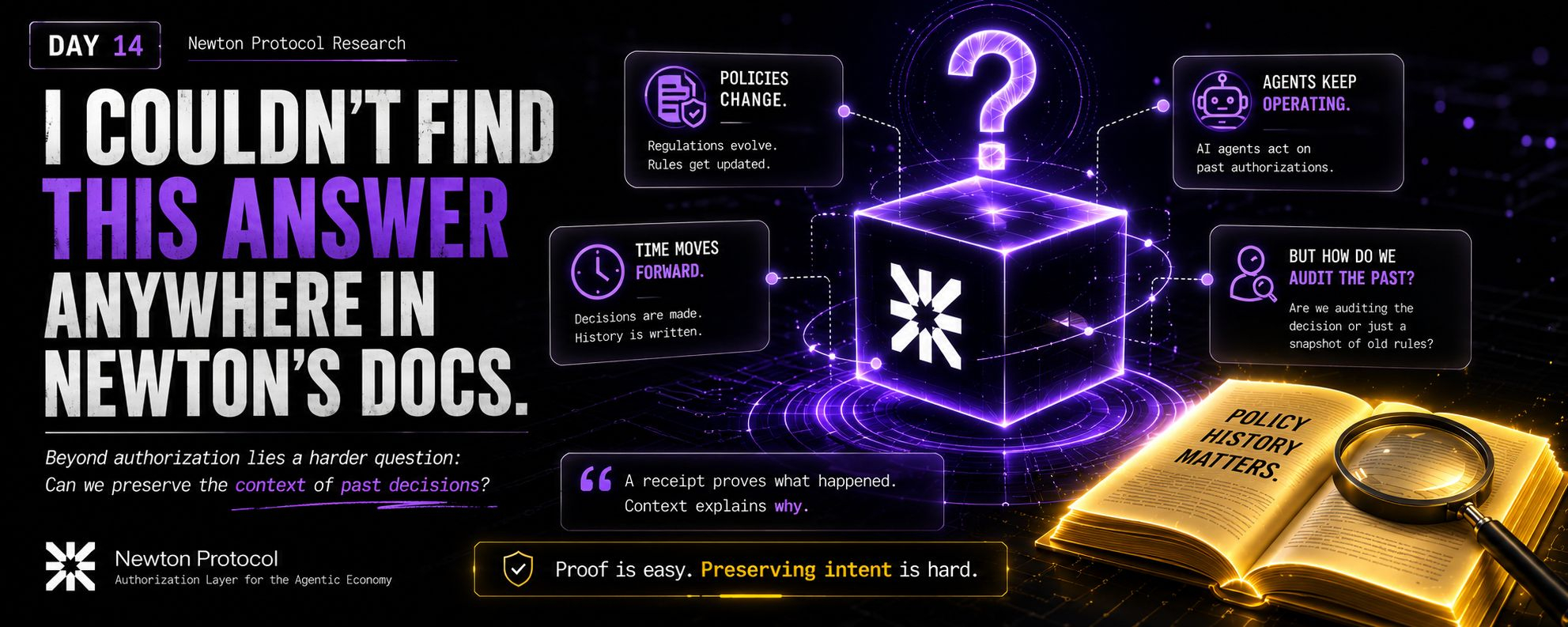
Aku Tidak Bisa Menemukan Jawaban Ini di Mana Pun dalam Dokumen NewtonPagi itu aku menelusuri lagi arsitektur @NewtonProtocol , berharap bisa memahami satu detail kecil dengan lebih baik.
Namun, yang kudapat adalah pertanyaan yang lebih besar.
Protokol menghabiskan banyak waktu untuk menjelaskan bagaimana keputusan otorisasi diverifikasi. Kebijakan dievaluasi. Operator memberikan pernyataan. Bukti kriptografis mengonfirmasi hasilnya.
Bagian itu masuk akal.
Yang tidak bisa berhenti kupikirkan adalah semua hal yang terjadi setelah otorisasi.
Misalkan sebuah institusi memperbarui salah satu kebijakannya karena peraturan berubah. Ratusan agen AI sudah beroperasi di bawah versi sebelumnya.
Aku Tidak Bisa Menemukan Jawaban Ini di Mana Pun dalam Dokumen Newton
Pagi itu aku menelusuri lagi arsitektur @NewtonProtocol , berharap bisa memahami satu detail kecil dengan lebih baik.
Namun, yang kudapat adalah pertanyaan yang lebih besar.
Protokol menghabiskan banyak waktu untuk menjelaskan bagaimana keputusan otorisasi diverifikasi. Kebijakan dievaluasi. Operator memberikan pernyataan. Bukti kriptografis mengonfirmasi hasilnya.
Bagian itu masuk akal.
Yang tidak bisa berhenti kupikirkan adalah semua hal yang terjadi setelah otorisasi.
Misalkan sebuah institusi memperbarui salah satu kebijakannya karena peraturan berubah. Ratusan agen AI sudah beroperasi di bawah versi sebelumnya.
Namun, yang kudapat adalah pertanyaan yang lebih besar.
Protokol menghabiskan banyak waktu untuk menjelaskan bagaimana keputusan otorisasi diverifikasi. Kebijakan dievaluasi. Operator memberikan pernyataan. Bukti kriptografis mengonfirmasi hasilnya.
Bagian itu masuk akal.
Yang tidak bisa berhenti kupikirkan adalah semua hal yang terjadi setelah otorisasi.
Misalkan sebuah institusi memperbarui salah satu kebijakannya karena peraturan berubah. Ratusan agen AI sudah beroperasi di bawah versi sebelumnya.
2
1
381
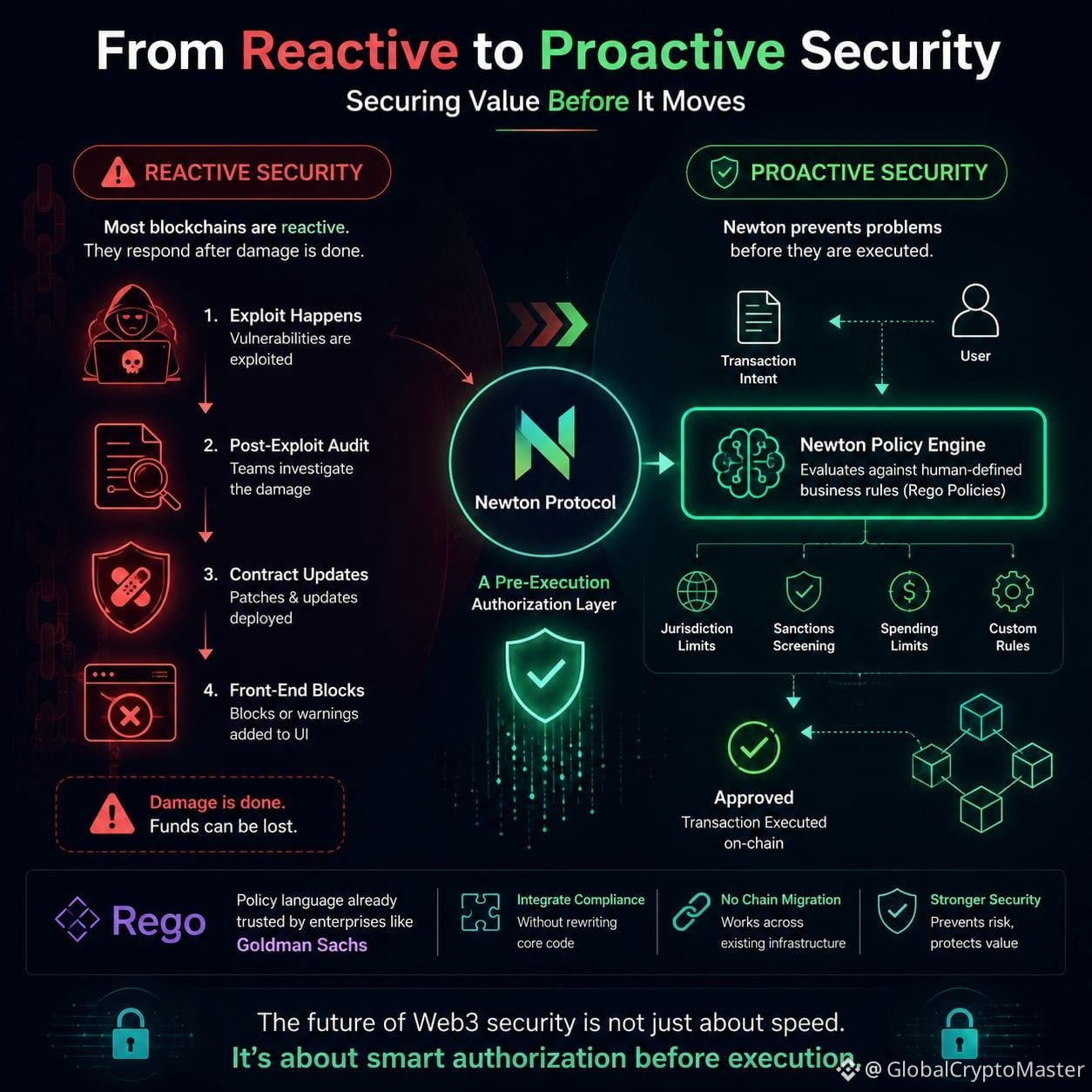
$NEWT 🛡️ Dari Keamanan yang Reaktif ke Proaktif: Arah Baru untuk Blockchain
Keamanan blockchain biasanya aktif setelah sesuatu terjadi yang salah—patch, audit, atau perbaikan darurat setelah sebuah eksploit.
Newton Protocol mengambil pendekatan yang berbeda. ⚡
Alih-alih bereaksi terhadap transaksi berbahaya, ia mengevaluasinya sebelum dieksekusi, memeriksa apakah transaksi tersebut memenuhi aturan kebijakan yang telah ditetapkan seperti pembatasan yurisdiksi, batas pengeluaran, atau persyaratan kepatuhan.
🔍 Ini menggeser keamanan dari penanganan kerusakan menjadi pencegahan risiko.
Aspek menarik lainnya adalah penggunaan Rego, bahasa kebijakan yang sudah dipercaya di lingkungan perusahaan. Daripada memaksa institusi untuk mendesain ulang aplikasinya atau bermigrasi ke chain baru, logika kepatuhan dapat ditambahkan sebagai lapisan kebijakan yang dapat diprogram.
💡 Peluang jangka panjangnya bukan hanya keamanan yang lebih kuat—melainkan membuat infrastruktur blockchain kompatibel dengan tata kelola dunia nyata sambil tetap mempertahankan komposabilitas.
🚀 Tahap berikutnya dari Web3 mungkin tidak ditentukan oleh transaksi yang lebih cepat, tetapi oleh otorisasi yang lebih cerdas sebelum dieksekusi.
#NewtonProtocol #Newt #Blockchain #Web3 #DeFi #Security #compliance
$NEWT 🛡️ Dari Keamanan yang Reaktif ke Proaktif: Arah Baru untuk Blockchain
Keamanan blockchain biasanya aktif setelah sesuatu terjadi yang salah—patch, audit, atau perbaikan darurat setelah sebuah eksploit.
Newton Protocol mengambil pendekatan yang berbeda. ⚡
Alih-alih bereaksi terhadap transaksi berbahaya, ia mengevaluasinya sebelum dieksekusi, memeriksa apakah transaksi tersebut memenuhi aturan kebijakan yang telah ditetapkan seperti pembatasan yurisdiksi, batas pengeluaran, atau persyaratan kepatuhan.
🔍 Ini menggeser keamanan dari penanganan kerusakan menjadi pencegahan risiko.
Aspek menarik lainnya adalah penggunaan Rego, bahasa kebijakan yang sudah dipercaya di lingkungan perusahaan. Daripada memaksa institusi untuk mendesain ulang aplikasinya atau bermigrasi ke chain baru, logika kepatuhan dapat ditambahkan sebagai lapisan kebijakan yang dapat diprogram.
💡 Peluang jangka panjangnya bukan hanya keamanan yang lebih kuat—melainkan membuat infrastruktur blockchain kompatibel dengan tata kelola dunia nyata sambil tetap mempertahankan komposabilitas.
🚀 Tahap berikutnya dari Web3 mungkin tidak ditentukan oleh transaksi yang lebih cepat, tetapi oleh otorisasi yang lebih cerdas sebelum dieksekusi.
#NewtonProtocol #Newt #Blockchain #Web3 #DeFi #Security #compliance
Keamanan blockchain biasanya aktif setelah sesuatu terjadi yang salah—patch, audit, atau perbaikan darurat setelah sebuah eksploit.
Newton Protocol mengambil pendekatan yang berbeda. ⚡
Alih-alih bereaksi terhadap transaksi berbahaya, ia mengevaluasinya sebelum dieksekusi, memeriksa apakah transaksi tersebut memenuhi aturan kebijakan yang telah ditetapkan seperti pembatasan yurisdiksi, batas pengeluaran, atau persyaratan kepatuhan.
🔍 Ini menggeser keamanan dari penanganan kerusakan menjadi pencegahan risiko.
Aspek menarik lainnya adalah penggunaan Rego, bahasa kebijakan yang sudah dipercaya di lingkungan perusahaan. Daripada memaksa institusi untuk mendesain ulang aplikasinya atau bermigrasi ke chain baru, logika kepatuhan dapat ditambahkan sebagai lapisan kebijakan yang dapat diprogram.
💡 Peluang jangka panjangnya bukan hanya keamanan yang lebih kuat—melainkan membuat infrastruktur blockchain kompatibel dengan tata kelola dunia nyata sambil tetap mempertahankan komposabilitas.
🚀 Tahap berikutnya dari Web3 mungkin tidak ditentukan oleh transaksi yang lebih cepat, tetapi oleh otorisasi yang lebih cerdas sebelum dieksekusi.
#NewtonProtocol #Newt #Blockchain #Web3 #DeFi #Security #compliance
65

·
--
Artikel
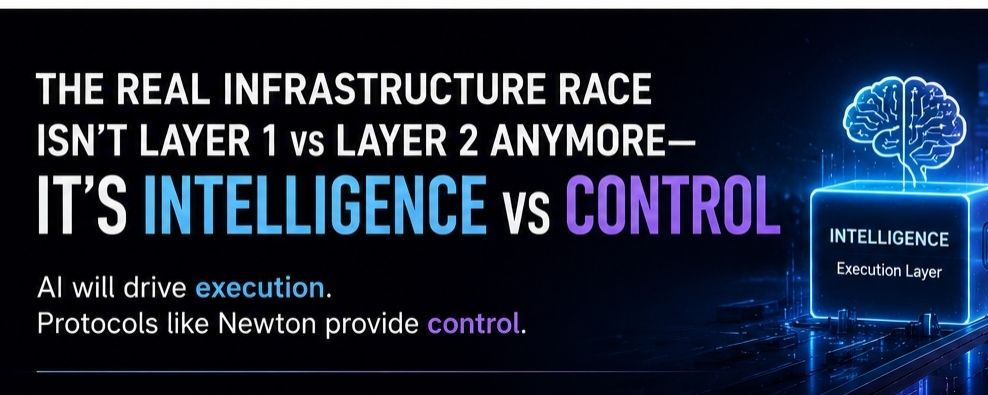
Lomba Infrastruktur Nyata Bukan Lagi Layer 1 vs Layer 2—Sekarang Adalah Kecerdasan vs KontrolSelama bertahun-tahun, industri blockchain telah memperdebatkan pertanyaan yang sama: Infrastruktur mana yang menang—Layer 1 atau Layer 2?
Transaksi lebih cepat. Biaya lebih rendah. Skalabilitas lebih baik.
Metrik-metrik itu telah mendorong inovasi, tetapi metrik-metrik tersebut mungkin tidak menentukan bab berikutnya dari Web3.
Perubahan yang jauh lebih besar sudah berlangsung.
Saat agen AI menjadi mampu mengelola dompet, mengeksekusi perdagangan, menyeimbangkan ulang portofolio, dan berinteraksi dengan protokol DeFi secara mandiri, tantangan sebenarnya bukan lagi eksekusi—melainkan kontrol.
Masa depan blockchain tidak akan sekadar dimiliki oleh jaringan yang paling cepat. Masa depan akan dimiliki oleh infrastruktur yang dapat memastikan sistem otonom beroperasi dalam batas yang transparan, dapat diverifikasi, dan berwenang.
Lomba Infrastruktur Nyata Bukan Lagi Layer 1 vs Layer 2—Sekarang Adalah Kecerdasan vs Kontrol
Selama bertahun-tahun, industri blockchain telah memperdebatkan pertanyaan yang sama: Infrastruktur mana yang menang—Layer 1 atau Layer 2?
Transaksi lebih cepat. Biaya lebih rendah. Skalabilitas lebih baik.
Metrik-metrik itu telah mendorong inovasi, tetapi metrik-metrik tersebut mungkin tidak menentukan bab berikutnya dari Web3.
Perubahan yang jauh lebih besar sudah berlangsung.
Saat agen AI menjadi mampu mengelola dompet, mengeksekusi perdagangan, menyeimbangkan ulang portofolio, dan berinteraksi dengan protokol DeFi secara mandiri, tantangan sebenarnya bukan lagi eksekusi—melainkan kontrol.
Masa depan blockchain tidak akan sekadar dimiliki oleh jaringan yang paling cepat. Masa depan akan dimiliki oleh infrastruktur yang dapat memastikan sistem otonom beroperasi dalam batas yang transparan, dapat diverifikasi, dan berwenang.
Transaksi lebih cepat. Biaya lebih rendah. Skalabilitas lebih baik.
Metrik-metrik itu telah mendorong inovasi, tetapi metrik-metrik tersebut mungkin tidak menentukan bab berikutnya dari Web3.
Perubahan yang jauh lebih besar sudah berlangsung.
Saat agen AI menjadi mampu mengelola dompet, mengeksekusi perdagangan, menyeimbangkan ulang portofolio, dan berinteraksi dengan protokol DeFi secara mandiri, tantangan sebenarnya bukan lagi eksekusi—melainkan kontrol.
Masa depan blockchain tidak akan sekadar dimiliki oleh jaringan yang paling cepat. Masa depan akan dimiliki oleh infrastruktur yang dapat memastikan sistem otonom beroperasi dalam batas yang transparan, dapat diverifikasi, dan berwenang.
75

·
--
Terverifikasi
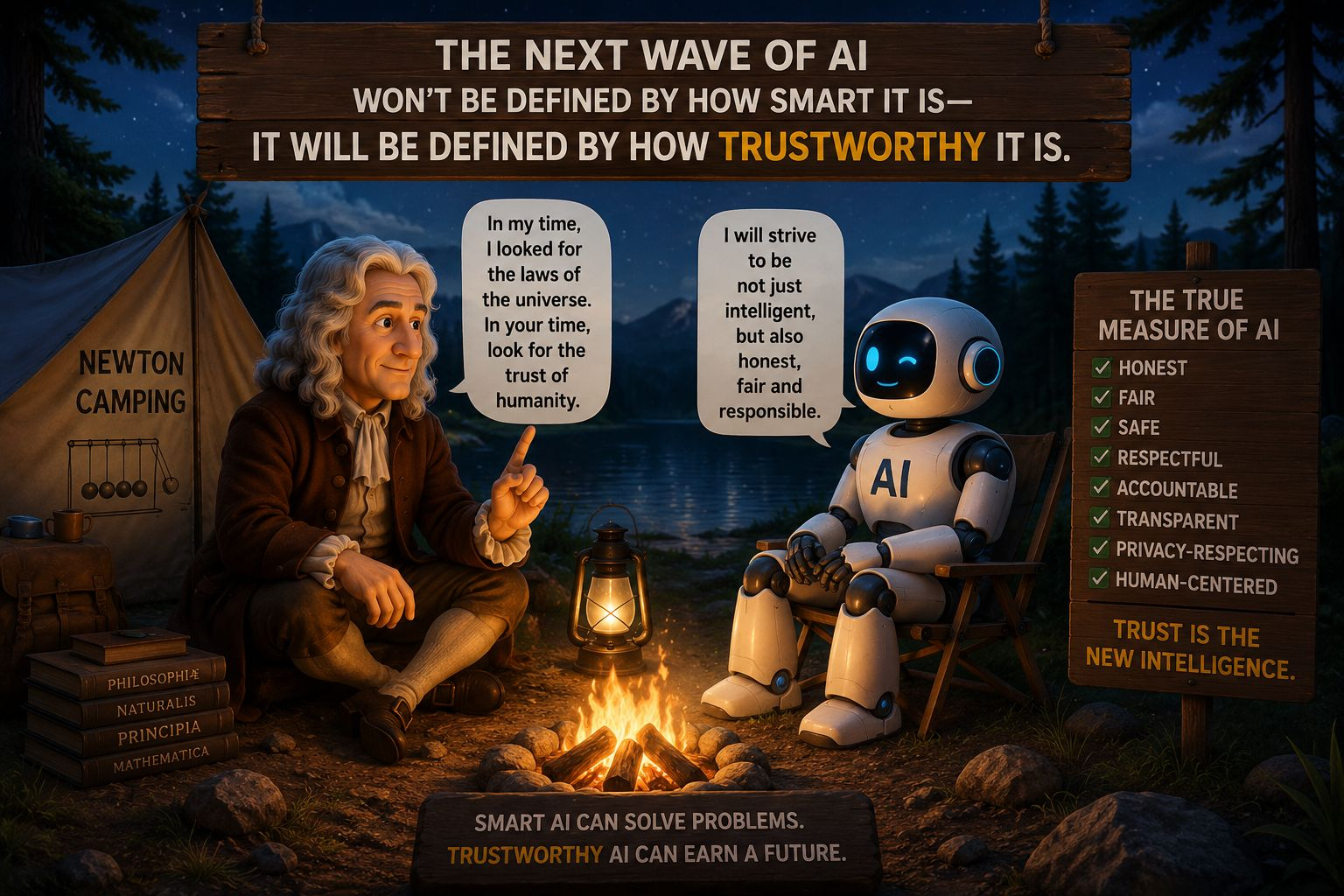
@NewtonProtocol Gelombang AI berikutnya tidak akan didefinisikan oleh seberapa cerdas ia, melainkan oleh seberapa tepercaya ia.
Di dunia yang terdesentralisasi, agen AI membutuhkan lebih dari sekadar kecerdasan. Mereka membutuhkan identitas, data yang dapat diverifikasi, dan eksekusi yang transparan.
Di sinilah Newton Protocol menonjol.
Dengan membangun infrastruktur untuk AI yang dapat diverifikasi dan otomatisasi on-chain, @NewtonProtocol membantu menciptakan masa depan di mana AI dapat beroperasi dengan aman tanpa mengorbankan desentralisasi.
Masa depan Web3 bukan hanya soal otonom.
Ia juga harus tanpa kepercayaan (trustless), transparan, dan dapat diverifikasi.
Proyek yang membangun fondasi ini hari ini bisa menjadi tulang punggung ekonomi desentralisasi besok.
Fitur AI mana yang paling penting dalam Keamanan & Privasi Web3 atau Verifikasi
Ini adalah kemitraan berbayar
$NEWT #Newt #NewtonProtocol
@NewtonProtocol Gelombang AI berikutnya tidak akan didefinisikan oleh seberapa cerdas ia, melainkan oleh seberapa tepercaya ia.
Di dunia yang terdesentralisasi, agen AI membutuhkan lebih dari sekadar kecerdasan. Mereka membutuhkan identitas, data yang dapat diverifikasi, dan eksekusi yang transparan.
Di sinilah Newton Protocol menonjol.
Dengan membangun infrastruktur untuk AI yang dapat diverifikasi dan otomatisasi on-chain, @NewtonProtocol membantu menciptakan masa depan di mana AI dapat beroperasi dengan aman tanpa mengorbankan desentralisasi.
Masa depan Web3 bukan hanya soal otonom.
Ia juga harus tanpa kepercayaan (trustless), transparan, dan dapat diverifikasi.
Proyek yang membangun fondasi ini hari ini bisa menjadi tulang punggung ekonomi desentralisasi besok.
Fitur AI mana yang paling penting dalam Keamanan & Privasi Web3 atau Verifikasi
Ini adalah kemitraan berbayar
$NEWT #Newt #NewtonProtocol
Di dunia yang terdesentralisasi, agen AI membutuhkan lebih dari sekadar kecerdasan. Mereka membutuhkan identitas, data yang dapat diverifikasi, dan eksekusi yang transparan.
Di sinilah Newton Protocol menonjol.
Dengan membangun infrastruktur untuk AI yang dapat diverifikasi dan otomatisasi on-chain, @NewtonProtocol membantu menciptakan masa depan di mana AI dapat beroperasi dengan aman tanpa mengorbankan desentralisasi.
Masa depan Web3 bukan hanya soal otonom.
Ia juga harus tanpa kepercayaan (trustless), transparan, dan dapat diverifikasi.
Proyek yang membangun fondasi ini hari ini bisa menjadi tulang punggung ekonomi desentralisasi besok.
Fitur AI mana yang paling penting dalam Keamanan & Privasi Web3 atau Verifikasi
Ini adalah kemitraan berbayar
$NEWT #Newt #NewtonProtocol
3
1
664
·
--
#newt $NEWT
RWAs — aset riil ter-tokenisasi, adalah salah satu sudut kripto yang paling cepat berkembang saat ini. Treasury ter-tokenisasi, kredit privat, real estat. Institusi memindahkan uang sungguhan ke blockchain.
Ini masalah yang belum ada yang selesaikan dengan bersih. Saat aset ter-tokenisasi bergerak di blockchain, aturan kepatuhan yang mengaturnya—siapa yang boleh memilikinya, yurisdiksi mana yang mengizinkannya, batas lawan transaksi apa yang berlaku—aturan-aturan itu masih hidup di luar blockchain. Di dokumen. Diterapkan secara manual. Dicek setelah kejadian, kalau pun dicek.
Di sinilah kesenjangan yang sedang dibangun @NewtonProtocol . Penegakan kebijakan yang berjalan sebelum transaksi selesai, bukan setelah. Cek OFAC, verifikasi identitas, batas risiko pihak lawan, semuanya otomatis, semuanya dapat diverifikasi, semuanya di blockchain.
RWAs membutuhkan lapisan otorisasi. Newton sedang membangun tepat itu.
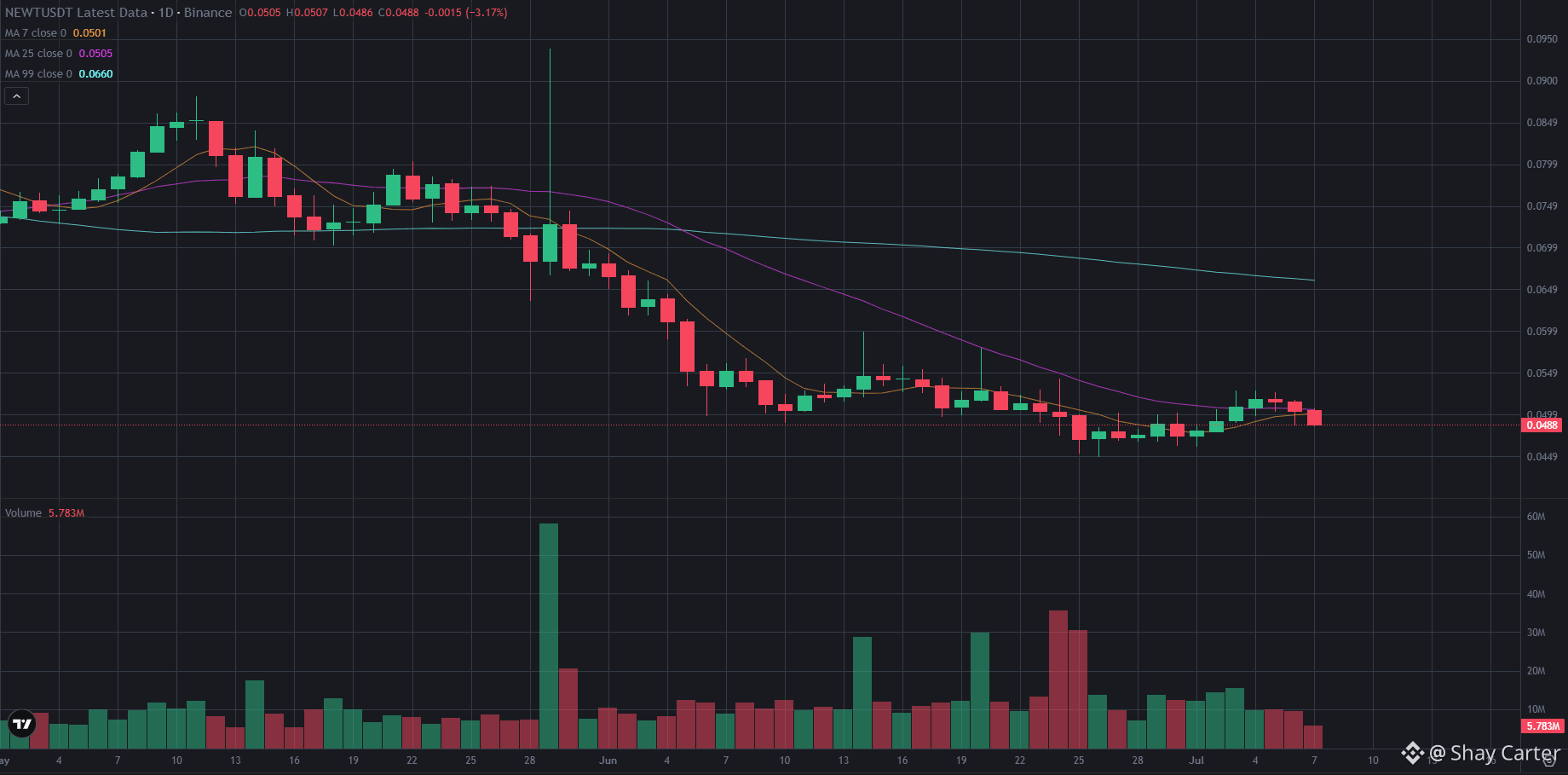
$NEWT hari ini berada di $0.0488, turun sedikit lebih dari 3%.. Narasi RWA makin keras. Infrastruktur untuk itu sudah berjalan.
#Newt #NewtonProtocol
{spot}(NEWTUSDT)
#newt $NEWT
RWAs — aset riil ter-tokenisasi, adalah salah satu sudut kripto yang paling cepat berkembang saat ini. Treasury ter-tokenisasi, kredit privat, real estat. Institusi memindahkan uang sungguhan ke blockchain.
Ini masalah yang belum ada yang selesaikan dengan bersih. Saat aset ter-tokenisasi bergerak di blockchain, aturan kepatuhan yang mengaturnya—siapa yang boleh memilikinya, yurisdiksi mana yang mengizinkannya, batas lawan transaksi apa yang berlaku—aturan-aturan itu masih hidup di luar blockchain. Di dokumen. Diterapkan secara manual. Dicek setelah kejadian, kalau pun dicek.
Di sinilah kesenjangan yang sedang dibangun @NewtonProtocol . Penegakan kebijakan yang berjalan sebelum transaksi selesai, bukan setelah. Cek OFAC, verifikasi identitas, batas risiko pihak lawan, semuanya otomatis, semuanya dapat diverifikasi, semuanya di blockchain.
RWAs membutuhkan lapisan otorisasi. Newton sedang membangun tepat itu.
$NEWT hari ini berada di $0.0488, turun sedikit lebih dari 3%.. Narasi RWA makin keras. Infrastruktur untuk itu sudah berjalan.
#Newt #NewtonProtocol
RWAs — aset riil ter-tokenisasi, adalah salah satu sudut kripto yang paling cepat berkembang saat ini. Treasury ter-tokenisasi, kredit privat, real estat. Institusi memindahkan uang sungguhan ke blockchain.
Ini masalah yang belum ada yang selesaikan dengan bersih. Saat aset ter-tokenisasi bergerak di blockchain, aturan kepatuhan yang mengaturnya—siapa yang boleh memilikinya, yurisdiksi mana yang mengizinkannya, batas lawan transaksi apa yang berlaku—aturan-aturan itu masih hidup di luar blockchain. Di dokumen. Diterapkan secara manual. Dicek setelah kejadian, kalau pun dicek.
Di sinilah kesenjangan yang sedang dibangun @NewtonProtocol . Penegakan kebijakan yang berjalan sebelum transaksi selesai, bukan setelah. Cek OFAC, verifikasi identitas, batas risiko pihak lawan, semuanya otomatis, semuanya dapat diverifikasi, semuanya di blockchain.
RWAs membutuhkan lapisan otorisasi. Newton sedang membangun tepat itu.
$NEWT hari ini berada di $0.0488, turun sedikit lebih dari 3%.. Narasi RWA makin keras. Infrastruktur untuk itu sudah berjalan.
#Newt #NewtonProtocol
1
99


Artikel
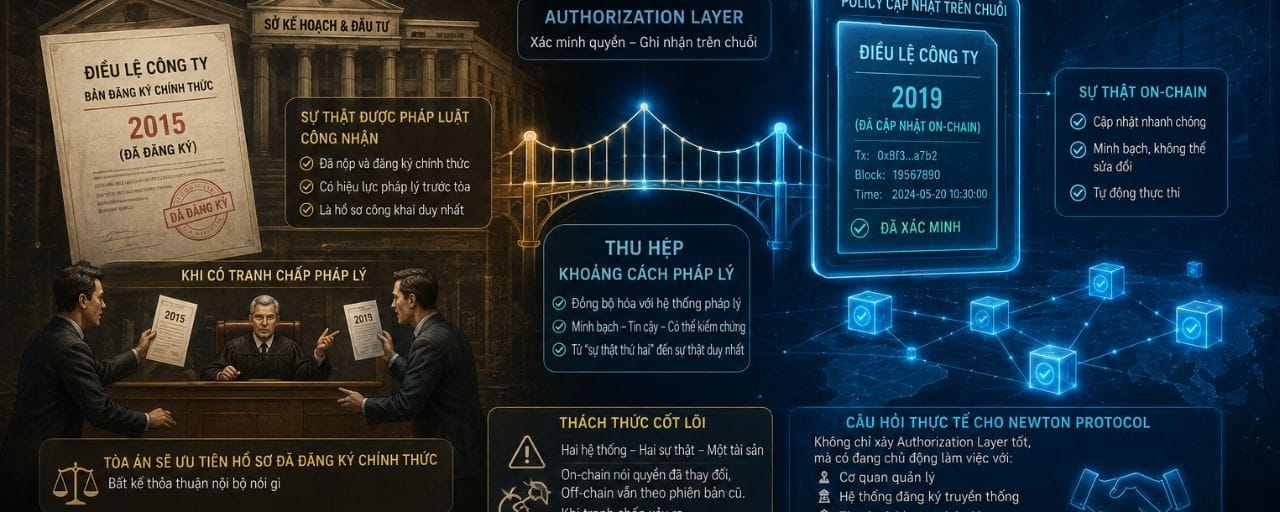
WhEn TwO TrUtHs ExIsT: ThE ReAL ChAlleNge BeHinD On-ChAiN OwNeRsHiPKebanyakan orang menganggap bahwa begitu informasi direkam di suatu tempat, semua orang melihat versi realitas yang sama.
Tapi itu jarang seperti cara dunia nyata bekerja.
Semakin saya memikirkan aset yang ditokenisasi, semakin saya menyadari bahwa blockchain tidak menghilangkan kepercayaan; blockchain hanya mengubah di mana kepercayaan itu harus berada.
Di dunia fisik, kepemilikan, hak, dan perjanjian hanya sekuat institusi yang mengakuinya.
Teknologi dapat mencatat perubahan secara instan, namun sistem hukum mungkin terus beroperasi berdasarkan catatan yang sama sekali berbeda.
WhEn TwO TrUtHs ExIsT: ThE ReAL ChAlleNge BeHinD On-ChAiN OwNeRsHiP
Kebanyakan orang menganggap bahwa begitu informasi direkam di suatu tempat, semua orang melihat versi realitas yang sama.
Tapi itu jarang seperti cara dunia nyata bekerja.
Semakin saya memikirkan aset yang ditokenisasi, semakin saya menyadari bahwa blockchain tidak menghilangkan kepercayaan; blockchain hanya mengubah di mana kepercayaan itu harus berada.
Di dunia fisik, kepemilikan, hak, dan perjanjian hanya sekuat institusi yang mengakuinya.
Teknologi dapat mencatat perubahan secara instan, namun sistem hukum mungkin terus beroperasi berdasarkan catatan yang sama sekali berbeda.
Tapi itu jarang seperti cara dunia nyata bekerja.
Semakin saya memikirkan aset yang ditokenisasi, semakin saya menyadari bahwa blockchain tidak menghilangkan kepercayaan; blockchain hanya mengubah di mana kepercayaan itu harus berada.
Di dunia fisik, kepemilikan, hak, dan perjanjian hanya sekuat institusi yang mengakuinya.
Teknologi dapat mencatat perubahan secara instan, namun sistem hukum mungkin terus beroperasi berdasarkan catatan yang sama sekali berbeda.
49
20
627
·
--
$LAB 'S PROTOKOL NEWTON MEMBANGUN KEPERCAYAAN YANG BERKOMPAUN SEIRING WAKTU 🎯
Yang membedakan Protokol Newton bukan metode verifikasi lain — melainkan keandalan kebijakan yang berkompau nd secara konsisten, terbukti melalui penggunaan berulang. Semakin sedikit sebuah kebijakan membutuhkan pengecualian, semakin ia menjadi lapisan dasar yang diam-diam menjadi tumpuan pihak lain. Ini adalah perubahan struktural dari membangun ulang menjadi menyempurnakan.
Nilai nyata muncul ketika keputusan yang didukung bukti menggantikan kerja ulang yang konstan. Jenis kepercayaan itu tidak butuh sensasi — ia layak mendapatkannya. Menurutmu, proyek mana yang akan mencapai tingkat keandalan jangka panjang itu?
Bukan nasihat keuangan. Selalu kelola risikomu.
#LAB #NewtonProtocol #Trust #CryptoFundamentals
💎
$LAB 'S PROTOKOL NEWTON MEMBANGUN KEPERCAYAAN YANG BERKOMPAUN SEIRING WAKTU 🎯
Yang membedakan Protokol Newton bukan metode verifikasi lain — melainkan keandalan kebijakan yang berkompau nd secara konsisten, terbukti melalui penggunaan berulang. Semakin sedikit sebuah kebijakan membutuhkan pengecualian, semakin ia menjadi lapisan dasar yang diam-diam menjadi tumpuan pihak lain. Ini adalah perubahan struktural dari membangun ulang menjadi menyempurnakan.
Nilai nyata muncul ketika keputusan yang didukung bukti menggantikan kerja ulang yang konstan. Jenis kepercayaan itu tidak butuh sensasi — ia layak mendapatkannya. Menurutmu, proyek mana yang akan mencapai tingkat keandalan jangka panjang itu?
Bukan nasihat keuangan. Selalu kelola risikomu.
#LAB #NewtonProtocol #Trust #CryptoFundamentals
💎
Yang membedakan Protokol Newton bukan metode verifikasi lain — melainkan keandalan kebijakan yang berkompau nd secara konsisten, terbukti melalui penggunaan berulang. Semakin sedikit sebuah kebijakan membutuhkan pengecualian, semakin ia menjadi lapisan dasar yang diam-diam menjadi tumpuan pihak lain. Ini adalah perubahan struktural dari membangun ulang menjadi menyempurnakan.
Nilai nyata muncul ketika keputusan yang didukung bukti menggantikan kerja ulang yang konstan. Jenis kepercayaan itu tidak butuh sensasi — ia layak mendapatkannya. Menurutmu, proyek mana yang akan mencapai tingkat keandalan jangka panjang itu?
Bukan nasihat keuangan. Selalu kelola risikomu.
#LAB #NewtonProtocol #Trust #CryptoFundamentals
💎
270

#Newt $NEWT Satu hal yang saya hargai tentang proyek infrastruktur adalah bahwa proyek-proyek tersebut sering kali berfokus pada tantangan jangka panjang, bukan tren jangka pendek.
Dari yang telah saya baca, Newton Protocol sedang mengerjakan koordinasi berbasis kebijakan untuk sistem AI otonom.
Seiring dengan berkembangnya aplikasi terdesentralisasi, kerangka kerja yang meningkatkan transparansi dan perilaku yang dapat diprediksi mungkin akan semakin bernilai.
Saya tertarik untuk melihat bagaimana ekosistem berkembang melalui rilis-rilis mendatang.
#NewtonProtocol #Web3 #AI #NEWT
{future}(NEWTUSDT)
#Newt $NEWT Satu hal yang saya hargai tentang proyek infrastruktur adalah bahwa proyek-proyek tersebut sering kali berfokus pada tantangan jangka panjang, bukan tren jangka pendek.
Dari yang telah saya baca, Newton Protocol sedang mengerjakan koordinasi berbasis kebijakan untuk sistem AI otonom.
Seiring dengan berkembangnya aplikasi terdesentralisasi, kerangka kerja yang meningkatkan transparansi dan perilaku yang dapat diprediksi mungkin akan semakin bernilai.
Saya tertarik untuk melihat bagaimana ekosistem berkembang melalui rilis-rilis mendatang.
#NewtonProtocol #Web3 #AI #NEWT
Dari yang telah saya baca, Newton Protocol sedang mengerjakan koordinasi berbasis kebijakan untuk sistem AI otonom.
Seiring dengan berkembangnya aplikasi terdesentralisasi, kerangka kerja yang meningkatkan transparansi dan perilaku yang dapat diprediksi mungkin akan semakin bernilai.
Saya tertarik untuk melihat bagaimana ekosistem berkembang melalui rilis-rilis mendatang.
#NewtonProtocol #Web3 #AI #NEWT
1
1
91
·
--
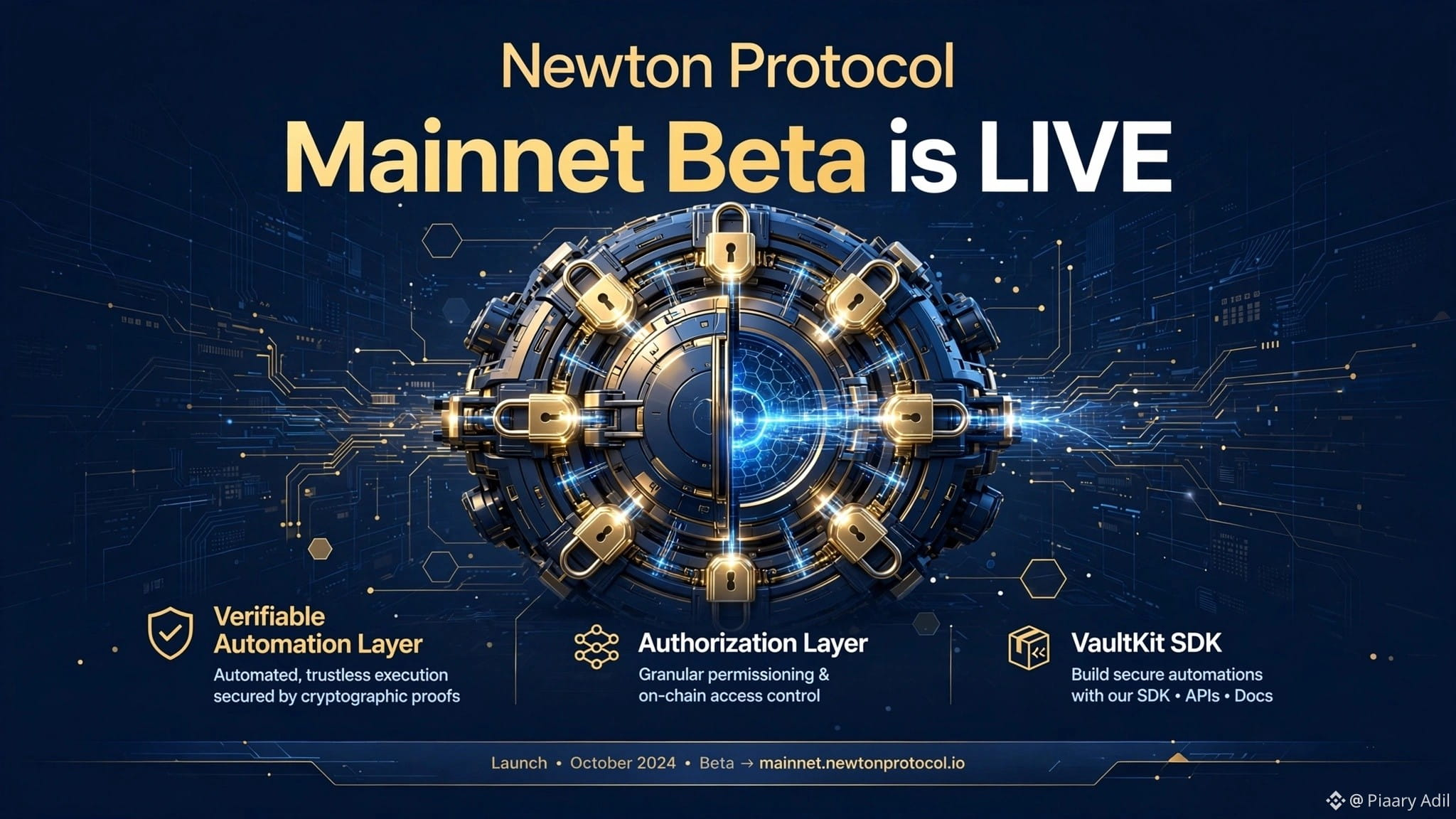
Penantian selesai! @NewtonProtocol Mainnet Beta sudah LIVE dari panggung utama TokenizeThis!
Newton sedang menyelesaikan bagian yang hilang dari DeFi, yaitu lapisan otorisasi. TradFi memiliki KYC, AML, dan pemeriksaan risiko, sementara DeFi melewatkannya. Newton memperbaikinya dengan zkPermissions yang dapat diprogram dan VaultKit.
Sekarang aturan bergerak dengan modal. Terverifikasi, privat, dan dapat diberlakukan di-chain.
Tertarik dengan apa yang akan dibangun oleh para builder dengan $NEWT
#Newt #NewtonProtocol #BinanceSquare #PiaaryAdil #CryptoPakistan
Penantian selesai! @NewtonProtocol Mainnet Beta sudah LIVE dari panggung utama TokenizeThis!
Newton sedang menyelesaikan bagian yang hilang dari DeFi, yaitu lapisan otorisasi. TradFi memiliki KYC, AML, dan pemeriksaan risiko, sementara DeFi melewatkannya. Newton memperbaikinya dengan zkPermissions yang dapat diprogram dan VaultKit.
Sekarang aturan bergerak dengan modal. Terverifikasi, privat, dan dapat diberlakukan di-chain.
Tertarik dengan apa yang akan dibangun oleh para builder dengan $NEWT
#Newt #NewtonProtocol #BinanceSquare #PiaaryAdil #CryptoPakistan
Newton sedang menyelesaikan bagian yang hilang dari DeFi, yaitu lapisan otorisasi. TradFi memiliki KYC, AML, dan pemeriksaan risiko, sementara DeFi melewatkannya. Newton memperbaikinya dengan zkPermissions yang dapat diprogram dan VaultKit.
Sekarang aturan bergerak dengan modal. Terverifikasi, privat, dan dapat diberlakukan di-chain.
Tertarik dengan apa yang akan dibangun oleh para builder dengan $NEWT
#Newt #NewtonProtocol #BinanceSquare #PiaaryAdil #CryptoPakistan
2
2
84

·
--
Artikel
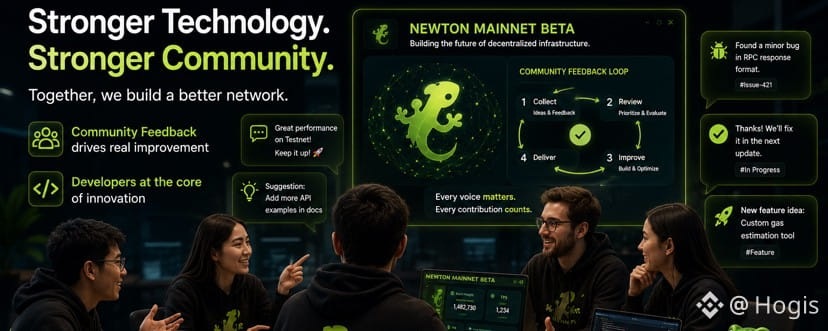
Partisipasi Komunitas Membuat Setiap Mainnet Semakin KuatTeknologi hanyalah satu bagian dari blockchain yang sukses. Bagian lainnya adalah komunitas yang aktif—terus-menerus menguji, berbagi ide, dan membantu meningkatkan jaringan.
Selama Newton Mainnet Beta, setiap diskusi, laporan bug, usulan fitur, dan wawasan pengembang berkontribusi dalam membangun ekosistem yang lebih kuat. Masukan komunitas tidak hanya mengidentifikasi masalah—tetapi juga membantu memprioritaskan perbaikan, menyempurnakan alat pengembang, meningkatkan dokumentasi, dan menciptakan pengalaman yang lebih baik bagi semua pihak yang membangun di jaringan.
Partisipasi Komunitas Membuat Setiap Mainnet Semakin Kuat
Teknologi hanyalah satu bagian dari blockchain yang sukses. Bagian lainnya adalah komunitas yang aktif—terus-menerus menguji, berbagi ide, dan membantu meningkatkan jaringan.
Selama Newton Mainnet Beta, setiap diskusi, laporan bug, usulan fitur, dan wawasan pengembang berkontribusi dalam membangun ekosistem yang lebih kuat. Masukan komunitas tidak hanya mengidentifikasi masalah—tetapi juga membantu memprioritaskan perbaikan, menyempurnakan alat pengembang, meningkatkan dokumentasi, dan menciptakan pengalaman yang lebih baik bagi semua pihak yang membangun di jaringan.
Selama Newton Mainnet Beta, setiap diskusi, laporan bug, usulan fitur, dan wawasan pengembang berkontribusi dalam membangun ekosistem yang lebih kuat. Masukan komunitas tidak hanya mengidentifikasi masalah—tetapi juga membantu memprioritaskan perbaikan, menyempurnakan alat pengembang, meningkatkan dokumentasi, dan menciptakan pengalaman yang lebih baik bagi semua pihak yang membangun di jaringan.
84

·
--
#newt $NEWT
{future}(NEWTUSDT)
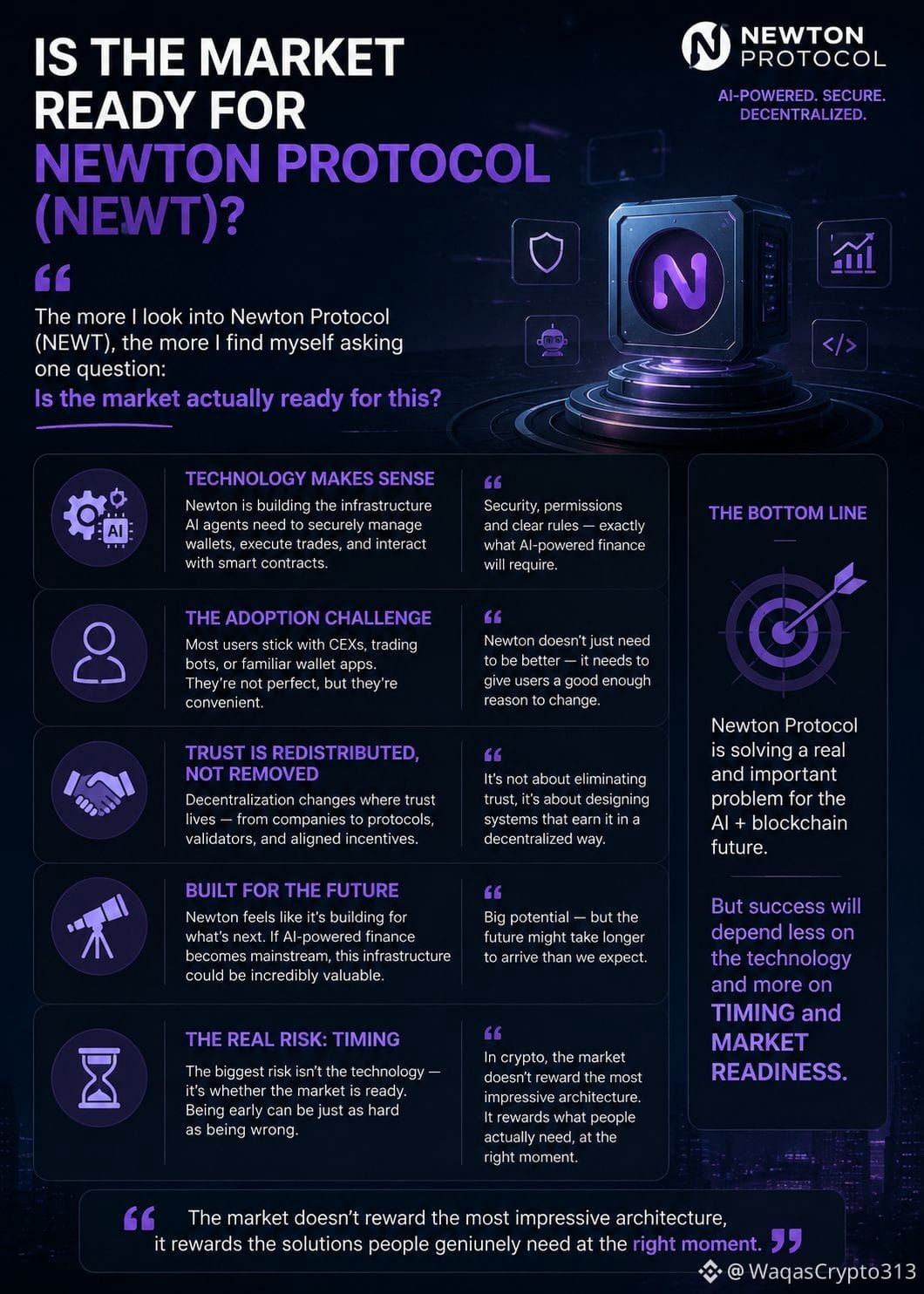
Baru saja menguji Newton Protocol Mainnet Beta dan saya terkesan 🚀
@NewtonProtocol sedang membangun infrastruktur AI + Web3 yang nyata. Dengan Newton Mainnet Beta yang sudah live, para pengembang kini dapat menerapkan aplikasi terdesentralisasi yang lebih cerdas dengan alur data dan otomatisasi yang lebih baik.
Masa depan AI agent di-chain sudah ada di sini.
Bertahan $NEWT untuk jangka panjang 💎
#Newt #NewtonProtocol #Web3 #Aİ
#newt $NEWT
Baru saja menguji Newton Protocol Mainnet Beta dan saya terkesan 🚀
@NewtonProtocol sedang membangun infrastruktur AI + Web3 yang nyata. Dengan Newton Mainnet Beta yang sudah live, para pengembang kini dapat menerapkan aplikasi terdesentralisasi yang lebih cerdas dengan alur data dan otomatisasi yang lebih baik.
Masa depan AI agent di-chain sudah ada di sini.
Bertahan $NEWT untuk jangka panjang 💎
#Newt #NewtonProtocol #Web3 #Aİ
Baru saja menguji Newton Protocol Mainnet Beta dan saya terkesan 🚀
@NewtonProtocol sedang membangun infrastruktur AI + Web3 yang nyata. Dengan Newton Mainnet Beta yang sudah live, para pengembang kini dapat menerapkan aplikasi terdesentralisasi yang lebih cerdas dengan alur data dan otomatisasi yang lebih baik.
Masa depan AI agent di-chain sudah ada di sini.
Bertahan $NEWT untuk jangka panjang 💎
#Newt #NewtonProtocol #Web3 #Aİ
1
14
·
--
Berhenti Mengejar Bot AI yang Mencolok! Peluang AI Kripto yang SESUNGGUHNYA Tersembunyi Di Baliknya...🤖 Berhenti Mengejar Bot AI yang Mencolok! Peluang AI Kripto yang SESUNGGUHNYA Tersembunyi Di Baliknya... 💸🛡️
Semua orang, bahkan tetangganya, sedang membicarakan AI agent di kripto sekarang. 🗣️ "Model yang lebih pintar!" "Sinyal trading gila!" "Portofolio otomatis 100x!"
Kegembiraannya nyata, tapi hampir semua orang melewatkan pertanyaan paling penting: Apa yang terjadi setelah AI memutuskan untuk melakukan trading? 🤔💭
Mari kita lihat kebenaran pahit tentang trading on-chain. 👇
🪤 Perangkap Rumah Kaca
Kamu bisa punya strategi trading AI paling canggih dan brilian di dunia. Tapi begitu AI-mu mengirim transaksi itu ke blockchain, semuanya menjadi publik.
Berhenti Mengejar Bot AI yang Mencolok! Peluang AI Kripto yang SESUNGGUHNYA Tersembunyi Di Baliknya...
🤖 Berhenti Mengejar Bot AI yang Mencolok! Peluang AI Kripto yang SESUNGGUHNYA Tersembunyi Di Baliknya... 💸🛡️
Semua orang, bahkan tetangganya, sedang membicarakan AI agent di kripto sekarang. 🗣️ "Model yang lebih pintar!" "Sinyal trading gila!" "Portofolio otomatis 100x!"
Kegembiraannya nyata, tapi hampir semua orang melewatkan pertanyaan paling penting: Apa yang terjadi setelah AI memutuskan untuk melakukan trading? 🤔💭
Mari kita lihat kebenaran pahit tentang trading on-chain. 👇
🪤 Perangkap Rumah Kaca
Kamu bisa punya strategi trading AI paling canggih dan brilian di dunia. Tapi begitu AI-mu mengirim transaksi itu ke blockchain, semuanya menjadi publik.
Semua orang, bahkan tetangganya, sedang membicarakan AI agent di kripto sekarang. 🗣️ "Model yang lebih pintar!" "Sinyal trading gila!" "Portofolio otomatis 100x!"
Kegembiraannya nyata, tapi hampir semua orang melewatkan pertanyaan paling penting: Apa yang terjadi setelah AI memutuskan untuk melakukan trading? 🤔💭
Mari kita lihat kebenaran pahit tentang trading on-chain. 👇
🪤 Perangkap Rumah Kaca
Kamu bisa punya strategi trading AI paling canggih dan brilian di dunia. Tapi begitu AI-mu mengirim transaksi itu ke blockchain, semuanya menjadi publik.
2
38
·
--
#newt $NEWT
Saya mengikuti perkembangan
#NewtonProtocol dengan penuh minat. Newton Mainnet Beta merupakan tahap penting untuk mengevaluasi pertumbuhan ekosistem dan pengembangan peluang baru di sekitar $NEWT Saya akan terus menantikan pembaruan berikutnya. #Newt
#newt $NEWT
Saya mengikuti perkembangan
#NewtonProtocol dengan penuh minat. Newton Mainnet Beta merupakan tahap penting untuk mengevaluasi pertumbuhan ekosistem dan pengembangan peluang baru di sekitar $NEWT Saya akan terus menantikan pembaruan berikutnya. #Newt
Saya mengikuti perkembangan
#NewtonProtocol dengan penuh minat. Newton Mainnet Beta merupakan tahap penting untuk mengevaluasi pertumbuhan ekosistem dan pengembangan peluang baru di sekitar $NEWT Saya akan terus menantikan pembaruan berikutnya. #Newt
118
·
--

Artikel
Mengapa Arsitektur Bukti Modular Newton Protocol Bisa Mengubah Otorisasi Web3 🚀Saat menjelajahi arsitektur Newton Protocol baru-baru ini, saya mendapati diri saya berpikir lebih sedikit tentang transaksi dan lebih banyak tentang kepercayaan.
Sebagian besar diskusi blockchain berfokus pada kecepatan eksekusi, throughput, atau biaya transaksi. Newton mengambil pendekatan berbeda dengan mengajukan pertanyaan lain:
Seberapa banyak bukti yang sebenarnya dibutuhkan setiap tindakan?
Kedengarannya mungkin seperti detail teknis kecil, tetapi saya yakin itu adalah salah satu keputusan desain Newton Protocol yang paling kurang dihargai.
Alih-alih memaksa setiap permintaan otorisasi melalui proses verifikasi yang mahal dan sama, Newton memperkenalkan arsitektur bukti yang fleksibel di mana berbagai tindakan dapat menerima tingkat jaminan kriptografis yang berbeda sesuai kebutuhan mereka.
Mengapa Arsitektur Bukti Modular Newton Protocol Bisa Mengubah Otorisasi Web3 🚀
Saat menjelajahi arsitektur Newton Protocol baru-baru ini, saya mendapati diri saya berpikir lebih sedikit tentang transaksi dan lebih banyak tentang kepercayaan.
Sebagian besar diskusi blockchain berfokus pada kecepatan eksekusi, throughput, atau biaya transaksi. Newton mengambil pendekatan berbeda dengan mengajukan pertanyaan lain:
Seberapa banyak bukti yang sebenarnya dibutuhkan setiap tindakan?
Kedengarannya mungkin seperti detail teknis kecil, tetapi saya yakin itu adalah salah satu keputusan desain Newton Protocol yang paling kurang dihargai.
Alih-alih memaksa setiap permintaan otorisasi melalui proses verifikasi yang mahal dan sama, Newton memperkenalkan arsitektur bukti yang fleksibel di mana berbagai tindakan dapat menerima tingkat jaminan kriptografis yang berbeda sesuai kebutuhan mereka.
Sebagian besar diskusi blockchain berfokus pada kecepatan eksekusi, throughput, atau biaya transaksi. Newton mengambil pendekatan berbeda dengan mengajukan pertanyaan lain:
Seberapa banyak bukti yang sebenarnya dibutuhkan setiap tindakan?
Kedengarannya mungkin seperti detail teknis kecil, tetapi saya yakin itu adalah salah satu keputusan desain Newton Protocol yang paling kurang dihargai.
Alih-alih memaksa setiap permintaan otorisasi melalui proses verifikasi yang mahal dan sama, Newton memperkenalkan arsitektur bukti yang fleksibel di mana berbagai tindakan dapat menerima tingkat jaminan kriptografis yang berbeda sesuai kebutuhan mereka.
89

·
--
Bullish
#newt $NEWT @NewtonProtocol
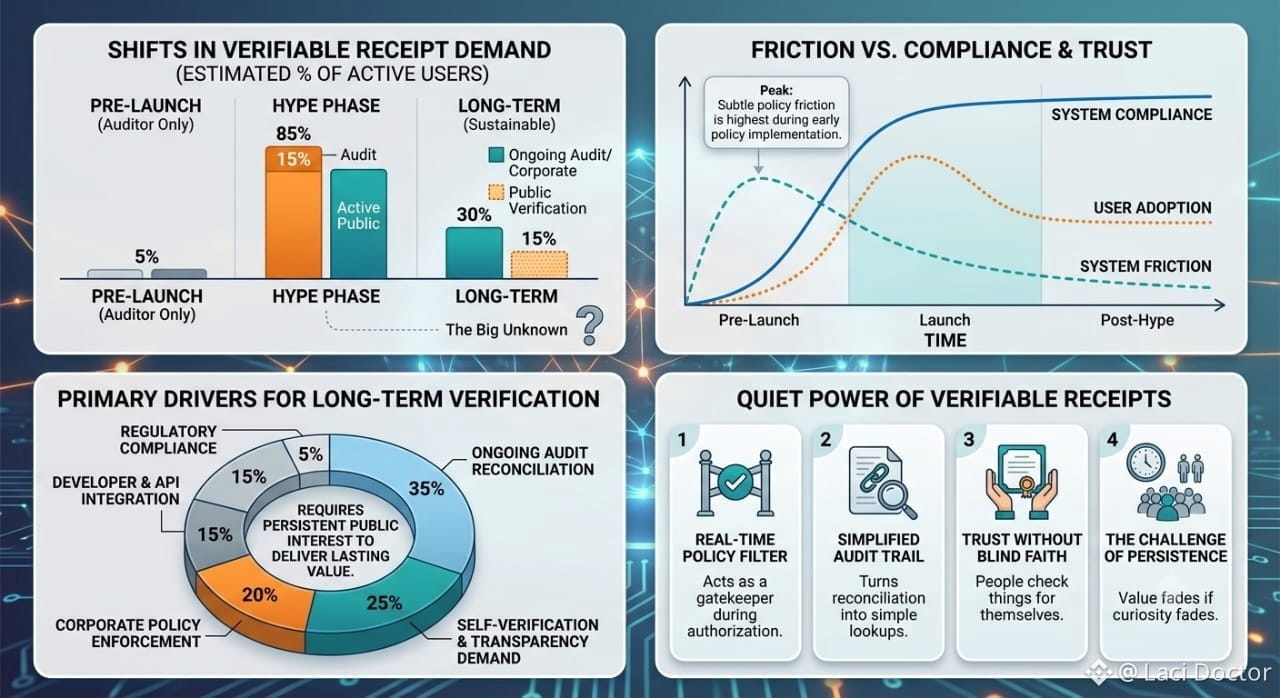
Kekuatan Tenang Bukti Terkelola yang Dapat Diverifikasi
Dulu saya mengira bukti ini sebagian besar untuk membuat auditor puas—sekadar formalitas kepatuhan lain yang menghasilkan jejak kertas rapi dan tidak lebih dari itu. Namun, saat menyaksikan Newton melampirkan atestasi kriptografis pada setiap transaksi yang diotorisasi, cara pandang saya berubah. Bukti ini bukan hanya bukti setelah debu beterbangan; ia berfungsi sebagai filter waktu nyata yang menentukan apakah suatu transaksi bahkan akan disetujui. Jika tidak sesuai dengan kebijakan yang dienkode, atestasi sama sekali tidak akan diterbitkan.
Ini menciptakan semacam gesekan halus yang jarang disadari oleh pengguna biasa, namun secara mendasar mengubah cara orang membangun kepercayaan di seluruh alur. Auditor mendapatkan kemampuan untuk mengubah rekonsiliasi yang rumit menjadi pencarian yang sederhana, sementara orang biasa bisa melampaui sekadar percaya buta dan benar-benar memeriksa sendiri.
Yang benar-benar menonjol bukan hanya transparansinya semata, melainkan apakah siapa pun terus memverifikasi ketika rasa ingin tahu awal memudar. Pada akhirnya, bukti-bukti ini hanya memberikan nilai yang bertahan lama jika orang-orang tetap hadir untuk memeriksanya. Yang belum diketahui besar adalah apakah permintaan nyata untuk verifikasi tersebut mampu bertahan melewati hiruk-pikuk, atau apakah kebanyakan dari kita akan begitu saja percaya pada tanda centang dan berhenti melihat lebih dekat.
#newton #NewtonProtocol
#newt $NEWT @NewtonProtocol
Kekuatan Tenang Bukti Terkelola yang Dapat Diverifikasi
Dulu saya mengira bukti ini sebagian besar untuk membuat auditor puas—sekadar formalitas kepatuhan lain yang menghasilkan jejak kertas rapi dan tidak lebih dari itu. Namun, saat menyaksikan Newton melampirkan atestasi kriptografis pada setiap transaksi yang diotorisasi, cara pandang saya berubah. Bukti ini bukan hanya bukti setelah debu beterbangan; ia berfungsi sebagai filter waktu nyata yang menentukan apakah suatu transaksi bahkan akan disetujui. Jika tidak sesuai dengan kebijakan yang dienkode, atestasi sama sekali tidak akan diterbitkan.
Ini menciptakan semacam gesekan halus yang jarang disadari oleh pengguna biasa, namun secara mendasar mengubah cara orang membangun kepercayaan di seluruh alur. Auditor mendapatkan kemampuan untuk mengubah rekonsiliasi yang rumit menjadi pencarian yang sederhana, sementara orang biasa bisa melampaui sekadar percaya buta dan benar-benar memeriksa sendiri.
Yang benar-benar menonjol bukan hanya transparansinya semata, melainkan apakah siapa pun terus memverifikasi ketika rasa ingin tahu awal memudar. Pada akhirnya, bukti-bukti ini hanya memberikan nilai yang bertahan lama jika orang-orang tetap hadir untuk memeriksanya. Yang belum diketahui besar adalah apakah permintaan nyata untuk verifikasi tersebut mampu bertahan melewati hiruk-pikuk, atau apakah kebanyakan dari kita akan begitu saja percaya pada tanda centang dan berhenti melihat lebih dekat.
#newton #NewtonProtocol
Kekuatan Tenang Bukti Terkelola yang Dapat Diverifikasi
Dulu saya mengira bukti ini sebagian besar untuk membuat auditor puas—sekadar formalitas kepatuhan lain yang menghasilkan jejak kertas rapi dan tidak lebih dari itu. Namun, saat menyaksikan Newton melampirkan atestasi kriptografis pada setiap transaksi yang diotorisasi, cara pandang saya berubah. Bukti ini bukan hanya bukti setelah debu beterbangan; ia berfungsi sebagai filter waktu nyata yang menentukan apakah suatu transaksi bahkan akan disetujui. Jika tidak sesuai dengan kebijakan yang dienkode, atestasi sama sekali tidak akan diterbitkan.
Ini menciptakan semacam gesekan halus yang jarang disadari oleh pengguna biasa, namun secara mendasar mengubah cara orang membangun kepercayaan di seluruh alur. Auditor mendapatkan kemampuan untuk mengubah rekonsiliasi yang rumit menjadi pencarian yang sederhana, sementara orang biasa bisa melampaui sekadar percaya buta dan benar-benar memeriksa sendiri.
Yang benar-benar menonjol bukan hanya transparansinya semata, melainkan apakah siapa pun terus memverifikasi ketika rasa ingin tahu awal memudar. Pada akhirnya, bukti-bukti ini hanya memberikan nilai yang bertahan lama jika orang-orang tetap hadir untuk memeriksanya. Yang belum diketahui besar adalah apakah permintaan nyata untuk verifikasi tersebut mampu bertahan melewati hiruk-pikuk, atau apakah kebanyakan dari kita akan begitu saja percaya pada tanda centang dan berhenti melihat lebih dekat.
#newton #NewtonProtocol
9
5
137
Infrastruktur untuk mendukung inovasi algoritmik 🚀
Untuk menutup fokus pada puncak peringkat ini, selamat yang sebesar-besarnya kepada @AnhNhỏEm dan @alisaadkahoot yang mengakhiri dengan gemilang Top 20 kampanye #NewtonProtocol ini. Kehadiran mereka menunjukkan keberagaman dan kekuatan sebuah komunitas yang bersatu di balik tujuan yang sama: mempromosikan Web3 yang sangat aman. Dengan menelusuri contoh penggunaan kepatuhan yang dapat diprogram untuk keuangan dan pengelolaan data, mereka mengingatkan bahwa @NewtonProtocol menyediakan fondasi yang sangat diperlukan. Token $NEWT adalah bahan bakar revolusi ini—di mana kecerdasan buatan akhirnya menjadi sepenuhnya transparan dan dapat dipercaya. Wajib diikuti! 🤖🛡️
#Newt #AI #Web3
Infrastruktur untuk mendukung inovasi algoritmik 🚀
Untuk menutup fokus pada puncak peringkat ini, selamat yang sebesar-besarnya kepada @AnhNhỏEm dan @A L I Web3 yang mengakhiri dengan gemilang Top 20 kampanye #NewtonProtocol ini. Kehadiran mereka menunjukkan keberagaman dan kekuatan sebuah komunitas yang bersatu di balik tujuan yang sama: mempromosikan Web3 yang sangat aman. Dengan menelusuri contoh penggunaan kepatuhan yang dapat diprogram untuk keuangan dan pengelolaan data, mereka mengingatkan bahwa @NewtonProtocol menyediakan fondasi yang sangat diperlukan. Token $NEWT adalah bahan bakar revolusi ini—di mana kecerdasan buatan akhirnya menjadi sepenuhnya transparan dan dapat dipercaya. Wajib diikuti! 🤖🛡️
#Newt #AI #Web3
Untuk menutup fokus pada puncak peringkat ini, selamat yang sebesar-besarnya kepada @AnhNhỏEm dan @A L I Web3 yang mengakhiri dengan gemilang Top 20 kampanye #NewtonProtocol ini. Kehadiran mereka menunjukkan keberagaman dan kekuatan sebuah komunitas yang bersatu di balik tujuan yang sama: mempromosikan Web3 yang sangat aman. Dengan menelusuri contoh penggunaan kepatuhan yang dapat diprogram untuk keuangan dan pengelolaan data, mereka mengingatkan bahwa @NewtonProtocol menyediakan fondasi yang sangat diperlukan. Token $NEWT adalah bahan bakar revolusi ini—di mana kecerdasan buatan akhirnya menjadi sepenuhnya transparan dan dapat dipercaya. Wajib diikuti! 🤖🛡️
#Newt #AI #Web3
1
1
17

·
--
#newt $NEWT
@NewtonProtocol menghadirkan lapisan otorisasi pra-transaksi yang kuat dan engine kebijakan. Alih-alih menangani risiko setelah kerusakan terjadi, engine ini mengevaluasi kepatuhan, keamanan, dan parameter risiko di-chain sebelum eksekusi.
Ini menghadirkan integritas transaksi yang dapat diprogram langsung ke vault DeFi dan agen AI tanpa mengharuskan pengembang menulis ulang seluruh stack mereka. Otomasi yang aman dan terdesentralisasi sedang berkembang! 🔒💡
#newton #NewtonProtocol
$NEWT
{spot}(NEWTUSDT)
#newt $NEWT
@NewtonProtocol menghadirkan lapisan otorisasi pra-transaksi yang kuat dan engine kebijakan. Alih-alih menangani risiko setelah kerusakan terjadi, engine ini mengevaluasi kepatuhan, keamanan, dan parameter risiko di-chain sebelum eksekusi.
Ini menghadirkan integritas transaksi yang dapat diprogram langsung ke vault DeFi dan agen AI tanpa mengharuskan pengembang menulis ulang seluruh stack mereka. Otomasi yang aman dan terdesentralisasi sedang berkembang! 🔒💡
#newton #NewtonProtocol
$NEWT
@NewtonProtocol menghadirkan lapisan otorisasi pra-transaksi yang kuat dan engine kebijakan. Alih-alih menangani risiko setelah kerusakan terjadi, engine ini mengevaluasi kepatuhan, keamanan, dan parameter risiko di-chain sebelum eksekusi.
Ini menghadirkan integritas transaksi yang dapat diprogram langsung ke vault DeFi dan agen AI tanpa mengharuskan pengembang menulis ulang seluruh stack mereka. Otomasi yang aman dan terdesentralisasi sedang berkembang! 🔒💡
#newton #NewtonProtocol
$NEWT
121

·
--
Newton Mainnet Beta sudah berjalan terus setelah peluncuran; belakangan ini, di kanal pengembang diskusi yang paling banyak adalah mengenai logika otorisasi di chain. Pemahaman sederhananya: lapisan pemeriksaan strategi sebelum eksekusi sebuah transaksi—Vault memilih strategi, Chainalysis melakukan pemeriksaan kepatuhan, Hexagate menjalankan deteksi keamanan, Credora dan RedStone menilai exposure risiko; semuanya dikemas menjadi bukti pass/fail yang dapat diverifikasi di chain, lalu hasilnya langsung dicatat di blockchain.
Gagasan ini sebenarnya mirip dengan Pre-Trade Risk pada bursa kliring tradisional, hanya saja dijalankan di chain. Untuk brankas DeFi, masalah terbesar selama ini adalah mitigasi risiko yang terfragmentasi—setiap protokol menulis seperangkat aturan sendiri, masing-masing diaudit sendiri, dan masing-masing dipelihara sendiri; jika terjadi masalah baru kemudian dilakukan penelusuran. Newton pada dasarnya menstandarkan lapisan ini: manajemen strategi yang seragam, jejak eksekusi, dan visibilitas publik yang bisa ditelusuri di chain.
Timnya dikerjakan oleh Magic Labs. Mereka didukung oleh 57M+ wallet dan PayPal Ventures; infrastruktur wallet Polymarket juga dikerjakan oleh mereka. Peta jalan dimulai dari otorisasi untuk brankas, lalu ke depannya diperluas ke RWA, stablecoin, dan arah AI agent. $NEWT adalah token ekosistem, fase Beta mainnet; selanjutnya kita lihat bagaimana pasar memvalidasinya.
@NewtonProtocol
#NEWT #NewtonProtocol #AI
Hanya untuk referensi informasi, bukan merupakan nasihat investasi.
Newton Mainnet Beta sudah berjalan terus setelah peluncuran; belakangan ini, di kanal pengembang diskusi yang paling banyak adalah mengenai logika otorisasi di chain. Pemahaman sederhananya: lapisan pemeriksaan strategi sebelum eksekusi sebuah transaksi—Vault memilih strategi, Chainalysis melakukan pemeriksaan kepatuhan, Hexagate menjalankan deteksi keamanan, Credora dan RedStone menilai exposure risiko; semuanya dikemas menjadi bukti pass/fail yang dapat diverifikasi di chain, lalu hasilnya langsung dicatat di blockchain.
Gagasan ini sebenarnya mirip dengan Pre-Trade Risk pada bursa kliring tradisional, hanya saja dijalankan di chain. Untuk brankas DeFi, masalah terbesar selama ini adalah mitigasi risiko yang terfragmentasi—setiap protokol menulis seperangkat aturan sendiri, masing-masing diaudit sendiri, dan masing-masing dipelihara sendiri; jika terjadi masalah baru kemudian dilakukan penelusuran. Newton pada dasarnya menstandarkan lapisan ini: manajemen strategi yang seragam, jejak eksekusi, dan visibilitas publik yang bisa ditelusuri di chain.
Timnya dikerjakan oleh Magic Labs. Mereka didukung oleh 57M+ wallet dan PayPal Ventures; infrastruktur wallet Polymarket juga dikerjakan oleh mereka. Peta jalan dimulai dari otorisasi untuk brankas, lalu ke depannya diperluas ke RWA, stablecoin, dan arah AI agent. $NEWT adalah token ekosistem, fase Beta mainnet; selanjutnya kita lihat bagaimana pasar memvalidasinya.
@NewtonProtocol
#NEWT #NewtonProtocol #AI
Hanya untuk referensi informasi, bukan merupakan nasihat investasi.
Gagasan ini sebenarnya mirip dengan Pre-Trade Risk pada bursa kliring tradisional, hanya saja dijalankan di chain. Untuk brankas DeFi, masalah terbesar selama ini adalah mitigasi risiko yang terfragmentasi—setiap protokol menulis seperangkat aturan sendiri, masing-masing diaudit sendiri, dan masing-masing dipelihara sendiri; jika terjadi masalah baru kemudian dilakukan penelusuran. Newton pada dasarnya menstandarkan lapisan ini: manajemen strategi yang seragam, jejak eksekusi, dan visibilitas publik yang bisa ditelusuri di chain.
Timnya dikerjakan oleh Magic Labs. Mereka didukung oleh 57M+ wallet dan PayPal Ventures; infrastruktur wallet Polymarket juga dikerjakan oleh mereka. Peta jalan dimulai dari otorisasi untuk brankas, lalu ke depannya diperluas ke RWA, stablecoin, dan arah AI agent. $NEWT adalah token ekosistem, fase Beta mainnet; selanjutnya kita lihat bagaimana pasar memvalidasinya.
@NewtonProtocol
#NEWT #NewtonProtocol #AI
Hanya untuk referensi informasi, bukan merupakan nasihat investasi.
2
85
Masuk untuk menjelajahi konten lainnya
Bergabunglah dengan pengguna kripto global di Binance Square
⚡️ Dapatkan informasi terbaru dan berguna tentang kripto.
💬 Dipercayai oleh bursa kripto terbesar di dunia.
👍 Temukan wawasan nyata dari kreator terverifikasi.
Email/Nomor Ponsel
Topik Sedang Tren
1
#CanMicrosoftDeliverOnAI
83,417 penayangan
766 Berdiskusi
2
#CanGoogleDefindItsCore
42,064 penayangan
561 Berdiskusi
3
#FOMCWatch
9.1M penayangan
27,982 Berdiskusi
4
#EthereumDropsBelow$2300
11,000 penayangan
159 Berdiskusi
5
#BitcoinSlipsBelow$80KAgain
30,880 penayangan
123 Berdiskusi
6
#ThailandLaunchesWORPTStablecoinToQRPaymentApp
63,205 penayangan
800 Berdiskusi
7
#StrategySkipsBitcoinPurchasesSpends$205MOnSTRCBuybacks
11,935 penayangan
98 Berdiskusi
8
#BitmineAdds10452ETH
109,053 penayangan
1,212 Berdiskusi
9
#SouthKoreaConsidersEducationTaxOnCryptoExchanges
65,677 penayangan
853 Berdiskusi
10
#OCCUrgesCommunityBanksToEnterStablecoinPayments
44,257 penayangan
607 Berdiskusi