

#macroanalysis
macroanalysis
260,856 penayangan
1,857 Berdiskusi
Populer
Terbaru


·
--
Terverifikasi
😱 $3.653 MILIAR pembelian Treasury oleh The Fed… bullish untuk Bitcoin?
Judulnya terdengar seperti likuiditas baru yang masuk ke pasar, tetapi ada detail penting yang tidak boleh diabaikan trader
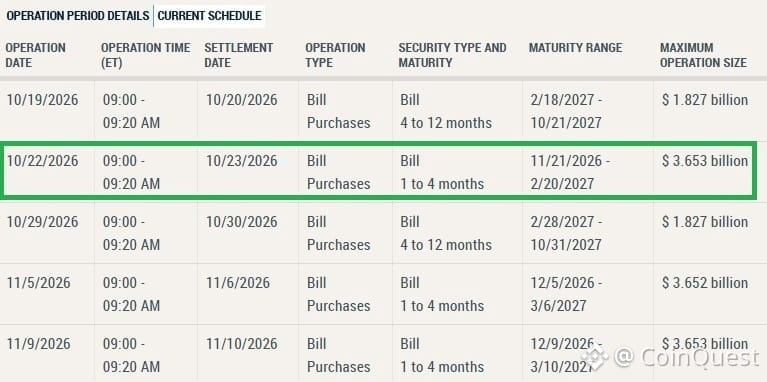
Operasi New York Fed pada 22 Oktober melibatkan pembelian Treasury bill senilai $3.653B, dengan penyelesaian pada 23 Oktober
Pembelian ini merupakan bagian dari program reinvestasi terencana senilai $14.6B yang berlangsung hingga 13 November
Ini BUKAN suntikan likuiditas baru sebesar $3.653B
The Fed sedang menginvestasikan kembali pembayaran pokok dari sekuritas agensi ke dalam Treasury, sehingga mengubah komposisi kepemilikannya daripada memperbesar totalnya melalui operasi ini
Jadi, apakah $BTC bulls harus merayakan?
Bukan hanya dari judul ini. Pembelian reinvestasi adalah operasi rutin, bukan bukti bahwa program QE baru telah dimulai
Bagi kripto, pertanyaan yang lebih besar adalah apakah kondisi keuangan dan likuiditas yang lebih luas benar-benar membaik
Sinyal bullish untuk BTC, atau hanya rutinitas The Fed? 🤔
#CryptoNews #BTC #MacroAnalysis
😱 $3.653 MILIAR pembelian Treasury oleh The Fed… bullish untuk Bitcoin?
Judulnya terdengar seperti likuiditas baru yang masuk ke pasar, tetapi ada detail penting yang tidak boleh diabaikan trader
Operasi New York Fed pada 22 Oktober melibatkan pembelian Treasury bill senilai $3.653B, dengan penyelesaian pada 23 Oktober
Pembelian ini merupakan bagian dari program reinvestasi terencana senilai $14.6B yang berlangsung hingga 13 November
Ini BUKAN suntikan likuiditas baru sebesar $3.653B
The Fed sedang menginvestasikan kembali pembayaran pokok dari sekuritas agensi ke dalam Treasury, sehingga mengubah komposisi kepemilikannya daripada memperbesar totalnya melalui operasi ini
Jadi, apakah $BTC bulls harus merayakan?
Bukan hanya dari judul ini. Pembelian reinvestasi adalah operasi rutin, bukan bukti bahwa program QE baru telah dimulai
Bagi kripto, pertanyaan yang lebih besar adalah apakah kondisi keuangan dan likuiditas yang lebih luas benar-benar membaik
Sinyal bullish untuk BTC, atau hanya rutinitas The Fed? 🤔
#CryptoNews #BTC #MacroAnalysis
Judulnya terdengar seperti likuiditas baru yang masuk ke pasar, tetapi ada detail penting yang tidak boleh diabaikan trader
Operasi New York Fed pada 22 Oktober melibatkan pembelian Treasury bill senilai $3.653B, dengan penyelesaian pada 23 Oktober
Pembelian ini merupakan bagian dari program reinvestasi terencana senilai $14.6B yang berlangsung hingga 13 November
Ini BUKAN suntikan likuiditas baru sebesar $3.653B
The Fed sedang menginvestasikan kembali pembayaran pokok dari sekuritas agensi ke dalam Treasury, sehingga mengubah komposisi kepemilikannya daripada memperbesar totalnya melalui operasi ini
Jadi, apakah $BTC bulls harus merayakan?
Bukan hanya dari judul ini. Pembelian reinvestasi adalah operasi rutin, bukan bukti bahwa program QE baru telah dimulai
Bagi kripto, pertanyaan yang lebih besar adalah apakah kondisi keuangan dan likuiditas yang lebih luas benar-benar membaik
Sinyal bullish untuk BTC, atau hanya rutinitas The Fed? 🤔
#CryptoNews #BTC #MacroAnalysis
3
544

⚡ VOLATILITAS MAKRO MENINGKAT SEIRING $TRUMP KOMENTAR MENGGUNCANG NARASI ENERGI GLOBAL! 🌍
📌 Retorika geopolitik memicu risiko berita utama yang signifikan di berbagai aset makro, menciptakan zona inefisiensi akut di pasar-pasar yang saling berkorelasi. 📊 Ketika ketidakpastian pasar energi melonjak, likuiditas institusional cenderung berotasi dengan cepat saat modal menilai ulang risiko sistemik dan ekspektasi inflasi.
🔍 Pelaku pasar yang jeli memantau arus pesanan dengan saksama untuk melihat apakah friksi makro ini memicu perpindahan berkelanjutan ke aset likuid alternatif. 💬 Seberapa besar peningkatan ketegangan energi dan politik akan berdampak pada likuiditas kripto pada kuartal ini? 👇
⚠️ Ini bukan nasihat keuangan. Selalu kelola risiko Anda. 🛡️
🏷️ #TRUMP #MacroAnalysis #EnergyMarkets #Liquidity #Crypto
🎯 🦈
⚡ VOLATILITAS MAKRO MENINGKAT SEIRING $TRUMP KOMENTAR MENGGUNCANG NARASI ENERGI GLOBAL! 🌍
📌 Retorika geopolitik memicu risiko berita utama yang signifikan di berbagai aset makro, menciptakan zona inefisiensi akut di pasar-pasar yang saling berkorelasi. 📊 Ketika ketidakpastian pasar energi melonjak, likuiditas institusional cenderung berotasi dengan cepat saat modal menilai ulang risiko sistemik dan ekspektasi inflasi.
🔍 Pelaku pasar yang jeli memantau arus pesanan dengan saksama untuk melihat apakah friksi makro ini memicu perpindahan berkelanjutan ke aset likuid alternatif. 💬 Seberapa besar peningkatan ketegangan energi dan politik akan berdampak pada likuiditas kripto pada kuartal ini? 👇
⚠️ Ini bukan nasihat keuangan. Selalu kelola risiko Anda. 🛡️
🏷️ #TRUMP #MacroAnalysis #EnergyMarkets #Liquidity #Crypto
🎯 🦈
📌 Retorika geopolitik memicu risiko berita utama yang signifikan di berbagai aset makro, menciptakan zona inefisiensi akut di pasar-pasar yang saling berkorelasi. 📊 Ketika ketidakpastian pasar energi melonjak, likuiditas institusional cenderung berotasi dengan cepat saat modal menilai ulang risiko sistemik dan ekspektasi inflasi.
🔍 Pelaku pasar yang jeli memantau arus pesanan dengan saksama untuk melihat apakah friksi makro ini memicu perpindahan berkelanjutan ke aset likuid alternatif. 💬 Seberapa besar peningkatan ketegangan energi dan politik akan berdampak pada likuiditas kripto pada kuartal ini? 👇
⚠️ Ini bukan nasihat keuangan. Selalu kelola risiko Anda. 🛡️
🏷️ #TRUMP #MacroAnalysis #EnergyMarkets #Liquidity #Crypto
🎯 🦈
1
9
🏛️ PIMPINAN CITADEL PERINGATKAN DINAMIKA GELEMBUNG AI YANG MEMENGARUHI ARUS MODAL MAKRO 🔍
Para pemain besar institusional mulai menunjukkan sikap waspada terhadap salah alokasi modal di tengah siklus teknologi transformatif. 🌊 Meski euforia awal sering kali menciptakan inefisiensi struktural dan premi yang agresif, konteks historis menunjukkan bahwa pemadatan di puncak siklus biasanya menyingkirkan para peserta yang terlambat sebelum para pemimpin pasar sekuler jangka panjang terbentuk.
💡 Mengamati cara investor cerdas menghadapi valuasi yang berlebihan ini memberikan wawasan penting tentang rotasi likuiditas global. 💬 Menurut Anda, apakah kenaikan valuasi AI saat ini akan mengalami pembalikan menuju rata-rata makro, atau kita masih berada di fase awal ekspansi? 👇
⚠️ Ini bukan nasihat keuangan. Selalu kelola risiko Anda. 🛡️
🏷️ #AI #MarketStructure #Liquidity #MacroAnalysis
🎯 🦈
🏛️ PIMPINAN CITADEL PERINGATKAN DINAMIKA GELEMBUNG AI YANG MEMENGARUHI ARUS MODAL MAKRO 🔍
Para pemain besar institusional mulai menunjukkan sikap waspada terhadap salah alokasi modal di tengah siklus teknologi transformatif. 🌊 Meski euforia awal sering kali menciptakan inefisiensi struktural dan premi yang agresif, konteks historis menunjukkan bahwa pemadatan di puncak siklus biasanya menyingkirkan para peserta yang terlambat sebelum para pemimpin pasar sekuler jangka panjang terbentuk.
💡 Mengamati cara investor cerdas menghadapi valuasi yang berlebihan ini memberikan wawasan penting tentang rotasi likuiditas global. 💬 Menurut Anda, apakah kenaikan valuasi AI saat ini akan mengalami pembalikan menuju rata-rata makro, atau kita masih berada di fase awal ekspansi? 👇
⚠️ Ini bukan nasihat keuangan. Selalu kelola risiko Anda. 🛡️
🏷️ #AI #MarketStructure #Liquidity #MacroAnalysis
🎯 🦈
Para pemain besar institusional mulai menunjukkan sikap waspada terhadap salah alokasi modal di tengah siklus teknologi transformatif. 🌊 Meski euforia awal sering kali menciptakan inefisiensi struktural dan premi yang agresif, konteks historis menunjukkan bahwa pemadatan di puncak siklus biasanya menyingkirkan para peserta yang terlambat sebelum para pemimpin pasar sekuler jangka panjang terbentuk.
💡 Mengamati cara investor cerdas menghadapi valuasi yang berlebihan ini memberikan wawasan penting tentang rotasi likuiditas global. 💬 Menurut Anda, apakah kenaikan valuasi AI saat ini akan mengalami pembalikan menuju rata-rata makro, atau kita masih berada di fase awal ekspansi? 👇
⚠️ Ini bukan nasihat keuangan. Selalu kelola risiko Anda. 🛡️
🏷️ #AI #MarketStructure #Liquidity #MacroAnalysis
🎯 🦈
4

·
--
Suku bunga adalah gravitasi tak kasatmata yang membentuk setiap siklus kripto — tetapi kebanyakan trader mengabaikannya.
Ketika suku bunga riil (nominal dikurangi inflasi) sangat negatif, memegang uang tunai mengikis daya beli. Modal beralih ke aset yang langka, produktif, atau spekulatif — dan kripto berkembang pesat dalam kondisi seperti ini. Pasar bullish 2020–2021 bukanlah kebetulan: periode itu berlangsung bersamaan dengan ekspansi moneter paling ekstrem dalam sejarah modern.
Ketika Fed memperketat kebijakan secara agresif pada 2022, aset berisiko mengalami penyesuaian harga secara menyeluruh. Kripto paling terpukul karena memiliki durasi pertumbuhan tersirat tertinggi — artinya, valuasinya paling banyak bergantung pada ekspektasi masa depan. Risiko durasi dapat berdampak ke dua arah.
Sekarang kita berada dalam fase transisi. Siklus suku bunga mulai berbalik, dan pertanyaan kuncinya adalah apakah modal akan kembali beralih ke aset berdurasi tinggi sebelum atau sesudah normalisasi suku bunga sepenuhnya tuntas.
Secara historis, pergerakan kripto paling kuat dimulai pada tahap awal siklus pemangkasan suku bunga — bukan saat suku bunga mencapai titik terendah. Antisipasi memberi dampak lebih besar daripada pemangkasan yang sebenarnya.
$BTC diuntungkan lebih dulu sebagai aset paling keras di kelasnya. $ETH menyusul sebagai lapisan penyelesaian yang menghasilkan imbal hasil. $SOL menangkap peningkatan selera risiko lebih jauh di sepanjang kurva.
Amati imbal hasil Treasury 2 tahun, bukan pola grafik. Ketika suku bunga riil menyusut, gravitasinya melemah — dan kripto pun melayang.
#Bitcoin #Crypto #MacroAnalysis #CryptoMarkets #SukuBunga
Suku bunga adalah gravitasi tak kasatmata yang membentuk setiap siklus kripto — tetapi kebanyakan trader mengabaikannya.
Ketika suku bunga riil (nominal dikurangi inflasi) sangat negatif, memegang uang tunai mengikis daya beli. Modal beralih ke aset yang langka, produktif, atau spekulatif — dan kripto berkembang pesat dalam kondisi seperti ini. Pasar bullish 2020–2021 bukanlah kebetulan: periode itu berlangsung bersamaan dengan ekspansi moneter paling ekstrem dalam sejarah modern.
Ketika Fed memperketat kebijakan secara agresif pada 2022, aset berisiko mengalami penyesuaian harga secara menyeluruh. Kripto paling terpukul karena memiliki durasi pertumbuhan tersirat tertinggi — artinya, valuasinya paling banyak bergantung pada ekspektasi masa depan. Risiko durasi dapat berdampak ke dua arah.
Sekarang kita berada dalam fase transisi. Siklus suku bunga mulai berbalik, dan pertanyaan kuncinya adalah apakah modal akan kembali beralih ke aset berdurasi tinggi sebelum atau sesudah normalisasi suku bunga sepenuhnya tuntas.
Secara historis, pergerakan kripto paling kuat dimulai pada tahap awal siklus pemangkasan suku bunga — bukan saat suku bunga mencapai titik terendah. Antisipasi memberi dampak lebih besar daripada pemangkasan yang sebenarnya.
$BTC diuntungkan lebih dulu sebagai aset paling keras di kelasnya. $ETH menyusul sebagai lapisan penyelesaian yang menghasilkan imbal hasil. $SOL menangkap peningkatan selera risiko lebih jauh di sepanjang kurva.
Amati imbal hasil Treasury 2 tahun, bukan pola grafik. Ketika suku bunga riil menyusut, gravitasinya melemah — dan kripto pun melayang.
#Bitcoin #Crypto #MacroAnalysis #CryptoMarkets #SukuBunga
Ketika suku bunga riil (nominal dikurangi inflasi) sangat negatif, memegang uang tunai mengikis daya beli. Modal beralih ke aset yang langka, produktif, atau spekulatif — dan kripto berkembang pesat dalam kondisi seperti ini. Pasar bullish 2020–2021 bukanlah kebetulan: periode itu berlangsung bersamaan dengan ekspansi moneter paling ekstrem dalam sejarah modern.
Ketika Fed memperketat kebijakan secara agresif pada 2022, aset berisiko mengalami penyesuaian harga secara menyeluruh. Kripto paling terpukul karena memiliki durasi pertumbuhan tersirat tertinggi — artinya, valuasinya paling banyak bergantung pada ekspektasi masa depan. Risiko durasi dapat berdampak ke dua arah.
Sekarang kita berada dalam fase transisi. Siklus suku bunga mulai berbalik, dan pertanyaan kuncinya adalah apakah modal akan kembali beralih ke aset berdurasi tinggi sebelum atau sesudah normalisasi suku bunga sepenuhnya tuntas.
Secara historis, pergerakan kripto paling kuat dimulai pada tahap awal siklus pemangkasan suku bunga — bukan saat suku bunga mencapai titik terendah. Antisipasi memberi dampak lebih besar daripada pemangkasan yang sebenarnya.
$BTC diuntungkan lebih dulu sebagai aset paling keras di kelasnya. $ETH menyusul sebagai lapisan penyelesaian yang menghasilkan imbal hasil. $SOL menangkap peningkatan selera risiko lebih jauh di sepanjang kurva.
Amati imbal hasil Treasury 2 tahun, bukan pola grafik. Ketika suku bunga riil menyusut, gravitasinya melemah — dan kripto pun melayang.
#Bitcoin #Crypto #MacroAnalysis #CryptoMarkets #SukuBunga
54

·
--
🚨 KRISIS ENERGI GLOBAL BERLANJUT HINGGA 2028 SAAT $BTC MENGHADAPI PENYESUAIAN ULANG HARGA MAKRO! 🌊
Arus order dari investor cerdas secara aktif menyesuaikan ulang prospek makro karena kurva harga berjangka minyak mentah memperhitungkan defisit pasokan struktural hingga 2028. 📊 Dengan harga Brent berjangka jangka panjang menyentuh rekor tertinggi $86 dan harga diesel menembus $1,000, inflasi energi yang persisten secara langsung mengancam siklus pelonggaran bank sentral global. 🌊
💡 Ketika modal institusional menghadapi hambatan pasokan yang berlangsung selama bertahun-tahun dan premi geopolitik yang masih bertahan, likuiditas pasar bergeser ke aset keras yang pasokannya tidak elastis. 🔍 Akankah inflasi energi yang persisten mendorong arus keluar likuiditas institusional ke $BTC , atau justru memicu penarikan likuiditas makro? 💬
⚠️ Ini bukan nasihat keuangan. Selalu kelola risiko Anda. 🛡️
🏷️ #BTC #MacroAnalysis #Inflation #Crypto
🎯 🦈
🚨 KRISIS ENERGI GLOBAL BERLANJUT HINGGA 2028 SAAT $BTC MENGHADAPI PENYESUAIAN ULANG HARGA MAKRO! 🌊
Arus order dari investor cerdas secara aktif menyesuaikan ulang prospek makro karena kurva harga berjangka minyak mentah memperhitungkan defisit pasokan struktural hingga 2028. 📊 Dengan harga Brent berjangka jangka panjang menyentuh rekor tertinggi $86 dan harga diesel menembus $1,000, inflasi energi yang persisten secara langsung mengancam siklus pelonggaran bank sentral global. 🌊
💡 Ketika modal institusional menghadapi hambatan pasokan yang berlangsung selama bertahun-tahun dan premi geopolitik yang masih bertahan, likuiditas pasar bergeser ke aset keras yang pasokannya tidak elastis. 🔍 Akankah inflasi energi yang persisten mendorong arus keluar likuiditas institusional ke $BTC , atau justru memicu penarikan likuiditas makro? 💬
⚠️ Ini bukan nasihat keuangan. Selalu kelola risiko Anda. 🛡️
🏷️ #BTC #MacroAnalysis #Inflation #Crypto
🎯 🦈
Arus order dari investor cerdas secara aktif menyesuaikan ulang prospek makro karena kurva harga berjangka minyak mentah memperhitungkan defisit pasokan struktural hingga 2028. 📊 Dengan harga Brent berjangka jangka panjang menyentuh rekor tertinggi $86 dan harga diesel menembus $1,000, inflasi energi yang persisten secara langsung mengancam siklus pelonggaran bank sentral global. 🌊
💡 Ketika modal institusional menghadapi hambatan pasokan yang berlangsung selama bertahun-tahun dan premi geopolitik yang masih bertahan, likuiditas pasar bergeser ke aset keras yang pasokannya tidak elastis. 🔍 Akankah inflasi energi yang persisten mendorong arus keluar likuiditas institusional ke $BTC , atau justru memicu penarikan likuiditas makro? 💬
⚠️ Ini bukan nasihat keuangan. Selalu kelola risiko Anda. 🛡️
🏷️ #BTC #MacroAnalysis #Inflation #Crypto
🎯 🦈
15
🚨 TARGET EKSPANSI SIKLUS MAKRO UNTUK $ETH DAN ASET-ASET UTAMA 📈
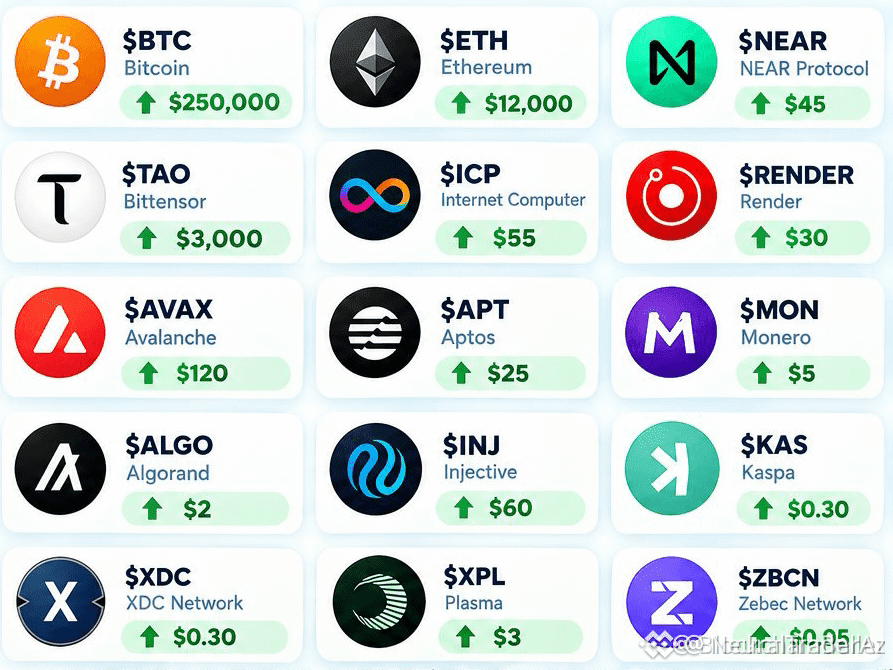
Target: 12,000 🎯
Proyeksi struktural makro menunjukkan target ekspansi siklus yang ambisius, dengan harga $ETH mengarah ke kumpulan likuiditas 12,000, sekaligus memperkirakan perpanjangan batas atas yang signifikan untuk $SOL dan $BNB . 📊 Dari perspektif arus order institusional, pencapaian target multi-tahun ini membutuhkan pengisian ketidakefisienan secara berkelanjutan dan penembusan struktural berturut-turut pada kerangka waktu yang lebih tinggi.
Meski momentum pada kerangka waktu yang lebih tinggi tetap meyakinkan, modal institusional terakumulasi melalui perebutan kembali rentang harga secara metodis, bukan dengan mengejar kenaikan parabola. 💡 Distribusi jangka panjang baru terjadi setelah likuiditas sisi beli tersapu di berbagai blok valuasi premium.
💬 Menurut Anda, target makro mana yang memiliki peta jalan struktural paling realistis untuk portofolio Anda?
⚠️ Bukan nasihat keuangan. Selalu kelola risiko Anda. 🛡️
🏷️ #ETH #MacroAnalysis #Altcoins #MarketStructure
🎯 🦈
🚨 TARGET EKSPANSI SIKLUS MAKRO UNTUK $ETH DAN ASET-ASET UTAMA 📈
Target: 12,000 🎯
Proyeksi struktural makro menunjukkan target ekspansi siklus yang ambisius, dengan harga $ETH mengarah ke kumpulan likuiditas 12,000, sekaligus memperkirakan perpanjangan batas atas yang signifikan untuk $SOL dan $BNB . 📊 Dari perspektif arus order institusional, pencapaian target multi-tahun ini membutuhkan pengisian ketidakefisienan secara berkelanjutan dan penembusan struktural berturut-turut pada kerangka waktu yang lebih tinggi.
Meski momentum pada kerangka waktu yang lebih tinggi tetap meyakinkan, modal institusional terakumulasi melalui perebutan kembali rentang harga secara metodis, bukan dengan mengejar kenaikan parabola. 💡 Distribusi jangka panjang baru terjadi setelah likuiditas sisi beli tersapu di berbagai blok valuasi premium.
💬 Menurut Anda, target makro mana yang memiliki peta jalan struktural paling realistis untuk portofolio Anda?
⚠️ Bukan nasihat keuangan. Selalu kelola risiko Anda. 🛡️
🏷️ #ETH #MacroAnalysis #Altcoins #MarketStructure
🎯 🦈
Target: 12,000 🎯
Proyeksi struktural makro menunjukkan target ekspansi siklus yang ambisius, dengan harga $ETH mengarah ke kumpulan likuiditas 12,000, sekaligus memperkirakan perpanjangan batas atas yang signifikan untuk $SOL dan $BNB . 📊 Dari perspektif arus order institusional, pencapaian target multi-tahun ini membutuhkan pengisian ketidakefisienan secara berkelanjutan dan penembusan struktural berturut-turut pada kerangka waktu yang lebih tinggi.
Meski momentum pada kerangka waktu yang lebih tinggi tetap meyakinkan, modal institusional terakumulasi melalui perebutan kembali rentang harga secara metodis, bukan dengan mengejar kenaikan parabola. 💡 Distribusi jangka panjang baru terjadi setelah likuiditas sisi beli tersapu di berbagai blok valuasi premium.
💬 Menurut Anda, target makro mana yang memiliki peta jalan struktural paling realistis untuk portofolio Anda?
⚠️ Bukan nasihat keuangan. Selalu kelola risiko Anda. 🛡️
🏷️ #ETH #MacroAnalysis #Altcoins #MarketStructure
🎯 🦈
9
·
--
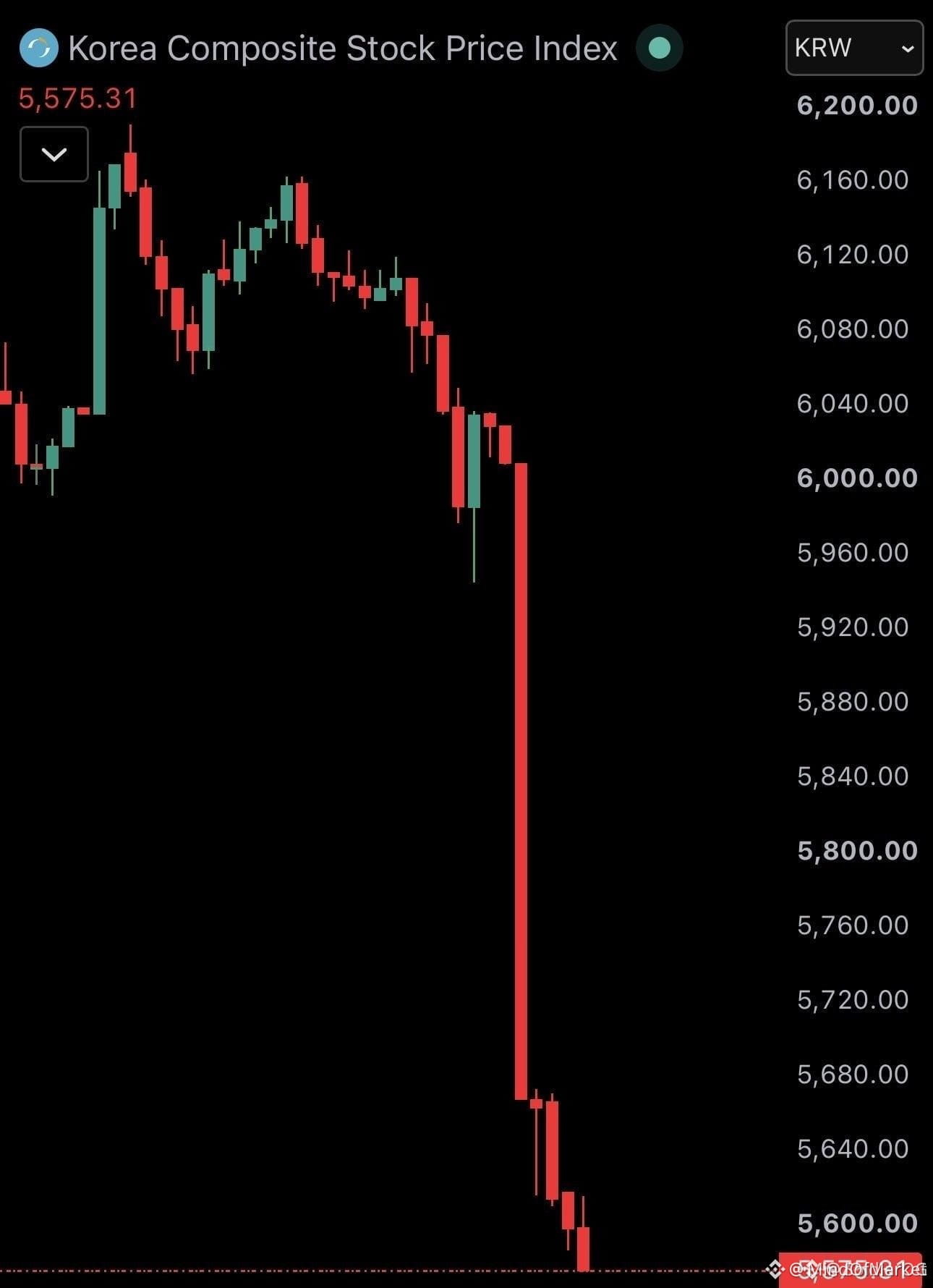
🚨 ANJLOK 7%, KOSPI MENGGUNCANG STRUKTUR MAKRO: APAKAH LIKUIDITAS AKAN BERPINDAH KE $WAL ? 📉
Pasar saham di seluruh Asia mengalami ketidakseimbangan arus order yang parah saat indeks acuan merosot 7%, memicu pertanyaan mendesak tentang potensi margin call sistemik dibandingkan pelarian modal institusional. 🌊 Ketika indeks saham tradisional menghadapi gelombang likuidasi beruntun, pelaku institusional sering mencari kumpulan likuiditas alternatif untuk melindungi diri dari penularan risiko pasar yang lebih luas. 🔍
Apakah guncangan struktural makro ini memicu pengurangan risiko secara terbatas di berbagai aset seperti $WAL atau justru mendorong akumulasi oleh investor bermodal besar pada valuasi yang didiskon, sepenuhnya bergantung pada kemampuan order book menyerap tekanan dalam beberapa penutupan harian berikutnya. 📊
💬 Apakah Anda memperkirakan meja perdagangan institusional akan memicu likuidasi risk-off secara luas, atau apakah aset alternatif akan menyerap perpindahan modal ini?
⚠️ Ini bukan nasihat keuangan. Selalu kelola risiko Anda. 🛡️
🏷️ #WAL #MacroAnalysis #Liquidity #MarketStructure
🎯 🦈
🚨 ANJLOK 7%, KOSPI MENGGUNCANG STRUKTUR MAKRO: APAKAH LIKUIDITAS AKAN BERPINDAH KE $WAL ? 📉
Pasar saham di seluruh Asia mengalami ketidakseimbangan arus order yang parah saat indeks acuan merosot 7%, memicu pertanyaan mendesak tentang potensi margin call sistemik dibandingkan pelarian modal institusional. 🌊 Ketika indeks saham tradisional menghadapi gelombang likuidasi beruntun, pelaku institusional sering mencari kumpulan likuiditas alternatif untuk melindungi diri dari penularan risiko pasar yang lebih luas. 🔍
Apakah guncangan struktural makro ini memicu pengurangan risiko secara terbatas di berbagai aset seperti $WAL atau justru mendorong akumulasi oleh investor bermodal besar pada valuasi yang didiskon, sepenuhnya bergantung pada kemampuan order book menyerap tekanan dalam beberapa penutupan harian berikutnya. 📊
💬 Apakah Anda memperkirakan meja perdagangan institusional akan memicu likuidasi risk-off secara luas, atau apakah aset alternatif akan menyerap perpindahan modal ini?
⚠️ Ini bukan nasihat keuangan. Selalu kelola risiko Anda. 🛡️
🏷️ #WAL #MacroAnalysis #Liquidity #MarketStructure
🎯 🦈
Pasar saham di seluruh Asia mengalami ketidakseimbangan arus order yang parah saat indeks acuan merosot 7%, memicu pertanyaan mendesak tentang potensi margin call sistemik dibandingkan pelarian modal institusional. 🌊 Ketika indeks saham tradisional menghadapi gelombang likuidasi beruntun, pelaku institusional sering mencari kumpulan likuiditas alternatif untuk melindungi diri dari penularan risiko pasar yang lebih luas. 🔍
Apakah guncangan struktural makro ini memicu pengurangan risiko secara terbatas di berbagai aset seperti $WAL atau justru mendorong akumulasi oleh investor bermodal besar pada valuasi yang didiskon, sepenuhnya bergantung pada kemampuan order book menyerap tekanan dalam beberapa penutupan harian berikutnya. 📊
💬 Apakah Anda memperkirakan meja perdagangan institusional akan memicu likuidasi risk-off secara luas, atau apakah aset alternatif akan menyerap perpindahan modal ini?
⚠️ Ini bukan nasihat keuangan. Selalu kelola risiko Anda. 🛡️
🏷️ #WAL #MacroAnalysis #Liquidity #MarketStructure
🎯 🦈
13
·
--
Bitcoin semakin berperilaku seperti barometer likuiditas global — bukan sekadar aset spekulatif.
Inilah yang terus ditunjukkan oleh data: $BTC cenderung mencapai titik terendah dan membentuk basis beberapa minggu sebelum aset berisiko di pasar tradisional, seiring dengan perubahan arah pasokan uang M2 global. Ketika bank sentral memperluas neraca mereka — di Eropa, Jepang, Tiongkok, dan AS — limpahan likuiditas baru pertama-tama mengalir ke aset yang paling mudah diakses secara global dan tanpa batas negara.
Hal ini penting karena sebagian besar analis masih memandang Bitcoin dari sudut pandang yang sepenuhnya berpusat pada kripto: halving, metrik on-chain, dan arus di bursa. Sinyal-sinyal itu penting. Namun, irama makro yang lebih besar ditentukan oleh siklus likuiditas global.
Implikasi praktisnya: memantau laju perubahan M2 global — terutama ketika The Fed, PBOC, dan ECB bergerak ke arah yang sama — memberi Anda gambaran awal tentang lingkungan makro yang akan dihadapi Bitcoin. Ini bukan alat untuk menentukan waktu yang sempurna, tetapi lebih realistis daripada kebanyakan model siklus.
$ETH dan $SOL cenderung mengikuti setelah basis BTC terkonfirmasi. Altcoin memperbesar pergerakan tersebut. Urutan ini didorong oleh likuiditas, bukan narasi.
Pelajarannya: lihat gambaran besar sebelum memperhatikan detail. Pergerakan harga di pasar kripto sering kali menjadi tempat terakhir sinyal muncul.
#Bitcoin #Crypto #MacroAnalysis #Altcoins #PasarKripto
Bitcoin semakin berperilaku seperti barometer likuiditas global — bukan sekadar aset spekulatif.
Inilah yang terus ditunjukkan oleh data: $BTC cenderung mencapai titik terendah dan membentuk basis beberapa minggu sebelum aset berisiko di pasar tradisional, seiring dengan perubahan arah pasokan uang M2 global. Ketika bank sentral memperluas neraca mereka — di Eropa, Jepang, Tiongkok, dan AS — limpahan likuiditas baru pertama-tama mengalir ke aset yang paling mudah diakses secara global dan tanpa batas negara.
Hal ini penting karena sebagian besar analis masih memandang Bitcoin dari sudut pandang yang sepenuhnya berpusat pada kripto: halving, metrik on-chain, dan arus di bursa. Sinyal-sinyal itu penting. Namun, irama makro yang lebih besar ditentukan oleh siklus likuiditas global.
Implikasi praktisnya: memantau laju perubahan M2 global — terutama ketika The Fed, PBOC, dan ECB bergerak ke arah yang sama — memberi Anda gambaran awal tentang lingkungan makro yang akan dihadapi Bitcoin. Ini bukan alat untuk menentukan waktu yang sempurna, tetapi lebih realistis daripada kebanyakan model siklus.
$ETH dan $SOL cenderung mengikuti setelah basis BTC terkonfirmasi. Altcoin memperbesar pergerakan tersebut. Urutan ini didorong oleh likuiditas, bukan narasi.
Pelajarannya: lihat gambaran besar sebelum memperhatikan detail. Pergerakan harga di pasar kripto sering kali menjadi tempat terakhir sinyal muncul.
#Bitcoin #Crypto #MacroAnalysis #Altcoins #PasarKripto
Inilah yang terus ditunjukkan oleh data: $BTC cenderung mencapai titik terendah dan membentuk basis beberapa minggu sebelum aset berisiko di pasar tradisional, seiring dengan perubahan arah pasokan uang M2 global. Ketika bank sentral memperluas neraca mereka — di Eropa, Jepang, Tiongkok, dan AS — limpahan likuiditas baru pertama-tama mengalir ke aset yang paling mudah diakses secara global dan tanpa batas negara.
Hal ini penting karena sebagian besar analis masih memandang Bitcoin dari sudut pandang yang sepenuhnya berpusat pada kripto: halving, metrik on-chain, dan arus di bursa. Sinyal-sinyal itu penting. Namun, irama makro yang lebih besar ditentukan oleh siklus likuiditas global.
Implikasi praktisnya: memantau laju perubahan M2 global — terutama ketika The Fed, PBOC, dan ECB bergerak ke arah yang sama — memberi Anda gambaran awal tentang lingkungan makro yang akan dihadapi Bitcoin. Ini bukan alat untuk menentukan waktu yang sempurna, tetapi lebih realistis daripada kebanyakan model siklus.
$ETH dan $SOL cenderung mengikuti setelah basis BTC terkonfirmasi. Altcoin memperbesar pergerakan tersebut. Urutan ini didorong oleh likuiditas, bukan narasi.
Pelajarannya: lihat gambaran besar sebelum memperhatikan detail. Pergerakan harga di pasar kripto sering kali menjadi tempat terakhir sinyal muncul.
#Bitcoin #Crypto #MacroAnalysis #Altcoins #PasarKripto
147
·
--
📉 PERGESERAN LIKUIDITAS MAKRO SAAT $BTC ABSORBS TEKANAN INFLASI DI $82,528 ⚡
Gejolak makro yang didorong energi telah memasuki buku pesanan seiring lonjakan harga minyak mentah yang memicu ekspektasi CPI lebih tinggi. 📊 Modal institusional secara aktif mengurangi risiko di berbagai kelas aset, mendorong $BTC turun 1.4% menuju level 82,528 untuk mencari harga diskon struktural.
🔍 Pelaku pasar bermodal besar menyadari bahwa guncangan berita geopolitik sering kali memicu penyapuan likuiditas yang menguntungkan, alih-alih pembalikan tren secara langsung. 🌊 Jika koreksi terkendali ini secara efektif menghapus posisi leverage yang masuk belakangan sebelum rilis data inflasi, nantikan aksi serap institusional yang tegas di blok order utama. 🤔 Apakah Anda memperkirakan penyapuan likuiditas sisi jual yang lebih dalam, atau apakah Anda memperkirakan pembeli akan mempertahankan zona struktural ini? 👇
⚠️ Ini bukan nasihat keuangan. Selalu kelola risiko Anda. 🛡️
🏷️ #BTC #MacroAnalysis #MarketStructure #Bitcoin
🎯 🦈
📉 PERGESERAN LIKUIDITAS MAKRO SAAT $BTC ABSORBS TEKANAN INFLASI DI $82,528 ⚡
Gejolak makro yang didorong energi telah memasuki buku pesanan seiring lonjakan harga minyak mentah yang memicu ekspektasi CPI lebih tinggi. 📊 Modal institusional secara aktif mengurangi risiko di berbagai kelas aset, mendorong $BTC turun 1.4% menuju level 82,528 untuk mencari harga diskon struktural.
🔍 Pelaku pasar bermodal besar menyadari bahwa guncangan berita geopolitik sering kali memicu penyapuan likuiditas yang menguntungkan, alih-alih pembalikan tren secara langsung. 🌊 Jika koreksi terkendali ini secara efektif menghapus posisi leverage yang masuk belakangan sebelum rilis data inflasi, nantikan aksi serap institusional yang tegas di blok order utama. 🤔 Apakah Anda memperkirakan penyapuan likuiditas sisi jual yang lebih dalam, atau apakah Anda memperkirakan pembeli akan mempertahankan zona struktural ini? 👇
⚠️ Ini bukan nasihat keuangan. Selalu kelola risiko Anda. 🛡️
🏷️ #BTC #MacroAnalysis #MarketStructure #Bitcoin
🎯 🦈
Gejolak makro yang didorong energi telah memasuki buku pesanan seiring lonjakan harga minyak mentah yang memicu ekspektasi CPI lebih tinggi. 📊 Modal institusional secara aktif mengurangi risiko di berbagai kelas aset, mendorong $BTC turun 1.4% menuju level 82,528 untuk mencari harga diskon struktural.
🔍 Pelaku pasar bermodal besar menyadari bahwa guncangan berita geopolitik sering kali memicu penyapuan likuiditas yang menguntungkan, alih-alih pembalikan tren secara langsung. 🌊 Jika koreksi terkendali ini secara efektif menghapus posisi leverage yang masuk belakangan sebelum rilis data inflasi, nantikan aksi serap institusional yang tegas di blok order utama. 🤔 Apakah Anda memperkirakan penyapuan likuiditas sisi jual yang lebih dalam, atau apakah Anda memperkirakan pembeli akan mempertahankan zona struktural ini? 👇
⚠️ Ini bukan nasihat keuangan. Selalu kelola risiko Anda. 🛡️
🏷️ #BTC #MacroAnalysis #MarketStructure #Bitcoin
🎯 🦈
25

·
--
PERGESERAN MAKRO: KERINGANAN ENERGI DAPAT MEMICU EKSPANSI INSTITUSIONAL BERIKUTNYA $BTC ⚡ 📊
Laporan tentang potensi pergeseran pasokan bahan bakar Rusia dapat mendorong disinflasi tajam pada tolok ukur energi global $CL . Jika tekanan energi makro mereda, aset berisiko diperkirakan akan menyerap likuiditas dengan cepat seiring penyesuaian tingkat diskonto institusional. 🌊
Sementara itu, data Glassnode mengungkapkan 4.33M $BTC berada di kumpulan alamat yang digunakan kembali, menandakan pola distribusi pasokan laten yang masif dan sedang dipantau secara aktif oleh investor berpengalaman. 📊 Dorongan positif makro yang dipadukan dengan konsolidasi struktural on-chain menciptakan kondisi ideal untuk merebut kembali likuiditas. 💡
💬 Bagaimana Anda mengatur posisi risiko menjelang penyelesaian isu energi makro ini? 👇
⚠️ Bukan nasihat keuangan. Selalu kelola risiko Anda. 🛡️
🏷️ #BTC #MacroAnalysis #MarketStructure #Crypto
🎯 🦈
PERGESERAN MAKRO: KERINGANAN ENERGI DAPAT MEMICU EKSPANSI INSTITUSIONAL BERIKUTNYA $BTC ⚡ 📊
Laporan tentang potensi pergeseran pasokan bahan bakar Rusia dapat mendorong disinflasi tajam pada tolok ukur energi global $CL . Jika tekanan energi makro mereda, aset berisiko diperkirakan akan menyerap likuiditas dengan cepat seiring penyesuaian tingkat diskonto institusional. 🌊
Sementara itu, data Glassnode mengungkapkan 4.33M $BTC berada di kumpulan alamat yang digunakan kembali, menandakan pola distribusi pasokan laten yang masif dan sedang dipantau secara aktif oleh investor berpengalaman. 📊 Dorongan positif makro yang dipadukan dengan konsolidasi struktural on-chain menciptakan kondisi ideal untuk merebut kembali likuiditas. 💡
💬 Bagaimana Anda mengatur posisi risiko menjelang penyelesaian isu energi makro ini? 👇
⚠️ Bukan nasihat keuangan. Selalu kelola risiko Anda. 🛡️
🏷️ #BTC #MacroAnalysis #MarketStructure #Crypto
🎯 🦈
Laporan tentang potensi pergeseran pasokan bahan bakar Rusia dapat mendorong disinflasi tajam pada tolok ukur energi global $CL . Jika tekanan energi makro mereda, aset berisiko diperkirakan akan menyerap likuiditas dengan cepat seiring penyesuaian tingkat diskonto institusional. 🌊
Sementara itu, data Glassnode mengungkapkan 4.33M $BTC berada di kumpulan alamat yang digunakan kembali, menandakan pola distribusi pasokan laten yang masif dan sedang dipantau secara aktif oleh investor berpengalaman. 📊 Dorongan positif makro yang dipadukan dengan konsolidasi struktural on-chain menciptakan kondisi ideal untuk merebut kembali likuiditas. 💡
💬 Bagaimana Anda mengatur posisi risiko menjelang penyelesaian isu energi makro ini? 👇
⚠️ Bukan nasihat keuangan. Selalu kelola risiko Anda. 🛡️
🏷️ #BTC #MacroAnalysis #MarketStructure #Crypto
🎯 🦈

16
·
--
🚨 $BTC LINIMASA SIKLUS MAKRO MENEGASKAN PERALIHAN AKUMULASI INSTITUSIONAL KE FASE EKSPANSI BULLISH 📈
Metrik siklus historis mengungkapkan presisi struktural dalam menentukan waktu pasar: 1064 hari ekspansi diikuti 364 hari distribusi. 📊 Posisi smart money selaras dengan pergeseran struktural ini saat tekanan jual makro mereda, membuka peluang bagi target jangka panjang antara $190,000 untuk $BTC dan $8,800 untuk $ETH .
Dengan para analis grafik berpengalaman mengarah pada rentang target yang lebih tinggi hingga $600,000, likuiditas institusional beralih dari akumulasi di dasar menuju ekspansi makro. 🔍 Sinyal arus order menunjukkan bahwa dasar pasar bearish telah sepenuhnya dinetralkan. 🤔 Apakah Anda percaya simetri siklus historis akan bertahan selama ekspansi makro ini, atau akankah arus order institusional mendahului linimasa? 👇
⚠️ Bukan nasihat keuangan. Selalu kelola risiko Anda. 🛡️
🏷️ #BTC #Crypto #MarketStructure #MacroAnalysis
📊 🦈
🚨 $BTC LINIMASA SIKLUS MAKRO MENEGASKAN PERALIHAN AKUMULASI INSTITUSIONAL KE FASE EKSPANSI BULLISH 📈
Metrik siklus historis mengungkapkan presisi struktural dalam menentukan waktu pasar: 1064 hari ekspansi diikuti 364 hari distribusi. 📊 Posisi smart money selaras dengan pergeseran struktural ini saat tekanan jual makro mereda, membuka peluang bagi target jangka panjang antara $190,000 untuk $BTC dan $8,800 untuk $ETH .
Dengan para analis grafik berpengalaman mengarah pada rentang target yang lebih tinggi hingga $600,000, likuiditas institusional beralih dari akumulasi di dasar menuju ekspansi makro. 🔍 Sinyal arus order menunjukkan bahwa dasar pasar bearish telah sepenuhnya dinetralkan. 🤔 Apakah Anda percaya simetri siklus historis akan bertahan selama ekspansi makro ini, atau akankah arus order institusional mendahului linimasa? 👇
⚠️ Bukan nasihat keuangan. Selalu kelola risiko Anda. 🛡️
🏷️ #BTC #Crypto #MarketStructure #MacroAnalysis
📊 🦈
Metrik siklus historis mengungkapkan presisi struktural dalam menentukan waktu pasar: 1064 hari ekspansi diikuti 364 hari distribusi. 📊 Posisi smart money selaras dengan pergeseran struktural ini saat tekanan jual makro mereda, membuka peluang bagi target jangka panjang antara $190,000 untuk $BTC dan $8,800 untuk $ETH .
Dengan para analis grafik berpengalaman mengarah pada rentang target yang lebih tinggi hingga $600,000, likuiditas institusional beralih dari akumulasi di dasar menuju ekspansi makro. 🔍 Sinyal arus order menunjukkan bahwa dasar pasar bearish telah sepenuhnya dinetralkan. 🤔 Apakah Anda percaya simetri siklus historis akan bertahan selama ekspansi makro ini, atau akankah arus order institusional mendahului linimasa? 👇
⚠️ Bukan nasihat keuangan. Selalu kelola risiko Anda. 🛡️
🏷️ #BTC #Crypto #MarketStructure #MacroAnalysis
📊 🦈
37
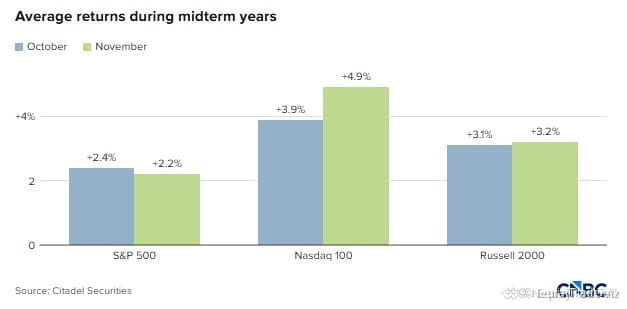
LIKUIDITAS INSTITUSIONAL BERBANGUN SEKITAR $BTC AS DENGAN DORONGAN MUSIMAN TENGAH PERIODE SEJARAH MENJELANG ⚡ 📊
Data historis mengungkap adanya pergeseran struktural yang berulang: aset makro menguat secara agresif melalui Oktober dan November selama siklus pemilihan paruh waktu. Modal yang ditempatkan oleh meja institusi yang biasanya disisihkan saat ketidakpastian politik mulai terlibat kembali setelah kejernihan legislatif muncul. 📊
Ketahanan yang mendasari ini bukan kebetulan. Sementara ritel berfokus pada kebisingan berita yang bersifat sesaat, “uang pintar” memantau ekspansi likuiditas makro dan dinamika aliran order musiman untuk menempatkan posisi lebih dulu sebelum ekspansi struktural. 💡
Memahami konteks makro ini jauh lebih penting daripada bereaksi terhadap lonjakan volatilitas jangka pendek. 💬 Bagaimana Anda menyusun alokasi risiko menjelang pergeseran volatilitas musiman ini? 👇
⚠️ Bukan nasihat keuangan. Selalu kelola risiko Anda. 🛡️
🏷️ #BTC #MacroAnalysis #MarketStructure #Crypto
🎯 🦈
LIKUIDITAS INSTITUSIONAL BERBANGUN SEKITAR $BTC AS DENGAN DORONGAN MUSIMAN TENGAH PERIODE SEJARAH MENJELANG ⚡ 📊
Data historis mengungkap adanya pergeseran struktural yang berulang: aset makro menguat secara agresif melalui Oktober dan November selama siklus pemilihan paruh waktu. Modal yang ditempatkan oleh meja institusi yang biasanya disisihkan saat ketidakpastian politik mulai terlibat kembali setelah kejernihan legislatif muncul. 📊
Ketahanan yang mendasari ini bukan kebetulan. Sementara ritel berfokus pada kebisingan berita yang bersifat sesaat, “uang pintar” memantau ekspansi likuiditas makro dan dinamika aliran order musiman untuk menempatkan posisi lebih dulu sebelum ekspansi struktural. 💡
Memahami konteks makro ini jauh lebih penting daripada bereaksi terhadap lonjakan volatilitas jangka pendek. 💬 Bagaimana Anda menyusun alokasi risiko menjelang pergeseran volatilitas musiman ini? 👇
⚠️ Bukan nasihat keuangan. Selalu kelola risiko Anda. 🛡️
🏷️ #BTC #MacroAnalysis #MarketStructure #Crypto
🎯 🦈
Data historis mengungkap adanya pergeseran struktural yang berulang: aset makro menguat secara agresif melalui Oktober dan November selama siklus pemilihan paruh waktu. Modal yang ditempatkan oleh meja institusi yang biasanya disisihkan saat ketidakpastian politik mulai terlibat kembali setelah kejernihan legislatif muncul. 📊
Ketahanan yang mendasari ini bukan kebetulan. Sementara ritel berfokus pada kebisingan berita yang bersifat sesaat, “uang pintar” memantau ekspansi likuiditas makro dan dinamika aliran order musiman untuk menempatkan posisi lebih dulu sebelum ekspansi struktural. 💡
Memahami konteks makro ini jauh lebih penting daripada bereaksi terhadap lonjakan volatilitas jangka pendek. 💬 Bagaimana Anda menyusun alokasi risiko menjelang pergeseran volatilitas musiman ini? 👇
⚠️ Bukan nasihat keuangan. Selalu kelola risiko Anda. 🛡️
🏷️ #BTC #MacroAnalysis #MarketStructure #Crypto
🎯 🦈
36

·
--
Radar Macro - PCE tentukan apa yang terjadi hari ini
BTC: US$ 83,7k stabil. Pasar dalam keseimbangan yang rapuh.#MacroAnalysis
Yang penting hari ini:
PCE lemah -> imbal hasil turun -> positif untuk BTC/tech
PCE kuat -> imbal hasil dan dolar naik -> tekanan pada aset berisiko
Konteks: $BTC
• Minyak mulai menormalkan pasokan
• Treasury 10Y masih di 5,22% (risiko)
• Hari ini: PCE + hasil Micron
Pembacaan saya: Pasar hari ini bergantung pada inflasi. PCE akan menentukan apakah suku bunga bisa bernapas atau kembali menekan aset berisiko.
Sumber: CME / TradingView
Radar Macro - PCE tentukan apa yang terjadi hari ini
BTC: US$ 83,7k stabil. Pasar dalam keseimbangan yang rapuh.#MacroAnalysis
Yang penting hari ini:
PCE lemah -> imbal hasil turun -> positif untuk BTC/tech
PCE kuat -> imbal hasil dan dolar naik -> tekanan pada aset berisiko
Konteks: $BTC
• Minyak mulai menormalkan pasokan
• Treasury 10Y masih di 5,22% (risiko)
• Hari ini: PCE + hasil Micron
Pembacaan saya: Pasar hari ini bergantung pada inflasi. PCE akan menentukan apakah suku bunga bisa bernapas atau kembali menekan aset berisiko.
Sumber: CME / TradingView
BTC: US$ 83,7k stabil. Pasar dalam keseimbangan yang rapuh.#MacroAnalysis
Yang penting hari ini:
PCE lemah -> imbal hasil turun -> positif untuk BTC/tech
PCE kuat -> imbal hasil dan dolar naik -> tekanan pada aset berisiko
Konteks: $BTC
• Minyak mulai menormalkan pasokan
• Treasury 10Y masih di 5,22% (risiko)
• Hari ini: PCE + hasil Micron
Pembacaan saya: Pasar hari ini bergantung pada inflasi. PCE akan menentukan apakah suku bunga bisa bernapas atau kembali menekan aset berisiko.
Sumber: CME / TradingView
104

·
--
🚨 PERINGATAN BOND SHORT SQUEEZE SINYAL GUNCANGAN VOLATILITAS MAKRO BERGELOMBANG DI SELURUH $MOVR AND ALTS! ⚡
Dislokasi pendapatan tetap (fixed-income) makro sedang menyiapkan latar likuiditas yang volatil, karena eksposur short di pasar obligasi berpotensi menghadapi pembongkaran paksa. 🦈 Aliran order institusional menunjukkan bahwa guncangan yield yang tiba-tiba secara historis langsung menular ke kelas aset ber-beta tinggi, mengubah sentimen risk-on di pasar yang lebih luas.
💡 Ketika yield utang pemerintah mengalami squeeze mendadak, uang pintar segera mengalihkan modal untuk menyerap inefisiensi pasar dan eksposur neraca. 📊 Apakah volatilitas ini memicu reli penghiburan atau justru mengganggu kumpulan likuiditas di alts seperti $PHA and $ESPORTS , tetap menjadi poros struktural utama. 💬 Bagaimana Anda memposisikan likuiditas Anda menjelang potensi penyesuaian ulang (repricing) suku bunga makro ini? 👇
⚠️ Bukan nasihat keuangan. Selalu kelola risiko Anda. 🛡️
🏷️ #MOVR #MacroAnalysis #Liquidity #MarketStructure #Crypto
🎯 🦈
🚨 PERINGATAN BOND SHORT SQUEEZE SINYAL GUNCANGAN VOLATILITAS MAKRO BERGELOMBANG DI SELURUH $MOVR AND ALTS! ⚡
Dislokasi pendapatan tetap (fixed-income) makro sedang menyiapkan latar likuiditas yang volatil, karena eksposur short di pasar obligasi berpotensi menghadapi pembongkaran paksa. 🦈 Aliran order institusional menunjukkan bahwa guncangan yield yang tiba-tiba secara historis langsung menular ke kelas aset ber-beta tinggi, mengubah sentimen risk-on di pasar yang lebih luas.
💡 Ketika yield utang pemerintah mengalami squeeze mendadak, uang pintar segera mengalihkan modal untuk menyerap inefisiensi pasar dan eksposur neraca. 📊 Apakah volatilitas ini memicu reli penghiburan atau justru mengganggu kumpulan likuiditas di alts seperti $PHA and $ESPORTS , tetap menjadi poros struktural utama. 💬 Bagaimana Anda memposisikan likuiditas Anda menjelang potensi penyesuaian ulang (repricing) suku bunga makro ini? 👇
⚠️ Bukan nasihat keuangan. Selalu kelola risiko Anda. 🛡️
🏷️ #MOVR #MacroAnalysis #Liquidity #MarketStructure #Crypto
🎯 🦈
Dislokasi pendapatan tetap (fixed-income) makro sedang menyiapkan latar likuiditas yang volatil, karena eksposur short di pasar obligasi berpotensi menghadapi pembongkaran paksa. 🦈 Aliran order institusional menunjukkan bahwa guncangan yield yang tiba-tiba secara historis langsung menular ke kelas aset ber-beta tinggi, mengubah sentimen risk-on di pasar yang lebih luas.
💡 Ketika yield utang pemerintah mengalami squeeze mendadak, uang pintar segera mengalihkan modal untuk menyerap inefisiensi pasar dan eksposur neraca. 📊 Apakah volatilitas ini memicu reli penghiburan atau justru mengganggu kumpulan likuiditas di alts seperti $PHA and $ESPORTS , tetap menjadi poros struktural utama. 💬 Bagaimana Anda memposisikan likuiditas Anda menjelang potensi penyesuaian ulang (repricing) suku bunga makro ini? 👇
⚠️ Bukan nasihat keuangan. Selalu kelola risiko Anda. 🛡️
🏷️ #MOVR #MacroAnalysis #Liquidity #MarketStructure #Crypto
🎯 🦈

303

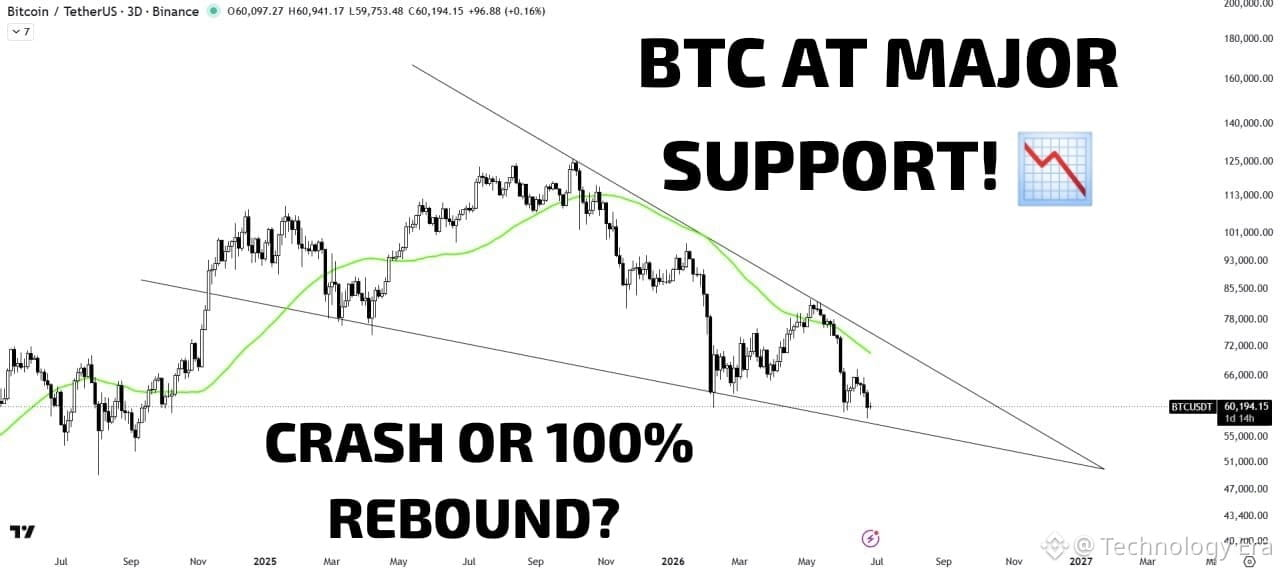
🚨 $BTC Simpitan Macro Wedge yang Masif: Momen Penentu! 📉 Atau 🚀?
Bitcoin sedang menyempit dalam pola falling wedge multi-bulan yang besar pada chart makro 3 hari. Saat ini, harga diperdagangkan di sekitar $60.194, tepat berada pada garis support bawah yang menentukan (make-or-break).
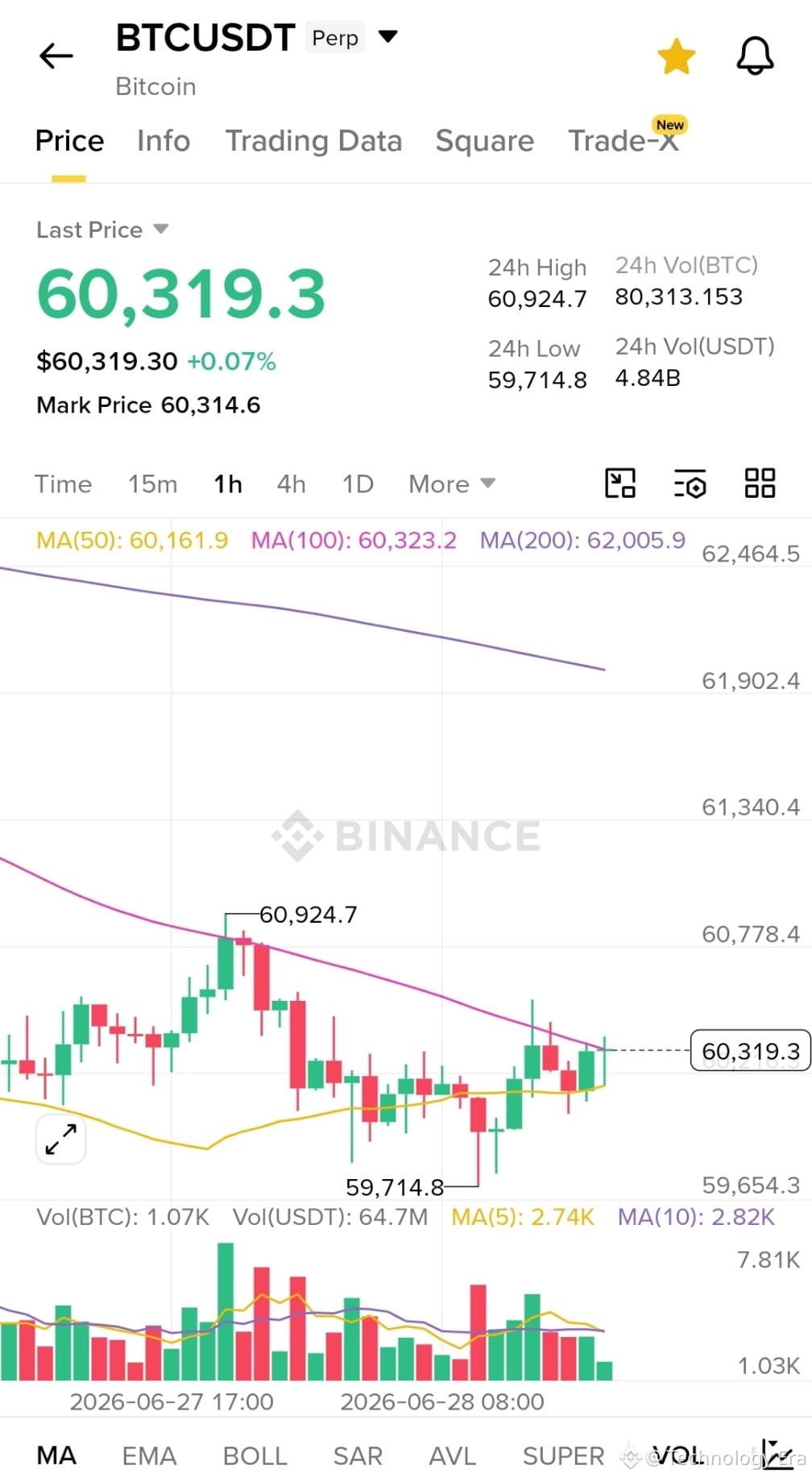
Pada timeframe 1 jam yang lebih pendek, harga sedang berjuang ketat melawan rata-rata pergerakan terdekat, berputar di sekitar $60.319. Kompresi yang ekstrem ini berarti ada pergerakan struktural yang sangat kuat tinggal selangkah lagi!
📊 Rumus Macro Wedge:
Macro Support Squeeze + Konsolidasi Jangka Pendek = Breakout Berkecepatan Tinggi
🎯 Level Macro Penting yang Perlu Diperhatikan
1. Lantai Support Terakhir: Garis tren bagian bawah dari macro wedge tepat sejajar di kisaran $58.000 - $60.000. Jika lantai ini jebol, koreksi yang lebih dalam berpotensi terjadi.
2. Rintangan Resistance: Untuk memicu pembalikan tren yang masif, Bitcoin perlu tembus bersih di atas garis tren menurun di atasnya, yang saat ini berada jauh di atas $66.000.
3. Strategi Saya: Pasar sedang menguji kesabaran pembeli dan penjual di sini. Karena kita sedang tepat berada di support makro utama, melakukan short di level ini memiliki risiko tinggi untuk terjebak. Saya memantau ketat penutupan candle harian dan 3 hari untuk struktur pantulan yang terkonfirmasi sebelum merencanakan setup swing yang agresif.
Lindungi modal Anda dan tetap disiplin di zona tekanan tinggi ini!
💬 Target Anda apa? Apakah support macro wedge akan memicu reli besar kembali ke garis tren atas, atau kita justru menembus di bawah $59K berikutnya? Vote di bawah! 👇
Disclaimer: Ini hanya untuk tujuan edukasi. Selalu lakukan riset Anda sendiri (DYOR) sebelum masuk ke dalam trade.
📸 Sumber Gambar: Binance & TradingView
#TechnicalAnalysisn #MacroAnalysis
#KioxiaADRFallsOver14% #ModernaRisesOver12% #FINMAAcceleratesAIForCryptoOversight
$BTC
{future}(BTCUSDT)
🚨 $BTC Simpitan Macro Wedge yang Masif: Momen Penentu! 📉 Atau 🚀?
Bitcoin sedang menyempit dalam pola falling wedge multi-bulan yang besar pada chart makro 3 hari. Saat ini, harga diperdagangkan di sekitar $60.194, tepat berada pada garis support bawah yang menentukan (make-or-break).
Pada timeframe 1 jam yang lebih pendek, harga sedang berjuang ketat melawan rata-rata pergerakan terdekat, berputar di sekitar $60.319. Kompresi yang ekstrem ini berarti ada pergerakan struktural yang sangat kuat tinggal selangkah lagi!
📊 Rumus Macro Wedge:
Macro Support Squeeze + Konsolidasi Jangka Pendek = Breakout Berkecepatan Tinggi
🎯 Level Macro Penting yang Perlu Diperhatikan
1. Lantai Support Terakhir: Garis tren bagian bawah dari macro wedge tepat sejajar di kisaran $58.000 - $60.000. Jika lantai ini jebol, koreksi yang lebih dalam berpotensi terjadi.
2. Rintangan Resistance: Untuk memicu pembalikan tren yang masif, Bitcoin perlu tembus bersih di atas garis tren menurun di atasnya, yang saat ini berada jauh di atas $66.000.
3. Strategi Saya: Pasar sedang menguji kesabaran pembeli dan penjual di sini. Karena kita sedang tepat berada di support makro utama, melakukan short di level ini memiliki risiko tinggi untuk terjebak. Saya memantau ketat penutupan candle harian dan 3 hari untuk struktur pantulan yang terkonfirmasi sebelum merencanakan setup swing yang agresif.
Lindungi modal Anda dan tetap disiplin di zona tekanan tinggi ini!
💬 Target Anda apa? Apakah support macro wedge akan memicu reli besar kembali ke garis tren atas, atau kita justru menembus di bawah $59K berikutnya? Vote di bawah! 👇
Disclaimer: Ini hanya untuk tujuan edukasi. Selalu lakukan riset Anda sendiri (DYOR) sebelum masuk ke dalam trade.
📸 Sumber Gambar: Binance & TradingView
#TechnicalAnalysisn #MacroAnalysis
#KioxiaADRFallsOver14% #ModernaRisesOver12% #FINMAAcceleratesAIForCryptoOversight
$BTC
Bitcoin sedang menyempit dalam pola falling wedge multi-bulan yang besar pada chart makro 3 hari. Saat ini, harga diperdagangkan di sekitar $60.194, tepat berada pada garis support bawah yang menentukan (make-or-break).
Pada timeframe 1 jam yang lebih pendek, harga sedang berjuang ketat melawan rata-rata pergerakan terdekat, berputar di sekitar $60.319. Kompresi yang ekstrem ini berarti ada pergerakan struktural yang sangat kuat tinggal selangkah lagi!
📊 Rumus Macro Wedge:
Macro Support Squeeze + Konsolidasi Jangka Pendek = Breakout Berkecepatan Tinggi
🎯 Level Macro Penting yang Perlu Diperhatikan
1. Lantai Support Terakhir: Garis tren bagian bawah dari macro wedge tepat sejajar di kisaran $58.000 - $60.000. Jika lantai ini jebol, koreksi yang lebih dalam berpotensi terjadi.
2. Rintangan Resistance: Untuk memicu pembalikan tren yang masif, Bitcoin perlu tembus bersih di atas garis tren menurun di atasnya, yang saat ini berada jauh di atas $66.000.
3. Strategi Saya: Pasar sedang menguji kesabaran pembeli dan penjual di sini. Karena kita sedang tepat berada di support makro utama, melakukan short di level ini memiliki risiko tinggi untuk terjebak. Saya memantau ketat penutupan candle harian dan 3 hari untuk struktur pantulan yang terkonfirmasi sebelum merencanakan setup swing yang agresif.
Lindungi modal Anda dan tetap disiplin di zona tekanan tinggi ini!
💬 Target Anda apa? Apakah support macro wedge akan memicu reli besar kembali ke garis tren atas, atau kita justru menembus di bawah $59K berikutnya? Vote di bawah! 👇
Disclaimer: Ini hanya untuk tujuan edukasi. Selalu lakukan riset Anda sendiri (DYOR) sebelum masuk ke dalam trade.
📸 Sumber Gambar: Binance & TradingView
#TechnicalAnalysisn #MacroAnalysis
#KioxiaADRFallsOver14% #ModernaRisesOver12% #FINMAAcceleratesAIForCryptoOversight
$BTC
97

·
--
Bearish
🚨 MINYAK HILANGKAN KEUNTUNGAN — APakah LIKUIDITAS KEMBALI KE ASET RESIKO? 🛢️📉🚀
Minyak mentah telah menghapus keuntungan sebelumnya, langkah yang bisa meredakan kekhawatiran inflasi dan mengubah sentimen makro kembali ke aset resiko.
Mengapa ini penting 👇
✅ Harga minyak yang lebih rendah = tekanan inflasi yang lebih sedikit
✅ Peluang kebijakan bank sentral yang agresif berkurang
✅ Prospek likuiditas yang lebih baik
✅ Minat yang lebih kuat terhadap Bitcoin dan altcoin
✅ Sentimen risk-on bisa kembali lebih cepat dari yang diperkirakan
Makro menggerakkan pasar. Jika harga energi terus mendingin, crypto bisa menjadi salah satu pemenang terbesar.
👀 Mengawasi $BTC dan pasar altcoin yang lebih luas dengan seksama.
#Bitcoin #Crypto #BTC #Altcoins #MacroAnalysis $BTC
{future}(BTCUSDT)
$ETH
{future}(ETHUSDT)
🚨 MINYAK HILANGKAN KEUNTUNGAN — APakah LIKUIDITAS KEMBALI KE ASET RESIKO? 🛢️📉🚀
Minyak mentah telah menghapus keuntungan sebelumnya, langkah yang bisa meredakan kekhawatiran inflasi dan mengubah sentimen makro kembali ke aset resiko.
Mengapa ini penting 👇
✅ Harga minyak yang lebih rendah = tekanan inflasi yang lebih sedikit
✅ Peluang kebijakan bank sentral yang agresif berkurang
✅ Prospek likuiditas yang lebih baik
✅ Minat yang lebih kuat terhadap Bitcoin dan altcoin
✅ Sentimen risk-on bisa kembali lebih cepat dari yang diperkirakan
Makro menggerakkan pasar. Jika harga energi terus mendingin, crypto bisa menjadi salah satu pemenang terbesar.
👀 Mengawasi $BTC dan pasar altcoin yang lebih luas dengan seksama.
#Bitcoin #Crypto #BTC #Altcoins #MacroAnalysis $BTC
$ETH
Minyak mentah telah menghapus keuntungan sebelumnya, langkah yang bisa meredakan kekhawatiran inflasi dan mengubah sentimen makro kembali ke aset resiko.
Mengapa ini penting 👇
✅ Harga minyak yang lebih rendah = tekanan inflasi yang lebih sedikit
✅ Peluang kebijakan bank sentral yang agresif berkurang
✅ Prospek likuiditas yang lebih baik
✅ Minat yang lebih kuat terhadap Bitcoin dan altcoin
✅ Sentimen risk-on bisa kembali lebih cepat dari yang diperkirakan
Makro menggerakkan pasar. Jika harga energi terus mendingin, crypto bisa menjadi salah satu pemenang terbesar.
👀 Mengawasi $BTC dan pasar altcoin yang lebih luas dengan seksama.
#Bitcoin #Crypto #BTC #Altcoins #MacroAnalysis $BTC
$ETH
1
30

·
--
Terverifikasi

Artikel
⚠️ Analisis Lanjutan XAUUSD: Kebisingan Geopolitik, Korelasi Minyak, dan Pembalikan InflasiEmas ( $XAU ) saat ini menunjukkan anomali menarik yang memisahkan pemikiran ritel dari eksekusi institusional. Sementara logika di buku teks mengatur bahwa "negosiasi damai berarti Emas lebih rendah," mekanika pasar yang sebenarnya saat ini didorong oleh hubungan Intermarket yang jauh lebih dalam antara Minyak Mentah, Inflasi, dan langkah selanjutnya dari Federal Reserve.
Berikut adalah pembaruan makro yang menjelaskan mengapa pasar menentang ekspektasi ritel dasar:
📌 Hubungan Minyak & Inflasi: Mengapa Emas Sedang Naik
Judul terbaru mengenai negosiasi AS-Iran melampaui geopolitik permukaan; mereka berdampak langsung pada koridor energi global.
⚠️ Analisis Lanjutan XAUUSD: Kebisingan Geopolitik, Korelasi Minyak, dan Pembalikan Inflasi
Emas ( $XAU ) saat ini menunjukkan anomali menarik yang memisahkan pemikiran ritel dari eksekusi institusional. Sementara logika di buku teks mengatur bahwa "negosiasi damai berarti Emas lebih rendah," mekanika pasar yang sebenarnya saat ini didorong oleh hubungan Intermarket yang jauh lebih dalam antara Minyak Mentah, Inflasi, dan langkah selanjutnya dari Federal Reserve.
Berikut adalah pembaruan makro yang menjelaskan mengapa pasar menentang ekspektasi ritel dasar:
📌 Hubungan Minyak & Inflasi: Mengapa Emas Sedang Naik
Judul terbaru mengenai negosiasi AS-Iran melampaui geopolitik permukaan; mereka berdampak langsung pada koridor energi global.
Berikut adalah pembaruan makro yang menjelaskan mengapa pasar menentang ekspektasi ritel dasar:
📌 Hubungan Minyak & Inflasi: Mengapa Emas Sedang Naik
Judul terbaru mengenai negosiasi AS-Iran melampaui geopolitik permukaan; mereka berdampak langsung pada koridor energi global.
1
211
·
--
DE-ESKALASI GEOPOLITIK DI TIMUR TENGAH MENUNJUKKAN PERGESERAN DALAM LIKUIDITAS PASAR GLOBAL ⚡
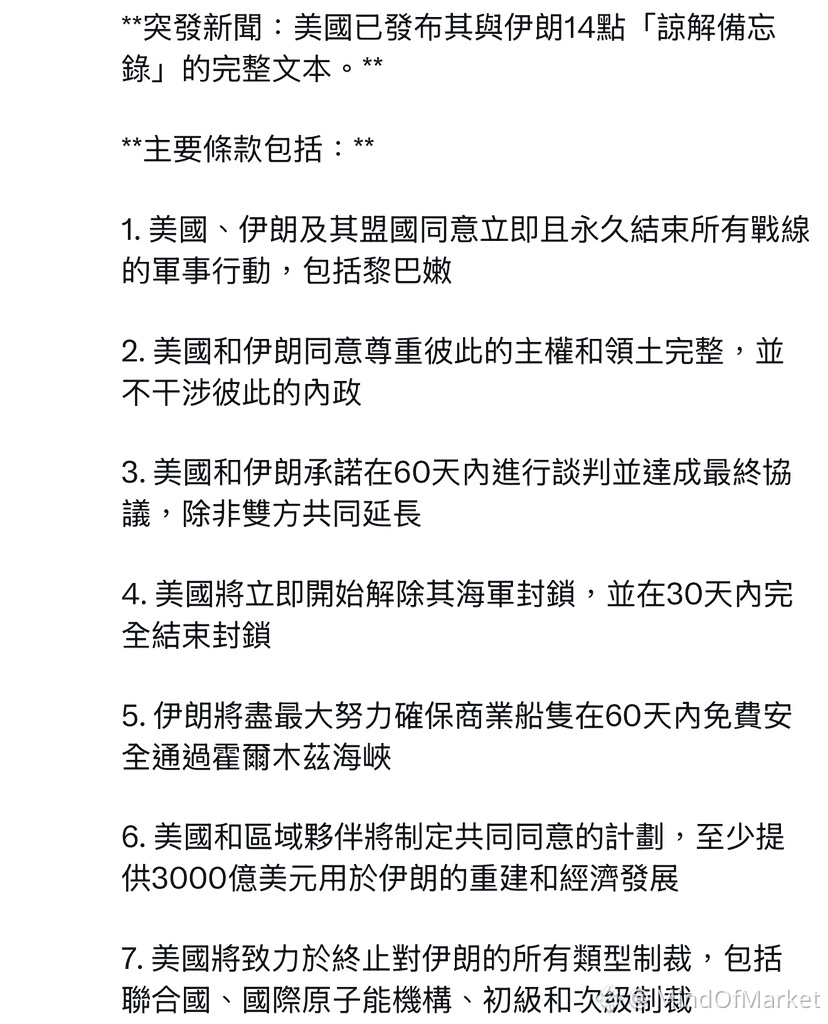
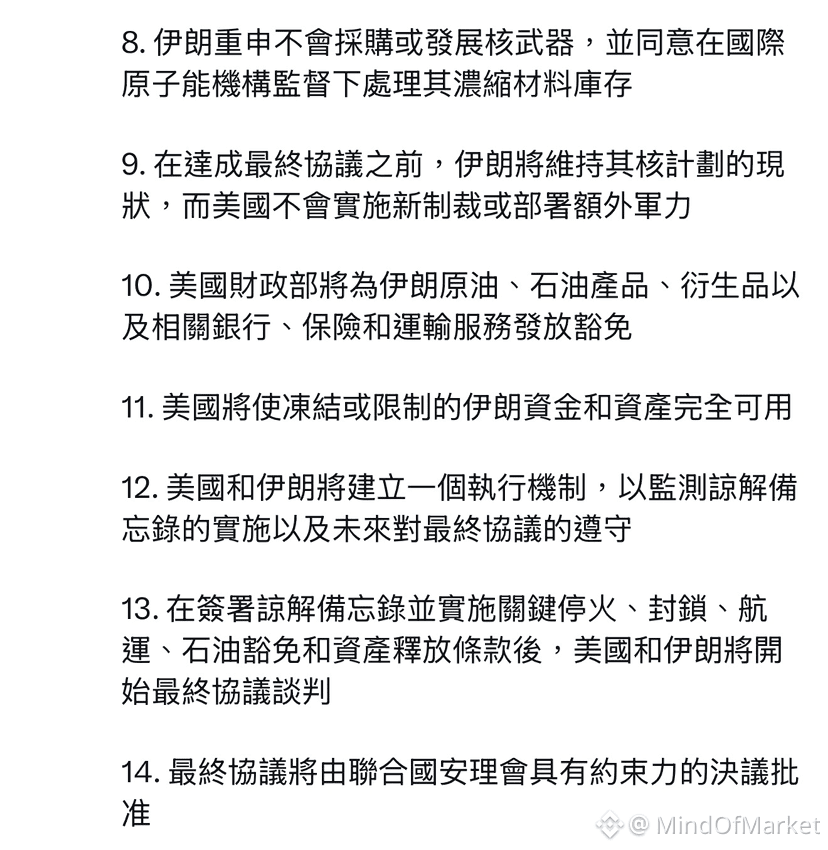
Normalisasi yang dilaporkan antara AS dan Iran menunjukkan penurunan yang signifikan dalam premi risiko regional. Dengan potensi pencabutan sanksi dan stabilisasi Selat Hormuz, kemungkinan kita akan melihat pergeseran arus modal menjauh dari aset safe-haven dan kembali ke instrumen risk-on.
Rantai pasok energi dan pasar komoditas global sedang beradaptasi dengan baseline baru ini. Pantau bagaimana $BTC dan $XAU bereaksi terhadap pergeseran makro ini karena likuiditas institusional berputar sebagai respons terhadap meredanya ketegangan geopolitik. Menurut Anda, bagaimana pergeseran ini akan memengaruhi alokasi portofolio Anda saat ini?
Bukan nasihat keuangan. Selalu kelola risiko Anda.
#BTC #XAU #MacroAnalysis #MarketStructure #Geopolitics
⚡
DE-ESKALASI GEOPOLITIK DI TIMUR TENGAH MENUNJUKKAN PERGESERAN DALAM LIKUIDITAS PASAR GLOBAL ⚡
Normalisasi yang dilaporkan antara AS dan Iran menunjukkan penurunan yang signifikan dalam premi risiko regional. Dengan potensi pencabutan sanksi dan stabilisasi Selat Hormuz, kemungkinan kita akan melihat pergeseran arus modal menjauh dari aset safe-haven dan kembali ke instrumen risk-on.
Rantai pasok energi dan pasar komoditas global sedang beradaptasi dengan baseline baru ini. Pantau bagaimana $BTC dan $XAU bereaksi terhadap pergeseran makro ini karena likuiditas institusional berputar sebagai respons terhadap meredanya ketegangan geopolitik. Menurut Anda, bagaimana pergeseran ini akan memengaruhi alokasi portofolio Anda saat ini?
Bukan nasihat keuangan. Selalu kelola risiko Anda.
#BTC #XAU #MacroAnalysis #MarketStructure #Geopolitics
⚡
Normalisasi yang dilaporkan antara AS dan Iran menunjukkan penurunan yang signifikan dalam premi risiko regional. Dengan potensi pencabutan sanksi dan stabilisasi Selat Hormuz, kemungkinan kita akan melihat pergeseran arus modal menjauh dari aset safe-haven dan kembali ke instrumen risk-on.
Rantai pasok energi dan pasar komoditas global sedang beradaptasi dengan baseline baru ini. Pantau bagaimana $BTC dan $XAU bereaksi terhadap pergeseran makro ini karena likuiditas institusional berputar sebagai respons terhadap meredanya ketegangan geopolitik. Menurut Anda, bagaimana pergeseran ini akan memengaruhi alokasi portofolio Anda saat ini?
Bukan nasihat keuangan. Selalu kelola risiko Anda.
#BTC #XAU #MacroAnalysis #MarketStructure #Geopolitics
⚡
61
📊 $BTC Penurunan Drawdown yang Kian Menyusut: Apakah Dasar Terendah 2026 Sudah Ada? 📉
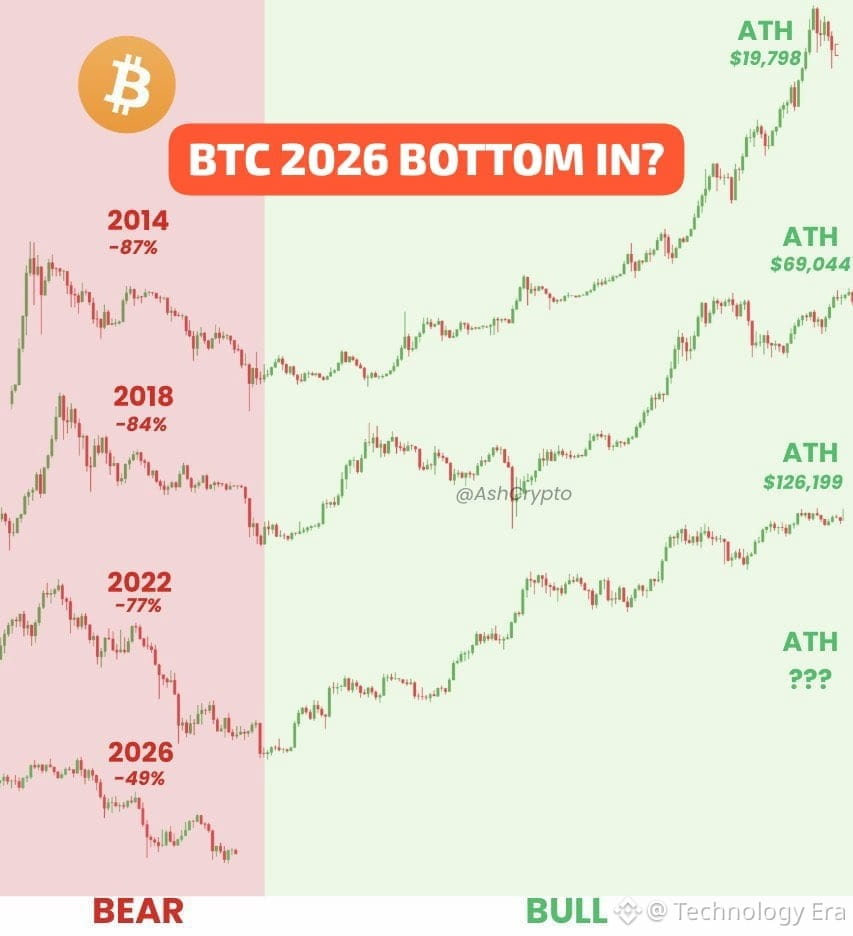
Grafik perbandingan makro historis dalam menyoroti pola struktural besar di seluruh siklus pasar utama Bitcoin. Setiap pasar beruang besar menunjukkan drawdown persentase yang lebih rendah, menandakan bahwa BTC semakin matang sebagai aset makro.
🔍 Pola Bear-to-Bull Historis
2014: Penurunan -87% yang sangat menghantam membawa ke $19,798 All-Time High (ATH).
2018: Koreksi -84% membersihkan pasar sebelum mencapai ATH $69,044.
2022: Drawdown -77% membuka jalan bagi puncak siklus bersejarah di $126,199.
2026 Status Saat Ini: Kita sedang berada pada drawdown -49% dari puncak, dengan harga saat ini stabil di sekitar $62,500 - $63,000.
🌐 Rumus Volatilitas yang Menyusut:
Bear Market Drawdowns (-87%--> -- 49%) = Pematanan Aset & Stabilitas Lantai
💡 Wawasan Pasar Secara Langsung:
Bitcoin bertahan kuat di atas ambang dukungan kunci karena data on-chain menunjukkan kelelahan penjual, dengan lebih dari 50% dari pasokan yang beredar saat ini berada dalam kerugian yang belum terealisasi. Jika siklus historis terulang, penurunan yang lebih ringan -49% ini mungkin menjadi dasar struktural untuk 2026 sebelum langkah bull makro berikutnya mulai mengarah ke ATH baru yang sama sekali belum terpetakan.
💬 Apakah koreksi -49% adalah yang didapat para bear pada siklus ini, atau menurut Anda kapitulasinya akan lebih dalam? Tulis prediksi Anda untuk ATH berikutnya $BTC di bawah ini! 👇
Disclaimer: Ini hanya untuk tujuan edukasi. Lakukan riset Anda sendiri (DYOR) sebelum masuk ke setiap perdagangan.
📸 Sumber Gambar: AshCrypto & TradingView
#MacroAnalysis #TechnicalAnalysis #CryptoTrading. #BrentRises12%Weekly #NikkeiFalls5%WorstSinceMarch
$BTC
{future}(BTCUSDT)
📊 $BTC Penurunan Drawdown yang Kian Menyusut: Apakah Dasar Terendah 2026 Sudah Ada? 📉
Grafik perbandingan makro historis dalam menyoroti pola struktural besar di seluruh siklus pasar utama Bitcoin. Setiap pasar beruang besar menunjukkan drawdown persentase yang lebih rendah, menandakan bahwa BTC semakin matang sebagai aset makro.
🔍 Pola Bear-to-Bull Historis
2014: Penurunan -87% yang sangat menghantam membawa ke $19,798 All-Time High (ATH).
2018: Koreksi -84% membersihkan pasar sebelum mencapai ATH $69,044.
2022: Drawdown -77% membuka jalan bagi puncak siklus bersejarah di $126,199.
2026 Status Saat Ini: Kita sedang berada pada drawdown -49% dari puncak, dengan harga saat ini stabil di sekitar $62,500 - $63,000.
🌐 Rumus Volatilitas yang Menyusut:
Bear Market Drawdowns (-87%--> -- 49%) = Pematanan Aset & Stabilitas Lantai
💡 Wawasan Pasar Secara Langsung:
Bitcoin bertahan kuat di atas ambang dukungan kunci karena data on-chain menunjukkan kelelahan penjual, dengan lebih dari 50% dari pasokan yang beredar saat ini berada dalam kerugian yang belum terealisasi. Jika siklus historis terulang, penurunan yang lebih ringan -49% ini mungkin menjadi dasar struktural untuk 2026 sebelum langkah bull makro berikutnya mulai mengarah ke ATH baru yang sama sekali belum terpetakan.
💬 Apakah koreksi -49% adalah yang didapat para bear pada siklus ini, atau menurut Anda kapitulasinya akan lebih dalam? Tulis prediksi Anda untuk ATH berikutnya $BTC di bawah ini! 👇
Disclaimer: Ini hanya untuk tujuan edukasi. Lakukan riset Anda sendiri (DYOR) sebelum masuk ke setiap perdagangan.
📸 Sumber Gambar: AshCrypto & TradingView
#MacroAnalysis #TechnicalAnalysis #CryptoTrading. #BrentRises12%Weekly #NikkeiFalls5%WorstSinceMarch
$BTC
Grafik perbandingan makro historis dalam menyoroti pola struktural besar di seluruh siklus pasar utama Bitcoin. Setiap pasar beruang besar menunjukkan drawdown persentase yang lebih rendah, menandakan bahwa BTC semakin matang sebagai aset makro.
🔍 Pola Bear-to-Bull Historis
2014: Penurunan -87% yang sangat menghantam membawa ke $19,798 All-Time High (ATH).
2018: Koreksi -84% membersihkan pasar sebelum mencapai ATH $69,044.
2022: Drawdown -77% membuka jalan bagi puncak siklus bersejarah di $126,199.
2026 Status Saat Ini: Kita sedang berada pada drawdown -49% dari puncak, dengan harga saat ini stabil di sekitar $62,500 - $63,000.
🌐 Rumus Volatilitas yang Menyusut:
Bear Market Drawdowns (-87%--> -- 49%) = Pematanan Aset & Stabilitas Lantai
💡 Wawasan Pasar Secara Langsung:
Bitcoin bertahan kuat di atas ambang dukungan kunci karena data on-chain menunjukkan kelelahan penjual, dengan lebih dari 50% dari pasokan yang beredar saat ini berada dalam kerugian yang belum terealisasi. Jika siklus historis terulang, penurunan yang lebih ringan -49% ini mungkin menjadi dasar struktural untuk 2026 sebelum langkah bull makro berikutnya mulai mengarah ke ATH baru yang sama sekali belum terpetakan.
💬 Apakah koreksi -49% adalah yang didapat para bear pada siklus ini, atau menurut Anda kapitulasinya akan lebih dalam? Tulis prediksi Anda untuk ATH berikutnya $BTC di bawah ini! 👇
Disclaimer: Ini hanya untuk tujuan edukasi. Lakukan riset Anda sendiri (DYOR) sebelum masuk ke setiap perdagangan.
📸 Sumber Gambar: AshCrypto & TradingView
#MacroAnalysis #TechnicalAnalysis #CryptoTrading. #BrentRises12%Weekly #NikkeiFalls5%WorstSinceMarch
$BTC
2
2
322

·
--
MORGAN STANLEY MEMBERI SINYAL ROTASI SEKTOR MAKRO SAAT $NDX MENYESIHKAN POSISI PADAT 🦈 📊
Modal institusional sedang menjalankan rotasi struktural keluar dari penempatan teknologi yang terlalu ramai, bukan menandakan puncak makro. 📊 Dana secara aktif mengalihkan alokasi ke inefisiensi pertumbuhan berkualitas tinggi dan blok pesanan semikonduktor yang sudah dihargakan ulang dengan visibilitas pendapatan yang tinggi.
Kenaikan imbal hasil jangka panjang mencerminkan meningkatnya belanja infrastruktur di seluruh pusat data dan jaringan listrik. 💡 Uang pintar terus menyeimbangkan peluang pertumbuhan terhadap biaya pendanaan modal seiring berlangsungnya penyesuaian harga secara struktural. 💬 Menurut Anda, aset berisiko akan menemukan titik ekuilibrium di sini atau menyapu terlebih dahulu kumpulan likuiditas yang lebih rendah? 👇
⚠️ Bukan nasihat keuangan. Selalu kelola risiko Anda. 🛡️
🏷️ #NDX #MacroAnalysis #MarketStructure #Liquidity
🦈 👁️
MORGAN STANLEY MEMBERI SINYAL ROTASI SEKTOR MAKRO SAAT $NDX MENYESIHKAN POSISI PADAT 🦈 📊
Modal institusional sedang menjalankan rotasi struktural keluar dari penempatan teknologi yang terlalu ramai, bukan menandakan puncak makro. 📊 Dana secara aktif mengalihkan alokasi ke inefisiensi pertumbuhan berkualitas tinggi dan blok pesanan semikonduktor yang sudah dihargakan ulang dengan visibilitas pendapatan yang tinggi.
Kenaikan imbal hasil jangka panjang mencerminkan meningkatnya belanja infrastruktur di seluruh pusat data dan jaringan listrik. 💡 Uang pintar terus menyeimbangkan peluang pertumbuhan terhadap biaya pendanaan modal seiring berlangsungnya penyesuaian harga secara struktural. 💬 Menurut Anda, aset berisiko akan menemukan titik ekuilibrium di sini atau menyapu terlebih dahulu kumpulan likuiditas yang lebih rendah? 👇
⚠️ Bukan nasihat keuangan. Selalu kelola risiko Anda. 🛡️
🏷️ #NDX #MacroAnalysis #MarketStructure #Liquidity
🦈 👁️
Modal institusional sedang menjalankan rotasi struktural keluar dari penempatan teknologi yang terlalu ramai, bukan menandakan puncak makro. 📊 Dana secara aktif mengalihkan alokasi ke inefisiensi pertumbuhan berkualitas tinggi dan blok pesanan semikonduktor yang sudah dihargakan ulang dengan visibilitas pendapatan yang tinggi.
Kenaikan imbal hasil jangka panjang mencerminkan meningkatnya belanja infrastruktur di seluruh pusat data dan jaringan listrik. 💡 Uang pintar terus menyeimbangkan peluang pertumbuhan terhadap biaya pendanaan modal seiring berlangsungnya penyesuaian harga secara struktural. 💬 Menurut Anda, aset berisiko akan menemukan titik ekuilibrium di sini atau menyapu terlebih dahulu kumpulan likuiditas yang lebih rendah? 👇
⚠️ Bukan nasihat keuangan. Selalu kelola risiko Anda. 🛡️
🏷️ #NDX #MacroAnalysis #MarketStructure #Liquidity
🦈 👁️
22
Masuk untuk menjelajahi konten lainnya
Bergabunglah dengan pengguna kripto global di Binance Square
⚡️ Dapatkan informasi terbaru dan berguna tentang kripto.
💬 Dipercayai oleh bursa kripto terbesar di dunia.
👍 Temukan wawasan nyata dari kreator terverifikasi.
Email/Nomor Ponsel
Topik Sedang Tren
1
#BinancePick
3.1M penayangan
153,244 Berdiskusi
2
#EarningsSeason
5.3M penayangan
26,056 Berdiskusi
3
#AnthropicTTMRevenueGrewAbout1200%
35,426 penayangan
442 Berdiskusi
4
#AnthropicS1ExpectedToday
29,243 penayangan
360 Berdiskusi
5
#SouthKoreaReportedlyWeighsFourthCryptoTaxDelay
32,785 penayangan
489 Berdiskusi
6
#FranklinTempletonFilesForTwoDividendToBitcoinETFs
43,562 penayangan
557 Berdiskusi
7
#StrategyMSTRSurpassesNasdaqInMarketCap
33,467 penayangan
399 Berdiskusi
8
#CanadaProposesStablecoinRedemptionWithin3BusinessDays
1,402 penayangan
36 Berdiskusi
9
#ElectrumWalletBugLetRogueServersStealFunds
32,874 penayangan
479 Berdiskusi
10
#ArgentineCourtDismissesLIBRACaseAgainstMilei
49,045 penayangan
599 Berdiskusi