

Miss Dr
4 Publications

Miss Dr
Signaler
Bloquer l’utilisateur
20 Suivis
6 Abonnés
4 J’aime
Publications
·
--
Article
À propos de l’analyse du Bitcoin $BTC En 2026, le sujet a continué d’évoluer pour devenir l’un des actifs numériques les plus étroitement suivis, reflétant un mélange de confiance institutionnelle, de pression macroéconomique et de développement technologique. Après l’élan fort observé suite à l’événement de réduction de moitié de 2024, le marché a abordé 2026 avec un optimisme prudent. Les prix ont globalement montré une croissance modérée, mais avec une volatilité notable, alimentée par les taux d’intérêt mondiaux, les évolutions réglementaires et les changements dans le sentiment des investisseurs.
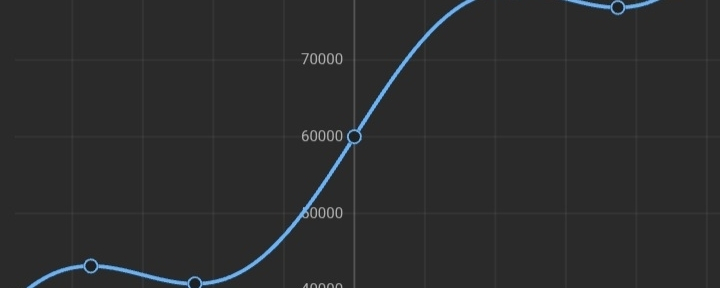
Le graphique ci-dessus représente une tendance simplifiée du mouvement du prix du Bitcoin tout au long de l’année : la pente ascendante reflète une croissance à long terme, tandis que le motif en vagues montre une volatilité récurrente d’un mois à l’autre. Cela correspond au comportement réel du marché, où le Bitcoin évolue rarement en ligne droite et fluctue plutôt en raison des cycles de demande.
À propos de l’analyse du Bitcoin
$BTC En 2026, le sujet a continué d’évoluer pour devenir l’un des actifs numériques les plus étroitement suivis, reflétant un mélange de confiance institutionnelle, de pression macroéconomique et de développement technologique. Après l’élan fort observé suite à l’événement de réduction de moitié de 2024, le marché a abordé 2026 avec un optimisme prudent. Les prix ont globalement montré une croissance modérée, mais avec une volatilité notable, alimentée par les taux d’intérêt mondiaux, les évolutions réglementaires et les changements dans le sentiment des investisseurs.
Le graphique ci-dessus représente une tendance simplifiée du mouvement du prix du Bitcoin tout au long de l’année : la pente ascendante reflète une croissance à long terme, tandis que le motif en vagues montre une volatilité récurrente d’un mois à l’autre. Cela correspond au comportement réel du marché, où le Bitcoin évolue rarement en ligne droite et fluctue plutôt en raison des cycles de demande.
Le graphique ci-dessus représente une tendance simplifiée du mouvement du prix du Bitcoin tout au long de l’année : la pente ascendante reflète une croissance à long terme, tandis que le motif en vagues montre une volatilité récurrente d’un mois à l’autre. Cela correspond au comportement réel du marché, où le Bitcoin évolue rarement en ligne droite et fluctue plutôt en raison des cycles de demande.
31
·
--
Analyse de Bitcoin des années passées$BTC en 2026 a continué d'évoluer comme l'un des actifs numériques les plus surveillés, reflétant un mélange de confiance institutionnelle, de pression macroéconomique et de développement technologique. Après le fort élan observé suite à l'événement de halving de 2024, le marché est entré en 2026 avec un optimisme prudent. Les prix ont montré une croissance modérée dans l'ensemble, mais avec une volatilité notable alimentée par les taux d'intérêt mondiaux, les développements réglementaires et les changements dans le sentiment des investisseurs.
Le graphique ci-dessus représente une tendance simplifiée du mouvement des prix du Bitcoin tout au long de l'année, où la pente ascendante reflète une croissance à long terme tandis que le motif en vagues montre une volatilité récurrente au fil des mois. Cela s'aligne avec le comportement réel du marché, où le Bitcoin se déplace rarement en ligne droite et fluctue plutôt en raison des cycles de demande.
Analyse de Bitcoin des années passées
$BTC en 2026 a continué d'évoluer comme l'un des actifs numériques les plus surveillés, reflétant un mélange de confiance institutionnelle, de pression macroéconomique et de développement technologique. Après le fort élan observé suite à l'événement de halving de 2024, le marché est entré en 2026 avec un optimisme prudent. Les prix ont montré une croissance modérée dans l'ensemble, mais avec une volatilité notable alimentée par les taux d'intérêt mondiaux, les développements réglementaires et les changements dans le sentiment des investisseurs.
Le graphique ci-dessus représente une tendance simplifiée du mouvement des prix du Bitcoin tout au long de l'année, où la pente ascendante reflète une croissance à long terme tandis que le motif en vagues montre une volatilité récurrente au fil des mois. Cela s'aligne avec le comportement réel du marché, où le Bitcoin se déplace rarement en ligne droite et fluctue plutôt en raison des cycles de demande.
Le graphique ci-dessus représente une tendance simplifiée du mouvement des prix du Bitcoin tout au long de l'année, où la pente ascendante reflète une croissance à long terme tandis que le motif en vagues montre une volatilité récurrente au fil des mois. Cela s'aligne avec le comportement réel du marché, où le Bitcoin se déplace rarement en ligne droite et fluctue plutôt en raison des cycles de demande.
1
75
·
--
£BTC
{spot}(BTCUSDT)
$BTC se trade autour de $75,000–$78,000 (Mai 2026) �
Barron's
Forte résistance près de $80,000 (difficile à franchir) �
Barron's
Le marché se redresse après une chute depuis le pic de ~$126,000 en 2025 �
Investopedia
👉 Cela montre que Bitcoin est en phase de récupération + consolidation
Prix ($)
200K | 🔺 Objectif haussier
150K | 🔺
120K | 🔺
100K | 🔺 (Zone cible moyenne)
80K | 🔺 🔺 🔺 ← Résistance actuelle
60K | 🔻 (Zone de support)
--------------------------------
Jan Juin Sep Déc 2026
#U.S.SenatorsBarredfromTradingonPredictionMarkets OrRetrouvéÀEnviron$4500#FedRatesUnchanged
£BTC
$BTC se trade autour de $75,000–$78,000 (Mai 2026) �
Barron's
Forte résistance près de $80,000 (difficile à franchir) �
Barron's
Le marché se redresse après une chute depuis le pic de ~$126,000 en 2025 �
Investopedia
👉 Cela montre que Bitcoin est en phase de récupération + consolidation
Prix ($)
200K | 🔺 Objectif haussier
150K | 🔺
120K | 🔺
100K | 🔺 (Zone cible moyenne)
80K | 🔺 🔺 🔺 ← Résistance actuelle
60K | 🔻 (Zone de support)
--------------------------------
Jan Juin Sep Déc 2026
#U.S.SenatorsBarredfromTradingonPredictionMarkets OrRetrouvéÀEnviron$4500#FedRatesUnchanged
$BTC se trade autour de $75,000–$78,000 (Mai 2026) �
Barron's
Forte résistance près de $80,000 (difficile à franchir) �
Barron's
Le marché se redresse après une chute depuis le pic de ~$126,000 en 2025 �
Investopedia
👉 Cela montre que Bitcoin est en phase de récupération + consolidation
Prix ($)
200K | 🔺 Objectif haussier
150K | 🔺
120K | 🔺
100K | 🔺 (Zone cible moyenne)
80K | 🔺 🔺 🔺 ← Résistance actuelle
60K | 🔻 (Zone de support)
--------------------------------
Jan Juin Sep Déc 2026
#U.S.SenatorsBarredfromTradingonPredictionMarkets OrRetrouvéÀEnviron$4500#FedRatesUnchanged
1
88
·
--
{spot}(BTCUSDT)
$BTC montre actuellement une tendance haussière modérée 2026. Son prix fluctue autour de 76 000 $–77 000 $, après avoir récupéré des creux antérieurs près de 60 000 $ plus tôt cette année. �
Phemex +1
Le marché a récemment essayé de briser le niveau de résistance de 80 000 $, mais a fait face à un rejet, indiquant une forte résistance dans cette zone. �
Barron's
Les indicateurs techniques suggèrent une positivité à court terme, avec un support près de 74 000 $ et une résistance autour de 79 000 $. �
Barron's
L'achat institutionnel et l'amélioration du sentiment de marché aident la récupération, mais un faible volume de trading montre une faible participation des détaillants. �
MarketWatch
📈 Tendance du marché
Bitcoin est en phase de récupération avec un optimisme prudent
Les analystes s'attendent à une croissance progressive vers 78K–82K à court terme si l'élan se poursuit �
CoinDCX
Les prévisions à long terme restent incertaines, variant largement de 60K (baissier) à 150K+
#U.S.SenatorsBarredfromTradingonPredictionMarkets CertiKSaysAprilCryptoHackLossesHit$650M#LayerZeroBacksDeFiUnitedWithOver10000ETH #CFTCWillUseAItoReviewCryptoRegistrations #CFTCWillUseAItoReviewCryptoRegistrations #PolymarketDeniesDataBreach
$BTC montre actuellement une tendance haussière modérée 2026. Son prix fluctue autour de 76 000 $–77 000 $, après avoir récupéré des creux antérieurs près de 60 000 $ plus tôt cette année. �
Phemex +1
Le marché a récemment essayé de briser le niveau de résistance de 80 000 $, mais a fait face à un rejet, indiquant une forte résistance dans cette zone. �
Barron's
Les indicateurs techniques suggèrent une positivité à court terme, avec un support près de 74 000 $ et une résistance autour de 79 000 $. �
Barron's
L'achat institutionnel et l'amélioration du sentiment de marché aident la récupération, mais un faible volume de trading montre une faible participation des détaillants. �
MarketWatch
📈 Tendance du marché
Bitcoin est en phase de récupération avec un optimisme prudent
Les analystes s'attendent à une croissance progressive vers 78K–82K à court terme si l'élan se poursuit �
CoinDCX
Les prévisions à long terme restent incertaines, variant largement de 60K (baissier) à 150K+
#U.S.SenatorsBarredfromTradingonPredictionMarkets CertiKSaysAprilCryptoHackLossesHit$650M#LayerZeroBacksDeFiUnitedWithOver10000ETH #CFTCWillUseAItoReviewCryptoRegistrations #CFTCWillUseAItoReviewCryptoRegistrations #PolymarketDeniesDataBreach
Phemex +1
Le marché a récemment essayé de briser le niveau de résistance de 80 000 $, mais a fait face à un rejet, indiquant une forte résistance dans cette zone. �
Barron's
Les indicateurs techniques suggèrent une positivité à court terme, avec un support près de 74 000 $ et une résistance autour de 79 000 $. �
Barron's
L'achat institutionnel et l'amélioration du sentiment de marché aident la récupération, mais un faible volume de trading montre une faible participation des détaillants. �
MarketWatch
📈 Tendance du marché
Bitcoin est en phase de récupération avec un optimisme prudent
Les analystes s'attendent à une croissance progressive vers 78K–82K à court terme si l'élan se poursuit �
CoinDCX
Les prévisions à long terme restent incertaines, variant largement de 60K (baissier) à 150K+
#U.S.SenatorsBarredfromTradingonPredictionMarkets CertiKSaysAprilCryptoHackLossesHit$650M#LayerZeroBacksDeFiUnitedWithOver10000ETH #CFTCWillUseAItoReviewCryptoRegistrations #CFTCWillUseAItoReviewCryptoRegistrations #PolymarketDeniesDataBreach
2
115
Connectez-vous pour découvrir plus de contenu
Rejoignez la communauté mondiale des adeptes de cryptomonnaies sur Binance Square
⚡️ Suviez les dernières informations importantes sur les cryptomonnaies.
💬 Jugé digne de confiance par la plus grande plateforme d’échange de cryptomonnaies au monde.
👍 Découvrez les connaissances que partagent les créateurs vérifiés.
Adresse e-mail/Nº de téléphone
Sujets d’actualité
FedMinutesFocusOnOctoberPause
85,617 vues
973 mentions
#fedminutesfocusonoctoberpause
🚨 LES PROBABILITÉS D’UNE HAUSSE DES TAUX DE LA FED EN OCTOBRE S’EFFONDRENT À 21,6 %… $BTC est-il sur le point de réagir ?
La Fed est sur le point de donner un nouvel indice majeur aux marchés.
Les investisseurs attendent le compte rendu du FOMC d’aujourd’hui — et la grande question est de savoir si octobre apportera une nouvelle hausse des taux… ou une pause.
Pour l’instant, la probabilité d’une hausse de 25 points de base en octobre est tombée à seulement 21,6 %.
C’est un changement considérable dans les anticipations.
Mais voici ce qui rend la situation intéressante… 👀
La Fed a relevé ses taux à 3,75 %–4,00 % en septembre, mais la récente faiblesse des données sur l’emploi et le ralentissement de l’inflation rendent une nouvelle hausse immédiate moins certaine.
Et pour les cryptos, c’est important.
Une pause de la Fed pourrait réduire la pression sur les conditions financières et potentiellement améliorer l’appétit pour le risque.
Cela pourrait profiter au BTC.
Mais il y a un hic…
Le Bitcoin subit déjà des pressions, alors que le dollar et les rendements des bons du Trésor sont en hausse.
Le compte rendu de ce soir pourrait donc déclencher de la volatilité.
Fed accommodante → espoir de liquidités → scénario haussier pour le BTC ?
Fed restrictive → craintes de taux plus élevés → pression accrue sur les actifs risqués ?
La vraie question :
Octobre pourrait-il marquer la pause que les haussiers du Bitcoin attendent… ou la Fed pourrait-elle encore surprendre le marché ? 👀
Surveillez de près le BTC, les anticipations concernant la Fed et les rendements des bons du Trésor.
#FederalReserve #Fed #Crypto
$RAYSOL
$TA
Jacob trade
·0 mentions J’aime
·198 vues
BinanceLaunchesBinanceIntelligence
1M vues
6,224 mentions
EvernorthDelaysNasdaqDebutToOct12
4,974 vues
185 mentions