

Lishay_Era
5.8k Publications

Lishay_Era
Signaler
Bloquer l’utilisateur
Clean Signals. Calm Mindset. New Era.
Ouvert au trading
Trade régulièrement
2.3 an(s)
95 Suivis
23.6K+ Abonnés
43.4K+ J’aime
Publications
Portefeuille
Tous
Citations
Direct
·
--
Voir la traduction
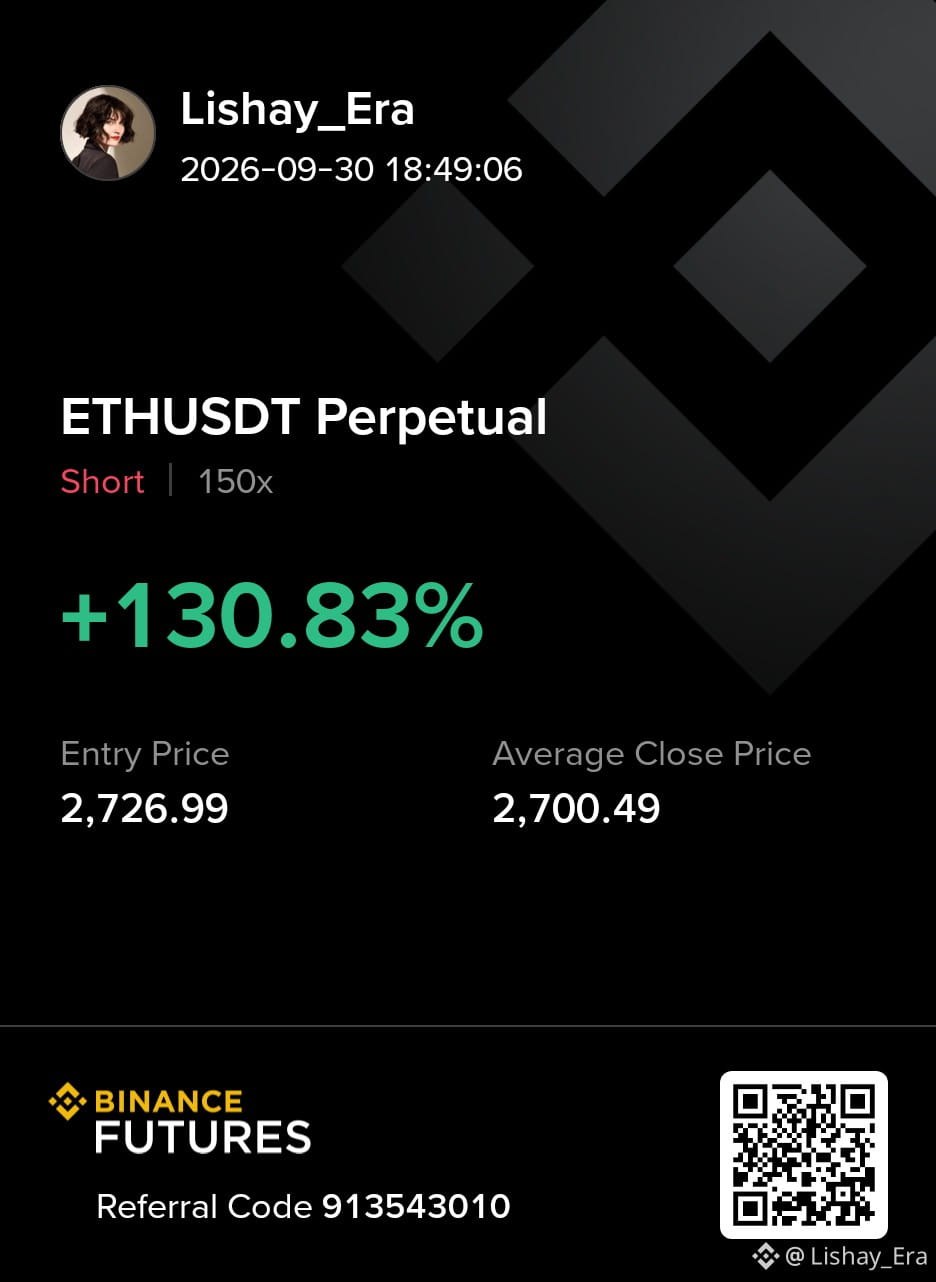
$ETH tried to fight back. The short fought harder. 👀
$ETH tried to fight back. The short fought harder. 👀
1
188
·
--
🔥 GRAND: Google prévoit d’investir 15 milliards de dollars dans des centres de données et l’infrastructure d’IA en Finlande.
🔥 GRAND: Google prévoit d’investir 15 milliards de dollars dans des centres de données et l’infrastructure d’IA en Finlande.


1
5
907
·
--
Vérifié
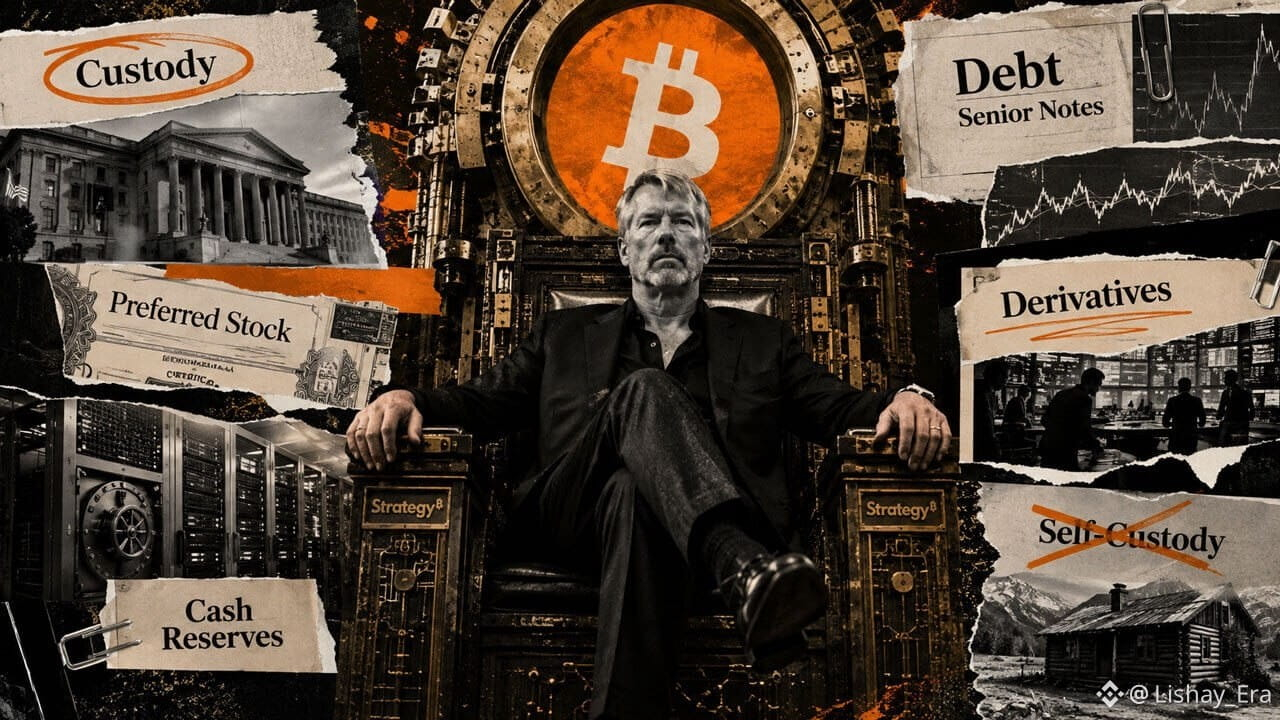
🟠 LA STRATÉGIE BITCOIN DE SAYLOR DEVIENT DE PLUS EN PLUS INTÉRESSANTE
Michael Saylor défend l’idée que la garde en self-custody du Bitcoin et l’ingénierie financière institutionnelle peuvent coexister.
Dans le même temps, la société Strategy continue de construire une gigantesque trésorerie Bitcoin grâce à un mélange complexe de financements par actions et par dette. Des informations suggèrent qu’environ 2 milliards de dollars ont été mobilisés via ces montages de financement, créant plusieurs couches de créances financières autour des avoirs Bitcoin de l’entreprise.
L’image d’ensemble est ce qui compte.
Strategy ne fait pas qu’acheter et conserver du BTC. Elle transforme le Bitcoin en fondation d’une stratégie de capital d’entreprise — en utilisant des instruments financiers traditionnels pour obtenir une exposition plus importante à l’actif.
Cela rend l’argument de Saylor particulièrement pertinent alors que davantage d’institutions explorent des modèles de trésorerie Bitcoin.
Le Bitcoin est peut-être décentralisé au niveau de l’actif, tandis que le système financier construit autour de lui devient de plus en plus sophistiqué.
Strategy teste concrètement jusqu’où ce modèle peut aller.
La question, désormais, est de savoir si d’autres entreprises suivront le même scénario.
#Bitcoin #BTC #Strategy #MichaelSaylor
🟠 LA STRATÉGIE BITCOIN DE SAYLOR DEVIENT DE PLUS EN PLUS INTÉRESSANTE
Michael Saylor défend l’idée que la garde en self-custody du Bitcoin et l’ingénierie financière institutionnelle peuvent coexister.
Dans le même temps, la société Strategy continue de construire une gigantesque trésorerie Bitcoin grâce à un mélange complexe de financements par actions et par dette. Des informations suggèrent qu’environ 2 milliards de dollars ont été mobilisés via ces montages de financement, créant plusieurs couches de créances financières autour des avoirs Bitcoin de l’entreprise.
L’image d’ensemble est ce qui compte.
Strategy ne fait pas qu’acheter et conserver du BTC. Elle transforme le Bitcoin en fondation d’une stratégie de capital d’entreprise — en utilisant des instruments financiers traditionnels pour obtenir une exposition plus importante à l’actif.
Cela rend l’argument de Saylor particulièrement pertinent alors que davantage d’institutions explorent des modèles de trésorerie Bitcoin.
Le Bitcoin est peut-être décentralisé au niveau de l’actif, tandis que le système financier construit autour de lui devient de plus en plus sophistiqué.
Strategy teste concrètement jusqu’où ce modèle peut aller.
La question, désormais, est de savoir si d’autres entreprises suivront le même scénario.
#Bitcoin #BTC #Strategy #MichaelSaylor
Michael Saylor défend l’idée que la garde en self-custody du Bitcoin et l’ingénierie financière institutionnelle peuvent coexister.
Dans le même temps, la société Strategy continue de construire une gigantesque trésorerie Bitcoin grâce à un mélange complexe de financements par actions et par dette. Des informations suggèrent qu’environ 2 milliards de dollars ont été mobilisés via ces montages de financement, créant plusieurs couches de créances financières autour des avoirs Bitcoin de l’entreprise.
L’image d’ensemble est ce qui compte.
Strategy ne fait pas qu’acheter et conserver du BTC. Elle transforme le Bitcoin en fondation d’une stratégie de capital d’entreprise — en utilisant des instruments financiers traditionnels pour obtenir une exposition plus importante à l’actif.
Cela rend l’argument de Saylor particulièrement pertinent alors que davantage d’institutions explorent des modèles de trésorerie Bitcoin.
Le Bitcoin est peut-être décentralisé au niveau de l’actif, tandis que le système financier construit autour de lui devient de plus en plus sophistiqué.
Strategy teste concrètement jusqu’où ce modèle peut aller.
La question, désormais, est de savoir si d’autres entreprises suivront le même scénario.
#Bitcoin #BTC #Strategy #MichaelSaylor
1
1
3
766
·
--
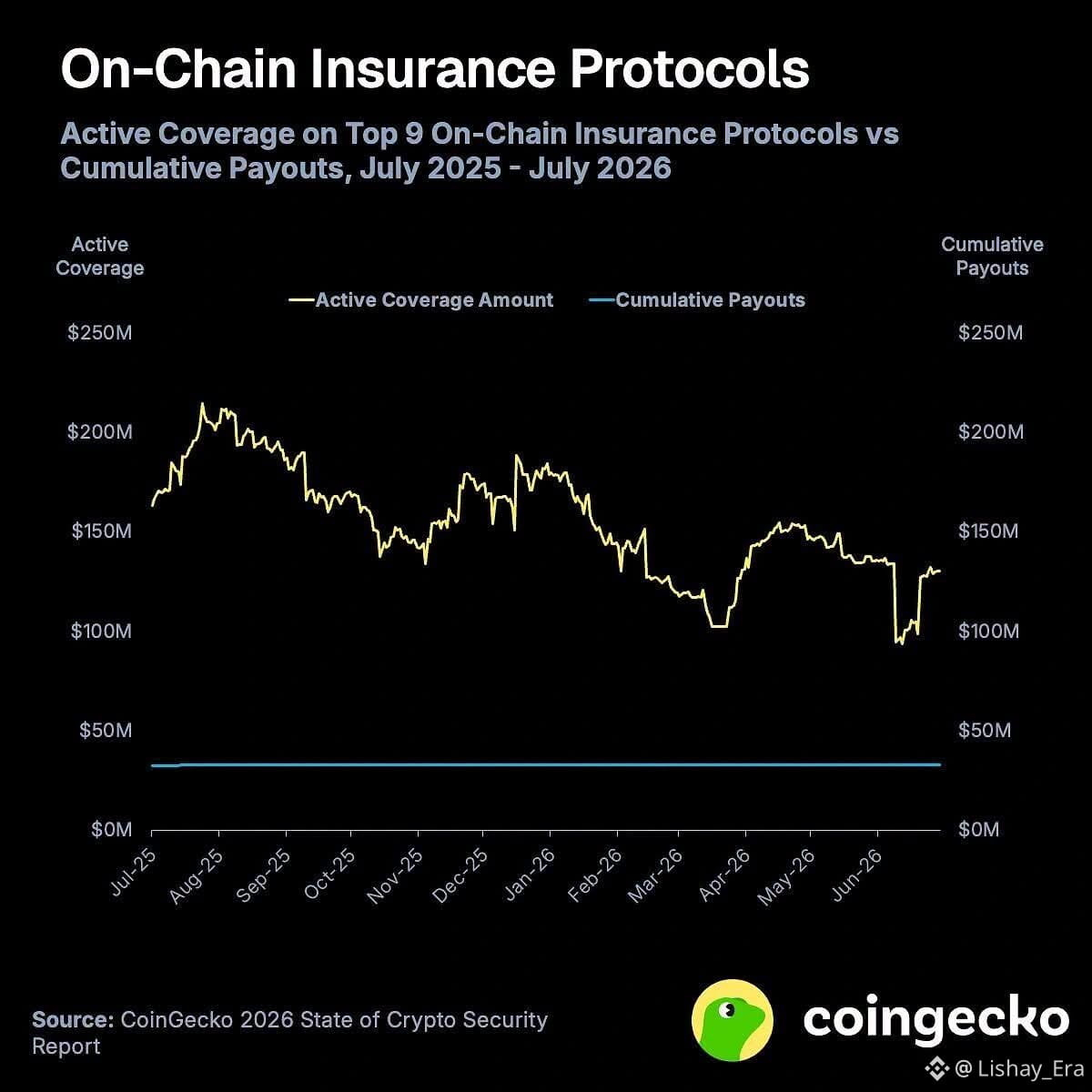
🔥 ALERTE : Les piratages de cryptomonnaies augmentent, mais la couverture d’assurance évolue dans l’autre sens, passant de 163,2 M$ à 130,2 M$.
🔥 ALERTE : Les piratages de cryptomonnaies augmentent, mais la couverture d’assurance évolue dans l’autre sens, passant de 163,2 M$ à 130,2 M$.
2
6
1.5k
·
--
Vérifié
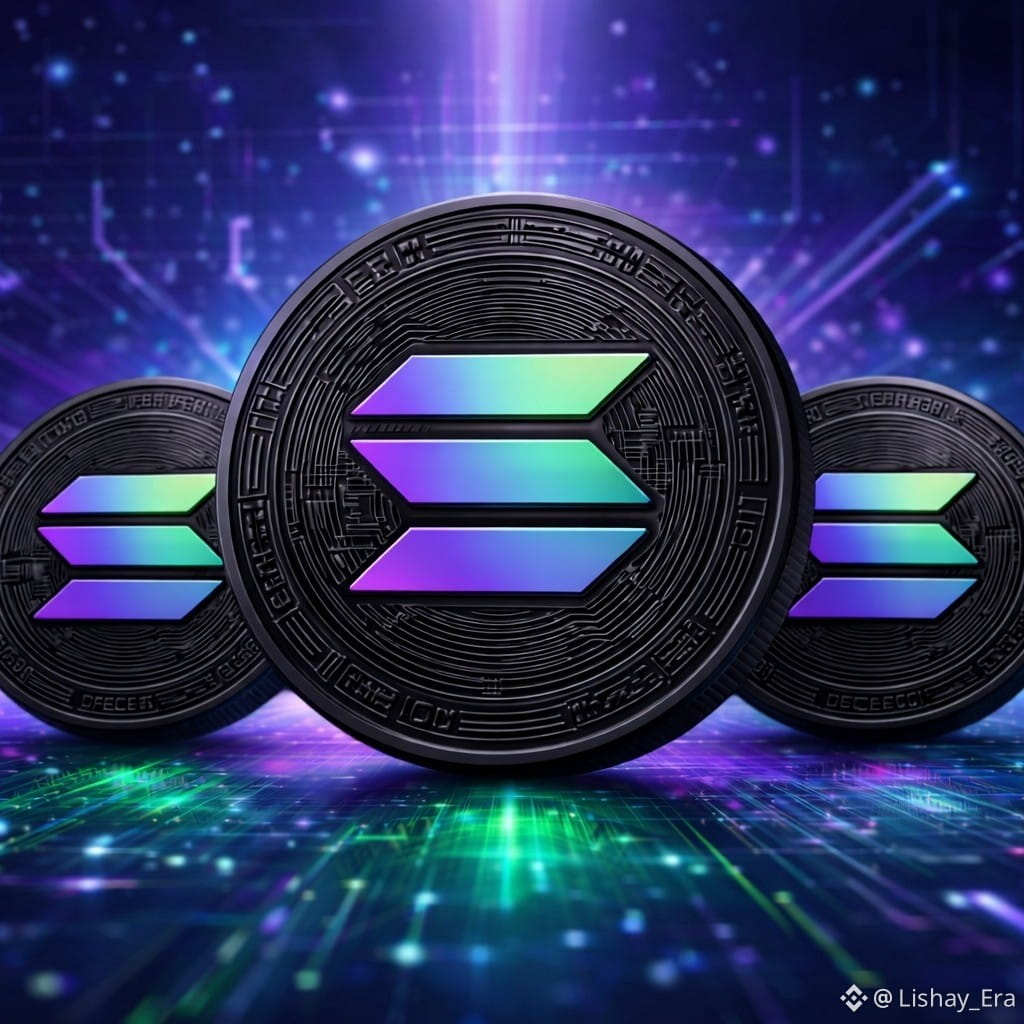
DERNIER : 💰 DeFi Development Corp a repris ses achats sur Solana, acquérant environ 19 000 SOL à un prix moyen de 98,14 $ pour porter sa trésorerie à environ 2,33 M SOL et équivalents en SOL.
$SOL
DERNIER : 💰 DeFi Development Corp a repris ses achats sur Solana, acquérant environ 19 000 SOL à un prix moyen de 98,14 $ pour porter sa trésorerie à environ 2,33 M SOL et équivalents en SOL.
$SOL
$SOL
2
5
1.3k
·
--
DERNIER : ⚡️ Galaxy a lancé une ligne de crédit adossée à la crypto permettant aux clients de GalaxyOne d’emprunter de l’argent en mettant en garantie le Bitcoin, l’Ethereum et la Solana.
$ETH $SOL
$BTC
DERNIER : ⚡️ Galaxy a lancé une ligne de crédit adossée à la crypto permettant aux clients de GalaxyOne d’emprunter de l’argent en mettant en garantie le Bitcoin, l’Ethereum et la Solana.
$ETH $SOL
$BTC
$ETH $SOL
$BTC


2
528
·
--
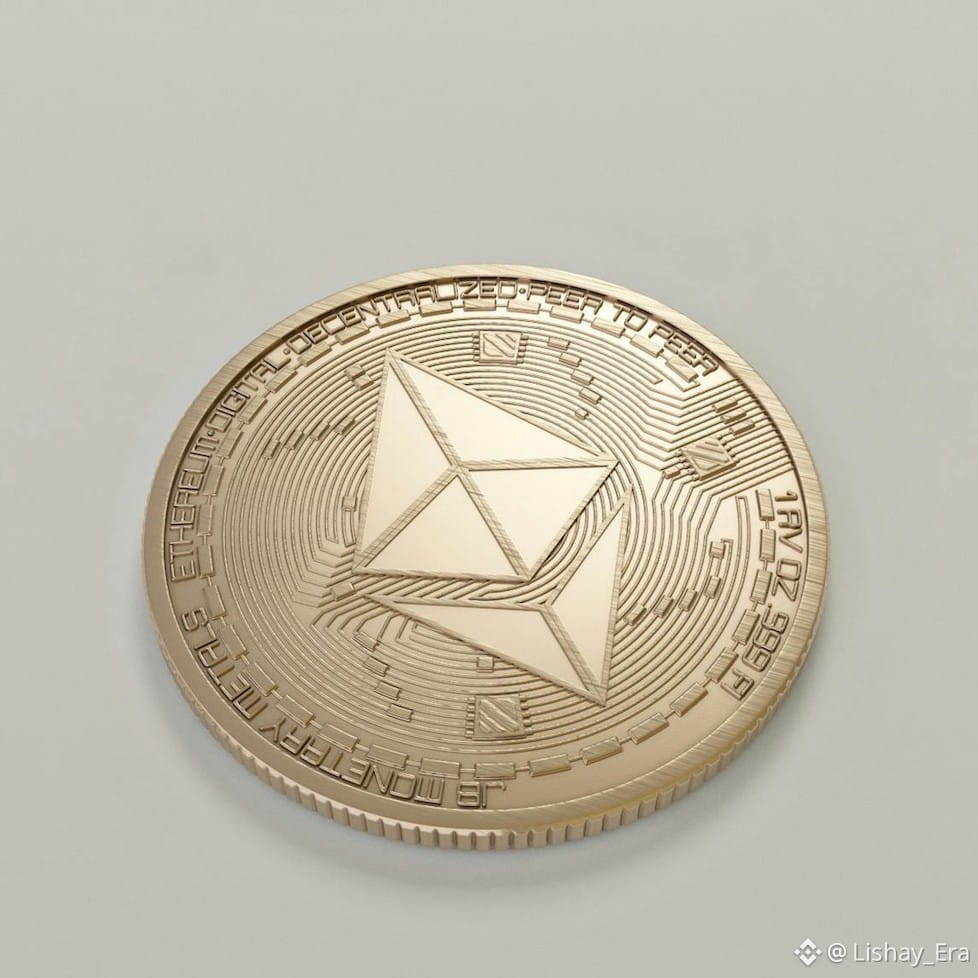
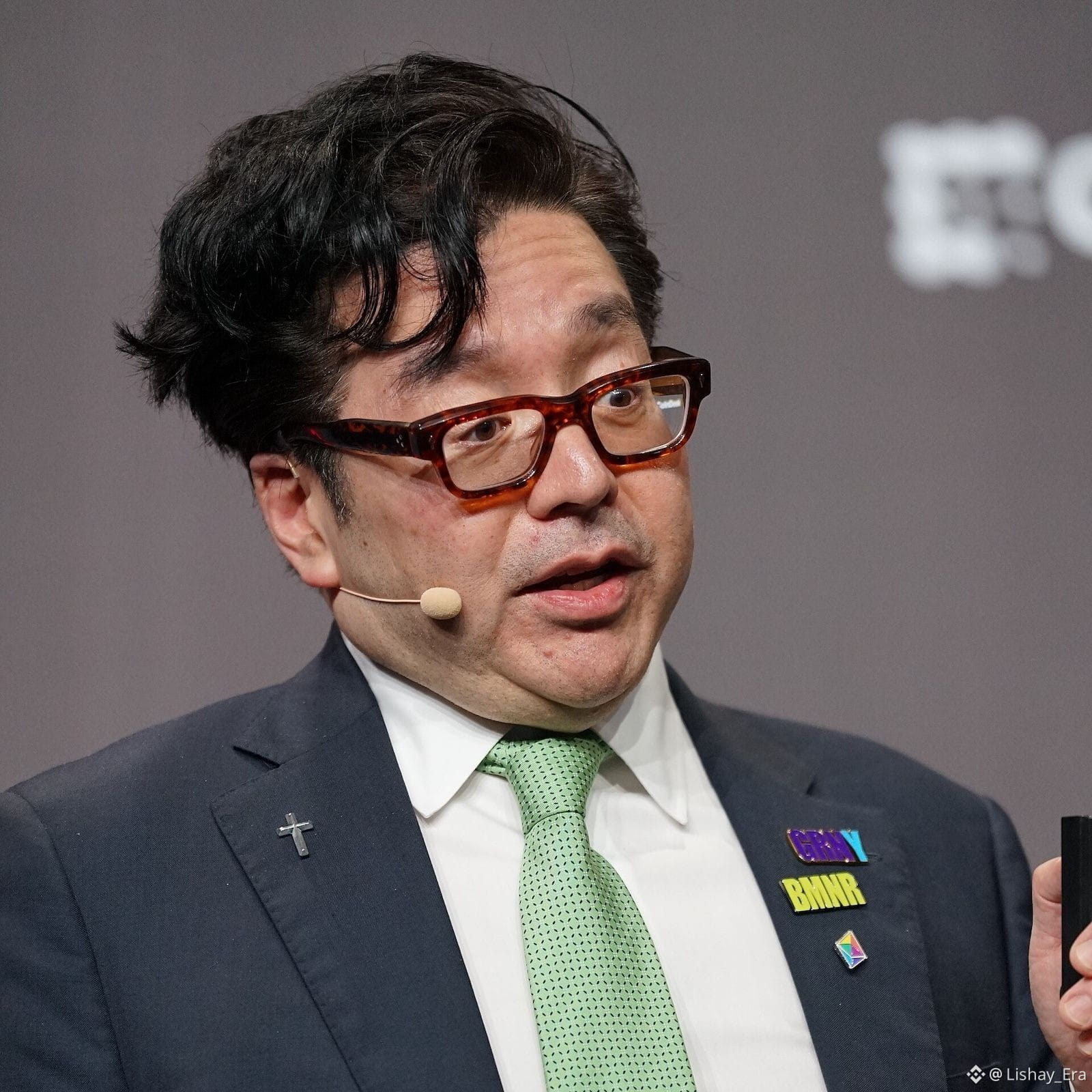
DERNIÈRE MINUTE : 📈 Tom Lee affirme que la hausse hebdomadaire de 30 % d’Ethereum signale historiquement le début d’un mouvement bien plus important, les deux cas précédents ayant mené à des gains de 167 % et 170 % pour l’ETH.
$ETH
DERNIÈRE MINUTE : 📈 Tom Lee affirme que la hausse hebdomadaire de 30 % d’Ethereum signale historiquement le début d’un mouvement bien plus important, les deux cas précédents ayant mené à des gains de 167 % et 170 % pour l’ETH.
$ETH
$ETH
5
3.2k
·
--
🎙️ Le 10e jour de l’investissement régulier de BTC avec le 100U de Superman : DUSK est-il plutôt haussier ou baissier ?

Fin
03 h 22 min 38 sec
11.9k
20
16
·
--
Haussier
Honnêtement, la plupart des histoires liées aux crypto en ce moment, ce n’est que du bruit et des spéculations sans fin. Mais de temps en temps, on tombe sur un projet qui essaie vraiment de résoudre un goulot d’étranglement réel.
C’est un peu comme ça que je vois Dusk en ce moment.
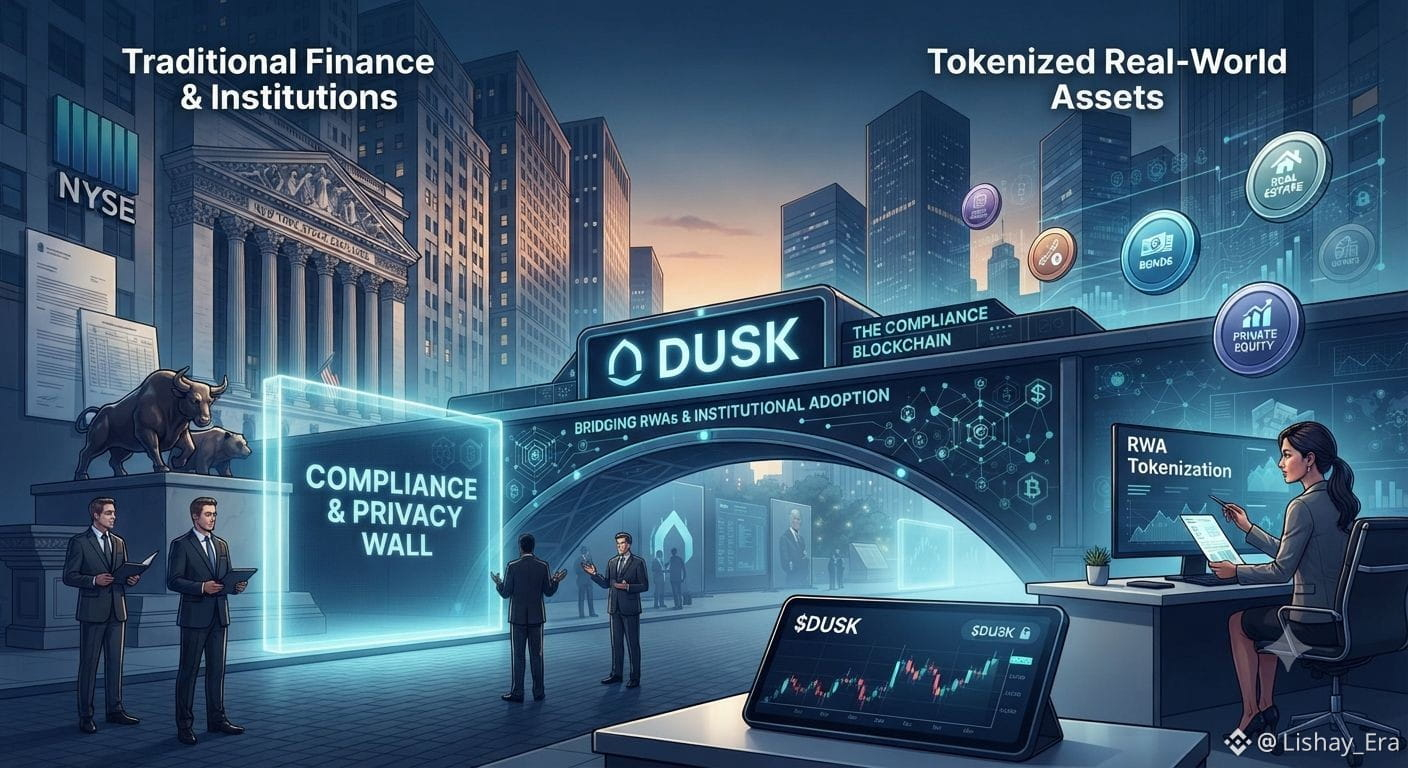
Si on regarde où la blockchain va réellement — des actifs tokenisés, l’adoption par les institutions, la finance dans le monde réel — il y a un énorme mur au milieu de la pièce. La finance de Wall Street et les grandes institutions ne toucheront pas aux chaînes publiques si leurs secrets commerciaux et leurs données sensibles sont complètement exposés à la vue de tous. Dans le même temps, les régulateurs ne leur laisseront pas faire quoi que ce soit qui fonctionne comme une boîte noire en matière de conformité.
C’est exactement ce manque que Dusk cherche à combler. Ils construisent une infrastructure qui préserve la confidentialité tout en respectant les règles exigées par les régulateurs. Ce n’est pas spectaculaire, et ça ne repose pas sur le battage médiatique — ce qui explique probablement pourquoi le marché au sens large dort dessus pour l’instant.
Si les actifs du monde réel (RWA) et la finance on-chain conforme à la réglementation évoluent réellement à l’échelle que les gens pensent au cours des prochaines années, les projets qui résolvent précisément ce problème de plomberie vont devenir essentiels. À garder clairement à l’œil.
@Dusk_Foundation #dusk $DUSK
{future}(DUSKUSDT)
Honnêtement, la plupart des histoires liées aux crypto en ce moment, ce n’est que du bruit et des spéculations sans fin. Mais de temps en temps, on tombe sur un projet qui essaie vraiment de résoudre un goulot d’étranglement réel.
C’est un peu comme ça que je vois Dusk en ce moment.
Si on regarde où la blockchain va réellement — des actifs tokenisés, l’adoption par les institutions, la finance dans le monde réel — il y a un énorme mur au milieu de la pièce. La finance de Wall Street et les grandes institutions ne toucheront pas aux chaînes publiques si leurs secrets commerciaux et leurs données sensibles sont complètement exposés à la vue de tous. Dans le même temps, les régulateurs ne leur laisseront pas faire quoi que ce soit qui fonctionne comme une boîte noire en matière de conformité.
C’est exactement ce manque que Dusk cherche à combler. Ils construisent une infrastructure qui préserve la confidentialité tout en respectant les règles exigées par les régulateurs. Ce n’est pas spectaculaire, et ça ne repose pas sur le battage médiatique — ce qui explique probablement pourquoi le marché au sens large dort dessus pour l’instant.
Si les actifs du monde réel (RWA) et la finance on-chain conforme à la réglementation évoluent réellement à l’échelle que les gens pensent au cours des prochaines années, les projets qui résolvent précisément ce problème de plomberie vont devenir essentiels. À garder clairement à l’œil.
@Dusk #dusk $DUSK
C’est un peu comme ça que je vois Dusk en ce moment.
Si on regarde où la blockchain va réellement — des actifs tokenisés, l’adoption par les institutions, la finance dans le monde réel — il y a un énorme mur au milieu de la pièce. La finance de Wall Street et les grandes institutions ne toucheront pas aux chaînes publiques si leurs secrets commerciaux et leurs données sensibles sont complètement exposés à la vue de tous. Dans le même temps, les régulateurs ne leur laisseront pas faire quoi que ce soit qui fonctionne comme une boîte noire en matière de conformité.
C’est exactement ce manque que Dusk cherche à combler. Ils construisent une infrastructure qui préserve la confidentialité tout en respectant les règles exigées par les régulateurs. Ce n’est pas spectaculaire, et ça ne repose pas sur le battage médiatique — ce qui explique probablement pourquoi le marché au sens large dort dessus pour l’instant.
Si les actifs du monde réel (RWA) et la finance on-chain conforme à la réglementation évoluent réellement à l’échelle que les gens pensent au cours des prochaines années, les projets qui résolvent précisément ce problème de plomberie vont devenir essentiels. À garder clairement à l’œil.
@Dusk #dusk $DUSK
4
7
814
·
--
Haussier
Honnêtement, la plupart des posts de « crypto Twitter » ressemblent à un communiqué de presse ambulant, mais j’ai en fait passé un peu de temps à me pencher sur Dusk et c’est difficile de ne pas le trouver intéressant.
Le débat entre confidentialité et conformité est généralement un vrai chaos. Soit une chaîne opte pour l’anonymat total et se fait traquer par les régulateurs, soit tout est largement ouvert on-chain, où n’importe qui peut voir vos activités. Essayer de mélanger les deux ressemble à un mal de tête, mais c’est précisément ce que Dusk tente de faire avec des éléments de preuve à divulgation nulle (zero-knowledge).
S’ils y parviennent réellement, cela ouvre la porte à des actifs du monde réel et à des institutions pour utiliser une blockchain sans divulguer toutes leurs données sensibles au monde. Ce n’est pas une technologie « pump-and-dump » tape-à-l’œil : c’est simplement une construction d’infrastructure solide.
Quelqu’un d’autre regarde ce qu’ils font, ou est-ce que je suis juste trop tôt dans ce terrier ? 👀
@Dusk_Foundation #dusk $DUSK
{future}(DUSKUSDT)
Honnêtement, la plupart des posts de « crypto Twitter » ressemblent à un communiqué de presse ambulant, mais j’ai en fait passé un peu de temps à me pencher sur Dusk et c’est difficile de ne pas le trouver intéressant.
Le débat entre confidentialité et conformité est généralement un vrai chaos. Soit une chaîne opte pour l’anonymat total et se fait traquer par les régulateurs, soit tout est largement ouvert on-chain, où n’importe qui peut voir vos activités. Essayer de mélanger les deux ressemble à un mal de tête, mais c’est précisément ce que Dusk tente de faire avec des éléments de preuve à divulgation nulle (zero-knowledge).
S’ils y parviennent réellement, cela ouvre la porte à des actifs du monde réel et à des institutions pour utiliser une blockchain sans divulguer toutes leurs données sensibles au monde. Ce n’est pas une technologie « pump-and-dump » tape-à-l’œil : c’est simplement une construction d’infrastructure solide.
Quelqu’un d’autre regarde ce qu’ils font, ou est-ce que je suis juste trop tôt dans ce terrier ? 👀
@Dusk #dusk $DUSK
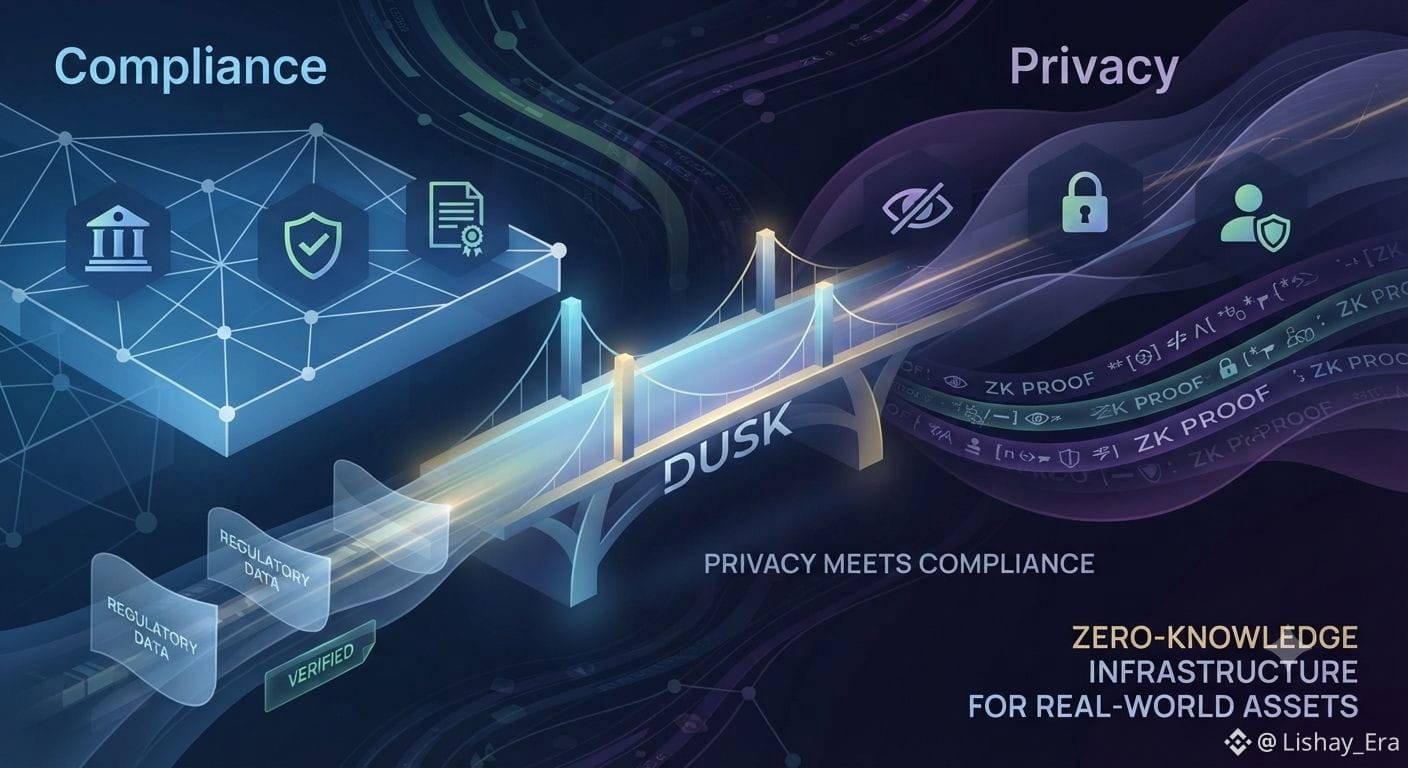
Le débat entre confidentialité et conformité est généralement un vrai chaos. Soit une chaîne opte pour l’anonymat total et se fait traquer par les régulateurs, soit tout est largement ouvert on-chain, où n’importe qui peut voir vos activités. Essayer de mélanger les deux ressemble à un mal de tête, mais c’est précisément ce que Dusk tente de faire avec des éléments de preuve à divulgation nulle (zero-knowledge).
S’ils y parviennent réellement, cela ouvre la porte à des actifs du monde réel et à des institutions pour utiliser une blockchain sans divulguer toutes leurs données sensibles au monde. Ce n’est pas une technologie « pump-and-dump » tape-à-l’œil : c’est simplement une construction d’infrastructure solide.
Quelqu’un d’autre regarde ce qu’ils font, ou est-ce que je suis juste trop tôt dans ce terrier ? 👀
@Dusk #dusk $DUSK
4
1
5
607
·
--
Haussier
Je pense beaucoup à la confidentialité sur Web3 en ce moment.
La plupart des chaînes vous obligent à choisir entre une transparence totale (qui ruine toute adoption institutionnelle dans le monde réel) ou le fait de tout cacher et de perdre la conformité. C’est une impasse.
C’est pourquoi je garde un œil attentif sur Dusk. Ils construisent réellement une infrastructure où la confidentialité, la scalabilité et la conformité coexistent au lieu de se battre les unes contre les autres.
La confidentialité n’est plus un simple « nice-to-have » : c’est le socle de ce vers quoi cet espace se dirige.
$DUSK est clairement dans mon radar. 👀
@Dusk_Foundation #dusk
{future}(DUSKUSDT)
Je pense beaucoup à la confidentialité sur Web3 en ce moment.
La plupart des chaînes vous obligent à choisir entre une transparence totale (qui ruine toute adoption institutionnelle dans le monde réel) ou le fait de tout cacher et de perdre la conformité. C’est une impasse.
C’est pourquoi je garde un œil attentif sur Dusk. Ils construisent réellement une infrastructure où la confidentialité, la scalabilité et la conformité coexistent au lieu de se battre les unes contre les autres.
La confidentialité n’est plus un simple « nice-to-have » : c’est le socle de ce vers quoi cet espace se dirige.
$DUSK est clairement dans mon radar. 👀
@Dusk #dusk
La plupart des chaînes vous obligent à choisir entre une transparence totale (qui ruine toute adoption institutionnelle dans le monde réel) ou le fait de tout cacher et de perdre la conformité. C’est une impasse.
C’est pourquoi je garde un œil attentif sur Dusk. Ils construisent réellement une infrastructure où la confidentialité, la scalabilité et la conformité coexistent au lieu de se battre les unes contre les autres.
La confidentialité n’est plus un simple « nice-to-have » : c’est le socle de ce vers quoi cet espace se dirige.
$DUSK est clairement dans mon radar. 👀
@Dusk #dusk
2
5
563
·
--
Haussier
La confidentialité ne devrait pas être une réflexion après coup dans le Web3. 🔐
La Dusk Foundation construit un avenir vers une blockchain où la confidentialité et la conformité peuvent coexister, afin de donner aux entreprises et aux utilisateurs plus de contrôle sur les informations divulguées.
La vision plus ambitieuse est simple : rendre les transactions confidentielles concrètes sans sacrifier la transparence lorsque cela compte.
Une infrastructure axée sur la confidentialité pourrait être l’une des pièces clés dont le Web3 a besoin pour une adoption dans le monde réel.
@Dusk_Foundation #dusk $DUSK
{future}(DUSKUSDT)
La confidentialité ne devrait pas être une réflexion après coup dans le Web3. 🔐
La Dusk Foundation construit un avenir vers une blockchain où la confidentialité et la conformité peuvent coexister, afin de donner aux entreprises et aux utilisateurs plus de contrôle sur les informations divulguées.
La vision plus ambitieuse est simple : rendre les transactions confidentielles concrètes sans sacrifier la transparence lorsque cela compte.
Une infrastructure axée sur la confidentialité pourrait être l’une des pièces clés dont le Web3 a besoin pour une adoption dans le monde réel.
@Dusk #dusk $DUSK
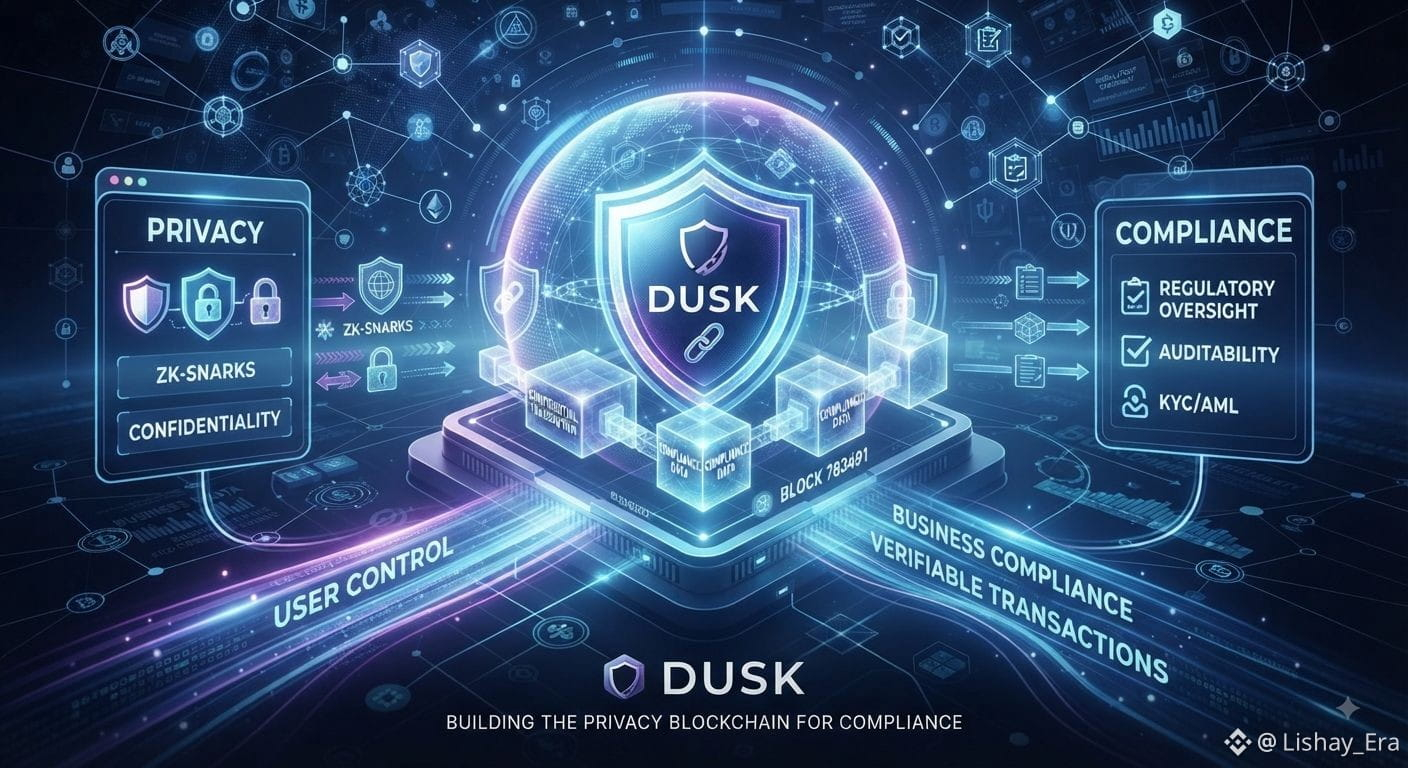
La Dusk Foundation construit un avenir vers une blockchain où la confidentialité et la conformité peuvent coexister, afin de donner aux entreprises et aux utilisateurs plus de contrôle sur les informations divulguées.
La vision plus ambitieuse est simple : rendre les transactions confidentielles concrètes sans sacrifier la transparence lorsque cela compte.
Une infrastructure axée sur la confidentialité pourrait être l’une des pièces clés dont le Web3 a besoin pour une adoption dans le monde réel.
@Dusk #dusk $DUSK
5
4
439
·
--
Haussier
@Dusk_Foundation fait partie des projets que je continue de suivre, car il aborde la confidentialité de Web3 sous l’angle de l’infrastructure.
La prochaine phase de l’adoption de la blockchain ne consistera pas seulement à transférer des actifs on-chain. Elle exigera aussi que les entreprises, les institutions et les utilisateurs gèrent des informations sensibles tout en tirant profit de la transparence, de la programmabilité et de transactions vérifiables.
C’est là que Dusk se distingue.
L’objectif est de créer une blockchain axée sur la confidentialité, afin que des actifs réglementés et des applications financières puissent fonctionner on-chain sans obliger les utilisateurs à exposer des informations sensibles à tout le monde.
La confidentialité et la conformité n’ont pas à s’opposer.
Avec la bonne architecture, les utilisateurs peuvent prouver ce qu’il faut prouver tout en gardant les informations inutiles pour la confidentialité. Cela pourrait devenir de plus en plus important à mesure que les titres tokenisés, les actifs du monde réel, les systèmes d’identité et la finance institutionnelle s’enfoncent davantage dans Web3.
Pour moi, le récit principal de Dusk est simple :
Web3 a besoin de transparence pour la vérification, mais il a aussi besoin de confidentialité pour une adoption dans le monde réel.
Si la blockchain doit devenir une infrastructure financière, la confidentialité ne peut pas rester une simple réflexion après coup.
Dusk construit vers cet avenir.
#dusk $DUSK
{future}(DUSKUSDT)
@Dusk fait partie des projets que je continue de suivre, car il aborde la confidentialité de Web3 sous l’angle de l’infrastructure.
La prochaine phase de l’adoption de la blockchain ne consistera pas seulement à transférer des actifs on-chain. Elle exigera aussi que les entreprises, les institutions et les utilisateurs gèrent des informations sensibles tout en tirant profit de la transparence, de la programmabilité et de transactions vérifiables.
C’est là que Dusk se distingue.
L’objectif est de créer une blockchain axée sur la confidentialité, afin que des actifs réglementés et des applications financières puissent fonctionner on-chain sans obliger les utilisateurs à exposer des informations sensibles à tout le monde.
La confidentialité et la conformité n’ont pas à s’opposer.
Avec la bonne architecture, les utilisateurs peuvent prouver ce qu’il faut prouver tout en gardant les informations inutiles pour la confidentialité. Cela pourrait devenir de plus en plus important à mesure que les titres tokenisés, les actifs du monde réel, les systèmes d’identité et la finance institutionnelle s’enfoncent davantage dans Web3.
Pour moi, le récit principal de Dusk est simple :
Web3 a besoin de transparence pour la vérification, mais il a aussi besoin de confidentialité pour une adoption dans le monde réel.
Si la blockchain doit devenir une infrastructure financière, la confidentialité ne peut pas rester une simple réflexion après coup.
Dusk construit vers cet avenir.
#dusk $DUSK
La prochaine phase de l’adoption de la blockchain ne consistera pas seulement à transférer des actifs on-chain. Elle exigera aussi que les entreprises, les institutions et les utilisateurs gèrent des informations sensibles tout en tirant profit de la transparence, de la programmabilité et de transactions vérifiables.
C’est là que Dusk se distingue.
L’objectif est de créer une blockchain axée sur la confidentialité, afin que des actifs réglementés et des applications financières puissent fonctionner on-chain sans obliger les utilisateurs à exposer des informations sensibles à tout le monde.
La confidentialité et la conformité n’ont pas à s’opposer.
Avec la bonne architecture, les utilisateurs peuvent prouver ce qu’il faut prouver tout en gardant les informations inutiles pour la confidentialité. Cela pourrait devenir de plus en plus important à mesure que les titres tokenisés, les actifs du monde réel, les systèmes d’identité et la finance institutionnelle s’enfoncent davantage dans Web3.
Pour moi, le récit principal de Dusk est simple :
Web3 a besoin de transparence pour la vérification, mais il a aussi besoin de confidentialité pour une adoption dans le monde réel.
Si la blockchain doit devenir une infrastructure financière, la confidentialité ne peut pas rester une simple réflexion après coup.
Dusk construit vers cet avenir.
#dusk $DUSK
1
1
6
380
·
--
Haussier
@Dusk_Foundation construit la confidentialité pour la prochaine génération de Web3. 🌑
La plupart des blockchains rendent tout transparent par défaut. Dusk adopte une approche différente : apporter une infrastructure qui préserve la confidentialité à la finance réglementée tout en garantissant que l’activité blockchain reste vérifiable et conforme.
La plus grande opportunité ne consiste pas simplement en « des transactions privées ». Il s’agit de permettre aux institutions d’utiliser la blockchain sans exposer des données financières sensibles à l’ensemble du réseau.
Si Dusk peut concilier confidentialité + conformité + actifs du monde réel, il pourrait devenir un élément important de la pile blockchain institutionnelle.
L’ère de la confidentialité du Web3 est peut-être plus proche que ce que les gens pensent.
#dusk $DUSK
{future}(DUSKUSDT)
@Dusk construit la confidentialité pour la prochaine génération de Web3. 🌑
La plupart des blockchains rendent tout transparent par défaut. Dusk adopte une approche différente : apporter une infrastructure qui préserve la confidentialité à la finance réglementée tout en garantissant que l’activité blockchain reste vérifiable et conforme.
La plus grande opportunité ne consiste pas simplement en « des transactions privées ». Il s’agit de permettre aux institutions d’utiliser la blockchain sans exposer des données financières sensibles à l’ensemble du réseau.
Si Dusk peut concilier confidentialité + conformité + actifs du monde réel, il pourrait devenir un élément important de la pile blockchain institutionnelle.
L’ère de la confidentialité du Web3 est peut-être plus proche que ce que les gens pensent.
#dusk $DUSK
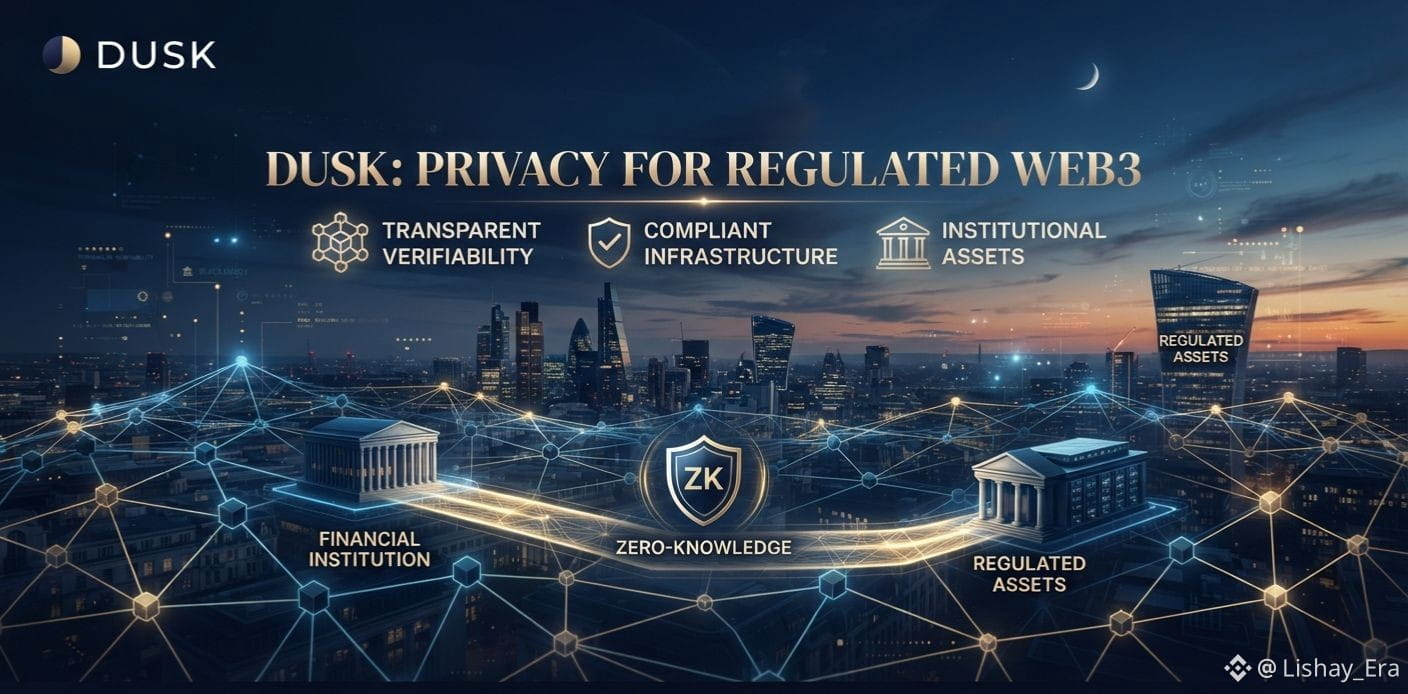
La plupart des blockchains rendent tout transparent par défaut. Dusk adopte une approche différente : apporter une infrastructure qui préserve la confidentialité à la finance réglementée tout en garantissant que l’activité blockchain reste vérifiable et conforme.
La plus grande opportunité ne consiste pas simplement en « des transactions privées ». Il s’agit de permettre aux institutions d’utiliser la blockchain sans exposer des données financières sensibles à l’ensemble du réseau.
Si Dusk peut concilier confidentialité + conformité + actifs du monde réel, il pourrait devenir un élément important de la pile blockchain institutionnelle.
L’ère de la confidentialité du Web3 est peut-être plus proche que ce que les gens pensent.
#dusk $DUSK
4
8
604
·
--
Haussier
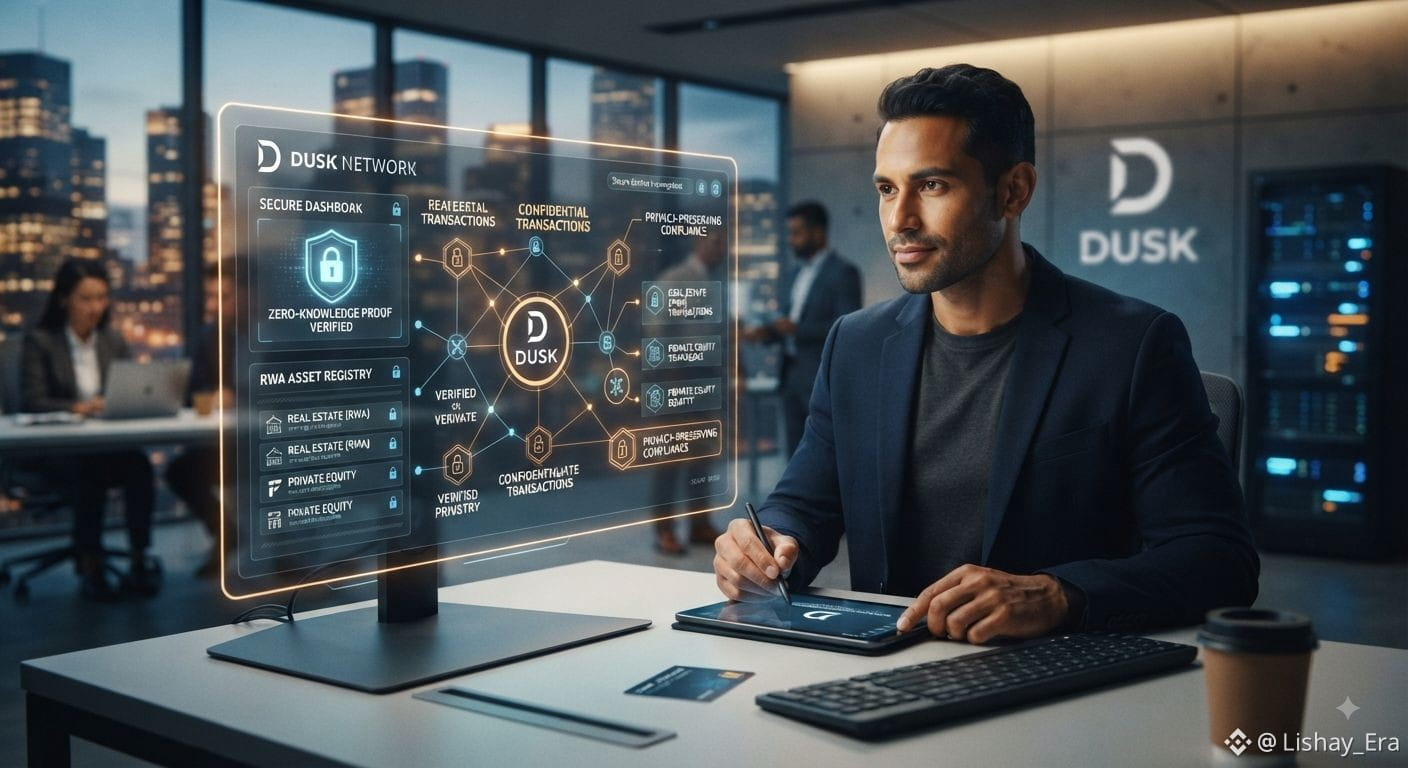
@Dusk_Foundation construit la confidentialité dans la blockchain, au lieu de l’ajouter comme une simple réflexion après coup.
La plupart des chaînes rendent les transactions transparentes par défaut. DUSK adopte une approche différente, en se concentrant sur des transactions confidentielles et conformes, où les données sensibles n’ont pas besoin d’être exposées à tout le monde.
C’est essentiel pour les RWA, les institutions, les actifs privés et les applications financières qui ont besoin à la fois de confidentialité et de vérifiabilité.
Le grand récit, ici, est simple :
L’adoption de la blockchain ne dépendra pas uniquement de la vitesse et de la scalabilité. Elle dépendra aussi de la qualité avec laquelle les réseaux protègent les informations sensibles.
$DUSK vaut le coup d’être surveillé, car le récit « confidentialité + RWA » continue d’évoluer. 🔐
$DUSK #dusk
{future}(DUSKUSDT)
@Dusk construit la confidentialité dans la blockchain, au lieu de l’ajouter comme une simple réflexion après coup.
La plupart des chaînes rendent les transactions transparentes par défaut. DUSK adopte une approche différente, en se concentrant sur des transactions confidentielles et conformes, où les données sensibles n’ont pas besoin d’être exposées à tout le monde.
C’est essentiel pour les RWA, les institutions, les actifs privés et les applications financières qui ont besoin à la fois de confidentialité et de vérifiabilité.
Le grand récit, ici, est simple :
L’adoption de la blockchain ne dépendra pas uniquement de la vitesse et de la scalabilité. Elle dépendra aussi de la qualité avec laquelle les réseaux protègent les informations sensibles.
$DUSK vaut le coup d’être surveillé, car le récit « confidentialité + RWA » continue d’évoluer. 🔐
$DUSK #dusk
La plupart des chaînes rendent les transactions transparentes par défaut. DUSK adopte une approche différente, en se concentrant sur des transactions confidentielles et conformes, où les données sensibles n’ont pas besoin d’être exposées à tout le monde.
C’est essentiel pour les RWA, les institutions, les actifs privés et les applications financières qui ont besoin à la fois de confidentialité et de vérifiabilité.
Le grand récit, ici, est simple :
L’adoption de la blockchain ne dépendra pas uniquement de la vitesse et de la scalabilité. Elle dépendra aussi de la qualité avec laquelle les réseaux protègent les informations sensibles.
$DUSK vaut le coup d’être surveillé, car le récit « confidentialité + RWA » continue d’évoluer. 🔐
$DUSK #dusk
6
1
6
579
·
--
Haussier
@Dusk_Foundation construit pour la partie des blockchains de la finance qui est encore à la traîne
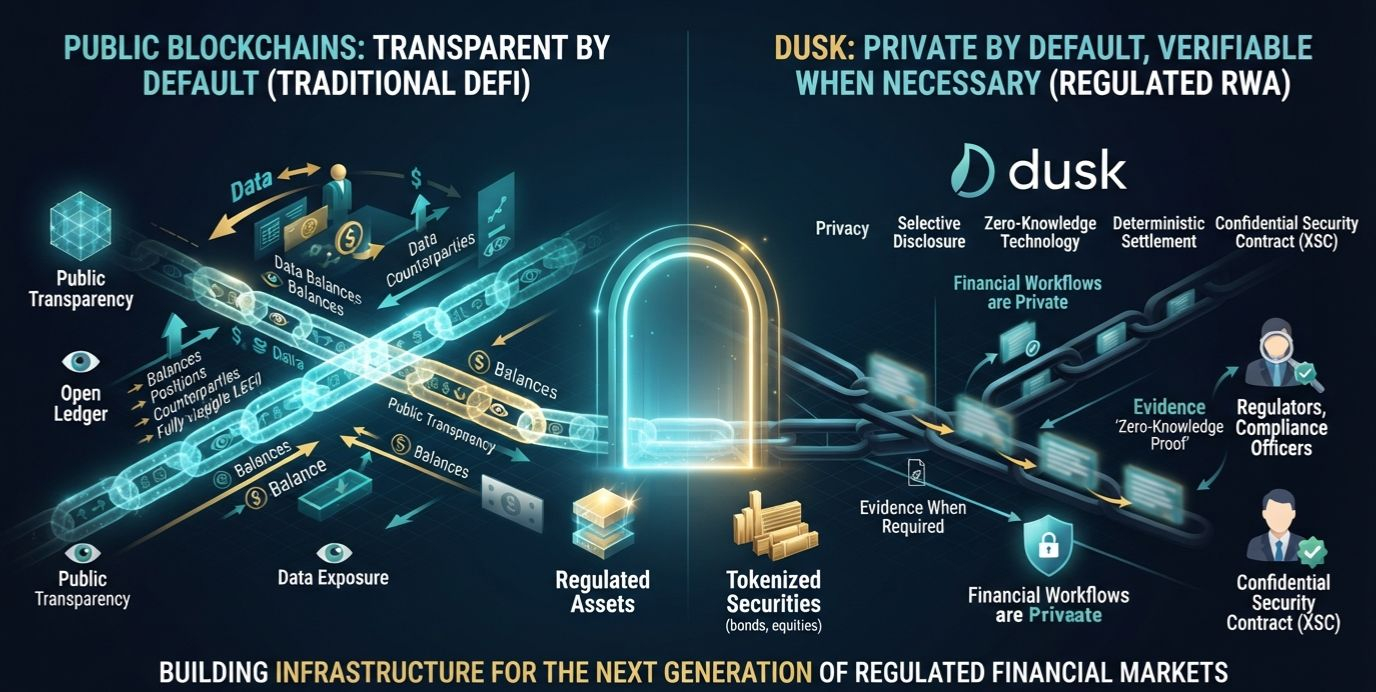
La plupart des blockchains considèrent la transparence comme le réglage par défaut. Cela fonctionne bien pour la DeFi ouverte, mais les institutions financières ne peuvent pas publier chaque solde, position, contrepartie et détail de transaction sur un registre public.
C’est là que Dusk devient intéressant.
Dusk est une couche 1 conçue autour d’une finance on-chain réglementée, combinant confidentialité, divulgation sélective, technologie de preuve à connaissance nulle et règlement déterministe. Son objectif n’est pas seulement de rendre les transactions privées. Il s’agit de rendre privés les flux de travail financiers tout en les conservant vérifiables.
L’une des pièces clés est la norme Confidential Security Contract (XSC). Elle est conçue pour les titres tokenisés activés par la confidentialité, permettant aux actifs de circuler on-chain tout en intégrant la conformité et les exigences des marchés financiers dans le cycle de vie de l’actif.
Imaginez ce que cela signifie pour des obligations tokenisées, des actions ou d’autres actifs réglementés.
Vous ne souhaitez pas nécessairement que l’ensemble du marché connaisse la position exacte d’une institution ou voie chaque transaction en temps réel. Mais les régulateurs et les participants autorisés ont quand même besoin de preuves lorsque c’est requis.
L’approche de Dusk se résume essentiellement à :
Privé par défaut. Vérifiable lorsque nécessaire.
Cette distinction pourrait devenir extrêmement importante à mesure que la tokenisation des RWA dépasse la simple mise d’actifs traditionnels on-chain.
La thèse la plus importante, pour moi, n’est pas « une autre blockchain de confidentialité ».
C’est de savoir si confidentialité + conformité + règlement peuvent devenir l’infrastructure des marchés financiers réglementés de la prochaine génération.
Si cela se produit, $DUSK mérite qu’on s’y intéresse non pas parce que la confidentialité paraît agréable, mais parce que les marchés financiers pourraient éventuellement en avoir besoin.
#dusk $DUSK
{future}(DUSKUSDT)
@Dusk construit pour la partie des blockchains de la finance qui est encore à la traîne
La plupart des blockchains considèrent la transparence comme le réglage par défaut. Cela fonctionne bien pour la DeFi ouverte, mais les institutions financières ne peuvent pas publier chaque solde, position, contrepartie et détail de transaction sur un registre public.
C’est là que Dusk devient intéressant.
Dusk est une couche 1 conçue autour d’une finance on-chain réglementée, combinant confidentialité, divulgation sélective, technologie de preuve à connaissance nulle et règlement déterministe. Son objectif n’est pas seulement de rendre les transactions privées. Il s’agit de rendre privés les flux de travail financiers tout en les conservant vérifiables.
L’une des pièces clés est la norme Confidential Security Contract (XSC). Elle est conçue pour les titres tokenisés activés par la confidentialité, permettant aux actifs de circuler on-chain tout en intégrant la conformité et les exigences des marchés financiers dans le cycle de vie de l’actif.
Imaginez ce que cela signifie pour des obligations tokenisées, des actions ou d’autres actifs réglementés.
Vous ne souhaitez pas nécessairement que l’ensemble du marché connaisse la position exacte d’une institution ou voie chaque transaction en temps réel. Mais les régulateurs et les participants autorisés ont quand même besoin de preuves lorsque c’est requis.
L’approche de Dusk se résume essentiellement à :
Privé par défaut. Vérifiable lorsque nécessaire.
Cette distinction pourrait devenir extrêmement importante à mesure que la tokenisation des RWA dépasse la simple mise d’actifs traditionnels on-chain.
La thèse la plus importante, pour moi, n’est pas « une autre blockchain de confidentialité ».
C’est de savoir si confidentialité + conformité + règlement peuvent devenir l’infrastructure des marchés financiers réglementés de la prochaine génération.
Si cela se produit, $DUSK mérite qu’on s’y intéresse non pas parce que la confidentialité paraît agréable, mais parce que les marchés financiers pourraient éventuellement en avoir besoin.
#dusk $DUSK
La plupart des blockchains considèrent la transparence comme le réglage par défaut. Cela fonctionne bien pour la DeFi ouverte, mais les institutions financières ne peuvent pas publier chaque solde, position, contrepartie et détail de transaction sur un registre public.
C’est là que Dusk devient intéressant.
Dusk est une couche 1 conçue autour d’une finance on-chain réglementée, combinant confidentialité, divulgation sélective, technologie de preuve à connaissance nulle et règlement déterministe. Son objectif n’est pas seulement de rendre les transactions privées. Il s’agit de rendre privés les flux de travail financiers tout en les conservant vérifiables.
L’une des pièces clés est la norme Confidential Security Contract (XSC). Elle est conçue pour les titres tokenisés activés par la confidentialité, permettant aux actifs de circuler on-chain tout en intégrant la conformité et les exigences des marchés financiers dans le cycle de vie de l’actif.
Imaginez ce que cela signifie pour des obligations tokenisées, des actions ou d’autres actifs réglementés.
Vous ne souhaitez pas nécessairement que l’ensemble du marché connaisse la position exacte d’une institution ou voie chaque transaction en temps réel. Mais les régulateurs et les participants autorisés ont quand même besoin de preuves lorsque c’est requis.
L’approche de Dusk se résume essentiellement à :
Privé par défaut. Vérifiable lorsque nécessaire.
Cette distinction pourrait devenir extrêmement importante à mesure que la tokenisation des RWA dépasse la simple mise d’actifs traditionnels on-chain.
La thèse la plus importante, pour moi, n’est pas « une autre blockchain de confidentialité ».
C’est de savoir si confidentialité + conformité + règlement peuvent devenir l’infrastructure des marchés financiers réglementés de la prochaine génération.
Si cela se produit, $DUSK mérite qu’on s’y intéresse non pas parce que la confidentialité paraît agréable, mais parce que les marchés financiers pourraient éventuellement en avoir besoin.
#dusk $DUSK
8
8
565
·
--
🏛️ Dernières actualités des États-Unis 🇺🇸
La Fed vient de provoquer un nouveau choc inflationniste : elle prévoit le PCE 2026 à 3,6 %, plus persistant que prévu, tandis que les taux d’intérêt restent à 3,50–3,75 % — le marché craignait de nouvelles hausses.
Grâce à des données sur l’emploi faibles, la probabilité d’une hausse des taux en septembre est tombée à ~44 %, offrant une respiration à la crypto, mais les craintes de récession ont refait surface ; un dollar fort (rendement à 10 ans à 4,1 %) reste un frein pour les actifs risqués.
Gagnants évidents : l’« or numérique » $PAXG $XAUT en hausse de 8,7 % la semaine dernière, ainsi que des projets avec des revenus réels comme $UNI, $CRV.
Sous pression : les meme coins et les coins liés à la politique — surtout après que Trump Media s’est retiré du deal avec Crypto.com (perte crypto d’environ ~$361 millions), ce qui a tiré $CRO vers le bas d’environ 14 % cette semaine.
Mais un signal positif a été sous-estimé : le Sénat américain vient de faire avancer le Clarity Act — un cadre légal pour la crypto — avant la pause d’août, ouvrant la voie à une deuxième victoire politique de Trump après la loi sur les stablecoins ;
Des lois claires sont souvent un catalyseur à long terme. Mon pronostic : $BTC va consolider autour de 62–66k jusqu’à la décision de la Fed (FOMC) ; les projets qui bénéficient directement du cadre légal comme $XRP, $ADA feront mieux que le marché général.
Pariez-vous sur le scénario des taux d’intérêt ou sur le scénario du cadre légal ?
🏛️ Dernières actualités des États-Unis 🇺🇸
La Fed vient de provoquer un nouveau choc inflationniste : elle prévoit le PCE 2026 à 3,6 %, plus persistant que prévu, tandis que les taux d’intérêt restent à 3,50–3,75 % — le marché craignait de nouvelles hausses.
Grâce à des données sur l’emploi faibles, la probabilité d’une hausse des taux en septembre est tombée à ~44 %, offrant une respiration à la crypto, mais les craintes de récession ont refait surface ; un dollar fort (rendement à 10 ans à 4,1 %) reste un frein pour les actifs risqués.
Gagnants évidents : l’« or numérique » $PAXG $XAUT en hausse de 8,7 % la semaine dernière, ainsi que des projets avec des revenus réels comme $UNI, $CRV.
Sous pression : les meme coins et les coins liés à la politique — surtout après que Trump Media s’est retiré du deal avec Crypto.com (perte crypto d’environ ~$361 millions), ce qui a tiré $CRO vers le bas d’environ 14 % cette semaine.
Mais un signal positif a été sous-estimé : le Sénat américain vient de faire avancer le Clarity Act — un cadre légal pour la crypto — avant la pause d’août, ouvrant la voie à une deuxième victoire politique de Trump après la loi sur les stablecoins ;
Des lois claires sont souvent un catalyseur à long terme. Mon pronostic : $BTC va consolider autour de 62–66k jusqu’à la décision de la Fed (FOMC) ; les projets qui bénéficient directement du cadre légal comme $XRP, $ADA feront mieux que le marché général.
Pariez-vous sur le scénario des taux d’intérêt ou sur le scénario du cadre légal ?
La Fed vient de provoquer un nouveau choc inflationniste : elle prévoit le PCE 2026 à 3,6 %, plus persistant que prévu, tandis que les taux d’intérêt restent à 3,50–3,75 % — le marché craignait de nouvelles hausses.
Grâce à des données sur l’emploi faibles, la probabilité d’une hausse des taux en septembre est tombée à ~44 %, offrant une respiration à la crypto, mais les craintes de récession ont refait surface ; un dollar fort (rendement à 10 ans à 4,1 %) reste un frein pour les actifs risqués.
Gagnants évidents : l’« or numérique » $PAXG $XAUT en hausse de 8,7 % la semaine dernière, ainsi que des projets avec des revenus réels comme $UNI, $CRV.
Sous pression : les meme coins et les coins liés à la politique — surtout après que Trump Media s’est retiré du deal avec Crypto.com (perte crypto d’environ ~$361 millions), ce qui a tiré $CRO vers le bas d’environ 14 % cette semaine.
Mais un signal positif a été sous-estimé : le Sénat américain vient de faire avancer le Clarity Act — un cadre légal pour la crypto — avant la pause d’août, ouvrant la voie à une deuxième victoire politique de Trump après la loi sur les stablecoins ;
Des lois claires sont souvent un catalyseur à long terme. Mon pronostic : $BTC va consolider autour de 62–66k jusqu’à la décision de la Fed (FOMC) ; les projets qui bénéficient directement du cadre légal comme $XRP, $ADA feront mieux que le marché général.
Pariez-vous sur le scénario des taux d’intérêt ou sur le scénario du cadre légal ?
1
2
981
·
--
Haussier
La plupart des gens observent le graphique. Le choix le plus judicieux consiste à observer l’écosystème.
$BABY est en train de prendre de l’élan grâce à un développement régulier, à l’augmentation de l’engagement de la communauté et à l’attention croissante sur l’ensemble du marché. Les projets solides se constituent généralement bien avant de devenir évidents.
La patience l’emporte souvent sur la course aux bougies vertes. Les plus grandes opportunités appartiennent à ceux qui reconnaissent la valeur avant la foule.
@babylonlabs_io #baby $BABY
{future}(BABYUSDT)
La plupart des gens observent le graphique. Le choix le plus judicieux consiste à observer l’écosystème.
$BABY est en train de prendre de l’élan grâce à un développement régulier, à l’augmentation de l’engagement de la communauté et à l’attention croissante sur l’ensemble du marché. Les projets solides se constituent généralement bien avant de devenir évidents.
La patience l’emporte souvent sur la course aux bougies vertes. Les plus grandes opportunités appartiennent à ceux qui reconnaissent la valeur avant la foule.
@BabylonLabs_io #baby $BABY
$BABY est en train de prendre de l’élan grâce à un développement régulier, à l’augmentation de l’engagement de la communauté et à l’attention croissante sur l’ensemble du marché. Les projets solides se constituent généralement bien avant de devenir évidents.
La patience l’emporte souvent sur la course aux bougies vertes. Les plus grandes opportunités appartiennent à ceux qui reconnaissent la valeur avant la foule.
@BabylonLabs_io #baby $BABY
7
5
668
·
--
Haussier
Le prochain projet révolutionnaire ne sera pas le plus bruyant : ce sera celui qui continue d’avancer pendant que tout le monde court après des récits.
$BABY construit discrètement exactement le genre de fondations qui durent. Une communauté solide. Une vraie dynamique. Une vision à long terme.
C’est cette combinaison qui mérite d’être surveillée.
@babylonlabs_io #baby $BABY
{future}(BABYUSDT)
Le prochain projet révolutionnaire ne sera pas le plus bruyant : ce sera celui qui continue d’avancer pendant que tout le monde court après des récits.
$BABY construit discrètement exactement le genre de fondations qui durent. Une communauté solide. Une vraie dynamique. Une vision à long terme.
C’est cette combinaison qui mérite d’être surveillée.
@BabylonLabs_io #baby $BABY
$BABY construit discrètement exactement le genre de fondations qui durent. Une communauté solide. Une vraie dynamique. Une vision à long terme.
C’est cette combinaison qui mérite d’être surveillée.
@BabylonLabs_io #baby $BABY
4
3
726
·
--
Haussier
Bitcoin a toujours été l’actif le plus sûr de la crypto, mais pendant des années, son utilité est restée sous-exploitée.
$BABY est en train de changer cela en permettant à Bitcoin de contribuer à la sécurité du réseau sans renoncer à la garde en self-custody. Au lieu d’envelopper (wrap) le BTC ou de recourir à des ponts traditionnels, Babylon introduit un modèle natif de staking de Bitcoin conçu pour étendre la sécurité de Bitcoin aux écosystèmes Proof-of-Stake.
Il ne s’agit pas de créer un nouveau récit de rendement. Il s’agit de transformer Bitcoin en capital productif tout en préservant ses hypothèses fondamentales de sécurité.
À mesure que Bitcoin évolue au-delà du simple fait d’être une réserve de valeur, les protocoles qui construisent une infrastructure réelle autour de lui méritent qu’on s’y attarde. L’opportunité à long terme réside dans les projets qui résolvent des problèmes fondamentaux — plutôt que de courir après l’engouement à court terme.
@babylonlabs_io #baby $BABY
{future}(BABYUSDT)
Bitcoin a toujours été l’actif le plus sûr de la crypto, mais pendant des années, son utilité est restée sous-exploitée.
$BABY est en train de changer cela en permettant à Bitcoin de contribuer à la sécurité du réseau sans renoncer à la garde en self-custody. Au lieu d’envelopper (wrap) le BTC ou de recourir à des ponts traditionnels, Babylon introduit un modèle natif de staking de Bitcoin conçu pour étendre la sécurité de Bitcoin aux écosystèmes Proof-of-Stake.
Il ne s’agit pas de créer un nouveau récit de rendement. Il s’agit de transformer Bitcoin en capital productif tout en préservant ses hypothèses fondamentales de sécurité.
À mesure que Bitcoin évolue au-delà du simple fait d’être une réserve de valeur, les protocoles qui construisent une infrastructure réelle autour de lui méritent qu’on s’y attarde. L’opportunité à long terme réside dans les projets qui résolvent des problèmes fondamentaux — plutôt que de courir après l’engouement à court terme.
@BabylonLabs_io #baby $BABY
$BABY est en train de changer cela en permettant à Bitcoin de contribuer à la sécurité du réseau sans renoncer à la garde en self-custody. Au lieu d’envelopper (wrap) le BTC ou de recourir à des ponts traditionnels, Babylon introduit un modèle natif de staking de Bitcoin conçu pour étendre la sécurité de Bitcoin aux écosystèmes Proof-of-Stake.
Il ne s’agit pas de créer un nouveau récit de rendement. Il s’agit de transformer Bitcoin en capital productif tout en préservant ses hypothèses fondamentales de sécurité.
À mesure que Bitcoin évolue au-delà du simple fait d’être une réserve de valeur, les protocoles qui construisent une infrastructure réelle autour de lui méritent qu’on s’y attarde. L’opportunité à long terme réside dans les projets qui résolvent des problèmes fondamentaux — plutôt que de courir après l’engouement à court terme.
@BabylonLabs_io #baby $BABY
4
3
307
Connectez-vous pour découvrir plus de contenu
Rejoignez la communauté mondiale des adeptes de cryptomonnaies sur Binance Square
⚡️ Suviez les dernières informations importantes sur les cryptomonnaies.
💬 Jugé digne de confiance par la plus grande plateforme d’échange de cryptomonnaies au monde.
👍 Découvrez les connaissances que partagent les créateurs vérifiés.
Adresse e-mail/Nº de téléphone
Sujets d’actualité
BitcoinParesGainsAfterRallyTo$86.5K
14,847 vues
66 mentions
🔥 $BTC au bord du gouffre : affrontement à 86K !
Nurul Hasnat Samir
·0 mentions J’aime
·177 vues
CerebrasSinksNearly20%OnReportNvidiaToPowerOpenAI
25,409 vues
324 mentions
SECProposesCryptoCustodyRules
52,738 vues
489 mentions