

Inflectiv AI
226 Publications

Inflectiv AI
Signaler
Bloquer l’utilisateur
Liberating Trapped Intelligence.
Fueling agents, automation, and robotics.
Structured, tokenized, perpetual.
0 Suivis
83 Abonnés
3.2K+ J’aime
Publications
Tous
Citations
Vidéos
PINNED
·
--
Créer un ensemble de données semble technique. Ce n'est pas le cas.
Téléchargez des PDF, des documents, des liens, des feuilles, tout ce que vous avez. Inflectiv structure tout cela automatiquement.
Voici comment en créer un instantanément en utilisant plusieurs sources de données 👇
🔗 Lien dans les commentaires pour créer votre ensemble de données maintenant
Créer un ensemble de données semble technique. Ce n'est pas le cas.
Téléchargez des PDF, des documents, des liens, des feuilles, tout ce que vous avez. Inflectiv structure tout cela automatiquement.
Voici comment en créer un instantanément en utilisant plusieurs sources de données 👇
🔗 Lien dans les commentaires pour créer votre ensemble de données maintenant
Téléchargez des PDF, des documents, des liens, des feuilles, tout ce que vous avez. Inflectiv structure tout cela automatiquement.
Voici comment en créer un instantanément en utilisant plusieurs sources de données 👇
🔗 Lien dans les commentaires pour créer votre ensemble de données maintenant
6
2
52
690
·
--
Voir la traduction
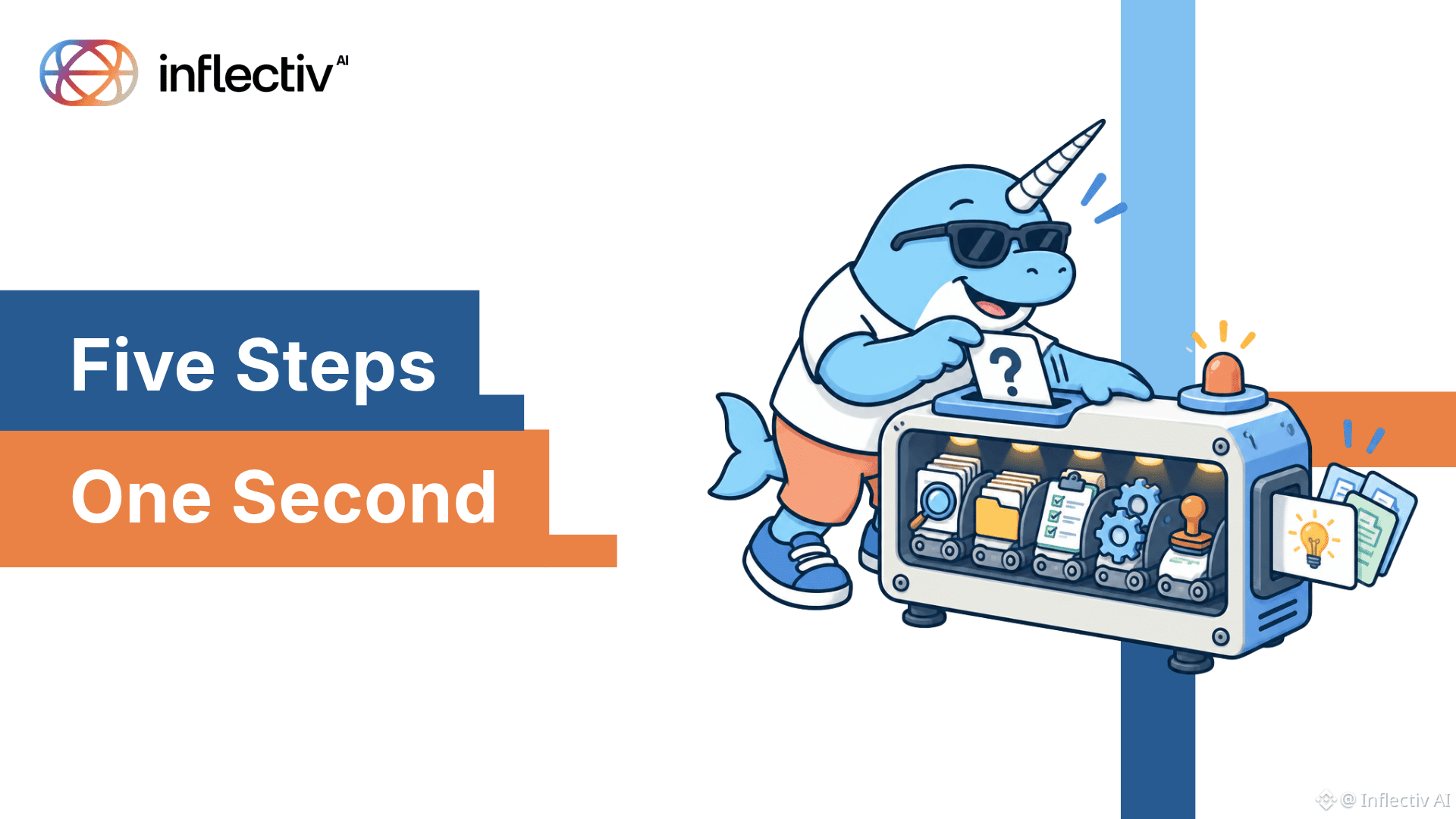
What actually happens when your agent asks a dataset a question?
👉 Five steps: https://x.com/inflectivAI/status/2102704093353615523
What actually happens when your agent asks a dataset a question?
👉 Five steps: https://x.com/inflectivAI/status/2102704093353615523
👉 Five steps: https://x.com/inflectivAI/status/2102704093353615523
73
·
--
Essayer de comprendre qui lit réellement ceci.
Où êtes-vous en ce moment ?
Essayer de comprendre qui lit réellement ceci.
Où êtes-vous en ce moment ?
Où êtes-vous en ce moment ?
Data, no agent
0%
Agent, no data
0%
Both
0%
Neither yet
0%
0 Votes • Vote fermé
58
·
--
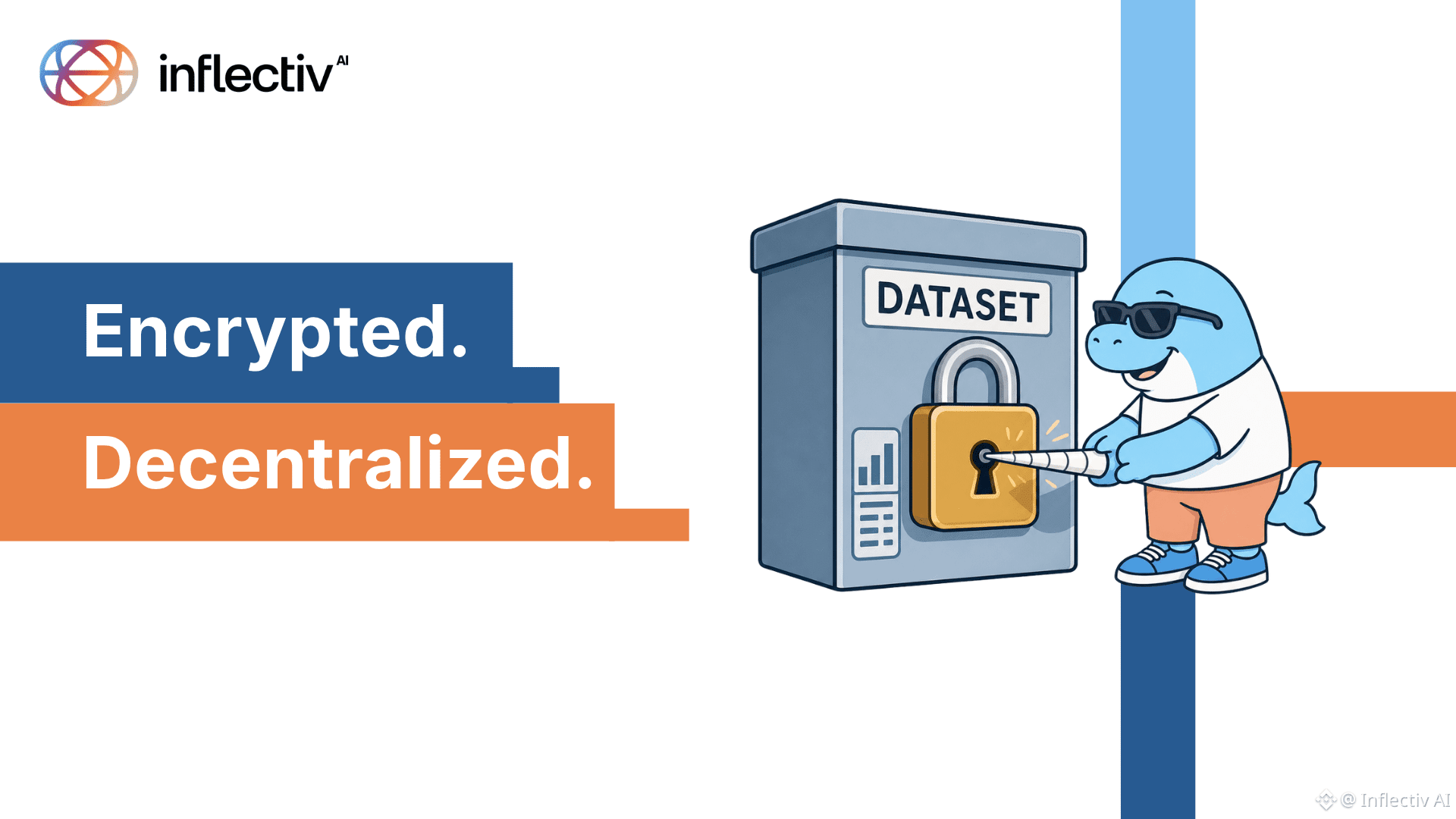
Ensembles de données chiffrés sur Inflectiv :
✔️ Chiffrés avec Seal avant d’être partagés
✔️ Stockés sur Walrus, un réseau décentralisé
✔️ Enregistrés sur Sui avec un identifiant de blob cryptographique
✔️ 4 000+ ensembles de données déjà ancrés
Privé. Vérifiable. Inaltérable.
Chiffrez le vôtre 👉 https://app.inflectiv.ai
Ensembles de données chiffrés sur Inflectiv :
✔️ Chiffrés avec Seal avant d’être partagés
✔️ Stockés sur Walrus, un réseau décentralisé
✔️ Enregistrés sur Sui avec un identifiant de blob cryptographique
✔️ 4 000+ ensembles de données déjà ancrés
Privé. Vérifiable. Inaltérable.
Chiffrez le vôtre 👉 https://app.inflectiv.ai
✔️ Chiffrés avec Seal avant d’être partagés
✔️ Stockés sur Walrus, un réseau décentralisé
✔️ Enregistrés sur Sui avec un identifiant de blob cryptographique
✔️ 4 000+ ensembles de données déjà ancrés
Privé. Vérifiable. Inaltérable.
Chiffrez le vôtre 👉 https://app.inflectiv.ai
99
·
--
Voir la traduction
You listed a dataset. Nobody bought it.
Nine times out of ten, the data is fine. The listing is what's costing you sales.
Here are the five fixes that turn views into buyers 👇
https://x.com/inflectivAI/status/2098368912018592028
You listed a dataset. Nobody bought it.
Nine times out of ten, the data is fine. The listing is what's costing you sales.
Here are the five fixes that turn views into buyers 👇
https://x.com/inflectivAI/status/2098368912018592028
Nine times out of ten, the data is fine. The listing is what's costing you sales.
Here are the five fixes that turn views into buyers 👇
https://x.com/inflectivAI/status/2098368912018592028

50
·
--
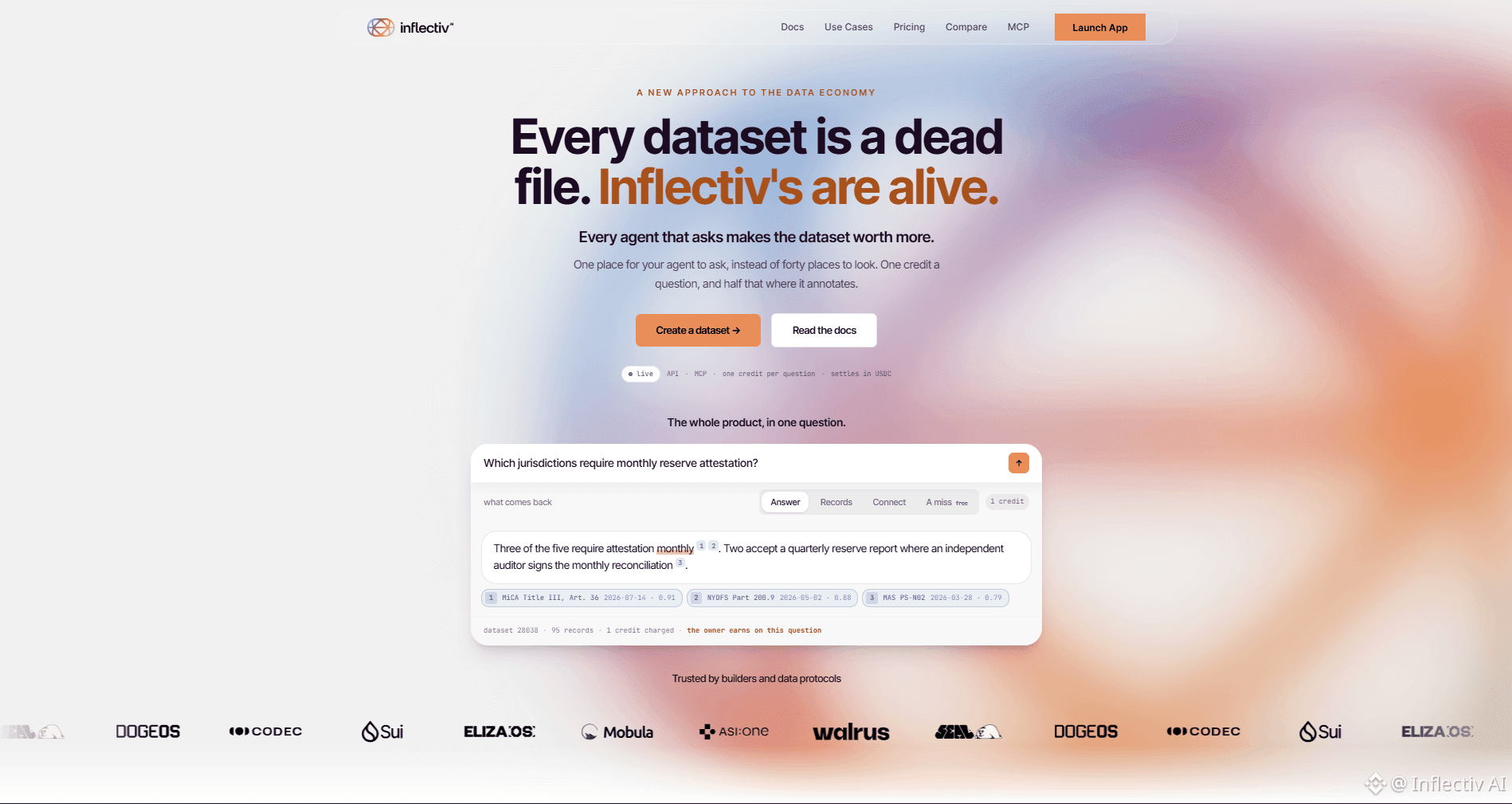
Notre nouveau site web est en ligne.
La plupart des jeux de données sont des fichiers morts. Le nôtre reste vivant. Votre agent pose une question, paie 1 crédit, reçoit une réponse avec des sources, puis ajoute à nouveau ce qu’il a appris.
En savoir plus ici : https://x.com/inflectivAI/status/2096929336662086117
Le voir : https://inflectiv.ai
Notre nouveau site web est en ligne.
La plupart des jeux de données sont des fichiers morts. Le nôtre reste vivant. Votre agent pose une question, paie 1 crédit, reçoit une réponse avec des sources, puis ajoute à nouveau ce qu’il a appris.
En savoir plus ici : https://x.com/inflectivAI/status/2096929336662086117
Le voir : https://inflectiv.ai
La plupart des jeux de données sont des fichiers morts. Le nôtre reste vivant. Votre agent pose une question, paie 1 crédit, reçoit une réponse avec des sources, puis ajoute à nouveau ce qu’il a appris.
En savoir plus ici : https://x.com/inflectivAI/status/2096929336662086117
Le voir : https://inflectiv.ai
64
·
--
Voir la traduction
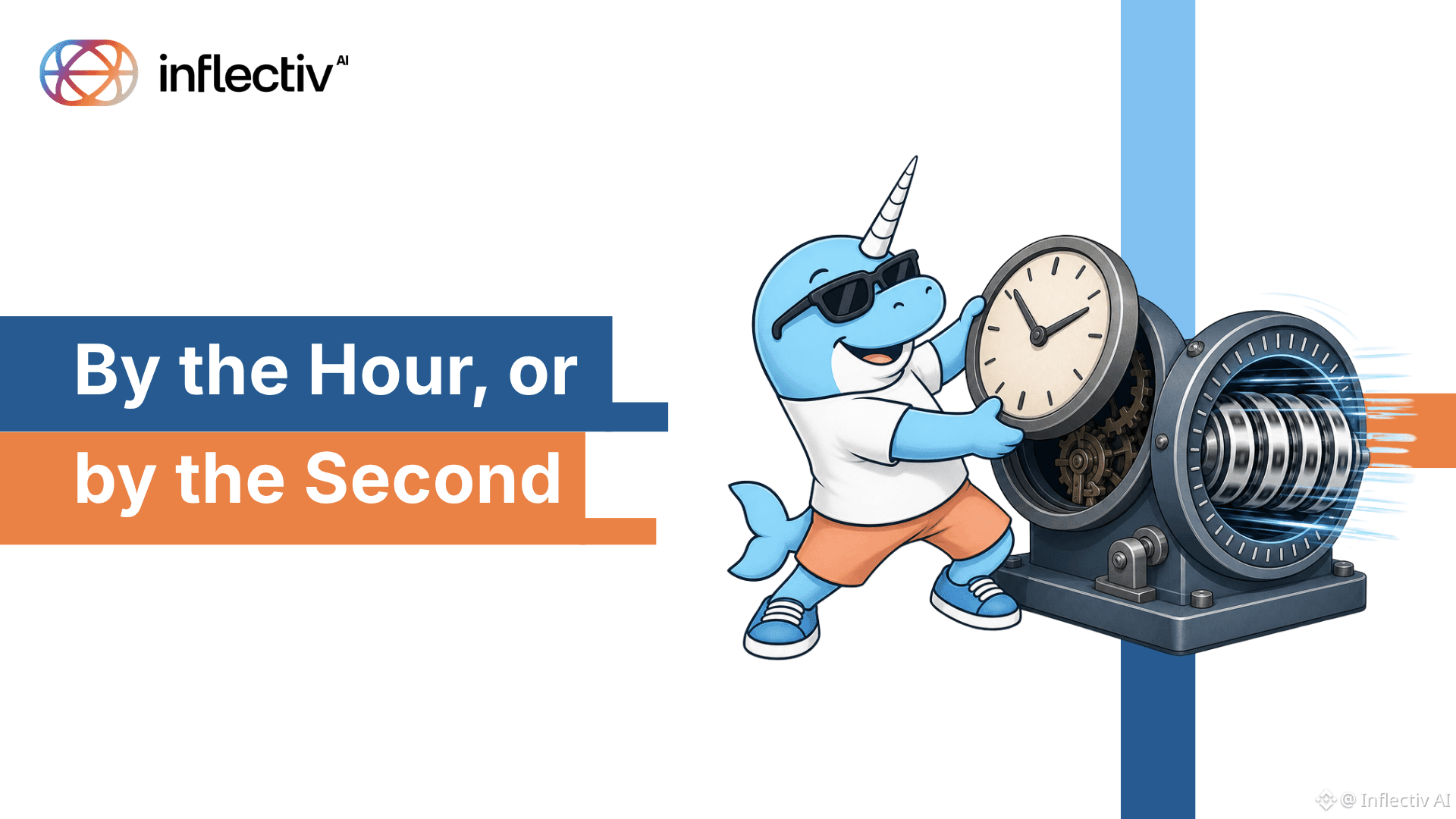
Domain expertise has always been rentable by the hour. It has never been queryable by the second.
Make yours queryable: https://app.inflectiv.ai
Domain expertise has always been rentable by the hour. It has never been queryable by the second.
Make yours queryable: https://app.inflectiv.ai
Make yours queryable: https://app.inflectiv.ai
71
·
--
Voir la traduction
Inflectiv doesn’t run alone.
It connects data, intelligence, and real-world use cases into one powerful layer.
A layer is only worth what connects to it.
Explore Inflectiv: https://inflectiv.ai
Inflectiv doesn’t run alone.
It connects data, intelligence, and real-world use cases into one powerful layer.
A layer is only worth what connects to it.
Explore Inflectiv: https://inflectiv.ai
It connects data, intelligence, and real-world use cases into one powerful layer.
A layer is only worth what connects to it.
Explore Inflectiv: https://inflectiv.ai

101
·
--
Voir la traduction
The best time to structure your knowledge was when you first created it.
The second best time is right now.
Upload one file today. See what happens.
Start: app.inflectiv.ai
The best time to structure your knowledge was when you first created it.
The second best time is right now.
Upload one file today. See what happens.
Start: app.inflectiv.ai
The second best time is right now.
Upload one file today. See what happens.
Start: app.inflectiv.ai
81
·
--
Article
Votre agent peut maintenant vous dire si un portefeuille est sûrChaque agent qui touche à la crypto finit par se poser la même question : ce portefeuille est-il sûr à traiter ? Jusqu’à aujourd’hui, la plupart des plateformes d’agents répondaient par un haussement d’épaules.
Les agents Inflectiv embarquent désormais l’intelligence wallet de ChainAware : une lecture en direct de la probabilité de fraude, du risque de rug-pull, du comportement du portefeuille, du segmentement, de la notation de crédit crypto et des classements de la communauté des tokens.
Considérez cela comme une agence de crédit pour les portefeuilles crypto, intégrée directement aux réponses de votre agent.
Ce que votre agent peut faire désormais
Posez une question directe : « Ce portefeuille est-il sûr pour effectuer un paiement ? », et demandez à votre agent Inflectiv d’interroger ChainAware en direct, en plein milieu de la conversation, puis de répondre en langage clair, avec le résultat joint.
Votre agent peut maintenant vous dire si un portefeuille est sûr
Chaque agent qui touche à la crypto finit par se poser la même question : ce portefeuille est-il sûr à traiter ? Jusqu’à aujourd’hui, la plupart des plateformes d’agents répondaient par un haussement d’épaules.
Les agents Inflectiv embarquent désormais l’intelligence wallet de ChainAware : une lecture en direct de la probabilité de fraude, du risque de rug-pull, du comportement du portefeuille, du segmentement, de la notation de crédit crypto et des classements de la communauté des tokens.
Considérez cela comme une agence de crédit pour les portefeuilles crypto, intégrée directement aux réponses de votre agent.
Ce que votre agent peut faire désormais
Posez une question directe : « Ce portefeuille est-il sûr pour effectuer un paiement ? », et demandez à votre agent Inflectiv d’interroger ChainAware en direct, en plein milieu de la conversation, puis de répondre en langage clair, avec le résultat joint.
Les agents Inflectiv embarquent désormais l’intelligence wallet de ChainAware : une lecture en direct de la probabilité de fraude, du risque de rug-pull, du comportement du portefeuille, du segmentement, de la notation de crédit crypto et des classements de la communauté des tokens.
Considérez cela comme une agence de crédit pour les portefeuilles crypto, intégrée directement aux réponses de votre agent.
Ce que votre agent peut faire désormais
Posez une question directe : « Ce portefeuille est-il sûr pour effectuer un paiement ? », et demandez à votre agent Inflectiv d’interroger ChainAware en direct, en plein milieu de la conversation, puis de répondre en langage clair, avec le résultat joint.
71
·
--
Votre agent peut exécuter une transaction, signer un accord et transférer des fonds en quelques secondes.
La rapidité n’a jamais été le problème. La confiance, elle, oui. Aujourd’hui, cela change.
ChainAware est DÉSORMAIS intégré à Inflectiv.
En savoir plus ici : https://x.com/inflectivAI/status/2091888510114349098
Votre agent peut exécuter une transaction, signer un accord et transférer des fonds en quelques secondes.
La rapidité n’a jamais été le problème. La confiance, elle, oui. Aujourd’hui, cela change.
ChainAware est DÉSORMAIS intégré à Inflectiv.
En savoir plus ici : https://x.com/inflectivAI/status/2091888510114349098
La rapidité n’a jamais été le problème. La confiance, elle, oui. Aujourd’hui, cela change.
ChainAware est DÉSORMAIS intégré à Inflectiv.
En savoir plus ici : https://x.com/inflectivAI/status/2091888510114349098
78
·
--
Les ensembles de données sont traités plus vite que jamais sur Inflectiv 2.5.
Que construirez-vous en premier avec cette vitesse ?
Les ensembles de données sont traités plus vite que jamais sur Inflectiv 2.5.
Que construirez-vous en premier avec cette vitesse ?
Que construirez-vous en premier avec cette vitesse ?
AI agent
0%
Tokenize a dataset
0%
Sell on marketplace
0%
Build with MCP
0%
0 Votes • Vote fermé
94
·
--

Article
Inflectiv 2.5 est désormais en ligne : chaque seconde compteInflectiv 2.5 est désormais en ligne.
Nous avons repensé la façon dont Inflectiv lit vos fichiers et vos sites web.
Voici tout ce qui est nouveau.
Traitement des fichiers plus rapide
Les gros documents sont désormais traités en plusieurs parties, toutes en même temps.
• Si une partie échoue, seule cette partie réessaie, pas l’ensemble du fichier
• Il n’y a plus de limite de taille des fichiers
• Importez jusqu’à 20 fichiers à la fois
Crawl repensé
Le crawl est aussi devenu plus rapide, surtout sur les sites plus grands.
• Un crawl de 20 pages prend désormais 4 secondes au lieu de 33
• Plus le site est grand, plus l’amélioration est importante
Inflectiv 2.5 est désormais en ligne : chaque seconde compte
Inflectiv 2.5 est désormais en ligne.
Nous avons repensé la façon dont Inflectiv lit vos fichiers et vos sites web.
Voici tout ce qui est nouveau.
Traitement des fichiers plus rapide
Les gros documents sont désormais traités en plusieurs parties, toutes en même temps.
• Si une partie échoue, seule cette partie réessaie, pas l’ensemble du fichier
• Il n’y a plus de limite de taille des fichiers
• Importez jusqu’à 20 fichiers à la fois
Crawl repensé
Le crawl est aussi devenu plus rapide, surtout sur les sites plus grands.
• Un crawl de 20 pages prend désormais 4 secondes au lieu de 33
• Plus le site est grand, plus l’amélioration est importante
Nous avons repensé la façon dont Inflectiv lit vos fichiers et vos sites web.
Voici tout ce qui est nouveau.
Traitement des fichiers plus rapide
Les gros documents sont désormais traités en plusieurs parties, toutes en même temps.
• Si une partie échoue, seule cette partie réessaie, pas l’ensemble du fichier
• Il n’y a plus de limite de taille des fichiers
• Importez jusqu’à 20 fichiers à la fois
Crawl repensé
Le crawl est aussi devenu plus rapide, surtout sur les sites plus grands.
• Un crawl de 20 pages prend désormais 4 secondes au lieu de 33
• Plus le site est grand, plus l’amélioration est importante
77
·
--
Inflectiv 2.5 est en ligne. Et c’est rapide.
33 secondes pour atteindre 4. Même crawl de 20 pages, plus de 8 fois plus rapide.
Traitement parallèle des fichiers. Files d’attente plus équitables. Des remboursements qui arrivent automatiquement.
Voici ce qui a changé 👇
Lisez le fil complet ici : https://x.com/inflectivAI/status/2088212709204513145
Inflectiv 2.5 est en ligne. Et c’est rapide.
33 secondes pour atteindre 4. Même crawl de 20 pages, plus de 8 fois plus rapide.
Traitement parallèle des fichiers. Files d’attente plus équitables. Des remboursements qui arrivent automatiquement.
Voici ce qui a changé 👇
Lisez le fil complet ici : https://x.com/inflectivAI/status/2088212709204513145
33 secondes pour atteindre 4. Même crawl de 20 pages, plus de 8 fois plus rapide.
Traitement parallèle des fichiers. Files d’attente plus équitables. Des remboursements qui arrivent automatiquement.
Voici ce qui a changé 👇
Lisez le fil complet ici : https://x.com/inflectivAI/status/2088212709204513145

81
·
--
L’hallucination de l’IA est un problème de données. Pas un problème de modèle.
Et c’est résoluble dès aujourd’hui.
Thread complet 👉 https://x.com/inflectivAI/status/2087464576975548755
L’hallucination de l’IA est un problème de données. Pas un problème de modèle.
Et c’est résoluble dès aujourd’hui.
Thread complet 👉 https://x.com/inflectivAI/status/2087464576975548755
Et c’est résoluble dès aujourd’hui.
Thread complet 👉 https://x.com/inflectivAI/status/2087464576975548755
65
·
--
Inflectiv MCP signifie que vous ne quittez jamais votre éditeur.
Créez des agents. Importez des documents. Recherchez des connaissances. Parcourez le marketplace. Payez avec USDC.
26 outils. Une seule commande.
Connectez votre IDE : app.inflectiv.ai
Inflectiv MCP signifie que vous ne quittez jamais votre éditeur.
Créez des agents. Importez des documents. Recherchez des connaissances. Parcourez le marketplace. Payez avec USDC.
26 outils. Une seule commande.
Connectez votre IDE : app.inflectiv.ai
Créez des agents. Importez des documents. Recherchez des connaissances. Parcourez le marketplace. Payez avec USDC.
26 outils. Une seule commande.
Connectez votre IDE : app.inflectiv.ai

72
·
--

Article
Quand les agents commencent à écrire, tout change.Trois choses se sont produites cette semaine, et elles pointent toutes vers le même changement.
Pendant deux ans, les agents étaient des lecteurs. Saisissez le contexte, répondez à la question, oubliez dès le prochain passage. Une mauvaise réponse restait affichée à l’écran. Cette semaine, nous avons observé ce qui change lorsqu’ils cessent de lire et commencent à agir.
D’abord, le chiffre honnête. Personne ne vous le dit quand vous commencez à construire des agents IA : le modèle représente dix pour cent du travail. Les données, quatre-vingt-dix pour cent. La plupart des équipes passent leur temps sur les dix et se demandent pourquoi leur agent manque toujours la cible. C’était le billet de lundi : court, direct, et la mise en place de tout ce qui a suivi.
Quand les agents commencent à écrire, tout change.
Trois choses se sont produites cette semaine, et elles pointent toutes vers le même changement.
Pendant deux ans, les agents étaient des lecteurs. Saisissez le contexte, répondez à la question, oubliez dès le prochain passage. Une mauvaise réponse restait affichée à l’écran. Cette semaine, nous avons observé ce qui change lorsqu’ils cessent de lire et commencent à agir.
D’abord, le chiffre honnête. Personne ne vous le dit quand vous commencez à construire des agents IA : le modèle représente dix pour cent du travail. Les données, quatre-vingt-dix pour cent. La plupart des équipes passent leur temps sur les dix et se demandent pourquoi leur agent manque toujours la cible. C’était le billet de lundi : court, direct, et la mise en place de tout ce qui a suivi.
Pendant deux ans, les agents étaient des lecteurs. Saisissez le contexte, répondez à la question, oubliez dès le prochain passage. Une mauvaise réponse restait affichée à l’écran. Cette semaine, nous avons observé ce qui change lorsqu’ils cessent de lire et commencent à agir.
D’abord, le chiffre honnête. Personne ne vous le dit quand vous commencez à construire des agents IA : le modèle représente dix pour cent du travail. Les données, quatre-vingt-dix pour cent. La plupart des équipes passent leur temps sur les dix et se demandent pourquoi leur agent manque toujours la cible. C’était le billet de lundi : court, direct, et la mise en place de tout ce qui a suivi.
68
·
--
Article
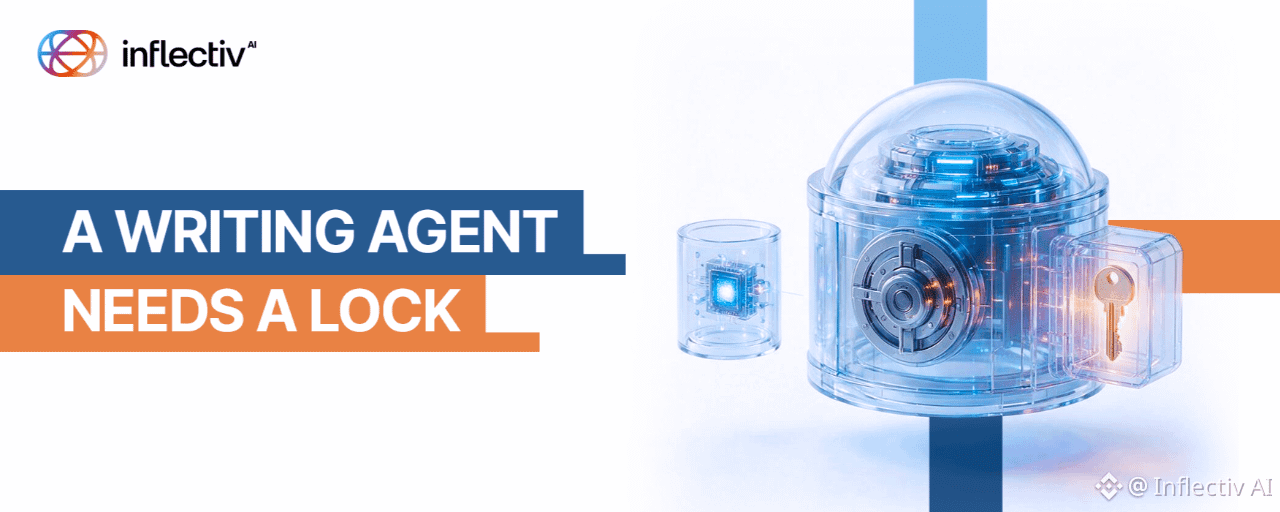
Un agent qui lit est sûr. Un agent qui écrit ne l’est pas.Un agent qui ne fait que lire peut vous mettre dans l’embarras. Un agent qui écrit peut vous coûter cher.
Cette seule ligne est toute la raison d’être d’Agent Vault.
Pendant la plupart des deux dernières années, les agents étaient des lecteurs. Ils récupéraient le contexte, répondaient à une question, puis oubliaient tout au prochain lancement. Une mauvaise réponse était une mauvaise réponse. Vous l’avez corrigée, puis vous avez poursuivi. Le rayon d’explosion s’arrêtait à l’écran.
Ensuite, les agents se sont mis à agir. Envoi de l’e-mail. Déplacement des fonds. Mise à jour de l’enregistrement. Réponse au système sur lequel d’autres personnes comptent.
Un agent qui lit est sûr. Un agent qui écrit ne l’est pas.
Un agent qui ne fait que lire peut vous mettre dans l’embarras. Un agent qui écrit peut vous coûter cher.
Cette seule ligne est toute la raison d’être d’Agent Vault.
Pendant la plupart des deux dernières années, les agents étaient des lecteurs. Ils récupéraient le contexte, répondaient à une question, puis oubliaient tout au prochain lancement. Une mauvaise réponse était une mauvaise réponse. Vous l’avez corrigée, puis vous avez poursuivi. Le rayon d’explosion s’arrêtait à l’écran.
Ensuite, les agents se sont mis à agir. Envoi de l’e-mail. Déplacement des fonds. Mise à jour de l’enregistrement. Réponse au système sur lequel d’autres personnes comptent.
Cette seule ligne est toute la raison d’être d’Agent Vault.
Pendant la plupart des deux dernières années, les agents étaient des lecteurs. Ils récupéraient le contexte, répondaient à une question, puis oubliaient tout au prochain lancement. Une mauvaise réponse était une mauvaise réponse. Vous l’avez corrigée, puis vous avez poursuivi. Le rayon d’explosion s’arrêtait à l’écran.
Ensuite, les agents se sont mis à agir. Envoi de l’e-mail. Déplacement des fonds. Mise à jour de l’enregistrement. Réponse au système sur lequel d’autres personnes comptent.
69
·
--
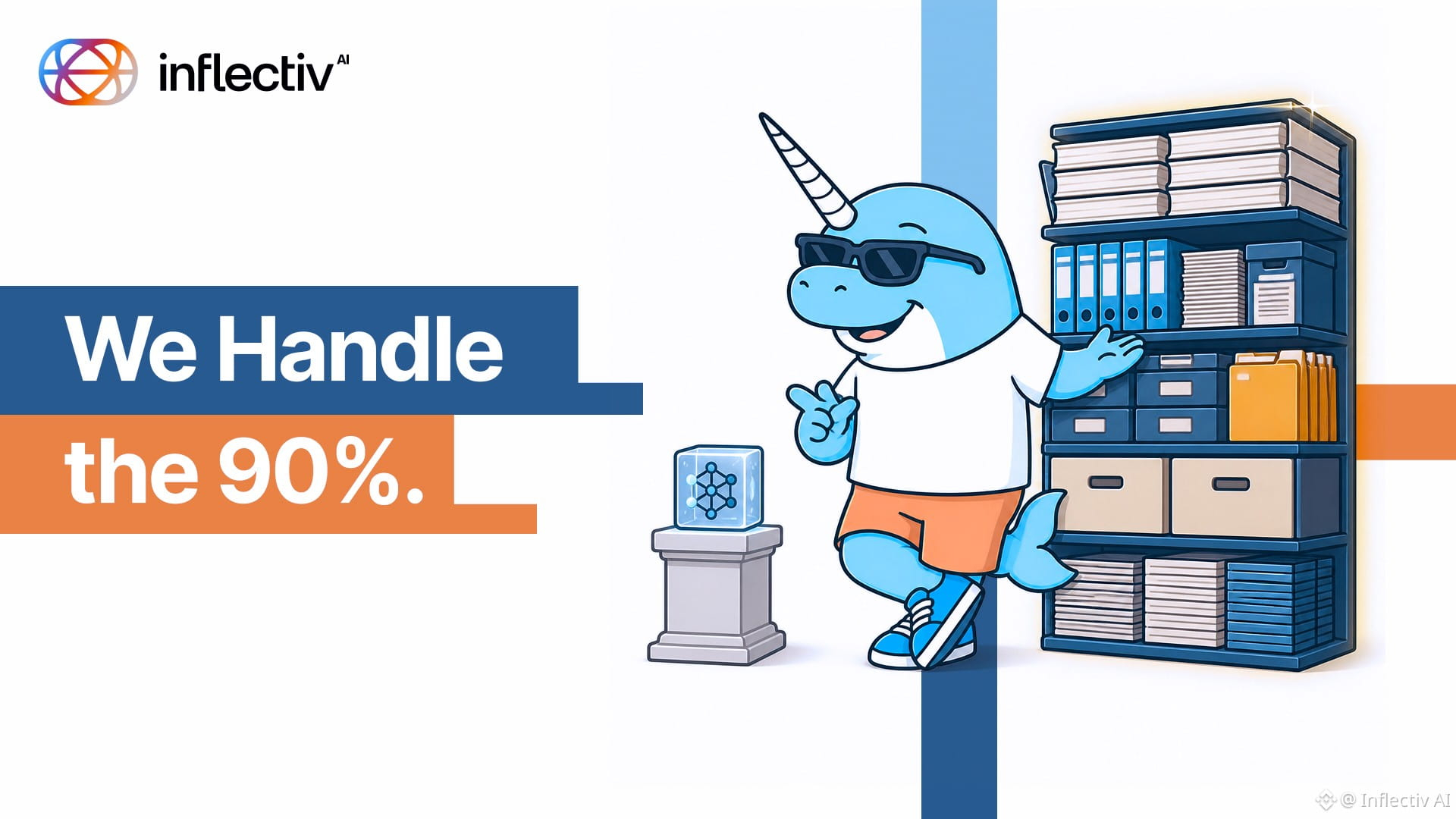
Ce que personne ne vous dit sur la création d’agents IA :
Le modèle ne représente que 10 % du travail.
Les données représentent 90 % du travail.
Inflectiv gère les 90 % les plus difficiles.
Concentrez-vous sur l’essentiel : https://app.inflectiv.ai
Ce que personne ne vous dit sur la création d’agents IA :
Le modèle ne représente que 10 % du travail.
Les données représentent 90 % du travail.
Inflectiv gère les 90 % les plus difficiles.
Concentrez-vous sur l’essentiel : https://app.inflectiv.ai
Le modèle ne représente que 10 % du travail.
Les données représentent 90 % du travail.
Inflectiv gère les 90 % les plus difficiles.
Concentrez-vous sur l’essentiel : https://app.inflectiv.ai
71
·
--
Quelle est la première chose que vous construiriez sur Inflectiv ?
Quelle est la première chose que vous construiriez sur Inflectiv ?
Support agent
0%
Research tool
0%
Knowledge base
0%
Dataset to sell
0%
0 Votes • Vote fermé
78
Connectez-vous pour découvrir plus de contenu
Rejoignez la communauté mondiale des adeptes de cryptomonnaies sur Binance Square
⚡️ Suviez les dernières informations importantes sur les cryptomonnaies.
💬 Jugé digne de confiance par la plus grande plateforme d’échange de cryptomonnaies au monde.
👍 Découvrez les connaissances que partagent les créateurs vérifiés.
Adresse e-mail/Nº de téléphone
Sujets d’actualité
PolymarketBankFailureBetsDrawFDICConcern
4,758 vues
209 mentions
#polymarketbankfailurebetsdrawfdicconcern
🚨 Alerte marché : les paris sur l’échec des banques à partir de Polymarket suscitent des inquiétudes liées à la FDIC
La situation : Le monde financier s’agite : un marché de prédiction à haut enjeu sur Polymarket—plus précisément des paris sur la probabilité de grandes défaillances bancaires—attire une attention sérieuse et suscite des inquiétudes de la part des régulateurs, y compris la FDIC. Cela a créé une boucle de rétroaction volatile où le sentiment du marché influence directement l’examen réglementaire, entraînant un volume massif et une forte volatilité dans l’ensemble du secteur.
Ce que cela signifie pour les traders : Lorsque des marchés de prédiction concernant la détresse financière gagnent autant d’ampleur, cela signale un stress extrême du marché et un risque systémique élevé. Les traders surveillent de près le risque de contagion dans le secteur bancaire, ce qui en fait un moment critique pour la gestion des risques et la rotation sectorielle.
Cryptos négociables à surveiller :
$BTC (Bitcoin) : La couverture macro ultime. À mesure que les inquiétudes sur la stabilité bancaire fiduciaire augmentent, les traders font souvent pivoter le capital vers le Bitcoin, considéré comme un refuge décentralisé et non étatique.
$ETH (Ethereum) : Leader de l’écosystème de la finance décentralisée (DeFi). Si le secteur bancaire traditionnel subit des pressions, l’attention se tourne souvent vers la finance on-chain et les protocoles de prêt construits sur Ethereum.
$BNB (Binance Coin) : En tant qu’indicateur de la santé des exchanges et du sentiment plus large du marché, suivre la réaction des jetons des grandes plateformes aux nouvelles financières soudaines permet d’obtenir des informations sur la liquidité globale du marché et la confiance des traders.
Vous couvrez-vous contre le risque systémique ou observez-vous depuis la touche ? Discutons de votre stratégie dans les commentaires ci-dessous ! 👇
#Polymarket #FDIC #BankingSector #PredictionMarkets
Axiom AlphA
·0 mentions J’aime
·2.6k vues
BlackRockBuildsTokenizedPortfoliosForOndo
3,270 vues
141 mentions
BitwiseFilesToListNEARETFOnNYSEArca
4,703 vues
173 mentions