
h jeet
31 Publications

h jeet
Signaler
Bloquer l’utilisateur
Writer

#BinanceTurns7
Ouvert au trading
Trade régulièrement
4.5 an(s)
11 Suivis
200 Abonnés
313 J’aime
1 Badges
Publications
Portefeuille
PINNED
·
--
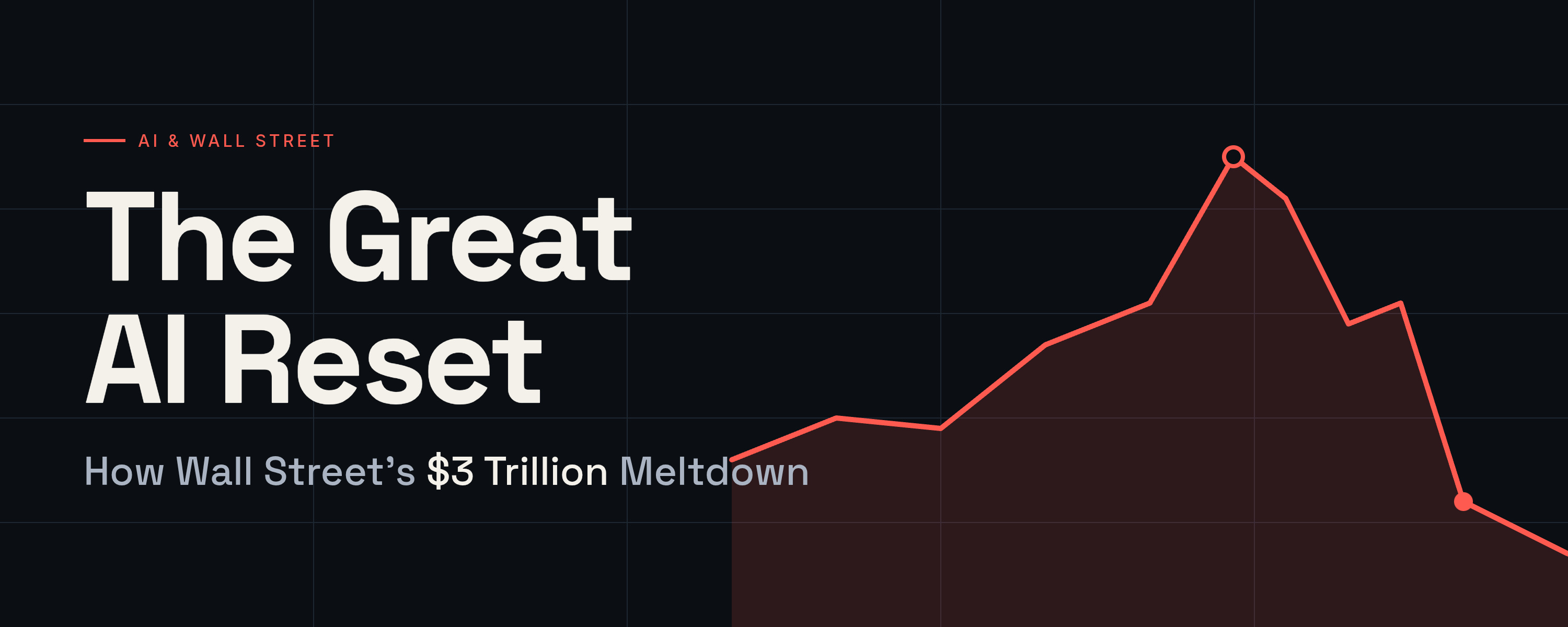
Le grand reset de l’IA : comment Wall Street a perdu 3 000 milliards de dollars
Le 5 novembre 2026, les marchés financiers mondiaux ont connu un bouleversement tectonique majeur : plus de 3 000 milliards de dollars de capitalisation boursière se sont évaporés lors du nouveau « jeudi noir » de Wall Street. Sous l’effet de l’éclatement d’une bulle de l’IA, les géants de la technologie ont subi un coup terrible, tandis que des marchés émergents comme l’Inde ont enregistré des entrées de capitaux record, dans un contraste saisissant entre les marchés.
La vague de ventes a porté un coup sévère aux principaux indices américains :
👉 Nasdaq Composite : en baisse de 5,5 % (pire chute en une seule journée depuis la mi-2025)
👉 S&P 500 : en chute de 4,4 %
👉 Dow Jones : en baisse de plus de 1 800 points (-3,4 %)
Les fabricants de puces d’IA et les fournisseurs d’infrastructures cloud ont subi de plein fouet la débâcle :
👉 Nvidia (-9,3 %) : a perdu environ 450 milliards de dollars de valeur boursière en 24 heures
👉 Micron (-17,5 %) : fortes ventes dans l’ensemble du secteur des fournisseurs de mémoire
👉 AMD (-17,3 %) : la plus forte baisse dans la fabrication de puces
👉 CoreWeave (-9,8 %) : lourdement touchée sur le marché des infrastructures cloud
consacrées à l’IA
Si les résultats des élections et la réglementation sur l’alimentation électrique des centres de données ont déclenché le krach, des failles structurelles le rendaient inévitable. Les chiffres ne tiennent tout simplement pas la route :
👉 Étendre les infrastructures mondiales d’IAG à 100 gigawatts nécessite environ 8 000 milliards de dollars.
👉 Le service de cette dette exige environ 800 milliards de dollars de bénéfices nets annuels, alors que les revenus de l’ensemble du secteur de l’IA avoisinent à peine 100 milliards de dollars et que ses bénéfices nets sont inexistants.
De plus, le « capital circulaire » a créé une illusion de croissance : les investisseurs ont injecté des milliards dans des start-ups qui ont aussitôt dépensé ces fonds auprès des fournisseurs cloud de leurs bailleurs de fonds. Jusqu’à 47 % du carnet de commandes cloud d’Oracle et 41 % de celui de Microsoft reposent sur ces boucles.
À l’image du krach des dot-com de 2000, ce reset ne tuera pas l’IA, mais l’ère du capital-risque spéculatif et circulaire est terminée. Les capitaux se réorientent désormais vers des modèles économiques unitaires tangibles et des flux de trésorerie réels.
330
·
--
Haussier
Voir la traduction
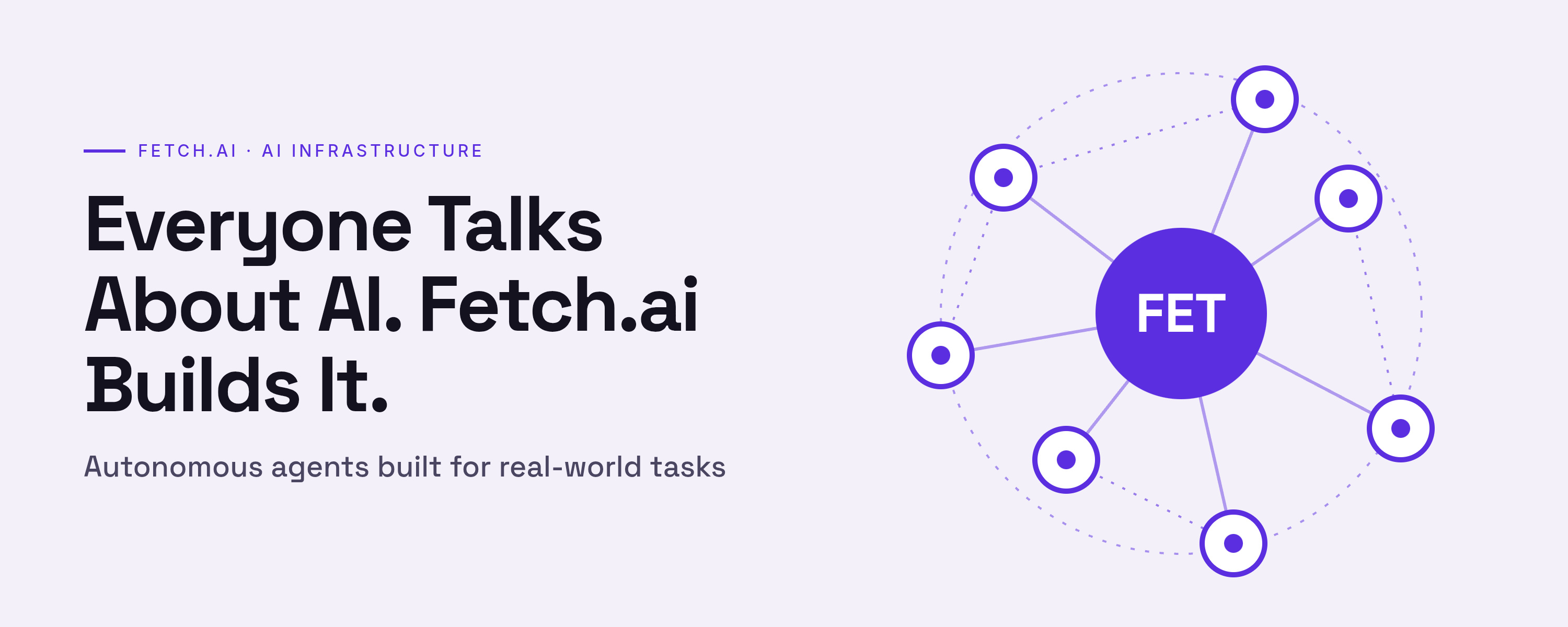
Everyone Talks About AI. Fetch.ai Builds It
Fetch.ai isn’t another buzzword token. It’s building the AI coordination layer that lets machines think, negotiate, and act autonomously. Most investors will notice it after the big move.
Already on Binance, still massively underestimated
Binance listing removes the biggest barrier — access. What’s missing isn’t availability, it’s attention.
This isn’t hype AI — it’s usable AI
Fetch.ai’s autonomous agents are designed to book services, optimize logistics, manage data, and automate decisions. While meme coins trend on social media, FET is quietly targeting real economic activity.
AI is exploding across industries, but decentralized AI infrastructure is still early. FET sits directly in that gap. When narratives shift from “AI talk” to “AI execution,” price discovery can be brutal for late buyers.
Most people ignore projects like Fetch.ai because they don’t pump every week. That’s usually how asymmetric opportunities look at the beginning.
High risk, yes . Fetch.ai is volatile, uncomfortable, and misunderstood — exactly the conditions that create outsized returns if the thesis plays out.
Bottom line:
People will buy Fetch.ai later — when it’s obvious, more expensive, and crowded. The only real question is whether you prefer early conviction or late confirmation.
7
2k
·
--
Voir la traduction
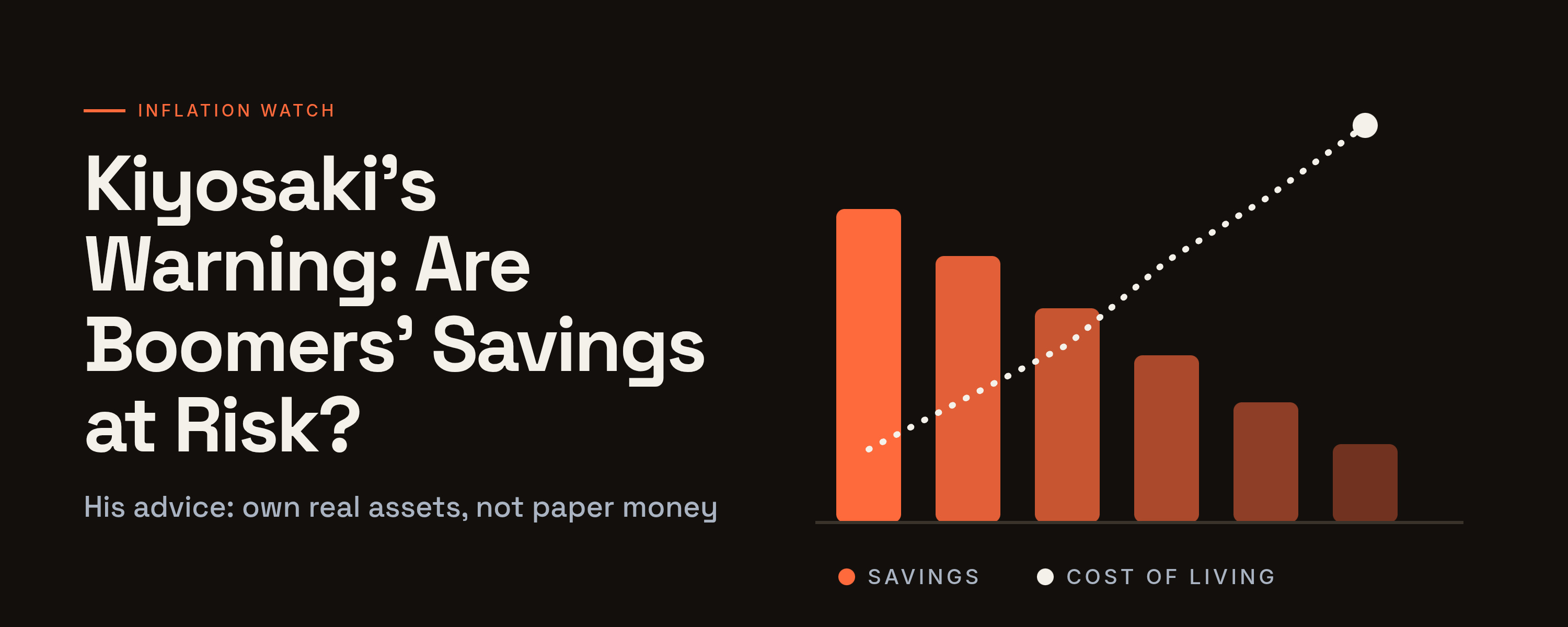
Kiyosaki’s Warning: Are Boomers’ Savings at Risk?”
Robert Kiyosaki, author of Rich Dad, Poor Dad, has issued a chilling warning: millions of American baby boomers could soon lose their savings, homes, and financial security.
“The boomers don’t have enough money to survive inflation,” Kiyosaki said. “We’re going to see homelessness like never before. Inflation will wipe out Social Security — your parents could end up on the streets.”
The Fed’s Mistake
Kiyosaki blames the Federal Reserve’s endless money printing for creating “fake wealth.” According to him, the Fed’s policies have inflated the rich while crushing the middle class.
“When you print fake money, you make life harder for ordinary people,” he explained. “The rich own assets that rise in price. Everyone else just watches costs skyrocket — food, rent, healthcare, everything.”
The Boomer Crisis
Once the most fortunate generation, baby boomers are now retiring into an economy stacked against them. Rising medical bills, shrinking savings, and Social Security checks that can’t match inflation are eroding decades of financial progress.
Experts agree that cost-of-living adjustments fail to reflect real inflation in housing, energy, and healthcare.
Kiyosaki’s Advice
“The system is breaking,” he warned. “If your wealth depends on paper money, you’re in danger. Own real assets — gold, silver, Bitcoin, real estate, or businesses that create cash flow.”
The Bottom Line
Whether you agree with him or not, Kiyosaki’s warning is clear: inflation is eating away at the middle class, and time is running out to prepare. Real assets, not paper promises, may be the only path to survival.
18
8
143
133.3k
·
--
Article
Voir la traduction
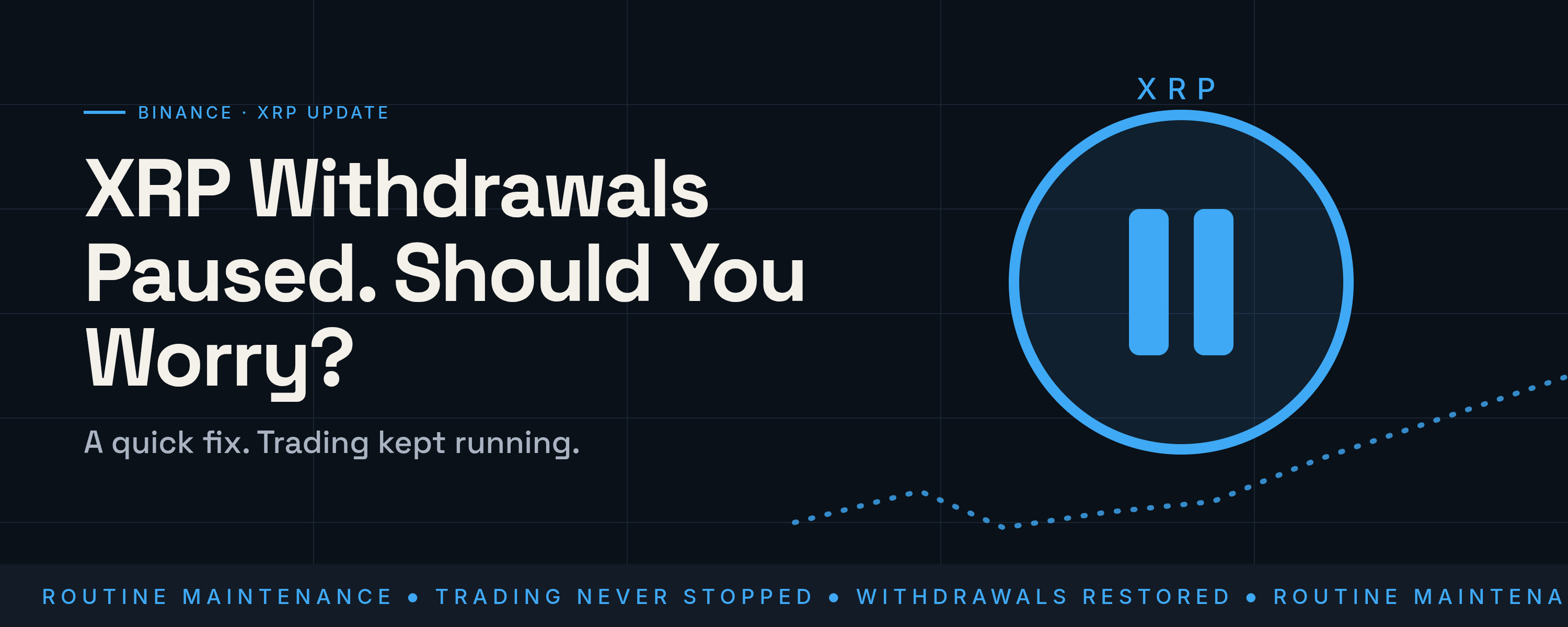
XRP Withdrawals Paused. Should You Worry?The recent suspension of XRP withdrawals on Binance has stirred considerable discussion in the cryptocurrency community. Here’s a closer look at the situation, its implications, and the reactions from various stakeholders.
Key Details
Withdrawal Suspension:
Binance paused XRP withdrawals for routine maintenance on wallets linked to the Ripple Ledger (XRPL).
Duration:
The maintenance was completed swiftly, and withdrawals were restored shortly after the announcement.
Trading Status:
While withdrawals were halted, XRP trading on Binance continued without interruption. Users could still withdraw XRP through alternative networks, such as ERC20 and BEP20.
Community Reactions
Investor Concerns:
The announcement raised alarm among XRP holders, leading to discussions about the risks associated with centralized exchanges. Many voiced concerns over potential impacts on liquidity and access to their assets.
Expert Advice:
Figures like Edward Farina suggested that users consider moving their assets off centralized platforms to mitigate risks of withdrawal issues during such maintenance events.
Regulatory Implications
Ripple vs. XRP Distinction:
The incident reignited conversations about the ongoing regulatory discourse surrounding Ripple, the payment company, and XRP, its native asset. This distinction is crucial as it influences legal interpretations of XRP's classification and its status under U.S. securities laws.
Investor Sentiment:
Uncertainties about regulatory clarity may lead to hesitance among potential investors, affecting XRP's market performance.
Intellectual Insights
Centralization vs. Decentralization:
This incident highlights a critical debate in the cryptocurrency world about the safety and reliability of centralized exchanges versus decentralized platforms. While centralized exchanges offer convenience and liquidity, they also pose risks during maintenance or operational issues.
Regulatory Landscape:
As regulators increasingly scrutinize digital assets, the need for clear guidelines becomes paramount. The confusion between Ripple and XRP underscores the complexities in classifying cryptocurrencies and the necessity for comprehensive legal frameworks.
Investor Behavior:
The quick reactions from the community reflect a growing awareness among investors about the importance of self-custody. As the market matures, more investors are prioritizing security and control over their assets.
The temporary halt of XRP withdrawals on Binance serves as a reminder of the inherent risks in cryptocurrency trading, particularly with centralized exchanges. As the community navigates these challenges, ongoing discussions about regulation and asset custody will likely shape the future landscape of digital currencies. Investors are encouraged to stay informed and consider the implications of their trading choices in an evolving market.
XRP Withdrawals Paused. Should You Worry?
The recent suspension of XRP withdrawals on Binance has stirred considerable discussion in the cryptocurrency community. Here’s a closer look at the situation, its implications, and the reactions from various stakeholders.
Key Details
Withdrawal Suspension:
Binance paused XRP withdrawals for routine maintenance on wallets linked to the Ripple Ledger (XRPL).
Duration:
The maintenance was completed swiftly, and withdrawals were restored shortly after the announcement.
Trading Status:
While withdrawals were halted, XRP trading on Binance continued without interruption. Users could still withdraw XRP through alternative networks, such as ERC20 and BEP20.
Community Reactions
Investor Concerns:
The announcement raised alarm among XRP holders, leading to discussions about the risks associated with centralized exchanges. Many voiced concerns over potential impacts on liquidity and access to their assets.
Expert Advice:
Figures like Edward Farina suggested that users consider moving their assets off centralized platforms to mitigate risks of withdrawal issues during such maintenance events.
Regulatory Implications
Ripple vs. XRP Distinction:
The incident reignited conversations about the ongoing regulatory discourse surrounding Ripple, the payment company, and XRP, its native asset. This distinction is crucial as it influences legal interpretations of XRP's classification and its status under U.S. securities laws.
Investor Sentiment:
Uncertainties about regulatory clarity may lead to hesitance among potential investors, affecting XRP's market performance.
Intellectual Insights
Centralization vs. Decentralization:
This incident highlights a critical debate in the cryptocurrency world about the safety and reliability of centralized exchanges versus decentralized platforms. While centralized exchanges offer convenience and liquidity, they also pose risks during maintenance or operational issues.
Regulatory Landscape:
As regulators increasingly scrutinize digital assets, the need for clear guidelines becomes paramount. The confusion between Ripple and XRP underscores the complexities in classifying cryptocurrencies and the necessity for comprehensive legal frameworks.
Investor Behavior:
The quick reactions from the community reflect a growing awareness among investors about the importance of self-custody. As the market matures, more investors are prioritizing security and control over their assets.
The temporary halt of XRP withdrawals on Binance serves as a reminder of the inherent risks in cryptocurrency trading, particularly with centralized exchanges. As the community navigates these challenges, ongoing discussions about regulation and asset custody will likely shape the future landscape of digital currencies. Investors are encouraged to stay informed and consider the implications of their trading choices in an evolving market.
1
5
8.9k
·
--

Article
Pourquoi tout le monde parle soudainement des meme coins Hype, communauté et FOMO.En octobre 2024, les meme coins ont retenu l’attention des investisseurs comme des passionnés de cryptomonnaies. Voici un aperçu détaillé des raisons pour lesquelles les meme coins sont tendance ce mois-ci :
Dynamique du marché
1. Récentes flambées des cours :
De nombreux meme coins ont récemment connu des hausses de cours importantes, ravivant l’intérêt des investisseurs particuliers comme institutionnels.
2. Augmentation du volume des échanges :
Une hausse du volume des échanges indique un intérêt et une activité accrus autour des meme coins, ce qui les rend plus attrayants pour les traders à la recherche de gains à court terme.
Pourquoi tout le monde parle soudainement des meme coins Hype, communauté et FOMO.
En octobre 2024, les meme coins ont retenu l’attention des investisseurs comme des passionnés de cryptomonnaies. Voici un aperçu détaillé des raisons pour lesquelles les meme coins sont tendance ce mois-ci :
Dynamique du marché
1. Récentes flambées des cours :
De nombreux meme coins ont récemment connu des hausses de cours importantes, ravivant l’intérêt des investisseurs particuliers comme institutionnels.
2. Augmentation du volume des échanges :
Une hausse du volume des échanges indique un intérêt et une activité accrus autour des meme coins, ce qui les rend plus attrayants pour les traders à la recherche de gains à court terme.
3
1.1k
·
--
Article
Voir la traduction
When AI Met Crypto on Nvidia’s Biggest StageMark your calendars for March 18-21, 2024, as the tech world braces itself for the much-anticipated Nvidia GPU Technology Conference . This annual gathering serves as a nexus for innovation, drawing a diverse array of professionals from IT, development, engineering, research, and investment sectors. At the heart of the conference lies a compelling agenda: to explore the frontier of artificial intelligence (A.I), machine learning, computer graphics, data science, and autonomous systems.
Nvidia Corporation renowned for its cutting-edge graphics processing units (GPUs), spearheads this transformative event. The visionary behind Nvidia, Jensen Huang, will grace the conference with his presence, underscoring the company's commitment to pioneering advancements in technology.
While GTC traditionally caters to a broad spectrum of tech enthusiasts, this year's edition has stirred particular excitement within the crypto community. What's causing the buzz? The announcement of eminent crypto founders' participation has set the stage for a convergence of two worlds: traditional tech giants and the rapidly evolving crypto sphere.
Among the notable figures slated to attend is Illia Polosukhin, co-founder of NEAR Protocol. His presence underscores the pivotal role of AI in shaping the future of blockchain protocols. Polosukhin's keynote speech and panel discussion on 'Transforming AI' promise to provide invaluable insights into the symbiotic relationship between AI and crypto.
But NEAR Protocol isn't the only crypto project making waves. Tokens such as Render , Fetch.ai , and Worldcoin have also found themselves in the spotlight. As news of their involvement in GTC spreads, investors and traders are bracing themselves for potential market movements.
Why the fervent interest in AI-centric tokens?
The answer lies in the intrinsic link between AI technology and the burgeoning crypto landscape. As blockchain protocols strive for faster and more efficient processing and storage solutions, AI emerges as the indispensable tool of the future. The marriage of AI and crypto heralds a new era of innovation, promising to reshape industries and redefine the boundaries of possibility.
Indeed, 2024 may well be remembered as the "Gradual year of AI" in the crypto realm. As the crypto market eagerly awaits the insights and revelations to emerge from Nvidia GTC, one thing is clear: the future of crypto is inexorably intertwined with the transformative power of artificial intelligence.
When AI Met Crypto on Nvidia’s Biggest Stage
Mark your calendars for March 18-21, 2024, as the tech world braces itself for the much-anticipated Nvidia GPU Technology Conference . This annual gathering serves as a nexus for innovation, drawing a diverse array of professionals from IT, development, engineering, research, and investment sectors. At the heart of the conference lies a compelling agenda: to explore the frontier of artificial intelligence (A.I), machine learning, computer graphics, data science, and autonomous systems.
Nvidia Corporation renowned for its cutting-edge graphics processing units (GPUs), spearheads this transformative event. The visionary behind Nvidia, Jensen Huang, will grace the conference with his presence, underscoring the company's commitment to pioneering advancements in technology.
While GTC traditionally caters to a broad spectrum of tech enthusiasts, this year's edition has stirred particular excitement within the crypto community. What's causing the buzz? The announcement of eminent crypto founders' participation has set the stage for a convergence of two worlds: traditional tech giants and the rapidly evolving crypto sphere.
Among the notable figures slated to attend is Illia Polosukhin, co-founder of NEAR Protocol. His presence underscores the pivotal role of AI in shaping the future of blockchain protocols. Polosukhin's keynote speech and panel discussion on 'Transforming AI' promise to provide invaluable insights into the symbiotic relationship between AI and crypto.
But NEAR Protocol isn't the only crypto project making waves. Tokens such as Render , Fetch.ai , and Worldcoin have also found themselves in the spotlight. As news of their involvement in GTC spreads, investors and traders are bracing themselves for potential market movements.
Why the fervent interest in AI-centric tokens?
The answer lies in the intrinsic link between AI technology and the burgeoning crypto landscape. As blockchain protocols strive for faster and more efficient processing and storage solutions, AI emerges as the indispensable tool of the future. The marriage of AI and crypto heralds a new era of innovation, promising to reshape industries and redefine the boundaries of possibility.
Indeed, 2024 may well be remembered as the "Gradual year of AI" in the crypto realm. As the crypto market eagerly awaits the insights and revelations to emerge from Nvidia GTC, one thing is clear: the future of crypto is inexorably intertwined with the transformative power of artificial intelligence.
3
11
3.2k
Connectez-vous pour découvrir plus de contenu
Rejoignez la communauté mondiale des adeptes de cryptomonnaies sur Binance Square
⚡️ Suviez les dernières informations importantes sur les cryptomonnaies.
💬 Jugé digne de confiance par la plus grande plateforme d’échange de cryptomonnaies au monde.
👍 Découvrez les connaissances que partagent les créateurs vérifiés.
Adresse e-mail/Nº de téléphone
Sujets d’actualité
CPITestsDecemberRateOutlook
733,970 vues
3,540 mentions
L’IPC d’octobre attendu en hausse de 0,3 %, maintenant la Fed sur la voie d’une hausse des taux en décembre
Binance News
·8 mentions J’aime
·9.5k vues
NvidiaInvestigatesAfterHuang’sAffairApology
291,881 vues
2,281 mentions
AnthropicRejectsIPODelayValuationinQuestion
78,363 vues
735 mentions