

Crypto Saagaa - Official
455 Publications

Crypto Saagaa - Official
Signaler
Bloquer l’utilisateur
I am Crypto Saaga: A Youtube Channel! We are dedicated to bring the most recent most insightful updates that are authentic about crypto on this BINANCE platform
Ouvert au trading
Trade régulièrement
8.8 an(s)
46 Suivis
779 Abonnés
618 J’aime
Publications
Portefeuille
Tous
Citations
Vidéos
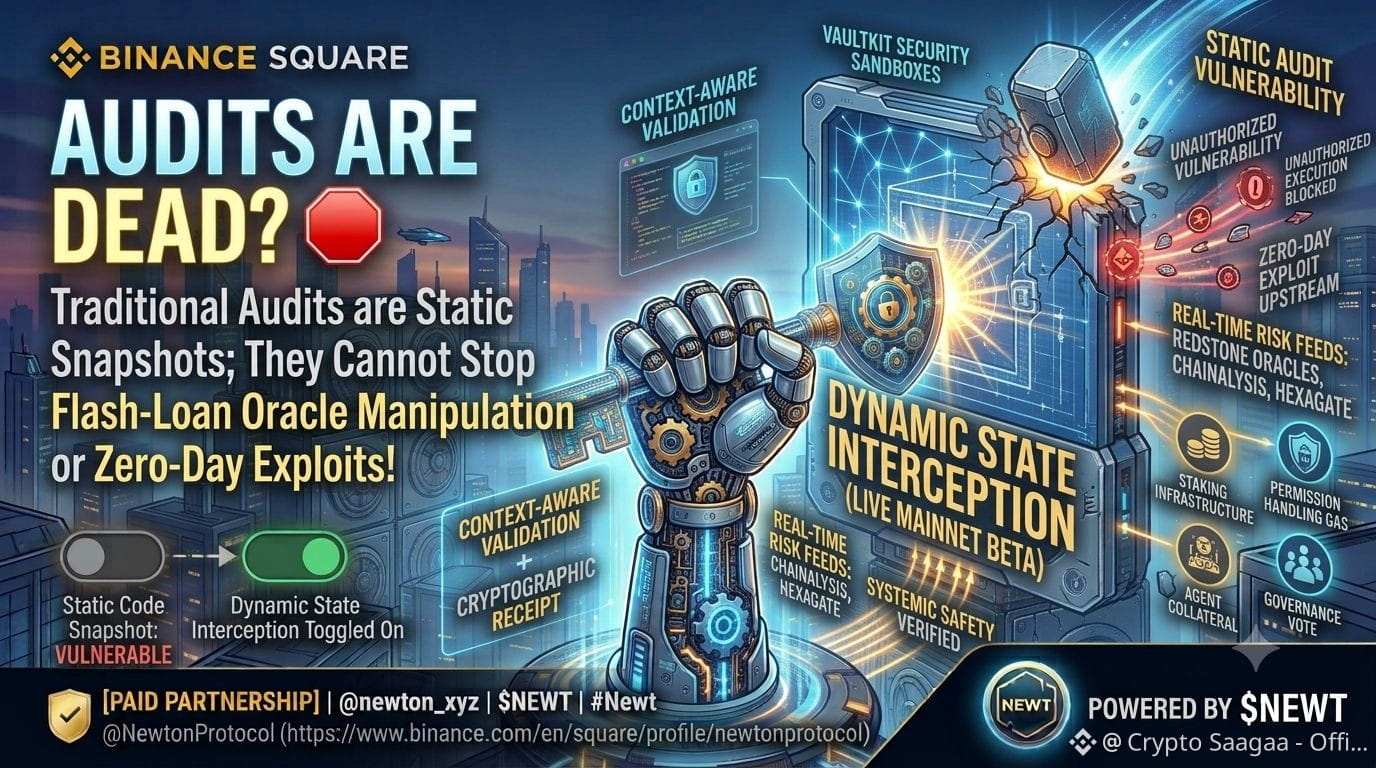
Le défaut fondamental des audits Web3 traditionnels est qu’ils sont entièrement statiques. Un audit de smart contract coûteux n’est, en réalité, qu’un instantané du code pris dans le vide. Il ne parvient absolument pas à prendre en compte des anomalies économiques dynamiques, des manipulations d’oracles induites par des flash-loans, ou des exploits de type zero-day.
Le live Newton Mainnet Beta change cette dynamique en passant de règles de code statiques à une Dynamic State Interception. En encapsulant les actifs dans des bacs à sable sécurisés VaultKit, le protocole évalue le contexte de transaction en temps réel avant l’exécution.
En récupérant des flux de risque instantanés auprès d’acteurs d’infrastructure établis comme RedStone, Chainalysis et Hexagate, le cadre vérifie la sécurité systémique à l’intérieur des TEEs hors chaîne avant qu’une transaction ne puisse modifier le grand livre. À mesure que cette couche de sécurité proactive s’étend pour protéger des vault automatisés et des flux de travail complexes d’agents IA, l’utilité structurelle de $NEWT en tant que mécanisme de consensus principal du réseau pour le staking et la gestion des permissions, ainsi que le gas token associé, évolue en parallèle. @NewtonProtocol o#Newt
#newt $NEWT
Le défaut fondamental des audits Web3 traditionnels est qu’ils sont entièrement statiques. Un audit de smart contract coûteux n’est, en réalité, qu’un instantané du code pris dans le vide. Il ne parvient absolument pas à prendre en compte des anomalies économiques dynamiques, des manipulations d’oracles induites par des flash-loans, ou des exploits de type zero-day.
Le live Newton Mainnet Beta change cette dynamique en passant de règles de code statiques à une Dynamic State Interception. En encapsulant les actifs dans des bacs à sable sécurisés VaultKit, le protocole évalue le contexte de transaction en temps réel avant l’exécution.
En récupérant des flux de risque instantanés auprès d’acteurs d’infrastructure établis comme RedStone, Chainalysis et Hexagate, le cadre vérifie la sécurité systémique à l’intérieur des TEEs hors chaîne avant qu’une transaction ne puisse modifier le grand livre. À mesure que cette couche de sécurité proactive s’étend pour protéger des vault automatisés et des flux de travail complexes d’agents IA, l’utilité structurelle de $NEWT en tant que mécanisme de consensus principal du réseau pour le staking et la gestion des permissions, ainsi que le gas token associé, évolue en parallèle. @NewtonProtocol o#Newt
#newt $NEWT
Le live Newton Mainnet Beta change cette dynamique en passant de règles de code statiques à une Dynamic State Interception. En encapsulant les actifs dans des bacs à sable sécurisés VaultKit, le protocole évalue le contexte de transaction en temps réel avant l’exécution.
En récupérant des flux de risque instantanés auprès d’acteurs d’infrastructure établis comme RedStone, Chainalysis et Hexagate, le cadre vérifie la sécurité systémique à l’intérieur des TEEs hors chaîne avant qu’une transaction ne puisse modifier le grand livre. À mesure que cette couche de sécurité proactive s’étend pour protéger des vault automatisés et des flux de travail complexes d’agents IA, l’utilité structurelle de $NEWT en tant que mécanisme de consensus principal du réseau pour le staking et la gestion des permissions, ainsi que le gas token associé, évolue en parallèle. @NewtonProtocol o#Newt
#newt $NEWT
1
73
Article
Interception de l’état dynamique : pourquoi les audits de contrats intelligents ne suffisent plus en Web3Dans le paysage actuel de la Web3, la preuve ultime de sécurité a toujours été l’audit de contrat intelligent par un tiers. Les protocoles dépensent des centaines de milliers de dollars pour s’assurer que leur bytecode est exempt de failles logiques. Pourtant, nous constatons régulièrement que des coffres audités, valant plusieurs millions de dollars, sont vidés en l’espace de quelques blocs.
Le défaut structurel ne tient pas nécessairement à la qualité des audits ; il tient à leur nature statique. Un audit est une photographie du code dans le vide. Il ne peut pas prédire les anomalies économiques dynamiques, les manipulations d’oracle induites par un flash-loan, ni les comportements erratiques du mempool liés à des flux de capitaux à grande vitesse.
Interception de l’état dynamique : pourquoi les audits de contrats intelligents ne suffisent plus en Web3
Dans le paysage actuel de la Web3, la preuve ultime de sécurité a toujours été l’audit de contrat intelligent par un tiers. Les protocoles dépensent des centaines de milliers de dollars pour s’assurer que leur bytecode est exempt de failles logiques. Pourtant, nous constatons régulièrement que des coffres audités, valant plusieurs millions de dollars, sont vidés en l’espace de quelques blocs.
Le défaut structurel ne tient pas nécessairement à la qualité des audits ; il tient à leur nature statique. Un audit est une photographie du code dans le vide. Il ne peut pas prédire les anomalies économiques dynamiques, les manipulations d’oracle induites par un flash-loan, ni les comportements erratiques du mempool liés à des flux de capitaux à grande vitesse.
Le défaut structurel ne tient pas nécessairement à la qualité des audits ; il tient à leur nature statique. Un audit est une photographie du code dans le vide. Il ne peut pas prédire les anomalies économiques dynamiques, les manipulations d’oracle induites par un flash-loan, ni les comportements erratiques du mempool liés à des flux de capitaux à grande vitesse.
1
88
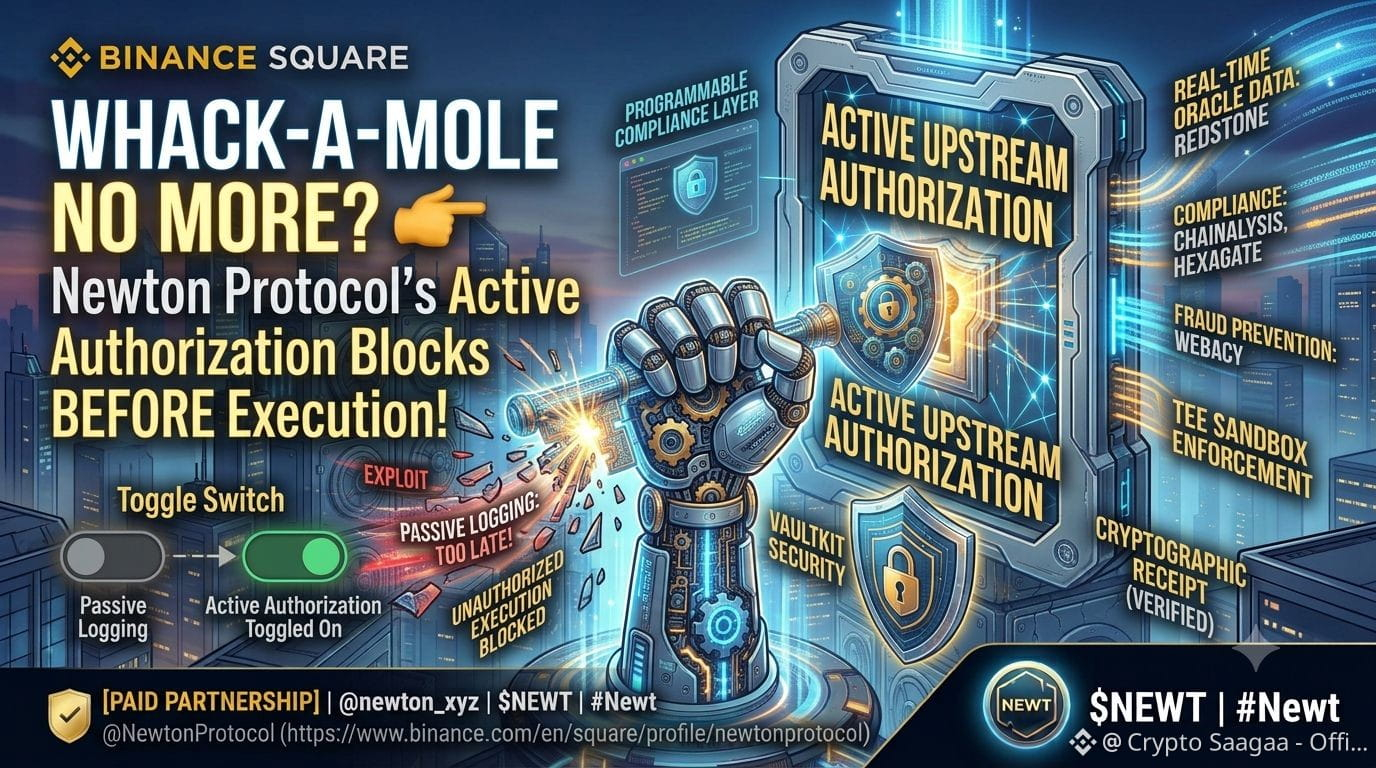
La vraie raison pour laquelle la sécurité DeFi ressemble à un jeu interminable de « whack-a-mole » n’est pas du code de smart contract « mal conçu » — c’est la réalité d’une journalisation passive. Pour l’instant, l’infrastructure vous indique comment vous avez été exploité une fois que le capital a déjà disparu.
Le live Newton Mainnet Beta renverse complètement cette séquence. En établissant une couche de contrainte en amont via des TEE, @NewtonProtocol l fait évoluer le paradigme : on passe de l’audit passif à une autorisation active, au moment de la transaction.
Avec VaultKit qui limite activement les risques en récupérant des flux de conditions en direct auprès de partenaires comme RedStone, les protocoles peuvent enfin bloquer l’exécution non autorisée avant qu’elle n’atteigne le registre. À mesure que ces sandboxes sécurisés se mettent à l’échelle pour gérer des coffres institutionnels et des flux de travail automatisés d’agents IA, l’utilité structurelle de $NEWT as en tant que coordination centrale et jeton de gaz de permission se met à l’échelle au même rythme. #Newt
#newt $NEWT
La vraie raison pour laquelle la sécurité DeFi ressemble à un jeu interminable de « whack-a-mole » n’est pas du code de smart contract « mal conçu » — c’est la réalité d’une journalisation passive. Pour l’instant, l’infrastructure vous indique comment vous avez été exploité une fois que le capital a déjà disparu.
Le live Newton Mainnet Beta renverse complètement cette séquence. En établissant une couche de contrainte en amont via des TEE, @NewtonProtocol l fait évoluer le paradigme : on passe de l’audit passif à une autorisation active, au moment de la transaction.
Avec VaultKit qui limite activement les risques en récupérant des flux de conditions en direct auprès de partenaires comme RedStone, les protocoles peuvent enfin bloquer l’exécution non autorisée avant qu’elle n’atteigne le registre. À mesure que ces sandboxes sécurisés se mettent à l’échelle pour gérer des coffres institutionnels et des flux de travail automatisés d’agents IA, l’utilité structurelle de $NEWT as en tant que coordination centrale et jeton de gaz de permission se met à l’échelle au même rythme. #Newt
#newt $NEWT
Le live Newton Mainnet Beta renverse complètement cette séquence. En établissant une couche de contrainte en amont via des TEE, @NewtonProtocol l fait évoluer le paradigme : on passe de l’audit passif à une autorisation active, au moment de la transaction.
Avec VaultKit qui limite activement les risques en récupérant des flux de conditions en direct auprès de partenaires comme RedStone, les protocoles peuvent enfin bloquer l’exécution non autorisée avant qu’elle n’atteigne le registre. À mesure que ces sandboxes sécurisés se mettent à l’échelle pour gérer des coffres institutionnels et des flux de travail automatisés d’agents IA, l’utilité structurelle de $NEWT as en tant que coordination centrale et jeton de gaz de permission se met à l’échelle au même rythme. #Newt
#newt $NEWT
55
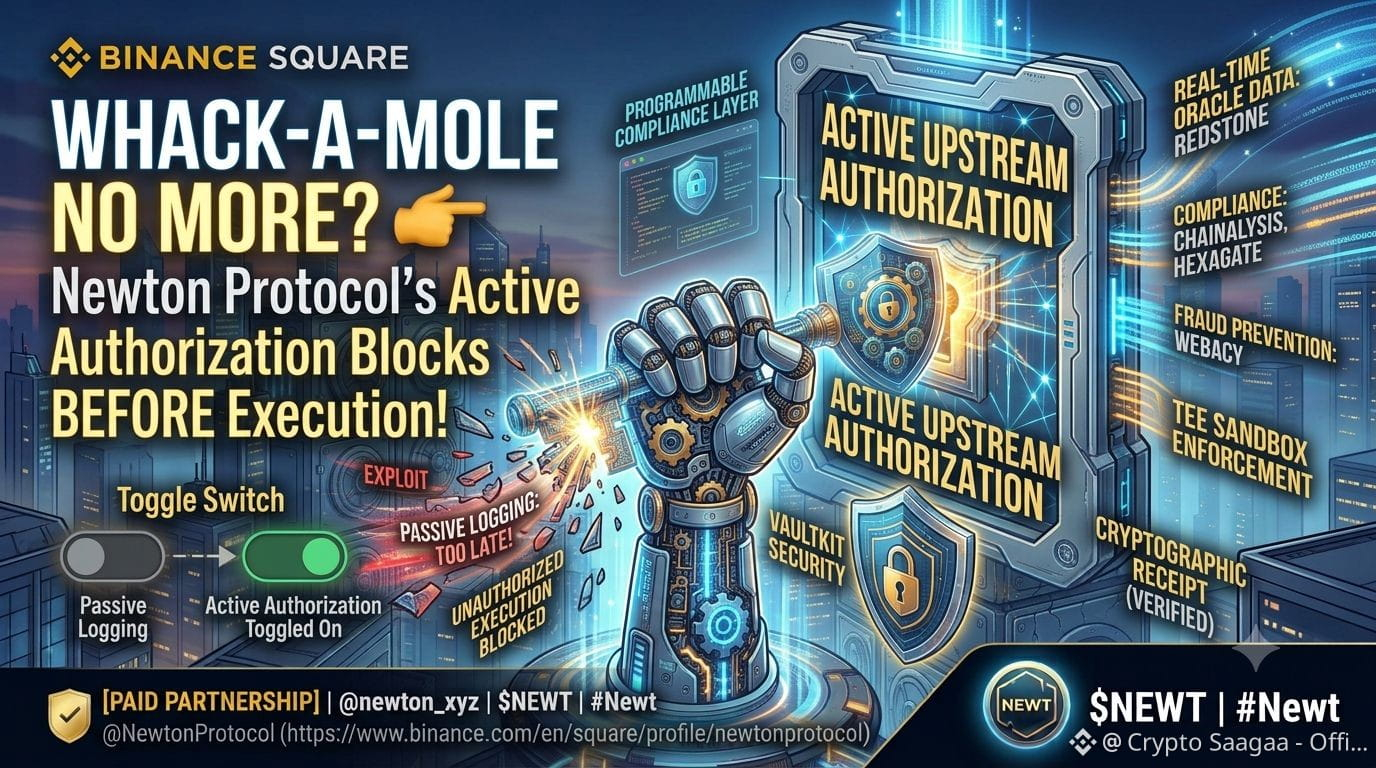
La vraie raison pour laquelle la sécurité DeFi ressemble à un jeu sans fin de whack-a-mole n’est pas que le code de smart contracts soit “mauvais”. C’est la réalité du logging passif. À l’heure actuelle, l’infrastructure vous indique comment vous avez été exploité une fois que le capital est déjà parti.
La live Newton Mainnet Beta inverse totalement cette séquence. En mettant en place une couche de contrainte en amont à l’aide de TEEs, @NewtonProtocol fait passer le paradigme de l’audit passif à l’autorisation active, au moment de la transaction.
Avec VaultKit qui réduit activement le risque en récupérant des flux de conditions en direct auprès de partenaires comme RedStone, les protocoles peuvent enfin bloquer l’exécution non autorisée avant qu’elle n’atteigne le registre.
À mesure que ces sandbox sécurisés se mettent à l’échelle pour gérer des coffres institutionnels et des workflows automatisés d’agents IA, l’utilité structurelle de $NEWT en tant que jeton de coordination et d’autorisations au niveau des frais d’exécution se développe en même temps. #Newt
La vraie raison pour laquelle la sécurité DeFi ressemble à un jeu sans fin de whack-a-mole n’est pas que le code de smart contracts soit “mauvais”. C’est la réalité du logging passif. À l’heure actuelle, l’infrastructure vous indique comment vous avez été exploité une fois que le capital est déjà parti.
La live Newton Mainnet Beta inverse totalement cette séquence. En mettant en place une couche de contrainte en amont à l’aide de TEEs, @NewtonProtocol fait passer le paradigme de l’audit passif à l’autorisation active, au moment de la transaction.
Avec VaultKit qui réduit activement le risque en récupérant des flux de conditions en direct auprès de partenaires comme RedStone, les protocoles peuvent enfin bloquer l’exécution non autorisée avant qu’elle n’atteigne le registre.
À mesure que ces sandbox sécurisés se mettent à l’échelle pour gérer des coffres institutionnels et des workflows automatisés d’agents IA, l’utilité structurelle de $NEWT en tant que jeton de coordination et d’autorisations au niveau des frais d’exécution se développe en même temps. #Newt
La live Newton Mainnet Beta inverse totalement cette séquence. En mettant en place une couche de contrainte en amont à l’aide de TEEs, @NewtonProtocol fait passer le paradigme de l’audit passif à l’autorisation active, au moment de la transaction.
Avec VaultKit qui réduit activement le risque en récupérant des flux de conditions en direct auprès de partenaires comme RedStone, les protocoles peuvent enfin bloquer l’exécution non autorisée avant qu’elle n’atteigne le registre.
À mesure que ces sandbox sécurisés se mettent à l’échelle pour gérer des coffres institutionnels et des workflows automatisés d’agents IA, l’utilité structurelle de $NEWT en tant que jeton de coordination et d’autorisations au niveau des frais d’exécution se développe en même temps. #Newt
2
81
Article
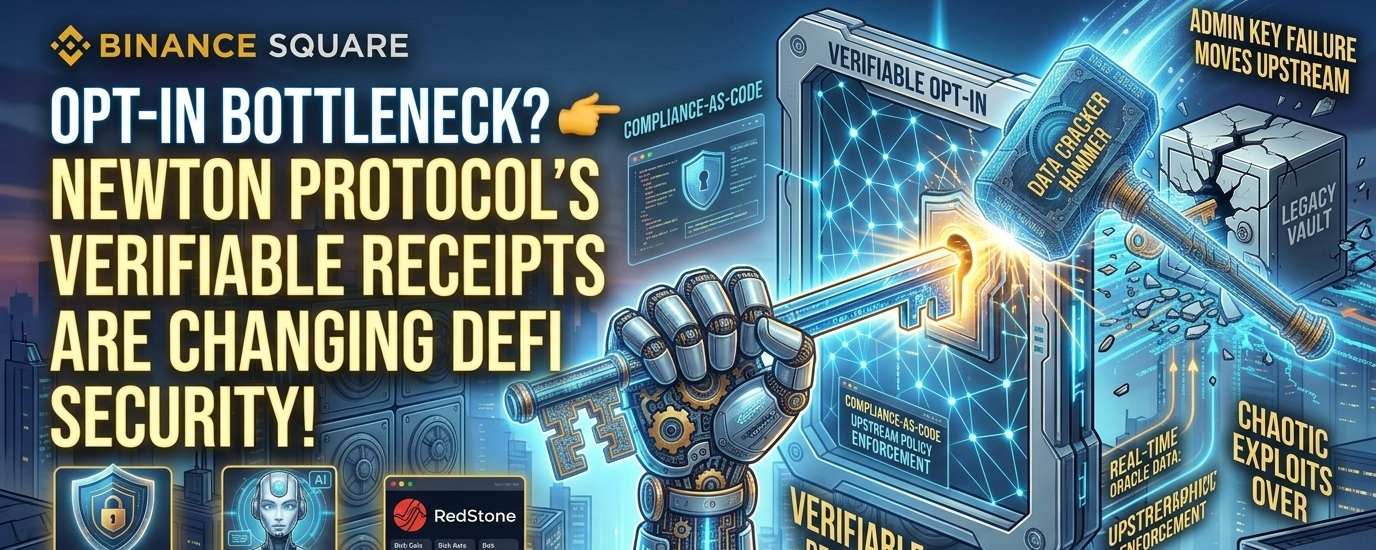
Au-delà du registre de sécurité : l’architecture de la contrainte dans le Newton Mainnet BetaLorsque les plateformes d’infrastructure parlent de sécurité, elles parlent presque toujours, par défaut, de chiffrement, de code vérifiable ou de configurations à multi-signatures. Bien que ces primitives soient essentielles, elles reposent toutes sur une hypothèse commune et erronée : le rôle d’un smart contract se limiterait strictement à exécuter une transaction une fois les autorisations accordées. Elles traitent la sécurité comme une serrure sur la porte, mais n’offrent rien pour régir le comportement une fois qu’un utilisateur ou un système autonome se trouve à l’intérieur de la pièce.
L’arrivée du Newton Mainnet Beta sur Base et Ethereum marque une rupture claire avec cette manière de penser. En construisant ce qui peut être décrit comme une « Couche de Contrainte » modulaire, @NewtonProtocol ne crée pas une nouvelle blockchain destinée à rivaliser en vitesse d’exécution. Au contraire, ils livrent un cadre de politique en amont qui redéfinit la relation entre l’exécution du code et les limites opérationnelles.
Au-delà du registre de sécurité : l’architecture de la contrainte dans le Newton Mainnet Beta
Lorsque les plateformes d’infrastructure parlent de sécurité, elles parlent presque toujours, par défaut, de chiffrement, de code vérifiable ou de configurations à multi-signatures. Bien que ces primitives soient essentielles, elles reposent toutes sur une hypothèse commune et erronée : le rôle d’un smart contract se limiterait strictement à exécuter une transaction une fois les autorisations accordées. Elles traitent la sécurité comme une serrure sur la porte, mais n’offrent rien pour régir le comportement une fois qu’un utilisateur ou un système autonome se trouve à l’intérieur de la pièce.
L’arrivée du Newton Mainnet Beta sur Base et Ethereum marque une rupture claire avec cette manière de penser. En construisant ce qui peut être décrit comme une « Couche de Contrainte » modulaire, @NewtonProtocol ne crée pas une nouvelle blockchain destinée à rivaliser en vitesse d’exécution. Au contraire, ils livrent un cadre de politique en amont qui redéfinit la relation entre l’exécution du code et les limites opérationnelles.
L’arrivée du Newton Mainnet Beta sur Base et Ethereum marque une rupture claire avec cette manière de penser. En construisant ce qui peut être décrit comme une « Couche de Contrainte » modulaire, @NewtonProtocol ne crée pas une nouvelle blockchain destinée à rivaliser en vitesse d’exécution. Au contraire, ils livrent un cadre de politique en amont qui redéfinit la relation entre l’exécution du code et les limites opérationnelles.
1
86
Article
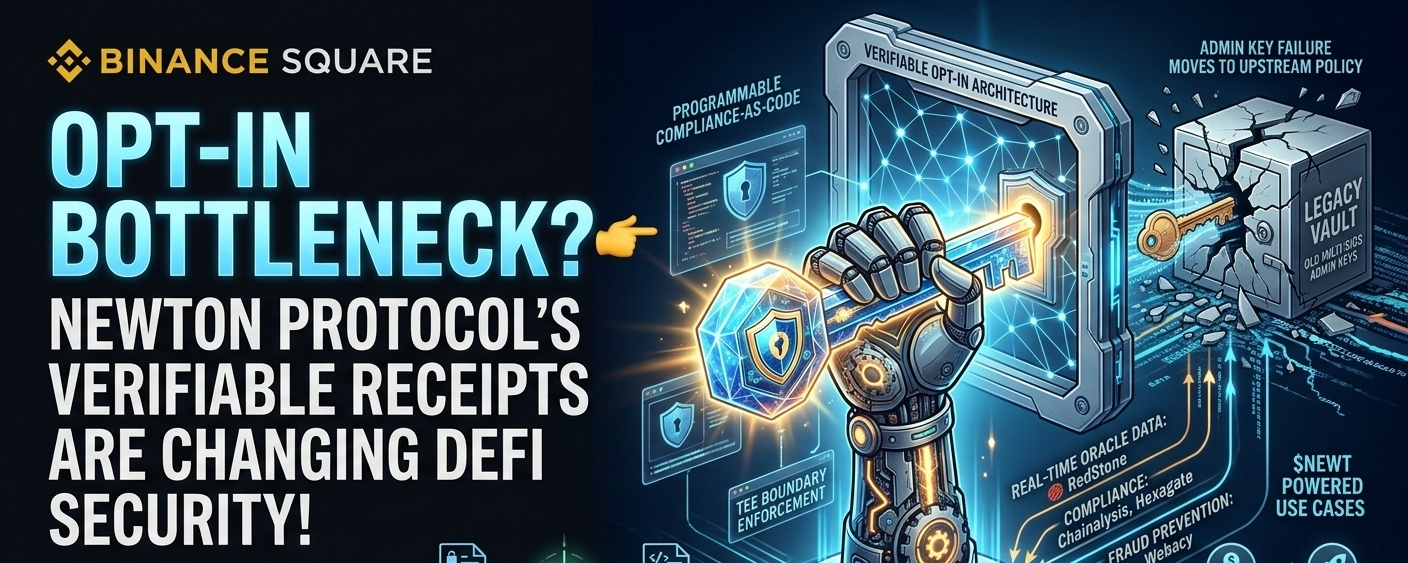
La réalité structurelle derrière Newton Mainnet Beta et VaultKitLorsqu’un grand projet d’infrastructure met en ligne sa mainnet, la communauté crypto s’attend souvent à un interrupteur magique : une migration immédiate, à l’échelle de l’écosystème, vers un paradigme plus sûr. Toutefois, la véritable utilité de la « plomberie » décentralisée ne réside pas dans une application automatisée, généralisée, mais dans sa finesse.
Avec le lancement récent de la Newton Mainnet Beta sur Ethereum et Base, les déploiements de son outil développeur signature — Newton VaultKit — révèlent une architecture qui comble un angle mort structurel de la DeFi : le passage de la « sécurité fondée sur l’espoir » à une conformité active et programmable sous forme de code.
La réalité structurelle derrière Newton Mainnet Beta et VaultKit
Lorsqu’un grand projet d’infrastructure met en ligne sa mainnet, la communauté crypto s’attend souvent à un interrupteur magique : une migration immédiate, à l’échelle de l’écosystème, vers un paradigme plus sûr. Toutefois, la véritable utilité de la « plomberie » décentralisée ne réside pas dans une application automatisée, généralisée, mais dans sa finesse.
Avec le lancement récent de la Newton Mainnet Beta sur Ethereum et Base, les déploiements de son outil développeur signature — Newton VaultKit — révèlent une architecture qui comble un angle mort structurel de la DeFi : le passage de la « sécurité fondée sur l’espoir » à une conformité active et programmable sous forme de code.
Avec le lancement récent de la Newton Mainnet Beta sur Ethereum et Base, les déploiements de son outil développeur signature — Newton VaultKit — révèlent une architecture qui comble un angle mort structurel de la DeFi : le passage de la « sécurité fondée sur l’espoir » à une conformité active et programmable sous forme de code.
132
Article
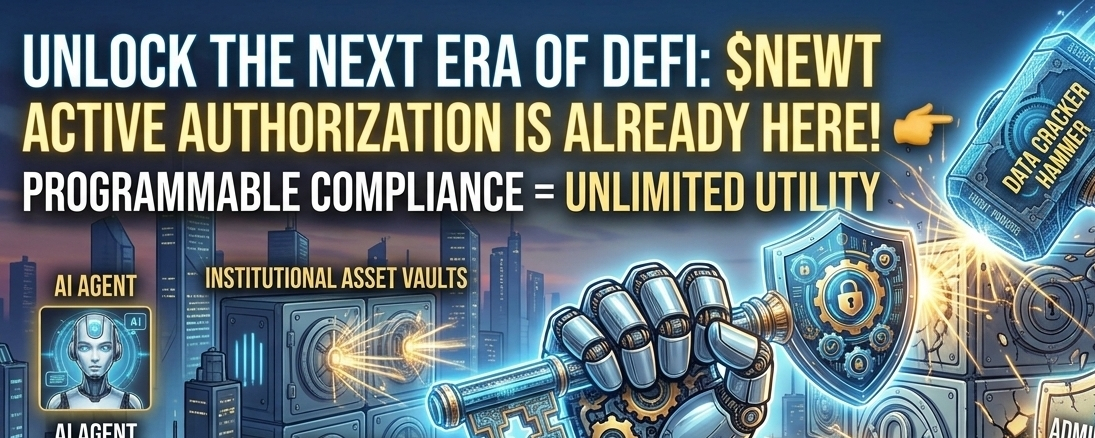
Pourquoi le Newton Mainnet Beta explore une « couche de contrainte » on-chainLa plupart des discussions autour des mises à niveau de l’infrastructure se concentrent uniquement sur la vitesse d’exécution, l’optimisation du gaz ou le pontage de liquidité inter-chaînes. Bien que ces paramètres soient essentiels, ils ignorent un problème fondamental d’architecture qui afflige la finance décentralisée depuis le premier jour : l’absence totale d’une couche active d’autorisation on-chain.
Actuellement, lorsque le capital interagit avec un contrat intelligent, le système suppose une autorisation complète, sauf si elle est explicitement interrompue par une règle codée en dur ou par une clé administrative manuelle. Si une clé de gestion est compromise, ou si un agent autonome adopte une logique erratique, la transaction aboutit malgré tout. C’est ce vide structurel que @NewtonProtocol vise à combler grâce à son lancement récent sur le Newton Mainnet Beta.
Pourquoi le Newton Mainnet Beta explore une « couche de contrainte » on-chain
La plupart des discussions autour des mises à niveau de l’infrastructure se concentrent uniquement sur la vitesse d’exécution, l’optimisation du gaz ou le pontage de liquidité inter-chaînes. Bien que ces paramètres soient essentiels, ils ignorent un problème fondamental d’architecture qui afflige la finance décentralisée depuis le premier jour : l’absence totale d’une couche active d’autorisation on-chain.
Actuellement, lorsque le capital interagit avec un contrat intelligent, le système suppose une autorisation complète, sauf si elle est explicitement interrompue par une règle codée en dur ou par une clé administrative manuelle. Si une clé de gestion est compromise, ou si un agent autonome adopte une logique erratique, la transaction aboutit malgré tout. C’est ce vide structurel que @NewtonProtocol vise à combler grâce à son lancement récent sur le Newton Mainnet Beta.
Actuellement, lorsque le capital interagit avec un contrat intelligent, le système suppose une autorisation complète, sauf si elle est explicitement interrompue par une règle codée en dur ou par une clé administrative manuelle. Si une clé de gestion est compromise, ou si un agent autonome adopte une logique erratique, la transaction aboutit malgré tout. C’est ce vide structurel que @NewtonProtocol vise à combler grâce à son lancement récent sur le Newton Mainnet Beta.
50
« Le “Intermédiaire Invisible” » !!
L’infrastructure crypto adore débattre de la vitesse d’exécution et du débit, mais que se passe-t-il entre l’intention de l’utilisateur et le règlement ? Pour l’instant, c’est surtout un jeu de confiance.
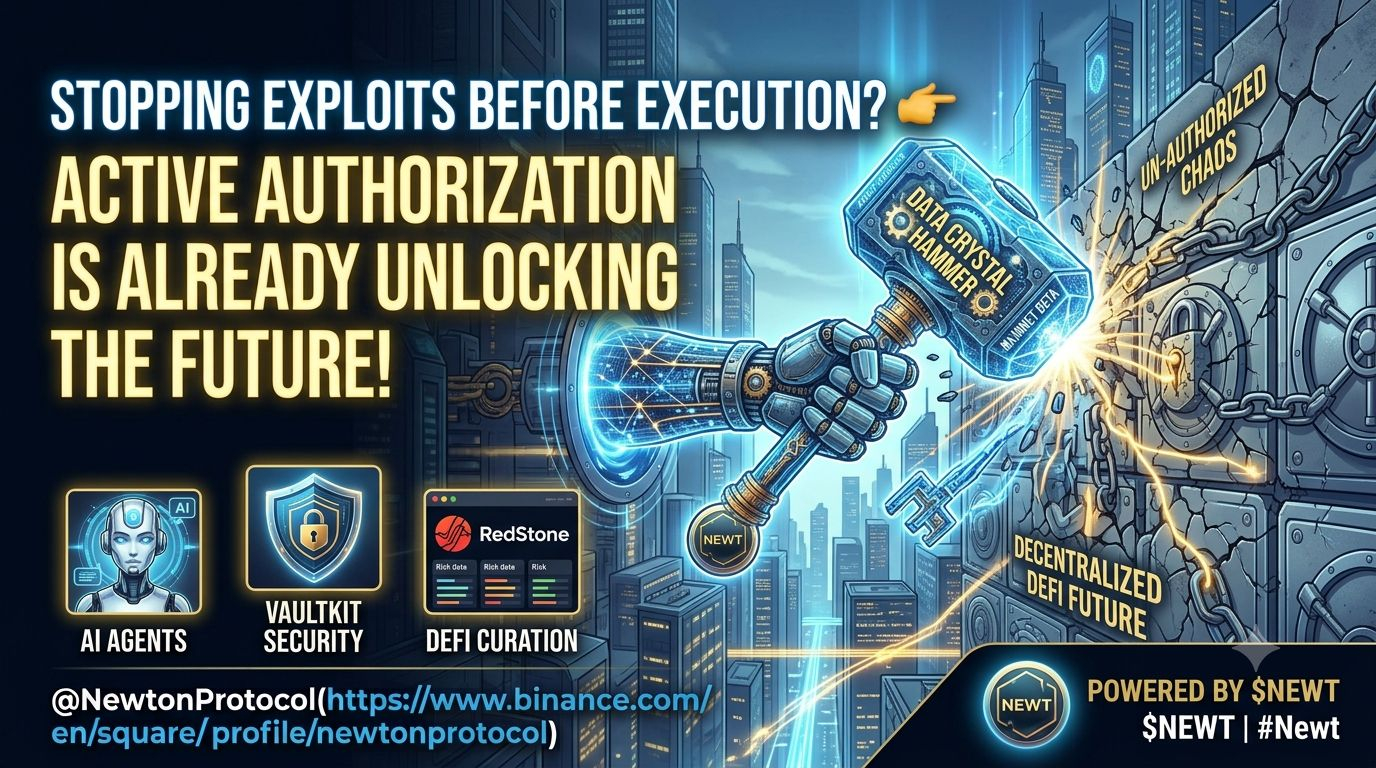
La live Newton Mainnet Beta introduit un moteur de politique décentralisé qui se place en amont de l’exécution. En encapsulant la logique des transactions dans une “boîte de contraintes” vérifiable à l’aide de Trusted Execution Environments (TEEs), @NewtonProtocol garantit que la conformité s’exécute sous forme de code, et non comme une réflexion après coup.
Avec ses premiers déploiements du SDK VaultKit, qui sécurisent des positions automatisées complexes grâce à des entrées de données en temps réel provenant de RedStone, nous visons un changement d’architecture. L’utilité réseau de $NEWT alimentant les frais liés au staking, aux garanties et à la gestion des permissions fait de ce cadre une infrastructure à fort impact à surveiller de près.
#newt $NEWT
« Le “Intermédiaire Invisible” » !!
L’infrastructure crypto adore débattre de la vitesse d’exécution et du débit, mais que se passe-t-il entre l’intention de l’utilisateur et le règlement ? Pour l’instant, c’est surtout un jeu de confiance.
La live Newton Mainnet Beta introduit un moteur de politique décentralisé qui se place en amont de l’exécution. En encapsulant la logique des transactions dans une “boîte de contraintes” vérifiable à l’aide de Trusted Execution Environments (TEEs), @NewtonProtocol garantit que la conformité s’exécute sous forme de code, et non comme une réflexion après coup.
Avec ses premiers déploiements du SDK VaultKit, qui sécurisent des positions automatisées complexes grâce à des entrées de données en temps réel provenant de RedStone, nous visons un changement d’architecture. L’utilité réseau de $NEWT alimentant les frais liés au staking, aux garanties et à la gestion des permissions fait de ce cadre une infrastructure à fort impact à surveiller de près.
#newt $NEWT
L’infrastructure crypto adore débattre de la vitesse d’exécution et du débit, mais que se passe-t-il entre l’intention de l’utilisateur et le règlement ? Pour l’instant, c’est surtout un jeu de confiance.
La live Newton Mainnet Beta introduit un moteur de politique décentralisé qui se place en amont de l’exécution. En encapsulant la logique des transactions dans une “boîte de contraintes” vérifiable à l’aide de Trusted Execution Environments (TEEs), @NewtonProtocol garantit que la conformité s’exécute sous forme de code, et non comme une réflexion après coup.
Avec ses premiers déploiements du SDK VaultKit, qui sécurisent des positions automatisées complexes grâce à des entrées de données en temps réel provenant de RedStone, nous visons un changement d’architecture. L’utilité réseau de $NEWT alimentant les frais liés au staking, aux garanties et à la gestion des permissions fait de ce cadre une infrastructure à fort impact à surveiller de près.
#newt $NEWT
1
79
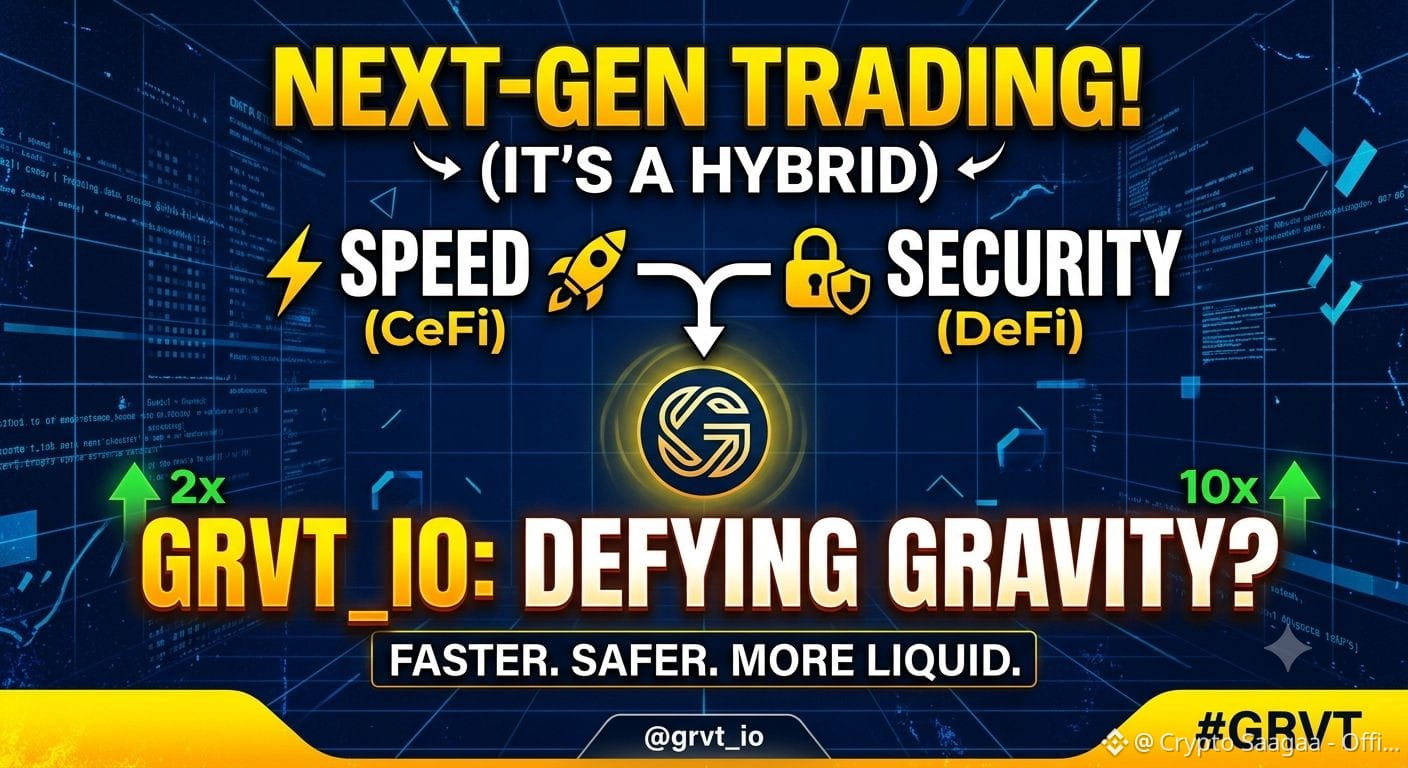
Le trading de dérivés de cryptomonnaies est sur le point d’atteindre un nouveau niveau d’efficacité.
Surveiller de près @grvt_io , qui redéfinit le secteur avec son modèle d’échange hybride, combinant la rapidité de la CeFi et la sécurité de la DeFi.
Hâte de voir comment ils feront évoluer la liquidité et l’expérience utilisateur au cours des prochains mois !
#grvt
Le trading de dérivés de cryptomonnaies est sur le point d’atteindre un nouveau niveau d’efficacité.
Surveiller de près @grvt_io , qui redéfinit le secteur avec son modèle d’échange hybride, combinant la rapidité de la CeFi et la sécurité de la DeFi.
Hâte de voir comment ils feront évoluer la liquidité et l’expérience utilisateur au cours des prochains mois !
#grvt
Surveiller de près @grvt_io , qui redéfinit le secteur avec son modèle d’échange hybride, combinant la rapidité de la CeFi et la sécurité de la DeFi.
Hâte de voir comment ils feront évoluer la liquidité et l’expérience utilisateur au cours des prochains mois !
#grvt
65
Article
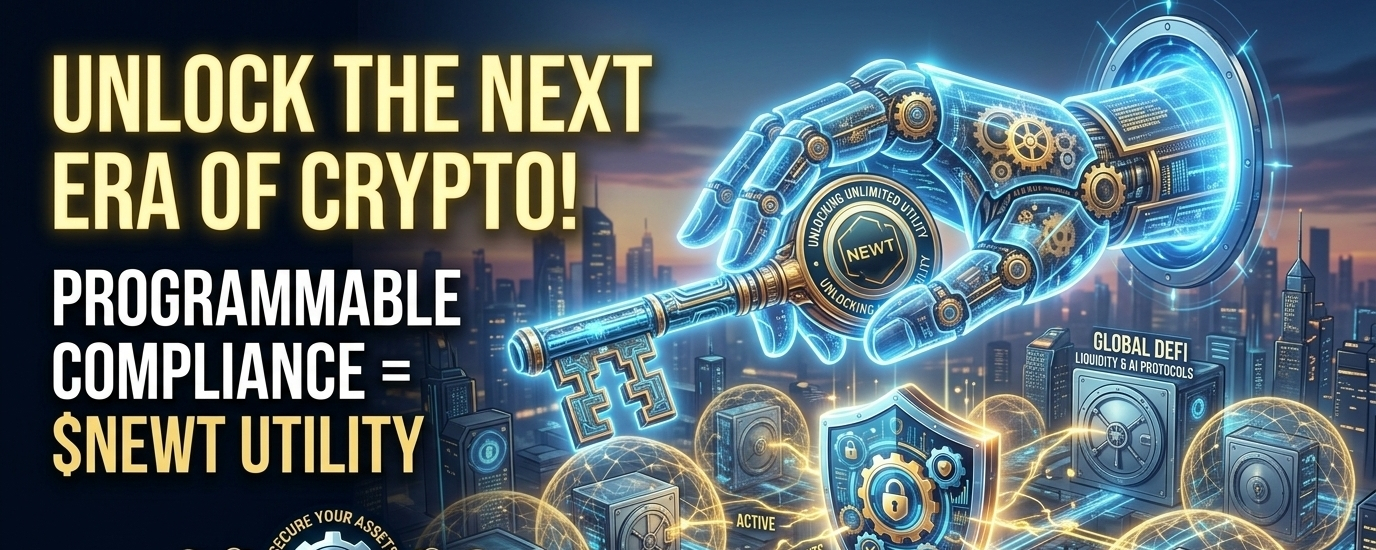
Déplacer la séquence : pourquoi Newton Mainnet Beta explore une « couche de contrainte » en chaîneLa plupart des discussions concernant les mises à niveau de l’infrastructure se concentrent exclusivement sur la vitesse d’exécution, l’optimisation du gaz ou le pontage de liquidité entre chaînes. Bien que ces paramètres soient essentiels, ils ignorent un problème d’architecture fondamental qui afflige la finance décentralisée depuis le tout début : l’absence totale de couche d’autorisation active en chaîne.
À l’heure actuelle, lorsque des capitaux interagissent avec un contrat intelligent, le système suppose que l’autorisation est totale, sauf si elle est explicitement interrompue par une règle codée en dur ou par une clé administrative manuelle. Si une clé de gestion est compromise, ou si un agent autonome manifeste une logique erratique, la transaction aboutit malgré tout. C’est cette faille structurelle qui
Déplacer la séquence : pourquoi Newton Mainnet Beta explore une « couche de contrainte » en chaîne
La plupart des discussions concernant les mises à niveau de l’infrastructure se concentrent exclusivement sur la vitesse d’exécution, l’optimisation du gaz ou le pontage de liquidité entre chaînes. Bien que ces paramètres soient essentiels, ils ignorent un problème d’architecture fondamental qui afflige la finance décentralisée depuis le tout début : l’absence totale de couche d’autorisation active en chaîne.
À l’heure actuelle, lorsque des capitaux interagissent avec un contrat intelligent, le système suppose que l’autorisation est totale, sauf si elle est explicitement interrompue par une règle codée en dur ou par une clé administrative manuelle. Si une clé de gestion est compromise, ou si un agent autonome manifeste une logique erratique, la transaction aboutit malgré tout. C’est cette faille structurelle qui
À l’heure actuelle, lorsque des capitaux interagissent avec un contrat intelligent, le système suppose que l’autorisation est totale, sauf si elle est explicitement interrompue par une règle codée en dur ou par une clé administrative manuelle. Si une clé de gestion est compromise, ou si un agent autonome manifeste une logique erratique, la transaction aboutit malgré tout. C’est cette faille structurelle qui
11
84
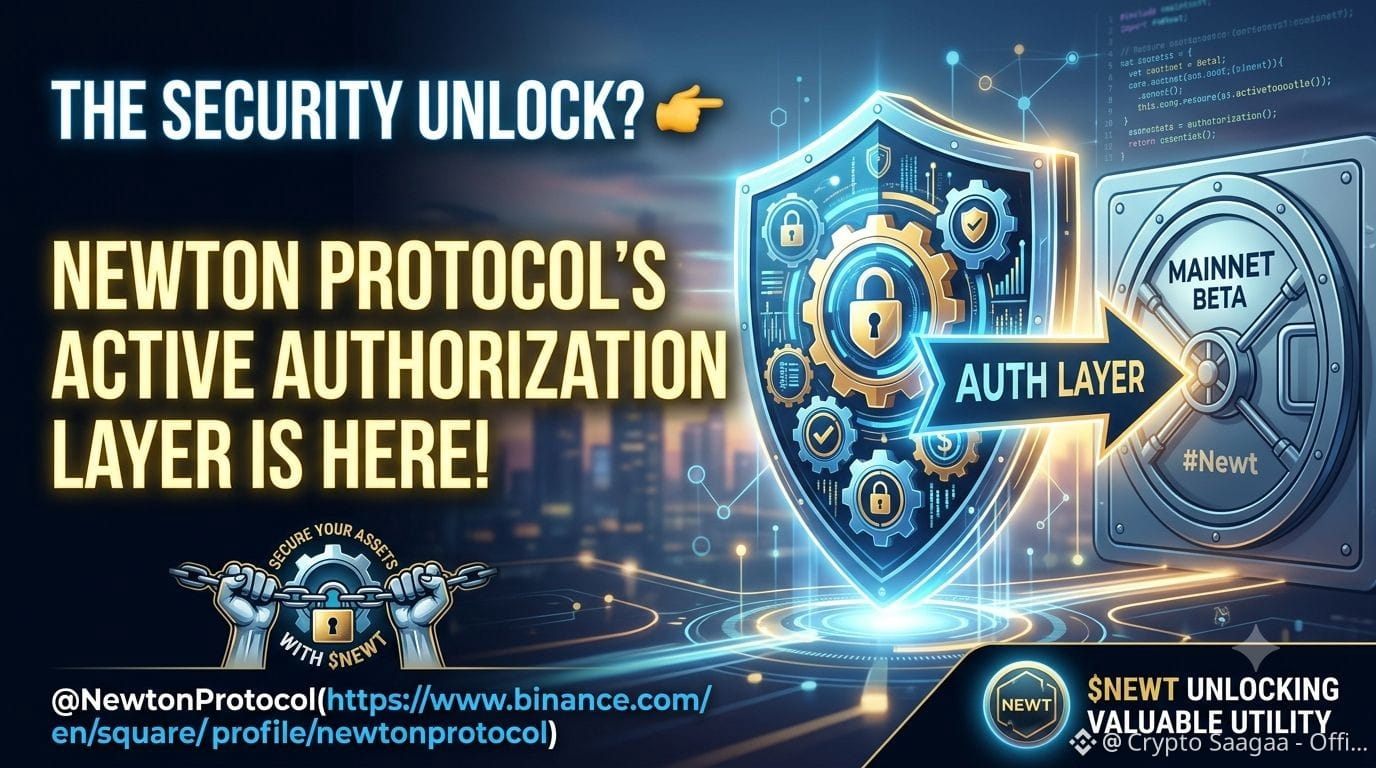
Le DeFi traditionnel suppose qu’une transaction est entièrement sans permission jusqu’à ce qu’elle atteigne un contrat intelligent, mais @NewtonProtocol(https://www.binance.com/en/square/profile/newtonprotocol) change fondamentalement l’ordre des choses.
Avec Newton Mainnet Beta désormais en ligne sur Base et Ethereum, ils introduisent une couche d’autorisation active qui évalue l’intention en amont avant même qu’une transaction ne soit réglée.
En utilisant des environnements d’exécution fiables (TEEs) et des outils comme VaultKit, les développeurs peuvent enfin mettre en œuvre une conformité programmable et vérifiable sous forme de code, sans compromettre la décentralisation.
Cela donne aux développeurs un contrôle total sur qui peut agir, quand, et dans quelles conditions exactes. L’utilité de $NEWT token prend de l’ampleur à mesure qu’elle sécurise ce calcul réseau. Hâte de voir comment les intégrations se développent à travers les principaux pôles DeFi. #Newt
#newt $NEWT
Le DeFi traditionnel suppose qu’une transaction est entièrement sans permission jusqu’à ce qu’elle atteigne un contrat intelligent, mais @NewtonProtocol(https://www.binance.com/en/square/profile/newtonprotocol) change fondamentalement l’ordre des choses.
Avec Newton Mainnet Beta désormais en ligne sur Base et Ethereum, ils introduisent une couche d’autorisation active qui évalue l’intention en amont avant même qu’une transaction ne soit réglée.
En utilisant des environnements d’exécution fiables (TEEs) et des outils comme VaultKit, les développeurs peuvent enfin mettre en œuvre une conformité programmable et vérifiable sous forme de code, sans compromettre la décentralisation.
Cela donne aux développeurs un contrôle total sur qui peut agir, quand, et dans quelles conditions exactes. L’utilité de $NEWT token prend de l’ampleur à mesure qu’elle sécurise ce calcul réseau. Hâte de voir comment les intégrations se développent à travers les principaux pôles DeFi. #Newt
#newt $NEWT
Avec Newton Mainnet Beta désormais en ligne sur Base et Ethereum, ils introduisent une couche d’autorisation active qui évalue l’intention en amont avant même qu’une transaction ne soit réglée.
En utilisant des environnements d’exécution fiables (TEEs) et des outils comme VaultKit, les développeurs peuvent enfin mettre en œuvre une conformité programmable et vérifiable sous forme de code, sans compromettre la décentralisation.
Cela donne aux développeurs un contrôle total sur qui peut agir, quand, et dans quelles conditions exactes. L’utilité de $NEWT token prend de l’ampleur à mesure qu’elle sécurise ce calcul réseau. Hâte de voir comment les intégrations se développent à travers les principaux pôles DeFi. #Newt
#newt $NEWT
16
5
104
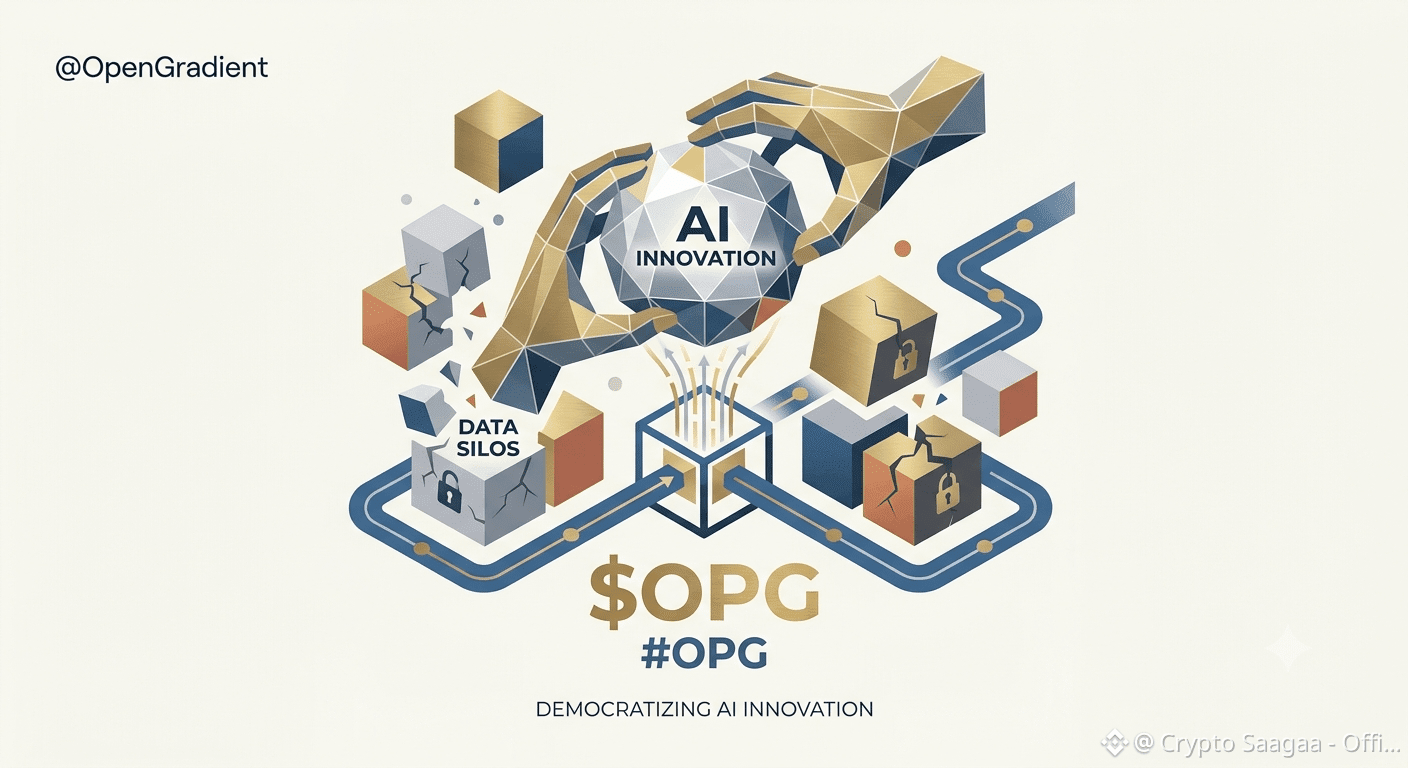
Le développement de l’IA atteint un mur : et ce mur, ce sont les silos de données. 🛑 Alors que les développeurs disposent d’algorithmes incroyables, l’accès à des jeux de données de qualité et diversifiés est souvent bloqué par des systèmes propriétaires fermés ou par des risques massifs en matière de confidentialité. Cela concentre le pouvoir entre les mains de quelques grands géants de la tech.
$OPG a été conçu pour abattre ces murs et démocratiser l’innovation en IA.
Le réseau offre une infrastructure vérifiable et préservant la confidentialité, où les données peuvent circuler en toute sécurité, permettant aux modèles d’apprendre sans compromettre la vie privée des utilisateurs.
En ouvrant ces écosystèmes de données auparavant fermés, @OpenGradient permet une nouvelle génération de modèles d’IA véritablement spécialisés et à haute performance, de la médecine de précision à la finance décentralisée.
Nous assistons à l’aube d’une IA open source véritable et ouverte. 🌍
#OPG $OPG
Le développement de l’IA atteint un mur : et ce mur, ce sont les silos de données. 🛑 Alors que les développeurs disposent d’algorithmes incroyables, l’accès à des jeux de données de qualité et diversifiés est souvent bloqué par des systèmes propriétaires fermés ou par des risques massifs en matière de confidentialité. Cela concentre le pouvoir entre les mains de quelques grands géants de la tech.
$OPG a été conçu pour abattre ces murs et démocratiser l’innovation en IA.
Le réseau offre une infrastructure vérifiable et préservant la confidentialité, où les données peuvent circuler en toute sécurité, permettant aux modèles d’apprendre sans compromettre la vie privée des utilisateurs.
En ouvrant ces écosystèmes de données auparavant fermés, @OpenGradient permet une nouvelle génération de modèles d’IA véritablement spécialisés et à haute performance, de la médecine de précision à la finance décentralisée.
Nous assistons à l’aube d’une IA open source véritable et ouverte. 🌍
#OPG $OPG
$OPG a été conçu pour abattre ces murs et démocratiser l’innovation en IA.
Le réseau offre une infrastructure vérifiable et préservant la confidentialité, où les données peuvent circuler en toute sécurité, permettant aux modèles d’apprendre sans compromettre la vie privée des utilisateurs.
En ouvrant ces écosystèmes de données auparavant fermés, @OpenGradient permet une nouvelle génération de modèles d’IA véritablement spécialisés et à haute performance, de la médecine de précision à la finance décentralisée.
Nous assistons à l’aube d’une IA open source véritable et ouverte. 🌍
#OPG $OPG
6
93
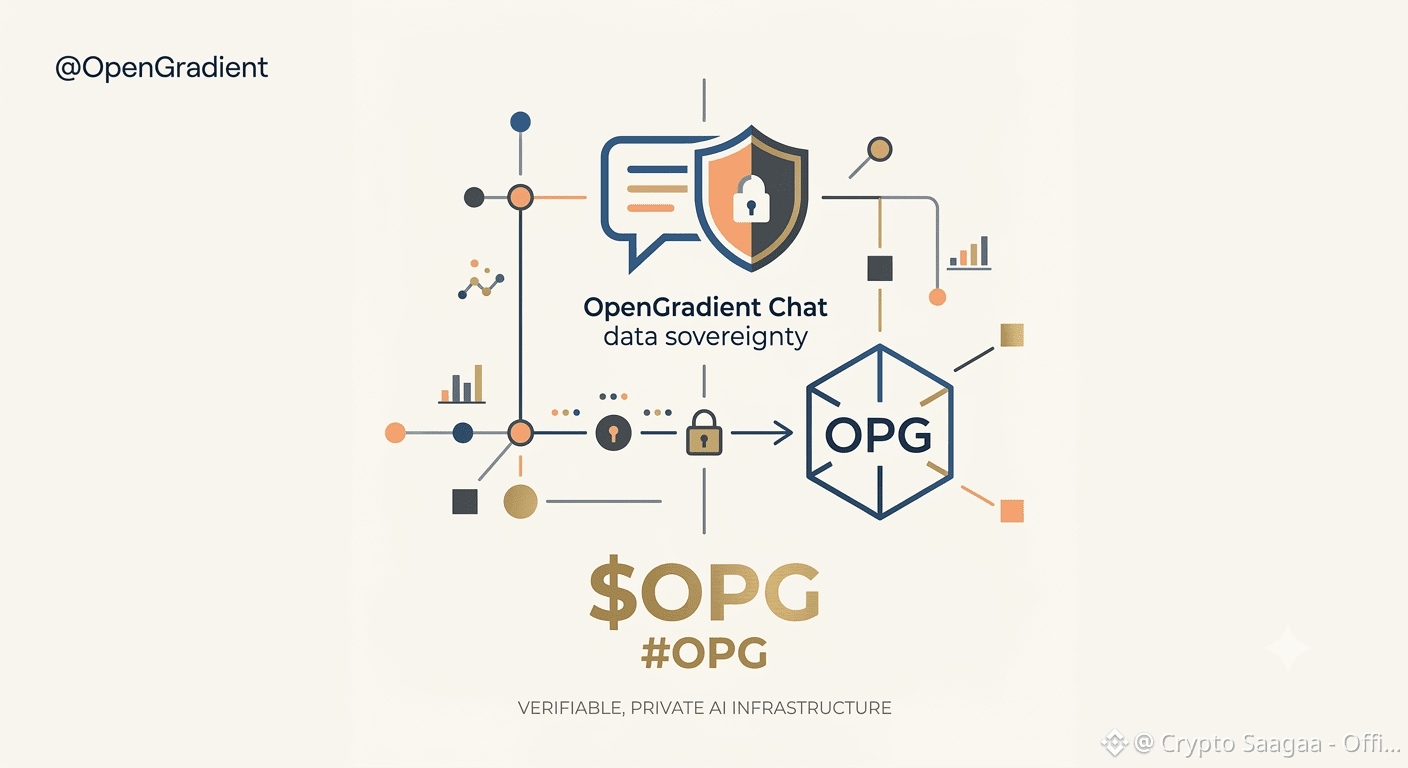
L’IA s’est rapidement immiscée dans nos routines quotidiennes, mais les outils standards présentent un inconvénient majeur : nous échangeons régulièrement nos données personnelles et notre historique de recherche contre de la commodité.
C’est précisément pour cette raison que l’architecture derrière @OpenGradient t constitue une avancée décisive. Avec OpenGradient Chat, vous n’avez pas à choisir entre des capacités d’IA avancées et une confidentialité absolue. En intégrant une structure décentralisée alimentée par des Trusted Execution Environments (TEEs) et un chiffrement local, elle garantit que vos invites et vos données restent totalement sécurisées et entièrement non rattachées à votre identité. C’est un énorme pas en avant vers une véritable souveraineté des données dans Web3. En gardant un œil attentif sur $OPG as pendant qu’ils ouvrent la voie à une infrastructure d’IA privée et vérifiable.
#OPG
#opg $OPG
L’IA s’est rapidement immiscée dans nos routines quotidiennes, mais les outils standards présentent un inconvénient majeur : nous échangeons régulièrement nos données personnelles et notre historique de recherche contre de la commodité.
C’est précisément pour cette raison que l’architecture derrière @OpenGradient t constitue une avancée décisive. Avec OpenGradient Chat, vous n’avez pas à choisir entre des capacités d’IA avancées et une confidentialité absolue. En intégrant une structure décentralisée alimentée par des Trusted Execution Environments (TEEs) et un chiffrement local, elle garantit que vos invites et vos données restent totalement sécurisées et entièrement non rattachées à votre identité. C’est un énorme pas en avant vers une véritable souveraineté des données dans Web3. En gardant un œil attentif sur $OPG as pendant qu’ils ouvrent la voie à une infrastructure d’IA privée et vérifiable.
#OPG
#opg $OPG
C’est précisément pour cette raison que l’architecture derrière @OpenGradient t constitue une avancée décisive. Avec OpenGradient Chat, vous n’avez pas à choisir entre des capacités d’IA avancées et une confidentialité absolue. En intégrant une structure décentralisée alimentée par des Trusted Execution Environments (TEEs) et un chiffrement local, elle garantit que vos invites et vos données restent totalement sécurisées et entièrement non rattachées à votre identité. C’est un énorme pas en avant vers une véritable souveraineté des données dans Web3. En gardant un œil attentif sur $OPG as pendant qu’ils ouvrent la voie à une infrastructure d’IA privée et vérifiable.
#OPG
#opg $OPG
7
1
101
Opinion impopulaire !! 👇
Le plus gros retour sur investissement, c'est une vraie entreprise que tu construis.
Pas d'autres véhicules d'investissement, actions, ponzi ou crypto !!
#bitcoin #CrudeFuturesSink #STRCBelowParSlowsStrategyBTCBuys
Opinion impopulaire !! 👇
Le plus gros retour sur investissement, c'est une vraie entreprise que tu construis.
Pas d'autres véhicules d'investissement, actions, ponzi ou crypto !!
#bitcoin #CrudeFuturesSink #STRCBelowParSlowsStrategyBTCBuys
Le plus gros retour sur investissement, c'est une vraie entreprise que tu construis.
Pas d'autres véhicules d'investissement, actions, ponzi ou crypto !!
#bitcoin #CrudeFuturesSink #STRCBelowParSlowsStrategyBTCBuys
27
Quel est le 1 meilleur conseil ou leçon que tu as rencontré dans la crypto, qui t'a rapporté plus d'argent que tout autre ?
Quel est le 1 meilleur conseil ou leçon que tu as rencontré dans la crypto, qui t'a rapporté plus d'argent que tout autre ?
79
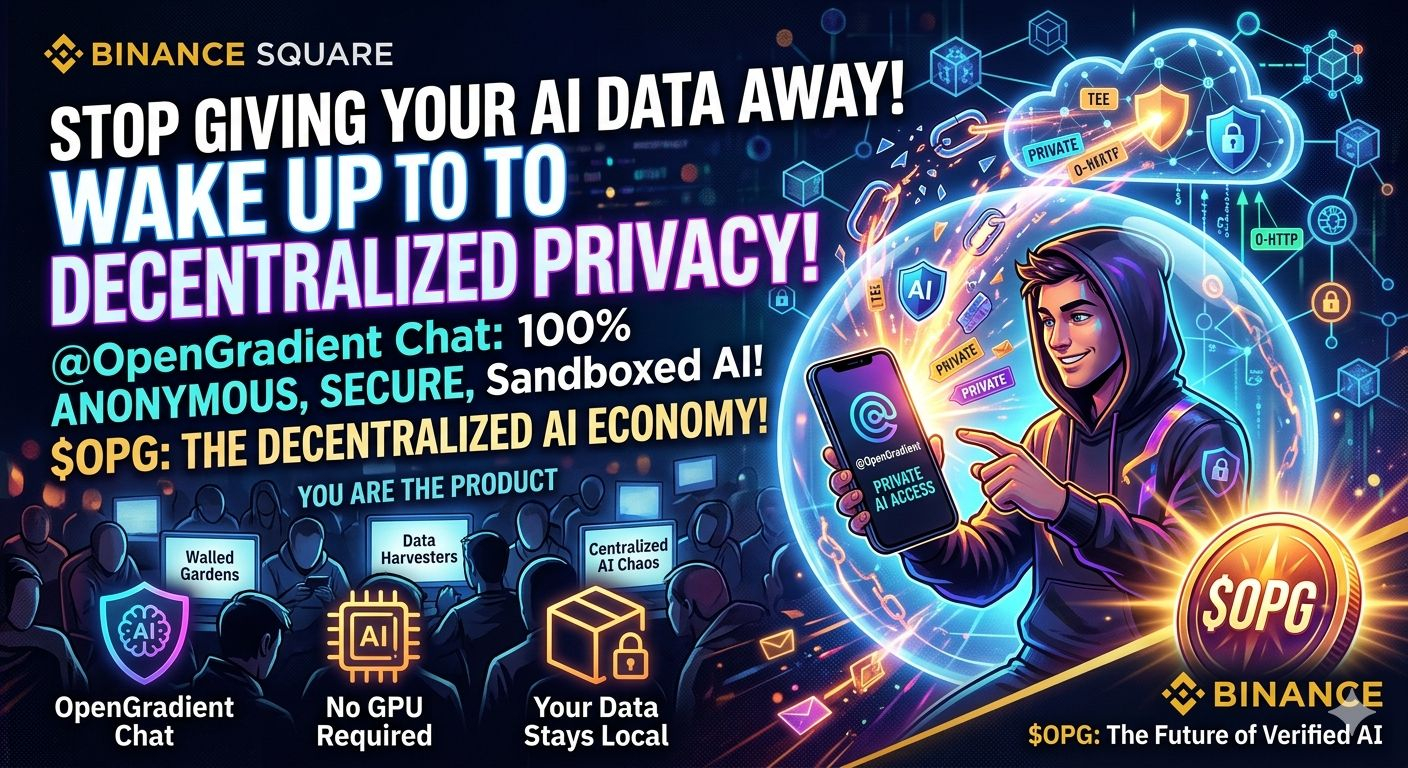
As-tu déjà pensé à la quantité de données sensibles que tu donnes à l'IA chaque jour ? Prévisions financières, questions de santé, logique de codage—tout cela est stocké sur des serveurs centralisés, attendant une faille.
C'est exactement pourquoi le mouvement de l'IA décentralisée prend de l'ampleur, et @OpenGradient est à la tête de cette révolution.
Avec OpenGradient Chat, tu obtiens un bouclier complet de confidentialité pour tes interactions avec l'IA. Au lieu de lier tes questions nocturnes ou tes données propriétaires à ton identité réelle, OpenGradient utilise Oblivious HTTP (RFC 9458) et des Environnements d'Exécution de Confiance (TEE). Cela garantit que tes prompts sont complètement découplés de ton identité avant même de toucher des modèles de pointe comme ChatGPT, Claude ou Gemini. De plus, tu peux exécuter un agent IA en bac à sable localement sur ton appareil—zéro GPU requis, et tes fichiers ne quittent jamais ta machine.
Au cœur de cette infrastructure se trouve le $OPG, qui alimente un calcul IA décentralisé et cryptographiquement vérifiable qui évolue sans sacrifier la confidentialité. En gérant l'exécution hors chaîne sur des nœuds GPU et en validant les preuves cryptographiques au niveau du consensus, le réseau résout le problème de la "boîte noire de l'IA" tout en maintenant des vitesses Web2 ultra-rapides.
Arrête de donner ton empreinte de données gratuitement. Essaie une façon privée et anonyme d'accéder à une IA de premier ordre.
#opg $OPG
As-tu déjà pensé à la quantité de données sensibles que tu donnes à l'IA chaque jour ? Prévisions financières, questions de santé, logique de codage—tout cela est stocké sur des serveurs centralisés, attendant une faille.
C'est exactement pourquoi le mouvement de l'IA décentralisée prend de l'ampleur, et @OpenGradient est à la tête de cette révolution.
Avec OpenGradient Chat, tu obtiens un bouclier complet de confidentialité pour tes interactions avec l'IA. Au lieu de lier tes questions nocturnes ou tes données propriétaires à ton identité réelle, OpenGradient utilise Oblivious HTTP (RFC 9458) et des Environnements d'Exécution de Confiance (TEE). Cela garantit que tes prompts sont complètement découplés de ton identité avant même de toucher des modèles de pointe comme ChatGPT, Claude ou Gemini. De plus, tu peux exécuter un agent IA en bac à sable localement sur ton appareil—zéro GPU requis, et tes fichiers ne quittent jamais ta machine.
Au cœur de cette infrastructure se trouve le $OPG , qui alimente un calcul IA décentralisé et cryptographiquement vérifiable qui évolue sans sacrifier la confidentialité. En gérant l'exécution hors chaîne sur des nœuds GPU et en validant les preuves cryptographiques au niveau du consensus, le réseau résout le problème de la "boîte noire de l'IA" tout en maintenant des vitesses Web2 ultra-rapides.
Arrête de donner ton empreinte de données gratuitement. Essaie une façon privée et anonyme d'accéder à une IA de premier ordre.
#opg $OPG
C'est exactement pourquoi le mouvement de l'IA décentralisée prend de l'ampleur, et @OpenGradient est à la tête de cette révolution.
Avec OpenGradient Chat, tu obtiens un bouclier complet de confidentialité pour tes interactions avec l'IA. Au lieu de lier tes questions nocturnes ou tes données propriétaires à ton identité réelle, OpenGradient utilise Oblivious HTTP (RFC 9458) et des Environnements d'Exécution de Confiance (TEE). Cela garantit que tes prompts sont complètement découplés de ton identité avant même de toucher des modèles de pointe comme ChatGPT, Claude ou Gemini. De plus, tu peux exécuter un agent IA en bac à sable localement sur ton appareil—zéro GPU requis, et tes fichiers ne quittent jamais ta machine.
Au cœur de cette infrastructure se trouve le $OPG , qui alimente un calcul IA décentralisé et cryptographiquement vérifiable qui évolue sans sacrifier la confidentialité. En gérant l'exécution hors chaîne sur des nœuds GPU et en validant les preuves cryptographiques au niveau du consensus, le réseau résout le problème de la "boîte noire de l'IA" tout en maintenant des vitesses Web2 ultra-rapides.
Arrête de donner ton empreinte de données gratuitement. Essaie une façon privée et anonyme d'accéder à une IA de premier ordre.
#opg $OPG
5
111
La plupart du temps, tu ne verras pas de bénéfices 🥲
Tu sais pourquoi ?
parce que tu as investi dans quelque chose dont tu n'étais pas sûr, mais quelqu'un en qui tu avais confiance l'était.
NE FAIS CONFIANCE À PERSONNE !
c'est la Crypto !
95% des gens gagnent de l'argent sur les pertes des autres.
reste à l'écart des manipulations.
APPRENDS la crypto à la dure et Gagne de VRAIS sous 🤑
LA MANIÈRE LENTE
LA MANIÈRE SÛRE !!
#IranMandatesHormuzShipInsurance #THORChainRecoveryEntersFinalPhase #BitcoinETFWeeklyOutflowsDrop87%
La plupart du temps, tu ne verras pas de bénéfices 🥲
Tu sais pourquoi ?
parce que tu as investi dans quelque chose dont tu n'étais pas sûr, mais quelqu'un en qui tu avais confiance l'était.
NE FAIS CONFIANCE À PERSONNE !
c'est la Crypto !
95% des gens gagnent de l'argent sur les pertes des autres.
reste à l'écart des manipulations.
APPRENDS la crypto à la dure et Gagne de VRAIS sous 🤑
LA MANIÈRE LENTE
LA MANIÈRE SÛRE !!
#IranMandatesHormuzShipInsurance #THORChainRecoveryEntersFinalPhase #BitcoinETFWeeklyOutflowsDrop87%
Tu sais pourquoi ?
parce que tu as investi dans quelque chose dont tu n'étais pas sûr, mais quelqu'un en qui tu avais confiance l'était.
NE FAIS CONFIANCE À PERSONNE !
c'est la Crypto !
95% des gens gagnent de l'argent sur les pertes des autres.
reste à l'écart des manipulations.
APPRENDS la crypto à la dure et Gagne de VRAIS sous 🤑
LA MANIÈRE LENTE
LA MANIÈRE SÛRE !!
#IranMandatesHormuzShipInsurance #THORChainRecoveryEntersFinalPhase #BitcoinETFWeeklyOutflowsDrop87%
72
·
--
Haussier
$NVDAB pourrait être le prochain bouleversement !!! 👀
$NVDAB pourrait être le prochain bouleversement !!! 👀
1
6
Si tu n'achètes pas @bitcoin @Solana_Official ou @PolkadotNetwork
Fais-moi confiance !
Tu es en train de te préparer à échouer...
Si tu n'achètes pas @Bitcoin @Solana Official ou @Polkadot Network
Fais-moi confiance !
Tu es en train de te préparer à échouer...
Fais-moi confiance !
Tu es en train de te préparer à échouer...
1
86
L'ironie de la vie c'est ça!!!
$BTC est la seule pièce unique dans la crypto qui a le potentiel de vous apporter la fortune sans APPRENDRE - investir - RECHERCHER quoi que ce soit SUR la crypto !!
C'est aussi simple que ça et pourtant les gens ne l'achètent pas !!!
L'ironie de la vie c'est ça!!!
$BTC est la seule pièce unique dans la crypto qui a le potentiel de vous apporter la fortune sans APPRENDRE - investir - RECHERCHER quoi que ce soit SUR la crypto !!
C'est aussi simple que ça et pourtant les gens ne l'achètent pas !!!
$BTC est la seule pièce unique dans la crypto qui a le potentiel de vous apporter la fortune sans APPRENDRE - investir - RECHERCHER quoi que ce soit SUR la crypto !!
C'est aussi simple que ça et pourtant les gens ne l'achètent pas !!!
29
Connectez-vous pour découvrir plus de contenu
Rejoignez la communauté mondiale des adeptes de cryptomonnaies sur Binance Square
⚡️ Suviez les dernières informations importantes sur les cryptomonnaies.
💬 Jugé digne de confiance par la plus grande plateforme d’échange de cryptomonnaies au monde.
👍 Découvrez les connaissances que partagent les créateurs vérifiés.
Adresse e-mail/Nº de téléphone