

CoinoMedia
11.3k Publications
CoinoMedia
 Compte Square Vérifié+
Signaler
Bloquer l’utilisateur
Stay updated with Coinomedia, your one-stop destination for the latest cryptocurrency news, blockchain updates, market trends, and in-depth analysis.
0 Suivis
10.4K+ Abonnés
16.8K+ J’aime
Publications
·
--

Article
Voir la traduction
Binance Brazil Crypto License Filing Triggers RestrictionsBinance applied for a Brazilian crypto license on October 23 through its local entity, BBrasil.
The exchange began restricting eight services and delisting 22 tokens for Brazilian users on October 27.
Binance plans to complete its local payment-account migration by October 29, ahead of the October 30 deadline.
Binance applied for a Brazilian crypto license on October 23 through its local entity, BBrasil.
The exchange began restricting eight services and delisting 22 tokens for Brazilian users on October 27.
Binance plans to complete its local payment-account migration by October 29, ahead of the October 30 deadline.
Binance is making significant changes to its Brazilian operations as the cryptocurrency exchange works to meet new regulatory requirements.
According to Blocknews, Binance submitted an application to Brazil’s central bank on October 23, 2026, through its local entity, BBrasil.
The company is seeking authorization to operate as a virtual asset service provider, known locally as an SPSAV.
The Binance Brazil crypto license application comes ahead of the country’s October 30 regulatory deadline.
However, submitting an application does not mean the exchange has already received regulatory approval.
The filing represents a step toward operating under Brazil’s developing cryptocurrency regulatory framework.
As part of its compliance efforts, Binance has also introduced changes affecting products and tokens available to Brazilian customers.
Binance Restricts Eight Services and Delists 22 Tokens
Beginning October 27, Binance started restricting eight services for users in Brazil.
The affected products include crypto loans, margin trading, mining pools and cloud mining.
These changes limit access to services that previously formed part of the exchange’s broader cryptocurrency offering.
According to the report, existing positions in affected products are generally restricted to reductions or closures.
Users are not permitted to open new positions in those products.
Binance is also delisting 22 tokens for Brazilian customers.
Among the affected assets are USDE, USTC, DCR and XVG.
The restrictions reflect Binance’s efforts to align its local operations with applicable regulatory requirements.
However, the report does not provide the complete list of eight restricted services or all 22 delisted tokens.
Brazilian users with affected holdings should consult Binance’s official notices for product-specific deadlines and withdrawal instructions.
The Binance Brazil crypto license process may require further operational adjustments as the company works toward compliance.
Binance Files for Brazilian Crypto License Ahead of October 30 Deadline; Restricts 8 Services and Delists 22 Tokens in Brazil
Binance filed an application with Brazil’s central bank on October 23 through its local entity BBrasil to operate as a virtual asset service provider… pic.twitter.com/jPk8dGxmmG
— Wu Blockchain (@WuBlockchain) October 27, 2026
What Binance Brazil Crypto License Means for Users
Alongside the service restrictions, Binance plans to complete the migration of Brazilian customers to its local payment-account structure by October 29.
That deadline falls one day before the October 30 regulatory cutoff.
The transition is intended to support Binance’s local operating arrangements as it pursues authorization from Brazil’s central bank.
For customers, the changes could affect how they access certain cryptocurrency products and manage existing positions.
Users with open positions in restricted services may need to review their options before attempting additional transactions.
Importantly, the announced restrictions do not mean Binance is completely exiting Brazil.
Instead, the exchange is seeking permission to continue operating under the country’s regulatory framework.
The application remains subject to the relevant approval process.
For now, Binance’s Brazilian operations are undergoing substantial changes, including eight service restrictions, 22 token delistings and a payment-account migration.
The coming days will be important as the exchange approaches the October 30 compliance deadline.
Binance Brazil Crypto License Filing Triggers Restrictions
Binance applied for a Brazilian crypto license on October 23 through its local entity, BBrasil.
The exchange began restricting eight services and delisting 22 tokens for Brazilian users on October 27.
Binance plans to complete its local payment-account migration by October 29, ahead of the October 30 deadline.
Binance is making significant changes to its Brazilian operations as the cryptocurrency exchange works to meet new regulatory requirements.
According to Blocknews, Binance submitted an application to Brazil’s central bank on October 23, 2026, through its local entity, BBrasil.
The company is seeking authorization to operate as a virtual asset service provider, known locally as an SPSAV.
The Binance Brazil crypto license application comes ahead of the country’s October 30 regulatory deadline.
However, submitting an application does not mean the exchange has already received regulatory approval.
The filing represents a step toward operating under Brazil’s developing cryptocurrency regulatory framework.
As part of its compliance efforts, Binance has also introduced changes affecting products and tokens available to Brazilian customers.
Binance Restricts Eight Services and Delists 22 Tokens
Beginning October 27, Binance started restricting eight services for users in Brazil.
The affected products include crypto loans, margin trading, mining pools and cloud mining.
These changes limit access to services that previously formed part of the exchange’s broader cryptocurrency offering.
According to the report, existing positions in affected products are generally restricted to reductions or closures.
Users are not permitted to open new positions in those products.
Binance is also delisting 22 tokens for Brazilian customers.
Among the affected assets are USDE, USTC, DCR and XVG.
The restrictions reflect Binance’s efforts to align its local operations with applicable regulatory requirements.
However, the report does not provide the complete list of eight restricted services or all 22 delisted tokens.
Brazilian users with affected holdings should consult Binance’s official notices for product-specific deadlines and withdrawal instructions.
The Binance Brazil crypto license process may require further operational adjustments as the company works toward compliance.
Binance Files for Brazilian Crypto License Ahead of October 30 Deadline; Restricts 8 Services and Delists 22 Tokens in Brazil
Binance filed an application with Brazil’s central bank on October 23 through its local entity BBrasil to operate as a virtual asset service provider… pic.twitter.com/jPk8dGxmmG
— Wu Blockchain (@WuBlockchain) October 27, 2026
What Binance Brazil Crypto License Means for Users
Alongside the service restrictions, Binance plans to complete the migration of Brazilian customers to its local payment-account structure by October 29.
That deadline falls one day before the October 30 regulatory cutoff.
The transition is intended to support Binance’s local operating arrangements as it pursues authorization from Brazil’s central bank.
For customers, the changes could affect how they access certain cryptocurrency products and manage existing positions.
Users with open positions in restricted services may need to review their options before attempting additional transactions.
Importantly, the announced restrictions do not mean Binance is completely exiting Brazil.
Instead, the exchange is seeking permission to continue operating under the country’s regulatory framework.
The application remains subject to the relevant approval process.
For now, Binance’s Brazilian operations are undergoing substantial changes, including eight service restrictions, 22 token delistings and a payment-account migration.
The coming days will be important as the exchange approaches the October 30 compliance deadline.
The exchange began restricting eight services and delisting 22 tokens for Brazilian users on October 27.
Binance plans to complete its local payment-account migration by October 29, ahead of the October 30 deadline.
Binance applied for a Brazilian crypto license on October 23 through its local entity, BBrasil.
The exchange began restricting eight services and delisting 22 tokens for Brazilian users on October 27.
Binance plans to complete its local payment-account migration by October 29, ahead of the October 30 deadline.
Binance is making significant changes to its Brazilian operations as the cryptocurrency exchange works to meet new regulatory requirements.
According to Blocknews, Binance submitted an application to Brazil’s central bank on October 23, 2026, through its local entity, BBrasil.
The company is seeking authorization to operate as a virtual asset service provider, known locally as an SPSAV.
The Binance Brazil crypto license application comes ahead of the country’s October 30 regulatory deadline.
However, submitting an application does not mean the exchange has already received regulatory approval.
The filing represents a step toward operating under Brazil’s developing cryptocurrency regulatory framework.
As part of its compliance efforts, Binance has also introduced changes affecting products and tokens available to Brazilian customers.
Binance Restricts Eight Services and Delists 22 Tokens
Beginning October 27, Binance started restricting eight services for users in Brazil.
The affected products include crypto loans, margin trading, mining pools and cloud mining.
These changes limit access to services that previously formed part of the exchange’s broader cryptocurrency offering.
According to the report, existing positions in affected products are generally restricted to reductions or closures.
Users are not permitted to open new positions in those products.
Binance is also delisting 22 tokens for Brazilian customers.
Among the affected assets are USDE, USTC, DCR and XVG.
The restrictions reflect Binance’s efforts to align its local operations with applicable regulatory requirements.
However, the report does not provide the complete list of eight restricted services or all 22 delisted tokens.
Brazilian users with affected holdings should consult Binance’s official notices for product-specific deadlines and withdrawal instructions.
The Binance Brazil crypto license process may require further operational adjustments as the company works toward compliance.
Binance Files for Brazilian Crypto License Ahead of October 30 Deadline; Restricts 8 Services and Delists 22 Tokens in Brazil
Binance filed an application with Brazil’s central bank on October 23 through its local entity BBrasil to operate as a virtual asset service provider… pic.twitter.com/jPk8dGxmmG
— Wu Blockchain (@WuBlockchain) October 27, 2026
What Binance Brazil Crypto License Means for Users
Alongside the service restrictions, Binance plans to complete the migration of Brazilian customers to its local payment-account structure by October 29.
That deadline falls one day before the October 30 regulatory cutoff.
The transition is intended to support Binance’s local operating arrangements as it pursues authorization from Brazil’s central bank.
For customers, the changes could affect how they access certain cryptocurrency products and manage existing positions.
Users with open positions in restricted services may need to review their options before attempting additional transactions.
Importantly, the announced restrictions do not mean Binance is completely exiting Brazil.
Instead, the exchange is seeking permission to continue operating under the country’s regulatory framework.
The application remains subject to the relevant approval process.
For now, Binance’s Brazilian operations are undergoing substantial changes, including eight service restrictions, 22 token delistings and a payment-account migration.
The coming days will be important as the exchange approaches the October 30 compliance deadline.
49
·
--
Article
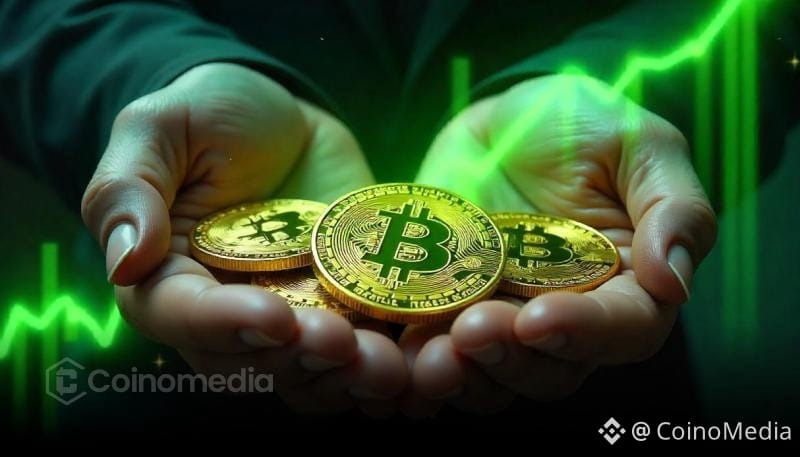
L’offre de bitcoins détenue à long terme laisse présager un possible rallyeLes analystes surveillent les bitcoins détenus depuis plus de 18 mois afin d’y déceler des indices sur le prochain rallye du marché.
Historiquement, une hausse suivie d’une baisse de cet indicateur de l’offre a parfois précédé de fortes progressions du cours du BTC.
Cette tendance constitue un possible signal haussier, mais une demande plus forte reste nécessaire pour confirmer une reprise durable.
Le Bitcoin pourrait approcher d’une étape importante de son cycle de marché, tandis que les analystes examinent l’évolution de la quantité de BTC détenue sur de longues périodes.
Une récente observation du marché souligne l’importance potentielle des pièces qui n’ont pas bougé depuis plus de 18 mois.
L’offre de bitcoins détenue à long terme laisse présager un possible rallye
Les analystes surveillent les bitcoins détenus depuis plus de 18 mois afin d’y déceler des indices sur le prochain rallye du marché.
Historiquement, une hausse suivie d’une baisse de cet indicateur de l’offre a parfois précédé de fortes progressions du cours du BTC.
Cette tendance constitue un possible signal haussier, mais une demande plus forte reste nécessaire pour confirmer une reprise durable.
Le Bitcoin pourrait approcher d’une étape importante de son cycle de marché, tandis que les analystes examinent l’évolution de la quantité de BTC détenue sur de longues périodes.
Une récente observation du marché souligne l’importance potentielle des pièces qui n’ont pas bougé depuis plus de 18 mois.
80
·
--

Article
Chainlink CCIP permet au jeton XGH de Hong Kong de circuler entre les chaînesLa Bourse de l’or de Hong Kong intègre Chainlink CCIP pour permettre les transferts inter-chaînes de son jeton XGZ adossé à l’or.
La plateforme d’échange est présentée comme le quatrième plus grand marché mondial de l’or en volume.
Cette intégration pourrait élargir l’accès à l’or tokenisé sur plusieurs réseaux blockchain.
La Bourse de l’or de Hong Kong franchit une nouvelle étape vers le négoce de métaux précieux basé sur la blockchain en intégrant le protocole d’interopérabilité inter-chaînes (CCIP) de Chainlink.
Cette intégration vise à permettre au jeton XGZ adossé à l’or de circuler entre différents réseaux blockchain.
Chainlink CCIP permet au jeton XGH de Hong Kong de circuler entre les chaînes
La Bourse de l’or de Hong Kong intègre Chainlink CCIP pour permettre les transferts inter-chaînes de son jeton XGZ adossé à l’or.
La plateforme d’échange est présentée comme le quatrième plus grand marché mondial de l’or en volume.
Cette intégration pourrait élargir l’accès à l’or tokenisé sur plusieurs réseaux blockchain.
La Bourse de l’or de Hong Kong franchit une nouvelle étape vers le négoce de métaux précieux basé sur la blockchain en intégrant le protocole d’interopérabilité inter-chaînes (CCIP) de Chainlink.
Cette intégration vise à permettre au jeton XGZ adossé à l’or de circuler entre différents réseaux blockchain.
55
·
--
Article
Voir la traduction
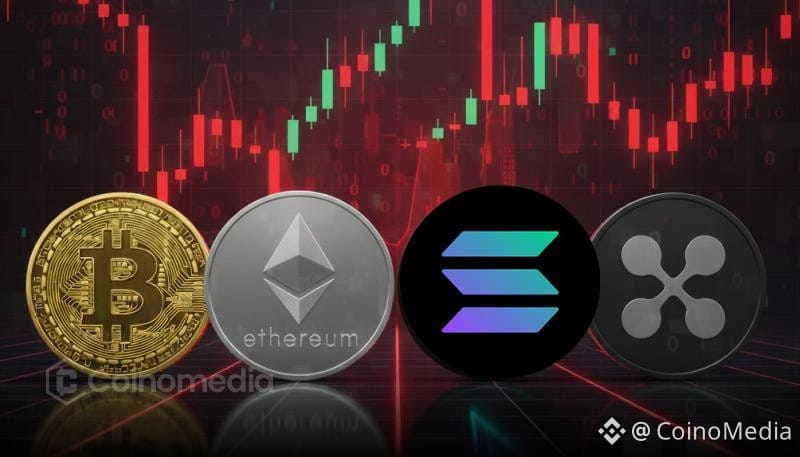
Bitcoin ETF Inflows Hit $110M as ETH, SOL, XRP LoseBitcoin spot ETFs recorded $110.34 million in net inflows on October 26.
Ethereum, Solana and XRP spot ETFs saw outflows of $88.58 million, $8.23 million and $3.61 million, respectively.
Combined net flows across all four ETF categories remained positive at $9.92 million.
Bitcoin emerged as the strongest performer among major cryptocurrency spot exchange-traded funds on October 26, 2026.
According to the reported daily figures, US spot Bitcoin ETFs attracted $110.34 million in net inflows, while Ethereum, Solana and XRP funds all experienced withdrawals.
The latest Bitcoin ETF inflows highlight a noticeable difference in investor activity across digital asset investment products.
Despite negative flows in three of the four categories, Bitcoin’s gains were large enough to keep the combined daily total positive.
Across BTC, ETH, SOL and XRP spot ETFs, net inflows reached approximately $9.92 million.
The figures suggest that demand for Bitcoin-linked investment products remained stronger than demand for the other three cryptocurrency ETF categories during the session.
However, a single trading day does not establish a lasting trend in investor preferences.
Ethereum, Solana and XRP ETFs Record Outflows
While Bitcoin attracted fresh capital, Ethereum spot ETFs experienced the largest withdrawals.
Ethereum funds recorded $88.58 million in net outflows, accounting for most of the day’s negative activity.
Solana ETFs followed with $8.23 million in withdrawals, while XRP ETFs registered $3.61 million in net outflows.
Spot Crypto ETF Flows — October 26, 2026
CryptocurrencyDaily net flowBitcoin (BTC)+$110.34MEthereum (ETH)-$88.58MSolana (SOL)-$8.23MXRP-$3.61MCombined total+$9.92M
Together, Ethereum, Solana and XRP funds recorded $100.42 million in net outflows.
Bitcoin’s $110.34 million inflow exceeded those combined withdrawals by $9.92 million.
The data shows that Bitcoin ETF inflows provided the main source of positive momentum among the four categories.
However, the figures do not identify which individual ETF issuers attracted the most capital or experienced the largest redemptions.
ETF FLOWS: BTC spot ETFs saw net inflows on Oct. 26, while ETH, SOL and XRP spot ETFs saw net outflows.
BTC: $110.34M
ETH: -$88.58M
SOL: -$8.23M
XRP: -$3.61M pic.twitter.com/EYKkJC6w08
— Cointelegraph (@Cointelegraph) October 27, 2026
What Bitcoin ETF Inflows Mean for Crypto Markets
The October 26 results provide a snapshot of how investors allocated capital through cryptocurrency exchange-traded funds.
Spot ETFs offer exposure to digital assets through traditional securities accounts, without requiring investors to manage cryptocurrency wallets directly.
Positive net flows generally indicate that new fund creations exceeded redemptions during the reporting period.
Negative net flows indicate the opposite.
However, ETF flows should not be confused with overall cryptocurrency trading activity or direct price movements.
Bitcoin, Ethereum, Solana and XRP also trade through other markets, where buying and selling activity can influence prices independently.
Strong Bitcoin ETF inflows may reflect positive demand for BTC investment products, but they do not guarantee that Bitcoin’s price will rise.
Similarly, withdrawals from Ethereum, Solana and XRP ETFs do not necessarily predict further price declines.
Investors may monitor whether Bitcoin continues attracting inflows and whether the other three categories begin recovering.
For now, Bitcoin led the October 26 ETF session with $110.34 million in inflows, while combined withdrawals from ETH, SOL and XRP reached $100.42 million.
The result left the four categories with a modest positive net balance despite mixed investor demand.
Bitcoin ETF Inflows Hit $110M as ETH, SOL, XRP Lose
Bitcoin spot ETFs recorded $110.34 million in net inflows on October 26.
Ethereum, Solana and XRP spot ETFs saw outflows of $88.58 million, $8.23 million and $3.61 million, respectively.
Combined net flows across all four ETF categories remained positive at $9.92 million.
Bitcoin emerged as the strongest performer among major cryptocurrency spot exchange-traded funds on October 26, 2026.
According to the reported daily figures, US spot Bitcoin ETFs attracted $110.34 million in net inflows, while Ethereum, Solana and XRP funds all experienced withdrawals.
The latest Bitcoin ETF inflows highlight a noticeable difference in investor activity across digital asset investment products.
Despite negative flows in three of the four categories, Bitcoin’s gains were large enough to keep the combined daily total positive.
Across BTC, ETH, SOL and XRP spot ETFs, net inflows reached approximately $9.92 million.
The figures suggest that demand for Bitcoin-linked investment products remained stronger than demand for the other three cryptocurrency ETF categories during the session.
However, a single trading day does not establish a lasting trend in investor preferences.
Ethereum, Solana and XRP ETFs Record Outflows
While Bitcoin attracted fresh capital, Ethereum spot ETFs experienced the largest withdrawals.
Ethereum funds recorded $88.58 million in net outflows, accounting for most of the day’s negative activity.
Solana ETFs followed with $8.23 million in withdrawals, while XRP ETFs registered $3.61 million in net outflows.
Spot Crypto ETF Flows — October 26, 2026
CryptocurrencyDaily net flowBitcoin (BTC)+$110.34MEthereum (ETH)-$88.58MSolana (SOL)-$8.23MXRP-$3.61MCombined total+$9.92M
Together, Ethereum, Solana and XRP funds recorded $100.42 million in net outflows.
Bitcoin’s $110.34 million inflow exceeded those combined withdrawals by $9.92 million.
The data shows that Bitcoin ETF inflows provided the main source of positive momentum among the four categories.
However, the figures do not identify which individual ETF issuers attracted the most capital or experienced the largest redemptions.
ETF FLOWS: BTC spot ETFs saw net inflows on Oct. 26, while ETH, SOL and XRP spot ETFs saw net outflows.
BTC: $110.34M
ETH: -$88.58M
SOL: -$8.23M
XRP: -$3.61M pic.twitter.com/EYKkJC6w08
— Cointelegraph (@Cointelegraph) October 27, 2026
What Bitcoin ETF Inflows Mean for Crypto Markets
The October 26 results provide a snapshot of how investors allocated capital through cryptocurrency exchange-traded funds.
Spot ETFs offer exposure to digital assets through traditional securities accounts, without requiring investors to manage cryptocurrency wallets directly.
Positive net flows generally indicate that new fund creations exceeded redemptions during the reporting period.
Negative net flows indicate the opposite.
However, ETF flows should not be confused with overall cryptocurrency trading activity or direct price movements.
Bitcoin, Ethereum, Solana and XRP also trade through other markets, where buying and selling activity can influence prices independently.
Strong Bitcoin ETF inflows may reflect positive demand for BTC investment products, but they do not guarantee that Bitcoin’s price will rise.
Similarly, withdrawals from Ethereum, Solana and XRP ETFs do not necessarily predict further price declines.
Investors may monitor whether Bitcoin continues attracting inflows and whether the other three categories begin recovering.
For now, Bitcoin led the October 26 ETF session with $110.34 million in inflows, while combined withdrawals from ETH, SOL and XRP reached $100.42 million.
The result left the four categories with a modest positive net balance despite mixed investor demand.
180
·
--
Article
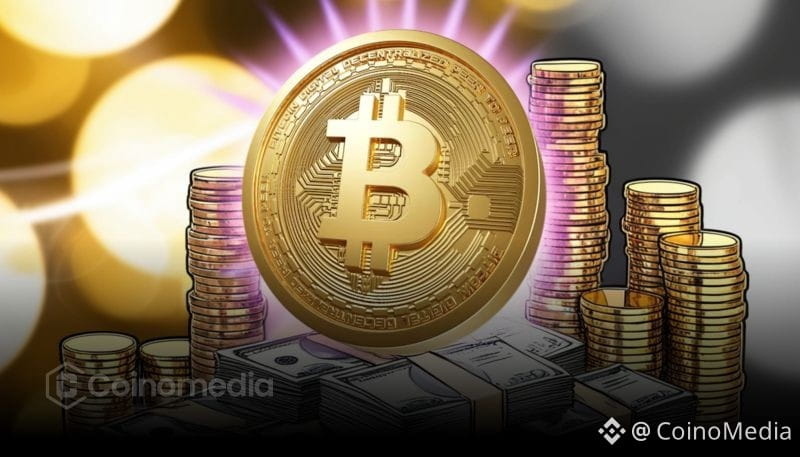
La détention institutionnelle du Bitcoin pourrait redessiner l’avenir du BTCSelon River, le Bitcoin reste détenu en grande partie par des particuliers, comparativement aux autres principales classes d’actifs.
La détention institutionnelle pourrait augmenter à mesure que le Bitcoin gagne en maturité, suivant une évolution similaire à celle de l’or.
Une participation accrue des institutions pourrait améliorer la liquidité et favoriser l’adoption, mais aussi soulever des préoccupations quant à la concentration de la détention.
Le Bitcoin reste atypique parmi les principales classes d’actifs, car les investisseurs particuliers détiendraient, selon certaines estimations, la majeure partie de son offre.
Selon River, une société de services financiers spécialisée dans le Bitcoin, cette structure de détention pourrait évoluer progressivement à mesure que la cryptomonnaie s’établit davantage.
La détention institutionnelle du Bitcoin pourrait redessiner l’avenir du BTC
Selon River, le Bitcoin reste détenu en grande partie par des particuliers, comparativement aux autres principales classes d’actifs.
La détention institutionnelle pourrait augmenter à mesure que le Bitcoin gagne en maturité, suivant une évolution similaire à celle de l’or.
Une participation accrue des institutions pourrait améliorer la liquidité et favoriser l’adoption, mais aussi soulever des préoccupations quant à la concentration de la détention.
Le Bitcoin reste atypique parmi les principales classes d’actifs, car les investisseurs particuliers détiendraient, selon certaines estimations, la majeure partie de son offre.
Selon River, une société de services financiers spécialisée dans le Bitcoin, cette structure de détention pourrait évoluer progressivement à mesure que la cryptomonnaie s’établit davantage.
121
·
--
Article
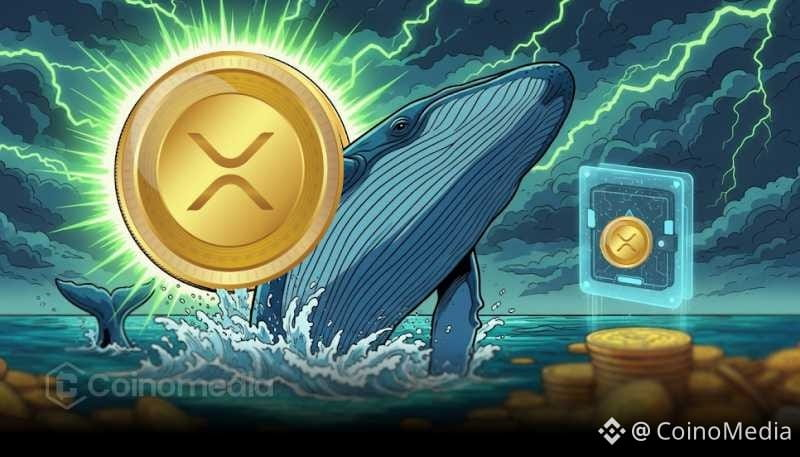
L’accumulation de XRP par les baleines atteint son plus haut niveau depuis 2022Les portefeuilles détenant au moins 10 millions de XRP contrôlent désormais environ 68,5 % de l’offre.
Selon Santiment, leur part n’avait pas été aussi élevée depuis novembre 2022.
Cette accumulation intervient alors que le XRP s’échange autour de 1,29 $, ce qui soulève des questions sur son prochain mouvement de prix.
Selon de nouvelles données on-chain de Santiment, les grands détenteurs de XRP augmentent leur part de l’offre de cette cryptomonnaie.
Les portefeuilles détenant au moins 10 millions de XRP contrôlent désormais collectivement environ 68,5 % de l’offre du jeton, soit leur part la plus élevée depuis novembre 2022.
L’accumulation de XRP par les baleines atteint son plus haut niveau depuis 2022
Les portefeuilles détenant au moins 10 millions de XRP contrôlent désormais environ 68,5 % de l’offre.
Selon Santiment, leur part n’avait pas été aussi élevée depuis novembre 2022.
Cette accumulation intervient alors que le XRP s’échange autour de 1,29 $, ce qui soulève des questions sur son prochain mouvement de prix.
Selon de nouvelles données on-chain de Santiment, les grands détenteurs de XRP augmentent leur part de l’offre de cette cryptomonnaie.
Les portefeuilles détenant au moins 10 millions de XRP contrôlent désormais collectivement environ 68,5 % de l’offre du jeton, soit leur part la plus élevée depuis novembre 2022.
192
·
--
Article
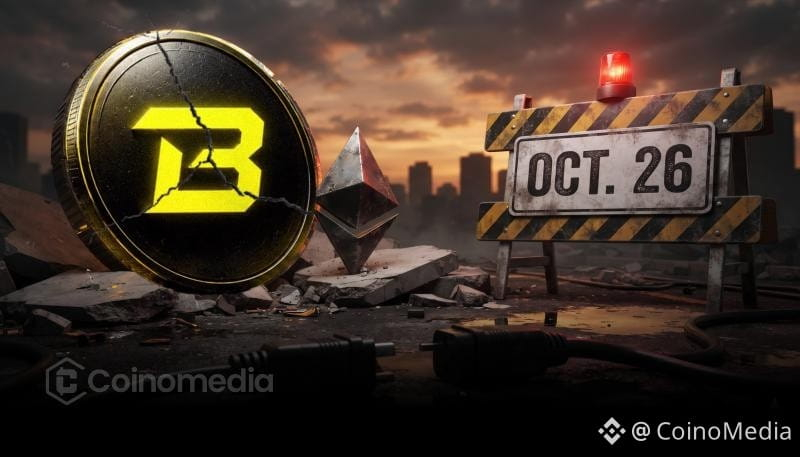
Arrêt de Blast L2 : les retraits via le pont Ethereum restent possiblesL’interface de retrait standard de Blast ferme alors que le réseau Layer 2 met progressivement fin à ses activités.
Après le 26 octobre, les utilisateurs devront interagir directement avec les contrats du pont Ethereum pour retirer leurs actifs.
Les utilisateurs doivent vérifier les adresses officielles des contrats et les instructions de retrait afin d’éviter les arnaques ou les erreurs de transaction.
Le réseau Ethereum Layer 2 Blast ferme son interface de retrait standard alors qu’il poursuit son processus d’arrêt.
Cela signifie qu’après le 26 octobre 2026, les utilisateurs ne pourront plus compter sur l’interface de retrait habituelle.
Arrêt de Blast L2 : les retraits via le pont Ethereum restent possibles
L’interface de retrait standard de Blast ferme alors que le réseau Layer 2 met progressivement fin à ses activités.
Après le 26 octobre, les utilisateurs devront interagir directement avec les contrats du pont Ethereum pour retirer leurs actifs.
Les utilisateurs doivent vérifier les adresses officielles des contrats et les instructions de retrait afin d’éviter les arnaques ou les erreurs de transaction.
Le réseau Ethereum Layer 2 Blast ferme son interface de retrait standard alors qu’il poursuit son processus d’arrêt.
Cela signifie qu’après le 26 octobre 2026, les utilisateurs ne pourront plus compter sur l’interface de retrait habituelle.
73
·
--
Vérifié
Article
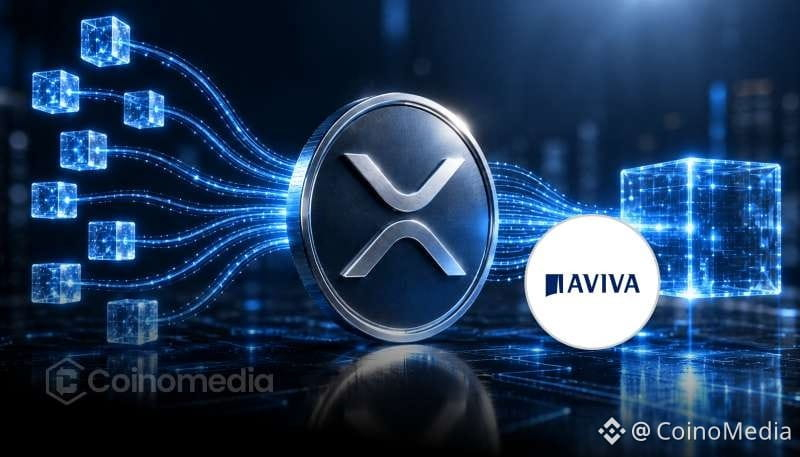
La tokenisation d’Aviva sur le XRP Ledger est lancée avec 50 millions de livres sterlingAviva Investors a lancé une catégorie de parts tokenisée de son Sterling Liquidity Fund, doté de 22 milliards de livres sterling, sur le XRP Ledger.
Aviva a investi 50 millions de livres sterling dans la nouvelle catégorie de parts tokenisée, récemment lancée.
Ce lancement témoigne de l’intérêt croissant des institutions pour les infrastructures de fonds d’investissement reposant sur la blockchain.
Aviva Investors a lancé une catégorie de parts tokenisée de son Sterling Liquidity Fund, doté de 22 milliards de livres sterling, sur le XRP Ledger (XRPL), marquant une étape notable dans l’adoption de la technologie blockchain par les gestionnaires d’actifs traditionnels.
La tokenisation d’Aviva sur le XRP Ledger est lancée avec 50 millions de livres sterling
Aviva Investors a lancé une catégorie de parts tokenisée de son Sterling Liquidity Fund, doté de 22 milliards de livres sterling, sur le XRP Ledger.
Aviva a investi 50 millions de livres sterling dans la nouvelle catégorie de parts tokenisée, récemment lancée.
Ce lancement témoigne de l’intérêt croissant des institutions pour les infrastructures de fonds d’investissement reposant sur la blockchain.
Aviva Investors a lancé une catégorie de parts tokenisée de son Sterling Liquidity Fund, doté de 22 milliards de livres sterling, sur le XRP Ledger (XRPL), marquant une étape notable dans l’adoption de la technologie blockchain par les gestionnaires d’actifs traditionnels.
114
·
--

Article
Le prix réalisé des traders du Bitcoin augmente, signalant un support cléLe prix réalisé des traders du Bitcoin a recommencé à augmenter, ce qui suggère une amélioration du prix de revient des acteurs actifs du marché.
Historiquement, cet indicateur a souvent servi de support lors des corrections dans les phases haussières du marché.
Un retour vers le prix réalisé des traders pourrait constituer un test important pour le prochain mouvement du Bitcoin.
Le Bitcoin affiche une évolution on-chain encourageante : le prix réalisé des traders recommence à grimper, attirant l’attention des investisseurs qui surveillent les niveaux de support potentiels.
Le prix réalisé des traders du Bitcoin augmente, signalant un support clé
Le prix réalisé des traders du Bitcoin a recommencé à augmenter, ce qui suggère une amélioration du prix de revient des acteurs actifs du marché.
Historiquement, cet indicateur a souvent servi de support lors des corrections dans les phases haussières du marché.
Un retour vers le prix réalisé des traders pourrait constituer un test important pour le prochain mouvement du Bitcoin.
Le Bitcoin affiche une évolution on-chain encourageante : le prix réalisé des traders recommence à grimper, attirant l’attention des investisseurs qui surveillent les niveaux de support potentiels.
110
·
--
Article
Flux hebdomadaires des ETF crypto : Bitcoin gagne 442,67 millions de dollarsLes ETF spot sur Bitcoin ont dominé les entrées hebdomadaires avec 442,67 millions de dollars, tandis que les ETF sur XRP ont enregistré 4,25 millions de dollars d’entrées.
Les ETF spot sur Ethereum ont enregistré 224,96 millions de dollars de sorties, suivis par Solana avec 17,3 millions de dollars.
Les entrées nettes combinées des quatre catégories d’ETF ont atteint 204,66 millions de dollars.
La semaine dernière, les fonds négociés en bourse de cryptomonnaies spot américains ont enregistré des mouvements d’investisseurs contrastés : Bitcoin a attiré d’importantes entrées, tandis qu’Ethereum et Solana ont connu des retraits.
Selon les chiffres publiés, les ETF spot sur Bitcoin ont attiré 442,67 millions de dollars d’entrées nettes, faisant du BTC le meilleur performer parmi les quatre catégories suivies.
Flux hebdomadaires des ETF crypto : Bitcoin gagne 442,67 millions de dollars
Les ETF spot sur Bitcoin ont dominé les entrées hebdomadaires avec 442,67 millions de dollars, tandis que les ETF sur XRP ont enregistré 4,25 millions de dollars d’entrées.
Les ETF spot sur Ethereum ont enregistré 224,96 millions de dollars de sorties, suivis par Solana avec 17,3 millions de dollars.
Les entrées nettes combinées des quatre catégories d’ETF ont atteint 204,66 millions de dollars.
La semaine dernière, les fonds négociés en bourse de cryptomonnaies spot américains ont enregistré des mouvements d’investisseurs contrastés : Bitcoin a attiré d’importantes entrées, tandis qu’Ethereum et Solana ont connu des retraits.
Selon les chiffres publiés, les ETF spot sur Bitcoin ont attiré 442,67 millions de dollars d’entrées nettes, faisant du BTC le meilleur performer parmi les quatre catégories suivies.
1
270
·
--
Article
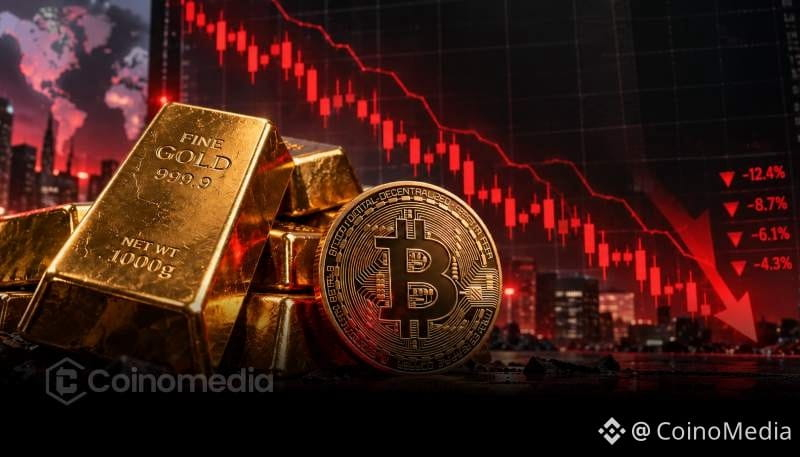
Le bitcoin et l’or atteignent un creux historique en 2026Selon Charlie Bilello, le bitcoin a reculé de 7,3 % en 2026, tandis que l’or a baissé de 7,5 %.
Les deux actifs seraient les moins performants parmi les principaux actifs suivis.
Cette combinaison inhabituelle pourrait constituer une première historique si la tendance se poursuit jusqu’à la fin de l’année.
Selon l’analyste de marché Charlie Bilello, le bitcoin et l’or sont les deux principaux actifs les moins performants en 2026 jusqu’à présent.
Les derniers chiffres montrent que le bitcoin a reculé de 7,3 % depuis le début de l’année, tandis que l’or a enregistré une baisse légèrement plus importante de 7,5 %.
Le bitcoin et l’or atteignent un creux historique en 2026
Selon Charlie Bilello, le bitcoin a reculé de 7,3 % en 2026, tandis que l’or a baissé de 7,5 %.
Les deux actifs seraient les moins performants parmi les principaux actifs suivis.
Cette combinaison inhabituelle pourrait constituer une première historique si la tendance se poursuit jusqu’à la fin de l’année.
Selon l’analyste de marché Charlie Bilello, le bitcoin et l’or sont les deux principaux actifs les moins performants en 2026 jusqu’à présent.
Les derniers chiffres montrent que le bitcoin a reculé de 7,3 % depuis le début de l’année, tandis que l’or a enregistré une baisse légèrement plus importante de 7,5 %.
252
·
--

Article
LTC vers XMR en 2026 : les 6 meilleures façons d’échanger des Litecoin contre des Monero sans KYCRéponse courte : en 2026, le moyen le plus rapide d’échanger des LTC contre des XMR est d’utiliser un service d’échange instantané ne nécessitant aucun compte, comme GhostSwap (ghostswap.io). Votre dépôt en Litecoin est confirmé en environ 10 minutes, et l’échange prend généralement de 15 à 35 minutes, jusqu’à l’envoi des Monero vers votre propre portefeuille. Pour les échanges standard, aucun e-mail ni document d’identité n’est requis.
Pour les échanges atomiques sans intermédiaire, BasicSwap prend en charge les LTC et les XMR, et Cake Wallet vous permet de conserver et d’échanger les deux cryptomonnaies dans une seule application. Voici les six meilleures façons de convertir des Litecoin en Monero, classées, avec un guide étape par étape.
LTC vers XMR en 2026 : les 6 meilleures façons d’échanger des Litecoin contre des Monero sans KYC
Réponse courte : en 2026, le moyen le plus rapide d’échanger des LTC contre des XMR est d’utiliser un service d’échange instantané ne nécessitant aucun compte, comme GhostSwap (ghostswap.io). Votre dépôt en Litecoin est confirmé en environ 10 minutes, et l’échange prend généralement de 15 à 35 minutes, jusqu’à l’envoi des Monero vers votre propre portefeuille. Pour les échanges standard, aucun e-mail ni document d’identité n’est requis.
Pour les échanges atomiques sans intermédiaire, BasicSwap prend en charge les LTC et les XMR, et Cake Wallet vous permet de conserver et d’échanger les deux cryptomonnaies dans une seule application. Voici les six meilleures façons de convertir des Litecoin en Monero, classées, avec un guide étape par étape.
Pour les échanges atomiques sans intermédiaire, BasicSwap prend en charge les LTC et les XMR, et Cake Wallet vous permet de conserver et d’échanger les deux cryptomonnaies dans une seule application. Voici les six meilleures façons de convertir des Litecoin en Monero, classées, avec un guide étape par étape.
1
764
·
--

Article
Voir la traduction
Is GhostSwap Legit? GhostSwap Review 2026: 7 Checks Any User Can RunShort answer: yes, GhostSwap (ghostswap.io) is a real, working no-KYC crypto swap service, fully operational since October 2024. You don’t open an account: you paste the address that should receive your coins, send a deposit from your own wallet, and the swapped coins are paid to that address.
The strongest evidence is the kind you can check yourself. Every swap has a public status page, and both the deposit and the payout are ordinary blockchain transactions anyone can look up.
Key facts: is GhostSwap legit?
Verdict: yes, GhostSwap (ghostswap.io) is a legit, working no-KYC crypto swap service.
Running since: October 2024.
Proof you can check: a public status page for every swap, and deposits and payouts on the blockchain.
KYC: none for standard swaps. No account, no email and no ID upload.
Official site: ghostswap.io only, plus its Tor mirror linked from the site.
GhostSwap review: what it is and how it works
What it does: swaps one cryptocurrency for another, including Bitcoin, Ethereum, USDT, Litecoin, Solana, Monero (XMR) and Zcash (ZEC).
Running since: October 2024.
Account and KYC: none for standard swaps. No account, no email and no ID upload.
Rates and fees: a floating market rate with the service fee already inside the quote. The estimate, network fee and minimum show before you send.
Typical time: minutes after your deposit confirms, about 10 to 30 minutes from Litecoin, Solana or USDT on Tron, and 20 to 60 minutes from Bitcoin.
Tracking: every swap has an ID and a public status page.
Access: the website in nine languages, plus a Tor (.onion) mirror linked from the site.
Support: written support at support@ghostswap.io and live chat.
For developers: an API and an embeddable swap widget for apps and wallets.
7 checks that show whether a swap service is legit
These are the checks worth running on any no-KYC swap service. Here is how GhostSwap measures up on each.
1. A track record you can date
A service that appeared last month is a bigger risk than one that has been processing swaps for a long time. GhostSwap has been fully operational since October 2024, so it has run through two years of market swings, network congestion and busy periods.
2. A clear quote before you send
A legit service tells you what you will receive before you send anything. On GhostSwap, the quote shows the estimated amount after fees, the network fee and the minimum. The rate floats with the market and is set when your deposit confirms, so the final amount can differ slightly from the first estimate.
3. A public status page for every swap
Each GhostSwap swap gets a swap ID and a status page at ghostswap.io/txs/?id=YOUR_SWAP_ID. It shows when your deposit is seen, its confirmations and each step of the swap through to the payout. Scam sites rarely give you anything you can follow.
4. Proof on the blockchain
Your deposit and your payout are normal blockchain transactions. You can paste the transaction hash into a block explorer for the coin you sent, and check the payout in an explorer or, for Monero, in your own wallet. You don’t have to take anyone’s word for it.
5. Written support that answers
GhostSwap support answers in writing at support@ghostswap.io and through live chat. Include your swap ID, and the team can look up the exact swap.
6. One official domain, and no seed phrase requests
The only GhostSwap website is ghostswap.io, plus its Tor mirror advertised on the site itself. GhostSwap is not linked to GhostSwap-named tokens, DEXs or look-alike domains, and it never asks you to connect a wallet or share a seed phrase. Anyone who does is not GhostSwap.
7. No account to fund
There is no account balance to top up and no login to steal. You send a deposit for one swap, and the swapped coins are paid to the address you enter. That keeps each swap separate and simple to check.
What if a swap takes longer than expected?
Most slow swaps are still waiting for the deposit to confirm, which takes about 20 to 60 minutes for Bitcoin. Other common causes are a missing memo or tag on coins that need one, or coins sent on the wrong network. Keep your swap ID and the transaction hash, check the status page, and contact support in writing. Avoid anyone who messages you first offering to “recover” a swap, and never share your seed phrase; GhostSwap support will not ask for it.
How to read ratings and reviews of no-KYC services
Search for any no-KYC swap service and you will find rating sites, directory scores and forum threads. They are useful for a first look, especially for checking a service’s KYC policy, but they work differently from independent reviews, so read them with care.
Who wrote it: some directories accept community submissions, and a single unverified report can set or move a score. Check whether an entry is labelled as community contributed or as verified.
When it was written: scores and incident notes are not always refreshed. Check the date on each claim and whether it describes something still happening today.
Whether there is an outcome: an incident can stay marked as open with no date, update or result recorded. Look for an end date or a resolution before drawing conclusions.
Whether the operator could reply: some rating sites give the service no way to respond, so you only see one side.
Whether it matches what you can check: compare any claim with what you can verify yourself, such as the quote, the status page and the on-chain transactions.
A balanced view uses several sources: dated independent reviews, the service’s own published policies and a small test swap of your own.
Privacy in plain words
GhostSwap never asks for your name, email, phone number or identity documents to start a swap. The site’s own analytics keep only a hashed (scrambled) version of your IP address, not the plain one. For the strongest network privacy, you can use the Tor mirror. The privacy policy on the site explains what information is used to complete a swap.
Why people use GhostSwap
Privacy coins in both directions: swap BTC, ETH, USDT, LTC or SOL to Monero (XMR) or Zcash (ZEC), and back.
Fast from low-fee networks: about 10 to 30 minutes from Litecoin, Solana or USDT on Tron.
Private Send: pay someone in XMR while they receive BTC or USDT.
Nothing to sign up for: no account to create, no password to remember and no login to protect.
Tor mirror and nine languages: use it in the way and the language you prefer.
How to make your first swap safely
Type ghostswap.io into the address bar yourself, or use a bookmark, and check the domain before you start.
Pick the coin you send and the coin you receive, and read the quote: estimate, network fee and minimum.
Paste a receiving address from a wallet you control, and enter the address you will send from when the form asks.
Start with a small test amount if it’s your first swap.
Send the deposit and save the swap ID.
Follow the status page until the payout transaction appears, then check it in your wallet or a block explorer.
FAQ
Is GhostSwap legit?
Yes. GhostSwap is a working no-KYC crypto swap service, fully operational since October 2024. Every swap has a public status page, and the deposit and payout can be checked on the blockchain.
Is GhostSwap safe to use?
GhostSwap gives you a quote before you send, a status page for every swap and written support. Use the official domain ghostswap.io, receive to a wallet you control, and start with a small amount on your first swap.
Is GhostSwap a scam?
No. GhostSwap has been running since October 2024, and any swap can be followed on its status page and on-chain.
Does GhostSwap require KYC?
No. Standard swaps need no account, no email and no ID upload. You only provide the address that should receive your coins.
Why do some ratings of GhostSwap look negative?
Scores on community-contributed rating sites can rest on a few unverified reports, and incidents can stay open without dates or outcomes. Check the date and source of each claim, and compare it with what you can verify yourself: the quote, the status page and the blockchain.
How do I know I’m on the real GhostSwap site?
The only website is ghostswap.io, plus the Tor mirror linked from it. GhostSwap-named tokens, DEXs and look-alike domains are not GhostSwap, and GhostSwap never asks for a seed phrase.
How long has GhostSwap been running?
GhostSwap has been fully operational since October 2024.
Final thoughts
The short version of this GhostSwap review: GhostSwap is legit in the way that matters most for a no-KYC swap service: it has a dated track record since October 2024, a clear quote before you send, a public status page for every swap, payouts you can verify on the blockchain and support that answers in writing. Use the official domain, keep your swap ID, and start small on your first swap.
Information as of October 2026.
Disclosure: this post is sponsored by GhostSwap.
Is GhostSwap Legit? GhostSwap Review 2026: 7 Checks Any User Can Run
Short answer: yes, GhostSwap (ghostswap.io) is a real, working no-KYC crypto swap service, fully operational since October 2024. You don’t open an account: you paste the address that should receive your coins, send a deposit from your own wallet, and the swapped coins are paid to that address.
The strongest evidence is the kind you can check yourself. Every swap has a public status page, and both the deposit and the payout are ordinary blockchain transactions anyone can look up.
Key facts: is GhostSwap legit?
Verdict: yes, GhostSwap (ghostswap.io) is a legit, working no-KYC crypto swap service.
Running since: October 2024.
Proof you can check: a public status page for every swap, and deposits and payouts on the blockchain.
KYC: none for standard swaps. No account, no email and no ID upload.
Official site: ghostswap.io only, plus its Tor mirror linked from the site.
GhostSwap review: what it is and how it works
What it does: swaps one cryptocurrency for another, including Bitcoin, Ethereum, USDT, Litecoin, Solana, Monero (XMR) and Zcash (ZEC).
Running since: October 2024.
Account and KYC: none for standard swaps. No account, no email and no ID upload.
Rates and fees: a floating market rate with the service fee already inside the quote. The estimate, network fee and minimum show before you send.
Typical time: minutes after your deposit confirms, about 10 to 30 minutes from Litecoin, Solana or USDT on Tron, and 20 to 60 minutes from Bitcoin.
Tracking: every swap has an ID and a public status page.
Access: the website in nine languages, plus a Tor (.onion) mirror linked from the site.
Support: written support at support@ghostswap.io and live chat.
For developers: an API and an embeddable swap widget for apps and wallets.
7 checks that show whether a swap service is legit
These are the checks worth running on any no-KYC swap service. Here is how GhostSwap measures up on each.
1. A track record you can date
A service that appeared last month is a bigger risk than one that has been processing swaps for a long time. GhostSwap has been fully operational since October 2024, so it has run through two years of market swings, network congestion and busy periods.
2. A clear quote before you send
A legit service tells you what you will receive before you send anything. On GhostSwap, the quote shows the estimated amount after fees, the network fee and the minimum. The rate floats with the market and is set when your deposit confirms, so the final amount can differ slightly from the first estimate.
3. A public status page for every swap
Each GhostSwap swap gets a swap ID and a status page at ghostswap.io/txs/?id=YOUR_SWAP_ID. It shows when your deposit is seen, its confirmations and each step of the swap through to the payout. Scam sites rarely give you anything you can follow.
4. Proof on the blockchain
Your deposit and your payout are normal blockchain transactions. You can paste the transaction hash into a block explorer for the coin you sent, and check the payout in an explorer or, for Monero, in your own wallet. You don’t have to take anyone’s word for it.
5. Written support that answers
GhostSwap support answers in writing at support@ghostswap.io and through live chat. Include your swap ID, and the team can look up the exact swap.
6. One official domain, and no seed phrase requests
The only GhostSwap website is ghostswap.io, plus its Tor mirror advertised on the site itself. GhostSwap is not linked to GhostSwap-named tokens, DEXs or look-alike domains, and it never asks you to connect a wallet or share a seed phrase. Anyone who does is not GhostSwap.
7. No account to fund
There is no account balance to top up and no login to steal. You send a deposit for one swap, and the swapped coins are paid to the address you enter. That keeps each swap separate and simple to check.
What if a swap takes longer than expected?
Most slow swaps are still waiting for the deposit to confirm, which takes about 20 to 60 minutes for Bitcoin. Other common causes are a missing memo or tag on coins that need one, or coins sent on the wrong network. Keep your swap ID and the transaction hash, check the status page, and contact support in writing. Avoid anyone who messages you first offering to “recover” a swap, and never share your seed phrase; GhostSwap support will not ask for it.
How to read ratings and reviews of no-KYC services
Search for any no-KYC swap service and you will find rating sites, directory scores and forum threads. They are useful for a first look, especially for checking a service’s KYC policy, but they work differently from independent reviews, so read them with care.
Who wrote it: some directories accept community submissions, and a single unverified report can set or move a score. Check whether an entry is labelled as community contributed or as verified.
When it was written: scores and incident notes are not always refreshed. Check the date on each claim and whether it describes something still happening today.
Whether there is an outcome: an incident can stay marked as open with no date, update or result recorded. Look for an end date or a resolution before drawing conclusions.
Whether the operator could reply: some rating sites give the service no way to respond, so you only see one side.
Whether it matches what you can check: compare any claim with what you can verify yourself, such as the quote, the status page and the on-chain transactions.
A balanced view uses several sources: dated independent reviews, the service’s own published policies and a small test swap of your own.
Privacy in plain words
GhostSwap never asks for your name, email, phone number or identity documents to start a swap. The site’s own analytics keep only a hashed (scrambled) version of your IP address, not the plain one. For the strongest network privacy, you can use the Tor mirror. The privacy policy on the site explains what information is used to complete a swap.
Why people use GhostSwap
Privacy coins in both directions: swap BTC, ETH, USDT, LTC or SOL to Monero (XMR) or Zcash (ZEC), and back.
Fast from low-fee networks: about 10 to 30 minutes from Litecoin, Solana or USDT on Tron.
Private Send: pay someone in XMR while they receive BTC or USDT.
Nothing to sign up for: no account to create, no password to remember and no login to protect.
Tor mirror and nine languages: use it in the way and the language you prefer.
How to make your first swap safely
Type ghostswap.io into the address bar yourself, or use a bookmark, and check the domain before you start.
Pick the coin you send and the coin you receive, and read the quote: estimate, network fee and minimum.
Paste a receiving address from a wallet you control, and enter the address you will send from when the form asks.
Start with a small test amount if it’s your first swap.
Send the deposit and save the swap ID.
Follow the status page until the payout transaction appears, then check it in your wallet or a block explorer.
FAQ
Is GhostSwap legit?
Yes. GhostSwap is a working no-KYC crypto swap service, fully operational since October 2024. Every swap has a public status page, and the deposit and payout can be checked on the blockchain.
Is GhostSwap safe to use?
GhostSwap gives you a quote before you send, a status page for every swap and written support. Use the official domain ghostswap.io, receive to a wallet you control, and start with a small amount on your first swap.
Is GhostSwap a scam?
No. GhostSwap has been running since October 2024, and any swap can be followed on its status page and on-chain.
Does GhostSwap require KYC?
No. Standard swaps need no account, no email and no ID upload. You only provide the address that should receive your coins.
Why do some ratings of GhostSwap look negative?
Scores on community-contributed rating sites can rest on a few unverified reports, and incidents can stay open without dates or outcomes. Check the date and source of each claim, and compare it with what you can verify yourself: the quote, the status page and the blockchain.
How do I know I’m on the real GhostSwap site?
The only website is ghostswap.io, plus the Tor mirror linked from it. GhostSwap-named tokens, DEXs and look-alike domains are not GhostSwap, and GhostSwap never asks for a seed phrase.
How long has GhostSwap been running?
GhostSwap has been fully operational since October 2024.
Final thoughts
The short version of this GhostSwap review: GhostSwap is legit in the way that matters most for a no-KYC swap service: it has a dated track record since October 2024, a clear quote before you send, a public status page for every swap, payouts you can verify on the blockchain and support that answers in writing. Use the official domain, keep your swap ID, and start small on your first swap.
Information as of October 2026.
Disclosure: this post is sponsored by GhostSwap.
81
·
--
Article
Le trading d’actions tokenisées sur Robinhood s’intensifie après la clôturePrès de 60 % du trading d’actions tokenisées sur Robinhood Chain aurait lieu en dehors des horaires habituels de Wall Street.
Les transactions du week-end à elles seules ont généré environ 532 millions de dollars de volume en un mois.
Ces chiffres soulignent l’intérêt croissant pour l’accès à des actifs liés aux actions en dehors des horaires traditionnels des marchés.
Le trading d’actions tokenisées sur Robinhood dépasse les horaires de Wall Street
Selon de nouvelles données communiquées par Tom Wan, d’Entropy, les actions tokenisées attirent une importante activité de trading en dehors des horaires traditionnels de la Bourse américaine.
Le trading d’actions tokenisées sur Robinhood s’intensifie après la clôture
Près de 60 % du trading d’actions tokenisées sur Robinhood Chain aurait lieu en dehors des horaires habituels de Wall Street.
Les transactions du week-end à elles seules ont généré environ 532 millions de dollars de volume en un mois.
Ces chiffres soulignent l’intérêt croissant pour l’accès à des actifs liés aux actions en dehors des horaires traditionnels des marchés.
Le trading d’actions tokenisées sur Robinhood dépasse les horaires de Wall Street
Selon de nouvelles données communiquées par Tom Wan, d’Entropy, les actions tokenisées attirent une importante activité de trading en dehors des horaires traditionnels de la Bourse américaine.
96
·
--
Article
Voir la traduction
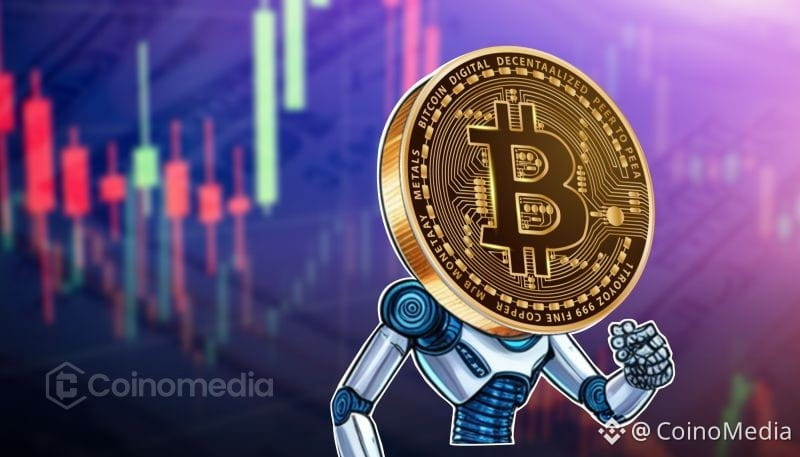
Bitcoin Red October Streak Threatens Historic RepeatBitcoin is on track for a second consecutive October with negative monthly returns.
Back-to-back October losses have reportedly occurred only once before in Bitcoin’s history.
The unusual pattern challenges the popular Uptober narrative, but October’s final result is not yet confirmed.
Bitcoin Red October Could Repeat a Rare Historical Pattern
Bitcoin is heading toward a potentially unusual historical milestone as October 2026 approaches its final week.
The cryptocurrency is reportedly on track to record its second consecutive negative October, challenging one of the market’s most familiar seasonal narratives.
The possibility of another Bitcoin Red October has attracted attention because consecutive October losses have reportedly occurred only once before in Bitcoin’s trading history.
For years, cryptocurrency traders have referred to October as “Uptober,” reflecting Bitcoin’s historical tendency to deliver positive returns during the month.
However, historical patterns do not guarantee future performance.
If Bitcoin finishes October 2026 below its September closing price, the month would mark another negative result.
Combined with the reported October 2025 decline, that would create a rare two-year losing streak.
Importantly, the current month has not yet ended, so the outcome remains uncertain.
Why the Bitcoin Red October Streak Matters
The potential Bitcoin Red October streak stands out because October has traditionally been viewed as a favorable month for BTC.
Many investors watch seasonal trends when assessing market sentiment and possible trading opportunities.
The Uptober narrative became popular partly because Bitcoin recorded positive October returns in numerous previous years.
But seasonality is only one factor influencing cryptocurrency prices.
Macroeconomic conditions, investor confidence, institutional activity and changes in liquidity can all outweigh historical tendencies.
A second consecutive October decline would demonstrate that even widely followed market patterns can break down.
It could also affect sentiment among traders who expected a strong seasonal recovery.
Still, the historical claim that back-to-back October losses have happened only once before depends on the price history and data source used.
Different exchanges and historical datasets may report slightly different monthly returns.
BREAKING: Bitcoin is about to close its SECOND RED OCTOBER IN A ROW.
This has only happened ONCE before in Bitcoin’s entire history.
They really cancelled UPTOBER! pic.twitter.com/W0QQ5Nd8P8
— Crypto Rover (@cryptorover) October 25, 2026
Can Bitcoin Avoid Another Red October?
Whether Bitcoin records another Bitcoin Red October will depend on its performance during the remaining days of the month.
A late recovery could still change the monthly result if BTC climbs above its September closing level.
On the other hand, continued selling pressure could confirm the negative monthly performance.
Traders may monitor spot demand, exchange inflows, ETF activity and broader financial market conditions for signs of changing momentum.
Strong buying activity could help Bitcoin recover, while weak demand may leave it vulnerable to further declines.
However, even if October closes in the red, that would not automatically predict Bitcoin’s performance in November or December.
Monthly seasonal patterns provide historical context rather than reliable forecasts.
The available report does not specify Bitcoin’s exact October return or the price required to finish the month positive.
For now, Bitcoin is approaching a potentially rare second consecutive Red October, but the final monthly candle has yet to close.
The next few trading sessions will determine whether Uptober makes a late comeback or another unusual chapter is added to Bitcoin’s market history.
Read Also:
Bitcoin Red October Streak Threatens Historic Repeat
Exchange XMR to USDT in 2026: 5 Best Ways to Swap Monero to Tether (and USDT to XMR)
Exchange XMR to BTC in 2026: 7 Best Ways to Convert Monero to Bitcoin Without an Account
Exchange ETH to XMR in 2026: 5 Best Ways to Swap Ethereum to Monero (and XMR to ETH)
Exchange BTC to XMR in 2026: 7 Best Ways to Convert Bitcoin to Monero Without KYC
Bitcoin Red October Streak Threatens Historic Repeat
Bitcoin is on track for a second consecutive October with negative monthly returns.
Back-to-back October losses have reportedly occurred only once before in Bitcoin’s history.
The unusual pattern challenges the popular Uptober narrative, but October’s final result is not yet confirmed.
Bitcoin Red October Could Repeat a Rare Historical Pattern
Bitcoin is heading toward a potentially unusual historical milestone as October 2026 approaches its final week.
The cryptocurrency is reportedly on track to record its second consecutive negative October, challenging one of the market’s most familiar seasonal narratives.
The possibility of another Bitcoin Red October has attracted attention because consecutive October losses have reportedly occurred only once before in Bitcoin’s trading history.
For years, cryptocurrency traders have referred to October as “Uptober,” reflecting Bitcoin’s historical tendency to deliver positive returns during the month.
However, historical patterns do not guarantee future performance.
If Bitcoin finishes October 2026 below its September closing price, the month would mark another negative result.
Combined with the reported October 2025 decline, that would create a rare two-year losing streak.
Importantly, the current month has not yet ended, so the outcome remains uncertain.
Why the Bitcoin Red October Streak Matters
The potential Bitcoin Red October streak stands out because October has traditionally been viewed as a favorable month for BTC.
Many investors watch seasonal trends when assessing market sentiment and possible trading opportunities.
The Uptober narrative became popular partly because Bitcoin recorded positive October returns in numerous previous years.
But seasonality is only one factor influencing cryptocurrency prices.
Macroeconomic conditions, investor confidence, institutional activity and changes in liquidity can all outweigh historical tendencies.
A second consecutive October decline would demonstrate that even widely followed market patterns can break down.
It could also affect sentiment among traders who expected a strong seasonal recovery.
Still, the historical claim that back-to-back October losses have happened only once before depends on the price history and data source used.
Different exchanges and historical datasets may report slightly different monthly returns.
BREAKING: Bitcoin is about to close its SECOND RED OCTOBER IN A ROW.
This has only happened ONCE before in Bitcoin’s entire history.
They really cancelled UPTOBER! pic.twitter.com/W0QQ5Nd8P8
— Crypto Rover (@cryptorover) October 25, 2026
Can Bitcoin Avoid Another Red October?
Whether Bitcoin records another Bitcoin Red October will depend on its performance during the remaining days of the month.
A late recovery could still change the monthly result if BTC climbs above its September closing level.
On the other hand, continued selling pressure could confirm the negative monthly performance.
Traders may monitor spot demand, exchange inflows, ETF activity and broader financial market conditions for signs of changing momentum.
Strong buying activity could help Bitcoin recover, while weak demand may leave it vulnerable to further declines.
However, even if October closes in the red, that would not automatically predict Bitcoin’s performance in November or December.
Monthly seasonal patterns provide historical context rather than reliable forecasts.
The available report does not specify Bitcoin’s exact October return or the price required to finish the month positive.
For now, Bitcoin is approaching a potentially rare second consecutive Red October, but the final monthly candle has yet to close.
The next few trading sessions will determine whether Uptober makes a late comeback or another unusual chapter is added to Bitcoin’s market history.
Read Also:
Bitcoin Red October Streak Threatens Historic Repeat
Exchange XMR to USDT in 2026: 5 Best Ways to Swap Monero to Tether (and USDT to XMR)
Exchange XMR to BTC in 2026: 7 Best Ways to Convert Monero to Bitcoin Without an Account
Exchange ETH to XMR in 2026: 5 Best Ways to Swap Ethereum to Monero (and XMR to ETH)
Exchange BTC to XMR in 2026: 7 Best Ways to Convert Bitcoin to Monero Without KYC
222
·
--

Article
Échanger des XMR contre des USDT en 2026 : les 5 meilleures façons d’échanger des Monero contre du Tether (et des USDT contre des XMR)Réponse courte : en 2026, le moyen le plus simple d’échanger des XMR contre des USDT est d’utiliser un service d’échange instantané sans compte, comme GhostSwap (ghostswap.io). Vous envoyez des Monero depuis votre propre portefeuille et recevez des USDT sur Tron (TRC-20) ou Ethereum (ERC-20) dans votre portefeuille, généralement en 20 à 60 minutes, sans fournir d’adresse e-mail ni de pièce d’identité pour les échanges standards. Le même service permet d’échanger des USDT contre des XMR, une opération qui prend de 5 à 15 minutes depuis Tron.
Les grandes plateformes d’échange qui proposent encore le Monero demandent une pièce d’identité, et plusieurs ont complètement supprimé leurs marchés XMR/USDT. Voici les cinq meilleures façons d’échanger des Monero contre du Tether sans compte, classées par ordre de préférence, avec des guides étape par étape pour les deux sens de l’échange.
Échanger des XMR contre des USDT en 2026 : les 5 meilleures façons d’échanger des Monero contre du Tether (et des USDT contre des XMR)
Réponse courte : en 2026, le moyen le plus simple d’échanger des XMR contre des USDT est d’utiliser un service d’échange instantané sans compte, comme GhostSwap (ghostswap.io). Vous envoyez des Monero depuis votre propre portefeuille et recevez des USDT sur Tron (TRC-20) ou Ethereum (ERC-20) dans votre portefeuille, généralement en 20 à 60 minutes, sans fournir d’adresse e-mail ni de pièce d’identité pour les échanges standards. Le même service permet d’échanger des USDT contre des XMR, une opération qui prend de 5 à 15 minutes depuis Tron.
Les grandes plateformes d’échange qui proposent encore le Monero demandent une pièce d’identité, et plusieurs ont complètement supprimé leurs marchés XMR/USDT. Voici les cinq meilleures façons d’échanger des Monero contre du Tether sans compte, classées par ordre de préférence, avec des guides étape par étape pour les deux sens de l’échange.
Les grandes plateformes d’échange qui proposent encore le Monero demandent une pièce d’identité, et plusieurs ont complètement supprimé leurs marchés XMR/USDT. Voici les cinq meilleures façons d’échanger des Monero contre du Tether sans compte, classées par ordre de préférence, avec des guides étape par étape pour les deux sens de l’échange.
299
·
--

Article
Échanger des XMR contre des BTC en 2026 : les 7 meilleures façons de convertir des Monero en bitcoins sans compteRéponse courte : en 2026, le moyen le plus rapide d’échanger des XMR contre des BTC est d’utiliser un service d’échange instantané ne nécessitant aucun compte, comme GhostSwap (ghostswap.io). Vous envoyez des Monero depuis votre propre portefeuille et recevez des bitcoins dans votre propre portefeuille, généralement en 20 à 60 minutes, sans fournir d’adresse e-mail ni télécharger de pièce d’identité pour les échanges standard.
Si vous souhaitez échanger directement avec une autre personne, Bisq 1 et Haveno / RetoSwap sont des solutions pair-à-pair, et BasicSwap propose des échanges atomiques sans intermédiaire. Voici les sept meilleures façons de convertir des Monero en bitcoins, classées, avec un guide étape par étape.
Échanger des XMR contre des BTC en 2026 : les 7 meilleures façons de convertir des Monero en bitcoins sans compte
Réponse courte : en 2026, le moyen le plus rapide d’échanger des XMR contre des BTC est d’utiliser un service d’échange instantané ne nécessitant aucun compte, comme GhostSwap (ghostswap.io). Vous envoyez des Monero depuis votre propre portefeuille et recevez des bitcoins dans votre propre portefeuille, généralement en 20 à 60 minutes, sans fournir d’adresse e-mail ni télécharger de pièce d’identité pour les échanges standard.
Si vous souhaitez échanger directement avec une autre personne, Bisq 1 et Haveno / RetoSwap sont des solutions pair-à-pair, et BasicSwap propose des échanges atomiques sans intermédiaire. Voici les sept meilleures façons de convertir des Monero en bitcoins, classées, avec un guide étape par étape.
Si vous souhaitez échanger directement avec une autre personne, Bisq 1 et Haveno / RetoSwap sont des solutions pair-à-pair, et BasicSwap propose des échanges atomiques sans intermédiaire. Voici les sept meilleures façons de convertir des Monero en bitcoins, classées, avec un guide étape par étape.
95
·
--

Article
Échanger des ETH contre des XMR en 2026 : les 5 meilleures façons d’échanger de l’Ethereum contre du Monero (et des XMR contre des ETH)En bref : en 2026, le moyen le plus simple d’échanger des ETH contre des XMR est d’utiliser un service d’échange instantané sans compte, comme GhostSwap (ghostswap.io). Vous envoyez vos ETH depuis votre propre portefeuille et recevez des Monero sur votre propre portefeuille, généralement sous 10 à 25 minutes, sans adresse e-mail ni pièce d’identité à fournir pour les échanges standard. Le même service permet d’échanger des XMR contre des ETH.
Il n’existe pas de plateforme d’échange décentralisée largement utilisée pour les ETH et les XMR, car Monero ne prend pas en charge les contrats intelligents et les deux blockchains ne peuvent pas régler une transaction directement entre elles. Les solutions réalistes sont donc les services d’échange, les marchés de pair à pair et les échanges intégrés à des portefeuilles multidevises. Voici les cinq meilleures options, classées, avec des guides étape par étape pour les deux sens d’échange.
Échanger des ETH contre des XMR en 2026 : les 5 meilleures façons d’échanger de l’Ethereum contre du Monero (et des XMR contre des ETH)
En bref : en 2026, le moyen le plus simple d’échanger des ETH contre des XMR est d’utiliser un service d’échange instantané sans compte, comme GhostSwap (ghostswap.io). Vous envoyez vos ETH depuis votre propre portefeuille et recevez des Monero sur votre propre portefeuille, généralement sous 10 à 25 minutes, sans adresse e-mail ni pièce d’identité à fournir pour les échanges standard. Le même service permet d’échanger des XMR contre des ETH.
Il n’existe pas de plateforme d’échange décentralisée largement utilisée pour les ETH et les XMR, car Monero ne prend pas en charge les contrats intelligents et les deux blockchains ne peuvent pas régler une transaction directement entre elles. Les solutions réalistes sont donc les services d’échange, les marchés de pair à pair et les échanges intégrés à des portefeuilles multidevises. Voici les cinq meilleures options, classées, avec des guides étape par étape pour les deux sens d’échange.
Il n’existe pas de plateforme d’échange décentralisée largement utilisée pour les ETH et les XMR, car Monero ne prend pas en charge les contrats intelligents et les deux blockchains ne peuvent pas régler une transaction directement entre elles. Les solutions réalistes sont donc les services d’échange, les marchés de pair à pair et les échanges intégrés à des portefeuilles multidevises. Voici les cinq meilleures options, classées, avec des guides étape par étape pour les deux sens d’échange.
396
·
--

Article
Échanger des BTC contre des XMR en 2026 : les 7 meilleures façons de convertir des bitcoins en Monero sans KYCRéponse courte : le moyen le plus simple d’échanger des BTC contre des XMR en 2026 est d’utiliser un service d’échange instantané sans création de compte, comme GhostSwap (ghostswap.io). Vous envoyez des bitcoins depuis votre propre portefeuille et recevez des Monero dans votre propre portefeuille, généralement sous 20 à 60 minutes, sans adresse e-mail ni pièce d’identité à fournir pour les échanges standard.
Si vous préférez effectuer des transactions avec une autre personne, Bisq 1 et Haveno / RetoSwap sont des solutions de pair à pair, tandis qu’eigenwallet et BasicSwap proposent des échanges atomiques sans intermédiaire. Vous trouverez ci-dessous les sept meilleures façons de convertir des bitcoins en Monero, classées, puis un guide étape par étape.
Échanger des BTC contre des XMR en 2026 : les 7 meilleures façons de convertir des bitcoins en Monero sans KYC
Réponse courte : le moyen le plus simple d’échanger des BTC contre des XMR en 2026 est d’utiliser un service d’échange instantané sans création de compte, comme GhostSwap (ghostswap.io). Vous envoyez des bitcoins depuis votre propre portefeuille et recevez des Monero dans votre propre portefeuille, généralement sous 20 à 60 minutes, sans adresse e-mail ni pièce d’identité à fournir pour les échanges standard.
Si vous préférez effectuer des transactions avec une autre personne, Bisq 1 et Haveno / RetoSwap sont des solutions de pair à pair, tandis qu’eigenwallet et BasicSwap proposent des échanges atomiques sans intermédiaire. Vous trouverez ci-dessous les sept meilleures façons de convertir des bitcoins en Monero, classées, puis un guide étape par étape.
Si vous préférez effectuer des transactions avec une autre personne, Bisq 1 et Haveno / RetoSwap sont des solutions de pair à pair, tandis qu’eigenwallet et BasicSwap proposent des échanges atomiques sans intermédiaire. Vous trouverez ci-dessous les sept meilleures façons de convertir des bitcoins en Monero, classées, puis un guide étape par étape.
248
·
--
Article
Les 8 meilleurs moyens d’acheter du Monero sans KYC en 2026 : guide étape par étape pour convertir des BTC en XMREn bref : le moyen le plus rapide d’acheter du Monero (XMR) sans KYC en 2026 consiste à échanger une cryptomonnaie que vous détenez déjà, comme du BTC, de l’ETH, de l’USDT, du LTC ou du SOL, sur un service d’échange comme GhostSwap (ghostswap.io). Les échanges classiques ne nécessitent pas de compte et les XMR sont envoyés directement vers votre propre portefeuille.
Si vous partez d’espèces ou d’un compte bancaire, une plateforme de pair à pair comme Haveno / RetoSwap permet d’acheter sans pièce d’identité. Voici les huit méthodes qui fonctionnent encore en octobre 2026, classées par ordre de préférence, ainsi qu’un guide étape par étape pour convertir des BTC en XMR.
Pourquoi est-il difficile d’acheter du Monero en 2026 ?
Les 8 meilleurs moyens d’acheter du Monero sans KYC en 2026 : guide étape par étape pour convertir des BTC en XMR
En bref : le moyen le plus rapide d’acheter du Monero (XMR) sans KYC en 2026 consiste à échanger une cryptomonnaie que vous détenez déjà, comme du BTC, de l’ETH, de l’USDT, du LTC ou du SOL, sur un service d’échange comme GhostSwap (ghostswap.io). Les échanges classiques ne nécessitent pas de compte et les XMR sont envoyés directement vers votre propre portefeuille.
Si vous partez d’espèces ou d’un compte bancaire, une plateforme de pair à pair comme Haveno / RetoSwap permet d’acheter sans pièce d’identité. Voici les huit méthodes qui fonctionnent encore en octobre 2026, classées par ordre de préférence, ainsi qu’un guide étape par étape pour convertir des BTC en XMR.
Pourquoi est-il difficile d’acheter du Monero en 2026 ?
528
Connectez-vous pour découvrir plus de contenu
Rejoignez la communauté mondiale des adeptes de cryptomonnaies sur Binance Square
⚡️ Suviez les dernières informations importantes sur les cryptomonnaies.
💬 Jugé digne de confiance par la plus grande plateforme d’échange de cryptomonnaies au monde.
👍 Découvrez les connaissances que partagent les créateurs vérifiés.
Adresse e-mail/Nº de téléphone
Sujets d’actualité
FOMCWatch
8.9M vues
26,897 mentions
Actualités TradFi | Warsh doit expliquer pourquoi la Fed maintient le cap cette semaine tout en laissant une hausse en décembre possible
Binance News
·6 mentions J’aime
·841 vues
EthereumDropsBelow$2300
4,327 vues
100 mentions
BitcoinSlipsBelow$80KAgain
12,589 vues
70 mentions