

0xMohamed 1
568 Publications

0xMohamed 1
Signaler
Bloquer l’utilisateur
Web3 Community Manager | Content Creator | Crypto Project Ambassador linktr.ee/0xmohamed
0 Suivis
31 Abonnés
61 J’aime
Publications
·
--
Une chose que j’apprends dans le Web3 : un bon CM ou ambassadeur ne doit pas seulement savoir expliquer une fonctionnalité. Il doit comprendre le problème qu’elle résout. Pourquoi a-t-elle été conçue ainsi ? Quels compromis implique-t-elle ? Que se passe-t-il en cas de problème ? C’est ce qui fait la différence entre répéter des annonces et aider les gens à comprendre la technologie. J’utilise Liberdus comme terrain d’apprentissage pour explorer les idées qui sous-tendent la confidentialité, la décentralisation et la propriété numérique. Moins de répétition, plus d’investigation. @Liberdus #ONDO $ONDO
Une chose que j’apprends dans le Web3 : un bon CM ou ambassadeur ne doit pas seulement savoir expliquer une fonctionnalité. Il doit comprendre le problème qu’elle résout. Pourquoi a-t-elle été conçue ainsi ? Quels compromis implique-t-elle ? Que se passe-t-il en cas de problème ? C’est ce qui fait la différence entre répéter des annonces et aider les gens à comprendre la technologie. J’utilise Liberdus comme terrain d’apprentissage pour explorer les idées qui sous-tendent la confidentialité, la décentralisation et la propriété numérique. Moins de répétition, plus d’investigation. @Liberdus #ONDO $ONDO

69
·
--
BlackRock vend pour 71,78 millions de dollars de
$BTC
#BTC
BlackRock vend pour 71,78 millions de dollars de
$BTC
#BTC
$BTC
#BTC
59
·
--
Pourquoi connecter la messagerie et les paiements au sein d’un même écosystème ? À première vue, ils semblent répondre à deux problématiques différentes. Mais réfléchissez-y. La messagerie vous permet de communiquer. Les paiements vous permettent d’échanger de la valeur. Les réunir soulève des questions intéressantes sur l’identité, la confidentialité, l’expérience utilisateur et les métadonnées des transactions. La vraie question n’est pas de savoir si leur combinaison semble utile. C’est de savoir ce que vous y gagnez et quels compromis elle implique. Préféreriez-vous une expérience intégrée ou des applications distinctes pour chaque usage ? @Liberdus #Gold $PAXG $XAUt
Pourquoi connecter la messagerie et les paiements au sein d’un même écosystème ? À première vue, ils semblent répondre à deux problématiques différentes. Mais réfléchissez-y. La messagerie vous permet de communiquer. Les paiements vous permettent d’échanger de la valeur. Les réunir soulève des questions intéressantes sur l’identité, la confidentialité, l’expérience utilisateur et les métadonnées des transactions. La vraie question n’est pas de savoir si leur combinaison semble utile. C’est de savoir ce que vous y gagnez et quels compromis elle implique. Préféreriez-vous une expérience intégrée ou des applications distinctes pour chaque usage ? @Liberdus #Gold $PAXG $XAUt
64
·
--
Plus j’explore le Web3, plus je me rends compte d’une chose : comprendre une fonctionnalité, c’est facile. Comprendre pourquoi elle a été conçue ainsi, c’est une autre histoire. Pourquoi cette architecture ? Quel problème résout-elle ? Quel compromis implique-t-elle ? Que se passe-t-il quand les choses tournent mal ? Ce sont les questions que j’aimerais approfondir. @Liberdus est l’un de mes terrains d’expérimentation, mais ma curiosité ne se limite pas à un seul projet. La confidentialité. La décentralisation. La propriété numérique. Je veux comprendre comment ces idées fonctionnent vraiment et les expliquer de manière accessible. Moins de battage médiatique, plus de compréhension. Ne me croyez pas sur parole. #Liberdus $BNB #BNB
Plus j’explore le Web3, plus je me rends compte d’une chose : comprendre une fonctionnalité, c’est facile. Comprendre pourquoi elle a été conçue ainsi, c’est une autre histoire. Pourquoi cette architecture ? Quel problème résout-elle ? Quel compromis implique-t-elle ? Que se passe-t-il quand les choses tournent mal ? Ce sont les questions que j’aimerais approfondir. @Liberdus est l’un de mes terrains d’expérimentation, mais ma curiosité ne se limite pas à un seul projet. La confidentialité. La décentralisation. La propriété numérique. Je veux comprendre comment ces idées fonctionnent vraiment et les expliquer de manière accessible. Moins de battage médiatique, plus de compréhension. Ne me croyez pas sur parole. #Liberdus $BNB #BNB
69
·
--
Parlons de propriété numérique. Si vous contrôlez votre propre identité, vos clés et vos données, vous assumez aussi davantage de responsabilités en cas de problème. Préféreriez-vous avoir un contrôle total et assumer toutes les responsabilités, ou opter pour la simplicité en laissant une entreprise gérer la récupération ? Que choisissez-vous ? @Liberdus #liberdus #BTC $BTC
Parlons de propriété numérique. Si vous contrôlez votre propre identité, vos clés et vos données, vous assumez aussi davantage de responsabilités en cas de problème. Préféreriez-vous avoir un contrôle total et assumer toutes les responsabilités, ou opter pour la simplicité en laissant une entreprise gérer la récupération ? Que choisissez-vous ? @Liberdus #liberdus #BTC $BTC
56
·
--
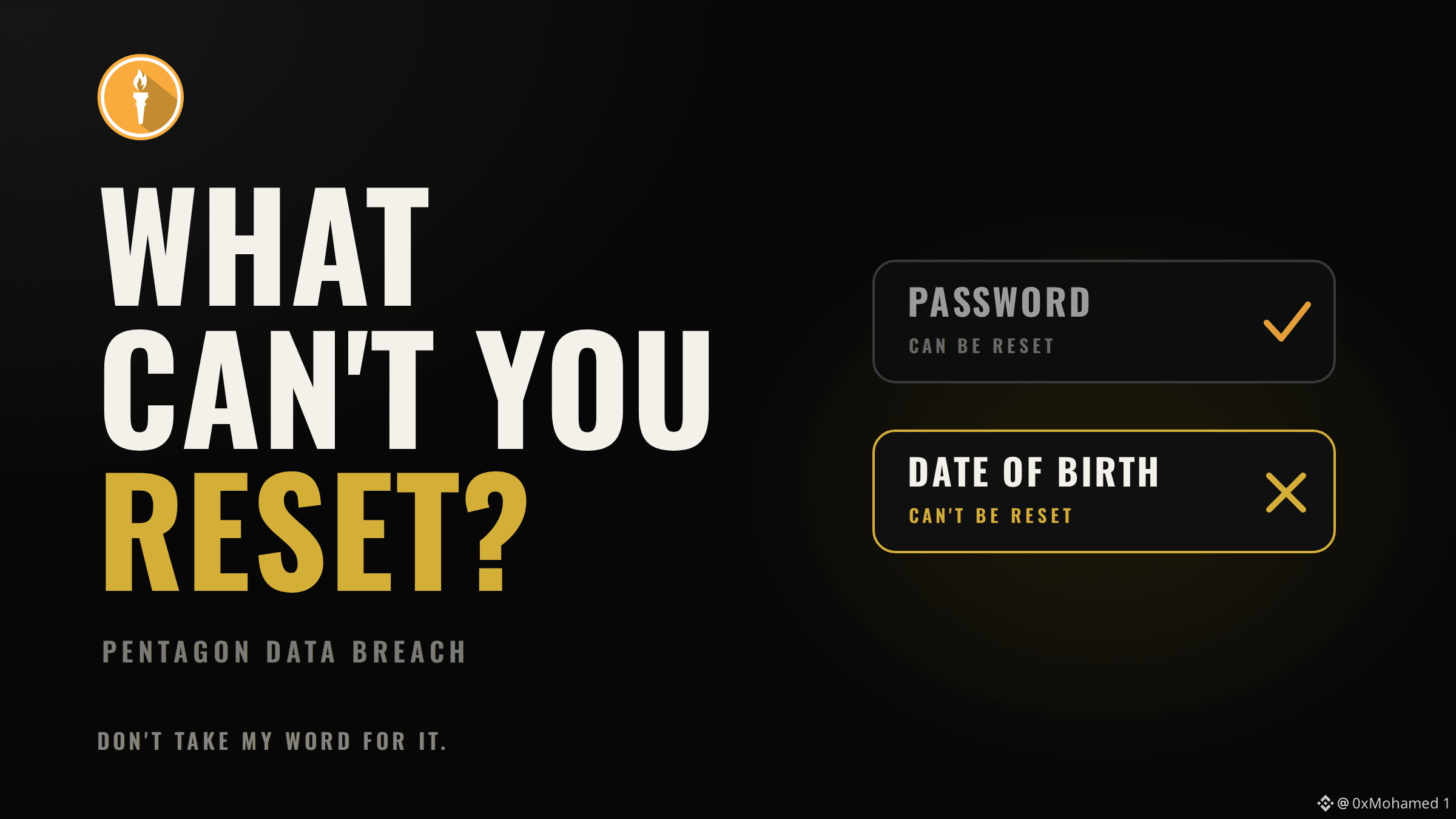
On peut réinitialiser un mot de passe. Pas sa date de naissance. C’est cet aspect de la fuite de données du Pentagone qui mérite davantage d’attention que le chiffre mis en avant. Ce qui s’est passé : le Defense Manpower Data Center, un service du Pentagone chargé des dossiers, affirme que des utilisateurs non autorisés ont exploité une faille dans un système de partage de fichiers entre octobre 2025 et juillet 2026. Environ 2,8 millions de personnes vivantes sont concernées, ainsi que 294 000 personnes décédées, selon un responsable du Pentagone. Données exposées : noms, numéros de sécurité sociale, dates de naissance, coordonnées et dossiers de service militaire. Le responsable du Pentagone a précisé que les données n’étaient pas chiffrées. Le Pentagone affirme n’avoir aucun signe d’utilisation abusive et propose 12 mois de surveillance du crédit. Regardez l’asymétrie. L’assistance dure 12 mois. L’exposition, elle, ne s’arrête pas. Une date de naissance ne change jamais, et il est très difficile de remplacer un numéro de sécurité sociale. Les données d’identité qu’on ne peut pas renouveler sont les plus coûteuses à perdre. Ce qui échappe à beaucoup : le DMDC conserve plus de 60 millions de dossiers du personnel et vérifie l’identité pour les cartes d’identification du Pentagone. Lorsque les données d’identité sont regroupées dans quelques grands systèmes, une seule faille peut en toucher des millions. Le compromis : les bases de données centralisées simplifient la vérification, mais rendent chaque faille coûteuse. Conserver moins de données, c’est avoir moins à perdre, mais aussi devoir trouver une autre façon de vérifier l’identité. Les institutions devraient-elles détenir moins de nos données d’identité, même si la vérification devient plus difficile ? @Liberdus #ONDO $ONDO @Liberdus
On peut réinitialiser un mot de passe. Pas sa date de naissance. C’est cet aspect de la fuite de données du Pentagone qui mérite davantage d’attention que le chiffre mis en avant. Ce qui s’est passé : le Defense Manpower Data Center, un service du Pentagone chargé des dossiers, affirme que des utilisateurs non autorisés ont exploité une faille dans un système de partage de fichiers entre octobre 2025 et juillet 2026. Environ 2,8 millions de personnes vivantes sont concernées, ainsi que 294 000 personnes décédées, selon un responsable du Pentagone. Données exposées : noms, numéros de sécurité sociale, dates de naissance, coordonnées et dossiers de service militaire. Le responsable du Pentagone a précisé que les données n’étaient pas chiffrées. Le Pentagone affirme n’avoir aucun signe d’utilisation abusive et propose 12 mois de surveillance du crédit. Regardez l’asymétrie. L’assistance dure 12 mois. L’exposition, elle, ne s’arrête pas. Une date de naissance ne change jamais, et il est très difficile de remplacer un numéro de sécurité sociale. Les données d’identité qu’on ne peut pas renouveler sont les plus coûteuses à perdre. Ce qui échappe à beaucoup : le DMDC conserve plus de 60 millions de dossiers du personnel et vérifie l’identité pour les cartes d’identification du Pentagone. Lorsque les données d’identité sont regroupées dans quelques grands systèmes, une seule faille peut en toucher des millions. Le compromis : les bases de données centralisées simplifient la vérification, mais rendent chaque faille coûteuse. Conserver moins de données, c’est avoir moins à perdre, mais aussi devoir trouver une autre façon de vérifier l’identité. Les institutions devraient-elles détenir moins de nos données d’identité, même si la vérification devient plus difficile ? @Liberdus #ONDO $ONDO @Liberdus
79
·
--
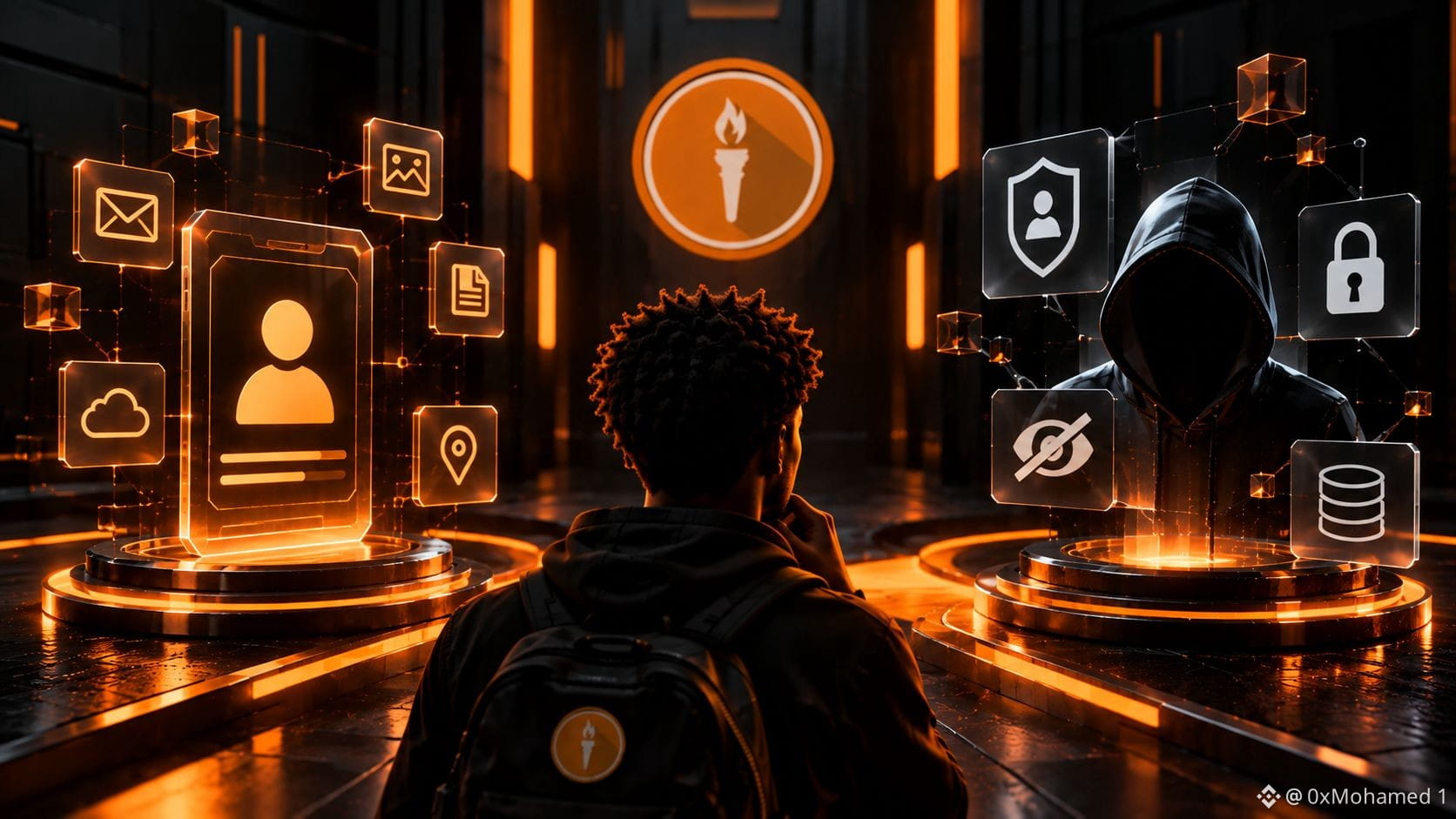
La vie privée et l’anonymat, ce n’est pas la même chose. Vous pouvez cacher votre identité au public tout en exposant vos données à une plateforme. Et vous pouvez utiliser le chiffrement sans masquer chaque métadonnée. Alors, quand un projet Web3 prétend protéger votre vie privée, demandez-vous : qu’est-ce qui est exactement privé ? Votre identité ? Vos messages ? Vos transactions ? Vos métadonnées ? La vie privée n’est pas une case à cocher. C’est un ensemble de décisions de conception. @Liberdus #Liberdus $XRP #XRP
La vie privée et l’anonymat, ce n’est pas la même chose. Vous pouvez cacher votre identité au public tout en exposant vos données à une plateforme. Et vous pouvez utiliser le chiffrement sans masquer chaque métadonnée. Alors, quand un projet Web3 prétend protéger votre vie privée, demandez-vous : qu’est-ce qui est exactement privé ? Votre identité ? Vos messages ? Vos transactions ? Vos métadonnées ? La vie privée n’est pas une case à cocher. C’est un ensemble de décisions de conception. @Liberdus #Liberdus $XRP #XRP
63
·
--
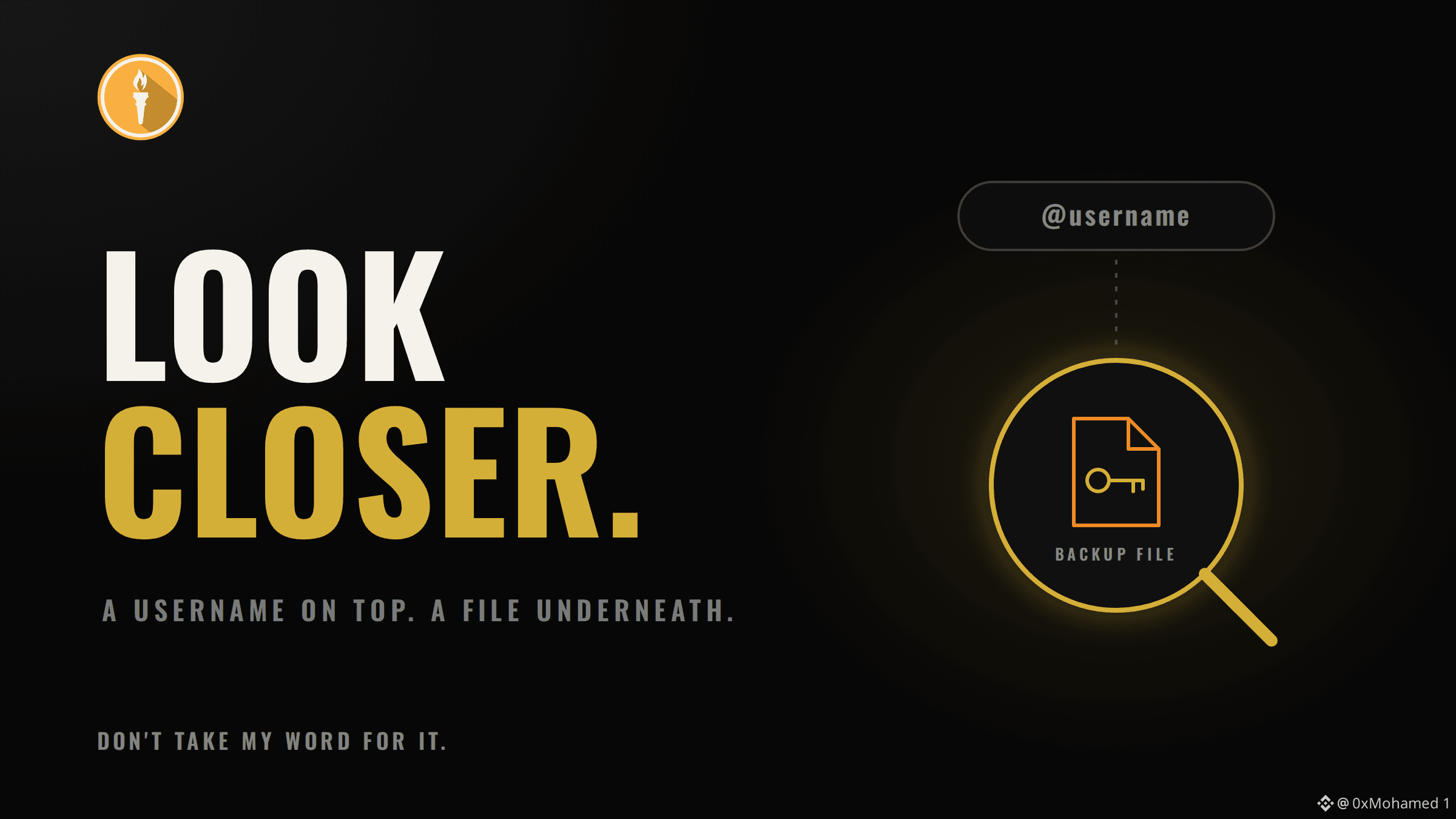
Tout le monde parle de s’inscrire à Liberdus avec un nom d’utilisateur plutôt qu’un numéro de téléphone. On parle moins de ce que ce choix implique le jour où l’on perd son téléphone. J’ai examiné de près le fonctionnement des comptes. Voici comment le système est conçu.
L’inscription est simple : appuyez sur Créer un compte, choisissez un nom d’utilisateur, et les clés de votre compte sont générées en quelques secondes. Pas de numéro de téléphone ni d’adresse e-mail. Cela signifie qu’aucun opérateur ni fournisseur ne sert de point d’ancrage à votre compte.
Où se trouve le compte ? Sur votre appareil. Vous ne pouvez vous connecter que si un compte y a été créé ou restauré, et chaque compte présent sur un appareil est indépendant. Vos clés, vos contacts et vos paramètres sont réunis dans un seul fichier de sauvegarde.
Ce fichier de sauvegarde constitue le système de récupération. Menu → Sauvegarde → Télécharger, avec un mot de passe facultatif pour le chiffrer. Sur un nouvel appareil : Menu → Restaurer, sélectionnez le fichier, puis saisissez le mot de passe si vous en avez défini un. Le chiffrement est recommandé.
Voici maintenant le point qui mérite qu’on s’y attarde. Un mot de passe de sauvegarde perdu est irrécupérable. Le verrouillage de l’application ne permet pas non plus de récupérer son mot de passe. Et si vous supprimez un compte d’un appareil, seul un fichier de sauvegarde valide peut le restaurer. La récupération ne dépend que de vous.
C’est le compromis lié à l’absence de numéro de téléphone. Vous n’avez pas besoin d’un numéro de téléphone ou d’une adresse e-mail pour créer votre compte. En revanche, vous dépendez d’un fichier et d’un mot de passe dont vous seul pouvez prendre soin. Aucun des deux choix n’est sans contrepartie. L’un repose sur la confiance envers un fournisseur. L’autre vous confie la responsabilité.
Un dernier détail : supprimer un compte de votre appareil ne le supprime pas du réseau. L’outil de migration signale même comme déjà pris les noms qui sont déjà enregistrés. Autrement dit, un nom enregistré sur le réseau, avec les clés conservées dans votre fichier de sauvegarde.
De quoi préféreriez-vous dépendre : d’un fournisseur capable de réinitialiser votre accès, ou d’un fichier que vous seul pouvez perdre ?
@Liberdus #ETH $ETH
Tout le monde parle de s’inscrire à Liberdus avec un nom d’utilisateur plutôt qu’un numéro de téléphone. On parle moins de ce que ce choix implique le jour où l’on perd son téléphone. J’ai examiné de près le fonctionnement des comptes. Voici comment le système est conçu.
L’inscription est simple : appuyez sur Créer un compte, choisissez un nom d’utilisateur, et les clés de votre compte sont générées en quelques secondes. Pas de numéro de téléphone ni d’adresse e-mail. Cela signifie qu’aucun opérateur ni fournisseur ne sert de point d’ancrage à votre compte.
Où se trouve le compte ? Sur votre appareil. Vous ne pouvez vous connecter que si un compte y a été créé ou restauré, et chaque compte présent sur un appareil est indépendant. Vos clés, vos contacts et vos paramètres sont réunis dans un seul fichier de sauvegarde.
Ce fichier de sauvegarde constitue le système de récupération. Menu → Sauvegarde → Télécharger, avec un mot de passe facultatif pour le chiffrer. Sur un nouvel appareil : Menu → Restaurer, sélectionnez le fichier, puis saisissez le mot de passe si vous en avez défini un. Le chiffrement est recommandé.
Voici maintenant le point qui mérite qu’on s’y attarde. Un mot de passe de sauvegarde perdu est irrécupérable. Le verrouillage de l’application ne permet pas non plus de récupérer son mot de passe. Et si vous supprimez un compte d’un appareil, seul un fichier de sauvegarde valide peut le restaurer. La récupération ne dépend que de vous.
C’est le compromis lié à l’absence de numéro de téléphone. Vous n’avez pas besoin d’un numéro de téléphone ou d’une adresse e-mail pour créer votre compte. En revanche, vous dépendez d’un fichier et d’un mot de passe dont vous seul pouvez prendre soin. Aucun des deux choix n’est sans contrepartie. L’un repose sur la confiance envers un fournisseur. L’autre vous confie la responsabilité.
Un dernier détail : supprimer un compte de votre appareil ne le supprime pas du réseau. L’outil de migration signale même comme déjà pris les noms qui sont déjà enregistrés. Autrement dit, un nom enregistré sur le réseau, avec les clés conservées dans votre fichier de sauvegarde.
De quoi préféreriez-vous dépendre : d’un fournisseur capable de réinitialiser votre accès, ou d’un fichier que vous seul pouvez perdre ?
@Liberdus #ETH $ETH
L’inscription est simple : appuyez sur Créer un compte, choisissez un nom d’utilisateur, et les clés de votre compte sont générées en quelques secondes. Pas de numéro de téléphone ni d’adresse e-mail. Cela signifie qu’aucun opérateur ni fournisseur ne sert de point d’ancrage à votre compte.
Où se trouve le compte ? Sur votre appareil. Vous ne pouvez vous connecter que si un compte y a été créé ou restauré, et chaque compte présent sur un appareil est indépendant. Vos clés, vos contacts et vos paramètres sont réunis dans un seul fichier de sauvegarde.
Ce fichier de sauvegarde constitue le système de récupération. Menu → Sauvegarde → Télécharger, avec un mot de passe facultatif pour le chiffrer. Sur un nouvel appareil : Menu → Restaurer, sélectionnez le fichier, puis saisissez le mot de passe si vous en avez défini un. Le chiffrement est recommandé.
Voici maintenant le point qui mérite qu’on s’y attarde. Un mot de passe de sauvegarde perdu est irrécupérable. Le verrouillage de l’application ne permet pas non plus de récupérer son mot de passe. Et si vous supprimez un compte d’un appareil, seul un fichier de sauvegarde valide peut le restaurer. La récupération ne dépend que de vous.
C’est le compromis lié à l’absence de numéro de téléphone. Vous n’avez pas besoin d’un numéro de téléphone ou d’une adresse e-mail pour créer votre compte. En revanche, vous dépendez d’un fichier et d’un mot de passe dont vous seul pouvez prendre soin. Aucun des deux choix n’est sans contrepartie. L’un repose sur la confiance envers un fournisseur. L’autre vous confie la responsabilité.
Un dernier détail : supprimer un compte de votre appareil ne le supprime pas du réseau. L’outil de migration signale même comme déjà pris les noms qui sont déjà enregistrés. Autrement dit, un nom enregistré sur le réseau, avec les clés conservées dans votre fichier de sauvegarde.
De quoi préféreriez-vous dépendre : d’un fournisseur capable de réinitialiser votre accès, ou d’un fichier que vous seul pouvez perdre ?
@Liberdus #ETH $ETH
65
·
--
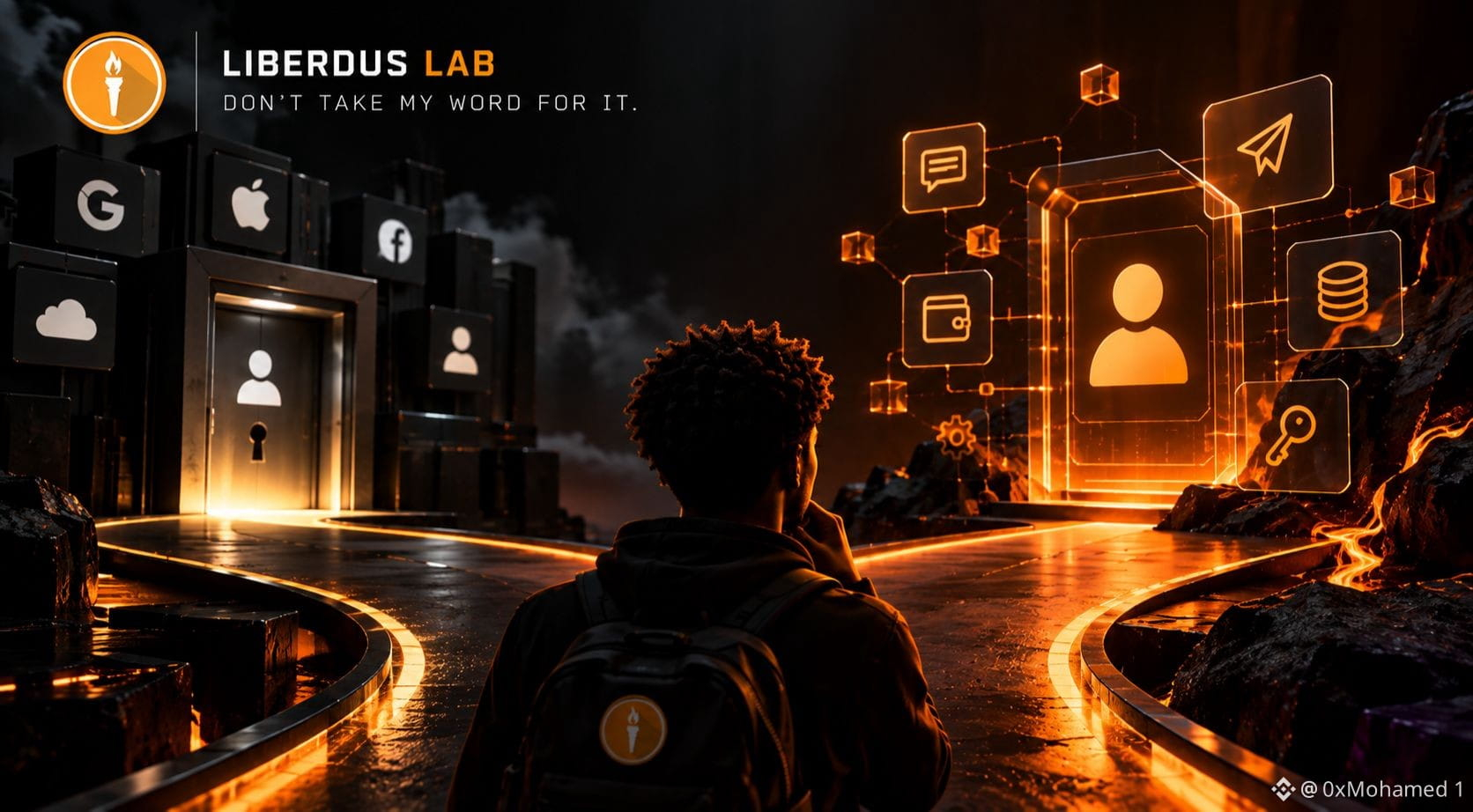
Une fonctionnalité est facile à promouvoir. Comprendre les compromis est plus difficile. Prenons l’identité décentralisée. Être moins dépendant des plateformes centralisées, ça semble formidable. Mais que se passe-t-il quand vous perdez l’accès ? Qui vous aide à le récupérer ? La propriété numérique ne se résume pas au contrôle. Elle implique aussi des responsabilités. C’est ce compromis qui mérite d’être discuté. #Liberdus @Liberdus #ONDO $ONDO
Une fonctionnalité est facile à promouvoir. Comprendre les compromis est plus difficile. Prenons l’identité décentralisée. Être moins dépendant des plateformes centralisées, ça semble formidable. Mais que se passe-t-il quand vous perdez l’accès ? Qui vous aide à le récupérer ? La propriété numérique ne se résume pas au contrôle. Elle implique aussi des responsabilités. C’est ce compromis qui mérite d’être discuté. #Liberdus @Liberdus #ONDO $ONDO
74
·
--
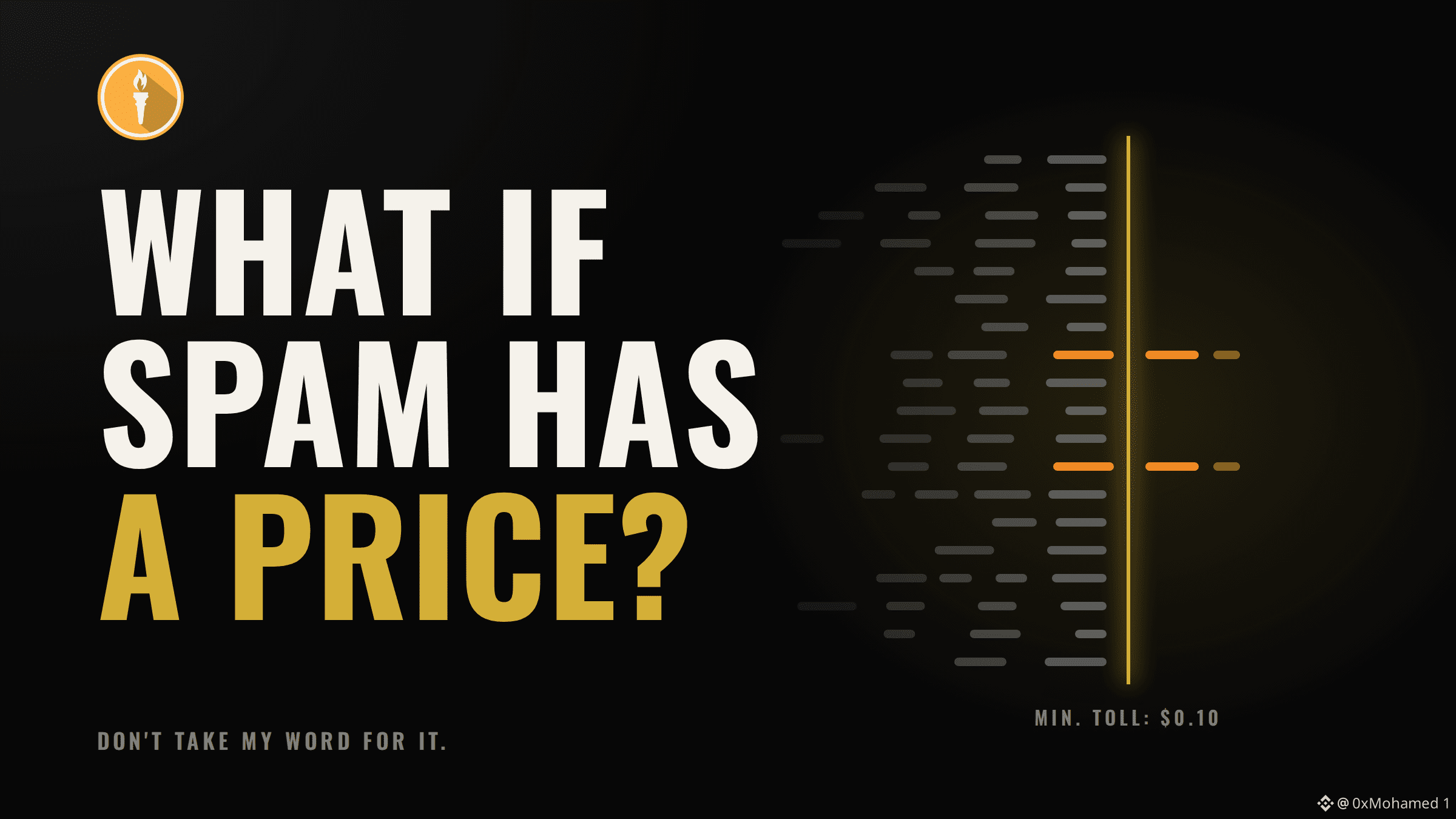
Et si le spam était un problème d’incitations plutôt qu’un problème de modération ? @Liberdus mise sur cette idée avec des frais pour envoyer des messages. J’ai parcouru la documentation pour comprendre exactement comment ça fonctionne, étape par étape. Ne me croyez pas sur parole. Voici le mécanisme. Configuration : chaque utilisateur peut fixer des frais, c’est-à-dire le montant qu’une personne doit payer pour lui envoyer un message. Vous indiquez le montant en USD. Liberdus le convertit en LIB au taux actuel. Le minimum est de 0,10 $. Réglez ce montant à 0 et votre boîte de réception reste ouverte.
Qui paie ? Ces frais s’appliquent aux utilisateurs qui ne vous ont pas ajouté comme ami ou contact, ou que vous avez soumis à des frais. Ils servent donc de filtre pour les inconnus, pas de mur autour de toute votre boîte de réception.
Ensuite, tout dépend de ce que fait le destinataire. L’expéditeur peut récupérer : → 100 % si le message n’est jamais lu → 50 % s’il est lu, mais qu’il reste sans réponse → 0 % si le destinataire répond. Le montant n’est donc définitif que lorsque la conversation commence vraiment.
Ce que je trouve intéressant, c’est la possibilité de récupérer les frais. Si personne ne répond, l’expéditeur peut récupérer son argent après 7 jours, simplement en ouvrant la conversation. Pas de bouton. C’est aussi discret : le destinataire n’en est pas averti. Envoyez un autre message avant le 7ᵉ jour et le délai repart de zéro.
Le compromis est réel. Des frais dissuadent le spam, mais ils compliquent aussi les premiers échanges légitimes : même un inconnu bien intentionné doit payer. Et un expéditeur qui n’obtient pas de réponse doit attendre 7 jours pour récupérer les frais. La résistance au spam a un coût. La question est de savoir qui le paie.
Ce que cela m’apprend sur la conception du système : l’attention a un prix, fixé par la personne que l’on contacte, et non par une plateforme. C’est une autre réponse au spam que la modération, mais elle n’est pas gratuite.
Feriez-vous payer les inconnus pour qu’ils puissent vous contacter, ou garderiez-vous votre boîte de réception ouverte ?
#SOL $SOL
Et si le spam était un problème d’incitations plutôt qu’un problème de modération ? @Liberdus mise sur cette idée avec des frais pour envoyer des messages. J’ai parcouru la documentation pour comprendre exactement comment ça fonctionne, étape par étape. Ne me croyez pas sur parole. Voici le mécanisme. Configuration : chaque utilisateur peut fixer des frais, c’est-à-dire le montant qu’une personne doit payer pour lui envoyer un message. Vous indiquez le montant en USD. Liberdus le convertit en LIB au taux actuel. Le minimum est de 0,10 $. Réglez ce montant à 0 et votre boîte de réception reste ouverte.
Qui paie ? Ces frais s’appliquent aux utilisateurs qui ne vous ont pas ajouté comme ami ou contact, ou que vous avez soumis à des frais. Ils servent donc de filtre pour les inconnus, pas de mur autour de toute votre boîte de réception.
Ensuite, tout dépend de ce que fait le destinataire. L’expéditeur peut récupérer : → 100 % si le message n’est jamais lu → 50 % s’il est lu, mais qu’il reste sans réponse → 0 % si le destinataire répond. Le montant n’est donc définitif que lorsque la conversation commence vraiment.
Ce que je trouve intéressant, c’est la possibilité de récupérer les frais. Si personne ne répond, l’expéditeur peut récupérer son argent après 7 jours, simplement en ouvrant la conversation. Pas de bouton. C’est aussi discret : le destinataire n’en est pas averti. Envoyez un autre message avant le 7ᵉ jour et le délai repart de zéro.
Le compromis est réel. Des frais dissuadent le spam, mais ils compliquent aussi les premiers échanges légitimes : même un inconnu bien intentionné doit payer. Et un expéditeur qui n’obtient pas de réponse doit attendre 7 jours pour récupérer les frais. La résistance au spam a un coût. La question est de savoir qui le paie.
Ce que cela m’apprend sur la conception du système : l’attention a un prix, fixé par la personne que l’on contacte, et non par une plateforme. C’est une autre réponse au spam que la modération, mais elle n’est pas gratuite.
Feriez-vous payer les inconnus pour qu’ils puissent vous contacter, ou garderiez-vous votre boîte de réception ouverte ?
#SOL $SOL
Qui paie ? Ces frais s’appliquent aux utilisateurs qui ne vous ont pas ajouté comme ami ou contact, ou que vous avez soumis à des frais. Ils servent donc de filtre pour les inconnus, pas de mur autour de toute votre boîte de réception.
Ensuite, tout dépend de ce que fait le destinataire. L’expéditeur peut récupérer : → 100 % si le message n’est jamais lu → 50 % s’il est lu, mais qu’il reste sans réponse → 0 % si le destinataire répond. Le montant n’est donc définitif que lorsque la conversation commence vraiment.
Ce que je trouve intéressant, c’est la possibilité de récupérer les frais. Si personne ne répond, l’expéditeur peut récupérer son argent après 7 jours, simplement en ouvrant la conversation. Pas de bouton. C’est aussi discret : le destinataire n’en est pas averti. Envoyez un autre message avant le 7ᵉ jour et le délai repart de zéro.
Le compromis est réel. Des frais dissuadent le spam, mais ils compliquent aussi les premiers échanges légitimes : même un inconnu bien intentionné doit payer. Et un expéditeur qui n’obtient pas de réponse doit attendre 7 jours pour récupérer les frais. La résistance au spam a un coût. La question est de savoir qui le paie.
Ce que cela m’apprend sur la conception du système : l’attention a un prix, fixé par la personne que l’on contacte, et non par une plateforme. C’est une autre réponse au spam que la modération, mais elle n’est pas gratuite.
Feriez-vous payer les inconnus pour qu’ils puissent vous contacter, ou garderiez-vous votre boîte de réception ouverte ?
#SOL $SOL
59
·
--
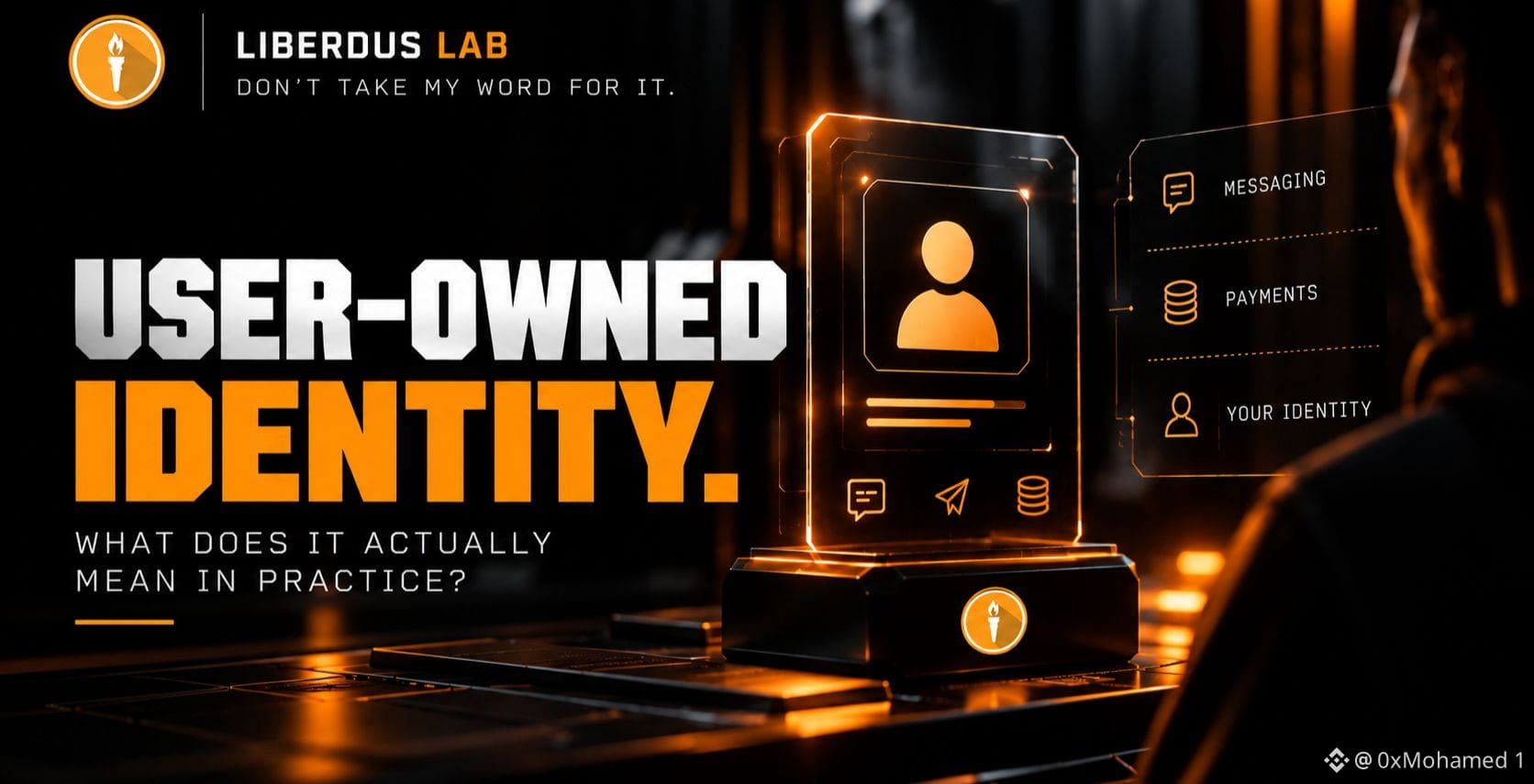
Je voulais comprendre ce que signifie concrètement une identité détenue par l’utilisateur. Pas la version marketing. L’architecture qui la sous-tend. J’ai donc commencé à creuser la manière dont @Liberdus aborde l’identité. Voici ce que j’apprends : La question intéressante n’est pas de savoir qui détient votre identité. C’est de savoir qui a le pouvoir de la contrôler. Cette distinction est importante. #ONDO $ONDO #Liberdus
Je voulais comprendre ce que signifie concrètement une identité détenue par l’utilisateur. Pas la version marketing. L’architecture qui la sous-tend. J’ai donc commencé à creuser la manière dont @Liberdus aborde l’identité. Voici ce que j’apprends : La question intéressante n’est pas de savoir qui détient votre identité. C’est de savoir qui a le pouvoir de la contrôler. Cette distinction est importante. #ONDO $ONDO #Liberdus
74
·
--
La société de trésorerie XRP
evernorthxrp
a presque quadruplé la semaine dernière, avec
$XRPN
atteignant brièvement 53 $ avant la finalisation de la fusion mercredi.
La société issue de la fusion détiendra 473 millions de
$XRP
d'une valeur de 714 millions de dollars et commencera à être cotée jeudi au
Nasdaq. #XRP
La société de trésorerie XRP
evernorthxrp
a presque quadruplé la semaine dernière, avec
$XRPN
atteignant brièvement 53 $ avant la finalisation de la fusion mercredi.
La société issue de la fusion détiendra 473 millions de
$XRP
d'une valeur de 714 millions de dollars et commencera à être cotée jeudi au
Nasdaq. #XRP
evernorthxrp
a presque quadruplé la semaine dernière, avec
$XRPN
atteignant brièvement 53 $ avant la finalisation de la fusion mercredi.
La société issue de la fusion détiendra 473 millions de
$XRP
d'une valeur de 714 millions de dollars et commencera à être cotée jeudi au
Nasdaq. #XRP
109
·
--
La SEC approuve les tout premiers ETF Bitcoin et Ethereum à effet de levier 3x.
• La SEC a autorisé Cboe BZX à coter six nouveaux ETF Volatility Shares, dont des ETF Bitcoin et Ether à effet de levier 3x, ainsi que des ETF à effet de levier 3x sur l’or, l’argent, le pétrole brut et le gaz naturel.
• Il s’agit de la première approbation aux États-Unis de produits négociés en bourse à effet de levier 3x sur le
$BTC
et l’
$ETH
.
• Ces produits reposent sur des contrats à terme du CME, et non sur des avoirs en Bitcoin ou Ethereum au comptant. #BTC #ETH
La SEC approuve les tout premiers ETF Bitcoin et Ethereum à effet de levier 3x.
• La SEC a autorisé Cboe BZX à coter six nouveaux ETF Volatility Shares, dont des ETF Bitcoin et Ether à effet de levier 3x, ainsi que des ETF à effet de levier 3x sur l’or, l’argent, le pétrole brut et le gaz naturel.
• Il s’agit de la première approbation aux États-Unis de produits négociés en bourse à effet de levier 3x sur le
$BTC
et l’
$ETH
.
• Ces produits reposent sur des contrats à terme du CME, et non sur des avoirs en Bitcoin ou Ethereum au comptant. #BTC #ETH
• La SEC a autorisé Cboe BZX à coter six nouveaux ETF Volatility Shares, dont des ETF Bitcoin et Ether à effet de levier 3x, ainsi que des ETF à effet de levier 3x sur l’or, l’argent, le pétrole brut et le gaz naturel.
• Il s’agit de la première approbation aux États-Unis de produits négociés en bourse à effet de levier 3x sur le
$BTC
et l’
$ETH
.
• Ces produits reposent sur des contrats à terme du CME, et non sur des avoirs en Bitcoin ou Ethereum au comptant. #BTC #ETH
76
·
--
TRON compte en moyenne 4,41 millions de comptes actifs par jour. Le réseau $TRX a maintenu une moyenne de 4,41 millions de comptes actifs quotidiens au cours des 30 derniers jours. #TRX
TRON compte en moyenne 4,41 millions de comptes actifs par jour. Le réseau $TRX a maintenu une moyenne de 4,41 millions de comptes actifs quotidiens au cours des 30 derniers jours. #TRX
70
·
--
Le Tether de 184 milliards de dollars en USDT est OFFICIELLEMENT sur le point de revenir sur Bitcoin ce mois-ci. Le Tether adossé à Utexo a obtenu une licence pour émettre de l’USDT sur Bitcoin. Cela permettrait aux utilisateurs d’envoyer l’USDT de manière privée, de l’échanger directement contre du $BTC, et d’emprunter sur Bitcoin sans l’envelopper. L’USDT a d’abord été lancé sur Bitcoin en 2014, avant de se développer principalement sur Ethereum et Tron. #BTC #USDT
Le Tether de 184 milliards de dollars en USDT est OFFICIELLEMENT sur le point de revenir sur Bitcoin ce mois-ci. Le Tether adossé à Utexo a obtenu une licence pour émettre de l’USDT sur Bitcoin. Cela permettrait aux utilisateurs d’envoyer l’USDT de manière privée, de l’échanger directement contre du $BTC, et d’emprunter sur Bitcoin sans l’envelopper. L’USDT a d’abord été lancé sur Bitcoin en 2014, avant de se développer principalement sur Ethereum et Tron. #BTC #USDT
81
·
--
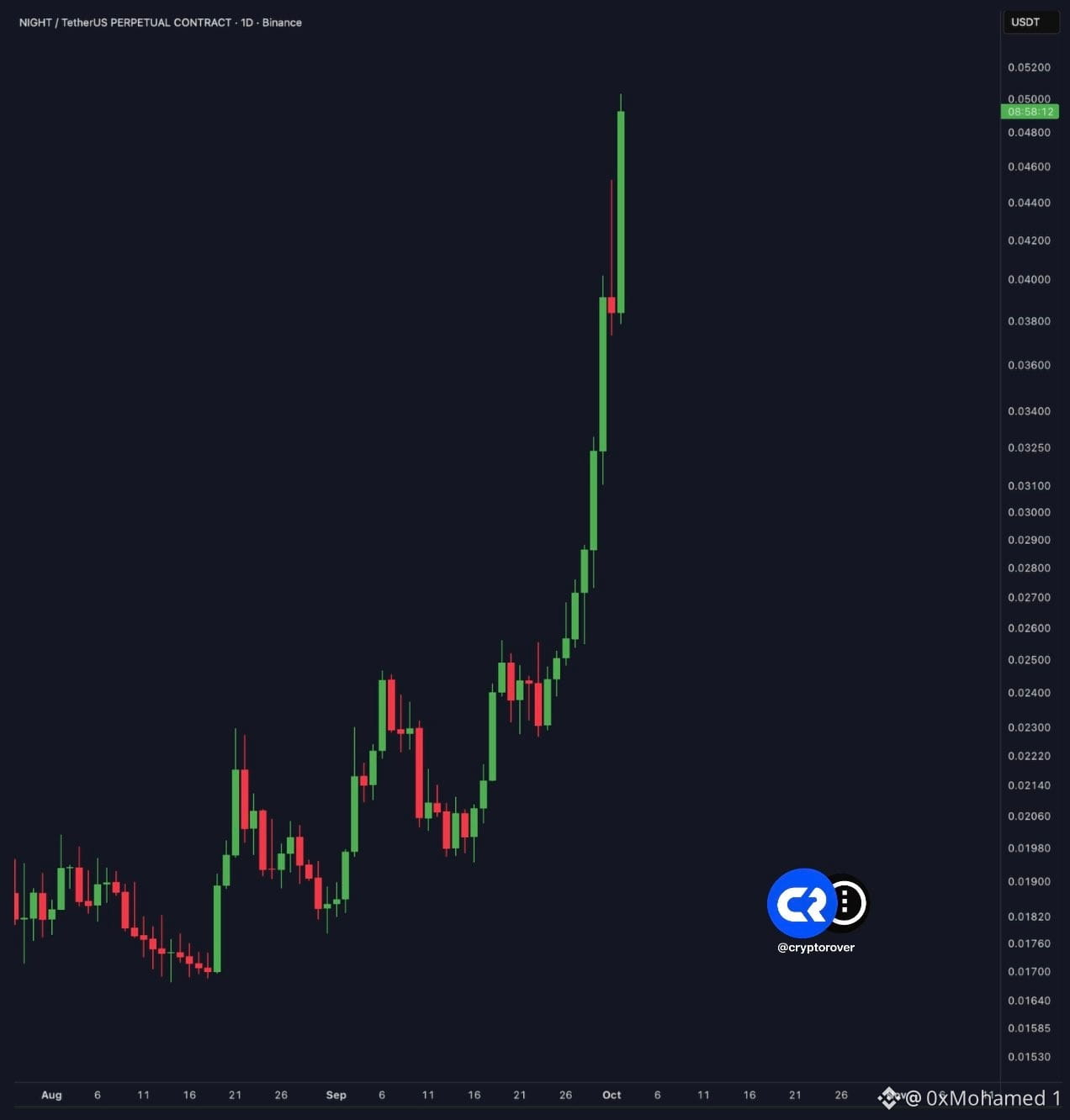
Le projet de confidentialité de Cardano de Charles Hoskinson, Midnight $NIGHT, a bondi de 159 % entre septembre et le début du mois d’octobre. #ADA $ADA
Le projet de confidentialité de Cardano de Charles Hoskinson, Midnight $NIGHT, a bondi de 159 % entre septembre et le début du mois d’octobre. #ADA $ADA
45
·
--
Les actions tokenisées viennent de bénéficier d’une sérieuse amélioration. $LINK + Swift ont présenté des dividendes automatisés sur 4 blockchains. Les infrastructures de base, peu glamour, sont en train de se mettre en place. Les actions tokenisées arrivent. #LINK
Les actions tokenisées viennent de bénéficier d’une sérieuse amélioration. $LINK + Swift ont présenté des dividendes automatisés sur 4 blockchains. Les infrastructures de base, peu glamour, sont en train de se mettre en place. Les actions tokenisées arrivent. #LINK
50
·
--
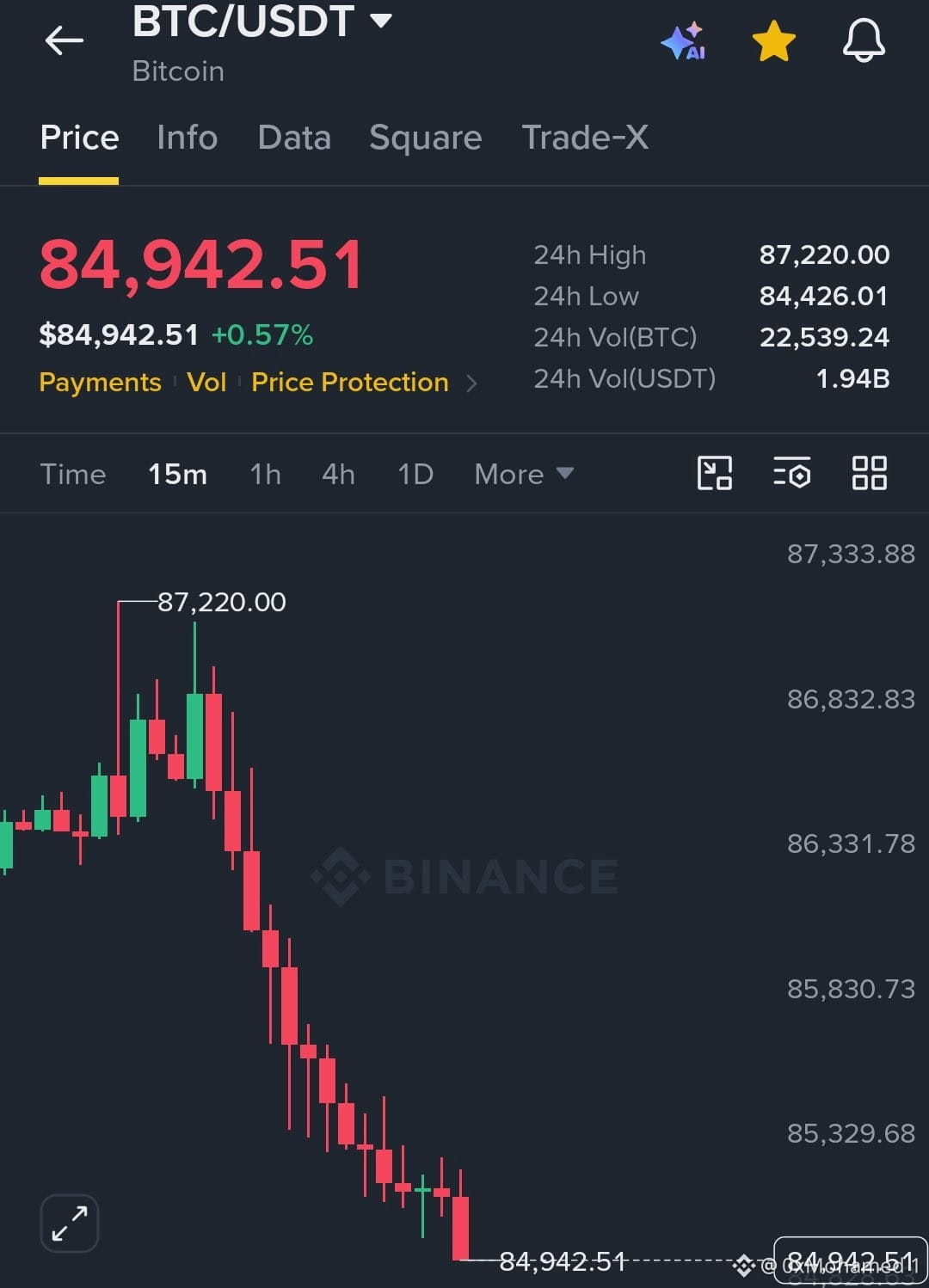
$BTC vient tout juste de retomber aux niveaux observés ce matin. #BTC
$BTC vient tout juste de retomber aux niveaux observés ce matin. #BTC
58
·
--
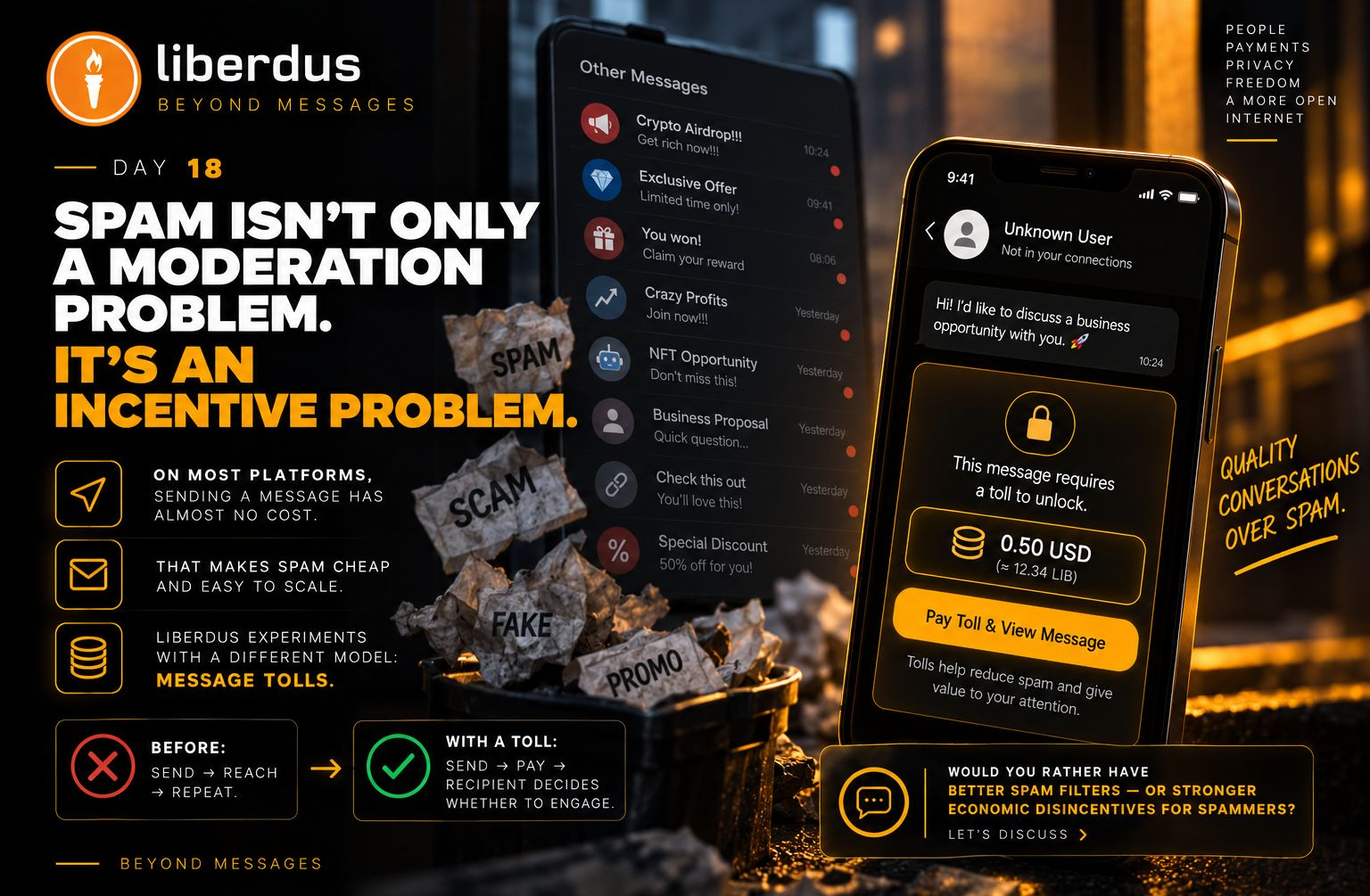
Le spam n’est pas seulement un problème de modération. C’est un problème d’incitations. Sur la plupart des plateformes, envoyer un message à quelqu’un n’entraîne presque aucun frein économique. Cela rend bon marché l’envoi du même message à des milliers de personnes. Liberdus expérimente un mécanisme différent : des péages de message. Si quelqu’un n’est pas votre Ami ou votre Relation, un péage peut être exigé avant qu’il ne vous envoie un message. Le montant est défini par le destinataire et peut aussi être désactivé entièrement. La partie intéressante n’est pas tant les frais eux-mêmes. C’est le changement d’incitations : Avant : Envoyer → toucher → recommencer. Avec un péage : Envoyer → payer → le destinataire décide s’il souhaite s’engager. Et le système peut restituer le péage non utilisé si le destinataire n’interagit jamais. Alors peut-être que la question la plus importante pour la messagerie Web3 n’est pas comment filtrer davantage le spam ? Mais plutôt : comment rendre le spam moins attrayant économiquement dès le départ ? C’est une façon de penser très différente de la communication numérique. Préféreriez-vous de meilleurs filtres anti-spam ou des désincitations économiques plus fortes pour les spammeurs ? @Liberdus #liberdus #SOL $SOL
Le spam n’est pas seulement un problème de modération. C’est un problème d’incitations. Sur la plupart des plateformes, envoyer un message à quelqu’un n’entraîne presque aucun frein économique. Cela rend bon marché l’envoi du même message à des milliers de personnes. Liberdus expérimente un mécanisme différent : des péages de message. Si quelqu’un n’est pas votre Ami ou votre Relation, un péage peut être exigé avant qu’il ne vous envoie un message. Le montant est défini par le destinataire et peut aussi être désactivé entièrement. La partie intéressante n’est pas tant les frais eux-mêmes. C’est le changement d’incitations : Avant : Envoyer → toucher → recommencer. Avec un péage : Envoyer → payer → le destinataire décide s’il souhaite s’engager. Et le système peut restituer le péage non utilisé si le destinataire n’interagit jamais. Alors peut-être que la question la plus importante pour la messagerie Web3 n’est pas comment filtrer davantage le spam ? Mais plutôt : comment rendre le spam moins attrayant économiquement dès le départ ? C’est une façon de penser très différente de la communication numérique. Préféreriez-vous de meilleurs filtres anti-spam ou des désincitations économiques plus fortes pour les spammeurs ? @Liberdus #liberdus #SOL $SOL
25
·
--
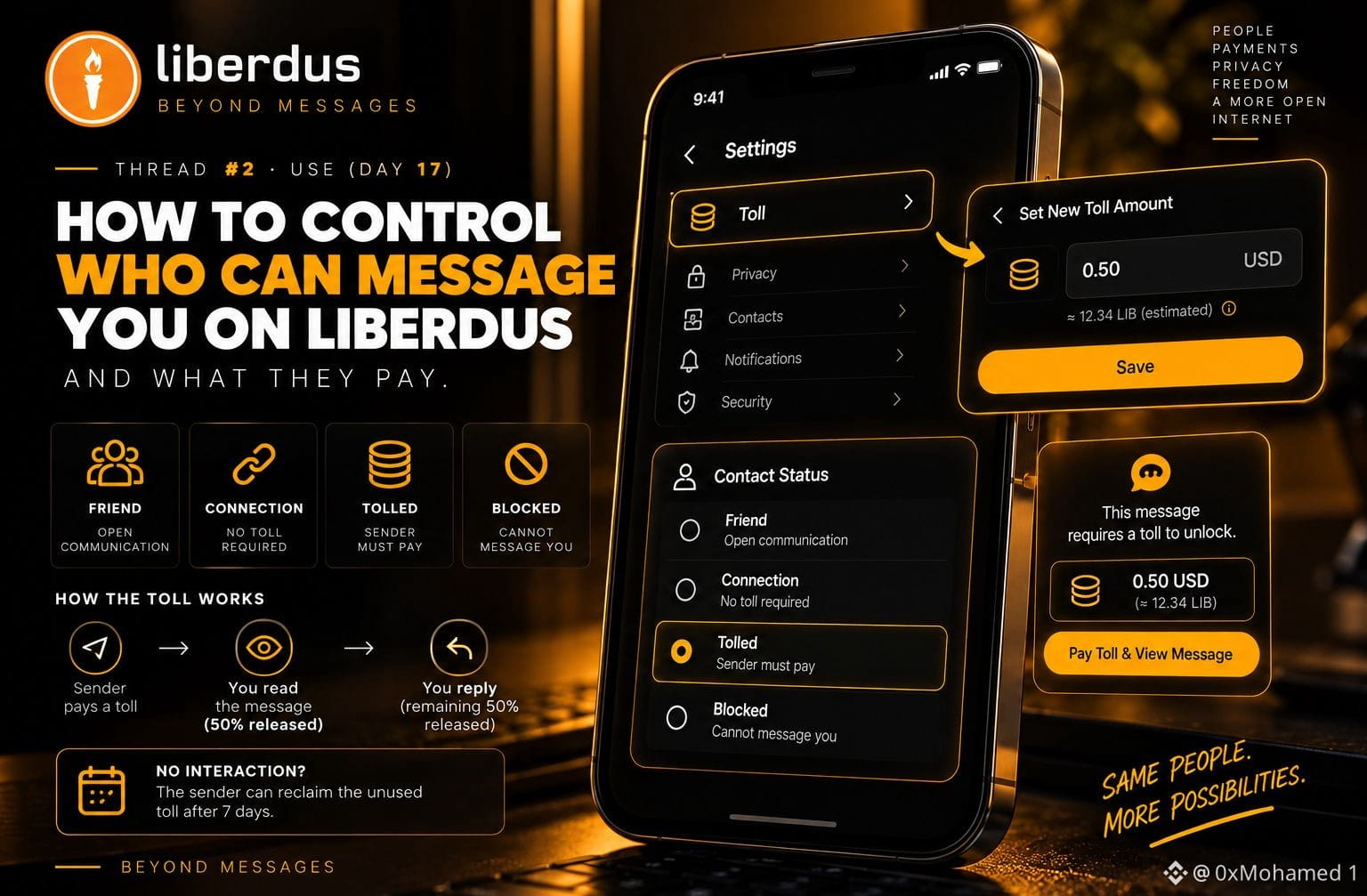
Comment contrôler qui peut vous envoyer des messages sur Liberdus et ce qu’ils paient. Tous les messages n’ont pas besoin d’avoir les mêmes règles. Sur Liberdus, vous pouvez décider de la façon dont différents contacts interagissent avec vous, y compris si un tarif s’applique. Voici comment ça fonctionne. Ouvrez vos Contacts et choisissez un statut relationnel : • Ami → communication ouverte • Connexion → aucun tarif requis • Tarifié → l’expéditeur doit payer • Bloqué → ne peut pas vous envoyer de message Le statut de votre contact modifie les règles de messagerie. Vous pouvez aussi définir votre montant de tarif. Allez dans Paramètres → Tarif → Définir un nouveau montant de tarif Vous saisissez le montant en USD, et Liberdus le convertit automatiquement en LIB. Il existe un tarif minimum de 0,10 $. Mais vous pouvez aussi le fixer à 0 si vous souhaitez une messagerie ouverte, sans exigence de tarif. Il y a aussi un mécanisme intéressant derrière tout ça. Quand quelqu’un paie un tarif pour vous envoyer un message, lire → 50 % et répondre → les 50 % restants Ainsi, le système est conçu autour d’une interaction réelle, pas seulement du fait de recevoir un message. Et s’ils ne répondent jamais ? L’expéditeur peut récupérer le tarif non utilisé après 7 jours. Si le message n’a jamais été lu ni répondu, la documentation actuelle indique que l’expéditeur peut récupérer 100 %. Donc la fonctionnalité ne consiste pas simplement à : payez-moi pour parler avec moi. Elle ajoute une autre couche de contrôle : qui peut me contacter ? dans quelles conditions ? que se passe-t-il quand ils le font ? C’est ce que je trouve intéressant dans la conception Web3. Au lieu de traiter le spam uniquement comme un problème de modération, Liberdus expérimente un mécanisme économique autour de l’accès à l’attention. C’est une petite fonctionnalité. Mais elle pose une question beaucoup plus vaste : les utilisateurs devraient-ils avoir plus de contrôle sur la valeur économique de leur attention en ligne ? Voilà ce qui mérite d’être discuté. #liberdus @Liberdus $PI
Comment contrôler qui peut vous envoyer des messages sur Liberdus et ce qu’ils paient. Tous les messages n’ont pas besoin d’avoir les mêmes règles. Sur Liberdus, vous pouvez décider de la façon dont différents contacts interagissent avec vous, y compris si un tarif s’applique. Voici comment ça fonctionne. Ouvrez vos Contacts et choisissez un statut relationnel : • Ami → communication ouverte • Connexion → aucun tarif requis • Tarifié → l’expéditeur doit payer • Bloqué → ne peut pas vous envoyer de message Le statut de votre contact modifie les règles de messagerie. Vous pouvez aussi définir votre montant de tarif. Allez dans Paramètres → Tarif → Définir un nouveau montant de tarif Vous saisissez le montant en USD, et Liberdus le convertit automatiquement en LIB. Il existe un tarif minimum de 0,10 $. Mais vous pouvez aussi le fixer à 0 si vous souhaitez une messagerie ouverte, sans exigence de tarif. Il y a aussi un mécanisme intéressant derrière tout ça. Quand quelqu’un paie un tarif pour vous envoyer un message, lire → 50 % et répondre → les 50 % restants Ainsi, le système est conçu autour d’une interaction réelle, pas seulement du fait de recevoir un message. Et s’ils ne répondent jamais ? L’expéditeur peut récupérer le tarif non utilisé après 7 jours. Si le message n’a jamais été lu ni répondu, la documentation actuelle indique que l’expéditeur peut récupérer 100 %. Donc la fonctionnalité ne consiste pas simplement à : payez-moi pour parler avec moi. Elle ajoute une autre couche de contrôle : qui peut me contacter ? dans quelles conditions ? que se passe-t-il quand ils le font ? C’est ce que je trouve intéressant dans la conception Web3. Au lieu de traiter le spam uniquement comme un problème de modération, Liberdus expérimente un mécanisme économique autour de l’accès à l’attention. C’est une petite fonctionnalité. Mais elle pose une question beaucoup plus vaste : les utilisateurs devraient-ils avoir plus de contrôle sur la valeur économique de leur attention en ligne ? Voilà ce qui mérite d’être discuté. #liberdus @Liberdus $PI
82
Connectez-vous pour découvrir plus de contenu
Rejoignez la communauté mondiale des adeptes de cryptomonnaies sur Binance Square
⚡️ Suviez les dernières informations importantes sur les cryptomonnaies.
💬 Jugé digne de confiance par la plus grande plateforme d’échange de cryptomonnaies au monde.
👍 Découvrez les connaissances que partagent les créateurs vérifiés.
Adresse e-mail/Nº de téléphone
Sujets d’actualité
BinancePick
3.1M vues
152,707 mentions
Rejoignez la #SaisonDesRésultats : prévoyez les résultats sur Binance Pick et partagez votre avis sur Binance Square !
Binance Square Official
·411 mentions J’aime
·343k vues
EarningsSeason
5.3M vues
25,976 mentions
AnthropicTTMRevenueGrewAbout1200%
28,363 vues
406 mentions