Binance Square
Bit_Guru
42.3k Publications

Bit_Guru

Compte Square Vérifié+
Only Live Trader on Binance Square 💛 // Binance, CMC & X kols handle @bitgu_ru // PnL is always Live
Live Trader
Live Trader
Creator Awards 2024
Creator Awards 2024
Ouvert au trading
Trade régulièrement
2.6 an(s)
63 Suivis
156.6K+ Abonnés
300.4K+ J’aime
3 Badges
Publications
Portefeuille
PINNED
·
--
Article
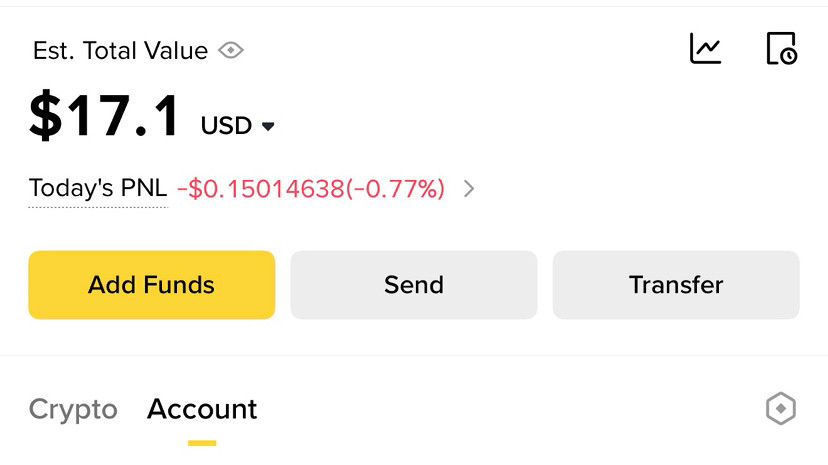
Est-il possible de gagner 100 $ avec seulement 17 $Beaucoup de gens pensent qu'il faut un gros compte pour gagner de l'argent en trading. Ce n'est pas vrai. La vérité est simple, ce n'est pas une question de combien vous commencez, c'est une question de la façon dont vous gérez ce que vous avez. Oui, il est absolument possible de transformer 17 $ en 100 $. Mais pas par chance, pas par jeu, et certainement pas en poursuivant chaque hausse que vous voyez. Cela nécessite de la discipline, de la patience et un plan clair. Tout d'abord, vous devez comprendre une chose : un petit capital nécessite une exécution intelligente. Vous ne pouvez pas vous permettre de grosses erreurs. Un mauvais trade avec un risque élevé peut anéantir votre compte. C'est pourquoi la gestion des risques devient votre arme la plus puissante.

Est-il possible de gagner 100 $ avec seulement 17 $

Beaucoup de gens pensent qu'il faut un gros compte pour gagner de l'argent en trading. Ce n'est pas vrai. La vérité est simple, ce n'est pas une question de combien vous commencez, c'est une question de la façon dont vous gérez ce que vous avez.
Oui, il est absolument possible de transformer 17 $ en 100 $. Mais pas par chance, pas par jeu, et certainement pas en poursuivant chaque hausse que vous voyez. Cela nécessite de la discipline, de la patience et un plan clair.
Tout d'abord, vous devez comprendre une chose : un petit capital nécessite une exécution intelligente. Vous ne pouvez pas vous permettre de grosses erreurs. Un mauvais trade avec un risque élevé peut anéantir votre compte. C'est pourquoi la gestion des risques devient votre arme la plus puissante.
PINNED
·
--
Haussier
Il m'a fallu 4 ans sur le marché de la cryptographie pour réaliser ces choses et il vous suffit de 2 minutes pour lire : 🤏 1. Quelle que soit la situation du marché, une chose reste la même : 8 % des personnes posséderont 21 millions de Bitcoins. 2. Les compétences en matière de finances, de capital et de gestion des risques sont 100 fois plus importantes que l’analyse technique ou la recherche cryptographique. 3. Gagner pendant que vous dormez : Il existe de nombreuses façons de gagner de l’argent sur le marché de la cryptographie sans négocier activement. En moyenne, le #Bitcoin a augmenté de plus de 100 % par an au cours des 15 dernières années. Mais pourquoi si peu de gens gagnent-ils de l’argent ? Parce que devenir riche rapidement est une mentalité courante. Si vous ne pouvez pas consacrer au moins 4 heures par jour à la cryptographie, tenez-vous-en au Bitcoin et à l'ETH : 70 % en BTC et 30 % en ETH. Ne faites confiance à personne : la confiance mène à l’espoir, à la déception et aux erreurs. Apprenez de manière indépendante et assumez la responsabilité de vos actes. Voici comment acquérir une expérience de frappe automatique ! Le but ultime de l’investissement : donner plus de sens à la vie. Si l’investissement cryptographique peut y parvenir, faites-le. Sinon, reconsidérez. La crypto est désormais un marché financier : née à l’origine de la technologie, elle est désormais influencée par la macroéconomie et connectée aux marchés financiers traditionnels. Les gens peuvent vous décourager d’acheter du Bitcoin, mais n’oubliez pas qu’une fois que quelque chose est largement accepté, l’opportunité peut disparaître. Saisissez votre chance maintenant ! Investissez judicieusement, faites des choix significatifs et laissez la cryptographie ouvrir la voie à un avenir meilleur. #CryptoInvesting #ethbeta #Write2Earn! #BinanceTurns7 $BTC $ETH $SOL {spot}(SOLUSDT) {spot}(ETHUSDT) {spot}(BTCUSDT)
Il m'a fallu 4 ans sur le marché de la cryptographie pour réaliser ces choses et il vous suffit de 2 minutes pour lire : 🤏

1. Quelle que soit la situation du marché, une chose reste la même : 8 % des personnes posséderont 21 millions de Bitcoins.
2. Les compétences en matière de finances, de capital et de gestion des risques sont 100 fois plus importantes que l’analyse technique ou la recherche cryptographique.
3. Gagner pendant que vous dormez : Il existe de nombreuses façons de gagner de l’argent sur le marché de la cryptographie sans négocier activement.

En moyenne, le #Bitcoin a augmenté de plus de 100 % par an au cours des 15 dernières années. Mais pourquoi si peu de gens gagnent-ils de l’argent ? Parce que devenir riche rapidement est une mentalité courante. Si vous ne pouvez pas consacrer au moins 4 heures par jour à la cryptographie, tenez-vous-en au Bitcoin et à l'ETH : 70 % en BTC et 30 % en ETH.

Ne faites confiance à personne : la confiance mène à l’espoir, à la déception et aux erreurs. Apprenez de manière indépendante et assumez la responsabilité de vos actes. Voici comment acquérir une expérience de frappe automatique !

Le but ultime de l’investissement : donner plus de sens à la vie. Si l’investissement cryptographique peut y parvenir, faites-le. Sinon, reconsidérez.

La crypto est désormais un marché financier : née à l’origine de la technologie, elle est désormais influencée par la macroéconomie et connectée aux marchés financiers traditionnels.

Les gens peuvent vous décourager d’acheter du Bitcoin, mais n’oubliez pas qu’une fois que quelque chose est largement accepté, l’opportunité peut disparaître. Saisissez votre chance maintenant !

Investissez judicieusement, faites des choix significatifs et laissez la cryptographie ouvrir la voie à un avenir meilleur.

#CryptoInvesting #ethbeta #Write2Earn! #BinanceTurns7 $BTC $ETH $SOL

Voir la traduction
This $FOLKS move could become much bigger!... $FOLKS is holding under an important area and sellers are starting to show pressure. The structure is still developing, so I would rather watch confirmation than chase a candle. The 15m chart is the key here, with 2.1527 first and 2.1369 next if the weakness continues. The reaction at this level matters more than the headline. Entry: 2.1841 - 2.1863 TP1: 2.1527 | TP2: 2.1369 | TP3: 2.1212 SL: 2.2005
This $FOLKS move could become much bigger!...

$FOLKS is holding under an important area and sellers are starting to show pressure. The structure is still developing, so I would rather watch confirmation than chase a candle. The 15m chart is the key here, with 2.1527 first and 2.1369 next if the weakness continues. The reaction at this level matters more than the headline.

Entry: 2.1841 - 2.1863
TP1: 2.1527 | TP2: 2.1369 | TP3: 2.1212
SL: 2.2005
Voir la traduction
UK Lords Back Proposed Mandatory Digital Asset Strategy as Bitcoin Trades Lower𝗣𝗮𝗿𝗹𝗶𝗮𝗺𝗲𝗻𝘁𝗮𝗿𝘆 𝗱𝗲𝘃𝗲𝗹𝗼𝗽𝗺𝗲𝗻𝘁 The UK House of Lords has backed an amendment that would require the Treasury to develop a national digital asset strategy, according to reporting from Cointelegraph. The proposed strategy would cover cryptoassets, stablecoins, tokenized securities and digital financial infrastructure. The amendment represents a broader approach than a policy focused only on cryptocurrencies. It places several parts of the digital asset economy within one proposed framework and connects them to wider questions about financial markets, payments, capital formation and technology. The report describes the amendment as standing against the position associated with the Labour government. However, the available information does not establish that the amendment has become law, provide its final legal wording or set a timetable for implementation. House of Lords backing is therefore a significant political development, but it is not the same as a completed regulatory regime. That distinction is important when assessing what the announcement means for companies, financial institutions and digital asset markets. The proposal could lead to a more coordinated policy discussion, but its practical effects would depend on the remaining legislative process and the content of any strategy eventually produced by the Treasury. 𝗪𝗵𝗮𝘁 𝘁𝗵𝗲 𝗽𝗿𝗼𝗽𝗼𝘀𝗲𝗱 𝘀𝘁𝗿𝗮𝘁𝗲𝗴𝘆 𝘄𝗼𝘂𝗹𝗱 𝗰𝗼𝘃𝗲𝗿 The amendment’s scope is notable because it groups four related but distinct areas: cryptoassets, stablecoins, tokenized securities and digital financial infrastructure. Cryptoassets raise questions about market conduct, consumer protection and the activities of firms that issue, trade or provide services connected with digital assets. Stablecoins involve additional questions about their reserves, redemption arrangements, governance, technology and risk controls. Tokenized securities connect blockchain-based systems with established capital markets, while digital financial infrastructure includes the systems and operational arrangements that support financial activity. Considering these areas together could give policymakers a shared reference point for issues that might otherwise be handled separately. A national strategy could set out priorities, clarify responsibilities between government bodies and explain how the different parts of the sector relate to one another. The proposal does not, based on the supplied research, endorse every digital asset or business model. A strategy could encourage the development of certain forms of financial infrastructure while imposing strict conditions on assets, intermediaries or products considered risky. It could also distinguish between potential applications in financial markets and highly speculative tokens. The final details would therefore matter more than the headline. The amendment creates the possibility of a coordinated approach, but it does not determine what the UK’s eventual rules will permit, restrict or require. 𝗪𝗵𝘆 𝗽𝗼𝗹𝗶𝗰𝘆 𝗰𝗼𝗼𝗿𝗱𝗶𝗻𝗮𝘁𝗶𝗼𝗻 𝗺𝗮𝘁𝘁𝗲𝗿𝘀 A formal strategy could provide greater visibility into how the UK intends to approach digital assets over time. Companies and institutions generally need to understand how activities are defined, which permissions may be required and what standards will apply before making longer-term decisions. For cryptoassets, the relevant policy questions may include market conduct and consumer protection. For stablecoins, attention may focus on reserves, redemption and operational resilience. Tokenized securities require consideration of ownership, legal enforceability, disclosure and settlement. Digital financial infrastructure raises questions about custody, identity, settlement, technology and operational standards. These areas are connected, but they do not carry identical risks. A strategy that recognizes their differences while setting out a common direction could make the policy environment easier to understand. It could also identify where existing financial rules need clarification or where new measures may be required. Greater clarity would not necessarily mean lighter oversight. A national framework could create opportunities for firms that meet higher standards while increasing compliance requirements for businesses that do not. Depending on the eventual approach, companies could face more demanding expectations concerning transparency, reserves, custody, governance, reporting, cybersecurity and operational controls. The policy question is therefore not simply whether the UK supports digital assets. It is how the country would define responsible development, which activities it would support and how it would manage risks to users and the wider financial system. 𝗧𝗵𝗲 𝗯𝗿𝗼𝗮𝗱𝗲𝗿 𝗱𝗶𝗴𝗶𝘁𝗮𝗹 𝗮𝘀𝘀𝗲𝘁 𝗱𝗲𝗯𝗮𝘁𝗲 The amendment reflects a broader policy debate about how digital assets fit within existing financial systems. Governments are examining more than whether cryptocurrencies should be permitted. They are also considering the role of stable-value digital instruments in payments, the representation and settlement of securities on blockchain networks, and the way traditional financial institutions manage custody, technology and operational risks. The inclusion of tokenized securities suggests that the proposed strategy would extend beyond assets commonly associated with cryptocurrency markets. Tokenization can represent an asset or financial claim digitally, but the technology does not remove the need to address ownership, legal enforceability, settlement finality, disclosure or investor protection. A tokenized security would still depend on a legal and market framework that defines the rights attached to it and the obligations of the parties involved. Stablecoins present a different set of considerations. Their operation may depend on the quality of reserves, the terms governing redemption, the structure of their governance and the effectiveness of their technology and risk controls. A strategy covering stablecoins would therefore need to consider both potential financial uses and the consequences of operational failure or loss of confidence. Digital financial infrastructure brings another layer to the discussion. Questions about custody, identity, resilience, settlement and operational standards may affect how digital systems interact with established financial markets. The supplied research does not specify how the Treasury would address these issues, so the amendment should be viewed as the starting point for a policy process rather than an answer to those questions. 𝗕𝗶𝘁𝗰𝗼𝗶𝗻 𝗺𝗮𝗿𝗸𝗲𝘁 𝗰𝗼𝗻𝘁𝗲𝘅𝘁 The supplied BTCUSDT market snapshot shows Bitcoin trading at 76,838.68 USDT at the end of the measured period. That was 1,519.19 USDT below the previous close of 78,357.87, representing a daily decline of 1.939%. During the period, Bitcoin reached a high of 78,564.39 and a low of 76,464.00. The difference between those levels was 2,100.39 USDT. The weighted average price was 77,428.72, while reported volume was 15,038.45127 BTC. Quoted trading volume was approximately 1.164 billion USDT for the measured period. The hourly data shows that Bitcoin initially traded near 78,400 and briefly moved to the session high. It then weakened, with the decline becoming more pronounced as the price moved from the upper 77,000s toward the 76,000s. Bitcoin later recovered from the session low and traded back above 76,900, but it remained below the previous close at the end of the snapshot. These figures describe the market’s movement, but they do not establish why it occurred. The data does not identify which participants drove the decline or show that the UK parliamentary development caused it. The political announcement and the price movement occurred within the same measured period, but timing alone is not evidence of a causal relationship. 𝗣𝗼𝗹𝗶𝗰𝘆 𝘀𝗶𝗴𝗻𝗮𝗹 𝗼𝗿 𝗽𝗿𝗶𝗰𝗲 𝗰𝗮𝘁𝗮𝗹𝘆𝘀𝘁? The most cautious interpretation is that the amendment is a potentially meaningful policy signal rather than an immediate price catalyst. If the proposal progresses and leads to a detailed strategy, it could provide greater visibility for businesses working with cryptoassets, stablecoins, tokenized securities and digital financial infrastructure. The direct connection to Bitcoin is less certain. The supplied research does not indicate that the amendment creates a Bitcoin product, changes Bitcoin’s supply, authorizes a specific trading venue or establishes a direct channel for capital to flow into BTC. It also does not show that the future UK strategy will be permissive toward every part of the digital asset economy. A coordinated policy approach could reduce uncertainty for legitimate firms and help them plan around clearer requirements. At the same time, the eventual strategy could recommend tighter oversight, higher compliance costs or restrictions on activities viewed as risky. Both outcomes are consistent with the limited information currently available. Bitcoin’s decline reinforces the need to separate policy significance from short-term price direction. The asset fell 1.939% during the reported period even as the UK story drew attention. That does not show that traders interpreted the amendment as negative, nor does it show that the announcement was irrelevant. Short-term prices can move for many reasons, and the supplied data does not identify the specific cause of this session’s decline. 𝗨𝗻𝗰𝗲𝗿𝘁𝗮𝗶𝗻𝘁𝗶𝗲𝘀 𝗮𝗻𝗱 𝗽𝗼𝘁𝗲𝗻𝘁𝗶𝗮𝗹 𝘁𝗿𝗮𝗱𝗲-𝗼𝗳𝗳𝘀 The first uncertainty is procedural. The report confirms House of Lords backing for an amendment, but it does not confirm final enactment, the final text or an implementation timetable. Until those details are known, the amendment remains part of an ongoing parliamentary and governmental process. The second uncertainty concerns scope. A single strategy covering cryptoassets, stablecoins, tokenized securities and digital financial infrastructure could offer a unified framework, but these areas involve different technologies, commercial models and risks. Policymakers may need to balance innovation, consumer protection, financial stability and market integrity. Execution is another important question. A strategy may establish broad priorities without immediately changing licensing rules, tax treatment, supervisory practices or market access. Its practical value would depend on whether those priorities are later translated into clear and enforceable measures. The potential effects on businesses could also be mixed. Greater clarity may help firms understand their obligations and plan for the future. However, stronger expectations around governance, reporting, reserves, custody, cybersecurity and operational resilience could increase costs. The same policy process may create opportunities for some businesses while imposing additional burdens on others. There is also a risk that political backing will be interpreted as proof of imminent institutional adoption or a guaranteed improvement in asset prices. The supplied information does not support either conclusion. Regulatory progress can take time, and a favorable policy signal does not remove Bitcoin’s volatility or exposure to wider market conditions. 𝗪𝗵𝗮𝘁 𝘁𝗼 𝘄𝗮𝘁𝗰𝗵 The next important question is whether the amendment advances through the remaining parliamentary stages and whether the final text retains the requirement for a Treasury-led digital asset strategy. The distinction between political support and enacted law should remain central to future coverage. The substance of any eventual strategy will be equally important. Relevant details would include its policy objectives, the government bodies responsible for implementation, proposed timelines, consultation plans and the way it connects cryptoassets, stablecoins, tokenized securities and digital financial infrastructure. Market observers may also examine how the UK approaches stablecoin supervision, tokenized financial instruments, custody and trading activity. The supplied research does not establish what the final policy will contain, so these remain open questions rather than confirmed outcomes. For Bitcoin, the key levels in the supplied snapshot are the previous close at 78,357.87, the session high at 78,564.39 and the session low at 76,464.00. Movement around those levels would describe short-term trading behavior, but it would not by itself explain the reason for a move. Volume, liquidity and the persistence of any change would provide additional context. 𝗔 𝘀𝗶𝗴𝗻𝗮𝗹 𝘄𝗶𝘁𝗵𝗼𝘂𝘁 𝗮 𝗳𝗶𝗻𝗮𝗹 𝗿𝗲𝗴𝗶𝗺𝗲 The House of Lords’ backing for a mandatory UK digital asset strategy is significant because it broadens the policy discussion beyond individual cryptocurrencies. By including cryptoassets, stablecoins, tokenized securities and digital financial infrastructure, the amendment points toward a coordinated examination of how digital technology could interact with the financial system. The confirmed information does not, however, establish a completed regulatory regime. It does not show that the amendment has become law, reveal the final legal text or specify when a Treasury strategy would be published. It is therefore too early to treat the development as a guaranteed turning point for businesses or asset prices. Bitcoin’s market performance offers a separate data point. The asset traded between 76,464.00 and 78,564.39, ended the supplied snapshot at 76,838.68 and declined 1.939% from the previous close. The data confirms the movement but not its cause. The most balanced conclusion is that the amendment could lead to a clearer UK policy discussion while also preparing the ground for stronger oversight. Its long-term importance will depend on the amendment’s final path, the Treasury’s eventual strategy and the rules that follow. Until those details are available, the development is best understood as an influential policy signal rather than a finished policy or a definitive market catalyst.

UK Lords Back Proposed Mandatory Digital Asset Strategy as Bitcoin Trades Lower

𝗣𝗮𝗿𝗹𝗶𝗮𝗺𝗲𝗻𝘁𝗮𝗿𝘆 𝗱𝗲𝘃𝗲𝗹𝗼𝗽𝗺𝗲𝗻𝘁
The UK House of Lords has backed an amendment that would require the Treasury to develop a national digital asset strategy, according to reporting from Cointelegraph. The proposed strategy would cover cryptoassets, stablecoins, tokenized securities and digital financial infrastructure.
The amendment represents a broader approach than a policy focused only on cryptocurrencies. It places several parts of the digital asset economy within one proposed framework and connects them to wider questions about financial markets, payments, capital formation and technology.
The report describes the amendment as standing against the position associated with the Labour government. However, the available information does not establish that the amendment has become law, provide its final legal wording or set a timetable for implementation. House of Lords backing is therefore a significant political development, but it is not the same as a completed regulatory regime.
That distinction is important when assessing what the announcement means for companies, financial institutions and digital asset markets. The proposal could lead to a more coordinated policy discussion, but its practical effects would depend on the remaining legislative process and the content of any strategy eventually produced by the Treasury.
𝗪𝗵𝗮𝘁 𝘁𝗵𝗲 𝗽𝗿𝗼𝗽𝗼𝘀𝗲𝗱 𝘀𝘁𝗿𝗮𝘁𝗲𝗴𝘆 𝘄𝗼𝘂𝗹𝗱 𝗰𝗼𝘃𝗲𝗿
The amendment’s scope is notable because it groups four related but distinct areas: cryptoassets, stablecoins, tokenized securities and digital financial infrastructure.
Cryptoassets raise questions about market conduct, consumer protection and the activities of firms that issue, trade or provide services connected with digital assets. Stablecoins involve additional questions about their reserves, redemption arrangements, governance, technology and risk controls. Tokenized securities connect blockchain-based systems with established capital markets, while digital financial infrastructure includes the systems and operational arrangements that support financial activity.
Considering these areas together could give policymakers a shared reference point for issues that might otherwise be handled separately. A national strategy could set out priorities, clarify responsibilities between government bodies and explain how the different parts of the sector relate to one another.
The proposal does not, based on the supplied research, endorse every digital asset or business model. A strategy could encourage the development of certain forms of financial infrastructure while imposing strict conditions on assets, intermediaries or products considered risky. It could also distinguish between potential applications in financial markets and highly speculative tokens.
The final details would therefore matter more than the headline. The amendment creates the possibility of a coordinated approach, but it does not determine what the UK’s eventual rules will permit, restrict or require.
𝗪𝗵𝘆 𝗽𝗼𝗹𝗶𝗰𝘆 𝗰𝗼𝗼𝗿𝗱𝗶𝗻𝗮𝘁𝗶𝗼𝗻 𝗺𝗮𝘁𝘁𝗲𝗿𝘀
A formal strategy could provide greater visibility into how the UK intends to approach digital assets over time. Companies and institutions generally need to understand how activities are defined, which permissions may be required and what standards will apply before making longer-term decisions.
For cryptoassets, the relevant policy questions may include market conduct and consumer protection. For stablecoins, attention may focus on reserves, redemption and operational resilience. Tokenized securities require consideration of ownership, legal enforceability, disclosure and settlement. Digital financial infrastructure raises questions about custody, identity, settlement, technology and operational standards.
These areas are connected, but they do not carry identical risks. A strategy that recognizes their differences while setting out a common direction could make the policy environment easier to understand. It could also identify where existing financial rules need clarification or where new measures may be required.
Greater clarity would not necessarily mean lighter oversight. A national framework could create opportunities for firms that meet higher standards while increasing compliance requirements for businesses that do not. Depending on the eventual approach, companies could face more demanding expectations concerning transparency, reserves, custody, governance, reporting, cybersecurity and operational controls.
The policy question is therefore not simply whether the UK supports digital assets. It is how the country would define responsible development, which activities it would support and how it would manage risks to users and the wider financial system.
𝗧𝗵𝗲 𝗯𝗿𝗼𝗮𝗱𝗲𝗿 𝗱𝗶𝗴𝗶𝘁𝗮𝗹 𝗮𝘀𝘀𝗲𝘁 𝗱𝗲𝗯𝗮𝘁𝗲
The amendment reflects a broader policy debate about how digital assets fit within existing financial systems. Governments are examining more than whether cryptocurrencies should be permitted. They are also considering the role of stable-value digital instruments in payments, the representation and settlement of securities on blockchain networks, and the way traditional financial institutions manage custody, technology and operational risks.
The inclusion of tokenized securities suggests that the proposed strategy would extend beyond assets commonly associated with cryptocurrency markets. Tokenization can represent an asset or financial claim digitally, but the technology does not remove the need to address ownership, legal enforceability, settlement finality, disclosure or investor protection. A tokenized security would still depend on a legal and market framework that defines the rights attached to it and the obligations of the parties involved.
Stablecoins present a different set of considerations. Their operation may depend on the quality of reserves, the terms governing redemption, the structure of their governance and the effectiveness of their technology and risk controls. A strategy covering stablecoins would therefore need to consider both potential financial uses and the consequences of operational failure or loss of confidence.
Digital financial infrastructure brings another layer to the discussion. Questions about custody, identity, resilience, settlement and operational standards may affect how digital systems interact with established financial markets. The supplied research does not specify how the Treasury would address these issues, so the amendment should be viewed as the starting point for a policy process rather than an answer to those questions.
𝗕𝗶𝘁𝗰𝗼𝗶𝗻 𝗺𝗮𝗿𝗸𝗲𝘁 𝗰𝗼𝗻𝘁𝗲𝘅𝘁
The supplied BTCUSDT market snapshot shows Bitcoin trading at 76,838.68 USDT at the end of the measured period. That was 1,519.19 USDT below the previous close of 78,357.87, representing a daily decline of 1.939%.
During the period, Bitcoin reached a high of 78,564.39 and a low of 76,464.00. The difference between those levels was 2,100.39 USDT. The weighted average price was 77,428.72, while reported volume was 15,038.45127 BTC. Quoted trading volume was approximately 1.164 billion USDT for the measured period.
The hourly data shows that Bitcoin initially traded near 78,400 and briefly moved to the session high. It then weakened, with the decline becoming more pronounced as the price moved from the upper 77,000s toward the 76,000s. Bitcoin later recovered from the session low and traded back above 76,900, but it remained below the previous close at the end of the snapshot.
These figures describe the market’s movement, but they do not establish why it occurred. The data does not identify which participants drove the decline or show that the UK parliamentary development caused it. The political announcement and the price movement occurred within the same measured period, but timing alone is not evidence of a causal relationship.
𝗣𝗼𝗹𝗶𝗰𝘆 𝘀𝗶𝗴𝗻𝗮𝗹 𝗼𝗿 𝗽𝗿𝗶𝗰𝗲 𝗰𝗮𝘁𝗮𝗹𝘆𝘀𝘁?
The most cautious interpretation is that the amendment is a potentially meaningful policy signal rather than an immediate price catalyst. If the proposal progresses and leads to a detailed strategy, it could provide greater visibility for businesses working with cryptoassets, stablecoins, tokenized securities and digital financial infrastructure.
The direct connection to Bitcoin is less certain. The supplied research does not indicate that the amendment creates a Bitcoin product, changes Bitcoin’s supply, authorizes a specific trading venue or establishes a direct channel for capital to flow into BTC. It also does not show that the future UK strategy will be permissive toward every part of the digital asset economy.
A coordinated policy approach could reduce uncertainty for legitimate firms and help them plan around clearer requirements. At the same time, the eventual strategy could recommend tighter oversight, higher compliance costs or restrictions on activities viewed as risky. Both outcomes are consistent with the limited information currently available.
Bitcoin’s decline reinforces the need to separate policy significance from short-term price direction. The asset fell 1.939% during the reported period even as the UK story drew attention. That does not show that traders interpreted the amendment as negative, nor does it show that the announcement was irrelevant. Short-term prices can move for many reasons, and the supplied data does not identify the specific cause of this session’s decline.
𝗨𝗻𝗰𝗲𝗿𝘁𝗮𝗶𝗻𝘁𝗶𝗲𝘀 𝗮𝗻𝗱 𝗽𝗼𝘁𝗲𝗻𝘁𝗶𝗮𝗹 𝘁𝗿𝗮𝗱𝗲-𝗼𝗳𝗳𝘀
The first uncertainty is procedural. The report confirms House of Lords backing for an amendment, but it does not confirm final enactment, the final text or an implementation timetable. Until those details are known, the amendment remains part of an ongoing parliamentary and governmental process.
The second uncertainty concerns scope. A single strategy covering cryptoassets, stablecoins, tokenized securities and digital financial infrastructure could offer a unified framework, but these areas involve different technologies, commercial models and risks. Policymakers may need to balance innovation, consumer protection, financial stability and market integrity.
Execution is another important question. A strategy may establish broad priorities without immediately changing licensing rules, tax treatment, supervisory practices or market access. Its practical value would depend on whether those priorities are later translated into clear and enforceable measures.
The potential effects on businesses could also be mixed. Greater clarity may help firms understand their obligations and plan for the future. However, stronger expectations around governance, reporting, reserves, custody, cybersecurity and operational resilience could increase costs. The same policy process may create opportunities for some businesses while imposing additional burdens on others.
There is also a risk that political backing will be interpreted as proof of imminent institutional adoption or a guaranteed improvement in asset prices. The supplied information does not support either conclusion. Regulatory progress can take time, and a favorable policy signal does not remove Bitcoin’s volatility or exposure to wider market conditions.
𝗪𝗵𝗮𝘁 𝘁𝗼 𝘄𝗮𝘁𝗰𝗵
The next important question is whether the amendment advances through the remaining parliamentary stages and whether the final text retains the requirement for a Treasury-led digital asset strategy. The distinction between political support and enacted law should remain central to future coverage.
The substance of any eventual strategy will be equally important. Relevant details would include its policy objectives, the government bodies responsible for implementation, proposed timelines, consultation plans and the way it connects cryptoassets, stablecoins, tokenized securities and digital financial infrastructure.
Market observers may also examine how the UK approaches stablecoin supervision, tokenized financial instruments, custody and trading activity. The supplied research does not establish what the final policy will contain, so these remain open questions rather than confirmed outcomes.
For Bitcoin, the key levels in the supplied snapshot are the previous close at 78,357.87, the session high at 78,564.39 and the session low at 76,464.00. Movement around those levels would describe short-term trading behavior, but it would not by itself explain the reason for a move. Volume, liquidity and the persistence of any change would provide additional context.
𝗔 𝘀𝗶𝗴𝗻𝗮𝗹 𝘄𝗶𝘁𝗵𝗼𝘂𝘁 𝗮 𝗳𝗶𝗻𝗮𝗹 𝗿𝗲𝗴𝗶𝗺𝗲
The House of Lords’ backing for a mandatory UK digital asset strategy is significant because it broadens the policy discussion beyond individual cryptocurrencies. By including cryptoassets, stablecoins, tokenized securities and digital financial infrastructure, the amendment points toward a coordinated examination of how digital technology could interact with the financial system.
The confirmed information does not, however, establish a completed regulatory regime. It does not show that the amendment has become law, reveal the final legal text or specify when a Treasury strategy would be published. It is therefore too early to treat the development as a guaranteed turning point for businesses or asset prices.
Bitcoin’s market performance offers a separate data point. The asset traded between 76,464.00 and 78,564.39, ended the supplied snapshot at 76,838.68 and declined 1.939% from the previous close. The data confirms the movement but not its cause.
The most balanced conclusion is that the amendment could lead to a clearer UK policy discussion while also preparing the ground for stronger oversight. Its long-term importance will depend on the amendment’s final path, the Treasury’s eventual strategy and the rules that follow. Until those details are available, the development is best understood as an influential policy signal rather than a finished policy or a definitive market catalyst.
Ma communauté, cette installation $BTW pourrait devenir intéressante très vite !... $BTW a attiré mon attention parce que la structure actuelle devient plus facile à lire. Les bougies de 15 minutes montrent des acheteurs, tandis que l’activité s’accélère. La prochaine réaction autour de la zone de décision devrait nous en dire beaucoup. Je surveille de près la prochaine bougie ici. Entrée : 0.49853 - 0.49903 TP1 : 0.50622 | TP2 : 0.50981 | TP3 : 0.51341 SL : 0.49529
Ma communauté, cette installation $BTW pourrait devenir intéressante très vite !...

$BTW a attiré mon attention parce que la structure actuelle devient plus facile à lire. Les bougies de 15 minutes montrent des acheteurs, tandis que l’activité s’accélère. La prochaine réaction autour de la zone de décision devrait nous en dire beaucoup. Je surveille de près la prochaine bougie ici.

Entrée : 0.49853 - 0.49903
TP1 : 0.50622 | TP2 : 0.50981 | TP3 : 0.51341
SL : 0.49529
Ma communauté, $BLUR s’installe dans une zone très intéressante !... $BLUR occupe une zone importante et les acheteurs commencent à manifester de l’intérêt. La structure est encore en cours de développement, donc je préfère attendre une confirmation plutôt que de courir après une bougie. Le graphique en 15m est ici l’élément clé : 0.017601 en premier et 0.017726 ensuite si le mouvement reste solide. Prendriez-vous la première confirmation ou attendriez-vous un retest ? Entrée : 0.017334 - 0.017351 TP1 : 0.017601 | TP2 : 0.017726 | TP3 : 0.017851 SL : 0.017221
Ma communauté, $BLUR s’installe dans une zone très intéressante !...

$BLUR occupe une zone importante et les acheteurs commencent à manifester de l’intérêt. La structure est encore en cours de développement, donc je préfère attendre une confirmation plutôt que de courir après une bougie. Le graphique en 15m est ici l’élément clé : 0.017601 en premier et 0.017726 ensuite si le mouvement reste solide. Prendriez-vous la première confirmation ou attendriez-vous un retest ?

Entrée : 0.017334 - 0.017351
TP1 : 0.017601 | TP2 : 0.017726 | TP3 : 0.017851
SL : 0.017221
Regardez ce qui se passe sur $DEXE en ce moment !... $DEXE s’approche d’un point de décision sur le graphique 15m. La structure actuelle se situe entre 1.9072 et 1.961. Une réaction nette depuis cette zone peut ouvrir le prochain mouvement, tandis qu’une réaction échouée affaiblirait la configuration. Pour l’instant, ce niveau est celui à surveiller. Je surveille de près la prochaine bougie ici. Entrée : 1.9131 - 1.915 TP1 : 1.9426 | TP2 : 1.9564 | TP3 : 1.9702 SL : 1.9007
Regardez ce qui se passe sur $DEXE en ce moment !...

$DEXE s’approche d’un point de décision sur le graphique 15m. La structure actuelle se situe entre 1.9072 et 1.961. Une réaction nette depuis cette zone peut ouvrir le prochain mouvement, tandis qu’une réaction échouée affaiblirait la configuration. Pour l’instant, ce niveau est celui à surveiller. Je surveille de près la prochaine bougie ici.

Entrée : 1.9131 - 1.915
TP1 : 1.9426 | TP2 : 1.9564 | TP3 : 1.9702
SL : 1.9007
Ma communauté, regardez ce $PROVE setup !... La partie intéressante de ce $PROVE setup, c’est la structure. Le prix se situe près de la zone de décision tandis que les bougies 1h penchent en faveur des acheteurs. Le volume continue de se construire, donc la prochaine bougie est importante. Je surveille 0.18687 et 0.1855 comme prochaines zones. Prendriez-vous la première confirmation ou attendrez-vous une retouche (retest) ? Entrée : 0.18959 - 0.18978 TP1 : 0.18687 | TP2 : 0.1855 | TP3 : 0.18414 SL : 0.19117
Ma communauté, regardez ce $PROVE setup !...

La partie intéressante de ce $PROVE setup, c’est la structure. Le prix se situe près de la zone de décision tandis que les bougies 1h penchent en faveur des acheteurs. Le volume continue de se construire, donc la prochaine bougie est importante. Je surveille 0.18687 et 0.1855 comme prochaines zones. Prendriez-vous la première confirmation ou attendrez-vous une retouche (retest) ?

Entrée : 0.18959 - 0.18978
TP1 : 0.18687 | TP2 : 0.1855 | TP3 : 0.18414
SL : 0.19117
Les gars, gardez $BEAT on dans votre ligne de mire !... Voici ce qui compte sur $BEAT : les vendeurs doivent conserver la structure récente intacte. Le graphique en 15 min donne une vue plus claire pour le moment, et l’activité n’est pas encore explosive. Je surveille d’abord 0.07622 puis 0.075711. Attendrez-vous une confirmation ou le retest ? Entrée : 0.077239 - 0.077316 TP1 : 0.07622 | TP2 : 0.075711 | TP3 : 0.075202 SL : 0.077766
Les gars, gardez $BEAT on dans votre ligne de mire !...

Voici ce qui compte sur $BEAT : les vendeurs doivent conserver la structure récente intacte. Le graphique en 15 min donne une vue plus claire pour le moment, et l’activité n’est pas encore explosive. Je surveille d’abord 0.07622 puis 0.075711. Attendrez-vous une confirmation ou le retest ?

Entrée : 0.077239 - 0.077316
TP1 : 0.07622 | TP2 : 0.075711 | TP3 : 0.075202
SL : 0.077766
Les gars, $1000RATS vient de nous donner une raison de faire attention !... $1000RATS approche d’un point de décision sur le graphique en 15m. La structure actuelle se situe entre 0.0399 et 0.04039. Une réaction nette depuis cette zone peut ouvrir le prochain mouvement, tandis qu’une réaction manquée affaiblirait la configuration. Pour l’instant, c’est ce niveau qu’il faut surveiller. La réaction à ce niveau compte plus que le titre. Entrée : 0.03999 - 0.04003 TP1 : 0.040607 | TP2 : 0.040895 | TP3 : 0.041183 SL : 0.03973
Les gars, $1000RATS vient de nous donner une raison de faire attention !...

$1000RATS approche d’un point de décision sur le graphique en 15m. La structure actuelle se situe entre 0.0399 et 0.04039. Une réaction nette depuis cette zone peut ouvrir le prochain mouvement, tandis qu’une réaction manquée affaiblirait la configuration. Pour l’instant, c’est ce niveau qu’il faut surveiller. La réaction à ce niveau compte plus que le titre.

Entrée : 0.03999 - 0.04003
TP1 : 0.040607 | TP2 : 0.040895 | TP3 : 0.041183
SL : 0.03973
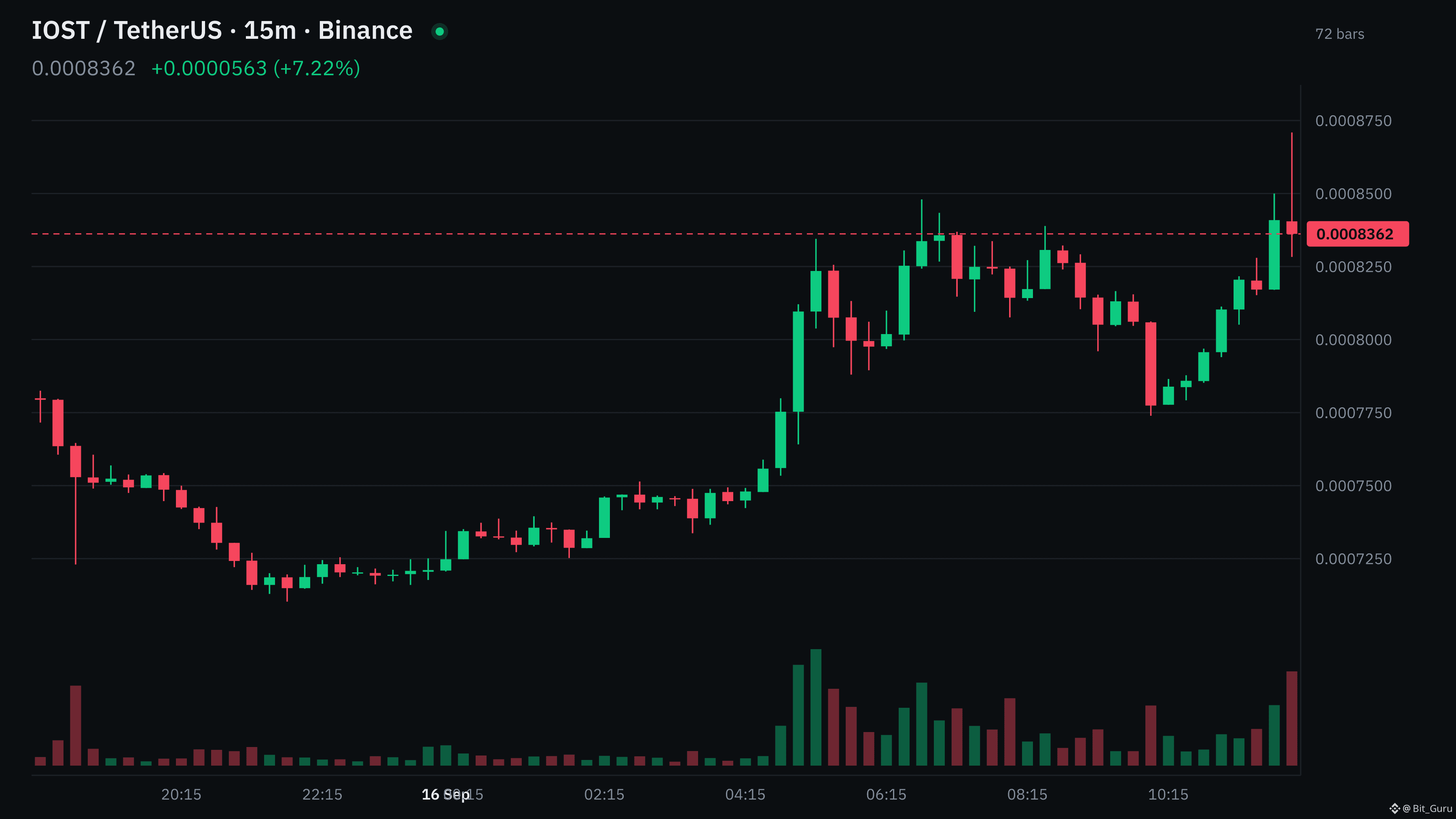
Attendez, attendez, attendez — $IOST pourrait être en train de s’éveiller !... Voici ce qui compte sur $IOST : les vendeurs doivent conserver la structure récente telle quelle. Le graphique en 15 minutes offre une vue plus claire pour l’instant, et l’activité n’est pas encore explosive. Je surveille d’abord 0.000969336 puis 0.000962259. La réaction à ce niveau compte plus que le titre. Entrée : 0.000983491 - 0.000984474 TP1 : 0.000969336 | TP2 : 0.000962259 | TP3 : 0.000955181 SL : 0.000990864
Attendez, attendez, attendez — $IOST pourrait être en train de s’éveiller !...

Voici ce qui compte sur $IOST : les vendeurs doivent conserver la structure récente telle quelle. Le graphique en 15 minutes offre une vue plus claire pour l’instant, et l’activité n’est pas encore explosive. Je surveille d’abord 0.000969336 puis 0.000962259. La réaction à ce niveau compte plus que le titre.

Entrée : 0.000983491 - 0.000984474
TP1 : 0.000969336 | TP2 : 0.000962259 | TP3 : 0.000955181
SL : 0.000990864
Les gars, cette structure $VVV vaut le coup d’œil !... $VVV est passée dans mon radar parce que la structure actuelle devient plus facile à lire. Les bougies de 15 minutes montrent des acheteurs, tandis que l’activité s’accélère. La prochaine réaction autour de la zone de décision devrait nous en dire beaucoup. Je surveille de près la prochaine bougie ici. Entrée : 24.4742 - 24.4987 TP1 : 24.7466 | TP2 : 24.8705 | TP3 : 24.9945 SL : 24.3733
Les gars, cette structure $VVV vaut le coup d’œil !...

$VVV est passée dans mon radar parce que la structure actuelle devient plus facile à lire. Les bougies de 15 minutes montrent des acheteurs, tandis que l’activité s’accélère. La prochaine réaction autour de la zone de décision devrait nous en dire beaucoup. Je surveille de près la prochaine bougie ici.

Entrée : 24.4742 - 24.4987
TP1 : 24.7466 | TP2 : 24.8705 | TP3 : 24.9945
SL : 24.3733
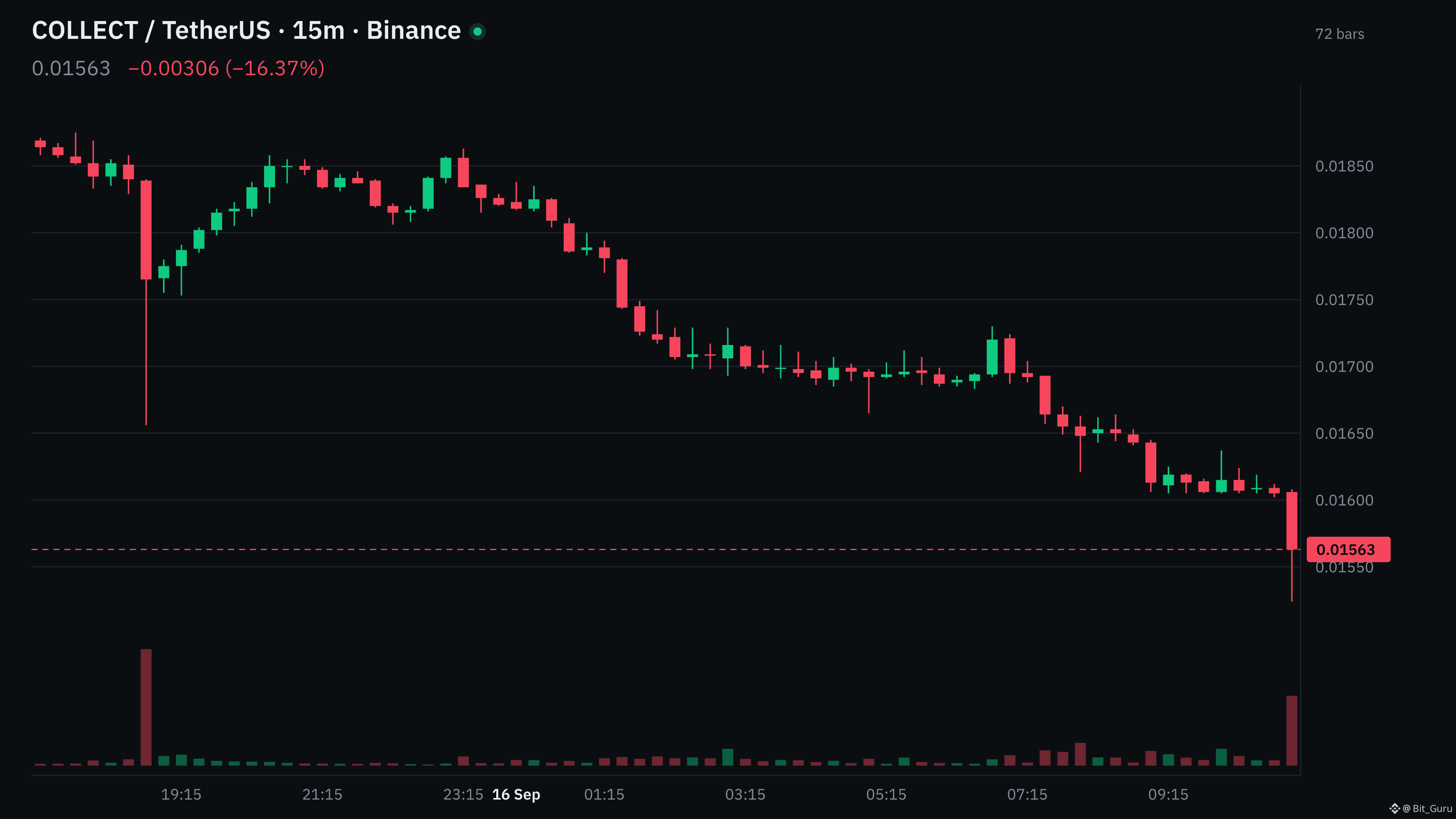
Cette configuration $US a attiré mon attention !... Mon intérêt pour $US concerne l’emplacement, pas la taille de la dernière bougie. La structure en 15m indique une zone de décision claire, et la configuration présente encore environ 1,92 de risque/rendement. Si la structure se maintient, 0,016246 est le premier niveau que je surveille, suivi de 0,016361. Prendriez-vous la première confirmation ou attendriez-vous une relecture (retest) ? Entrée : 0,015999 - 0,016015 TP1 : 0,016246 | TP2 : 0,016361 | TP3 : 0,016476 SL : 0,015895
Cette configuration $US a attiré mon attention !...

Mon intérêt pour $US concerne l’emplacement, pas la taille de la dernière bougie. La structure en 15m indique une zone de décision claire, et la configuration présente encore environ 1,92 de risque/rendement. Si la structure se maintient, 0,016246 est le premier niveau que je surveille, suivi de 0,016361. Prendriez-vous la première confirmation ou attendriez-vous une relecture (retest) ?

Entrée : 0,015999 - 0,016015
TP1 : 0,016246 | TP2 : 0,016361 | TP3 : 0,016476
SL : 0,015895
Attends, attends, attends — $BR pourrait être en train de se réveiller !... La partie intéressante de cette configuration $BR , c’est la structure. Le prix évolue près de la zone de décision tandis que les bougies 15m penchent du côté des vendeurs. Le volume continue de se construire, donc la prochaine bougie compte. Je surveille 0.26766 et 0.26676 comme les prochaines zones. C’est le niveau que je ne négligerais pas. Entrée : 0.26946 - 0.26973 TP1 : 0.26766 | TP2 : 0.26676 | TP3 : 0.26586 SL : 0.27064
Attends, attends, attends — $BR pourrait être en train de se réveiller !...

La partie intéressante de cette configuration $BR , c’est la structure. Le prix évolue près de la zone de décision tandis que les bougies 15m penchent du côté des vendeurs. Le volume continue de se construire, donc la prochaine bougie compte. Je surveille 0.26766 et 0.26676 comme les prochaines zones. C’est le niveau que je ne négligerais pas.

Entrée : 0.26946 - 0.26973
TP1 : 0.26766 | TP2 : 0.26676 | TP3 : 0.26586
SL : 0.27064
Les gars, cette structure $RAYSOL vaut le coup d’œil !... $RAYSOL maintient une zone importante et les acheteurs commencent à montrer de l’intérêt. La structure est encore en cours de développement, donc je préfère attendre une confirmation plutôt que de courir après une bougie. Le graphique 15m est la clé ici, avec 1.4663 en premier et 1.4752 ensuite si le mouvement reste solide. Vous prendriez la première confirmation ou vous attendriez un retest ? Entrée : 1.447 - 1.4485 TP1 : 1.4663 | TP2 : 1.4752 | TP3 : 1.4842 SL : 1.4393
Les gars, cette structure $RAYSOL vaut le coup d’œil !...

$RAYSOL maintient une zone importante et les acheteurs commencent à montrer de l’intérêt. La structure est encore en cours de développement, donc je préfère attendre une confirmation plutôt que de courir après une bougie. Le graphique 15m est la clé ici, avec 1.4663 en premier et 1.4752 ensuite si le mouvement reste solide. Vous prendriez la première confirmation ou vous attendriez un retest ?

Entrée : 1.447 - 1.4485
TP1 : 1.4663 | TP2 : 1.4752 | TP3 : 1.4842
SL : 1.4393
L’ESMA signale des risques potentiels alors que les liens entre la crypto et la finance traditionnelle se renforcent𝗤𝘂’𝗲𝘀𝘁-𝗰𝗲 𝗾𝘂𝗲 𝗹’𝗘𝗦𝗠𝗔 𝗮 𝗱𝗲́𝗰𝗹𝗮𝗿𝗲́ L’Autorité européenne des marchés financiers, connue sous le nom d’ESMA, a averti que des liens plus étroits entre les marchés crypto et la finance traditionnelle pourraient amplifier les risques à l’échelle du système financier plus large, selon un rapport de Cointelegraph publié le 10 septembre 2026. Le régulateur a identifié les actions tokenisées, les exploits dans la finance décentralisée et les marchés de prédiction comme des domaines nécessitant une attention. L’avertissement n’établit pas qu’une crise systémique est en cours, qu’une plateforme particulière a échoué, ni qu’un actif spécifique est responsable de tensions plus générales sur le marché. Il met plutôt en évidence une conséquence potentielle de l’intégration croissante : des problèmes qui, autrefois, restaient circonscrits à un marché crypto pourraient devenir plus pertinents pour les marchés financiers traditionnels si les liens entre eux continuent de s’étendre.

L’ESMA signale des risques potentiels alors que les liens entre la crypto et la finance traditionnelle se renforcent

𝗤𝘂’𝗲𝘀𝘁-𝗰𝗲 𝗾𝘂𝗲 𝗹’𝗘𝗦𝗠𝗔 𝗮 𝗱𝗲́𝗰𝗹𝗮𝗿𝗲́
L’Autorité européenne des marchés financiers, connue sous le nom d’ESMA, a averti que des liens plus étroits entre les marchés crypto et la finance traditionnelle pourraient amplifier les risques à l’échelle du système financier plus large, selon un rapport de Cointelegraph publié le 10 septembre 2026.
Le régulateur a identifié les actions tokenisées, les exploits dans la finance décentralisée et les marchés de prédiction comme des domaines nécessitant une attention. L’avertissement n’établit pas qu’une crise systémique est en cours, qu’une plateforme particulière a échoué, ni qu’un actif spécifique est responsable de tensions plus générales sur le marché. Il met plutôt en évidence une conséquence potentielle de l’intégration croissante : des problèmes qui, autrefois, restaient circonscrits à un marché crypto pourraient devenir plus pertinents pour les marchés financiers traditionnels si les liens entre eux continuent de s’étendre.
Attendez… $PONS est en train de devenir intéressant !... $PONS s’approche d’un point de décision sur le graphique 15m. La structure actuelle se situe entre 0.57119 et 0.577. Une réaction claire à partir de cette zone peut ouvrir le prochain mouvement, tandis qu’une réaction échouée affaiblirait la configuration. Pour l’instant, c’est ce niveau qu’il faut surveiller. Prendriez-vous la première confirmation ou attendriez-vous une retest ? Entrée : 0.57399 - 0.57456 TP1 : 0.56573 | TP2 : 0.56159 | TP3 : 0.55746 SL : 0.57873
Attendez… $PONS est en train de devenir intéressant !...

$PONS s’approche d’un point de décision sur le graphique 15m. La structure actuelle se situe entre 0.57119 et 0.577. Une réaction claire à partir de cette zone peut ouvrir le prochain mouvement, tandis qu’une réaction échouée affaiblirait la configuration. Pour l’instant, c’est ce niveau qu’il faut surveiller. Prendriez-vous la première confirmation ou attendriez-vous une retest ?

Entrée : 0.57399 - 0.57456
TP1 : 0.56573 | TP2 : 0.56159 | TP3 : 0.55746
SL : 0.57873
$UB Testent Un Niveau Important... $UB montre une pression autour d’une zone importante. Les vendeurs gardent le contrôle de la structure récente, mais le mouvement est encore en cours de formation plutôt que déjà étiré. Le volume augmente derrière le mouvement, et la prochaine réaction autour de 0.12285 pourrait décider si la baisse se poursuit. Attendrez-vous la cassure ou la retest ? Entrée : 0.12349 - 0.12362 TP1 : 0.12224 | TP2 : 0.12161 | TP3 : 0.12099 SL : 0.1243
$UB Testent Un Niveau Important...

$UB montre une pression autour d’une zone importante. Les vendeurs gardent le contrôle de la structure récente, mais le mouvement est encore en cours de formation plutôt que déjà étiré. Le volume augmente derrière le mouvement, et la prochaine réaction autour de 0.12285 pourrait décider si la baisse se poursuit. Attendrez-vous la cassure ou la retest ?

Entrée : 0.12349 - 0.12362
TP1 : 0.12224 | TP2 : 0.12161 | TP3 : 0.12099
SL : 0.1243
$NEAR Perd de la force à un niveau clé... Un point que j’aime dans cette configuration $NEAR , c’est l’emplacement. Le prix est proche d’un niveau qui a déjà compté, tandis que les bougies récentes montrent des vendeurs. Le volume augmente aussi, ce qui apporte une confirmation supplémentaire. Si la structure se maintient, le premier niveau que je surveille est 2.4465, puis 2.4287. Voyons si les acheteurs ou les vendeurs vont l’emporter sur ce niveau. Entrée : 2.4822 - 2.4847 TP1 : 2.4465 | TP2 : 2.4287 | TP3 : 2.4108 SL : 2.5045
$NEAR Perd de la force à un niveau clé...

Un point que j’aime dans cette configuration $NEAR , c’est l’emplacement. Le prix est proche d’un niveau qui a déjà compté, tandis que les bougies récentes montrent des vendeurs. Le volume augmente aussi, ce qui apporte une confirmation supplémentaire. Si la structure se maintient, le premier niveau que je surveille est 2.4465, puis 2.4287. Voyons si les acheteurs ou les vendeurs vont l’emporter sur ce niveau.

Entrée : 2.4822 - 2.4847
TP1 : 2.4465 | TP2 : 2.4287 | TP3 : 2.4108
SL : 2.5045
Quelque chose est en train de changer dans $SIGN Structure... Le graphique de $SIGN fournit une structure plus claire que ne le laisse penser le bruit récent. Le prix se maintient près de la zone de décision tandis que les bougies à court terme commencent à pencher en faveur des acheteurs. Cela fait de cette configuration un scénario à surveiller, pas une entrée à l’aveugle. Les niveaux importants se situent à 0.010474 en dessous et à 0.010562 au-dessus. Prendriez-vous la première confirmation ou attendriez-vous une nouvelle vérification (retest) ? Entrée : 0.010481 - 0.010492 TP1 : 0.010643 | TP2 : 0.010718 | TP3 : 0.010794 SL : 0.010413
Quelque chose est en train de changer dans $SIGN Structure...

Le graphique de $SIGN fournit une structure plus claire que ne le laisse penser le bruit récent. Le prix se maintient près de la zone de décision tandis que les bougies à court terme commencent à pencher en faveur des acheteurs. Cela fait de cette configuration un scénario à surveiller, pas une entrée à l’aveugle. Les niveaux importants se situent à 0.010474 en dessous et à 0.010562 au-dessus. Prendriez-vous la première confirmation ou attendriez-vous une nouvelle vérification (retest) ?

Entrée : 0.010481 - 0.010492
TP1 : 0.010643 | TP2 : 0.010718 | TP3 : 0.010794
SL : 0.010413
Connectez-vous pour découvrir plus de contenu
Rejoignez la communauté mondiale des adeptes de cryptomonnaies sur Binance Square
⚡️ Suviez les dernières informations importantes sur les cryptomonnaies.
💬 Jugé digne de confiance par la plus grande plateforme d’échange de cryptomonnaies au monde.
👍 Découvrez les connaissances que partagent les créateurs vérifiés.
Adresse e-mail/Nº de téléphone
Plan du site
Préférences de cookies
CGU de la plateforme