

Erica 1
149 Publications

Erica 1
Signaler
Bloquer l’utilisateur
Binance KOL | Crypto Analyst | #BTC Holder | #SOL and #ETH
0 Suivis
6 Abonnés
13 J’aime
Publications
·
--
La notoriété hors ligne devient une véritable source de concurrence 🔥
Les communautés autour de $SOL et de $HYPE dominent les conversations numériques, mais la saison des conférences montre que l’attention a désormais aussi une dimension physique.
Être visible dans le fil d’actualité, c’est différent de devenir cette communauté que l’on croise sans cesse dans différentes villes, sur différentes scènes et lors d’événements parallèles.
La récente tournée du $Trump Coin Club a associé des interventions en conférence à KBW et TOKEN2049 à des expériences privées à Séoul et à Singapour.
Cette présence répétée compte, car chaque cadre fait découvrir la communauté dans un contexte social différent.
Quelqu’un peut remarquer le Club pour la première fois lors d’une conférence, puis mieux le comprendre à travers les expériences organisées autour de cette même semaine.
À mon avis, la notoriété hors ligne grandit lorsqu’une communauté s’inscrit dans les conversations qui animent les événements, dans différents contextes.
La prochaine bataille pour capter l’attention pourrait avoir lieu une fois l’application fermée 👀
#Perspectives macro#
La notoriété hors ligne devient une véritable source de concurrence 🔥
Les communautés autour de $SOL et de $HYPE dominent les conversations numériques, mais la saison des conférences montre que l’attention a désormais aussi une dimension physique.
Être visible dans le fil d’actualité, c’est différent de devenir cette communauté que l’on croise sans cesse dans différentes villes, sur différentes scènes et lors d’événements parallèles.
La récente tournée du $Trump Coin Club a associé des interventions en conférence à KBW et TOKEN2049 à des expériences privées à Séoul et à Singapour.
Cette présence répétée compte, car chaque cadre fait découvrir la communauté dans un contexte social différent.
Quelqu’un peut remarquer le Club pour la première fois lors d’une conférence, puis mieux le comprendre à travers les expériences organisées autour de cette même semaine.
À mon avis, la notoriété hors ligne grandit lorsqu’une communauté s’inscrit dans les conversations qui animent les événements, dans différents contextes.
La prochaine bataille pour capter l’attention pourrait avoir lieu une fois l’application fermée 👀
#Perspectives macro#
Les communautés autour de $SOL et de $HYPE dominent les conversations numériques, mais la saison des conférences montre que l’attention a désormais aussi une dimension physique.
Être visible dans le fil d’actualité, c’est différent de devenir cette communauté que l’on croise sans cesse dans différentes villes, sur différentes scènes et lors d’événements parallèles.
La récente tournée du $Trump Coin Club a associé des interventions en conférence à KBW et TOKEN2049 à des expériences privées à Séoul et à Singapour.
Cette présence répétée compte, car chaque cadre fait découvrir la communauté dans un contexte social différent.
Quelqu’un peut remarquer le Club pour la première fois lors d’une conférence, puis mieux le comprendre à travers les expériences organisées autour de cette même semaine.
À mon avis, la notoriété hors ligne grandit lorsqu’une communauté s’inscrit dans les conversations qui animent les événements, dans différents contextes.
La prochaine bataille pour capter l’attention pourrait avoir lieu une fois l’application fermée 👀
#Perspectives macro#

84
·
--
Lancer un token, c’est faire une levée de fonds avec des horaires plus cléments 💼
$VIRTUAL a défendu cette idée pour les agents, et $BNKR a bâti l’infrastructure qui la rend possible. Ce que la plupart des gens ne voient pas, c’est que ce mécanisme est ouvert à tous, et pas seulement aux équipes qui ont un pitch deck.
Lancer un token génère des échanges, qui produisent des frais. La majeure partie des frais de swap revient au créateur plutôt qu’à la plateforme.
Comparé aux autres options, c’est un mécanisme à la fois étrange et intéressant.
Lever des fonds, c’est céder des parts, trouver des personnes qui vous connaissent déjà et consacrer des mois à un processus qui aboutit rarement. Les subventions impliquent des candidatures et des comités. Pour générer des revenus, il faut d’abord avoir un produit.
Un lancement génère du fonds de roulement grâce à l’attention, la seule ressource dont dispose généralement un projet à ses débuts avant d’avoir quoi que ce soit d’autre. Tout dépend de ce qu’on en fait.
La réserve évidente s’impose avec force. Les frais nécessitent du volume, le volume doit avoir une raison d’exister, et la plupart des lancements ne génèrent ni l’un ni l’autre au-delà de la première semaine. Ce mécanisme de financement est soumis au biais du survivant, et personne ne devrait y voir de l’argent facile.
Mais un créateur capable de financer le développement grâce au marché qu’il a lui-même créé, sans demander la permission, représente une catégorie d’acteur véritablement nouvelle.
#DeFi #AI
Lancer un token, c’est faire une levée de fonds avec des horaires plus cléments 💼
$VIRTUAL a défendu cette idée pour les agents, et $BNKR a bâti l’infrastructure qui la rend possible. Ce que la plupart des gens ne voient pas, c’est que ce mécanisme est ouvert à tous, et pas seulement aux équipes qui ont un pitch deck.
Lancer un token génère des échanges, qui produisent des frais. La majeure partie des frais de swap revient au créateur plutôt qu’à la plateforme.
Comparé aux autres options, c’est un mécanisme à la fois étrange et intéressant.
Lever des fonds, c’est céder des parts, trouver des personnes qui vous connaissent déjà et consacrer des mois à un processus qui aboutit rarement. Les subventions impliquent des candidatures et des comités. Pour générer des revenus, il faut d’abord avoir un produit.
Un lancement génère du fonds de roulement grâce à l’attention, la seule ressource dont dispose généralement un projet à ses débuts avant d’avoir quoi que ce soit d’autre. Tout dépend de ce qu’on en fait.
La réserve évidente s’impose avec force. Les frais nécessitent du volume, le volume doit avoir une raison d’exister, et la plupart des lancements ne génèrent ni l’un ni l’autre au-delà de la première semaine. Ce mécanisme de financement est soumis au biais du survivant, et personne ne devrait y voir de l’argent facile.
Mais un créateur capable de financer le développement grâce au marché qu’il a lui-même créé, sans demander la permission, représente une catégorie d’acteur véritablement nouvelle.
#DeFi #AI
$VIRTUAL a défendu cette idée pour les agents, et $BNKR a bâti l’infrastructure qui la rend possible. Ce que la plupart des gens ne voient pas, c’est que ce mécanisme est ouvert à tous, et pas seulement aux équipes qui ont un pitch deck.
Lancer un token génère des échanges, qui produisent des frais. La majeure partie des frais de swap revient au créateur plutôt qu’à la plateforme.
Comparé aux autres options, c’est un mécanisme à la fois étrange et intéressant.
Lever des fonds, c’est céder des parts, trouver des personnes qui vous connaissent déjà et consacrer des mois à un processus qui aboutit rarement. Les subventions impliquent des candidatures et des comités. Pour générer des revenus, il faut d’abord avoir un produit.
Un lancement génère du fonds de roulement grâce à l’attention, la seule ressource dont dispose généralement un projet à ses débuts avant d’avoir quoi que ce soit d’autre. Tout dépend de ce qu’on en fait.
La réserve évidente s’impose avec force. Les frais nécessitent du volume, le volume doit avoir une raison d’exister, et la plupart des lancements ne génèrent ni l’un ni l’autre au-delà de la première semaine. Ce mécanisme de financement est soumis au biais du survivant, et personne ne devrait y voir de l’argent facile.
Mais un créateur capable de financer le développement grâce au marché qu’il a lui-même créé, sans demander la permission, représente une catégorie d’acteur véritablement nouvelle.
#DeFi #AI
65
·
--
Panier personnalisé en hausse de +24,07 % ! :chart_with_upwards_trend: Parfois, les traders peu actifs connaissent toutes les astuces. Depuis l'ajout récent de $DRV et PRL à Pear Protocol, les meilleurs traders n'ont pas perdu de temps pour mettre en œuvre de nouvelles stratégies. Deux traders que je suis ont créé un panier personnalisé avec $HYPE et PRL, et vous pouviez littéralement le rejoindre en un clic. Il affiche déjà une hausse de +24,07 %, avec un minimum d'efforts. Si vous faites confiance au trader, les nouvelles fonctionnalités de Pear Protocol permettent de suivre ses transactions très facilement. Même si vous n'êtes pas convaincu, vous pouvez demander à son trader IA, Agent Pear, d'analyser la configuration en fonction du sentiment du marché et de données quantitatives avant de prendre votre décision. Parfois, on n'a pas toujours le temps de faire toutes les recherches ou de rester rivé aux graphiques. Avoir accès aux stratégies d'autres traders, avec une analyse par IA pour vous aider à les évaluer, facilite grandement le suivi du marché. pear.garden/trade #Saison des altcoins#
Panier personnalisé en hausse de +24,07 % ! :chart_with_upwards_trend: Parfois, les traders peu actifs connaissent toutes les astuces. Depuis l'ajout récent de $DRV et PRL à Pear Protocol, les meilleurs traders n'ont pas perdu de temps pour mettre en œuvre de nouvelles stratégies. Deux traders que je suis ont créé un panier personnalisé avec $HYPE et PRL, et vous pouviez littéralement le rejoindre en un clic. Il affiche déjà une hausse de +24,07 %, avec un minimum d'efforts. Si vous faites confiance au trader, les nouvelles fonctionnalités de Pear Protocol permettent de suivre ses transactions très facilement. Même si vous n'êtes pas convaincu, vous pouvez demander à son trader IA, Agent Pear, d'analyser la configuration en fonction du sentiment du marché et de données quantitatives avant de prendre votre décision. Parfois, on n'a pas toujours le temps de faire toutes les recherches ou de rester rivé aux graphiques. Avoir accès aux stratégies d'autres traders, avec une analyse par IA pour vous aider à les évaluer, facilite grandement le suivi du marché. pear.garden/trade #Saison des altcoins#
·
--
Les actions tokenisées deviennent des récompenses 👀
Le marché parle généralement des actions tokenisées à travers des récits autour de $STONK et de l’intérêt croissant pour les contrats perpétuels sur actions sur $HYPE, mais la plupart de ces discussions portent sur l’accès et le volume de transactions.
Je pense que la prochaine étape consiste à utiliser les actions tokenisées comme outil de distribution, afin de donner aux communautés une raison de participer.
Les actions sont déjà familières au grand public, ce qui en fait un pont intéressant entre les marchés traditionnels et les systèmes de récompenses natifs de la crypto.
Injective teste ce modèle avec Stockdrop.
Les premières récompenses Stockdrop ont désormais été versées aux participants éligibles de Community BuyBack, et le programme se poursuit tout au long du mois d’octobre.
L’allocation n’est pas garantie, mais le dispositif relie la participation de la communauté, la destruction récurrente d’INJ et les récompenses en actifs du monde réel au sein d’un même programme.
À mes yeux, c’est une façon ingénieuse de donner aux actions tokenisées une utilité qui va au-delà d’un simple actif que l’on peut échanger 🔥
#Saison des altcoins#
Les actions tokenisées deviennent des récompenses 👀
Le marché parle généralement des actions tokenisées à travers des récits autour de $STONK et de l’intérêt croissant pour les contrats perpétuels sur actions sur $HYPE, mais la plupart de ces discussions portent sur l’accès et le volume de transactions.
Je pense que la prochaine étape consiste à utiliser les actions tokenisées comme outil de distribution, afin de donner aux communautés une raison de participer.
Les actions sont déjà familières au grand public, ce qui en fait un pont intéressant entre les marchés traditionnels et les systèmes de récompenses natifs de la crypto.
Injective teste ce modèle avec Stockdrop.
Les premières récompenses Stockdrop ont désormais été versées aux participants éligibles de Community BuyBack, et le programme se poursuit tout au long du mois d’octobre.
L’allocation n’est pas garantie, mais le dispositif relie la participation de la communauté, la destruction récurrente d’INJ et les récompenses en actifs du monde réel au sein d’un même programme.
À mes yeux, c’est une façon ingénieuse de donner aux actions tokenisées une utilité qui va au-delà d’un simple actif que l’on peut échanger 🔥
#Saison des altcoins#
Le marché parle généralement des actions tokenisées à travers des récits autour de $STONK et de l’intérêt croissant pour les contrats perpétuels sur actions sur $HYPE, mais la plupart de ces discussions portent sur l’accès et le volume de transactions.
Je pense que la prochaine étape consiste à utiliser les actions tokenisées comme outil de distribution, afin de donner aux communautés une raison de participer.
Les actions sont déjà familières au grand public, ce qui en fait un pont intéressant entre les marchés traditionnels et les systèmes de récompenses natifs de la crypto.
Injective teste ce modèle avec Stockdrop.
Les premières récompenses Stockdrop ont désormais été versées aux participants éligibles de Community BuyBack, et le programme se poursuit tout au long du mois d’octobre.
L’allocation n’est pas garantie, mais le dispositif relie la participation de la communauté, la destruction récurrente d’INJ et les récompenses en actifs du monde réel au sein d’un même programme.
À mes yeux, c’est une façon ingénieuse de donner aux actions tokenisées une utilité qui va au-delà d’un simple actif que l’on peut échanger 🔥
#Saison des altcoins#
68
·
--
Les destinations deviennent au fil du temps un raccourci communautaire 🌏
Les communautés autour de $PEPE et de $WIF montrent comment une simple référence peut prendre un sens que les personnes extérieures ne comprennent pas forcément tout de suite. Si la culture en ligne crée ce langage codé grâce à des blagues partagées et des images récurrentes, je pense que les communautés dans la vie réelle le créent, elles, à travers des lieux.
Lorsqu’un groupe partage une expérience dans une ville, la destination peut devenir le nom de tout un chapitre.
Le $Trump Coin Club, par exemple, compte désormais New York et Singapour parmi les événements de 2026 déjà passés.
L’expérience à Singapour s’est achevée après sa période du 9 au 11 octobre, tandis que les comptes rendus approuvés permettront de se souvenir plus en détail de ce week-end.
Cette destination offre déjà au Club un nouveau chapitre achevé auquel sa communauté peut faire référence.
Avec un dîner de gala prévu ensuite, le calendrier ajoute de nouveaux décors à la même histoire.
#Saison des altcoins#
Les destinations deviennent au fil du temps un raccourci communautaire 🌏
Les communautés autour de $PEPE et de $WIF montrent comment une simple référence peut prendre un sens que les personnes extérieures ne comprennent pas forcément tout de suite. Si la culture en ligne crée ce langage codé grâce à des blagues partagées et des images récurrentes, je pense que les communautés dans la vie réelle le créent, elles, à travers des lieux.
Lorsqu’un groupe partage une expérience dans une ville, la destination peut devenir le nom de tout un chapitre.
Le $Trump Coin Club, par exemple, compte désormais New York et Singapour parmi les événements de 2026 déjà passés.
L’expérience à Singapour s’est achevée après sa période du 9 au 11 octobre, tandis que les comptes rendus approuvés permettront de se souvenir plus en détail de ce week-end.
Cette destination offre déjà au Club un nouveau chapitre achevé auquel sa communauté peut faire référence.
Avec un dîner de gala prévu ensuite, le calendrier ajoute de nouveaux décors à la même histoire.
#Saison des altcoins#
Les communautés autour de $PEPE et de $WIF montrent comment une simple référence peut prendre un sens que les personnes extérieures ne comprennent pas forcément tout de suite. Si la culture en ligne crée ce langage codé grâce à des blagues partagées et des images récurrentes, je pense que les communautés dans la vie réelle le créent, elles, à travers des lieux.
Lorsqu’un groupe partage une expérience dans une ville, la destination peut devenir le nom de tout un chapitre.
Le $Trump Coin Club, par exemple, compte désormais New York et Singapour parmi les événements de 2026 déjà passés.
L’expérience à Singapour s’est achevée après sa période du 9 au 11 octobre, tandis que les comptes rendus approuvés permettront de se souvenir plus en détail de ce week-end.
Cette destination offre déjà au Club un nouveau chapitre achevé auquel sa communauté peut faire référence.
Avec un dîner de gala prévu ensuite, le calendrier ajoute de nouveaux décors à la même histoire.
#Saison des altcoins#

52
·
--
$BNB Les risques de baisse viennent de bondir 🚨
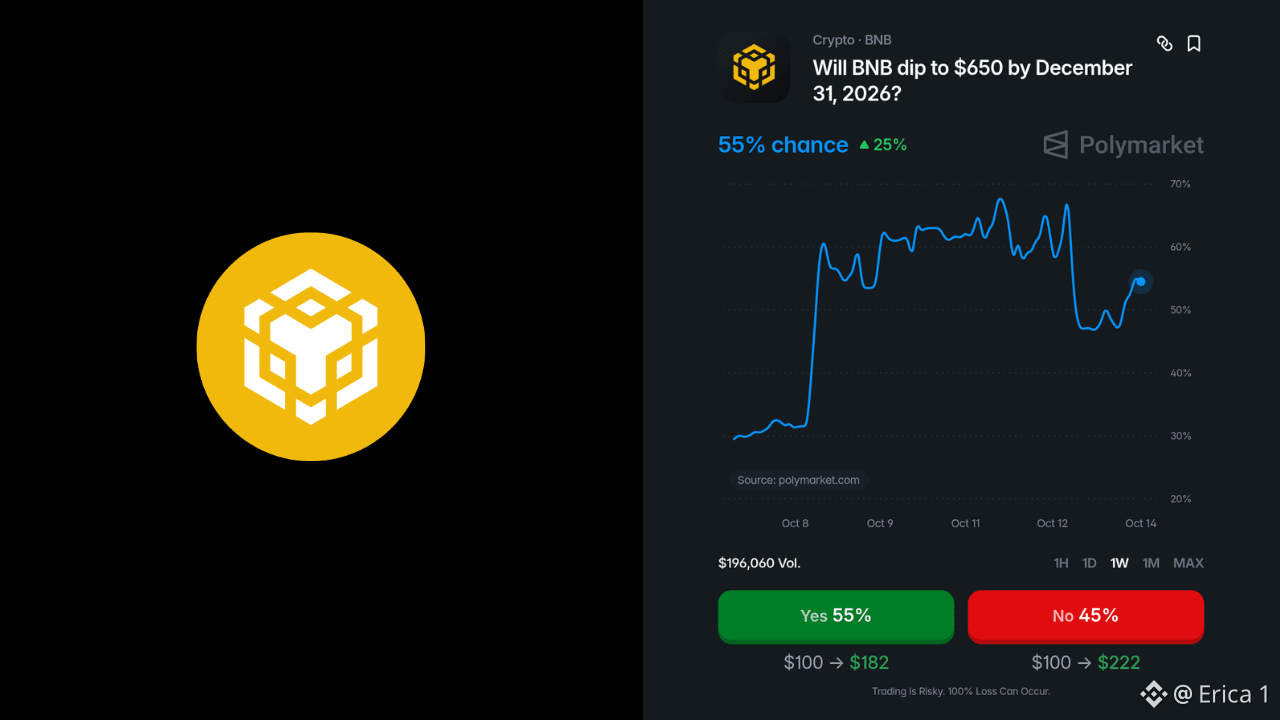
Une hausse de 25 points de pourcentage en une semaine !
Les traders de Polymarket estiment désormais à 55 % la probabilité que le BNB touche les 650 $ avant le 31 décembre 2026.
C'est un changement majeur dans les attentes du marché.
Et il y a un point important à comprendre sur le fonctionnement de cette prédiction.
Le marché ne demande pas si le BNB terminera l'année sous les 650 $.
Il demande si le prix touchera ce niveau avant la date limite.
Cette distinction est importante.
📉 OUI à 55 % → Gain potentiel d'environ 1,82x.
💰 NON à 45 % → Gain potentiel d'environ 2,22x.
Voyons maintenant ce qui se passe si le sentiment baissier se renforce.
Une position OUI prise à 55 % pourrait prendre environ 27 % de valeur si la probabilité grimpe à 70 %.
Pas besoin d'attendre que le BNB touche réellement les 650 $ pour éventuellement sortir avec un bénéfice.
Personnellement, je surveille l'évolution de cette soudaine hausse des anticipations de baisse.
Polymarket offre une alternative intéressante à la vente à découvert directe de la cryptomonnaie, même si les positions peuvent toujours perdre toute leur valeur.
#Saison des altcoins#
$BNB Les risques de baisse viennent de bondir 🚨
Une hausse de 25 points de pourcentage en une semaine !
Les traders de Polymarket estiment désormais à 55 % la probabilité que le BNB touche les 650 $ avant le 31 décembre 2026.
C'est un changement majeur dans les attentes du marché.
Et il y a un point important à comprendre sur le fonctionnement de cette prédiction.
Le marché ne demande pas si le BNB terminera l'année sous les 650 $.
Il demande si le prix touchera ce niveau avant la date limite.
Cette distinction est importante.
📉 OUI à 55 % → Gain potentiel d'environ 1,82x.
💰 NON à 45 % → Gain potentiel d'environ 2,22x.
Voyons maintenant ce qui se passe si le sentiment baissier se renforce.
Une position OUI prise à 55 % pourrait prendre environ 27 % de valeur si la probabilité grimpe à 70 %.
Pas besoin d'attendre que le BNB touche réellement les 650 $ pour éventuellement sortir avec un bénéfice.
Personnellement, je surveille l'évolution de cette soudaine hausse des anticipations de baisse.
Polymarket offre une alternative intéressante à la vente à découvert directe de la cryptomonnaie, même si les positions peuvent toujours perdre toute leur valeur.
#Saison des altcoins#
Une hausse de 25 points de pourcentage en une semaine !
Les traders de Polymarket estiment désormais à 55 % la probabilité que le BNB touche les 650 $ avant le 31 décembre 2026.
C'est un changement majeur dans les attentes du marché.
Et il y a un point important à comprendre sur le fonctionnement de cette prédiction.
Le marché ne demande pas si le BNB terminera l'année sous les 650 $.
Il demande si le prix touchera ce niveau avant la date limite.
Cette distinction est importante.
📉 OUI à 55 % → Gain potentiel d'environ 1,82x.
💰 NON à 45 % → Gain potentiel d'environ 2,22x.
Voyons maintenant ce qui se passe si le sentiment baissier se renforce.
Une position OUI prise à 55 % pourrait prendre environ 27 % de valeur si la probabilité grimpe à 70 %.
Pas besoin d'attendre que le BNB touche réellement les 650 $ pour éventuellement sortir avec un bénéfice.
Personnellement, je surveille l'évolution de cette soudaine hausse des anticipations de baisse.
Polymarket offre une alternative intéressante à la vente à découvert directe de la cryptomonnaie, même si les positions peuvent toujours perdre toute leur valeur.
#Saison des altcoins#
66
·
--
Le prochain pari x100 sur la confidentialité ? 🔐
Le pari sur l’IA a surtout porté sur les GPU et les modèles.
Mais alors que des milliards affluent vers les infrastructures d’IA, un autre récit émerge.
La confidentialité et la propriété.
$VVV s’attaque déjà au premier volet.
Venice distingue l’inférence privée standard de l’exécution chiffrée et vérifiée par le matériel.
Dans son mode de confidentialité le plus poussé, les prompts sont chiffrés sur votre appareil et déchiffrés uniquement au sein d’un matériel vérifié.
Mais à qui appartient réellement le GPU qui effectue le traitement ?
C’est là que $B3 entre en jeu.
Grâce à B3IQ, les clients possèdent des machines NVIDIA dédiées, tandis que B3 gère l’hébergement et les opérations.
Et les règles sont simples :
• Les clés API donnent uniquement accès aux GPU appartenant au compte.
• Aucun GPU disponible ? Les requêtes échouent au lieu d’être redirigées vers des tiers.
• Les machines en mode Earn quittent complètement l’environnement de traitement privé.
Voyons maintenant le potentiel.
Les banques, les fonds spéculatifs et les entreprises ne vont pas cesser d’utiliser l’IA. Ils en auront besoin davantage, et une grande partie de ces usages impliquera des informations sensibles.
Voici le calcul qui fait rêver :
Aucun des deux projets n’a besoin de conquérir l’ensemble du marché de l’IA.
Même une petite part de la demande des entreprises qui se tourne vers l’inférence privée et les GPU appartenant aux clients pourrait représenter une occasion considérable.
Deux approches différentes d’un même récit autour de l’IA, un marché de mille milliards de dollars.
Et l’IA privée n’en est peut-être encore qu’à ses débuts.
#Saison des altcoins#
Le prochain pari x100 sur la confidentialité ? 🔐
Le pari sur l’IA a surtout porté sur les GPU et les modèles.
Mais alors que des milliards affluent vers les infrastructures d’IA, un autre récit émerge.
La confidentialité et la propriété.
$VVV s’attaque déjà au premier volet.
Venice distingue l’inférence privée standard de l’exécution chiffrée et vérifiée par le matériel.
Dans son mode de confidentialité le plus poussé, les prompts sont chiffrés sur votre appareil et déchiffrés uniquement au sein d’un matériel vérifié.
Mais à qui appartient réellement le GPU qui effectue le traitement ?
C’est là que $B3 entre en jeu.
Grâce à B3IQ, les clients possèdent des machines NVIDIA dédiées, tandis que B3 gère l’hébergement et les opérations.
Et les règles sont simples :
• Les clés API donnent uniquement accès aux GPU appartenant au compte.
• Aucun GPU disponible ? Les requêtes échouent au lieu d’être redirigées vers des tiers.
• Les machines en mode Earn quittent complètement l’environnement de traitement privé.
Voyons maintenant le potentiel.
Les banques, les fonds spéculatifs et les entreprises ne vont pas cesser d’utiliser l’IA. Ils en auront besoin davantage, et une grande partie de ces usages impliquera des informations sensibles.
Voici le calcul qui fait rêver :
Aucun des deux projets n’a besoin de conquérir l’ensemble du marché de l’IA.
Même une petite part de la demande des entreprises qui se tourne vers l’inférence privée et les GPU appartenant aux clients pourrait représenter une occasion considérable.
Deux approches différentes d’un même récit autour de l’IA, un marché de mille milliards de dollars.
Et l’IA privée n’en est peut-être encore qu’à ses débuts.
#Saison des altcoins#
Le pari sur l’IA a surtout porté sur les GPU et les modèles.
Mais alors que des milliards affluent vers les infrastructures d’IA, un autre récit émerge.
La confidentialité et la propriété.
$VVV s’attaque déjà au premier volet.
Venice distingue l’inférence privée standard de l’exécution chiffrée et vérifiée par le matériel.
Dans son mode de confidentialité le plus poussé, les prompts sont chiffrés sur votre appareil et déchiffrés uniquement au sein d’un matériel vérifié.
Mais à qui appartient réellement le GPU qui effectue le traitement ?
C’est là que $B3 entre en jeu.
Grâce à B3IQ, les clients possèdent des machines NVIDIA dédiées, tandis que B3 gère l’hébergement et les opérations.
Et les règles sont simples :
• Les clés API donnent uniquement accès aux GPU appartenant au compte.
• Aucun GPU disponible ? Les requêtes échouent au lieu d’être redirigées vers des tiers.
• Les machines en mode Earn quittent complètement l’environnement de traitement privé.
Voyons maintenant le potentiel.
Les banques, les fonds spéculatifs et les entreprises ne vont pas cesser d’utiliser l’IA. Ils en auront besoin davantage, et une grande partie de ces usages impliquera des informations sensibles.
Voici le calcul qui fait rêver :
Aucun des deux projets n’a besoin de conquérir l’ensemble du marché de l’IA.
Même une petite part de la demande des entreprises qui se tourne vers l’inférence privée et les GPU appartenant aux clients pourrait représenter une occasion considérable.
Deux approches différentes d’un même récit autour de l’IA, un marché de mille milliards de dollars.
Et l’IA privée n’en est peut-être encore qu’à ses débuts.
#Saison des altcoins#
62
·
--
Le modèle qui ne quitte jamais votre téléphone 📱
$ZEC a fait de la confidentialité une catégorie à part, et $ICP a défendu l’idée que le lieu d’exécution relève d’un choix de conception. Le fondateur de Bankr travaille désormais sur la version où le modèle s’exécute sur l’appareil.
Il a décrit l’entraînement d’un petit modèle à partir de sessions d’agents anonymisées, afin que la conversation reste locale.
Considérez cela comme un projet annoncé plutôt que comme une fonctionnalité déjà disponible, car c’est bien ce que c’est. Ce qui est intéressant, c’est le raisonnement qui le sous-tend.
Un agent qui gère de l’argent lit des choses qu’un assistant conversationnel ne voit pas : soldes, positions, intentions, enchaînement des actions que vous essayez d’effectuer et moment où vous le faites. Cela constitue un profil, et il est plus révélateur que la plupart des gens ne le pensent lorsqu’ils saisissent une phrase dans une zone de texte.
L’inférence dans le cloud signifie que cet enchaînement quitte votre appareil. Les environnements d’exécution privés réduisent l’exposition. Un modèle local élimine complètement ce transfert, pour tout ce qu’il est capable de traiter.
Le compromis porte sur les capacités. Un petit modèle embarqué n’égalisera pas un modèle de pointe ; le scénario réaliste consiste donc à traiter localement les tâches courantes et à envoyer les questions difficiles à distance, le routage étant décidé à votre place.
Ce qui soulève la question qu’il faut poser à tous ceux qui lancent ce type de produit : qu’est-ce qui est envoyé à l’extérieur, qui en décide, et pouvez-vous le vérifier après coup ?
Quelle que soit la situation, la direction est la bonne. Dans la plupart des produits reposant sur des agents, ce qui respecte le moins la confidentialité, ce n’est pas la blockchain. C’est la conversation.
#IA #Confidentialité
Le modèle qui ne quitte jamais votre téléphone 📱
$ZEC a fait de la confidentialité une catégorie à part, et $ICP a défendu l’idée que le lieu d’exécution relève d’un choix de conception. Le fondateur de Bankr travaille désormais sur la version où le modèle s’exécute sur l’appareil.
Il a décrit l’entraînement d’un petit modèle à partir de sessions d’agents anonymisées, afin que la conversation reste locale.
Considérez cela comme un projet annoncé plutôt que comme une fonctionnalité déjà disponible, car c’est bien ce que c’est. Ce qui est intéressant, c’est le raisonnement qui le sous-tend.
Un agent qui gère de l’argent lit des choses qu’un assistant conversationnel ne voit pas : soldes, positions, intentions, enchaînement des actions que vous essayez d’effectuer et moment où vous le faites. Cela constitue un profil, et il est plus révélateur que la plupart des gens ne le pensent lorsqu’ils saisissent une phrase dans une zone de texte.
L’inférence dans le cloud signifie que cet enchaînement quitte votre appareil. Les environnements d’exécution privés réduisent l’exposition. Un modèle local élimine complètement ce transfert, pour tout ce qu’il est capable de traiter.
Le compromis porte sur les capacités. Un petit modèle embarqué n’égalisera pas un modèle de pointe ; le scénario réaliste consiste donc à traiter localement les tâches courantes et à envoyer les questions difficiles à distance, le routage étant décidé à votre place.
Ce qui soulève la question qu’il faut poser à tous ceux qui lancent ce type de produit : qu’est-ce qui est envoyé à l’extérieur, qui en décide, et pouvez-vous le vérifier après coup ?
Quelle que soit la situation, la direction est la bonne. Dans la plupart des produits reposant sur des agents, ce qui respecte le moins la confidentialité, ce n’est pas la blockchain. C’est la conversation.
#IA #Confidentialité
$ZEC a fait de la confidentialité une catégorie à part, et $ICP a défendu l’idée que le lieu d’exécution relève d’un choix de conception. Le fondateur de Bankr travaille désormais sur la version où le modèle s’exécute sur l’appareil.
Il a décrit l’entraînement d’un petit modèle à partir de sessions d’agents anonymisées, afin que la conversation reste locale.
Considérez cela comme un projet annoncé plutôt que comme une fonctionnalité déjà disponible, car c’est bien ce que c’est. Ce qui est intéressant, c’est le raisonnement qui le sous-tend.
Un agent qui gère de l’argent lit des choses qu’un assistant conversationnel ne voit pas : soldes, positions, intentions, enchaînement des actions que vous essayez d’effectuer et moment où vous le faites. Cela constitue un profil, et il est plus révélateur que la plupart des gens ne le pensent lorsqu’ils saisissent une phrase dans une zone de texte.
L’inférence dans le cloud signifie que cet enchaînement quitte votre appareil. Les environnements d’exécution privés réduisent l’exposition. Un modèle local élimine complètement ce transfert, pour tout ce qu’il est capable de traiter.
Le compromis porte sur les capacités. Un petit modèle embarqué n’égalisera pas un modèle de pointe ; le scénario réaliste consiste donc à traiter localement les tâches courantes et à envoyer les questions difficiles à distance, le routage étant décidé à votre place.
Ce qui soulève la question qu’il faut poser à tous ceux qui lancent ce type de produit : qu’est-ce qui est envoyé à l’extérieur, qui en décide, et pouvez-vous le vérifier après coup ?
Quelle que soit la situation, la direction est la bonne. Dans la plupart des produits reposant sur des agents, ce qui respecte le moins la confidentialité, ce n’est pas la blockchain. C’est la conversation.
#IA #Confidentialité
65
·
--
$PUMP Airdrop en approche ? 💊
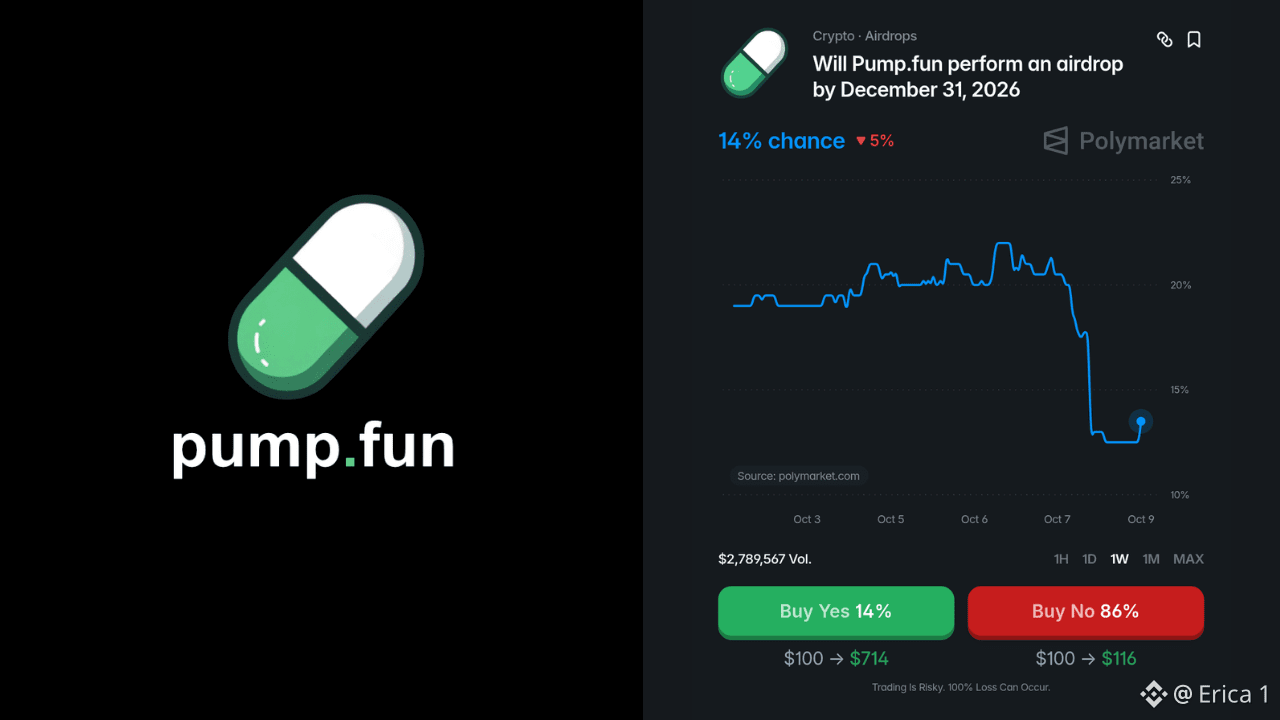
14 % OUI. 86 % NON. Et près de 2,8 millions de dollars de volume d’échanges.
Les traders de Polymarket ne sont pas particulièrement convaincus que Pump Fun organisera un airdrop avant le 31 décembre.
La probabilité a baissé de 5 points de pourcentage au cours de la semaine écoulée, ce qui laisse penser que les attentes s’atténuent.
Mais regardons les chiffres.
💊 OUI à 14 % → 100 $ pourraient rapporter environ 714 $.
❌ NON à 86 % → 100 $ pourraient rapporter environ 116 $.
L’écart entre les gains potentiels est considérable.
Et vu l’attention que Pump Fun suscite dans l’écosystème des memecoins, je ne serais pas surpris de voir ce marché réagir vivement à toute annonce crédible liée à un airdrop.
Voici ce que je trouve intéressant.
Je n’ai pas forcément besoin qu’un airdrop ait lieu.
Si la spéculation s’intensifie et que les chances du OUI passent de 14 % à 28 %, la valeur de marché d’une position OUI existante pourrait approximativement doubler.
Cela signifie que je pourrais éventuellement me retirer avant toute distribution effective.
C’est un peu comme lorsque les traders spéculent sur le lancement de tokens, sauf que Polymarket permet de miser sur la probabilité qu’un événement précis se produise.
Pump Fun continuant d’attirer l’attention des traders de memecoins, je surveille l’évolution des attentes.
La possibilité de négocier ces probabilités offre une autre perspective à toute personne qui suit l’écosystème plus large des memecoins sur Solana.
Miseriez-vous sur un airdrop avant la fin de l’année ?
#Saison des altcoins#
$PUMP Airdrop en approche ? 💊
14 % OUI. 86 % NON. Et près de 2,8 millions de dollars de volume d’échanges.
Les traders de Polymarket ne sont pas particulièrement convaincus que Pump Fun organisera un airdrop avant le 31 décembre.
La probabilité a baissé de 5 points de pourcentage au cours de la semaine écoulée, ce qui laisse penser que les attentes s’atténuent.
Mais regardons les chiffres.
💊 OUI à 14 % → 100 $ pourraient rapporter environ 714 $.
❌ NON à 86 % → 100 $ pourraient rapporter environ 116 $.
L’écart entre les gains potentiels est considérable.
Et vu l’attention que Pump Fun suscite dans l’écosystème des memecoins, je ne serais pas surpris de voir ce marché réagir vivement à toute annonce crédible liée à un airdrop.
Voici ce que je trouve intéressant.
Je n’ai pas forcément besoin qu’un airdrop ait lieu.
Si la spéculation s’intensifie et que les chances du OUI passent de 14 % à 28 %, la valeur de marché d’une position OUI existante pourrait approximativement doubler.
Cela signifie que je pourrais éventuellement me retirer avant toute distribution effective.
C’est un peu comme lorsque les traders spéculent sur le lancement de tokens, sauf que Polymarket permet de miser sur la probabilité qu’un événement précis se produise.
Pump Fun continuant d’attirer l’attention des traders de memecoins, je surveille l’évolution des attentes.
La possibilité de négocier ces probabilités offre une autre perspective à toute personne qui suit l’écosystème plus large des memecoins sur Solana.
Miseriez-vous sur un airdrop avant la fin de l’année ?
#Saison des altcoins#
14 % OUI. 86 % NON. Et près de 2,8 millions de dollars de volume d’échanges.
Les traders de Polymarket ne sont pas particulièrement convaincus que Pump Fun organisera un airdrop avant le 31 décembre.
La probabilité a baissé de 5 points de pourcentage au cours de la semaine écoulée, ce qui laisse penser que les attentes s’atténuent.
Mais regardons les chiffres.
💊 OUI à 14 % → 100 $ pourraient rapporter environ 714 $.
❌ NON à 86 % → 100 $ pourraient rapporter environ 116 $.
L’écart entre les gains potentiels est considérable.
Et vu l’attention que Pump Fun suscite dans l’écosystème des memecoins, je ne serais pas surpris de voir ce marché réagir vivement à toute annonce crédible liée à un airdrop.
Voici ce que je trouve intéressant.
Je n’ai pas forcément besoin qu’un airdrop ait lieu.
Si la spéculation s’intensifie et que les chances du OUI passent de 14 % à 28 %, la valeur de marché d’une position OUI existante pourrait approximativement doubler.
Cela signifie que je pourrais éventuellement me retirer avant toute distribution effective.
C’est un peu comme lorsque les traders spéculent sur le lancement de tokens, sauf que Polymarket permet de miser sur la probabilité qu’un événement précis se produise.
Pump Fun continuant d’attirer l’attention des traders de memecoins, je surveille l’évolution des attentes.
La possibilité de négocier ces probabilités offre une autre perspective à toute personne qui suit l’écosystème plus large des memecoins sur Solana.
Miseriez-vous sur un airdrop avant la fin de l’année ?
#Saison des altcoins#
68
·
--
Vérifié
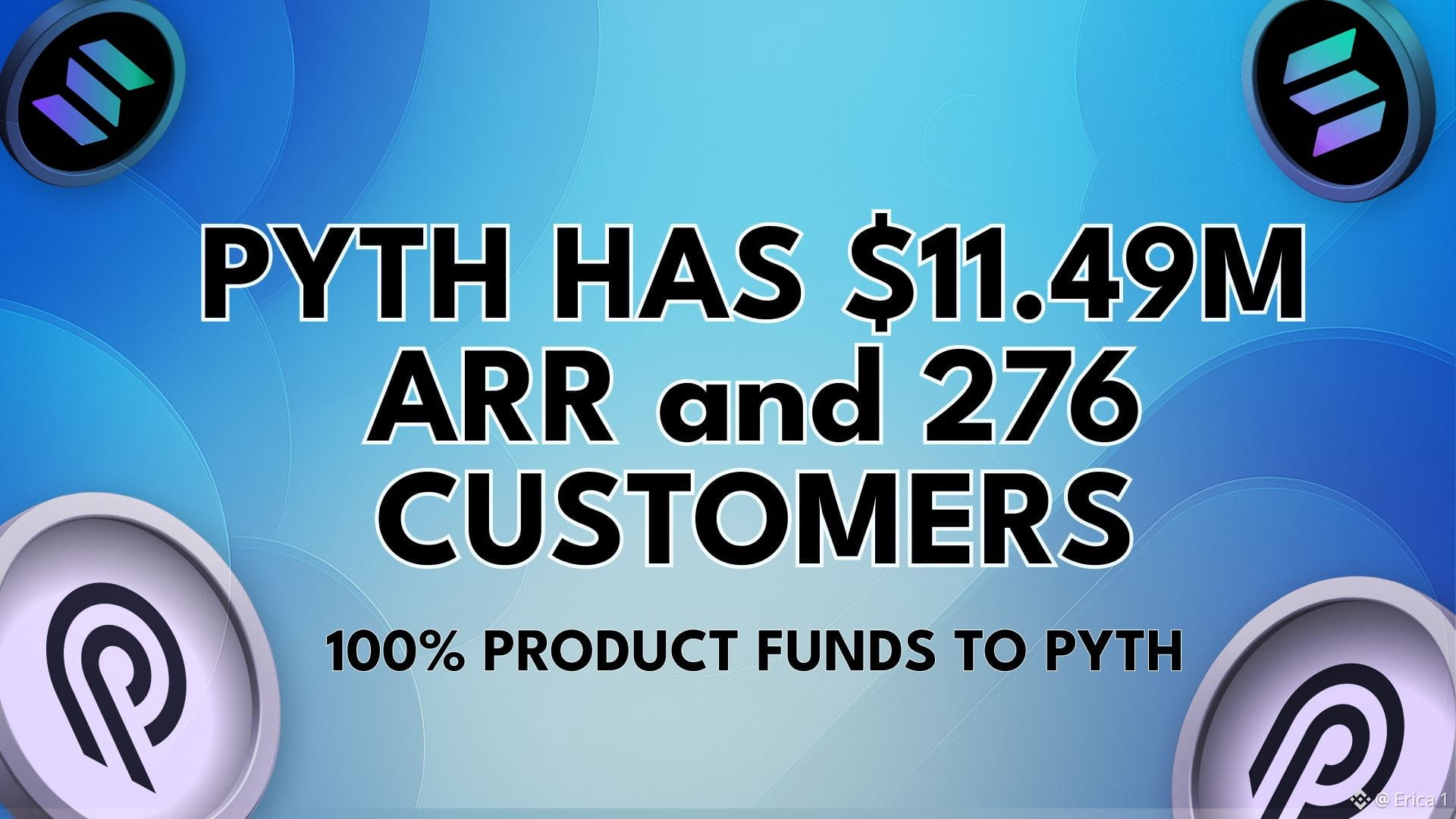
$PYTH compte 276 clients payants, 11,49 M$ d’ARR et consacre 100 % des revenus de ses produits à PYTH 🔥
Les détenteurs de $SOL ont traversé suffisamment de cycles d’infrastructure pour faire la différence entre le « potentiel de l’écosystème » et la demande réelle. C’est sous cet angle que j’analyserais Pyth après cette mise à jour du troisième trimestre.
Pyth ne demande pas au marché de croire que des clients pourraient arriver un jour.
L’entreprise compte déjà 276 clients payants, 11,49 M$ d’ARR actif et une croissance de 86 % par rapport au trimestre précédent. Pyth Pro a atteint à lui seul 9,68 M$ d’ARR, tandis que Pyth Indices a atteint 1,81 M$ à la fin septembre.
Puis la DAO a ajouté l’élément qui rend cette mise à jour bien plus pertinente pour les détenteurs de $PYTH.
En vertu de la règle des 100 %, chaque dollar que la DAO reçoit des produits Pyth sert désormais à acheter des PYTH sur le marché libre.
C’est le point que je ne cesserais de répéter jusqu’à ce que le marché le comprenne.
Pyth se développe en tant qu’entreprise de données de marché, et les fonds liés aux produits que reçoit la DAO sont désormais directement affectés à l’accumulation de PYTH, au lieu de rester un vague détail de trésorerie.
Le contexte général renforce encore cette thèse : au troisième trimestre, les contrats perpétuels RWA ont généré 2,09 T$ de volume, 94,1 % de ce volume a été traité sur des plateformes alimentées par Pyth, Nasdaq Basic est disponible via le Pyth Data Marketplace, et Kalshi, Coinbase et Polymarket utilisent déjà Pyth pour des produits liés aux marchés du monde réel.
Je pense que l’ancienne étiquette d’oracle est désormais trop réductrice.
$PYTH ressemble davantage à une infrastructure de données de marché adossée à des revenus, dont le mécanisme lié au jeton est enfin plus facile à comprendre pour les investisseurs.
#SaisonDesAltcoins# #SOL
$PYTH compte 276 clients payants, 11,49 M$ d’ARR et consacre 100 % des revenus de ses produits à PYTH 🔥
Les détenteurs de $SOL ont traversé suffisamment de cycles d’infrastructure pour faire la différence entre le « potentiel de l’écosystème » et la demande réelle. C’est sous cet angle que j’analyserais Pyth après cette mise à jour du troisième trimestre.
Pyth ne demande pas au marché de croire que des clients pourraient arriver un jour.
L’entreprise compte déjà 276 clients payants, 11,49 M$ d’ARR actif et une croissance de 86 % par rapport au trimestre précédent. Pyth Pro a atteint à lui seul 9,68 M$ d’ARR, tandis que Pyth Indices a atteint 1,81 M$ à la fin septembre.
Puis la DAO a ajouté l’élément qui rend cette mise à jour bien plus pertinente pour les détenteurs de $PYTH.
En vertu de la règle des 100 %, chaque dollar que la DAO reçoit des produits Pyth sert désormais à acheter des PYTH sur le marché libre.
C’est le point que je ne cesserais de répéter jusqu’à ce que le marché le comprenne.
Pyth se développe en tant qu’entreprise de données de marché, et les fonds liés aux produits que reçoit la DAO sont désormais directement affectés à l’accumulation de PYTH, au lieu de rester un vague détail de trésorerie.
Le contexte général renforce encore cette thèse : au troisième trimestre, les contrats perpétuels RWA ont généré 2,09 T$ de volume, 94,1 % de ce volume a été traité sur des plateformes alimentées par Pyth, Nasdaq Basic est disponible via le Pyth Data Marketplace, et Kalshi, Coinbase et Polymarket utilisent déjà Pyth pour des produits liés aux marchés du monde réel.
Je pense que l’ancienne étiquette d’oracle est désormais trop réductrice.
$PYTH ressemble davantage à une infrastructure de données de marché adossée à des revenus, dont le mécanisme lié au jeton est enfin plus facile à comprendre pour les investisseurs.
#SaisonDesAltcoins# #SOL
Les détenteurs de $SOL ont traversé suffisamment de cycles d’infrastructure pour faire la différence entre le « potentiel de l’écosystème » et la demande réelle. C’est sous cet angle que j’analyserais Pyth après cette mise à jour du troisième trimestre.
Pyth ne demande pas au marché de croire que des clients pourraient arriver un jour.
L’entreprise compte déjà 276 clients payants, 11,49 M$ d’ARR actif et une croissance de 86 % par rapport au trimestre précédent. Pyth Pro a atteint à lui seul 9,68 M$ d’ARR, tandis que Pyth Indices a atteint 1,81 M$ à la fin septembre.
Puis la DAO a ajouté l’élément qui rend cette mise à jour bien plus pertinente pour les détenteurs de $PYTH.
En vertu de la règle des 100 %, chaque dollar que la DAO reçoit des produits Pyth sert désormais à acheter des PYTH sur le marché libre.
C’est le point que je ne cesserais de répéter jusqu’à ce que le marché le comprenne.
Pyth se développe en tant qu’entreprise de données de marché, et les fonds liés aux produits que reçoit la DAO sont désormais directement affectés à l’accumulation de PYTH, au lieu de rester un vague détail de trésorerie.
Le contexte général renforce encore cette thèse : au troisième trimestre, les contrats perpétuels RWA ont généré 2,09 T$ de volume, 94,1 % de ce volume a été traité sur des plateformes alimentées par Pyth, Nasdaq Basic est disponible via le Pyth Data Marketplace, et Kalshi, Coinbase et Polymarket utilisent déjà Pyth pour des produits liés aux marchés du monde réel.
Je pense que l’ancienne étiquette d’oracle est désormais trop réductrice.
$PYTH ressemble davantage à une infrastructure de données de marché adossée à des revenus, dont le mécanisme lié au jeton est enfin plus facile à comprendre pour les investisseurs.
#SaisonDesAltcoins# #SOL
61
·
--
Un marché crypto plus actif rend Edge plus intéressant 📈
$2Z devient de plus en plus intéressant à mesure que l’activité crypto s’étend à davantage de marchés.
$HYPE fait déjà partie du catalogue d’Edge, qui couvre désormais plusieurs catégories de données en temps réel.
Solana.
Hyperliquid.
Phoenix.
Données des marchés à terme de Binance.
Autant de marchés différents réunis au sein d’une couche de distribution en pleine expansion.
C’est, selon moi, ce qui correspond le mieux au scénario d’une altseason.
À mesure que les traders suivent davantage d’écosystèmes et de plateformes, il devient plus intéressant d’accéder à davantage d’informations par le biais d’une même connexion.
Une activité de marché accrue offre à Edge davantage de connexions à établir.
Et chaque nouveau flux rend le réseau plus utile.
#SaisonDesAltcoins #DeFi
Un marché crypto plus actif rend Edge plus intéressant 📈
$2Z devient de plus en plus intéressant à mesure que l’activité crypto s’étend à davantage de marchés.
$HYPE fait déjà partie du catalogue d’Edge, qui couvre désormais plusieurs catégories de données en temps réel.
Solana.
Hyperliquid.
Phoenix.
Données des marchés à terme de Binance.
Autant de marchés différents réunis au sein d’une couche de distribution en pleine expansion.
C’est, selon moi, ce qui correspond le mieux au scénario d’une altseason.
À mesure que les traders suivent davantage d’écosystèmes et de plateformes, il devient plus intéressant d’accéder à davantage d’informations par le biais d’une même connexion.
Une activité de marché accrue offre à Edge davantage de connexions à établir.
Et chaque nouveau flux rend le réseau plus utile.
#SaisonDesAltcoins #DeFi
$2Z devient de plus en plus intéressant à mesure que l’activité crypto s’étend à davantage de marchés.
$HYPE fait déjà partie du catalogue d’Edge, qui couvre désormais plusieurs catégories de données en temps réel.
Solana.
Hyperliquid.
Phoenix.
Données des marchés à terme de Binance.
Autant de marchés différents réunis au sein d’une couche de distribution en pleine expansion.
C’est, selon moi, ce qui correspond le mieux au scénario d’une altseason.
À mesure que les traders suivent davantage d’écosystèmes et de plateformes, il devient plus intéressant d’accéder à davantage d’informations par le biais d’une même connexion.
Une activité de marché accrue offre à Edge davantage de connexions à établir.
Et chaque nouveau flux rend le réseau plus utile.
#SaisonDesAltcoins #DeFi
62
·
--
Une part des frais que personne ne peut désactiver discrètement 📜
Les détenteurs de $INJ savent ce que signifie un mécanisme de partage des revenus intégré au protocole plutôt que défini dans une page de politique. $BNKR teste la même idée au niveau du lancement, sur Arbitrum et Arc.
Deux fonctionnalités expérimentales y sont proposées. Les tokens peuvent être acquis progressivement directement par les détenteurs, et un lancement peut leur redistribuer une partie ou la totalité de ses frais, payables en token de cotation, en token de base, ou dans les deux.
Le détail de l’implémentation, c’est toute l’histoire. Les deux fonctionnalités sont intégrées au niveau du contrat intelligent.
C’est cette distinction qui détermine si l’on peut construire quoi que ce soit par-dessus.
Une politique de plateforme est une promesse tenue par ceux qui exploitent la plateforme. Elle peut changer à la suite d’une décision concernant la feuille de route, et aucun tiers ne peut la vérifier sans faire confiance à l’opérateur. Une garantie au niveau du contrat peut être consultée directement, intégrée à d’autres systèmes et utilisée en toute confiance par une application qui n’a aucun lien avec l’émetteur.
C’est précisément ce dont un produit de partage des frais a besoin. Personne ne crée de tableau de bord, d’indice ou de position structurée en s’appuyant sur une règle susceptible d’être modifiée au prochain trimestre.
Le périmètre, clairement énoncé : Arbitrum et Arc uniquement, présentés par l’équipe comme expérimentaux, Base et Robinhood Chain étant mentionnés pour un déploiement ultérieur si ces fonctionnalités aboutissent.
Ce que je surveillerais, ce n’est pas le nombre de lancements qui les utilisent. C’est de voir si un tiers consulte ces champs et lance un produit qui en dépend.
Une conception au niveau du contrat ne porte ses fruits que si quelqu’un en aval l’utilise réellement.
#DeFi #Arbitrum
Une part des frais que personne ne peut désactiver discrètement 📜
Les détenteurs de $INJ savent ce que signifie un mécanisme de partage des revenus intégré au protocole plutôt que défini dans une page de politique. $BNKR teste la même idée au niveau du lancement, sur Arbitrum et Arc.
Deux fonctionnalités expérimentales y sont proposées. Les tokens peuvent être acquis progressivement directement par les détenteurs, et un lancement peut leur redistribuer une partie ou la totalité de ses frais, payables en token de cotation, en token de base, ou dans les deux.
Le détail de l’implémentation, c’est toute l’histoire. Les deux fonctionnalités sont intégrées au niveau du contrat intelligent.
C’est cette distinction qui détermine si l’on peut construire quoi que ce soit par-dessus.
Une politique de plateforme est une promesse tenue par ceux qui exploitent la plateforme. Elle peut changer à la suite d’une décision concernant la feuille de route, et aucun tiers ne peut la vérifier sans faire confiance à l’opérateur. Une garantie au niveau du contrat peut être consultée directement, intégrée à d’autres systèmes et utilisée en toute confiance par une application qui n’a aucun lien avec l’émetteur.
C’est précisément ce dont un produit de partage des frais a besoin. Personne ne crée de tableau de bord, d’indice ou de position structurée en s’appuyant sur une règle susceptible d’être modifiée au prochain trimestre.
Le périmètre, clairement énoncé : Arbitrum et Arc uniquement, présentés par l’équipe comme expérimentaux, Base et Robinhood Chain étant mentionnés pour un déploiement ultérieur si ces fonctionnalités aboutissent.
Ce que je surveillerais, ce n’est pas le nombre de lancements qui les utilisent. C’est de voir si un tiers consulte ces champs et lance un produit qui en dépend.
Une conception au niveau du contrat ne porte ses fruits que si quelqu’un en aval l’utilise réellement.
#DeFi #Arbitrum
Les détenteurs de $INJ savent ce que signifie un mécanisme de partage des revenus intégré au protocole plutôt que défini dans une page de politique. $BNKR teste la même idée au niveau du lancement, sur Arbitrum et Arc.
Deux fonctionnalités expérimentales y sont proposées. Les tokens peuvent être acquis progressivement directement par les détenteurs, et un lancement peut leur redistribuer une partie ou la totalité de ses frais, payables en token de cotation, en token de base, ou dans les deux.
Le détail de l’implémentation, c’est toute l’histoire. Les deux fonctionnalités sont intégrées au niveau du contrat intelligent.
C’est cette distinction qui détermine si l’on peut construire quoi que ce soit par-dessus.
Une politique de plateforme est une promesse tenue par ceux qui exploitent la plateforme. Elle peut changer à la suite d’une décision concernant la feuille de route, et aucun tiers ne peut la vérifier sans faire confiance à l’opérateur. Une garantie au niveau du contrat peut être consultée directement, intégrée à d’autres systèmes et utilisée en toute confiance par une application qui n’a aucun lien avec l’émetteur.
C’est précisément ce dont un produit de partage des frais a besoin. Personne ne crée de tableau de bord, d’indice ou de position structurée en s’appuyant sur une règle susceptible d’être modifiée au prochain trimestre.
Le périmètre, clairement énoncé : Arbitrum et Arc uniquement, présentés par l’équipe comme expérimentaux, Base et Robinhood Chain étant mentionnés pour un déploiement ultérieur si ces fonctionnalités aboutissent.
Ce que je surveillerais, ce n’est pas le nombre de lancements qui les utilisent. C’est de voir si un tiers consulte ces champs et lance un produit qui en dépend.
Une conception au niveau du contrat ne porte ses fruits que si quelqu’un en aval l’utilise réellement.
#DeFi #Arbitrum
73
·
--
La gouvernance crypto a un problème majeur 👇
Des protocoles comme $UNI ont transformé la détention de jetons en pouvoir de vote. Pour $VFY, l’opportunité souvent négligée réside dans ce qui se passe lorsque ces votes doivent rester confidentiels sans compromettre la confiance dans le résultat.
La plupart des systèmes de gouvernance onchain exposent durablement l’identité de l’électeur, son portefeuille et sa décision.
Cette visibilité peut entraîner des pressions sociales, des représailles et du vote par mimétisme de la part de portefeuilles plus importants.
Un scrutin privé ne règle le problème de l’exposition que si les participants peuvent toujours vérifier la légitimité de l’élection.
Veravote propose un modèle fonctionnel.
Son application de vote génère des preuves à divulgation nulle de connaissance qui peuvent confirmer que :
• L’électeur était habilité à voter
• Le bulletin n’a pas été dupliqué
• Le décompte final correspondait aux votes soumis
L’identité et le vote de chaque participant restent cachés.
zkVerify vérifie indépendamment les preuves des bulletins et du décompte, au lieu de demander aux participants de faire confiance au verdict de la plateforme de vote.
Le protocole ne sélectionne pas les électeurs habilités, ne garantit pas la confidentialité des bulletins et ne décide pas du résultat.
Il vérifie les preuves cryptographiques produites par l’application.
VFY est utilisé lorsque ces preuves sont soumises au réseau spécialisé de vérification.
Je pense que le vote confidentiel et vérifiable présente un potentiel bien au-delà des DAO. Les entreprises, les universités et les communautés en ligne sont toutes confrontées au même dilemme entre confidentialité et crédibilité des résultats.
Veravote intègre déjà zkVerify, donnant ainsi une forme concrète à ce cas d’usage plus large.
#Saison des altcoins#
La gouvernance crypto a un problème majeur 👇
Des protocoles comme $UNI ont transformé la détention de jetons en pouvoir de vote. Pour $VFY, l’opportunité souvent négligée réside dans ce qui se passe lorsque ces votes doivent rester confidentiels sans compromettre la confiance dans le résultat.
La plupart des systèmes de gouvernance onchain exposent durablement l’identité de l’électeur, son portefeuille et sa décision.
Cette visibilité peut entraîner des pressions sociales, des représailles et du vote par mimétisme de la part de portefeuilles plus importants.
Un scrutin privé ne règle le problème de l’exposition que si les participants peuvent toujours vérifier la légitimité de l’élection.
Veravote propose un modèle fonctionnel.
Son application de vote génère des preuves à divulgation nulle de connaissance qui peuvent confirmer que :
• L’électeur était habilité à voter
• Le bulletin n’a pas été dupliqué
• Le décompte final correspondait aux votes soumis
L’identité et le vote de chaque participant restent cachés.
zkVerify vérifie indépendamment les preuves des bulletins et du décompte, au lieu de demander aux participants de faire confiance au verdict de la plateforme de vote.
Le protocole ne sélectionne pas les électeurs habilités, ne garantit pas la confidentialité des bulletins et ne décide pas du résultat.
Il vérifie les preuves cryptographiques produites par l’application.
VFY est utilisé lorsque ces preuves sont soumises au réseau spécialisé de vérification.
Je pense que le vote confidentiel et vérifiable présente un potentiel bien au-delà des DAO. Les entreprises, les universités et les communautés en ligne sont toutes confrontées au même dilemme entre confidentialité et crédibilité des résultats.
Veravote intègre déjà zkVerify, donnant ainsi une forme concrète à ce cas d’usage plus large.
#Saison des altcoins#
Des protocoles comme $UNI ont transformé la détention de jetons en pouvoir de vote. Pour $VFY, l’opportunité souvent négligée réside dans ce qui se passe lorsque ces votes doivent rester confidentiels sans compromettre la confiance dans le résultat.
La plupart des systèmes de gouvernance onchain exposent durablement l’identité de l’électeur, son portefeuille et sa décision.
Cette visibilité peut entraîner des pressions sociales, des représailles et du vote par mimétisme de la part de portefeuilles plus importants.
Un scrutin privé ne règle le problème de l’exposition que si les participants peuvent toujours vérifier la légitimité de l’élection.
Veravote propose un modèle fonctionnel.
Son application de vote génère des preuves à divulgation nulle de connaissance qui peuvent confirmer que :
• L’électeur était habilité à voter
• Le bulletin n’a pas été dupliqué
• Le décompte final correspondait aux votes soumis
L’identité et le vote de chaque participant restent cachés.
zkVerify vérifie indépendamment les preuves des bulletins et du décompte, au lieu de demander aux participants de faire confiance au verdict de la plateforme de vote.
Le protocole ne sélectionne pas les électeurs habilités, ne garantit pas la confidentialité des bulletins et ne décide pas du résultat.
Il vérifie les preuves cryptographiques produites par l’application.
VFY est utilisé lorsque ces preuves sont soumises au réseau spécialisé de vérification.
Je pense que le vote confidentiel et vérifiable présente un potentiel bien au-delà des DAO. Les entreprises, les universités et les communautés en ligne sont toutes confrontées au même dilemme entre confidentialité et crédibilité des résultats.
Veravote intègre déjà zkVerify, donnant ainsi une forme concrète à ce cas d’usage plus large.
#Saison des altcoins#
62
·
--
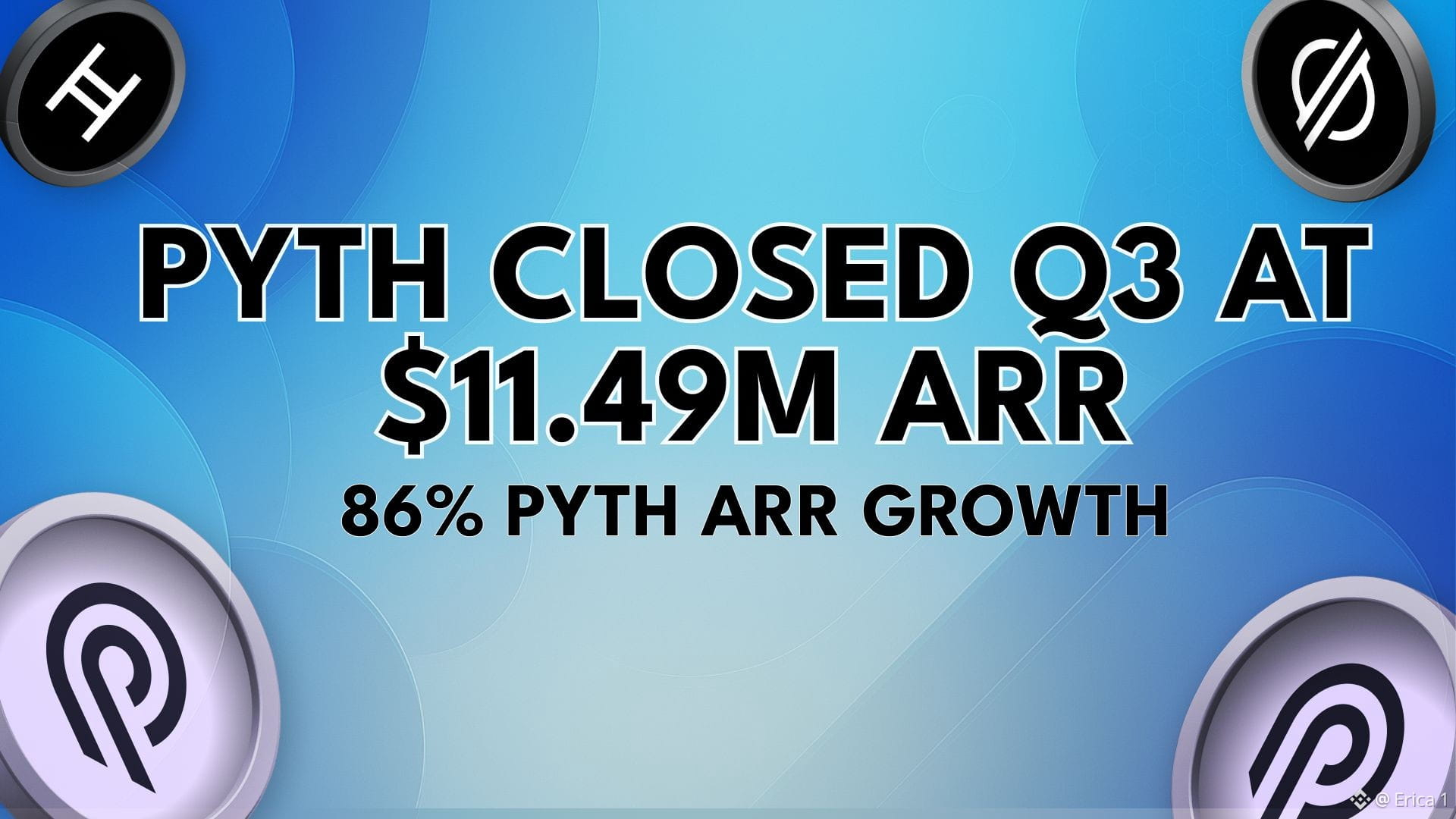
L’intérêt ouvert sur les RWA atteint 12,61 Md$ aux côtés d’une croissance de 86 % de l’ARR de Pyth 📊
Les communautés de $HBAR et de $XLM comprennent mieux que la plupart des communautés crypto les infrastructures des actifs du monde réel. Le signal important ici n’est donc pas seulement le volume : c’est le niveau d’exposition que les traders sont désormais prêts à maintenir sur les marchés perpétuels de RWA.
En septembre, le volume des contrats perpétuels de RWA a ralenti par rapport à août, mais l’intérêt ouvert quotidien moyen a augmenté de 12 % et atteint un record de 12,61 Md$ le 30 septembre.
Cela signifie que le marché ne s’est pas contenté de négocier avant de disparaître.
Les traders ont maintenu davantage de positions ouvertes tout au long du mois, ce qui rend la couche de tarification sous-jacente à ces marchés bien plus importante.
Voyons maintenant cela en lien avec la mise à jour du troisième trimestre de Pyth.
Pyth a clôturé le troisième trimestre avec un ARR de 11,49 M$, en hausse de 86 % par rapport au deuxième trimestre. La DAO a également approuvé la règle des 100 %, selon laquelle chaque dollar perçu grâce aux produits Pyth sert désormais à acheter du PYTH sur le marché libre.
C’est pourquoi je ne considère pas le record d’intérêt ouvert comme un indicateur secondaire sorti de nulle part.
Si les traders détiennent davantage d’exposition aux actions, à l’or, au pétrole et aux contrats perpétuels sur indices, alors les marges, le financement, les mécanismes de liquidation et les moteurs de gestion du risque dépendent tous davantage de prix de référence fiables.
C’est exactement là où Pyth veut se positionner.
Selon moi, la croissance des revenus de Pyth et la tendance de l’intérêt ouvert sur les RWA se renforcent mutuellement. L’une montre que l’activité se développe, tandis que l’autre indique que le marché auquel elle s’adresse gagne en profondeur et en maturité.
La règle des 100 % rend cette combinaison plus pertinente pour les détenteurs de PYTH, car l’adoption des produits peut désormais alimenter plus directement les achats sur le marché libre.
#Saison des altcoins# #RWA
L’intérêt ouvert sur les RWA atteint 12,61 Md$ aux côtés d’une croissance de 86 % de l’ARR de Pyth 📊
Les communautés de $HBAR et de $XLM comprennent mieux que la plupart des communautés crypto les infrastructures des actifs du monde réel. Le signal important ici n’est donc pas seulement le volume : c’est le niveau d’exposition que les traders sont désormais prêts à maintenir sur les marchés perpétuels de RWA.
En septembre, le volume des contrats perpétuels de RWA a ralenti par rapport à août, mais l’intérêt ouvert quotidien moyen a augmenté de 12 % et atteint un record de 12,61 Md$ le 30 septembre.
Cela signifie que le marché ne s’est pas contenté de négocier avant de disparaître.
Les traders ont maintenu davantage de positions ouvertes tout au long du mois, ce qui rend la couche de tarification sous-jacente à ces marchés bien plus importante.
Voyons maintenant cela en lien avec la mise à jour du troisième trimestre de Pyth.
Pyth a clôturé le troisième trimestre avec un ARR de 11,49 M$, en hausse de 86 % par rapport au deuxième trimestre. La DAO a également approuvé la règle des 100 %, selon laquelle chaque dollar perçu grâce aux produits Pyth sert désormais à acheter du PYTH sur le marché libre.
C’est pourquoi je ne considère pas le record d’intérêt ouvert comme un indicateur secondaire sorti de nulle part.
Si les traders détiennent davantage d’exposition aux actions, à l’or, au pétrole et aux contrats perpétuels sur indices, alors les marges, le financement, les mécanismes de liquidation et les moteurs de gestion du risque dépendent tous davantage de prix de référence fiables.
C’est exactement là où Pyth veut se positionner.
Selon moi, la croissance des revenus de Pyth et la tendance de l’intérêt ouvert sur les RWA se renforcent mutuellement. L’une montre que l’activité se développe, tandis que l’autre indique que le marché auquel elle s’adresse gagne en profondeur et en maturité.
La règle des 100 % rend cette combinaison plus pertinente pour les détenteurs de PYTH, car l’adoption des produits peut désormais alimenter plus directement les achats sur le marché libre.
#Saison des altcoins# #RWA
Les communautés de $HBAR et de $XLM comprennent mieux que la plupart des communautés crypto les infrastructures des actifs du monde réel. Le signal important ici n’est donc pas seulement le volume : c’est le niveau d’exposition que les traders sont désormais prêts à maintenir sur les marchés perpétuels de RWA.
En septembre, le volume des contrats perpétuels de RWA a ralenti par rapport à août, mais l’intérêt ouvert quotidien moyen a augmenté de 12 % et atteint un record de 12,61 Md$ le 30 septembre.
Cela signifie que le marché ne s’est pas contenté de négocier avant de disparaître.
Les traders ont maintenu davantage de positions ouvertes tout au long du mois, ce qui rend la couche de tarification sous-jacente à ces marchés bien plus importante.
Voyons maintenant cela en lien avec la mise à jour du troisième trimestre de Pyth.
Pyth a clôturé le troisième trimestre avec un ARR de 11,49 M$, en hausse de 86 % par rapport au deuxième trimestre. La DAO a également approuvé la règle des 100 %, selon laquelle chaque dollar perçu grâce aux produits Pyth sert désormais à acheter du PYTH sur le marché libre.
C’est pourquoi je ne considère pas le record d’intérêt ouvert comme un indicateur secondaire sorti de nulle part.
Si les traders détiennent davantage d’exposition aux actions, à l’or, au pétrole et aux contrats perpétuels sur indices, alors les marges, le financement, les mécanismes de liquidation et les moteurs de gestion du risque dépendent tous davantage de prix de référence fiables.
C’est exactement là où Pyth veut se positionner.
Selon moi, la croissance des revenus de Pyth et la tendance de l’intérêt ouvert sur les RWA se renforcent mutuellement. L’une montre que l’activité se développe, tandis que l’autre indique que le marché auquel elle s’adresse gagne en profondeur et en maturité.
La règle des 100 % rend cette combinaison plus pertinente pour les détenteurs de PYTH, car l’adoption des produits peut désormais alimenter plus directement les achats sur le marché libre.
#Saison des altcoins# #RWA
46
·
--
Comptez les étapes avant le clic 📱
Un utilisateur de $SOL découvre un projet qu’il reconnaît.
Il ouvre la page.
Puis vient le moment important.
Peut-il comprendre de quoi il s’agit et l’explorer avec des outils qu’il connaît déjà ?
Chaque décision supplémentaire demande davantage d’attention.
La disponibilité du DMC de DeLorean sur Solana offre aux utilisateurs existants un écosystème familier pour se lancer.
C’est un choix de distribution judicieux.
Il faut maintenant que la marque, l’explication et l’expérience produit fonctionnent ensemble.
Voici comment j’envisage le potentiel de la propriété intellectuelle sous l’angle du produit.
La saison des altcoins peut susciter une première visite.
Une expérience claire donne à cette visite plus de chances de déboucher sur quelque chose de plus.
Les petits détails comptent quand la curiosité ne dure qu’un instant.
#Saison des altcoins#
Comptez les étapes avant le clic 📱
Un utilisateur de $SOL découvre un projet qu’il reconnaît.
Il ouvre la page.
Puis vient le moment important.
Peut-il comprendre de quoi il s’agit et l’explorer avec des outils qu’il connaît déjà ?
Chaque décision supplémentaire demande davantage d’attention.
La disponibilité du DMC de DeLorean sur Solana offre aux utilisateurs existants un écosystème familier pour se lancer.
C’est un choix de distribution judicieux.
Il faut maintenant que la marque, l’explication et l’expérience produit fonctionnent ensemble.
Voici comment j’envisage le potentiel de la propriété intellectuelle sous l’angle du produit.
La saison des altcoins peut susciter une première visite.
Une expérience claire donne à cette visite plus de chances de déboucher sur quelque chose de plus.
Les petits détails comptent quand la curiosité ne dure qu’un instant.
#Saison des altcoins#
Un utilisateur de $SOL découvre un projet qu’il reconnaît.
Il ouvre la page.
Puis vient le moment important.
Peut-il comprendre de quoi il s’agit et l’explorer avec des outils qu’il connaît déjà ?
Chaque décision supplémentaire demande davantage d’attention.
La disponibilité du DMC de DeLorean sur Solana offre aux utilisateurs existants un écosystème familier pour se lancer.
C’est un choix de distribution judicieux.
Il faut maintenant que la marque, l’explication et l’expérience produit fonctionnent ensemble.
Voici comment j’envisage le potentiel de la propriété intellectuelle sous l’angle du produit.
La saison des altcoins peut susciter une première visite.
Une expérience claire donne à cette visite plus de chances de déboucher sur quelque chose de plus.
Les petits détails comptent quand la curiosité ne dure qu’un instant.
#Saison des altcoins#
75
·
--
La confidentialité pourrait être l’un des narratifs les plus sous-estimés de la crypto 🌙
$ZEC a démontré que la confidentialité à divulgation nulle de connaissance pouvait fonctionner au niveau des transactions. $NIGHT pousse cette idée beaucoup plus loin en rendant la confidentialité programmable au niveau des applications.
C’est une différence plus importante qu’il n’y paraît.
La plupart des blockchains ne donnent, dans les faits, que deux choix aux développeurs : rendre les informations publiques ou les cacher
.
Midnight offre une autre option aux applications : décider précisément ce qui doit rester privé, ce qui peut être public et ce qui doit simplement être prouvé.
Cela signifie qu’une application pourrait vérifier que :
→ Un utilisateur satisfait à une exigence de garantie
→ Une institution a respecté une règle de conformité
→ Un portefeuille remplit une condition d’admissibilité
Sans révéler toutes les informations privées qui sous-tendent ces faits.
C’est là que, selon moi, le narratif de la confidentialité prend toute son ampleur.
La prochaine génération d’infrastructures de confidentialité ne consiste pas seulement à cacher les transactions.
Elle vise à permettre aux applications d’utiliser des informations sensibles sans les inscrire de façon permanente sur la chaîne.
Si la confidentialité devient un élément fondamental de la prochaine vague d’applications crypto, Midnight développe directement cette thèse.
#Confidentialité #DeFi
La confidentialité pourrait être l’un des narratifs les plus sous-estimés de la crypto 🌙
$ZEC a démontré que la confidentialité à divulgation nulle de connaissance pouvait fonctionner au niveau des transactions. $NIGHT pousse cette idée beaucoup plus loin en rendant la confidentialité programmable au niveau des applications.
C’est une différence plus importante qu’il n’y paraît.
La plupart des blockchains ne donnent, dans les faits, que deux choix aux développeurs : rendre les informations publiques ou les cacher
.
Midnight offre une autre option aux applications : décider précisément ce qui doit rester privé, ce qui peut être public et ce qui doit simplement être prouvé.
Cela signifie qu’une application pourrait vérifier que :
→ Un utilisateur satisfait à une exigence de garantie
→ Une institution a respecté une règle de conformité
→ Un portefeuille remplit une condition d’admissibilité
Sans révéler toutes les informations privées qui sous-tendent ces faits.
C’est là que, selon moi, le narratif de la confidentialité prend toute son ampleur.
La prochaine génération d’infrastructures de confidentialité ne consiste pas seulement à cacher les transactions.
Elle vise à permettre aux applications d’utiliser des informations sensibles sans les inscrire de façon permanente sur la chaîne.
Si la confidentialité devient un élément fondamental de la prochaine vague d’applications crypto, Midnight développe directement cette thèse.
#Confidentialité #DeFi
$ZEC a démontré que la confidentialité à divulgation nulle de connaissance pouvait fonctionner au niveau des transactions. $NIGHT pousse cette idée beaucoup plus loin en rendant la confidentialité programmable au niveau des applications.
C’est une différence plus importante qu’il n’y paraît.
La plupart des blockchains ne donnent, dans les faits, que deux choix aux développeurs : rendre les informations publiques ou les cacher
.
Midnight offre une autre option aux applications : décider précisément ce qui doit rester privé, ce qui peut être public et ce qui doit simplement être prouvé.
Cela signifie qu’une application pourrait vérifier que :
→ Un utilisateur satisfait à une exigence de garantie
→ Une institution a respecté une règle de conformité
→ Un portefeuille remplit une condition d’admissibilité
Sans révéler toutes les informations privées qui sous-tendent ces faits.
C’est là que, selon moi, le narratif de la confidentialité prend toute son ampleur.
La prochaine génération d’infrastructures de confidentialité ne consiste pas seulement à cacher les transactions.
Elle vise à permettre aux applications d’utiliser des informations sensibles sans les inscrire de façon permanente sur la chaîne.
Si la confidentialité devient un élément fondamental de la prochaine vague d’applications crypto, Midnight développe directement cette thèse.
#Confidentialité #DeFi
119
·
--
$SUI vient de pulvériser le record avec 41 millions de TPS 🤯
Les gens riaient quand Sui affirmait avoir été conçu pour gérer une activité à l’échelle d’Internet.
$SUI vient de leur donner un chiffre bien plus difficile à tourner en dérision.
Lors de l’expérience en direct de Basecamp, l’écran aurait affiché environ 41 millions de transactions effectives par seconde.
Le précédent record de Sui était de 6 086 766 TPS.
Le résultat affiché aujourd’hui était donc près de sept fois supérieur au record établi il y a tout juste trois mois.
CertiK doit encore confirmer le chiffre final après audit, et le test s’est appuyé sur des tunnels programmables dont les transactions sont finalement réglées sur Sui.
Il ne faut pas sous-estimer cela !
Mais démontrer une telle capacité en direct, en public et sous observation indépendante est tout aussi important.
La plupart des annonces de performances des blockchains de couche 1 restent confinées à des documents techniques que les utilisateurs ordinaires ne liront jamais.
Sui a fait de ses performances le moment fort de la scène de Basecamp.
Le véritable argument haussier, c’est la marge de capacité que cela ouvre aux applications conçues pour des activités à la vitesse des machines.
Les agents d’IA effectueront des transactions bien plus fréquemment que les humains ne le pourraient jamais.
Si CertiK confirme un chiffre proche de 41 millions de TPS effectives, Sui aura propulsé le débat sur les performances des blockchains dans une toute nouvelle dimension.
Je suis extrêmement optimiste quant à ce que cela implique pour la position du réseau dans l’économie agentique.
#DeFi #AI
$SUI vient de pulvériser le record avec 41 millions de TPS 🤯
Les gens riaient quand Sui affirmait avoir été conçu pour gérer une activité à l’échelle d’Internet.
$SUI vient de leur donner un chiffre bien plus difficile à tourner en dérision.
Lors de l’expérience en direct de Basecamp, l’écran aurait affiché environ 41 millions de transactions effectives par seconde.
Le précédent record de Sui était de 6 086 766 TPS.
Le résultat affiché aujourd’hui était donc près de sept fois supérieur au record établi il y a tout juste trois mois.
CertiK doit encore confirmer le chiffre final après audit, et le test s’est appuyé sur des tunnels programmables dont les transactions sont finalement réglées sur Sui.
Il ne faut pas sous-estimer cela !
Mais démontrer une telle capacité en direct, en public et sous observation indépendante est tout aussi important.
La plupart des annonces de performances des blockchains de couche 1 restent confinées à des documents techniques que les utilisateurs ordinaires ne liront jamais.
Sui a fait de ses performances le moment fort de la scène de Basecamp.
Le véritable argument haussier, c’est la marge de capacité que cela ouvre aux applications conçues pour des activités à la vitesse des machines.
Les agents d’IA effectueront des transactions bien plus fréquemment que les humains ne le pourraient jamais.
Si CertiK confirme un chiffre proche de 41 millions de TPS effectives, Sui aura propulsé le débat sur les performances des blockchains dans une toute nouvelle dimension.
Je suis extrêmement optimiste quant à ce que cela implique pour la position du réseau dans l’économie agentique.
#DeFi #AI
Les gens riaient quand Sui affirmait avoir été conçu pour gérer une activité à l’échelle d’Internet.
$SUI vient de leur donner un chiffre bien plus difficile à tourner en dérision.
Lors de l’expérience en direct de Basecamp, l’écran aurait affiché environ 41 millions de transactions effectives par seconde.
Le précédent record de Sui était de 6 086 766 TPS.
Le résultat affiché aujourd’hui était donc près de sept fois supérieur au record établi il y a tout juste trois mois.
CertiK doit encore confirmer le chiffre final après audit, et le test s’est appuyé sur des tunnels programmables dont les transactions sont finalement réglées sur Sui.
Il ne faut pas sous-estimer cela !
Mais démontrer une telle capacité en direct, en public et sous observation indépendante est tout aussi important.
La plupart des annonces de performances des blockchains de couche 1 restent confinées à des documents techniques que les utilisateurs ordinaires ne liront jamais.
Sui a fait de ses performances le moment fort de la scène de Basecamp.
Le véritable argument haussier, c’est la marge de capacité que cela ouvre aux applications conçues pour des activités à la vitesse des machines.
Les agents d’IA effectueront des transactions bien plus fréquemment que les humains ne le pourraient jamais.
Si CertiK confirme un chiffre proche de 41 millions de TPS effectives, Sui aura propulsé le débat sur les performances des blockchains dans une toute nouvelle dimension.
Je suis extrêmement optimiste quant à ce que cela implique pour la position du réseau dans l’économie agentique.
#DeFi #AI
81
·
--
Votre stratégie ne vaut que par son exécution ⚙️
Confier votre capital à des traders spécialisés, c’est une chose. Mais leur donner accès à une suite d’outils automatisés et à une infrastructure qui les incite à générer des profits, c’est l’avantage professionnel auquel la plupart des traders n’ont pas accès.
Les gestionnaires de Pear Vault ont accès à la même infrastructure de trading automatisée que Pear a développée pour des stratégies sophistiquées long/short.
Imaginons qu’un gestionnaire repère une opportunité entre $LINK et $ZEC.
Il peut créer la paire, dimensionner chaque position en fonction du bêta et de la volatilité, définir des stops et des objectifs de profit en fonction de la relation entre les deux actifs, puis rééquilibrer systématiquement la position au fil de son évolution.
Il a également accès au backtesting, à l’analyse du financement, aux ordres déclencheurs, aux TWAP, à l’exécution échelonnée et aux stops suiveurs sur le ratio.
Cela signifie qu’une grande partie du dimensionnement, de l’exécution, du suivi et de l’ajustement d’une stratégie long/short sophistiquée peut être gérée de façon systématique plutôt que manuelle.
J’ai vu beaucoup de vaults où déposer son argent constitue à peu près toute l’offre. Ce qui me plaît ici, c’est l’infrastructure mise à la disposition des personnes qui gèrent réellement les fonds.
Des spécialistes disposent des outils nécessaires pour vraiment gérer les fonds, avec des commissions de performance conçues pour générer aussi de nouveaux profits pour les déposants.
Vaults.pear.garden
#Saison des altcoins#
Votre stratégie ne vaut que par son exécution ⚙️
Confier votre capital à des traders spécialisés, c’est une chose. Mais leur donner accès à une suite d’outils automatisés et à une infrastructure qui les incite à générer des profits, c’est l’avantage professionnel auquel la plupart des traders n’ont pas accès.
Les gestionnaires de Pear Vault ont accès à la même infrastructure de trading automatisée que Pear a développée pour des stratégies sophistiquées long/short.
Imaginons qu’un gestionnaire repère une opportunité entre $LINK et $ZEC.
Il peut créer la paire, dimensionner chaque position en fonction du bêta et de la volatilité, définir des stops et des objectifs de profit en fonction de la relation entre les deux actifs, puis rééquilibrer systématiquement la position au fil de son évolution.
Il a également accès au backtesting, à l’analyse du financement, aux ordres déclencheurs, aux TWAP, à l’exécution échelonnée et aux stops suiveurs sur le ratio.
Cela signifie qu’une grande partie du dimensionnement, de l’exécution, du suivi et de l’ajustement d’une stratégie long/short sophistiquée peut être gérée de façon systématique plutôt que manuelle.
J’ai vu beaucoup de vaults où déposer son argent constitue à peu près toute l’offre. Ce qui me plaît ici, c’est l’infrastructure mise à la disposition des personnes qui gèrent réellement les fonds.
Des spécialistes disposent des outils nécessaires pour vraiment gérer les fonds, avec des commissions de performance conçues pour générer aussi de nouveaux profits pour les déposants.
Vaults.pear.garden
#Saison des altcoins#
Confier votre capital à des traders spécialisés, c’est une chose. Mais leur donner accès à une suite d’outils automatisés et à une infrastructure qui les incite à générer des profits, c’est l’avantage professionnel auquel la plupart des traders n’ont pas accès.
Les gestionnaires de Pear Vault ont accès à la même infrastructure de trading automatisée que Pear a développée pour des stratégies sophistiquées long/short.
Imaginons qu’un gestionnaire repère une opportunité entre $LINK et $ZEC.
Il peut créer la paire, dimensionner chaque position en fonction du bêta et de la volatilité, définir des stops et des objectifs de profit en fonction de la relation entre les deux actifs, puis rééquilibrer systématiquement la position au fil de son évolution.
Il a également accès au backtesting, à l’analyse du financement, aux ordres déclencheurs, aux TWAP, à l’exécution échelonnée et aux stops suiveurs sur le ratio.
Cela signifie qu’une grande partie du dimensionnement, de l’exécution, du suivi et de l’ajustement d’une stratégie long/short sophistiquée peut être gérée de façon systématique plutôt que manuelle.
J’ai vu beaucoup de vaults où déposer son argent constitue à peu près toute l’offre. Ce qui me plaît ici, c’est l’infrastructure mise à la disposition des personnes qui gèrent réellement les fonds.
Des spécialistes disposent des outils nécessaires pour vraiment gérer les fonds, avec des commissions de performance conçues pour générer aussi de nouveaux profits pour les déposants.
Vaults.pear.garden
#Saison des altcoins#
76
·
--
Plus de 10 % de l’offre est hors circulation 🔥
Suivre $SUI et $AVAX m’a appris à distinguer les jetons définitivement retirés de ceux qui sont temporairement bloqués.
Un burn retire définitivement des jetons de la circulation.
Le staking retire des jetons de la circulation aujourd’hui, mais ils peuvent y revenir à la fin de la période de blocage.
Les mécanismes sont différents. Les combiner sans expliquer cette différence peut donc induire en erreur.
Aevo a actuellement brûlé définitivement 77 M d’AEVO via l’AGP-3 et son programme mensuel de rachat.
Plus de 26 M d’AEVO sont également bloqués dans les différents niveaux de staking.
Au total, plus de 103 M d’AEVO se trouvent aujourd’hui en dehors du marché liquide.
Cela représente plus de 10 % de l’offre initiale : ÉNORME ! ⚡️
#SaisonDesAltcoins#
Plus de 10 % de l’offre est hors circulation 🔥
Suivre $SUI et $AVAX m’a appris à distinguer les jetons définitivement retirés de ceux qui sont temporairement bloqués.
Un burn retire définitivement des jetons de la circulation.
Le staking retire des jetons de la circulation aujourd’hui, mais ils peuvent y revenir à la fin de la période de blocage.
Les mécanismes sont différents. Les combiner sans expliquer cette différence peut donc induire en erreur.
Aevo a actuellement brûlé définitivement 77 M d’AEVO via l’AGP-3 et son programme mensuel de rachat.
Plus de 26 M d’AEVO sont également bloqués dans les différents niveaux de staking.
Au total, plus de 103 M d’AEVO se trouvent aujourd’hui en dehors du marché liquide.
Cela représente plus de 10 % de l’offre initiale : ÉNORME ! ⚡️
#SaisonDesAltcoins#
Suivre $SUI et $AVAX m’a appris à distinguer les jetons définitivement retirés de ceux qui sont temporairement bloqués.
Un burn retire définitivement des jetons de la circulation.
Le staking retire des jetons de la circulation aujourd’hui, mais ils peuvent y revenir à la fin de la période de blocage.
Les mécanismes sont différents. Les combiner sans expliquer cette différence peut donc induire en erreur.
Aevo a actuellement brûlé définitivement 77 M d’AEVO via l’AGP-3 et son programme mensuel de rachat.
Plus de 26 M d’AEVO sont également bloqués dans les différents niveaux de staking.
Au total, plus de 103 M d’AEVO se trouvent aujourd’hui en dehors du marché liquide.
Cela représente plus de 10 % de l’offre initiale : ÉNORME ! ⚡️
#SaisonDesAltcoins#
43
·
--
Voici le moment « aha » 💡
Tu n’as pas forcément besoin de refaire un calcul pour vérifier qu’il a été fait correctement.
C’est cette idée qui m’a fait comprendre l’espace et le temps.
Imagine une énorme requête SQL qui implique l’historique d’une blockchain et des ensembles de données externes.
Au lieu de pousser l’intégralité de la charge de travail dans un smart contract :
1️⃣ Exécuter le calcul
2️⃣ Générer une preuve cryptographique
3️⃣ Vérifier la preuve
4️⃣ Utiliser le résultat
La « preuve du SQL » est ce qui rend ce modèle possible.
Et comme des réseaux de calcul décentralisés tels que $RENDER déplacent la conversation vers l’endroit où le calcul a lieu, je pense qu’une autre question devient tout aussi intéressante :
Comment vérifie-t-on la sortie ?
Calcul n’importe où.
La confiance ne devrait pas avoir à suivre aveuglément.
#Altcoin Season#
Voici le moment « aha » 💡
Tu n’as pas forcément besoin de refaire un calcul pour vérifier qu’il a été fait correctement.
C’est cette idée qui m’a fait comprendre l’espace et le temps.
Imagine une énorme requête SQL qui implique l’historique d’une blockchain et des ensembles de données externes.
Au lieu de pousser l’intégralité de la charge de travail dans un smart contract :
1️⃣ Exécuter le calcul
2️⃣ Générer une preuve cryptographique
3️⃣ Vérifier la preuve
4️⃣ Utiliser le résultat
La « preuve du SQL » est ce qui rend ce modèle possible.
Et comme des réseaux de calcul décentralisés tels que $RENDER déplacent la conversation vers l’endroit où le calcul a lieu, je pense qu’une autre question devient tout aussi intéressante :
Comment vérifie-t-on la sortie ?
Calcul n’importe où.
La confiance ne devrait pas avoir à suivre aveuglément.
#Altcoin Season#
Tu n’as pas forcément besoin de refaire un calcul pour vérifier qu’il a été fait correctement.
C’est cette idée qui m’a fait comprendre l’espace et le temps.
Imagine une énorme requête SQL qui implique l’historique d’une blockchain et des ensembles de données externes.
Au lieu de pousser l’intégralité de la charge de travail dans un smart contract :
1️⃣ Exécuter le calcul
2️⃣ Générer une preuve cryptographique
3️⃣ Vérifier la preuve
4️⃣ Utiliser le résultat
La « preuve du SQL » est ce qui rend ce modèle possible.
Et comme des réseaux de calcul décentralisés tels que $RENDER déplacent la conversation vers l’endroit où le calcul a lieu, je pense qu’une autre question devient tout aussi intéressante :
Comment vérifie-t-on la sortie ?
Calcul n’importe où.
La confiance ne devrait pas avoir à suivre aveuglément.
#Altcoin Season#
47
Connectez-vous pour découvrir plus de contenu
Rejoignez la communauté mondiale des adeptes de cryptomonnaies sur Binance Square
⚡️ Suviez les dernières informations importantes sur les cryptomonnaies.
💬 Jugé digne de confiance par la plus grande plateforme d’échange de cryptomonnaies au monde.
👍 Découvrez les connaissances que partagent les créateurs vérifiés.
Adresse e-mail/Nº de téléphone
Sujets d’actualité
BinancePick
3M vues
152,141 mentions
Rejoignez la #SaisonDesRésultats : prévoyez les résultats sur Binance Pick et partagez votre avis sur Binance Square !
Binance Square Official
·409 mentions J’aime
·342.6k vues
EarningsSeason
5.2M vues
25,849 mentions
AnthropicTTMRevenueGrewAbout1200%
23,009 vues
356 mentions