
Alton Mackowiak
139 Publications

Alton Mackowiak
Signaler
Bloquer l’utilisateur
Prediction for fun
6 Suivis
92 Abonnés
200 J’aime
Publications
Tous
Citations
Article
Voir la traduction
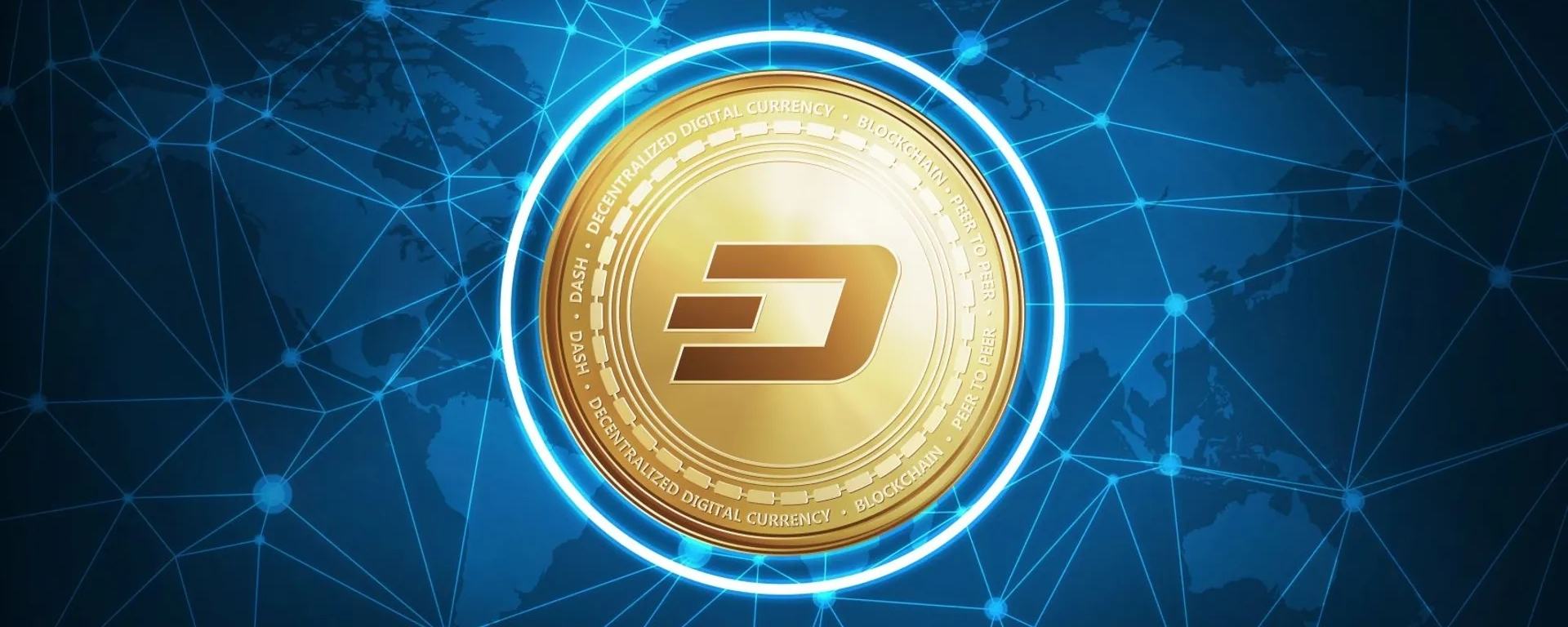
The Evolution of Digital Cash: Understanding Dash, Zcash, and the Legacy of BitcoinThe quest for a truly decentralized, scarce, and private digital currency has been a driving force in the cryptocurrency ecosystem since Bitcoin’s inception. Over the years, numerous projects have emerged to build upon Bitcoin's foundational code, each attempting to optimize for specific use cases like transactional speed or financial confidentiality. Among these, Dash stands out as a unique bridge between the utility-driven design of payment networks and the anonymity features found in dedicated privacy coins. By examining how $DASH compares to $ZEC , mirrors the scarcity principles of $BTC , and functions as an optional privacy coin, we can better understand its distinct positioning in the digital asset landscape.
To understand how Dash operates, it is helpful to look at its core similarities with Zcash (ZEC). Both projects are highly regarded within the anonymity-enhanced cryptocurrency space, but they share a fundamental philosophical trait: optional privacy. Unlike protocols that enforce complete anonymity by default, both Dash and Zcash give users the autonomy to decide how transparent a transaction should be. However, the underlying technology used to achieve this differs significantly. According to the Zcash Project's Official Documentation, Zcash relies on advanced, mathematically sound zk-SNARKs (Zero-Knowledge Succinct Non-Interactive Arguments of Knowledge) to shield transaction data completely. In contrast, Dash addresses privacy through an obfuscation feature known as PrivateSend. Operating on a decentralized network of masternodes, PrivateSend uses a modified version of the CoinJoin protocol to mix multiple transaction inputs and outputs together. This breaks the visible trail on the public blockchain without modifying the base architecture of the coin.
Beyond privacy, Dash's foundational tokenomics are deeply rooted in the concept of digital scarcity, pulling direct inspiration from Bitcoin. While Bitcoin and Zcash share a hard-capped maximum supply of exactly 21 million coins, Dash follows a slightly different but remarkably close emission model. Dash has a maximum supply strictly capped at approximately 18.9 million tokens. Despite the minor numerical difference, Dash implements a diminishing issuance schedule that mimics Bitcoin's deflationary spirit. This algorithmic scarcity ensures that Dash remains a predictable store of value, safe from the infinite inflation that plagues traditional fiat currencies. Because it was originally created as a code fork of Bitcoin's architectural lineage, it retains the core security and proof-of-work foundations while modifying the emission rate to decrease by 7.14% annually.
Ultimately, classifying Dash purely as a privacy coin can sometimes oversimplify its broader identity. While it is true that Dash offers robust privacy features through its masternode mixing layer, the project has increasingly focused on practical, day-to-day usability. Modern market profiles, such as the Binance Dash Market Analysis, describe Dash as a dual-purpose digital currency designed for hyper-fast, low-cost merchant payments. Features like InstantSend allow transactions to settle almost instantly, positioning the asset as "digital cash" rather than a dark-web exclusive. By blending Bitcoin's strict supply cap with Zcash's ethos of user-controlled privacy, Dash provides a versatile framework that balances regulatory compliance with individual financial freedom.
The Evolution of Digital Cash: Understanding Dash, Zcash, and the Legacy of Bitcoin
The quest for a truly decentralized, scarce, and private digital currency has been a driving force in the cryptocurrency ecosystem since Bitcoin’s inception. Over the years, numerous projects have emerged to build upon Bitcoin's foundational code, each attempting to optimize for specific use cases like transactional speed or financial confidentiality. Among these, Dash stands out as a unique bridge between the utility-driven design of payment networks and the anonymity features found in dedicated privacy coins. By examining how $DASH compares to $ZEC , mirrors the scarcity principles of $BTC , and functions as an optional privacy coin, we can better understand its distinct positioning in the digital asset landscape.
To understand how Dash operates, it is helpful to look at its core similarities with Zcash (ZEC). Both projects are highly regarded within the anonymity-enhanced cryptocurrency space, but they share a fundamental philosophical trait: optional privacy. Unlike protocols that enforce complete anonymity by default, both Dash and Zcash give users the autonomy to decide how transparent a transaction should be. However, the underlying technology used to achieve this differs significantly. According to the Zcash Project's Official Documentation, Zcash relies on advanced, mathematically sound zk-SNARKs (Zero-Knowledge Succinct Non-Interactive Arguments of Knowledge) to shield transaction data completely. In contrast, Dash addresses privacy through an obfuscation feature known as PrivateSend. Operating on a decentralized network of masternodes, PrivateSend uses a modified version of the CoinJoin protocol to mix multiple transaction inputs and outputs together. This breaks the visible trail on the public blockchain without modifying the base architecture of the coin.
Beyond privacy, Dash's foundational tokenomics are deeply rooted in the concept of digital scarcity, pulling direct inspiration from Bitcoin. While Bitcoin and Zcash share a hard-capped maximum supply of exactly 21 million coins, Dash follows a slightly different but remarkably close emission model. Dash has a maximum supply strictly capped at approximately 18.9 million tokens. Despite the minor numerical difference, Dash implements a diminishing issuance schedule that mimics Bitcoin's deflationary spirit. This algorithmic scarcity ensures that Dash remains a predictable store of value, safe from the infinite inflation that plagues traditional fiat currencies. Because it was originally created as a code fork of Bitcoin's architectural lineage, it retains the core security and proof-of-work foundations while modifying the emission rate to decrease by 7.14% annually.
Ultimately, classifying Dash purely as a privacy coin can sometimes oversimplify its broader identity. While it is true that Dash offers robust privacy features through its masternode mixing layer, the project has increasingly focused on practical, day-to-day usability. Modern market profiles, such as the Binance Dash Market Analysis, describe Dash as a dual-purpose digital currency designed for hyper-fast, low-cost merchant payments. Features like InstantSend allow transactions to settle almost instantly, positioning the asset as "digital cash" rather than a dark-web exclusive. By blending Bitcoin's strict supply cap with Zcash's ethos of user-controlled privacy, Dash provides a versatile framework that balances regulatory compliance with individual financial freedom.
To understand how Dash operates, it is helpful to look at its core similarities with Zcash (ZEC). Both projects are highly regarded within the anonymity-enhanced cryptocurrency space, but they share a fundamental philosophical trait: optional privacy. Unlike protocols that enforce complete anonymity by default, both Dash and Zcash give users the autonomy to decide how transparent a transaction should be. However, the underlying technology used to achieve this differs significantly. According to the Zcash Project's Official Documentation, Zcash relies on advanced, mathematically sound zk-SNARKs (Zero-Knowledge Succinct Non-Interactive Arguments of Knowledge) to shield transaction data completely. In contrast, Dash addresses privacy through an obfuscation feature known as PrivateSend. Operating on a decentralized network of masternodes, PrivateSend uses a modified version of the CoinJoin protocol to mix multiple transaction inputs and outputs together. This breaks the visible trail on the public blockchain without modifying the base architecture of the coin.
Beyond privacy, Dash's foundational tokenomics are deeply rooted in the concept of digital scarcity, pulling direct inspiration from Bitcoin. While Bitcoin and Zcash share a hard-capped maximum supply of exactly 21 million coins, Dash follows a slightly different but remarkably close emission model. Dash has a maximum supply strictly capped at approximately 18.9 million tokens. Despite the minor numerical difference, Dash implements a diminishing issuance schedule that mimics Bitcoin's deflationary spirit. This algorithmic scarcity ensures that Dash remains a predictable store of value, safe from the infinite inflation that plagues traditional fiat currencies. Because it was originally created as a code fork of Bitcoin's architectural lineage, it retains the core security and proof-of-work foundations while modifying the emission rate to decrease by 7.14% annually.
Ultimately, classifying Dash purely as a privacy coin can sometimes oversimplify its broader identity. While it is true that Dash offers robust privacy features through its masternode mixing layer, the project has increasingly focused on practical, day-to-day usability. Modern market profiles, such as the Binance Dash Market Analysis, describe Dash as a dual-purpose digital currency designed for hyper-fast, low-cost merchant payments. Features like InstantSend allow transactions to settle almost instantly, positioning the asset as "digital cash" rather than a dark-web exclusive. By blending Bitcoin's strict supply cap with Zcash's ethos of user-controlled privacy, Dash provides a versatile framework that balances regulatory compliance with individual financial freedom.
1
412
·
--
Haussier
177
Article
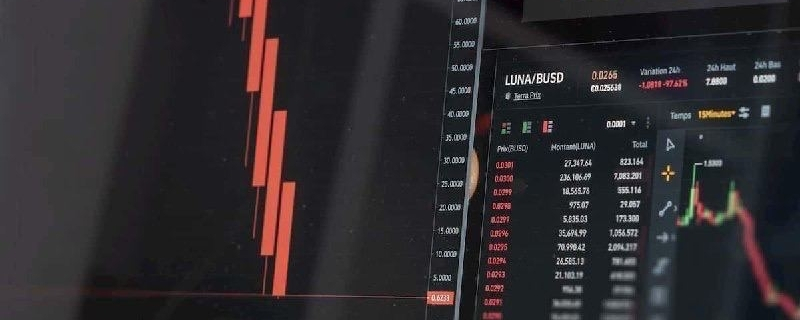
Le mécanisme de brûlage de la LUNC : une illusion de rétablissementL’effondrement de l’écosystème Terra Luna en mai 2022 a fait disparaître environ 40 milliards de dollars de la richesse des investisseurs du jour au lendemain. En septembre 2026, l’offre totale de $LUNC s’élève à environ 6,51 billions de tokens, tandis que l’offre en circulation se situe à environ 5,48 billions de tokens.
Pourquoi le #LUNC ne peut pas se redresser structurellement : il faut d’abord se pencher sur la montagne astronomique d’approvisionnement qui inonde le marché. Actuellement, il y a environ 5,5 billions de tokens en circulation. La valeur des cryptomonnaies est, en fin de compte, liée aux lois de l’offre et de la demande ; lorsque l’offre augmente de centaines de milliers de points de pourcentage, la valeur de chaque token chute vers zéro. Chercher à inverser cela via des taxes transactionnelles classiques revient à essayer de vider un océan avec une petite carafe.
Le mécanisme de brûlage de la LUNC : une illusion de rétablissement
L’effondrement de l’écosystème Terra Luna en mai 2022 a fait disparaître environ 40 milliards de dollars de la richesse des investisseurs du jour au lendemain. En septembre 2026, l’offre totale de $LUNC s’élève à environ 6,51 billions de tokens, tandis que l’offre en circulation se situe à environ 5,48 billions de tokens.
Pourquoi le #LUNC ne peut pas se redresser structurellement : il faut d’abord se pencher sur la montagne astronomique d’approvisionnement qui inonde le marché. Actuellement, il y a environ 5,5 billions de tokens en circulation. La valeur des cryptomonnaies est, en fin de compte, liée aux lois de l’offre et de la demande ; lorsque l’offre augmente de centaines de milliers de points de pourcentage, la valeur de chaque token chute vers zéro. Chercher à inverser cela via des taxes transactionnelles classiques revient à essayer de vider un océan avec une petite carafe.
Pourquoi le #LUNC ne peut pas se redresser structurellement : il faut d’abord se pencher sur la montagne astronomique d’approvisionnement qui inonde le marché. Actuellement, il y a environ 5,5 billions de tokens en circulation. La valeur des cryptomonnaies est, en fin de compte, liée aux lois de l’offre et de la demande ; lorsque l’offre augmente de centaines de milliers de points de pourcentage, la valeur de chaque token chute vers zéro. Chercher à inverser cela via des taxes transactionnelles classiques revient à essayer de vider un océan avec une petite carafe.
1
4
1.4k
749
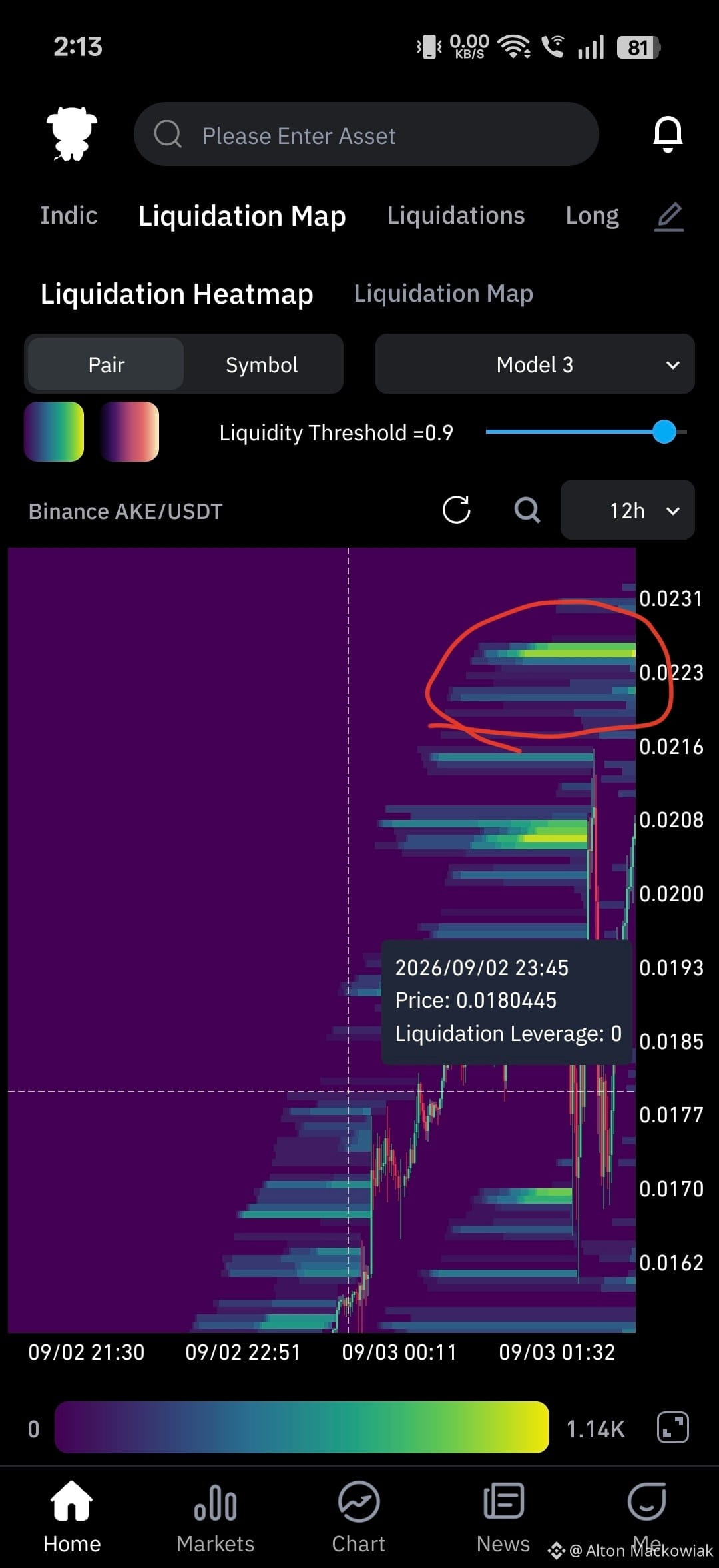
Je vous ai dit les gars #btc touchera 60k 😂😂😂
Je vous ai dit les gars #btc touchera 60k 😂😂😂
Alton Mackowiak
·
--
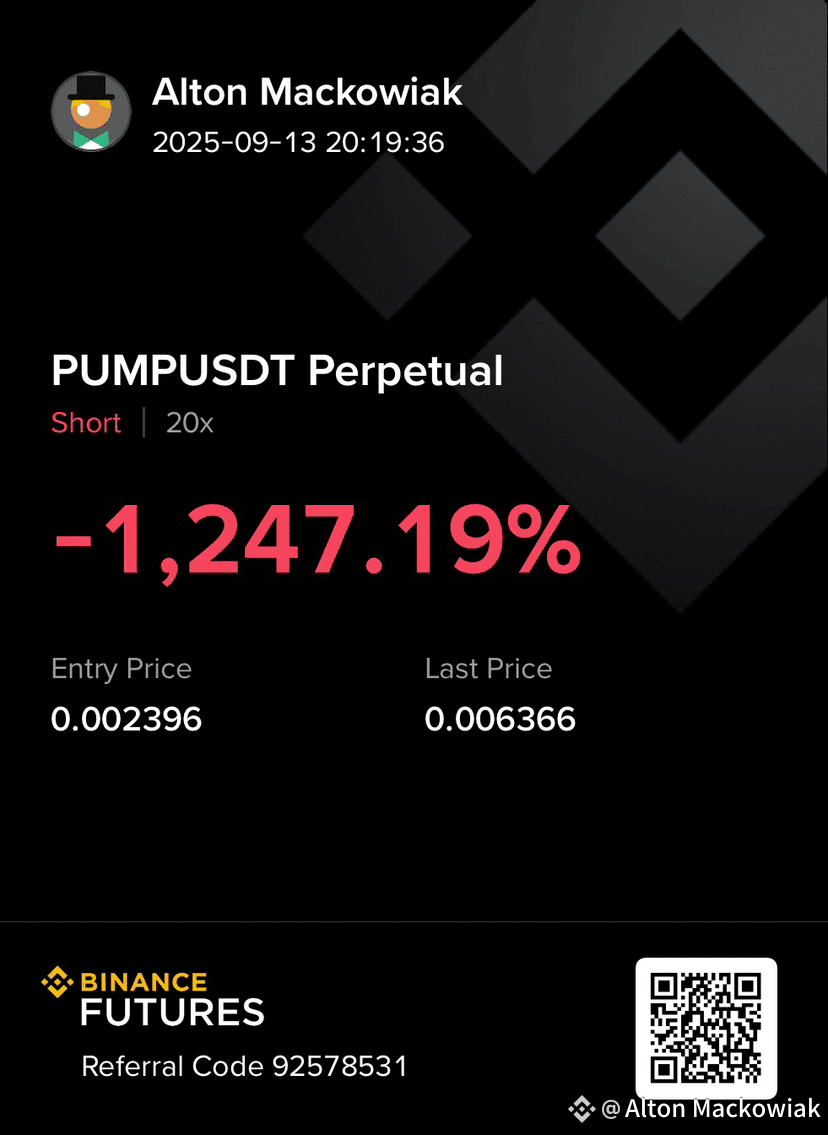
BaissierOn dirait que #btc va toucher 60k
1
11
Mort
Mort

Mohsin Trades01
·
--
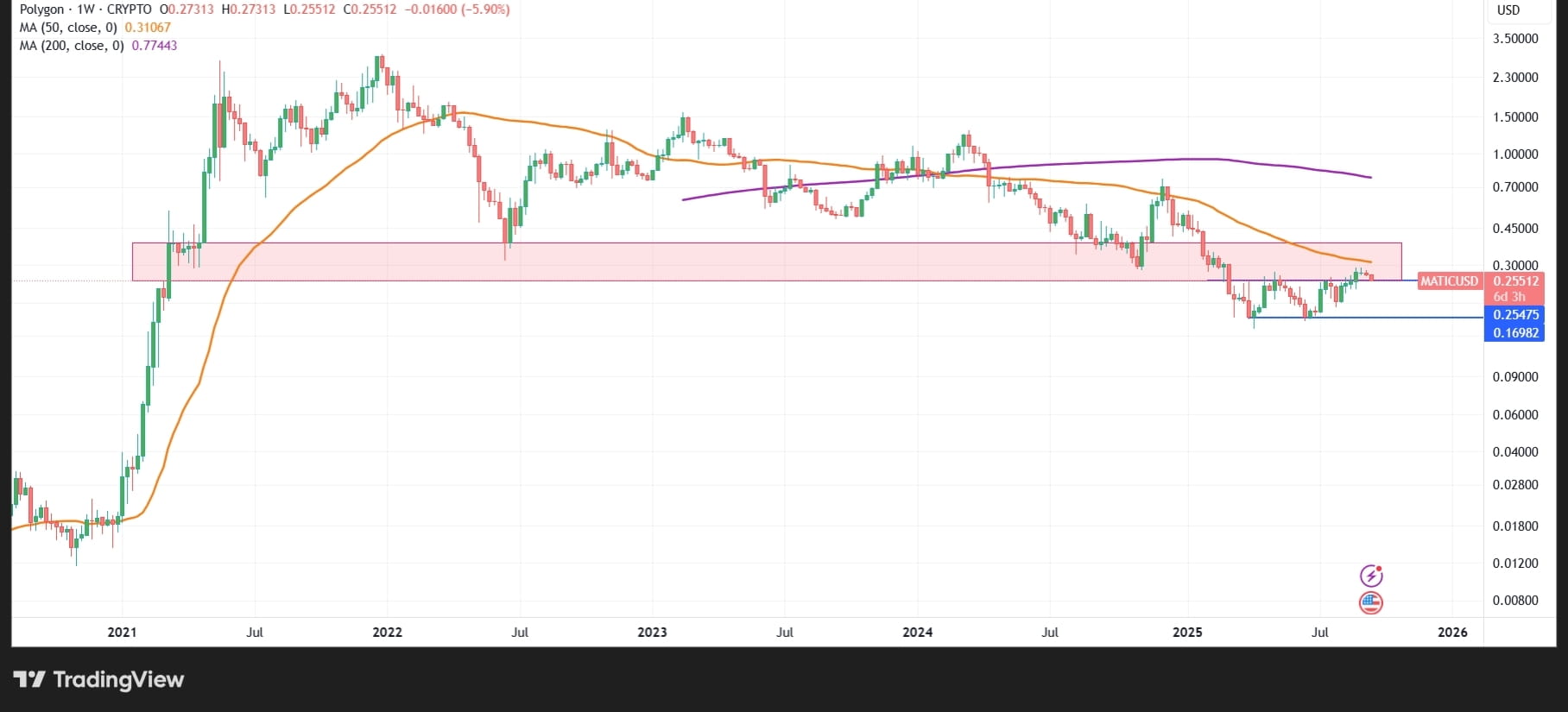
Haussier$POL POL se trouve sur un support critique après la rupture à $0,25. Perdre ce support pourrait voir $0,20 à nouveau rapidement.
Pol a beaucoup de bonnes expéditions récemment mais doit faire monter Pol à $0,38 ce mois-ci, établissant un support d'au moins $0,30. Veuillez faire tout ce que vous devez faire.
Remarque : Ceci n'est pas un conseil financier.
Pol a beaucoup de bonnes expéditions récemment mais doit faire monter Pol à $0,38 ce mois-ci, établissant un support d'au moins $0,30. Veuillez faire tout ce que vous devez faire.
Remarque : Ceci n'est pas un conseil financier.
8
Mort
Mort

Bethel Backer BvTe
·
--
$POL is going to pump or dead what you think?? au moins peut-il atteindre 0.2800$ cette semaine ou pas?? ce que vous en pensez
honnêtement, j'ai acheté pol parce que cela peut me donner au moins 5% de profit en un mois, c'est sûr
honnêtement, j'ai acheté pol parce que cela peut me donner au moins 5% de profit en un mois, c'est sûr
7
3
2
3
1.1k
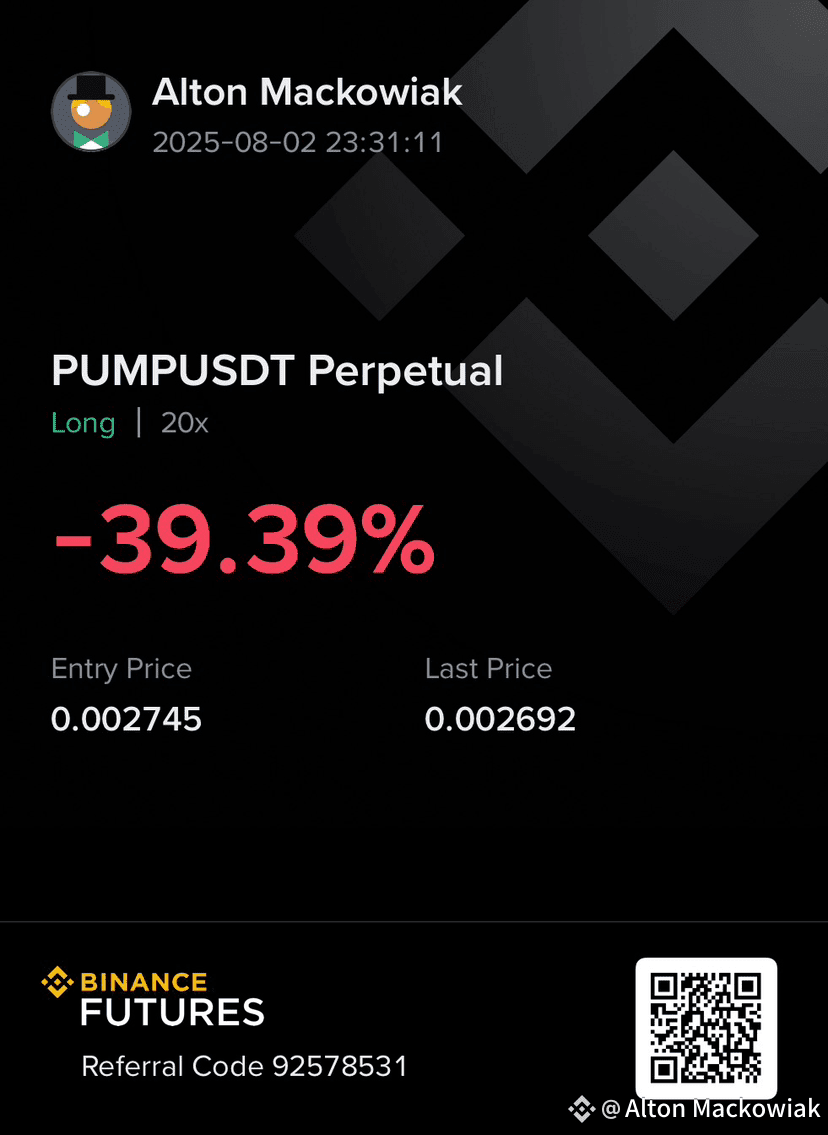
Prochain 4$ 🚀🚀🚀
Prochain 4$ 🚀🚀🚀

Liora Vane
·
--
$ASR
millionaire que va-t-il se passer ensuite avec ce marché ?
millionaire que va-t-il se passer ensuite avec ce marché ?
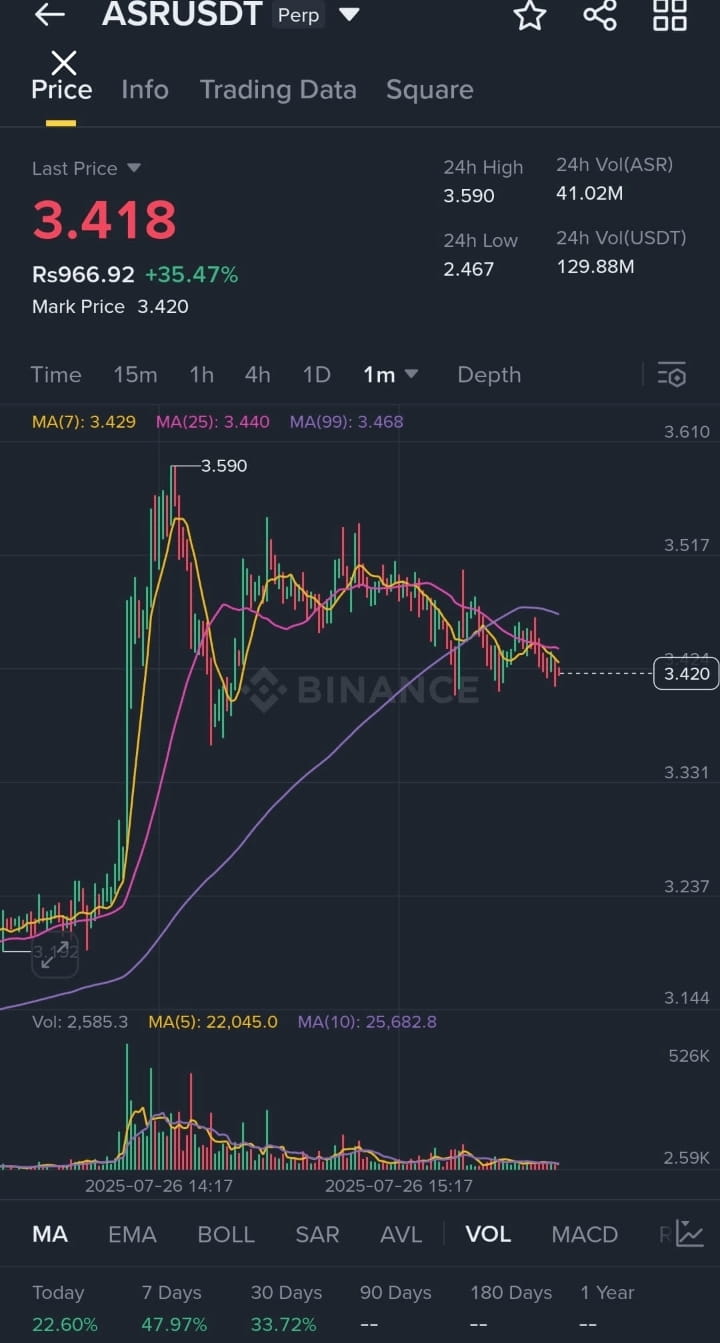
6
Allez long prochain objectif 4$ 🚀🚀🚀
Allez long prochain objectif 4$ 🚀🚀🚀

Wendi Tambe cH0p
·
--
Baissier$ASR tendance baissière strat
1
1
4
4$ 🚀🚀🚀
4$ 🚀🚀🚀

SCORPIOS 1
·
--
$ASR
#YOOOOOOOOOOOOOOOOOOOO ✨✨✨ Forte évasion 🔥🔥🔥 $ASR en seulement 2 jours 💛 Mouvement important d'environ 55% d'augmentation 🎉🎉🎉🎉🎉🎉
#YOOOOOOOOOOOOOOOOOOOO ✨✨✨ Forte évasion 🔥🔥🔥 $ASR en seulement 2 jours 💛 Mouvement important d'environ 55% d'augmentation 🎉🎉🎉🎉🎉🎉
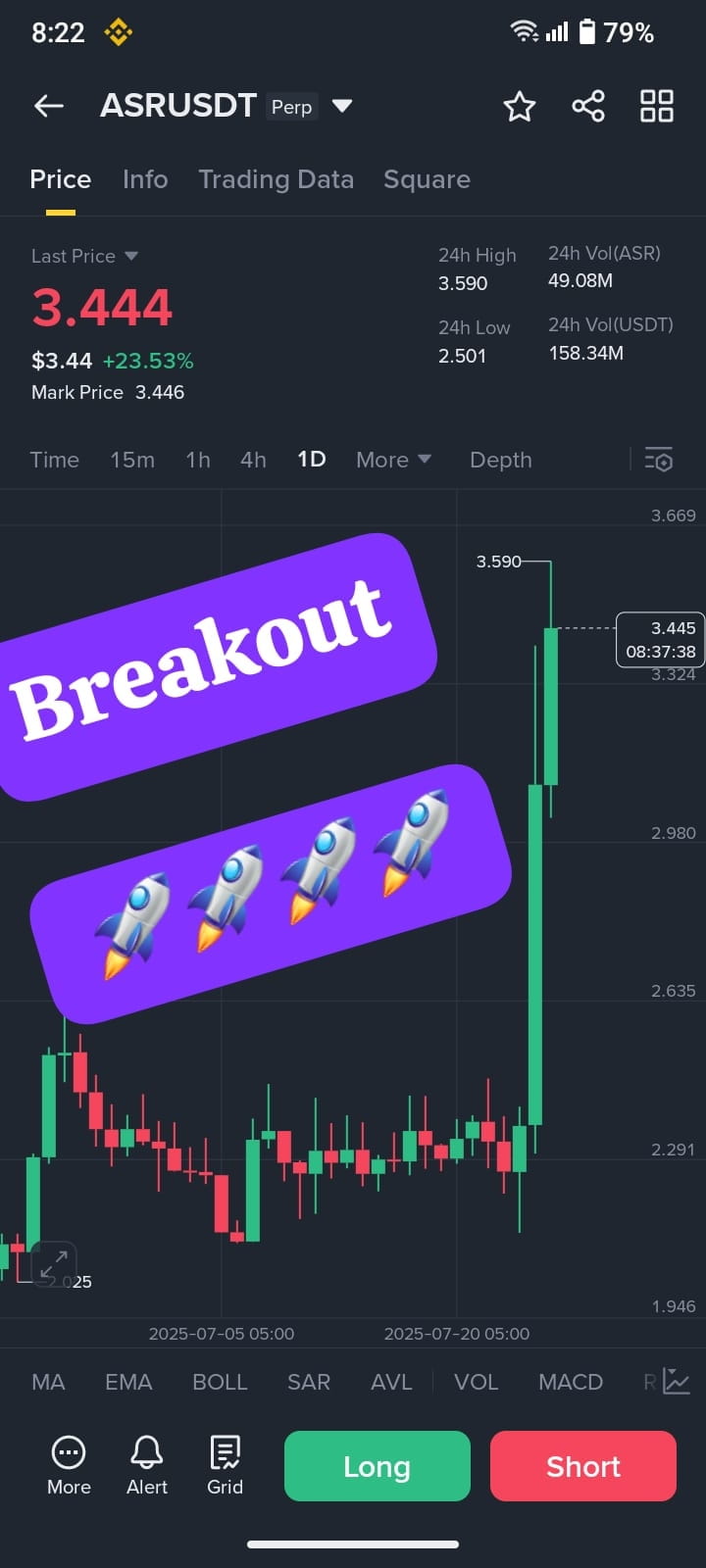
1
5
Attendre, CHR lors de la rupture
Attendre, CHR lors de la rupture

HasanKHKH
·
--
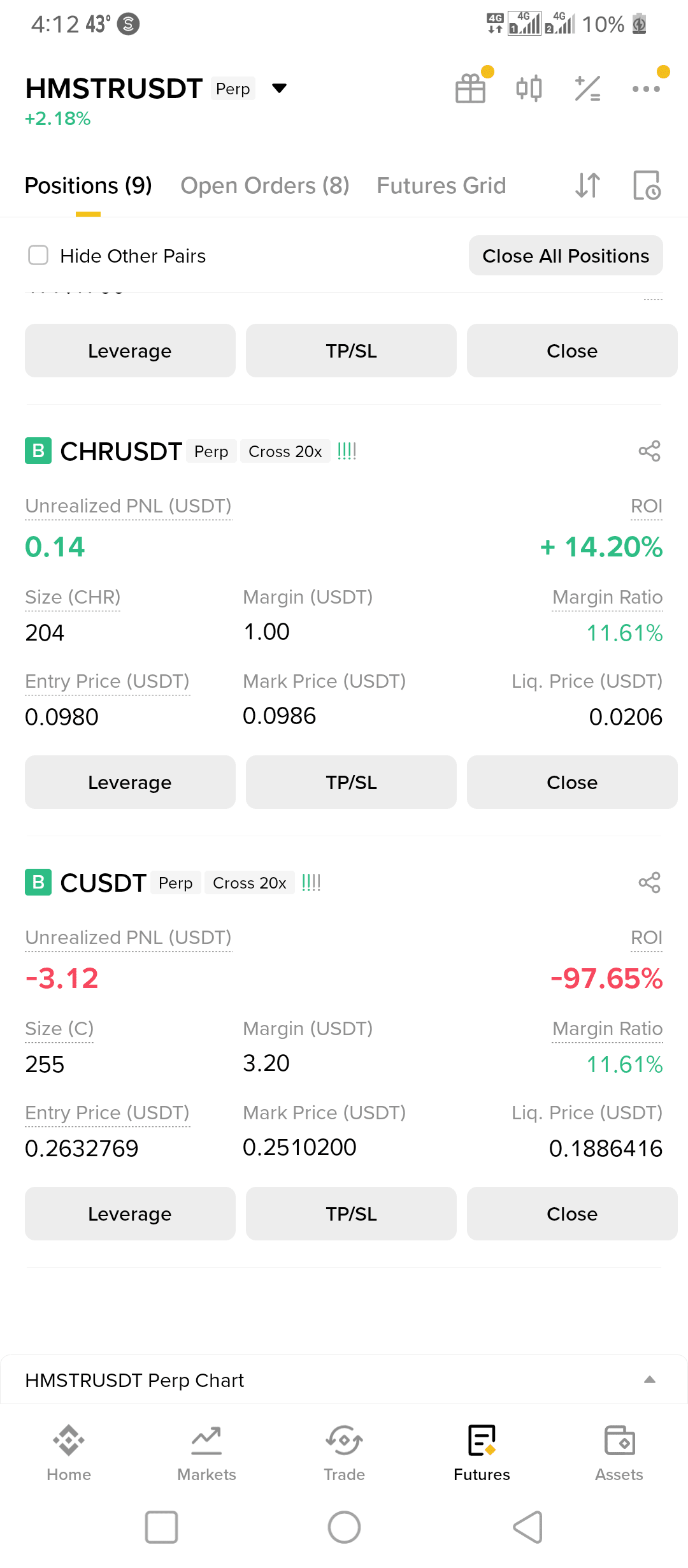
donnez-moi des suggestions
maintenir ou fermer ????
maintenir ou fermer ????
1
364
·
--
Haussier
Aidez-moi !
Je manque de $JASMY et ma liquidation à 0,024, devrais-je fermer ou maintenir ?
Aidez-moi !
Je manque de $JASMY et ma liquidation à 0,024, devrais-je fermer ou maintenir ?
Je manque de $JASMY et ma liquidation à 0,024, devrais-je fermer ou maintenir ?
1
2
417
Qu'est-ce que le fond de $RESOLV ???
Qu'est-ce que le fond de $RESOLV ???
393
Sûr
Sûr

Alissa Sporer M3ga
·
--
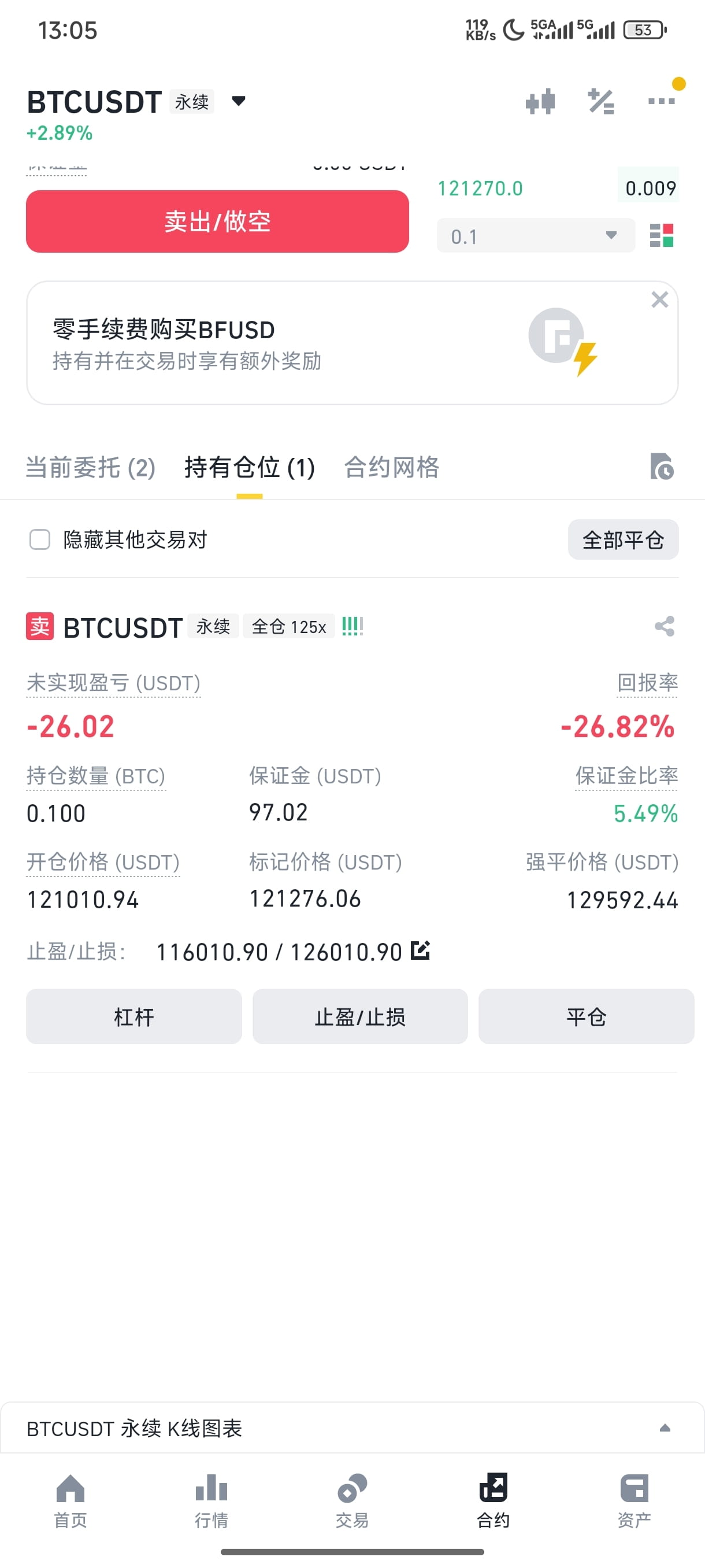
$BTC N'est-il pas vrai que les haussiers ne gagneront pas d'argent et ne s'en iront pas ? Je n'y crois plus. 500 parie 500.
6
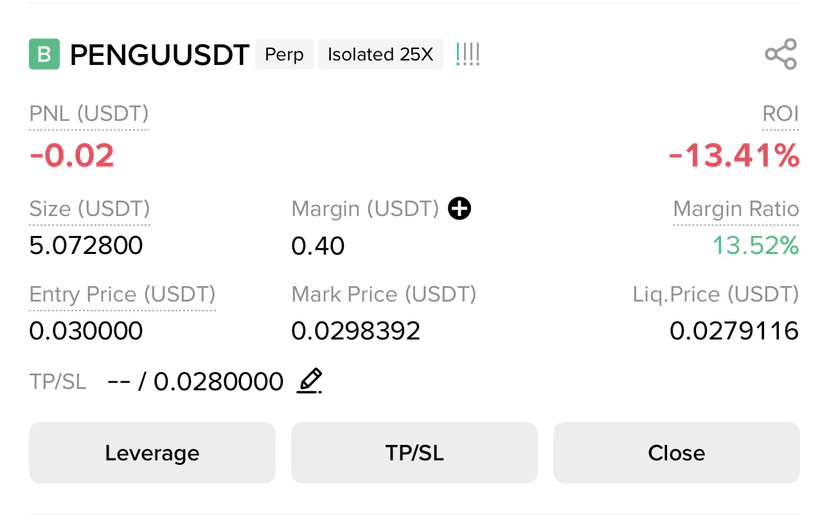
Homme, tu détiens 20 pour cent du marché des pingouins, lol oui tiens bon!
Homme, tu détiens 20 pour cent du marché des pingouins, lol oui tiens bon!

Nivethan
·
--
$PENGU que puis-je faire ? Tenir ou Fermer ?
#BTC120kVs125kToday
#BTC120kVs125kToday
Connectez-vous pour découvrir plus de contenu
Rejoignez la communauté mondiale des adeptes de cryptomonnaies sur Binance Square
⚡️ Suviez les dernières informations importantes sur les cryptomonnaies.
💬 Jugé digne de confiance par la plus grande plateforme d’échange de cryptomonnaies au monde.
👍 Découvrez les connaissances que partagent les créateurs vérifiés.
Adresse e-mail/Nº de téléphone
Sujets d’actualité
BOJRaisesRatesTo31YearHigh
50,973 vues
977 mentions
#bojraisesratesto31yearhigh ¿La BOJ au plus haut depuis 31 ans et le Bitcoin en hausse ? La maturité institutionnelle de $BTC en un seul graphique 🇯🇵📈⚡
La Banque du Japon a relevé son taux à 1,25 % (plus haut historique en plus de trois décennies) et ce que beaucoup prévoyaient comme un effondrement du carry trade s’est finalement traduit par la forme la plus pure de la solidité du marché crypto.
🧠 3 lectures clés de la table technique :
1️⃣ Découplage macro : le yen ne s’est pas renforcé comme l’avaient projeté les analystes traditionnels, et le BTC a répondu par un rebond convaincant, montrant que la demande en Spot reste intacte.
2️⃣ Devant les géants de la tech : avec une capitalisation de plus de 1,63 billion de dollars, le Bitcoin repasse devant Tesla (1,438 Md$), réaffirmant son rôle d’actif de réserve et de refuge de liquidité mondiale.
3️⃣ Structure en 4H et 1D : l’absorption sur les supports confirme que les corrections macro sont des fenêtres d’accumulation institutionnelle, et non de capitulation.
$Pendant que le retail entre en panique à cause des titres sur les taux d’intérêt, la gestion professionnelle suit toujours la trace de la liquidité réelle. 💎🛡️
💬 Débat pour la communauté : pensez-vous que ce découplage confirme le début de la dernière phase du cycle haussier vers de nouveaux plus hauts historiques, ou la liquidité mondiale mettra-t-elle encore les supports à l’épreuve ? Laissez votre analyse ci-dessous ! 👇🔥
#bojraisesratesto31yearhigh #MacroEconomy #Trading #BinanceSquare
Jacktraders
·0 mentions J’aime
·2.2k vues
BuffettStepsDownAsBerkshireChairman
20,883 vues
439 mentions
XRPExchangeReservesHitSevenYearLow
26,202 vues
430 mentions