

-LOGOS-
5 Publications
-LOGOS-
Signaler
Bloquer l’utilisateur
Psychology researcher writing about the mind behind the trade: fear, greed, discipline. Not financial advice.
9 Suivis
20 Abonnés
32 J’aime
Publications
·
--
Article
Voir la traduction
The crowd isn't out there. It's in you too.There's a comforting idea a lot of traders hold: that the market is "them" and the trader is a separate, rational observer studying it from the outside. Charts, this idea says, show you what other people are feeling, so you can act more clearly than they do.
It's a nice story. It's also wrong, and knowing why matters more than any indicator.
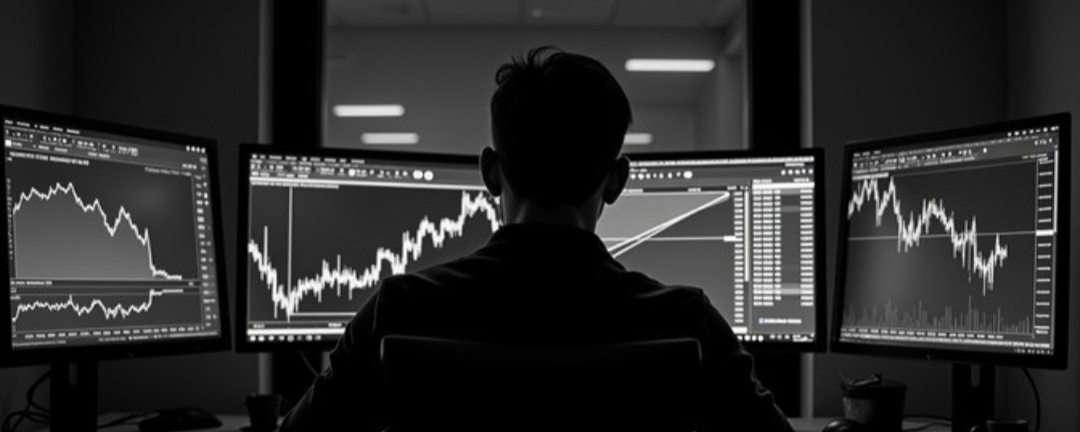
Every candle on a chart is the record of a decision someone made under pressure. A sharp green candle means a crowd of people felt the same pull at the same moment: don't miss this. A sharp red candle means a crowd felt the same fear: get out now. The chart isn't separate from the crowd's psychology. It's made entirely of it.
And here's the part that's harder to accept: you're not watching that crowd from outside it. You're standing inside it, feeling the same pulls, on the same timeline, often without noticing. The trader who says "I'd never buy a top" has usually just not yet felt the exact pressure that makes people buy tops. It doesn't feel like greed from the inside. It feels like clarity. That's what makes it dangerous.
This is why "just don't be emotional" is useless advice. You can't opt out of having a nervous system. What you can do is build a small gap between the feeling and the action, so the feeling has to travel through a checkpoint before it becomes a trade.
Three checkpoints worth building:
Notice the pull before you act on it. Before entering on a sharp move, name what's happening: "this is urgency" or "this is fear." Naming an emotional state measurably reduces its grip on decision-making. It's not a trick. It's how the brain works.
Ask what triggered your attention. Did you see the setup first, or did you see the crowd's reaction first and go looking for a setup to justify it? Those are different processes, and only one of them is analysis.
Separate the decision from the moment. Decide your risk, your entry, and your exit when you're calm, not while you're inside the pull. A rule made under pressure isn't a rule. It's the pressure, wearing a rule's clothing.
None of this makes you immune to the crowd. Nothing does. But it turns you from someone who's swept by it into someone who notices the current before stepping in.
👇 Think of a moment you acted on a "gut feeling" in the market. Looking back, was it clarity, or was it the crowd's pull, dressed up as your own instinct?
Educational only. #trading #Cryptomindset #psychology
The crowd isn't out there. It's in you too.
There's a comforting idea a lot of traders hold: that the market is "them" and the trader is a separate, rational observer studying it from the outside. Charts, this idea says, show you what other people are feeling, so you can act more clearly than they do.
It's a nice story. It's also wrong, and knowing why matters more than any indicator.
Every candle on a chart is the record of a decision someone made under pressure. A sharp green candle means a crowd of people felt the same pull at the same moment: don't miss this. A sharp red candle means a crowd felt the same fear: get out now. The chart isn't separate from the crowd's psychology. It's made entirely of it.
And here's the part that's harder to accept: you're not watching that crowd from outside it. You're standing inside it, feeling the same pulls, on the same timeline, often without noticing. The trader who says "I'd never buy a top" has usually just not yet felt the exact pressure that makes people buy tops. It doesn't feel like greed from the inside. It feels like clarity. That's what makes it dangerous.
This is why "just don't be emotional" is useless advice. You can't opt out of having a nervous system. What you can do is build a small gap between the feeling and the action, so the feeling has to travel through a checkpoint before it becomes a trade.
Three checkpoints worth building:
Notice the pull before you act on it. Before entering on a sharp move, name what's happening: "this is urgency" or "this is fear." Naming an emotional state measurably reduces its grip on decision-making. It's not a trick. It's how the brain works.
Ask what triggered your attention. Did you see the setup first, or did you see the crowd's reaction first and go looking for a setup to justify it? Those are different processes, and only one of them is analysis.
Separate the decision from the moment. Decide your risk, your entry, and your exit when you're calm, not while you're inside the pull. A rule made under pressure isn't a rule. It's the pressure, wearing a rule's clothing.
None of this makes you immune to the crowd. Nothing does. But it turns you from someone who's swept by it into someone who notices the current before stepping in.
👇 Think of a moment you acted on a "gut feeling" in the market. Looking back, was it clarity, or was it the crowd's pull, dressed up as your own instinct?
Educational only. #trading #Cryptomindset #psychology
It's a nice story. It's also wrong, and knowing why matters more than any indicator.
Every candle on a chart is the record of a decision someone made under pressure. A sharp green candle means a crowd of people felt the same pull at the same moment: don't miss this. A sharp red candle means a crowd felt the same fear: get out now. The chart isn't separate from the crowd's psychology. It's made entirely of it.
And here's the part that's harder to accept: you're not watching that crowd from outside it. You're standing inside it, feeling the same pulls, on the same timeline, often without noticing. The trader who says "I'd never buy a top" has usually just not yet felt the exact pressure that makes people buy tops. It doesn't feel like greed from the inside. It feels like clarity. That's what makes it dangerous.
This is why "just don't be emotional" is useless advice. You can't opt out of having a nervous system. What you can do is build a small gap between the feeling and the action, so the feeling has to travel through a checkpoint before it becomes a trade.
Three checkpoints worth building:
Notice the pull before you act on it. Before entering on a sharp move, name what's happening: "this is urgency" or "this is fear." Naming an emotional state measurably reduces its grip on decision-making. It's not a trick. It's how the brain works.
Ask what triggered your attention. Did you see the setup first, or did you see the crowd's reaction first and go looking for a setup to justify it? Those are different processes, and only one of them is analysis.
Separate the decision from the moment. Decide your risk, your entry, and your exit when you're calm, not while you're inside the pull. A rule made under pressure isn't a rule. It's the pressure, wearing a rule's clothing.
None of this makes you immune to the crowd. Nothing does. But it turns you from someone who's swept by it into someone who notices the current before stepping in.
👇 Think of a moment you acted on a "gut feeling" in the market. Looking back, was it clarity, or was it the crowd's pull, dressed up as your own instinct?
Educational only. #trading #Cryptomindset #psychology
8
·
--
Voir la traduction
Every big move on a chart is really a crowd of people making the same emotional decision at the same time.
A sharp green candle isn't just "price going up." It's thousands of people feeling the same pull: don't miss this. A sharp red candle isn't just "price going down." It's thousands of people feeling the same fear: get out now.
The chart shows you the result. It doesn't show you which decision you're about to copy.
That's the real skill behind reading a chart: not predicting the next candle, but noticing which feeling is moving through the crowd right now, and asking whether you're about to feel it too.
👇 Next time you see a sharp move, pause for one second before reacting. What's the crowd feeling, and is it becoming your feeling too?
Educational only. #trading #Cryptomindset #psychology
Every big move on a chart is really a crowd of people making the same emotional decision at the same time.
A sharp green candle isn't just "price going up." It's thousands of people feeling the same pull: don't miss this. A sharp red candle isn't just "price going down." It's thousands of people feeling the same fear: get out now.
The chart shows you the result. It doesn't show you which decision you're about to copy.
That's the real skill behind reading a chart: not predicting the next candle, but noticing which feeling is moving through the crowd right now, and asking whether you're about to feel it too.
👇 Next time you see a sharp move, pause for one second before reacting. What's the crowd feeling, and is it becoming your feeling too?
Educational only. #trading #Cryptomindset #psychology
A sharp green candle isn't just "price going up." It's thousands of people feeling the same pull: don't miss this. A sharp red candle isn't just "price going down." It's thousands of people feeling the same fear: get out now.
The chart shows you the result. It doesn't show you which decision you're about to copy.
That's the real skill behind reading a chart: not predicting the next candle, but noticing which feeling is moving through the crowd right now, and asking whether you're about to feel it too.
👇 Next time you see a sharp move, pause for one second before reacting. What's the crowd feeling, and is it becoming your feeling too?
Educational only. #trading #Cryptomindset #psychology
287
·
--
Article
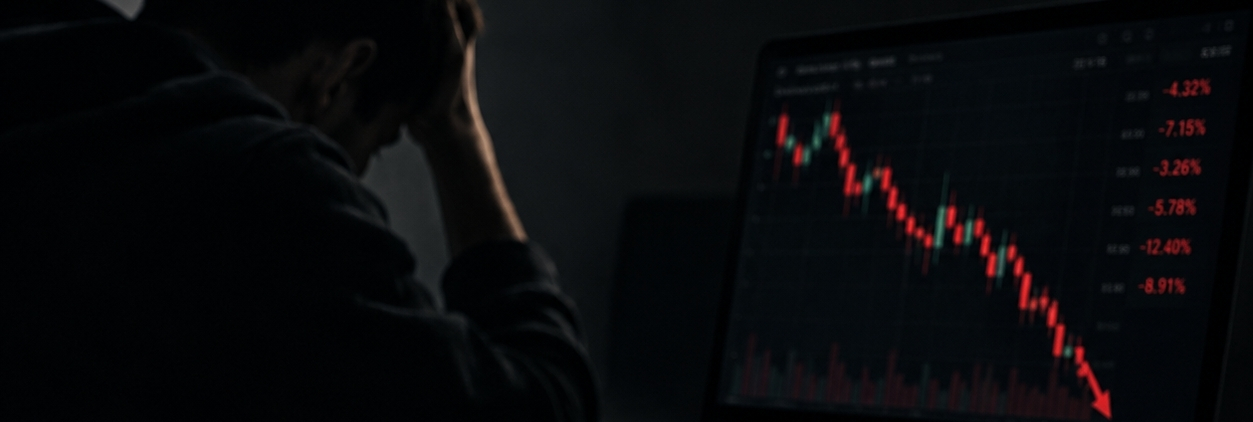
Pourquoi votre cerveau traite une transaction perdante comme une menace physiqueQuand une transaction passe au rouge, votre cerveau ne la traite pas comme des « chiffres qui bougent ». Il la traite comme un danger.
L’amygdale, la partie de votre cerveau qui réagit aux menaces, s’active de la même manière que vous soyez face à un prédateur ou que vous regardiez une bougie rouge. Le cortisol augmente. Votre réflexion se rétrécit. C’est pourquoi, au milieu d’une perte, les gens disent « je ne pensais pas clairement », et ils le disent littéralement, pas comme une excuse.
C’est aussi pour ça qu’un stop-loss est plus difficile à exécuter qu’il n’y paraît sur le papier. Vous n’échouez pas par manque de discipline. Vous luttez contre un système nerveux qui vous dit de vous battre ou de vous figer, dans une situation où le seul mouvement intelligent n’est ni l’un ni l’autre.
Pourquoi votre cerveau traite une transaction perdante comme une menace physique
Quand une transaction passe au rouge, votre cerveau ne la traite pas comme des « chiffres qui bougent ». Il la traite comme un danger.
L’amygdale, la partie de votre cerveau qui réagit aux menaces, s’active de la même manière que vous soyez face à un prédateur ou que vous regardiez une bougie rouge. Le cortisol augmente. Votre réflexion se rétrécit. C’est pourquoi, au milieu d’une perte, les gens disent « je ne pensais pas clairement », et ils le disent littéralement, pas comme une excuse.
C’est aussi pour ça qu’un stop-loss est plus difficile à exécuter qu’il n’y paraît sur le papier. Vous n’échouez pas par manque de discipline. Vous luttez contre un système nerveux qui vous dit de vous battre ou de vous figer, dans une situation où le seul mouvement intelligent n’est ni l’un ni l’autre.
L’amygdale, la partie de votre cerveau qui réagit aux menaces, s’active de la même manière que vous soyez face à un prédateur ou que vous regardiez une bougie rouge. Le cortisol augmente. Votre réflexion se rétrécit. C’est pourquoi, au milieu d’une perte, les gens disent « je ne pensais pas clairement », et ils le disent littéralement, pas comme une excuse.
C’est aussi pour ça qu’un stop-loss est plus difficile à exécuter qu’il n’y paraît sur le papier. Vous n’échouez pas par manque de discipline. Vous luttez contre un système nerveux qui vous dit de vous battre ou de vous figer, dans une situation où le seul mouvement intelligent n’est ni l’un ni l’autre.
1
129
·
--
🧠 Quel est votre plus grand ennemi : la FOMO, la peur ou la vengeance ?
Chaque trader en affronte un différent.
La FOMO achète le sommet parce que ça ressemble à la dernière chance.
La peur fait sortir d’une bonne position trop tôt, ou n’y entre jamais.
La vengeance essaie de récupérer une perte immédiatement, avec une position plus importante.
Sur le moment, tout ça ressemble à de l’instinct. En réalité, ce sont des schémas, et les schémas peuvent être repérés.
👇 Lequel vous coûte le plus ?
#trading #Cryptomindset #psychology
🧠 Quel est votre plus grand ennemi : la FOMO, la peur ou la vengeance ?
Chaque trader en affronte un différent.
La FOMO achète le sommet parce que ça ressemble à la dernière chance.
La peur fait sortir d’une bonne position trop tôt, ou n’y entre jamais.
La vengeance essaie de récupérer une perte immédiatement, avec une position plus importante.
Sur le moment, tout ça ressemble à de l’instinct. En réalité, ce sont des schémas, et les schémas peuvent être repérés.
👇 Lequel vous coûte le plus ?
#trading #Cryptomindset #psychology
Chaque trader en affronte un différent.
La FOMO achète le sommet parce que ça ressemble à la dernière chance.
La peur fait sortir d’une bonne position trop tôt, ou n’y entre jamais.
La vengeance essaie de récupérer une perte immédiatement, avec une position plus importante.
Sur le moment, tout ça ressemble à de l’instinct. En réalité, ce sont des schémas, et les schémas peuvent être repérés.
👇 Lequel vous coûte le plus ?
#trading #Cryptomindset #psychology
122
·
--
Le trade qui était le bon, et le trader qui ne l’était pas 🧠
Imaginez un trader avec une configuration soignée. L’entrée, le stop et l’objectif sont tous planifiés avant qu’il n’appuie sur « acheter ».
Le prix baisse de 2 %, bien à l’intérieur de son plan. Son rythme cardiaque s’accélère. Il se dit : « Je vais juste sortir et ré-entrer plus tard. » Il clôture avec une petite perte.
Vingt minutes plus tard, le prix se retourne et atteint son objectif initial.
Son analyse était juste. Son plan était juste. La seule chose qui a échoué, c’est la personne chargée de l’exécuter.
C’est ce qu’aucun graphique ne vous montre : une configuration peut être parfaite et le trade peut quand même échouer, parce que le trader a modifié le plan à mi-chemin.
La plupart des pertes en trading ne sont pas des problèmes d’analyse. Ce sont des problèmes d’exécution, et l’exécution, c’est de la psychologie.
C’est de cela que parle cette page : l’esprit derrière le trade.
Vous est-il déjà arrivé d’avoir raison sur le marché et de quand même perdre de l’argent ? Dites-moi ce qui s’est passé en bas.
#TradingCommunity #Cryptomindset
#psychology
Le trade qui était le bon, et le trader qui ne l’était pas 🧠
Imaginez un trader avec une configuration soignée. L’entrée, le stop et l’objectif sont tous planifiés avant qu’il n’appuie sur « acheter ».
Le prix baisse de 2 %, bien à l’intérieur de son plan. Son rythme cardiaque s’accélère. Il se dit : « Je vais juste sortir et ré-entrer plus tard. » Il clôture avec une petite perte.
Vingt minutes plus tard, le prix se retourne et atteint son objectif initial.
Son analyse était juste. Son plan était juste. La seule chose qui a échoué, c’est la personne chargée de l’exécuter.
C’est ce qu’aucun graphique ne vous montre : une configuration peut être parfaite et le trade peut quand même échouer, parce que le trader a modifié le plan à mi-chemin.
La plupart des pertes en trading ne sont pas des problèmes d’analyse. Ce sont des problèmes d’exécution, et l’exécution, c’est de la psychologie.
C’est de cela que parle cette page : l’esprit derrière le trade.
Vous est-il déjà arrivé d’avoir raison sur le marché et de quand même perdre de l’argent ? Dites-moi ce qui s’est passé en bas.
#TradingCommunity #Cryptomindset
#psychology
Imaginez un trader avec une configuration soignée. L’entrée, le stop et l’objectif sont tous planifiés avant qu’il n’appuie sur « acheter ».
Le prix baisse de 2 %, bien à l’intérieur de son plan. Son rythme cardiaque s’accélère. Il se dit : « Je vais juste sortir et ré-entrer plus tard. » Il clôture avec une petite perte.
Vingt minutes plus tard, le prix se retourne et atteint son objectif initial.
Son analyse était juste. Son plan était juste. La seule chose qui a échoué, c’est la personne chargée de l’exécuter.
C’est ce qu’aucun graphique ne vous montre : une configuration peut être parfaite et le trade peut quand même échouer, parce que le trader a modifié le plan à mi-chemin.
La plupart des pertes en trading ne sont pas des problèmes d’analyse. Ce sont des problèmes d’exécution, et l’exécution, c’est de la psychologie.
C’est de cela que parle cette page : l’esprit derrière le trade.
Vous est-il déjà arrivé d’avoir raison sur le marché et de quand même perdre de l’argent ? Dites-moi ce qui s’est passé en bas.
#TradingCommunity #Cryptomindset
#psychology
1
153
Connectez-vous pour découvrir plus de contenu
Rejoignez la communauté mondiale des adeptes de cryptomonnaies sur Binance Square
⚡️ Suviez les dernières informations importantes sur les cryptomonnaies.
💬 Jugé digne de confiance par la plus grande plateforme d’échange de cryptomonnaies au monde.
👍 Découvrez les connaissances que partagent les créateurs vérifiés.
Adresse e-mail/Nº de téléphone
Sujets d’actualité
QNTRises39%
1,528 vues
182 mentions
🚀 $QNT POMPES +39%!
Quant vient de s’associer à The Clearing House - le réseau qui traite 2 TRILLIONS de dollars par jour !
Ils vont alimenter le réseau de dépôts tokenisés pour 25 des plus grandes banques américaines. De 70 $ à plus de 100 $ en quelques heures, volume en hausse de 553%.
C’est MASSIF pour l’adoption institutionnelle.
$QNT va-t-il viser 110 $ ensuite ?
#QNT #Quant #CryptoNews #RWA #Bullish#qntrises39%
True News
·1 mentions J’aime
·1.4k vues
EthereumBreaksAbove$2700
408 vues
37 mentions
BitgetBreachForgedRequestsNotStolenKeys
979 vues
122 mentions