

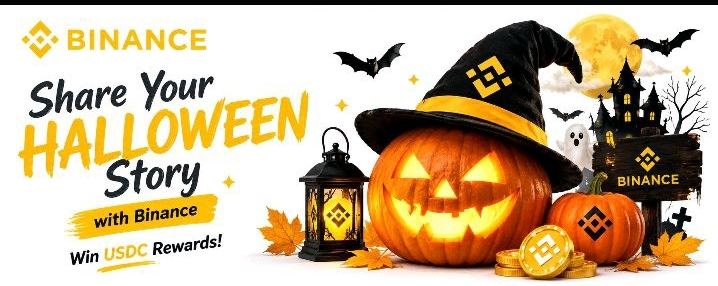
🔍 A quick confession first: I couldn't find solid details on this exact event. So I'm treating it as what it looks like, a seasonal community night on a very large exchange. Where I guess at how it works, I'll say so.
🤔 What I actually keep wondering about is a more basic thing. Why do so many normal people still keep crypto at arm's length?
😰 I don't think it's the technology. I think it's the fear of one bad click. You send money to the wrong address and it's gone. Nobody picks up the phone, nobody reverses it. 🏦 Institutions feel a grown-up version of this, worrying about custody, compliance and what a headline might do to them. ⚖️ Regulators worry about something slightly different: when it all goes wrong, who's on the hook?
🛠️ And the usual fixes? They tend to be clumsy. Educational material is either so light it teaches nothing or so heavy nobody finishes it. Onboarding asks for a pile of documents and then drowns you in warnings. Promotions are supposed to bring people in, but in crypto they often do the opposite, because everyone has learned that "free tokens" usually means "trap." 🚩 So a themed event with prizes starts with a handicap. People are right to squint at it.
🎭 I find that tension the most interesting part. Exchanges run these things because getting and keeping attention is genuinely hard. Binance has done Halloween campaigns before that mix games with a bit of teaching. 🎃 The 2024 Pumpkin Chase sent users hunting for pumpkins across product pages, with a $300,000 prize pool and a myth-busting blog series on the side. The pitch was that crypto can be approachable and safe. I don't doubt they meant it. But approachable and safe aren't the same thing, and a Halloween game can really only make a case for the first one.
🚪 So I'd call an event like this a front door, not infrastructure. The infrastructure is what's behind it: who holds your assets, how identity checks work, whether withdrawals go through on a bad day, which countries the platform can legally serve. A pumpkin hunt doesn't touch any of that. All it can do is walk you to the door. What matters is what you find when you step inside.
⚖️ On the legal side, I'd stay careful. Binance has had a rough regulatory history, including major US enforcement in 2023, and I don't think you set that aside just because the branding is cheerful. Token rewards are also a gray area in plenty of places. Is it a marketing perk, taxable income, or something regulators would look at harder? The answer changes depending on where you live. 🌍 None of that means you should skip it. It just means reading the actual terms, not the cute graphics. 📄
🧠 Honestly, though, I think most of what happens will come down to ordinary human behavior. People show up for small rewards. A few stick around. The ones who stay are usually the ones whose first experience was boring in the best way: the deposit arrived, the withdrawal worked, someone answered a support ticket. ✅ A bad first experience does far more damage than a good one does good. Imagine someone who loses money to a fake "Halloween giveaway" on social media. Those do pop up around holidays. They may never come back, and they may blame the real platform for a fake one. 🎣 Security writers warn regularly that phishing and fake exchanges piggyback on seasonal promotions. That's an unfair burden, but it's real: a legitimate event has to be easy to find, easy to verify and hard to copy. I can't say how well this one does that.
💸 Someone is also paying for all this. Campaigns cost money, and the bill lands somewhere, maybe in trading fees, maybe in the attention of users who end up trading more than they meant to. If the business case quietly depends on that, the event isn't as neutral as it looks, however friendly the costumes.
👥 So who actually shows up? Mostly people who already use the platform and like a bit of community fun, plus some curious newcomers who were already leaning toward trying crypto. I doubt institutions care. And skeptics won't be won over by pumpkins, they want audit trails and plain answers. 🎃
🌱 Could it work? In a small way, yes. If it takes the edge off a scary subject and gets someone to take one careful first step, that has real value. Fear is a genuine barrier, and a light, low-stakes setting can chip away at it.
⚠️ And how does it fail? A few ways. People confuse it with a scam copy. The reward rules are vague or shift halfway through. Newcomers arrive for the fun and find a product that doesn't feel as friendly as the theme. Or, more quietly, the entertainment ends up standing in for the dull, necessary work of being open about reserves, risks and rules.
🤝 My takeaway is a modest one. A themed night can't create trust. It can borrow a little, and then the platform has to pay it back with plain, steady reliability. 👀 If I wanted to judge it, I'd look at what things feel like a few weeks later, long after the pumpkins are gone.
*📌 This is analysis, not financial or legal advice.*