

Everything You Own Could Live On-Chain: A Clear Guide to Real-World Asset (RWA) Tokenization
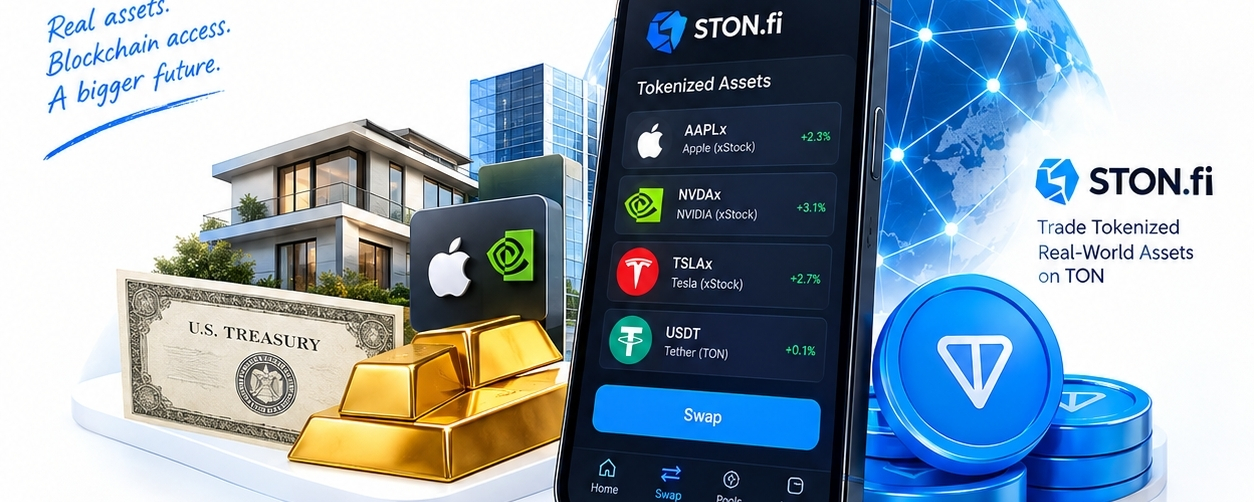
Imagine being able to own a small piece of a gold reserve, a U.S. Treasury bill, a real estate property, or even a stock like Apple, all through a blockchain wallet.
That is the idea behind real-world asset (RWA) tokenization.
RWA tokenization is the process of representing ownership rights or economic interests in real-world assets through blockchain-based tokens. These assets can include government bonds, gold, real estate, private credit, and traditional stocks.
However, a token is not the physical asset itself. It represents a claim or economic interest in an underlying asset, depending on the legal structure. The actual asset may be held by a regulated issuer or custodian, while the blockchain records and facilitates the transfer of the token.
The process begins with identifying and verifying an asset. The issuer then establishes a legal structure that defines the rights attached to the token. Once everything is in place, tokens are created through smart contracts and distributed to eligible users.
Depending on the product, holders may be able to transfer their tokens, trade them, use them as collateral in decentralized finance, or redeem them under specific conditions.
One reason RWA tokenization is attracting attention is that it can make traditionally inaccessible assets available in smaller portions. Instead of needing enough money to purchase an entire asset, users may be able to gain exposure through fractional ownership.
It can also make transactions faster, improve transparency through on-chain records, and allow smart contracts to automate certain financial processes. Some tokenized assets can be traded around the clock, although actual liquidity depends on the market and the product.
A practical example of this growing connection between traditional finance and decentralized finance is xStocks on STON.fi, a decentralized exchange built on the TON blockchain.
xStocks are blockchain-based tokens that provide exposure to selected traditional stocks and exchange-traded funds, including assets such as AAPLx, NVDAx, and TSLAx.
These products are structured as tracker certificates backed by corresponding underlying positions held with regulated custodians. Users hold the tokens in their own wallets, subject to the product's terms and applicable restrictions.
Through STON.fi, eligible users can swap supported xStocks tokens within the TON ecosystem. This allows users to access tokenized stock exposure through decentralized trading infrastructure without relying on a traditional brokerage account.
STON.fi provides the trading infrastructure, including swaps and liquidity routing through its Omniston aggregator. It does not issue or custody the underlying assets.
However, tokenization does not eliminate the risks associated with traditional finance. The value and reliability of an RWA token depend on its legal structure, the issuer, the custodian, and the rights granted to holders.
There are also risks involving smart contracts, liquidity, regulation, and the possibility that holders may not be able to redeem their tokens when they want to. Some products are restricted in certain jurisdictions, so users should always check the applicable terms before participating.
RWA tokenization is creating new ways to connect traditional financial assets with blockchain technology. Tokenized government securities, gold, and other assets are expanding the range of products available on-chain.
Platforms like STON.fi demonstrate how tokenized assets can become part of decentralized trading, bringing traditional financial exposure into the TON ecosystem.
The important thing to remember is that owning a token does not automatically mean owning the underlying asset directly. Understanding the legal rights, backing, and redemption conditions is essential before investing.
As the industry develops, the real measure of success will be whether these products provide reliable access, transparent ownership structures, and genuine utility.
Disclaimer: This article is for educational purposes only and does not constitute financial advice. Always conduct your own research, review the legal and custodial structure of any tokenized asset, and check whether the product is available in your jurisdiction.