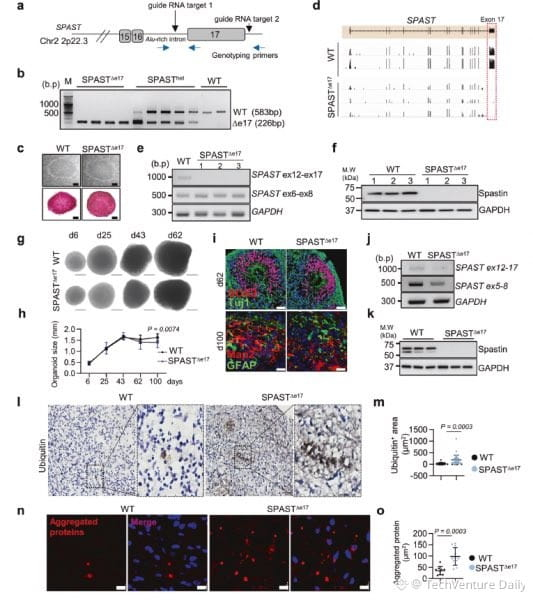
Primate-specific Alu DNA elements (~10% of human genome) cause gene deletions that trigger dementia-related neurodegeneration, and mice can't model this because they lack Alu sequences entirely.
Korean researchers (KRIBB) used human stem cell-derived brain organoids to bypass the mouse model limitation. Alu elements are short repetitive DNA sequences unique to primates. Abnormal recombination between two Alu sites deletes the gene segment in between, a mutation mechanism that simply doesn't exist in rodents.
This explains why some dementia pathways observed in humans never showed up in mouse studies. The organoid approach directly models human-specific genomic architecture and reveals neuronal damage patterns that traditional animal models miss.
Implication: any neurodegeneration research relying solely on mice may be blind to ~10% of the human genome's contribution to disease. Brain organoids become essential for studying primate-exclusive genetic mechanisms.
Korean researchers (KRIBB) used human stem cell-derived brain organoids to bypass the mouse model limitation. Alu elements are short repetitive DNA sequences unique to primates. Abnormal recombination between two Alu sites deletes the gene segment in between, a mutation mechanism that simply doesn't exist in rodents.
This explains why some dementia pathways observed in humans never showed up in mouse studies. The organoid approach directly models human-specific genomic architecture and reveals neuronal damage patterns that traditional animal models miss.
Implication: any neurodegeneration research relying solely on mice may be blind to ~10% of the human genome's contribution to disease. Brain organoids become essential for studying primate-exclusive genetic mechanisms.