#dusk $DUSK @Dusk Most PoS chains never solve this: why would a future block generator vote honestly if letting earlier iterations fail hands them the reward?
That's the "future-generator incentive problem" in @Dusk's Succinct Attestation consensus. Since block generators for every iteration in a round are known in advance, a higher-iteration generator is tempted to just... not vote, hoping earlier candidates fail so they win the block reward instead.
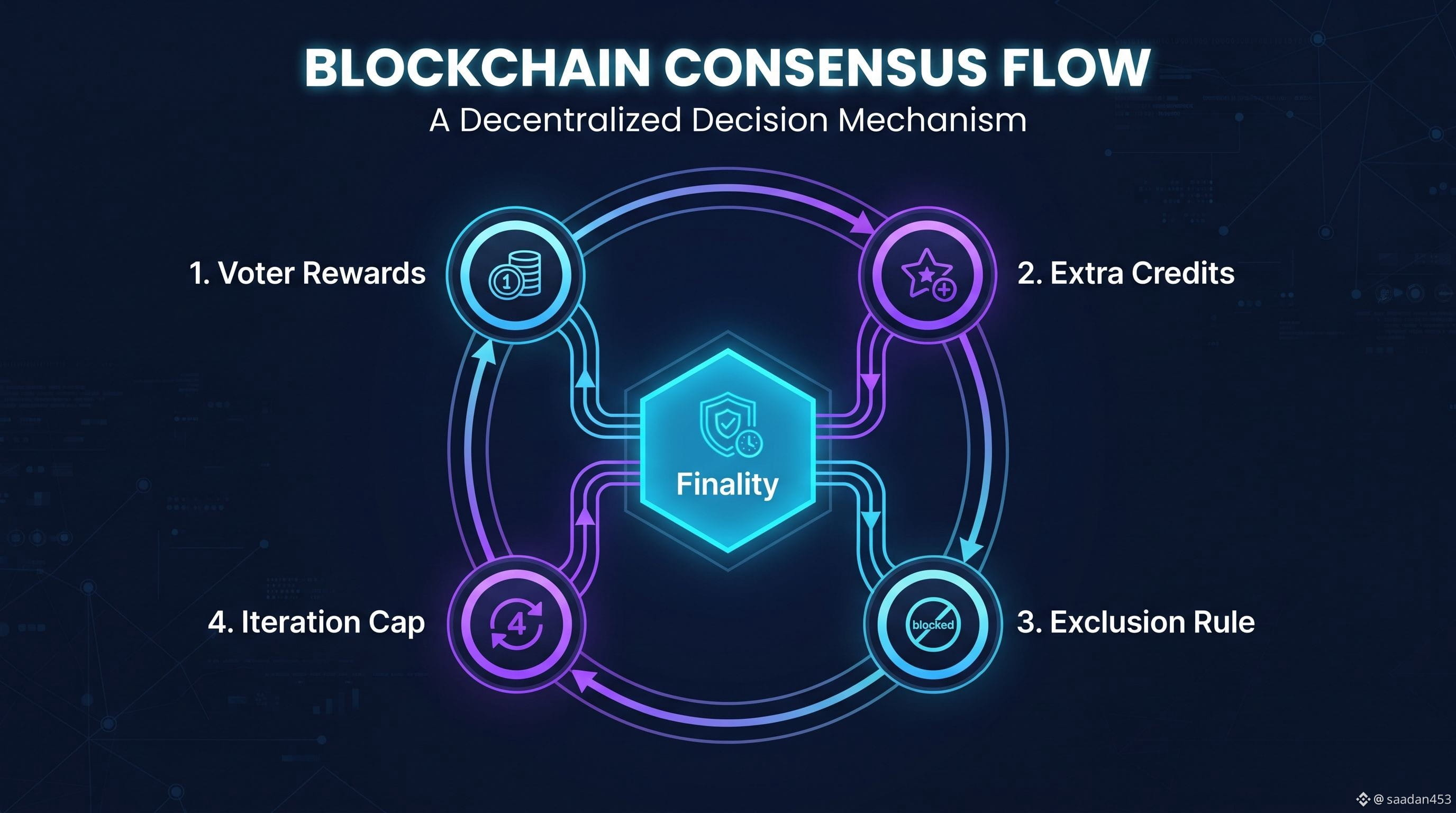
$DUSK's fix is elegant — four layered mechanisms:
Voter rewards make voting itself profitable, not just generating
The generator's bonus (10% of reward) is tied to including as many votes as possible
The next iteration's generator is banned from voting in the current one — killing the "sit out and wait" incentive
Max iterations per round is capped (currently 50) so there's less to gain from stalling
Combine that with rolling finality (blocks go accepted → attested → confirmed → final based on successor votes) and Dusk gets sub-second block times without sacrificing decentralization — critical for a chain built for regulated finance.
This is the kind of incentive-design detail that separates "another L1" from infrastructure built to actually run securities on-chain.
#dusk
That's the "future-generator incentive problem" in @Dusk's Succinct Attestation consensus. Since block generators for every iteration in a round are known in advance, a higher-iteration generator is tempted to just... not vote, hoping earlier candidates fail so they win the block reward instead.
$DUSK's fix is elegant — four layered mechanisms:
Voter rewards make voting itself profitable, not just generating
The generator's bonus (10% of reward) is tied to including as many votes as possible
The next iteration's generator is banned from voting in the current one — killing the "sit out and wait" incentive
Max iterations per round is capped (currently 50) so there's less to gain from stalling
Combine that with rolling finality (blocks go accepted → attested → confirmed → final based on successor votes) and Dusk gets sub-second block times without sacrificing decentralization — critical for a chain built for regulated finance.
This is the kind of incentive-design detail that separates "another L1" from infrastructure built to actually run securities on-chain.
#dusk