

Trader Rai
21.7k Publications

Trader Rai
 Binance Square Vérifié
Signaler
Bloquer l’utilisateur
X_: @trader_raiii ; Trading is first priority since 2020 || BNB || Influencer ||
10 Suivis
64.1K+ Abonnés
111.8K+ J’aime
Publications
Tous
Citations
Vidéos
Direct
·
--
Haussier
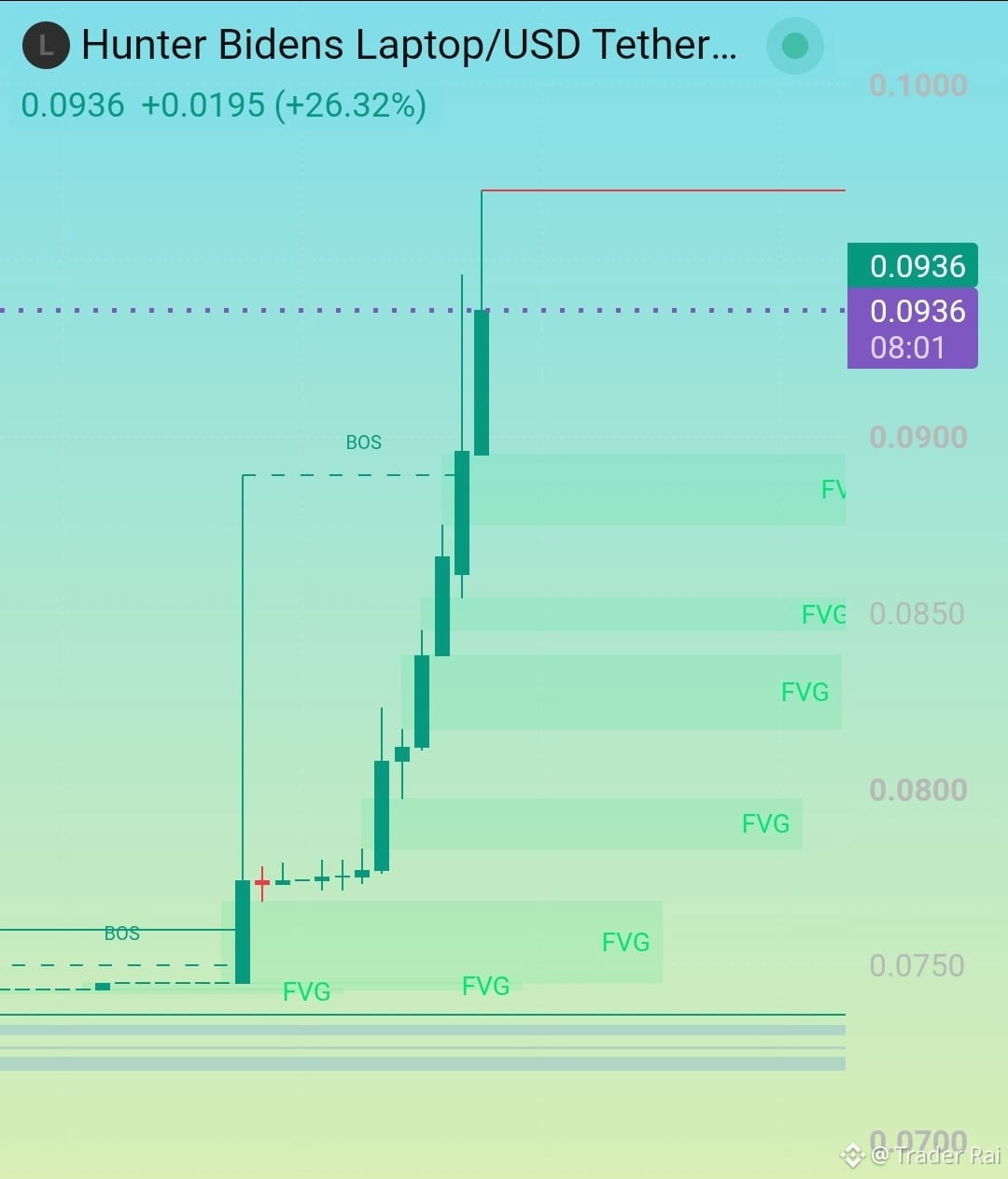
Massive volume expansion on Hunter Bidens Laptop as the market breaks structure aggressively and pushes into new highs, signaling strong continuation potential
Entry: $0.0820 - $0.0850
Target: $0.0980
SL: $0.0760
Massive volume expansion on Hunter Bidens Laptop as the market breaks structure aggressively and pushes into new highs, signaling strong continuation potential
Entry: $0.0820 - $0.0850
Target: $0.0980
SL: $0.0760
Entry: $0.0820 - $0.0850
Target: $0.0980
SL: $0.0760
1
286
·
--
Haussier
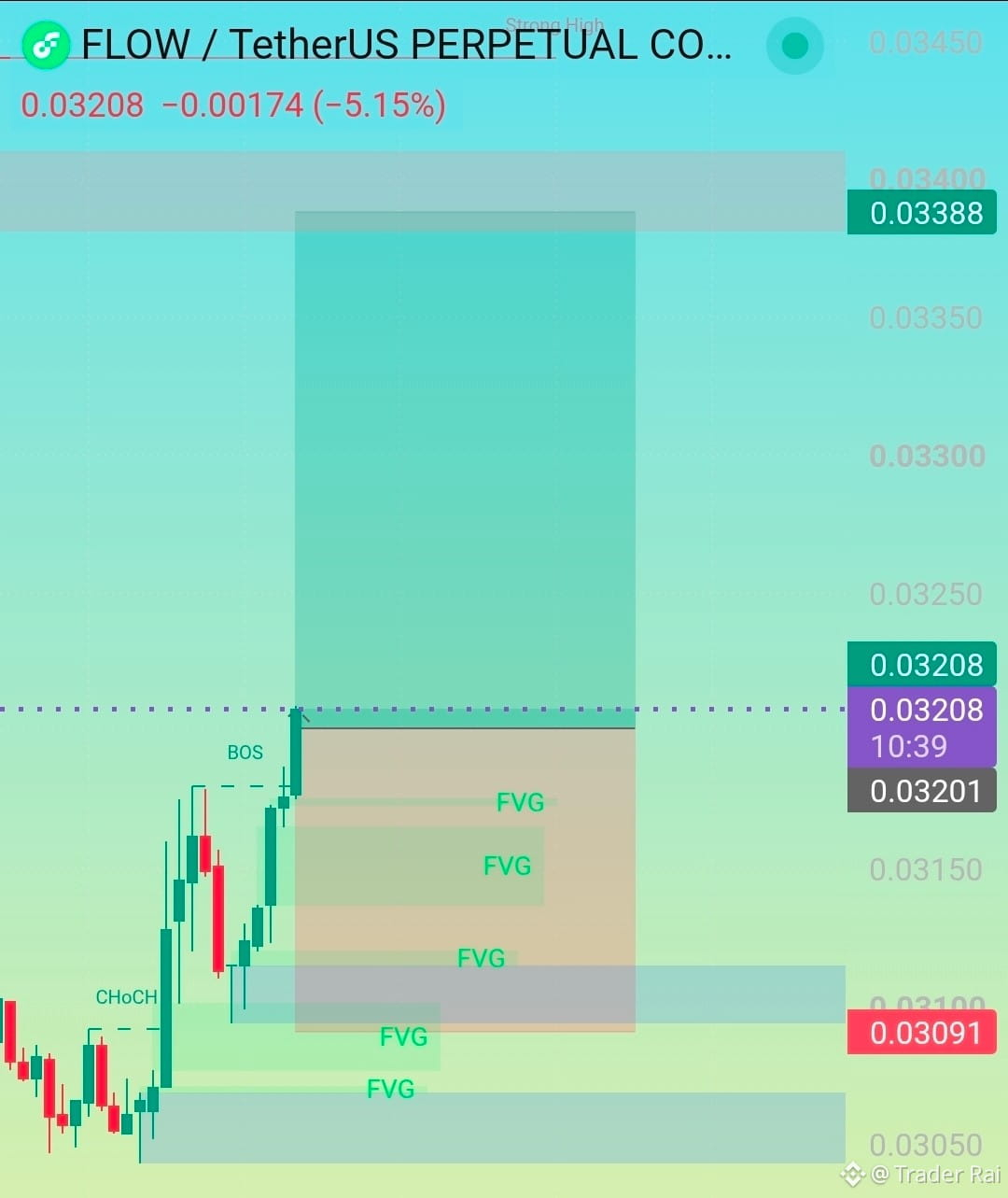
Clean institutional reaction here on $FLOW as price sweeps the recent internal liquidity and settles into our discount array for a high-probability continuation setup.
Entry: $0.0315 - $0.0320
Target: $0.0338
SL: $0.0308
{future}(FLOWUSDT)
Clean institutional reaction here on $FLOW as price sweeps the recent internal liquidity and settles into our discount array for a high-probability continuation setup.
Entry: $0.0315 - $0.0320
Target: $0.0338
SL: $0.0308
Entry: $0.0315 - $0.0320
Target: $0.0338
SL: $0.0308
2
404
·
--
Baissier
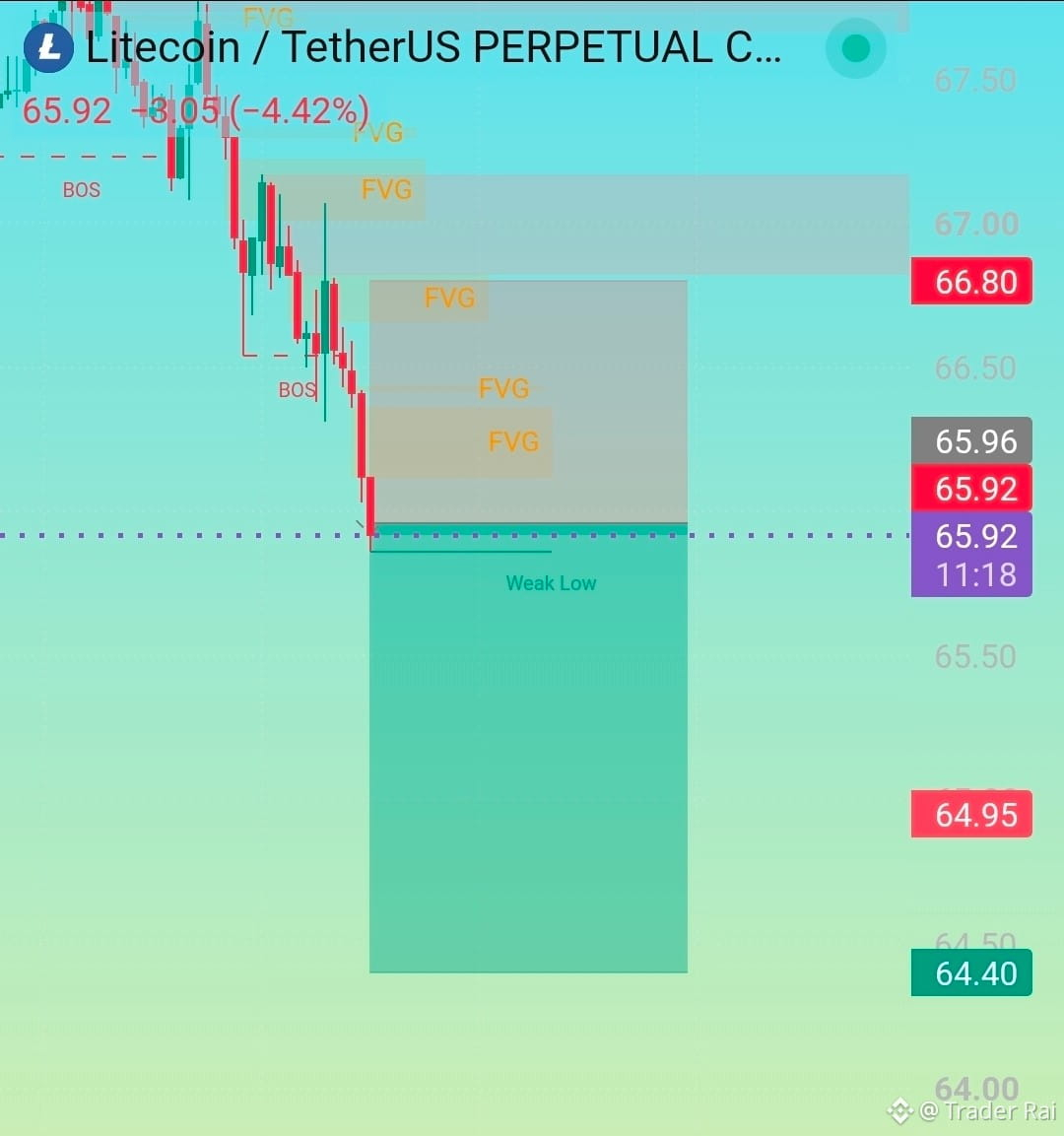
The sharp structural break and BOS sequence on $LTC have shattered local support, leaving behind a stack of overhead fair value gaps ready for a retest. I'm looking to catch the continuation down toward that exposed weak low.
Trade Setup:Short
Entry: $66.50 - $66.80
Target: $64.40
Stop Loss: $67.50
{future}(LTCUSDT)
The sharp structural break and BOS sequence on $LTC have shattered local support, leaving behind a stack of overhead fair value gaps ready for a retest. I'm looking to catch the continuation down toward that exposed weak low.
Trade Setup:Short
Entry: $66.50 - $66.80
Target: $64.40
Stop Loss: $67.50
Trade Setup:Short
Entry: $66.50 - $66.80
Target: $64.40
Stop Loss: $67.50
2
402
·
--
Baissier
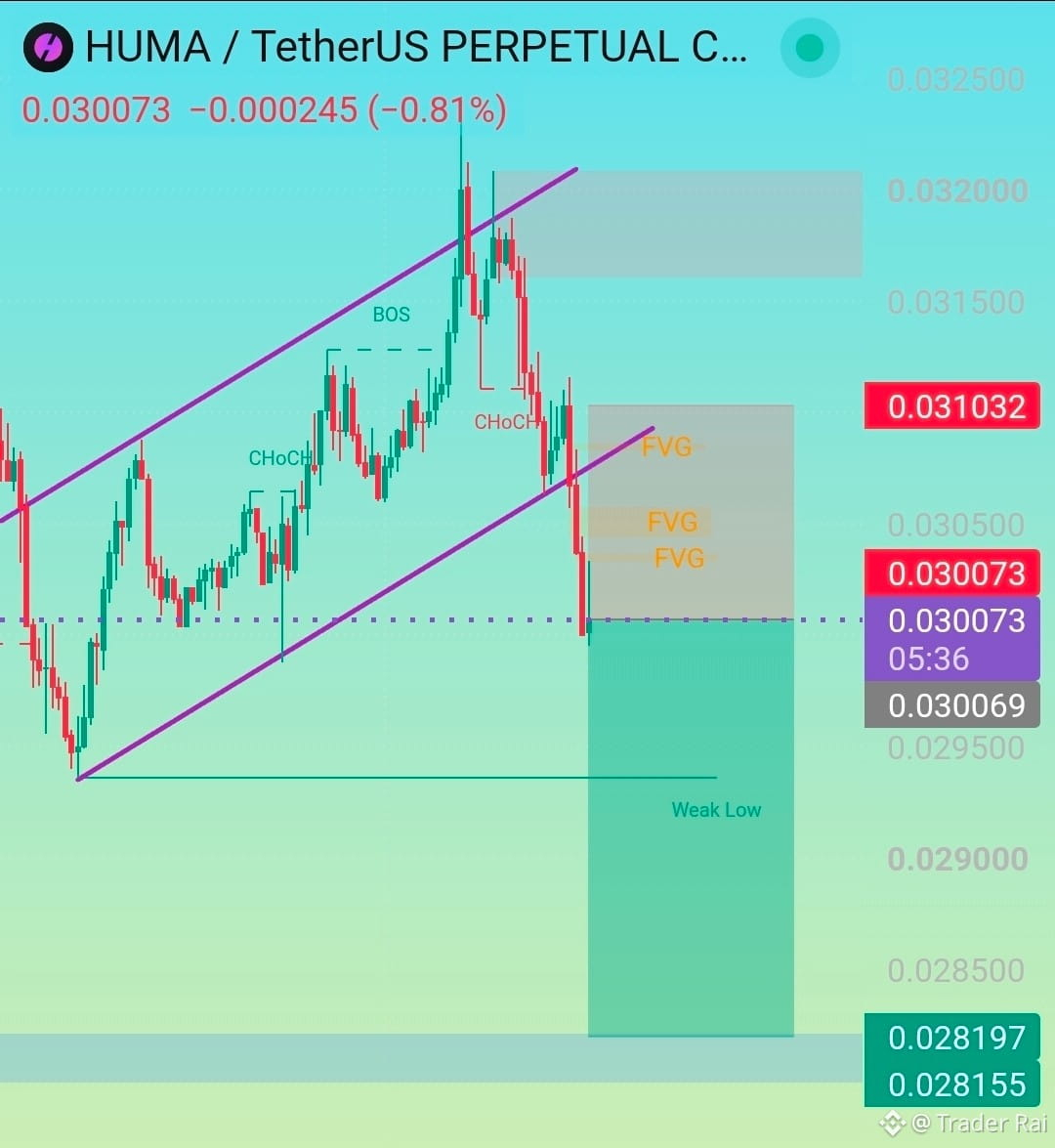
The sharp breakdown below that ascending support line on $HUMA has opened up a clean short opportunity right into the overhead retest zone. I'm entering here to catch the move down to the lows.
Trade Setup: Short
Entry: $0.0305 - $0.0310
Target: $0.0282
Stop Loss: $0.0318
{future}(HUMAUSDT)
The sharp breakdown below that ascending support line on $HUMA has opened up a clean short opportunity right into the overhead retest zone. I'm entering here to catch the move down to the lows.
Trade Setup: Short
Entry: $0.0305 - $0.0310
Target: $0.0282
Stop Loss: $0.0318
Trade Setup: Short
Entry: $0.0305 - $0.0310
Target: $0.0282
Stop Loss: $0.0318
2
340
·
--
Baissier
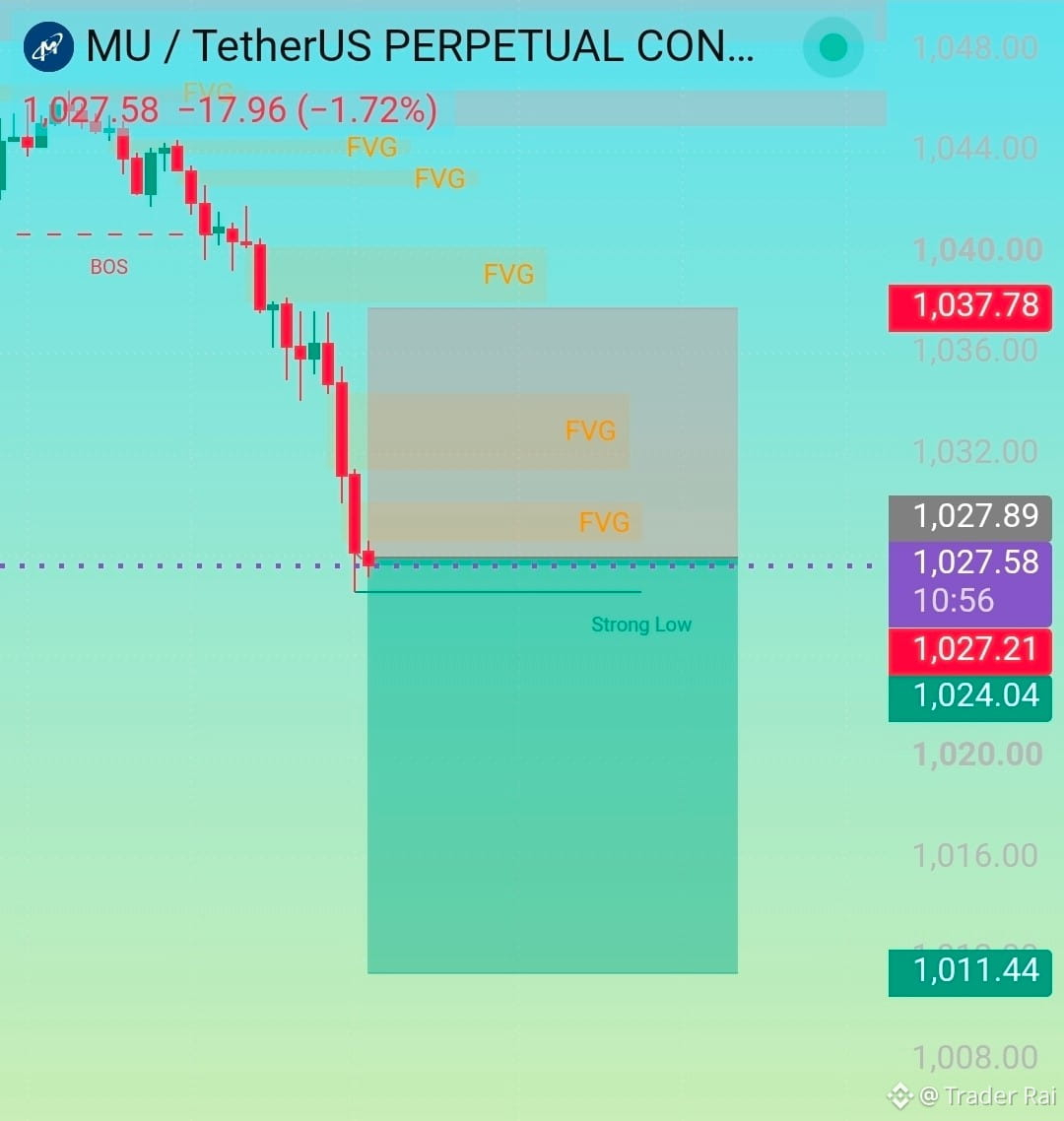
After the sharp structure break, sellers still look firmly in control, and $MU now likely to get a short relief bounce into the overhead imbalance before the next downside move. I’m watching that retest closely for a clean short entry.
Trade Setup: Short
Entry: 1,033.00 – 1,037.00
SL: 1,044.00
TP: 1,011.44
{stock_us}(MU.US)
After the sharp structure break, sellers still look firmly in control, and $MU now likely to get a short relief bounce into the overhead imbalance before the next downside move. I’m watching that retest closely for a clean short entry.
Trade Setup: Short
Entry: 1,033.00 – 1,037.00
SL: 1,044.00
TP: 1,011.44
Trade Setup: Short
Entry: 1,033.00 – 1,037.00
SL: 1,044.00
TP: 1,011.44
MU+3,61%
MUUS-1,08%
1
364
·
--
Baissier
Liquidity Sweep — Sellers Still Active
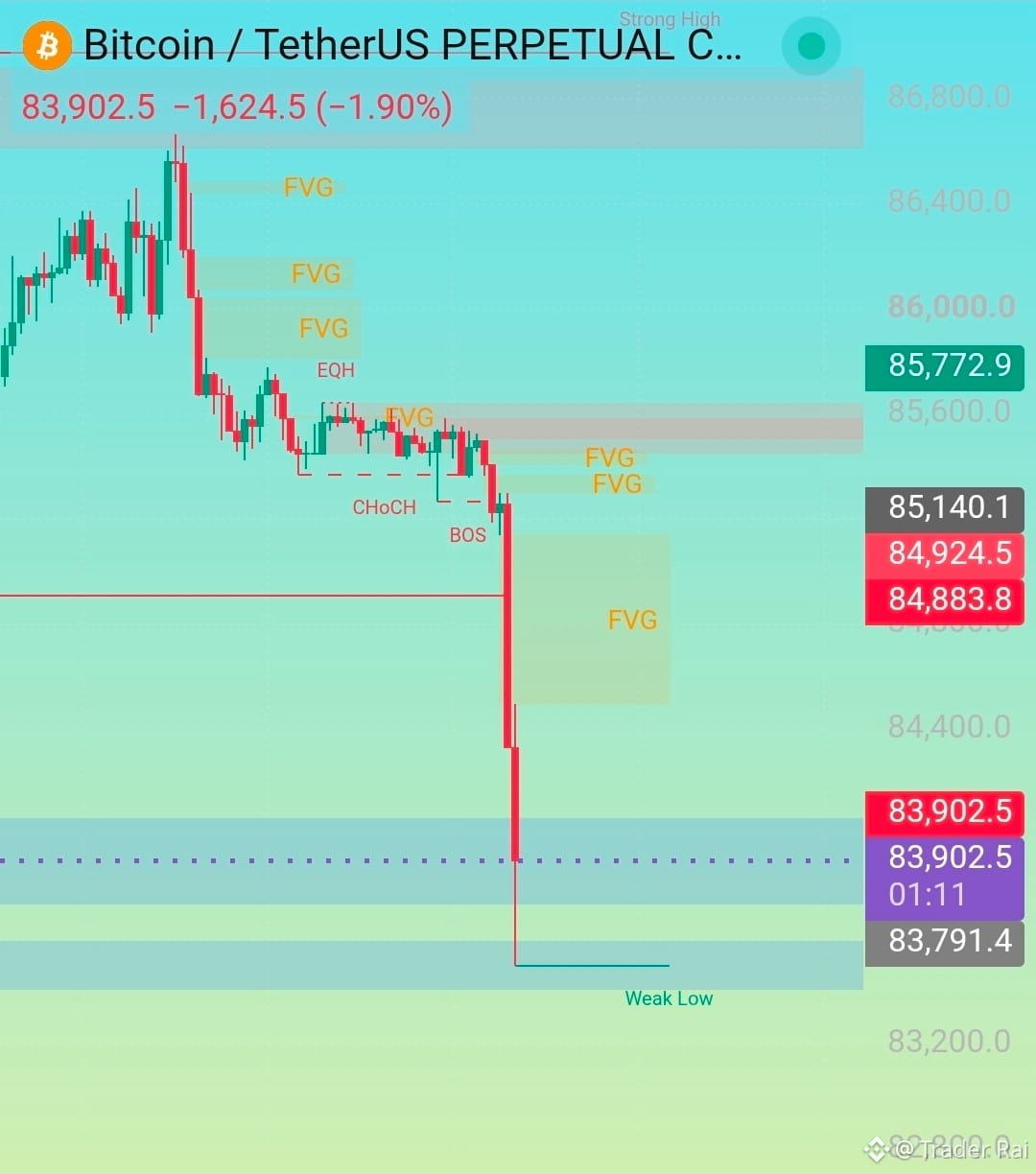
$BTC swept the downside liquidity and sellers are still controlling the structure. I’m watching for a relief bounce into the 84,900–85,140 FVG; if that zone rejects, another move toward 83,000 looks likely.
Trade Setup
Short: 84,900–85,140
SL: 85,600
TP: 83,000
{future}(BTCUSDT)
Liquidity Sweep — Sellers Still Active
$BTC swept the downside liquidity and sellers are still controlling the structure. I’m watching for a relief bounce into the 84,900–85,140 FVG; if that zone rejects, another move toward 83,000 looks likely.
Trade Setup
Short: 84,900–85,140
SL: 85,600
TP: 83,000
$BTC swept the downside liquidity and sellers are still controlling the structure. I’m watching for a relief bounce into the 84,900–85,140 FVG; if that zone rejects, another move toward 83,000 looks likely.
Trade Setup
Short: 84,900–85,140
SL: 85,600
TP: 83,000
1
508
·
--
Haussier
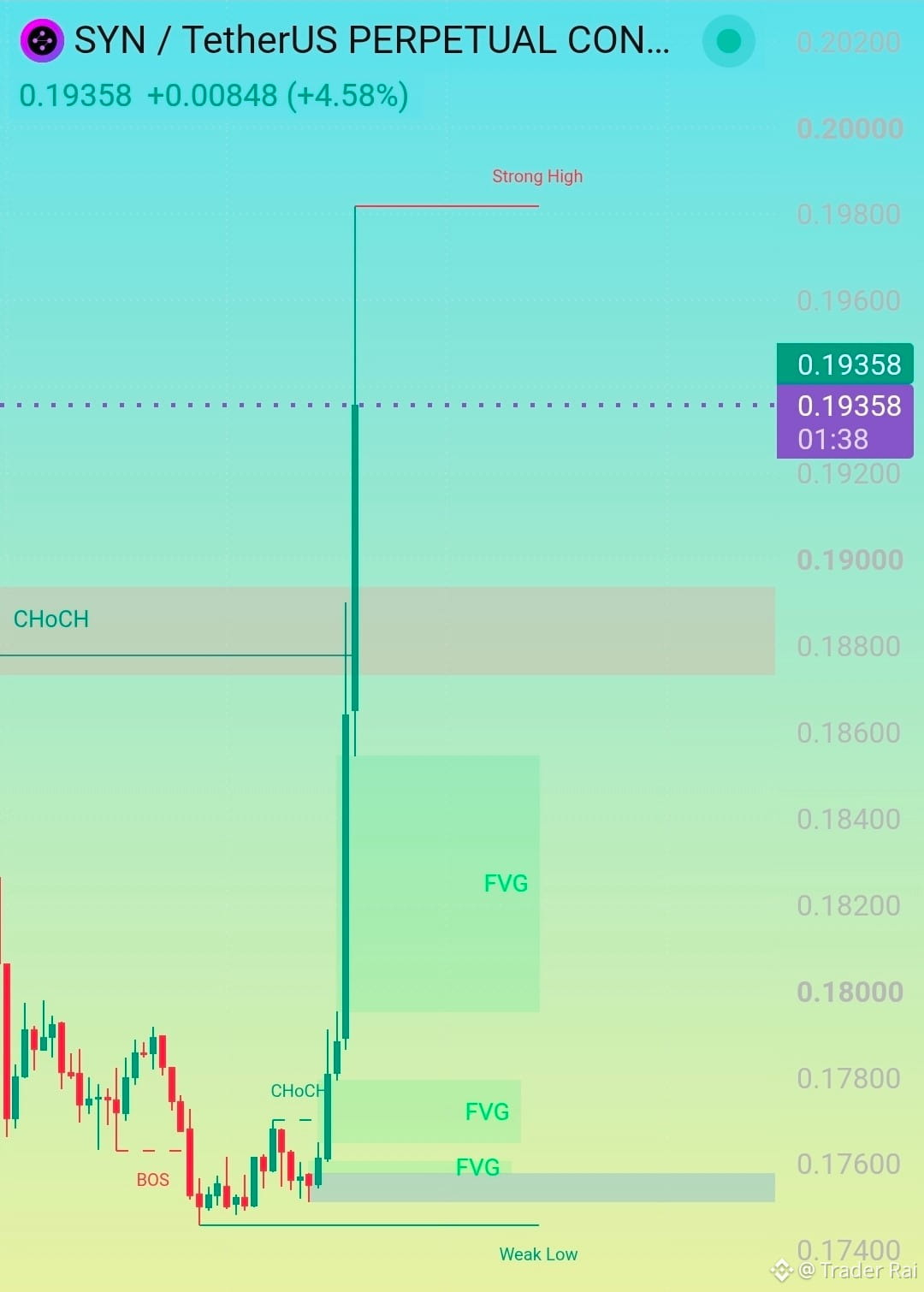
After a solid structure shift, $SYN has followed through with a BOS and strong buying pressure, leaving fresh FVG support underneath. If buyers keep defending this area, the $0.20 level looks like the next logical target.
Trade Setup
Long: 0.1935 – 0.1950
SL: 0.1880
TP: 0.2000
{future}(SYNUSDT)
After a solid structure shift, $SYN has followed through with a BOS and strong buying pressure, leaving fresh FVG support underneath. If buyers keep defending this area, the $0.20 level looks like the next logical target.
Trade Setup
Long: 0.1935 – 0.1950
SL: 0.1880
TP: 0.2000
Trade Setup
Long: 0.1935 – 0.1950
SL: 0.1880
TP: 0.2000
1
598
·
--
Haussier
CZ, the founder of Binance is the 17th richest person in the world.
He made his first million dollars at 39 and started Binance at 40.
Today he's 48.
You're never too old to start.
@CZ ❤️
CZ, the founder of Binance is the 17th richest person in the world.
He made his first million dollars at 39 and started Binance at 40.
Today he's 48.
You're never too old to start.
@CZ ❤️
He made his first million dollars at 39 and started Binance at 40.
Today he's 48.
You're never too old to start.
@CZ ❤️

1
3
615
·
--
Haussier
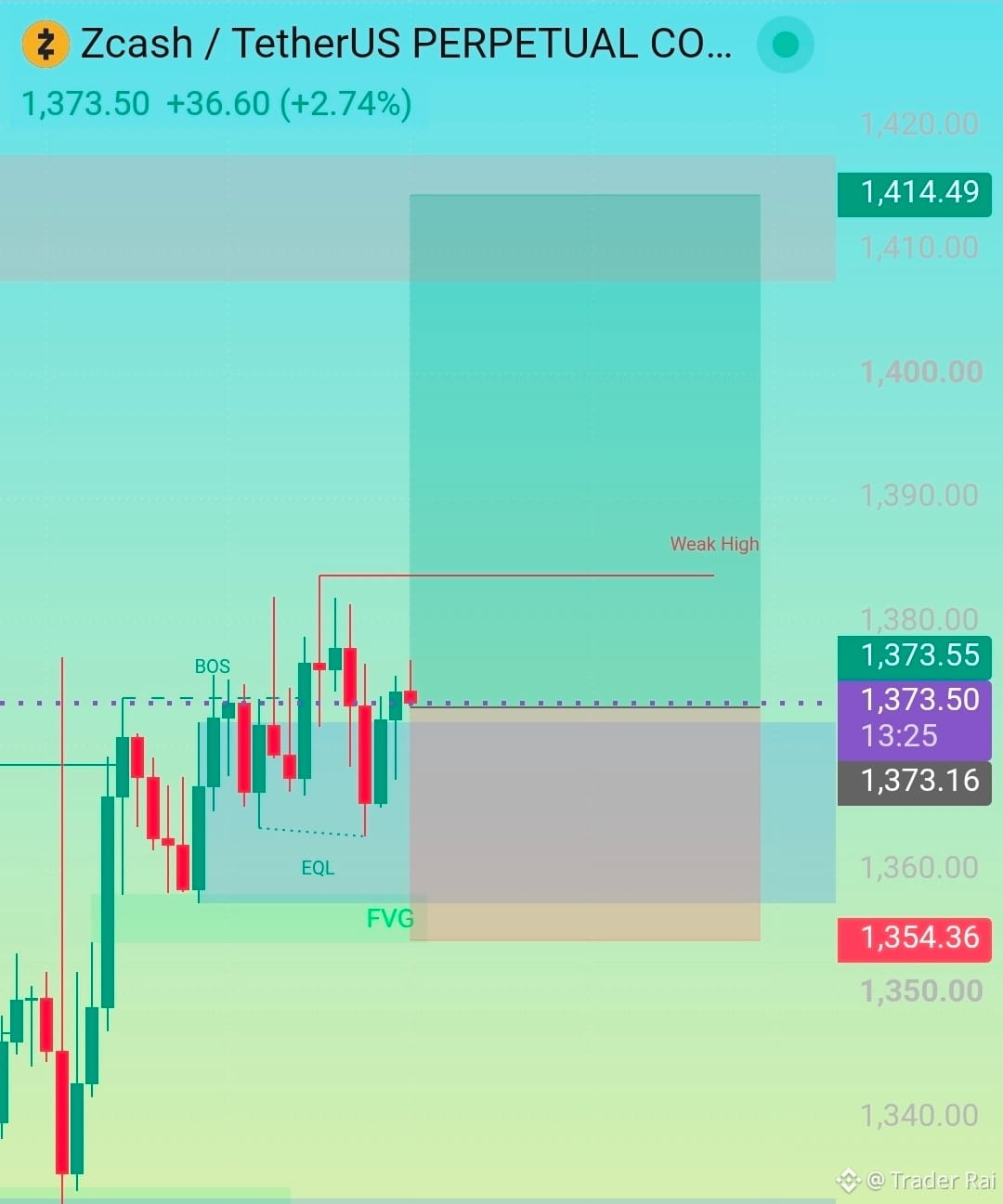
After a clean breakout and FVG retest, $ZEC showing strong buyer control. If this zone holds, the next move could be a sweep of the weak high followed by further upside.
Trade Setup
Long Entry: 1,370.00 – 1,373.50
Stop Loss: 1,354.00
Take Profit: 1,414.00
{future}(ZECUSDT)
After a clean breakout and FVG retest, $ZEC showing strong buyer control. If this zone holds, the next move could be a sweep of the weak high followed by further upside.
Trade Setup
Long Entry: 1,370.00 – 1,373.50
Stop Loss: 1,354.00
Take Profit: 1,414.00
Trade Setup
Long Entry: 1,370.00 – 1,373.50
Stop Loss: 1,354.00
Take Profit: 1,414.00
3
612
·
--
Haussier
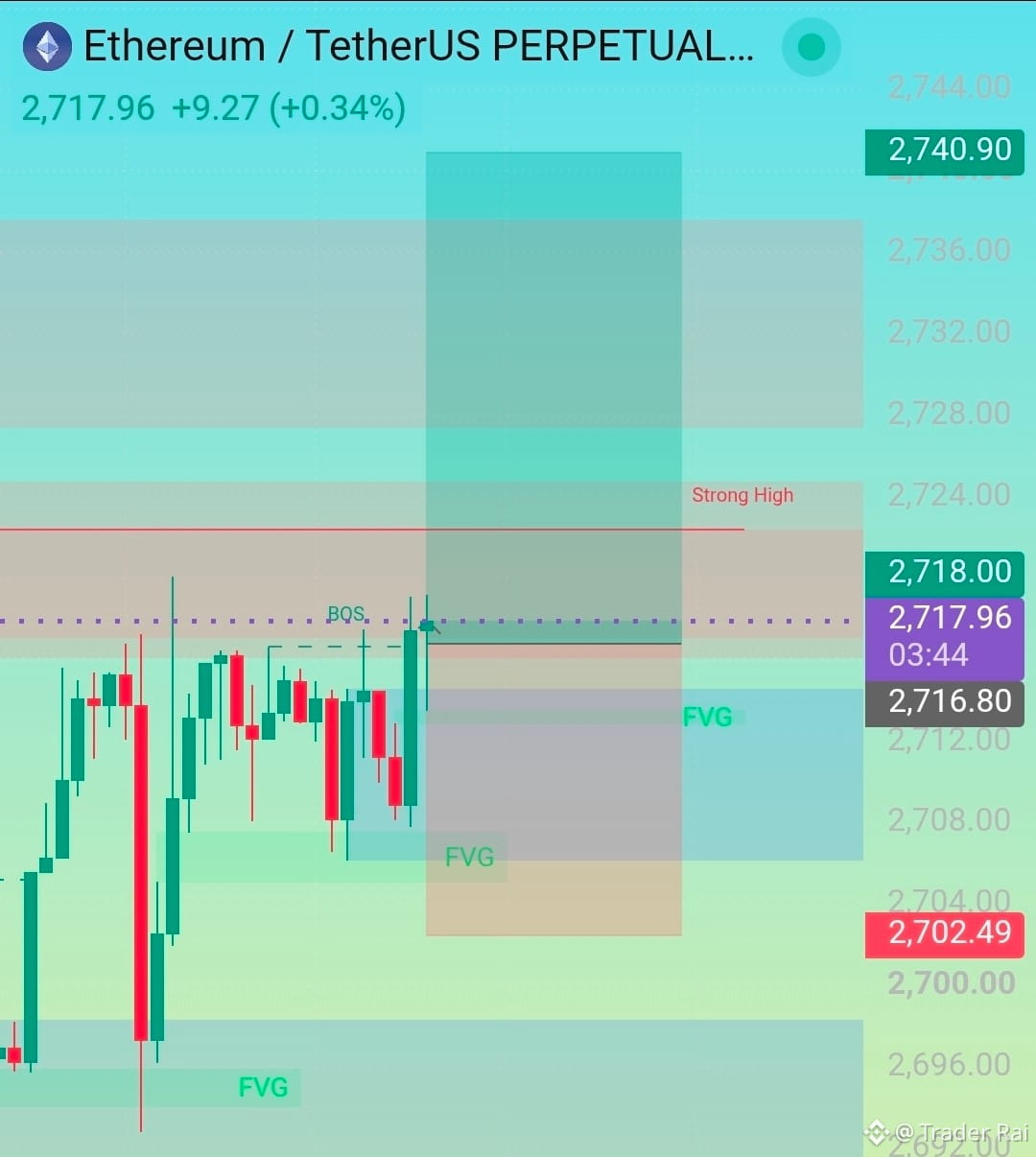
After a clean BOS, buyers are stepping back in and $ETH holding above the fresh FVG. A pullback into this zone could give another clean continuation move toward the recent strong high, as long as buyers keep control.
Trade Setup
Long Entry: 2,716.80–2,718.00
TP: 2,740.90
SL: 2,702.49
{future}(ETHUSDT)
After a clean BOS, buyers are stepping back in and $ETH holding above the fresh FVG. A pullback into this zone could give another clean continuation move toward the recent strong high, as long as buyers keep control.
Trade Setup
Long Entry: 2,716.80–2,718.00
TP: 2,740.90
SL: 2,702.49
Trade Setup
Long Entry: 2,716.80–2,718.00
TP: 2,740.90
SL: 2,702.49
1
386
·
--
Baissier
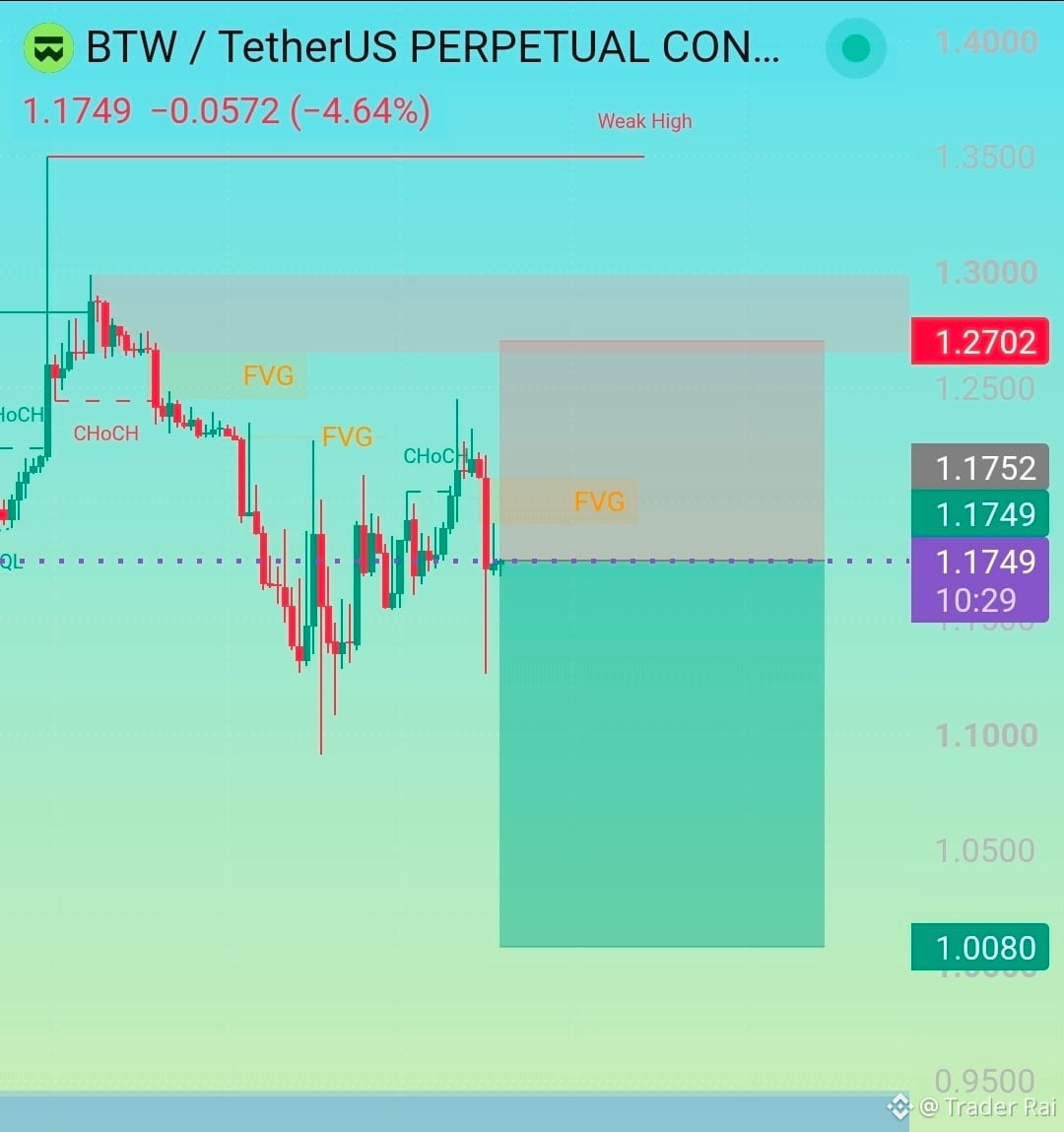
Bearish rejection is getting clear as $BTW swept liquidity above the previous structure and failed to hold the breakout. The move left a clean FVG, while selling pressure is starting to take control. A retest into this zone could open the way for a deeper move lower.
Trade Setup
Short Entry: 1.1750 – 1.1780
TP: 1.0080
SL: 1.2702
{future}(BTWUSDT)
Bearish rejection is getting clear as $BTW swept liquidity above the previous structure and failed to hold the breakout. The move left a clean FVG, while selling pressure is starting to take control. A retest into this zone could open the way for a deeper move lower.
Trade Setup
Short Entry: 1.1750 – 1.1780
TP: 1.0080
SL: 1.2702
Trade Setup
Short Entry: 1.1750 – 1.1780
TP: 1.0080
SL: 1.2702
2
428
·
--
Haussier
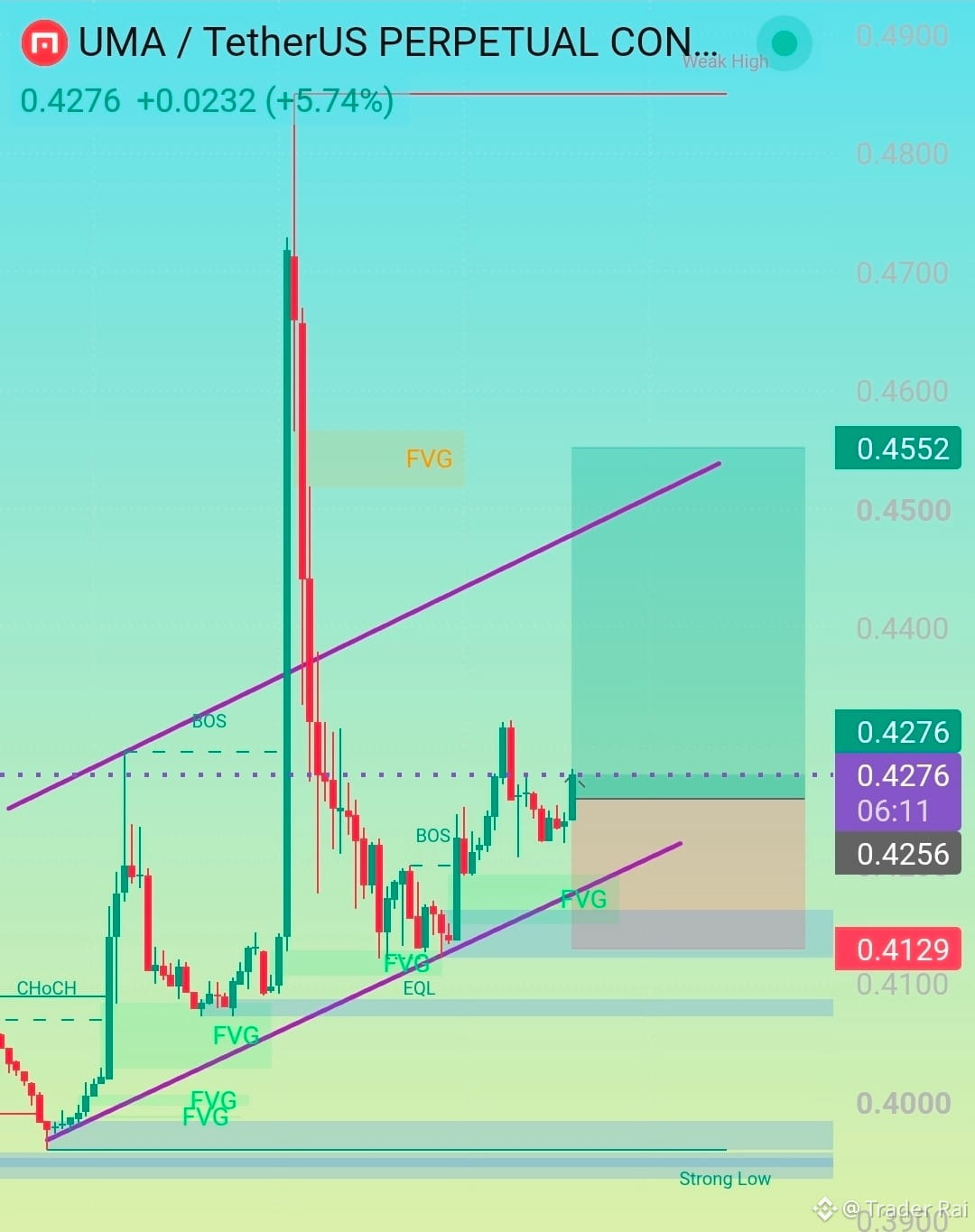
Clean market structure reset and a solid bounce off the lower support zone on the perpetual chart of the asset known as $UMA suggest buyers are firmly back in control, setting the stage for a swift push toward higher liquidity targets.
Entry: 0.4250 - 0.4280
Targets: 0.4400 / 0.4550
Stop Loss: 0.4110
{future}(UMAUSDT)
Clean market structure reset and a solid bounce off the lower support zone on the perpetual chart of the asset known as $UMA suggest buyers are firmly back in control, setting the stage for a swift push toward higher liquidity targets.
Entry: 0.4250 - 0.4280
Targets: 0.4400 / 0.4550
Stop Loss: 0.4110
Entry: 0.4250 - 0.4280
Targets: 0.4400 / 0.4550
Stop Loss: 0.4110
2
684
·
--
Haussier
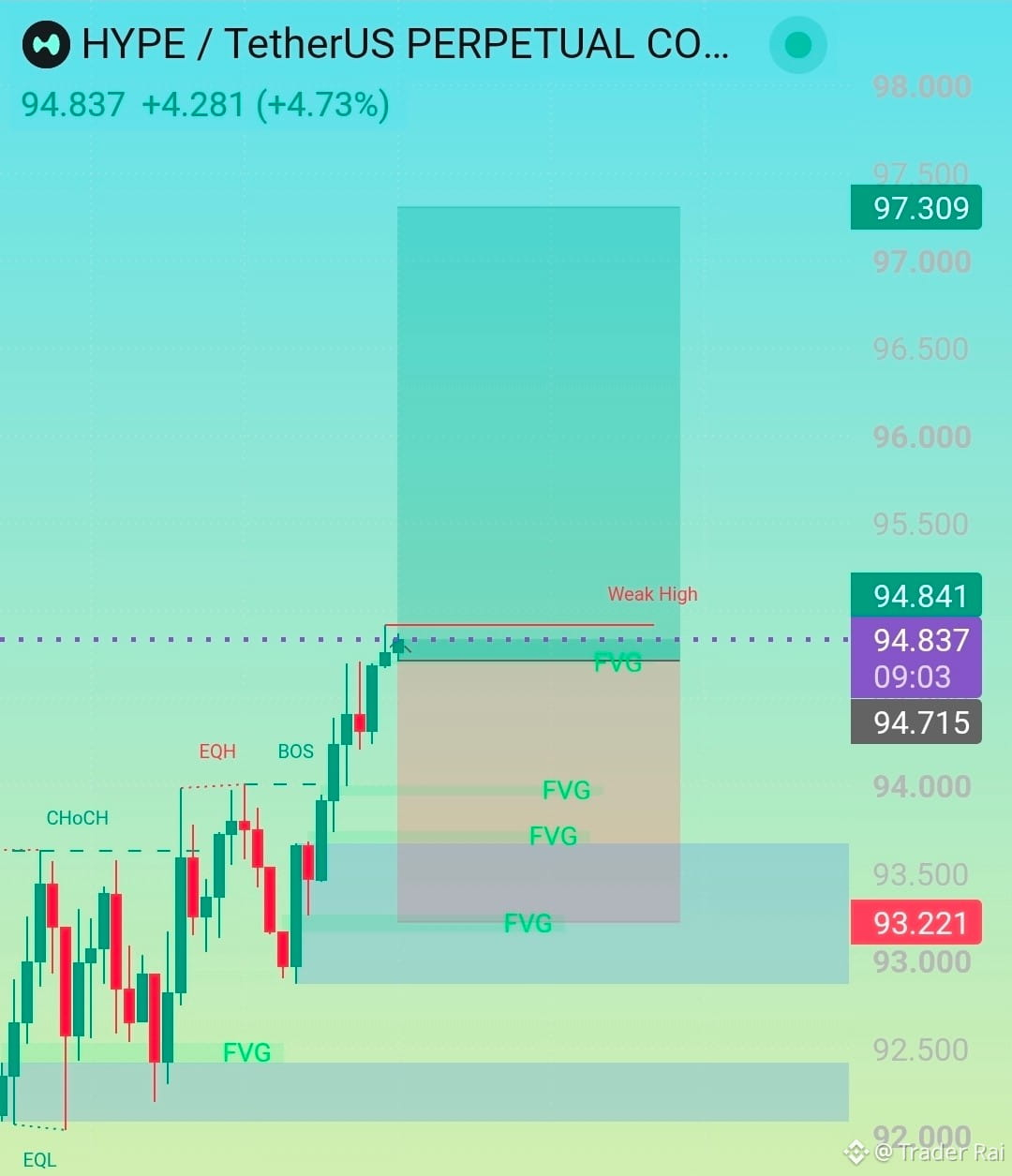
After a clean breakout and strong buying volume, $HYPE is showing solid bullish structure with room toward the upper liquidity zone. If support continues to hold, buyers could push price toward the next psychological resistance.
Trade Setup
Long Entry: $94.30–$94.70
Take Profit: $97.30
Stop Loss: $93.20
{future}(HYPEUSDT)
After a clean breakout and strong buying volume, $HYPE is showing solid bullish structure with room toward the upper liquidity zone. If support continues to hold, buyers could push price toward the next psychological resistance.
Trade Setup
Long Entry: $94.30–$94.70
Take Profit: $97.30
Stop Loss: $93.20
Trade Setup
Long Entry: $94.30–$94.70
Take Profit: $97.30
Stop Loss: $93.20
2
417
·
--
Baissier
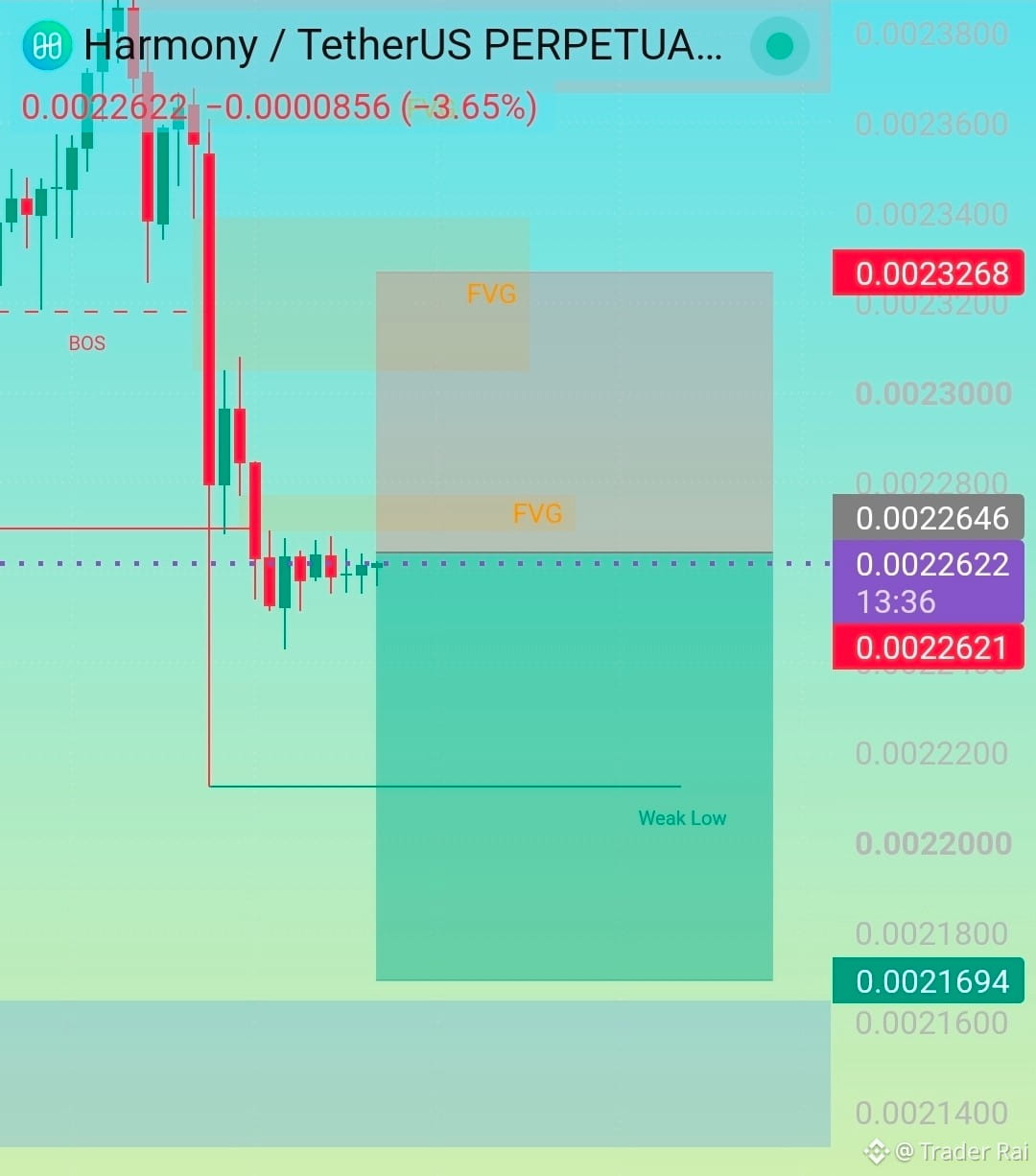
Monitoring $ONE , the recent market structure break and rejection from the upper fair value gap indicate strong bearish momentum aiming directly for the weak low liquidity zone, setting up a prime short trade.
Setup: Short Entry at 0.002264
Target :0.002169
Stop: Loss at 0.002326
{future}(ONEUSDT)
Monitoring $ONE , the recent market structure break and rejection from the upper fair value gap indicate strong bearish momentum aiming directly for the weak low liquidity zone, setting up a prime short trade.
Setup: Short Entry at 0.002264
Target :0.002169
Stop: Loss at 0.002326
Setup: Short Entry at 0.002264
Target :0.002169
Stop: Loss at 0.002326
2
426
·
--
Haussier
Beautiful Trade 🤩😍 Guy's We all Boook Nice profit together.... 😉🫠
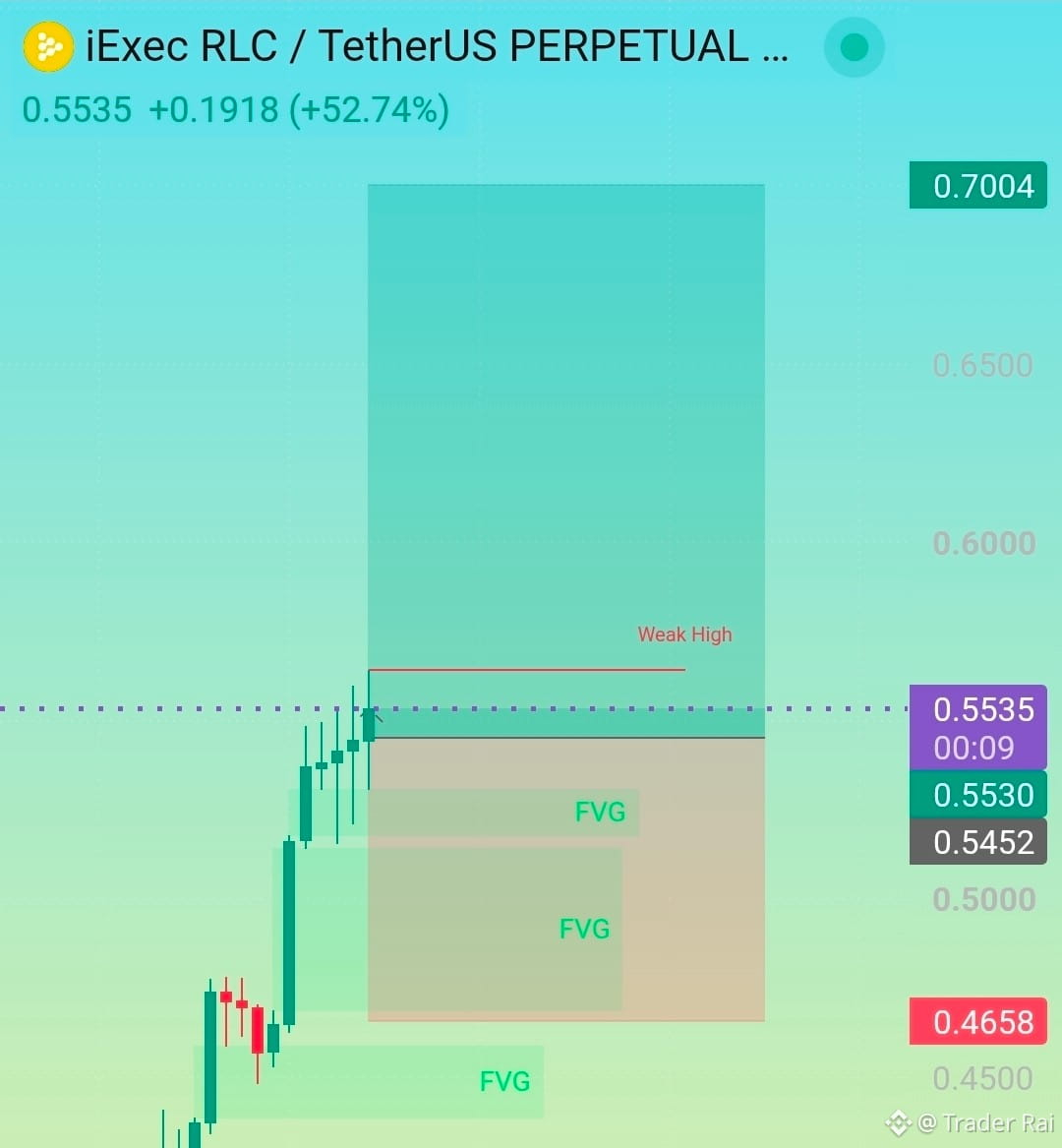
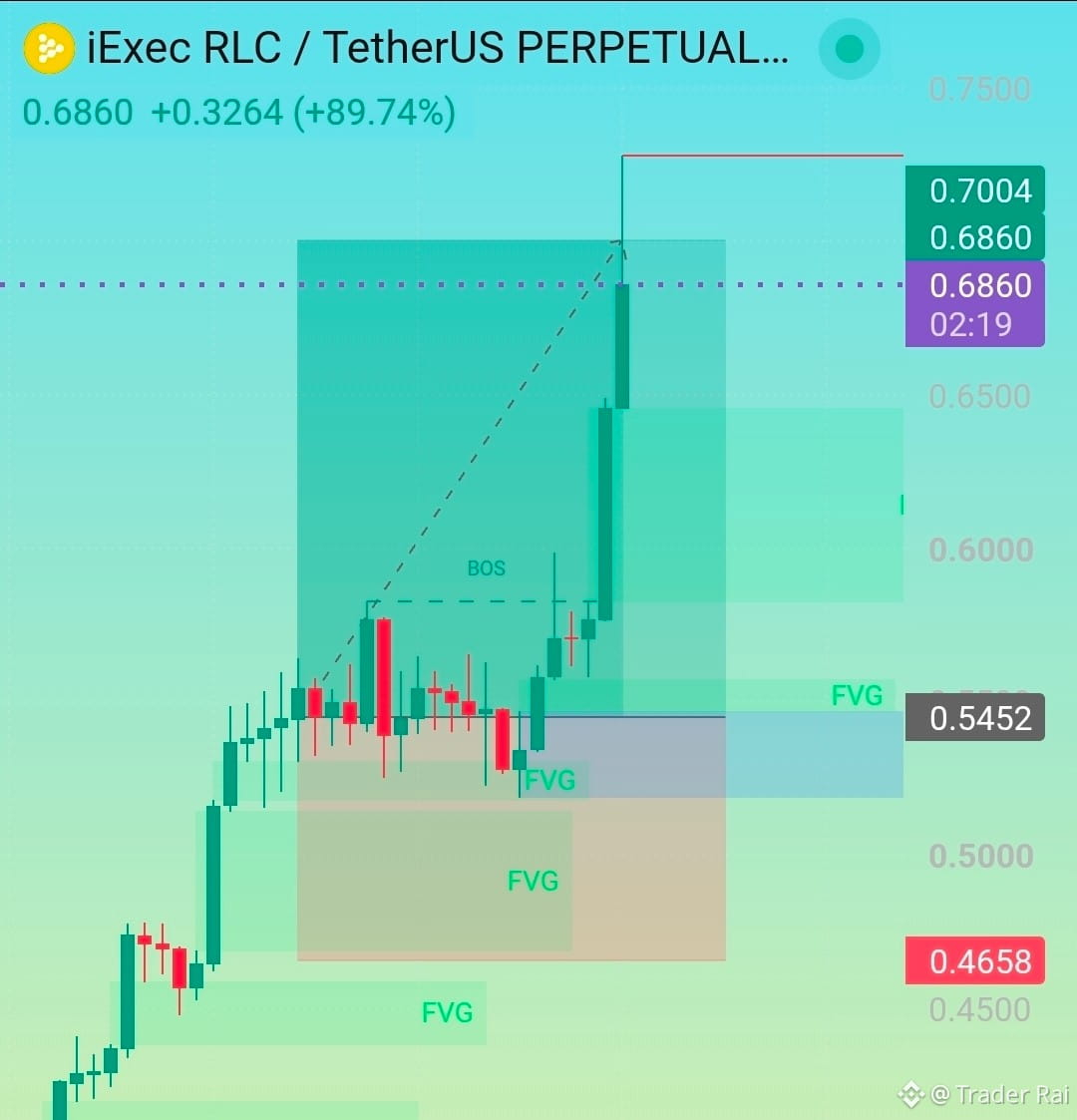
Congratulations all Followers... My $RLC bullish angle trade work 100% and market react as we accepted... after the breakout and strong support levels.. work perfectly.
Traders.. Next target i think $RLC hit $1 ... soon.
{future}(RLCUSDT)
Beautiful Trade 🤩😍 Guy's We all Boook Nice profit together.... 😉🫠
Congratulations all Followers... My $RLC bullish angle trade work 100% and market react as we accepted... after the breakout and strong support levels.. work perfectly.
Traders.. Next target i think $RLC hit $1 ... soon.
Congratulations all Followers... My $RLC bullish angle trade work 100% and market react as we accepted... after the breakout and strong support levels.. work perfectly.
Traders.. Next target i think $RLC hit $1 ... soon.
Trader Rai
·
--
HaussierAfter this aggressive move, $RLC holding near the breakout zone and keeping the bullish structure intact.
Trade Setup
Long: 0.5450–0.5530
SL: 0.4658
TP: 0.7004
Trade Setup
Long: 0.5450–0.5530
SL: 0.4658
TP: 0.7004
2
701
·
--
Haussier
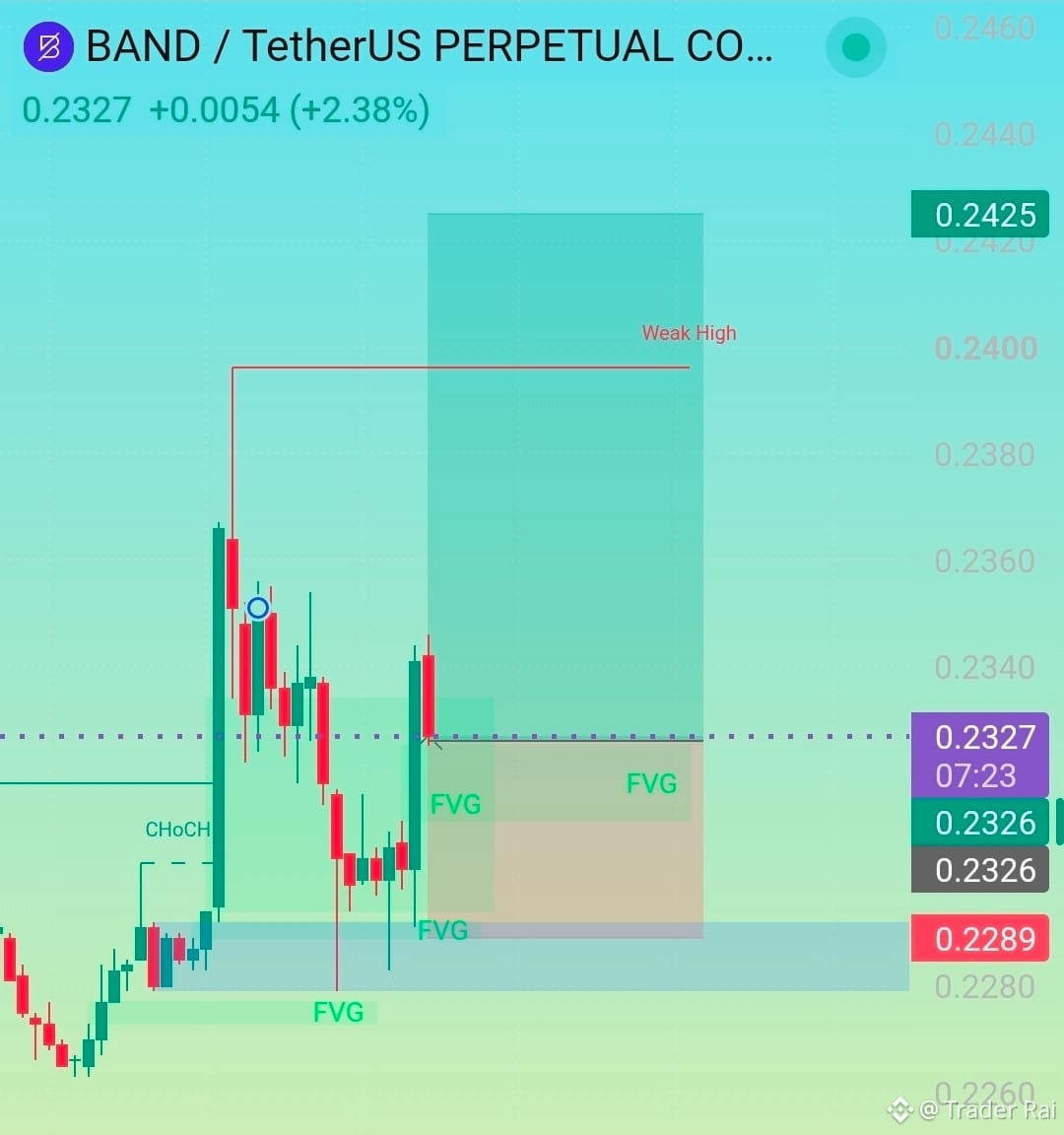
Spotting a solid liquidity sweep right off that local support zone gives us a clean roadmap for a quick long swing on $BAND . Expecting momentum to test the overhead supply block as buyers step back in.
Entry: 0.2325 - 0.2330
Take Profit: 0.2425
Stop Loss: 0.2285
{future}(BANDUSDT)
Spotting a solid liquidity sweep right off that local support zone gives us a clean roadmap for a quick long swing on $BAND . Expecting momentum to test the overhead supply block as buyers step back in.
Entry: 0.2325 - 0.2330
Take Profit: 0.2425
Stop Loss: 0.2285
Entry: 0.2325 - 0.2330
Take Profit: 0.2425
Stop Loss: 0.2285
1
424
·
--
Haussier
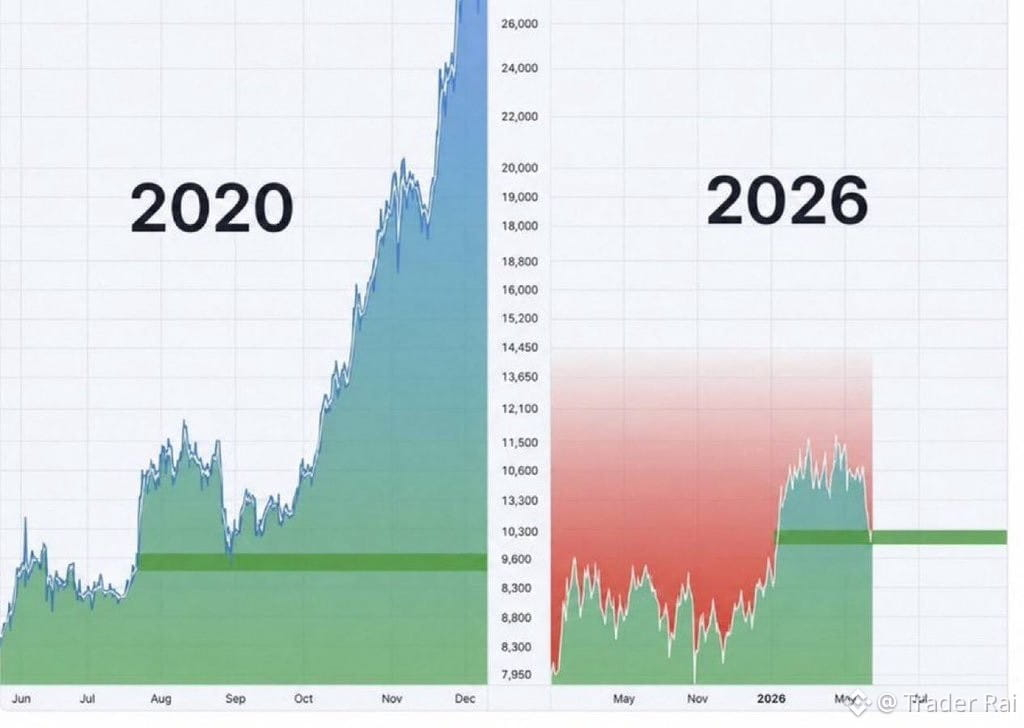
I’m literally shaking
BIGGEST BULL RUN EVER
$BTC $ETH $BNB
{future}(BTCUSDT)
{future}(ETHUSDT)
{future}(BNBUSDT)
I’m literally shaking
BIGGEST BULL RUN EVER
$BTC $ETH $BNB
BIGGEST BULL RUN EVER
$BTC $ETH $BNB
3
329
·
--
Haussier
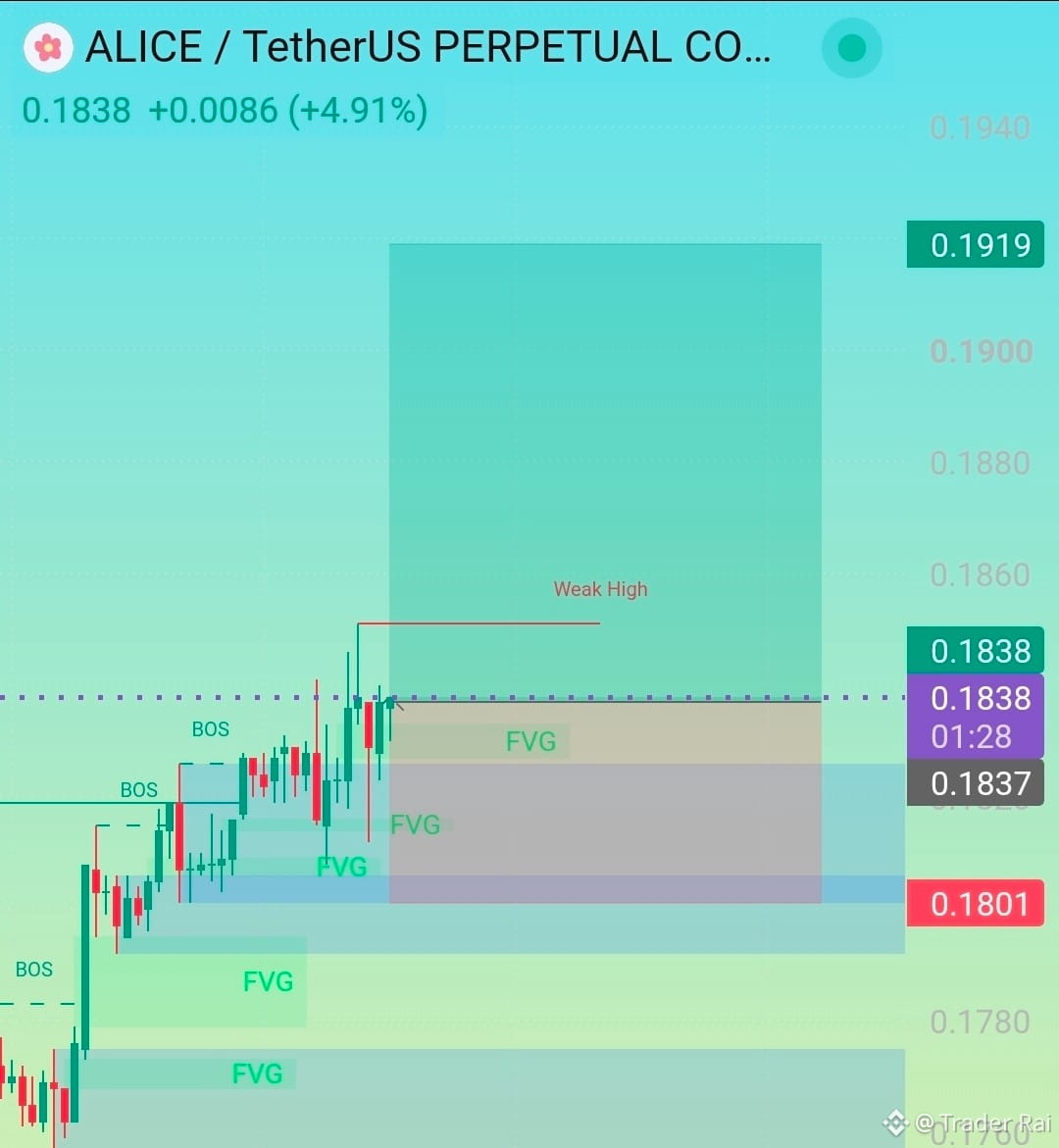
Clean structure, strong buyers — $ALICE reacting well from the latest demand zone. If price revisits the FVG and holds, I’d look for another push higher, with the recent weak high as the first target and 0.1919 in focus if momentum continues.
Long
Entry: 0.1820–0.1838
SL: 0.1801
TP: 0.1919
{future}(ALICEUSDT)
Clean structure, strong buyers — $ALICE reacting well from the latest demand zone. If price revisits the FVG and holds, I’d look for another push higher, with the recent weak high as the first target and 0.1919 in focus if momentum continues.
Long
Entry: 0.1820–0.1838
SL: 0.1801
TP: 0.1919
Long
Entry: 0.1820–0.1838
SL: 0.1801
TP: 0.1919
1
456
·
--
Article
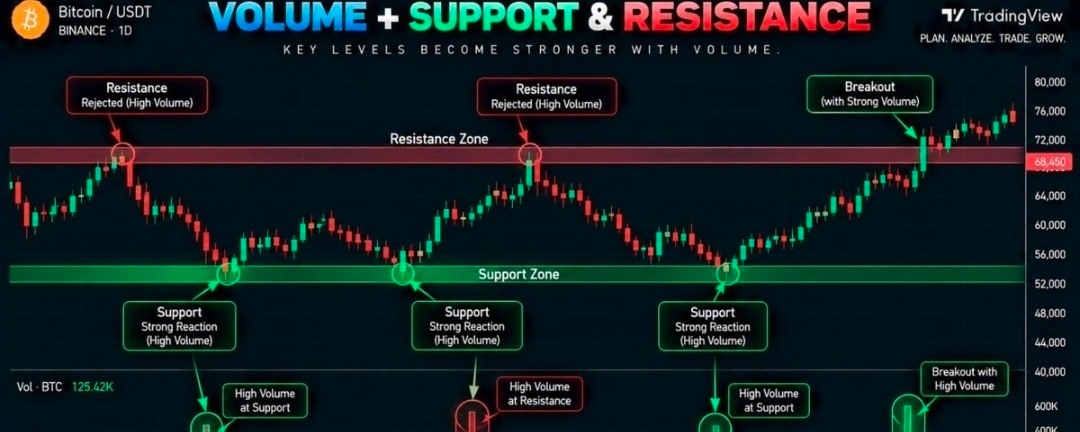
📊 Volume + Support & Resistance📊 Volume + Support & Resistance
Support and resistance tell you where price may react.
Volume can help you understand how much participation is behind that reaction.
That's why combining both can give your chart analysis more context.
🔹 Volume at Support price
Imagine $BTCdrops toward a major $90Ksupport zone.
Price reaches the level and suddenly:
• Volume increases
• Buyers step in
• Price strongly rejects the lows
This can suggest that there is strong participation around support and buyers are actively defending the area.
But remember — high volume doesn't automatically mean a bounce.
You still need price confirmation.
🔸 Volume at Resistance
Now imagine $BTC reaches $100Kresistance.
gets rejected while volume suddenly increases, it can indicate strong activity around the resistance zone.
Sellers may be defending the level, but buyers could also be aggressively trying to break through it.
So watch what price does next.
🚀 Breakout + Volume
$BTC breaks above $100Kwith a strong candle and increasing volume.
That can make the breakout more convincing because participation is supporting the move.
Similarly:
• Support breaks
• Volume increases
• Breakdown can become more significant.
⚠️ Read Volume With Price Action
This is the key lesson.
Don't think:
❌ High volume at support = guaranteed bounce
❌ High volume at resistance = guaranteed rejection
Instead, ask:
👉 Where is the volume appearing?
👉 How did price react?
👉 Did the candle close beyond the level?
👉 Did the breakout hold?
👉 What does market structure show?
Remember:
•Support & resistance give you the location.
•Volume shows participation.
•Price action confirms the reaction.
{future}(BTCUSDT)
📊 Volume + Support & Resistance
📊 Volume + Support & Resistance
Support and resistance tell you where price may react.
Volume can help you understand how much participation is behind that reaction.
That's why combining both can give your chart analysis more context.
🔹 Volume at Support price
Imagine $BTCdrops toward a major $90Ksupport zone.
Price reaches the level and suddenly:
• Volume increases
• Buyers step in
• Price strongly rejects the lows
This can suggest that there is strong participation around support and buyers are actively defending the area.
But remember — high volume doesn't automatically mean a bounce.
You still need price confirmation.
🔸 Volume at Resistance
Now imagine $BTC reaches $100Kresistance.
gets rejected while volume suddenly increases, it can indicate strong activity around the resistance zone.
Sellers may be defending the level, but buyers could also be aggressively trying to break through it.
So watch what price does next.
🚀 Breakout + Volume
$BTC breaks above $100Kwith a strong candle and increasing volume.
That can make the breakout more convincing because participation is supporting the move.
Similarly:
• Support breaks
• Volume increases
• Breakdown can become more significant.
⚠️ Read Volume With Price Action
This is the key lesson.
Don't think:
❌ High volume at support = guaranteed bounce
❌ High volume at resistance = guaranteed rejection
Instead, ask:
👉 Where is the volume appearing?
👉 How did price react?
👉 Did the candle close beyond the level?
👉 Did the breakout hold?
👉 What does market structure show?
Remember:
•Support & resistance give you the location.
•Volume shows participation.
•Price action confirms the reaction.
Support and resistance tell you where price may react.
Volume can help you understand how much participation is behind that reaction.
That's why combining both can give your chart analysis more context.
🔹 Volume at Support price
Imagine $BTCdrops toward a major $90Ksupport zone.
Price reaches the level and suddenly:
• Volume increases
• Buyers step in
• Price strongly rejects the lows
This can suggest that there is strong participation around support and buyers are actively defending the area.
But remember — high volume doesn't automatically mean a bounce.
You still need price confirmation.
🔸 Volume at Resistance
Now imagine $BTC reaches $100Kresistance.
gets rejected while volume suddenly increases, it can indicate strong activity around the resistance zone.
Sellers may be defending the level, but buyers could also be aggressively trying to break through it.
So watch what price does next.
🚀 Breakout + Volume
$BTC breaks above $100Kwith a strong candle and increasing volume.
That can make the breakout more convincing because participation is supporting the move.
Similarly:
• Support breaks
• Volume increases
• Breakdown can become more significant.
⚠️ Read Volume With Price Action
This is the key lesson.
Don't think:
❌ High volume at support = guaranteed bounce
❌ High volume at resistance = guaranteed rejection
Instead, ask:
👉 Where is the volume appearing?
👉 How did price react?
👉 Did the candle close beyond the level?
👉 Did the breakout hold?
👉 What does market structure show?
Remember:
•Support & resistance give you the location.
•Volume shows participation.
•Price action confirms the reaction.
1
142
·
--
Haussier
Beautiful 🤩 and wonderful 😍
❤️Guy's My $MUBARAK trade give me very Good profits.. Bullish angles of market rejection and liquidity is available So, that's mean market will continuesly move bullish...
Congratulations to me and my all Followers 🥰❤️💋
{future}(MUBARAKUSDT)
Beautiful 🤩 and wonderful 😍
❤️Guy's My $MUBARAK trade give me very Good profits.. Bullish angles of market rejection and liquidity is available So, that's mean market will continuesly move bullish...
Congratulations to me and my all Followers 🥰❤️💋
❤️Guy's My $MUBARAK trade give me very Good profits.. Bullish angles of market rejection and liquidity is available So, that's mean market will continuesly move bullish...
Congratulations to me and my all Followers 🥰❤️💋
Trader Rai
·
--
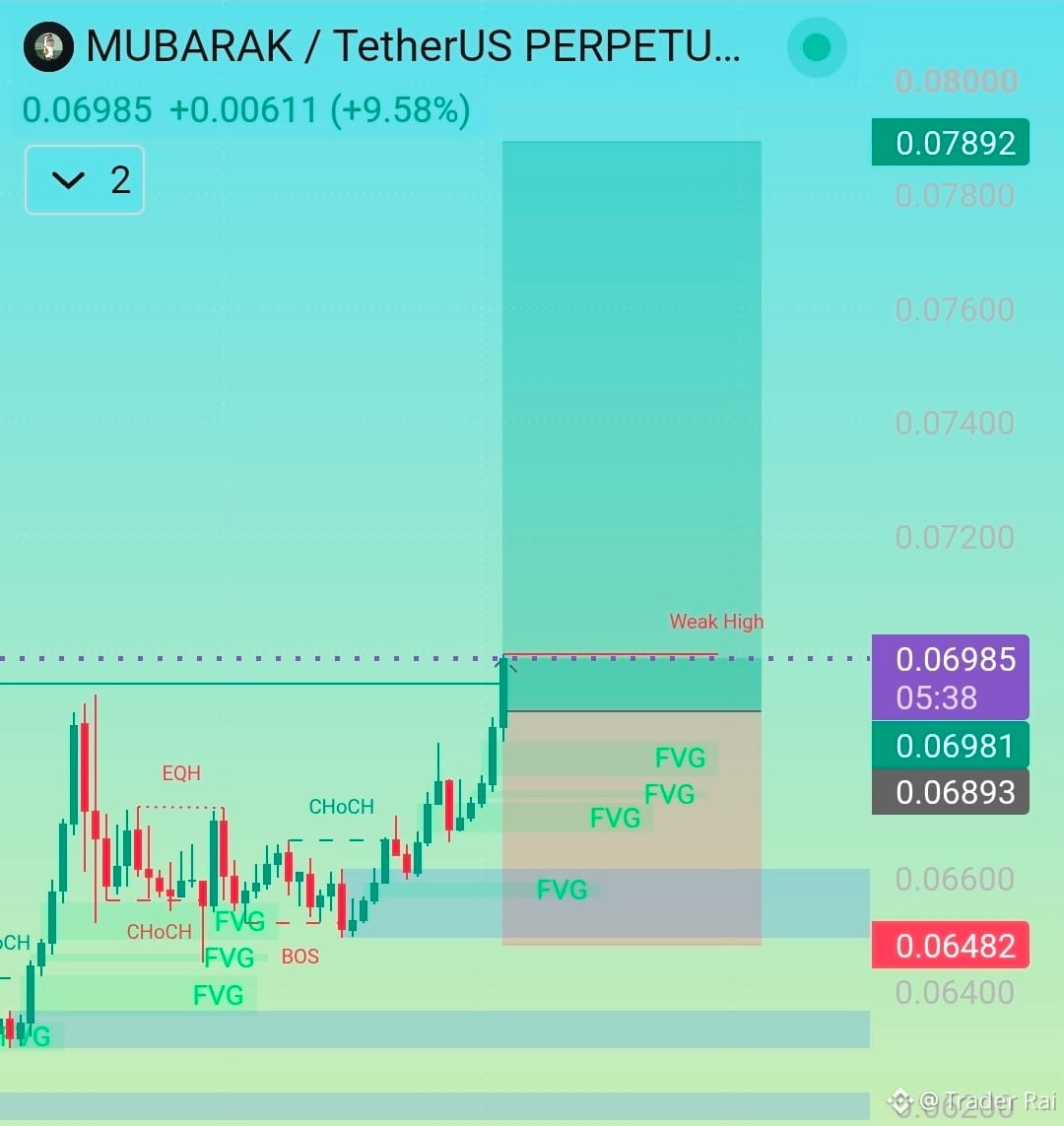
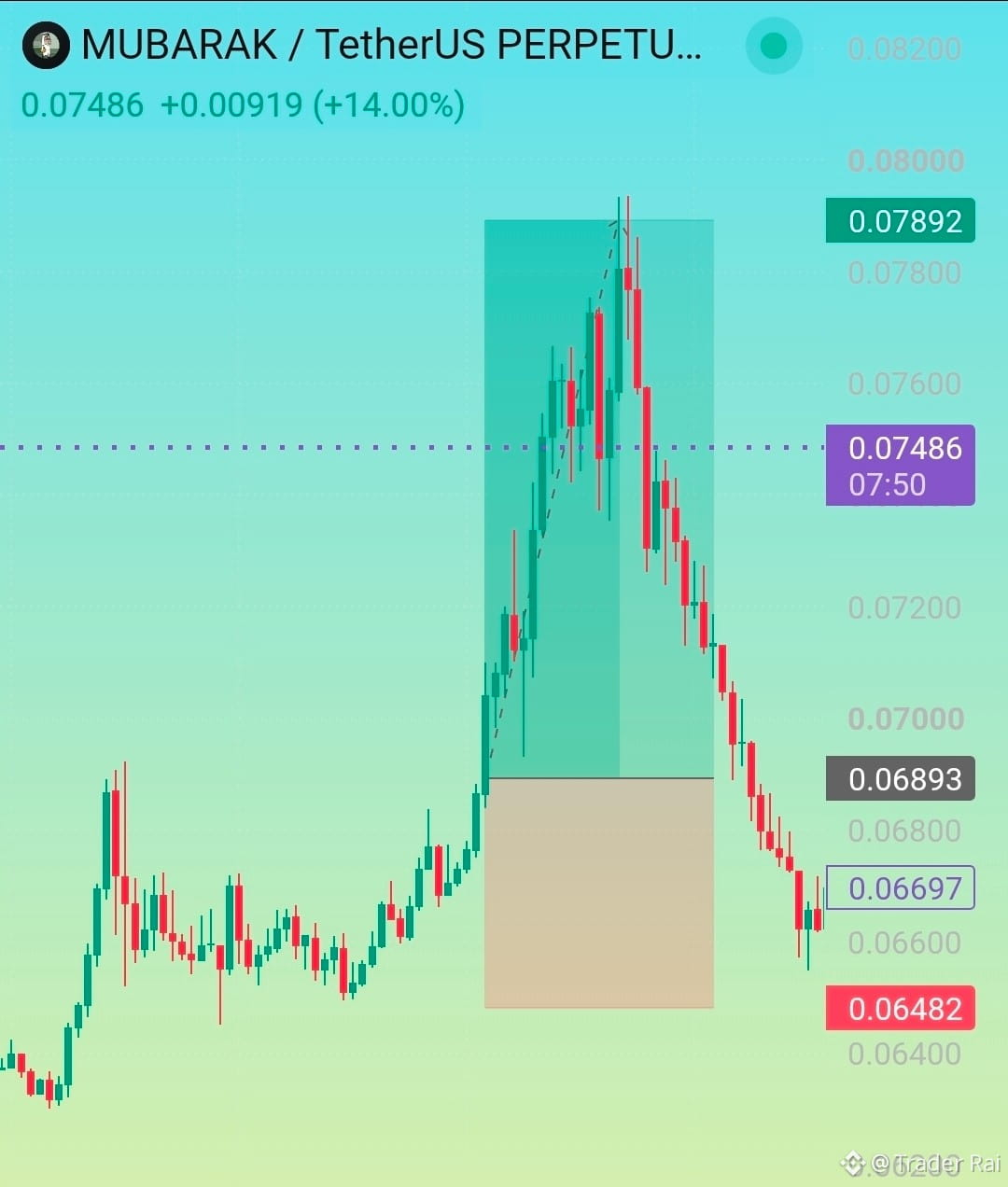
Haussier🟩$MUBARAK looking solid right here—after sweeping liquidity and printing a clean market shift, it’s holding nicely above the recent Fair Value Gaps. If buyers keep this momentum going past the $0.06985 resistance, we should see a quick push toward our higher targets.🟢
Entry: $0.06800 – $0.06900
TP: $0.07800
SL: $0.06450
Entry: $0.06800 – $0.06900
TP: $0.07800
SL: $0.06450
3
1k
Connectez-vous pour découvrir plus de contenu
Rejoignez la communauté mondiale des adeptes de cryptomonnaies sur Binance Square
⚡️ Suviez les dernières informations importantes sur les cryptomonnaies.
💬 Jugé digne de confiance par la plus grande plateforme d’échange de cryptomonnaies au monde.
👍 Découvrez les connaissances que partagent les créateurs vérifiés.
Adresse e-mail/Nº de téléphone
Sujets d’actualité
FedMinutesFocusOnOctoberPause
361,247 vues
2,242 mentions
🚨 THE FED JUST DROPPED A HUGE HINT — OCTOBER PAUSE INCOMING?
Wall Street is betting the Fed will HIT THE BRAKES in October. And crypto traders are watching closely. 👀
The latest FOMC minutes have shifted attention toward a potential pause at the October 27–28 meeting.
📊 The market setup:
🔥 October rate hold: approximately 82.8% in the latest previously reported pricing.
🔥 Rate hike probability: approximately 17.2%.
🔥 Weakening labor-market data is making an immediate hike harder to justify.
But here's the twist.
A PAUSE IS NOT A RATE CUT.
The Fed could hold in October while keeping the door open for additional tightening later.
For $BTC, $ ETH and $XAU, that distinction matters.
A pause could ease immediate pressure on risk assets. But persistent inflation and elevated Treasury yields could still crush bullish momentum.
⚠️ THE BIG QUESTION:
Is Wall Street positioning for a crypto breakout — or setting up another massive bull trap before the next Fed decision?
$BTC $ETH $BNB $SOL $XAU
#fedminutesfocusonoctoberpause #BinanceLaunchesBinanceIntelligence #EvernorthDelaysNasdaqDebutToOct12 #RobinhoodAdds$25MInBitcoinToBalanceSheet #SP500AndNasdaqHitRecordHighs
KimHotbae
·27 mentions J’aime
·32k vues
VitalikWarnsAICouldWeakenCryptographySecurity
240 vues
50 mentions
XRPSpotETFsHold$1.7BWeeklyInflowsSlow
216 vues
19 mentions