Binance Square
-Hawk-
2.1k Publications

-Hawk-

“Charts tell the truth. I just follow it.”
Trade occasionnellement
1.8 an(s)
1.6K+ Suivis
11.4K+ Abonnés
3.2K+ J’aime
Publications
PINNED
·
--
Haussier
Missing @BOB-Soly live streams a lot. Hope you're healthy, safe, and doing well. Wishing you a quick recovery and hoping to see you back live soon. The crypto community misses you! 💙🚀 @BOB-Soly @luffy-31 @XR-sifat
Missing @BOB-Soly live streams a lot. Hope you're healthy, safe, and doing well. Wishing you a quick recovery and hoping to see you back live soon. The crypto community misses you! 💙🚀

@BOB-Soly @luffy_-_- @Max_Crypto_100x
·
--
nice
nice
馨歌-路飞社区
·
--
[Revoir] 🎙️ web3加密货币定投计划第137天 共识学堂头脑风暴
01 h 25 min 06 sec · 343 auditeurs
·
--
Haussier
DUSK is one of the projects I’m keeping an eye on in the crypto space. Its focus on privacy, compliance, and real-world blockchain use cases makes it an interesting project to watch. 🔥 What makes DUSK stand out is its attempt to connect traditional financial markets with blockchain technology while maintaining privacy and regulatory requirements. If adoption continues to grow and the ecosystem develops further, DUSK could have strong long-term potential. Of course, crypto is highly volatile, so always do your own research before investing. 📊 @Dusk_Foundation #Dusk/usdt✅ $DUSK
DUSK is one of the projects I’m keeping an eye on in the crypto space. Its focus on privacy, compliance, and real-world blockchain use cases makes it an interesting project to watch. 🔥

What makes DUSK stand out is its attempt to connect traditional financial markets with blockchain technology while maintaining privacy and regulatory requirements. If adoption continues to grow and the ecosystem develops further, DUSK could have strong long-term potential.

Of course, crypto is highly volatile, so always do your own research before investing. 📊

@Dusk #Dusk/usdt✅ $DUSK
·
--
Haussier
#dusk $DUSK @Dusk_Foundation DUSK is one of the projects I’m keeping an eye on in the crypto space. Its focus on privacy, compliance, and real-world blockchain use cases makes it an interesting project to watch. 🔥 What makes DUSK stand out is its attempt to connect traditional financial markets with blockchain technology while maintaining privacy and regulatory requirements. If adoption continues to grow and the ecosystem develops further, DUSK could have strong long-term potential. Of course, crypto is highly volatile, so always do your own research before investing. 📊 #Dusk/usdt✅ @Dusk_Foundation #dusk
#dusk $DUSK @Dusk DUSK is one of the projects I’m keeping an eye on in the crypto space. Its focus on privacy, compliance, and real-world blockchain use cases makes it an interesting project to watch. 🔥

What makes DUSK stand out is its attempt to connect traditional financial markets with blockchain technology while maintaining privacy and regulatory requirements. If adoption continues to grow and the ecosystem develops further, DUSK could have strong long-term potential.

Of course, crypto is highly volatile, so always do your own research before investing. 📊

#Dusk/usdt✅ @Dusk #dusk
·
--
Haussier
Key Takeaways Dollar-cost averaging (DCA) is an investment method where you invest a fixed amount of money at regular intervals, regardless of price. Learn more in the dollar-cost averaging (DCA) glossary entry. Spreading purchases over time can help reduce the emotional pull of FOMO and panic-selling during market swings. DCA doesn't guarantee profits or eliminate all risks, but it can make long-term investing more manageable. It's a popular approach for those who want to invest without constantly watching the market or stressing about when to buy.
Key Takeaways
Dollar-cost averaging (DCA) is an investment method where you invest a fixed amount of money at regular intervals, regardless of price. Learn more in the dollar-cost averaging (DCA) glossary entry.
Spreading purchases over time can help reduce the emotional pull of FOMO and panic-selling during market swings.
DCA doesn't guarantee profits or eliminate all risks, but it can make long-term investing more manageable.
It's a popular approach for those who want to invest without constantly watching the market or stressing about when to buy.
Binance Academy
·
--
What Is Dollar-Cost Averaging (DCA)?
Key Takeaways

Dollar-cost averaging (DCA) is an investment method where you invest a fixed amount of money at regular intervals, regardless of price. Learn more in the dollar-cost averaging (DCA) glossary entry.

Spreading purchases over time can help reduce the emotional pull of FOMO and panic-selling during market swings.

DCA doesn't guarantee profits or eliminate all risks, but it can make long-term investing more manageable.

It's a popular approach for those who want to invest without constantly watching the market or stressing about when to buy.

Dollar-cost averaging (DCA) is a strategy where you invest a set amount of money into an asset at regular intervals, such as every week or month, regardless of whether the market is going up or down. Rather than trying to time the market by waiting for the "perfect" price, DCA helps you build a position gradually over time.

Even experienced traders struggle with timing the market. By investing smaller, fixed amounts on a regular schedule, you can slowly build your position without stressing over every price movement.

How Dollar-Cost Averaging Works

Let's say you have $1,000 you want to invest in Bitcoin. Rather than investing all at once, you could choose to invest $100 each month for 10 months. Some months you might buy when prices are higher; other months when prices are lower.

Because you're spreading out your purchases, you may end up with a lower average cost per unit compared to investing everything in one go. This approach also removes the pressure of trying to choose a single entry point.

DCA vs. Lump Sum Investing

A lump sum investment means putting your full amount in all at once. If prices rise immediately after your purchase, a lump sum can produce stronger gains than DCA over the same period. However, if prices fall after you buy, there's no remaining capital to take advantage of lower prices.

Research suggests lump sum investing wins in roughly two-thirds of historical cases when markets trend steadily upward. In volatile markets, however, DCA tends to produce more consistent results because each dip becomes a buying opportunity. Historical data on Bitcoin shows that every three-year rolling DCA window since 2013 has been profitable, though past results are not a guarantee of future performance.

The right approach depends on your situation, the asset you're buying, and how much price volatility you're comfortable with.

Why Investors Like the DCA Strategy

You don't have to be an expert: DCA removes the pressure to predict the "perfect" time to buy, so you don't have to watch markets constantly.

Reduces emotional decisions: When prices fall, you might panic-sell. When prices rise quickly, the fear of missing out can tempt you to buy without thinking. By investing the same amount regularly, you're less likely to make decisions based on emotion or hype.

Smooths out price swings: Instead of putting all your money in at once and risking a purchase at a peak, DCA spreads your entries across different price points.

Investing becomes a habit: One of the hardest parts of investing is staying consistent. With DCA, you stick to a schedule rather than reacting to market news.

What Are the Risks?

Like all strategies, DCA isn't perfect. It's important to understand where it might fall short.

You can still lose money

If the asset you're buying consistently drops in value, DCA won't protect you from losses. You're still exposed to bear market conditions, just in smaller bites.

Slower in a rising market

If prices are climbing quickly, DCA may underperform a lump sum investment. Because your capital enters the market more slowly, you may miss some early gains during a strong uptrend.

Fees can add up

If your trading platform charges fees per transaction, investing frequently in small amounts could reduce your overall returns. It's worth checking whether your platform offers lower fees for higher volumes or a recurring buy feature that minimises per-transaction costs.

Is Dollar-Cost Averaging Right for You?

DCA may suit you if you're new to investing and want a simple, low-stress approach. It also works well if you earn income regularly and prefer to invest as you go, or if you find yourself making emotional decisions based on short-term price news.

On the other hand, DCA might be less ideal if you're looking for short-term gains, want full exposure to an asset immediately, or are investing in a steadily rising market where a lump sum entry would capture more upside.

FAQ

What does DCA mean in crypto?

DCA stands for dollar-cost averaging. In crypto, it means investing a fixed amount of money into a cryptocurrency at regular intervals, such as $50 every week, regardless of the current price. The goal is to reduce the impact of short-term price volatility on your average cost over time.

What is the difference between DCA and lump sum investing?

With DCA, you spread your investment across multiple purchases over time. With lump sum investing, you invest everything at once. Lump sum can produce better results when markets trend consistently upward, while DCA tends to perform more consistently in volatile or declining markets.

Is dollar-cost averaging a good strategy for crypto?

DCA can be a useful approach for long-term crypto investors because it reduces the need to time the market and lowers the risk of buying everything at a price peak. However, no strategy guarantees profits, and DCA can underperform in strong uptrends. Whether it suits you depends on your goals, time horizon, and how you respond to market volatility. This is not financial advice.

How often should I invest with DCA?

The right interval depends on your budget, goals, and the fees your platform charges. Common intervals are weekly, bi-weekly, or monthly. More frequent purchases can smooth out price variations more effectively but may increase cumulative fees. Automating purchases through a recurring buy feature can help you stay consistent without having to make active decisions.

Closing Thoughts

Dollar-cost averaging is a straightforward strategy that can help you invest gradually over time without needing to predict market highs or lows. By putting in the same amount regularly, you average out the cost of your purchases and build a habit of consistent investing. It's not a guarantee against losses, and the right approach always depends on your individual circumstances. For a concise definition and further context, visit the Binance Academy dollar-cost averaging glossary entry.

Further Reading

A Beginner's Guide to Day Trading Cryptocurrency

Crypto Day Trading vs. HODLing: Which Strategy Is Best for You?

What Does HODL Mean?


Disclaimer: This content is presented to you on an "as is" basis for general information and or educational purposes only, without representation or warranty of any kind. It should not be construed as financial, legal or other professional advice, nor is it intended to recommend the purchase of any specific product or service. You should seek your own advice from appropriate professional advisors. Where the content is contributed by a third-party contributor, please note that those views expressed belong to the third-party contributor and do not necessarily reflect those of Binance Academy. Digital asset prices can be volatile. The value of your investment may go down or up and you may not get back the amount invested. You are solely responsible for your investment decisions and Binance Academy is not liable for any losses you may incur. For more information, see our Terms of Use, Risk Warning and Binance Academy Terms.
·
--
wow
wow
Binance Academy
·
--
What Is the Ethereum Glamsterdam Upgrade?
Key Takeaways

Glamsterdam is a major Ethereum protocol upgrade. It was originally targeted for June 2026, but later delayed to Q3 2026.

The upgrade focuses on three goals: parallelizing transaction processing, expanding block capacity, and preventing database bloat through gas repricing.

The proposals include EIP-7732 (enshrined proposer-builder separation), EIP-7928 (block-level access lists), and EIP-8037 (addressing gas repricing).

The Ethereum Foundation has set a target of 200 million gas as a post-upgrade capacity goal, a significant increase from the current approximately 60 million.

Introduction

Glamsterdam is a major Ethereum upgrade that was originally targeted for June 2026, but has been delayed to Q3 2026. The Ethereum Foundation confirmed the revised timeline, citing the need for additional testing and interoperability work across consensus and execution clients.

Glamsterdam builds on the progress of the Fusaka upgrade in December 2025, which introduced PeerDAS for improved data availability. Where Fusaka focused on foundational refinements, Glamsterdam aims to scale Ethereum's base layer by reorganizing how the network creates and verifies blocks.

What Is the Glamsterdam Upgrade?

Glamsterdam is a combined execution-layer and consensus-layer upgrade. The name follows Ethereum's convention of pairing a city name for the execution layer ("Amsterdam") with a star name for the consensus layer ("Gloas"), combined into "Glamsterdam."

The upgrade centers on three main goals. First, speeding up processing through parallelization, allowing the network to process many transactions simultaneously instead of one by one.

Second, expanding capacity by splitting block creation and verification duties to give the network more time to propagate larger amounts of data.

Third, preventing database bloat by adjusting fees to reflect the long-term hardware cost of storing new data, which unblocks future gas limit increases.

In short, Glamsterdam introduces structural changes to ensure the network can continue to perform well and sustainably while increasing capacity.

Key Proposals in Glamsterdam

EIP-7732: Enshrined Proposer-Builder Separation (ePBS)

Currently, the relationship between block proposers and block builders is not part of Ethereum's core protocol. It relies on trusted third-party middleware known as relays, most notably MEV-Boost. 

This off-protocol arrangement creates a bottleneck: validators must rush through transaction broadcasting and execution in a tight 2-second window, limiting how much data the network can handle per block.

EIP-7732 formally separates the role of the proposer (who selects the consensus block) from the builder (who assembles the execution payload), enshrining this hand-off directly into the protocol. This removes the need for third-party middleware and introduces trustless builder payments built into the protocol itself.

To address the 2-second bottleneck, ePBS introduces a Payload Timeliness Committee (PTC) and a dual-deadline logic. Validators can attest to the consensus block and the execution payload separately, expanding the propagation window from 2 seconds to approximately 9 seconds. This extra time allows Ethereum to safely process much larger blocks without stressing the network.

ePBS also has implications for staking pools, which will need architectural updates to enable trustless monitoring. However, the overall staking experience may improve through a refined builder selection process.

EIP-7928: Block-Level Access Lists (BALs)

Today, Ethereum processes transactions sequentially. The network does not know what data a transaction will access or modify until the transaction runs, so validators must process transactions one by one to avoid conflicts. This creates a single-lane road where throughput is limited by the speed of serial execution.

Block-Level Access Lists (BALs) change this by providing an upfront map of all transaction dependencies. The execution layer stores a full block access list detailing every account the transactions will touch, along with the final results of those changes. The block header contains a compact fingerprint of this list.

With this map in place, validators can process non-conflicting transactions in parallel instead of sequentially. Nodes can also sync faster by reading the final results without replaying every transaction, a feature called executionless sync. BALs lay the groundwork for a significant increase in Layer 1 throughput.

EIP-8037: Gas Repricing

A higher gas limit only helps if the network can handle the resulting state growth without degrading performance. EIP-8037 introduces smarter pricing for data storage by raising the cost of state-creating operations. The goal is to make state expansion more expensive while keeping computation relatively cheaper.

This repricing is designed to work alongside the 200 million gas target. Without it, a higher gas limit could lead to excessive state growth that makes running a node increasingly expensive. By aligning gas costs with the actual long-term hardware burden of storing new data, EIP-8037 ensures that capacity increases remain sustainable.

The 200 Million Gas Limit Target

The Ethereum Foundation has described a 200 million gas limit as a "credible post-Glamsterdam target" for the network. This would be a significant increase from the current gas limit of approximately 60 million. However, the Foundation has framed this as a capacity goal rather than a guaranteed setting on day one of the upgrade.

The gas limit determines how much computation can fit in a single block. Raising it means more transactions and smart contract operations can be processed per block, but it also means blocks become larger and more resource-intensive to validate. Glamsterdam's combination of ePBS, BALs, and gas repricing is designed to make this increase safe and sustainable.

Timeline and Current Status

As mentioned, the original target for Glamsterdam was June 2026. The Ethereum Foundation confirmed that the upgrade is now expected in Q3 2026. The delay stems from ePBS not progressing fast enough, with interoperability issues across consensus and execution clients still being resolved.

Devnets for the upgrade are already live, with testing conducted at an interop event in Svalbard, Norway. The upgrade is in its final testing phase. Public testnet activation is expected before any mainnet launch, but no confirmed testnet date has been announced.

Some reports suggest an internal developer target around late August 2026, but this is not an official date. The main risk to the timeline is further delay if testing exposes additional issues, particularly around ePBS implementation and cross-client consistency.

What Comes After Glamsterdam?

The Ethereum Foundation is also scoping the next major upgrade after Glamsterdam, called Hegotà, planned to follow Glamsterdam with timing described as late 2026 or later depending on development progress. 

Hegotà is expected to introduce Verkle Trees, which replace Ethereum's current data structure with a more efficient one that enables stateless clients. 

EIP-8141, known as Frame Transactions, is also being considered for Hegotà. It would introduce native account abstraction by making transaction verification programmable, allowing users to choose post-quantum signature schemes instead of being locked to ECDSA. However, EIP-8141 is still in Draft status and has not been confirmed for inclusion.

Beyond Hegotà, the Foundation is advancing the Strawmap, its long-term quantum-resistant roadmap. This work includes hash-based signatures (leanXMSS), a minimal zkVM (leanVM) for compressing quantum-safe signatures, and weekly interop testing across more than 10 client teams.

FAQ

When will the Glamsterdam upgrade activate?

The Ethereum Foundation has targeted Q3 2026, but no confirmed mainnet activation date has been announced. Devnets are live, and public testnet activation is expected before mainnet. Some reports mention late August 2026 as an internal developer target, but this is not official.

What is enshrined proposer-builder separation (ePBS)?

The ePBS (EIP-7732) moves the relationship between block proposers and block builders into Ethereum's core protocol, removing the need for third-party relay middleware like MEV-Boost. 

It introduces a Payload Timeliness Committee and dual-deadline logic that expands the block propagation window from 2 seconds to approximately 9 seconds, allowing the network to handle larger blocks.

What are block-level access lists (BALs)?

BALs (EIP-7928) provide an upfront map of all transaction dependencies within a block. By telling validators which accounts each transaction will touch before execution begins, BALs enable parallel processing of non-conflicting transactions and faster node syncing through executionless sync.

Will Glamsterdam reduce gas fees?

Glamsterdam's primary goal is to increase network capacity and throughput, not to reduce gas fees directly. By raising the gas limit target and enabling parallel execution, more transactions can fit in each block, which could help reduce congestion-related fee spikes. 

However, EIP-8037 also raises costs for state-creating operations to prevent database bloat, so some operations may become more expensive.

What is the difference between Glamsterdam and Fusaka?

Fusaka, activated in December 2025, introduced PeerDAS for improved data availability and increased blob parameters for Layer 2 networks. Glamsterdam builds on this foundation by focusing on Layer 1 scaling through ePBS, block-level access lists, and gas repricing. Where Fusaka primarily benefited Layer 2 rollups, Glamsterdam targets the base layer directly.

Closing Thoughts

Glamsterdam is an important step in Ethereum's scaling roadmap. The upgrade aims to prepare Ethereum for substantially higher throughput without sacrificing decentralization or node accessibility. 

Key changes include enshrining proposer-builder separation, introducing parallel transaction processing through block-level access lists, and repricing gas to manage state growth.

The delay to Q3 2026 reflects the complexity of the changes involved. The ePBS alone restructures how blocks are built and propagated, and ensuring interoperability across all client implementations takes time.

Further Reading

What Is Ethereum and How Does It Work?

Ethereum Fusaka Upgrade: All You Need to Know

How Do Gas Fees Work on Ethereum?

What Is an Ethereum Improvement Proposal (EIP)?

Blockchain Layer 1 vs. Layer 2 Scaling Solutions

Disclaimer: This content is presented to you on an "as is" basis for general information and educational purposes only, without representation or warranty of any kind. It should not be construed as financial, legal, or other professional advice, nor is it intended to recommend the purchase of any specific product or service. You should seek your own advice from appropriate professional advisors. Where the content is contributed by a third-party contributor, please note that those views expressed belong to the third-party contributor, and do not necessarily reflect those of Binance Academy. Digital asset prices can be volatile. The value of your investment may go down or up and you may not get back the amount invested. You are solely responsible for your investment decisions and Binance Academy is not liable for any losses you may incur. For more information, see our Terms of Use, Risk Warning, and Binance Academy Terms.
·
--
BOB-Soly
·
--
[Revoir] 🎙️ This Is Why Baby Asteroid Hits Different Liv's Mom Confirms It
02 h 03 min 06 sec · 16.4k auditeurs
·
--
Haussier
https://www.binance.com/activity/pick-and-win/2026-football-challenge?ref=1018631829&utm_medium=web_share_copy football ⚽🎁🧧💰
https://www.binance.com/activity/pick-and-win/2026-football-challenge?ref=1018631829&utm_medium=web_share_copy

football ⚽🎁🧧💰
·
--
Haussier
bob
bob
-Hawk-
·
--
Haussier
Missing @BOB-Soly live streams a lot. Hope you're healthy, safe, and doing well. Wishing you a quick recovery and hoping to see you back live soon. The crypto community misses you! 💙🚀

@BOB-Soly @luffy_-_- @Max_Crypto_100x
·
--
Haussier
get well soon 🙏 brother we will miss you :'( and thanks a lot 💟 @BOB-Soly
get well soon 🙏 brother we will miss you :'( and thanks a lot 💟

@BOB-Soly
BOB-Soly
·
--
Haussier
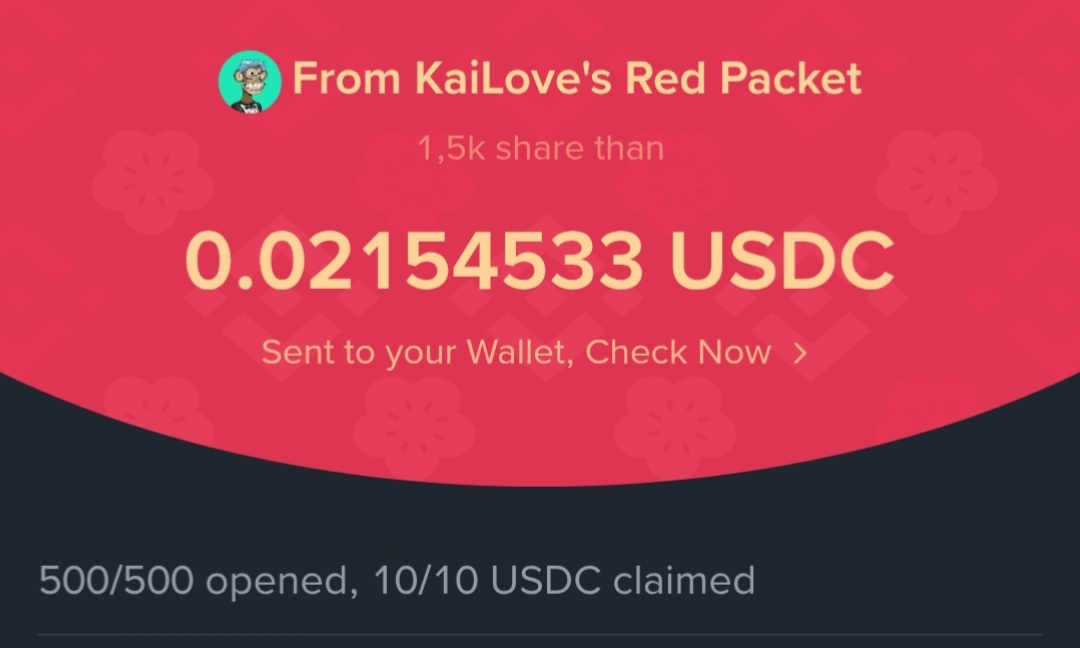
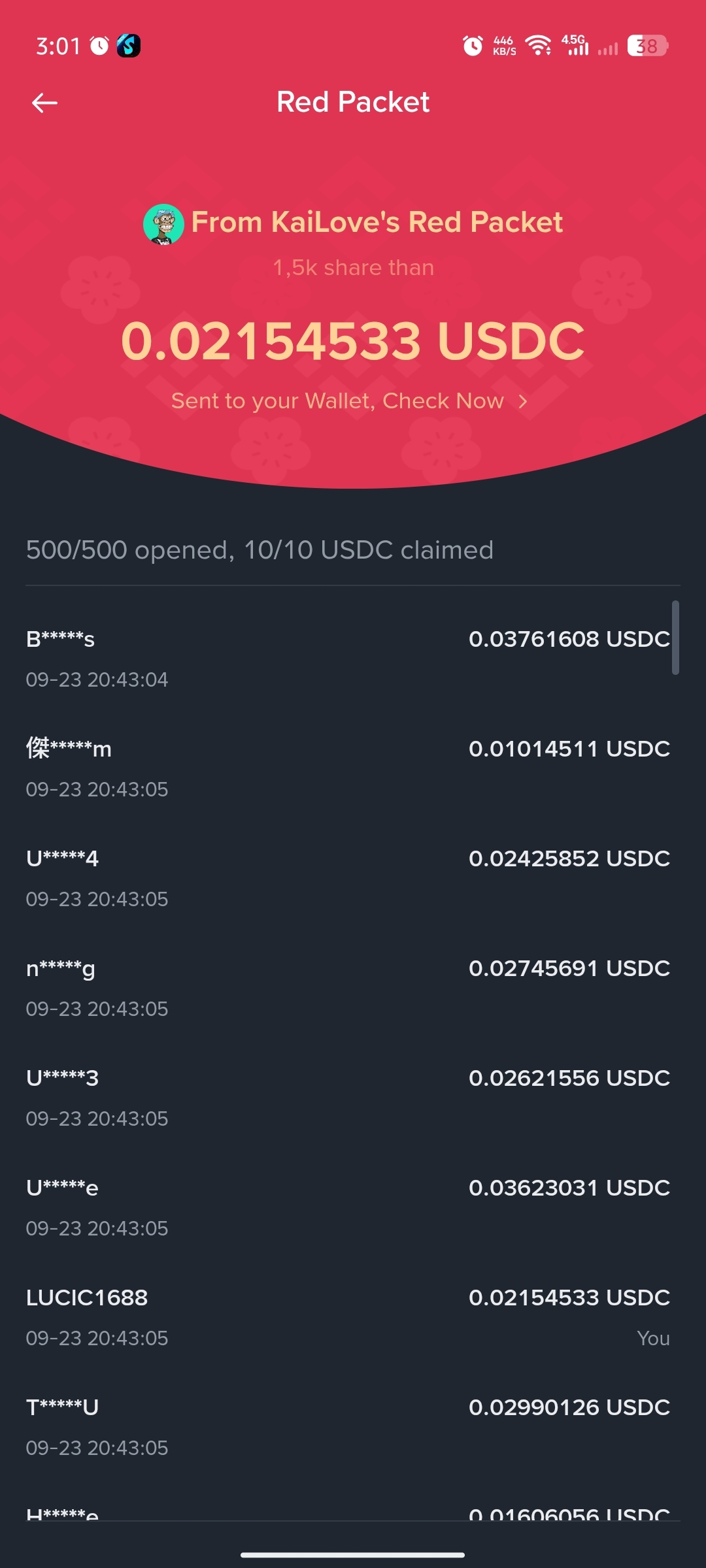
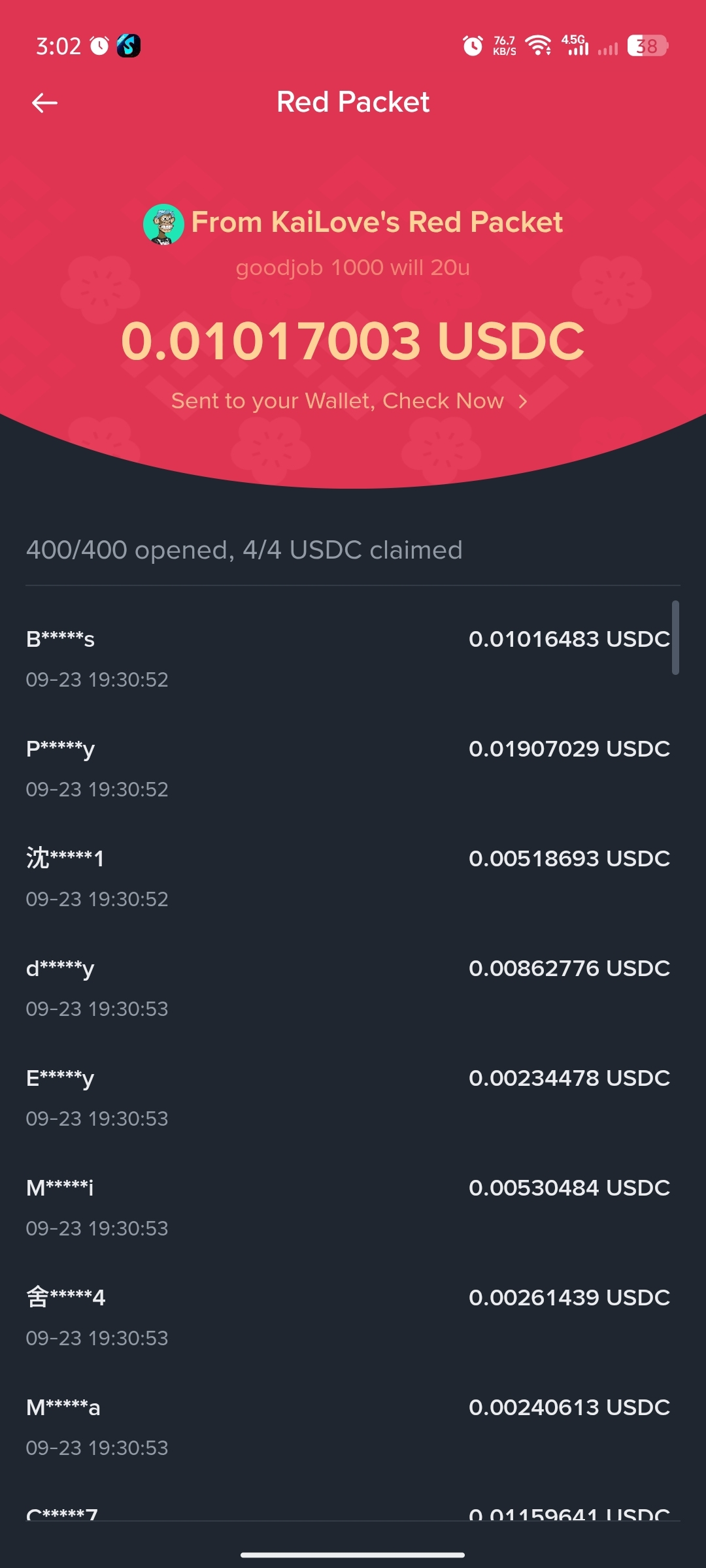
Hey loves! No live match today feeling a little under the weather 🤧 But don’t go empty-handed! Share + Comment + Claim your Red Packet 🧧✨
#SPCX #bnb #BABYASTEROID
·
--
BOB-Soly
·
--
Haussier
🎙️ 🚀 $SPCX Gains Flowing Into $BabyAsteroid God Candle Loading? 👀

·
--
Haussier
#BinancePickAndWin https://www.binance.com/activity/pick-and-win/2026-football-challenge?ref=1018631829&utm_medium=web_share_copy join and money 🤑💰
#BinancePickAndWin https://www.binance.com/activity/pick-and-win/2026-football-challenge?ref=1018631829&utm_medium=web_share_copy

join and money 🤑💰
·
--
BOB-Soly
·
--
[Revoir] 🎙️ Crypto Meets World Cup Open Chat
44 min 31 sec · 8.3k auditeurs
·
--
Haussier
$BEAT $VELVET , these 2 evil coins. There is a big probability that BEAT >$10 and VELVET >$2. Some of traders are facing the same issues with all coins that are being played by Whales ($RAVE etc). It won't stop until they want to stop, but who knows when the whales want to stop?. For now, long trading is 100% gambling to gain, short trading is 100% gambling to lose. The opposite will happen, but not today. #beat #Velvet
$BEAT $VELVET , these 2 evil coins. There is a big probability that BEAT >$10 and VELVET >$2. Some of traders are facing the same issues with all coins that are being played by Whales ($RAVE etc). It won't stop until they want to stop, but who knows when the whales want to stop?. For now, long trading is 100% gambling to gain, short trading is 100% gambling to lose. The opposite will happen, but not today.
#beat #Velvet
·
--
1
1
Votre contenu coté a été supprimé
·
--
btc
btc
BOOM-DAD
·
--
🥰🥰 HAI MY LOVELY FRIENDS 🥰🥰

♥️♥️ ♥️♥️

💥💥👇 CLAIM BIG BTC FAST CLICK 👇👇

💥🎁👉👉 BP02BPY5WH

👆👆👆 CLICK AND CLAIM YOU REWARD

♥️♥️ THANKS FOR SUPPORT ME ♥️♥️

#StrategyBTCPurchase
#USDemocraticPartyBlueVault
#USTradeDeficitShrink
#BTCVSGOLD
#Token2049Singapore

$ETH

$BTC

$XRP
·
--
following
following
Crypto Insight USA
·
--
Haussier
💭 I thought for a while about what to post today…
And then I realized: the best gift is one without expectations.
So here’s a 🎁 Red Packet 🎁 — no contests, no rules, no “must-do” list.
Just a little surprise, shared from the heart.
#USNonFarmPayrollReport #USTradeDeficitShrink #ZTCBinanceTGE #BinanceHODLerBREV #BTCVSGOLD $BTC $ETH $BNB

@Walrus 🦭/acc
·
--
Eco-Friendly: Dusk’s PoS consensus makes it a sustainable choice for the next gen of crypto users#dusk $DUSK {spot}(DUSKUSDT)
Eco-Friendly: Dusk’s PoS consensus makes it a sustainable choice for the next gen of crypto users#dusk $DUSK
·
--
Smart Contracts: Build confidential smart contracts with Dusk—the future of secure digital finance.#dusk $DUSK {spot}(DUSKUSDT)
Smart Contracts: Build confidential smart contracts with Dusk—the future of secure digital finance.#dusk $DUSK
·
--
ZK-Tech: Dusk uses Zero-Knowledge proofs to ensure fast, private, and compliant transactions #dusk $DUSK {spot}(DUSKUSDT)
ZK-Tech: Dusk uses Zero-Knowledge proofs to ensure fast, private, and compliant transactions #dusk $DUSK
Connectez-vous pour découvrir plus de contenu
Rejoignez la communauté mondiale des adeptes de cryptomonnaies sur Binance Square
⚡️ Suviez les dernières informations importantes sur les cryptomonnaies.
💬 Jugé digne de confiance par la plus grande plateforme d’échange de cryptomonnaies au monde.
👍 Découvrez les connaissances que partagent les créateurs vérifiés.
Adresse e-mail/Nº de téléphone
Plan du site
Préférences de cookies
CGU de la plateforme