
Suyay
16k Publications

Suyay
Signaler
Bloquer l’utilisateur
Deep-diving into the crypto world. Always learning & building. Turning complex data into actionable insights for the digital asset revolution. Join the journey!

Traders League Badge Beginner
1.9K+ Suivis
2.6K+ Abonnés
57.2K+ J’aime
1 Badges
Publications
Portefeuille
Tous
Citations
Vidéos
·
--
Un jeton se négociait à une distance d’un bras de son sommet historique. Deux jours plus tard, un projet de loi d’une valeur proche de 800 millions de dollars est prévu pour arriver à échéance.
HYPE a touché 86,75 $ le 4 septembre, à seulement 1,5 % en dessous de son sommet historique de 88,06 $, porté par une adoption institutionnelle, une accumulation par les « whales » et une mise à niveau du protocole — de vrais signaux de demande, pas seulement de la dynamique graphique.
Mais le 6 septembre, 9,92 millions de tokens HYPE sont prévus pour être déverrouillés pour des contributeurs clés, ce qui représente environ 797 millions de dollars aux prix actuels. Les analystes notent que les montants réellement réclamés après les déblocages ont souvent été inférieurs au chiffre annoncé, mais la date prévue elle-même ne fait pas de doute.
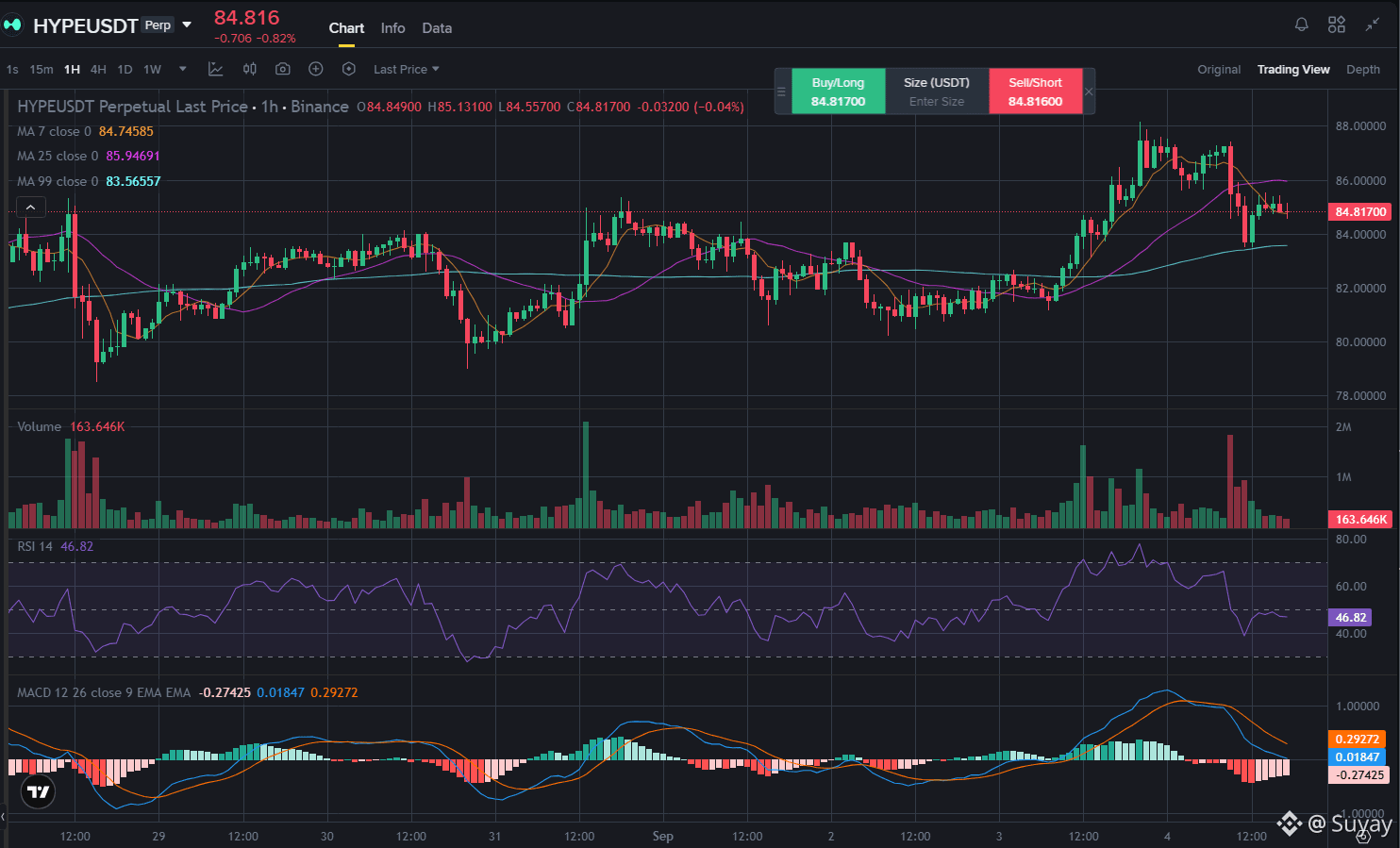
Le graphique des perpétuels en 1H montre clairement la configuration : après une semaine heurtée évoluant entre 80 et 86, avec une baisse vers un plus bas local proche de 78 autour du 28-29 août, HYPE a fortement fait une cassure à partir du 1er septembre, avant de remonter vers un plus haut proche de 88 les 3-4 septembre — le test du proche-ATH — puis de s’inverser brutalement au cours des dernières 24 heures, pour retomber à son niveau actuel de 84,816.
Le prix se situe désormais juste au niveau de la MA7 (84,746), mais en dessous de la MA25 (85,947), tout en restant au-dessus de la MA99 (83,566).
Le RSI est passé d’une situation de surachat au-dessus de 70 pendant la phase de hausse à une valeur neutre de 46,82, et l’histogramme du MACD est passé de façon décisive en territoire négatif à -0,274, avec à la fois le MACD et la ligne de signal qui s’infléchissent depuis leur sommet.
La demande institutionnelle et l’accumulation par les « whales » sont de véritables signaux de conviction, différents d’une simple hausse motivée par la spéculation. Mais il ne s’agit pas d’un risque de dilution vague quelque part sur une feuille de route — c’est un événement précis et daté dans deux jours, qui tombe au moment même où la dynamique refroidissait déjà après le test du proche-ATH.
La fenêtre entre maintenant et le 6 septembre est celle où le marché décide si cette baisse correspond à une prise de profits habituelle, ou si c’est le premier signe que la pression liée à l’offre est déjà intégrée dans les prix avant même qu’elle ne se matérialise.
Ce n’est pas un conseil financier — uniquement à des fins d’information.
$HYPE #hype #Hyperliquid #Binance
{future}(HYPEUSDT)
Un jeton se négociait à une distance d’un bras de son sommet historique. Deux jours plus tard, un projet de loi d’une valeur proche de 800 millions de dollars est prévu pour arriver à échéance.
HYPE a touché 86,75 $ le 4 septembre, à seulement 1,5 % en dessous de son sommet historique de 88,06 $, porté par une adoption institutionnelle, une accumulation par les « whales » et une mise à niveau du protocole — de vrais signaux de demande, pas seulement de la dynamique graphique.
Mais le 6 septembre, 9,92 millions de tokens HYPE sont prévus pour être déverrouillés pour des contributeurs clés, ce qui représente environ 797 millions de dollars aux prix actuels. Les analystes notent que les montants réellement réclamés après les déblocages ont souvent été inférieurs au chiffre annoncé, mais la date prévue elle-même ne fait pas de doute.
Le graphique des perpétuels en 1H montre clairement la configuration : après une semaine heurtée évoluant entre 80 et 86, avec une baisse vers un plus bas local proche de 78 autour du 28-29 août, HYPE a fortement fait une cassure à partir du 1er septembre, avant de remonter vers un plus haut proche de 88 les 3-4 septembre — le test du proche-ATH — puis de s’inverser brutalement au cours des dernières 24 heures, pour retomber à son niveau actuel de 84,816.
Le prix se situe désormais juste au niveau de la MA7 (84,746), mais en dessous de la MA25 (85,947), tout en restant au-dessus de la MA99 (83,566).
Le RSI est passé d’une situation de surachat au-dessus de 70 pendant la phase de hausse à une valeur neutre de 46,82, et l’histogramme du MACD est passé de façon décisive en territoire négatif à -0,274, avec à la fois le MACD et la ligne de signal qui s’infléchissent depuis leur sommet.
La demande institutionnelle et l’accumulation par les « whales » sont de véritables signaux de conviction, différents d’une simple hausse motivée par la spéculation. Mais il ne s’agit pas d’un risque de dilution vague quelque part sur une feuille de route — c’est un événement précis et daté dans deux jours, qui tombe au moment même où la dynamique refroidissait déjà après le test du proche-ATH.
La fenêtre entre maintenant et le 6 septembre est celle où le marché décide si cette baisse correspond à une prise de profits habituelle, ou si c’est le premier signe que la pression liée à l’offre est déjà intégrée dans les prix avant même qu’elle ne se matérialise.
Ce n’est pas un conseil financier — uniquement à des fins d’information.
$HYPE #hype #Hyperliquid #Binance
HYPE a touché 86,75 $ le 4 septembre, à seulement 1,5 % en dessous de son sommet historique de 88,06 $, porté par une adoption institutionnelle, une accumulation par les « whales » et une mise à niveau du protocole — de vrais signaux de demande, pas seulement de la dynamique graphique.
Mais le 6 septembre, 9,92 millions de tokens HYPE sont prévus pour être déverrouillés pour des contributeurs clés, ce qui représente environ 797 millions de dollars aux prix actuels. Les analystes notent que les montants réellement réclamés après les déblocages ont souvent été inférieurs au chiffre annoncé, mais la date prévue elle-même ne fait pas de doute.
Le graphique des perpétuels en 1H montre clairement la configuration : après une semaine heurtée évoluant entre 80 et 86, avec une baisse vers un plus bas local proche de 78 autour du 28-29 août, HYPE a fortement fait une cassure à partir du 1er septembre, avant de remonter vers un plus haut proche de 88 les 3-4 septembre — le test du proche-ATH — puis de s’inverser brutalement au cours des dernières 24 heures, pour retomber à son niveau actuel de 84,816.
Le prix se situe désormais juste au niveau de la MA7 (84,746), mais en dessous de la MA25 (85,947), tout en restant au-dessus de la MA99 (83,566).
Le RSI est passé d’une situation de surachat au-dessus de 70 pendant la phase de hausse à une valeur neutre de 46,82, et l’histogramme du MACD est passé de façon décisive en territoire négatif à -0,274, avec à la fois le MACD et la ligne de signal qui s’infléchissent depuis leur sommet.
La demande institutionnelle et l’accumulation par les « whales » sont de véritables signaux de conviction, différents d’une simple hausse motivée par la spéculation. Mais il ne s’agit pas d’un risque de dilution vague quelque part sur une feuille de route — c’est un événement précis et daté dans deux jours, qui tombe au moment même où la dynamique refroidissait déjà après le test du proche-ATH.
La fenêtre entre maintenant et le 6 septembre est celle où le marché décide si cette baisse correspond à une prise de profits habituelle, ou si c’est le premier signe que la pression liée à l’offre est déjà intégrée dans les prix avant même qu’elle ne se matérialise.
Ce n’est pas un conseil financier — uniquement à des fins d’information.
$HYPE #hype #Hyperliquid #Binance
1
226
·
--
L’infrastructure centrale d’un réseau s’est complètement effondrée le 13 août. Deux semaines et demie plus tard, ce même réseau était en hausse de 72 % en une seule semaine — et la correction n’était même pas la principale raison.
Hemi a résolu un crash de séquenceur qui avait provoqué une panne du mainnet et entamé la confiance des investisseurs, puis a enchaîné avec quelque chose de plus important : BTCS S.A., une société cotée à la Bourse de Varsovie, a engagé entre 50 et 100 BTC dans le programme de liquidité de Hemi, verrouillant un rendement garanti — 10 % pour les deux premiers mois, puis 6 % ensuite, payés en Bitcoin et en USDC. C’est du capital institutionnel réel qui choisit de générer du rendement sur l’infrastructure Bitcoin DeFi de Hemi en particulier, et non simplement un token mentionné dans un titre.
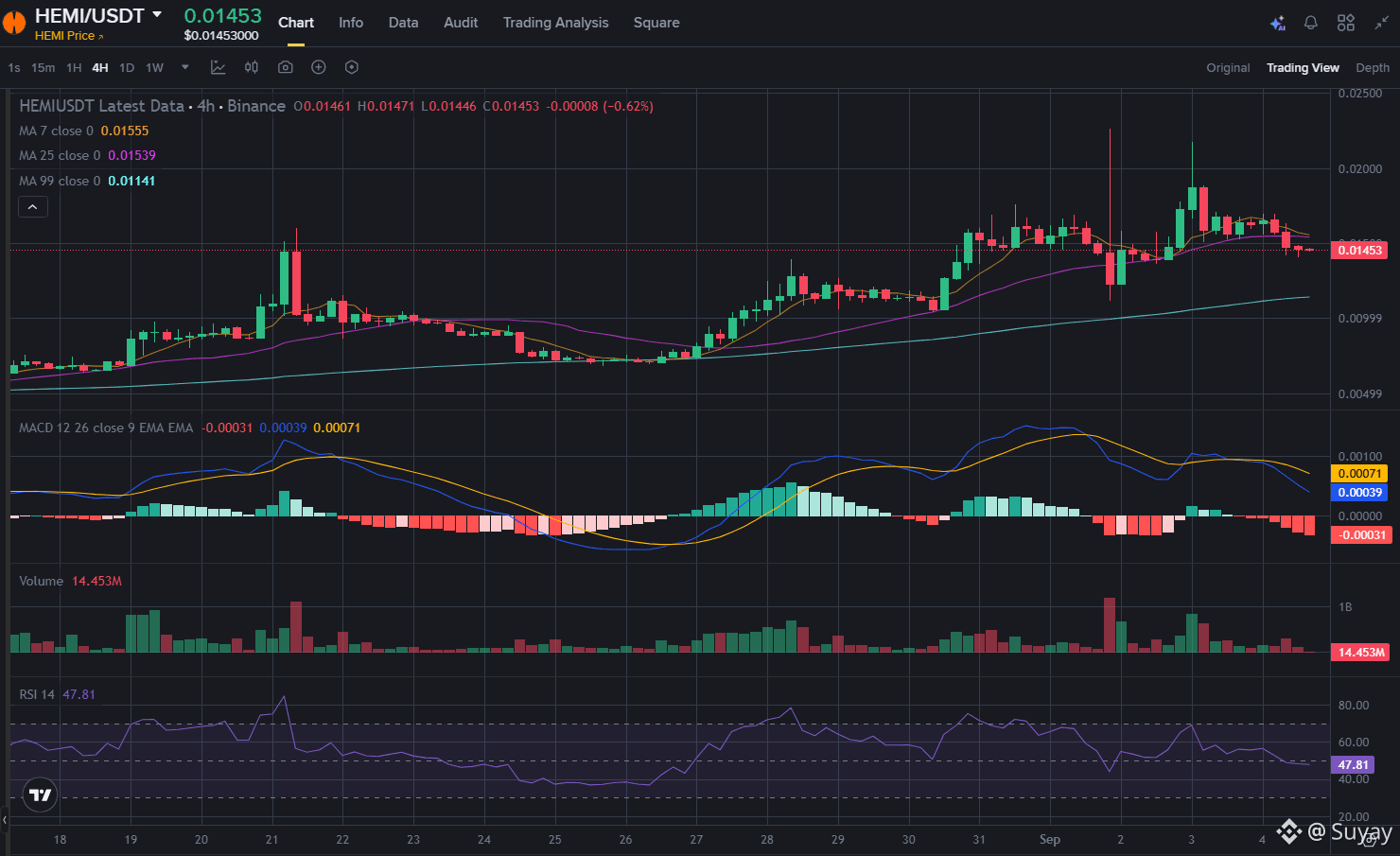
Le graphique 4H montre toute la trajectoire qui a suivi : après s’être consolidé près de 0.0085 fin août, HEMI a fortement grimpé début septembre, dépassant brièvement 0.0208, avant de revenir à son niveau actuel de 0.01453. Il se négocie désormais sous la MA7 (0.01555) et la MA25 (0.01539), tout en restant nettement au-dessus de la MA99 haussière (0.01141) — la tendance de fond n’a pas été rompue. Le RSI s’est refroidi à un niveau neutre de 47.81 après des lectures clairement en surachat pendant le rallye, et l’histogramme du MACD est passé en négatif à -0.00031, la ligne MACD passant désormais sous sa ligne de signal — la dynamique s’est visiblement essoufflée depuis le pic.
Une vraie correction d’infrastructure et un vrai engagement institutionnel en faveur du rendement ne disparaissent pas simplement parce qu’un graphique se calme — ce sont des éléments structurels, pas du sentiment. Mais un token qui a autant monté, aussi vite, doit de toute façon digérer son mouvement, quelle que soit la solidité des fondamentaux, et des déblocages de tokens restent au calendrier. Que ce repli trouve un support au-dessus de la MA99 ou qu’il s’enfonce jusqu’à celle-ci est ce qui sépare un sain réajustement d’une cassure ratée.
Ceci n’est pas un conseil financier — à titre informatif uniquement.
$HEMI #HEMİ #bitcoin #defi #Binance
{spot}(HEMIUSDT)
L’infrastructure centrale d’un réseau s’est complètement effondrée le 13 août. Deux semaines et demie plus tard, ce même réseau était en hausse de 72 % en une seule semaine — et la correction n’était même pas la principale raison.
Hemi a résolu un crash de séquenceur qui avait provoqué une panne du mainnet et entamé la confiance des investisseurs, puis a enchaîné avec quelque chose de plus important : BTCS S.A., une société cotée à la Bourse de Varsovie, a engagé entre 50 et 100 BTC dans le programme de liquidité de Hemi, verrouillant un rendement garanti — 10 % pour les deux premiers mois, puis 6 % ensuite, payés en Bitcoin et en USDC. C’est du capital institutionnel réel qui choisit de générer du rendement sur l’infrastructure Bitcoin DeFi de Hemi en particulier, et non simplement un token mentionné dans un titre.
Le graphique 4H montre toute la trajectoire qui a suivi : après s’être consolidé près de 0.0085 fin août, HEMI a fortement grimpé début septembre, dépassant brièvement 0.0208, avant de revenir à son niveau actuel de 0.01453. Il se négocie désormais sous la MA7 (0.01555) et la MA25 (0.01539), tout en restant nettement au-dessus de la MA99 haussière (0.01141) — la tendance de fond n’a pas été rompue. Le RSI s’est refroidi à un niveau neutre de 47.81 après des lectures clairement en surachat pendant le rallye, et l’histogramme du MACD est passé en négatif à -0.00031, la ligne MACD passant désormais sous sa ligne de signal — la dynamique s’est visiblement essoufflée depuis le pic.
Une vraie correction d’infrastructure et un vrai engagement institutionnel en faveur du rendement ne disparaissent pas simplement parce qu’un graphique se calme — ce sont des éléments structurels, pas du sentiment. Mais un token qui a autant monté, aussi vite, doit de toute façon digérer son mouvement, quelle que soit la solidité des fondamentaux, et des déblocages de tokens restent au calendrier. Que ce repli trouve un support au-dessus de la MA99 ou qu’il s’enfonce jusqu’à celle-ci est ce qui sépare un sain réajustement d’une cassure ratée.
Ceci n’est pas un conseil financier — à titre informatif uniquement.
$HEMI #HEMİ #bitcoin #defi #Binance
Hemi a résolu un crash de séquenceur qui avait provoqué une panne du mainnet et entamé la confiance des investisseurs, puis a enchaîné avec quelque chose de plus important : BTCS S.A., une société cotée à la Bourse de Varsovie, a engagé entre 50 et 100 BTC dans le programme de liquidité de Hemi, verrouillant un rendement garanti — 10 % pour les deux premiers mois, puis 6 % ensuite, payés en Bitcoin et en USDC. C’est du capital institutionnel réel qui choisit de générer du rendement sur l’infrastructure Bitcoin DeFi de Hemi en particulier, et non simplement un token mentionné dans un titre.
Le graphique 4H montre toute la trajectoire qui a suivi : après s’être consolidé près de 0.0085 fin août, HEMI a fortement grimpé début septembre, dépassant brièvement 0.0208, avant de revenir à son niveau actuel de 0.01453. Il se négocie désormais sous la MA7 (0.01555) et la MA25 (0.01539), tout en restant nettement au-dessus de la MA99 haussière (0.01141) — la tendance de fond n’a pas été rompue. Le RSI s’est refroidi à un niveau neutre de 47.81 après des lectures clairement en surachat pendant le rallye, et l’histogramme du MACD est passé en négatif à -0.00031, la ligne MACD passant désormais sous sa ligne de signal — la dynamique s’est visiblement essoufflée depuis le pic.
Une vraie correction d’infrastructure et un vrai engagement institutionnel en faveur du rendement ne disparaissent pas simplement parce qu’un graphique se calme — ce sont des éléments structurels, pas du sentiment. Mais un token qui a autant monté, aussi vite, doit de toute façon digérer son mouvement, quelle que soit la solidité des fondamentaux, et des déblocages de tokens restent au calendrier. Que ce repli trouve un support au-dessus de la MA99 ou qu’il s’enfonce jusqu’à celle-ci est ce qui sépare un sain réajustement d’une cassure ratée.
Ceci n’est pas un conseil financier — à titre informatif uniquement.
$HEMI #HEMİ #bitcoin #defi #Binance
285
·
--
Partiellement vrai
Une vraie mise à jour produit est arrivée. Un mois de gains a disparu dans la même fenêtre où elle était censée célébrer.
Cysic est soutenu par OKX Ventures, Polychain Capital et Binance Labs, et construit une infrastructure de calcul vérifiable pour les preuves à connaissance nulle (zero-knowledge proofs) et l’inférence IA. Sa mise à jour Venus v0.2.5 — une amélioration réelle de performance de 2,7 % de son moteur de preuves sur GPU — est arrivée au moment même où le token a brièvement franchi 1 $ le 29 août.
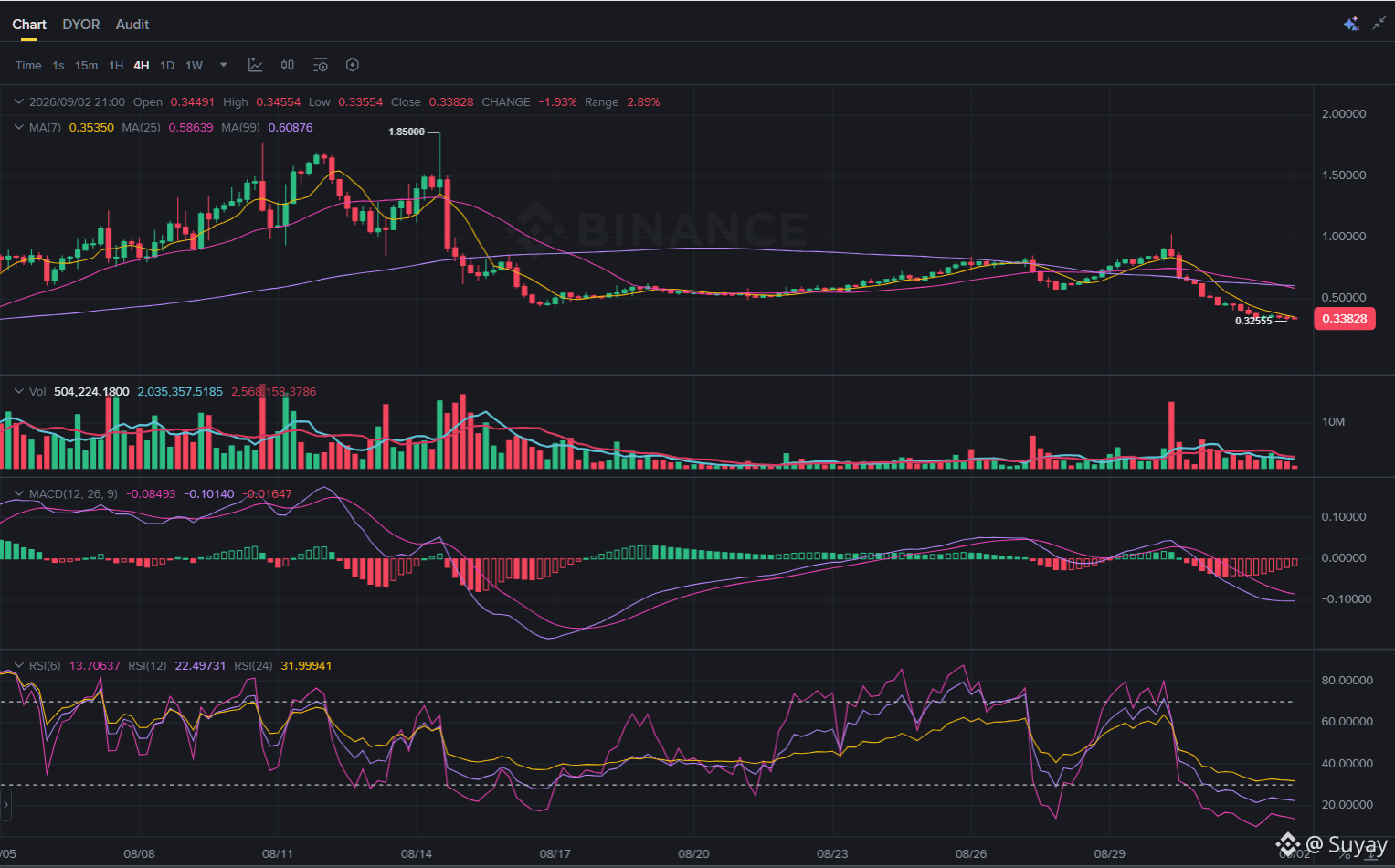
Le graphique 4H montre la suite : après une hausse régulière à partir d’environ 0,35 fin août, CYS a bondi jusqu’à un plus haut de 1,028, puis s’est retourné brutalement — toute la reprise a maintenant fait demi-tour, le prix revenant à 0,3386, essentiellement au même niveau que le point de départ il y a trois semaines. Le titre se négocie bien en dessous des MM7 (0,354), MM25 (0,586) et MM99 (0,609), et le RSI est fortement en situation de survente sur chaque période mesurée — 13,7, 22,5 et 32,0. L’histogramme du MACD reste négatif, bien que sa taille diminue sur les dernières bougies, un signe que la pression de vente pourrait commencer à s’atténuer.
Un RSI aussi survendu simultanément sur trois horizons différents est inhabituel et marque souvent la fin épuisée d’une phase de vente, plus que son milieu. Mais la question la plus difficile n’est pas seulement « est-ce survendu » — c’est de savoir si le marché a fixé le prix correctement dès le départ, à 1 $, ou s’il le fait maintenant, de retour près du point d’origine. Une vraie liste d’investisseurs et une vraie mise à jour technique ne tranchent pas, à elles seules, cette question ; elles signifient simplement que l’histoire est authentique, sans dire si la réaction du prix à celle-ci a été la bonne.
Ce n’est pas un conseil financier — uniquement à des fins d’information.
$CYS #Cys #Cysic #Binance
{alpha}(560x0c69199c1562233640e0db5ce2c399a88eb507c7)
Une vraie mise à jour produit est arrivée. Un mois de gains a disparu dans la même fenêtre où elle était censée célébrer.
Cysic est soutenu par OKX Ventures, Polychain Capital et Binance Labs, et construit une infrastructure de calcul vérifiable pour les preuves à connaissance nulle (zero-knowledge proofs) et l’inférence IA. Sa mise à jour Venus v0.2.5 — une amélioration réelle de performance de 2,7 % de son moteur de preuves sur GPU — est arrivée au moment même où le token a brièvement franchi 1 $ le 29 août.
Le graphique 4H montre la suite : après une hausse régulière à partir d’environ 0,35 fin août, CYS a bondi jusqu’à un plus haut de 1,028, puis s’est retourné brutalement — toute la reprise a maintenant fait demi-tour, le prix revenant à 0,3386, essentiellement au même niveau que le point de départ il y a trois semaines. Le titre se négocie bien en dessous des MM7 (0,354), MM25 (0,586) et MM99 (0,609), et le RSI est fortement en situation de survente sur chaque période mesurée — 13,7, 22,5 et 32,0. L’histogramme du MACD reste négatif, bien que sa taille diminue sur les dernières bougies, un signe que la pression de vente pourrait commencer à s’atténuer.
Un RSI aussi survendu simultanément sur trois horizons différents est inhabituel et marque souvent la fin épuisée d’une phase de vente, plus que son milieu. Mais la question la plus difficile n’est pas seulement « est-ce survendu » — c’est de savoir si le marché a fixé le prix correctement dès le départ, à 1 $, ou s’il le fait maintenant, de retour près du point d’origine. Une vraie liste d’investisseurs et une vraie mise à jour technique ne tranchent pas, à elles seules, cette question ; elles signifient simplement que l’histoire est authentique, sans dire si la réaction du prix à celle-ci a été la bonne.
Ce n’est pas un conseil financier — uniquement à des fins d’information.
$CYS #Cys #Cysic #Binance
Cysic est soutenu par OKX Ventures, Polychain Capital et Binance Labs, et construit une infrastructure de calcul vérifiable pour les preuves à connaissance nulle (zero-knowledge proofs) et l’inférence IA. Sa mise à jour Venus v0.2.5 — une amélioration réelle de performance de 2,7 % de son moteur de preuves sur GPU — est arrivée au moment même où le token a brièvement franchi 1 $ le 29 août.
Le graphique 4H montre la suite : après une hausse régulière à partir d’environ 0,35 fin août, CYS a bondi jusqu’à un plus haut de 1,028, puis s’est retourné brutalement — toute la reprise a maintenant fait demi-tour, le prix revenant à 0,3386, essentiellement au même niveau que le point de départ il y a trois semaines. Le titre se négocie bien en dessous des MM7 (0,354), MM25 (0,586) et MM99 (0,609), et le RSI est fortement en situation de survente sur chaque période mesurée — 13,7, 22,5 et 32,0. L’histogramme du MACD reste négatif, bien que sa taille diminue sur les dernières bougies, un signe que la pression de vente pourrait commencer à s’atténuer.
Un RSI aussi survendu simultanément sur trois horizons différents est inhabituel et marque souvent la fin épuisée d’une phase de vente, plus que son milieu. Mais la question la plus difficile n’est pas seulement « est-ce survendu » — c’est de savoir si le marché a fixé le prix correctement dès le départ, à 1 $, ou s’il le fait maintenant, de retour près du point d’origine. Une vraie liste d’investisseurs et une vraie mise à jour technique ne tranchent pas, à elles seules, cette question ; elles signifient simplement que l’histoire est authentique, sans dire si la réaction du prix à celle-ci a été la bonne.
Ce n’est pas un conseil financier — uniquement à des fins d’information.
$CYS #Cys #Cysic #Binance
273
·
--
Un token multiplié par près de 5x en trois semaines. Trois jours plus tard, il avait déjà repris près de 40 % de ce mouvement — et le graphique dépend actuellement entièrement de la fenêtre que vous regardez.
La reprise de PROM avait un vrai moteur : une inscription sur le marché KRW de Bithumb le 24 août — l’une des plus grandes bourses de Corée — ainsi qu’une intégration avec ARO Network, les deux arrivant au milieu d’un mouvement de consolidation s’étendant sur plusieurs semaines. Mais ici, le flottant est faible : seulement 18,25 millions de PROM en circulation contre un maximum de 19,25 millions, ce qui signifie que des montants relativement modestes de capital peuvent faire fortement bouger le prix dans un sens comme dans l’autre. Les données de financement avaient déjà basculé dans le négatif avant le sommet, signe que le positionnement short se construisait même pendant que les acheteurs au comptant continuaient de poursuivre le plus haut.
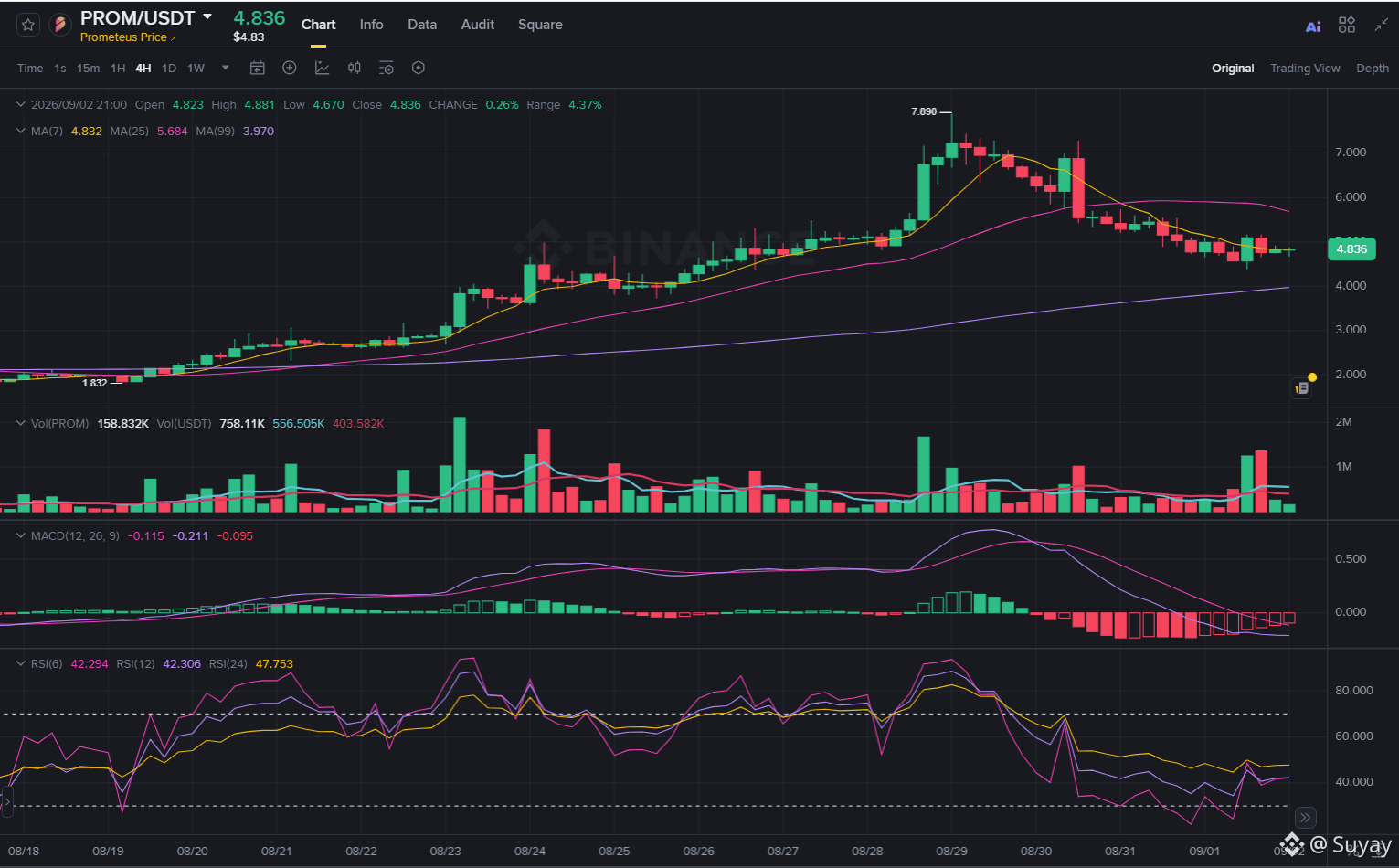
Le graphique en 4H montre l’ensemble de la trajectoire : une hausse régulière depuis environ 1,64 au début août, une accélération vers un sommet parabolique à 7,89 le 29 août, puis un renversement brutal depuis lors, avec un prix désormais à 4,852 — en dessous de la MA25 (5,685), qui est passée de support à résistance, mais toujours confortablement au-dessus de la MA99 montante (3,970). Le RSI sur les trois périodes (43,0, 42,6, 47,9) s’est refroidi, passant d’un état clairement acheteur à une zone neutre, tandis que l’histogramme du MACD reste négatif sous sa ligne de signal.
Quelqu’un qui a acheté à 1,64 est encore en hausse d’environ 3x malgré cette baisse ; quelqu’un qui a acheté à 7,89 est en baisse d’environ 40 %. Détenir au-dessus d’une MA99 qui continue de monter est un signe réellement constructif — très différent d’une reprise qui aurait totalement échoué. Mais un flottant faible, avec un financement déjà biaisé négativement avant le pic, correspond exactement au contexte dans lequel une correction peut continuer même après que le RSI cesse d’avoir l’air suracheté.
Ce n’est pas un conseil financier — uniquement à des fins d’information.
$PROM #prom #prometeus #Binance
{future}(PROMUSDT)
Un token multiplié par près de 5x en trois semaines. Trois jours plus tard, il avait déjà repris près de 40 % de ce mouvement — et le graphique dépend actuellement entièrement de la fenêtre que vous regardez.
La reprise de PROM avait un vrai moteur : une inscription sur le marché KRW de Bithumb le 24 août — l’une des plus grandes bourses de Corée — ainsi qu’une intégration avec ARO Network, les deux arrivant au milieu d’un mouvement de consolidation s’étendant sur plusieurs semaines. Mais ici, le flottant est faible : seulement 18,25 millions de PROM en circulation contre un maximum de 19,25 millions, ce qui signifie que des montants relativement modestes de capital peuvent faire fortement bouger le prix dans un sens comme dans l’autre. Les données de financement avaient déjà basculé dans le négatif avant le sommet, signe que le positionnement short se construisait même pendant que les acheteurs au comptant continuaient de poursuivre le plus haut.
Le graphique en 4H montre l’ensemble de la trajectoire : une hausse régulière depuis environ 1,64 au début août, une accélération vers un sommet parabolique à 7,89 le 29 août, puis un renversement brutal depuis lors, avec un prix désormais à 4,852 — en dessous de la MA25 (5,685), qui est passée de support à résistance, mais toujours confortablement au-dessus de la MA99 montante (3,970). Le RSI sur les trois périodes (43,0, 42,6, 47,9) s’est refroidi, passant d’un état clairement acheteur à une zone neutre, tandis que l’histogramme du MACD reste négatif sous sa ligne de signal.
Quelqu’un qui a acheté à 1,64 est encore en hausse d’environ 3x malgré cette baisse ; quelqu’un qui a acheté à 7,89 est en baisse d’environ 40 %. Détenir au-dessus d’une MA99 qui continue de monter est un signe réellement constructif — très différent d’une reprise qui aurait totalement échoué. Mais un flottant faible, avec un financement déjà biaisé négativement avant le pic, correspond exactement au contexte dans lequel une correction peut continuer même après que le RSI cesse d’avoir l’air suracheté.
Ce n’est pas un conseil financier — uniquement à des fins d’information.
$PROM #prom #prometeus #Binance
La reprise de PROM avait un vrai moteur : une inscription sur le marché KRW de Bithumb le 24 août — l’une des plus grandes bourses de Corée — ainsi qu’une intégration avec ARO Network, les deux arrivant au milieu d’un mouvement de consolidation s’étendant sur plusieurs semaines. Mais ici, le flottant est faible : seulement 18,25 millions de PROM en circulation contre un maximum de 19,25 millions, ce qui signifie que des montants relativement modestes de capital peuvent faire fortement bouger le prix dans un sens comme dans l’autre. Les données de financement avaient déjà basculé dans le négatif avant le sommet, signe que le positionnement short se construisait même pendant que les acheteurs au comptant continuaient de poursuivre le plus haut.
Le graphique en 4H montre l’ensemble de la trajectoire : une hausse régulière depuis environ 1,64 au début août, une accélération vers un sommet parabolique à 7,89 le 29 août, puis un renversement brutal depuis lors, avec un prix désormais à 4,852 — en dessous de la MA25 (5,685), qui est passée de support à résistance, mais toujours confortablement au-dessus de la MA99 montante (3,970). Le RSI sur les trois périodes (43,0, 42,6, 47,9) s’est refroidi, passant d’un état clairement acheteur à une zone neutre, tandis que l’histogramme du MACD reste négatif sous sa ligne de signal.
Quelqu’un qui a acheté à 1,64 est encore en hausse d’environ 3x malgré cette baisse ; quelqu’un qui a acheté à 7,89 est en baisse d’environ 40 %. Détenir au-dessus d’une MA99 qui continue de monter est un signe réellement constructif — très différent d’une reprise qui aurait totalement échoué. Mais un flottant faible, avec un financement déjà biaisé négativement avant le pic, correspond exactement au contexte dans lequel une correction peut continuer même après que le RSI cesse d’avoir l’air suracheté.
Ce n’est pas un conseil financier — uniquement à des fins d’information.
$PROM #prom #prometeus #Binance
482
·
--
Partiellement vrai
Un protocole a examiné le plus grand argument de vente de la blockchain — la transparence totale — et l’a qualifié de faiblesse. Son propre discours : la crypto a besoin de verrous pour cette maison en verre.
Le protocole Newton se présente comme une couche d’autorisation prétransactionnelle, permettant aux agents IA, aux plateformes RWA et aux émetteurs de stablecoins d’appliquer des règles de conformité onchain avant qu’une transaction ne soit exécutée. Il s’est récemment élargi avec une place de marché de registre de modèles, où les développeurs peuvent publier des modèles d’agents que d’autres peuvent découvrir et composer. Le token a aussi dû encaisser une pression réelle sur l’offre — un déblocage de 139 millions de NEWT (7,55 M$) en juin a mis la demande directement à l’épreuve — tandis que la campagne Summer Earn de Binance proposait un rendement sur du NEWT immobilisé afin d’aider à compenser l’effet.
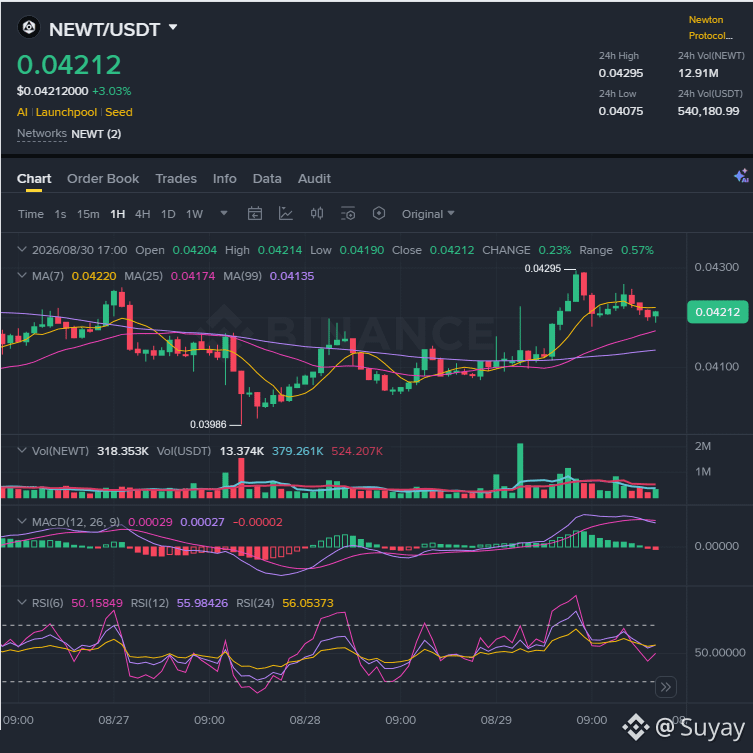
Sur le graphique 1H, le NEWT a chuté vers un plus bas proche de 0,03986 il y a quelques jours, puis s’est retourné brusquement, grimpant jusqu’à un récent sommet proche de 0,04295 avant de s’établir à son niveau actuel de 0,04212. Il se maintient désormais au-dessus des trois moyennes mobiles dans une configuration haussière — MA7 à 0,04220, MA25 à 0,04174, MA99 à 0,04135 — avec un RSI regroupé dans le milieu des années 50 sur les trois périodes, et l’histogramme du MACD à peine négatif, repassant vers zéro.
Reprendre une configuration haussière de moyennes mobiles après un plus bas multi-jours est un signal réellement constructif à court terme. Mais l’historique du NEWT montre des variations marquées directement liées aux événements de déblocage et à une liquidité relativement faible — le graphique semble meilleur aujourd’hui qu’il y a trois jours, mais la question de savoir si cela se maintiendra pendant le prochain cycle d’offre entrant sur le marché reste distincte de la bougie du jour.
Ce n’est pas un conseil financier — uniquement à des fins d’information.
$NEWT #NewtonProtocol #Binance
{spot}(NEWTUSDT)
Un protocole a examiné le plus grand argument de vente de la blockchain — la transparence totale — et l’a qualifié de faiblesse. Son propre discours : la crypto a besoin de verrous pour cette maison en verre.
Le protocole Newton se présente comme une couche d’autorisation prétransactionnelle, permettant aux agents IA, aux plateformes RWA et aux émetteurs de stablecoins d’appliquer des règles de conformité onchain avant qu’une transaction ne soit exécutée. Il s’est récemment élargi avec une place de marché de registre de modèles, où les développeurs peuvent publier des modèles d’agents que d’autres peuvent découvrir et composer. Le token a aussi dû encaisser une pression réelle sur l’offre — un déblocage de 139 millions de NEWT (7,55 M$) en juin a mis la demande directement à l’épreuve — tandis que la campagne Summer Earn de Binance proposait un rendement sur du NEWT immobilisé afin d’aider à compenser l’effet.
Sur le graphique 1H, le NEWT a chuté vers un plus bas proche de 0,03986 il y a quelques jours, puis s’est retourné brusquement, grimpant jusqu’à un récent sommet proche de 0,04295 avant de s’établir à son niveau actuel de 0,04212. Il se maintient désormais au-dessus des trois moyennes mobiles dans une configuration haussière — MA7 à 0,04220, MA25 à 0,04174, MA99 à 0,04135 — avec un RSI regroupé dans le milieu des années 50 sur les trois périodes, et l’histogramme du MACD à peine négatif, repassant vers zéro.
Reprendre une configuration haussière de moyennes mobiles après un plus bas multi-jours est un signal réellement constructif à court terme. Mais l’historique du NEWT montre des variations marquées directement liées aux événements de déblocage et à une liquidité relativement faible — le graphique semble meilleur aujourd’hui qu’il y a trois jours, mais la question de savoir si cela se maintiendra pendant le prochain cycle d’offre entrant sur le marché reste distincte de la bougie du jour.
Ce n’est pas un conseil financier — uniquement à des fins d’information.
$NEWT #NewtonProtocol #Binance
Le protocole Newton se présente comme une couche d’autorisation prétransactionnelle, permettant aux agents IA, aux plateformes RWA et aux émetteurs de stablecoins d’appliquer des règles de conformité onchain avant qu’une transaction ne soit exécutée. Il s’est récemment élargi avec une place de marché de registre de modèles, où les développeurs peuvent publier des modèles d’agents que d’autres peuvent découvrir et composer. Le token a aussi dû encaisser une pression réelle sur l’offre — un déblocage de 139 millions de NEWT (7,55 M$) en juin a mis la demande directement à l’épreuve — tandis que la campagne Summer Earn de Binance proposait un rendement sur du NEWT immobilisé afin d’aider à compenser l’effet.
Sur le graphique 1H, le NEWT a chuté vers un plus bas proche de 0,03986 il y a quelques jours, puis s’est retourné brusquement, grimpant jusqu’à un récent sommet proche de 0,04295 avant de s’établir à son niveau actuel de 0,04212. Il se maintient désormais au-dessus des trois moyennes mobiles dans une configuration haussière — MA7 à 0,04220, MA25 à 0,04174, MA99 à 0,04135 — avec un RSI regroupé dans le milieu des années 50 sur les trois périodes, et l’histogramme du MACD à peine négatif, repassant vers zéro.
Reprendre une configuration haussière de moyennes mobiles après un plus bas multi-jours est un signal réellement constructif à court terme. Mais l’historique du NEWT montre des variations marquées directement liées aux événements de déblocage et à une liquidité relativement faible — le graphique semble meilleur aujourd’hui qu’il y a trois jours, mais la question de savoir si cela se maintiendra pendant le prochain cycle d’offre entrant sur le marché reste distincte de la bougie du jour.
Ce n’est pas un conseil financier — uniquement à des fins d’information.
$NEWT #NewtonProtocol #Binance
1
134
·
--
Vérifié
Un jeton a été négocié pendant moins d’une semaine. L’un des plus grands noms du capital-risque lié aux échanges a tout de même décidé de soutenir le protocole qui le sous-tend — deux jours après son lancement.
Le jeton TMX de TermMax a eu son événement de génération de jeton le 25 août, et le 26 août, YZi Labs — anciennement Binance Labs — a annoncé un investissement stratégique dans le protocole. TermMax propose des prêts à taux fixe sur 10 chaînes, s’intègre à Aave, Morpho, Venus et Pendle, et s’est développé rapidement : garantie d’actions tokenisées sur Robinhood Chain (QQQ, SPY, NVDA) et, plus récemment, des options de livraison physique via TermMax Alpha.
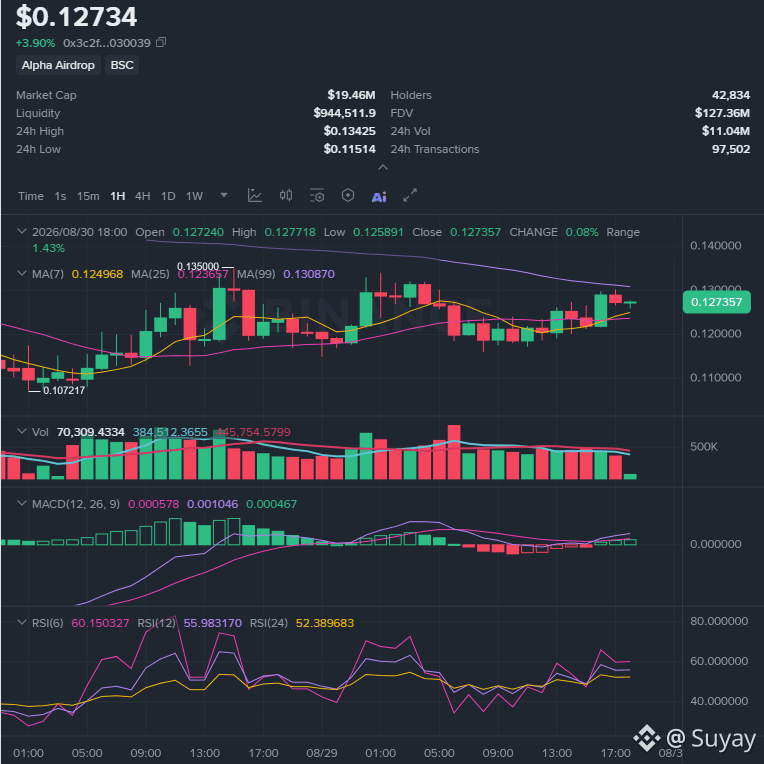
Sur le graphique 1H, depuis sa semaine de lancement volatile, le TMX a oscillé entre un plus bas proche de 0,107 et un plus haut proche de 0,135, puis se consolide désormais autour de 0,128 — au-dessus à la fois de la MA7 (0,124) et de la MA25 (0,124), mais encore en dessous de la MA99 (0,131). Cette dernière ne fait en réalité que conserver la trace du pic de la première semaine. Les lectures du RSI penchent modérément à la hausse sur l’ensemble (RSI6 à 62,5, RSI12 à 57,1, RSI24 à 52,9), et l’histogramme du MACD est légèrement positif.
Un jeton dont l’historique de trading ne dépasse pas une semaine n’a pas la « mémoire » de prix qui rend les moyennes mobiles fiables comme elles le sont sur un graphique établi — cette MA99 correspond à la moyenne de cinq jours volatils, pas encore à une tendance qui porte le poids de la structure. L’investissement de YZi Labs est une vraie marque de confiance envers l’activité. La question est toutefois de savoir si cela se traduira par l’évolution du cours d’un jeton âgé de cinq jours au-delà.
Ce n’est pas un conseil financier — uniquement à des fins d’information.
$TMX #TermMax #defi #Binance
{alpha}(560x3c2f61f2e27c865981d2e7aaf6b2cdf823030039)
Un jeton a été négocié pendant moins d’une semaine. L’un des plus grands noms du capital-risque lié aux échanges a tout de même décidé de soutenir le protocole qui le sous-tend — deux jours après son lancement.
Le jeton TMX de TermMax a eu son événement de génération de jeton le 25 août, et le 26 août, YZi Labs — anciennement Binance Labs — a annoncé un investissement stratégique dans le protocole. TermMax propose des prêts à taux fixe sur 10 chaînes, s’intègre à Aave, Morpho, Venus et Pendle, et s’est développé rapidement : garantie d’actions tokenisées sur Robinhood Chain (QQQ, SPY, NVDA) et, plus récemment, des options de livraison physique via TermMax Alpha.
Sur le graphique 1H, depuis sa semaine de lancement volatile, le TMX a oscillé entre un plus bas proche de 0,107 et un plus haut proche de 0,135, puis se consolide désormais autour de 0,128 — au-dessus à la fois de la MA7 (0,124) et de la MA25 (0,124), mais encore en dessous de la MA99 (0,131). Cette dernière ne fait en réalité que conserver la trace du pic de la première semaine. Les lectures du RSI penchent modérément à la hausse sur l’ensemble (RSI6 à 62,5, RSI12 à 57,1, RSI24 à 52,9), et l’histogramme du MACD est légèrement positif.
Un jeton dont l’historique de trading ne dépasse pas une semaine n’a pas la « mémoire » de prix qui rend les moyennes mobiles fiables comme elles le sont sur un graphique établi — cette MA99 correspond à la moyenne de cinq jours volatils, pas encore à une tendance qui porte le poids de la structure. L’investissement de YZi Labs est une vraie marque de confiance envers l’activité. La question est toutefois de savoir si cela se traduira par l’évolution du cours d’un jeton âgé de cinq jours au-delà.
Ce n’est pas un conseil financier — uniquement à des fins d’information.
$TMX #TermMax #defi #Binance
Le jeton TMX de TermMax a eu son événement de génération de jeton le 25 août, et le 26 août, YZi Labs — anciennement Binance Labs — a annoncé un investissement stratégique dans le protocole. TermMax propose des prêts à taux fixe sur 10 chaînes, s’intègre à Aave, Morpho, Venus et Pendle, et s’est développé rapidement : garantie d’actions tokenisées sur Robinhood Chain (QQQ, SPY, NVDA) et, plus récemment, des options de livraison physique via TermMax Alpha.
Sur le graphique 1H, depuis sa semaine de lancement volatile, le TMX a oscillé entre un plus bas proche de 0,107 et un plus haut proche de 0,135, puis se consolide désormais autour de 0,128 — au-dessus à la fois de la MA7 (0,124) et de la MA25 (0,124), mais encore en dessous de la MA99 (0,131). Cette dernière ne fait en réalité que conserver la trace du pic de la première semaine. Les lectures du RSI penchent modérément à la hausse sur l’ensemble (RSI6 à 62,5, RSI12 à 57,1, RSI24 à 52,9), et l’histogramme du MACD est légèrement positif.
Un jeton dont l’historique de trading ne dépasse pas une semaine n’a pas la « mémoire » de prix qui rend les moyennes mobiles fiables comme elles le sont sur un graphique établi — cette MA99 correspond à la moyenne de cinq jours volatils, pas encore à une tendance qui porte le poids de la structure. L’investissement de YZi Labs est une vraie marque de confiance envers l’activité. La question est toutefois de savoir si cela se traduira par l’évolution du cours d’un jeton âgé de cinq jours au-delà.
Ce n’est pas un conseil financier — uniquement à des fins d’information.
$TMX #TermMax #defi #Binance
1
484
·
--
Vérifié
Un protocole a passé des mois à mettre en place la plomberie nécessaire pour permettre à un Bitcoin inactif de servir de collatéral sans jamais quitter le réseau Bitcoin. La question de savoir si cette « plomberie » verra bientôt un vrai volume pourrait se jouer sur un seul vote parmi l’un des plus grands marchés de prêt DeFi.
Les coffres Bitcoin sans confiance (Trustless Bitcoin Vaults) de Babylon font l’objet d’une proposition de gouvernance sur Aave V4 qui permettrait à des BTC natifs déposés via Babylon de fonctionner comme un collatéral DeFi non custodial — pas de jetons tokenisés, pas de dépositaires. La proposition attend encore son approbation. En dehors de cela, le BABY a surtout suivi le rally plus large sur le Bitcoin et les marchés macro, plutôt que de réagir à ses propres actualités.
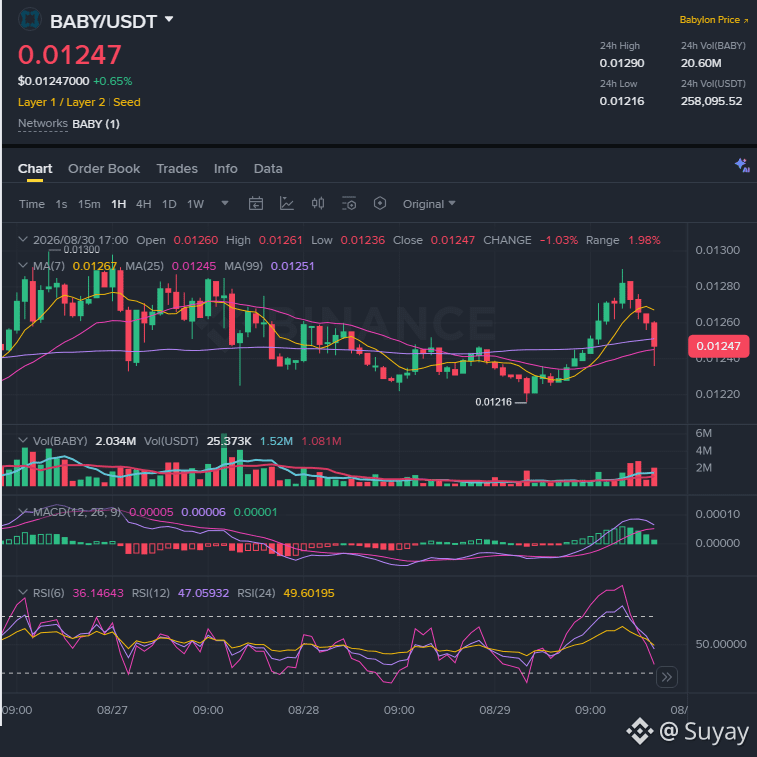
Sur le graphique 1H, le BABY a passé plusieurs jours à évoluer entre 0,0122 et 0,0130, est remonté vers le haut de cette fourchette, puis s’est brusquement retourné dans les dernières heures, passant sous la MA7 (0,01267) pour retomber à son niveau actuel de 0,01247 — juste au-dessus de la MA25 (0,01245). Le RSI(6) est tombé à un niveau de survente à court terme de 36,14, tandis que le RSI(24) reste neutre à 49,60, et l’histogramme du MACD n’est que très légèrement positif après une longue série de lectures négatives.
Les votes de gouvernance sur les grands protocoles se jouent en semaines, pas en heures, donc l’intégration à Aave n’est pas un catalyseur de cette semaine — même si elle est approuvée. Sur le timeframe 1H, ce RSI en survente sert généralement uniquement à signaler la fin d’un repli rapide : ce qui compte ici, c’est de savoir si le prix parvient à tenir la MA25 sur laquelle il se trouve actuellement, ou s’il la casse pour descendre vers la partie basse de la fourchette de la semaine.
Ce n’est pas un conseil financier — uniquement à des fins d’information.
$BABY #Babylon #bitcoin #Binance
{spot}(BABYUSDT)
Un protocole a passé des mois à mettre en place la plomberie nécessaire pour permettre à un Bitcoin inactif de servir de collatéral sans jamais quitter le réseau Bitcoin. La question de savoir si cette « plomberie » verra bientôt un vrai volume pourrait se jouer sur un seul vote parmi l’un des plus grands marchés de prêt DeFi.
Les coffres Bitcoin sans confiance (Trustless Bitcoin Vaults) de Babylon font l’objet d’une proposition de gouvernance sur Aave V4 qui permettrait à des BTC natifs déposés via Babylon de fonctionner comme un collatéral DeFi non custodial — pas de jetons tokenisés, pas de dépositaires. La proposition attend encore son approbation. En dehors de cela, le BABY a surtout suivi le rally plus large sur le Bitcoin et les marchés macro, plutôt que de réagir à ses propres actualités.
Sur le graphique 1H, le BABY a passé plusieurs jours à évoluer entre 0,0122 et 0,0130, est remonté vers le haut de cette fourchette, puis s’est brusquement retourné dans les dernières heures, passant sous la MA7 (0,01267) pour retomber à son niveau actuel de 0,01247 — juste au-dessus de la MA25 (0,01245). Le RSI(6) est tombé à un niveau de survente à court terme de 36,14, tandis que le RSI(24) reste neutre à 49,60, et l’histogramme du MACD n’est que très légèrement positif après une longue série de lectures négatives.
Les votes de gouvernance sur les grands protocoles se jouent en semaines, pas en heures, donc l’intégration à Aave n’est pas un catalyseur de cette semaine — même si elle est approuvée. Sur le timeframe 1H, ce RSI en survente sert généralement uniquement à signaler la fin d’un repli rapide : ce qui compte ici, c’est de savoir si le prix parvient à tenir la MA25 sur laquelle il se trouve actuellement, ou s’il la casse pour descendre vers la partie basse de la fourchette de la semaine.
Ce n’est pas un conseil financier — uniquement à des fins d’information.
$BABY #Babylon #bitcoin #Binance
Les coffres Bitcoin sans confiance (Trustless Bitcoin Vaults) de Babylon font l’objet d’une proposition de gouvernance sur Aave V4 qui permettrait à des BTC natifs déposés via Babylon de fonctionner comme un collatéral DeFi non custodial — pas de jetons tokenisés, pas de dépositaires. La proposition attend encore son approbation. En dehors de cela, le BABY a surtout suivi le rally plus large sur le Bitcoin et les marchés macro, plutôt que de réagir à ses propres actualités.
Sur le graphique 1H, le BABY a passé plusieurs jours à évoluer entre 0,0122 et 0,0130, est remonté vers le haut de cette fourchette, puis s’est brusquement retourné dans les dernières heures, passant sous la MA7 (0,01267) pour retomber à son niveau actuel de 0,01247 — juste au-dessus de la MA25 (0,01245). Le RSI(6) est tombé à un niveau de survente à court terme de 36,14, tandis que le RSI(24) reste neutre à 49,60, et l’histogramme du MACD n’est que très légèrement positif après une longue série de lectures négatives.
Les votes de gouvernance sur les grands protocoles se jouent en semaines, pas en heures, donc l’intégration à Aave n’est pas un catalyseur de cette semaine — même si elle est approuvée. Sur le timeframe 1H, ce RSI en survente sert généralement uniquement à signaler la fin d’un repli rapide : ce qui compte ici, c’est de savoir si le prix parvient à tenir la MA25 sur laquelle il se trouve actuellement, ou s’il la casse pour descendre vers la partie basse de la fourchette de la semaine.
Ce n’est pas un conseil financier — uniquement à des fins d’information.
$BABY #Babylon #bitcoin #Binance
2
253
·
--
Vérifié
Il y a quatorze jours, tout a commencé avec le bloc 22450093 et deux mots : le problème du grand livre en verre. Je veux conclure sur une chose : est-ce que Dusk a réellement comblé cet écart, ou l’a simplement déplacé.
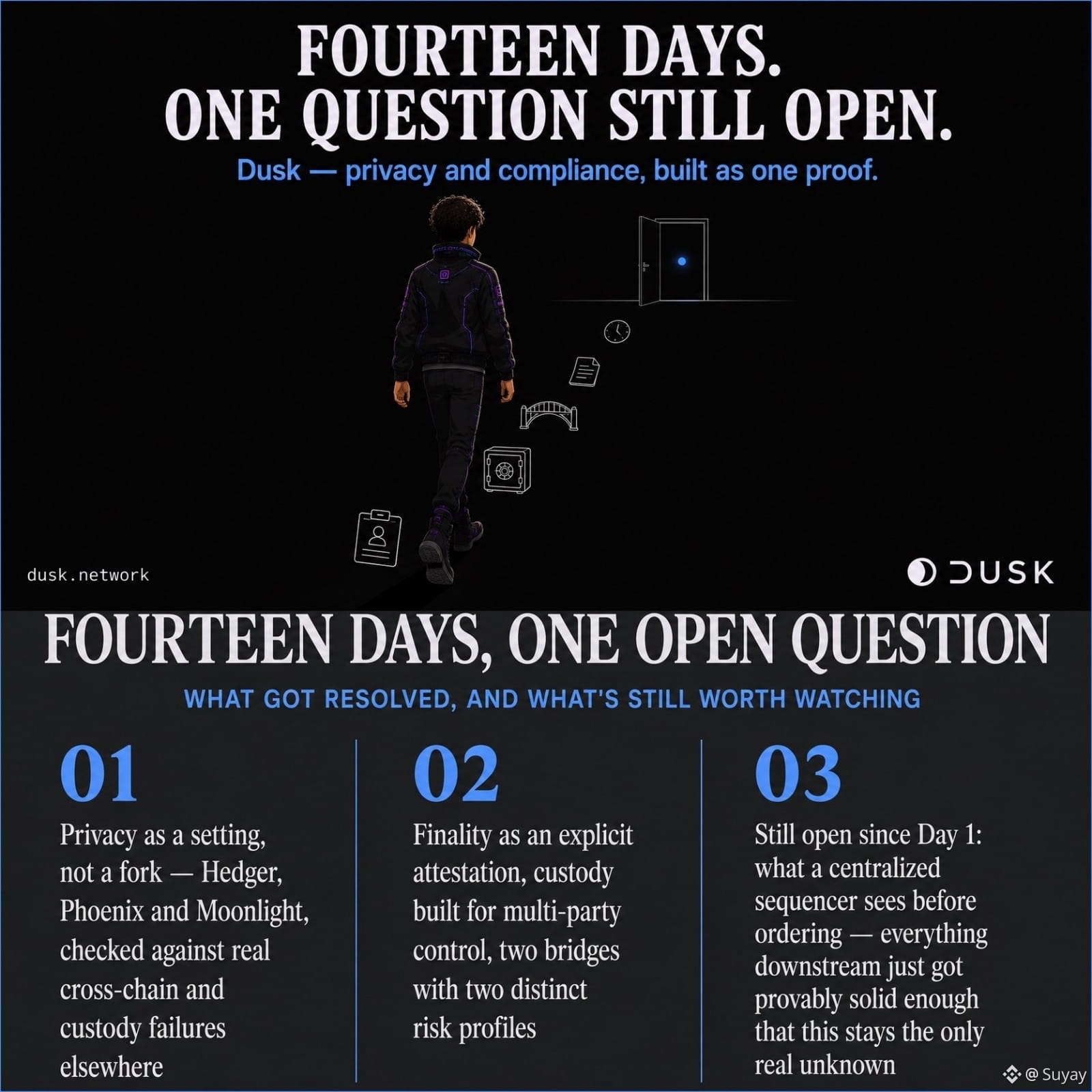
Hedger chiffre les transactions DuskEVM de bout en bout, mais la question ouverte depuis le jour 1 était de savoir ce qu’un séquenceur centralisé voit avant d’ordonner quoi que ce soit. Celle-là n’a jamais eu de réponse claire, et elle ne devait pas en avoir. Tout le reste de cette campagne portait vraiment sur la question de savoir si le reste du système gagne la confiance, de toute façon : Moonlight et Phoenix permettant que la confidentialité soit un réglage plutôt qu’un fork, Succinct Attestation transformant la finalité en une attestation explicite plutôt qu’un jeu d’attente, la garde acheminée via une infrastructure conçue pour le contrôle multi-parties plutôt que via une seule clé, deux ponts de formes différentes portant deux profils de risque différents selon celui que vous utilisez réellement.
Rien de tout cela n’efface la question du séquenceur. Ce que cela fait, c’est rendre tout ce qui vient après l’ordonnancement, le règlement, la garde, l’identité et la divulgation, de manière prouvablement solide, de sorte que la seule pièce encore en suspens reste exactement petite comme elle est, plutôt que de se cacher dans une plus grande pile d’inconnues.
Je suis arrivé avec l’idée que la finance réglementée sur chaîne signifiait choisir entre transparence ou confidentialité. Ce qui a réellement changé mon point de vue au cours de ces quatorze jours, c’est que Dusk continue de traiter cela comme la mauvaise question : confidentialité et conformité en une seule preuve, pas comme un compromis.
Je continue quand même d’observer ce séquenceur. Certaines questions sont censées rester ouvertes.
#dusk $DUSK @Dusk_Foundation #DuskEVM
Il y a quatorze jours, tout a commencé avec le bloc 22450093 et deux mots : le problème du grand livre en verre. Je veux conclure sur une chose : est-ce que Dusk a réellement comblé cet écart, ou l’a simplement déplacé.
Hedger chiffre les transactions DuskEVM de bout en bout, mais la question ouverte depuis le jour 1 était de savoir ce qu’un séquenceur centralisé voit avant d’ordonner quoi que ce soit. Celle-là n’a jamais eu de réponse claire, et elle ne devait pas en avoir. Tout le reste de cette campagne portait vraiment sur la question de savoir si le reste du système gagne la confiance, de toute façon : Moonlight et Phoenix permettant que la confidentialité soit un réglage plutôt qu’un fork, Succinct Attestation transformant la finalité en une attestation explicite plutôt qu’un jeu d’attente, la garde acheminée via une infrastructure conçue pour le contrôle multi-parties plutôt que via une seule clé, deux ponts de formes différentes portant deux profils de risque différents selon celui que vous utilisez réellement.
Rien de tout cela n’efface la question du séquenceur. Ce que cela fait, c’est rendre tout ce qui vient après l’ordonnancement, le règlement, la garde, l’identité et la divulgation, de manière prouvablement solide, de sorte que la seule pièce encore en suspens reste exactement petite comme elle est, plutôt que de se cacher dans une plus grande pile d’inconnues.
Je suis arrivé avec l’idée que la finance réglementée sur chaîne signifiait choisir entre transparence ou confidentialité. Ce qui a réellement changé mon point de vue au cours de ces quatorze jours, c’est que Dusk continue de traiter cela comme la mauvaise question : confidentialité et conformité en une seule preuve, pas comme un compromis.
Je continue quand même d’observer ce séquenceur. Certaines questions sont censées rester ouvertes.
#dusk $DUSK @Dusk #DuskEVM
Hedger chiffre les transactions DuskEVM de bout en bout, mais la question ouverte depuis le jour 1 était de savoir ce qu’un séquenceur centralisé voit avant d’ordonner quoi que ce soit. Celle-là n’a jamais eu de réponse claire, et elle ne devait pas en avoir. Tout le reste de cette campagne portait vraiment sur la question de savoir si le reste du système gagne la confiance, de toute façon : Moonlight et Phoenix permettant que la confidentialité soit un réglage plutôt qu’un fork, Succinct Attestation transformant la finalité en une attestation explicite plutôt qu’un jeu d’attente, la garde acheminée via une infrastructure conçue pour le contrôle multi-parties plutôt que via une seule clé, deux ponts de formes différentes portant deux profils de risque différents selon celui que vous utilisez réellement.
Rien de tout cela n’efface la question du séquenceur. Ce que cela fait, c’est rendre tout ce qui vient après l’ordonnancement, le règlement, la garde, l’identité et la divulgation, de manière prouvablement solide, de sorte que la seule pièce encore en suspens reste exactement petite comme elle est, plutôt que de se cacher dans une plus grande pile d’inconnues.
Je suis arrivé avec l’idée que la finance réglementée sur chaîne signifiait choisir entre transparence ou confidentialité. Ce qui a réellement changé mon point de vue au cours de ces quatorze jours, c’est que Dusk continue de traiter cela comme la mauvaise question : confidentialité et conformité en une seule preuve, pas comme un compromis.
Je continue quand même d’observer ce séquenceur. Certaines questions sont censées rester ouvertes.
#dusk $DUSK @Dusk #DuskEVM
13
8
377
·
--
Vérifié
La demi-vie n’est pas un terme auquel je m’attendais à tomber en dehors d’un exercice de physique, mais c’est exactement la courbe que suit l’émission de jetons de Dusk.
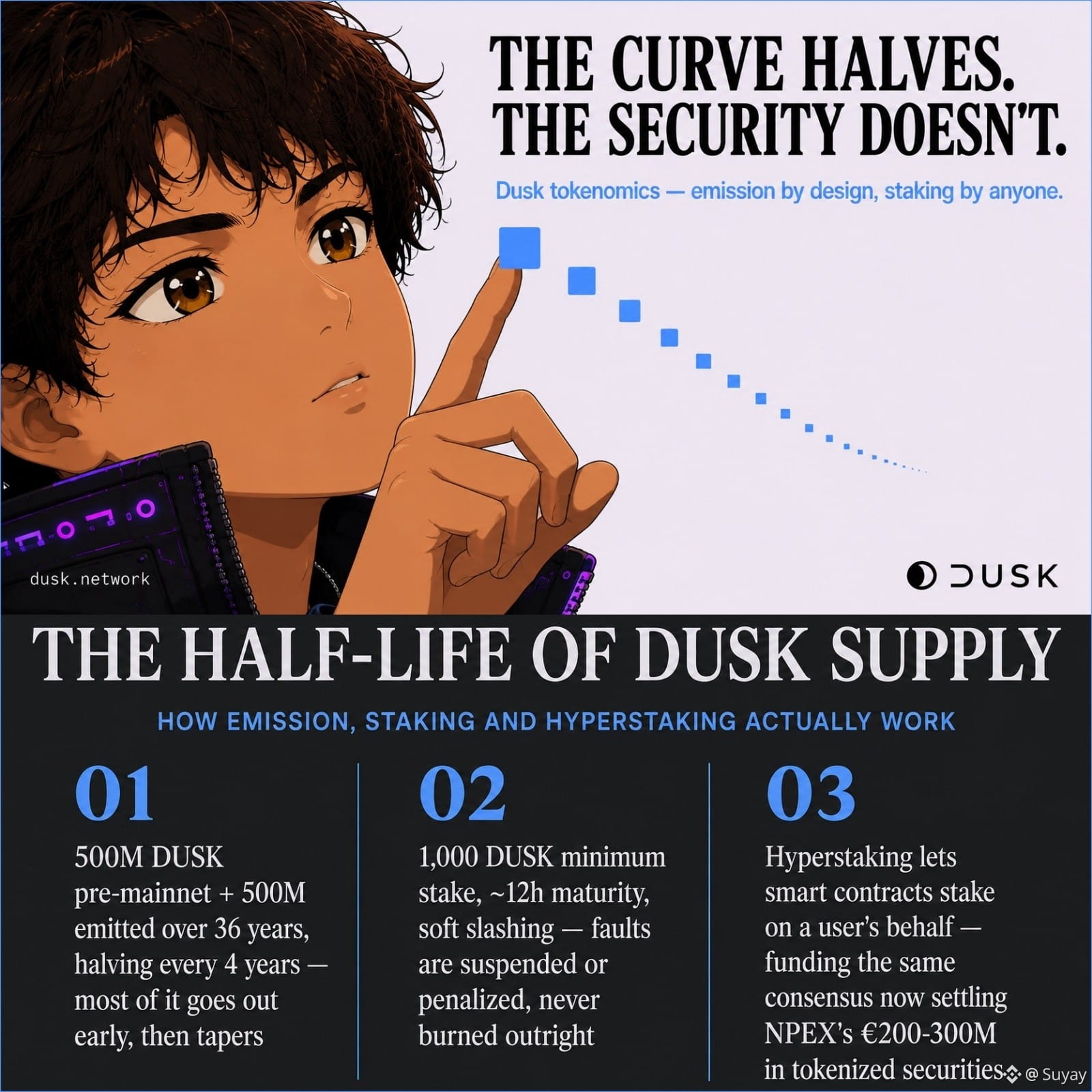
500 millions de DUSK existaient avant le mainnet. Les 500 millions restants sont émis aux stakers sur 36 ans, mais pas sous la forme d’un écoulement constant : cela suit une décroissance géométrique, avec un halving tous les quatre ans. Ainsi, une part beaucoup plus importante sort au début et la courbe s’approche de zéro plutôt que de s’étaler indéfiniment. Le stake minimum est de 1 000 DUSK, le nouveau stake arrive à maturité en environ 12 heures, et les fautes entraînent des soft-slashings, des suspensions ou des pénalités plutôt qu’une brûlure pure et simple. Le coût d’exploitation d’un provisioner de bonne foi reste donc prévisible au lieu d’être catastrophique un mauvais jour.
Le Hyperstaking, l’abstraction du stake de Dusk, est la partie qui change réellement qui peut participer. Les smart contracts peuvent miser pour le compte d’un utilisateur, pas seulement via des portefeuilles individuels, ce qui permet la mise en place de pools automatisés, du liquid staking et de logiques de récompense sur mesure, sans que chaque staker doive exécuter son propre nœud.
Plus rien de tout ça n’est abstrait. Les titres tokenisés de NPEX, déjà négociés dans la fourchette des 200 à 300 millions d’euros sur l’infrastructure de Dusk, sont réglés via le consensus exact que cette courbe d’émission finance. Le calendrier d’offre en jetons n’est pas seulement un graphique pour investisseurs : c’est le budget de la sécurité dont dépendent ces transactions.
Ce que je n’ai pas encore vu en données : la sélection par tri (sortition) pondérée par le stake signifie que les plus grands pools sont choisis plus souvent. Si, à mesure que Hyperstaking se développe, les pools de staking gérés par des contrats finissent par concentrer une part croissante du stake, alors il y a une vraie tension avec la décentralisation que le réseau est conçu pour garantir—et il est encore trop tôt pour savoir dans quel sens cela évoluera.
#dusk $DUSK @Dusk_Foundation
La demi-vie n’est pas un terme auquel je m’attendais à tomber en dehors d’un exercice de physique, mais c’est exactement la courbe que suit l’émission de jetons de Dusk.
500 millions de DUSK existaient avant le mainnet. Les 500 millions restants sont émis aux stakers sur 36 ans, mais pas sous la forme d’un écoulement constant : cela suit une décroissance géométrique, avec un halving tous les quatre ans. Ainsi, une part beaucoup plus importante sort au début et la courbe s’approche de zéro plutôt que de s’étaler indéfiniment. Le stake minimum est de 1 000 DUSK, le nouveau stake arrive à maturité en environ 12 heures, et les fautes entraînent des soft-slashings, des suspensions ou des pénalités plutôt qu’une brûlure pure et simple. Le coût d’exploitation d’un provisioner de bonne foi reste donc prévisible au lieu d’être catastrophique un mauvais jour.
Le Hyperstaking, l’abstraction du stake de Dusk, est la partie qui change réellement qui peut participer. Les smart contracts peuvent miser pour le compte d’un utilisateur, pas seulement via des portefeuilles individuels, ce qui permet la mise en place de pools automatisés, du liquid staking et de logiques de récompense sur mesure, sans que chaque staker doive exécuter son propre nœud.
Plus rien de tout ça n’est abstrait. Les titres tokenisés de NPEX, déjà négociés dans la fourchette des 200 à 300 millions d’euros sur l’infrastructure de Dusk, sont réglés via le consensus exact que cette courbe d’émission finance. Le calendrier d’offre en jetons n’est pas seulement un graphique pour investisseurs : c’est le budget de la sécurité dont dépendent ces transactions.
Ce que je n’ai pas encore vu en données : la sélection par tri (sortition) pondérée par le stake signifie que les plus grands pools sont choisis plus souvent. Si, à mesure que Hyperstaking se développe, les pools de staking gérés par des contrats finissent par concentrer une part croissante du stake, alors il y a une vraie tension avec la décentralisation que le réseau est conçu pour garantir—et il est encore trop tôt pour savoir dans quel sens cela évoluera.
#dusk $DUSK @Dusk
500 millions de DUSK existaient avant le mainnet. Les 500 millions restants sont émis aux stakers sur 36 ans, mais pas sous la forme d’un écoulement constant : cela suit une décroissance géométrique, avec un halving tous les quatre ans. Ainsi, une part beaucoup plus importante sort au début et la courbe s’approche de zéro plutôt que de s’étaler indéfiniment. Le stake minimum est de 1 000 DUSK, le nouveau stake arrive à maturité en environ 12 heures, et les fautes entraînent des soft-slashings, des suspensions ou des pénalités plutôt qu’une brûlure pure et simple. Le coût d’exploitation d’un provisioner de bonne foi reste donc prévisible au lieu d’être catastrophique un mauvais jour.
Le Hyperstaking, l’abstraction du stake de Dusk, est la partie qui change réellement qui peut participer. Les smart contracts peuvent miser pour le compte d’un utilisateur, pas seulement via des portefeuilles individuels, ce qui permet la mise en place de pools automatisés, du liquid staking et de logiques de récompense sur mesure, sans que chaque staker doive exécuter son propre nœud.
Plus rien de tout ça n’est abstrait. Les titres tokenisés de NPEX, déjà négociés dans la fourchette des 200 à 300 millions d’euros sur l’infrastructure de Dusk, sont réglés via le consensus exact que cette courbe d’émission finance. Le calendrier d’offre en jetons n’est pas seulement un graphique pour investisseurs : c’est le budget de la sécurité dont dépendent ces transactions.
Ce que je n’ai pas encore vu en données : la sélection par tri (sortition) pondérée par le stake signifie que les plus grands pools sont choisis plus souvent. Si, à mesure que Hyperstaking se développe, les pools de staking gérés par des contrats finissent par concentrer une part croissante du stake, alors il y a une vraie tension avec la décentralisation que le réseau est conçu pour garantir—et il est encore trop tôt pour savoir dans quel sens cela évoluera.
#dusk $DUSK @Dusk
11
6
418
·
--
Vérifié
J’ai toujours traité la « finalité de la blockchain » comme un langage marketing plutôt que comme une garantie réelle, quelque part entre l’espoir et la probabilité. En lisant comment l’« Succinct Attestation » de Dusk clôture effectivement un bloc, j’ai changé d’avis.
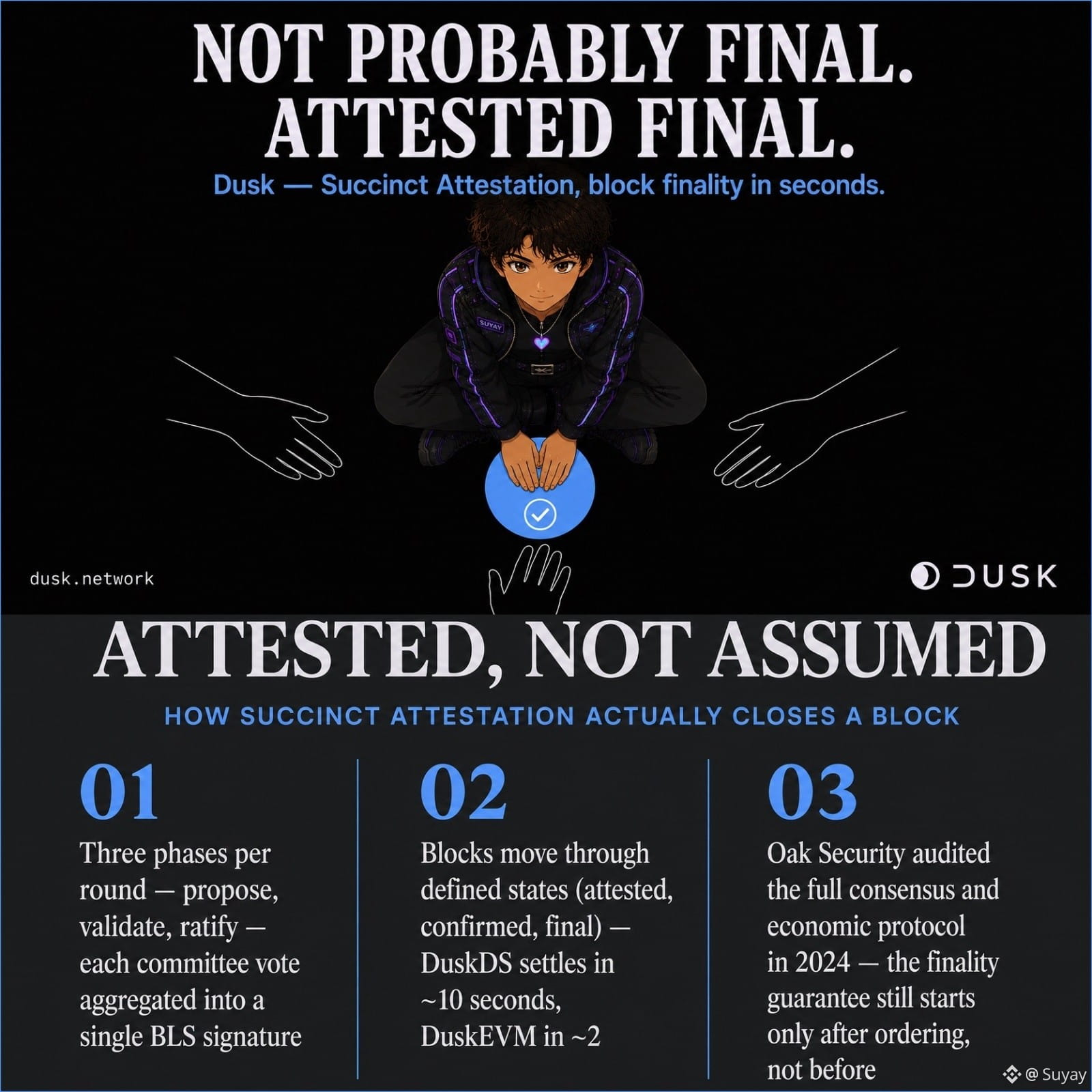
Chaque tour suit trois phases : un provisionner sélectionné aléatoirement propose un bloc candidat, un premier comité vote sur sa validité, puis un second comité ratifie ce résultat, le tout avec des signatures BLS agrégées atteignant une surmajorité. Ce n’est pas une confirmation probabiliste qui s’empile avec le temps : c’est une attestation cryptographique explicite qui garantit que le bloc respecte les conditions. Les blocs passent par des états définis, attesté, confirmé, final, et DuskDS s’installe en environ dix secondes ; DuskEVM encore plus vite, à environ deux secondes. Oak Security a audité l’ensemble du consensus et du protocole économique et a jugé le tout bien conçu, en combinant des éléments d’approches existantes avec quelques éléments vraiment sur mesure.
C’est une vraie réponse au risque de reorg. Un trade final sur Dusk n’est pas final tant que personne ne s’oppose pendant un moment : il est final parce qu’un comité défini a déjà attesté ce résultat. C’est la vraie exigence pour le règlement de titres financiers réglementés.
Voici ce que cela ne résout pas, et cela fait le lien avec quelque chose que j’avais soulevé il y a plusieurs semaines au sujet du séquenceur de DuskEVM. Ce processus d’attestation est entièrement décentralisé entre les provisioners sur DuskDS. Mais DuskEVM ordonne encore les transactions via un unique séquenceur, avant que quoi que ce soit n’arrive à DuskDS pour garantir cela. La finalité que je viens de décrire protège ce qui se passe après l’ordonnancement. Elle n’a jamais été conçue pour répondre à la question de qui voit la transaction en premier.
#dusk $DUSK @Dusk_Foundation #DuskEVM
J’ai toujours traité la « finalité de la blockchain » comme un langage marketing plutôt que comme une garantie réelle, quelque part entre l’espoir et la probabilité. En lisant comment l’« Succinct Attestation » de Dusk clôture effectivement un bloc, j’ai changé d’avis.
Chaque tour suit trois phases : un provisionner sélectionné aléatoirement propose un bloc candidat, un premier comité vote sur sa validité, puis un second comité ratifie ce résultat, le tout avec des signatures BLS agrégées atteignant une surmajorité. Ce n’est pas une confirmation probabiliste qui s’empile avec le temps : c’est une attestation cryptographique explicite qui garantit que le bloc respecte les conditions. Les blocs passent par des états définis, attesté, confirmé, final, et DuskDS s’installe en environ dix secondes ; DuskEVM encore plus vite, à environ deux secondes. Oak Security a audité l’ensemble du consensus et du protocole économique et a jugé le tout bien conçu, en combinant des éléments d’approches existantes avec quelques éléments vraiment sur mesure.
C’est une vraie réponse au risque de reorg. Un trade final sur Dusk n’est pas final tant que personne ne s’oppose pendant un moment : il est final parce qu’un comité défini a déjà attesté ce résultat. C’est la vraie exigence pour le règlement de titres financiers réglementés.
Voici ce que cela ne résout pas, et cela fait le lien avec quelque chose que j’avais soulevé il y a plusieurs semaines au sujet du séquenceur de DuskEVM. Ce processus d’attestation est entièrement décentralisé entre les provisioners sur DuskDS. Mais DuskEVM ordonne encore les transactions via un unique séquenceur, avant que quoi que ce soit n’arrive à DuskDS pour garantir cela. La finalité que je viens de décrire protège ce qui se passe après l’ordonnancement. Elle n’a jamais été conçue pour répondre à la question de qui voit la transaction en premier.
#dusk $DUSK @Dusk #DuskEVM
Chaque tour suit trois phases : un provisionner sélectionné aléatoirement propose un bloc candidat, un premier comité vote sur sa validité, puis un second comité ratifie ce résultat, le tout avec des signatures BLS agrégées atteignant une surmajorité. Ce n’est pas une confirmation probabiliste qui s’empile avec le temps : c’est une attestation cryptographique explicite qui garantit que le bloc respecte les conditions. Les blocs passent par des états définis, attesté, confirmé, final, et DuskDS s’installe en environ dix secondes ; DuskEVM encore plus vite, à environ deux secondes. Oak Security a audité l’ensemble du consensus et du protocole économique et a jugé le tout bien conçu, en combinant des éléments d’approches existantes avec quelques éléments vraiment sur mesure.
C’est une vraie réponse au risque de reorg. Un trade final sur Dusk n’est pas final tant que personne ne s’oppose pendant un moment : il est final parce qu’un comité défini a déjà attesté ce résultat. C’est la vraie exigence pour le règlement de titres financiers réglementés.
Voici ce que cela ne résout pas, et cela fait le lien avec quelque chose que j’avais soulevé il y a plusieurs semaines au sujet du séquenceur de DuskEVM. Ce processus d’attestation est entièrement décentralisé entre les provisioners sur DuskDS. Mais DuskEVM ordonne encore les transactions via un unique séquenceur, avant que quoi que ce soit n’arrive à DuskDS pour garantir cela. La finalité que je viens de décrire protège ce qui se passe après l’ordonnancement. Elle n’a jamais été conçue pour répondre à la question de qui voit la transaction en premier.
#dusk $DUSK @Dusk #DuskEVM
9
4
232
·
--
Alors que Bitcoin a fait la une des médias cette semaine, la deuxième plus grande crypto a discrètement fait quelque chose de plus inhabituel : elle a dépassé le BTC, jour après jour, au cours du même rally.
Ethereum a bondi d’environ 18 à 22 % sur la semaine écoulée, atteignant brièvement un plus haut sur deux semaines près de 2 517 $ alors que les ETF spot sur l’ETH ont attiré 189 millions $ en une seule journée — le plus gros afflux depuis des mois, juste à côté de la propre performance record de Bitcoin. L’analyste Michaël van de Poppe a relevé ce mouvement publiquement, notant que l’ETH monte plus vite que le BTC et qu’elle se dirige vers des niveaux clés de ratio libellés en BTC — un type de force relative que certains lisent comme un signal précoce de début de « alt-season ».
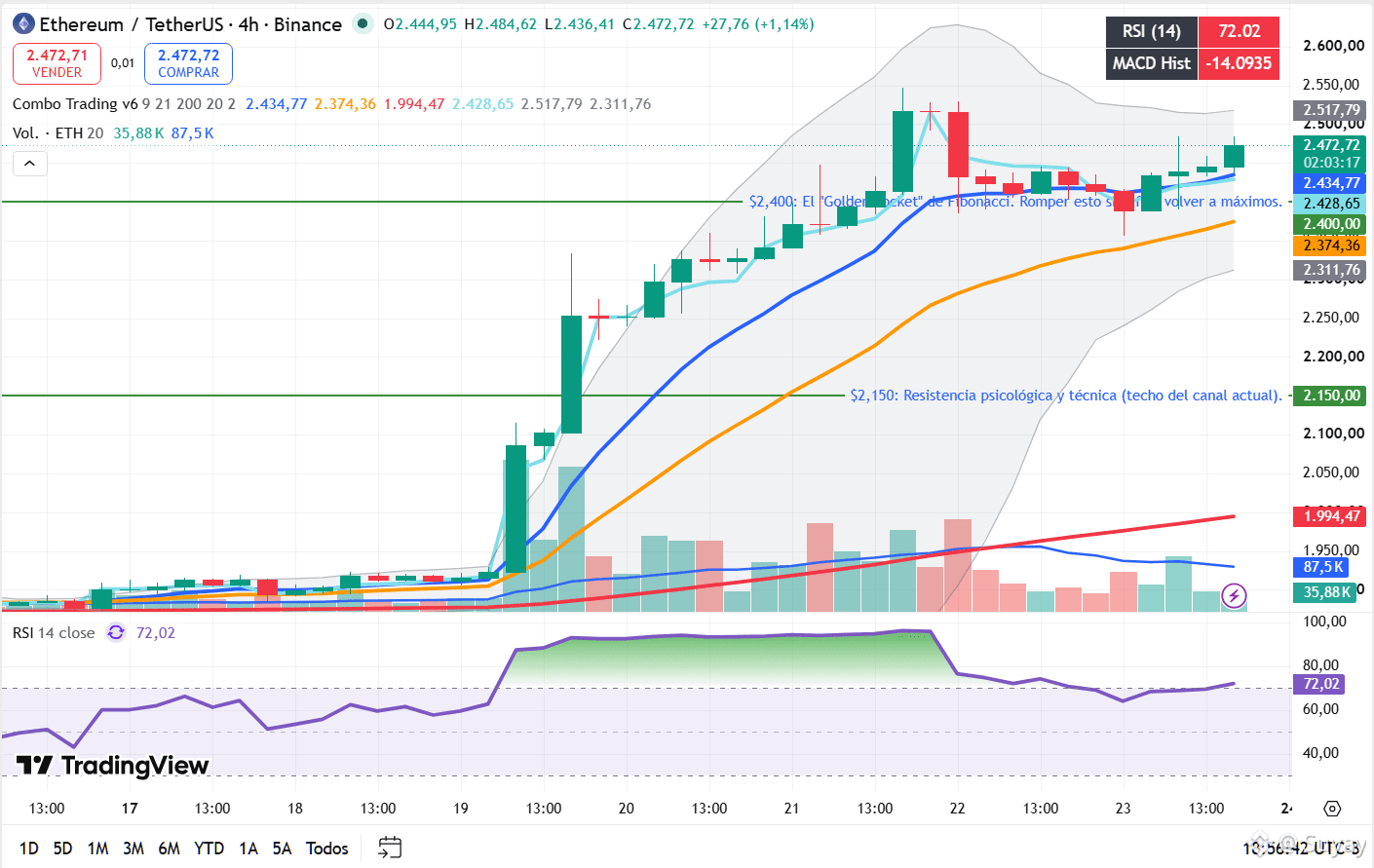
Le graphique en 4H montre clairement l’anatomie du mouvement : après des semaines de consolidation, l’ETH a rompu avec une grande bougie verte, progressant régulièrement au-dessus de ses moyennes mobiles exponentielles (EMAs) jusqu’à un plus haut local, avant de corriger légèrement pour revenir à son niveau actuel de 2 472,72 $ — se situant presque exactement sur le niveau Fibonacci « golden pocket » des 2 400 $, qui a servi de pivot pour l’ensemble de cette séquence. Le RSI se situe à 72,02, aussi « suracheté » que la lecture de Bitcoin, et l’histogramme du MACD est négatif à -14,09, le même signal d’essoufflement de la dynamique que l’on voit ici aussi.
Le fait qu’une rally porte l’ETH à mieux performer que le BTC est, dans l’ensemble, l’un des signes précoces les plus fiables d’une rotation du capital vers les altcoins — sur le plan technique, cette partie de l’histoire se vérifie, pas seulement anecdotalement. Mais le même RSI suracheté et la même divergence MACD négative présents sur les deux graphiques signifient que la fatigue n’est pas propre à Bitcoin ; elle est généralisée au marché. Comme CoinDesk l’a noté à propos de ce même mouvement, une seule journée d’entrées d’ETF confirme une cassure — elle ne confirme pas que celle-ci va durer. Si l’ETH maintient ce niveau de « golden pocket » ou le rend, c’est ce qui déterminera quelle histoire l’emporte.
Ce n’est pas un conseil financier — uniquement à des fins d’information.
#ETH #Ethereum #Altseason #Binance $ETH
Alors que Bitcoin a fait la une des médias cette semaine, la deuxième plus grande crypto a discrètement fait quelque chose de plus inhabituel : elle a dépassé le BTC, jour après jour, au cours du même rally.
Ethereum a bondi d’environ 18 à 22 % sur la semaine écoulée, atteignant brièvement un plus haut sur deux semaines près de 2 517 $ alors que les ETF spot sur l’ETH ont attiré 189 millions $ en une seule journée — le plus gros afflux depuis des mois, juste à côté de la propre performance record de Bitcoin. L’analyste Michaël van de Poppe a relevé ce mouvement publiquement, notant que l’ETH monte plus vite que le BTC et qu’elle se dirige vers des niveaux clés de ratio libellés en BTC — un type de force relative que certains lisent comme un signal précoce de début de « alt-season ».
Le graphique en 4H montre clairement l’anatomie du mouvement : après des semaines de consolidation, l’ETH a rompu avec une grande bougie verte, progressant régulièrement au-dessus de ses moyennes mobiles exponentielles (EMAs) jusqu’à un plus haut local, avant de corriger légèrement pour revenir à son niveau actuel de 2 472,72 $ — se situant presque exactement sur le niveau Fibonacci « golden pocket » des 2 400 $, qui a servi de pivot pour l’ensemble de cette séquence. Le RSI se situe à 72,02, aussi « suracheté » que la lecture de Bitcoin, et l’histogramme du MACD est négatif à -14,09, le même signal d’essoufflement de la dynamique que l’on voit ici aussi.
Le fait qu’une rally porte l’ETH à mieux performer que le BTC est, dans l’ensemble, l’un des signes précoces les plus fiables d’une rotation du capital vers les altcoins — sur le plan technique, cette partie de l’histoire se vérifie, pas seulement anecdotalement. Mais le même RSI suracheté et la même divergence MACD négative présents sur les deux graphiques signifient que la fatigue n’est pas propre à Bitcoin ; elle est généralisée au marché. Comme CoinDesk l’a noté à propos de ce même mouvement, une seule journée d’entrées d’ETF confirme une cassure — elle ne confirme pas que celle-ci va durer. Si l’ETH maintient ce niveau de « golden pocket » ou le rend, c’est ce qui déterminera quelle histoire l’emporte.
Ce n’est pas un conseil financier — uniquement à des fins d’information.
#ETH #Ethereum #Altseason #Binance $ETH
Ethereum a bondi d’environ 18 à 22 % sur la semaine écoulée, atteignant brièvement un plus haut sur deux semaines près de 2 517 $ alors que les ETF spot sur l’ETH ont attiré 189 millions $ en une seule journée — le plus gros afflux depuis des mois, juste à côté de la propre performance record de Bitcoin. L’analyste Michaël van de Poppe a relevé ce mouvement publiquement, notant que l’ETH monte plus vite que le BTC et qu’elle se dirige vers des niveaux clés de ratio libellés en BTC — un type de force relative que certains lisent comme un signal précoce de début de « alt-season ».
Le graphique en 4H montre clairement l’anatomie du mouvement : après des semaines de consolidation, l’ETH a rompu avec une grande bougie verte, progressant régulièrement au-dessus de ses moyennes mobiles exponentielles (EMAs) jusqu’à un plus haut local, avant de corriger légèrement pour revenir à son niveau actuel de 2 472,72 $ — se situant presque exactement sur le niveau Fibonacci « golden pocket » des 2 400 $, qui a servi de pivot pour l’ensemble de cette séquence. Le RSI se situe à 72,02, aussi « suracheté » que la lecture de Bitcoin, et l’histogramme du MACD est négatif à -14,09, le même signal d’essoufflement de la dynamique que l’on voit ici aussi.
Le fait qu’une rally porte l’ETH à mieux performer que le BTC est, dans l’ensemble, l’un des signes précoces les plus fiables d’une rotation du capital vers les altcoins — sur le plan technique, cette partie de l’histoire se vérifie, pas seulement anecdotalement. Mais le même RSI suracheté et la même divergence MACD négative présents sur les deux graphiques signifient que la fatigue n’est pas propre à Bitcoin ; elle est généralisée au marché. Comme CoinDesk l’a noté à propos de ce même mouvement, une seule journée d’entrées d’ETF confirme une cassure — elle ne confirme pas que celle-ci va durer. Si l’ETH maintient ce niveau de « golden pocket » ou le rend, c’est ce qui déterminera quelle histoire l’emporte.
Ce n’est pas un conseil financier — uniquement à des fins d’information.
#ETH #Ethereum #Altseason #Binance $ETH
114
·
--
Un président s’est assis avec les PDG de Coinbase, Kraken, Robinhood et Ripple à la Maison-Blanche et a dit au Congrès de faire avancer un projet de loi bloqué jusqu’à la ligne d’arrivée. Deux jours plus tard, plus d’un milliard de dollars de paris baissiers avaient été effacés du tableau.
Le Bitcoin vient de clôturer sa meilleure séquence de cinq jours depuis mars 2024, bondissant de 22% pour atteindre 77 692 $ — et brièvement jusqu’à 81 449 $ — après que le président Trump a accueilli des dirigeants de la crypto le 19 août et a exhorté à l’adoption de la loi CLARITY, tandis que le Trésor américain doublait simultanément la taille de ses rachats d’obligations à long terme, faisant baisser les rendements et poussant le capital vers des actifs plus risqués. La combinaison a déclenché un violent short squeeze, liquidant plus de 2,7 milliards de dollars de positions baissières lorsque le BTC a cassé une fourchette de six semaines coincée entre 62 000 $ et 66 000 $. Les ETF Bitcoin au comptant ont attiré 517 millions de dollars sur une seule journée, le flux entrant le plus fort depuis des mois.
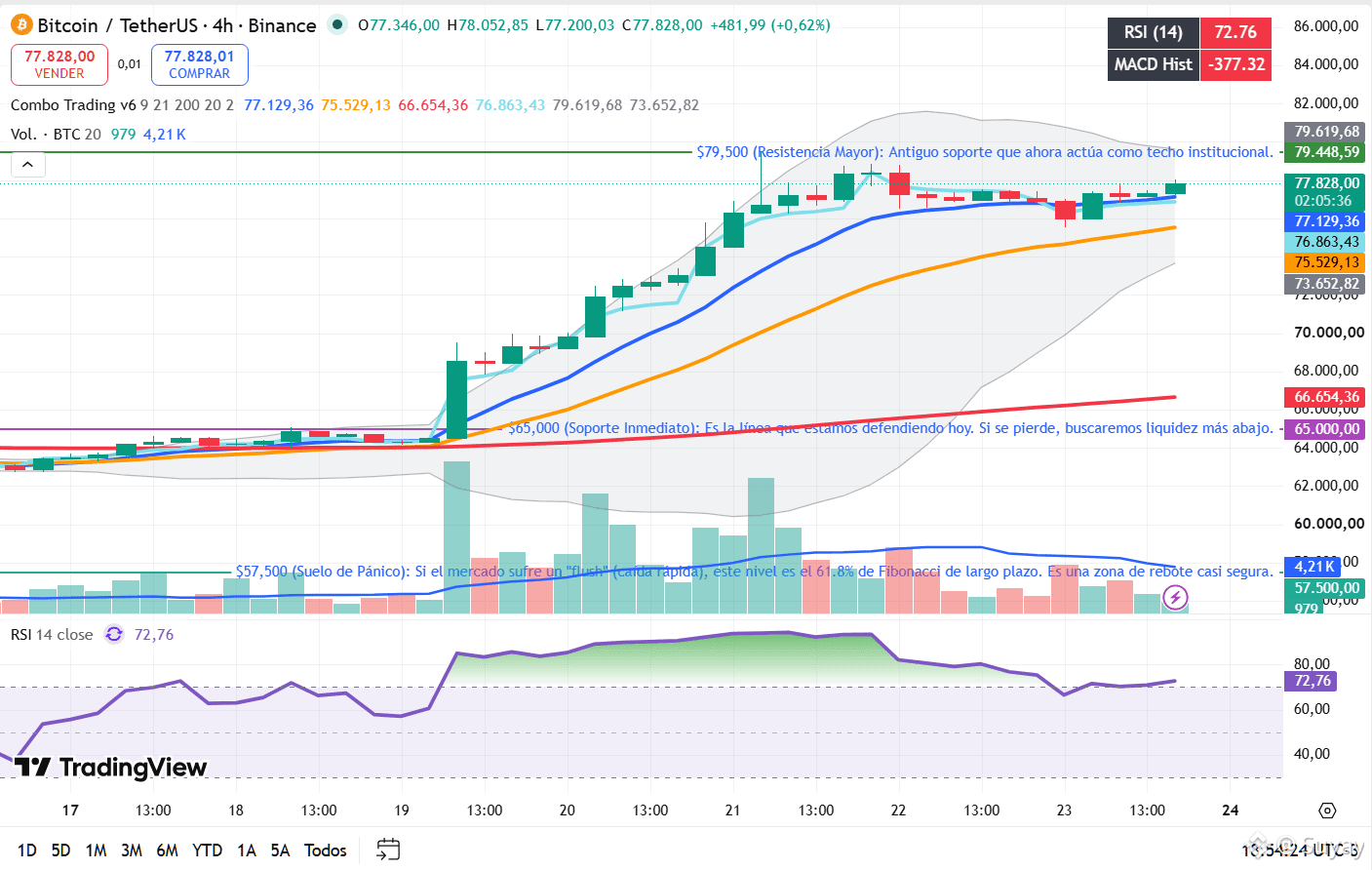
Le graphique en 4H montre la cassure dans son intégralité : le prix a explosé depuis un support proche de 65 000 $, traversant toutes les EMA pour atteindre son niveau actuel à 77 828 $, où il consolide désormais juste sous la zone des 79 500 — un ancien niveau de support désormais transformé en résistance.
RSI est à 72,76, profondément en territoire de surachat, et l’histogramme MACD est négatif à -377,32, même si le prix reste proche de ses plus hauts — le momentum se refroidit alors que le prix n’a pas encore suivi.
Une hausse construite sur trois catalyseurs réels et indépendants — pression politique, liquidité du Trésor et un véritable short squeeze — a plus de substance que celle alimentée uniquement par le battage médiatique. Mais un RSI aussi étendu, avec un histogramme MACD négatif, correspond à une divergence typique : le prix est proche du sommet, tandis que le momentum s’affaiblit déjà en dessous. Et la loi CLARITY elle-même n’a pas encore été adoptée — il lui faut encore 60 voix au Sénat et une réconciliation à la Chambre. Le graphique intègre un résultat politique qui n’est pas encore une loi.
Ce n’est pas un conseil financier — uniquement à des fins d’information.
#BTC #bitcoin #CLARITYAct #Binance $BTC
{future}(BTCUSDT)
Un président s’est assis avec les PDG de Coinbase, Kraken, Robinhood et Ripple à la Maison-Blanche et a dit au Congrès de faire avancer un projet de loi bloqué jusqu’à la ligne d’arrivée. Deux jours plus tard, plus d’un milliard de dollars de paris baissiers avaient été effacés du tableau.
Le Bitcoin vient de clôturer sa meilleure séquence de cinq jours depuis mars 2024, bondissant de 22% pour atteindre 77 692 $ — et brièvement jusqu’à 81 449 $ — après que le président Trump a accueilli des dirigeants de la crypto le 19 août et a exhorté à l’adoption de la loi CLARITY, tandis que le Trésor américain doublait simultanément la taille de ses rachats d’obligations à long terme, faisant baisser les rendements et poussant le capital vers des actifs plus risqués. La combinaison a déclenché un violent short squeeze, liquidant plus de 2,7 milliards de dollars de positions baissières lorsque le BTC a cassé une fourchette de six semaines coincée entre 62 000 $ et 66 000 $. Les ETF Bitcoin au comptant ont attiré 517 millions de dollars sur une seule journée, le flux entrant le plus fort depuis des mois.
Le graphique en 4H montre la cassure dans son intégralité : le prix a explosé depuis un support proche de 65 000 $, traversant toutes les EMA pour atteindre son niveau actuel à 77 828 $, où il consolide désormais juste sous la zone des 79 500 — un ancien niveau de support désormais transformé en résistance.
RSI est à 72,76, profondément en territoire de surachat, et l’histogramme MACD est négatif à -377,32, même si le prix reste proche de ses plus hauts — le momentum se refroidit alors que le prix n’a pas encore suivi.
Une hausse construite sur trois catalyseurs réels et indépendants — pression politique, liquidité du Trésor et un véritable short squeeze — a plus de substance que celle alimentée uniquement par le battage médiatique. Mais un RSI aussi étendu, avec un histogramme MACD négatif, correspond à une divergence typique : le prix est proche du sommet, tandis que le momentum s’affaiblit déjà en dessous. Et la loi CLARITY elle-même n’a pas encore été adoptée — il lui faut encore 60 voix au Sénat et une réconciliation à la Chambre. Le graphique intègre un résultat politique qui n’est pas encore une loi.
Ce n’est pas un conseil financier — uniquement à des fins d’information.
#BTC #bitcoin #CLARITYAct #Binance $BTC
Le Bitcoin vient de clôturer sa meilleure séquence de cinq jours depuis mars 2024, bondissant de 22% pour atteindre 77 692 $ — et brièvement jusqu’à 81 449 $ — après que le président Trump a accueilli des dirigeants de la crypto le 19 août et a exhorté à l’adoption de la loi CLARITY, tandis que le Trésor américain doublait simultanément la taille de ses rachats d’obligations à long terme, faisant baisser les rendements et poussant le capital vers des actifs plus risqués. La combinaison a déclenché un violent short squeeze, liquidant plus de 2,7 milliards de dollars de positions baissières lorsque le BTC a cassé une fourchette de six semaines coincée entre 62 000 $ et 66 000 $. Les ETF Bitcoin au comptant ont attiré 517 millions de dollars sur une seule journée, le flux entrant le plus fort depuis des mois.
Le graphique en 4H montre la cassure dans son intégralité : le prix a explosé depuis un support proche de 65 000 $, traversant toutes les EMA pour atteindre son niveau actuel à 77 828 $, où il consolide désormais juste sous la zone des 79 500 — un ancien niveau de support désormais transformé en résistance.
RSI est à 72,76, profondément en territoire de surachat, et l’histogramme MACD est négatif à -377,32, même si le prix reste proche de ses plus hauts — le momentum se refroidit alors que le prix n’a pas encore suivi.
Une hausse construite sur trois catalyseurs réels et indépendants — pression politique, liquidité du Trésor et un véritable short squeeze — a plus de substance que celle alimentée uniquement par le battage médiatique. Mais un RSI aussi étendu, avec un histogramme MACD négatif, correspond à une divergence typique : le prix est proche du sommet, tandis que le momentum s’affaiblit déjà en dessous. Et la loi CLARITY elle-même n’a pas encore été adoptée — il lui faut encore 60 voix au Sénat et une réconciliation à la Chambre. Le graphique intègre un résultat politique qui n’est pas encore une loi.
Ce n’est pas un conseil financier — uniquement à des fins d’information.
#BTC #bitcoin #CLARITYAct #Binance $BTC
130
·
--
Vérifié
J’ai supposé qu’une blockchain de confidentialité devait choisir un camp : entièrement masquée ou entièrement transparente. En lisant comment Moonlight et Phoenix fonctionnent réellement ensemble sur Dusk, cette hypothèse n’a pas tenu.
Phoenix n’est pas anonyme comme je l’avais imaginé non plus. Dans sa spécification 2.0, l’expéditeur d’une transaction est identifiablement déductible par le destinataire, même si le montant et les détails restent cachés à tout le monde. Dusk l’a conçu ainsi précisément pour éviter le risque de radiation des bourses ; les protocoles d’anonymat complet échouent à cette exigence de conformité, mais la confidentialité contrôlée, non. Moonlight s’y ajoute à côté, comme un modèle entièrement public et basé sur des comptes, avec la même forme qu’une écriture de registre classique, ajouté pour la même raison : certains partenaires, en particulier les bourses, ont besoin d’une transparence par défaut, et non comme une exception.
Ce qui m’a réellement surpris, c’est la manière dont les deux se connectent. Ce ne sont pas deux produits distincts simplement assemblés : il existe une conversion directe « shield » et « unshield » intégrée au contrat de transfert, de sorte qu’une note Phoenix et un solde Moonlight se convertissent l’un dans l’autre de façon atomique. Même actif, même chaîne : le niveau de confidentialité est un réglage, pas un fork.
La question ouverte pour moi : le Hedger de DuskEVM ajoute un troisième modèle par-dessus, avec chiffrement homomorphe plus ZK pour la couche EVM, ce qui constitue une construction différente de Phoenix ou de Moonlight. Trois modèles de confidentialité coexistants offrent davantage de souplesse sur le papier. Je n’ai pas encore déterminé si cette flexibilité coûte de la liquidité ou entraîne une fragmentation des outils lorsque les actifs doivent passer d’un modèle à l’autre, et pas seulement entre les deux.
#dusk $DUSK @Dusk_Foundation #DuskEVM #Ethereum
J’ai supposé qu’une blockchain de confidentialité devait choisir un camp : entièrement masquée ou entièrement transparente. En lisant comment Moonlight et Phoenix fonctionnent réellement ensemble sur Dusk, cette hypothèse n’a pas tenu.
Phoenix n’est pas anonyme comme je l’avais imaginé non plus. Dans sa spécification 2.0, l’expéditeur d’une transaction est identifiablement déductible par le destinataire, même si le montant et les détails restent cachés à tout le monde. Dusk l’a conçu ainsi précisément pour éviter le risque de radiation des bourses ; les protocoles d’anonymat complet échouent à cette exigence de conformité, mais la confidentialité contrôlée, non. Moonlight s’y ajoute à côté, comme un modèle entièrement public et basé sur des comptes, avec la même forme qu’une écriture de registre classique, ajouté pour la même raison : certains partenaires, en particulier les bourses, ont besoin d’une transparence par défaut, et non comme une exception.
Ce qui m’a réellement surpris, c’est la manière dont les deux se connectent. Ce ne sont pas deux produits distincts simplement assemblés : il existe une conversion directe « shield » et « unshield » intégrée au contrat de transfert, de sorte qu’une note Phoenix et un solde Moonlight se convertissent l’un dans l’autre de façon atomique. Même actif, même chaîne : le niveau de confidentialité est un réglage, pas un fork.
La question ouverte pour moi : le Hedger de DuskEVM ajoute un troisième modèle par-dessus, avec chiffrement homomorphe plus ZK pour la couche EVM, ce qui constitue une construction différente de Phoenix ou de Moonlight. Trois modèles de confidentialité coexistants offrent davantage de souplesse sur le papier. Je n’ai pas encore déterminé si cette flexibilité coûte de la liquidité ou entraîne une fragmentation des outils lorsque les actifs doivent passer d’un modèle à l’autre, et pas seulement entre les deux.
#dusk $DUSK @Dusk #DuskEVM #Ethereum
Phoenix n’est pas anonyme comme je l’avais imaginé non plus. Dans sa spécification 2.0, l’expéditeur d’une transaction est identifiablement déductible par le destinataire, même si le montant et les détails restent cachés à tout le monde. Dusk l’a conçu ainsi précisément pour éviter le risque de radiation des bourses ; les protocoles d’anonymat complet échouent à cette exigence de conformité, mais la confidentialité contrôlée, non. Moonlight s’y ajoute à côté, comme un modèle entièrement public et basé sur des comptes, avec la même forme qu’une écriture de registre classique, ajouté pour la même raison : certains partenaires, en particulier les bourses, ont besoin d’une transparence par défaut, et non comme une exception.
Ce qui m’a réellement surpris, c’est la manière dont les deux se connectent. Ce ne sont pas deux produits distincts simplement assemblés : il existe une conversion directe « shield » et « unshield » intégrée au contrat de transfert, de sorte qu’une note Phoenix et un solde Moonlight se convertissent l’un dans l’autre de façon atomique. Même actif, même chaîne : le niveau de confidentialité est un réglage, pas un fork.
La question ouverte pour moi : le Hedger de DuskEVM ajoute un troisième modèle par-dessus, avec chiffrement homomorphe plus ZK pour la couche EVM, ce qui constitue une construction différente de Phoenix ou de Moonlight. Trois modèles de confidentialité coexistants offrent davantage de souplesse sur le papier. Je n’ai pas encore déterminé si cette flexibilité coûte de la liquidité ou entraîne une fragmentation des outils lorsque les actifs doivent passer d’un modèle à l’autre, et pas seulement entre les deux.
#dusk $DUSK @Dusk #DuskEVM #Ethereum
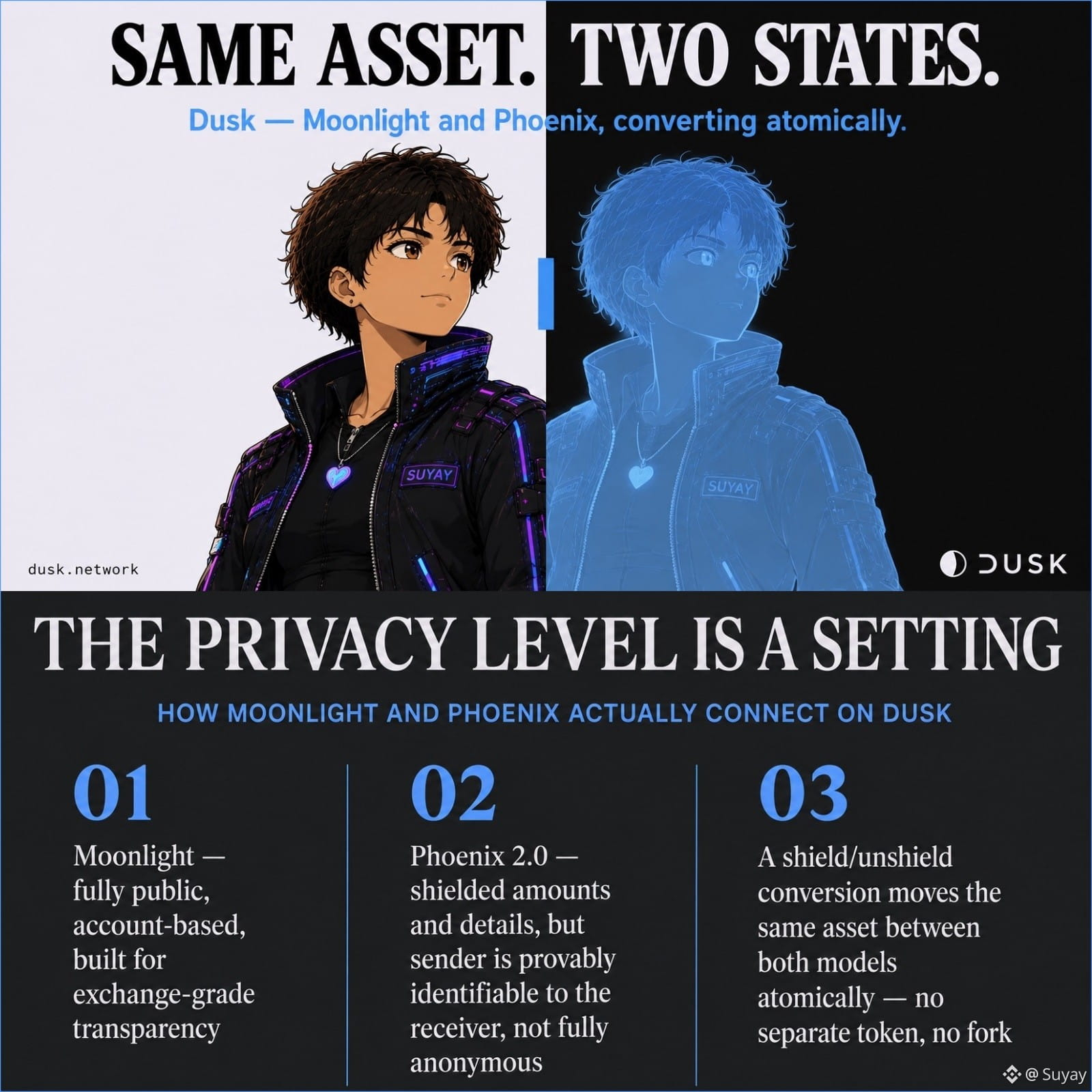
11
6
209
·
--
Haussier
Vérifié
En physique, supprimer une étape d’un système ne fait pas que gagner du temps : cela supprime aussi un endroit où les erreurs s’accumulent. C’est, en substance, l’argument derrière la licence de 21X, et pourquoi le fait que Dusk s’y branche change plus de choses qu’on ne le croit.
Je me suis préparé un café, je me suis mis à faire des recherches et j’ai découvert que 21X est la première entreprise de l’UE à être agréée, dans le cadre du DLT Pilot Regime, pour opérer la négociation et la compensation en tant que système combiné — un DLT-TSS.
Historiquement, ce sont deux fonctions réglementées distinctes : une plateforme de négociation et un dépositaire central de titres, séparés par un « entre-deux » où une transaction reste en attente avant d’être réellement finalisée. 21X réduit tout cela à une seule étape atomique on-chain. Dusk s’est joint en tant que participant à la négociation, et contrairement à la plupart des plateformes réglementées qui restent sur des chaînes privées, autorisées, 21X fonctionne sur des réseaux publics, sans permission : d’abord Polygon, puis Stellar, avec une intégration à DuskEVM explicitement annoncée comme la prochaine.
Un objectif affiché de cette collaboration est la gestion de trésorerie en stablecoins : un émetteur qui achète et vend des fonds du marché monétaire tokenisés via 21X pour gérer ses réserves, avec une compensation atomique au lieu d’être acheminé via un dépositaire distinct quelques jours plus tard. Ce n’est pas un cas d’usage abstrait pour Dusk : c’est exactement la plomberie dans laquelle EURQ fonctionnerait.
Ce qui me reste en tête : le DLT-TSS n’est pas une loi permanente, c’est une exemption dans le cadre d’un régime pilote assorti d’une fenêtre d’essai définie. Ce qui arrive à tout ce qui se construit au-dessus si ce régime n’est pas reconduit n’est quelque chose que ni l’un ni l’autre ne contrôle.
Oups, mon café a refroidi.
#dusk $DUSK @Dusk_Foundation
En physique, supprimer une étape d’un système ne fait pas que gagner du temps : cela supprime aussi un endroit où les erreurs s’accumulent. C’est, en substance, l’argument derrière la licence de 21X, et pourquoi le fait que Dusk s’y branche change plus de choses qu’on ne le croit.
Je me suis préparé un café, je me suis mis à faire des recherches et j’ai découvert que 21X est la première entreprise de l’UE à être agréée, dans le cadre du DLT Pilot Regime, pour opérer la négociation et la compensation en tant que système combiné — un DLT-TSS.
Historiquement, ce sont deux fonctions réglementées distinctes : une plateforme de négociation et un dépositaire central de titres, séparés par un « entre-deux » où une transaction reste en attente avant d’être réellement finalisée. 21X réduit tout cela à une seule étape atomique on-chain. Dusk s’est joint en tant que participant à la négociation, et contrairement à la plupart des plateformes réglementées qui restent sur des chaînes privées, autorisées, 21X fonctionne sur des réseaux publics, sans permission : d’abord Polygon, puis Stellar, avec une intégration à DuskEVM explicitement annoncée comme la prochaine.
Un objectif affiché de cette collaboration est la gestion de trésorerie en stablecoins : un émetteur qui achète et vend des fonds du marché monétaire tokenisés via 21X pour gérer ses réserves, avec une compensation atomique au lieu d’être acheminé via un dépositaire distinct quelques jours plus tard. Ce n’est pas un cas d’usage abstrait pour Dusk : c’est exactement la plomberie dans laquelle EURQ fonctionnerait.
Ce qui me reste en tête : le DLT-TSS n’est pas une loi permanente, c’est une exemption dans le cadre d’un régime pilote assorti d’une fenêtre d’essai définie. Ce qui arrive à tout ce qui se construit au-dessus si ce régime n’est pas reconduit n’est quelque chose que ni l’un ni l’autre ne contrôle.
Oups, mon café a refroidi.
#dusk $DUSK @Dusk
Je me suis préparé un café, je me suis mis à faire des recherches et j’ai découvert que 21X est la première entreprise de l’UE à être agréée, dans le cadre du DLT Pilot Regime, pour opérer la négociation et la compensation en tant que système combiné — un DLT-TSS.
Historiquement, ce sont deux fonctions réglementées distinctes : une plateforme de négociation et un dépositaire central de titres, séparés par un « entre-deux » où une transaction reste en attente avant d’être réellement finalisée. 21X réduit tout cela à une seule étape atomique on-chain. Dusk s’est joint en tant que participant à la négociation, et contrairement à la plupart des plateformes réglementées qui restent sur des chaînes privées, autorisées, 21X fonctionne sur des réseaux publics, sans permission : d’abord Polygon, puis Stellar, avec une intégration à DuskEVM explicitement annoncée comme la prochaine.
Un objectif affiché de cette collaboration est la gestion de trésorerie en stablecoins : un émetteur qui achète et vend des fonds du marché monétaire tokenisés via 21X pour gérer ses réserves, avec une compensation atomique au lieu d’être acheminé via un dépositaire distinct quelques jours plus tard. Ce n’est pas un cas d’usage abstrait pour Dusk : c’est exactement la plomberie dans laquelle EURQ fonctionnerait.
Ce qui me reste en tête : le DLT-TSS n’est pas une loi permanente, c’est une exemption dans le cadre d’un régime pilote assorti d’une fenêtre d’essai définie. Ce qui arrive à tout ce qui se construit au-dessus si ce régime n’est pas reconduit n’est quelque chose que ni l’un ni l’autre ne contrôle.
Oups, mon café a refroidi.
#dusk $DUSK @Dusk
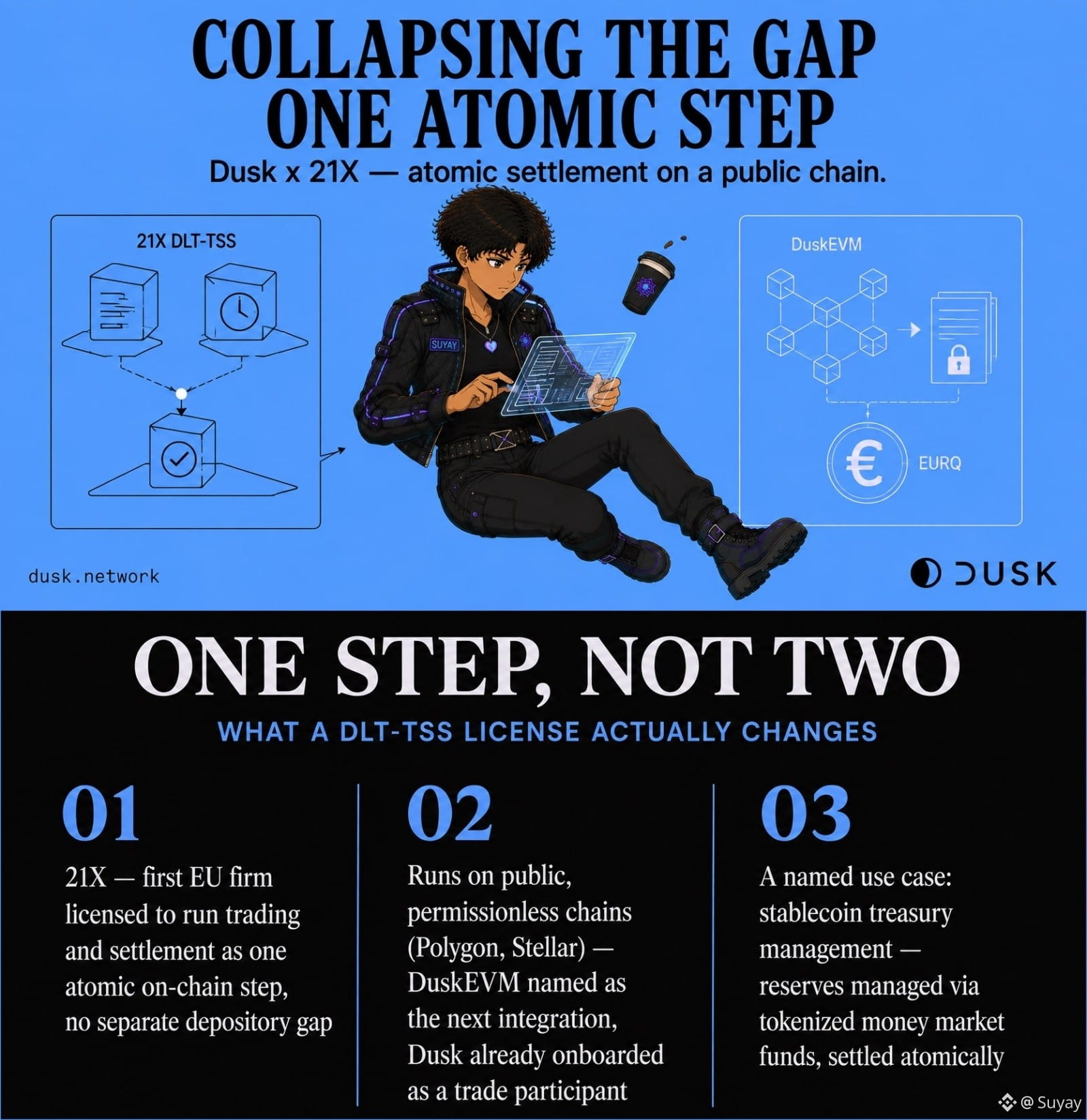
32
12
294
·
--
Haussier
En examinant les données d’aujourd’hui, le 21 août 2026, on constate un changement significatif concernant le ressenti d’« un marché laid » que nous vivions : le marché n’est pas actuellement dans une phase de baisse généralisée ; il est en pleine reprise, très forte, mais je ne la considère toujours pas comme confirmée comme une nouvelle jambe haussière du cycle.
Le Bitcoin se situe autour de 77 000–79 000 $ US, après une clôture en hausse proche de 20–24 % cette semaine et un retour sur des plus hauts sur trois mois. Ethereum est autour de 2 400 $ US, $SOL près de 90–91, et $BNB autour de 670 $ US.
Le point intéressant, c’est que cette reprise a bien plus de substance qu’un simple rebond technique.
Les ETF Bitcoin au comptant ont accumulé environ 1,6 milliard de dollars US d’entrées au cours des quatre premiers jours de la semaine, dont environ 606 millions de dollars US le jeudi. Dans le même temps, plus de 4 milliards de dollars US de positions courtes ont été liquidées en deux jours. Cela explique en partie la vitesse de la hausse : il y a de l’argent réel qui entre, mais aussi une quantité massive de vendeurs à découvert forcés de racheter.
Cela crée une situation que j’aime, mais qui exige la prudence : liquidité + ETF + short squeeze + amélioration réglementaire = scénario favorable, mais… une hausse de 20 % + en quelques jours + liquidations massives = risque accru d’une correction.
C’est pourquoi je ne poursuivrais pas une pièce en ce moment qui a déjà progressé de 30 %, 50 %, 100 % ou plus.
Ce qui m’inquiète le plus, c’est que le Bitcoin concentre encore environ 60,6 % de la capitalisation boursière totale des cryptos. Et l’Indice de la Saison des Altcoins est à 37, très loin du niveau normalement utilisé pour évoquer un véritable altseason.
Qu’en pensez-vous ?
Ce ne sont que mes réflexions, pas un conseil en investissement !!
En examinant les données d’aujourd’hui, le 21 août 2026, on constate un changement significatif concernant le ressenti d’« un marché laid » que nous vivions : le marché n’est pas actuellement dans une phase de baisse généralisée ; il est en pleine reprise, très forte, mais je ne la considère toujours pas comme confirmée comme une nouvelle jambe haussière du cycle.
Le Bitcoin se situe autour de 77 000–79 000 $ US, après une clôture en hausse proche de 20–24 % cette semaine et un retour sur des plus hauts sur trois mois. Ethereum est autour de 2 400 $ US, $SOL près de 90–91, et $BNB autour de 670 $ US.
Le point intéressant, c’est que cette reprise a bien plus de substance qu’un simple rebond technique.
Les ETF Bitcoin au comptant ont accumulé environ 1,6 milliard de dollars US d’entrées au cours des quatre premiers jours de la semaine, dont environ 606 millions de dollars US le jeudi. Dans le même temps, plus de 4 milliards de dollars US de positions courtes ont été liquidées en deux jours. Cela explique en partie la vitesse de la hausse : il y a de l’argent réel qui entre, mais aussi une quantité massive de vendeurs à découvert forcés de racheter.
Cela crée une situation que j’aime, mais qui exige la prudence : liquidité + ETF + short squeeze + amélioration réglementaire = scénario favorable, mais… une hausse de 20 % + en quelques jours + liquidations massives = risque accru d’une correction.
C’est pourquoi je ne poursuivrais pas une pièce en ce moment qui a déjà progressé de 30 %, 50 %, 100 % ou plus.
Ce qui m’inquiète le plus, c’est que le Bitcoin concentre encore environ 60,6 % de la capitalisation boursière totale des cryptos. Et l’Indice de la Saison des Altcoins est à 37, très loin du niveau normalement utilisé pour évoquer un véritable altseason.
Qu’en pensez-vous ?
Ce ne sont que mes réflexions, pas un conseil en investissement !!
Le Bitcoin se situe autour de 77 000–79 000 $ US, après une clôture en hausse proche de 20–24 % cette semaine et un retour sur des plus hauts sur trois mois. Ethereum est autour de 2 400 $ US, $SOL près de 90–91, et $BNB autour de 670 $ US.
Le point intéressant, c’est que cette reprise a bien plus de substance qu’un simple rebond technique.
Les ETF Bitcoin au comptant ont accumulé environ 1,6 milliard de dollars US d’entrées au cours des quatre premiers jours de la semaine, dont environ 606 millions de dollars US le jeudi. Dans le même temps, plus de 4 milliards de dollars US de positions courtes ont été liquidées en deux jours. Cela explique en partie la vitesse de la hausse : il y a de l’argent réel qui entre, mais aussi une quantité massive de vendeurs à découvert forcés de racheter.
Cela crée une situation que j’aime, mais qui exige la prudence : liquidité + ETF + short squeeze + amélioration réglementaire = scénario favorable, mais… une hausse de 20 % + en quelques jours + liquidations massives = risque accru d’une correction.
C’est pourquoi je ne poursuivrais pas une pièce en ce moment qui a déjà progressé de 30 %, 50 %, 100 % ou plus.
Ce qui m’inquiète le plus, c’est que le Bitcoin concentre encore environ 60,6 % de la capitalisation boursière totale des cryptos. Et l’Indice de la Saison des Altcoins est à 37, très loin du niveau normalement utilisé pour évoquer un véritable altseason.
Qu’en pensez-vous ?
Ce ne sont que mes réflexions, pas un conseil en investissement !!
4
227
·
--
Vérifié
La fonction de basculement en un clic de @termmax est un petit élément aux conséquences plus importantes qu’il n’y paraît au premier abord : une position à durée déterminée n’a pas besoin de s’arrêter simplement parce que sa date d’échéance arrive.
Avant cela, un prêt à taux fixe arrivant à échéance sur TermMax vous offrait deux options : le rembourser intégralement, ou laisser la position passer à la suite de ce qui se présente. Le basculement en un clic ajoute une troisième option : transférer directement la position vers un marché à échéance plus lointaine en une seule transaction, en prolongeant la durée à taux fixe sans étape de remboursement complète entre-temps et sans passer par une exposition variable dans laquelle vous ne vouliez précisément pas vous retrouver en choisissant des taux fixes dès le départ.
Cela fonctionne uniquement parce que les taux fixes et les échéances fixes sont de vraies conditions appliquées sur TermMax, et non une simple estimation. Les marchés obligataires traditionnels ont géré la gestion de la duration de cette manière pendant des décennies grâce au refinancement ; la plupart de la DeFi continue de traiter l’échéance d’un prêt comme un mur plutôt qu’un point de décision, principalement parce que, dans l’ensemble, les systèmes à taux variable n’ont pas d’échéance fixe à gérer.
Je ne pense pas qu’une seule fonctionnalité de basculement transforme la DeFi en un marché de titres à revenu fixe à elle seule : il faut des années d’instruments qui s’appuient les uns sur les autres, et je n’ai pas encore vu comment fonctionne Rollover lorsque quelqu’un tente d’enchaîner plusieurs extensions les unes après les autres.
Une fonctionnalité comme celle-ci finit-elle par compter davantage pour les prêteurs de long terme qui gèrent la duration, ou pour les emprunteurs qui cherchent simplement à éviter un taux variable qu’ils ne veulent pas ?
#termmax @termmax $TMX
La fonction de basculement en un clic de @TermMax est un petit élément aux conséquences plus importantes qu’il n’y paraît au premier abord : une position à durée déterminée n’a pas besoin de s’arrêter simplement parce que sa date d’échéance arrive.
Avant cela, un prêt à taux fixe arrivant à échéance sur TermMax vous offrait deux options : le rembourser intégralement, ou laisser la position passer à la suite de ce qui se présente. Le basculement en un clic ajoute une troisième option : transférer directement la position vers un marché à échéance plus lointaine en une seule transaction, en prolongeant la durée à taux fixe sans étape de remboursement complète entre-temps et sans passer par une exposition variable dans laquelle vous ne vouliez précisément pas vous retrouver en choisissant des taux fixes dès le départ.
Cela fonctionne uniquement parce que les taux fixes et les échéances fixes sont de vraies conditions appliquées sur TermMax, et non une simple estimation. Les marchés obligataires traditionnels ont géré la gestion de la duration de cette manière pendant des décennies grâce au refinancement ; la plupart de la DeFi continue de traiter l’échéance d’un prêt comme un mur plutôt qu’un point de décision, principalement parce que, dans l’ensemble, les systèmes à taux variable n’ont pas d’échéance fixe à gérer.
Je ne pense pas qu’une seule fonctionnalité de basculement transforme la DeFi en un marché de titres à revenu fixe à elle seule : il faut des années d’instruments qui s’appuient les uns sur les autres, et je n’ai pas encore vu comment fonctionne Rollover lorsque quelqu’un tente d’enchaîner plusieurs extensions les unes après les autres.
Une fonctionnalité comme celle-ci finit-elle par compter davantage pour les prêteurs de long terme qui gèrent la duration, ou pour les emprunteurs qui cherchent simplement à éviter un taux variable qu’ils ne veulent pas ?
#termmax @TermMax $TMX
Avant cela, un prêt à taux fixe arrivant à échéance sur TermMax vous offrait deux options : le rembourser intégralement, ou laisser la position passer à la suite de ce qui se présente. Le basculement en un clic ajoute une troisième option : transférer directement la position vers un marché à échéance plus lointaine en une seule transaction, en prolongeant la durée à taux fixe sans étape de remboursement complète entre-temps et sans passer par une exposition variable dans laquelle vous ne vouliez précisément pas vous retrouver en choisissant des taux fixes dès le départ.
Cela fonctionne uniquement parce que les taux fixes et les échéances fixes sont de vraies conditions appliquées sur TermMax, et non une simple estimation. Les marchés obligataires traditionnels ont géré la gestion de la duration de cette manière pendant des décennies grâce au refinancement ; la plupart de la DeFi continue de traiter l’échéance d’un prêt comme un mur plutôt qu’un point de décision, principalement parce que, dans l’ensemble, les systèmes à taux variable n’ont pas d’échéance fixe à gérer.
Je ne pense pas qu’une seule fonctionnalité de basculement transforme la DeFi en un marché de titres à revenu fixe à elle seule : il faut des années d’instruments qui s’appuient les uns sur les autres, et je n’ai pas encore vu comment fonctionne Rollover lorsque quelqu’un tente d’enchaîner plusieurs extensions les unes après les autres.
Une fonctionnalité comme celle-ci finit-elle par compter davantage pour les prêteurs de long terme qui gèrent la duration, ou pour les emprunteurs qui cherchent simplement à éviter un taux variable qu’ils ne veulent pas ?
#termmax @TermMax $TMX
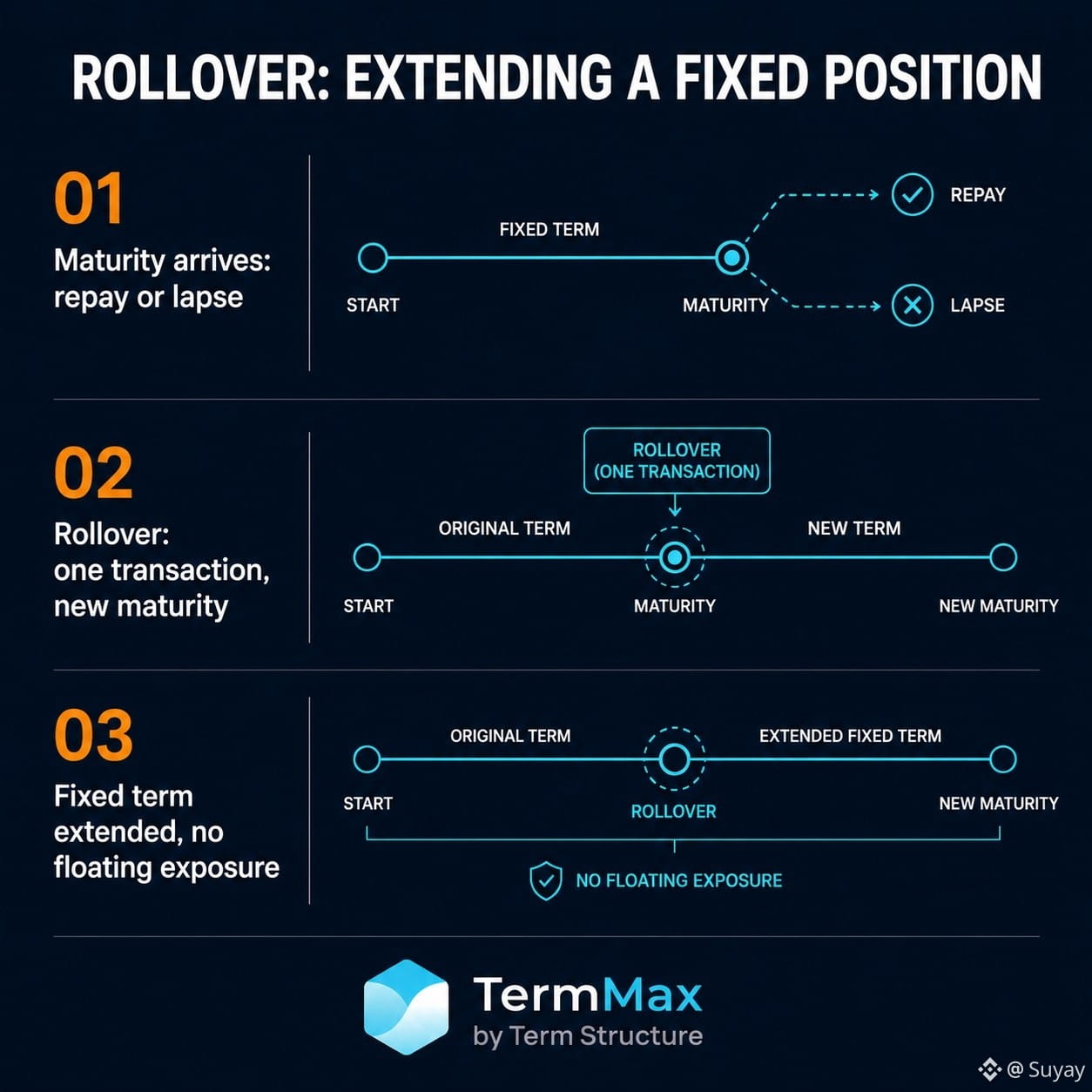
4
4
168
·
--
Vérifié
Tutorat des étudiants entrants : la partie la plus difficile consiste toujours à éviter que deux idées liées ne se confondent dans l’esprit de quelqu’un. En parcourant la pile de confidentialité de Dusk cette semaine, j’ai rencontré le même problème.
La couche de transactions confidentielles de Citadel et de Dusk résout des questions différentes qui ressemblent à la même question. Citadel vise à prouver qui vous êtes : âge, résidence, accréditation, délivrés et vérifiés via une trousse d’identité auto-souveraine, afin que vous puissiez prouver que vous êtes éligible à quelque chose sans remettre votre pièce d’identité complète. La couche de transaction, via Moonlight et Phoenix, vise à prouver que ce que vous avez fait est conforme : limites de propriété, éligibilité au transfert, vérifiées sans exposer les données brutes de transaction au public.
Pris ensemble, c’est la revendication réelle derrière la « confidentialité programmable » : une preuve pour l’identité, une preuve distincte pour le comportement, aucune des deux n’exigeant d’être entièrement publique pour satisfaire un régulateur qui a réellement l’autorisation de vérifier.
Ce que je continue de remettre en question : les exigences d’identité ne sont pas les mêmes selon les juridictions ; ce qui est considéré comme une preuve suffisante de résidence ou d’accréditation dans un régime réglementaire n’est pas automatiquement ce que demande un autre. Je n’ai pas encore vu à quel point l’émission de licence de Citadel est flexible lorsque l’attribut qu’un régulateur veut n’est pas déjà inclus dans les éléments définis. Ce n’est donc pas vraiment une question de confidentialité : c’est plutôt une question de « combien de régulateurs cela peut-il servir en même temps ».
#dusk $DUSK @Dusk_Foundation
Tutorat des étudiants entrants : la partie la plus difficile consiste toujours à éviter que deux idées liées ne se confondent dans l’esprit de quelqu’un. En parcourant la pile de confidentialité de Dusk cette semaine, j’ai rencontré le même problème.
La couche de transactions confidentielles de Citadel et de Dusk résout des questions différentes qui ressemblent à la même question. Citadel vise à prouver qui vous êtes : âge, résidence, accréditation, délivrés et vérifiés via une trousse d’identité auto-souveraine, afin que vous puissiez prouver que vous êtes éligible à quelque chose sans remettre votre pièce d’identité complète. La couche de transaction, via Moonlight et Phoenix, vise à prouver que ce que vous avez fait est conforme : limites de propriété, éligibilité au transfert, vérifiées sans exposer les données brutes de transaction au public.
Pris ensemble, c’est la revendication réelle derrière la « confidentialité programmable » : une preuve pour l’identité, une preuve distincte pour le comportement, aucune des deux n’exigeant d’être entièrement publique pour satisfaire un régulateur qui a réellement l’autorisation de vérifier.
Ce que je continue de remettre en question : les exigences d’identité ne sont pas les mêmes selon les juridictions ; ce qui est considéré comme une preuve suffisante de résidence ou d’accréditation dans un régime réglementaire n’est pas automatiquement ce que demande un autre. Je n’ai pas encore vu à quel point l’émission de licence de Citadel est flexible lorsque l’attribut qu’un régulateur veut n’est pas déjà inclus dans les éléments définis. Ce n’est donc pas vraiment une question de confidentialité : c’est plutôt une question de « combien de régulateurs cela peut-il servir en même temps ».
#dusk $DUSK @Dusk
La couche de transactions confidentielles de Citadel et de Dusk résout des questions différentes qui ressemblent à la même question. Citadel vise à prouver qui vous êtes : âge, résidence, accréditation, délivrés et vérifiés via une trousse d’identité auto-souveraine, afin que vous puissiez prouver que vous êtes éligible à quelque chose sans remettre votre pièce d’identité complète. La couche de transaction, via Moonlight et Phoenix, vise à prouver que ce que vous avez fait est conforme : limites de propriété, éligibilité au transfert, vérifiées sans exposer les données brutes de transaction au public.
Pris ensemble, c’est la revendication réelle derrière la « confidentialité programmable » : une preuve pour l’identité, une preuve distincte pour le comportement, aucune des deux n’exigeant d’être entièrement publique pour satisfaire un régulateur qui a réellement l’autorisation de vérifier.
Ce que je continue de remettre en question : les exigences d’identité ne sont pas les mêmes selon les juridictions ; ce qui est considéré comme une preuve suffisante de résidence ou d’accréditation dans un régime réglementaire n’est pas automatiquement ce que demande un autre. Je n’ai pas encore vu à quel point l’émission de licence de Citadel est flexible lorsque l’attribut qu’un régulateur veut n’est pas déjà inclus dans les éléments définis. Ce n’est donc pas vraiment une question de confidentialité : c’est plutôt une question de « combien de régulateurs cela peut-il servir en même temps ».
#dusk $DUSK @Dusk
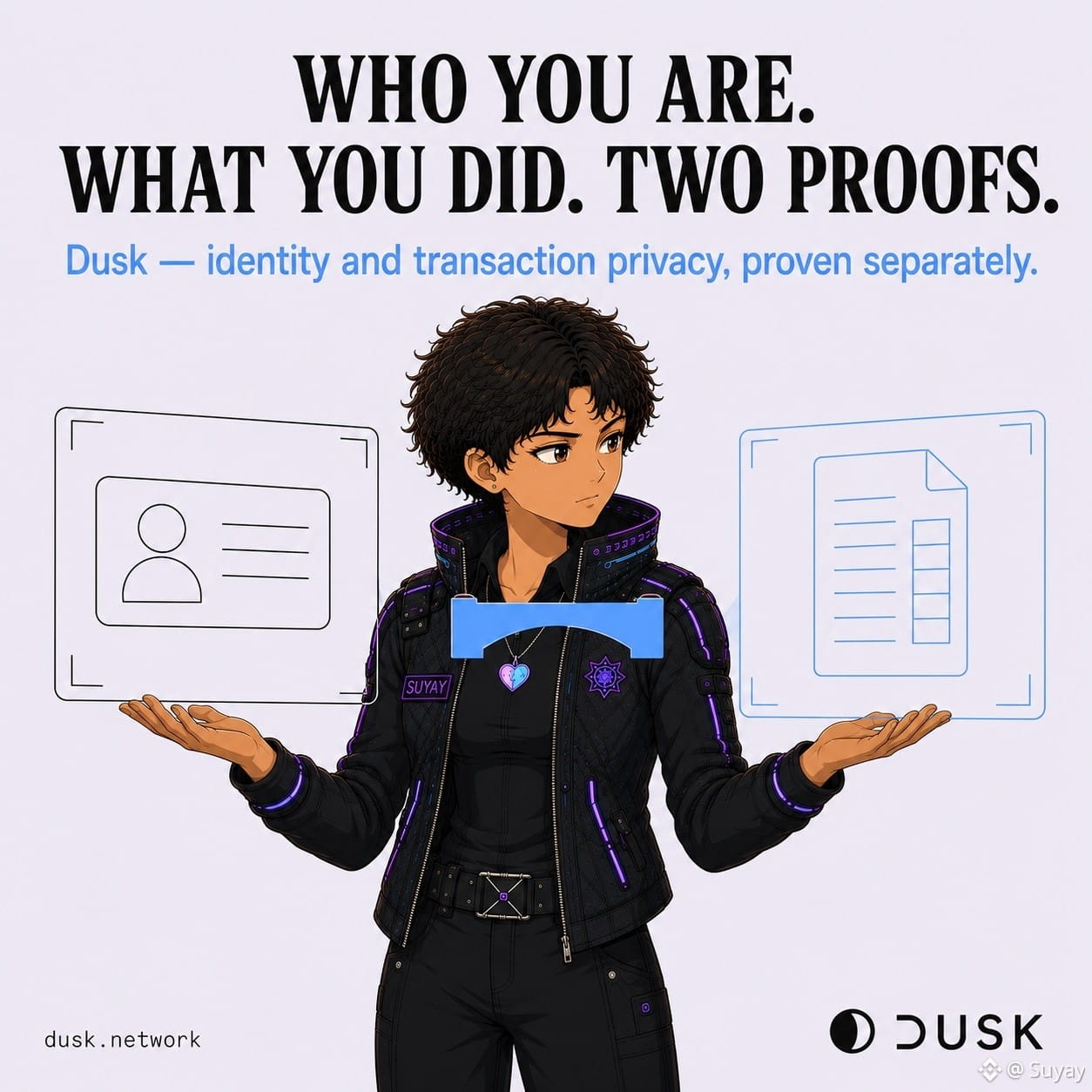
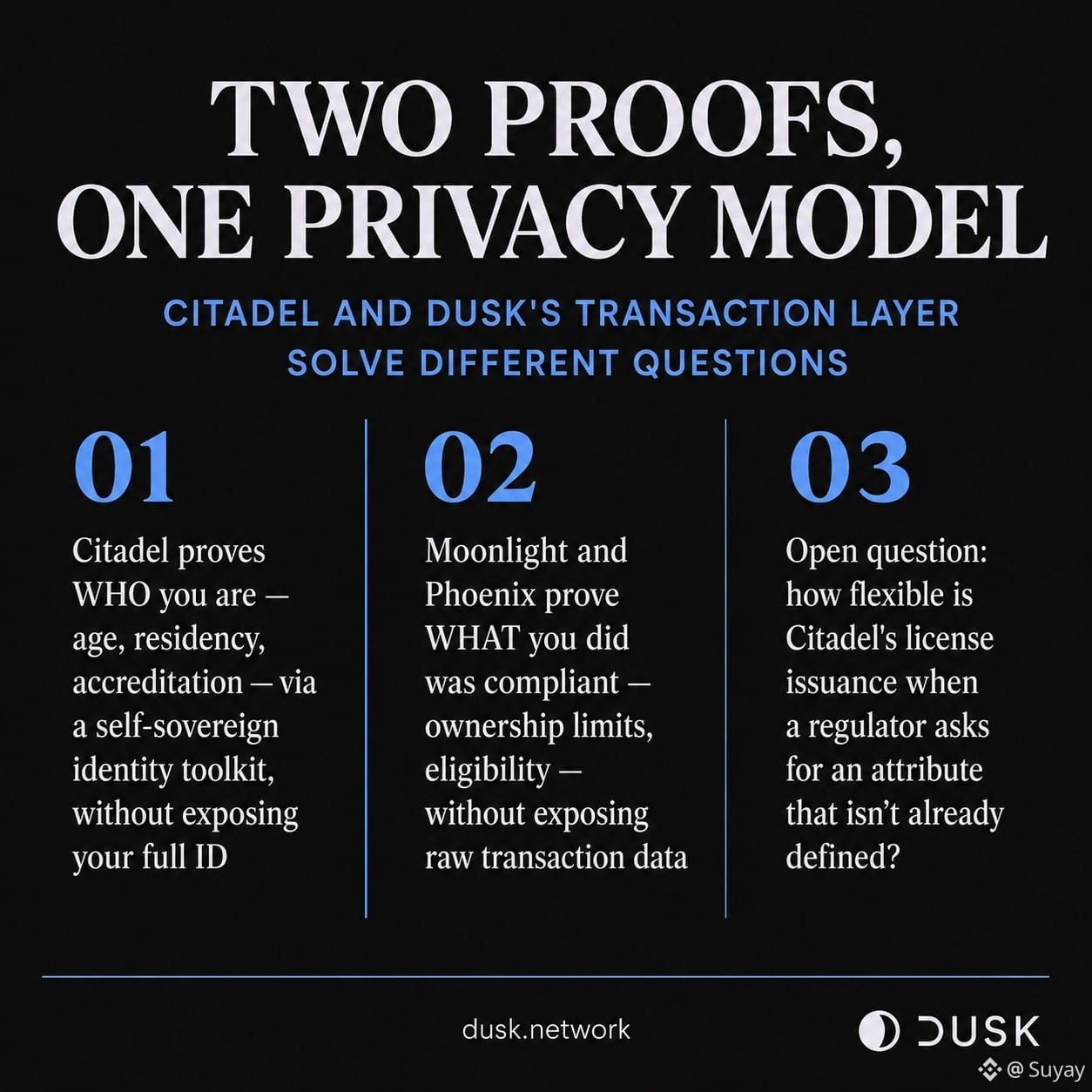
16
7
160
·
--
Partiellement vrai
Les chiffres de @termmax valent la peine qu’on s’y attarde avant que quiconque ne se fasse une opinion sur $TMX à partir d’un simple graphique de prix. La TVL a franchi 100 M$ sur 8 chaînes, et le nombre total d’utilisateurs ayant interagi avec le protocole a dépassé 1,1 million. En mars, TermMax s’est classé deuxième en adresses actives quotidiennes parmi tous les protocoles de prêt DeFi suivis par Token Terminal — ce n’est pas une petite place dans une longue liste : deuxième dans la catégorie.
La TVL, à elle seule, ne vous dit pas grand-chose ; de nombreuses campagnes de points peuvent la gonfler temporairement. Un classement DAU aussi élevé est plus difficile à fabriquer, car il exige que des portefeuilles ouvrent et ferment réellement des positions à taux fixe semaine après semaine, et pas seulement que du capital reste inactif en attendant un airdrop. TermMax est aussi issu du programme YZi Labs Residency en mai, qui fonctionne comme un filtre appliqué en amont, et non comme une affirmation que le projet fait sur lui-même après coup.
Je traiterais quand même le classement DAU d’un mois comme une capture, et non comme un état permanent — l’utilisation DeFi évolue très vite dans les deux sens, et je n’ai pas encore une lecture claire de la part de ces 1,1 million d’utilisateurs qui sont réellement actifs ce mois-ci versus ceux qui sont cumulés depuis les débuts du protocole.
Quelqu’un suit-il si ce nombre d’utilisateurs actifs est en hausse, stable, ou déjà en train de redescendre depuis mars ?
#termmax @termmax
Les chiffres de @TermMax valent la peine qu’on s’y attarde avant que quiconque ne se fasse une opinion sur $TMX à partir d’un simple graphique de prix. La TVL a franchi 100 M$ sur 8 chaînes, et le nombre total d’utilisateurs ayant interagi avec le protocole a dépassé 1,1 million. En mars, TermMax s’est classé deuxième en adresses actives quotidiennes parmi tous les protocoles de prêt DeFi suivis par Token Terminal — ce n’est pas une petite place dans une longue liste : deuxième dans la catégorie.
La TVL, à elle seule, ne vous dit pas grand-chose ; de nombreuses campagnes de points peuvent la gonfler temporairement. Un classement DAU aussi élevé est plus difficile à fabriquer, car il exige que des portefeuilles ouvrent et ferment réellement des positions à taux fixe semaine après semaine, et pas seulement que du capital reste inactif en attendant un airdrop. TermMax est aussi issu du programme YZi Labs Residency en mai, qui fonctionne comme un filtre appliqué en amont, et non comme une affirmation que le projet fait sur lui-même après coup.
Je traiterais quand même le classement DAU d’un mois comme une capture, et non comme un état permanent — l’utilisation DeFi évolue très vite dans les deux sens, et je n’ai pas encore une lecture claire de la part de ces 1,1 million d’utilisateurs qui sont réellement actifs ce mois-ci versus ceux qui sont cumulés depuis les débuts du protocole.
Quelqu’un suit-il si ce nombre d’utilisateurs actifs est en hausse, stable, ou déjà en train de redescendre depuis mars ?
#termmax @TermMax
La TVL, à elle seule, ne vous dit pas grand-chose ; de nombreuses campagnes de points peuvent la gonfler temporairement. Un classement DAU aussi élevé est plus difficile à fabriquer, car il exige que des portefeuilles ouvrent et ferment réellement des positions à taux fixe semaine après semaine, et pas seulement que du capital reste inactif en attendant un airdrop. TermMax est aussi issu du programme YZi Labs Residency en mai, qui fonctionne comme un filtre appliqué en amont, et non comme une affirmation que le projet fait sur lui-même après coup.
Je traiterais quand même le classement DAU d’un mois comme une capture, et non comme un état permanent — l’utilisation DeFi évolue très vite dans les deux sens, et je n’ai pas encore une lecture claire de la part de ces 1,1 million d’utilisateurs qui sont réellement actifs ce mois-ci versus ceux qui sont cumulés depuis les débuts du protocole.
Quelqu’un suit-il si ce nombre d’utilisateurs actifs est en hausse, stable, ou déjà en train de redescendre depuis mars ?
#termmax @TermMax
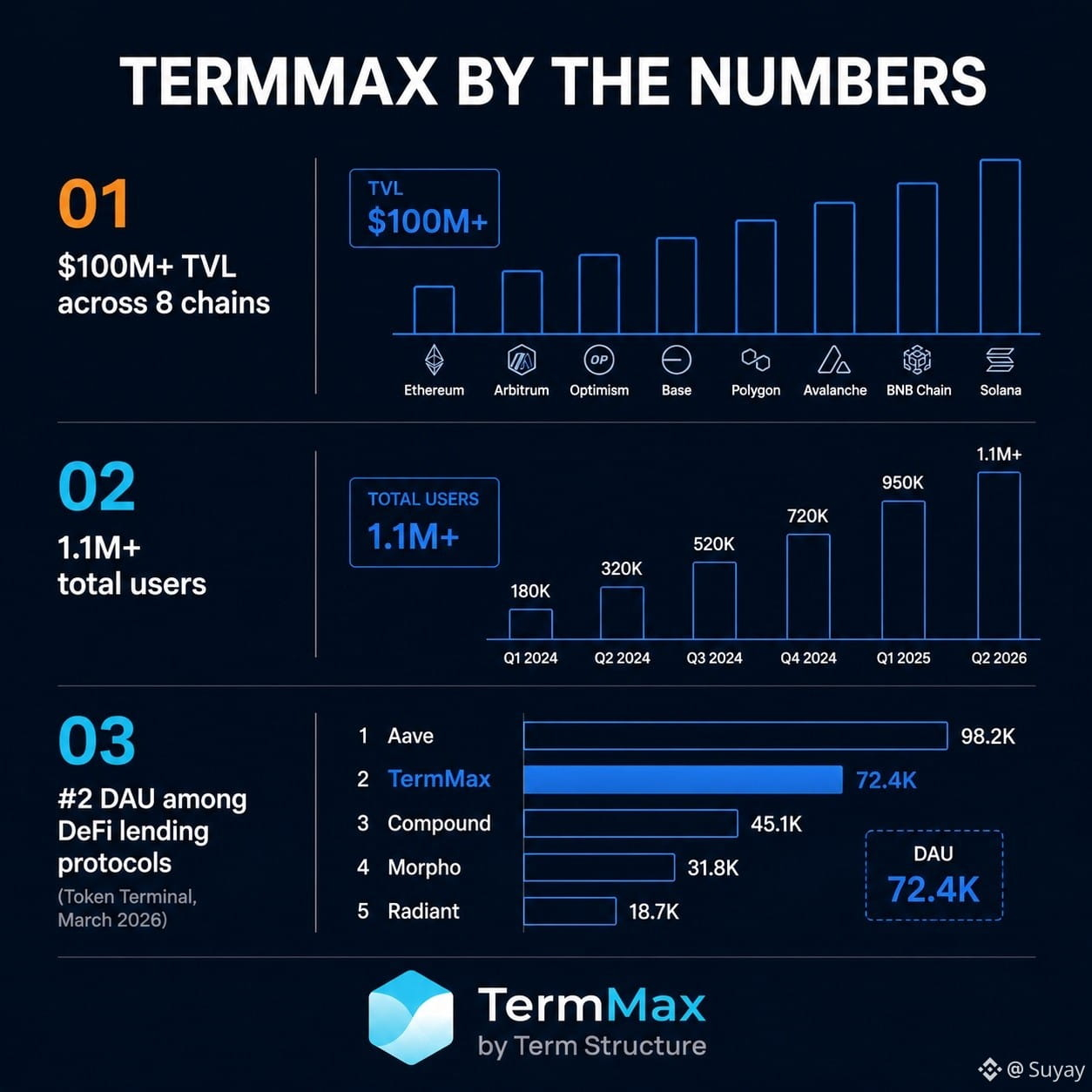
24
13
146
·
--
Haussier
Vérifié
Entre deux séries de problèmes de physique cette semaine, je suis tombé dans un terrier : comment le pont de Dusk confirme en réalité qu’un verrouillage a eu lieu avant qu’il n’émet quoi que ce soit de l’autre côté.
Le 20 mai, le Butter Bridge du protocole MAP a frappé 1 quadrillion de MAPO, sorti de nulle part, soit environ 4,8 millions de fois l’offre réelle, après qu’un attaquant a usurpé un message inter-chaînes via une faille du contrat OmniServiceProxy. Le pont n’a jamais vérifié que le dépôt avait réellement eu lieu : il s’est simplement fié au message disant que oui. Le token a chuté d’environ 30 % avant que la poussière ne retombe.
C’est exactement le mode de défaillance que chaque pont « verrouiller-et-frapper » est conçu pour éviter, et c’est aussi le schéma propre à la migration ERC20/BEP20 vers natif de Dusk : verrouiller les tokens sur Ethereum ou BSC, puis émettre du DUSK natif une fois que l’événement de verrouillage est confirmé. Zellic a audité ce contrat de migration en particulier et n’a trouvé aucune vulnérabilité : chaque branche de la fonction de frappe a été testée face exactement à cette classe de contrefaçon. Le nouveau pont de Dusk, reliant DuskDS à DuskEVM, va encore plus loin et supprime totalement ce schéma : il est piloté par des validateurs et sans confiance, sans actifs « wrapped » ni réserves verrouillées prêtes à faire cible.
Ce que je voudrais encore voir clairement expliqué : un audit qui ne trouve rien en 2024 n’est pas une garantie permanente contre une nouvelle classe de contrefaçon en 2026, et l’ancien pont de migration ERC20/BEP20 reste, sur le plan de l’architecture, la forme verrouillage-et-frappe qui continue de se faire briser ailleurs. Tous les ponts que Dusk exécute n’ont pas le même profil de risque, et cette distinction compte plus que « audité » en tant qu’étiquette globale.
#dusk $DUSK @Dusk_Foundation #Ethereum #BSC
Entre deux séries de problèmes de physique cette semaine, je suis tombé dans un terrier : comment le pont de Dusk confirme en réalité qu’un verrouillage a eu lieu avant qu’il n’émet quoi que ce soit de l’autre côté.
Le 20 mai, le Butter Bridge du protocole MAP a frappé 1 quadrillion de MAPO, sorti de nulle part, soit environ 4,8 millions de fois l’offre réelle, après qu’un attaquant a usurpé un message inter-chaînes via une faille du contrat OmniServiceProxy. Le pont n’a jamais vérifié que le dépôt avait réellement eu lieu : il s’est simplement fié au message disant que oui. Le token a chuté d’environ 30 % avant que la poussière ne retombe.
C’est exactement le mode de défaillance que chaque pont « verrouiller-et-frapper » est conçu pour éviter, et c’est aussi le schéma propre à la migration ERC20/BEP20 vers natif de Dusk : verrouiller les tokens sur Ethereum ou BSC, puis émettre du DUSK natif une fois que l’événement de verrouillage est confirmé. Zellic a audité ce contrat de migration en particulier et n’a trouvé aucune vulnérabilité : chaque branche de la fonction de frappe a été testée face exactement à cette classe de contrefaçon. Le nouveau pont de Dusk, reliant DuskDS à DuskEVM, va encore plus loin et supprime totalement ce schéma : il est piloté par des validateurs et sans confiance, sans actifs « wrapped » ni réserves verrouillées prêtes à faire cible.
Ce que je voudrais encore voir clairement expliqué : un audit qui ne trouve rien en 2024 n’est pas une garantie permanente contre une nouvelle classe de contrefaçon en 2026, et l’ancien pont de migration ERC20/BEP20 reste, sur le plan de l’architecture, la forme verrouillage-et-frappe qui continue de se faire briser ailleurs. Tous les ponts que Dusk exécute n’ont pas le même profil de risque, et cette distinction compte plus que « audité » en tant qu’étiquette globale.
#dusk $DUSK @Dusk #Ethereum #BSC
Le 20 mai, le Butter Bridge du protocole MAP a frappé 1 quadrillion de MAPO, sorti de nulle part, soit environ 4,8 millions de fois l’offre réelle, après qu’un attaquant a usurpé un message inter-chaînes via une faille du contrat OmniServiceProxy. Le pont n’a jamais vérifié que le dépôt avait réellement eu lieu : il s’est simplement fié au message disant que oui. Le token a chuté d’environ 30 % avant que la poussière ne retombe.
C’est exactement le mode de défaillance que chaque pont « verrouiller-et-frapper » est conçu pour éviter, et c’est aussi le schéma propre à la migration ERC20/BEP20 vers natif de Dusk : verrouiller les tokens sur Ethereum ou BSC, puis émettre du DUSK natif une fois que l’événement de verrouillage est confirmé. Zellic a audité ce contrat de migration en particulier et n’a trouvé aucune vulnérabilité : chaque branche de la fonction de frappe a été testée face exactement à cette classe de contrefaçon. Le nouveau pont de Dusk, reliant DuskDS à DuskEVM, va encore plus loin et supprime totalement ce schéma : il est piloté par des validateurs et sans confiance, sans actifs « wrapped » ni réserves verrouillées prêtes à faire cible.
Ce que je voudrais encore voir clairement expliqué : un audit qui ne trouve rien en 2024 n’est pas une garantie permanente contre une nouvelle classe de contrefaçon en 2026, et l’ancien pont de migration ERC20/BEP20 reste, sur le plan de l’architecture, la forme verrouillage-et-frappe qui continue de se faire briser ailleurs. Tous les ponts que Dusk exécute n’ont pas le même profil de risque, et cette distinction compte plus que « audité » en tant qu’étiquette globale.
#dusk $DUSK @Dusk #Ethereum #BSC
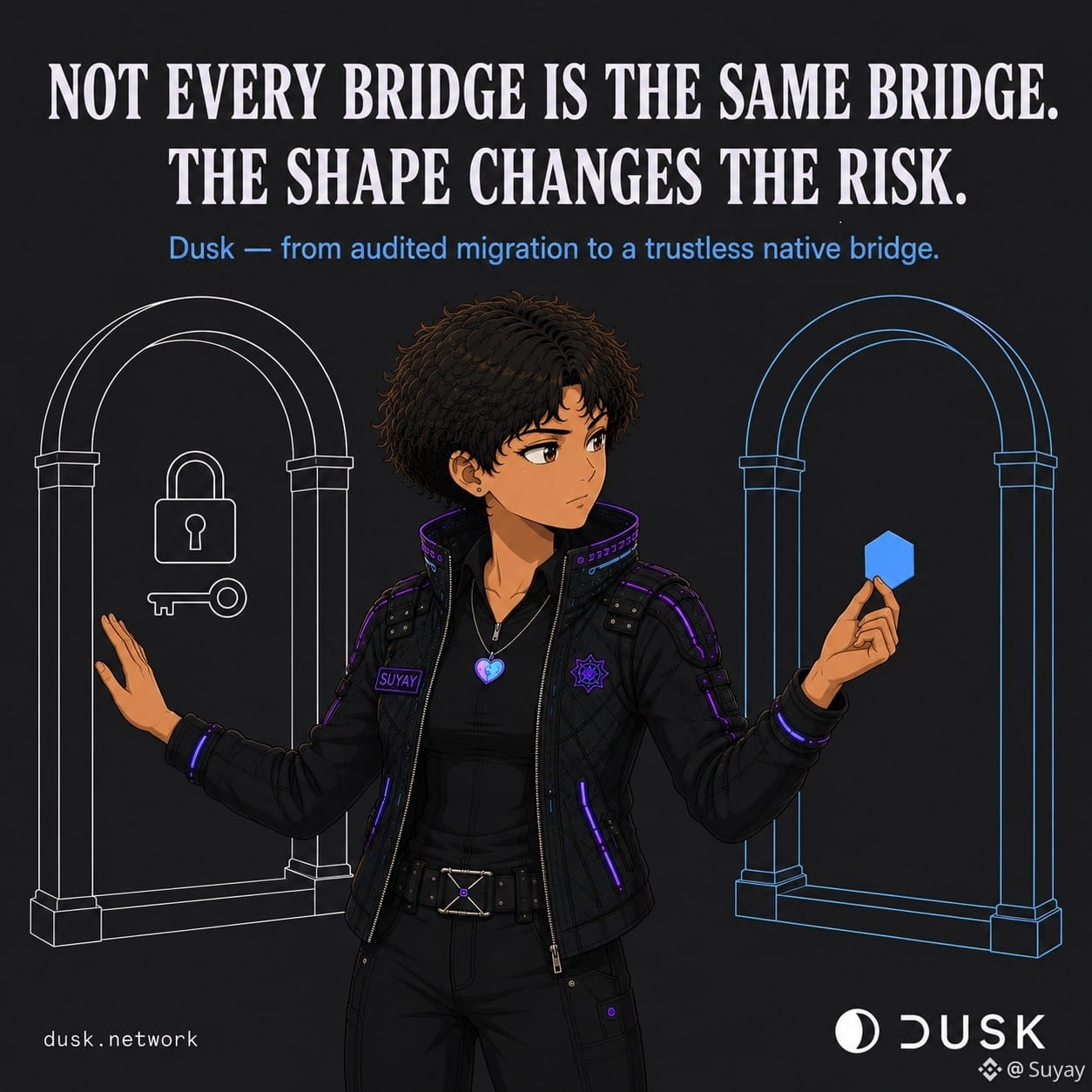
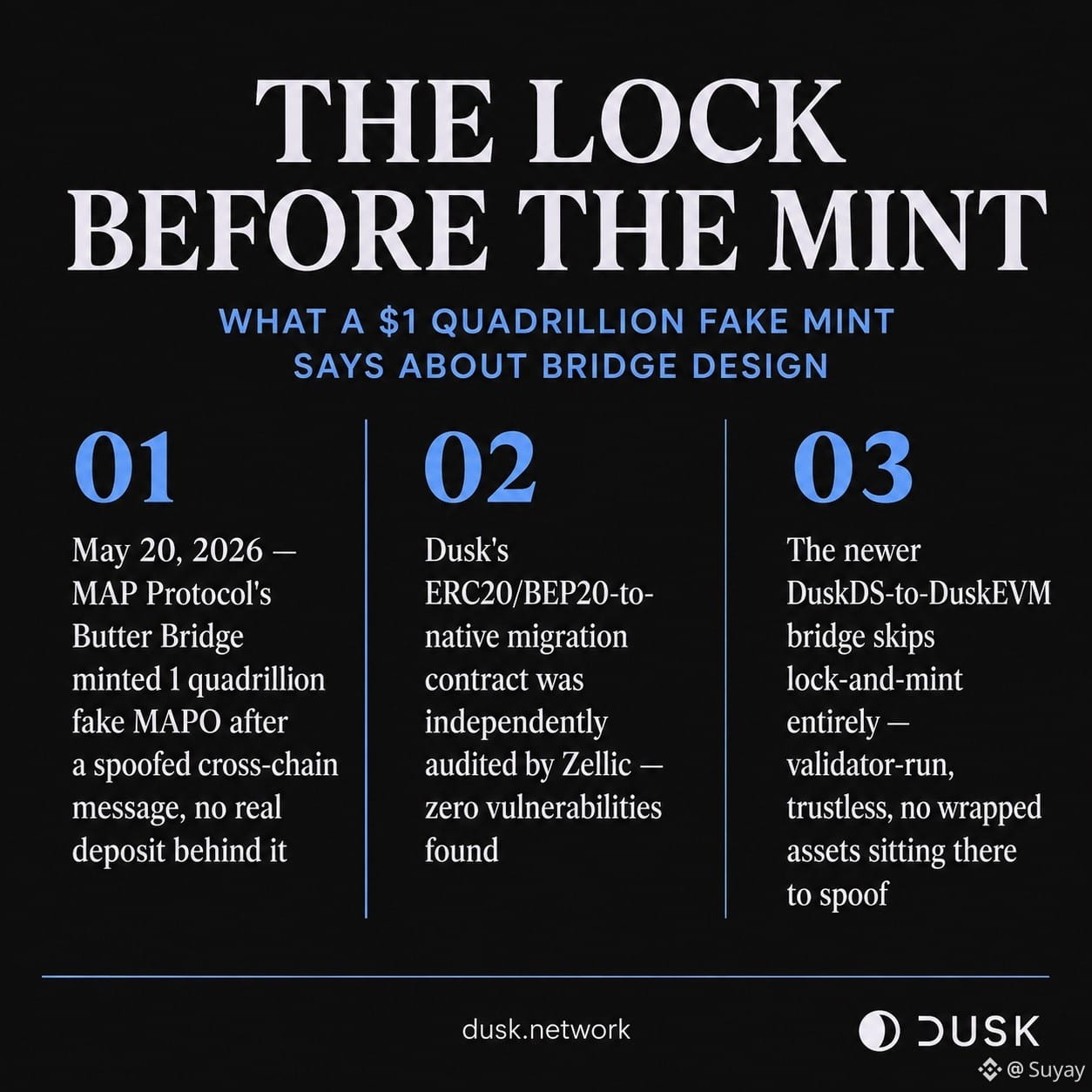
44
20
348
·
--
Je lis comment TermMax gère les liquidations, car la plupart des protocoles n’expliquent leur logique de liquidation dans la documentation que personne ne lit tant que ce n’est pas leur position qui se fait clôturer.
La configuration est différente du modèle d’enchères sur chaîne standard. Lorsque la valeur du collatéral d’un Gearing Token passe sous son seuil de dette, TermMax ne se contente pas de forcer la vente dans la liquidité qui existe à cet instant — il prend en charge la livraison physique, où le collatéral lui-même peut être livré directement pour régler la dette au lieu de tout faire transiter par une vente sur le marché libre. Cela compte surtout pour les actifs que TermMax est conçu à prendre en charge au-delà des cryptos blue-chip — des actifs du monde réel et des tokens à liquidité plus faible, les types de collatéral exacts qui se font détruire en termes de prix lors d’une vente forcée sur un carnet d’ordres peu profond.
Ce que je veux encore voir, c’est comment cela se comporte lors d’un événement de stress multi-actifs, et pas seulement lors d’une liquidation isolée. La livraison physique résout le problème de liquidité faible pour une position à la fois, mais je n’ai pas encore trouvé de données sur la solidité du mécanisme lorsque d’un grand nombre de GT doivent être dénoués simultanément sur différents types de collatéral.
#termmax @termmax $TMX
Je lis comment TermMax gère les liquidations, car la plupart des protocoles n’expliquent leur logique de liquidation dans la documentation que personne ne lit tant que ce n’est pas leur position qui se fait clôturer.
La configuration est différente du modèle d’enchères sur chaîne standard. Lorsque la valeur du collatéral d’un Gearing Token passe sous son seuil de dette, TermMax ne se contente pas de forcer la vente dans la liquidité qui existe à cet instant — il prend en charge la livraison physique, où le collatéral lui-même peut être livré directement pour régler la dette au lieu de tout faire transiter par une vente sur le marché libre. Cela compte surtout pour les actifs que TermMax est conçu à prendre en charge au-delà des cryptos blue-chip — des actifs du monde réel et des tokens à liquidité plus faible, les types de collatéral exacts qui se font détruire en termes de prix lors d’une vente forcée sur un carnet d’ordres peu profond.
Ce que je veux encore voir, c’est comment cela se comporte lors d’un événement de stress multi-actifs, et pas seulement lors d’une liquidation isolée. La livraison physique résout le problème de liquidité faible pour une position à la fois, mais je n’ai pas encore trouvé de données sur la solidité du mécanisme lorsque d’un grand nombre de GT doivent être dénoués simultanément sur différents types de collatéral.
#termmax @TermMax $TMX
La configuration est différente du modèle d’enchères sur chaîne standard. Lorsque la valeur du collatéral d’un Gearing Token passe sous son seuil de dette, TermMax ne se contente pas de forcer la vente dans la liquidité qui existe à cet instant — il prend en charge la livraison physique, où le collatéral lui-même peut être livré directement pour régler la dette au lieu de tout faire transiter par une vente sur le marché libre. Cela compte surtout pour les actifs que TermMax est conçu à prendre en charge au-delà des cryptos blue-chip — des actifs du monde réel et des tokens à liquidité plus faible, les types de collatéral exacts qui se font détruire en termes de prix lors d’une vente forcée sur un carnet d’ordres peu profond.
Ce que je veux encore voir, c’est comment cela se comporte lors d’un événement de stress multi-actifs, et pas seulement lors d’une liquidation isolée. La livraison physique résout le problème de liquidité faible pour une position à la fois, mais je n’ai pas encore trouvé de données sur la solidité du mécanisme lorsque d’un grand nombre de GT doivent être dénoués simultanément sur différents types de collatéral.
#termmax @TermMax $TMX
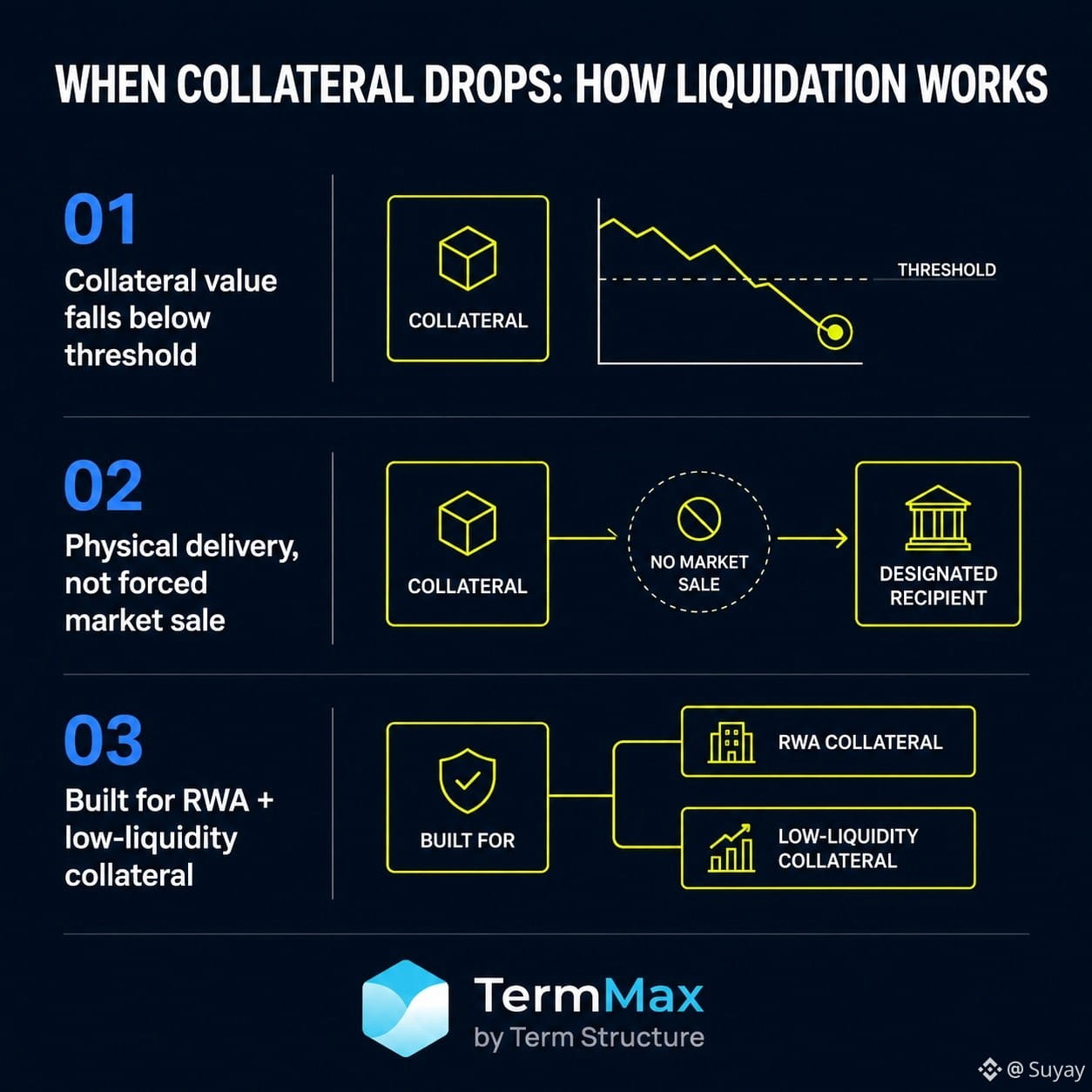
53
17
274
Connectez-vous pour découvrir plus de contenu
Rejoignez la communauté mondiale des adeptes de cryptomonnaies sur Binance Square
⚡️ Suviez les dernières informations importantes sur les cryptomonnaies.
💬 Jugé digne de confiance par la plus grande plateforme d’échange de cryptomonnaies au monde.
👍 Découvrez les connaissances que partagent les créateurs vérifiés.
Adresse e-mail/Nº de téléphone
Sujets d’actualité
BitcoinSurpasses$77000
13,025 vues
192 mentions
$BTC grimpe à toute vitesse malgré tout. 🚀
Aujourd’hui a marqué la première hausse des taux en plus de 3 ans, tandis que la loi CLARITY a encore été bloquée hier.
Préparez-vous à un gros long à nouveau – merci plus tard
Entrée : 75500 $ - 76500 $
Stoploss : 74900 $
Take profit : 77000 $ - 78000 $
Préparez-vous à un cycle de croissance complètement fou. 🔥
TF_bnb
·16 mentions J’aime
·6.8k vues
ParadigmDisclosesZECHolding
50,175 vues
888 mentions
BitcoinETFsShed$450M
22,537 vues
199 mentions