

MTRS CRYPTO
1.9k Publications

MTRS CRYPTO
Signaler
Bloquer l’utilisateur
MTRS | Fundamentals | Utility | Research | Real Value | Long-Term Vision | Follow & Let’s Build a 100K Community | 2028 | .. X : @MTRS_OFFICIAL
Ouvert au trading
Trade régulièrement
1.4 an(s)
3 Suivis
876 Abonnés
1.8K+ J’aime
Publications
Portefeuille
Tous
Vidéos
Direct
PINNED
·
--
Vérifié
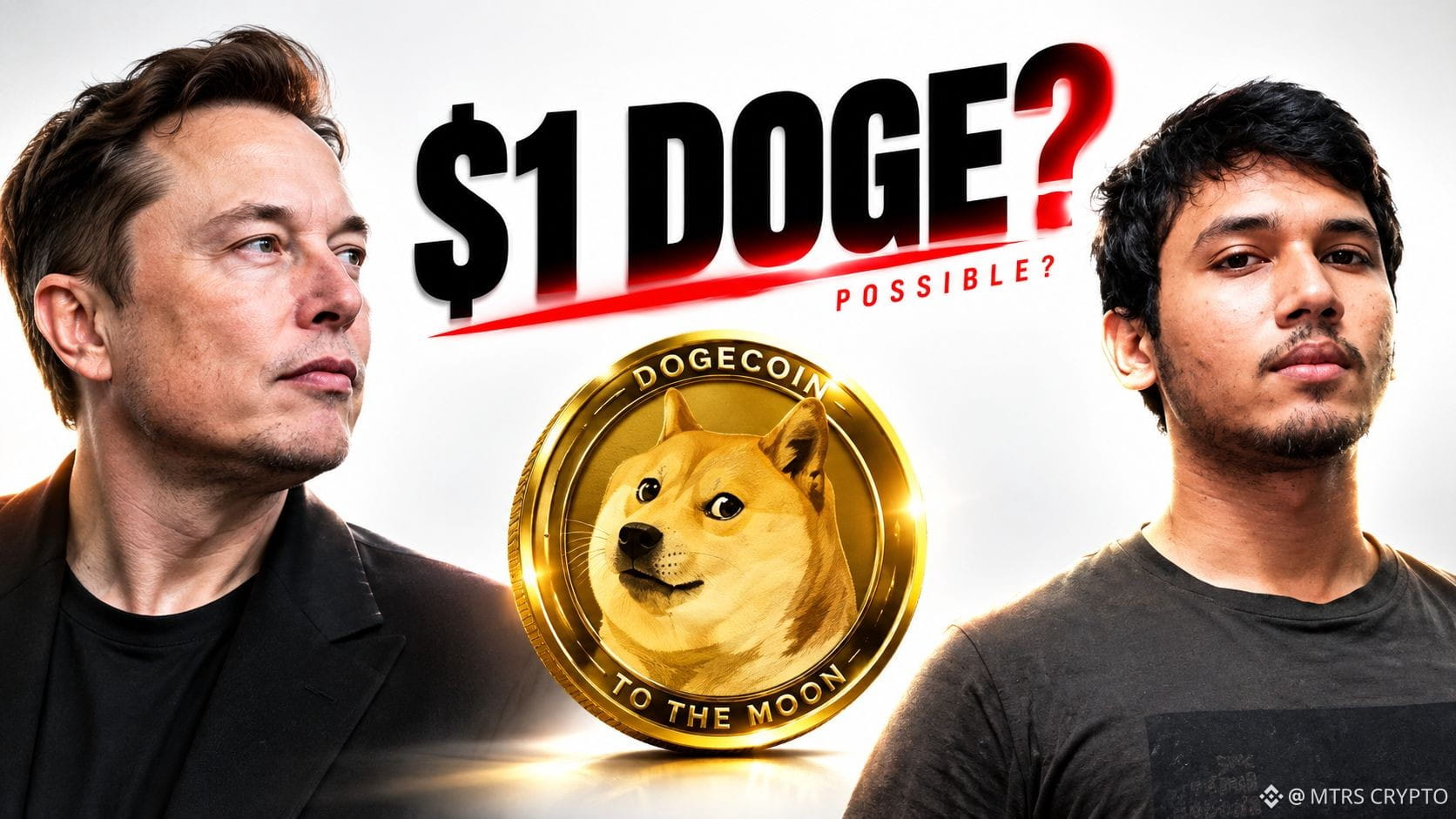
🚨 DOGE JUST SENT TWO SIGNALS AT ONCE
Dogecoin is getting fresh attention from both ETF flows and large holders.
U.S. spot DOGE ETFs recorded around $2.89M in net inflows for the week ended September 25 — their strongest weekly inflow since launch.
At the same time, wallets holding 10M–100M DOGE reportedly added around 1.14 BILLION DOGE between September 24 and 27.
But there’s a twist.
Bitwise’s BWOW Dogecoin ETF is still scheduled to stop trading on October 14, showing that institutional demand remains mixed.
That combination makes DOGE one to watch closely.
🚨 DOGE UPDATE: ETF inflows are hitting records while large wallets accumulate. Click the $DOGE setup below 🫵🏻 to review the market structure and watch the next reaction.
$DOGE
{future}(DOGEUSDT)
.
.
#DOGE #Dogecoin #Write2Earn
🚨 DOGE JUST SENT TWO SIGNALS AT ONCE
Dogecoin is getting fresh attention from both ETF flows and large holders.
U.S. spot DOGE ETFs recorded around $2.89M in net inflows for the week ended September 25 — their strongest weekly inflow since launch.
At the same time, wallets holding 10M–100M DOGE reportedly added around 1.14 BILLION DOGE between September 24 and 27.
But there’s a twist.
Bitwise’s BWOW Dogecoin ETF is still scheduled to stop trading on October 14, showing that institutional demand remains mixed.
That combination makes DOGE one to watch closely.
🚨 DOGE UPDATE: ETF inflows are hitting records while large wallets accumulate. Click the $DOGE setup below 🫵🏻 to review the market structure and watch the next reaction.
$DOGE
.
.
#DOGE #Dogecoin #Write2Earn
Dogecoin is getting fresh attention from both ETF flows and large holders.
U.S. spot DOGE ETFs recorded around $2.89M in net inflows for the week ended September 25 — their strongest weekly inflow since launch.
At the same time, wallets holding 10M–100M DOGE reportedly added around 1.14 BILLION DOGE between September 24 and 27.
But there’s a twist.
Bitwise’s BWOW Dogecoin ETF is still scheduled to stop trading on October 14, showing that institutional demand remains mixed.
That combination makes DOGE one to watch closely.
🚨 DOGE UPDATE: ETF inflows are hitting records while large wallets accumulate. Click the $DOGE setup below 🫵🏻 to review the market structure and watch the next reaction.
$DOGE
.
.
#DOGE #Dogecoin #Write2Earn
13
50
23.4k
PINNED
·
--
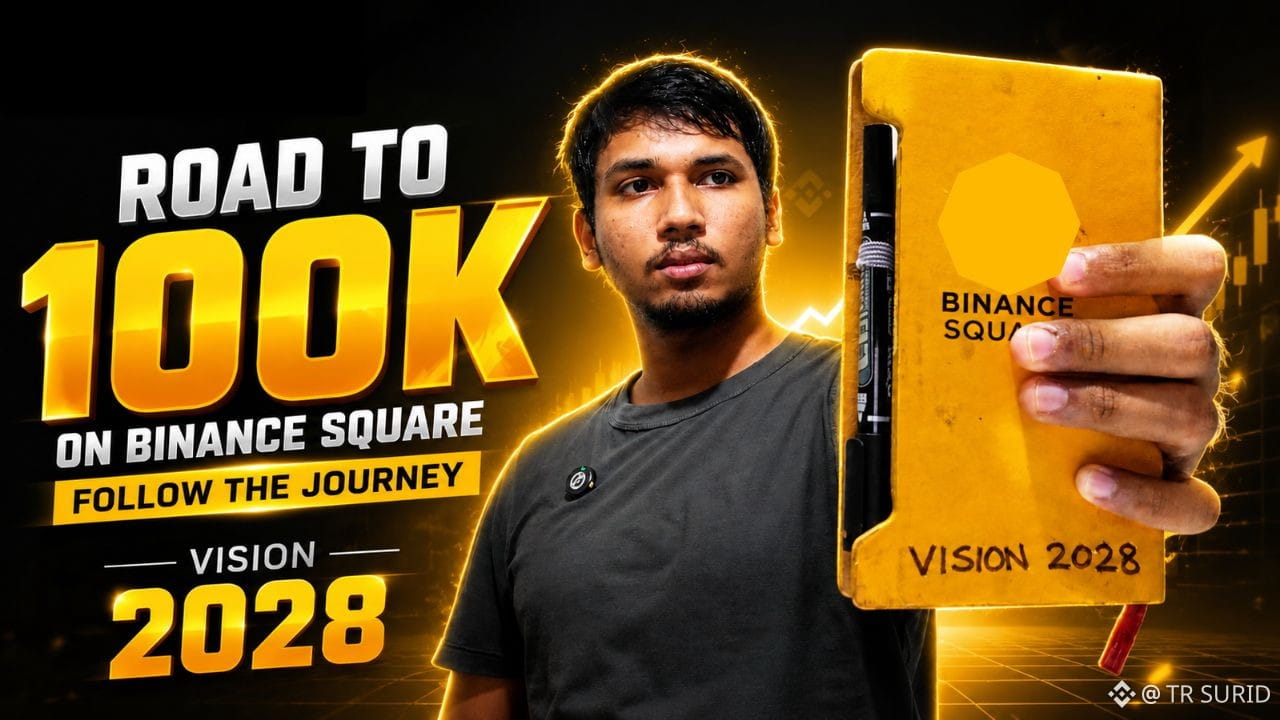
I’m starting something I’ve never done before.
My goal is simple — 100K followers on Binance Square.
Honestly, I don’t know how long it’s going to take.
But I do know one thing…
I’m going to document the entire journey.
I’ll be bringing you crypto videos, market updates, live content, my wins, my mistakes, and everything I learn along the way.
And I want you to be part of it.
Because this isn’t just about reaching 100K.
It’s about seeing what happens when we actually commit to a goal and don’t give up.
So if you’re into crypto and you want to watch this journey from the beginning…
Follow me today.
And one day, when we hit 100K, you can say:
“I was here from the beginning.”
This is Vision 2028.
Let’s make the journey worth remembering.
@Binance_Square_Official
#BinanceSquare
#MTRSVision2028
I’m starting something I’ve never done before.
My goal is simple — 100K followers on Binance Square.
Honestly, I don’t know how long it’s going to take.
But I do know one thing…
I’m going to document the entire journey.
I’ll be bringing you crypto videos, market updates, live content, my wins, my mistakes, and everything I learn along the way.
And I want you to be part of it.
Because this isn’t just about reaching 100K.
It’s about seeing what happens when we actually commit to a goal and don’t give up.
So if you’re into crypto and you want to watch this journey from the beginning…
Follow me today.
And one day, when we hit 100K, you can say:
“I was here from the beginning.”
This is Vision 2028.
Let’s make the journey worth remembering.
@Binance Square Official
#BinanceSquare
#MTRSVision2028
My goal is simple — 100K followers on Binance Square.
Honestly, I don’t know how long it’s going to take.
But I do know one thing…
I’m going to document the entire journey.
I’ll be bringing you crypto videos, market updates, live content, my wins, my mistakes, and everything I learn along the way.
And I want you to be part of it.
Because this isn’t just about reaching 100K.
It’s about seeing what happens when we actually commit to a goal and don’t give up.
So if you’re into crypto and you want to watch this journey from the beginning…
Follow me today.
And one day, when we hit 100K, you can say:
“I was here from the beginning.”
This is Vision 2028.
Let’s make the journey worth remembering.
@Binance Square Official
#BinanceSquare
#MTRSVision2028
2
1
7
638
·
--
🚨 ICP JUST PUSHED ANOTHER CORE UPGRADE
Internet Computer has executed a fresh replica upgrade across 40% of Cloud Engines, moving them to replica version d26cd03.
The upgrade proposal was created and executed through ICP’s onchain governance system on September 29, with the deployment covering 40% of the standard upgrade train.
But there’s another interesting development around ICP.
DFINITY’s latest infrastructure push is focused on allowing AI assistants to interact with applications running on Internet Computer through an MCP-based system, with user-authorized permissions for reading information or taking actions.
So the latest ICP story is increasingly about core infrastructure + AI-agent interaction, not just token price.
Click the $ICP widget below and check the latest verified developments.
$ICP
{future}(ICPUSDT)
.
.
.
#InternetComputer #AI #Write2Earn
Not financial advice. DYOR.
🚨 ICP JUST PUSHED ANOTHER CORE UPGRADE
Internet Computer has executed a fresh replica upgrade across 40% of Cloud Engines, moving them to replica version d26cd03.
The upgrade proposal was created and executed through ICP’s onchain governance system on September 29, with the deployment covering 40% of the standard upgrade train.
But there’s another interesting development around ICP.
DFINITY’s latest infrastructure push is focused on allowing AI assistants to interact with applications running on Internet Computer through an MCP-based system, with user-authorized permissions for reading information or taking actions.
So the latest ICP story is increasingly about core infrastructure + AI-agent interaction, not just token price.
Click the $ICP widget below and check the latest verified developments.
$ICP
.
.
.
#InternetComputer #AI #Write2Earn
Not financial advice. DYOR.
Internet Computer has executed a fresh replica upgrade across 40% of Cloud Engines, moving them to replica version d26cd03.
The upgrade proposal was created and executed through ICP’s onchain governance system on September 29, with the deployment covering 40% of the standard upgrade train.
But there’s another interesting development around ICP.
DFINITY’s latest infrastructure push is focused on allowing AI assistants to interact with applications running on Internet Computer through an MCP-based system, with user-authorized permissions for reading information or taking actions.
So the latest ICP story is increasingly about core infrastructure + AI-agent interaction, not just token price.
Click the $ICP widget below and check the latest verified developments.
$ICP
.
.
.
#InternetComputer #AI #Write2Earn
Not financial advice. DYOR.

41
·
--
🚨 HBAR JUST OPENED A NEW CROSS-LEDGER CHAPTER
Hedera has contributed its CLPR (Cross-Ledger Protocol) to the Linux Foundation Decentralized Trust as a new open-source lab.
The protocol is designed to let different ledgers verify each other’s state directly using state proofs, aiming to move tokens, data and messages across networks without traditional bridges or relayers.
And this is not being presented as a finished product: Hedera and Hashgraph are inviting developers to test and shape the early-stage protocol through a Cross-Ledger Early Adopter Program.
There’s also a fresh Hedera infrastructure update: v0.77.2 went live on mainnet on September 29, according to Hedera’s official status page.
The real story here is bigger than a price move:
Hedera is pushing deeper into open cross-ledger infrastructure.
Click the $HBAR widget below and check the latest verified developments.
$HBAR
{future}(HBARUSDT)
.
.
.
#hedera #blockchain #Write2Earn
Not financial advice. DYOR.
🚨 HBAR JUST OPENED A NEW CROSS-LEDGER CHAPTER
Hedera has contributed its CLPR (Cross-Ledger Protocol) to the Linux Foundation Decentralized Trust as a new open-source lab.
The protocol is designed to let different ledgers verify each other’s state directly using state proofs, aiming to move tokens, data and messages across networks without traditional bridges or relayers.
And this is not being presented as a finished product: Hedera and Hashgraph are inviting developers to test and shape the early-stage protocol through a Cross-Ledger Early Adopter Program.
There’s also a fresh Hedera infrastructure update: v0.77.2 went live on mainnet on September 29, according to Hedera’s official status page.
The real story here is bigger than a price move:
Hedera is pushing deeper into open cross-ledger infrastructure.
Click the $HBAR widget below and check the latest verified developments.
$HBAR
.
.
.
#hedera #blockchain #Write2Earn
Not financial advice. DYOR.
Hedera has contributed its CLPR (Cross-Ledger Protocol) to the Linux Foundation Decentralized Trust as a new open-source lab.
The protocol is designed to let different ledgers verify each other’s state directly using state proofs, aiming to move tokens, data and messages across networks without traditional bridges or relayers.
And this is not being presented as a finished product: Hedera and Hashgraph are inviting developers to test and shape the early-stage protocol through a Cross-Ledger Early Adopter Program.
There’s also a fresh Hedera infrastructure update: v0.77.2 went live on mainnet on September 29, according to Hedera’s official status page.
The real story here is bigger than a price move:
Hedera is pushing deeper into open cross-ledger infrastructure.
Click the $HBAR widget below and check the latest verified developments.
$HBAR
.
.
.
#hedera #blockchain #Write2Earn
Not financial advice. DYOR.
74
·
--
🚨 ZCASH JUST RELEASED THE NEXT NU7 TEST BUILD
Zcash has officially released Zebra 7.0.0-rc.0, the first release candidate supporting the upcoming NU7 upgrade on Testnet.
The public Testnet activation is set for October 6, 2026, at block height 4,465,026. The release introduces the NU7 consensus rules, including the planned move toward 25-second block spacing, compared with the current 75-second target.
But here’s the key detail:
NU7 is NOT live on Zcash Mainnet yet. The official release notes explicitly say that no Mainnet activation height has been set.
Developers are currently targeting November 5 for Mainnet, but that remains subject to the post-testnet review and final decision.
October 6 is the date to watch.
Click the $ZEC widget below and check the latest verified Zcash developments.
$ZEC
{future}(ZECUSDT)
.
.
#Zcash #Crypto #Write2Earn
Not financial advice. DYOR.
🚨 ZCASH JUST RELEASED THE NEXT NU7 TEST BUILD
Zcash has officially released Zebra 7.0.0-rc.0, the first release candidate supporting the upcoming NU7 upgrade on Testnet.
The public Testnet activation is set for October 6, 2026, at block height 4,465,026. The release introduces the NU7 consensus rules, including the planned move toward 25-second block spacing, compared with the current 75-second target.
But here’s the key detail:
NU7 is NOT live on Zcash Mainnet yet. The official release notes explicitly say that no Mainnet activation height has been set.
Developers are currently targeting November 5 for Mainnet, but that remains subject to the post-testnet review and final decision.
October 6 is the date to watch.
Click the $ZEC widget below and check the latest verified Zcash developments.
$ZEC
.
.
#Zcash #Crypto #Write2Earn
Not financial advice. DYOR.
Zcash has officially released Zebra 7.0.0-rc.0, the first release candidate supporting the upcoming NU7 upgrade on Testnet.
The public Testnet activation is set for October 6, 2026, at block height 4,465,026. The release introduces the NU7 consensus rules, including the planned move toward 25-second block spacing, compared with the current 75-second target.
But here’s the key detail:
NU7 is NOT live on Zcash Mainnet yet. The official release notes explicitly say that no Mainnet activation height has been set.
Developers are currently targeting November 5 for Mainnet, but that remains subject to the post-testnet review and final decision.
October 6 is the date to watch.
Click the $ZEC widget below and check the latest verified Zcash developments.
$ZEC
.
.
#Zcash #Crypto #Write2Earn
Not financial advice. DYOR.
256
·
--
Dogecoin timeline 📊
2013 → $0.0002
2014 → $0.0003
2017 → $0.002
2018 → $0.018
2021 → $0.74
2024 → $0.48
2025 → $0.39
2026 → $0.091
$DOGE
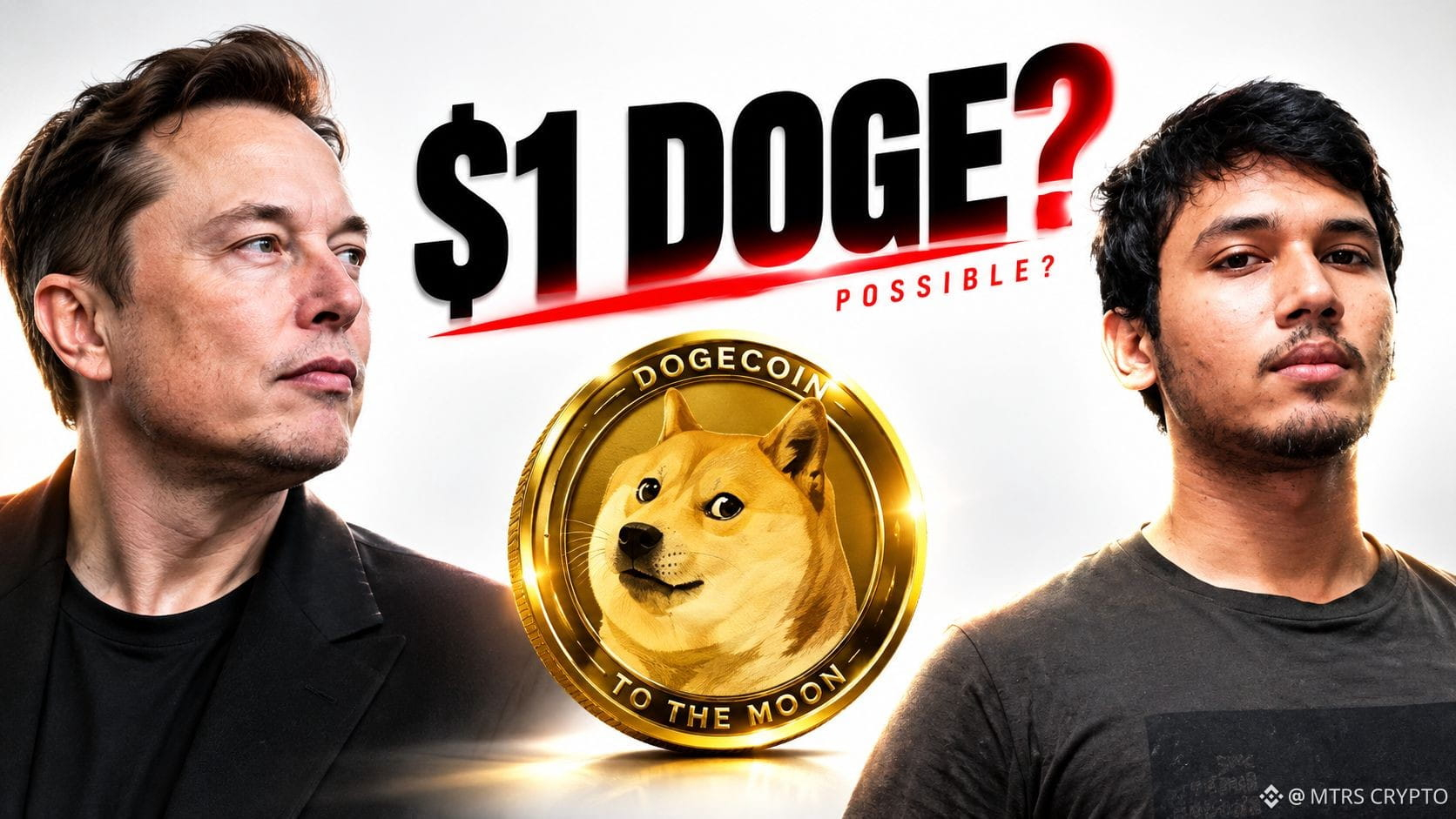
I still remember 2021. Everyone screaming $1 DOGE. Nobody thought we'd see under $0.10 again.
We did.
But here's what hurts less than the price.
Whales just bought 1.14 billion DOGE in 96 hours. That's $112 million in four days. The largest single accumulation event since January. And they did it right as price pressed against the $0.10 resistance zone where 28 billion DOGE changed hands historically. Smart money doesn't buy resistance. Unless they know something.
On October 1, DogeOS opened its public testnet. Ethereum-compatible smart contracts. DeFi. Lending. Stablecoins. All powered by DOGE. The meme coin is finally getting real utility. Mainnet launch has no date yet, but the code is live and developers are building.
Dogecoin's monthly RSI just hit a 13-year low. Lower than 2015. Lower than 2020. Lower than the 2022 bottom. Analysts are watching this closely. Historically, readings this extreme have preceded major reversals.
But here's the honest part.
The Bitwise DOGE ETF is closing October 22. It barely raised $700,000 in ten months. Institutional demand is weak. This isn't Bitcoin or Ethereum. DOGE still lives or dies on retail conviction and culture.
I'm not promising you $1. I'm not promising you anything.
I'm showing you what the chain says. Whales are buying. Utility is coming. The RSI is screaming.
The crowd left. The believers stayed.
Do your own research. Trust the data.
$DOGE
{future}(DOGEUSDT)
.
.
.
.
.
#Write2Earn
Dogecoin timeline 📊
2013 → $0.0002
2014 → $0.0003
2017 → $0.002
2018 → $0.018
2021 → $0.74
2024 → $0.48
2025 → $0.39
2026 → $0.091
$DOGE
I still remember 2021. Everyone screaming $1 DOGE. Nobody thought we'd see under $0.10 again.
We did.
But here's what hurts less than the price.
Whales just bought 1.14 billion DOGE in 96 hours. That's $112 million in four days. The largest single accumulation event since January. And they did it right as price pressed against the $0.10 resistance zone where 28 billion DOGE changed hands historically. Smart money doesn't buy resistance. Unless they know something.
On October 1, DogeOS opened its public testnet. Ethereum-compatible smart contracts. DeFi. Lending. Stablecoins. All powered by DOGE. The meme coin is finally getting real utility. Mainnet launch has no date yet, but the code is live and developers are building.
Dogecoin's monthly RSI just hit a 13-year low. Lower than 2015. Lower than 2020. Lower than the 2022 bottom. Analysts are watching this closely. Historically, readings this extreme have preceded major reversals.
But here's the honest part.
The Bitwise DOGE ETF is closing October 22. It barely raised $700,000 in ten months. Institutional demand is weak. This isn't Bitcoin or Ethereum. DOGE still lives or dies on retail conviction and culture.
I'm not promising you $1. I'm not promising you anything.
I'm showing you what the chain says. Whales are buying. Utility is coming. The RSI is screaming.
The crowd left. The believers stayed.
Do your own research. Trust the data.
$DOGE
.
.
.
.
.
#Write2Earn
2013 → $0.0002
2014 → $0.0003
2017 → $0.002
2018 → $0.018
2021 → $0.74
2024 → $0.48
2025 → $0.39
2026 → $0.091
$DOGE
I still remember 2021. Everyone screaming $1 DOGE. Nobody thought we'd see under $0.10 again.
We did.
But here's what hurts less than the price.
Whales just bought 1.14 billion DOGE in 96 hours. That's $112 million in four days. The largest single accumulation event since January. And they did it right as price pressed against the $0.10 resistance zone where 28 billion DOGE changed hands historically. Smart money doesn't buy resistance. Unless they know something.
On October 1, DogeOS opened its public testnet. Ethereum-compatible smart contracts. DeFi. Lending. Stablecoins. All powered by DOGE. The meme coin is finally getting real utility. Mainnet launch has no date yet, but the code is live and developers are building.
Dogecoin's monthly RSI just hit a 13-year low. Lower than 2015. Lower than 2020. Lower than the 2022 bottom. Analysts are watching this closely. Historically, readings this extreme have preceded major reversals.
But here's the honest part.
The Bitwise DOGE ETF is closing October 22. It barely raised $700,000 in ten months. Institutional demand is weak. This isn't Bitcoin or Ethereum. DOGE still lives or dies on retail conviction and culture.
I'm not promising you $1. I'm not promising you anything.
I'm showing you what the chain says. Whales are buying. Utility is coming. The RSI is screaming.
The crowd left. The believers stayed.
Do your own research. Trust the data.
$DOGE
.
.
.
.
.
#Write2Earn
1
490
·
--
Vérifié
🚨 INJ JUST MADE ITS SOLANA MOVE OFFICIAL
Injective’s latest verified update is its INJ expansion onto Solana.
INJ went live on Solana on September 17, powered by Sunrise, with Raydium and StonkFun joining as launch partners. Injective says the expansion gives Solana users access to INJ while enabling new markets and applications around the token.
Then on October 2, Injective published a guide for swapping INJ on Jupiter, showing that the Solana-side integration is now being actively supported.
There’s another fresh development: Injective’s official blog lists Stockdrop, launched September 22, combining community buybacks, ecosystem revenue and rewards linked to tokenized stocks.
This is a meaningful shift for INJ:
Injective is no longer operating only inside its own ecosystem — INJ is now reaching deeper into Solana.
Click the $INJ widget below and check the latest verified developments.
$INJ
{future}(INJUSDT)
.
.
.
#Injective #Solana #write2earn
Not financial advice. DYOR.
🚨 INJ JUST MADE ITS SOLANA MOVE OFFICIAL
Injective’s latest verified update is its INJ expansion onto Solana.
INJ went live on Solana on September 17, powered by Sunrise, with Raydium and StonkFun joining as launch partners. Injective says the expansion gives Solana users access to INJ while enabling new markets and applications around the token.
Then on October 2, Injective published a guide for swapping INJ on Jupiter, showing that the Solana-side integration is now being actively supported.
There’s another fresh development: Injective’s official blog lists Stockdrop, launched September 22, combining community buybacks, ecosystem revenue and rewards linked to tokenized stocks.
This is a meaningful shift for INJ:
Injective is no longer operating only inside its own ecosystem — INJ is now reaching deeper into Solana.
Click the $INJ widget below and check the latest verified developments.
$INJ
.
.
.
#Injective #Solana #write2earn
Not financial advice. DYOR.
Injective’s latest verified update is its INJ expansion onto Solana.
INJ went live on Solana on September 17, powered by Sunrise, with Raydium and StonkFun joining as launch partners. Injective says the expansion gives Solana users access to INJ while enabling new markets and applications around the token.
Then on October 2, Injective published a guide for swapping INJ on Jupiter, showing that the Solana-side integration is now being actively supported.
There’s another fresh development: Injective’s official blog lists Stockdrop, launched September 22, combining community buybacks, ecosystem revenue and rewards linked to tokenized stocks.
This is a meaningful shift for INJ:
Injective is no longer operating only inside its own ecosystem — INJ is now reaching deeper into Solana.
Click the $INJ widget below and check the latest verified developments.
$INJ
.
.
.
#Injective #Solana #write2earn
Not financial advice. DYOR.

175
·
--
🚨 JUP JUST MADE SOLANA TRADING MORE SECURE
Jupiter has switched on readable Ledger signing for Limit Orders and DCA orders.
The update uses Anza’s v1 off-chain message-signing standard, allowing Ledger users to see the transaction message on the device before approving it.
That’s a small-looking change with a meaningful security benefit: users can verify what they’re signing instead of relying only on an unreadable hardware-wallet prompt. Jupiter says it is the first to support this standard for these order types.
And Jupiter has continued expanding its infrastructure: Universal Deposit now supports Robinhood Chain and BNB Smart Chain, while Jupiter Wallet also added Solana Transaction V1 support.
No forced hype here.
The latest JUP story is about better security + broader Solana infrastructure.
Click the $JUP widget below and check the latest verified developments.
$JUP
{future}(JUPUSDT)
.
.
.
#jupiter #Solana #Write2Earn
Not financial advice. DYOR.
🚨 JUP JUST MADE SOLANA TRADING MORE SECURE
Jupiter has switched on readable Ledger signing for Limit Orders and DCA orders.
The update uses Anza’s v1 off-chain message-signing standard, allowing Ledger users to see the transaction message on the device before approving it.
That’s a small-looking change with a meaningful security benefit: users can verify what they’re signing instead of relying only on an unreadable hardware-wallet prompt. Jupiter says it is the first to support this standard for these order types.
And Jupiter has continued expanding its infrastructure: Universal Deposit now supports Robinhood Chain and BNB Smart Chain, while Jupiter Wallet also added Solana Transaction V1 support.
No forced hype here.
The latest JUP story is about better security + broader Solana infrastructure.
Click the $JUP widget below and check the latest verified developments.
$JUP
.
.
.
#jupiter #Solana #Write2Earn
Not financial advice. DYOR.
Jupiter has switched on readable Ledger signing for Limit Orders and DCA orders.
The update uses Anza’s v1 off-chain message-signing standard, allowing Ledger users to see the transaction message on the device before approving it.
That’s a small-looking change with a meaningful security benefit: users can verify what they’re signing instead of relying only on an unreadable hardware-wallet prompt. Jupiter says it is the first to support this standard for these order types.
And Jupiter has continued expanding its infrastructure: Universal Deposit now supports Robinhood Chain and BNB Smart Chain, while Jupiter Wallet also added Solana Transaction V1 support.
No forced hype here.
The latest JUP story is about better security + broader Solana infrastructure.
Click the $JUP widget below and check the latest verified developments.
$JUP
.
.
.
#jupiter #Solana #Write2Earn
Not financial advice. DYOR.
1
158
·
--
🚨 ADA JUST GOT A REAL-WORLD USE CASE
Cardano Foundation has announced two new Petrobras initiatives using Cardano as a public blockchain for sustainability traceability.
The projects cover sustainable aviation fuel and renewable diesel, using blockchain to create a more verifiable record of sustainability data and supply-chain information.
And this one is confirmed: the announcement was published by the Cardano Foundation on September 30.
There’s also something coming up.
Cardano’s partnership with UCLA Anderson includes an October 19 masterclass focused on enterprise Web3, blockchain, AI and real-world applications.
🚨 ADA UPDATE: Petrobras + Cardano is the latest real-world development. Click the $ADA setup below 🫵🏻 and check the latest ecosystem developments.
$ADA
{future}(ADAUSDT)
.
.
.
#Cardano #RWA #Write2Earn
🚨 ADA JUST GOT A REAL-WORLD USE CASE
Cardano Foundation has announced two new Petrobras initiatives using Cardano as a public blockchain for sustainability traceability.
The projects cover sustainable aviation fuel and renewable diesel, using blockchain to create a more verifiable record of sustainability data and supply-chain information.
And this one is confirmed: the announcement was published by the Cardano Foundation on September 30.
There’s also something coming up.
Cardano’s partnership with UCLA Anderson includes an October 19 masterclass focused on enterprise Web3, blockchain, AI and real-world applications.
🚨 ADA UPDATE: Petrobras + Cardano is the latest real-world development. Click the $ADA setup below 🫵🏻 and check the latest ecosystem developments.
$ADA
.
.
.
#Cardano #RWA #Write2Earn
Cardano Foundation has announced two new Petrobras initiatives using Cardano as a public blockchain for sustainability traceability.
The projects cover sustainable aviation fuel and renewable diesel, using blockchain to create a more verifiable record of sustainability data and supply-chain information.
And this one is confirmed: the announcement was published by the Cardano Foundation on September 30.
There’s also something coming up.
Cardano’s partnership with UCLA Anderson includes an October 19 masterclass focused on enterprise Web3, blockchain, AI and real-world applications.
🚨 ADA UPDATE: Petrobras + Cardano is the latest real-world development. Click the $ADA setup below 🫵🏻 and check the latest ecosystem developments.
$ADA
.
.
.
#Cardano #RWA #Write2Earn
1
108
·
--
Vérifié
🚨 XRP HAS TWO BIG THINGS HAPPENING AT ONCE
XRP is heading into a busy week.
First, Evernorth shareholders approved the merger on September 30. The deal is expected to close October 7, with the company targeting an October 8 Nasdaq debut under XRPN and a planned treasury of roughly 473 million XRP.
But the XRP Ledger has another development coming.
PermissionDelegation (XLS-75) is approaching activation, while the separate Batch amendment has also been delayed after validator support briefly fell below the required threshold.
And in Brazil, CSD BR is already using XRPL to mirror BTG Pactual fund shares, adding blockchain-based verification while existing official records remain in place.
This is not just another price headline. The XRP ecosystem is moving on multiple fronts at the same time.
Click the $XRP widget below and check the latest developments.
$XRP
{future}(XRPUSDT)
.
...
.
#XRP #XRPL #write2earn
Not financial advice. DYOR.
🚨 XRP HAS TWO BIG THINGS HAPPENING AT ONCE
XRP is heading into a busy week.
First, Evernorth shareholders approved the merger on September 30. The deal is expected to close October 7, with the company targeting an October 8 Nasdaq debut under XRPN and a planned treasury of roughly 473 million XRP.
But the XRP Ledger has another development coming.
PermissionDelegation (XLS-75) is approaching activation, while the separate Batch amendment has also been delayed after validator support briefly fell below the required threshold.
And in Brazil, CSD BR is already using XRPL to mirror BTG Pactual fund shares, adding blockchain-based verification while existing official records remain in place.
This is not just another price headline. The XRP ecosystem is moving on multiple fronts at the same time.
Click the $XRP widget below and check the latest developments.
$XRP
.
...
.
#XRP #XRPL #write2earn
Not financial advice. DYOR.
XRP is heading into a busy week.
First, Evernorth shareholders approved the merger on September 30. The deal is expected to close October 7, with the company targeting an October 8 Nasdaq debut under XRPN and a planned treasury of roughly 473 million XRP.
But the XRP Ledger has another development coming.
PermissionDelegation (XLS-75) is approaching activation, while the separate Batch amendment has also been delayed after validator support briefly fell below the required threshold.
And in Brazil, CSD BR is already using XRPL to mirror BTG Pactual fund shares, adding blockchain-based verification while existing official records remain in place.
This is not just another price headline. The XRP ecosystem is moving on multiple fronts at the same time.
Click the $XRP widget below and check the latest developments.
$XRP
.
...
.
#XRP #XRPL #write2earn
Not financial advice. DYOR.
3
4.1k
·
--
Vérifié
🚨 SEI IS MOVING INTO ITS NEXT PHASE
Sei’s Giga upgrade is now touching mainnet.
The latest v6.6 rollout brings Ares + Eidos, upgrading execution and storage as Sei works toward its long-term high-throughput architecture.
And there’s another upcoming catalyst: a proposed Staked SEI ETF currently targets October 23.
This is one to watch.
$SEI
{future}(SEIUSDT)
.
.
.
.
I #Sei #Crypto #Write2Earn
Not financial advice. DYOR.
🚨 SEI IS MOVING INTO ITS NEXT PHASE
Sei’s Giga upgrade is now touching mainnet.
The latest v6.6 rollout brings Ares + Eidos, upgrading execution and storage as Sei works toward its long-term high-throughput architecture.
And there’s another upcoming catalyst: a proposed Staked SEI ETF currently targets October 23.
This is one to watch.
$SEI
.
.
.
.
I #Sei #Crypto #Write2Earn
Not financial advice. DYOR.
Sei’s Giga upgrade is now touching mainnet.
The latest v6.6 rollout brings Ares + Eidos, upgrading execution and storage as Sei works toward its long-term high-throughput architecture.
And there’s another upcoming catalyst: a proposed Staked SEI ETF currently targets October 23.
This is one to watch.
$SEI
.
.
.
.
I #Sei #Crypto #Write2Earn
Not financial advice. DYOR.

1
5
1.3k
·
--
Vérifié
🚨 ONDO JUST ADDED FOUR MORE WAYS TO BRING MARKETS ONCHAIN
This is a fresh Ondo update — and it goes beyond another token listing.
Ondo Finance has expanded Ondo Intelligent Portfolios from 3 to 7 offerings, adding four new portfolios: MAG7Xon, BRAINon, YLD5on and YLD8on.
The new products target themes including the Magnificent 7, artificial intelligence and income, while combining multiple assets into a single onchain token with transparent holdings.
Even more interesting: all seven portfolios are now available to eligible non-U.S. investors on Ethereum and BNB Chain.
Ondo is clearly pushing deeper into the tokenization of traditional investment products — and this expansion is one of its newest steps.
Click the $ONDO widget below and check the latest Ondo developments.
$ONDO
{future}(ONDOUSDT)
.
.
.
#OndoFinance #RWA #Write2Earn
Not financial advice. DYOR.
:::
🚨 ONDO JUST ADDED FOUR MORE WAYS TO BRING MARKETS ONCHAIN
This is a fresh Ondo update — and it goes beyond another token listing.
Ondo Finance has expanded Ondo Intelligent Portfolios from 3 to 7 offerings, adding four new portfolios: MAG7Xon, BRAINon, YLD5on and YLD8on.
The new products target themes including the Magnificent 7, artificial intelligence and income, while combining multiple assets into a single onchain token with transparent holdings.
Even more interesting: all seven portfolios are now available to eligible non-U.S. investors on Ethereum and BNB Chain.
Ondo is clearly pushing deeper into the tokenization of traditional investment products — and this expansion is one of its newest steps.
Click the $ONDO widget below and check the latest Ondo developments.
$ONDO
.
.
.
#OndoFinance #RWA #Write2Earn
Not financial advice. DYOR.
:::
This is a fresh Ondo update — and it goes beyond another token listing.
Ondo Finance has expanded Ondo Intelligent Portfolios from 3 to 7 offerings, adding four new portfolios: MAG7Xon, BRAINon, YLD5on and YLD8on.
The new products target themes including the Magnificent 7, artificial intelligence and income, while combining multiple assets into a single onchain token with transparent holdings.
Even more interesting: all seven portfolios are now available to eligible non-U.S. investors on Ethereum and BNB Chain.
Ondo is clearly pushing deeper into the tokenization of traditional investment products — and this expansion is one of its newest steps.
Click the $ONDO widget below and check the latest Ondo developments.
$ONDO
.
.
.
#OndoFinance #RWA #Write2Earn
Not financial advice. DYOR.
:::
611
·
--
🚨 ENA JUST ENTERED A NEW PHASE
Ethena has officially ended the ENA incentives tied to USDe growth after September 30.
According to Ethena, those incentives had already fallen by about 85% from the first airdrop in 2024. From October 1, USDe’s yield is no longer supported by those ENA token incentives.
But there’s another important date ahead.
Ethena’s remaining original investor unlocks are scheduled to be completed on October 5, after which no investor tokens remain under the original lockup schedule. Team tokens continue under their existing vesting terms.
And Ethena is also pursuing a governance-based framework that could direct protocol revenue toward ENA buybacks if the required USDe growth milestones are reached.
This is a major tokenomics transition — and October could reveal how the new structure actually plays out.
Click the $ENA widget below and check the latest Ethena developments.
$ENA
{future}(ENAUSDT)
.
.
.
#surid2028 #MTRSVision2028 #ethena #USDe #Write2Earn
Not financial advice. DYOR.
🚨 ENA JUST ENTERED A NEW PHASE
Ethena has officially ended the ENA incentives tied to USDe growth after September 30.
According to Ethena, those incentives had already fallen by about 85% from the first airdrop in 2024. From October 1, USDe’s yield is no longer supported by those ENA token incentives.
But there’s another important date ahead.
Ethena’s remaining original investor unlocks are scheduled to be completed on October 5, after which no investor tokens remain under the original lockup schedule. Team tokens continue under their existing vesting terms.
And Ethena is also pursuing a governance-based framework that could direct protocol revenue toward ENA buybacks if the required USDe growth milestones are reached.
This is a major tokenomics transition — and October could reveal how the new structure actually plays out.
Click the $ENA widget below and check the latest Ethena developments.
$ENA
.
.
.
#surid2028 #MTRSVision2028 #ethena #USDe #Write2Earn
Not financial advice. DYOR.
Ethena has officially ended the ENA incentives tied to USDe growth after September 30.
According to Ethena, those incentives had already fallen by about 85% from the first airdrop in 2024. From October 1, USDe’s yield is no longer supported by those ENA token incentives.
But there’s another important date ahead.
Ethena’s remaining original investor unlocks are scheduled to be completed on October 5, after which no investor tokens remain under the original lockup schedule. Team tokens continue under their existing vesting terms.
And Ethena is also pursuing a governance-based framework that could direct protocol revenue toward ENA buybacks if the required USDe growth milestones are reached.
This is a major tokenomics transition — and October could reveal how the new structure actually plays out.
Click the $ENA widget below and check the latest Ethena developments.
$ENA
.
.
.
#surid2028 #MTRSVision2028 #ethena #USDe #Write2Earn
Not financial advice. DYOR.
362
·
--
Vérifié
🚨 INJECTIVE JUST OPENED A NEW DOOR FOR STOCKS ONCHAIN
Injective has launched Stockdrop, a new initiative combining community-driven INJ buybacks, ecosystem revenue and rewards tied to tokenized stock markets.
But the bigger development is what’s coming next.
Injective is preparing its Meridian mainnet upgrade, which is designed to expand the network’s infrastructure for regulated financial markets and tokenized assets. The official upgrade tracker currently lists v1.20.4 as in progress.
And there’s another upcoming event: Injective and Microsoft are scheduled to host an onchain AI commerce event in Singapore on October 6, showcasing AI-agent infrastructure built around autonomous onchain transactions.
This is becoming a much bigger story than just another DeFi chain.
Click the $INJ widget below and check the latest Injective developments.
$INJ
{future}(INJUSDT)
.
.
.
#injective #RWA #Write2Earn
Not financial advice. DYOR.
🚨 INJECTIVE JUST OPENED A NEW DOOR FOR STOCKS ONCHAIN
Injective has launched Stockdrop, a new initiative combining community-driven INJ buybacks, ecosystem revenue and rewards tied to tokenized stock markets.
But the bigger development is what’s coming next.
Injective is preparing its Meridian mainnet upgrade, which is designed to expand the network’s infrastructure for regulated financial markets and tokenized assets. The official upgrade tracker currently lists v1.20.4 as in progress.
And there’s another upcoming event: Injective and Microsoft are scheduled to host an onchain AI commerce event in Singapore on October 6, showcasing AI-agent infrastructure built around autonomous onchain transactions.
This is becoming a much bigger story than just another DeFi chain.
Click the $INJ widget below and check the latest Injective developments.
$INJ
.
.
.
#injective #RWA #Write2Earn
Not financial advice. DYOR.
Injective has launched Stockdrop, a new initiative combining community-driven INJ buybacks, ecosystem revenue and rewards tied to tokenized stock markets.
But the bigger development is what’s coming next.
Injective is preparing its Meridian mainnet upgrade, which is designed to expand the network’s infrastructure for regulated financial markets and tokenized assets. The official upgrade tracker currently lists v1.20.4 as in progress.
And there’s another upcoming event: Injective and Microsoft are scheduled to host an onchain AI commerce event in Singapore on October 6, showcasing AI-agent infrastructure built around autonomous onchain transactions.
This is becoming a much bigger story than just another DeFi chain.
Click the $INJ widget below and check the latest Injective developments.
$INJ
.
.
.
#injective #RWA #Write2Earn
Not financial advice. DYOR.

500
·
--
Vérifié
🚨 PEPE HAS A NEW CHAIN — BUT THERE’S A CATCH
PEPE officially expanded beyond Ethereum.
On September 18, PEPE launched on Solana as a canonical SPL token through Sunrise and Wormhole’s Native Token Transfer system. Within roughly 24 hours, Solana-side trading volume passed $40 million, according to Solana Compass.
That matters because the canonical-token setup is designed to avoid multiple competing wrapped versions and concentrate liquidity around a designated Solana representation.
But here’s the important part:
I found no newly verified major PEPE listing, supply change, governance vote, or protocol upgrade in the latest 24–48 hours. The October 1 Pepe Explorers NFT announcement also isn’t verified as an official PEPE-token development, so I wouldn’t treat it as one.
So the real fresh story is PEPE’s Solana expansion — not another rumor.
Click the $PEPE widget below and check the latest ecosystem activity.
$PEPE
{spot}(PEPEUSDT)
.
.
.
#PEPE #solana #Write2Earn
Not financial advice. DYOR.
🚨 PEPE HAS A NEW CHAIN — BUT THERE’S A CATCH
PEPE officially expanded beyond Ethereum.
On September 18, PEPE launched on Solana as a canonical SPL token through Sunrise and Wormhole’s Native Token Transfer system. Within roughly 24 hours, Solana-side trading volume passed $40 million, according to Solana Compass.
That matters because the canonical-token setup is designed to avoid multiple competing wrapped versions and concentrate liquidity around a designated Solana representation.
But here’s the important part:
I found no newly verified major PEPE listing, supply change, governance vote, or protocol upgrade in the latest 24–48 hours. The October 1 Pepe Explorers NFT announcement also isn’t verified as an official PEPE-token development, so I wouldn’t treat it as one.
So the real fresh story is PEPE’s Solana expansion — not another rumor.
Click the $PEPE widget below and check the latest ecosystem activity.
$PEPE
.
.
.
#PEPE #solana #Write2Earn
Not financial advice. DYOR.
PEPE officially expanded beyond Ethereum.
On September 18, PEPE launched on Solana as a canonical SPL token through Sunrise and Wormhole’s Native Token Transfer system. Within roughly 24 hours, Solana-side trading volume passed $40 million, according to Solana Compass.
That matters because the canonical-token setup is designed to avoid multiple competing wrapped versions and concentrate liquidity around a designated Solana representation.
But here’s the important part:
I found no newly verified major PEPE listing, supply change, governance vote, or protocol upgrade in the latest 24–48 hours. The October 1 Pepe Explorers NFT announcement also isn’t verified as an official PEPE-token development, so I wouldn’t treat it as one.
So the real fresh story is PEPE’s Solana expansion — not another rumor.
Click the $PEPE widget below and check the latest ecosystem activity.
$PEPE
.
.
.
#PEPE #solana #Write2Earn
Not financial advice. DYOR.
5
2.7k
·
--
🚨 UNISWAP JUST MADE CROSS-CHAIN SWAPS A LOT CLEANER
Uniswap has quietly shipped a useful upgrade for bridge-and-swap transactions.
Its API now supports a new "swapSource" option that can use tokens deposited into the Universal Router on the destination chain — allowing the swap to happen without a second destination-chain approval or signature.
And there’s a deadline coming.
Uniswap’s Universal Router 2.0 and 2.1.1 will be sunset on October 21, with 2.1.2 becoming the recommended version.
At the same time, Uniswap is already live on Arc, Circle’s stablecoin-focused Layer 1, supporting v2, v3, v4 and UniswapX.
The focus is becoming clear: smoother cross-chain execution + deeper stablecoin infrastructure.
Click the $UNI widget below and check the latest Uniswap developments.
$UNI
{future}(UNIUSDT)
.
.
#uniswap #DeFi #Write2Earn
Not financial advice. DYOR.
🚨 UNISWAP JUST MADE CROSS-CHAIN SWAPS A LOT CLEANER
Uniswap has quietly shipped a useful upgrade for bridge-and-swap transactions.
Its API now supports a new "swapSource" option that can use tokens deposited into the Universal Router on the destination chain — allowing the swap to happen without a second destination-chain approval or signature.
And there’s a deadline coming.
Uniswap’s Universal Router 2.0 and 2.1.1 will be sunset on October 21, with 2.1.2 becoming the recommended version.
At the same time, Uniswap is already live on Arc, Circle’s stablecoin-focused Layer 1, supporting v2, v3, v4 and UniswapX.
The focus is becoming clear: smoother cross-chain execution + deeper stablecoin infrastructure.
Click the $UNI widget below and check the latest Uniswap developments.
$UNI
.
.
#uniswap #DeFi #Write2Earn
Not financial advice. DYOR.
Uniswap has quietly shipped a useful upgrade for bridge-and-swap transactions.
Its API now supports a new "swapSource" option that can use tokens deposited into the Universal Router on the destination chain — allowing the swap to happen without a second destination-chain approval or signature.
And there’s a deadline coming.
Uniswap’s Universal Router 2.0 and 2.1.1 will be sunset on October 21, with 2.1.2 becoming the recommended version.
At the same time, Uniswap is already live on Arc, Circle’s stablecoin-focused Layer 1, supporting v2, v3, v4 and UniswapX.
The focus is becoming clear: smoother cross-chain execution + deeper stablecoin infrastructure.
Click the $UNI widget below and check the latest Uniswap developments.
$UNI
.
.
#uniswap #DeFi #Write2Earn
Not financial advice. DYOR.
247
·
--
Vérifié
🚨 APTOS JUST HIT A BIG STABLECOIN MILESTONE
Aptos is pushing deeper into the stablecoin race.
The latest Aptos update says the network has now passed $1 billion in stablecoin supply, with USDT, USDC, USDe and PYUSD0 represented across the ecosystem. Aptos also reports stablecoin supply is up 500% year over year.
And there’s fresh activity underneath that headline.
Aptos reported another $62.3 million of stablecoin inflows in 24 hours, while Aptos-native USDT has also recently expanded to Bitkub in Thailand.
On the protocol side, the v1.49.0 testnet upgrade proposal is currently in governance voting, with voting scheduled to end October 2.
Stablecoins + payments + protocol upgrades — Aptos is giving the ecosystem plenty to watch.
Click the $APT widget below and check the latest Aptos developments.
$APT
{future}(APTUSDT)
.
.
.
#Aptos #Stablecoins #Write2Earn
Not financial advice. DYOR.
🚨 APTOS JUST HIT A BIG STABLECOIN MILESTONE
Aptos is pushing deeper into the stablecoin race.
The latest Aptos update says the network has now passed $1 billion in stablecoin supply, with USDT, USDC, USDe and PYUSD0 represented across the ecosystem. Aptos also reports stablecoin supply is up 500% year over year.
And there’s fresh activity underneath that headline.
Aptos reported another $62.3 million of stablecoin inflows in 24 hours, while Aptos-native USDT has also recently expanded to Bitkub in Thailand.
On the protocol side, the v1.49.0 testnet upgrade proposal is currently in governance voting, with voting scheduled to end October 2.
Stablecoins + payments + protocol upgrades — Aptos is giving the ecosystem plenty to watch.
Click the $APT widget below and check the latest Aptos developments.
$APT
.
.
.
#Aptos #Stablecoins #Write2Earn
Not financial advice. DYOR.
Aptos is pushing deeper into the stablecoin race.
The latest Aptos update says the network has now passed $1 billion in stablecoin supply, with USDT, USDC, USDe and PYUSD0 represented across the ecosystem. Aptos also reports stablecoin supply is up 500% year over year.
And there’s fresh activity underneath that headline.
Aptos reported another $62.3 million of stablecoin inflows in 24 hours, while Aptos-native USDT has also recently expanded to Bitkub in Thailand.
On the protocol side, the v1.49.0 testnet upgrade proposal is currently in governance voting, with voting scheduled to end October 2.
Stablecoins + payments + protocol upgrades — Aptos is giving the ecosystem plenty to watch.
Click the $APT widget below and check the latest Aptos developments.
$APT
.
.
.
#Aptos #Stablecoins #Write2Earn
Not financial advice. DYOR.
926
·
--
🚨 NEAR HAS A SERIOUS DEVELOPING STORY RIGHT NOW
NEAR Intents, the cross-chain service built within the NEAR ecosystem, suffered an exploit involving its OmniBridge infrastructure on October 1.
Reports put the affected funds at roughly $3.8 million. The team halted affected services and said it had patched the vulnerability, while working to identify the attacker and address affected users.
The important distinction: the reported incident targeted NEAR Intents infrastructure, not the NEAR blockchain itself.
At the same time, NEAR’s protocol roadmap continues to focus on cross-chain infrastructure and autonomous AI agents, while NEAR AI recently added its AI Cloud to OpenRouter.
So this is a story about both security and the next phase of NEAR’s ecosystem.
Click the $NEAR widget below and follow the latest verified developments.
$NEAR
{future}(NEARUSDT)
.
.
.
#Near #nearprotocol l #Write2Earn
Not financial advice. DYOR.
🚨 NEAR HAS A SERIOUS DEVELOPING STORY RIGHT NOW
NEAR Intents, the cross-chain service built within the NEAR ecosystem, suffered an exploit involving its OmniBridge infrastructure on October 1.
Reports put the affected funds at roughly $3.8 million. The team halted affected services and said it had patched the vulnerability, while working to identify the attacker and address affected users.
The important distinction: the reported incident targeted NEAR Intents infrastructure, not the NEAR blockchain itself.
At the same time, NEAR’s protocol roadmap continues to focus on cross-chain infrastructure and autonomous AI agents, while NEAR AI recently added its AI Cloud to OpenRouter.
So this is a story about both security and the next phase of NEAR’s ecosystem.
Click the $NEAR widget below and follow the latest verified developments.
$NEAR
.
.
.
#Near #nearprotocol l #Write2Earn
Not financial advice. DYOR.
NEAR Intents, the cross-chain service built within the NEAR ecosystem, suffered an exploit involving its OmniBridge infrastructure on October 1.
Reports put the affected funds at roughly $3.8 million. The team halted affected services and said it had patched the vulnerability, while working to identify the attacker and address affected users.
The important distinction: the reported incident targeted NEAR Intents infrastructure, not the NEAR blockchain itself.
At the same time, NEAR’s protocol roadmap continues to focus on cross-chain infrastructure and autonomous AI agents, while NEAR AI recently added its AI Cloud to OpenRouter.
So this is a story about both security and the next phase of NEAR’s ecosystem.
Click the $NEAR widget below and follow the latest verified developments.
$NEAR
.
.
.
#Near #nearprotocol l #Write2Earn
Not financial advice. DYOR.
933
·
--
🚨 HYPE HAS ANOTHER BIG DATE AHEAD
Hyperliquid just confirmed a major ecosystem milestone: October 5, 2026 is the date for its annual community event in Singapore during Token2049 week.
But the more interesting update is already live.
Hyperliquid has enabled HIP-4 permissionless deployments on mainnet, opening the door for new permissionless market types and products.
The network has also reported $18 billion in open interest, an all-time high for Hyperliquid.
And one more confirmed catalyst is approaching: under AQAv2, reserve-yield revenue from USDC supplied through the system is scheduled to begin flowing to the protocol, with the first payment set for October 3.
October is getting interesting for HYPE.
Click the $HYPE widget below and check the latest Hyperliquid developments.
$HYPE
{future}(HYPEUSDT)
.
.
.
.
#Hyperliquid #DeFi #Write2Earn
Not financial advice. DYOR.
🚨 HYPE HAS ANOTHER BIG DATE AHEAD
Hyperliquid just confirmed a major ecosystem milestone: October 5, 2026 is the date for its annual community event in Singapore during Token2049 week.
But the more interesting update is already live.
Hyperliquid has enabled HIP-4 permissionless deployments on mainnet, opening the door for new permissionless market types and products.
The network has also reported $18 billion in open interest, an all-time high for Hyperliquid.
And one more confirmed catalyst is approaching: under AQAv2, reserve-yield revenue from USDC supplied through the system is scheduled to begin flowing to the protocol, with the first payment set for October 3.
October is getting interesting for HYPE.
Click the $HYPE widget below and check the latest Hyperliquid developments.
$HYPE
.
.
.
.
#Hyperliquid #DeFi #Write2Earn
Not financial advice. DYOR.
Hyperliquid just confirmed a major ecosystem milestone: October 5, 2026 is the date for its annual community event in Singapore during Token2049 week.
But the more interesting update is already live.
Hyperliquid has enabled HIP-4 permissionless deployments on mainnet, opening the door for new permissionless market types and products.
The network has also reported $18 billion in open interest, an all-time high for Hyperliquid.
And one more confirmed catalyst is approaching: under AQAv2, reserve-yield revenue from USDC supplied through the system is scheduled to begin flowing to the protocol, with the first payment set for October 3.
October is getting interesting for HYPE.
Click the $HYPE widget below and check the latest Hyperliquid developments.
$HYPE
.
.
.
.
#Hyperliquid #DeFi #Write2Earn
Not financial advice. DYOR.

381
·
--
🚨 RENDER HAS AN IMPORTANT OCTOBER UPDATE
I checked the latest verified Render Network information — and there’s no major new partnership or protocol launch confirmed in the last 24–48 hours.
But one upcoming event is worth watching.
RENDER node bonus rewards began accruing on October 1, with claims scheduled to open October 8, according to the latest available reporting.
And the bigger structural story remains clear: Render is focused on decentralized GPU rendering and compute for areas including 3D creation, generative AI and spatial computing.
So I wouldn’t manufacture a “breaking” headline here.
The next real date to watch is October 8.
Click the $RENDER widget below and check the latest verified developments.
$RENDER
{future}(RENDERUSDT)
.
.
.
#RenderNetwork #Aİ #Write2Earn
Not financial advice. DYOR.
🚨 RENDER HAS AN IMPORTANT OCTOBER UPDATE
I checked the latest verified Render Network information — and there’s no major new partnership or protocol launch confirmed in the last 24–48 hours.
But one upcoming event is worth watching.
RENDER node bonus rewards began accruing on October 1, with claims scheduled to open October 8, according to the latest available reporting.
And the bigger structural story remains clear: Render is focused on decentralized GPU rendering and compute for areas including 3D creation, generative AI and spatial computing.
So I wouldn’t manufacture a “breaking” headline here.
The next real date to watch is October 8.
Click the $RENDER widget below and check the latest verified developments.
$RENDER
.
.
.
#RenderNetwork #Aİ #Write2Earn
Not financial advice. DYOR.
I checked the latest verified Render Network information — and there’s no major new partnership or protocol launch confirmed in the last 24–48 hours.
But one upcoming event is worth watching.
RENDER node bonus rewards began accruing on October 1, with claims scheduled to open October 8, according to the latest available reporting.
And the bigger structural story remains clear: Render is focused on decentralized GPU rendering and compute for areas including 3D creation, generative AI and spatial computing.
So I wouldn’t manufacture a “breaking” headline here.
The next real date to watch is October 8.
Click the $RENDER widget below and check the latest verified developments.
$RENDER
.
.
.
#RenderNetwork #Aİ #Write2Earn
Not financial advice. DYOR.
303
Connectez-vous pour découvrir plus de contenu
Rejoignez la communauté mondiale des adeptes de cryptomonnaies sur Binance Square
⚡️ Suviez les dernières informations importantes sur les cryptomonnaies.
💬 Jugé digne de confiance par la plus grande plateforme d’échange de cryptomonnaies au monde.
👍 Découvrez les connaissances que partagent les créateurs vérifiés.
Adresse e-mail/Nº de téléphone
Sujets d’actualité
ZcashETFPostsFirstWeeklyOutflow$93.6M
40,860 vues
131 mentions
#ZcashETFPostsFirstWeeklyOutflow$93.6M
🚨🚨🚨🚨🚨🚨🚨🚨🚨🚨🚨🚨🚨🚨✅ 🚨 ZCASH ETF FLOWS TURN NEGATIVE FOR THE FIRST TIME! 📉
$ZEC is facing a notable shift in institutional fund flows, with Zcash investment products recording their first weekly net outflow since launching in August.
According to fund-flow data, around $93.6M was withdrawn from Zcash products during the latest week, while ZEC price action also cooled significantly.
📊 WHAT HAPPENED?
• Weekly Zcash ETF outflow: $93.6M
• September 30 daily outflow: $30.25M
• ZCSH previously attracted around $98.2M in one week
• ZEC is trading near $1,300
• Recent high: around $1,690
• Weekly decline: roughly 17%+
🔍 LEVELS TO WATCH
🟢 Support: $1,280–$1,300
🔴 Resistance: $1,450–$1,500
The key question now is whether the $1,300 area can hold and attract fresh buyers.
Institutional flows will also be important. A return of consistent positive inflows could signal renewed confidence, while continued outflows may keep pressure on $ZEC .
👀 Is this simply profit-taking after ZEC’s huge rally, or could we see another deeper pullback before buyers return?
Share your view below. 👇
#Zcash #ZEC #ZcashETF #Crypto
#analysis
owhggwiohsjowve
·0 mentions J’aime
·184 vues
GreekPoliceBustCryptoScamRingArrest17
98,947 vues
785 mentions
BitcoinRejectedAt$87K
133,105 vues
190 mentions