

波段小鹿
12.3k Publications

波段小鹿
3.0K+ Suivis
356 Abonnés
88 J’aime
Publications
Tous
Citations
Votre contenu coté a été supprimé


SOL华语社区
·
--
To celebrate the achievement of 15,000 followers for Horse Black Academy. #Horse #黑马学院
we are launching a fan appreciation event. 🎁
300 users will be randomly selected and awarded 420 $Horse. Please leave your Binance Web3 wallet SOL receiving address in the comment section.
we are launching a fan appreciation event. 🎁
300 users will be randomly selected and awarded 420 $Horse. Please leave your Binance Web3 wallet SOL receiving address in the comment section.

三马哥
·
--
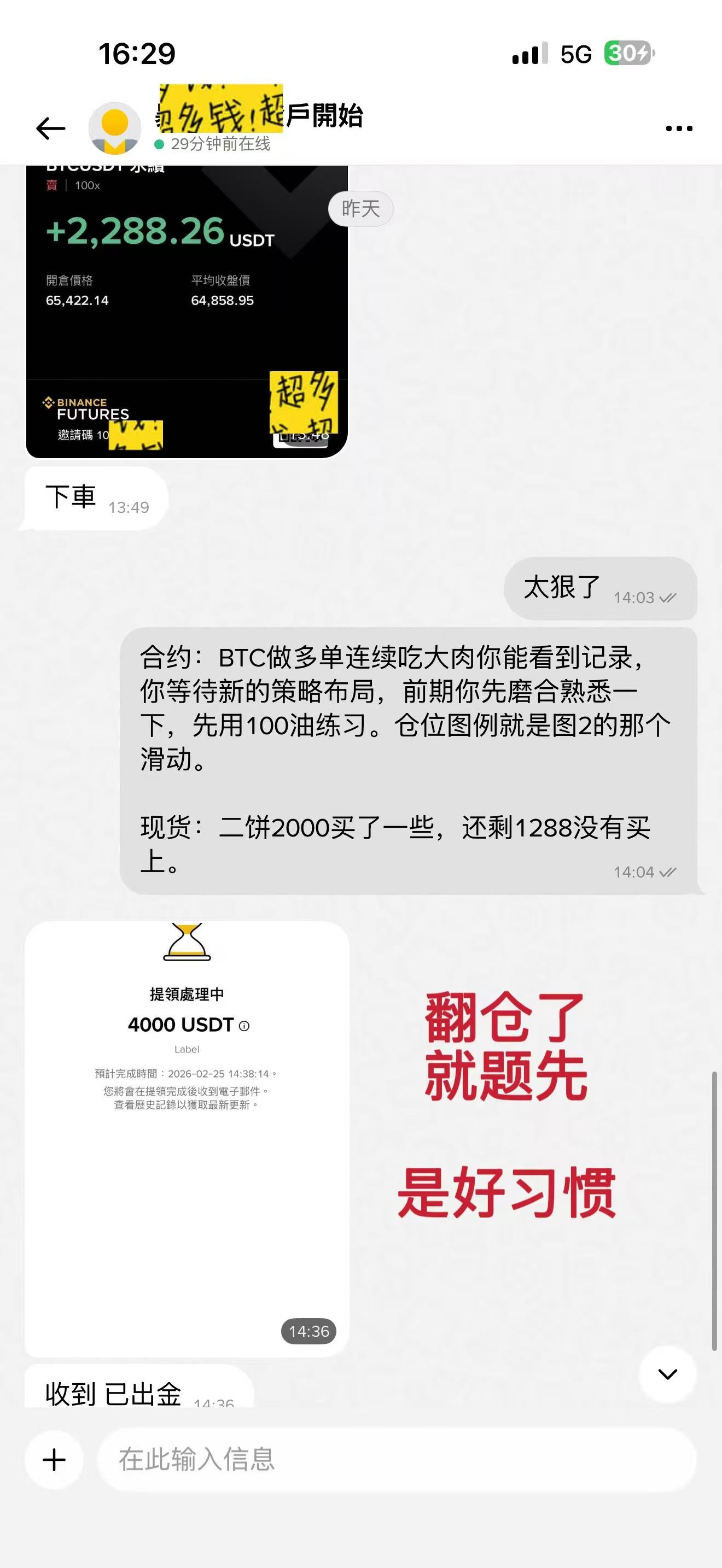
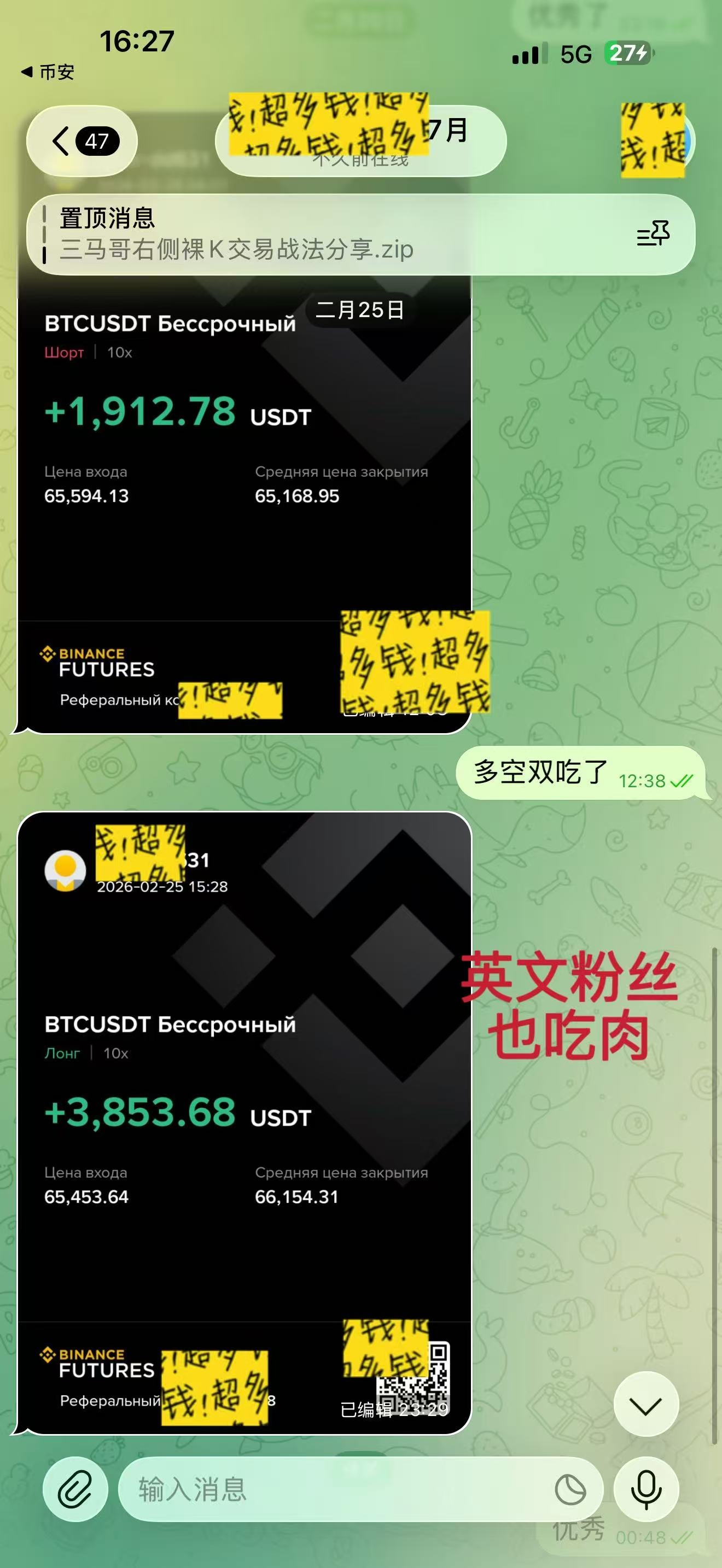
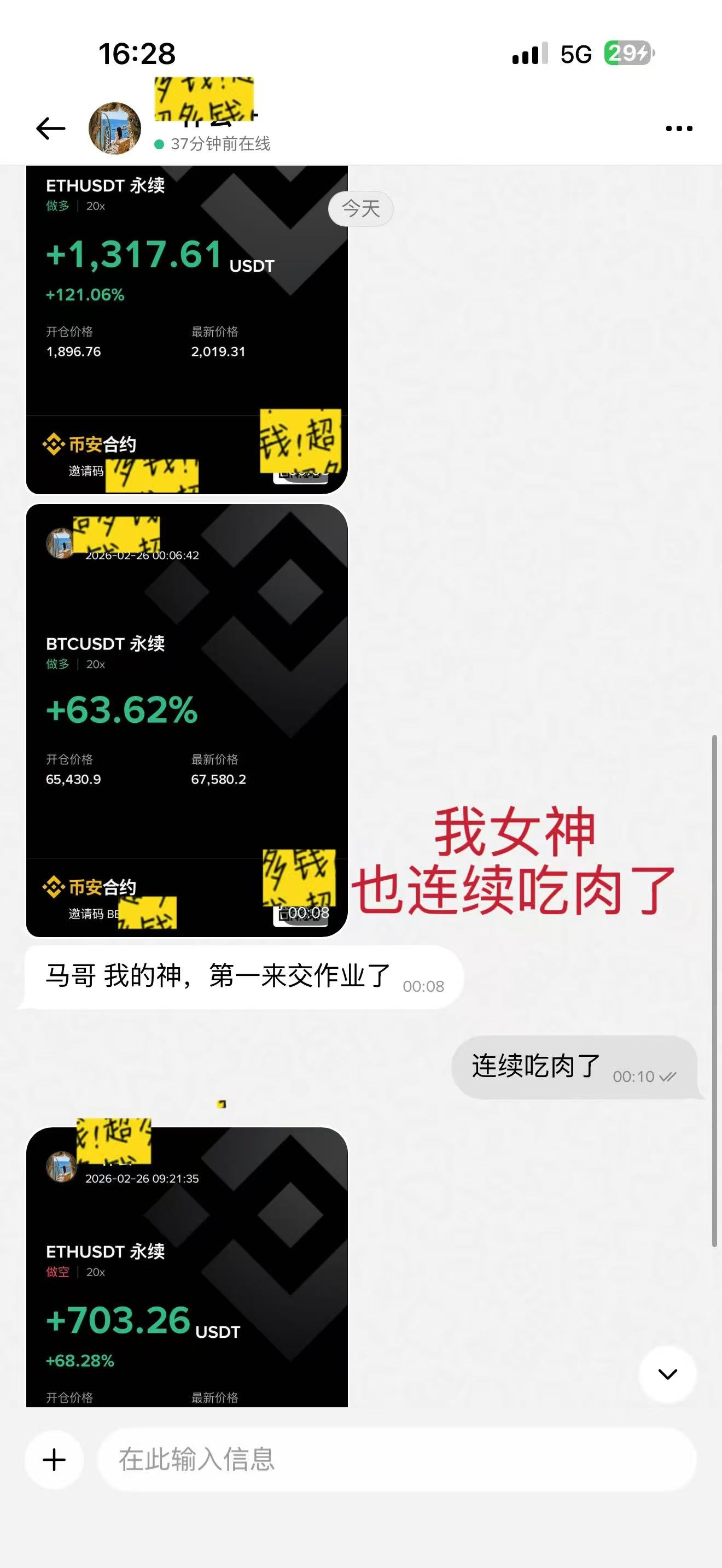
近3日我们交易5单喂饭策略、直播喂饭2单合约策略,其中5单BTC、2单ETH,做多5单、做空2单,胜率100%(都未触发策略止损)。
2月24日我们布局64666点位的BTC多单,实际这个策略第二个点位是63288加仓,但由于当天行情第一波插针差了80多U没挂上就撤销了,后来这里居然是上涨到7万的波段底部。这单最终是在65888全部止盈的,获利186%。👉提前告诉你63288加仓多记录
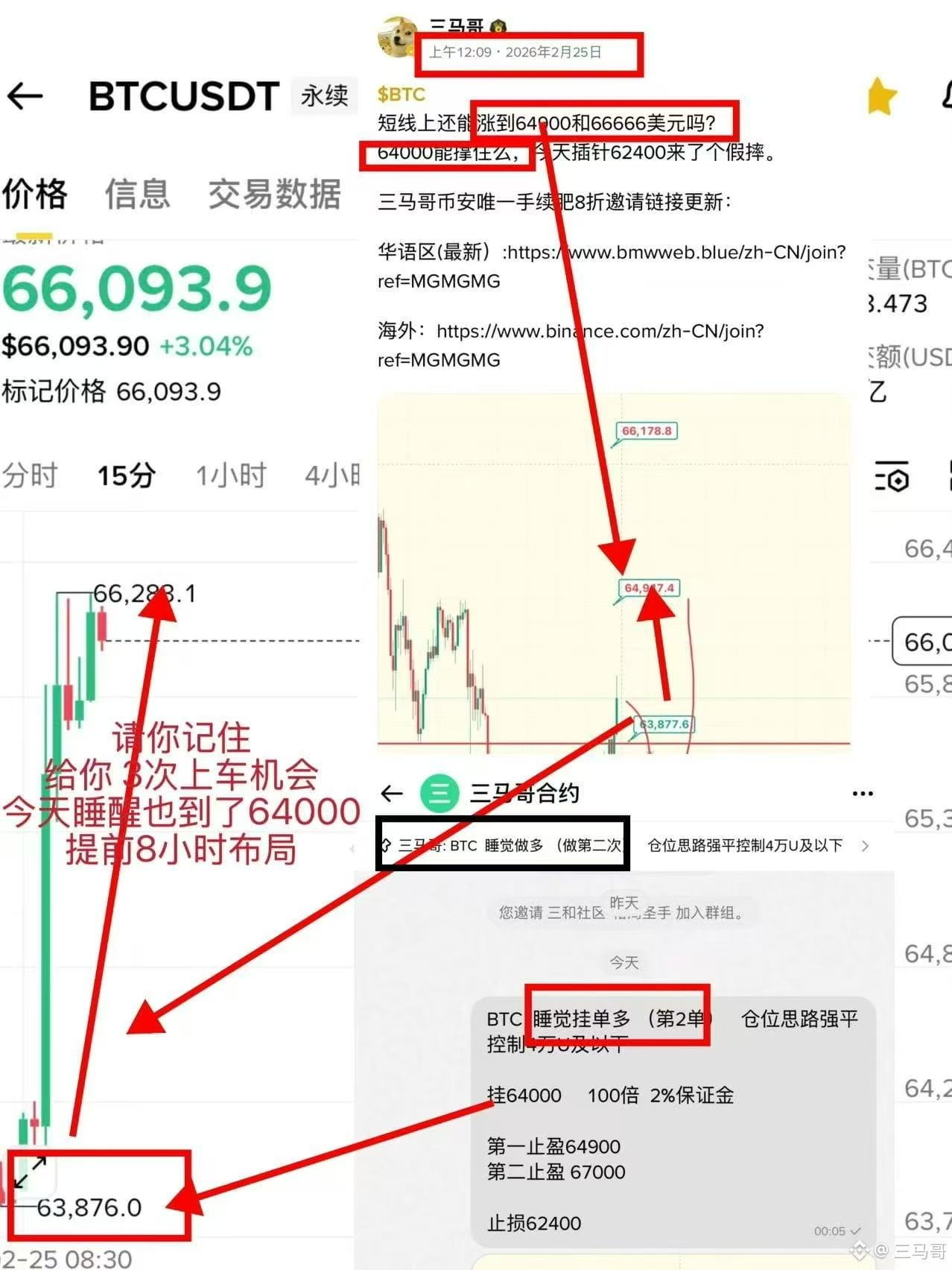
2月24睡觉挂单和中线做多是64000做了两次多单,提前8个小时布局给了3次上车机会,分批止盈最终仓位在67000全部自动止盈,获利综合360%。👉64000两次做多记录
2月25日内还有个日内65800短线做空到65000的单子,最终70%仓位获利110%左右全部结束。👉空到65188后反手多到7万记录,还给了你方向
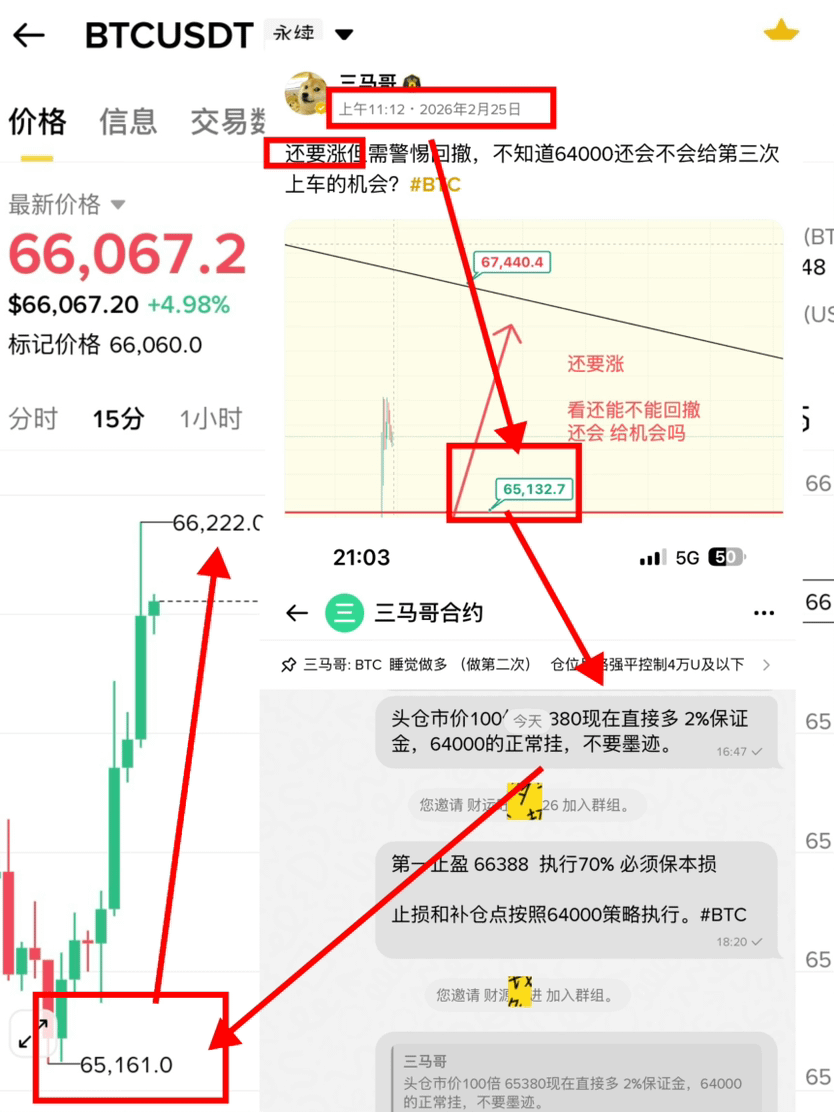
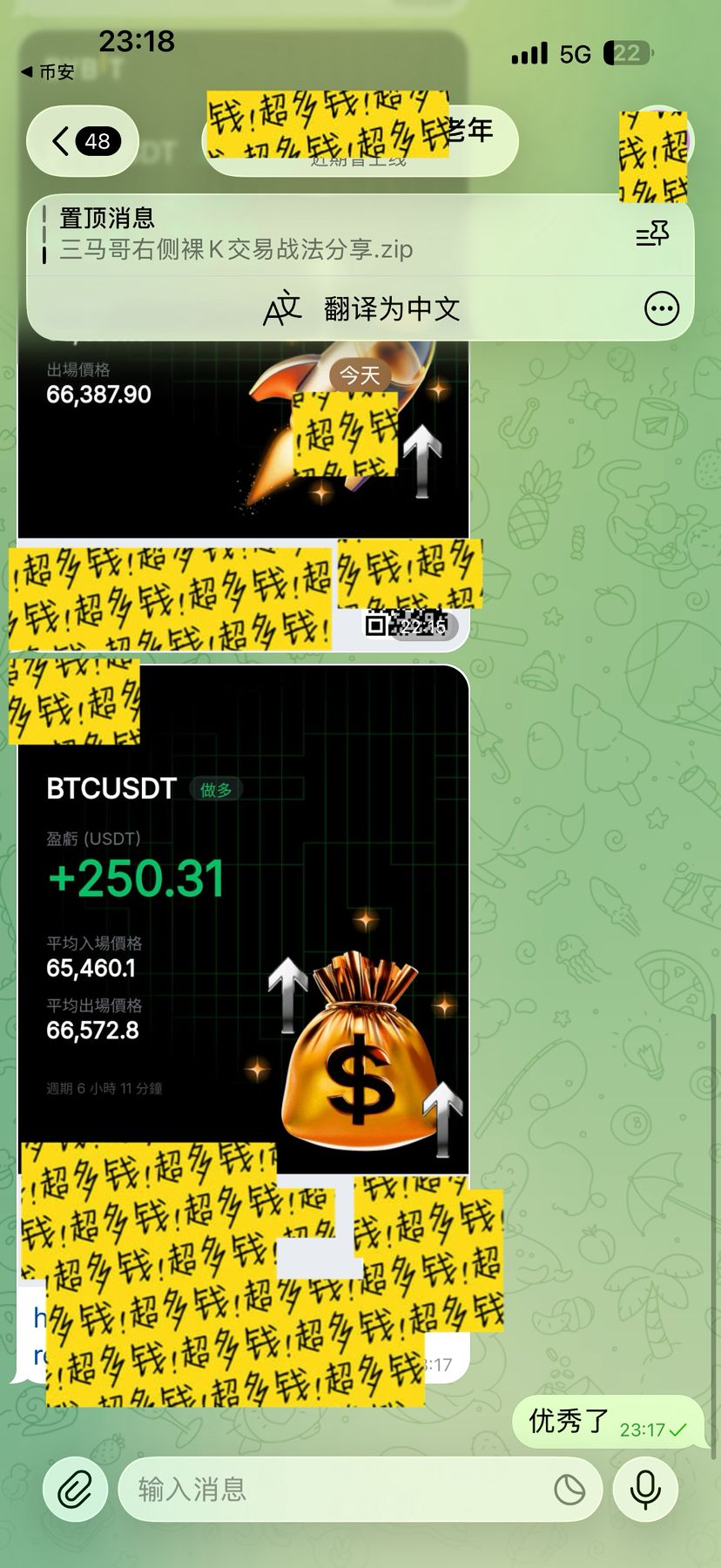
2月25当天提前4个小时在65380追涨做多,最终在67000分批全部止盈结束,获利160%左右。👉[65380反手多睡醒涨到7万记录](https://app.binance.com/uni-qr/cpos/295313087751794?l=zh-CN&r=SDR9QGU2&uc=web_square_share_link&uco=YlhI6nVWAwXtxF1K2b4Utg&us=copylink)
直播单可以不用做因为不会出文字策略,只是讲了止盈止损和进场点,自律性不强的人不会止损死扛不切实际,一般都是很小的止损,就是ETH的1878多和2130的剥头皮空,基本睡觉就是大肉,获利800%。
总结:很多伙伴2月翻仓了都体现了这是号的习惯,避免你们发飘,一定要跟我熬到年底在5万和38888抄底BTC,活到最后未来牛市你就是赢家。
2月24日我们布局64666点位的BTC多单,实际这个策略第二个点位是63288加仓,但由于当天行情第一波插针差了80多U没挂上就撤销了,后来这里居然是上涨到7万的波段底部。这单最终是在65888全部止盈的,获利186%。👉提前告诉你63288加仓多记录
2月24睡觉挂单和中线做多是64000做了两次多单,提前8个小时布局给了3次上车机会,分批止盈最终仓位在67000全部自动止盈,获利综合360%。👉64000两次做多记录
2月25日内还有个日内65800短线做空到65000的单子,最终70%仓位获利110%左右全部结束。👉空到65188后反手多到7万记录,还给了你方向
2月25当天提前4个小时在65380追涨做多,最终在67000分批全部止盈结束,获利160%左右。👉[65380反手多睡醒涨到7万记录](https://app.binance.com/uni-qr/cpos/295313087751794?l=zh-CN&r=SDR9QGU2&uc=web_square_share_link&uco=YlhI6nVWAwXtxF1K2b4Utg&us=copylink)
直播单可以不用做因为不会出文字策略,只是讲了止盈止损和进场点,自律性不强的人不会止损死扛不切实际,一般都是很小的止损,就是ETH的1878多和2130的剥头皮空,基本睡觉就是大肉,获利800%。
总结:很多伙伴2月翻仓了都体现了这是号的习惯,避免你们发飘,一定要跟我熬到年底在5万和38888抄底BTC,活到最后未来牛市你就是赢家。
三马哥
·
--
近3日我们交易5单喂饭策略、直播喂饭2单合约策略,其中5单BTC、2单ETH,做多5单、做空2单,胜率100%(都未触发策略止损)。
2月24日我们布局64666点位的BTC多单,实际这个策略第二个点位是63288加仓,但由于当天行情第一波插针差了80多U没挂上就撤销了,后来这里居然是上涨到7万的波段底部。这单最终是在65888全部止盈的,获利186%。👉提前告诉你63288加仓多记录
2月24睡觉挂单和中线做多是64000做了两次多单,提前8个小时布局给了3次上车机会,分批止盈最终仓位在67000全部自动止盈,获利综合360%。👉64000两次做多记录
2月25日内还有个日内65800短线做空到65000的单子,最终70%仓位获利110%左右全部结束。👉空到65188后反手多到7万记录,还给了你方向
2月25当天提前4个小时在65380追涨做多,最终在67000分批全部止盈结束,获利160%左右。👉[65380反手多睡醒涨到7万记录](https://app.binance.com/uni-qr/cpos/295313087751794?l=zh-CN&r=SDR9QGU2&uc=web_square_share_link&uco=YlhI6nVWAwXtxF1K2b4Utg&us=copylink)
直播单可以不用做因为不会出文字策略,只是讲了止盈止损和进场点,自律性不强的人不会止损死扛不切实际,一般都是很小的止损,就是ETH的1878多和2130的剥头皮空,基本睡觉就是大肉,获利800%。
总结:很多伙伴2月翻仓了都体现了这是号的习惯,避免你们发飘,一定要跟我熬到年底在5万和38888抄底BTC,活到最后未来牛市你就是赢家。
2月24日我们布局64666点位的BTC多单,实际这个策略第二个点位是63288加仓,但由于当天行情第一波插针差了80多U没挂上就撤销了,后来这里居然是上涨到7万的波段底部。这单最终是在65888全部止盈的,获利186%。👉提前告诉你63288加仓多记录
2月24睡觉挂单和中线做多是64000做了两次多单,提前8个小时布局给了3次上车机会,分批止盈最终仓位在67000全部自动止盈,获利综合360%。👉64000两次做多记录
2月25日内还有个日内65800短线做空到65000的单子,最终70%仓位获利110%左右全部结束。👉空到65188后反手多到7万记录,还给了你方向
2月25当天提前4个小时在65380追涨做多,最终在67000分批全部止盈结束,获利160%左右。👉[65380反手多睡醒涨到7万记录](https://app.binance.com/uni-qr/cpos/295313087751794?l=zh-CN&r=SDR9QGU2&uc=web_square_share_link&uco=YlhI6nVWAwXtxF1K2b4Utg&us=copylink)
直播单可以不用做因为不会出文字策略,只是讲了止盈止损和进场点,自律性不强的人不会止损死扛不切实际,一般都是很小的止损,就是ETH的1878多和2130的剥头皮空,基本睡觉就是大肉,获利800%。
总结:很多伙伴2月翻仓了都体现了这是号的习惯,避免你们发飘,一定要跟我熬到年底在5万和38888抄底BTC,活到最后未来牛市你就是赢家。

三月 - M A R C H
·
--
Binance, one of the world's largest crypto exchanges, was founded in July 2017 by Changpeng Zhao (CZ) in Shanghai, China 🚀. Interestingly, CZ had to relocate Binance's headquarters multiple times due to regulatory challenges – first to Japan, then Malta, and eventually to the Cayman Islands. Talk about a global crypto adventure! 🌍
------++++------
#redpacket | #AirdropAlert | #GIVEAWAY🎁 | #StrategyBTCPurchase | #VitalikSells
------++++------
#redpacket | #AirdropAlert | #GIVEAWAY🎁 | #StrategyBTCPurchase | #VitalikSells


安木木Web3
·
--
币圈生存法则
来币圈,没人逃得过交学费这一课。
早交早清醒,早亏早成熟。
要么亏到底彻底离场,要么摸透规则慢慢变强。
一进场就幻想一夜暴富,既不愿学习,又不肯付出,
最后亏得最惨的,永远是这类人。
在这个圈子里,一定要放低姿态,保持谦卑,
尊重前辈,多听经验,少抬杠。
别介意你的引路人赚你的钱,
他不开口,你也要主动上心、懂得回馈。
哪怕暂时没盈利、甚至还在浮亏,也要维护好这份关系。
他知道的,大概率比你多;
就算经验一般,也能帮你链接更优质的资源,让你少走无数弯路。
心态稳、懂感恩、肯学习,
才是在币圈长期活下去、走得远的真正关键。#特朗普发表国情咨文 #特朗普新全球关税 $ETH $BNB
早交早清醒,早亏早成熟。
要么亏到底彻底离场,要么摸透规则慢慢变强。
一进场就幻想一夜暴富,既不愿学习,又不肯付出,
最后亏得最惨的,永远是这类人。
在这个圈子里,一定要放低姿态,保持谦卑,
尊重前辈,多听经验,少抬杠。
别介意你的引路人赚你的钱,
他不开口,你也要主动上心、懂得回馈。
哪怕暂时没盈利、甚至还在浮亏,也要维护好这份关系。
他知道的,大概率比你多;
就算经验一般,也能帮你链接更优质的资源,让你少走无数弯路。
心态稳、懂感恩、肯学习,
才是在币圈长期活下去、走得远的真正关键。#特朗普发表国情咨文 #特朗普新全球关税 $ETH $BNB


Crypto PM
·
--
HaussierNarratives move crypto. 𝗣𝗼𝗹𝘆𝗺𝗮𝗿𝗸𝗲𝘁 prices them before headlines confirm them.
When 𝗭𝗮𝗰𝗵𝗫𝗕𝗧 teased a major insider trading investigation dropping Feb 26, traders didn’t wait for the thread.
They went to Polymarket.
Millions in volume quickly flowed into markets speculating which firm could be exposed. That’s the difference , Polymarket turns speculation into capital-weighted probability.
𝗧𝗵𝗶𝘀 𝗶𝘀 𝘄𝗵𝗮𝘁 𝗺𝗮𝗸𝗲𝘀 𝗶𝘁 𝗽𝗼𝘄𝗲𝗿𝗳𝘂𝗹:
• Markets react in real time to information
• Probability becomes tradable
• Crowd conviction gets priced instantly
It’s not about charts. It’s about expectations.
From regulatory rulings to ETF approvals, from protocol launches to industry investigations , Polymarket is where narratives trade first.
The platform has scaled to hundreds of thousands of active traders, billions in projected annual volume, and tens of millions in monthly visits. Momentum isn’t theoretical , it’s measurable.
𝗢𝗻𝗯𝗼𝗮𝗿𝗱𝗶𝗻𝗴 𝗶𝘀 𝗳𝗿𝗶𝗰𝘁𝗶𝗼𝗻𝗹𝗲𝘀𝘀:
Connect Phantom or MetaMask
Fund $USDC
Start trading outcomes in minutes
No traditional barriers. Just decentralized market access.
And then there’s the catalyst everyone is watching - $𝗣𝗢𝗟𝗬.
The upcoming token is positioned as the economic layer behind the largest prediction market in Web3. As activity grows, attention shifts toward how value accrues to the ecosystem token.
OpenSea. MetaMask. Base.
Major anticipated launches define cycles.
$𝗣𝗢𝗟𝗬 is entering that conversation.
If you understand that information is alpha, then probability markets are the next evolution.
Polymarket doesn’t follow narratives.
It prices them.
#Polymarket #poly
When 𝗭𝗮𝗰𝗵𝗫𝗕𝗧 teased a major insider trading investigation dropping Feb 26, traders didn’t wait for the thread.
They went to Polymarket.
Millions in volume quickly flowed into markets speculating which firm could be exposed. That’s the difference , Polymarket turns speculation into capital-weighted probability.
𝗧𝗵𝗶𝘀 𝗶𝘀 𝘄𝗵𝗮𝘁 𝗺𝗮𝗸𝗲𝘀 𝗶𝘁 𝗽𝗼𝘄𝗲𝗿𝗳𝘂𝗹:
• Markets react in real time to information
• Probability becomes tradable
• Crowd conviction gets priced instantly
It’s not about charts. It’s about expectations.
From regulatory rulings to ETF approvals, from protocol launches to industry investigations , Polymarket is where narratives trade first.
The platform has scaled to hundreds of thousands of active traders, billions in projected annual volume, and tens of millions in monthly visits. Momentum isn’t theoretical , it’s measurable.
𝗢𝗻𝗯𝗼𝗮𝗿𝗱𝗶𝗻𝗴 𝗶𝘀 𝗳𝗿𝗶𝗰𝘁𝗶𝗼𝗻𝗹𝗲𝘀𝘀:
Connect Phantom or MetaMask
Fund $USDC
Start trading outcomes in minutes
No traditional barriers. Just decentralized market access.
And then there’s the catalyst everyone is watching - $𝗣𝗢𝗟𝗬.
The upcoming token is positioned as the economic layer behind the largest prediction market in Web3. As activity grows, attention shifts toward how value accrues to the ecosystem token.
OpenSea. MetaMask. Base.
Major anticipated launches define cycles.
$𝗣𝗢𝗟𝗬 is entering that conversation.
If you understand that information is alpha, then probability markets are the next evolution.
Polymarket doesn’t follow narratives.
It prices them.
#Polymarket #poly

Salman49
·
--
HaussierBitcoin Scarcity 🪙
Bitcoin has a fixed supply of 21M 🔒
No printing. No central control.
Scarcity creates value 📈
When demand rises and supply stays limited… price reacts.
That’s why BTC is called digital gold ✨
Are you accumulating BTC or waiting for a dip? 👇 #BTC
Bitcoin has a fixed supply of 21M 🔒
No printing. No central control.
Scarcity creates value 📈
When demand rises and supply stays limited… price reacts.
That’s why BTC is called digital gold ✨
Are you accumulating BTC or waiting for a dip? 👇 #BTC

A锦源
·
--
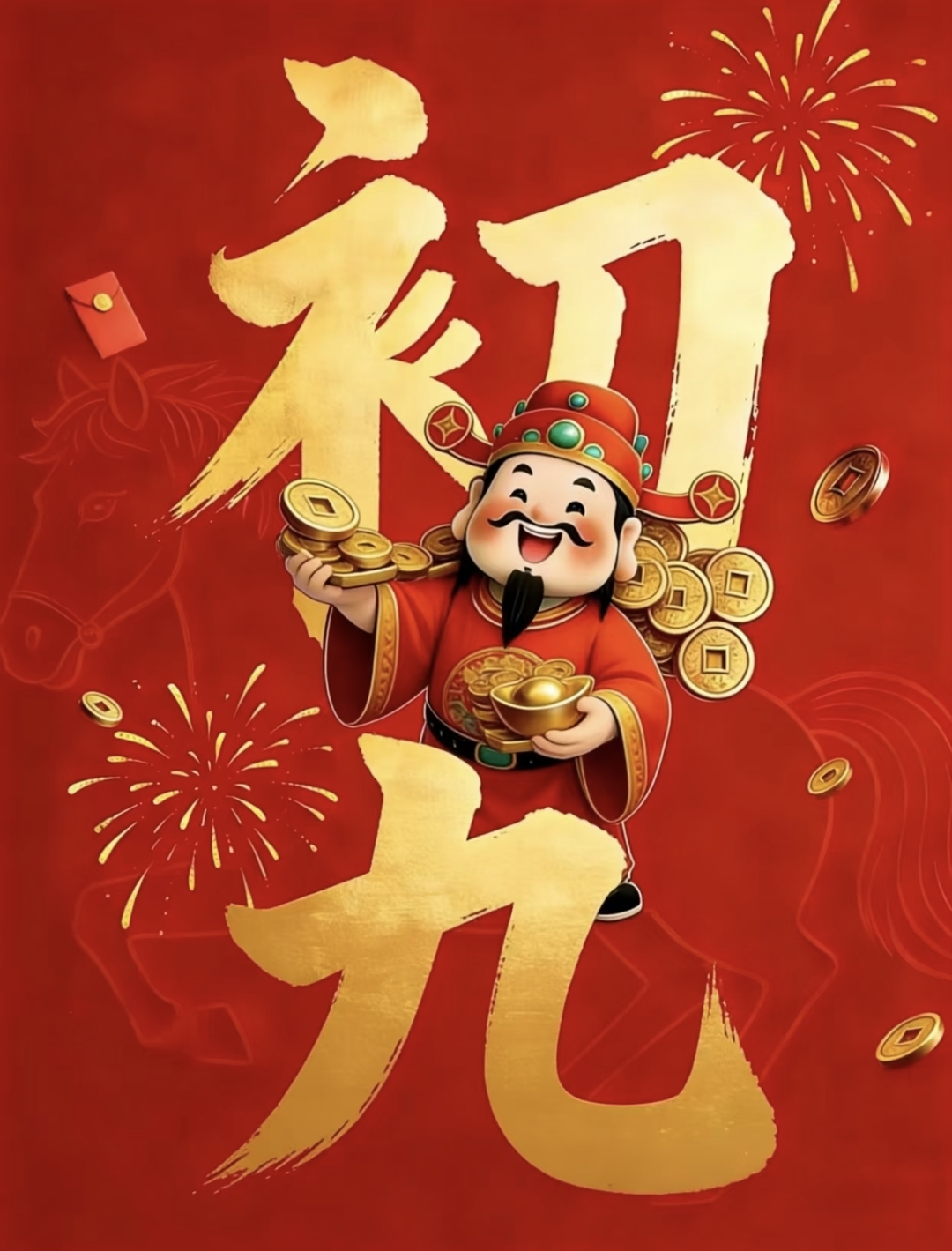
🧨大年初九,祝你:
幸福久久 快乐久久
如意久久 财运久久
平安久久 好运久久
幸福久久 快乐久久
如意久久 财运久久
平安久久 好运久久

R H S
·
--
💛GALATASARAY❤️
Yo-yo糖悠悠
·
--
世界杯巅峰盛宴,$ATM 与你共赴财富决赛!
世界杯的激情点燃全球,每一次进攻、每一场逆转,都在诠释坚持与信仰的力量。而在Web3的赛场,$ATM正是那支一路突围、潜力无限的冠军之师,陪你在狂欢中抓住真正的长期财富。
当全世界目光聚焦赛场,$ATM 正凭借扎实生态与强大共识,悄悄完成价值蓄力。它不蹭一时热度,只做长久价值:持币即分红、交易即收益、机制持续通缩,让你不用熬夜盯盘、不用追涨杀跌,轻松享受生态成长带来的复利红利。
世界杯有终场哨响,$ATM 的上升通道才刚刚开启。全球流量汇聚、社区不断壮大、应用持续落地,每一位坚定持有者,都是这场财富盛宴的核心受益人。看球是激情,持币是智慧;场上拼的是技术,场下赢的是眼光。
别等行情起飞才后悔错过,别等共识爆发才仓促入场。现在握紧ATM,如同握住通往财富决赛的门票。长期持有,静待爆发,让ATM 成为你资产里的自动提款机,在世界杯的狂欢之后,持续为你创造惊喜,一路长虹,共赢未来!
@币盈Anna 感谢币盈小姐姐对本次活动的支持,真的是福利满满
小伙伴还需要获得更多ATM的福利信息 可以加入yoyo的聊天室交流:
join 加入yoyo聊天室chat room
世界杯的激情点燃全球,每一次进攻、每一场逆转,都在诠释坚持与信仰的力量。而在Web3的赛场,$ATM正是那支一路突围、潜力无限的冠军之师,陪你在狂欢中抓住真正的长期财富。
当全世界目光聚焦赛场,$ATM 正凭借扎实生态与强大共识,悄悄完成价值蓄力。它不蹭一时热度,只做长久价值:持币即分红、交易即收益、机制持续通缩,让你不用熬夜盯盘、不用追涨杀跌,轻松享受生态成长带来的复利红利。
世界杯有终场哨响,$ATM 的上升通道才刚刚开启。全球流量汇聚、社区不断壮大、应用持续落地,每一位坚定持有者,都是这场财富盛宴的核心受益人。看球是激情,持币是智慧;场上拼的是技术,场下赢的是眼光。
别等行情起飞才后悔错过,别等共识爆发才仓促入场。现在握紧ATM,如同握住通往财富决赛的门票。长期持有,静待爆发,让ATM 成为你资产里的自动提款机,在世界杯的狂欢之后,持续为你创造惊喜,一路长虹,共赢未来!
@币盈Anna 感谢币盈小姐姐对本次活动的支持,真的是福利满满
小伙伴还需要获得更多ATM的福利信息 可以加入yoyo的聊天室交流:
join 加入yoyo聊天室chat room


LEO BTC PRO
·
--
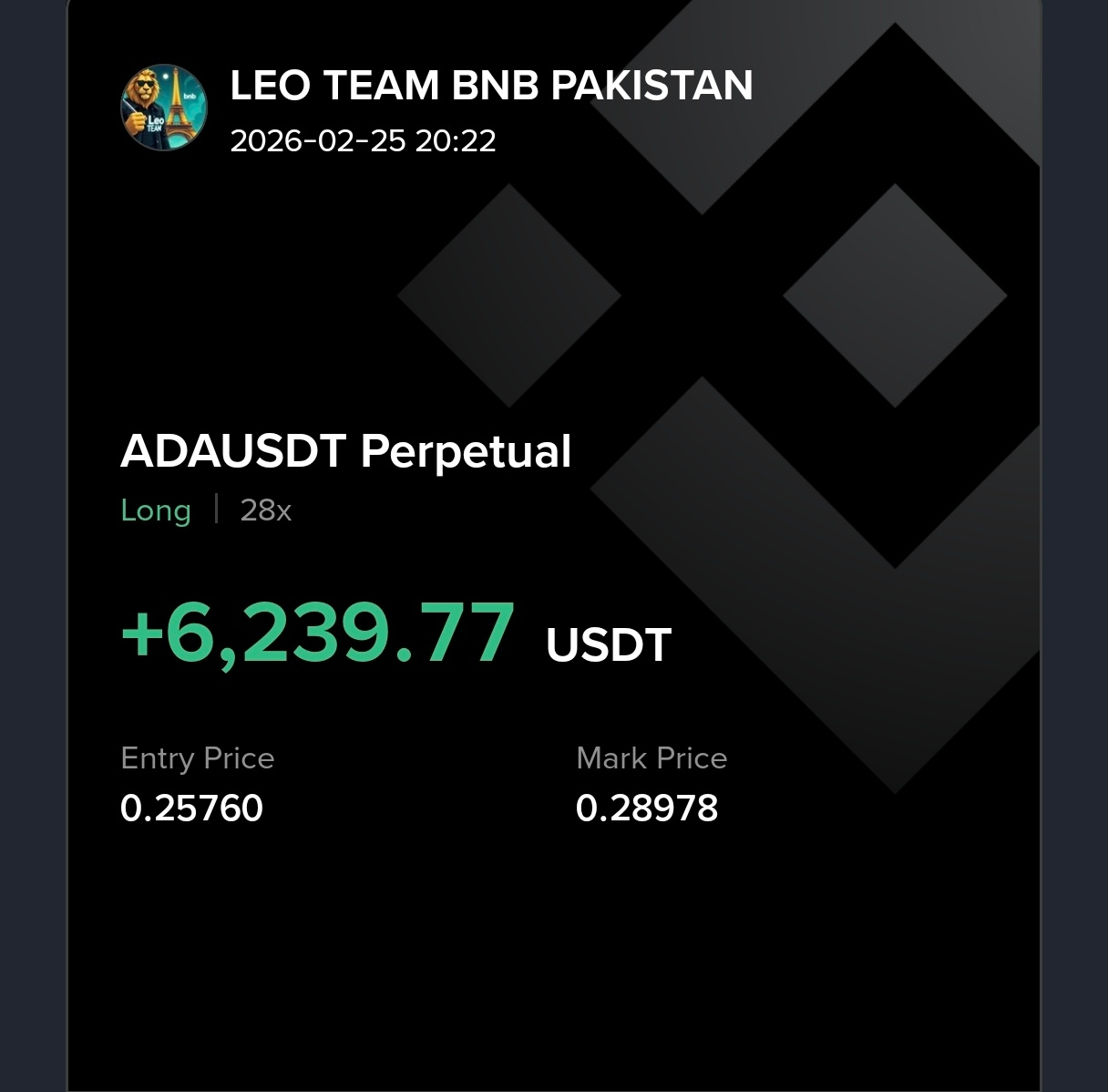
HaussierTAKE PRIFIT IS NOT EASY TASK👻🚀🇵🇰🧧♥️
#Leo_cz_0001 #ADA/BNB
RED POCKET QUIZ COLLECT❔
#Leo_cz_0001 #ADA/BNB
RED POCKET QUIZ COLLECT❔
三马哥
·
--
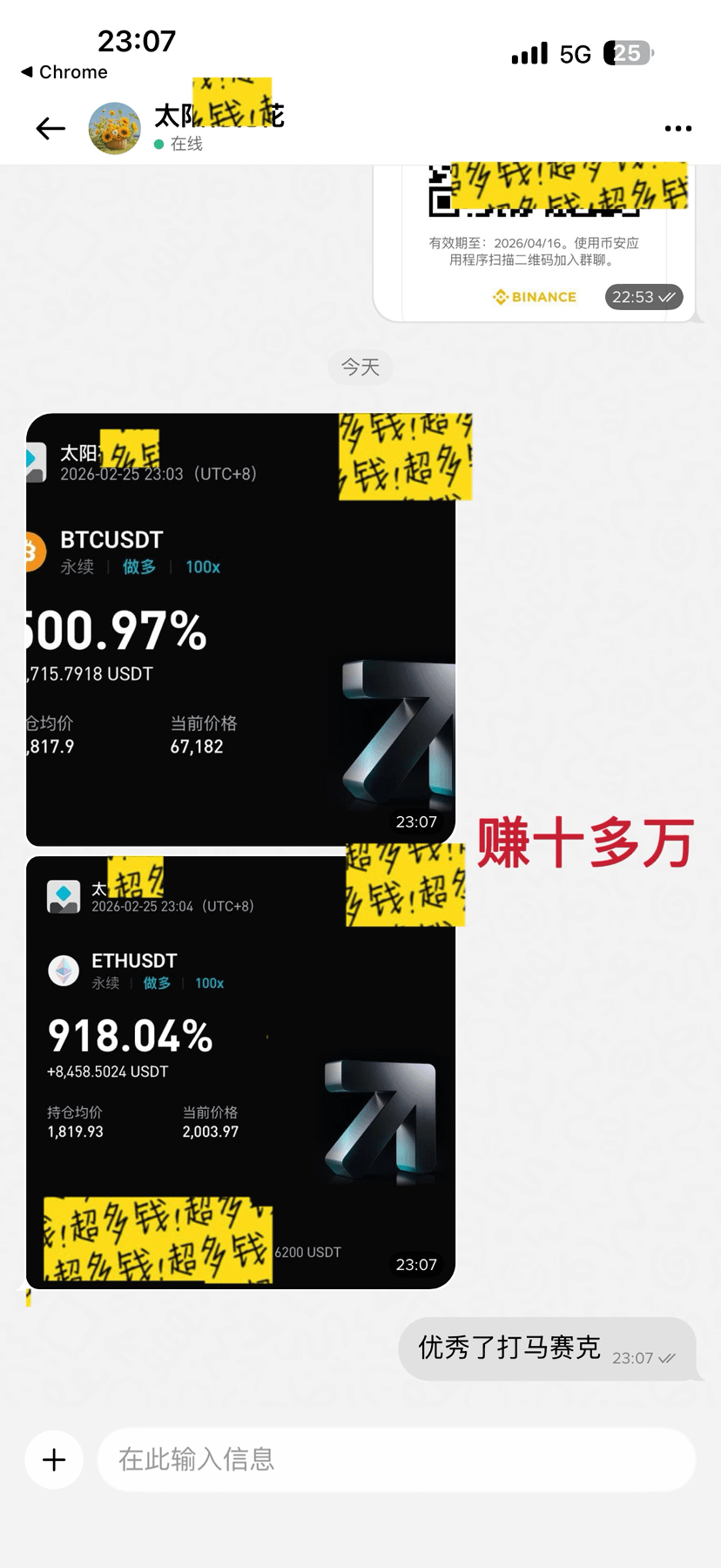
这架势不会要去68000和7万美元吧?

Huutruong
·
--
Ba xu hướng đang hội tụ (và vì sao 2026 là điểm bùng phát)
# 1️⃣ Ba xu hướng đang hội tụ (và vì sao 2026 là điểm bùng phát)
## 🔹 (1) Tài sản thực (RWA) lên onchain
Sau làn sóng token hóa trái phiếu, cổ phiếu, quỹ tiền tệ… các tổ chức không còn hỏi:
> “Có nên lên onchain không?”
Mà hỏi:
> “Lên chain nào để đủ chuẩn kiểm toán và tuân thủ?”
Điều này đòi hỏi:
* Hạ tầng KYC/AML tích hợp
* Quyền kiểm soát cấp tổ chức
* Tính năng compliance ở cấp giao thức
* Khả năng tương tác với hệ thống tài chính truyền thống
Nếu Fogo định vị đúng vào phân khúc này → cơ hội lớn.
## 🔹 (2) Tách biệt retail-chain và institutional-chain
2021–2024 là thời của:
* DeFi retail
* Memecoin
* L1/L2 cạnh tranh TPS
2025–2026 có xu hướng tách ra:
* Chain cho cộng đồng
* Chain chuyên cho ngân hàng, quỹ, tổ chức
Institutional chain cần:
* Finality nhanh, ổn định
* Khả năng whitelist/permission layer
* Bảo mật ở cấp validator chuyên nghiệp
Nếu Fogo xây dựng theo hướng modular + compliance layer → sẽ phù hợp làn sóng này.
## 🔹 (3) Quy định pháp lý rõ ràng hơn
Tại Mỹ, EU và châu Á, luật crypto đang dần cụ thể hóa.
Khi pháp lý rõ hơn:
* Tổ chức lớn mới dám triển khai quy mô lớn
* Và họ không chọn chain “thuần cộng đồng”
Đây là điểm khiến “institutional-grade infra” không còn là roadmap, mà là requirement.
# 2️⃣ Câu hỏi then chốt: Fogo có lợi thế cạnh tranh gì?
Để thành công 2026, Fogo phải trả lời 4 câu hỏi:
1. 🔐 Bảo mật có đạt cấp tổ chức không?
2. ⚙️ Có tích hợp compliance-native hay chỉ là add-on?
3. 🤝 Có đối tác tài chính thực sự hay chỉ narrative?
4. 🌐 Có thanh khoản và hệ sinh thái đủ dày không?
Nếu thiếu liquidity, mọi infra đều vô nghĩa.
# 3️⃣ Rủi ro lớn nhất
## ⚠️ Rủi ro 1: Narrative vượt trước sản phẩm
Institutional infra rất dễ trở thành:
* Whitepaper đẹp
* Pitch deck hấp dẫn
* Nhưng adoption thực thấp
## ⚠️ Rủi ro 2: Bị thay thế bởi chain lớn
* Ethereum tích hợp compliance layer tốt hơn
* Hoặc các L2 chuyên tổ chức ra đời
Thì Fogo sẽ bị ép cạnh tranh trực diện.
## ⚠️ Rủi ro 3: Tổ chức chọn private chain
Nhiều ngân hàng vẫn thích:
* Permissioned chain
* Hoặc giải pháp nội bộ
# 4️⃣ Ba kịch bản cho 2026
### 🟢 Bull case
* Có đối tác tổ chức lớn
* Có TVL RWA thực
* Compliance được tích hợp ở layer cơ sở
→ Fogo trở thành hạ tầng chuyên biệt cho tổ chức
### 🟡 Base case
* Có narrative tốt
* Có vài use case thử nghiệm
→ Token tăng theo chu kỳ thị trường, adoption vừa phải
### 🔴 Bear case
* Không có khách hàng tổ chức thực
* Chỉ là câu chuyện marketing
→ Bị thay thế bởi L2 lớn
# 5️⃣ Điều quan trọng nhất
Hạ tầng cấp tổ chức không thắng nhờ:
* TPS cao
* Hay tokenomics đẹp
Nó thắng nhờ:
> Ai thực sự deploy tài sản thật lên đó?
Nếu bạn muốn, mình có thể:
* 📊 Phân tích tokenomics của Fogo
* 🏦 Phân tích khả năng thu hút ngân hàng/quỹ
* 🔍 So sánh Fogo với các chain RWA khác
* 📈 Hoặc phân tích dưới góc đầu tư 12–24 tháng @Fogo Official $FOGO #fogo
## 🔹 (1) Tài sản thực (RWA) lên onchain
Sau làn sóng token hóa trái phiếu, cổ phiếu, quỹ tiền tệ… các tổ chức không còn hỏi:
> “Có nên lên onchain không?”
Mà hỏi:
> “Lên chain nào để đủ chuẩn kiểm toán và tuân thủ?”
Điều này đòi hỏi:
* Hạ tầng KYC/AML tích hợp
* Quyền kiểm soát cấp tổ chức
* Tính năng compliance ở cấp giao thức
* Khả năng tương tác với hệ thống tài chính truyền thống
Nếu Fogo định vị đúng vào phân khúc này → cơ hội lớn.
## 🔹 (2) Tách biệt retail-chain và institutional-chain
2021–2024 là thời của:
* DeFi retail
* Memecoin
* L1/L2 cạnh tranh TPS
2025–2026 có xu hướng tách ra:
* Chain cho cộng đồng
* Chain chuyên cho ngân hàng, quỹ, tổ chức
Institutional chain cần:
* Finality nhanh, ổn định
* Khả năng whitelist/permission layer
* Bảo mật ở cấp validator chuyên nghiệp
Nếu Fogo xây dựng theo hướng modular + compliance layer → sẽ phù hợp làn sóng này.
## 🔹 (3) Quy định pháp lý rõ ràng hơn
Tại Mỹ, EU và châu Á, luật crypto đang dần cụ thể hóa.
Khi pháp lý rõ hơn:
* Tổ chức lớn mới dám triển khai quy mô lớn
* Và họ không chọn chain “thuần cộng đồng”
Đây là điểm khiến “institutional-grade infra” không còn là roadmap, mà là requirement.
# 2️⃣ Câu hỏi then chốt: Fogo có lợi thế cạnh tranh gì?
Để thành công 2026, Fogo phải trả lời 4 câu hỏi:
1. 🔐 Bảo mật có đạt cấp tổ chức không?
2. ⚙️ Có tích hợp compliance-native hay chỉ là add-on?
3. 🤝 Có đối tác tài chính thực sự hay chỉ narrative?
4. 🌐 Có thanh khoản và hệ sinh thái đủ dày không?
Nếu thiếu liquidity, mọi infra đều vô nghĩa.
# 3️⃣ Rủi ro lớn nhất
## ⚠️ Rủi ro 1: Narrative vượt trước sản phẩm
Institutional infra rất dễ trở thành:
* Whitepaper đẹp
* Pitch deck hấp dẫn
* Nhưng adoption thực thấp
## ⚠️ Rủi ro 2: Bị thay thế bởi chain lớn
* Ethereum tích hợp compliance layer tốt hơn
* Hoặc các L2 chuyên tổ chức ra đời
Thì Fogo sẽ bị ép cạnh tranh trực diện.
## ⚠️ Rủi ro 3: Tổ chức chọn private chain
Nhiều ngân hàng vẫn thích:
* Permissioned chain
* Hoặc giải pháp nội bộ
# 4️⃣ Ba kịch bản cho 2026
### 🟢 Bull case
* Có đối tác tổ chức lớn
* Có TVL RWA thực
* Compliance được tích hợp ở layer cơ sở
→ Fogo trở thành hạ tầng chuyên biệt cho tổ chức
### 🟡 Base case
* Có narrative tốt
* Có vài use case thử nghiệm
→ Token tăng theo chu kỳ thị trường, adoption vừa phải
### 🔴 Bear case
* Không có khách hàng tổ chức thực
* Chỉ là câu chuyện marketing
→ Bị thay thế bởi L2 lớn
# 5️⃣ Điều quan trọng nhất
Hạ tầng cấp tổ chức không thắng nhờ:
* TPS cao
* Hay tokenomics đẹp
Nó thắng nhờ:
> Ai thực sự deploy tài sản thật lên đó?
Nếu bạn muốn, mình có thể:
* 📊 Phân tích tokenomics của Fogo
* 🏦 Phân tích khả năng thu hút ngân hàng/quỹ
* 🔍 So sánh Fogo với các chain RWA khác
* 📈 Hoặc phân tích dưới góc đầu tư 12–24 tháng @Fogo Official $FOGO #fogo

Nick武松
·
--
Haussier#红包大派送
#红包 🧧🎁🎁🎁
开工大吉,派发了50 usdt红包🧧
币安八年老OG来广场报道了,求一波关注,今年会给大家派发更多福利和财富密码!
深耕Solana和MEME赛道!$SOL
#红包 🧧🎁🎁🎁
开工大吉,派发了50 usdt红包🧧
币安八年老OG来广场报道了,求一波关注,今年会给大家派发更多福利和财富密码!
深耕Solana和MEME赛道!$SOL

Votre contenu coté a été supprimé

橙子研究院
·
--
Haussier【日线若收稳 95K,上涨空间或被彻底打开】
目前大饼在65000 美金关口,若明天日线能够收在 65000 上方,则继续维持看涨思路。
结合昨天的观点来看,市场目前大概率属于震荡后的向上选择阶段,只要关键支撑不被有效跌破,整体结构依旧偏多。短期内更倾向于以回踩为上车机会,而不是盲目追空,耐心等待行情进一步打开上方空间即可。
#BTC走势分析 $BTC $NVDAon
#比特币2026年价格预测 $ETH
目前大饼在65000 美金关口,若明天日线能够收在 65000 上方,则继续维持看涨思路。
结合昨天的观点来看,市场目前大概率属于震荡后的向上选择阶段,只要关键支撑不被有效跌破,整体结构依旧偏多。短期内更倾向于以回踩为上车机会,而不是盲目追空,耐心等待行情进一步打开上方空间即可。
#BTC走势分析 $BTC $NVDAon
#比特币2026年价格预测 $ETH

Votre contenu coté a été supprimé
Votre contenu coté a été supprimé
Connectez-vous pour découvrir plus de contenu