
Veta Conatser cu33
224 Publications

Veta Conatser cu33
15 Suivis
44 Abonnés
59 J’aime
Publications
Tous
Citations
Zdecydowanie gorzej, az trudno sobie wyobrazic,

Crypto Plankton81
·
--
Obecny rząd osiągnął szczyt w pisaniu ustaw, które nie działają dla dobra społeczeństwa. Aż boję się pomyśleć ile z nich zostało by przepchanych, gdyby prezydentem był Trzaskowski.
Czyli dzis a jutro nieporozumienie, juz tak bylo, ludzie kupia a banda wielorybow ich wydutka jak zawsze, to jest manipulacyjna zmowa.


Amina Chattha
·
--
🚨 BREAKING
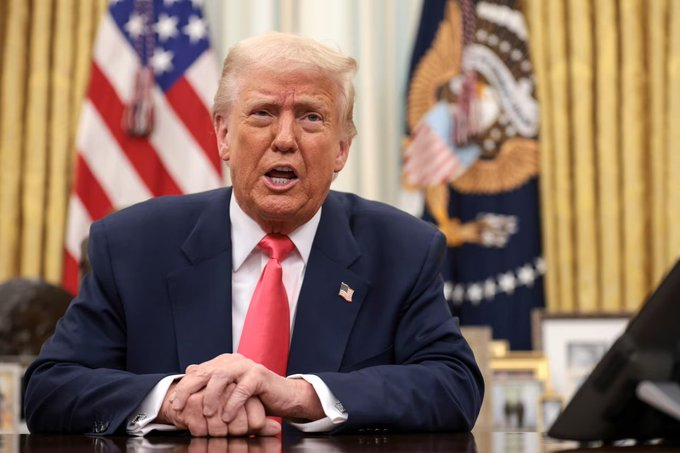
TRUMP TO MAKE A “HUGE” ECONOMY ANNOUNCEMENT TODAY AT 5:30 PM ET.
EXPECT HIGH MARKET VOLATILITY!
TRUMP TO MAKE A “HUGE” ECONOMY ANNOUNCEMENT TODAY AT 5:30 PM ET.
EXPECT HIGH MARKET VOLATILITY!
Niech sami się zeżrą, ludzie powinni wszystkie konta polikwidowac do momentu konkretnych regulacji, bo bedzie ciagle zerowanie na drobnych inwestorach,

CryptoQuant Quicktake
·
--
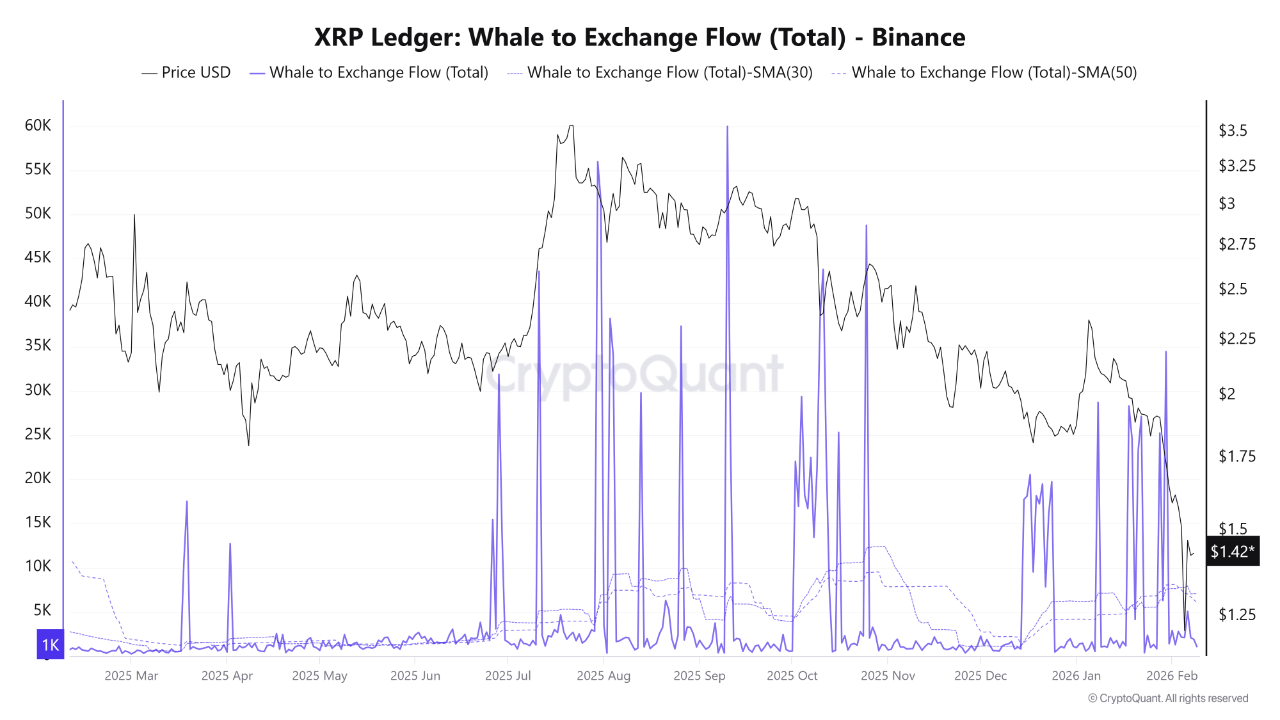
Whales Are Waiting for a Rally to Sell in XRP
The chart highlights several important periods.
During March-April 2025, whale to exchange flow remained very low while price showed weak reactions. Whales were not selling, supply tightened, and this was followed by a sharp rally in July 2025.
In June-July 2025, while the ratio was still near historical lows, the initial rally began. As price moved higher, profit-taking followed, and whale flow spiked near the peak, signaling distribution.
During December 2025 January 2026, the ratio again stayed very low while price continued to decline. Selling pressure during this period was mainly driven by retail investors, not whales.
Currently, Whale to Exchange Flow remains near historical lows, while price has dropped sharply to around $1.42. This decline is not accompanied by sustained whale selling. Panic selling is largely coming from smaller investors, while whales appear to be waiting for better opportunities.
Based on historical behavior, price may continue to move sideways or slightly lower in the short term as volatility decreases. This could be followed by sudden, low-volume upside wicks. When a real rally begins, whale selling is likely to appear, potentially leading to deeper pullbacks.
Tracking this metric specifically on Binance is critical. Binance has the highest spot and derivatives volume in XRP and the deepest order books. It is the primary trading venue for whales and institutions. While other exchanges may reflect transfers or wallet movements, the capital that truly moves price is concentrated on Binance.
In summary, Binance Whale to Exchange Flow measures action, not expectation, and acts as a leading indicator by capturing behavior before price reacts.
Written by PelinayPA
During March-April 2025, whale to exchange flow remained very low while price showed weak reactions. Whales were not selling, supply tightened, and this was followed by a sharp rally in July 2025.
In June-July 2025, while the ratio was still near historical lows, the initial rally began. As price moved higher, profit-taking followed, and whale flow spiked near the peak, signaling distribution.
During December 2025 January 2026, the ratio again stayed very low while price continued to decline. Selling pressure during this period was mainly driven by retail investors, not whales.
Currently, Whale to Exchange Flow remains near historical lows, while price has dropped sharply to around $1.42. This decline is not accompanied by sustained whale selling. Panic selling is largely coming from smaller investors, while whales appear to be waiting for better opportunities.
Based on historical behavior, price may continue to move sideways or slightly lower in the short term as volatility decreases. This could be followed by sudden, low-volume upside wicks. When a real rally begins, whale selling is likely to appear, potentially leading to deeper pullbacks.
Tracking this metric specifically on Binance is critical. Binance has the highest spot and derivatives volume in XRP and the deepest order books. It is the primary trading venue for whales and institutions. While other exchanges may reflect transfers or wallet movements, the capital that truly moves price is concentrated on Binance.
In summary, Binance Whale to Exchange Flow measures action, not expectation, and acts as a leading indicator by capturing behavior before price reacts.
Written by PelinayPA
To jest widoczne od dawna, to lobby bankow i finasjery nie chca żadnej regulacji wiadomo dlaczego.

CryptoPump0
·
--
???? ERIC TRUMP SAYS THEY’RE USING EVERY LEVEL POSSIBLE TO DELAY OR BLOCK PRO-CRYPTO LEGISLATION.
WHY? BECAUSE WHEN CRYPTO WINS, FINANCIAL CONTROL SHIFTS TO THE PEOPLE.
AND THAT’S EXACTLY WHAT THEY FEAR MOST
WHY? BECAUSE WHEN CRYPTO WINS, FINANCIAL CONTROL SHIFTS TO THE PEOPLE.
AND THAT’S EXACTLY WHAT THEY FEAR MOST
Masz calkowita racje, duzo tokenow wypadnie z obiegu, pozniej po przejsciu na nowy porzadek finansowy to bedzie ok.

PRiX XiRP
·
--
$XRP début du cygne noir sur l'ensemble des marchés, l'effondrement s'accélère mais reste contrôlé pour mettre en place le nouveau systeme financier, lorsque tout sera casser, il n'y aura pas d'autre choix que d'accepter le nouveau. le point de bascule est l'approbation de la loi CLARITY act puis ripple scellera ça domination avec une IPO.
tout est déjà construit mais quand appuyé sur le bouton.
je ne sais pas a quel niveau cela va tomber mais c'est normal et prévu.
beaucoup diront que c'est n'importe quoi et cela resterons sur la touche.
tout est déjà construit mais quand appuyé sur le bouton.
je ne sais pas a quel niveau cela va tomber mais c'est normal et prévu.
beaucoup diront que c'est n'importe quoi et cela resterons sur la touche.
Trump popelnia zasadniczy blad, 1, likwidacja fed, bedzie wstrzas, swiat przezyje turbulencje, wprowadzic stan wyjatkowy lub dekretami pozamykac wszystkich wrogow usa i swiata,

F I N K Y
·
--
Haussier🇺🇸 BREAKING:
U.S. jobless claims just sent a quiet shock through the market — and suddenly the “strong economy” talk feels a lot less confident.
Initial Jobless Claims jumped to 231K.
That’s well above expectations (212K) and a clear rise from last week (209K).
Continuing Claims came in at 1.844 million.
Slightly under forecasts, but still higher than before. That means more people are staying unemployed for longer, not just losing jobs for a week or two.
This isn’t panic data. But it is a warning signal.
Hiring is slowing.
Companies are hesitating.
The labor market is losing some of its shine.
For months, strength in jobs was the backbone of the “everything is fine” story. When cracks start to show here, markets listen — even if they don’t react loudly right away.
This is how shifts begin. Quiet numbers first. Loud consequences later.
Keep your eyes open.
US #Market_Update #CryptoNews #USGovernment
U.S. jobless claims just sent a quiet shock through the market — and suddenly the “strong economy” talk feels a lot less confident.
Initial Jobless Claims jumped to 231K.
That’s well above expectations (212K) and a clear rise from last week (209K).
Continuing Claims came in at 1.844 million.
Slightly under forecasts, but still higher than before. That means more people are staying unemployed for longer, not just losing jobs for a week or two.
This isn’t panic data. But it is a warning signal.
Hiring is slowing.
Companies are hesitating.
The labor market is losing some of its shine.
For months, strength in jobs was the backbone of the “everything is fine” story. When cracks start to show here, markets listen — even if they don’t react loudly right away.
This is how shifts begin. Quiet numbers first. Loud consequences later.
Keep your eyes open.
US #Market_Update #CryptoNews #USGovernment
Bitckin spadnie do 1$ to od poczatku byla piramida, ci ktorzy zarobili to cos maja, jezeli ktokolwiek liczy ze btc wroci do 100tys, to na kolana i modly do boga.

BeInCrypto PL
·
--
Czy Bitcoin spadnie do 35 000 USD? Analitycy poważnie dyskutują czarny scenariusz
Bitcoin spadł gwałtownie do 73 000 USD dnia 3 lutego, pogłębiając rynkowy krach. Doprowadził on już cenę BTC do utraty 41% względem rekordu wszech czasów (ATH) z października 2025 powyżej 126 000 USD. Spadek ten nasilił debatę o tym, czy rynek zbliża się do cyklicznego dna, czy wchodzi w głębszą fazę korekty.
Wyprzedaż odzwierciedla rosnący niepokój na tradycyjnych rynkach. Wskaźniki giełdowe w USA osłabiły się z powodu obaw przed zakłóceniami powodowanymi przez sztuczną inteligencję i rosnącymi zagrożeniami geopolitycznymi. Inwestorzy zaczęli wycofywać się z aktywów o podwyższonym ryzyku.
W takiej sytuacji kapitał wrócił do tradycyjnych bezpiecznych przystani, takich jak złoto i srebro. Natomiast Bitcoin nie przyciągnął popytu obronnego.
Wykres 5-dniowy: Bitcoin, złoto i srebro. Źródło: TradingView Makroekonomiczne i geopolityczne napięcia skłaniają inwestorów ku bezpiecznym przystaniom
Zmiany wartości Bitcoina odzwierciedlają wrażliwość makroekonomiczną, a nie niezależność od rynków globalnych. Ostatni spadek zbiegł się z nowymi napięciami między Stanami Zjednoczonymi a Iranem, po informacji o zestrzeleniu irańskiego drona w pobliżu amerykańskiego lotniskowca.
Co więcej, zdarzenie to podniosło VIX o około 10% i przesunęło indeks strachu i chciwości kryptowalut do strefy „skrajnego strachu”.
Indeks strachu i chciwości kryptowalut. Źródło: CoinMarketCap
Równocześnie nowe wydarzenia w obszarze sztucznej inteligencji — w tym ogłoszenie dotyczące chatbota Claude firmy Anthropic — wywołały obawy przed kolejnymi zakłóceniami w sektorze technologicznym.
Ta niepewność ciążyła największym spółkom technologicznym oraz dalej zmniejszyła zamiłowanie inwestorów do aktywów spekulacyjnych.
Podczas gdy Bitcoin spadnie, złoto wzrosło o 6,8%, a srebro zyskało 10%, potwierdzając swoje znaczenie jako główne zabezpieczenie podczas okresów stresu monetarnego i geopolitycznego.
W rozmowie z CNN Gerry O’Shea, globalny szef analiz rynkowych w Hashdex, zauważył, że rozbieżność między Bitcoinem a złotem wskazuje, że inwestorzy wciąż traktują metale szlachetne jako główną bezpieczną przystań w okresach niepewności.
Ta zmiana osłabiła krótkoterminową narrację „przystani” Bitcoina oraz zwiększyła presję na spadki.
Analitycy ostrzegają przed głębszymi spadkami i potencjalną pułapką na byki
Uczestnicy rynku są podzieleni, ale kilku analityków ostrzega, że korekta może jeszcze się nie skończyć.
Analityk rynku kryptowalut Benjamin Cowen stwierdził, że nadchodzący ruch Bitcoina jest kluczowy.
Inni analitycy prezentują jeszcze większy pesymizm. Nehal, popularny trader na platformie X, uznał aktualną sytuację za klasyczną pułapkę na byki i ostrzegł, że spadki mogą być dopiero w połowie drogi.
Zgodnie z analizą Nehala, poprzednie cykle Bitcoina kończyły się spadkami o 86% w 2018 i 78% w 2021 roku.
Zastosowanie podobnej metody w obecnym cyklu może oznaczać spadek o 72%, co sprowadziłoby Bitcoina do okolic 35 000 USD.
To cykliczne podejście wciąż wywiera wpływ mimo strukturalnych zmian, takich jak adopcja ETF i większy udział inwestorów instytucjonalnych.
Dane on-chain sygnalizują fazę odkrywania dna
Wskaźniki on-chain dostarczają kolejnych argumentów w debacie. Analityk CryptOpus zwrócił uwagę, że Bitcoin znalazł się jego zdaniem w fazie „odkrywania dna” po raz pierwszy w tym cyklu.
W szczycie z 2025 roku około 19,8 mln BTC znajdowało się na plusie. Ta liczba spadła teraz do 11,1 mln BTC, co oznacza spadek o 40% zasobów przynoszących zysk.
Historycznie takie warunki często zapowiadały przejście z fazy korekty do nowego cyklu. W 2018 roku Bitcoin był w tej fazie około ośmiu miesięcy przed stabilizacją.
Czy Bitcoin spadnie tak nisko? Kluczowe poziomy techniczne
Z technicznego punktu widzenia ryzyko dalszych spadków pozostaje wyraźne. Nic, CEO Coin Bureau, podkreślił, że Bitcoin pozostaje pod presją od momentu przebicia w dół 50-tygodniowej średniej kroczącej w listopadzie.
Bitcoin spada i obecnie utrzymuje się blisko średniego kosztu nabycia MicroStrategy. Są to okolice dołków z kwietnia, czyli około 74 400 USD. Nic ostrzega:
„Jeśli przebijemy się niżej, kolejnym ważnym poziomem jest 70 000 USD, tuż powyżej poprzedniego historycznego ATH, czyli 69 000 USD. Wyraźne zejście poniżej tego poziomu otwiera drogę do celu bessy w przedziale 55 700–58 200 USD, między ceną zrealizowaną a średnią kroczącą z 200 tygodni.”
Sprzeczne opinie na temat tego, czy dołek jest blisko
Nie wszyscy analitycy zgadzają się z niedźwiedzim scenariuszem. Michaël van de Poppe uważa, że Bitcoin może już zbliżać się do końca korekty.
W międzyczasie analityk David Battaglia skupił się na dynamice likwidacji i opisał obecną sytuację jako coraz bardziej irracjonalną.
Battaglia zauważył, że poniżej 85 000 USD luki płynności są znaczące. Dlatego oznacza to, że panikujący sprzedawcy — zarówno instytucje, jak i wieloryby — prawdopodobnie wychodzili po niekorzystnych cenach.
Porównał to ze spadkiem z 10 października powiązanym z Binance, który określił jako strukturalnie czystszy. Battaglia powiedział:
„Między 90 000 a 100 000 USD występuje ogromna gęstość krótkich pozycji i nierównowaga opcji put do call na poziomie 14:1, co już w zwykłych warunkach sygnalizuje silne dno.”
Czy Bitcoin spadnie niżej? Podsumowanie
Spadek Bitcoina do 73 000 USD ponownie wzbudził obawy przed głębszą korektą. Niepewność makro, napięcia geopolityczne i mieszane sygnały on-chain sprawiają, że rynek jest podzielony. Jedni oczekują dalszych spadków, inni dostrzegają oznaki budującego się dna.
Nadchodzące tygodnie zdecydują, czy ten ruch to tylko tymczasowa przerwa, czy fundament pod nowy trend na 2026 rok.
Aby zapoznać się z najnowszą analizą rynku kryptowalut od BeInCrypto, kliknij tutaj.
Wyprzedaż odzwierciedla rosnący niepokój na tradycyjnych rynkach. Wskaźniki giełdowe w USA osłabiły się z powodu obaw przed zakłóceniami powodowanymi przez sztuczną inteligencję i rosnącymi zagrożeniami geopolitycznymi. Inwestorzy zaczęli wycofywać się z aktywów o podwyższonym ryzyku.
W takiej sytuacji kapitał wrócił do tradycyjnych bezpiecznych przystani, takich jak złoto i srebro. Natomiast Bitcoin nie przyciągnął popytu obronnego.
Wykres 5-dniowy: Bitcoin, złoto i srebro. Źródło: TradingView Makroekonomiczne i geopolityczne napięcia skłaniają inwestorów ku bezpiecznym przystaniom
Zmiany wartości Bitcoina odzwierciedlają wrażliwość makroekonomiczną, a nie niezależność od rynków globalnych. Ostatni spadek zbiegł się z nowymi napięciami między Stanami Zjednoczonymi a Iranem, po informacji o zestrzeleniu irańskiego drona w pobliżu amerykańskiego lotniskowca.
Co więcej, zdarzenie to podniosło VIX o około 10% i przesunęło indeks strachu i chciwości kryptowalut do strefy „skrajnego strachu”.
Indeks strachu i chciwości kryptowalut. Źródło: CoinMarketCap
Równocześnie nowe wydarzenia w obszarze sztucznej inteligencji — w tym ogłoszenie dotyczące chatbota Claude firmy Anthropic — wywołały obawy przed kolejnymi zakłóceniami w sektorze technologicznym.
Ta niepewność ciążyła największym spółkom technologicznym oraz dalej zmniejszyła zamiłowanie inwestorów do aktywów spekulacyjnych.
Podczas gdy Bitcoin spadnie, złoto wzrosło o 6,8%, a srebro zyskało 10%, potwierdzając swoje znaczenie jako główne zabezpieczenie podczas okresów stresu monetarnego i geopolitycznego.
W rozmowie z CNN Gerry O’Shea, globalny szef analiz rynkowych w Hashdex, zauważył, że rozbieżność między Bitcoinem a złotem wskazuje, że inwestorzy wciąż traktują metale szlachetne jako główną bezpieczną przystań w okresach niepewności.
Ta zmiana osłabiła krótkoterminową narrację „przystani” Bitcoina oraz zwiększyła presję na spadki.
Analitycy ostrzegają przed głębszymi spadkami i potencjalną pułapką na byki
Uczestnicy rynku są podzieleni, ale kilku analityków ostrzega, że korekta może jeszcze się nie skończyć.
Analityk rynku kryptowalut Benjamin Cowen stwierdził, że nadchodzący ruch Bitcoina jest kluczowy.
Inni analitycy prezentują jeszcze większy pesymizm. Nehal, popularny trader na platformie X, uznał aktualną sytuację za klasyczną pułapkę na byki i ostrzegł, że spadki mogą być dopiero w połowie drogi.
Zgodnie z analizą Nehala, poprzednie cykle Bitcoina kończyły się spadkami o 86% w 2018 i 78% w 2021 roku.
Zastosowanie podobnej metody w obecnym cyklu może oznaczać spadek o 72%, co sprowadziłoby Bitcoina do okolic 35 000 USD.
To cykliczne podejście wciąż wywiera wpływ mimo strukturalnych zmian, takich jak adopcja ETF i większy udział inwestorów instytucjonalnych.
Dane on-chain sygnalizują fazę odkrywania dna
Wskaźniki on-chain dostarczają kolejnych argumentów w debacie. Analityk CryptOpus zwrócił uwagę, że Bitcoin znalazł się jego zdaniem w fazie „odkrywania dna” po raz pierwszy w tym cyklu.
W szczycie z 2025 roku około 19,8 mln BTC znajdowało się na plusie. Ta liczba spadła teraz do 11,1 mln BTC, co oznacza spadek o 40% zasobów przynoszących zysk.
Historycznie takie warunki często zapowiadały przejście z fazy korekty do nowego cyklu. W 2018 roku Bitcoin był w tej fazie około ośmiu miesięcy przed stabilizacją.
Czy Bitcoin spadnie tak nisko? Kluczowe poziomy techniczne
Z technicznego punktu widzenia ryzyko dalszych spadków pozostaje wyraźne. Nic, CEO Coin Bureau, podkreślił, że Bitcoin pozostaje pod presją od momentu przebicia w dół 50-tygodniowej średniej kroczącej w listopadzie.
Bitcoin spada i obecnie utrzymuje się blisko średniego kosztu nabycia MicroStrategy. Są to okolice dołków z kwietnia, czyli około 74 400 USD. Nic ostrzega:
„Jeśli przebijemy się niżej, kolejnym ważnym poziomem jest 70 000 USD, tuż powyżej poprzedniego historycznego ATH, czyli 69 000 USD. Wyraźne zejście poniżej tego poziomu otwiera drogę do celu bessy w przedziale 55 700–58 200 USD, między ceną zrealizowaną a średnią kroczącą z 200 tygodni.”
Sprzeczne opinie na temat tego, czy dołek jest blisko
Nie wszyscy analitycy zgadzają się z niedźwiedzim scenariuszem. Michaël van de Poppe uważa, że Bitcoin może już zbliżać się do końca korekty.
W międzyczasie analityk David Battaglia skupił się na dynamice likwidacji i opisał obecną sytuację jako coraz bardziej irracjonalną.
Battaglia zauważył, że poniżej 85 000 USD luki płynności są znaczące. Dlatego oznacza to, że panikujący sprzedawcy — zarówno instytucje, jak i wieloryby — prawdopodobnie wychodzili po niekorzystnych cenach.
Porównał to ze spadkiem z 10 października powiązanym z Binance, który określił jako strukturalnie czystszy. Battaglia powiedział:
„Między 90 000 a 100 000 USD występuje ogromna gęstość krótkich pozycji i nierównowaga opcji put do call na poziomie 14:1, co już w zwykłych warunkach sygnalizuje silne dno.”
Czy Bitcoin spadnie niżej? Podsumowanie
Spadek Bitcoina do 73 000 USD ponownie wzbudził obawy przed głębszą korektą. Niepewność makro, napięcia geopolityczne i mieszane sygnały on-chain sprawiają, że rynek jest podzielony. Jedni oczekują dalszych spadków, inni dostrzegają oznaki budującego się dna.
Nadchodzące tygodnie zdecydują, czy ten ruch to tylko tymczasowa przerwa, czy fundament pod nowy trend na 2026 rok.
Aby zapoznać się z najnowszą analizą rynku kryptowalut od BeInCrypto, kliknij tutaj.
Ludzi lowinni odpocząć i wowczas zobaczymy na czym beda zerowac te wieloryby, gdyby kazdy skasowal konto to by zabraklo do wyplacenia, to wszystko jest wirtualne, jak banki

CRYPTO Hunter 1
·
--
Baissier$XRP bulls just got shaken as $1.3374K in long positions were wiped out at $1.2953. The market showed zero mercy as leveraged traders faced sudden liquidation pressure. This move hints at weakening bullish momentum and rising volatility around XRP. Traders are now watching closely to see whether buyers step back in or if sellers continue to dominate the price action. Stay alert because sharp reversals and liquidity hunts can still unfold.
#WhenWillBTCRebound
#WarshFedPolicyOutlook
#JPMorganSaysBTCOverGold
#EthereumLayer2Rethink?
#BitcoinDropMarketImpact
#WhenWillBTCRebound
#WarshFedPolicyOutlook
#JPMorganSaysBTCOverGold
#EthereumLayer2Rethink?
#BitcoinDropMarketImpact
Trzeba byc glupim i naiwnym myslac ze to satoshi, gdyby swiat loznal prawde to bitcoin bylby warty tyle co dodge lub mniej, i tak spadnie do dolara,

Kamila Schuchard
·
--
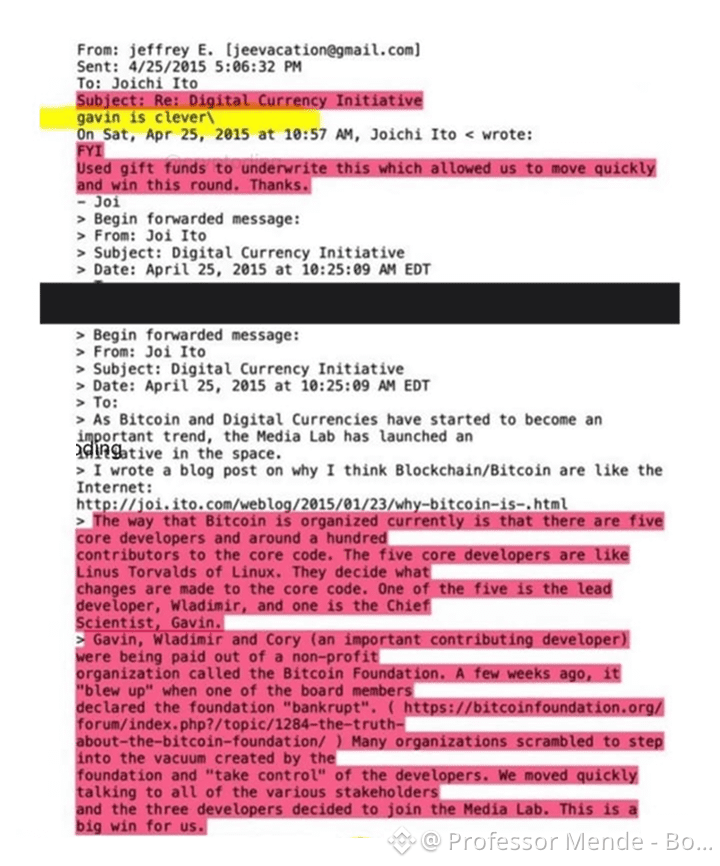
EPSTEIN UJAWNIŁ 3 KLUCZOWYCH PROGRAMISTÓW BITCOIN!
Sekret SATOSHI właśnie otrzymał nowe informacje. W jednym z e-maili Epsteina wspomina, że $BTC ma 5 kluczowych programistów i wymienia 3 z nich z imienia i nazwiska.
Na podstawie tego e-maila i kilku wyszukiwań w Google możemy ustalić, o kim dokładnie mówił. 3 programistów wymienionych w e-mailu to:
1. Gavin Andresen
2. Wladimir van der Laan
3. Cory Fields
Teraz trudna część:
Kiedy Bitcoin po raz pierwszy stał się popularny, był chwalony jako waluta "od ludzi dla ludzi". Oświadczenie o decentralizacji. Stworzenie przez anonimowego programistę, który chciał dać ludziom możliwość finansowego rozwoju bez potrzeby korzystania z banków.
Teraz to oświadczenie przybrało mroczny obrót. Wydaje się, że Bitcoin został stworzony i jest kontrolowany przez elitę po wszystkim.......
Sekret SATOSHI właśnie otrzymał nowe informacje. W jednym z e-maili Epsteina wspomina, że $BTC ma 5 kluczowych programistów i wymienia 3 z nich z imienia i nazwiska.
Na podstawie tego e-maila i kilku wyszukiwań w Google możemy ustalić, o kim dokładnie mówił. 3 programistów wymienionych w e-mailu to:
1. Gavin Andresen
2. Wladimir van der Laan
3. Cory Fields
Teraz trudna część:
Kiedy Bitcoin po raz pierwszy stał się popularny, był chwalony jako waluta "od ludzi dla ludzi". Oświadczenie o decentralizacji. Stworzenie przez anonimowego programistę, który chciał dać ludziom możliwość finansowego rozwoju bez potrzeby korzystania z banków.
Teraz to oświadczenie przybrało mroczny obrót. Wydaje się, że Bitcoin został stworzony i jest kontrolowany przez elitę po wszystkim.......
Jedyny problem to cbdc reszta jest ok, nie moze byc tak ze panstwo bedzie decydowac na co, ile mozesz wydac, lub blokowac konto bo oni tak uwazaja, karty kred znikna,
Crypto Goldman
·
--
👊💵ŚWIAT SIĘ ZMIENIA – DAVOS 2026 I CO TO ZNACZY DLA NASZYCH PORTFELI🤑
Rok 2026 to realny punkt zwrotny.
W Davos zapadły decyzje, które domykają stary porządek (Agenda 2030) i otwierają nową epokę: AI, suwerenność i odbudowę klasy średniej.
Kilka kluczowych wniosków:
1️⃣ AI to nie bańka, tylko nowy silnik gospodarki
USA rośnie 3,5–4,6% rocznie, głównie dzięki inwestycjom w AI.
W długim terminie AI może podnieść PKB nawet o ~45%.
Efekt? Bariera wejścia w biznes praktycznie znika — wygrywa nie ten, kto „pisze kod”, tylko ten, kto używa AI do rozwiązywania realnych problemów.
2️⃣ Koniec globalizacji, powrót przemysłu do USA
„America First” wraca na serio.
Cła, presja na sojuszników i ściąganie kapitału z powrotem do Stanów.
Wykwalifikowani pracownicy fizyczni znów zaczynają zarabiać jak elita — a nie fundusze i pośrednicy.
3️⃣ Grenlandia bez wojny
USA zabezpieczyły dostęp do kluczowych surowców (ziemie rzadkie, minerały) przez porozumienia z Danią/NATO.
Cel: odciąć Chiny i Rosję od zasobów potrzebnych do chipów, AI i energetyki.
4️⃣ Domy dla ludzi, nie dla funduszy
Uderzenie w instytucjonalny skup nieruchomości.
Cel: miliony nowych właścicieli domów i stabilizacja cen.
Wall Street mniej, realne rodziny więcej.
5️⃣ Banki pod presją
Pomysł limitu oprocentowania kart kredytowych (ok. 10%).
Mniej odsetek = więcej pieniędzy w realnej gospodarce.
Banki krzyczą, konsumenci oddychają.
6️⃣ Ciemna strona Davos
CBDC, cyfrowe ID, tokenizacja aktywów.
To nie tylko „innowacja”, ale też programowalne pieniądze.
Walka o wolność finansową przenosi się na poziom kodu.
Wniosek:
Kapitał zmienia kierunek.
AI + surowce + realna gospodarka wygrywają.
Kontrola finansowa rośnie — dlatego decentralizacja i krypto nie znikają, tylko stają się jeszcze bardziej potrzebne.
co myslisz ?
Rok 2026 to realny punkt zwrotny.
W Davos zapadły decyzje, które domykają stary porządek (Agenda 2030) i otwierają nową epokę: AI, suwerenność i odbudowę klasy średniej.
Kilka kluczowych wniosków:
1️⃣ AI to nie bańka, tylko nowy silnik gospodarki
USA rośnie 3,5–4,6% rocznie, głównie dzięki inwestycjom w AI.
W długim terminie AI może podnieść PKB nawet o ~45%.
Efekt? Bariera wejścia w biznes praktycznie znika — wygrywa nie ten, kto „pisze kod”, tylko ten, kto używa AI do rozwiązywania realnych problemów.
2️⃣ Koniec globalizacji, powrót przemysłu do USA
„America First” wraca na serio.
Cła, presja na sojuszników i ściąganie kapitału z powrotem do Stanów.
Wykwalifikowani pracownicy fizyczni znów zaczynają zarabiać jak elita — a nie fundusze i pośrednicy.
3️⃣ Grenlandia bez wojny
USA zabezpieczyły dostęp do kluczowych surowców (ziemie rzadkie, minerały) przez porozumienia z Danią/NATO.
Cel: odciąć Chiny i Rosję od zasobów potrzebnych do chipów, AI i energetyki.
4️⃣ Domy dla ludzi, nie dla funduszy
Uderzenie w instytucjonalny skup nieruchomości.
Cel: miliony nowych właścicieli domów i stabilizacja cen.
Wall Street mniej, realne rodziny więcej.
5️⃣ Banki pod presją
Pomysł limitu oprocentowania kart kredytowych (ok. 10%).
Mniej odsetek = więcej pieniędzy w realnej gospodarce.
Banki krzyczą, konsumenci oddychają.
6️⃣ Ciemna strona Davos
CBDC, cyfrowe ID, tokenizacja aktywów.
To nie tylko „innowacja”, ale też programowalne pieniądze.
Walka o wolność finansową przenosi się na poziom kodu.
Wniosek:
Kapitał zmienia kierunek.
AI + surowce + realna gospodarka wygrywają.
Kontrola finansowa rośnie — dlatego decentralizacja i krypto nie znikają, tylko stają się jeszcze bardziej potrzebne.
co myslisz ?

Czy kogos to dziwi, nie powinno, jezeli trump zlikwiduje fed reakcja lancuchowa rozniesie sie globalnie, ukruca sie oplaty za kredyt, manipulacje, odsetki, tego obawiaja sie banki

CrypS_pl
·
--
Banki centralne wchodzą do politycznej gry przeciwko Trumpowi
Niemal cały „bankierski świat” poparł Jerome'a Powella w starciu z Trumpem. Bank Japonii jako jedyny się wyłamał — i to mówi więcej, niż się wydaje.
Niezależność banków centralnych zagrożona?
Po informacji o śledztwie dotyczącym zeznań Powella ws. kosztów renowacji budynków Fedu, część rynku odczytała to jako polityczny nacisk na bank centralny. Powell sugeruje, że chodzi o presję na cięcia stóp.
W reakcji szefowie wielu banków centralnych podpisali wspólne oświadczenie popierające Powella — mowa m.in. o EBC, Banku Anglii, Banku Kanady i szeregu innych instytucji. Bank Japonii nie dołączył. Według źródeł powodem mają być relacje z USA i niechęć do wchodzenia w spór, który Trump mógłby wykorzystać przeciw Tokio.
To stawia pytanie o realną niezależność banków centralnych. Jeśli presja polityczna zacznie kształtować stopy i płynność, rynki ryzykowne mogą krótkoterminowo zyskać — ale długoterminowo rośnie cena w postaci wiarygodności systemu.
Niezależność banków centralnych zagrożona?
Po informacji o śledztwie dotyczącym zeznań Powella ws. kosztów renowacji budynków Fedu, część rynku odczytała to jako polityczny nacisk na bank centralny. Powell sugeruje, że chodzi o presję na cięcia stóp.
W reakcji szefowie wielu banków centralnych podpisali wspólne oświadczenie popierające Powella — mowa m.in. o EBC, Banku Anglii, Banku Kanady i szeregu innych instytucji. Bank Japonii nie dołączył. Według źródeł powodem mają być relacje z USA i niechęć do wchodzenia w spór, który Trump mógłby wykorzystać przeciw Tokio.
To stawia pytanie o realną niezależność banków centralnych. Jeśli presja polityczna zacznie kształtować stopy i płynność, rynki ryzykowne mogą krótkoterminowo zyskać — ale długoterminowo rośnie cena w postaci wiarygodności systemu.
Jedyna opcja trumpa to calkowita likwidacja fed, szum bedzie, po burzy zawsze wychodzi slonce.To jedyna skuteczna opcja dla lepszego jutra w usa, bo fed reguluje rynki posrednio.


Binance News
·
--
Trump's Shift in Fed Chair Nomination Sparks Speculation
Qinbafrank posted on X. U.S. President Donald Trump has unexpectedly changed his stance on the nomination for the next Federal Reserve Chair, leading to speculation about his motives. Several factors may have influenced this decision. Firstly, the criminal investigation initiated earlier this week against Jerome Powell has faced strong opposition from within the party, Congress, and Wall Street. Key members of the Senate Banking Committee, including Tillis, have voiced their disapproval, as this committee plays a crucial role in the appointment process for the Fed Chair. Trump aims to retain his loyal advisor, Hassett, in the White House to demonstrate that he values market reactions and is not acting unilaterally, partially alleviating concerns about the Fed's independence.Secondly, with the midterm elections approaching in 2026, Trump's policies are focused on addressing public welfare and affordability. This requires effective coordination and communication of policy implementation and significance. Hassett, as the Chairman of the National Economic Council, is responsible for aligning economic policies with the presidential agenda and explaining them to the public. His role is particularly significant in the lead-up to the midterm elections.There is a lingering question about whether Trump is dissatisfied with Besent, who was primarily responsible for explaining policies to the public in 2025, such as tariffs and the Great America Act. It is unclear if Trump's decision to keep Hassett in his current position is related to Besent's expression of discontent over Powell's investigation during a conversation with Trump last Sunday.The market impact includes a reduction in expectations for interest rate cuts this year. Even if Kevin Warsh is appointed, the rate cut might only be slightly smaller than under Hassett, with a difference between two and three cuts. Warsh's potential appointment could improve perceptions, as he stands between the market and Trump, alleviating concerns about independence.However, this does not mean Trump has definitively decided to nominate Warsh. It appears to be part of Trump's strategy: excluding Hassett, testing market reactions by speaking during active trading hours, allowing Warsh to lead, observing asset responses, and subsequently introducing other options to shape market expectations before announcing his final choice.
Fed nigdy nie byl niezalezny, fed to prywatna instytucja zarzadzana przez kilka znanych od 1912r rodzin, oficjalnie 1913,

Sofia Hashmi
·
--
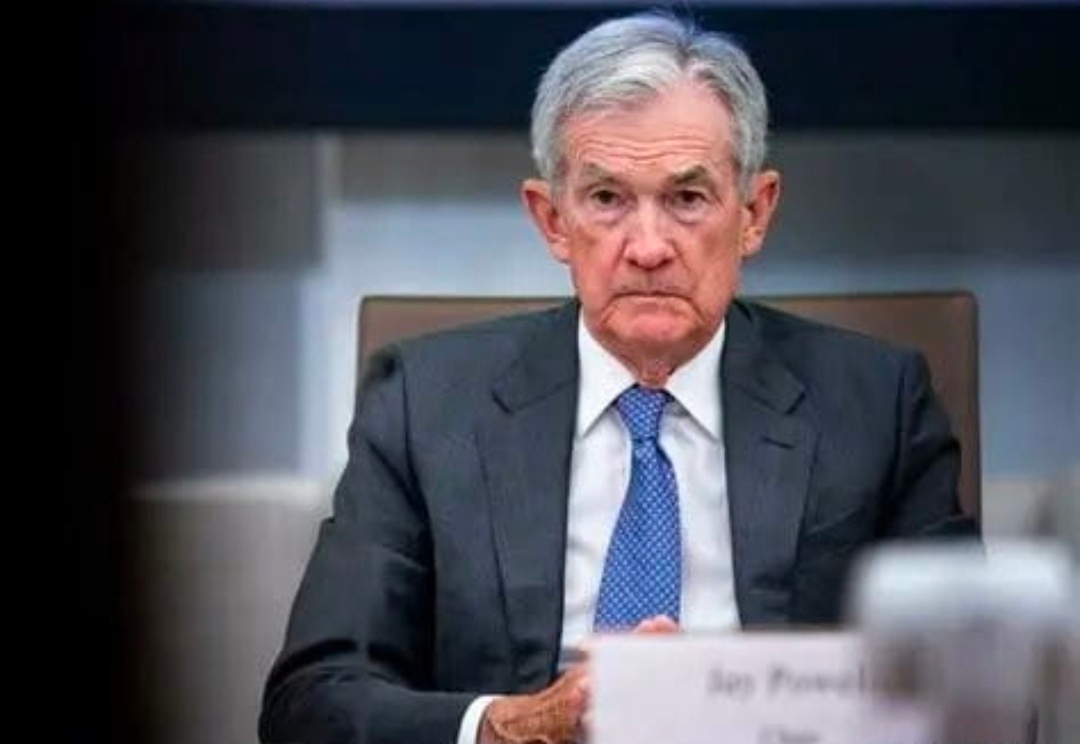
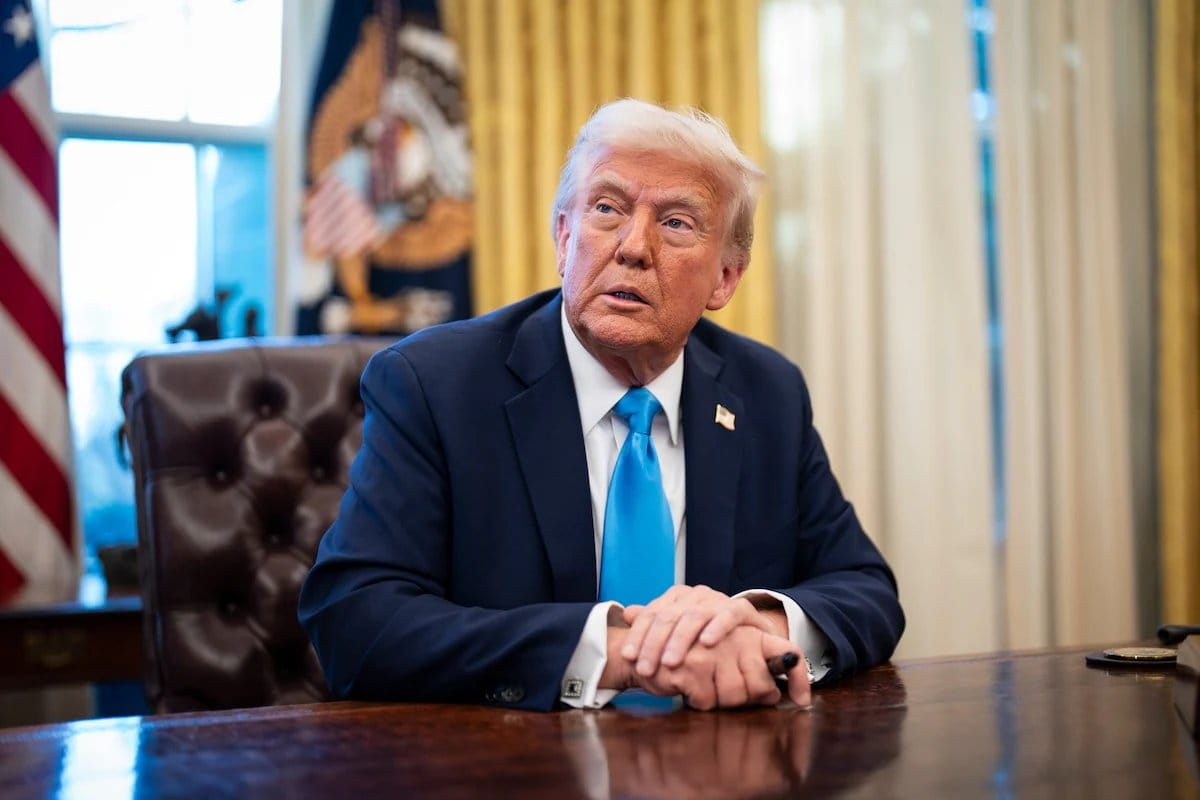
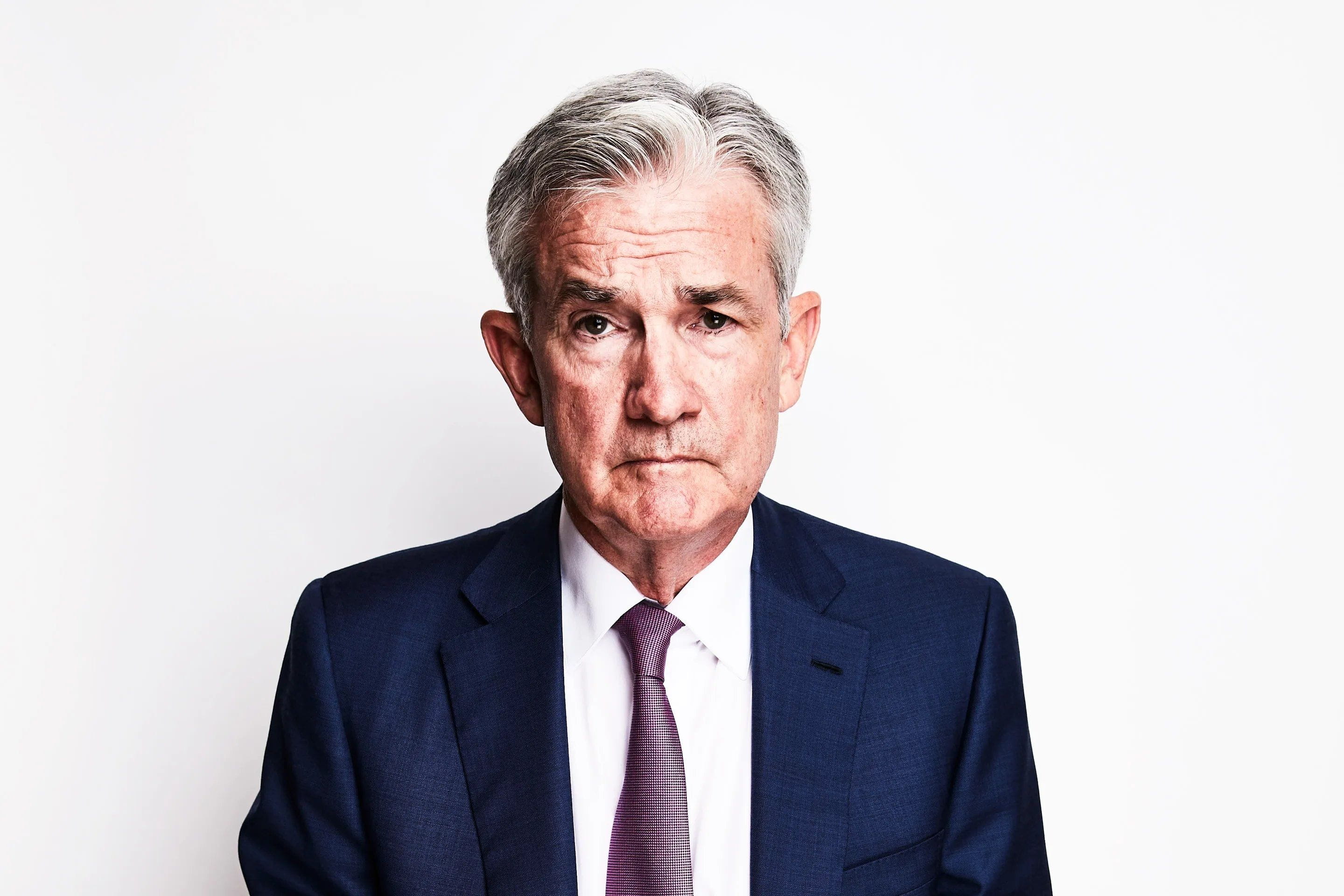
🚨 BREAKING: Powell prepares for a brutal legal war
Federal Reserve Chair Jerome Powell has just hired a very aggressive law firm as his criminal fight connected to Donald Trump heats up.
watch these top trending coins closely
$币安人生 | $IP | $DASH
This is not a normal legal move. This firm is famous for going “scorched earth”, meaning they fight hard, push back on everything, and never back down or settle easily. That alone tells you how serious this situation has become.
Sources say this law firm is known for long battles, strong counterattacks, and exposing every detail in court. By choosing them, Powell is sending a clear signal: he plans to fight until the very end. No quiet deals. No soft exits. This could turn into a loud, messy, and very public showdown between politics and the central bank.
The bigger picture is explosive. The Federal Reserve is supposed to be independent and calm, but now it’s being pulled into a high-stakes legal and political storm. Markets hate uncertainty, and this kind of fight creates exactly that. If this escalates, it won’t just be about Powell or Trump — it could shake trust in institutions and hit confidence across the financial system. The tension is rising fast. ⚠️📉
Federal Reserve Chair Jerome Powell has just hired a very aggressive law firm as his criminal fight connected to Donald Trump heats up.
watch these top trending coins closely
$币安人生 | $IP | $DASH
This is not a normal legal move. This firm is famous for going “scorched earth”, meaning they fight hard, push back on everything, and never back down or settle easily. That alone tells you how serious this situation has become.
Sources say this law firm is known for long battles, strong counterattacks, and exposing every detail in court. By choosing them, Powell is sending a clear signal: he plans to fight until the very end. No quiet deals. No soft exits. This could turn into a loud, messy, and very public showdown between politics and the central bank.
The bigger picture is explosive. The Federal Reserve is supposed to be independent and calm, but now it’s being pulled into a high-stakes legal and political storm. Markets hate uncertainty, and this kind of fight creates exactly that. If this escalates, it won’t just be about Powell or Trump — it could shake trust in institutions and hit confidence across the financial system. The tension is rising fast. ⚠️📉
Trump powinien to dawno zrobic, fed nie jest bankiem centralnym usa, to prywatna instytucja ktora kieruja klany rodzinne,

Bitcoinworld
·
--
Federal Reserve Chair Jerome Powell Faces Shocking Replacement Announcement From President Trump
BitcoinWorld Federal Reserve Chair Jerome Powell Faces Shocking Replacement Announcement from President Trump
In a stunning declaration that immediately rippled through global financial markets, former President Donald Trump stated Federal Reserve Chair Jerome Powell would be replaced soon. Trump made this consequential announcement during a speech at the Detroit Economic Club on Tuesday, October 26, 2024, directly criticizing Powell’s leadership and signaling a major potential shift in U.S. monetary policy direction. This move raises profound questions about the traditional independence of the nation’s central bank and its implications for inflation, interest rates, and economic stability.
Federal Reserve Chair Jerome Powell Confronts Public Rebuke and Replacement Threat
President Trump’s comments represent an unprecedented public challenge to a sitting Fed Chair. During his Detroit address, Trump specifically referred to Powell as an “idiot” and declared he “would be gone shortly.” This direct criticism follows a long-standing, often contentious relationship between the two figures. Historically, presidents have avoided such overt commentary on Federal Reserve leadership to preserve the institution’s perceived political neutrality. Consequently, markets reacted with immediate volatility, as traders assessed the potential for a more politically aligned monetary policy.
The Federal Reserve, established in 1913, operates with a mandate to promote maximum employment, stable prices, and moderate long-term interest rates. Its chair serves a four-year term, with Powell’s current term set to expire in 2026. However, the President possesses the authority to nominate a Fed Chair, subject to Senate confirmation. A replacement before the term’s end would require Powell to resign or for the President to have cause for removal, a legally ambiguous and historically untested scenario. This announcement, therefore, introduces significant legal and procedural uncertainty.
Historical Context of Presidential and Fed Relations
The relationship between the White House and the Federal Reserve has experienced periods of tension for decades. For instance, President Lyndon B. Johnson famously confronted Fed Chair William McChesney Martin over interest rate hikes. Similarly, President George H.W. Bush blamed Fed Chair Alan Greenspan for his re-election loss. However, modern norms have strongly emphasized the Fed’s operational independence. Trump’s public campaign for lower interest rates during his first term, often via social media criticism of Powell, already tested these boundaries. This new announcement escalates that tension to a new level, suggesting a direct intervention in leadership.
Analysts quickly referenced past episodes where central bank independence came under pressure. For example, in the 1970s, political influence contributed to policies that fueled high inflation. Conversely, the Volcker Fed’s strong independence in the early 1980s successfully tamed inflation despite short-term political cost. This historical backdrop provides critical context for understanding the potential risks associated with Trump’s statement. Experts argue that perceived political control can undermine the Fed’s credibility, making it harder to manage inflation expectations.
Expert Analysis on Market and Policy Implications
Financial experts and former Fed officials expressed deep concern following the announcement. “The greatest asset of any central bank is its credibility and independence,” stated a former Federal Reserve Board economist. “Direct threats to remove the chair based on policy disagreements risk politicizing monetary decisions, which could lead to longer-term economic instability.” Market indicators showed an immediate response: the U.S. Dollar Index (DXY) dipped, Treasury yields became more volatile, and equity futures wobbled as investors priced in increased uncertainty.
The potential impacts extend beyond immediate market gyrations. Firstly, the Fed is currently navigating a delicate balance between continuing its fight against inflation and avoiding tipping the economy into a recession. A change in leadership could signal a shift in this priority. Secondly, international confidence in the U.S. financial system partly rests on the stability and rules-based governance of its institutions. Thirdly, the practical timeline for any replacement is complex, involving nomination, Senate hearings, and confirmation votes, creating a prolonged period of ambiguity.
Legal and Procedural Pathways for Replacing a Fed Chair
The process for replacing a Federal Reserve Chair is not straightforward. Jerome Powell was originally nominated by President Trump in 2017 and later re-nominated by President Biden in 2021. The Federal Reserve Act states that a board member, including the chair, may be removed “for cause” by the President. However, the definition of “cause” is not explicitly detailed and has never been litigated in the context of a Fed chair removal. Most legal scholars interpret it as requiring malfeasance or neglect of duty, not simply policy disagreements.
Therefore, the most plausible path for a change in leadership before 2026 would be for Powell to resign voluntarily. Pressure from the White House could potentially compel such a resignation. Alternatively, a President could choose not to re-nominate a chair when their term expires, but that is not applicable to Powell’s current term. The table below outlines the key differences:
Pathway Description Historical Precedent Removal “For Cause” President removes chair for legal cause (e.g., misconduct). Highly contentious and untested. None for a Fed Chair. Voluntary Resignation Chair steps down amid political pressure. Rare; most serve full terms. End of Term Non-Renomination President appoints a new chair when the 4-year term ends. Standard process (e.g., Yellen to Powell).
This legal ambiguity adds a layer of constitutional uncertainty to the announcement. Furthermore, any attempt at removal would likely face immediate legal challenges, creating a protracted political and judicial battle that would further cloud the economic outlook.
Potential Successors and Shifts in Monetary Policy
Speculation immediately turned to who might succeed Jerome Powell if a replacement occurs. Potential candidates would likely align more closely with Trump’s stated preference for lower interest rates. Names circulating among policy analysts include:
Current Fed Governors: Someone already on the Federal Reserve Board, like Governor Christopher Waller, known for a more hawkish stance, or Governor Michelle Bowman.
Former Officials: Figures such as Kevin Warsh, a former Fed governor who has criticized recent Fed policy.
External Economists: Academic or business economists who publicly advocate for a different policy framework.
The choice of successor would send a powerful signal about the future direction of monetary policy. A chair perceived as more amenable to political influence might prioritize growth over inflation control in the short term. This could have several effects:
Inflation Risk: Potential loosening of policy could reignite inflationary pressures.
Market Volatility: Increased uncertainty over the Fed’s reaction function.
Dollar Impact: Eroded confidence could weaken the U.S. dollar’s status as the global reserve currency over time.
Conclusion
President Trump’s announcement regarding the replacement of Federal Reserve Chair Jerome Powell marks a pivotal moment for U.S. economic institutions. The move challenges decades of precedent upholding central bank independence and introduces significant uncertainty for financial markets and monetary policy. While the legal and procedural hurdles for an immediate change remain high, the very statement alters the perceived landscape, potentially influencing Fed decisions and market expectations. The situation underscores the fragile balance between political authority and the technocratic management of the economy, with long-term consequences for inflation, employment, and global financial stability hanging in the balance. The coming weeks will be critical in determining whether this remains a political statement or evolves into a concrete action to replace the Federal Reserve chair.
FAQs
Q1: Can the President directly fire the Federal Reserve Chair?No, not directly. The Federal Reserve Act states a board member can only be removed by the President “for cause,” which is generally interpreted as requiring evidence of malfeasance or neglect of duty, not policy disagreements. It is an untested legal area.
Q2: What is the normal term for a Federal Reserve Chair?The Chair of the Federal Reserve serves a four-year term. Jerome Powell’s current term is scheduled to end in May 2026. He can be re-nominated for additional terms.
Q3: How did financial markets react to the announcement?Markets reacted with immediate volatility. The U.S. dollar weakened slightly, Treasury bond yields showed increased fluctuation, and stock market futures turned negative as investors priced in higher political risk and policy uncertainty.
Q4: Why is central bank independence considered important?Central bank independence is crucial for maintaining credibility in the fight against inflation. It allows policymakers to make decisions based on long-term economic data rather than short-term political cycles, which helps stabilize prices and foster sustainable growth.
Q5: What happens if the Fed Chair resigns under pressure?If Chair Powell were to resign, the Vice Chair would likely serve as acting chair until the President nominates and the Senate confirms a permanent successor. This process could take several months, creating a prolonged period of leadership uncertainty.
This post Federal Reserve Chair Jerome Powell Faces Shocking Replacement Announcement from President Trump first appeared on BitcoinWorld.
In a stunning declaration that immediately rippled through global financial markets, former President Donald Trump stated Federal Reserve Chair Jerome Powell would be replaced soon. Trump made this consequential announcement during a speech at the Detroit Economic Club on Tuesday, October 26, 2024, directly criticizing Powell’s leadership and signaling a major potential shift in U.S. monetary policy direction. This move raises profound questions about the traditional independence of the nation’s central bank and its implications for inflation, interest rates, and economic stability.
Federal Reserve Chair Jerome Powell Confronts Public Rebuke and Replacement Threat
President Trump’s comments represent an unprecedented public challenge to a sitting Fed Chair. During his Detroit address, Trump specifically referred to Powell as an “idiot” and declared he “would be gone shortly.” This direct criticism follows a long-standing, often contentious relationship between the two figures. Historically, presidents have avoided such overt commentary on Federal Reserve leadership to preserve the institution’s perceived political neutrality. Consequently, markets reacted with immediate volatility, as traders assessed the potential for a more politically aligned monetary policy.
The Federal Reserve, established in 1913, operates with a mandate to promote maximum employment, stable prices, and moderate long-term interest rates. Its chair serves a four-year term, with Powell’s current term set to expire in 2026. However, the President possesses the authority to nominate a Fed Chair, subject to Senate confirmation. A replacement before the term’s end would require Powell to resign or for the President to have cause for removal, a legally ambiguous and historically untested scenario. This announcement, therefore, introduces significant legal and procedural uncertainty.
Historical Context of Presidential and Fed Relations
The relationship between the White House and the Federal Reserve has experienced periods of tension for decades. For instance, President Lyndon B. Johnson famously confronted Fed Chair William McChesney Martin over interest rate hikes. Similarly, President George H.W. Bush blamed Fed Chair Alan Greenspan for his re-election loss. However, modern norms have strongly emphasized the Fed’s operational independence. Trump’s public campaign for lower interest rates during his first term, often via social media criticism of Powell, already tested these boundaries. This new announcement escalates that tension to a new level, suggesting a direct intervention in leadership.
Analysts quickly referenced past episodes where central bank independence came under pressure. For example, in the 1970s, political influence contributed to policies that fueled high inflation. Conversely, the Volcker Fed’s strong independence in the early 1980s successfully tamed inflation despite short-term political cost. This historical backdrop provides critical context for understanding the potential risks associated with Trump’s statement. Experts argue that perceived political control can undermine the Fed’s credibility, making it harder to manage inflation expectations.
Expert Analysis on Market and Policy Implications
Financial experts and former Fed officials expressed deep concern following the announcement. “The greatest asset of any central bank is its credibility and independence,” stated a former Federal Reserve Board economist. “Direct threats to remove the chair based on policy disagreements risk politicizing monetary decisions, which could lead to longer-term economic instability.” Market indicators showed an immediate response: the U.S. Dollar Index (DXY) dipped, Treasury yields became more volatile, and equity futures wobbled as investors priced in increased uncertainty.
The potential impacts extend beyond immediate market gyrations. Firstly, the Fed is currently navigating a delicate balance between continuing its fight against inflation and avoiding tipping the economy into a recession. A change in leadership could signal a shift in this priority. Secondly, international confidence in the U.S. financial system partly rests on the stability and rules-based governance of its institutions. Thirdly, the practical timeline for any replacement is complex, involving nomination, Senate hearings, and confirmation votes, creating a prolonged period of ambiguity.
Legal and Procedural Pathways for Replacing a Fed Chair
The process for replacing a Federal Reserve Chair is not straightforward. Jerome Powell was originally nominated by President Trump in 2017 and later re-nominated by President Biden in 2021. The Federal Reserve Act states that a board member, including the chair, may be removed “for cause” by the President. However, the definition of “cause” is not explicitly detailed and has never been litigated in the context of a Fed chair removal. Most legal scholars interpret it as requiring malfeasance or neglect of duty, not simply policy disagreements.
Therefore, the most plausible path for a change in leadership before 2026 would be for Powell to resign voluntarily. Pressure from the White House could potentially compel such a resignation. Alternatively, a President could choose not to re-nominate a chair when their term expires, but that is not applicable to Powell’s current term. The table below outlines the key differences:
Pathway Description Historical Precedent Removal “For Cause” President removes chair for legal cause (e.g., misconduct). Highly contentious and untested. None for a Fed Chair. Voluntary Resignation Chair steps down amid political pressure. Rare; most serve full terms. End of Term Non-Renomination President appoints a new chair when the 4-year term ends. Standard process (e.g., Yellen to Powell).
This legal ambiguity adds a layer of constitutional uncertainty to the announcement. Furthermore, any attempt at removal would likely face immediate legal challenges, creating a protracted political and judicial battle that would further cloud the economic outlook.
Potential Successors and Shifts in Monetary Policy
Speculation immediately turned to who might succeed Jerome Powell if a replacement occurs. Potential candidates would likely align more closely with Trump’s stated preference for lower interest rates. Names circulating among policy analysts include:
Current Fed Governors: Someone already on the Federal Reserve Board, like Governor Christopher Waller, known for a more hawkish stance, or Governor Michelle Bowman.
Former Officials: Figures such as Kevin Warsh, a former Fed governor who has criticized recent Fed policy.
External Economists: Academic or business economists who publicly advocate for a different policy framework.
The choice of successor would send a powerful signal about the future direction of monetary policy. A chair perceived as more amenable to political influence might prioritize growth over inflation control in the short term. This could have several effects:
Inflation Risk: Potential loosening of policy could reignite inflationary pressures.
Market Volatility: Increased uncertainty over the Fed’s reaction function.
Dollar Impact: Eroded confidence could weaken the U.S. dollar’s status as the global reserve currency over time.
Conclusion
President Trump’s announcement regarding the replacement of Federal Reserve Chair Jerome Powell marks a pivotal moment for U.S. economic institutions. The move challenges decades of precedent upholding central bank independence and introduces significant uncertainty for financial markets and monetary policy. While the legal and procedural hurdles for an immediate change remain high, the very statement alters the perceived landscape, potentially influencing Fed decisions and market expectations. The situation underscores the fragile balance between political authority and the technocratic management of the economy, with long-term consequences for inflation, employment, and global financial stability hanging in the balance. The coming weeks will be critical in determining whether this remains a political statement or evolves into a concrete action to replace the Federal Reserve chair.
FAQs
Q1: Can the President directly fire the Federal Reserve Chair?No, not directly. The Federal Reserve Act states a board member can only be removed by the President “for cause,” which is generally interpreted as requiring evidence of malfeasance or neglect of duty, not policy disagreements. It is an untested legal area.
Q2: What is the normal term for a Federal Reserve Chair?The Chair of the Federal Reserve serves a four-year term. Jerome Powell’s current term is scheduled to end in May 2026. He can be re-nominated for additional terms.
Q3: How did financial markets react to the announcement?Markets reacted with immediate volatility. The U.S. dollar weakened slightly, Treasury bond yields showed increased fluctuation, and stock market futures turned negative as investors priced in higher political risk and policy uncertainty.
Q4: Why is central bank independence considered important?Central bank independence is crucial for maintaining credibility in the fight against inflation. It allows policymakers to make decisions based on long-term economic data rather than short-term political cycles, which helps stabilize prices and foster sustainable growth.
Q5: What happens if the Fed Chair resigns under pressure?If Chair Powell were to resign, the Vice Chair would likely serve as acting chair until the President nominates and the Senate confirms a permanent successor. This process could take several months, creating a prolonged period of leadership uncertainty.
This post Federal Reserve Chair Jerome Powell Faces Shocking Replacement Announcement from President Trump first appeared on BitcoinWorld.

Beekeeper dokladnie ta zasada,
BeInCrypto PL
·
--
Nowy przekręt finansowy dotyka Polaków. Nigdy tego nie rób
W Polsce coraz więcej osób wpada w nowy przekręt finansowy, który wykorzystuje popularność systemu BLIK. Co ważne, ofiarą może stać się każdy, nawet bardzo ostrożny użytkownik bankowości. Ten przekręt finansowy działa podstępnie i często robi z niewinnej osoby nieświadomego pomocnika oszustów.
Dlatego warto dokładnie zrozumieć mechanizm oszustwa i wiedzieć, jak reagować w takiej sytuacji.
Jak działa nowy przekręt finansowy z wykorzystaniem BLIK
Na początku na konto trafia niespodziewany przelew BLIK na kilkaset złotych. Co istotne, numer telefonu nadawcy jest nieznany i niczego się nie spodziewałeś. Po krótkiej chwili pojawia się kontakt od rzekomego nadawcy pieniędzy. Osoba twierdzi, że doszło do pomyłki przy wpisywaniu numeru telefonu.
Następnie oszust prosi o szybki zwrot pieniędzy. Jednocześnie sugeruje wysłanie środków na inny numer telefonu. Tłumaczy to wygodą lub problemami technicznymi. Właśnie w tym momencie zaczyna się prawdziwe zagrożenie.
Dlaczego to takie niebezpieczne, możesz zapytać. Ponieważ osoba prosząca o zwrot nie jest prawdziwym nadawcą. W efekcie, nieświadomie bierzesz udział w oszustwie finansowym. To klasyczny przekręt finansowy oparty na manipulacji i pośpiechu.
Mechanizm oszustwa krok po kroku
W rzeczywistości schemat oszustów jest dobrze zaplanowany. Przestępcy publikują fałszywe ogłoszenia sprzedaży atrakcyjnych przedmiotów. Następnie celowo podają błędny numer telefonu do płatności BLIK. Kupujący wysyła pieniądze, które trafiają na przypadkowe konto.
W tym momencie oszust kontaktuje się z tobą. Nakłania do przekazania otrzymanych środków na wskazany numer. Ty myślisz, że pomagasz w naprawieniu pomyłki. Tymczasem pieniądze trafiają bezpośrednio do przestępcy.
Kupujący nie otrzymuje towaru i zgłasza sprawę na policję. Organy ścigania widzą przelew na twoje konto. W efekcie to ty możesz zostać wezwany do wyjaśnień. Tak właśnie działa ten przekręt finansowy, choć wygląda niewinnie.
Dla lepszego zrozumienia, schemat wygląda następująco:
oszust wystawia fałszywe ogłoszenie sprzedaży
kupujący wykonuje przelew BLIK
pieniądze trafiają do nieświadomej osoby
oszust prosi o przekazanie środków dalej
Jak się chronić i co robić w takiej sytuacji
Przede wszystkim zachowaj spokój, jeśli otrzymasz niespodziewany przelew BLIK. Nawet jeśli kwota wynosi tylko kilkaset złotych, nie działaj impulsywnie. Oszuści liczą właśnie na szybkie decyzje. Dlatego zawsze zatrzymaj się i sprawdź sytuację.
Najważniejszym krokiem jest kontakt z bankiem. Bank posiada procedury do obsługi takich przypadków. Konsultant poinformuje, jak bezpiecznie zwrócić środki. Dzięki temu unikniesz odpowiedzialności prawnej.
Nigdy nie odsyłaj pieniędzy na inny numer niż ten, z którego przyszły. To kluczowa zasada bezpieczeństwa. Nawet jeśli rozmówca wywiera presję lub budzi współczucie. Właśnie tak działa ten przekręt finansowy.
Możesz zapytać, czy grożą za to konsekwencje prawne. Tak, ponieważ formalnie brałeś udział w przekazaniu środków. Możesz też zapytać, czy bank cofnie przelew automatycznie. Bank zrobi to tylko po zgłoszeniu sprawy. Dlatego reakcja ma ogromne znaczenie.
Ten rodzaj oszustwa pokazuje, że zagrożenie dotyczy każdego użytkownika BLIK. Dlatego świadomość i ostrożność są dziś kluczowe. Im więcej osób pozna schemat działania, tym trudniej będzie oszustom działać skutecznie.
Aby zapoznać się z najnowszą analizą rynku kryptowalut od BeInCrypto, kliknij tutaj.
Dlatego warto dokładnie zrozumieć mechanizm oszustwa i wiedzieć, jak reagować w takiej sytuacji.
Jak działa nowy przekręt finansowy z wykorzystaniem BLIK
Na początku na konto trafia niespodziewany przelew BLIK na kilkaset złotych. Co istotne, numer telefonu nadawcy jest nieznany i niczego się nie spodziewałeś. Po krótkiej chwili pojawia się kontakt od rzekomego nadawcy pieniędzy. Osoba twierdzi, że doszło do pomyłki przy wpisywaniu numeru telefonu.
Następnie oszust prosi o szybki zwrot pieniędzy. Jednocześnie sugeruje wysłanie środków na inny numer telefonu. Tłumaczy to wygodą lub problemami technicznymi. Właśnie w tym momencie zaczyna się prawdziwe zagrożenie.
Dlaczego to takie niebezpieczne, możesz zapytać. Ponieważ osoba prosząca o zwrot nie jest prawdziwym nadawcą. W efekcie, nieświadomie bierzesz udział w oszustwie finansowym. To klasyczny przekręt finansowy oparty na manipulacji i pośpiechu.
Mechanizm oszustwa krok po kroku
W rzeczywistości schemat oszustów jest dobrze zaplanowany. Przestępcy publikują fałszywe ogłoszenia sprzedaży atrakcyjnych przedmiotów. Następnie celowo podają błędny numer telefonu do płatności BLIK. Kupujący wysyła pieniądze, które trafiają na przypadkowe konto.
W tym momencie oszust kontaktuje się z tobą. Nakłania do przekazania otrzymanych środków na wskazany numer. Ty myślisz, że pomagasz w naprawieniu pomyłki. Tymczasem pieniądze trafiają bezpośrednio do przestępcy.
Kupujący nie otrzymuje towaru i zgłasza sprawę na policję. Organy ścigania widzą przelew na twoje konto. W efekcie to ty możesz zostać wezwany do wyjaśnień. Tak właśnie działa ten przekręt finansowy, choć wygląda niewinnie.
Dla lepszego zrozumienia, schemat wygląda następująco:
oszust wystawia fałszywe ogłoszenie sprzedaży
kupujący wykonuje przelew BLIK
pieniądze trafiają do nieświadomej osoby
oszust prosi o przekazanie środków dalej
Jak się chronić i co robić w takiej sytuacji
Przede wszystkim zachowaj spokój, jeśli otrzymasz niespodziewany przelew BLIK. Nawet jeśli kwota wynosi tylko kilkaset złotych, nie działaj impulsywnie. Oszuści liczą właśnie na szybkie decyzje. Dlatego zawsze zatrzymaj się i sprawdź sytuację.
Najważniejszym krokiem jest kontakt z bankiem. Bank posiada procedury do obsługi takich przypadków. Konsultant poinformuje, jak bezpiecznie zwrócić środki. Dzięki temu unikniesz odpowiedzialności prawnej.
Nigdy nie odsyłaj pieniędzy na inny numer niż ten, z którego przyszły. To kluczowa zasada bezpieczeństwa. Nawet jeśli rozmówca wywiera presję lub budzi współczucie. Właśnie tak działa ten przekręt finansowy.
Możesz zapytać, czy grożą za to konsekwencje prawne. Tak, ponieważ formalnie brałeś udział w przekazaniu środków. Możesz też zapytać, czy bank cofnie przelew automatycznie. Bank zrobi to tylko po zgłoszeniu sprawy. Dlatego reakcja ma ogromne znaczenie.
Ten rodzaj oszustwa pokazuje, że zagrożenie dotyczy każdego użytkownika BLIK. Dlatego świadomość i ostrożność są dziś kluczowe. Im więcej osób pozna schemat działania, tym trudniej będzie oszustom działać skutecznie.
Aby zapoznać się z najnowszą analizą rynku kryptowalut od BeInCrypto, kliknij tutaj.
Ok, skorzystaj ile mozesz.

Darekj
·
--
$XRP happy news year !!!! 💰💰💰💰💰💰💰
Startujemy jutro będzie bum nie przegap ! 00:00 🎆🧨🧨🧨
Startujemy jutro będzie bum nie przegap ! 00:00 🎆🧨🧨🧨
Peknie caly system finansowy i to nie dlugo, xrp ma zastrzezone prawa od 2018, i jest tokenem przyszlosci, cena jest jaka jest i tak jeszcze spadnie, ale to przyszlosc,

Jimmy Jackson
·
--
🚨 Why $XRP Exists — And Why Its Use Case Keeps Shrinking
$XRP
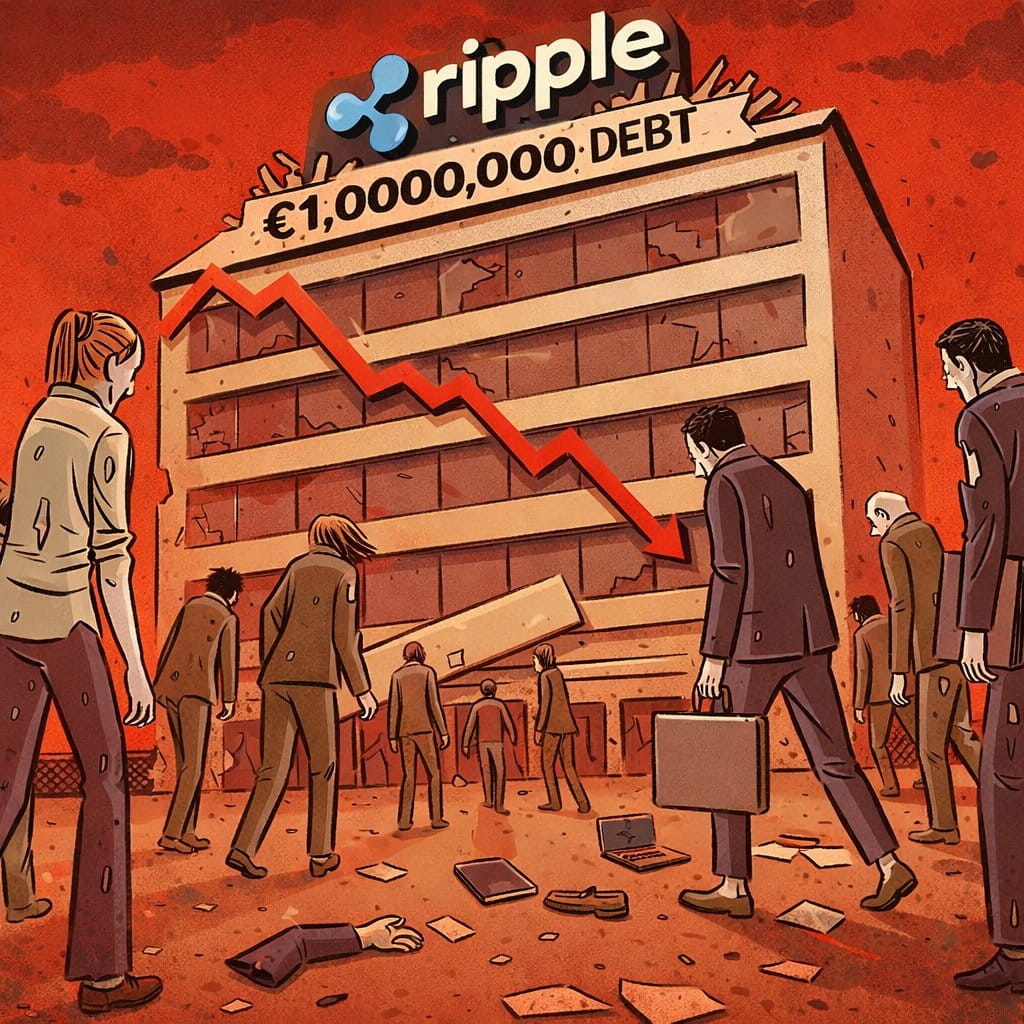
🔥 Let’s say the quiet part out loud: $XRP might be one of the most unnecessary tokens in crypto—and that’s not a meme take. It comes straight from Ripple’s own business model, filings, and how their tech actually works.
💡: Ripple does NOT need XRP to function. Banks and financial institutions use RippleNet for messaging and settlement, but they can—and often do—operate without ever touching XRP. Fiat in, fiat out. No token required.
📄 Dig into Ripple’s disclosures and partnerships, and the pattern is clear. Most enterprise clients prefer traditional liquidity rails or pre-funded accounts. XRP’s so-called role as a “bridge asset” sounds great in theory, but in practice, institutions avoid the volatility risk.
🏦 Even Ripple executives have admitted that XRP adoption by banks is optional, not essential. That’s a massive red flag for any asset claiming long-term utility.
📉 Meanwhile, XRP’s primary demand driver hasn’t been usage—it’s been speculation and retail hype. Add ongoing token sales, periodic unlocks, and regulatory overhang, and you get constant sell pressure baked into the system.
⚖️ The legal clarity narrative helped XRP survive, not thrive. Winning regulatory breathing room doesn’t magically create demand. Utility creates demand, and XRP still lacks a must-have use case that Ripple itself depends on.
🧠 So why does XRP exist at all? Simple: capital formation. XRP allowed Ripple to raise funds, incentivize partners, and build an ecosystem—without giving up equity. That worked in the early days. It doesn’t guarantee relevance forever.
⏳ When does it break? Not overnight. These things fade slowly—through irrelevance, not explosions. As faster, cheaper, and truly decentralized settlement layers gain traction, XRP risks becoming a legacy token tied to a company that already moved on.
If you enjoyed this update, don’t forget to like, follow, and share! 🩸
Thank you so much ❤️
#USGDPUpdate
$XRP
🔥 Let’s say the quiet part out loud: $XRP might be one of the most unnecessary tokens in crypto—and that’s not a meme take. It comes straight from Ripple’s own business model, filings, and how their tech actually works.
💡: Ripple does NOT need XRP to function. Banks and financial institutions use RippleNet for messaging and settlement, but they can—and often do—operate without ever touching XRP. Fiat in, fiat out. No token required.
📄 Dig into Ripple’s disclosures and partnerships, and the pattern is clear. Most enterprise clients prefer traditional liquidity rails or pre-funded accounts. XRP’s so-called role as a “bridge asset” sounds great in theory, but in practice, institutions avoid the volatility risk.
🏦 Even Ripple executives have admitted that XRP adoption by banks is optional, not essential. That’s a massive red flag for any asset claiming long-term utility.
📉 Meanwhile, XRP’s primary demand driver hasn’t been usage—it’s been speculation and retail hype. Add ongoing token sales, periodic unlocks, and regulatory overhang, and you get constant sell pressure baked into the system.
⚖️ The legal clarity narrative helped XRP survive, not thrive. Winning regulatory breathing room doesn’t magically create demand. Utility creates demand, and XRP still lacks a must-have use case that Ripple itself depends on.
🧠 So why does XRP exist at all? Simple: capital formation. XRP allowed Ripple to raise funds, incentivize partners, and build an ecosystem—without giving up equity. That worked in the early days. It doesn’t guarantee relevance forever.
⏳ When does it break? Not overnight. These things fade slowly—through irrelevance, not explosions. As faster, cheaper, and truly decentralized settlement layers gain traction, XRP risks becoming a legacy token tied to a company that already moved on.
If you enjoyed this update, don’t forget to like, follow, and share! 🩸
Thank you so much ❤️
#USGDPUpdate
Dlatego xro stoi, bitcoin bedzie max 50, srebro 150, jest totalny chaos finansowy, to co bylo juz sie calkowicie rozpada, moment jak zakonczy sie wojna na Ukrainie, EU rozpada sie

ShabbirK
·
--
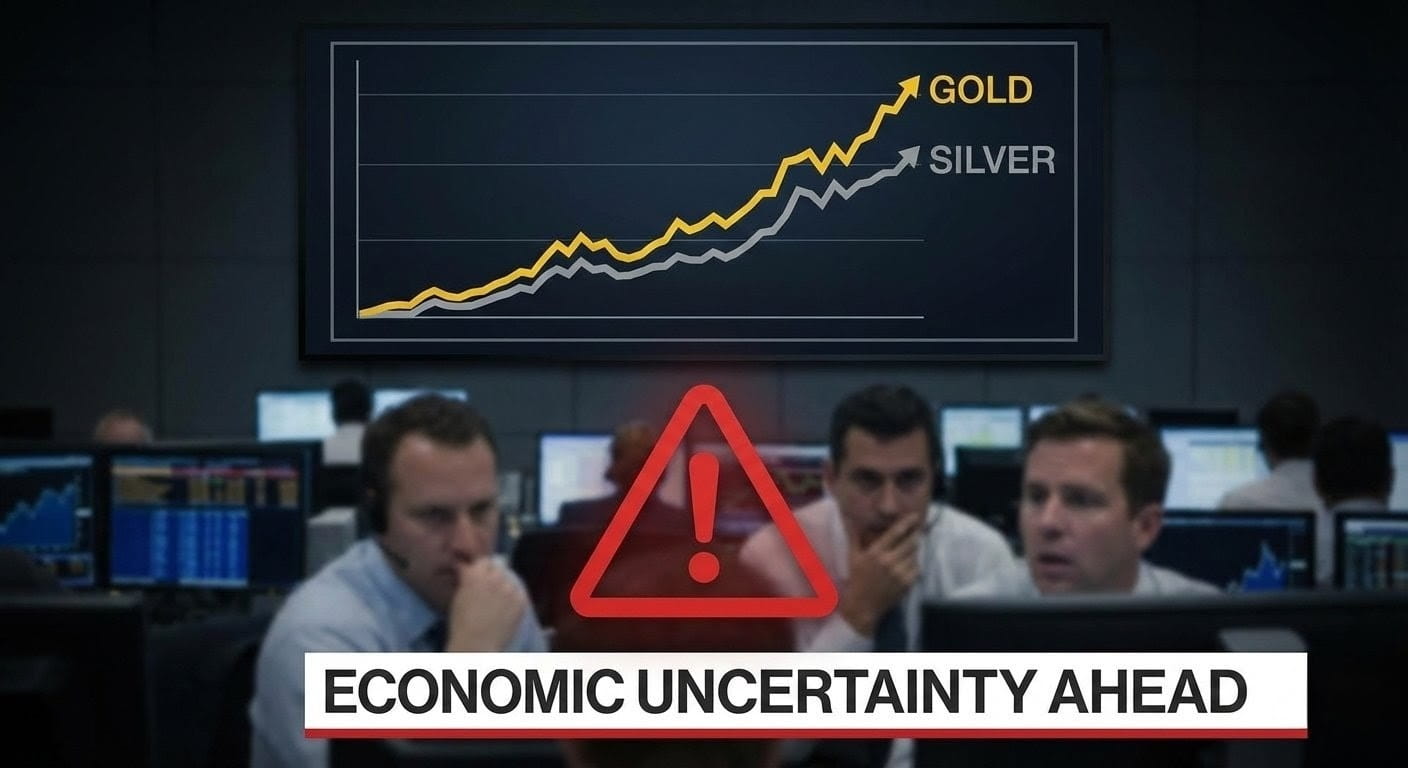
🚨 Why Rising Gold & Silver Prices Are a Warning — Not a Celebration
Most people feel happy when gold and silver jump, but history says the opposite. Whenever these metals rise sharply, it usually means something is breaking in the global system — whether in macro-economics or geo-politics.
Gold & silver act less like assets and more like insurance — they go up when the world is scared.
🧭 Why Are Gold & Silver Rising Right Now?
1️⃣ U.S. Debt Crisis is Exploding
U.S. debt hits $38.5 trillion
By 2035, interest payments alone may reach $2 trillion per year
Nearly 50% of new money will be used just to pay interest ➡️ This is not sustainable — and many countries are in the same trap.
2️⃣ U.S. Stock Market is Over-Concentrated
1/3rd of the S&P 500 depends on just 7 tech giants (Apple, Google, Tesla, Meta, Microsoft, Nvidia, etc.)
All are heavily exposed to AI ➡️ If the AI bubble corrects, the market could crash fast — most investors won’t be ready.
3️⃣ Loss of Trust in the U.S. Dollar
In 2022, the U.S. froze $300B of Russia’s USD reserves
Countries now fear their reserves aren’t safe
Central banks are buying ~1,000 tons of gold/year (officially — likely more unofficially) ➡️ Gold becomes the new trust anchor.
📌 Final Takeaway
Rising gold & silver prices are not a victory — they are a signal that something is wrong: ✔ Debt crisis
✔ Fragile stock market
✔ Weakening dollar confidence
🔥 Don’t celebrate — prepare.
#usdoller #GOLD #Silver #Warning
Most people feel happy when gold and silver jump, but history says the opposite. Whenever these metals rise sharply, it usually means something is breaking in the global system — whether in macro-economics or geo-politics.
Gold & silver act less like assets and more like insurance — they go up when the world is scared.
🧭 Why Are Gold & Silver Rising Right Now?
1️⃣ U.S. Debt Crisis is Exploding
U.S. debt hits $38.5 trillion
By 2035, interest payments alone may reach $2 trillion per year
Nearly 50% of new money will be used just to pay interest ➡️ This is not sustainable — and many countries are in the same trap.
2️⃣ U.S. Stock Market is Over-Concentrated
1/3rd of the S&P 500 depends on just 7 tech giants (Apple, Google, Tesla, Meta, Microsoft, Nvidia, etc.)
All are heavily exposed to AI ➡️ If the AI bubble corrects, the market could crash fast — most investors won’t be ready.
3️⃣ Loss of Trust in the U.S. Dollar
In 2022, the U.S. froze $300B of Russia’s USD reserves
Countries now fear their reserves aren’t safe
Central banks are buying ~1,000 tons of gold/year (officially — likely more unofficially) ➡️ Gold becomes the new trust anchor.
📌 Final Takeaway
Rising gold & silver prices are not a victory — they are a signal that something is wrong: ✔ Debt crisis
✔ Fragile stock market
✔ Weakening dollar confidence
🔥 Don’t celebrate — prepare.
#usdoller #GOLD #Silver #Warning
Mialem 3500xrp sprzedam i wyszedlem na zero, jak bedzie po 80-1.00 a bedzie kupie 5000-7000, bo to jest przyszlosc.

Crypto Man Trader
·
--
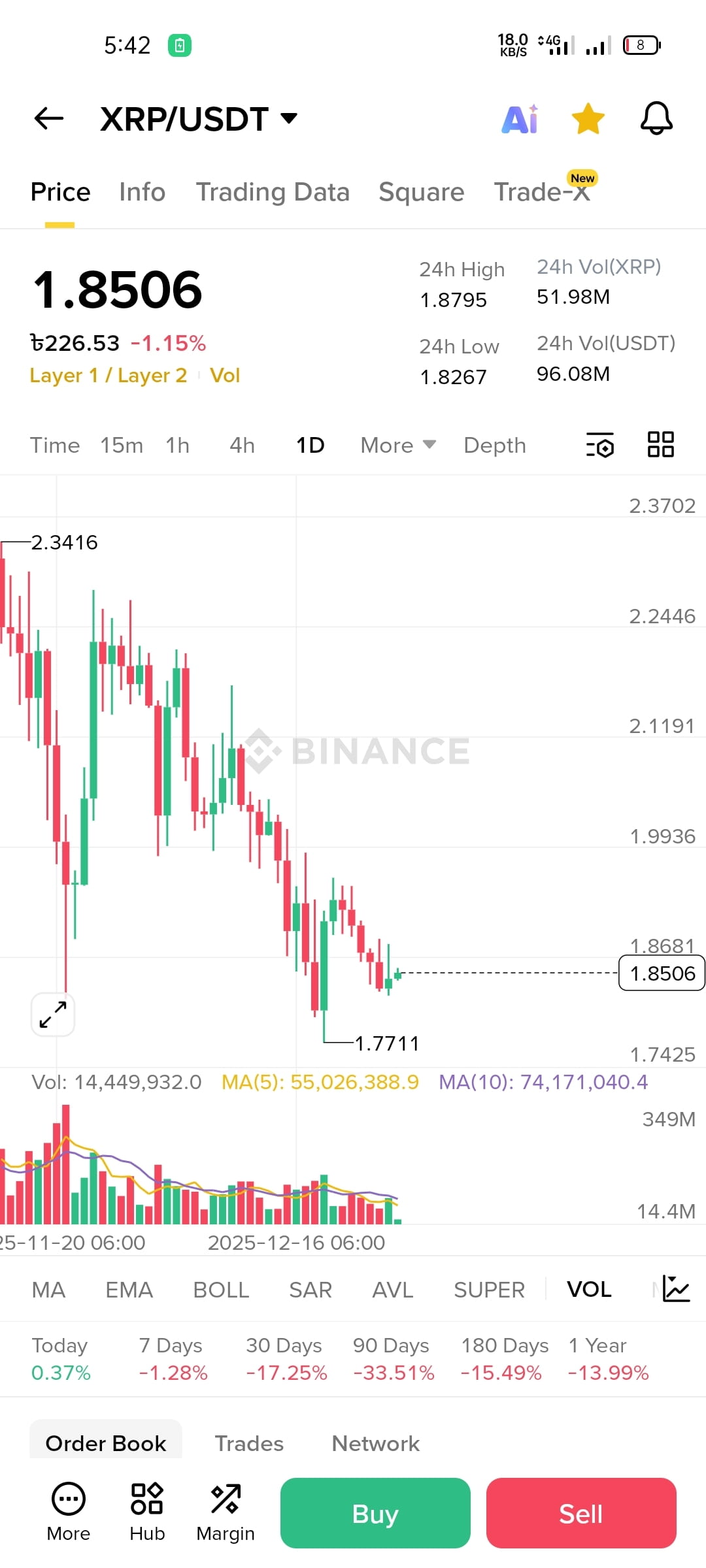
Haussier$XRP Those who buy these coins now will be able to make good profits in 2026 because it is now at $1.85. What do the sowers say it will hit $3 in 20-30 days?#Binance #BinanceSquareFamily
To zludzenie, bitcoin bedzie na wiosne 50$

Crypto Maxx
·
--
🔥 عودة الحيتان لتجميع البيتكوين بقوة الفترة الأخيرة
🔥 هل اقترب الصعود ؟؟؟
أكثر تفاصيل في الفيديو الجديد 👇👇👇
https://vm.tiktok.com/ZNRjtRcVR/
🔥 هل اقترب الصعود ؟؟؟
أكثر تفاصيل في الفيديو الجديد 👇👇👇
https://vm.tiktok.com/ZNRjtRcVR/
Connectez-vous pour découvrir plus de contenu