


eros arkad
Ouvert au trading
Trade fréquemment
3.8 an(s)
13 Suivis
56 Abonnés
45 J’aime
Publications
Portefeuille
Tous
Citations
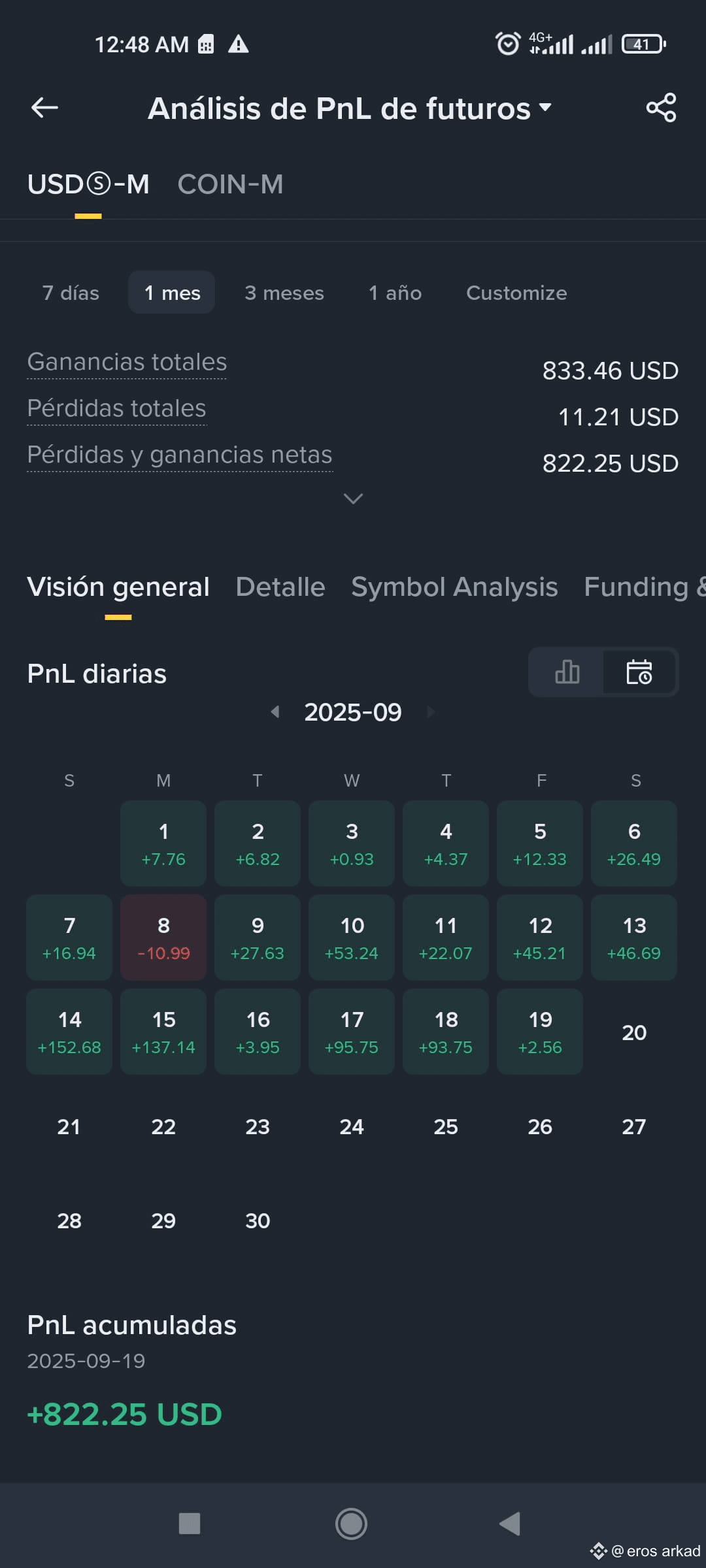
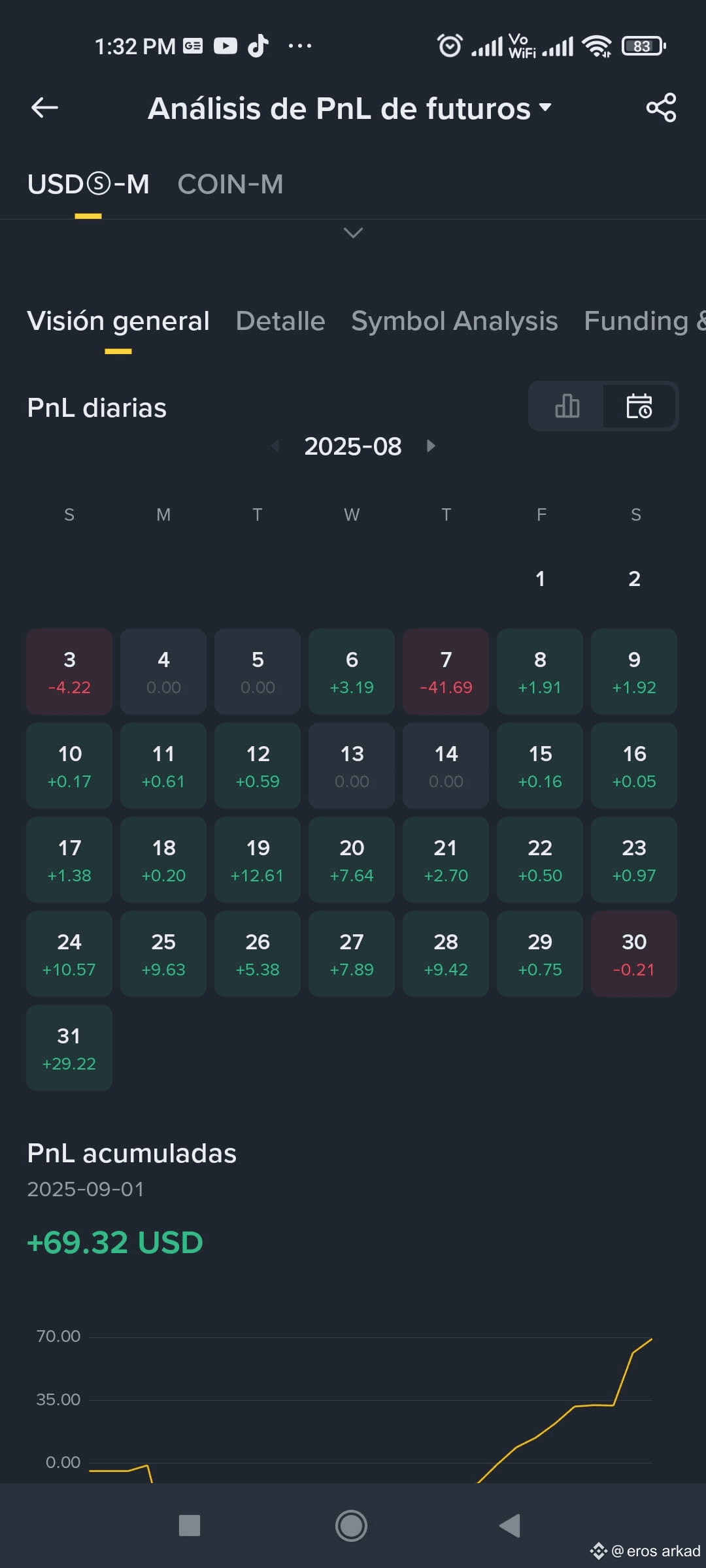


Kato Crypto
·
--
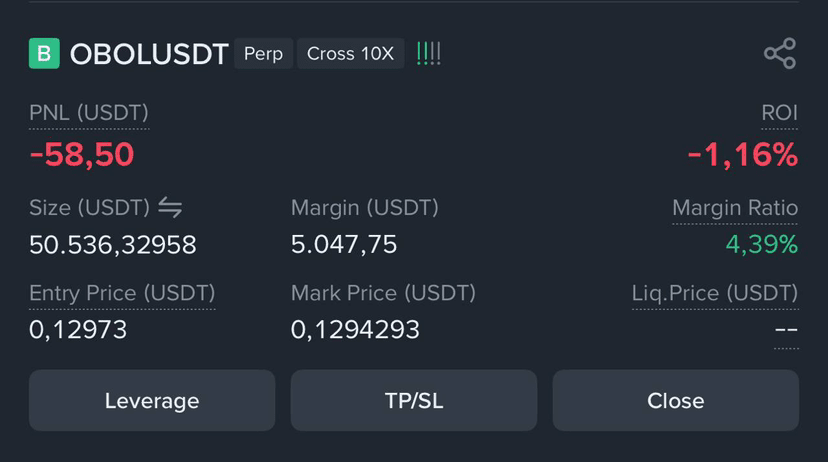
#Obol with $10m marketcap
Rebuy Again
New Listing with Lowcap market is Trending
dont miss it
Rebuy Again
New Listing with Lowcap market is Trending
dont miss it
Votre contenu coté a été supprimé

Structure Hunter
·
--
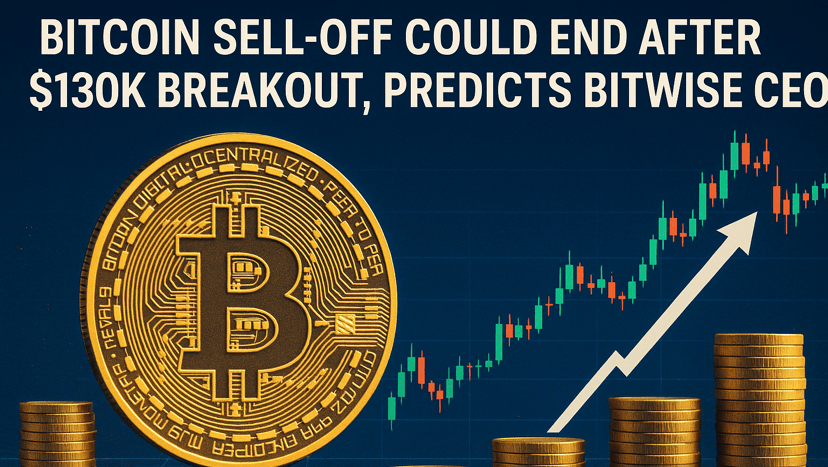
Bitcoin Sell-off Could End After $130K Breakout, Predicts Bitwise CEO
By (MR_UMAIR)
Explore market and trade with me
Bitcoin, the world’s leading cryptocurrency, may be on the brink of a significant market shift — not just in price, but in investor behavior. According to Bitwise CEO Hunter Horsley, a key milestone lies ahead: once Bitcoin surpasses $130,000, the wave of selling may come to a halt as holders transition into long-term accumulation mode.
A Psychological Barrier at $130K
In a recent statement shared on social media, Horsley suggested that the critical price range of $130,000 to $150,000 could mark a turning point. At that level, he believes most Bitcoin holders will choose to retain their assets rather than take profits. Currently, Bitcoin is trading around $107,000, and some early adopters are cashing out following substantial gains. However, Horsley anticipates that this selling pressure will diminish as prices climb toward new all-time highs.
Once Bitcoin enters this higher range, many investors may begin to view it more as a long-term store of wealth than a short-term trading asset.
Bitcoin Moving Off Exchanges
Supporting this thesis is recent on-chain data, which shows a significant decline in the number of Bitcoins held on exchanges. Since the beginning of 2025, exchange balances have dropped by 14%, with only 2.5 million BTC now available — the lowest level since August 2022. This suggests a trend toward self-custody and long-term holding, as users increasingly move their assets into cold storage.
Moreover, institutional players such as BlackRock, Fidelity, MicroStrategy, and Metaplanet have been amassing large Bitcoin positions. These firms are known for taking long-term strategic positions rather than engaging in short-term trading.
Borrowing Replaces Selling
Another factor contributing to the potential decline in Bitcoin sell-offs is the growing popularity of crypto-backed lending platforms. As Bitcoin’s market value rises, more holders are choosing to borrow against their assets instead of liquidating them.
According to data from Bitbo, long-term holders — defined as those who have held their $BTC for more than 155 days — have increased by approximately 215%, with an average acquisition price of $34,414. Horsley highlighted that these investors are more likely to leverage their holdings for liquidity rather than sell outright, further tightening Bitcoin’s available supply.
A New Phase for Bitcoin?
If Bitcoin does breach the $130K threshold, it may not just represent a new all-time high — it could signal a deeper shift in investor mindset. With increasing institutional adoption, declining exchange reserves, and alternative financing methods like $BTC BTC-backed loans, the market may be entering a phase where supply is more limited than ever, potentially setting the stage for sustained upward momentum.
As the next chapter for Bitcoin unfolds, Horsley’s prediction offers a glimpse into how scarcity and sentiment could redefine the dynamics of the crypto market.
$BTC

Eboni Konat W6us
·
--
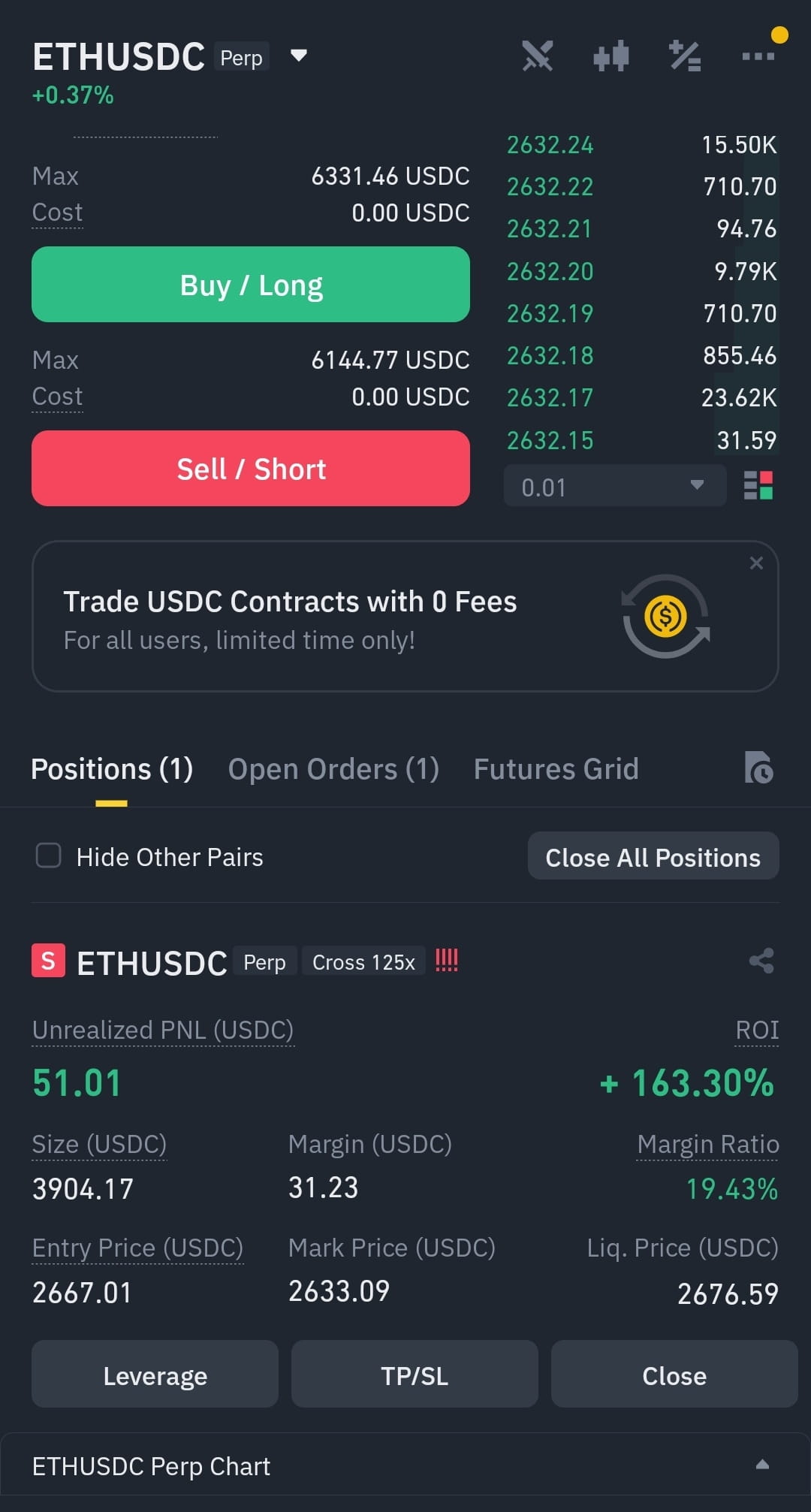
today with my stupidity with testing 100x i manage to loose $79.
then Alhumdullilah manage to ride the wave and manage half back.
should i close this now or let it go to fully recover?
i know it could easily go back anytime now.
my starting was at 2667 at 125x LoL for this trade.
then Alhumdullilah manage to ride the wave and manage half back.
should i close this now or let it go to fully recover?
i know it could easily go back anytime now.
my starting was at 2667 at 125x LoL for this trade.
Structure Hunter
·
--
The Real Reason You Keep Getting Liquidated: Unmasking the Leverage Trap
By (MR_UMAIR)
In the world of crypto trading, leverage is often pitched as a powerful tool—a shortcut to massive gains. Exchanges entice you with 20x, 50x, even 125x leverage. It seems like a weapon of financial freedom. But the truth? It’s a trap—one that too many traders walk straight into.
This article breaks down the hidden dangers of leverage, exposes how institutional players exploit retail traders, and outlines how to use leverage strategically—like the pros.
1. The Leverage Illusion: A System Designed to Drain You
At its core, leverage multiplies both your potential profits and your potential losses. And that’s where the illusion lies.
Here’s what they don’t tell you:
Exchanges thrive on volume and liquidation fees. The higher your leverage, the more frequently you trade—and the quicker your capital evaporates.
Leverage drastically narrows your liquidation zone. With 50x–100x, even a small 1–2% move against your position can wipe you out.
Market makers know this. They can see where your liquidation price is, and they can move the market just enough to trigger it.
Meanwhile, whales—big players with deep pockets—are quietly using low leverage and ample capital, waiting patiently to scoop up your losses.
2. The Liquidation Trap: How Whales Exploit Retail Traders
Liquidation levels aren’t hidden. Market makers can see them. And that’s exactly how smart money plays the game.
Here’s how the trap is set:
Retail traders enter high-leverage trades in a tight price range.
The market is then nudged just below a support or above a resistance.
This triggers mass liquidations and a cascade of stop-losses.
Whales buy in at the bottom and ride the recovery—on your margin.
It’s not random. It’s calculated. Your 50x long isn’t just risky—it’s the bait.
3. How Smart Traders Actually Use Leverage
Professional traders don’t gamble with leverage. They use it with discipline and intention.
Here’s what separates them from the crowd:
Low leverage (3x–5x) even on volatile assets
Capital preservation first—risk only 1–2% per trade
Adding to winners, not losers—they don’t average down bad trades
Basing trades on liquidity zones, not emotions or hype
The true power of leverage isn’t in going big. It’s in maintaining control.
4. Surviving the Leverage Game: Discipline Over Hype
To succeed, you don’t need 50x leverage. You need precision, strategy, and risk management.
Trade like a pro by following these key rules:
Start with spot trading—build a solid strategy without leverage
Use isolated margin, not cross—so one bad trade doesn’t drain your entire account
Set predefined stop-losses—and actually stick to them
Watch for fakeouts—especially near liquidation zones
Remember, whales don’t get liquidated—they trigger your liquidation.
Your Next Move: Master Risk, Don’t Chase Leverage
Now you understand the mechanics behind repeated liquidations—and why most retail traders lose when using high leverage.
The question is: Will you continue chasing 100x dreams? Or will you start mastering risk like the 1%?
Try this: Apply a disciplined strategy on your next trade. Use 3x leverage, set a tight stop-loss, and base your entries on real liquidity levels. See if you can navigate the trap instead of falling into it.
Welcome to the real game.
#ZeroCostEducation
$TON
$TIA
$SUI



mohamed ishak
·
--
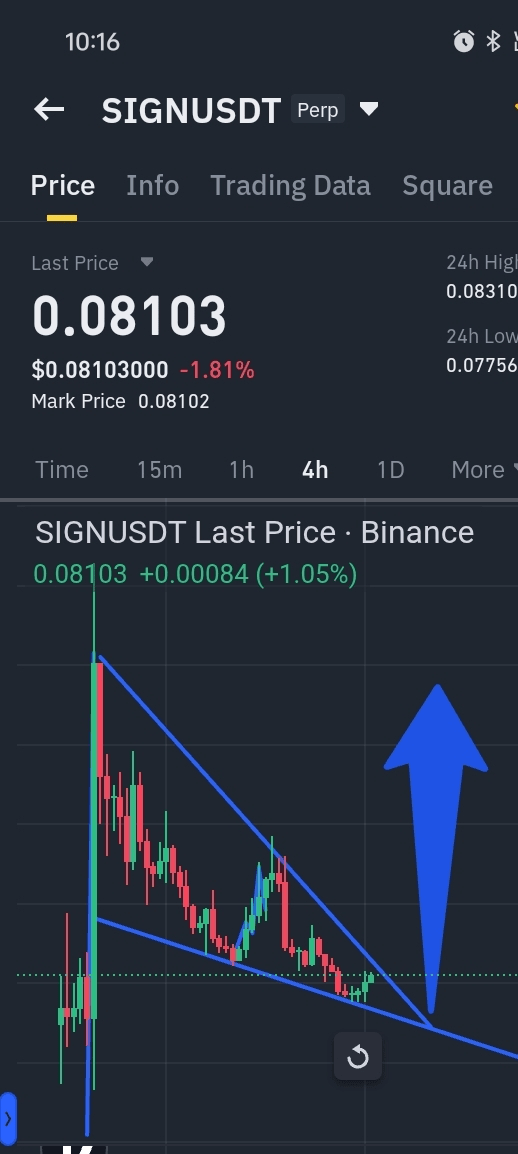
ithing this one going up to my accuracy was write or wrong pls any body if u have a suggestion pls tell me any experience brothers
Connectez-vous pour découvrir plus de contenu